A special apron bearing the words “MILAN KEEPS ON COOKING” to send a positive message to Milan, Italy and the whole world in a moment of immobility and general concern that threatens to deal a blow to everything the catering sector. The idea came to the team of the agency Alessia Rizzetto PR & Communication, specialized in the food & beverage sector “Milan, says Alessia, the dynamic, creative and productive city par excellence, will not stop, rather will continue to” cook “dishes, ideas and opportunities , although the Covid-19 epidemic forced us to change our lifestyle for the moment.
We therefore lend ourselves as a sounding board to a message of optimism that starts from the Milanese chefs and that we hope will reach the public and institutions,“The goal, continues Alessia, is to relaunch the attractiveness of the made in Italy gastronomy on a national and international scale, of which Milan is one of the undisputed strongholds, without neglecting the precautionary measures imposed by the serious ongoing health emergency.“
There are already more than 30 chefs, pizza chefs, pastry chefs and catering entrepreneurs – in alphabetical order, Mattia Accarino, Marco Ambrosino, Enrico Bartolini, Andrea Berton, Cesare Battisti, Eugenio Boer, Fabrizio Borraccino, Daniel Canzian, Nicola Cavallaro, Roberto Di Pinto , Gianluca Fusto, Antonio Guida, Ernst Knam, Filippo La Mantia, Martina Miccione, Davide Oldani, 
Mathias Perdomo, Wicky Priyan, Eugenio Roncoroni, Laura Santosuosso, Lorenzo Sirabella, Luigi Taglienti, Matteo Torretta, Viviana Varese, Simone Zanon, Andrea Zazzara – to have joined the awareness campaign by taking the front line for the recovery of Milan. They were symbolically given an apron to wear and then take a photo to be published on their social networks together with a message using the hashtag #milanokeepsoncooking
In the next few days, moreover, the chefs involved in the initiative will be asked to create video recipes that can be easily replicated at home, Stay tuned for more info….
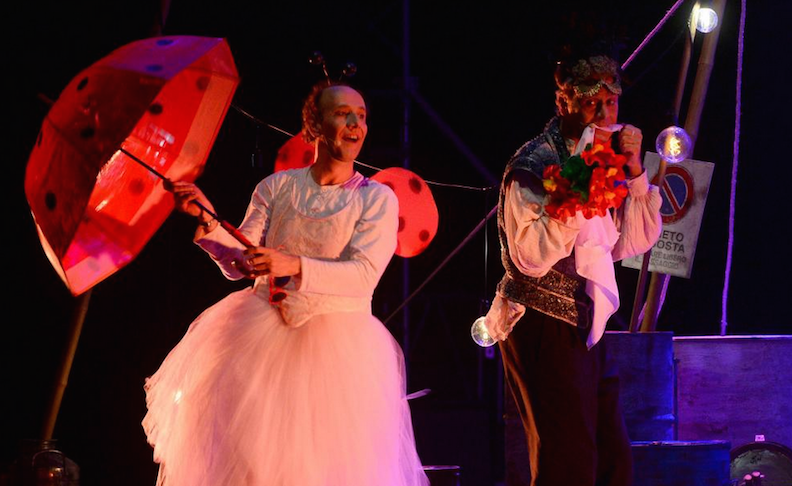
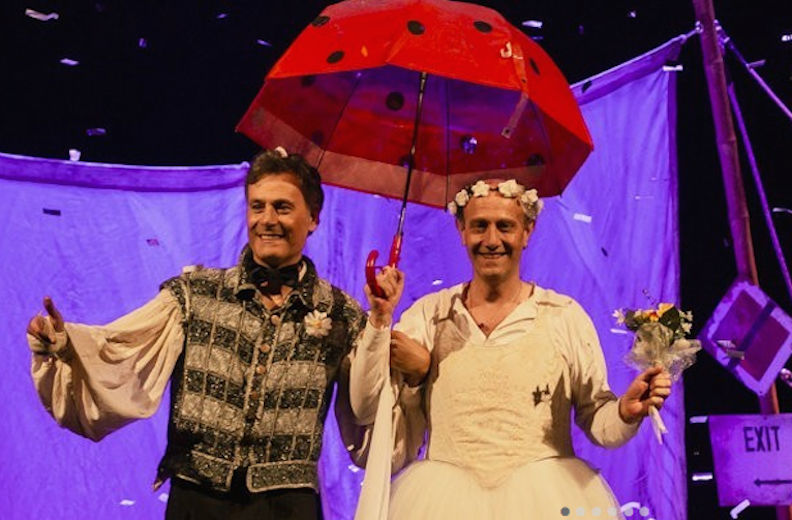
The TUTU inside you !
Teatro Menotti,
Via Ciro Menotti, 11 Milano
CESARE ZUCCA
Travel, food & lifestyle.
Milanese by birth, Cesare lives between New York, Milan and the rest of the world. He travels up and down America, often indulging to escape to Italy and Europe.
Cesare photographs and narrates cities, cultures, lifestyles and discovers traditional and innovative gastronomic delights. He meets and interviewes top chefs from all over the world, ‘steal’ their recipes and tell you everything here, in the ‘non touristy’ style.
TANGO FATAL COMPANY in “TANGO Y AMOR”
Tango originated in Argentina in the late 1800s, invented by the creativity of the first immigrants, especially Italian and French, who sought an escape from hard daily life, to take refuge in music and dance. A new music, almost a fusion of European, American and black rhythms and sounds, but above all a new, bold and transgressive dance.!t was danced in public housing, in the barrios of the suburbs, in cabarets called perigundines and in the infamous dance halls of San Telmo and Boca, where all the scandalous rules of the new dance were allowed: the sensuality of the embrace, the provocative intertwining of the legs and the bold words of the songs that told the sad reality of survival and the nostalgia for the distance from their land, but they exalted loyalty and brotherhood in adversity. Thus was born the tango, expression of body and mind for a free and intuitive choreography, destined to become part of the identity and culture of the Argentine people.
Tango Fatal is an international tango company directed by Guillermo Berzins, a world-famous Argentine dancer and choreographer, who will involve us in the show Tango y Amor, together with his sensual dancer with great technical and interpretative ability of Marijana Tanasković.

250 years of history! Welcome to THE OLDEST STORE IN MILAN
By Rossana Beccari
.It survives the Habsburg and Napoleonic domination, overcomes the two world conflicts, arrives at the end of the sixties and, with a gradual change of commercial image, becomes the only point of reference for customers who love “British style”.
Crossing the threshold of GUENZATI is a journey back in time: we forget the traffic .. it will seem that we have arrived there in a carriage or buggy … as when the Milanese went to the shops for their purchases, a stone’s throw from the Duomo.
Inside you can still admire the period furniture dating back to the first half of the 19th century, consisting of counters, shelves and desks made with fine national walnut and in perfect Biedermaier style with simple and functional lines.

The welcome is kind and informal, you can really breathe a ‘scent’ of the past,
rigorously ‘Anglo-Saxon’ like the whole assortment which, in addition to a wide choice of tweet and Scottish fabrics offers a vast selection of hats, waistcoats, ties, knitwear, various objects … and the ‘kilts’ cannot be missing.

AWARDED in November 2019 with the certificate of HISTORICAL WORKSHOP and on 7 December 2019 it obtained the coveted AMBROGINO D’ORO awarded every year to the personalities or companies that made Milan great.
https://www.dittaguenzati.com/
Opening Hours:
Mon: 15:00 – 19:15
Tue-Fri: 10:00 – 13:15 / 15:00 – 19:15
Sat: 10:30 – 13:30/ 14:30 – 19:00
Sun: 11:00 – 19:00
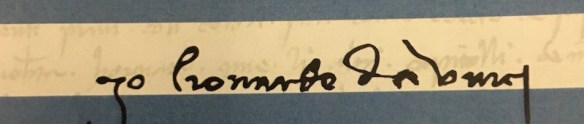
Milan. Found Leonardo’s original signature !
Milan
EXHIBIT “NERO SU BIANCO” .(BLACK ON WHITE)
On a notary document dated June 8, 1496 , has been found an original signature by a Legend: Leonardo da Vinci.
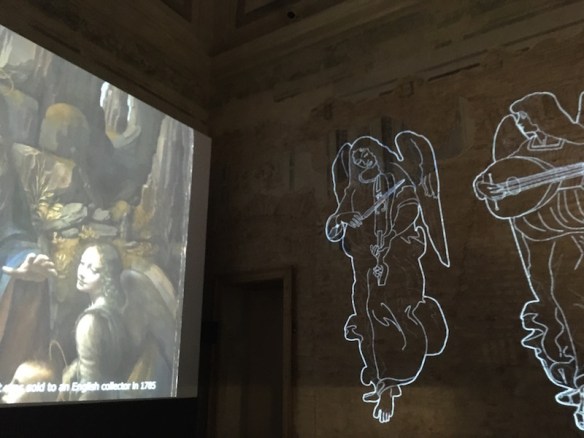
Now you can see that precious page in an extraordinary exhibit at The State Archive of Milan Archivio di Stato di Milano, that dedicates a rich exhibition to Leonardo, based on some of his rarest documents, relating to his great works.
The show is accompanied by an engaging multimedia exhibition that will take you to a magical room where the passage of time is represented in a cycle that develops from dawn to night; from birth to Leonardo’s death of Leonardo.
This is the end of an amazing journey through 4 rooms respectively dedicated to:
Leonardo and Milan, The Virgin of the Rocks and the Last Supper, Leonardo and the other works and finally Leonardo’s Signature, taking place at the height of an almost dreamlike, immersive narration: the spectator is at the center of a loggia delimited by large arches and closed by curtains moved by the wind.
The exhibition is based on extensive research conducted in the Milan State Archive and presents a selection of more than 50 documents, among which some unpublished works of great interest that span a time span of almost six centuries. Transcribed and acquired in high definition, the documents will be linked to the most significant images of the works of the Florentine Genius
Till March 28, 2020
Free admission.
Visits by reservation only
Monday to Thursday: 10.00-18.00
Friday: 10.00-14.00
Visit without reservation
Friday: 14.00-19.00
Saturday: 10.00-19.00
www.archiviodistatomilano.beniculturali.it
Free tickets booking: as-mi.comunicazione@beniculturali.it
CESARE ZUCCA
Travel, food & lifestyle.
Milanese di nascita, vive tra New York, Milano e il resto del mondo. Viaggia su e giù per l’America e si concede evasioni in Italia e in Europa.
Per WEEKEND PREMIUM fotografa e racconta città, culture, stili di vita e scopre delizie gastronomiche sia tradizionali che innovative.
Incontra e intervista top chefs di tutto il mondo, ‘ruba’ le loro ricette e vi racconta il tutto qui, in stile ‘turista non turista’.
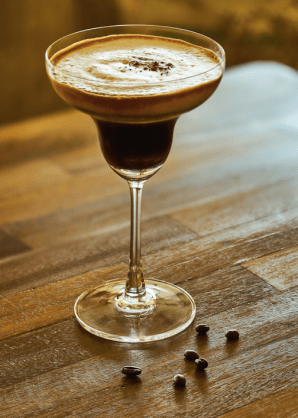
CAN THE ESPRESSO BE A… COCKTAIL?
Coffee liqueur has a long history dating back to the times of the unification of Italy and has always met the taste of consumers.
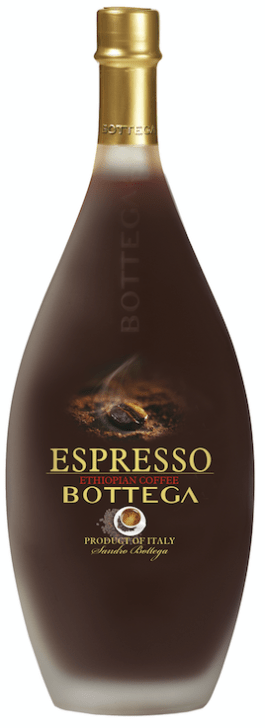
Espresso Bottega, a new proposal from the Bibano di Godega winery and distillery draws inspiration from this long tradition and thanks to the careful selection of raw materials and their skilful mixing, is refined and intriguing. It is characterized by the persistent aroma of mocha, by the delicate fruity notes of peach and apricot, as well as by the slight hints of chocolate.
Espresso Bottega is produced exclusively with Arabica coffee of the fine Sidamo and Djmmah varieties, grown in the mountainous area of Ethiopia. The quality, character and personality of this liqueur depend not only on the excellence of the raw materials, but also on the three different types of roasting used and the three different ways of extracting the aromatic component: hot infusion, which allows you to obtain hints of “mocha”, the cold infusion, which gives finesse and enhances the varietal characteristics and, finally, the classic hydro-alcoholic infusion, which gives the product more body and structure. Before filtration and bottling, a small percentage of grappa is added, which gives the product additional intensity.
The moderate alcohol content (20% vol.) Makes it an ideal after-meal, to be eaten smooth or with ice. It is also an excellent ingredient for preparing cocktails. Finally, it can accompany coffee desserts, dry pastries and can add an “alcoholic” touch to tiramisu.
For more info https://www.bottegaspa.com/en/collections/espresso/
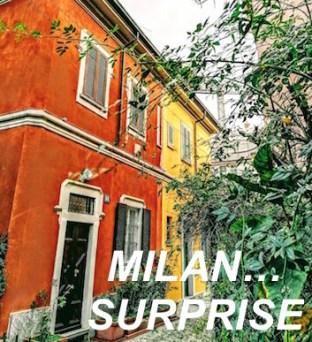
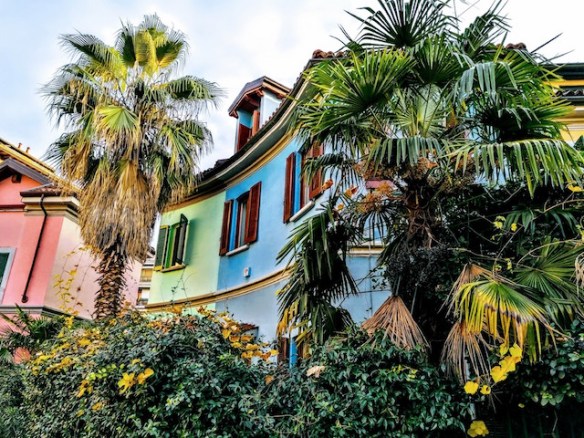
MILAN, A SURPRISING RAINBOW QUARTER

Text and photos
by Rossana Beccari
A palette of colors characterizes this romantic area near Piazza Risorgimento and
I challenge anyone not to say
“it doesn’t seem to be in Milan” …
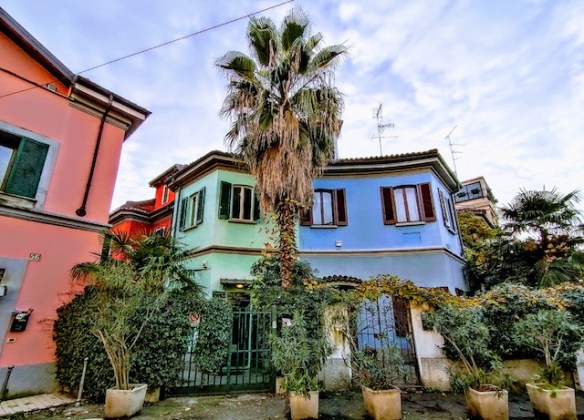
But of course we are in Milan close to the center and to be surprised we do not have to look up to count how many floors a skyscraper has and the gardens are not vertical: we are in the Rainbow District, also called the Garden District.
The history of these houses dates back to the end of the nineteenth century: conceived and designed by a building cooperative to meet the needs of the workers who worked in the area, to live in simple and affordable houses; the Workers’ Housing Company still exists and its first intervention was the worker village of Porta Vittoria.
Over the years, the inhabitants have started to beautify the neighborhood, preferring to personalize the facades, now owned, with bright colors and pastel tones; the careful maintenance of the gardens completes the redevelopment of the neighborhood … they are said to trigger real challenges to create the most beautiful real estate unit.
Milan, via Abramo Lincoln and adjacent via Franklin.
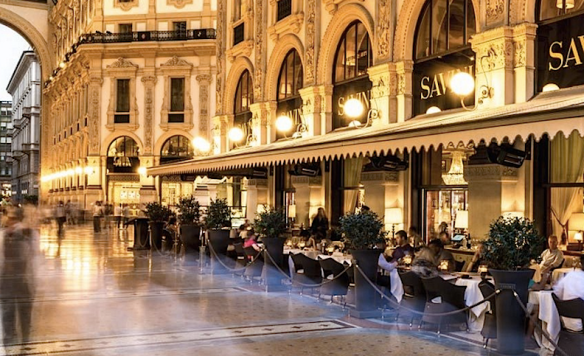
WELCOME TO THE SAVINI MILANO 1867. A legendary institution for over 150 years
As a matter of fact, the so called ‘Salotto di Milano’ was already completed in 1867, when the covered passage was completed and so under a transparent roof, among stuccos, mosaics and elegant decorations, the Gallery comes to life with its shops, bars, restaurants and the prestigious headquarters of the Ricordi music publisher.
Once upon a time there was Caffè Gnocchi, then it changed its banner and became the elegant Stocker Brewery until in 1885 the space was purchased by Virginio Savini:
who transformed the venue into a posh living room enriched by beautiful crystal chandeliers, cutlery, table mats, silver food warmers and tailcoat waiters.
The success spanned the golden season of the Belle Epoque and the fabulous 1950s.Savini has always kept its aura of exclusive place but it is also an interesting archive of memories, stories of characters, curiosities of city life … and why not? … a little
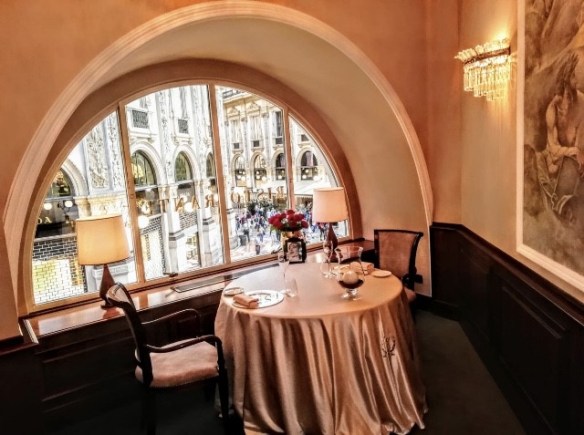
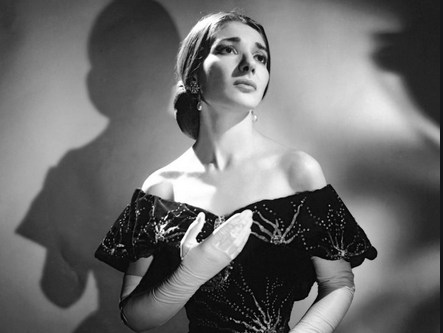
of ‘gossip’: like the iconic ‘table 7’ on the first floor, in the most romantic corner with large windows overlooking the Gallery,
A cocktail is dedicated to her, her favorite, based on bitter herbs, still on the list and could only be called “DIVINA”.

Savini has always been the favorite venue for world-famous singers and composers.
Regular guests were Verdi, Puccini, Toscanini, Eleonora Duse and D’Annunzio At the beginning of the twentieth century,


Today the Savini Milano 1867 sign is part of Milan’s historic shops and Italy’s historic venues

1° Piano / 1° Floor
Via Ugo Foscolo, 5
Corner of Galleria Vittorio Emanuele II
Reservations
prenotazioni@savinimilano.it
Passo del Cerreto, Collagna, RE , Italy. A CHESTNUTS BIG PARTY!
Collagna, RE , Italy:
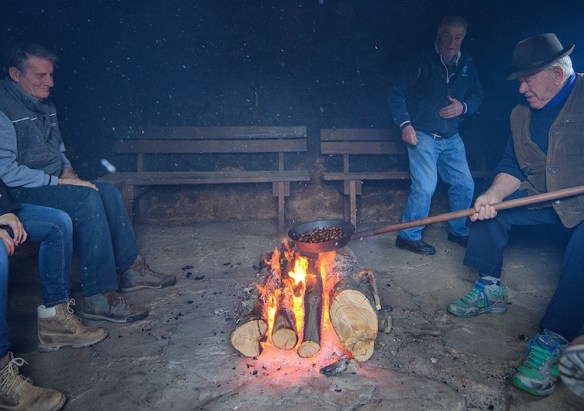
On Saturday January18th at 5.00 pm, a yummy ‘Gastronomic Laboratory of the Apennines’ will take place. at the Passo del Cerreto, at the Giannarelli Restaurant, Visitor Center of the Tuscan-Emilian Apennine National Park.
The protagonists are chestnut producers and restaurateurs of the Zero Km circuit of the UNESCO Biosphere Reserve of the Tuscan-Emilian Apennines. On the occasion, the fourth ‘Contest’ will take place among the producers of chestnut flour made with the traditional method on the ridges of Emilia and Tuscany, a monument of tradition that binds the territory.
Three moments of the competition: the sensory analysis of the product, by a jury of experts; the tasting of competing flours with small samples produced by the restaurateurs of the Km Zero circuit; the revisiting of a traditional dish by a representative chef from the Apennines.
‘Dolce & Farina’ is the event dedicated to the chestnut chain: an ancient path that has always linked the Apennini communities to their mountains. For many small villages, the recovery of the bread tree – as the chestnut was traditionally called – and its fruits, as well as the re-ignition of the dryers and the production phases of the precious flour, represent a renewed sense of community; a job for all the autumn months, until the winter, which brings people back to being together for a good that returns to being collective..
on Saturday 18 January 2020 at 5.00 pm
INFO
turismo@parcoappennino.it
www.parcoappennino.it
CESARE ZUCCA
Born in Milan, he lives in New York, Milan and the rest of the world.
Cesare likes to travel up and down America as well as spending time in Italy and Europe.
For NTT, he photographs and tells about cities, cultures, lifestyles and discovers both traditional and innovative gastronomic delights, among interviewing top chefs from all over the world, “stealing” their recipes and write everything here, in a perfect ‘ non touristy tourist’ style..
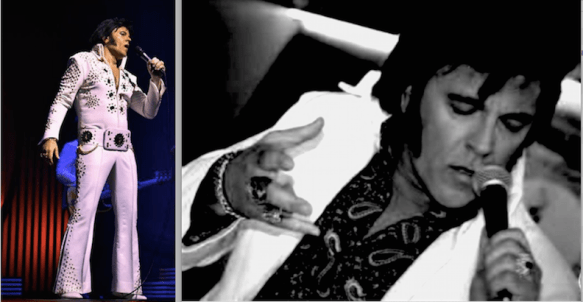
ROCKING ON STAGE: ELVIS MEETS JIMI

Organized by We4show, MITI DEL ROCK aims to bring on stage some of the greatest artists who have marked the history of music .

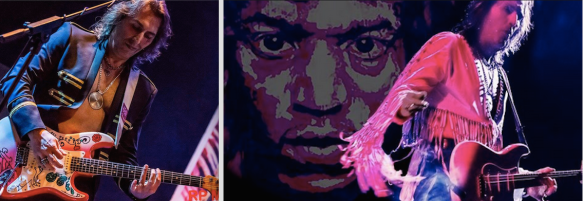
On Jan 15th The Jimi Hendrix Revolution (Andrea Cervetto’s voice and guitar, accompanied by Alex Polifrone’s drums and Fausto Ciapica’s bass), will tribute Hendrix playing songs like Foxey Lady, Purple Haze and Hey Joe.
INFO
SUMMARY TRAVEL ARTICLES 2020

see full article-


see full article
see full article
see full article see full article see full article
see full article

see full article


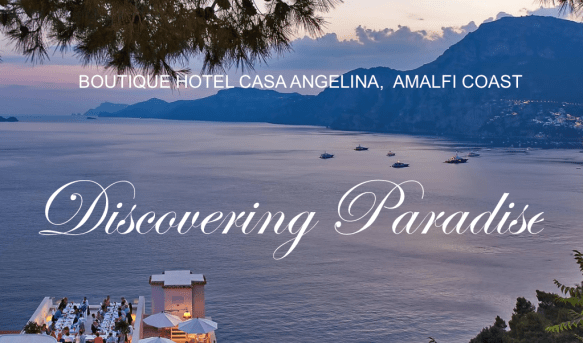
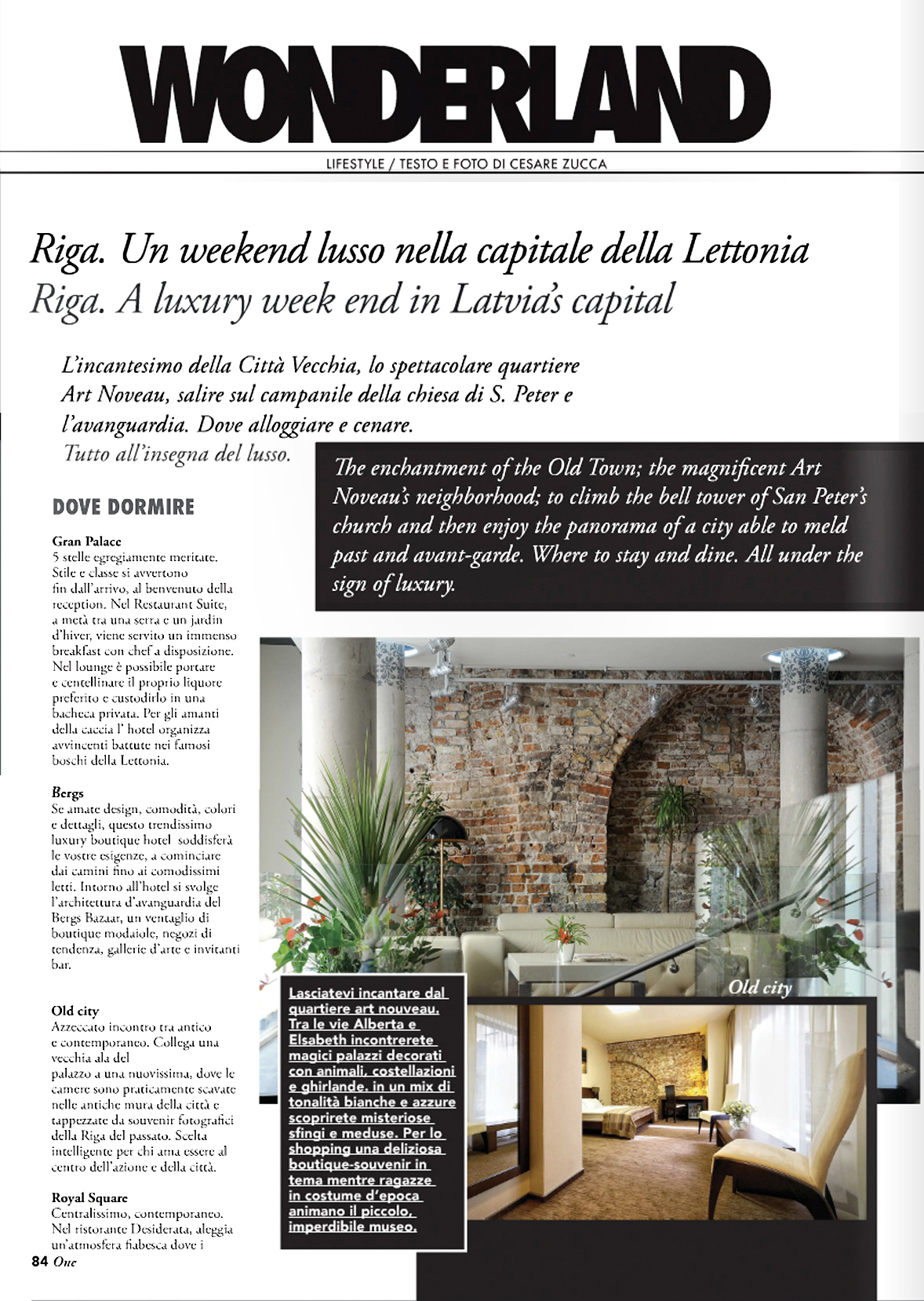
BOUTIQUE HOTEL CASA ANGELINA, AMALFI COAST
by Cesare Zucca

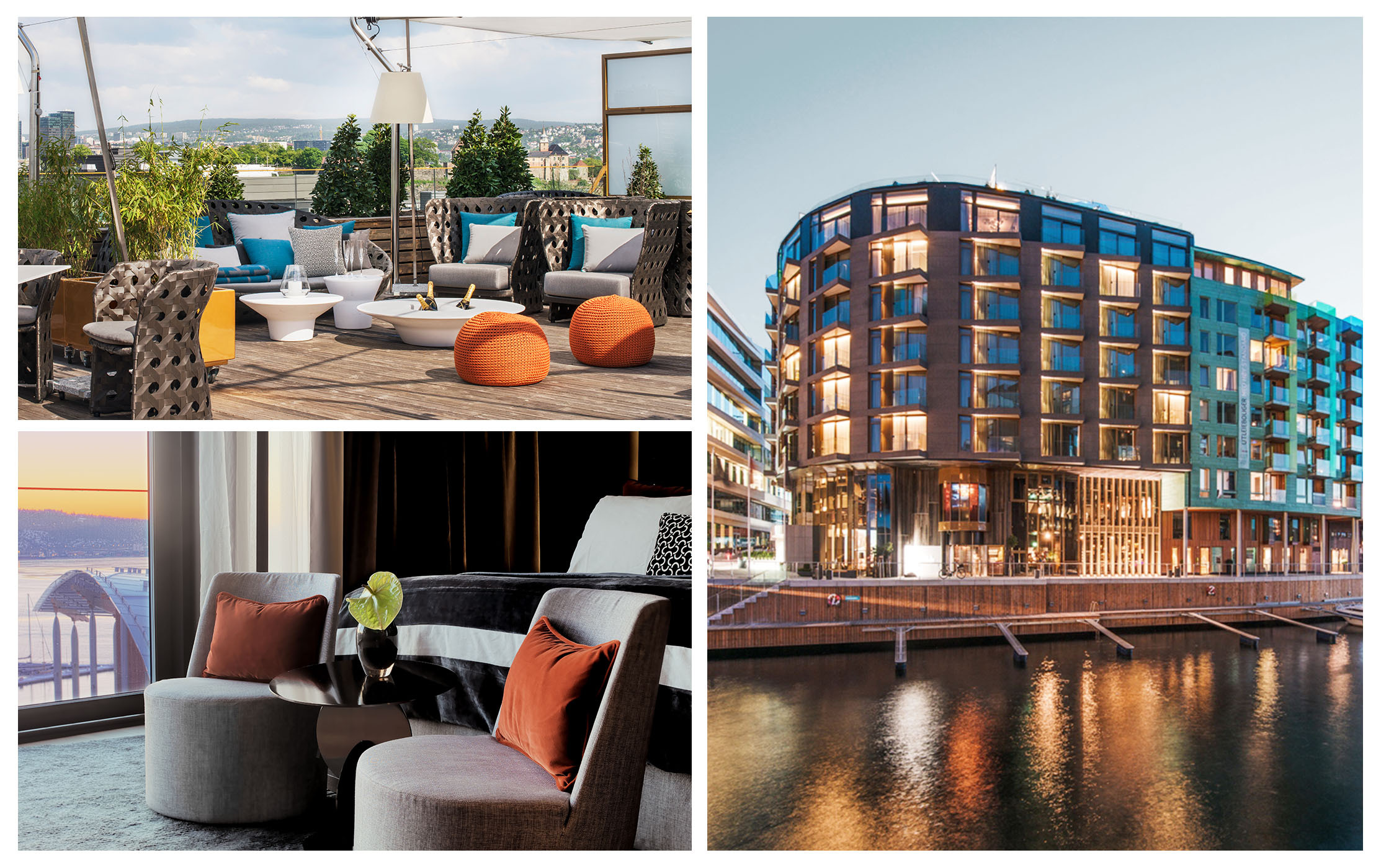
Three ‘Nobel’ days in Oslo Stay at the Grand Hotel
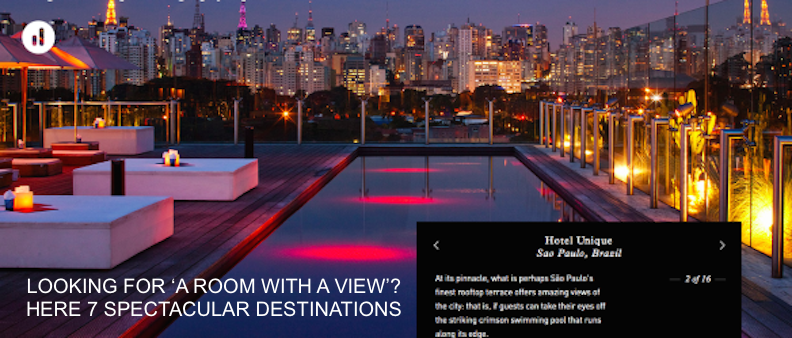
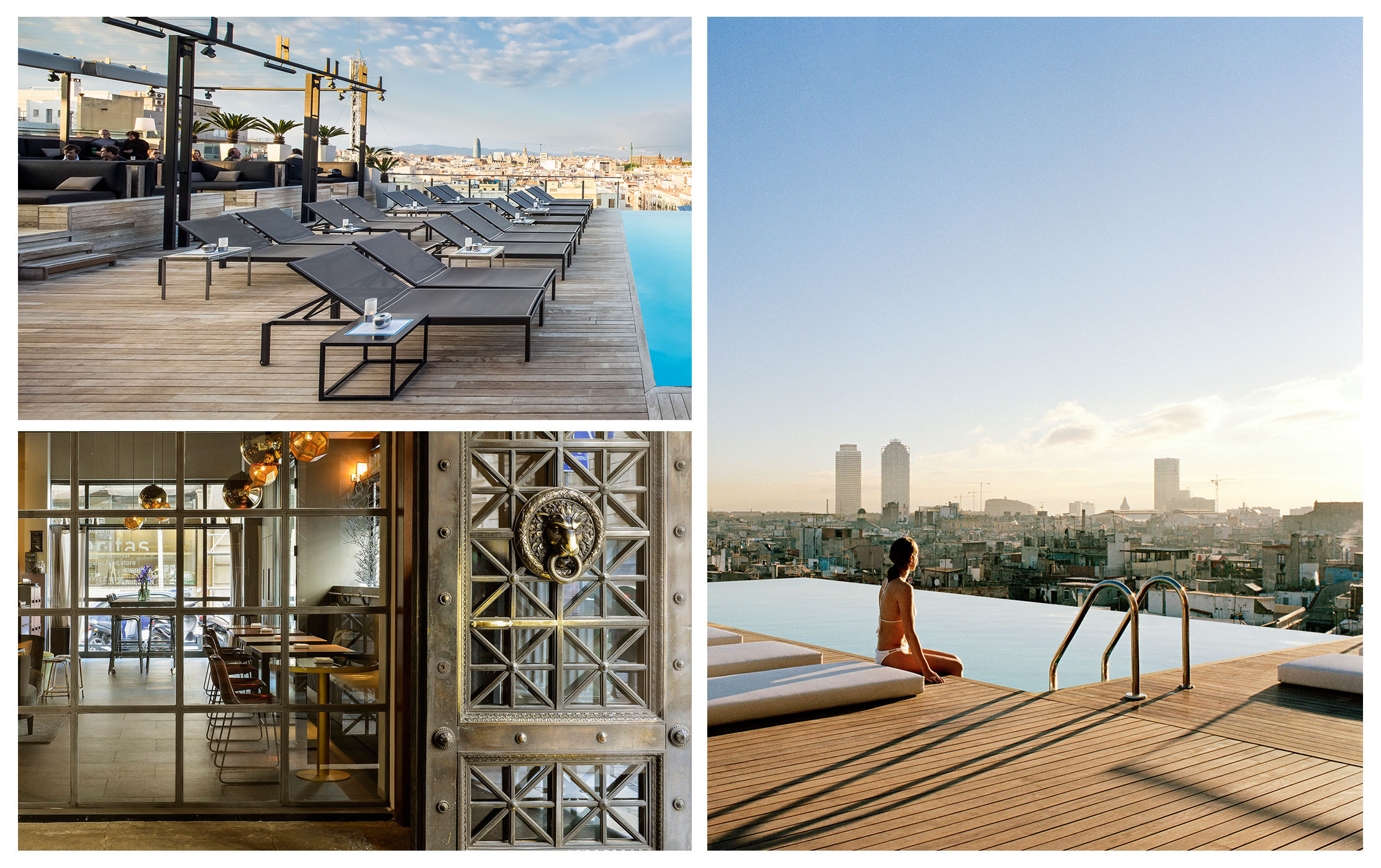
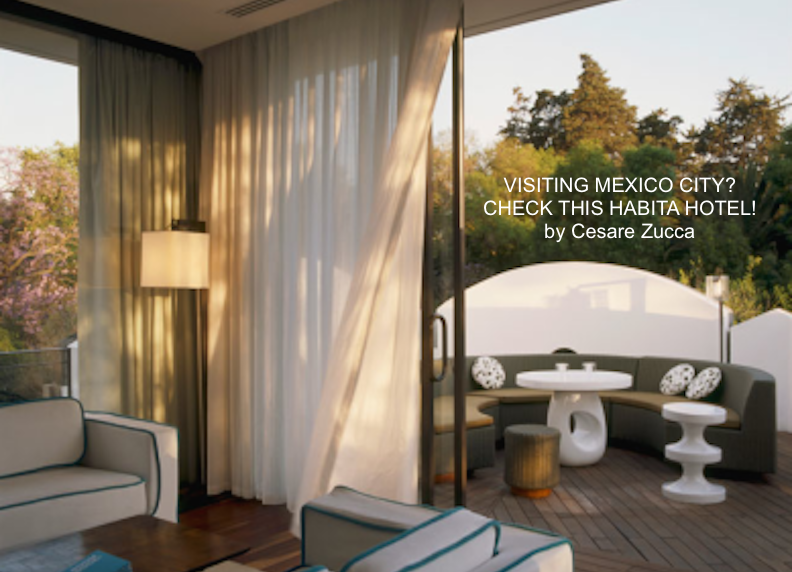
3 HOTELS ROOF TOPS you don’t want to miss
by Cesare Zucca


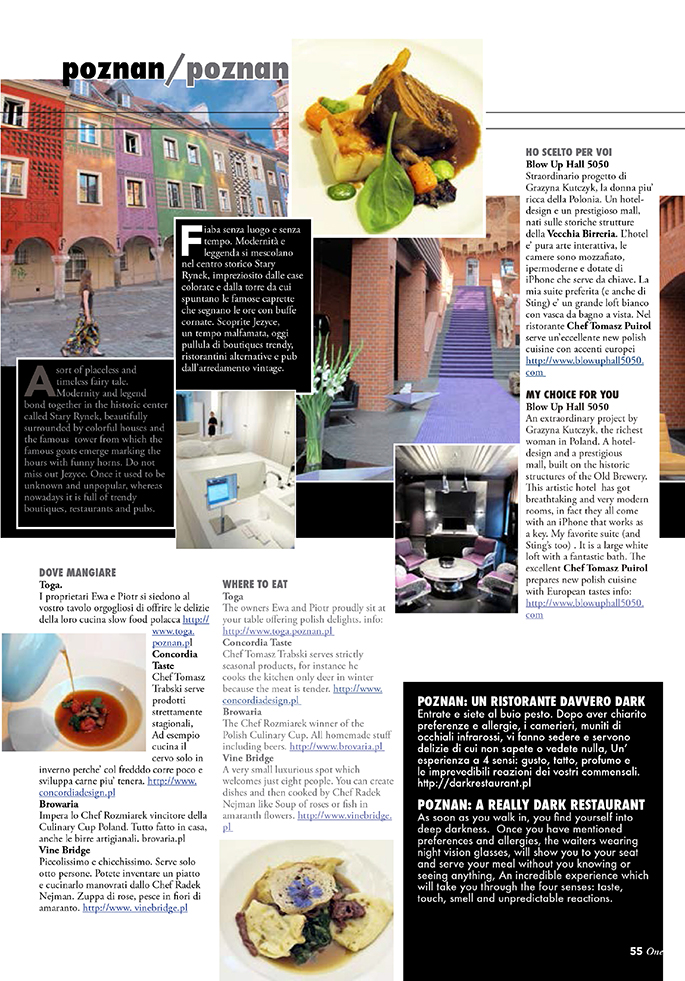
Discovering beautiful Poland POZNAN by Cesare Zucca

INTERCONTINENTAL HOTEL Phnom Penh


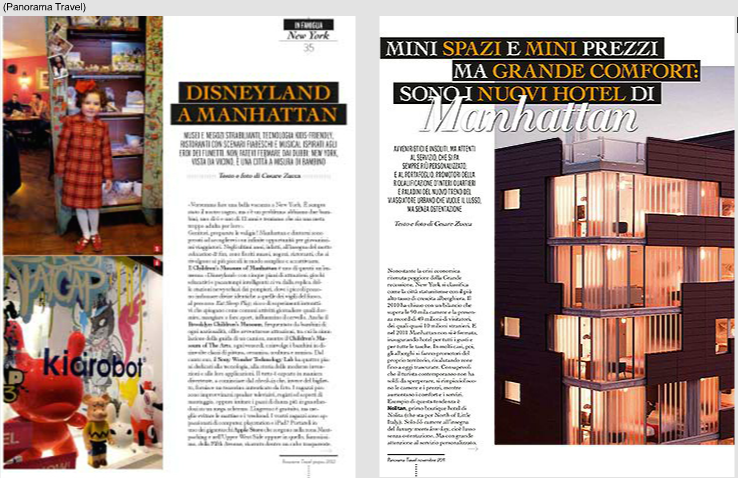
BEST ‘KIDS FRIENDLY’ MUSEUMS IN NEW YORK
Children’s Museum of The Arts (103 Charlton St) invita all’arte, coinvolgendo i bambini in disinvolte classi di pittura, ceramica, scultura e musica.
New York City Fire Museum (278 Spring St) organizza Safety Tour, una vera lezione sul fuoco con tanto di simulazione di incendio, dove un vigile newyorkese insegnerà le tecniche di salvataggio.
Children’s Museum of Manhattan (212 West 83 St) è un immenso asilo stile Disneyland con cinque piani di attrazioni, giochi educativi, passatempi intelligenti e divertimento, da Let’s Dance, spazio interattivo dedicato ai bambini che amano ballare, a Art, Artists & You dove i piccoli si improvvisavo artisti .
Natural History Museum (CPW/79 St) ospita The Butterfly Conservatory, una foresta con più di 500 farfalle da tutto il mondo.


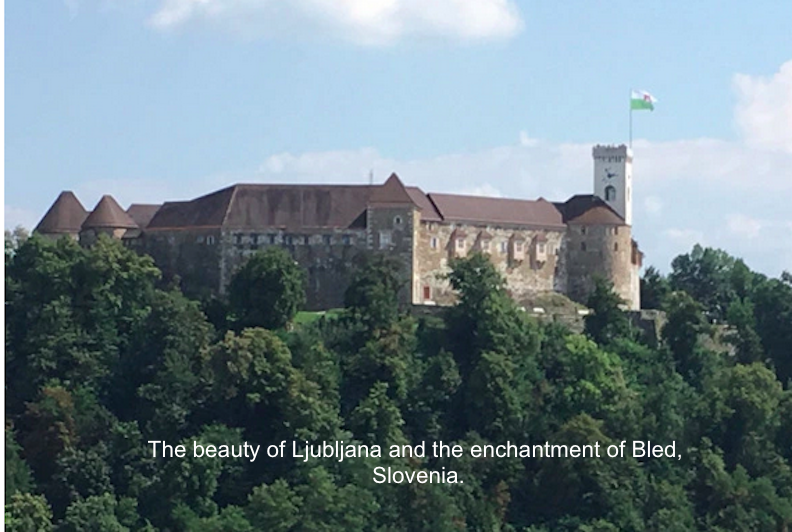
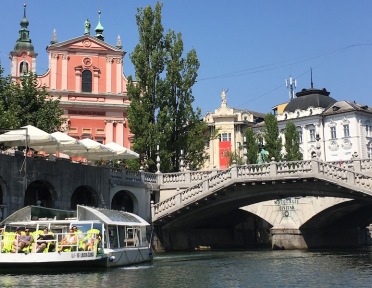
You just don’t realize how lucky you were when your join the guided 3,30-hour food tour organized by VisitLLjubljana.com managed by the Tourism Office of Ljubljana until you experience it. They offer numerous guided city tours including the Historical City Centre and Ljubljana Castle revolving around history, art and landmarks, whether on foot, bicycle or on a boat cruising the river.

There is no other way to sample the incredible diversity of Slovenian food in so little time and in such a fun and well-paced way.
Slovenia is a small country yes, but it counts no less than 24 gastronomic regions.Ljubljana, reminding me of Paris in a way, is pretty much in the center of the country and, as a capital, has attracted many food vendors and restaurateurs to benefit from the largest concentration of population (and tourists) of the country. But, right off the bat, let me tell you that, at no point, do you feel shepherded to a pasture of touristic traps you would have found on your own. The choice is balanced between food shops and restaurants, clearly very carefully picked.


Also, it isn’t a gorging party:
at the end of the tour, you feel satiated, without ever feeling over full!. As all good cooking requests, things started with the sourcing of ingredients: the market!
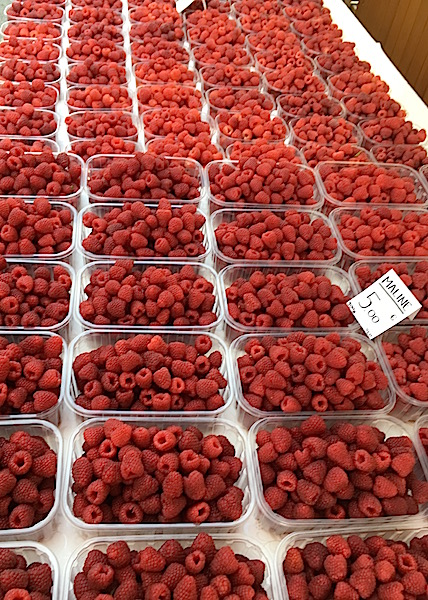
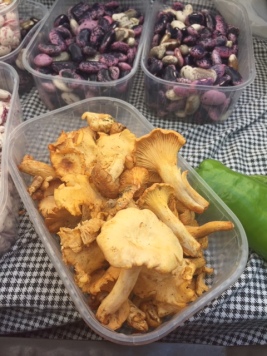
And Ljubljana is blessed, right in its center with a human sized, yet substantial farmer’s market, with one section dedicated to only certified organic vendors. I had noticed on my way to the tour some beautiful chanterelle mushrooms, as well as yellow broad beans that I had never encountered before. Lucky enough, I was able to find them again and was met with the most charming smile the seller could have shared.
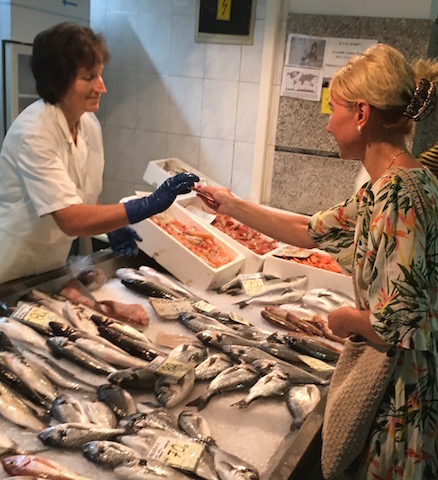
Then, we got to visit the permanent covered market, a beautiful building along the riverbank. That was like entering a world of its own. Gorgeous charcuterie, cheeses, breads (got a loaf of this dark and dense bread, yet moist and oh! so tasty). A separate section is dedicated to fish, perhaps for temperature and odor control. Whatever the reason might be, I was really impressed by the display of fish available and the absence actually of any strong fishy smell. Slovenia is known mainly as an inland country, but it does have a little bit of coast on the Adriatic Sea and they sure know how to source the best of what can come out of it. Everything looked so fresh, a real temptation for any cook.
But carrying fish on ice for the rest of the tour was NOT going to happen!

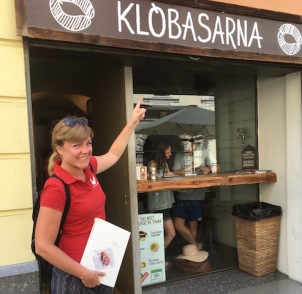
We met our lovely guide Simona in Ciril-Metodov, the cobblestoned main street. She took us at Klòbasarna, where we had the first tasting: a warm smoked sausage form the Carniola region just South of Austria, in other words at the Northern end of Slovenia. Made of the finest pieces of pork, this sausage neither greasy nor too dry, just hit the spot accompanied by a light red wine, a little horseradish and mustard which I loved.

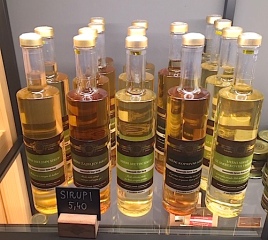
Simona took us in more that 7 venues, specialized in different specialties, from the syrups and the honeys of Dobrote-Dolenjske, to the traditional cake prekmurska gibanica homemade at
Gujzina
I won’t be going in the detail of all the things tasted, either in gastronomic shops or in restaurants… I want you to go and experience it for yourself. Besides beef tongue, fried chicken, honey (Slovenia is Europe’s largest producer per capita), my heart will go for this humble dish of mashed potatoes with sautéed onions and bits of bacon that we tasted at a very special restaurant, Druga Violina, where all the members of the staff suffer from some form of disability or another. It felt really good to contribute to this effort to support the community and, let’s be frank, it also tasted soooo good, just by itself.
With influences coming from all neighboring countries (Italy, Austria, Hungry and Croatia), tucked between sea, plains, forests and mountains, the small country of Slovenia is rich of diversity and, if this three-hour tour cannot cover everything, it sure serves as the best introduction one can hope to taste in this timeframe!
Tours priced at 52€ everything included,
To make a reservation
For more info www.visitLjubljana.comGRAND HOTEL TOPLICE, JULIJANA RESTAURANT IN BLED, SLOVENIA

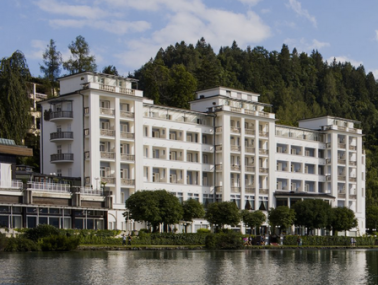
Slovenia. Bled, about an hour North of the capital Ljubljana to the North-West of Slovenia. Rather than the town it is the beautiful lake that gives the name Bled, famous among the European elite as early as the 1930’s with the construction of a luxurious hotel providing natural hot spring source knowned for health benefits.I am talking of the Grand Hotel Toplice, a venue that boasts a rich history, a magical location, gorgeous alpine and lake views and sumptuously comfortable, elegantly styled rooms.
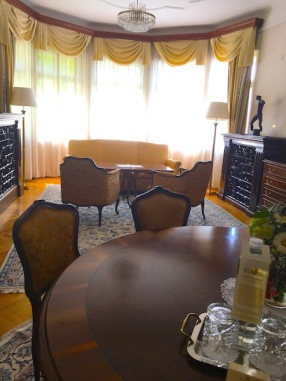
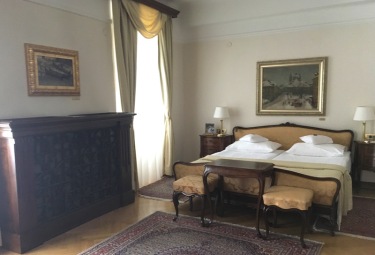
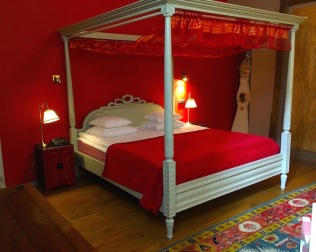
Each of the rooms and suites at Grand Hotel Toplice has its own unique character and are traditionally styled with beautiful parquet floors, rich furniture and beautiful paintings with many of the rooms benefiting from breathtakingly beautiful lake views. The hotel has been recently renovated and restored to its former glory and is one of the best hotels in Slovenia as well as being a member of the Small Luxury Hotels of the World collection.

It has hosted many eminent guests and is frequented by celebrities such as Vivian Leigh, Arthur Miller, Pablo Neruda, King Hussein of Jordan, Paul McCartney and…me, with my best friend-chef-writer Philip Sinsheimer, graciously hosted by Sava hotel and resort group that manage the venue.


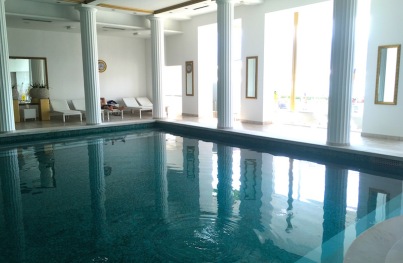
Starting from the impeccable reception. the hotel boasts luxurious accommodation, few restaurant, a bar and the enchantment of Lake Bled. All rooms and suites are individually decorated in an enchanting and traditional style, lavishly equipped with an excellent range of facilities, a relaxing thermal swimming pool and benefit from different saunas, wellness services and a solarium among a private lido,
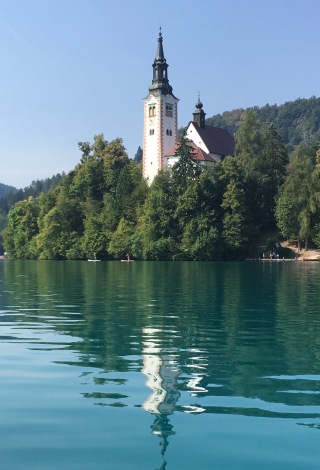
where Philip (expert swimmer) dived in the limpid lake water while me (lazy man…) was indulging in a relaxing sunbathing. We dedicated the morning ( when the light is best) to row to the island where the minuscule baroque chapel.I was anxious to hear the bells rings, because I knew about the legend wich narrates that around the year 1500, the leaseholder of Lake Bled at the time, Hartman Kreigh, disappeared. People said he was killed. Sad for the events, the Lady of the Castle collected all of her precious golden jewellery to be melted down and casted into a bell for the chapel on the island of the Lake, so that the bell would toll in remembrance of beloved companion. They say the bell has a magic power, when it rings, you should make 3 wishes and wait for them to become real. We did 99 steps and finally we arrived at the church, where the view is really breathtaking and, yes, we waited for the bell… Not sure my wishes are becoming a reality, we ll see….A true wish coming true was the splendid dinner we were invited for dinner at Julijana Restaurant where Chef Bertoncelj prepared a great dinner.
I leave Philip the privilege of writing about it, since he is a chef and a food blogger.

GRANDE CUISINE BY THE LAKE
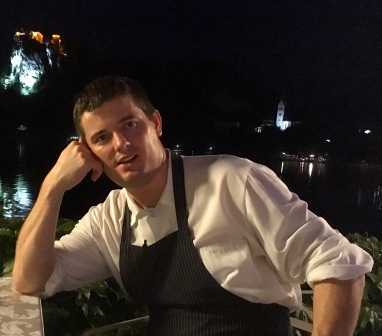
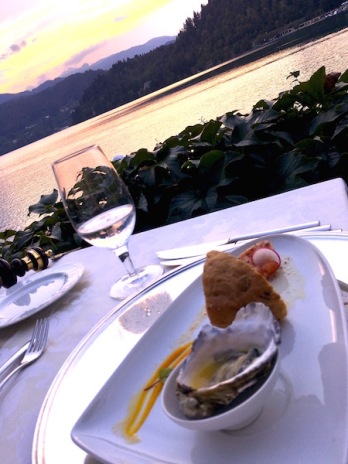
This historic landmark now called the Grand Hotel Toplice, operated by the Sava hotel and resort group, has managed to preserve the relics of the past with grand salons adorned with memorabilia pictures and bring all the comfort of modernity at the same time.This delicate balance between past was brilliantly reflected in the cuisine of the executive chef Simon Bertoncelj and the whole crew under him. Having dinner at the gastronomic Julijana Restaurant, especially if the weather allows to eat al fresco facing the lake is a moment of bliss: the quality of service, attention to detail and classic decor evoke a certain respect of classical elegance. This doesn’t constrain the cuisine to old classics, and the chef’s creativity and modern techniques seem to find their place very naturally in this elegant environment.The mise en bouche consisting of a delicately baked oyster and a buttery giant shrimp had all the signs of what you can expect in a palace restaurant: prime quality ingredients simply treated. This seafood opening was in synch with the view of the water even though it wasn’t the sea. As I were to learn later by the chef, unfortunately, as beautiful as it is, the lake doesn’t often yield the quantity of fish needed to take place on the menu.


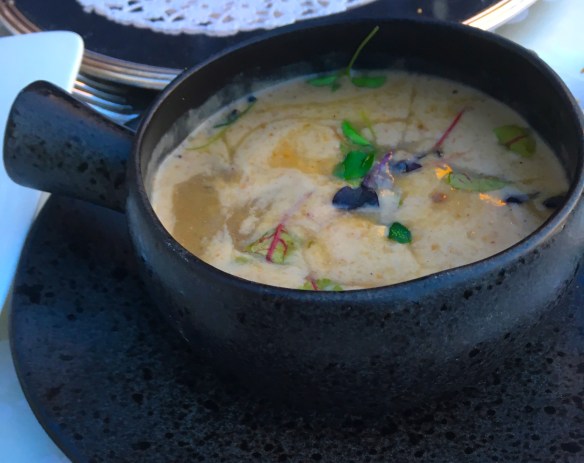
The mushroom cappuccino with porcini had the depth of flavor one can only get in top notch restaurants, served piping hot but adorned with the freshness of a few micro greens scattered on top rather than the old habit of a dollop of cream and a few chives.
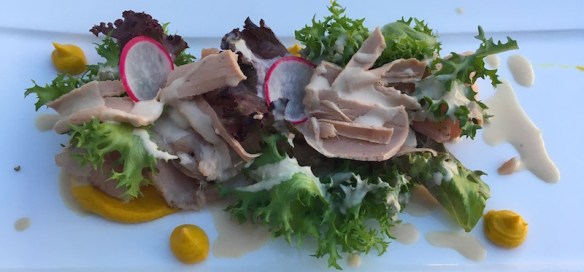
Fresh too was the vitello tonnato inspired salad, bright and lively. Here, as in all the great restaurants experienced in Slovenia, the wine list paid homage to the country’s fine wines, such as the 2017Verus Chardonnay from Stajerska, the western part of the Podravje region in the North of the country.
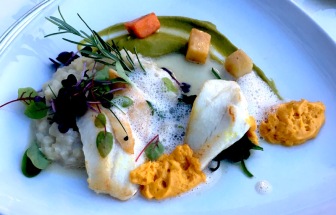
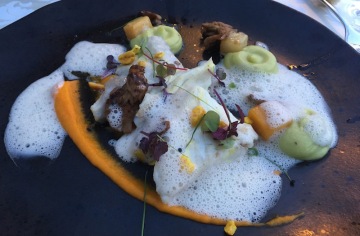
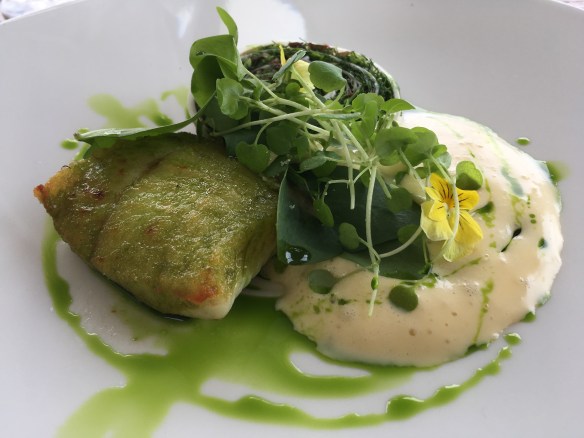
At last a chardonnay that can showcase both concentration of flavors and freshness in the palate with a mere 13° alcohol content.The shining fish course was a thick and moist turbot filet, perfectly cooked and adorned by a beautiful composition of vegetables and foamy grapefruit sauce. Here again: classic base and modern composition. Though generous, nothing was heavy, and the beautiful matured saddle of veal served pink with a herb crust was still welcome. To finish, the iconic Bled Cream Cake, which recipe goes back to 1953 and is secretly kept by the Sava hotels group. The result was up to the legend. Even though I really do not have much of a sweet tooth, and I have had my share of mille-feuilles in France, this raised version of the classic with just two layers of perfectly crisp puffed pastry holding a firm custard covered by a layer of lighter whipped cream is to die for…
Chef Simon Bertoncelj, who has worked under the commands of Gordon Ramsey, seems rather poised and discreet, but if you really want to find out, he opens his kitchen to a guest table of 2 to 6 people for a 7-course menu cooked and served, right before their eyes…and ears!For more info
Julijana Restaurant
Grand Hotel Toplice
Cesta svobode 12, 4260 Bled, Slovenia
+386 4 579 10 00Contact
Cesta svobode 12, 4260 Bled, Slovenija
Reception
+386 4 579 10 00Reservations
+386 4 579 16 00Hotel Hellsten, Stockholm. Memories of an exotic journey

Hotel Hellsten is located in the heart of Stockholm and is the ideal starting point for all those who are visiting the City, since the attractions and sites of interest are reachable by public transport within easy reach including the subway that is just round the corner.
The next street is the busy Sveavägen, Stockholm”s only real boulevard. The hotel is just around the corner from the underground (metro) stop Rådmansgatan.
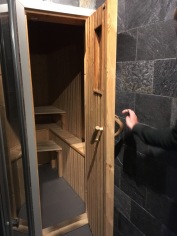
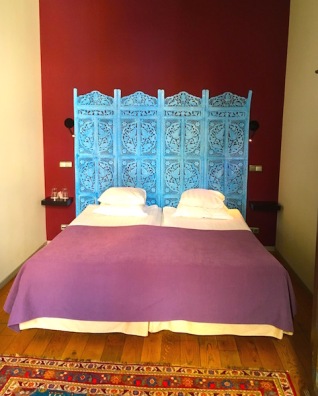
The locality is one of the most exciting in Stockholm, with a multitude of different restaurants within a few minutes walking distance. It is also a short walk from Gamla Stan, Stockholm’s historic and beautiful old town. I loved the area, and the next busy street Sveavägen, so alive and full of restaurants, shops and…barbers & haidressers,don’t ask me why, but very useful…The rooms are divided into various types depending on the services they offer, mostly in different styles, some have canopy bed, some are equipped with the classic Swedish fireplace called kakelugnar, light rays, wooden panels, even a private sauna,


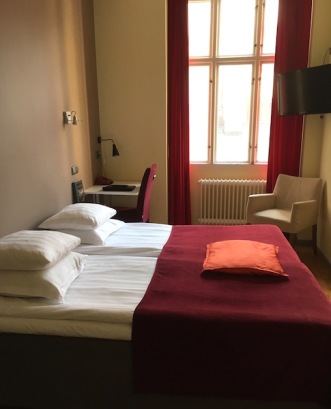
The walls are painted with warm colors that span from orange to red, to blue, to purple.
All rooms have private new bathrooms, TV, telephone, free wired internet access and a hairdryer. They are non-smoking as well as the entire structure.

My room had a cosy little terrace.
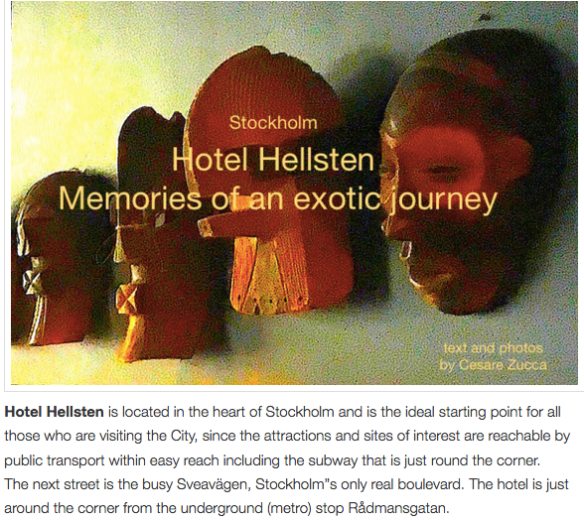
Here and there I found exotic touches, my guide explained that Mr.Hellsten, owner of Hellsten, Rex and the newest Hellsten Glashus, is an enthusiastic traveller who likes to collect items from his trips. I loved the african masks !

You have a colonial-style bar where coffee and tea are served 24 hours for free. Great idea!
Every Thursday Hellsten Earth Bar transforms into one of Stockholm’s premier jazz venues. Exciting live acts on stage at 8pm and on the last Thursday of each month you are welcome to jam with the band, just bring your instruments or vocals, and the entrance is free..
Comfy beds and an excellent breakfast buffet that included pancakes, cold cuts, cheeses, eggs, lots of fruits and the traditional Swedish meatballs and served in a sunny and spacious veranda.
Add Hotel Hellsten on your next trip to Stockholm!
For more info
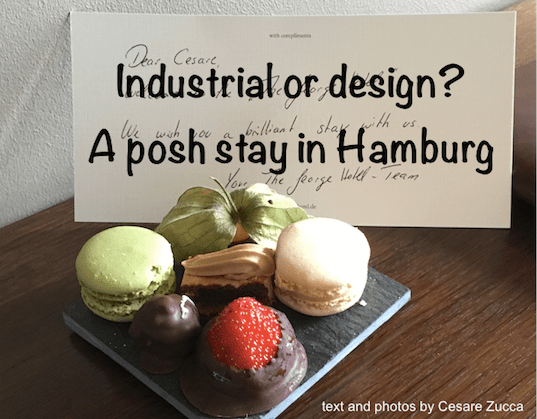
http://hellsten.se/en/Hotel_HellstenIndustrial or design? A posh stay in Hamburg

In my last trip to Hamburg I got the chance to visit and stay in Hotel Gastwerk and The George, two great properties owned by Fortune Hotels Group.
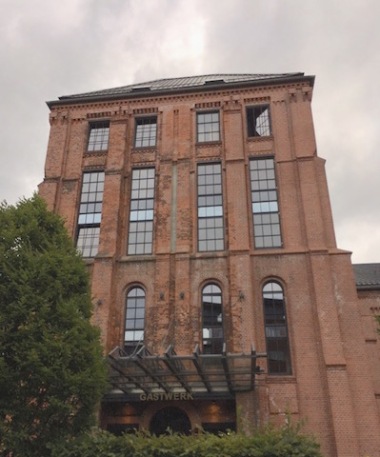
They have different style and decor, both friendly, welcoming and worth to spend one (or few) nights there.Let’s start with the industrial red bricks Gastwerk. The name says it all, It was a squared and rigorous red bricks gas factory. Roughly 120 years ago, the old gas plant provided light to the streets and houses in West Hamburg. In the impressive and carefully restored industrial building, built with brick and steel, modern design and historical architecture form a fascinating harmonic setting. Gastwerk is first Hamburg’s design hotel.

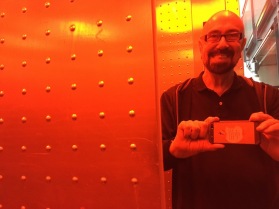
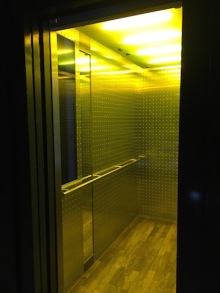
The building welcomed me with a large hall with a wide, meticulously well lighted reception and two unforgettable metal elevators, one red and one yellow lighted. The industrial adventure was already starting…
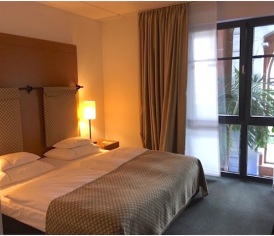
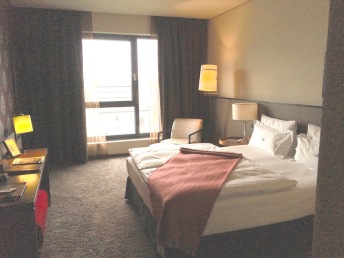
141 rooms, lofts and suites, some with modern walls with a contemporary feeling, some with bricks walls (I love them), like the loft-like one where I was staying, giving the perfect atmosphere of and warehouse.


In addition to that Gastwerk boasts a configurable conference area, the Mangold restaurant (I didn’t dine there, so no idea of the food) the L.BAR, the beautiful SPA, free parking spaces in front of the hotel and underground.
Here and there you’ll discover classy touches of fresh flowers, old black and white pictures, original gas machines, and a splendid old water boiler.


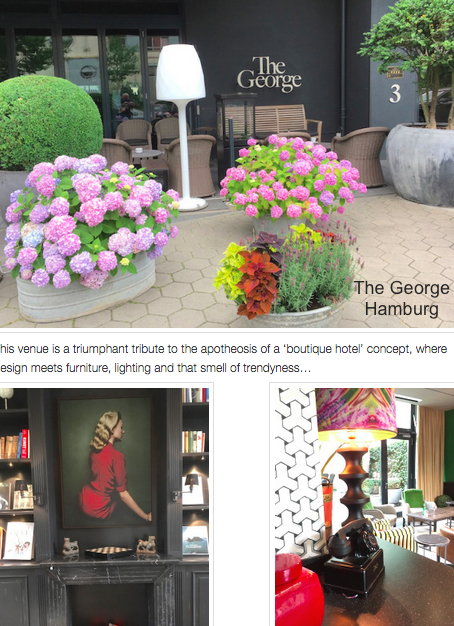
The second Fortune Hotel is The George, located in the hearth of the vibrant Saint George area.
This venue is a triumphant tribute to the apotheosis of a ‘boutique hotel’ concept, where design meets furniture, lighting and that smell of trendyness…


This reinterpretation of English style in Hamburg results in rooms swathed in warm colors ranging from cocoa to Champagne, lamps with delightful pleated shades and stylish wallpaper in a variety of designs. Super comfy mattresses, a nice view of the Lake Alster, not to mention that sweet & cute ‘Welcome Cesare’…
The George Hotel is a four-pearl property flush with a Great-Britain-in-the-’60s design, with 125 stylish rooms that all have flat-screen TVs, minibars, and free weight, a party-vibe bar, the supercool rooftop Campari Lounge in the terrace with a spectacular view of the Alster,
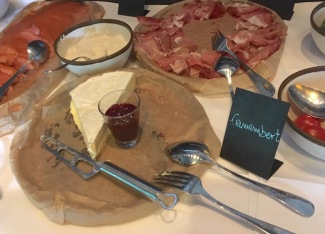
a defined breakfast buffet that included a fine selection of cold cuts, imported cheeses, fruits and vegetables, and…Yes! there is Da Caio, italian restaurant (where I could not resist peeping at the menu, which I found correct in dishes choices and…right spelling, which is always a good sign for an Italian eating in an Italian restaurant abroad…
Here info
Hotel Gastwerk
The George,
Fortune Hotels Group.Two memorable days in Pula
Great history, mild climate, smooth sea, unspoiled nature, dream beaches, friendly locals, smiling people, amazing food and…best teeth on hearth!Welcome to Croatia!
I spent only two days in Pula, but, believe me , I ‘ll go back!. Pula is the largest town on the Istrian peninsula and offers a diversity of attractions to lovers of culture. The rich itinerary of its three thousand year old history, where every step you take through the Old Town is a landmark, begins and ends with the Roman amphitheatre. The city has a long tradition of winemaking, fishing, shipbuilding, and tourism.
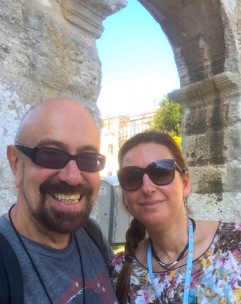
The Arena. Pula’s amphitheater was built around the end of the first century before Christ. It was August with a very hot weather. That s why my lovely guide Rossana met me there early in the morning , immediately after they open the gate. I suggest you to do the same. Rossana told me a quite cute legend about a raw linen made tent (they called it velarium) that used to be opened up to protect from the sun and give some shade to the audience while watching the show, or function as a bug umbrella in case of rain.Actually the morning is he best time to come to the arena as well the sunset time.Often the Arena hosts operas, concerts and performances. The acoustic is amazing: Tenors Giorgio Pavarotti, Placido Domingo and Beniamino Gigli said the this place was one of the most suitable for their voice and for the public. In the Arena have been performing great music legends such as Tina Turner, Joe Cocker, Sting, Simply Red, Robert Plant, Status Quo, Massive Attack, just to mention few. Every summer, Pula host a superb Film Festival in the Arena,
Celebrity town. Pula was also the residence of many Italian celebrities, from Italian singer Sergio Endrigo, to Italian actress Alida Valli who was celebrated as one of the most beautiful woman in the he world.
Pula girls!
The legacy of Alida Valli keeps the tradition. Beauty, charme, and those beautiful legs, so famous all over the world, make the local girls into dreamgirls !
Writer James Joyce
choose Pula as his residency for several years. After a full day of historical sightseeing you will find many coffee shops on the street Forum including Café Uliks is a must for any fans of James Joyce, the Irish author who worked in Pula as a teacher in the early 20th century.
Wines and food
Wines top quality wines including Malvasia (one of my favorites) the most famous Istrian wines produced from indigenous white grapes. and Teran, a rich red wine, intensely purple colored, able to compet with the Italian ones but less expensive.
A big time specialty is the zgvacet ragout. It is a sauce of diced chunks of chicken meat. In Pula, just as in most towns of Istria, be sure to taste seafood specialties, of which dishes rospi (monkfish), sea bass or delicious buzara Kvarner scampi only a small number of delicacies on offer. In Pula you should try and shells, thanks to the clear waters are a special flavor mussels, scallops or kanaštrele excellent fish stew, and definitely should try the black risotto with cuttlefish. Lovers of oily fish to taste anchovies to savor. This dish is eaten cold and fried sardines topped with sauce, oil, onion, vinegar and spices.In Pula you should try and maneštras traditional thick soup whose main ingredients are potatoes and beans with added mixture of bacon and garlic.Truffles!
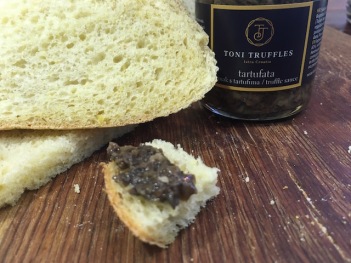
Many Pula’s restaurants carry the highlight of gastronomy: the white truffles. Try them with fusi or gnocchi with truffles or shaved over meat or cheese. But the real combo, the Romeo and Juliet of the choiche should be truffles and eggs!
Bars, shops, market and flea markets
Have fun, look around, bargain!


Smile!
Dental tourism, is hot in Croatia, organized groups come here and put their teeth in place with low-budget, cheaper prices, excellent quality, good materials and expert dentist.How to contact them who contact them? Or you can see on the websites or call the local tourist agency that will give you advice on the best places or to be so lucky to have a friend who has already been here already.Do not!
Croatia has its own currency: the kuna.
Don’t change your money in the street, you may get useless Balcanian or Bulgarian money…
Go into a bank and change there!
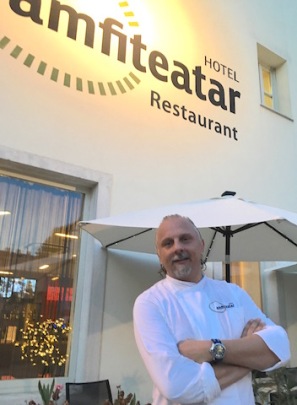
Where to stayI stayed at Amfiteatar Hotel, located in the heart of the Pula city, hotel Amphitheater is at a 2 minutes walking distance to the Arena and 5 minutes walking distance to the city cathedral, with the harbor also in the close vicinity. Beach and the airport are only 10 minutes away by car. Very close to the arena and within a short walking distance to all the other attractions in the old town.
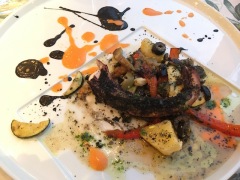
I had dinner in the outdoor restaurant, Owner Chef and culinary star Deniz Zembo prepared delicious local dishes with a twist. I loved the grilled octopuss and delicious cake.

I would like to thank the lovely ladies Viviana Vukelic and Adriana Bajic from Ente Nazionale Croato per il Turismo in Milan and the super cool Goran from the Tourism Office in Pula, Chef Deniz Zembo and my amazing guide Rossana. They truly contributed to make my Pula’s visit memorable, fun and wonderful.TOURISM OFFICE PULAHacienda Chichen: discover the most revered Mayan site the smart way!


Chichen Itza, located inland of the Yucatan Peninsula, about 200 km East of Cancun, is one of the most visited archaeological sites in Mexico with over 2.6 million tourists in 2017.
Do the math… .
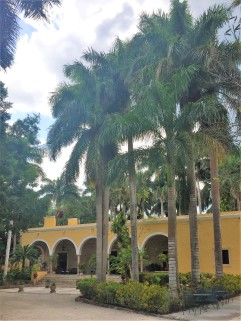
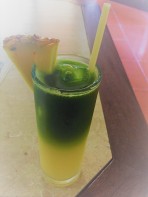
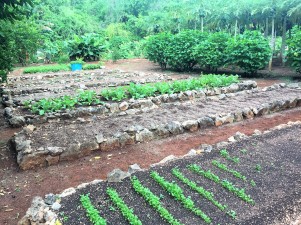
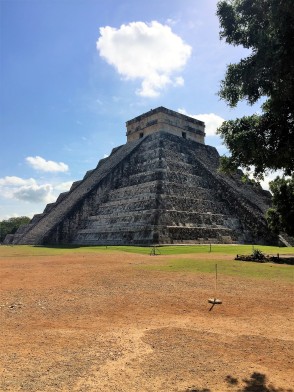
That’s on average over 7000 visitors a day. Even though the site is not limited to the iconic Kukulcàn pyramid (photo 1) and covers a very large area (over 300 hectares), that is a lot of human flesh roaming around! Especialy when one considers that the most popular way to visit the Unesco world heritage site is via tour operators organizing day trips from Cancun or Merida, creating a huge influx of fully loaded buses arriving around 11 AM or so every day. Arriving with the sun at its hottest among hordes of tourists had always been a deterring idea to me. I had sacrificed the visit of wholly site during my passed 3 visits of Yucatan, favoring the ruins of Tulum and Cuba, less crowded and still awesome examples of the might and splendor of the Mayan civilization. For this fourth visit this last spring, I was determined to visit the legendary Chichen Itza in the best way possible. Staying overnight at the Hacienda Chichen revealed to be the smartest answer possible. Smart because by staying overnight in this historic hotel located a few hundred feet from the archeological site enables to start exploring the grounds as early as 8 AM, before the arrival of the crowds. Smart, because the hotel combines genuine elegance and great service while respecting authenticity and ecological responsibility. Follow me, let me show you the way…When I arrived from Tulum around noon at the Chichen Itza bus terminal, I was left at the main entrance of the site in one of the largest parking lots I have ever seen: hundreds of buses still unloading their loads of tourists from every continent. The line to the ticket booth was long, the heat dreadful. Instead of joining the frenzy, I hopped in a cab and 10 minutes later, I was discovering the old-world charm of the Hacienda Chichen. The check in was a breeze and the welcoming cocktail made of pineapple and Chaya leaf juice refreshing as heaven (pic 3). I was later to learn that it had been freshly made from the organic garden of the property, providing a lot of the fruits, vegetables and herbs used by the kitchen

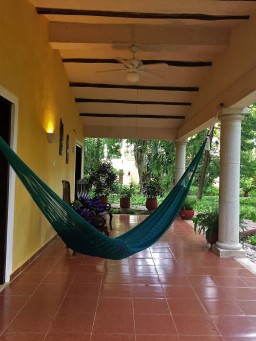
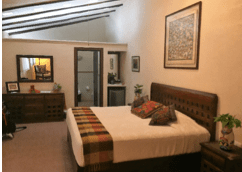
The front desk offered to arrange the purchase of my ticket to visit the site the next morning, without any surcharge, avoiding the hassle to wait in line. They also offered the possibility to have a legitimate private guide for the visit, but as usual, I declined in order to feel totally free and visit at my own pace. The afternoon was mine to relax and enjoy what the Hacienda had to offer. The 28 rooms set in a total of 12 cottages spread out on the lush grounds were originally built to host archeologists who helped excavate the site. Now they are opened to all offering soothing air conditioning, large bed, beautiful sheets, large bathrooms, fresh flowers and hammocks on the front porch for those eager to adopt the Mayan way to take a nap at the sound of singing birds


Another way to relax in a horizontal way is to indulge in one of the treatments at the Yaxkin spa. And that’s exactly what I did, with the 45-minute Pakal treatment, a Maya healing ritual focusing on the head and the upper body. The soul is also soothed by an initial prayer in Mayan language by my charming therapist.


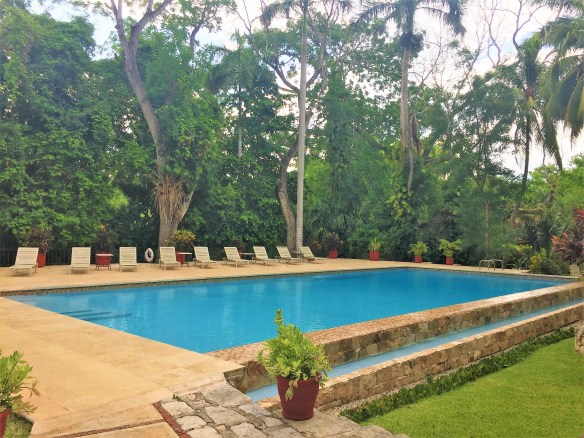
I loved the fact that the room was very large, not one of those cubicles where on feels locked up. The outside garden was present in the room with the use of various herbs and plants, including a refreshing aloe vera jelly applied on the face.Totally relaxed, I finished the afternoon by lingering by the superb swimming pool, large and square as I like them to do laps at length.
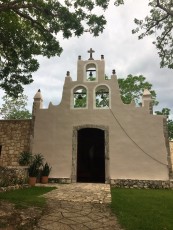
.Recycled and chemical-free water added a guilt free sensation to the overall pleasure. Time went by and before I knew it was time to meet the general manager for a grand tour of the property, including the restored church where weddings can be organized, surrounded by the beautifully maintained vegetation).
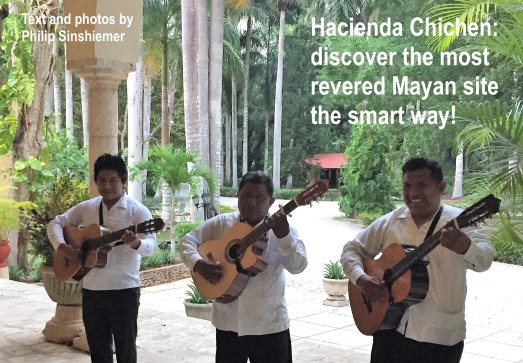
No wedding the evening of my stay, but I still felt like a very special person, enjoying an evening drink on the beautiful front patio at the sound of a traditional trio singing deep from the heart local ballads.
For dinner, I ventured across the street to the humbler Villas Areological hotel (http://www.villasarqueologicas.com.mx/chichen-itza.html)
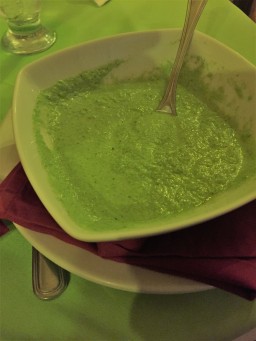
that I wanted to check out for its restaurant serving a variety of traditional dishes from Yucatan. The best, by far, was the cream of Chaya soup and I appreciated the selection of Mexican wines. The night was young, but the day had been long, so I was eager to return to my beautiful room for a good night sleep. At 8:20 Am, I recuperated my ticket to visit the site and was guided to the private entrance specific to the Hacienda. I was alone when I crossed the gate and after a ten-minute walk, I was facing the beautiful Mayan pyramid with the company of a couple of iguanas, but not another human soul.The morning air was cool, and the silence only broken by singing birds. All the merchants on the way were focused on unpacking their things, leaving me unburdened. Besides the famous pyramid, I loved walking through the gigantic ball game field practically alone

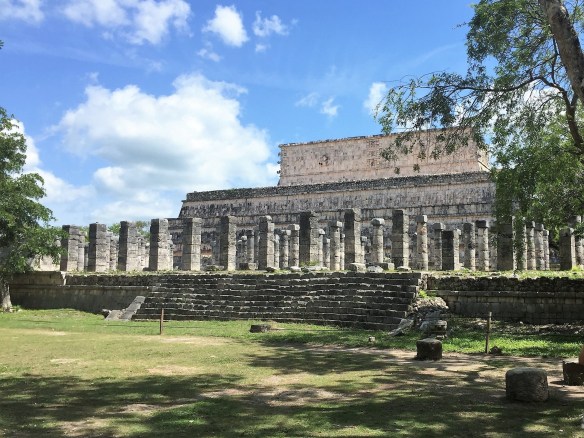
As well as discovering the sacred cenote (sinkhole) and the perfectly aligned columns without the eye sore of groups of tourists ruining the geometry of the monuments.
After three hours of walking at my own pace, I went back to the Hacienda, walking against the growing flow of visitors and the solicitations of the souvenir vendors, they were in full swing mode, trying to sell their T-shirts and miniature statues probably made in China!
The heat had risen and a last dip in the pool after a refreshing outdoor shower felt like pure bliss. At noon I was packed and ready to leave this magical place.
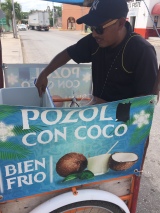
A short taxi ride took me to the small town of Piste where I tasted a delicious and original pozole de coco, lightly sweetened and perfectly chilled (pic 20), then hopped on a collective to reach Valladolid after 24 hours of total serenity, visiting the most famous Mayan site in the best way possible…
the nontouristytourist way!Text and photos by Philip Sinsheimer
HACIENDA CHICHEN RESORT AND YAXKIN SPA http://www.haciendachichen.com
Tel: +52 999 920 8407
A ‘HYGGE’SUMMER IN COPENHAGEN


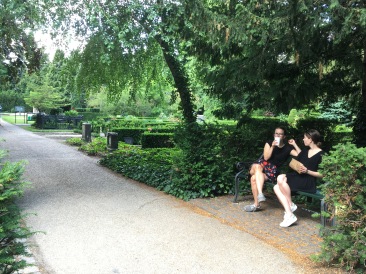
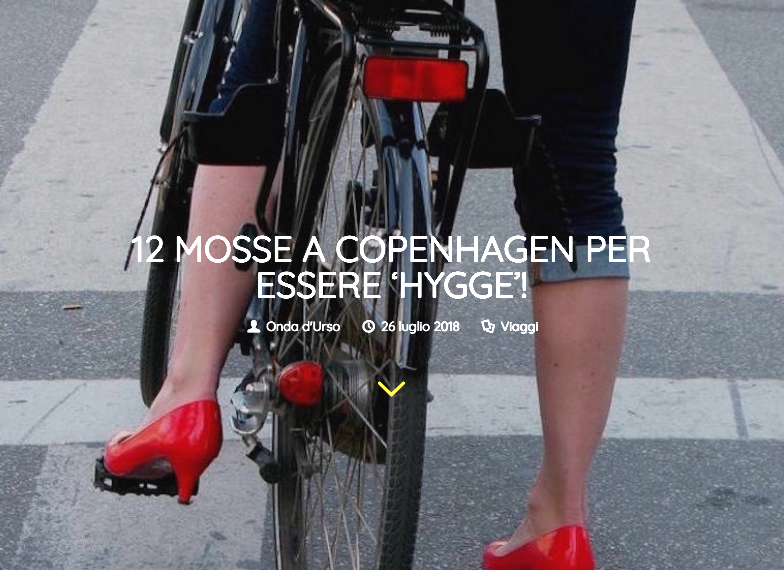
In summer Copenhagen is an ideal destination: favorable weather, long and sunny days, smiling, polite and serene people. It seems that everyone here discovers the secret of happiness: hygge, a Danish word that invites you to enjoy the simple pleasures of life and live alone or with friends, at home or outside, special and happy moments.
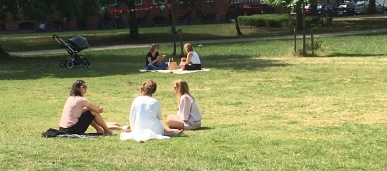
Find yourself singing on the beach around a bonfire, have a nice picnic at the park, attend an outdoor concert, participate in a street festival or take a bike ride … these and more are the little pleasures of life that feed the hygge spirit in the life of the Danes.
To find out right away just do this test . The result is a real personalized treatment based on hygge, released with all the tips on how to get it on a trip to Denmark.
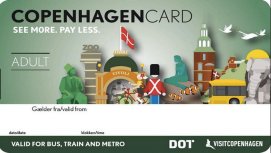
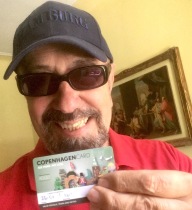
Useful and precious, a true friend! I’m talking about the Copenhagen Card, a pass that allows you to visit as many as 86 museums and attractions, use all public transportation for free and benefit from discounts on tours, bars and restaurants.

I also used it for a tour of the canals and the port. 1 hour, audiogude in all languages, a show of ancient and modern architecture, a sea of photos. passing the numerous bridges of the city. But pay attention to be seated: the bridges are very low and the risk to bump your head on it, it s quite possible.
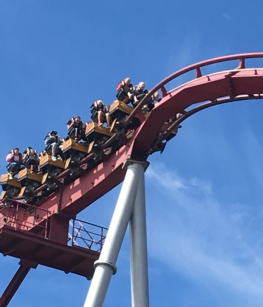
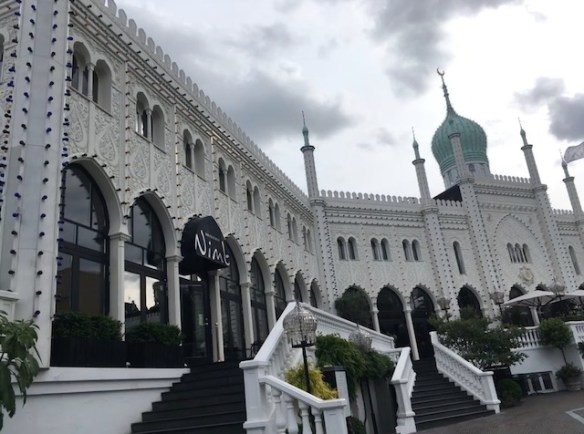
TivoliThe oldest playground in the world. You will skip over breathtaking roller coasters,you will be projected into space, you will remain suspended in the air more than a thousand other rides in the charming gardens where the oriental facade of beautiful
Hotel Nimb stands out.


After the aerial acrobatics, I finally relaxed in the Brasserie, famous Nimb restaurant,
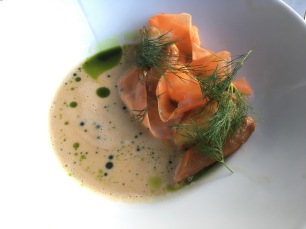
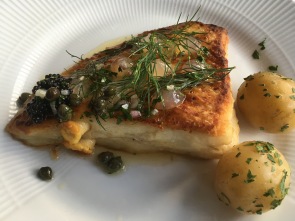
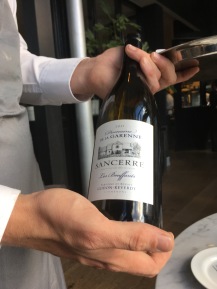
French cuisine, refined menu, excellent wine list, good service and relaxing atmosphere (apart from the crowded side room that celebrated a noisy birthday…) I tasted the Chef’s specialties, a delicate mollusk bisque served with scampi and carrots, a crunchy turbot à la meunière, sprinkled with lemon drops, ending with a puff pastry stuffed with strawberries and cream, all paired to my favorite Sancerre Domaine de La Garenne, deliciously fruity, In short, a dinner worthy of the unique atmosphere of the location.
Copenhagen history boasts of royalties and magnificent castles,Here my favorites
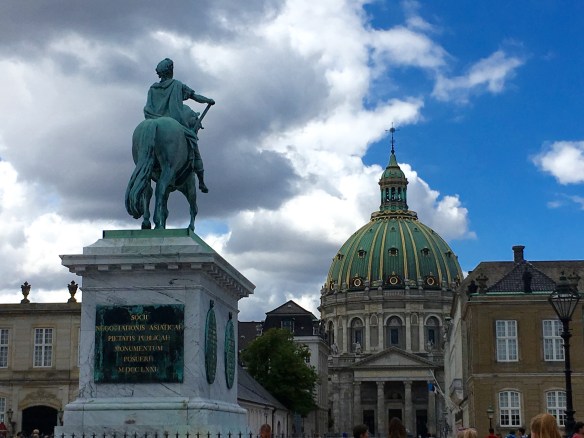
Amalienborg Palace, a must for anyone with a taste for royal history and the life of Denmark’s royal family who still resides inside the palace.
Experience royal history at the museum and sense the present of one of the world’s oldest monarchies from the beautiful palace square where you can watch the changing of its famous guards called Den Kongelige Livgarde. Every day you can experience the changing of the guards, as they march from their barracks in 100 Gothersgade by Rosenborg Castle through the streets of Copenhagen and end up at Amalienborg, where the changing of the guard takes place at 12:00 noon.
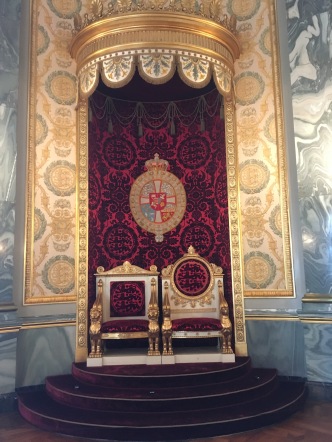
Christiansborg Palace famous for its hall covered with 17 giant tapestries, which tell 1000 years of Danish history, It is a gift from The Danish business community in occasion of Her Majesty Queen Margrethe 50th birthday,. Bjørn Nørgaard painted the full-size sketches upon which the tapestries were woven.
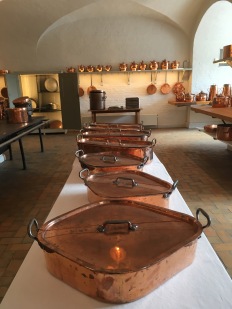
These impressive royal rooms host the official receptions in the presence of the Queen, between a sparkle of uniforms and great evening gowns. Better to avoid arriving by car or taxi, the protocol prefers that the guests present themselves in a carriage…As a food lover, I could not resist the temptation to descend into the legendary Royal Kitchens to discover the background of an official banquet, browse the Queen’s recipes and admire one of the largest collections of copper crockery in Europe.


To be or not to be…
I recommend a small excursion outside the city. Helsingør 30 minutes by train.
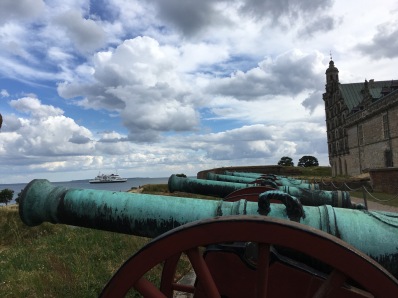
The famous Castle of Kronborg, better known as Hamlet’s house, reigns there. In fact, here Shakespeare set his drama.
Gossips say that the writer had never been there, but would have been an actor in his company to tell him about this mighty fortress, from whose park, littered with cannons, you can glimpse Sweden. Suddenly the walls resound with the voices of the characters of Hamlet, which appear, like ghosts, perfectly interpreted by talented actors who bring to life the tragic events of the drama, You could spend a whole day in Kronborg, and live many experiences, guided tours through the casemates and the halls, explore the passages and towers, see a play and relax admiring the sea – but if you prefer, you can get an idea Kronborg concrete even in just one hour. Kronborg is open all year round (except 1st January, 24th, 25th and 31st December) from 11am to 4pm. In the summer (June, July and August) the schedule is extended: from 10.30am to 5.30pm.
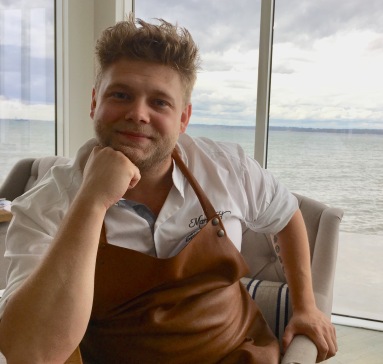
After all that drama I needed a…great meal and I went to the renowned restaurant Brasserie 1861, where I met the Chef. His name is Casper Stuhr Sobczyk I can describe him as a gentle viking with the sweetest smile and… smoked sardines tattooed in his arm.
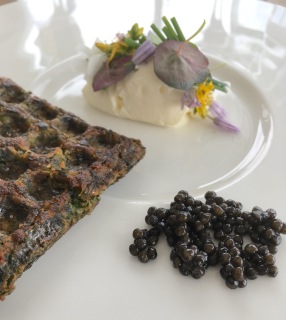
They called him ‘the king of herbs ‘for his passion for vegetables and fresh products from the field. His passions are: fish, molluscs, entrails as lamb’s brain, (not so popular in the quite skeptic Northern Europe), He started with French cuisine, passed to the molecular and ended up with mixing them two styles. ‘I like to play with the ingredients, says Casper, like for example, pairing strawberries to balsamic vinegar. I worked in Danmark a lot, including the Copenhagen National Library. I got good reviews and I started my new adventure here at Marienlyst Hotel, In my my fridge at home, there is always place for eggs, probably because my wife loves them, lot of vegetables and of course several max sizei Pepsi. I Love Pepsi… ‘His friendly Verona born partner Fabio Ciccarelli started serving a surprising appetizer: a revolutionary version of the traditional blini, made with caviar white sturgeon, to be mixed to crème fraiche on herbal waffle. The ingredients just melt perfectly together.
Then a salted unusually cooked burned salmon, followed by a mackerel with foie gras, green peas. As a main dish , I tasted halibut with asparagus that burned for few minutes to maintain the crunchiness.


Every dish was so intense, so fresh and so herbal.
No wonder why Chef Sobczyk is the ‘king of herbs…
’In the summer, Denmark is a foodies paradise with its festivals and gastronomic events Do not miss the Copenhagen Cooking & Food Festival from August 24th to September 2nd, during which Copenhagen becomes a huge Nordic restaurant and definitely stop at the new street food Reffen, an urban playground recently opened, that mixes crafts and culture.Reffen is a place where the people of Copenhagen are invited to take part in the development. 54 start-ups in the form of food stalls, bars and creative workshops many confirming the dogmas “Reduce and Reuse”.

Mermaid yes or no?
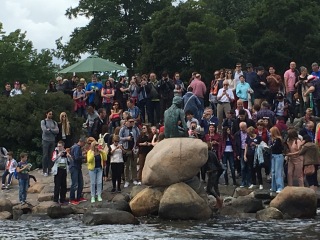
The most celebrated mermaid statue of The Little Mermaid from Hans Christian Andersen’s children’s story, sitting on a stone at Langelinie in the harbor of Copenhagen, Denmark. Honestly I saw her from the boat and I have to say that the invading ‘selfie addicted crowd’ didn’t appeal to me… So I went at night, and here she was, alone, shining on the dark, mysterious and looking like wanting to splash in the water any minute,
That, I call a magic encounter with Miss Mermaid…
for more info
#visitdenmarkstories @govistdenmark.Hamburg, Germany, Why go there and where to stay, what to eat

I started my Hamburg experience with an avalanche of photos and selfies on board of the Stadtrundfahrt double-decker bus, providing earphones in all languages. In a couple of hours you’ll know the city, get off when you want, visit and get the next one. An indispensable tour, also in a mini-cruise version with Harbor Cruise You will enjoy the aquatic view of the city, of the immense port and of the colossal cargo ships with gigantic containers.
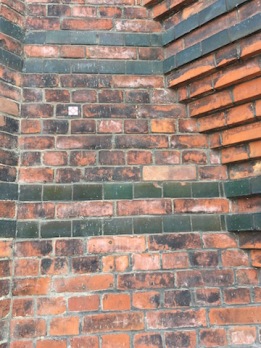
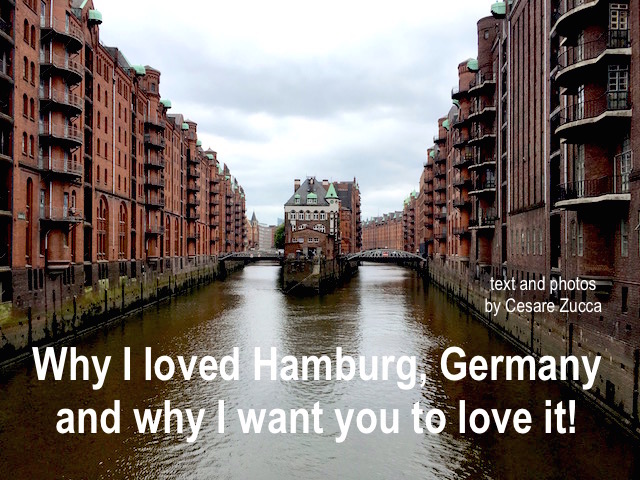
Hamburg means bricks, red bricks, so my next stop was Speicherstadt.
Almost a kilometer of old warehouses with typical red bricks, used as storage for incoming goods: oriental carpets, tea, raw coffee, cocoa, tobacco, spices. Among the attractions: a kaffeerösterei, an old coffee roaster, where you can also enjoy decadent cakes with strawberries and cream.

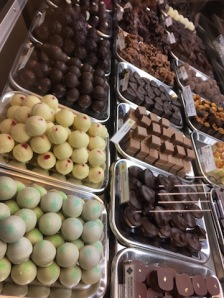
Chocoversum, a true chocolate triumph,
Manufactum a trendy shop and the Spice Museum where you will find and taste everything: European spices, Asian and Indian flavors, exotic perfumes, 50 varieties of pepper, cloves, cinnamon, turmeric, mustard seeds and the most expensive ones: orchid vanilla and saffron.
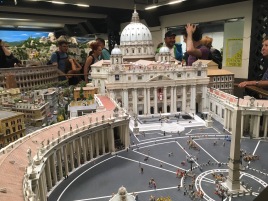
Miniatur Wunderland Models of trains and landscapes in miniature? I was doubtful …well, I was amazed. Two huge floors where landscapes and cities of all the world have been meticulously reconstructed with airports, motorways, railways in great turmoil and crowded by a thousand minuscule people, including a team while washing Pope Francis car…

Travel and read.
130 bookshops stocked with second hand books! Passengers are allowed not only to read them during their journey ,but also to take them home.
Elbphilharmonie
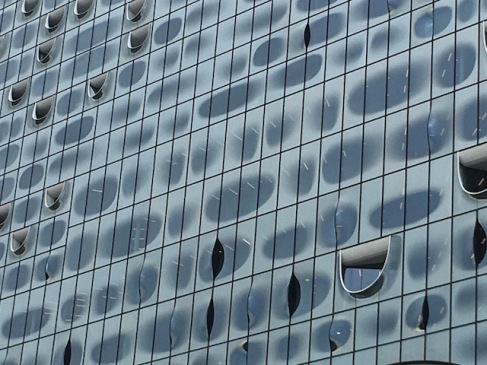
Extraordinary glass structure, with windows that look like eyes. With its perfect acoustic, hosts concerts and shows. You get there with a spectacular 82 meter escalator that runs through The Plaza, from which you can enjoy a great view.
Perfect location for a drink or a snack at the Beer & Dine and a little shopping in the well-stocked book, music and souvenir store. Tickets can be booked 18 weeks in advance and children up to three years do not pay.
Hamburg and its museums. I chose two. Kunsthalle, 700 years of art, from the great masters of the Renaissance until 1800 with Manet, Caspar David Friedrich, up to the German expressionism (which I adore) and the contemporary avant-garde .
MKG Great museum with unusual exhibits: famous deco posters, precious vintage pianos, sketches and 30s dresses, a space dedicated to design furniture, photo galleries avant – garde and much more.
It is true that the hamburger was born in Hamburg?
The most famous meatball in the world is ‘made in the USA’ or ‘made in Hamburg’?
The name would leave no doubt, but the Americans boast its paternity.
The Germans claim that it was cooked in the houses of Hamburg and then it was exported to the USA, while for the Americans it would be born in the port of Hamburg, a municipality located in the state of New York and the inventors would have been the Menches brothers who in 1885 would propose the first sandwich stuffed with meat during the country festival Erie County Fair.
Legends aside, here you will find space burgers. The best from Burger Lounge, Jim Block Jungfernstieg, Dulf’s Burger , Otto’s Burger Grindelhof and Schanze .WHERE TO STAY
I tried two hotels, both experiences were great!
Novotel Hamburg City Alster Hotel
4-star hotel in the modern rooms and suites with a desk and free WIFI
Central location and U-Bahn station on our doorstep make the Novotel Hamburg City Alster hotel the ideal base in Hamburg. 5-minutes away from Alster-Schwimmhalle and within 20 minutes of English Theatre Of Hamburg. Highlights at this hotel include in-room free WiFi, free high-speed Internet, and LCD TVs. All 210 soundproofed rooms feature sofa beds, satellite TV, and separate bathtubs and showers. You’ll find nice touches like soaking tubs and free toiletries to enhance your stay. Coffee/tea makers, free newspapers, and safes are also available. Enjoy the fitness centre, Turkish bath/hammam, and sauna. Business amenities include a meeting room and a business centre. Added amenities include free WiFi in public areas and laundry facilities. Each morning excellent buffet breakfast is served between 6:30 AM and 10:30 AM. Sights within a 20-minute walk of this 4-star Hamburg-Nord hotel include Museum of Arts and Crafts Hamburg and Mundsburg Center. Enjoy the comfort of the sauna and the video games area. Rooms are spacious and bright, Super comfy bed…I slept like a baby!
Dining in is an option with room service, and minibars provide refreshments. I had a great lunch at the hotel stylish restaurant Novo2, and a nice chat with the executive Chef, who told me that his menu focuses on seasonal products and evergreen tasty meat. and suggested a juicy and tender La Maracho Rump Steak with sauteed vegetables and … a silver swan (just for decoration…) Novo2 is an innovative combination of a bar lounge , that offers delicious seasonal dishes and light snacks are served from 6.30am to 9.30pm. A cool spot where where you can have a nice glass of wine, like i did!
INFO
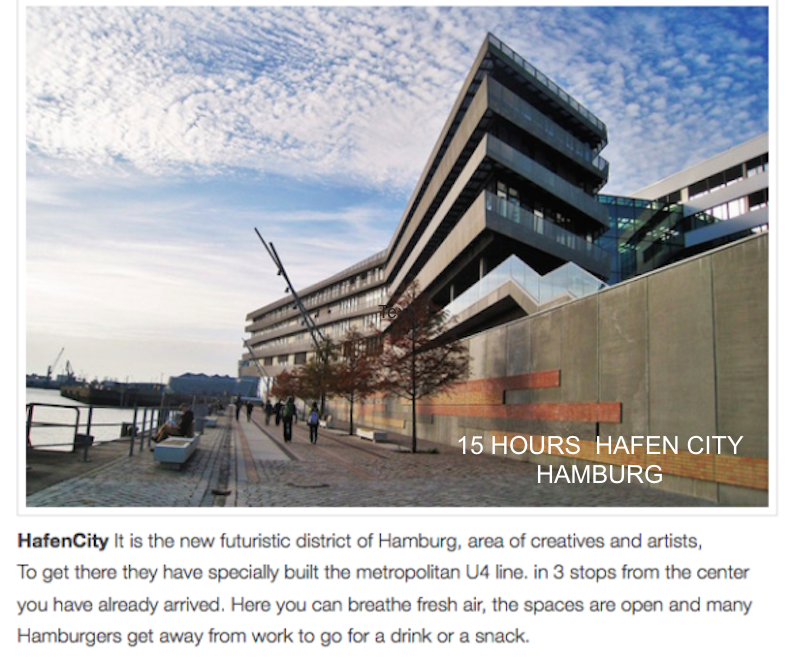
HafenCity. It is the new futuristic district of Hamburg, area of creatives and artists,
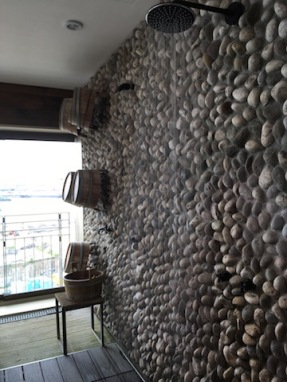
To get there they have specially built the metropolitan U4 line. in 3 stops from the center you have already arrived. Here you can breathe fresh air, the spaces are open and many Hamburgers get away from work to go for a drink or a snack.I stayed at the brand new 25 Hours HafenCity Hotel where I had a great time. I felt like a sailor, the rooms look like a ship’s cabins, with prosperous painted models on the bathroom walls.


Here atmosphere is easy and relaxed , The motto says COME AS YOU ARE! There is also free access to a spectacular spa in stones and wood. In the morning a rich buffet breakfast is set up, there you can find everything, including rote gruetze, my beloved raspberry, blueberry and cherry sauce served on lean yogurt. Yummy!

What does a real Hamburger drink?
Beer, of course! It has been produced in Hamburg for over a millennium and has become an icon of German culture. Here some popular ones.
Ratsherrn, one of the city’s most famous artisan breweries From pilsner to light beers. Galopper des Jahres, popular and animated. The members of the staff are true fan of craft beer, so be sure to ask for their recommendations: they know what to suggest for every taste and palate. Blockbräu, a terrace with a wonderful view.
My favorite? Altes Mädchen An incredible variety of excellent local and around 70 international beers, also combined with tasty German specialties.Remember, the real Hamburger does not drink Coca Cola!The preferred alternative is fritz-kola, rich in caffeine and lemon. It was born in 2002, invented almost for fun by young friends Lorenz and Mirco and produced with a really amateur process. Imagine: the labels were photocopies and they were glued by hand on the bottle …
Today it is the national soft drink.Red lights …
night and day!

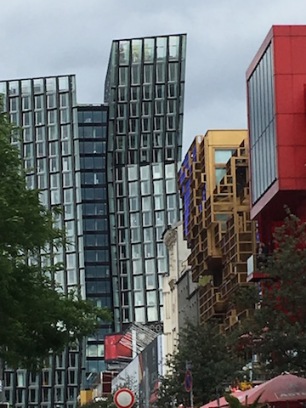
The St. Pauli district was once a bad area full of noisy pubs, frequented by criminals, sailors and prostitutes. Today the taverns have become artistic skyscrapers, like the Dancing Towers, which seem to really dance, while the smoky haunts of the past have become fashionable places.
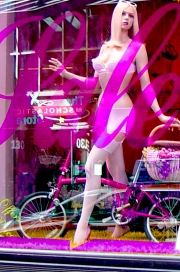
But the raunchy survived: sex shops, theaters, striptease, burlesque and the inevitable bouncers who invite you to enter. In addition to the ‘sensory’ attractions, the neighborhood is full of super-trendy shops, new boutiques, hip clubs and bars
Keep walking around the St.Pauli district,
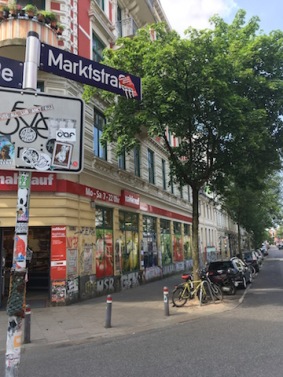
head towards Markstrasse and the surroundings of KarolinenvIertel.
There You will find small bars, self-managed restaurants, flowers, perfumes, mini boutiques and lots of vintage. If you are ‘bio’ dive into the Rider Markt Halle, and a relaxing drink from Zoe the bar of the different sofas. For more chic and exclusive products, head to Hole Bleichen.
Then it comes the time for…
beauty and relaxation.

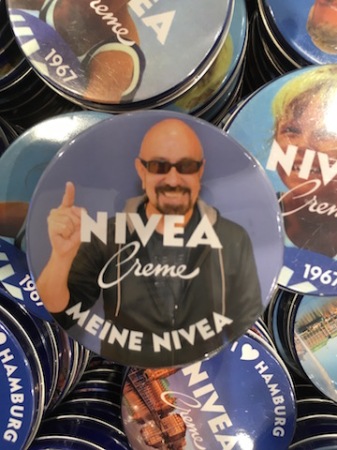
After a long walk, it is right to take a relaxing break in Jungfernstieg, in the heart of Hamburg with a fantastic view of the Alster river. Here Nivea Haus awaits for you, this is the official store of the famous face cream, born in Hamburg in 1929. Here you can find classic or brand new creams for face and body, cosmetics, revitalizing treatments, relaxing massages, as well as manicures and pedicures.
Plus a really cute souvenir: your ‘Nivea’. You ‘ll be photographed and in a second …you’re on the cover of the famous blue box. I couldn’t resist …
So, what do you think?
Am I fine for a cream cover?MATERA, Italy. The city, the Sassi and the best Lucanian dishes


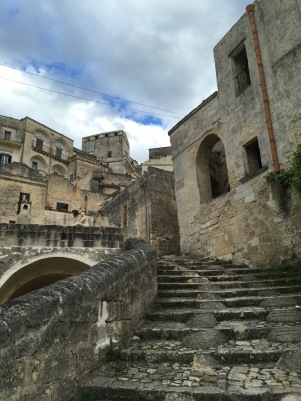
Matera is one of the oldest cities in the world. By day the sunlight enhances its white. At night, it looks like an immense nativity set up under the starry sky.
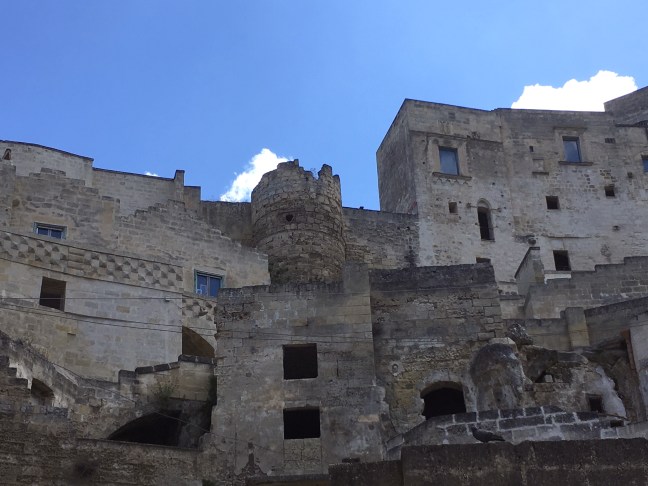
Its quarter I Sassi, ancient dwellings dug into the tufo, where the roofs serve as a base for the houses that have developed on higher levels. These were dug entirely into the rock and represent one of the most striking examples of exploitation of natural resources to obtain suitable conditions for the life of a large community.
In the caves often lived more families and despite the lack of space, almost all daily activities took place in the cavities of cave-houses: from handicrafts to weaving, from food storage to animal care (dogs, chicken, pigs, horses and donkeys were living with the family as primitive source of heating). The temperature was constant and guaranteed by the characteristics of the sea tufo , so the inhabitants did not suffer too much from the cold in winter and found a shelter from summer heat. This way of life for years has been seen as a sign of backwardness and incivility. The inhabitants of the Sassi were often considered as primitives living like animals. In 1952 Sassi was considered “the Italian national shame”and abandoned in the late ’50s, Sassi was able to be redeemed until they became Unesco World Heritage in and will be the 2019 European Capital of Culture.
Its amazing scenario has been used s a set for Mel Gibson “The Passion” Pier Paolo Pasolini “The Gospel According to Matthew “King David”, Christ The Lord: Out of Egypt “, and the remake of “Ben-Hur “.I took the Gran Tour of Sassi,
an intense 3 hours guided tour and I learn so much about the history of this amazing city. The tour begins in front of the Cathedral, in the upper part of the City, and then goes deeper into the tangle of narrow alleys, caves, cellars, churches, small gardens, tiny squares and districts. I was able to discover in detail these unusual dwellings partly carved out of the limestone. It s a long walk, so wear comfy shoes.
Matera is also well now for its cooking tradition, a classic example of Italian peasant cuisine, using free ingredients combined with a fair amount of labor and know-how to turn an odd edible food into a delectable dish.
Here my choices:
ll Terrazzino
View, ambience, real food, rich menu, moderate prices and …did I mentioned the view? Welcome to Il Terrazzino, one of the oldest deck restaurant in Sassi Eustachio Persia welcomed me with a dish of local cold cuts, including my fav lampascioni, bulbs of a common wildflower in southern Italy, then I ordered lamb, and…surprise! iIt came wrapped in yellow strawpaper.
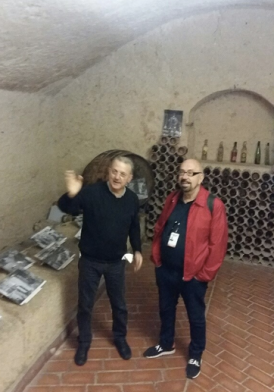
‘This place used to be a cantina, told me Eustachio, just wine, no food.So people used to cook it at home and take it here, all wrapped up in paper tto keep it warm, then tear the bag and eat it paired with a nice glass of wine.Then came the crapiata a soup of different legumes, cereals and potatoes typical of the Basilicata cuisine of rural tradition, prepared in great quantity every year on the first day of August in the district La Martella, close to the cultivated fields and served to the inhabitants. Eustachio took me downstairs, to the 17 century cellar, which incorporates the typical architecture of the Sassi and was refurbished to retrace moments of daily life of the peasant life,
Baccus

Simple yet elegant restaurant Located in the Sassi area, Baccus is well know for its Chef Carlo Pozzuoli who likes to reinterpretate typical local dishes and flavors of the past in a modern way.Starting with super crunchy chips of red peppers, followed by fagots of ziti with cream of yellow and red peppers, bundled in a slice of sweet scamorza cheese topped by goat ricotta curlS.


A soupy Dish with tagliolini pasta with black and white chickpeas, considered ideal fro pregnant women, since it contains a lot of iron.
The menu dedicates an attentive search of local herbs, like the cicoriella, the sivone and other fresh leaves variously used in cooking: in salads, minestrone, simply boiled with oil and lemon, or as a filling of ravioli and pansotti or excellent omelettes.Carlo and his wife Mariella were wonderful hosts. Not only keeping me company at the table but also surprising me with a taste of a sweet heart shaped Sporcamuso, (begrime the face) a dessert so full of cream that I inevitably ended up with hot pastry cream all over my face.


Da Mario
‘We represent the tradition. My family managed this restaurant since the 50’s’ told me Anna, owner of the popular Ristorante Pizzeria Da Mario ‘Since then we are always been loved by the people from Matera and from all over the world. Many celebrities have eaten here: Richard Gere, Mel Gibson just to mention few’

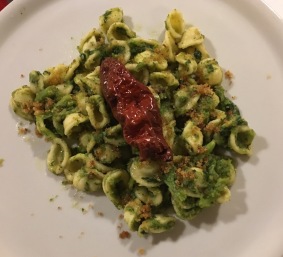
I went there for lunch and followed Anna’s suggestions, starting with a tasty orecchiette alle rape with anchovies and toasted breadcrumbs, then I tried home made strascinati pasta with cardoncelli mushrooms and garnished with the typical crunchy peperone crusco, fried red pepper.
Da Mario is know for its pizza. I tried a baby Margherita, perfectly cooked. ‘I love my town, peaceful and quiet, I run the restaurant a cosy BnB called Sassi Belvedere although sometimes I need some noise… some that’s why I have a place in Milan, where I go , like an escape little vacation, but then I am happy to be back in my Lucania ( the ancient name of Basilicata) Sorry I still call it Lucania.. perhaps it’s because I like the old things…
I don’t blame her..
Where I stayed.
Residence San Gennaro, located in the inner courtyard of the old “neighborhood”, once the fulcrum of the days of the inhabitants
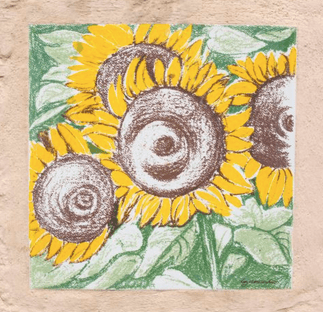
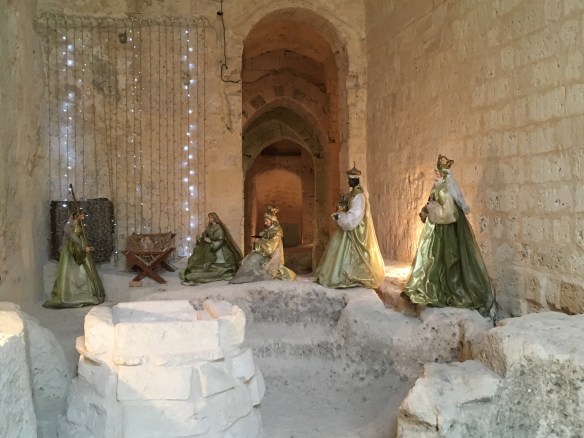
Super friendly host Francesco delighted me with anecdotes about the city, gave me tips took me to the prehistoric hypogeous cave below the residence, embellished with a precious Nativity and prepared a great breakfast that included fresh local products. I stayed in Guerricchio suite, that has a kitchenette, a delightful double bedroom, a private bathroom and a cute little balcony to enjoy the view on the enchanting Sassi of Matera. It is At the entrance an artistic work of great value welcomed me. “Girasoli di Guerricchio”, a Lucanian artist to whom the suite is dedicated.
I also loved
Casa Noha
An amazing gateway” to the city, charting its history thanks to an innovative communication project, where the walls, the ceilings and the floors will take to an extraordinary journey through the history of Matera from its origins to the present day.
MUSMA
(Museum of Contemporary Sculpture Matera)
This unique museum provides the perfect environment for the symbiosis of sculpture and the characteristic carved sites in the Sassi; the exhibition galleries, in fact, consist not only of the rooms of the Palazzo, but also the vast hypogea, where the works of art are revitalized by the strength and beauty of the surrounding rock hewn spaces
see full article
see full article
see full article
see full article
see full article
see full article
see full article
see full article
see full article
see full article
see full article
see full article

see full article


see full article


see full article
see full articleDUO BALDO, WHEN MUSIC AND FUN HAVE A PARTY…

The musical comedy team DUO BALDO is renowned violinist Brad Repp and pianist/actor Aldo Gentileschi. Their critically acclaimed performances combine virtuosic performances, theatrical humor, and pop culture.
Duo Baldo made their debut with Italian tenor Andrea Bocelli in 2004. In February 2006, Duo Baldo won first prize at the National Short Theater Competition in Florence. After winning first prize at the 2009 Musicomicontest, they performed at the opening of the 2010 Salzburg Festival.
Other engagements include the Chamber Music Society of Trieste, as well as appearances in many US cities including Cincinnati, Baltimore, El Paso, and internationally in Milan, Lucca, Lugano (Switzerland), Dubai (UAE), Mexico City, Paunat (France) and tours of China, Taiwan and Japan. Violinist Brad Repp has appeared as violin soloist with José Carreras. He performs on a 1736 Testore violin. Aldo Gentileschi performs on whatever piano he can find.After having sold out in Tokyo, Salzburg, Mexico City and Washington,
CONdivertimentoCERTO finally returns to Milan to open the Harmonies and Sounds of the Spazio Teatro No’hma exhibition. Aldo Gentileschi (pianist) and Brad Repp (violinist), “play” with music, humorously interpreting many classic songs from the most famous repertoire.They know how to add theatrical comedy to the most splendid melodies.
What a repertoire!
From Mozart , to Debussy, to Gershiwn to a funny Per Elisa, to Paganini and John Cage. The violinist Maestro Repp and his ‘victim’ Aldo build an irresistible show that offers a different way of approaching the world of classical music. Jokes, tics, musical provocations become the fabric of the show in which music is combined with fun.
Let’s have them play & party!
Jan 8, 9 2020
At TEATRO NO’HMA TERESA POMODORO
Via Andrea Orcagna 2, Milan
Free entrance. To make a reservation
http://www.nohma.org/
CESARE ZUCCA
Born in Milan, he lives in New York, Milan and the rest of the world.
Cesare likes to travel up and down America as well as spending time in Italy and Europe.
For NTT, he photographs and tells about cities, cultures, lifestyles and discovers both traditional and innovative gastronomic delights, among interviewing top chefs from all over the world, “stealing” their recipes and write everything here, in a perfect ‘ non touristy tourist’ style..
Milan.: MIC celebrates the great Federico
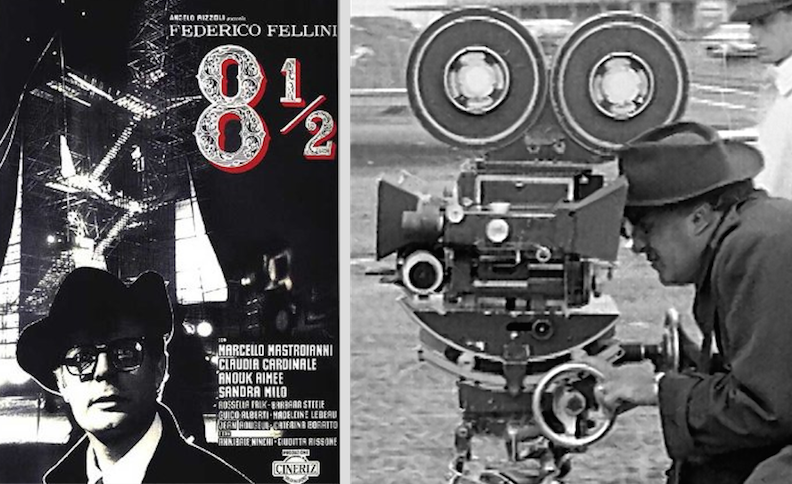
Milan celebrates Federico Fellini.A century after its birth and sixty years after the release of La Dolce vita, the Cineteca Italiana Foundation pays homage to the great master Federico Fellini with an exhibition dedicated to him,
Do you remember Federico? fA rich proposal that wants to celebrate not only the director but also the man who talks about himself without masks. To this end, the festival offers its most famous and exclusive documentaries in which Fellini tells about himself and his poetics, capable of revolutionizing Italian cinema and making it famous internationally.
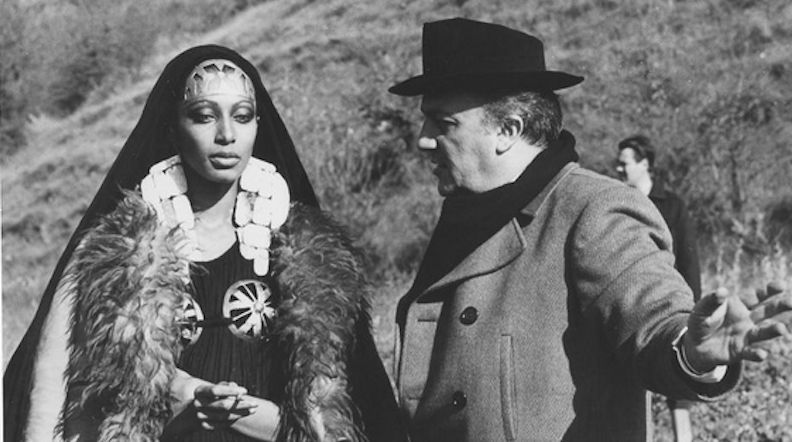
The exhibition is designed to combine in a single great tribute to the Director and to explore the poetry of Fellini and to understand the great contribution he has been able to give to the history of cinema. Among the documentaries proposed in the review, Ciao Federico! by director Gideon Bachmann, who will open the review on Tuesday 7 January at 3pm, a film capable of capturing the magical atmosphere of the glittering set of the Satyricon, in the only truly complete and rich backstage on Federico Fellini’s way of working.
The irony, the boundless creativity, the brilliant intuitions emerge in a unique atmosphere that has fallen over the time. A wise work of alternation between archive material and interviews that tells a salient moment in the director’s career, in which he seems to be looking for new artistic paths.
Following, at 17, FMM: Fellini, Mastroianni, Masina – Interviews on the set of Ginger and Fred, another work by the director Gideon Bachmann in which Giulietta Masina first and Federico Fellini with Marcello Mastroianni then, open to the director in telling the production of the film that sees them reunited after many years. The mutual expectations and ambitions emerge, as well as the general sense of the project in the precise historical moment.
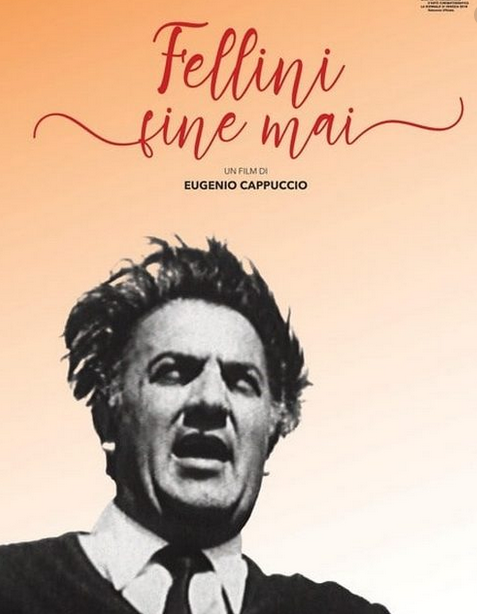
At 8.30 pm we continue with Fellini Fine Mai documentary presented at the 76th Venice International Film Festival for Venice Classics, in which the director Eugenio Cappuccio personally tells Fellini who lives again through the power of the images, sounds and photographs kept by Rai Teche: fragments of life and poetry of cinema, often unknown, and revealed by those who have had the good fortune to work with him. For the occasion, the director Eugenio Cappuccio will be present in the room for a meeting with the public.
On Friday 10 January at 3pm Fellinikon will be screened, a rhythmic and eccentric editing film of images captured from the Satyricon set: the preparation and filming of some scenes with different director’s commentary inserts. Another contribution by director Gideon Bachmann, in continuity with what has been done in Ciao Federico! to the re-discovery of Fellini’s genius in action.
Saturday 11 January at 3pm another great documentary interview: Fellini: I am a great liar by the Canadian director Damian Pettigrew, a biographical story by Federico Fellini, a year before the director’s death, which traces his entire career revealing that he was above all a talented “liar”. An exciting journey full of testimonies from friends, technicians and actors, archive images, scenes cut and never seen by his most famous films and extracts of recently restored films.
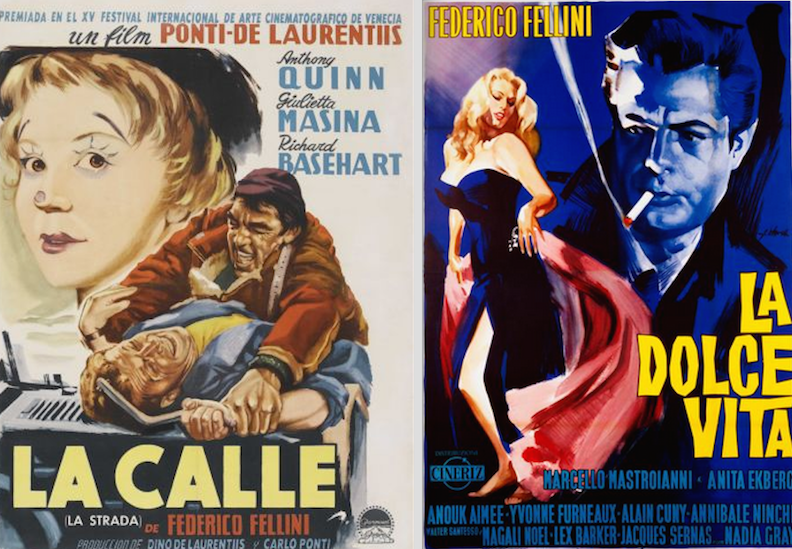
The occasion also offers nine of his timeless works, some of which are awarded the Oscar: La Strada, Rome, I vitelloni, Amarcord, Fellini Satyricon, La Dolce vita, 8 ½, Giulietta degli Spiriti, The nights of Cabiria . A selection of the absolutely unmissable works both for those who love the great director and for the younger ones who want to know their poetics.
To complete the review, Sunday 12 January at 17, a meeting with a projection of the anthropological docufilm by Lorenzo Bassi and Franco Longobardi Fellineide: a fascinating and amusing excursus on the director Federico Fellini in which two of the main crossroads of his unmistakable style will be explored, the paradoxical and evocative characterization of the human fauna that has constantly populated his works, and the taste for the grotesque and the scratchy satire. Franco Longobardi meets the audience.
more infoMIC
Viale Fulvio Testi 121
Milano
CESARE ZUCCA
Born in Milan, he lives in New York, Milan and the rest of the world.
Cesare likes to travel up and down America as well as spending time in Italy and Europe.
For NTT, he photographs and tells about cities, cultures, lifestyles and discovers both traditional and innovative gastronomic delights, among interviewing top chefs from all over the world, “stealing” their recipes and write everything here, in a perfect ‘ non touristy tourist’ style..
MILAN, ITALY. ‘IL DONO’: A GREAT FREE GIFT FOR THE CITY
I saw Voca’s show a while ago at Off-Broadway New World Stages in New York.
It was amazingI I looooved it!
The group will be performing one night only at the former railway station of Porta Romana, owned by FS Sistemi Urbani (Ferrovie dello Stato Italiane Group), an unusual venue that will become the stage where Voca People, an internationally renowned Israeli company, will perform on a very special night December 19th. 2019
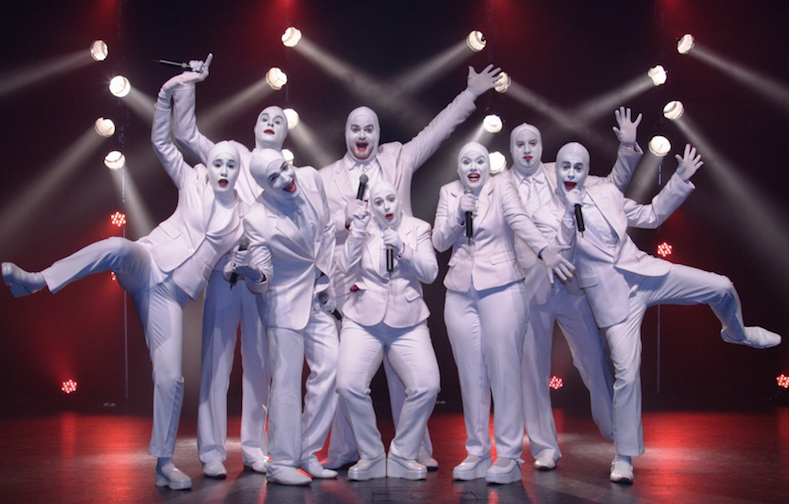
Voca are eight aliens from the planet Voca, where they communicate through music and vocal expressions. Using only a cappella singing and beat box (which consists of playing percussion as drums and cymbals through the voice)No instruments, no sound effects,
It will be a show beyond every boundary and barrier, a kind of a ” theater outside the theater” that it will create an intergalactic musical explosion from the planet Voca, located somewhere behind the sun. Using no instruments, only vocals, they create an alien, innovative sound that’s music to your ears.
What a repertoire! Hits from the ’70s to Mozart to Michael Jackson to ABBA…and those ‘greatest hits’ from any kinda of music, or armonia as the aliens would say….spanning from Opera, to Bee Gess, to Disco music, to Queen, to classical to the greatest movie soundtracks to literally dozen and dozen of popular tunes.

“‘Il Dono’(The Gift ), says Teatro No’hma’s President Livia Pomodoro, is a special initiative that aims to different theatrical experiences with the public as a journey from the stage to the beating heart of the city, this year our ‘dono’ will be the amazingly talented Voca People.
INFO
Teatro No’hma
At Porta Romana Railway Station
Giovanni Lorenzini 3/A, 20139, Milano MI
Free entrance , reservation a must.
By phone 39-0245485085/0226688369
Online www.nohma.org
CESARE ZUCCA
Born in Milan, he lives in New York, Milan and the rest of the world.
Cesare likes to travel up and down America as well as spending time in Italy and Europe.
For NTT, he photographs and tells about cities, cultures, lifestyles and discovers both traditional and innovative gastronomic delights, among interviewing top chefs from all over the world, “stealing” their recipes and write everything here, in a perfect ‘ non touristy tourist’ style..
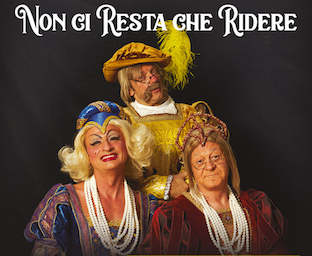
I LEGNANESI…the funniest italian family on stage!
Herr they go again …. A new show from the funniest Italian Family .
The theatrical company I Legnanesi was born in 1949, in an oratory of Legnano, led by late Felice Musazzi. The exclusively male nature of the company is due to an ancient ecclesiastical ban that prevented to women to act with men, so that women’s roles were interpreted by the same male actors in disguise, talking in the Legnanese dialect.
The company became famous and performed in mayor theaters, gaining great popularity and winning several awards. Musazzi died in 1989. The company, that went trough different casts, is still performing successfully. The man of the house is (or should be) Giovanni (Lorenzo Cordara) but is indeed his wife Teresa (Antonio Provasio, who is also co-writer and director) who runs the family. They have a flamboyant daughter, Mabilia (Enrico Dalceri) a not-so-young blond hairdresser, always looking to get married to a rich guy.

I saw their recent production, The Colombo Family …. and I canìt wait for the new show..
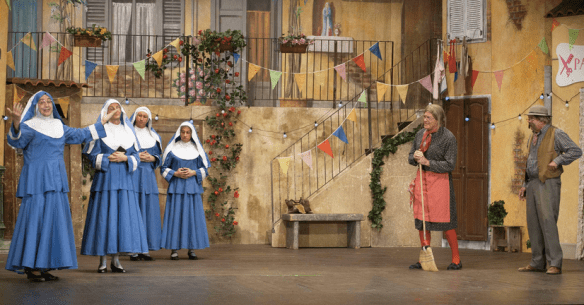
The courts are celebrating the feast of Sant Ambrogio. Teresa with the help of friends and nuns, is preparing a festive re-act of the Passion, featuring Mabilia in the roule of the Virgin Mary “Just call her Mary, forget the Virgin” suggests Teresa.During the rehearsal Mabilia falls for a newcomer who plays Jesus Christ.Teresa starts with researches. The guy is actually the descendent of a wealthy family (totally inspired to the Addams) living in a remote villa. The Colombos decide to visit them and, through grotesque situations and campy gags, including in psychih session, to talk with a dead uncle who apparently hid a winning lotto ticket in the houseMy favorite line?
When Teresa tells Pina, a very short parent, “Do not go out alone. The grass is high and we’ll not found you anymore”
This company brings to the stage the stories, customs and traditions of Lombardy but is widely appreciated outside Lombardy, thanks to the modernization of the original texts , the usage of more of an Italian text and the choice of universal themes such as the family, the economic crisis, the neighborly relations and of course their love-hate relationship.Finally, Mabilia offers some great musical numbers, first with a tribute to the iconic italian musical diva Wanda Osiris, then as a flamboyant Cuban singer sourrended by colorfull young dancers, while in the grand finale: all actors show up as “men” in ” elegant tuxedos.
Year 2020
Here we go again….
A TV movie debut:
The next ‘Legnanesi’ adventure is called ‘Non è natale senza panettone’ there is no Xmas without panettone cake’ which is the first movie they ever made.
Airing on December 16th in the Italian Channel Rete 4
Followed by a long tour in many Italian cities
Here more info on the tour and how to get tickets
www.ilegnanesi.it
CESARE ZUCCA
Born in Milan, he lives in New York, Milan and the rest of the world.
Cesare likes to travel up and down America as well as spending time in Italy and Europe.
For NTT, he photographs and tells about cities, cultures, lifestyles and discovers both traditional and innovative gastronomic delights, among interviewing top chefs from all over the world, “stealing” their recipes and write everything here, in a perfect ‘ non touristy tourist’ style..
From a bench to Shakespeare… (kinda)…
BY CESARE ZUCCAMy first encounter with the very talented comedians Ale and Franz, was in front to my TV, watching their funny gig. two men chatting while sitting on a bench) with Ale reading the newspaper and making with the bewildered Franz in the great show called Zelig.
Ale and Franz is an Italian comic duo formed by Alessandro Besentini and Francesco Villa in addition to Zelig; since then they have taken part in various successful TV shows, as well as acting in films and plays.
Well. forget the bench, Ale and Franz are now on the stage of Teatro Manzoni with the play Born under a contrary star, the painful story of Juliet and her Romeo”, directed by the agile and lively director of Leo Muscato.It is a variation of the famous Shakespearean tragedy, directed by a director who can improvise stopgaps for small roles..
The text is a pre-text for improvisation, as happened in the late sixteenth century. At the beginning of the show, the actors themselves, at the front, announce the spirit of the staging: mas-sanctify the text.
Ale is Juliet, in a fluffy white tutu and Franz is the handsome Franz’s Romeo who creates a character in balance between lyricism and irony.
On the stage they put into play all their ability to have fun and have fun, but the result is unexpected. The rough Ale is a moving Juliet, as tender and naive as you’d expect from a young girl while the handsome Romeo, Franz is impetuous as expected from his character as a young lover.
The protagonists are no longer the characters of the drama but the actors themselves who, in balance between tragedy and comedy, tell first of all themselves. Each one represents a character: the avant-gardist, the attorone, ( big actor) the promiscuous, and everyone has a story of his own that led him to that stage.
A cast of all men performing even female roles, observing the authentic Elizabethan spirit. Rivals and accomplices at the same time, on the one hand the jokes are stolen, on the other they help each other as much as they can. The Elizabethan script obviously requires a cast of transformist comedians and Muscato brings together a group of very talented actors, including the great with Paolo Graziosi, who actually performed Mercuzio in the play directed by Franco Zeffirelli.
Although the text is entirely Shakespearean, with the exception of the short prologue, the risk of these rewritings that wink at the cabaret is that the “character” takes precedence over the text, as is partially the case in this production.
I have the feeling that most of the audience. as fans of the comic duo, got pretty disappointed to see their fav comedians acting like Shakespearean actors or at least Shakespeare amateurs. The laughs were few and anxiously expected.I had the feeling that the search for comedy and a strong characterization of the characters prevails over the overall vision, conveying a feeling of fragmentation and sometime getting pretty boring.
Luckily the story of Romeo and Juliet triumphs over everything,
If you want to know more about Ale and FranzMAY THE “FORTEZZA” BE WITH YOU ! Discovering the Campania Region, the wines and… the witches!
TEXT AND PHOTOS BY CESARE ZUCCACampania Region, Italy.
Torrecuso is an enchanting medieval ‘borgo’, that offers a suggestive view of the Taburno and the Valle del Calore. Its origins date back to 216 BC, probably on the initiative of some Etruscan refugees from the Tuscan town of Chiusi who called it “TurrisClusii”.
Today is a small village characterized by narrow, winding streets, which surround the square on which stands the splendid Palazzo Cito, adapted into an ancient tower; the building was the residence of the feudal lords of Torrecuso and today is the town hall.
The soil is sunny and lends itself well to growing grapes; here is produced the Aglianico del Taburno, which makes this place an important station for food and wine tourism.
In the last decades the production of other typical vines such as Falanghina, Coda di Volpe and Greco has been increased, all included in the Taburno D.O.C..
I will take you to the best of the wineyards in Torrecuso, the great Cantina La Fortezza and invite you to taste its excellent wines, but allow me to start witha little history of this magical land…
Torrecuso is located close to Benevento, a town mythically traced to the arrival of a Greek hero back from the disastrous Trojan war. In this case it would have been Diomedes to found it and on the Beneventan soil the Greek prince would have met and almost met with death with Enea, a Trojan hero.
Historically, the first settlement dates back to the Osci, and then passed under the control of the Samnites. The first ‘bad’ name was Maleventum that means a ‘huge disaster’, then luckily changed to the positive name of Beneventum when the city became a Roman colony, in 268 BC.
Throughout the Roman period the city became one of the most prosperous since it represented a very important junction for the main commercial routes and roads. Although tortured by violent earthquakes and barbarians invasions,
Benevento gained the reputation of a city difficult to conquer: even the Franks and Charlemagne himself had to stop at its borders. In 1077 Henry III ceded the city and the entire area to the Church, which held power until the unification of Italy.
For a few years, in 1798, it was occupied by Napoleon’s troops,then in the hands of the Bourbons, then again of the Church.
Here come the witches!
Benevento has always been in the popular belief the capital of witches, in that peasant and genuine territory where legends and traditions have a weight, the nightly Janare were the most ferocious species of those witches.
These were women who possessed the knowledge of the occult and magical rites, such as invoices and the evil eye, capable of ruining life. According to tradition, in fact, it was necessary to place an upside-down millet broom or a bag with grains of salt in front of the door, counting which the witch would have lingered until dawn, when the light, her bitter enemy, would have forced her to flee away, leaving the inhabitants of that house or that room in particular in peace.
There was a widespread belief that these witches gathered under a walnut tree on the banks of the Sabato river to worship the devil. Aggressive and acid, they use to go around naked and celebrate the Sabbath, or demonic rites: banquets, dances and orgies. 
“Ointment ointment
take me to the Benevento nut
above the water and above the wind
and above Benevento ».
There are still janaras around today?
I asked several Benevento citizens, but apparently the malifigcent witches aren t no more. Perhaps some older women are preparing healing natural ointments or infusions, as regular herbalists. But hey, I’ ve been told that you can recognize them, because they are the last ones to leave the church after the mass…
Strange…Are the witch going to church?
The only surviving witch is the Strega Liqueur, a traditional drink obtained by the distillation of about 70 herbs and spices from all over the world. You can drink it neat, icy or mixed in long drinks or cocktails
.Let’s move from the legends to a truly magic reality…
I am taking you to La Fortezza Vineyards, located in Torrecuso, where their headquarters extend on the east slope of the Regional Park of the Taburno-Camposauro:
the slopes are a succession of vineyards, woods and small clearings, which only in the last hours of the day the Monte Taburno profile subtracts light and heat.
In the middle of the vineyards stands the beating heart of our business: the cellar.
Entirely coated in stone and well integrated into the surrounding landscape is made up of two bodies. In the upper part a Villa and wide open spaces primarily intended for lawn: a charming place by sweeping views looking towards the Apennines that separates the Campania from Apulia.
The underlying body, which opens more than two gates in medieval style strictly processed hardwood, home to the productive activity itself: a perfect blend of tradition and modern technology.
The barrel vaults, that dominate the area destined to accommodate the aging of wine, entirely coated in terracotta bricks and partially dug into the tuff, bring us closer to an idea of the cellar to those who were the old “cellai” of rural farms, that is, those places that were intended to keep as much wine as food. 
The local processing, where there are machines for wine making, bottling and labeling room, steel tanks and warehouses for goods destined to commercialization complement the wine cellar, with a production potential of about two million bottles.
Here La Fortezza’s grape varieties:
Let’s start with the Aglianico del Taburno, a generous quantity that allows an accurate selection in the vineyard for the various sales lines and to guarantee the production of wines of the highest quality such as the Riserva, whose grapes come from a vineyard of about seventy years of age.
Falanghina del Taburno, whose exposure of the vineyards gives us the best results in terms of sugar content, perfumes and acidity of the wine without having to resort to cuts in working phase. By the time we select in outside the vineyards of Greek and Fiano to be allocated to our products by imposing a strict and meticulous discipline of crop for producers: once the land and its vineyards identified, these are followed in all the basic steps until the collection that takes place under our supervision. 
Want to go bubbles?
I like to point the Sparkling Falanghina, the Aglianico Frizzante and the precious “Maleventum” a brut obtained with the charmat method.
Last but not the least I like to mention the delicate rosèe Aglianico dl Taburno, perfectly pairing fish and the fragrant Olio La Fortezza,
both excellent choice if you are having a local great dish with baccalà (salted codfish) a remarkable specialty of this territory, which I had the pleasure to taste at a typical restaurant Trattoria Nunzia, in Benevento.
Sweet finale? Do you love chocolate?
Well, while you are there, take a trip to to San Marco dei Cavoti to visit the Antonio Autore Artisanal Factory that produces the one and only handmade ‘croccantino’.a delicious traditional recipe of a bar of sugar, almonds and hazelnuts. It will be a pleasure for your eyes and for your mouth!
INFO
La Fortezza
Torrecuso, Benevento
www.lafortezzasrl.it
Antonio Autore
San Marco dei Cavoti
Cesare Zucca
Milanese di nascita, vive tra New York, Milano e il resto del mondo. Viaggia su e giù per l’America e si concede evasioni in Italia e in Europa.
Per WEEKEND PREMIUM fotografa e racconta città, culture, stili di vita e scopre delizie gastronomiche sia tradizionali che innovative.
Incontra e intervista top chefs di tutto il mondo, ‘ruba’ le loro ricette e vi racconta il tutto qui, in stile ‘turista non turista’.SUMMARY of ART ARTICLES by CESARE ZUCCA
The Ladies of Art
LE CAPITALI DEL GUGGENHEIM
Alla scoperta dei templi dell’arte e del design


Stories of women between the 16th and 17th centuries.
Milan, Royal Palace
The rooms of Palazzo Reale in Milan host a unique exhibition dedicated to the greatest female artists who lived between the 16th and 17th centuries:
Artemisia Gentileschi, Sofonisba Anguissola, Lavinia Fontana, Elisabetta Sirani, Fede Galizia, Giovanna Garzoni and many others.
dedicated to the universe of women, focusing attention on their works, their priorities and their skills.


The Sale delle Arti located in the magnificent Reggia di Venaria in Turin, Italy, is hosting the exhibition LA FRAGILITA’ DELLA BELLEZZA (The fragility of beauty) that covers almost 40 centuries with 212 restored masterpieces including Titian, Van Dyck, Morandi, Burri and Twombly. 
The exhibition itinerary is organized according to a chronological / thematic logic that focuses on the fragility of our heritage.and ends significantly with a room dedicated to works damaged by the earthquake.
You will be able to see the frescoes of the Tomb of Henib, from the Egyptian Museum of Turin; the precious Head of Basel, from the National Archaeological Museum of Reggio Calabria; the Portrait of Caterina Balbi Durazzo
by Anton Van Dyck,
from the Royal Palace of Genoa, St. Jerome of Tiziano, from the Pinacoteca di Brera, to 17th century painted Harpsichord, from the National Musical Instruments Museum. Rome.Several informative meetings on the restoration and a series of educational workshops will be organized by the Educational Services of La Venaria Reale and the Conservation and Restoration Center.

Sale delle Arti, Reggia di Venaria, Turin.
From March 28th till September 16th, 2018
To know more about this majestic exhibit click here

Milan. Its people and visitors are patiently queuing for a show rendered unique not only because it will present to the public works from the leading Italian museums and equally important museums abroad, but also by the fact that Caravaggio’s canvases will be flanked by their respective X-radiographic images
The exhibition reveals, from a new and previously unexplored perspective, the years of Caravaggio’s extraordinary artistic work through two new approaches to reading: diagnostic research and new documentary research..
Tthe audience will be able to discover through the innovative use of multimedia equipment the artist’s path from his initial thought to the final completion of the work. Through infrared reflectography and x-rays that can penetrate through different layers below the surface of the painting, it is now possible to follow the creative process of Caravaggio, his “second thoughts”, refinements, and adjustments in creating the final composition.

A classic example would be the San Giovannino of Palazzo Corsini, which allows us to see the addition of a lamb, which was subsequently removed.

‘Inside Caravaggio’ will allow the incomparable creative path of Caravaggio to be revealed to the general public and it will also be a great opportunity for scholars to perform in-depth analyses. This fascinating journey will enable visitors to follow and discover, through the innovative use of multimedia technologies, the artist’s creative process, from the initial idea to the finished work, giving them the ability to understand not only the process of realization, but also to deep inside the mind of his genius.To conclude your journey a great gift shop, where you will find the best souvenirs. From calendars to earrings, to bags to books.
more info
Forty four years have gone by since Escher’s death, still today his art doesn’t show any sign of dating. He turns geometric research and rigour into the purest visionary aesthetics, combines a range of different languages into a new and intriguing itinerary that represents a one off in the history of art across all ages and continues to thrill the wider public.
A super exhibit of the one of a kind artist who used to say that “Wonder is the salt of the earth”, is greatly hosted by the Palazzo Reale in Milan till January 22th, 2017.
Escher may be credited with broadening the imagination of those who gaze at or have gazed at his works, where everything is connected: science, nature, analytical rigour and a contemplative quality Escher exhibit will hypnotize you with the images of an Artist who said ‘My work is a game, a very serious game’
“ Il cibo è arte e l’arte è cibo per la mente e per l’anima”
Food is art and art is food for your mind and soul.This is the theme of the the benefit exhibition, curated by Artist Felice Limosani, and held at the Crociera dell’ Ospedale Vecchio, a venue dated 1200. 13 food-related excesses in a provocative and irreverent exhibits featuring artists from around the world.
At the Crociera dell’ Ospedale Vecchio Via D’Azeglio – Oltretorrente
Info at http://www.cibus.it/cibusinfabula/“
At the Museo del Tessuto till April 29th 2018.
Here you will find a luxurious display of embroideries, silks, brocades, and lampasses from 1600, when new nations were discovered and new costumes images and stories were imported to Europe.Porcelains, paintings of landscapes, and the new profession of the fabric painter starting from the vagary of remembering antique historical ruins to portraits either official or private.France launched and updated this elaborate fashion, stating different styles, from bizarre to dentelle, to the beautiful drawings of Jean Revel, a major figure in Lyonnaise silk from the 18th century and a pioneer of the French style, who carried his innovative style beyond the courts of Versailles and Paris.
GORI WINERY, FRIULY, ITALY: FROM MAGNIFICENT MAGNIFICAT TO HISTORICAL VERMUT, FROM RIBOLLA PRECIOUS GRAPES TO A LICIT DRINKABLE CANNABIS!
TEXT AND PHOTOS BY CESARE ZUCCA –Lovely Marisa Carlotto, Italian head of 88 Studio AGL invited me to a great discovery!
We are in Nimis, the extreme border of the Colli Orientali del Friuli, an area that has always been devoted to wine production thanks to the particular conformation of the territory, with the mountains that defend it from the cold winds of the North and the proximity of the plain that favors excursions thermal night, essential for the development of grape aromas.
From the love for this land and the desire to enhance it while preserving the characteristics that make it unique and special, the dream of Giampiero Gori is born: to establish a wine company that combines innovation and tradition, which puts quality and the first place first. respect for the environment that surrounds it.
A dream that comes to life in 2009 when, after a careful study of the characteristics of the territory and its enological and climatic history, aimed at enhancing the peculiarities of the individual vines, the first vineyards are planted which now extend for 18 hectares on sweets. hills of Nimis.
Today the Gori winery produces between 60 and 70 thousand bottles, with a yield of 50 quintals per hectare, a precise choice that favors quality and makes the product iconic. Maximum care and attention are in fact dedicated to all the processing phases, such as the harvest, which is carried out manually in 20kg crates and the selection of the grapes, carried out with soft destemming on the sorting table.
A good and healthy wine, which is born in harmony and with respect for the environment. If from the beginning the company has never used herbicides and has only carried out treatments based on copper and sulfur, 2019 will be a special year, that of achieving a great objective pursued consistently, the first certified organic harvest.
The result of so much effort combined with an extraordinary competence is the excellent range of Gori wines: Nemas I, elegant and complex Pinot Nero; the Friulanissimo Refosco dal Peduncolo Rosso that gives its best on these hills, the blend of Schioppetino, Refosco and Merlot dedicated to the father of Giampiero Gori; a Merlot, the most produced and consumed wine in Friuli; wide and the Schioppettino.
Friulano, pure expression of the territory; Sauvignon which, thanks to frequent temperature changes, acquires unique aromas and scents; elegant and refined Chardonnay; Finally the Ramandolo, a historic Friulian DOCG that takes its name from the hamlet of Nimis where it originates.
You want more?
I really enjoyed the Friulano, pure expression of the territory, the Chardonnay, the fruit of an international vine that finds here a suitable habitat, thus becoming one of the most characteristic white wines of the region;
Sauvignon, also in this case an international grape variety which, thanks to the frequent daily temperature changes and to the fresh and dry soil, enhances its characteristics.
Finally I lusciously indulged in a glass of Ribolla Gialla, which comes from a native grape known in the 1300s and since then present on the table of the Doge of Venice and which finds its optimal position in the hills.
The winery is an extraordinary example of architecture integrated into the landscape, a symbol of the Gori family’s love for their land. Developed on three levels, it has been designed with respect for tradition and, despite being equipped with all the modern equipment to limit the use of permitted chemical products as much as possible, its construction is inspired by the old principles for the correct vinification and aging of wines
The stainless steel containers and on the lower floor, excavated inside the hill, the wooden barrels are optimal and help red wines in their ripening phase, respecting their typicality and taste. Furthermore the use of refrigeration allows to obtain long and not tumultuous fermentations: in this way the wine retains the aromas and the aromas that the grape has obtained during the maturation, making the use of chemical products superfluous.
The tasting area welcomes guests with its contemporary design and the large window overlooking the vineyards and allows natural light to illuminate the environment. A place to live a sensory journey that, through the wines and recipes that best interpret local raw materials, leads to the discovery of the stories of these lands between territory, history, culture, traditions, excellences.
Let’s party!
Magnificat ,the newest Gori creation, boasts the Classic Method sparkling wine signed Cantine Goritells while its excellence and expresses at the same time the joy for the result achieved after years of study and work. It starts with the harvest, which takes place between the last days of August and the beginning of September and, as for still wines, is performed manually in boxes of only 20kg, we proceed with the selection made with soft
destemming on the sorting table, yes continues with fermentation in steel tanks and with bottling until manual disgorgement, after a stay on yeasts of at least 24 months. Finally, no sugar or “liqueur d’expédition”: only sparkling wine from the same cuvée to obtain a Zero Dosage with minimal residual sugar, a dry, elegant and natural taste, now increasingly appreciated.
Magnificat becomes part of Cantine Gori only in the magnum version, with 1.5 liter champagnotta bottles that make its evolution more stable and protected and enhance its sensory characteristics. The cuvée of Pinot Noir (60%) and Chardonnay (40%), typical blends of the eastern Friuli hills, best expresses a terroir that has always been devoted to the production of wine and to which the Cantine Gori are deeply linked.Happy 10th anniversary !
Gori s familily celebrated the first certified organic harvest and was able to celebrate it with its first Magnificat bubbles!
Did you know that the ‘Vermouth’…
The vermouth was officially invented in 1786 by Antonio Benedetto Carpano in Turin,
But they say that this aromatic liqueur has a millennial history. Apparently already the Greeks used to add spices, honey and sea water in wine amphorae, however the legend according to which Hippocrates would be the inventor of Hippocratic wines, precisely wines flavored with honey, herbs and spices, is just a myth, but above all the wines were flavored to mask their defects, given that they were crude and highly perishable products.
Gori, au contraire, decided to the best grapes and best wines to make its great vermouth, simply called THE VERMUT, a product that emphasizes the Friuly territory by selecting the best qualities of Friulian wine, adding creativity, ingenuity and innovation.Aromas of herbs, fruit and spices give strength to our vermouth enhancing typically artisan properties.
Thanks to the richness and quality of the native vines Gori created 3 different varieties:
IL VERMUT ROSSO Ramandolo DOCG
From the lands of Ramandolo, with its fine and lovable taste and its ancient vineyards on the Friuli hills, blended with spices and aromas to give birth to the Red Vermouth.
IL VERMUT CANNABIS Vermouth Bianco e Aromi
A revolutionary yet simple recipe, born from the union of different cultures, but at the same time complementary, with antipodal flavors and which together create an exceptional drink Did I get stoned? not really …Did I get satisfied? A lot!
and finally…
IL VERMUT BIANCO Ribolla Gialla and Friulano
A blend of Ribolla Gialla and Friulano, embellished it with spices and aromatic herbs, making it unique, classic, but at the same time innovative (and my favorite!)
Ready ?
Let ‘s start a great ‘Gori-speed’ tasty journey!
INFO
GORI WINERY
IL VERMUT
CESARE ZUCCA
Travel, food & lifestyle.
Born in Milan, Cesare lives in New York, Milan and the rest of the world, traveling up and down in the US, Italy and Europe. Cesare photographs, tells about cities, cultures, lifestyles and discovers both traditional and innovative gastronomic delights.He meets and interviews top chefs from all over the world, “stealing” their recipes and telling you everything here, in a perfect ‘non-touristy-tourist’ style.Udine, Restaurant ‘Il Fogolar’ Chef Stefano Basello and Chef Simone Gottardello. A four hands dinner to celebrate tradition, innovation and friendship
TEXT AND PHOTOS BY CESARE ZUCCA
Hello non-touristy-tourists friends!I am in Udine, in the heart of Friuli Venezia Giulia, Let me introduce you to the The Marinis, or, I should say, the Morets, because of their dark hair, in 1905 opened a small tavern with a stable and a large courtyard with a deposit where the horses could rest, and fed the passing patrons with a warm but unobtrusive welcome – the same one reserved for real friends – and offer them bread, salami, cheese and omelettes.
Precisely in this simple yet excellent formula adopted by the patriarch Giovanni, lies the success achieved and consolidated over time by the Marini family: genuine and lively hospitality according to the canons of authentic Friuli, combined with the excellence of the food and wine proposal, have in fact made the Best Western Plus Hotel Là di Moret
The trademark “Là di Moret” is a real guarantee – also confirmed by the prestigious awards obtained over the years, first of all the numerous Best of Alpe Adria Awards – which it is renewed daily not only in the kitchen of “Il Fogolar” but also means welcoming 360 ° to involve gourmets and all guests, all travelers who want to be pampered by the comfort of
the 86 rooms and take advantage of the high international standards of services the hotel – at the forefront those dedicated to women and noteworthy for the excellence and flexibility those dedicated to business customers and the world of MICE – and to experience the beauty and wellness paths of the Blu Moret SPA.
more than five generations has been wisely guiding this structure, symbolizing the best of accommodation and the high quality catering of an incredibly rich territory of history and culture, history and great gastronomy
THE DINNERLet me tell you about the cozy restaurant Il Fogolar
The room is warmed up by a real wood burning fireplace, the sealing boasts 500 dishes ‘del buon ricordo’ ( great remembering) a tribute to the traditions and the history or this territory.
The dinner was created by resident Chef Stefano Basello and host Chef Simone Gottardello from EVO at Aqualux Hotel SPA Suite & Terme Bardolino -.it was a comeback , actually the couple worked together in a previous dinner in Bardolino , so this time they were more familiar with each other ways of cooking .
The two young chefs both believe in a gourmet cuisine deeply tied to their origins and to their territory understood as a baggage of history and culture in operation of a personal and professional enrichment, they decided to get together and share their experience once again.The encounter happened at “Il Fogolar”, for over a century a real window on Friuli, the symbol of the values of tradition and hospitality of this still little-known region, which has taken the helm of the previous event from EVO, the restaurant of the design hotel with a green soul that rises in one of the most suggestive corners of the Verona side of Lake Garda, and that allows you to live an experience of taste, tradition and creativity, immersed in a refined environment and at the same time welcoming.
The menu entitled “When tradition rhymes with emotion” give a foretaste of rediscovered flavors, classic revised suggestions in terms of personal interpretation and new preparations that open the dances of imagination and curiosity.
The hoers d oevre were served with a Scala Bianco White wine,from Tenuta S. Antonioand they keep the promise to tribute the territory, including the sound!EAT AND LISSEN!Yes , it happened when an extraordinary dish was served on a wooden box completed with hearphones. Eat and listen to the really recorded sound of the surrounding hills…Cows included!
Stella Chianzuttan, a great pralina di Montasio and Blave di Martena a crunchy Blave by Mortean (a polenta – dialect means polenta – made with a flour made from a native variety of maize grown in the lands of the municipality of Mortegliano, Udine) accompanied by Caffè di mais, a a very original aperitif found in the stories of the peasants, while the Venetian chef thought of the Baccala ‘mantecato, yellow bean from Val Belluna (a precious
bean, very tender, with an almost inconsistent skin after cooking, whose cultivation is documented since early twentieth century) and onion sorbet in saor (literally “flavor”, a typical Venetian condiment made from onions, vinegar, raisins and pine nuts). Simone continued with a Vialone rice creamed with a 48-month matured cheese from the Corrado Benedetti reserve, chestnuts from San Zeno, suckling pig and cabbage.
tefano responded with a classic of autumn, pumpkin ravioli, Montasio broth and pitina (the famous “meatball” of Friuli Venezia Giulia that has obtained the IGP recognition in 2017).
Then Stefano’s signature dish , the Faraona in Tre Servizi (first, the clarified guinea-fowl broth is served, then the breast stuffed with walnuts and plums and wrapped with bacon.
One of my fav was the dish ‘Da Sauris A Grado’ a delicious pan brioche combining Cheese from Sauris and sardines from Grado.
Finally Gottardello’s signature dessert, a real gem with lemon, Orelys chocolate and Lake Garda’s Viola DOP Oil.INFO
https://www.ladimoret.it/
CESARE ZUCCA
Travel, food & lifestyle.
Born in Milan, Cesare lives in New York, Milan and the rest of the world, traveling up and down in the US, Italy and Europe. Cesare photographs, tells about cities, cultures, lifestyles and discovers both traditional and innovative gastronomic delights.He meets and interviews top chefs from all over the world, “stealing” their recipes and telling you everything here, in a perfect ‘non-tourist tourists’style.
The troupe founded by choreographer Philippe Lafeuille is known for self-irony and the art of mocking but also for the seriousness with which he carries on his belief: the love of dance above all things.






The sadness of the devastation of his land – thousands of hectares of destroyed forests, on the ground over a million cubic meters of timber – has also touched this chef who has been leading for years what can be defined as the symbol of history, culture and values of tradition and hospitality of Friuli Venezia Giulia. But it is precisely the strong and poignant link to its territory, which meant that Stefano Basello was immediately activated to preserve, and in a certain sense revive, the beauty of these places and the essence of the trees exterminated by the fury of rain and wind .

After all, the flours obtained from internal bark of trees or roots were produced once, when the farmers used them to feed themselves as they were very nutritious and rich from an organoleptic point of view (which is why they are also called “subsistence”) .For this bread, characterized by a very good and very special aroma, it is also used mother yeast, with the addition of 20% of white or red firs, or lichens.