Discover Podere Cavàga, Lake Iseo, Italy. You ‘ll be amazed…

Podere Cavàga: Winery, Boutique Farmstay, and Dining Experience

By Cesare Zucca
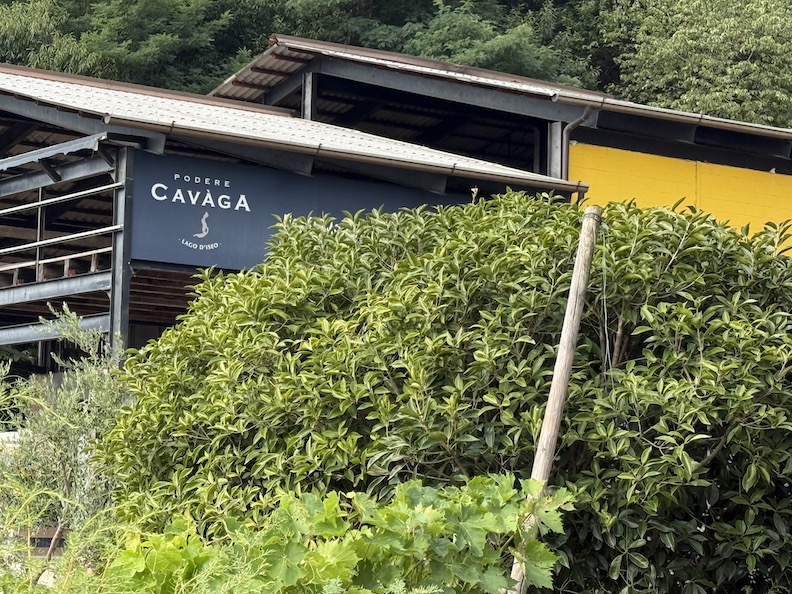
Podere Cavàga is a winery, guesthouse (agriturismo), and boutique farmstay tucked away in Foresto Sparso, in the province of Bergamo, Lombardy, in the hills south of Lake Iseo.
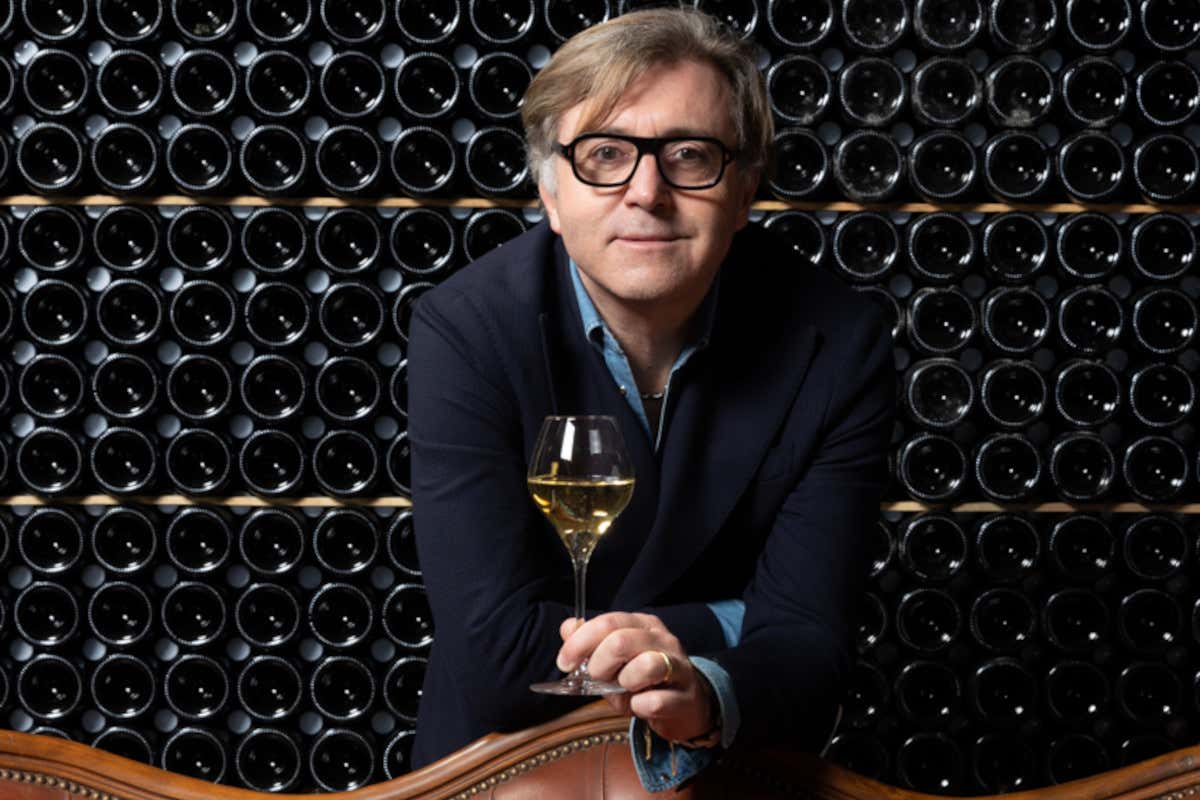
It sits on land developed by Andrea Mazzucchelli, an entrepreneur passionate about wine, who chose to celebrate and elevate his native countryside.

Andrea Mazzucchelli

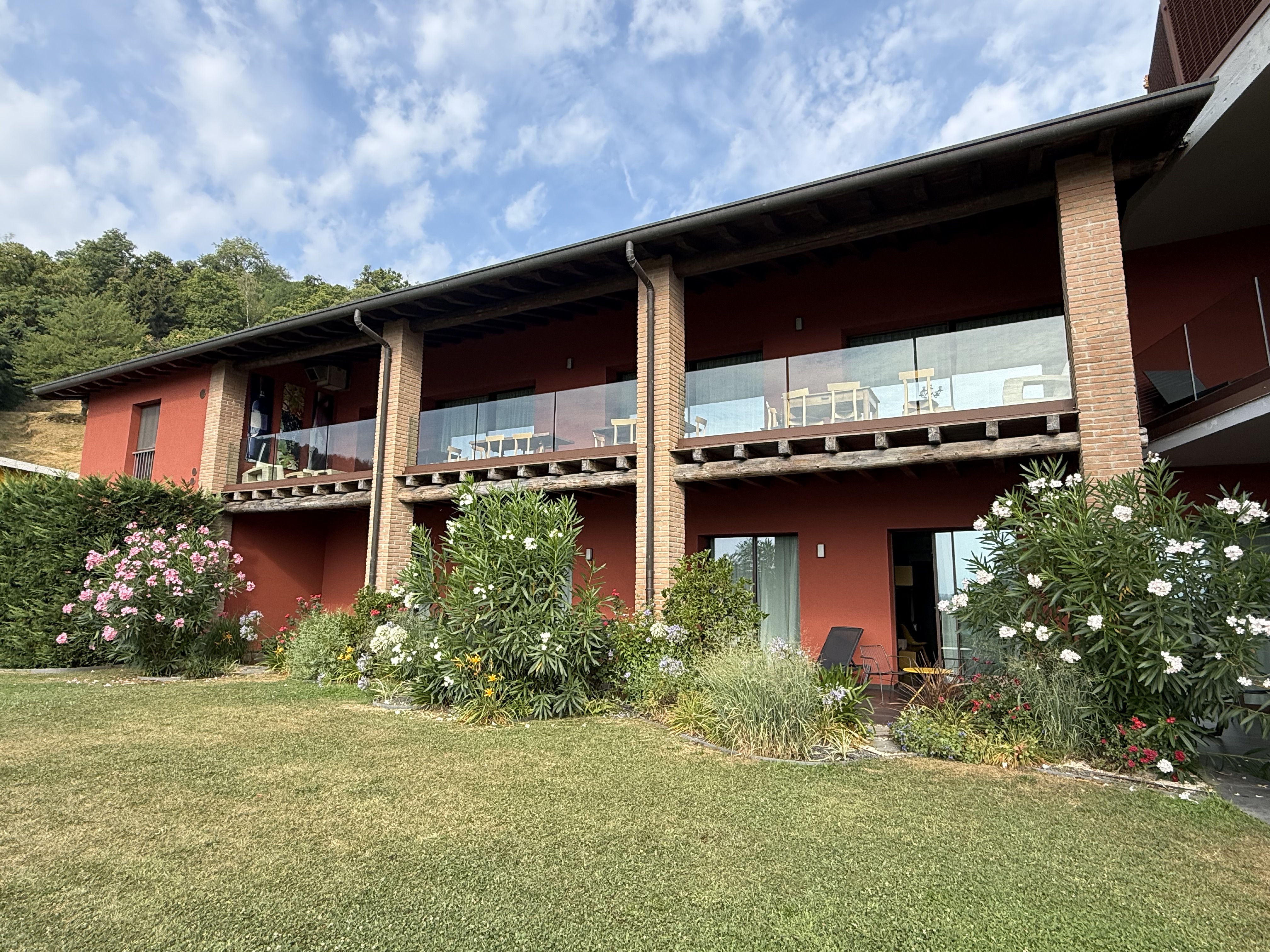
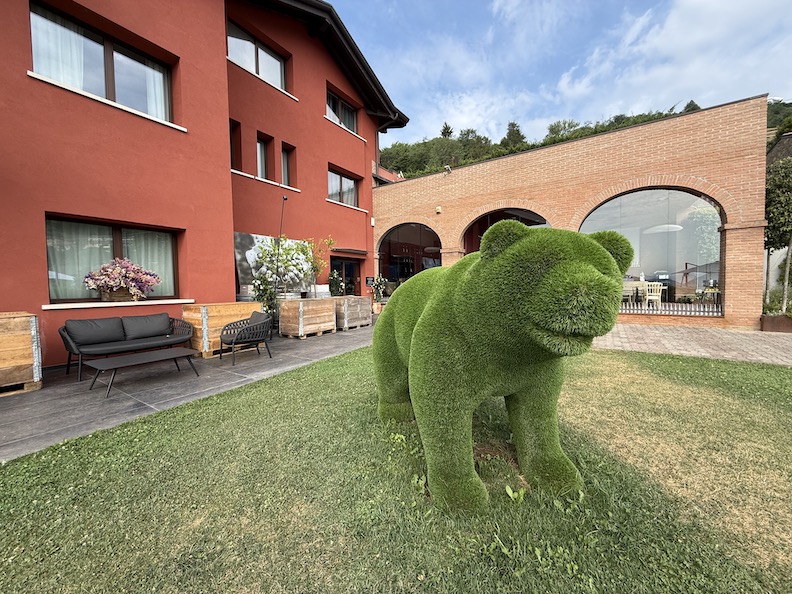
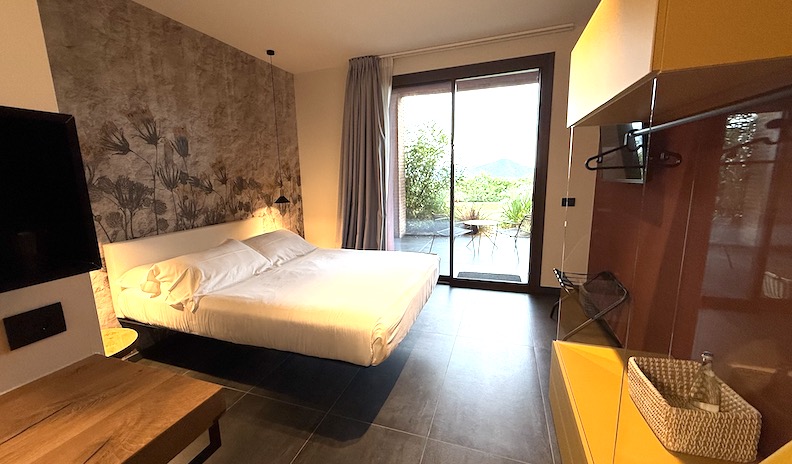
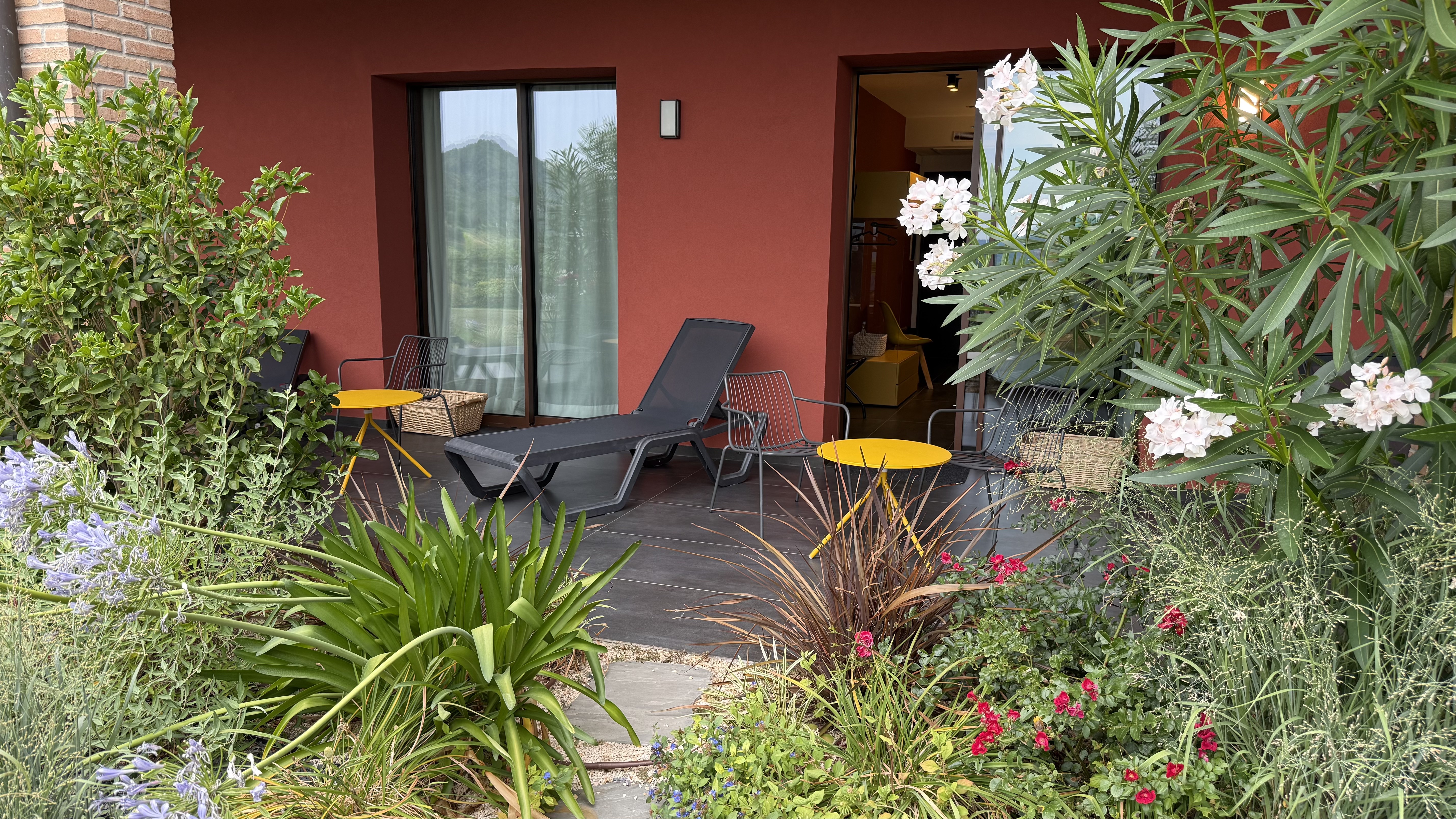
The estate offers guests tastings, cellar tours, forest-therapy walks, and lodging at Cavàga Foresteria—a modern building featuring a striking clay-red exterior next to the winery.
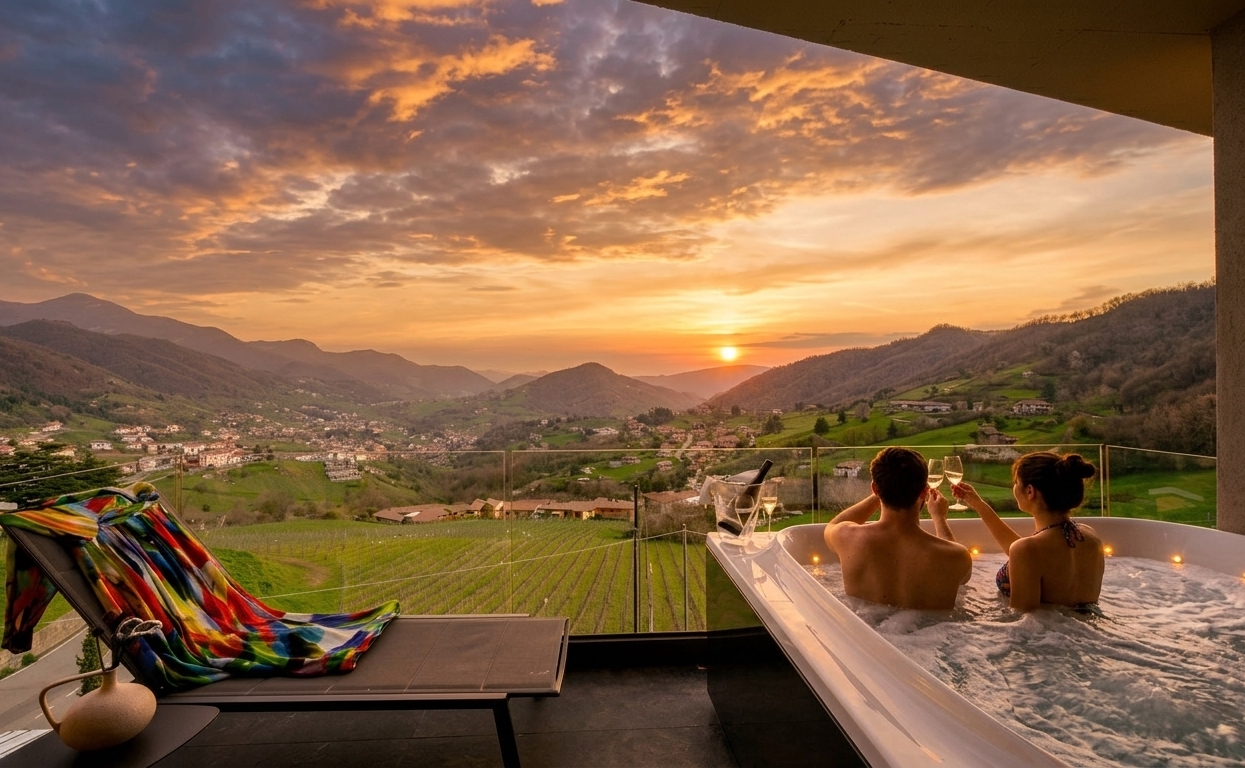
The 20 guest rooms feature panoramic views, high-end comforts, terraces, jacuzzi, and contemporary furnishings blended with heritage-style touches.
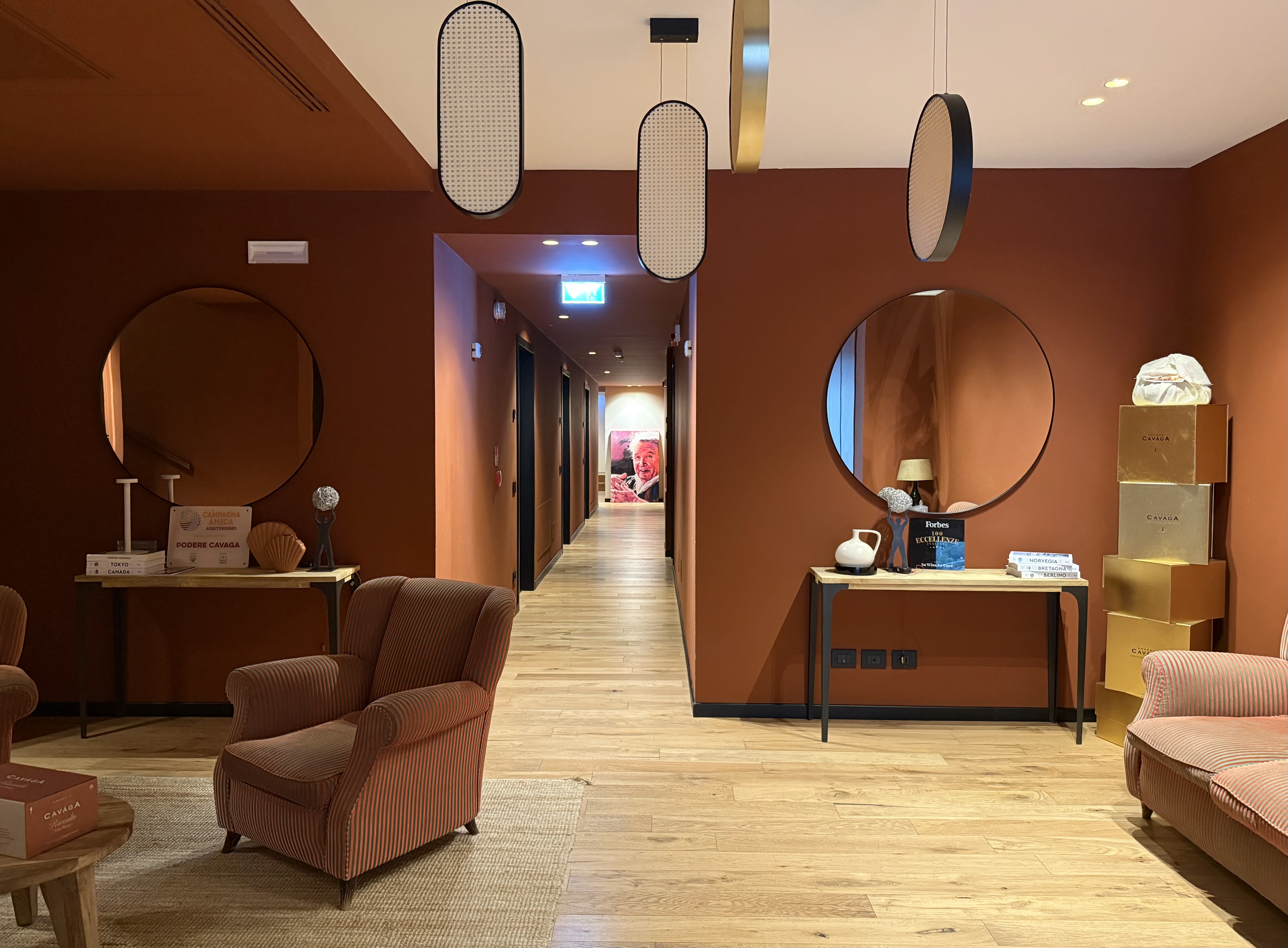
Guests also have access to a relaxation area featuring a sauna and massage services, a spacious lounge complete with a panoramic terrace
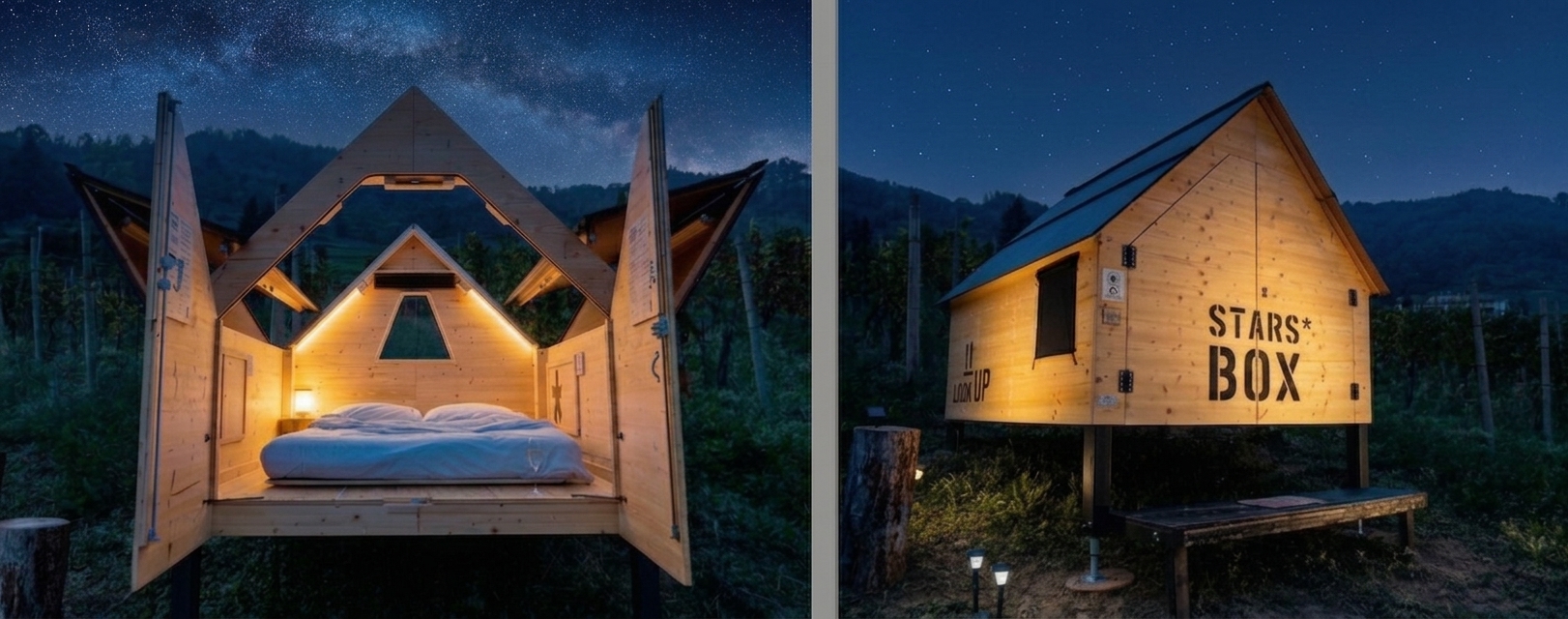
What about the 3 amazing star-domes scattered throughout the woods and vineyards for a unique night under the stars? An experience.. simply wonderfull !
Wines 
Perched at around 600 meters above sea level, the vineyards benefit from a steady breeze that keeps the vines healthy through winter frosts and summer heat.
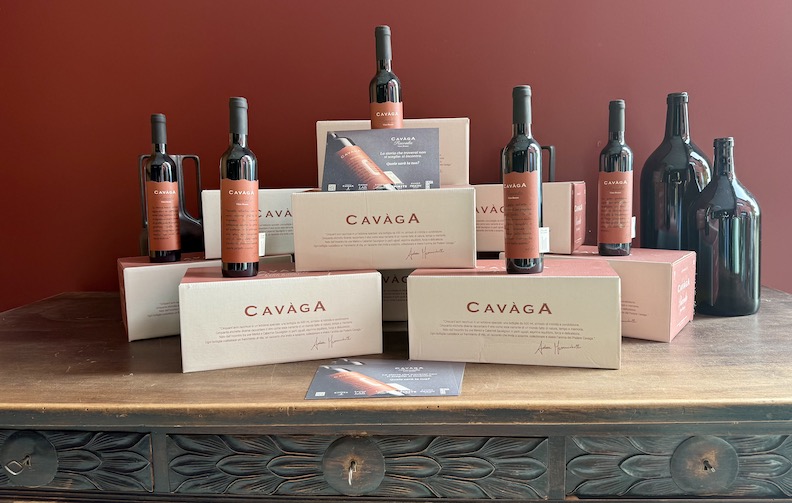
The Wines: Podere Cavàga produces a diverse range of bottles, including the Valcalepio Rosso Riserva “Foresto” (Cabernet Sauvignon and Merlot).
Various grape varieties are planted across the estate, including Franconia and Cabernet Sauvignon, alongside Merlot and Pinot Noir. Two hectares are dedicated exclusively to Chardonnay, grown at 453 meters above sea level—making it the highest vineyard in Lombardy dedicated to this variety.
Come harvest time, the hand-picked clusters are brought to the cellar in small crates for pressing. The Franconia and Chardonnay go into a small pneumatic press, and only the free-run juice—representing just 50% of the extraction—is reserved for the sparkling wine bases.
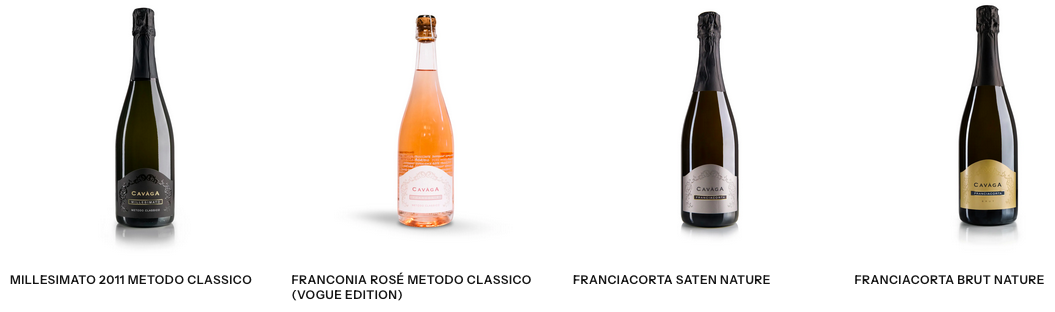
Other notable labels include Dharma (100% Merlot), Samatha (Merlot, Cabernet Sauvignon, Pinot Noir), Franciacorta Brut and Satèn, the Metodo Classico Blanc de Blancs “Quintessenza” and “Heritage Ancestrale,” as well as the Blanc de Noir Franconia Rosé—crafted from a variety native to the Bergamo area.
Extra Virgin Olive Oil
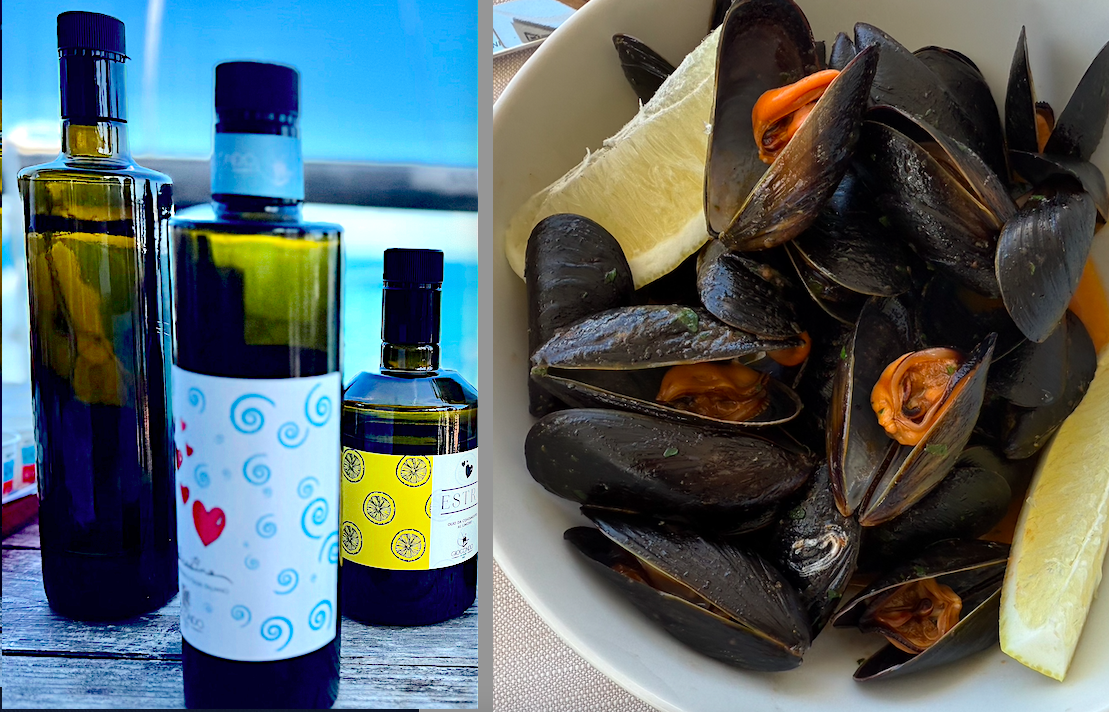
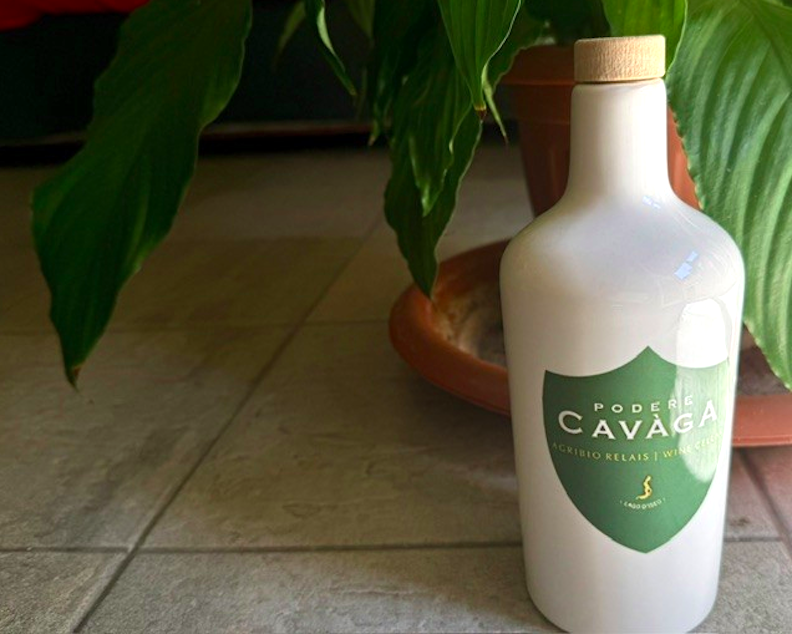
 The estate also produces a superb extra virgin olive oil. It is light-to-medium-fruity, well-balanced, and low in acidity, featuring subtle notes of fresh herbs, green almond, and a light peppery finish. Make sure to pick up a bottle, even though production is extremely limited since it is an artisanal product tied directly to their organic estate, quantities are small and primarily served during on-site tastings or sold directly at the cellar door and through select regional distributors.
The Wine Tasting Experience
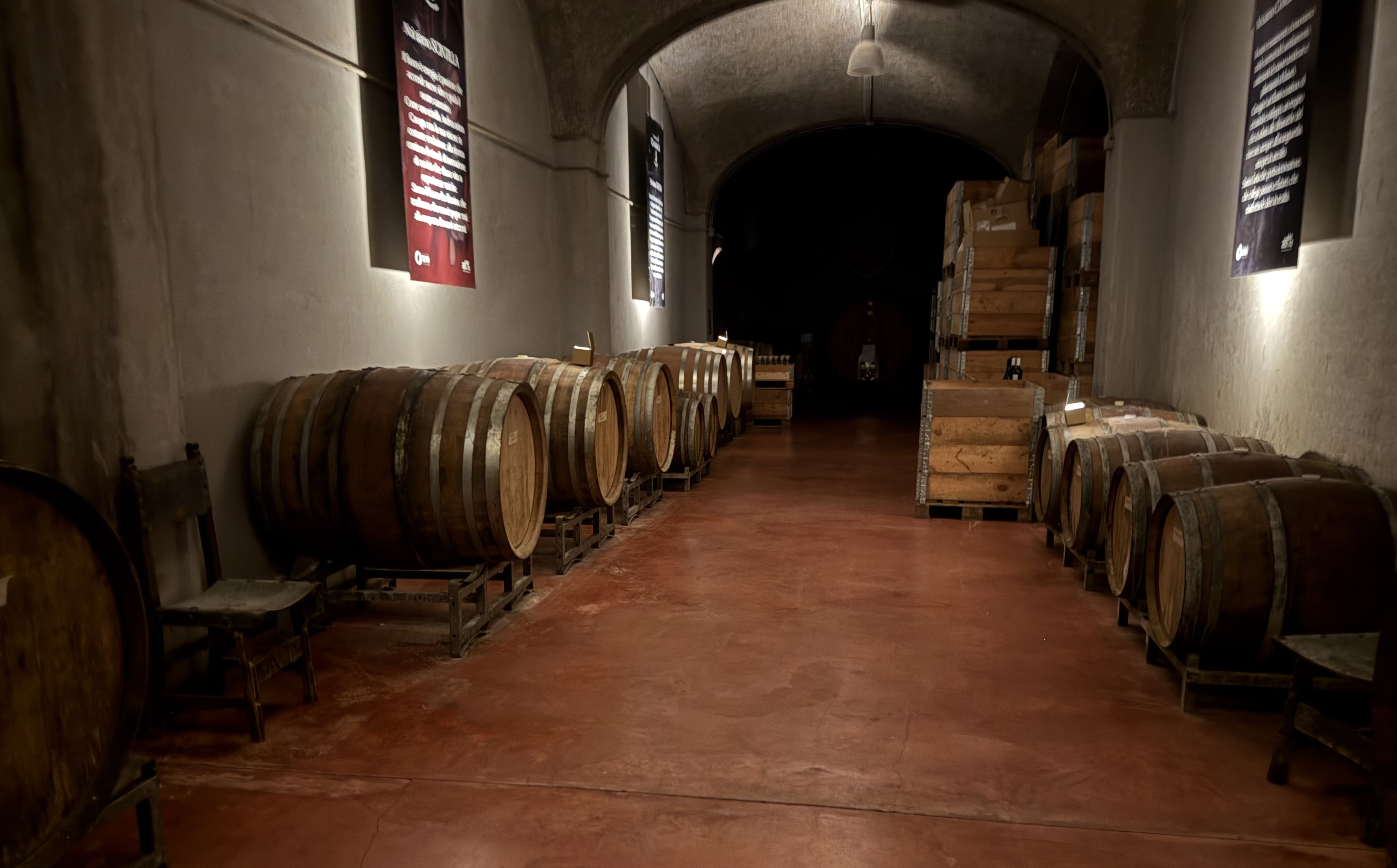
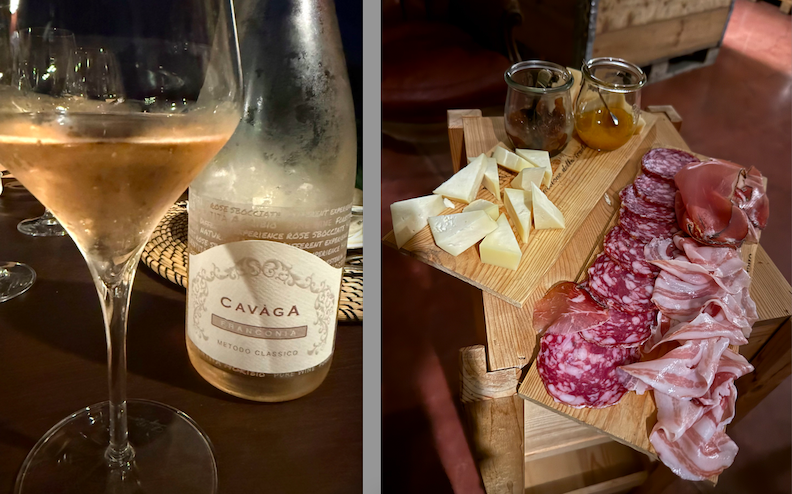
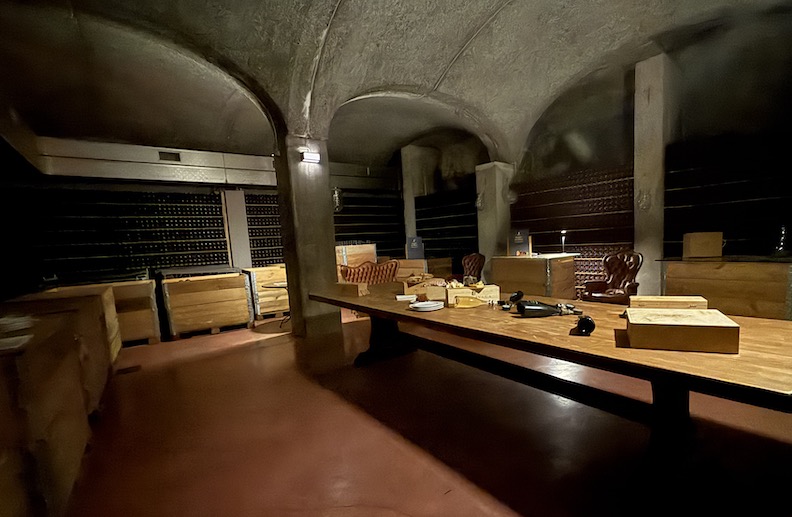
Set in the evocative wine cellar illuminated purely by candlelight, the tasting is an authentic way to begin the evening.
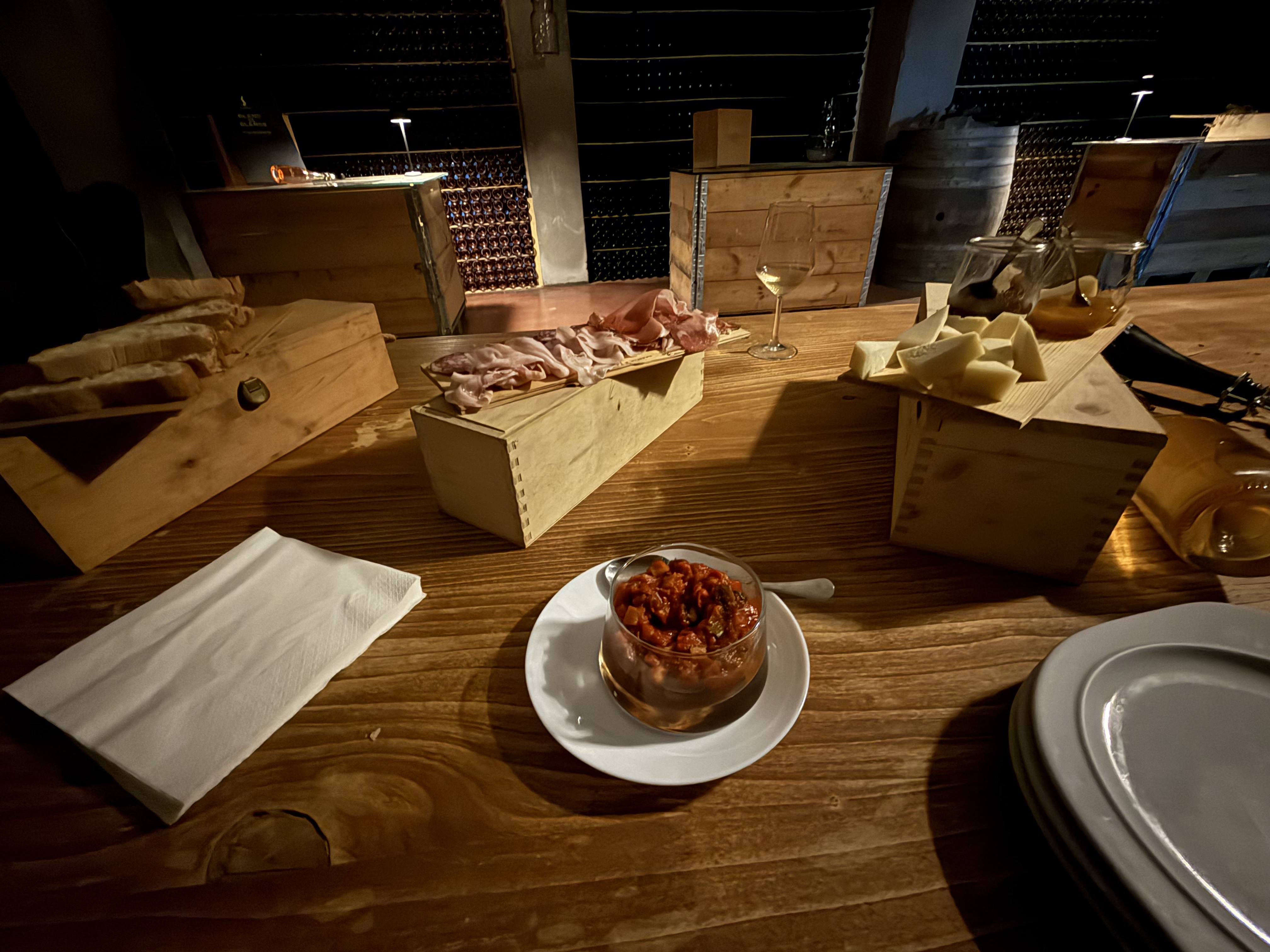
Guests sample house-made wines and estate-produced olive oil paired with local cured meats, cheeses, fresh bread, and artisanal specialties.
A Tavola! The “Farm-to-Table” Experience
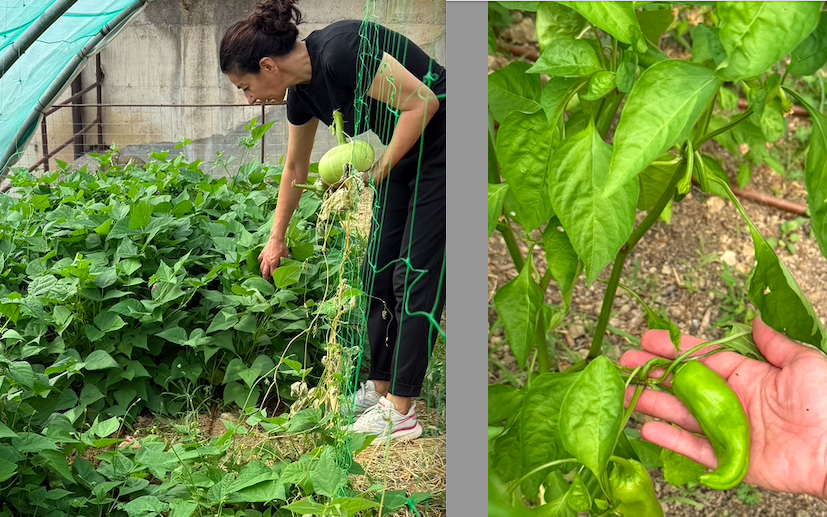
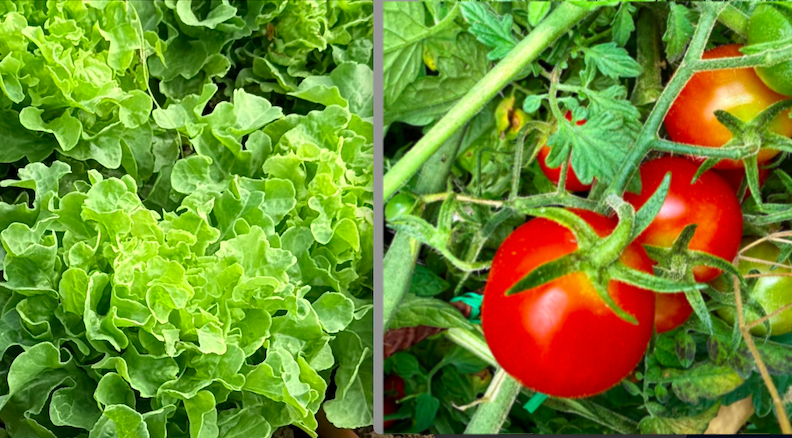
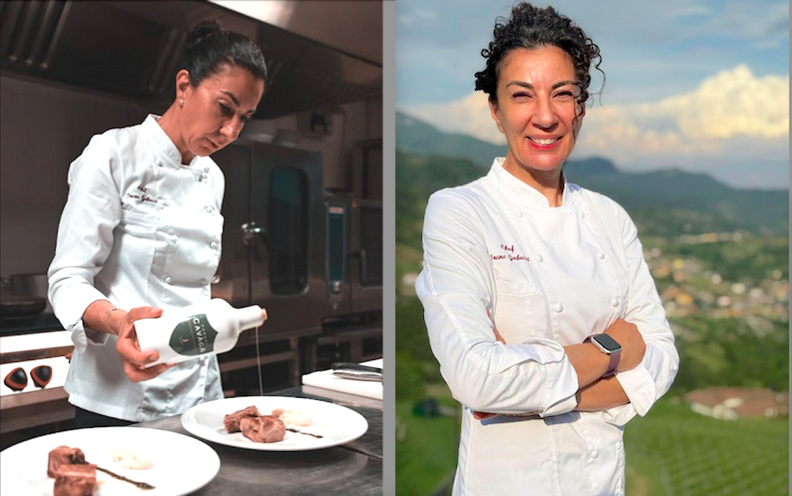
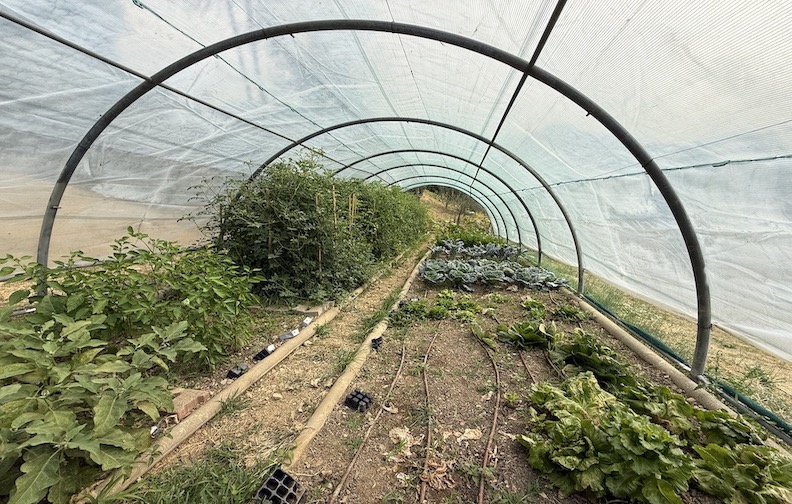
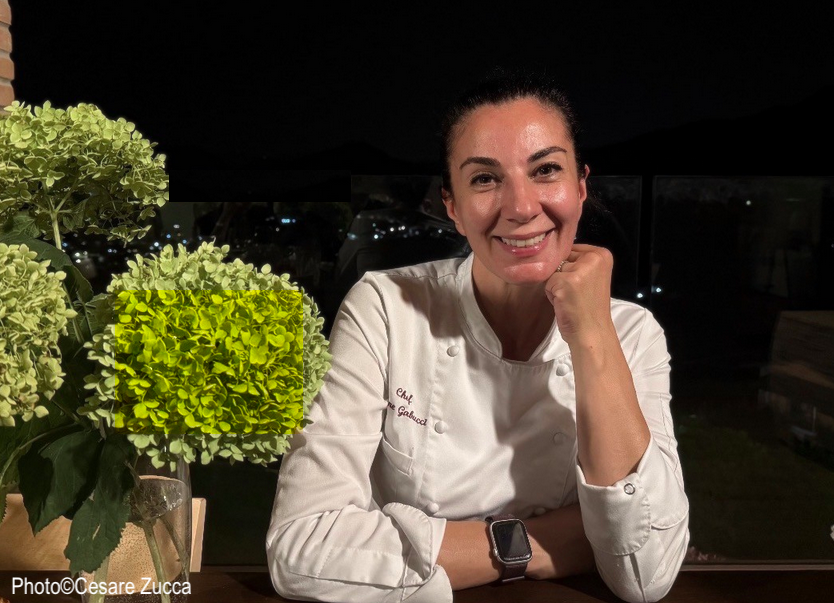
There is no fixed menu here. Chef Irene Gabucci greets you directly at your table, asks about your preferences, and creates a tailored dish on the spot. Her creations highlight fresh produce from the estate’s expansive garden, which yields an endless variety of vegetables and legumes.
The menu is set each morning based on whatever is harvested from the garden, the orchard, and the henhouse, or picked up at the village market, from the local cheesemaker, or from the small-scale farmer up on the hill.
“To my great surprise,” Chef Irene shares, “the purple cabbages and purple savoy cabbages have already sprouted, so I decided to make a delicate purple risotto.

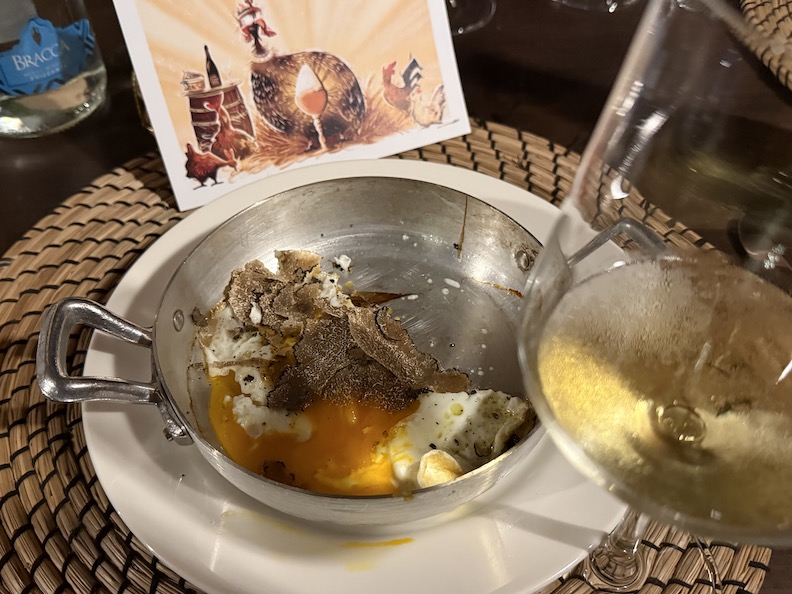
For my tasting, the chef took advantage of a morning visit from her trusted truffle hunter, who brought in a black truffle as large as an orange. She served it in the most classic, sublime way possible: shaved over a fried egg.”

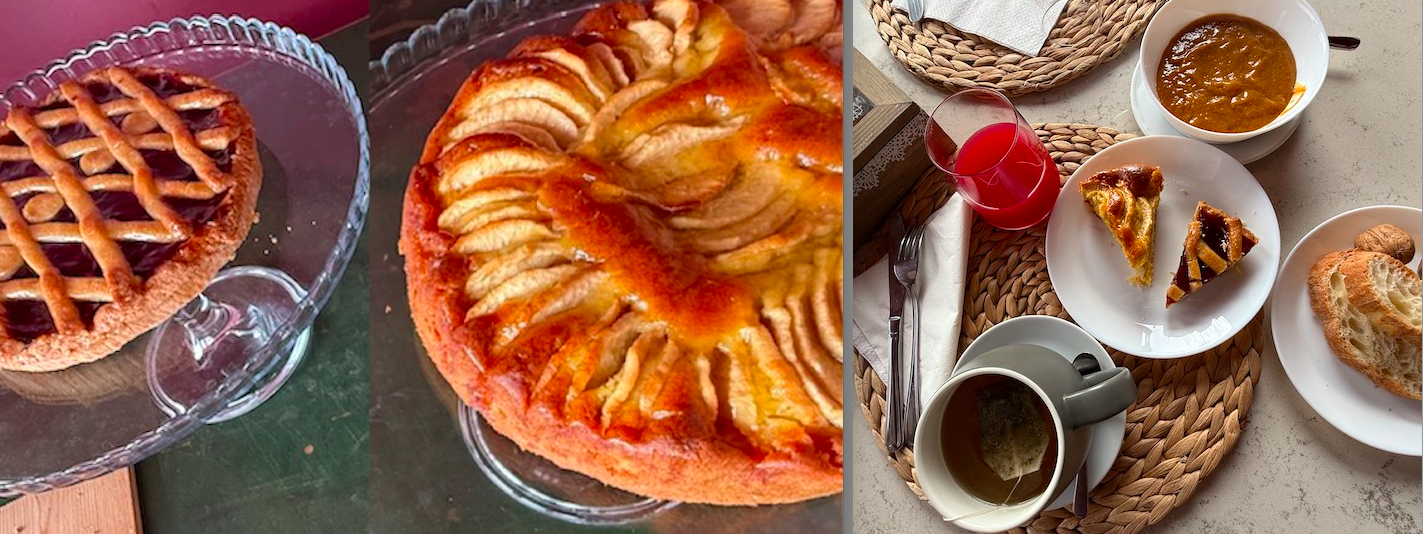
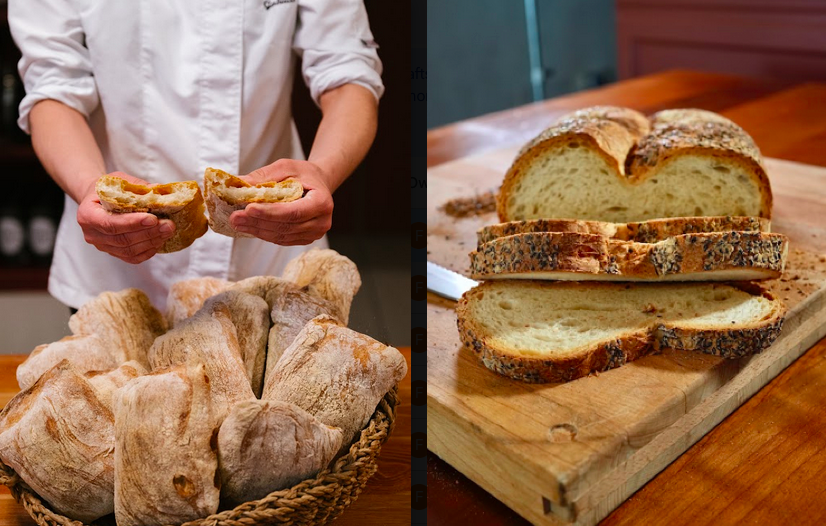
As a matter of fact, Irene has two big culinary loves: anything dough-based—a passion she’s been perfecting for years, spanning everything from artisan bread and focaccia to festive classics like colomba, panettone and those fabulous cakes she prepares for breakfast.
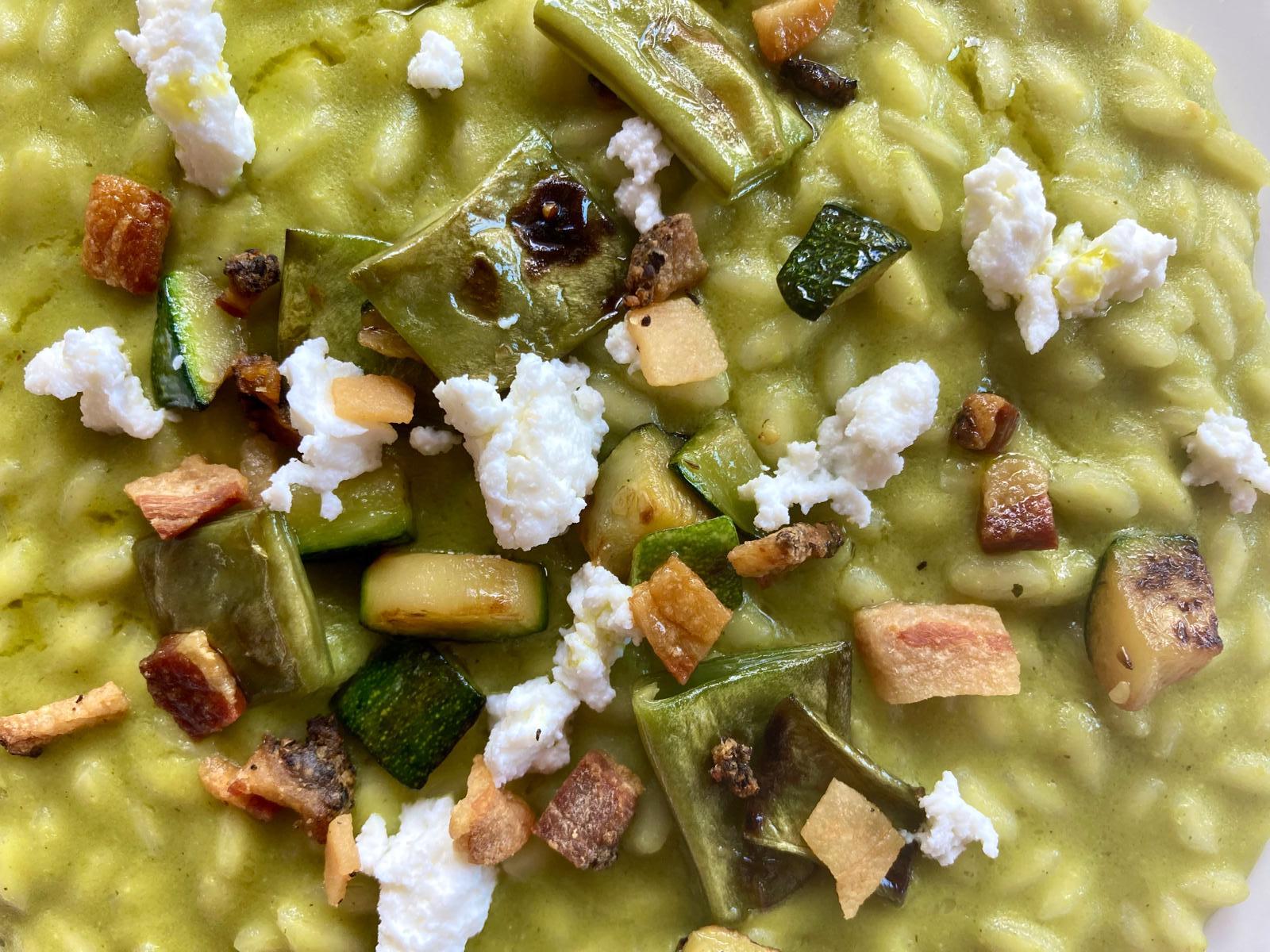
She has a huge soft spot for a great risotto, especially when it features whatever fresh veggies were picked that day, like her signature “Walk in the Woods” risotto made with crisp garden vegetables, creamy ricotta, and crispy pancetta.
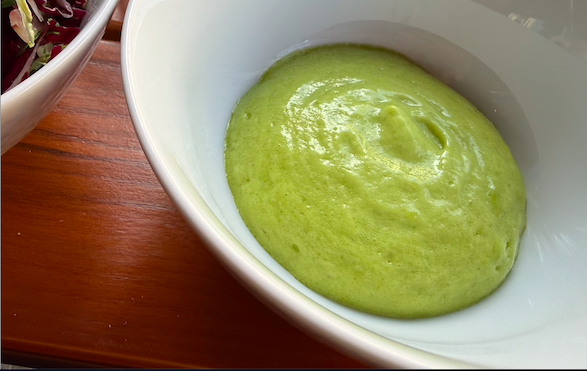
This was followed by a delicate lake trout, lightly pan-seared and served over a smooth potato cream.
An Interview with Chef Irene Gabucci
What is your earliest kitchen memory?
It’s a wonderful memory. I was about six years old and loved helping my mother, Maria, prepare eggplant parmigiana, crespelle (crepes), and fabulous homemade panzerotti stuffed with ricotta, spinach, tomato, and mozzarella. I remember that Mom couldn’t fry them fast enough—they would disappear in the blink of an eye! Perhaps that’s where my passion for leavened dough was born.”
When did your professional career begin?
At eighteen, I was introduced to a renowned Michelin-starred chef. I worked alongside him for twenty years, remaining behind the scenes. During that time, I studied relentlessly and specialized in leavened doughs—honing my crafts in pizza, focaccia, bread, and panettone.”
What is your secret to working with dough?
A starter culture (lievito madre) whose recipe I’ve carried with me for over twenty years as if it were my own child. Combine that with Type 1 whole-wheat flour, 90% hydration, 1.7% salt… and well, the rest is a secret!”
Do you cook at home?
No, my home is right here at Cavàga. No matter what time a guest arrives—7, 8, 9, or 10 PM—I am always available to craft a custom menu featuring meat, fish, and fresh produce harvested that day.”
What did you harvest from the garden today?
To my great surprise, the purple cabbages have already come in, which inspired today’s purple risotto.”
Strictly “Kilometro Zero”?
(Laughs) “Rather than zero-kilometer, I’d call it zero-meter… the garden is literally right outside the door.”
Any favorite culinary souvenirs from your native Puglia?
“Of course: stuffed cabbage rolls, caponata, and eggplant parmigiana.”
Is there a dish you will only eat if someone else cooks it?
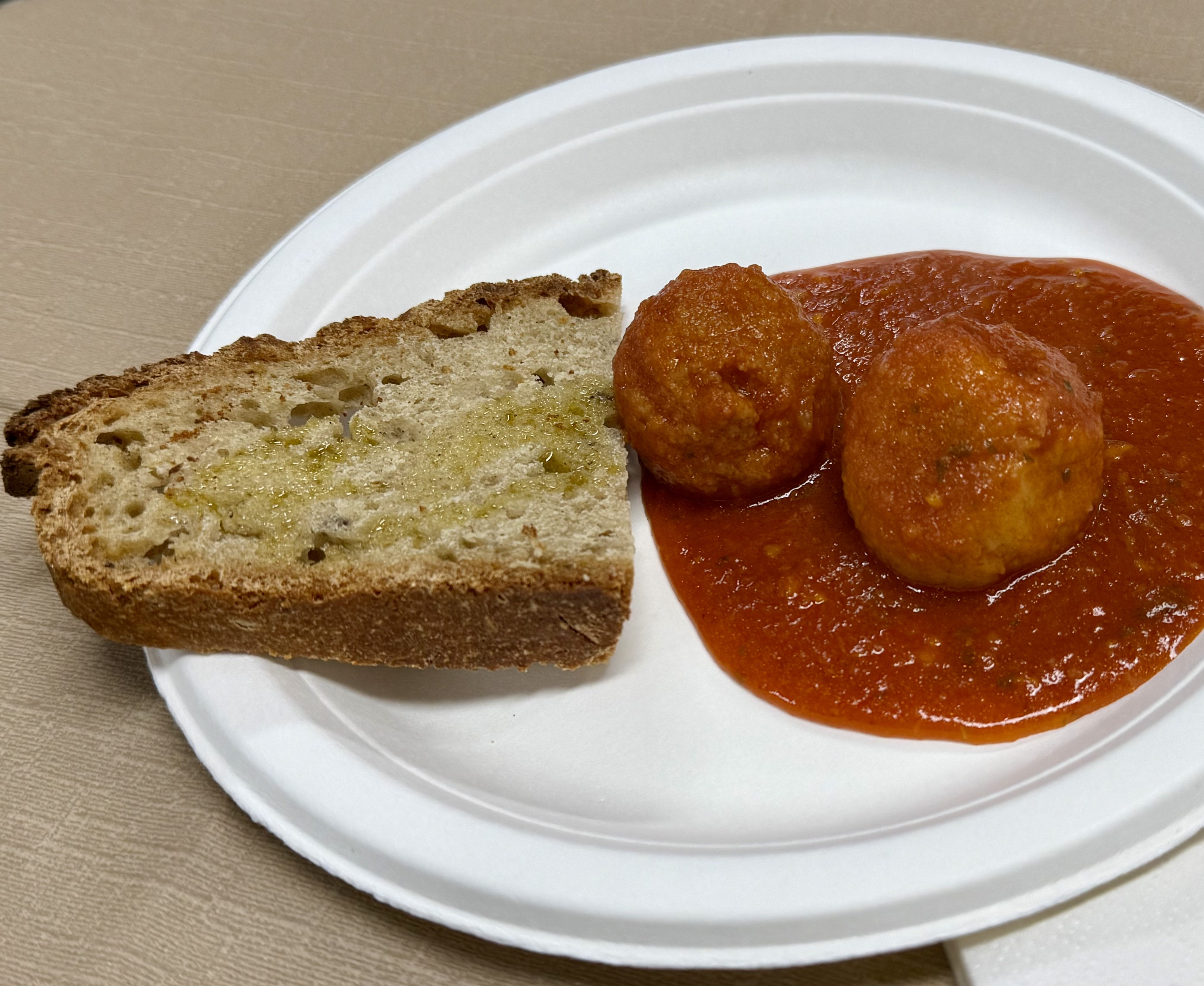
My mother’s signature dish: her spectacular stuffed mussels in tomato sauce. Absolutely unrivaled!”
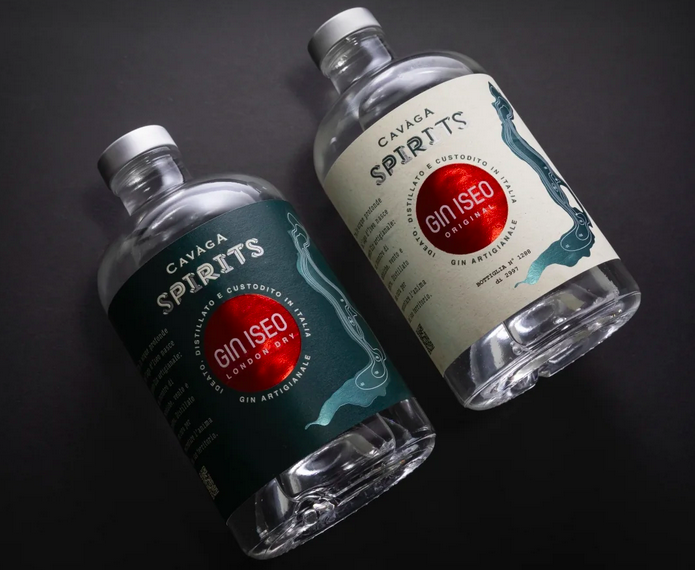
Exploring the surroundings of the winery, Mazzucchelli discovered an abundance of wild juniper bushes and, in 2011, launched Gin Iseo using their berries—making it the first gin dedicated to Lake Iseo. In recent years, he has added Bitter Puro Cardinale and Elisir Misericordia to the spirits line.

Bottom line: if you love nature, killer views, good vibes, top-tier food made fresh every day, and a fine glass of wine… this hidden gem is calling your name!

PODERE CAVAGA
Via Gafforelli, 1
Foresto Sparso BG
www.cavaga.it


A Weekend in a Puglian Masseria: The Art of Italian Hospitality

By Valentin Bandera – Casa Bandera
Website: https://casa-bandera.com

You don’t remember a weekend in Puglia just because of its breathtaking landscapes. Or its beautiful beaches. Or even its centuries-old olive trees.You remember it because of a feeling. That strange sensation… that time slows down.
That a simple cup of coffee becomes a meaningful moment.That lunch lasts for three hours, yet no one ever looks at the clock. That a table brings together much more than just guests.

Welcome to a Puglian masseria.
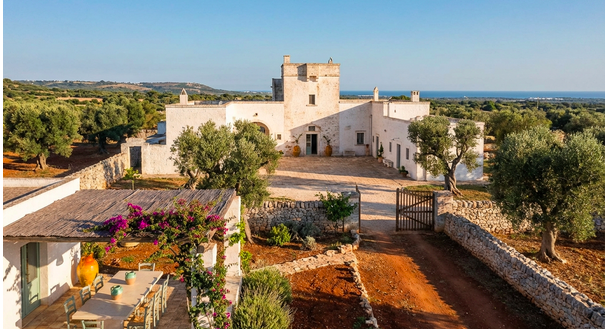
Far more than a place to stay, a masseria is an experience. A journey into the heart of Italian traditions. A place where every detail tells a story. A table set with care. A meal shared for hours. Conversations that continue long after dessert.
In Puglia, hospitality isn’t just a concept.
It’s a way of life. It’s the very essence of the Italian Art of hospitality.

A Puglian Masseria: An Italian Heritage of Tradition and Elegance

Masserie are among Southern Italy’s most authentic treasures.These fortified farmhouses were once the heart of vast agricultural estates. This is where olives were harvested. Wine was produced. Livestock was raised. Daily life revolved around these remarkable places.
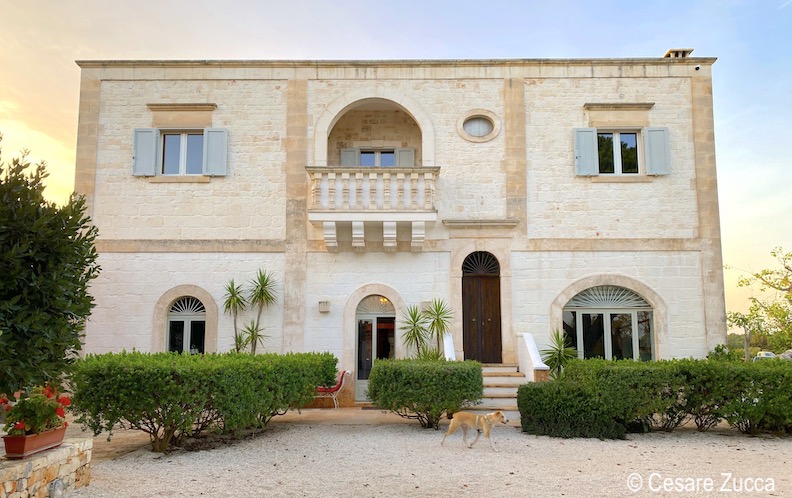
Today, many masserie have been beautifully transformed into charming countryside retreats. Yet their soul remains untouched. White stone walls. Spacious inner courtyards. Mediterranean gardens. Timeworn wooden furniture. Every detail reflects the true spirit of Italy. An Italy where beauty lies in simplicity. Here, luxury isn’t measured by extravagance.
It’s found in the little things. A linen tablecloth. Handcrafted ceramic plates. An olive branch resting on a wooden table. The soft glow of the setting sun. It’s this effortless elegance that makes Puglia so unforgettable.

Italian Hospitality Begins the Moment You Arrive

At a Puglian masseria, the welcome is an experience in itself. It starts with a smile. A freshly brewed espresso. A spontaneous conversation. A personal recommendation on where to explore next. The hosts aren’t simply offering you a place to stay. They’re creating a memory. And that’s what sets a masseria apart from any ordinary accommodation. Italian hospitality is built on one simple idea:

Two top masserie
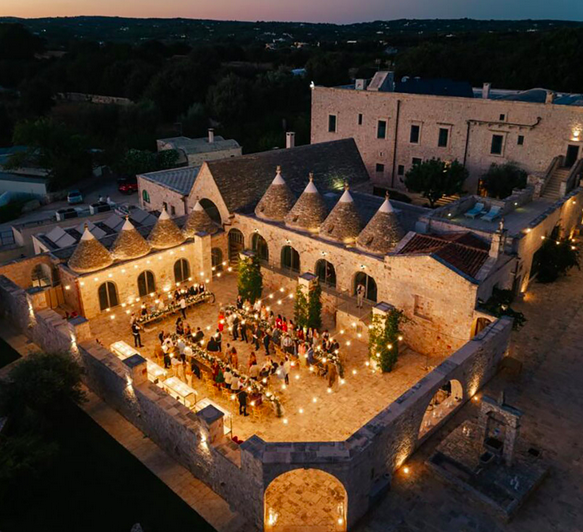
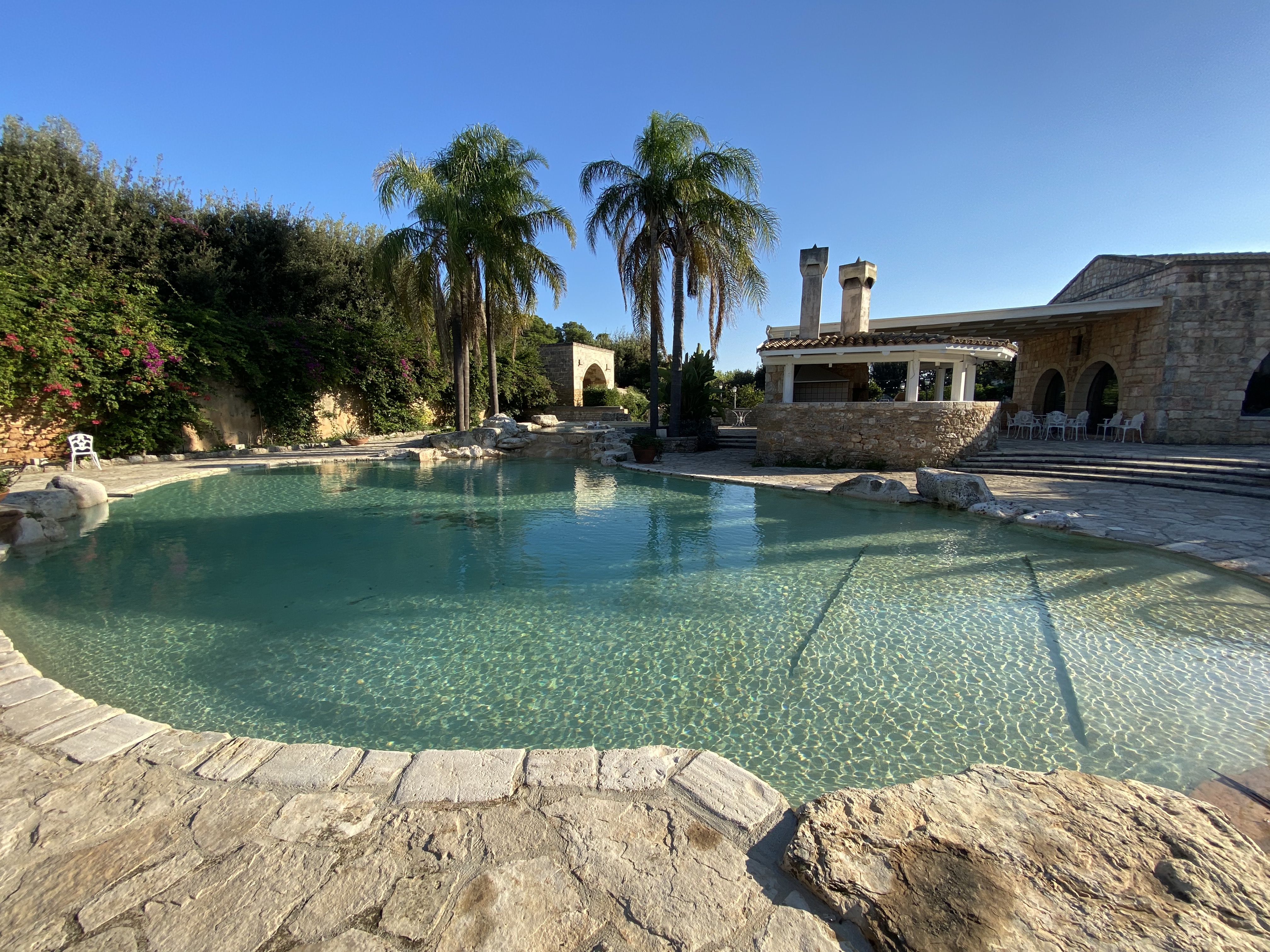
Tenuta Moreno, obtained from a typical 18th century farmhouse surrounded by an immense Mediterranean park. It is a large structure, 84 rooms, restaurants, rooms for events and conventions and weddings, a wonderful swimming pool, immersed in the luxuriant garden flanked by centuries-old olive trees and a second swimming pool carved into the rock, as well as a Spa built with natural materials and characterized from large windows with a panoramic view of the orange grove

Tenuta Moreno was one of the first structures not only in Puglia but on a national level, to pursue an eco-sustainable philosophy also in economic and social terms, combining environment, tradition, ecology and economy.
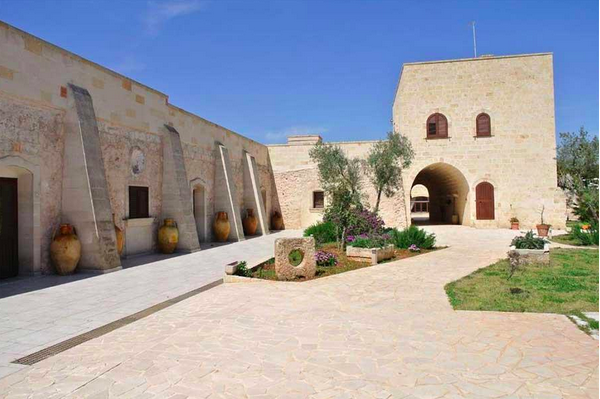
In Ceglie Messapica, check the wonderful farmhouse  Masseria Camarda
Founded at the end of the 1800s as an agricultural center, it then specialized in the production of oil, wheat, vegetables, legumes and its large stables housed goats, sheep and cows.


All around, there is a vast countryside where extra virgin olive oil of superior quality is produced, primitive wine, “senator” type wheat Cappelli”, basic ingredient for the production of the typical Apulian orecchiette, vegetables, forage, fruit, walnuts, almonds, hazelnuts, capers, chickpeas, lupins.

Make every guest feel like part of the family.
In Italy, welcoming someone means taking genuine care of them. Sharing. Connecting. Making them feel at home. It’s the essence of bella figura. The desire to do even the smallest things with care. To create a meaningful experience. Because unforgettable moments aren’t created by a beautiful place alone. They’re created by the way that place makes you feel.

Breakfast at a Masseria: Your First Taste of La Dolce Vita

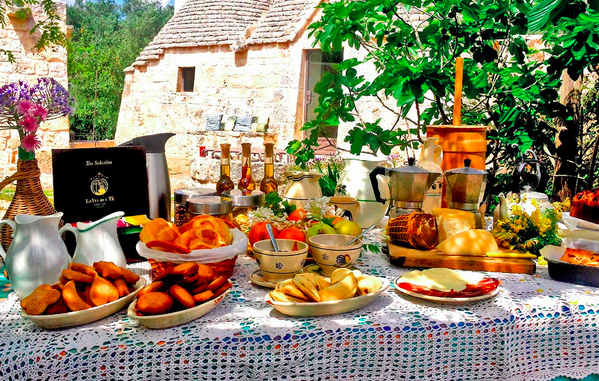
In the morning, a masseria in Puglia reveals its true magic. No rushing out of bed. No packed schedule. Just the simple pleasure of slowing down. Breakfast is often served outdoors. In the shade of an olive tree. With sweeping views of the countryside. It becomes more than just the first meal of the day. It becomes a ritual.

On the table:
Fresh bread. Seasonal fruit. Homemade jams. Traditional Italian pastries. A rich espresso.
Locally sourced ingredients, prepared with care. Sometimes even a warm focaccia barese, a few crunchy taralli, or a frisella topped with fresh tomatoes and local olive oil.
Every bite tells the story of the region.Every ingredient reflects generations of craftsmanship. In Italy, even breakfast is an invitation to slow down. To talk. To savor the moment.

The Must-Try Flavors of Puglia

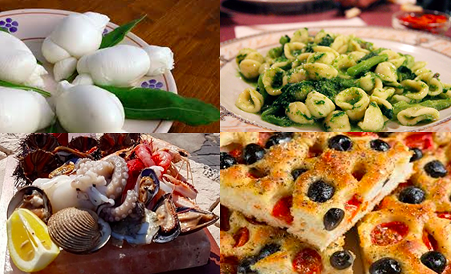
Puglia does not only captivate visitors with its landscapes.It is also discovered through its cuisine.Here, food tells the story of the land. Every specialty reflects a history, a season, or a tradition passed down through generations. You cannot stay in a masseria without tasting orecchiette, the famous handmade pasta from Puglia, often served with cime di rapa or a generous tomato sauce. You will also discover burrata, which was born in Puglia. Creamy, delicate, and simply irresistible. At aperitivo time, it is hard to resist a warm focaccia barese, topped with cherry tomatoes and local olives. And then there is olive oil.

The green gold of Puglia.
Produced from olive trees that are sometimes centuries old, it accompanies almost every meal. A simple piece of bread dipped in local olive oil is enough to understand why this region is one of Italy’s greatest olive oil producers.
And of course, we cannot forget the wines.
Primitivo di Manduria, bold and generous.
Negroamaro, with its more intense and spicy character.
Two wines that perfectly complement long summer evenings gathered around a large table. In a masseria, these specialties are never just dishes. They are a way of sharing the story of Puglia. And of making guests feel truly welcome.

The Puglian Table: When a Meal Becomes an Experience

Puglia’s cuisine is deeply rooted in its land. Generous. Family-centered. Authentic. The recipes are simple. But the ingredients are extraordinary. Locally produced extra virgin olive oil. Sun-ripened tomatoes. Fresh vegetables from the garden. Handcrafted pasta. Regional cheeses. Freshly caught seafood. In a masseria, meals are at the heart of everyday life.The table brings people together. It creates memories. The dishes are placed in the center. Everyone shares. Everyone tastes. The conversations grow louder. Time quietly fades away. Because in Italy, eating is never just about satisfying your hunger. It’s about celebrating. Passing on traditions. And bringing people closer together.

“Italian Art of Hosting” (https://casa-bandera.com/italian-cuisine/italian-hosting-guide)

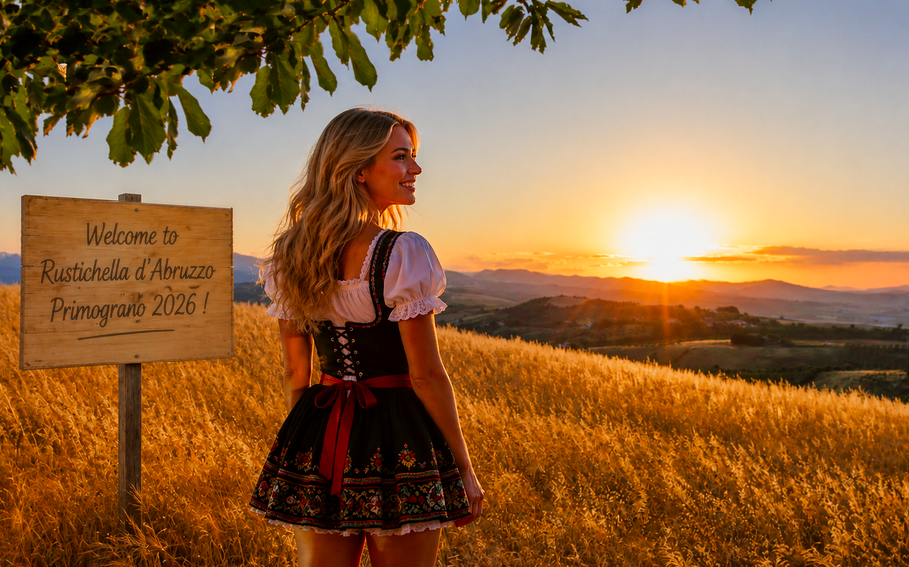
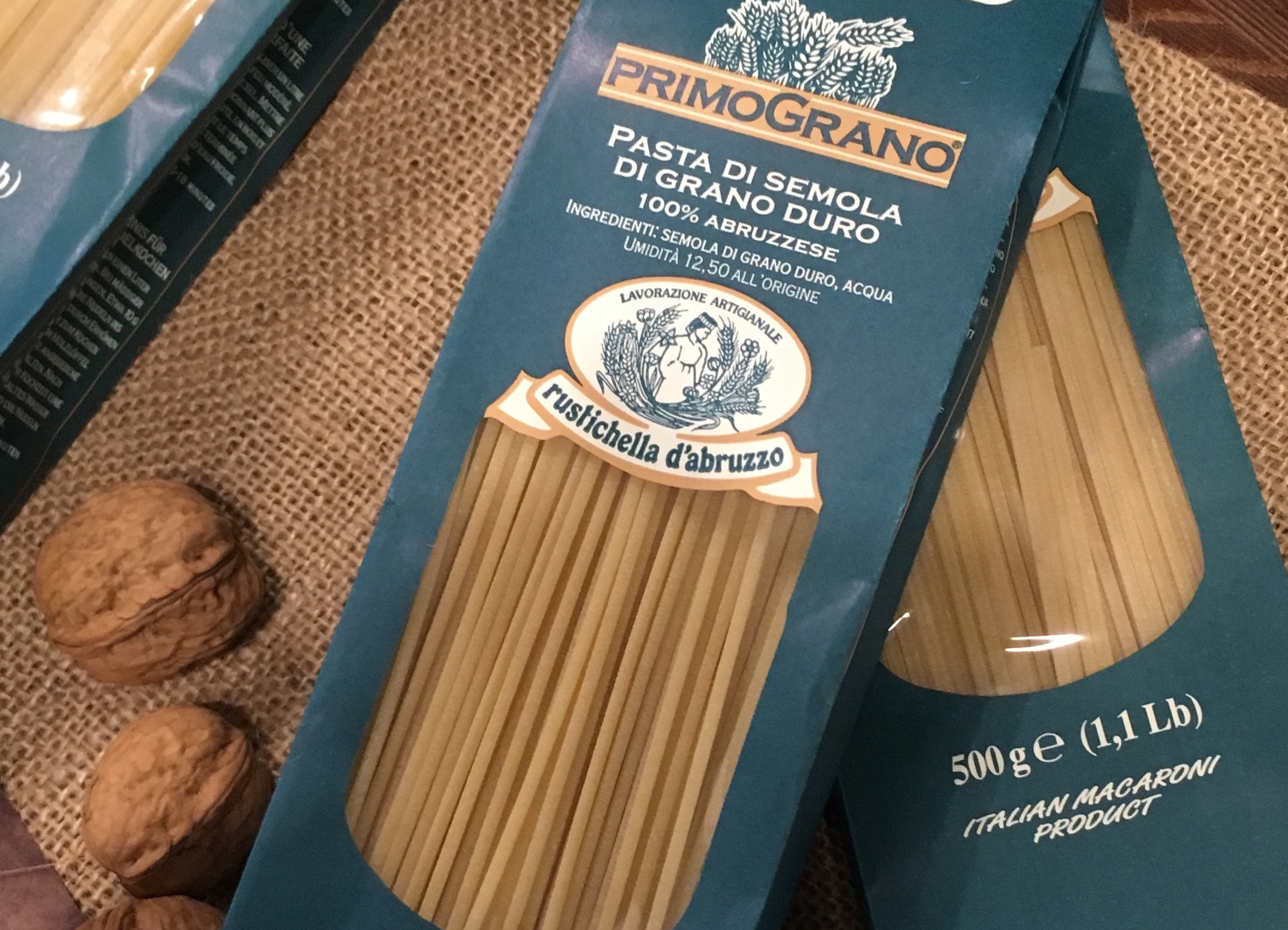
PrimoGrano Tour: Rustichella champions Abruzzo through food and art

Words and Photos by Cesare Zucca 

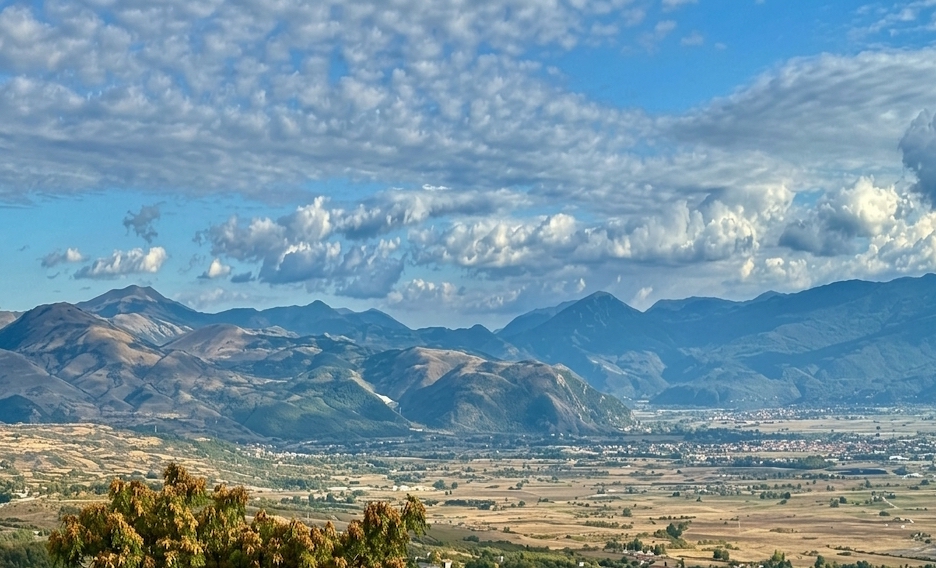
To my opinion, Abruzzo may be Italy’s best-kept secret, a captivating region where the rugged grandeur of the Apennine Mountains seamlessly gives way to the sun-drenched beaches of the Adriatic coast.

Known as the “Green Region of Europe,” its vast national parks shelter ancient forests, medieval hilltop villages, and a wild, untouched beauty that feels timeless. It is a land shaped by proud pastoral traditions and a deep connection to the soil.

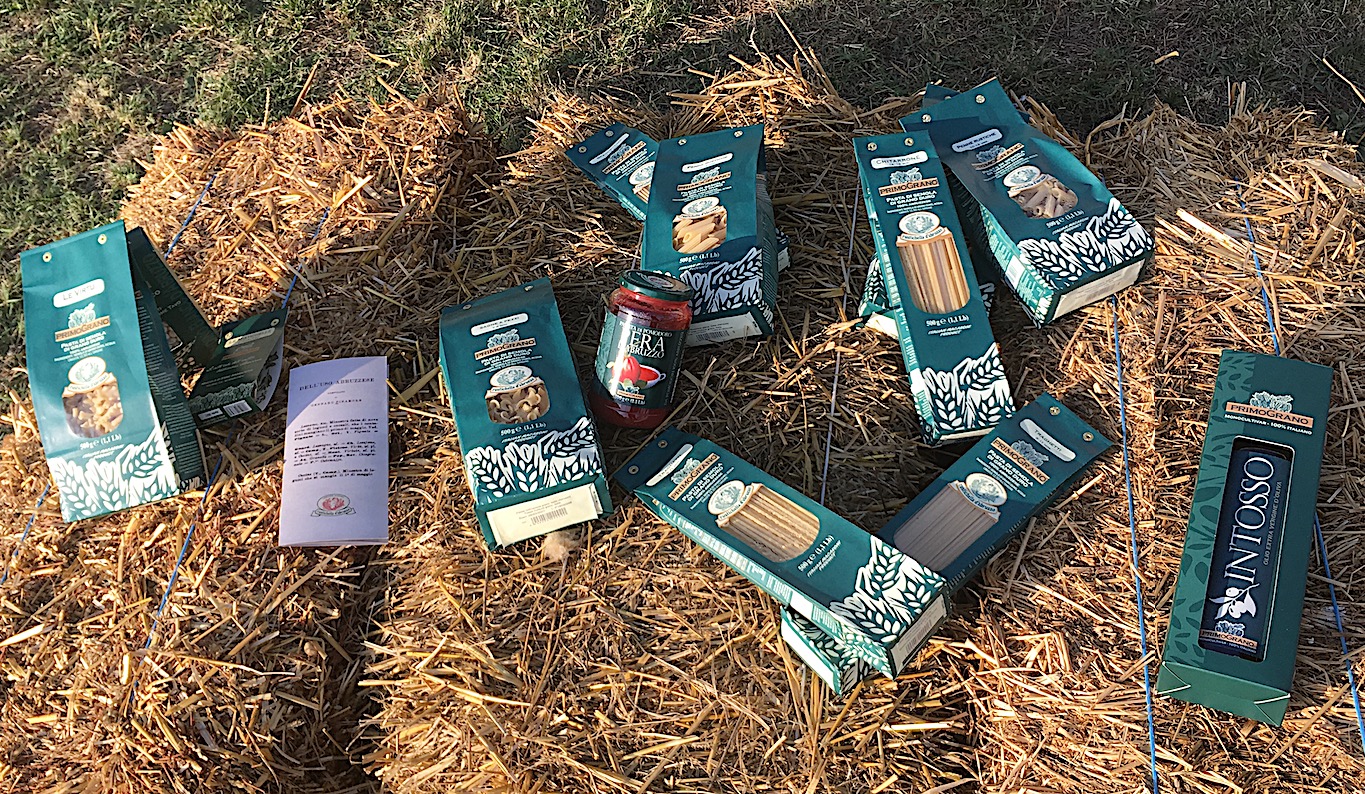
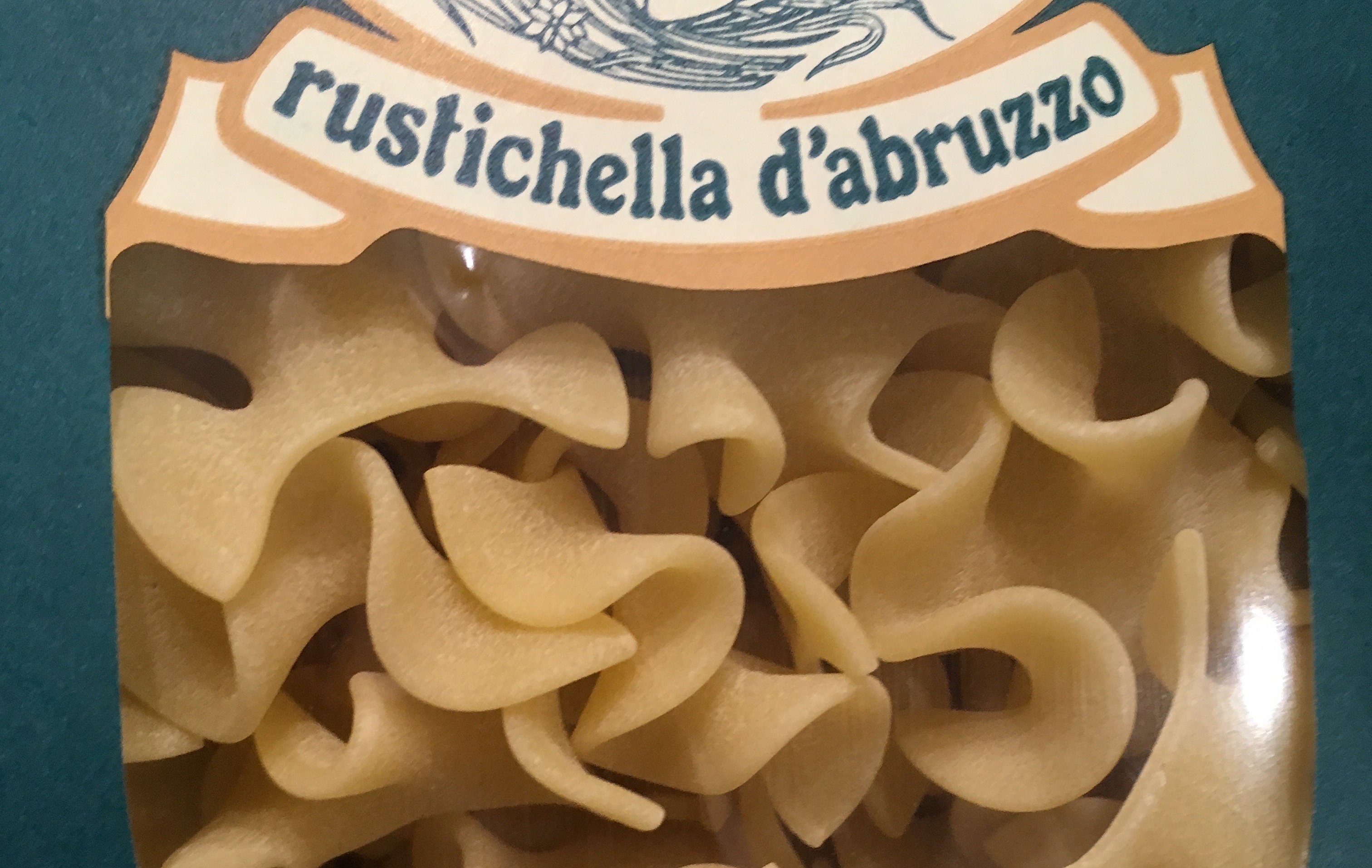
Nothing captures this rich heritage quite like Rustichella d’Abruzzo. More than just a premium pasta, it acts as an authentic culinary ambassador, translating the region’s geography and history into pure flavor. Produced in the heart of the Vestini hills, the brand valorizes local agricultural excellence by choosing high-quality, locally grown durum wheat semolina, mixed exclusively with pure mountain spring water from the Apennines.

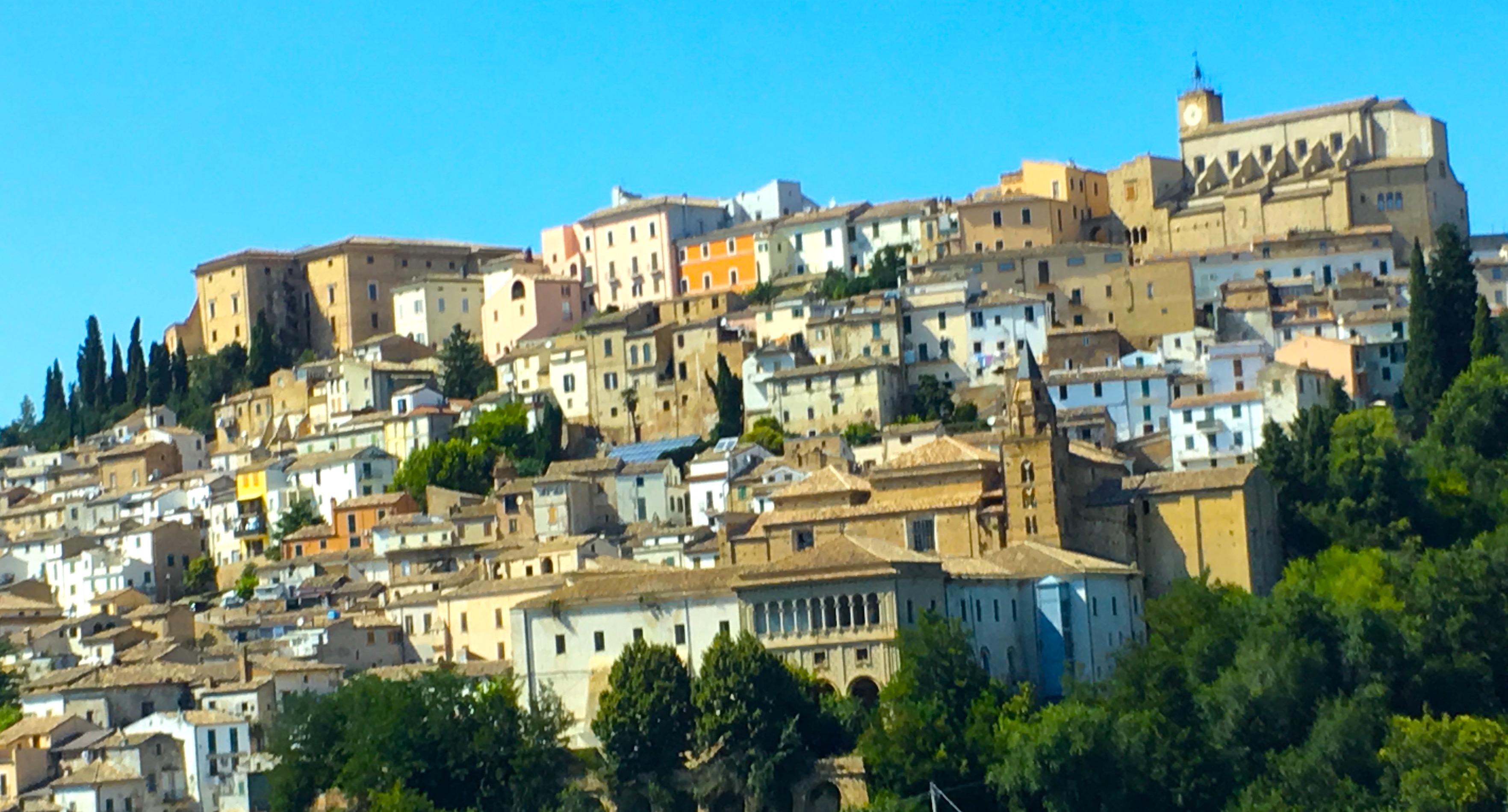
Pianella, Abruzzo , Italy
For over a decade, company owners Gianluigi and Maria Stefania Peduzzi have proudly championed this initiative, putting the Abruzzo region squarely on the global culinary map.

An international delegation of importers, chefs, and journalists will immerse themselves in the beauty of Abruzzo, enjoying hands-on workshops and masterclasses dedicated to the craft of premium pasta and olive oil.

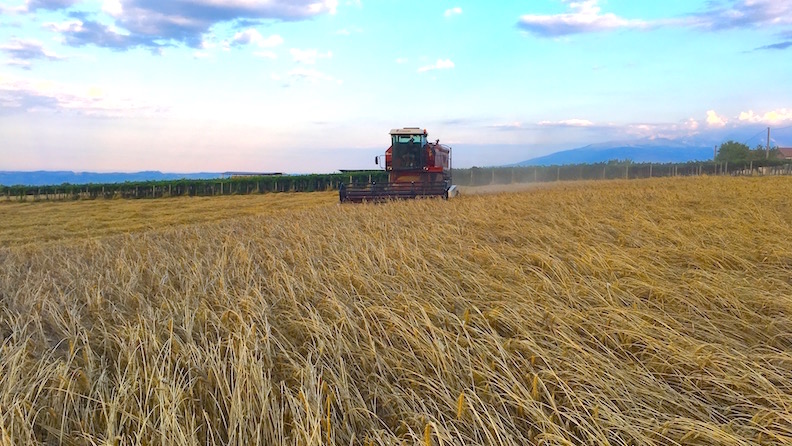
The excitement builds on Friday, July 10th. when Guests will witness the live threshing of the wheat before sitting down to a classic trescatura dinner—a rustic celebratory feast starring, of course, Rustichella d’Abruzzo pasta.

Mark your calendars as the PrimoGrano Tour kicks off! This signature event format by Rustichella d’Abruzzo celebrates the year’s very first wheat harvest.

WHERE TO STAY WHILE IN KATOWICE, POLAND

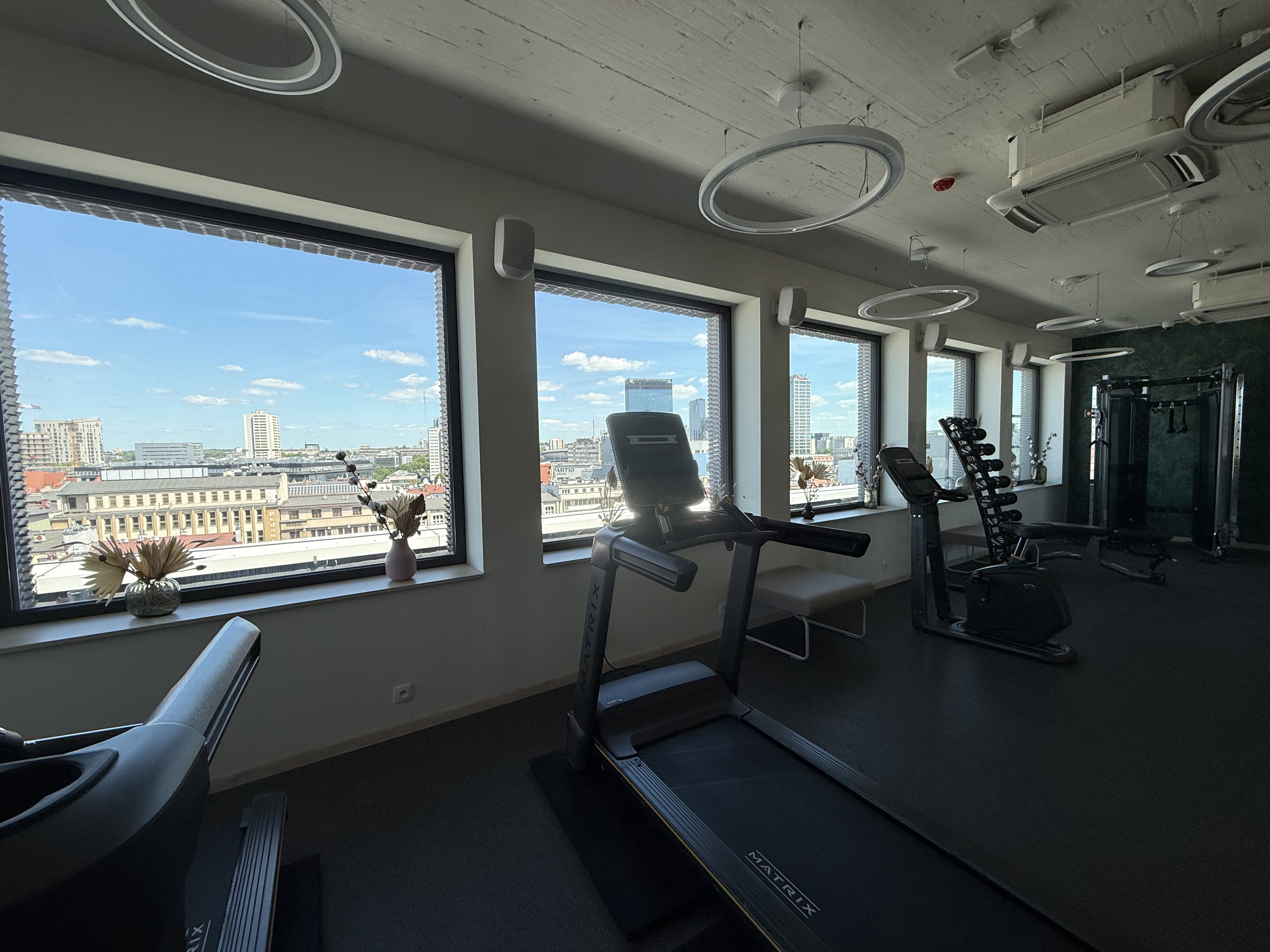
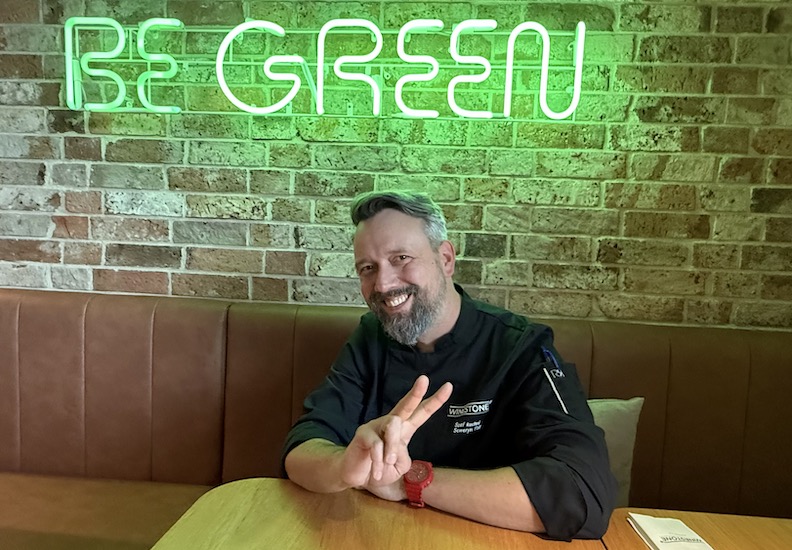
I stayed at the Mercure Katowice Centrum, a gorgeous 4-star hotel located right across from the main train station. It’s the ultimate strategic hub for exploring the region and getting to the airport in just over half an hour. What really sets this hotel apart is its eco-friendly, sustainable mindset—it’s actively driving Katowice’s green transformation toward a “Green and Clean” future. They use green tech wherever possible, and you literally can’t miss their stunning living facade, which is the largest green wall in the entire city!


I was absolutely blown away by the massive mural in the lobby—a stunning tribute to the iconic “Spodek” arena created by local street artist Mona Tusz, who also designed the custom graphics in the rooms.

You can really feel the local history woven into the interior design. Little details, like the lighting and the sliding wooden tables, are actually modeled after traditional coal-mining gear. It’s a super cool touch!


At the same time, the rooms are a masterclass in eco-design, featuring custom furniture made from recycled materials and pre-fab elements. Plus, they don’t skimp on comfort: expect generous space, cloud-like mattresses, Nespresso machines, and literally everything you need for the perfect stay.

And don’t even get me started on the welcome gifts—such a sweet touch! To top it all off, the mirror was customized just for a souvenir selfie. Another cool perk: every floor has a free water dispenser for both still and sparkling water. All you have to do is refill the bottle you find in your room…..Talk about the ultimate welcome!

Oh, and I almost forgot… what about breakfast? Award-winning material, honestly! We’re talking local cold cuts and cheeses, regional delicacies like pâtés and jellied meats, an endless variety of vegetarian options, eggs cooked every which way, fresh fruit, a selection of amazing Polish breads, pastries, you name it…

WHERE TO EAT

After a packed day of sightseeing, I opted for a cozy dinner right at the hotel’s restaurant, Winestoneand it was a total win. The menu is beautifully curated and international, but with some clever nods to traditional Polish cuisine. Everything is crafted by Chef Seweryn Pall, who whipped up a classic żurek for me: a rich sour rye soup loaded with white sausage, potatoes, egg, and a touch of bacon dust.

“Soup is an absolute must on our tables,” Seweryn tells me. “Among the most traditional ones, żurek is my mom’s signature dish… and then there’s wodzionka. Born out of peasant cuisine to avoid food waste, it’s made with cubed stale bread—usually white or rye—with hot broth poured straight over it to soften it up. It’s seasoned with crushed garlic, bay leaves, black pepper, and salt, and often enriched with lard, sausage, smoked bacon, or melted butter. It has a wonderfully rustic flavor, making it the ultimate comfort food to warm you up on cold days.”

Next up was the menu’s main attraction: the Silesian rolled beef—an incredibly tender beef roulade stuffed with red cabbage and paired with the iconic Silesian potato dumplings. “This is the star of Sunday lunch,” Seweryn shares with me. “It’s a sacred family tradition in every single home across Katowice.”

Katowice: definitely a name to add to your bucket list for your next amazing weekend getaway!

INFO
https://all.accor.com/hotel/B580/index.pl.shtml.


“A magic relais”

Testo e Foto di Cesare Zucca

Oggi vi porto alla scoperta della Lunigiana, una una terra magica incastonata tra Toscana e Liguria, dove storia e natura si danno il cinque. Prende il nome da Luni, l’antica città romana oggi scomparsa, ma un tempo importantissima. Qui ogni borgo ha una storia da raccontare e un castello da mostrare: Pontremoli, con i suoi ponti e le statue stele misteriose, Fivizzano, chiamata anche “la Firenze della Lunigiana”, e Bagnone, uno dei borghi più fotogenici d’Italia.

Today, I’m taking you on a journey to discover Lunigiana, a magical land tucked between Tuscany and Liguria where history and nature high-five at every turn.

Its name comes from Luni, an ancient Roman city that was once a powerhouse of the Mediterranean, though today only its fascinating ruins remain. In this corner of Italy, every village has a story to tell and a castle to show off.

Highlights You Can’t Miss:

  • Pontremoli: Famous for its medieval bridges and the mysterious Stele Statues—ancient stone carvings that still baffle historians today.
  • Fivizzano: Often called the “Florence of Lunigiana” for its noble architecture and vibrant cultural heritage.
  • Bagnone: Hands down one of the most photogenic villages in Italy, where stone houses cling to the riverside in a fairytale setting.


Noi abbiamo puntato verso la Toscana nord-occidentale, ci accoglie Licciana Nardi. comune situato nella valle del Fiume Taverone, territorio attraversato dalla “Via del Volto Santo” un percorso storico per i pellegrini, caratterizzato da pievi, castelli e antiche edicole votive, testionianze del passato e della storia della zona.


Castello di Pontebosio
Vi volete concedere una notte pricipesca?
Questa residenza nobiliare del XVII Secolo, sapientemente ristrutturata e trasformata in un lussuoso Resort, accuratamente supervisionato dall’ inarrestabile Silvana “Silvia” Bonugli che, oltre alle sue attività imprenditoriali, ne cura la gestione.
Silvia è una vera “deus ex machina” (non a caso del segno zodiacale toro, ascendente pesci) che ha personalmente selezionato i sontuosi arredi, i decori, gli affreschi rigorosamente ispirati all’epoca, i preziosi tessuti inglesi decorati a mano con oro zecchino e la suggestiva illuminazione, che spazia tra eleganti chandelier di Murano a splendide ceramiche dello Studio Art Solara del fratello Claudio.

Un castello dotato di ogni comfort, all’insegna della sostenibilità e del rispetto dell’ambiente, a cominciare dall’automatizzazione dei fan di riscaldamento o raffreddamento quando le finestre vengono aperte. Le 60 camere portano il nome dei personaggi che nel corso dei secoli hanno vissuto nel castello, alcune spiccano per una corona stellata dipinta sul muro simbolo a riminiscenze di un nobile della famiglia.

Continuing our journey through North-Western Tuscany, we arrive in Licciana Nardi. Nestled in the Taverone Valley, this area is crossed by the “Via del Volto Santo,” an ancient pilgrimage route dotted with Romanesque churches, medieval castles, and historic votive shrines that whisper stories of the past.


Castello di Pontebosio: A Princely Escape

Looking for a night fit for royalty? Look no further than this 17th-century noble residence, masterfully restored and transformed into a luxury resort.

The heart and soul of the castle is the unstoppable Silvana “Silvia” Bonugli. A true deus ex machina (and a classic Taurus with a Pisces rising), Silvia has personally curated every inch of the estate. Her expert eye is visible in:

  • Opulent Interiors: Hand-selected period furnishings and frescoes that honor the castle’s history.
  • Artisan Details: Precious English fabrics hand-decorated with 24-karat gold.
  • Atmospheric Lighting: A stunning mix of elegant Murano glass chandeliers and exquisite ceramics from Studio Art Solara (crafted by her brother, Claudio).

Sustainable Luxury

While the vibe is historic, the technology is cutting-edge. The castle is a model of sustainability, featuring smart systems that automatically pause heating or cooling when windows are opened to protect the environment.

Each of the 60 rooms is named after a historical figure who once lived within these walls. Keep an eye out for the “starry crowns” painted on certain walls—a regal tribute to the noble families of the castle’s storied past.

Troverete anche una meravigliosa piscina fornita di sdraio e gazebo per il relax , una SPA dove godersi un rilassante massaggio, un’ampia terrazza. dove vivere un aperitivo, assaporando la vista mozzafiato delle colline circostanti.In ogni ambiente si può godere di un sano e lungo momento di relax ammirando suggestivi panorami, splendidi scorci sulla piazza, sul borgo e belle viste sulle dolci colline Alla sera , in un chiostro suggestivo, il Castello apre il Ristorante La Corte, il cui menu si ispira alle tradizioni culinarie locali, precedute da un gustoso antipasto con crostini al jelly di peperoni, cipolla e formaggio toscano, frittelle zucchine e menta, bamboo sottaceto e giardiniera.

As evening falls, the castle’s charm truly comes to life at Ristorante La Corte. Set within a breathtaking, atmospheric cloister, the restaurant serves a menu deeply rooted in local culinary traditions.

To start your meal, enjoy an array of vibrant appetizers featuring:

  • Savory Crostini: Topped with a unique bell pepper jelly, sweet onions, and sharp Tuscan cheese.
  • Zucchini & Mint Fritters: Crispy, light, and refreshingly fragrant.
  • Artisan Pickles: A colorful selection of giardiniera and locally sourced pickled bamboo—a modern twist on traditional preserves.

Come primo piatto, come non sperimentare il famoso testarolo guarnito pesto oppure con parmigiano e olio? Sono seguiti una gustosa faraona farcita e un tenerissimo coniglio alla ligure con olive e pinoli,

For the main course, you simply cannot miss the chance to try the legendary Testarolo. This ancient Lunigiana specialty is a must-try, whether you prefer it tossed in vibrant basil pesto or kept classic with high-quality olive oil and Parmigiano.

The feast continues with a selection of perfectly executed meats:

  • Savory Stuffed Guinea Fowl: Rich, flavorful, and roasted to perfection.
  • Ligurian-style Rabbit: Incredibly tender and slow-cooked with Taggiasca olives and toasted pine nuts, a true taste of the nearby coast.

il tutto innaffiato da un ottimo bianco prodotto dal Castello in quantità limitata.

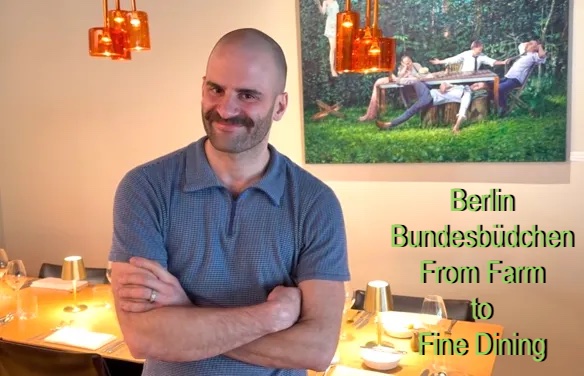
Bundesbüdchen,Berlin. From Farm to Fine Dining

Text and Photos © Cesare Zucca

Berlin. Let’s discover a cool gastronomic destination in Mitte that pays homage to German political history with a contemporary, high-end twist.
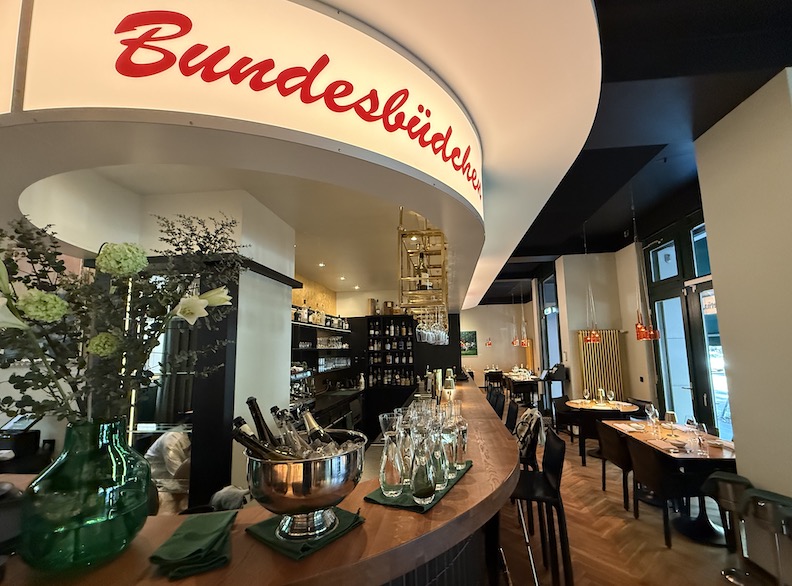
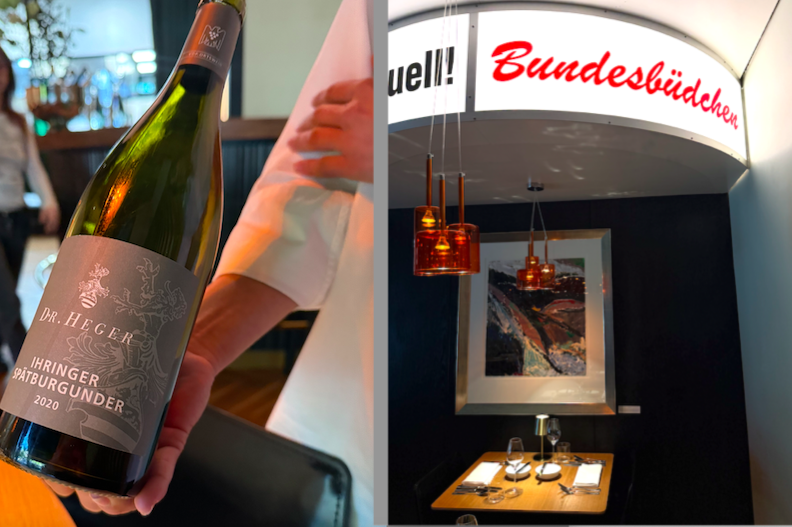
Welcome to Berlin Bundesbüdchen, named after the legendary “federal kiosk” in Bonn where politicians and journalists once met for sausages and secrets, this heritage is now reinterpreted in a modern way and translates that spirit of unpretentious communication into a modern, light-filled dining space.

The restaurant’s interior features a kidney-shaped service pavilion modeled after the original 1950s kiosk, which now serves as a stylish bar and service station.
This “kiosk within a restaurant” is surrounded by elegant light-wood furnishings and an open glass kitchen, creating an atmosphere that is both nostalgic and avant-garde. It aims to be a place of “citizen proximity” and casual exchange, much like its namesake, but with significantly more culinary ambition.

Led by chef Johann Maier, the kitchen focuses on “Creative German” cuisine bringing together German and Alpine influences, creating a clear, seasonal cuisine with regional ingredients. The menu is a playful dialogue between rustic tradition and modern refinement, often incorporating international fermented elements like kimchi into classic Alpine dishes.

My tasting
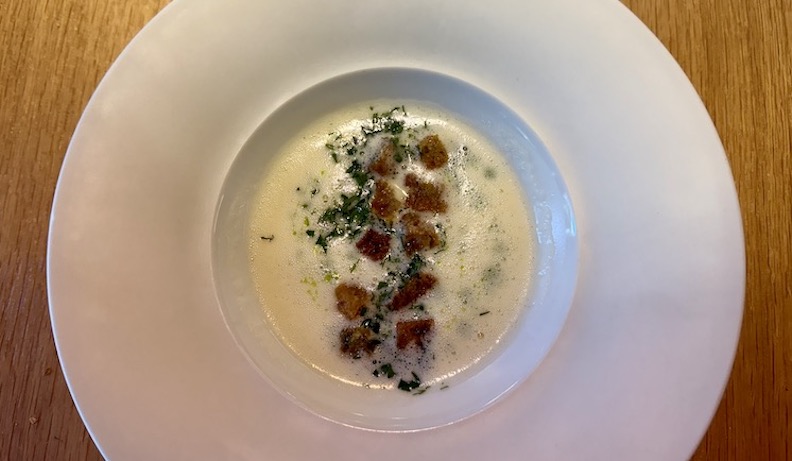
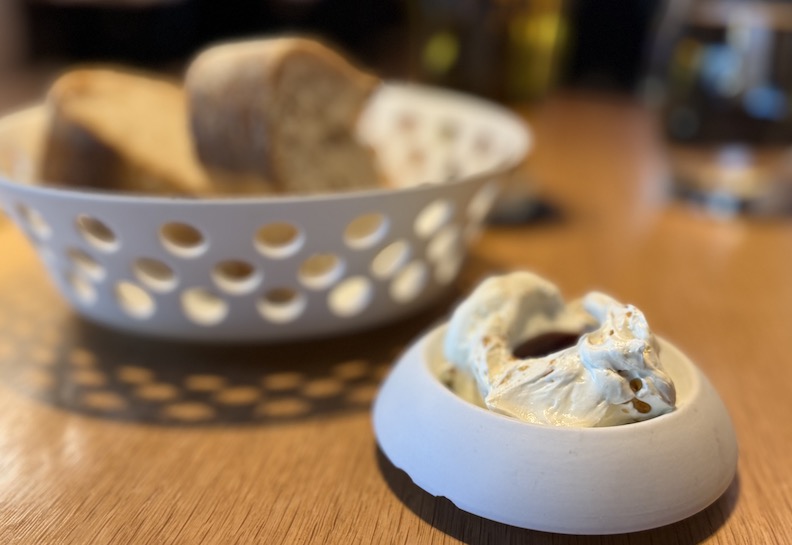
It’s the asparagus season and Germany is famous for that vegetable that I adore, so I started with t,  started with a delicious Cream of white asparagus with sour dough croutons and spring herbs. On the table, Sourdough Bread with wipped butter and lovage

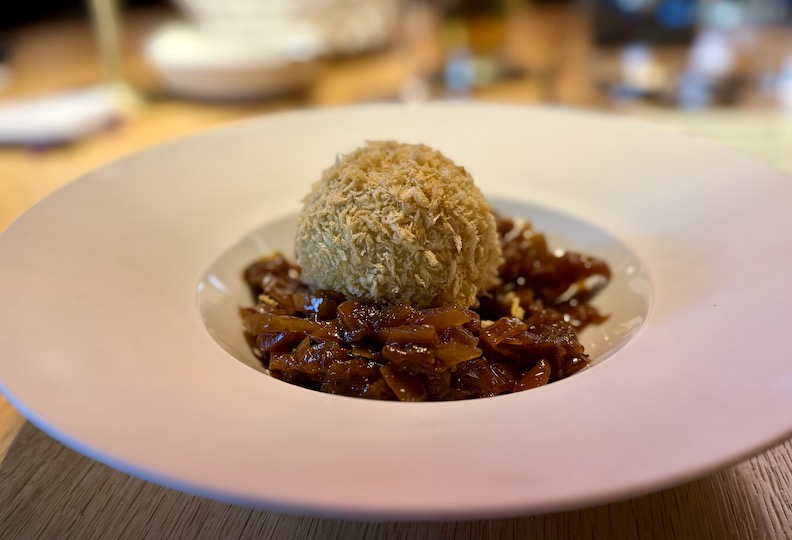
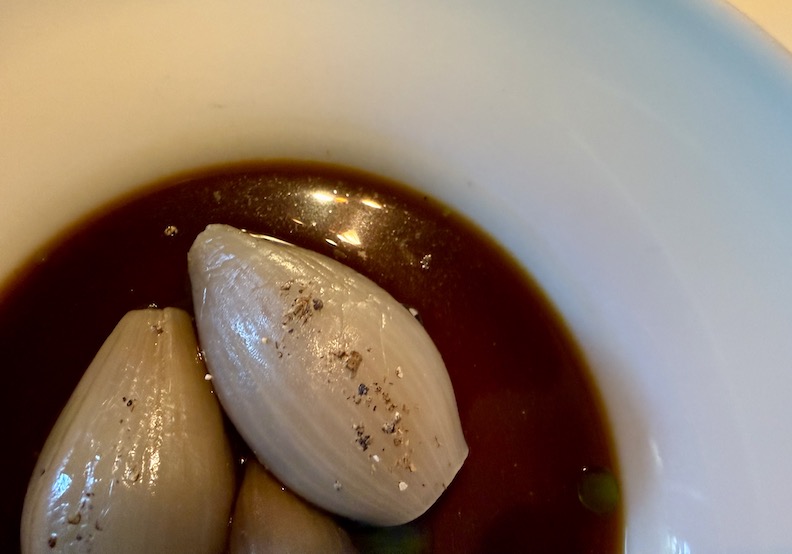
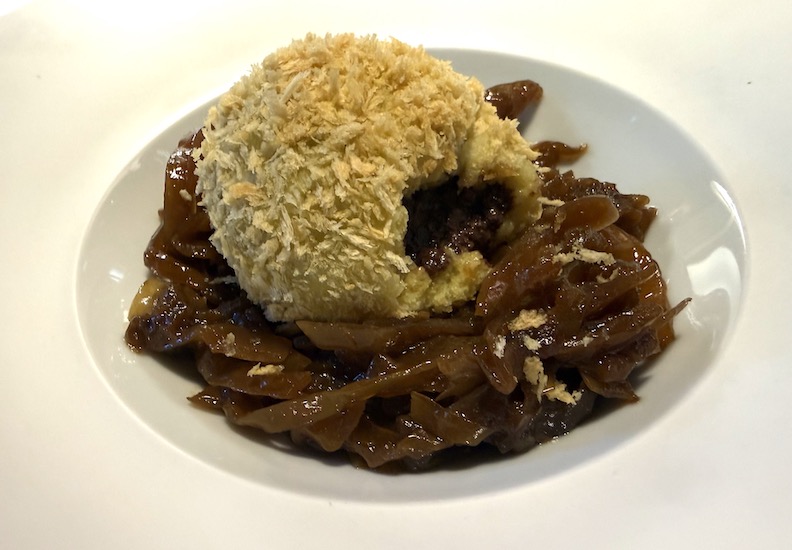
The menu spams for “Spring”dishes to “Classics” to “Signature”. From The “Klassiker” Selection I choose an elevated comfort food, Blutwurstknödel (blood pudding dumplings) served with caramelized cabbage then the  exquisite Chichen Liver parfait with Roscoff onion, long pepper and Shallot juice with seaweed.

Chef Maier surprised me with a classic ( and super seasonal) dish:
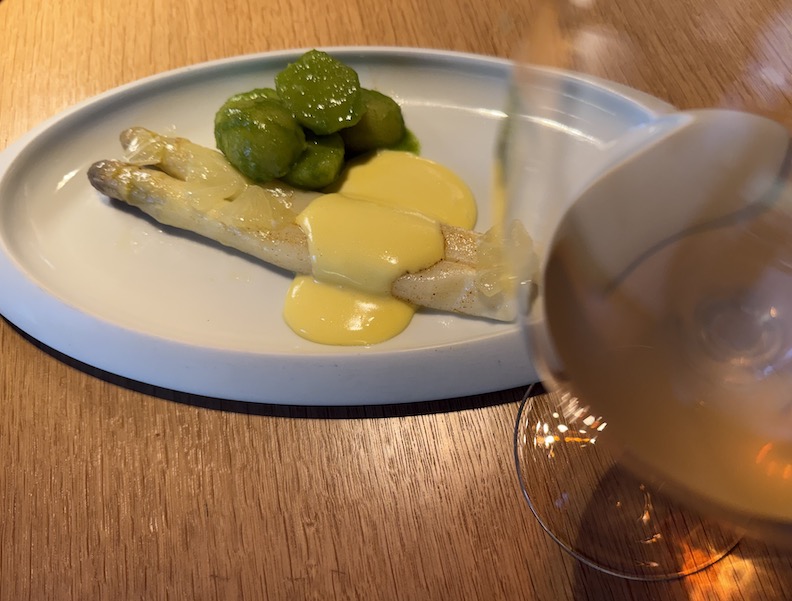
White asparagus from Beelitz aith sauce hollandaise and parsey potatoes.

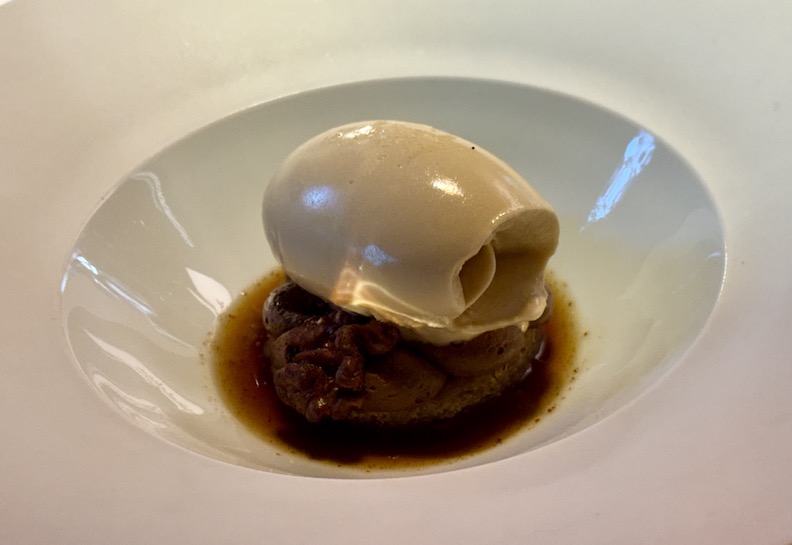
To end a  “Chocolate Cremeux” dessert with walnut and dulce de leche

AFTER THE TASTING I HAD THE PLEASURE OF MEETING THE CHEF
Hello Johann, how long have you been running the show here?
I’ve been at the helm for about a year now.
What is your very first memory in the kitchen?
I actually grew up on a farm in Lower Bavaria, right near the Austrian border,
(laughs) don’t ask me why my hometown is called the “Venice of Bavaria”…
We had every kind of farm animal you can imagine, chickens, cows, and plenty of pigs. We handled everything ourselves: fresh meat, charcuterie, sausages, and even blood sausages. In fact, blood is an ingredient you’ll still find on my menu today, for example as filler of the potato knodel.


When did the professional “spark” happen?
Pretty early on. I was about 14 when my mom was celebrating her birthday. She’d hired a catering service, and they asked me to lend a hand. It was a total curveball because, honestly, back then my dream was to become an electrician!

If you hadn’t taken the path of a chef, what would you be doing now?
Probably a computer whiz. I’m fascinated by the digital world; I can spend hours at a keyboard and totally lose myself in it. I love graphic design. Truthfully, it still surprises me sometimes that I ended up as a chef—but I absolutely love what I do.
Let’s talk about the menu. How would you describe your style?
We have several sections, including a “Classics” selection, so I wouldn’t label my cooking as strictly traditional or purely avant-garde. I like my cuisine to bridge the gap between Germany and the South, stretching toward the Alps. I also enjoy adding Mediterranean flourishes and using Japanese fermentation techniques. It’s a menu that travels.

Speaking of traveling, where’s your favorite spot?
I head to Italy at least twice a year. I adore Tuscany and Puglia, and last year I discovered Piedmont for the first time. The food there is just spectacular!
Is there one dish you only ever eat if someone else cooks it?
My grandmother homemade Strudel. When it’s done right, the aroma is unforgettable—it smells like home.
What is the one thing I’ll always find in your fridge at home?
Tofu. It’s a total staple for me.

Bundesbüdchen
Hannoversche Straße 2
10115 Berlin
Phone +49 30 3409 9979
https://bundesbuedchenberlin.de/

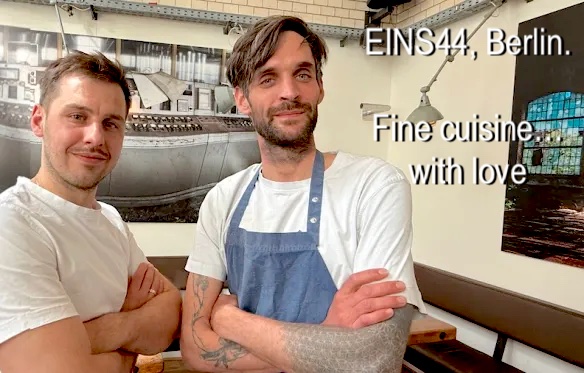
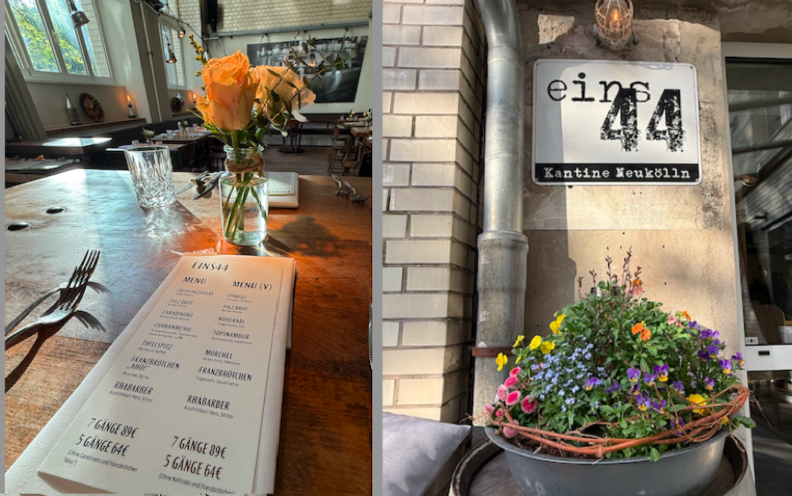
EINS44, Berlin. Fine cuisine… with love

Text and photos © Cesare Zucca
Stepping into Eins44 feels like stumbling upon a well-kept secret, miles away from the city’s hustle. Tucked deep inside the third courtyard of the historic Otto-Reichel-Höfe in the heart of trendy, cosmopolitan Neukölln.
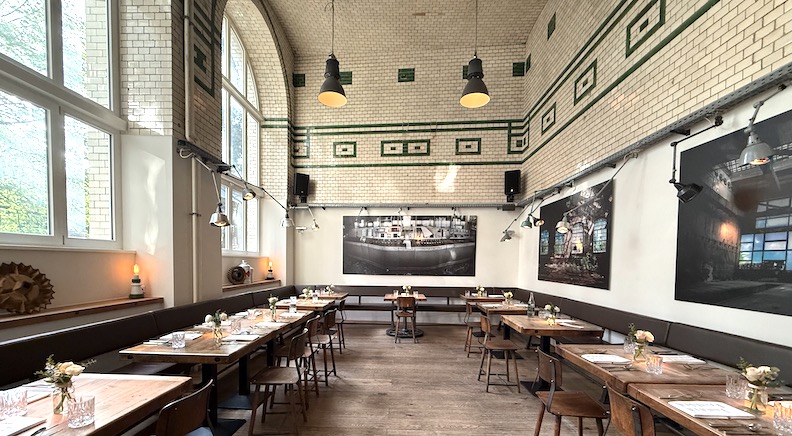
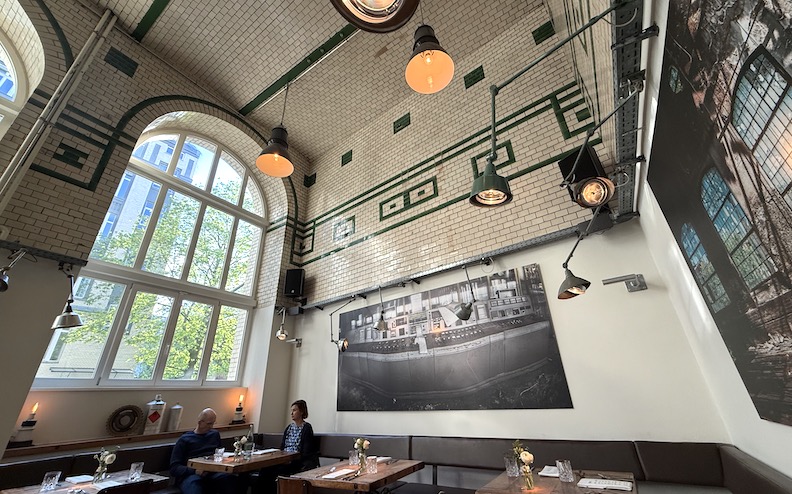
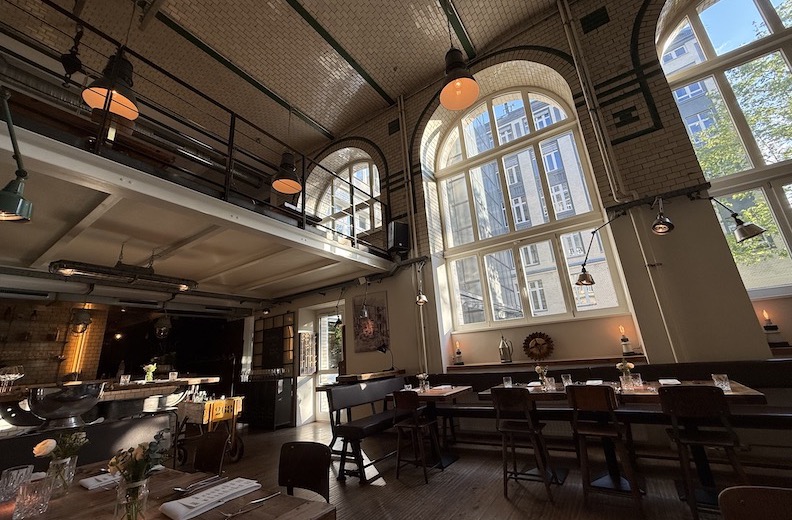
This spot is a masterclass in Berlin’s knack for reinvention. The restaurant lives in a stunning former distillery that was pumping out liqueurs at the turn of the 20th century.
The restoration is incredibly respectful: the vast hall keeps its soaring ceilings, original white tiles, and heavy cast-iron accents, all grounded by solid beechwood tables.
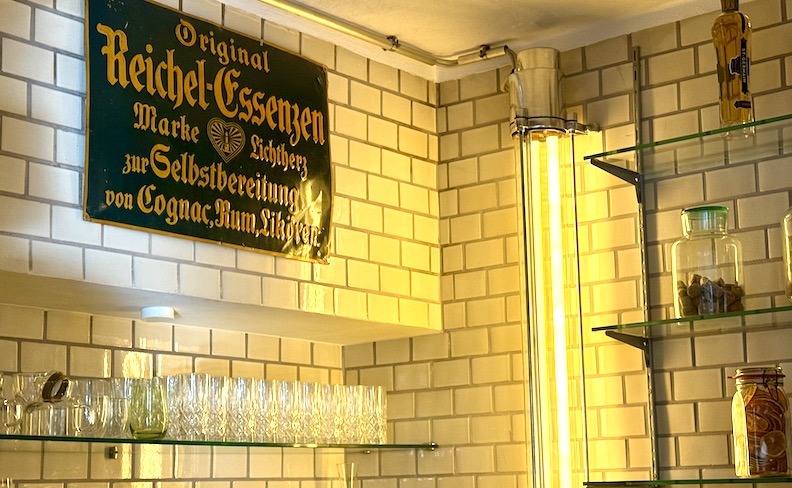
You’re dining under the watchful eye of preserved distillation gear—a nod to the building’s “spirited” past—while minimalist Bauhaus lighting softens the industrial edge. It’s the perfect “hidden gem” vibe.

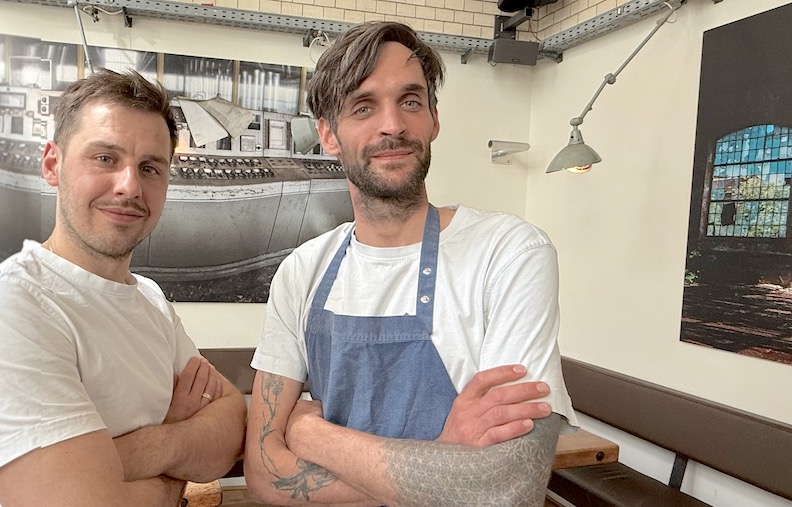
While the name is a tribute to its Elbestraße roots, the energy today comes from two Berlin food scene heavyweights: Tim Tanneberger and Sebastian Leyer. Together, they’ve ditched traditional fine-dining stuffiness for an “emancipated” style of cooking that puts the integrity of the ingredients above the chef’s ego.

The menu
The focus is narrowed down to two concise, essential tasting menus: one vegetarian and one omnivore. The best part? You can totally freestyle it. I did exactly that—mixing and matching courses from both menus to get the full experience.
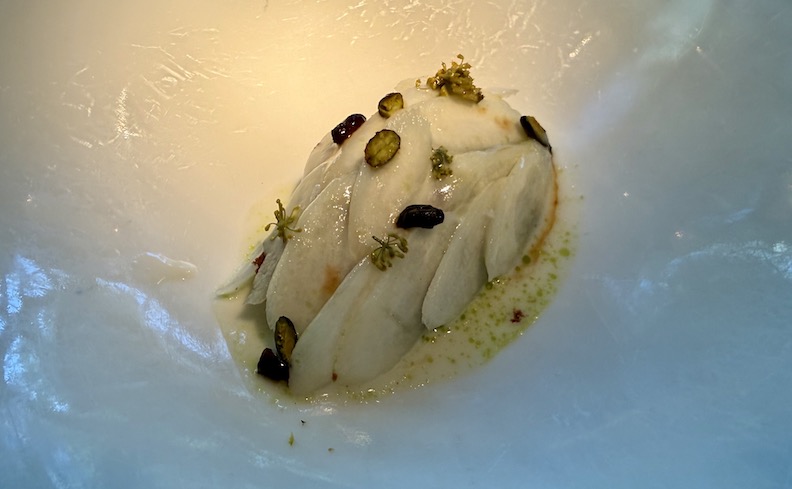
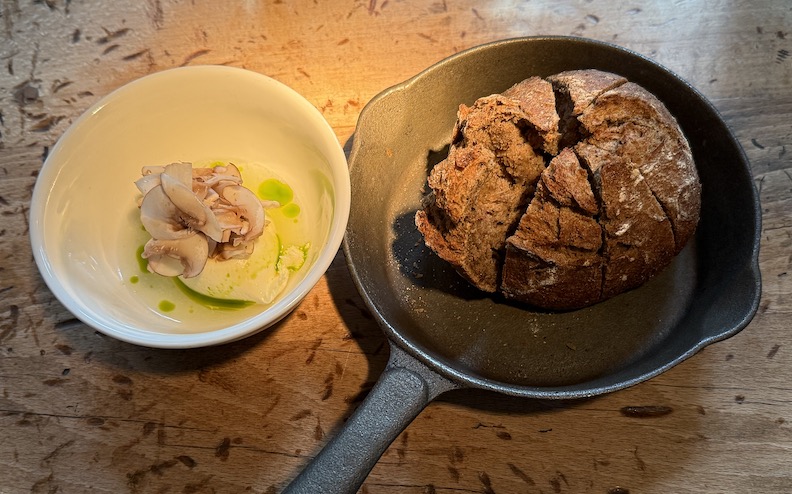
After the amuse-bouches, things kicked off with “Asparagus” paired with avocado and pistachio. The bread arrived shortly after—warm, fragrant, and served with whipped butter and mushroom whey (seriously delicious).

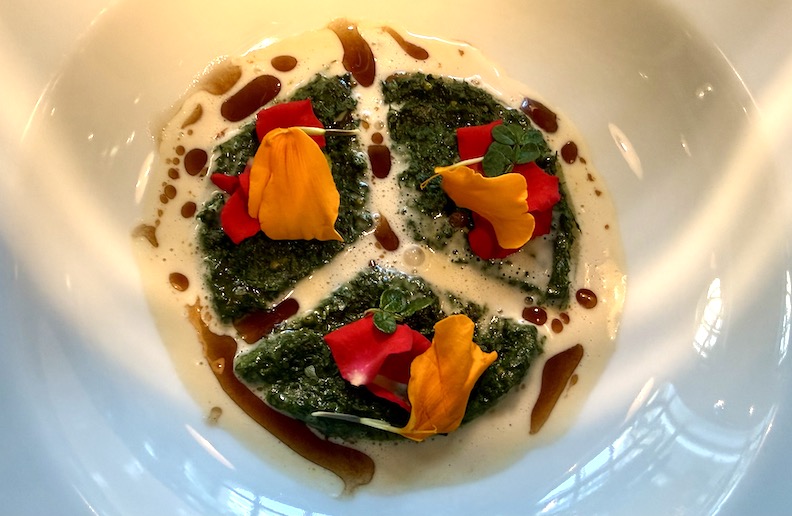
Next up was the “Kohlrabi” with goat milk and dill, which looked stunning, plated in the shape of a peace sign.

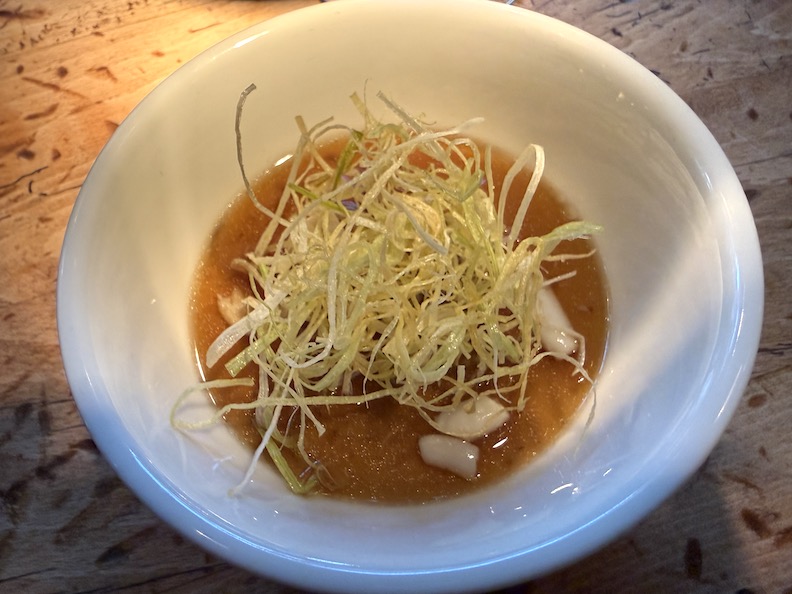
The chefs love pulling inspiration from global classics, like their take on the Japanese Chawanmushi, served here with razor clam, Jerusalem artichoke, and an optional (but recommended) hit of caviar.

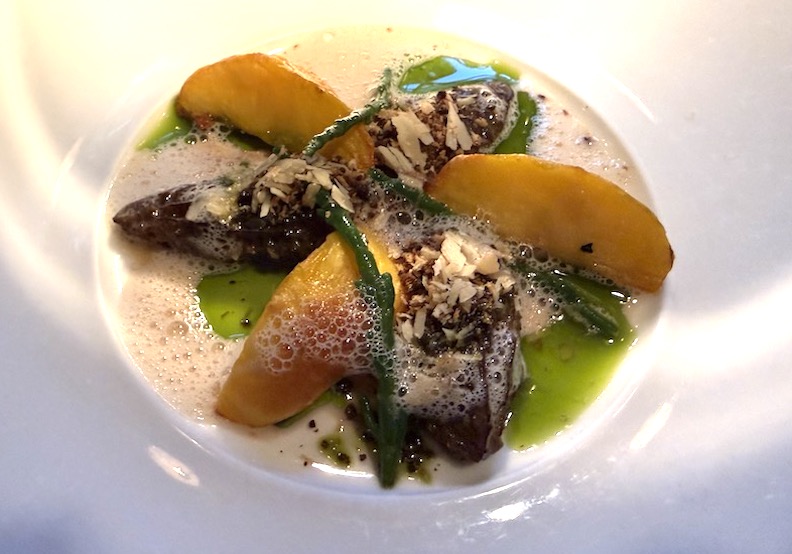
Then came what might have been my favorite dish of the night: Morel “Aztec Gold.” It’s a spicy Central American-inspired preparation featuring gold leaf, cocoa, and vanilla, finished with walnuts.

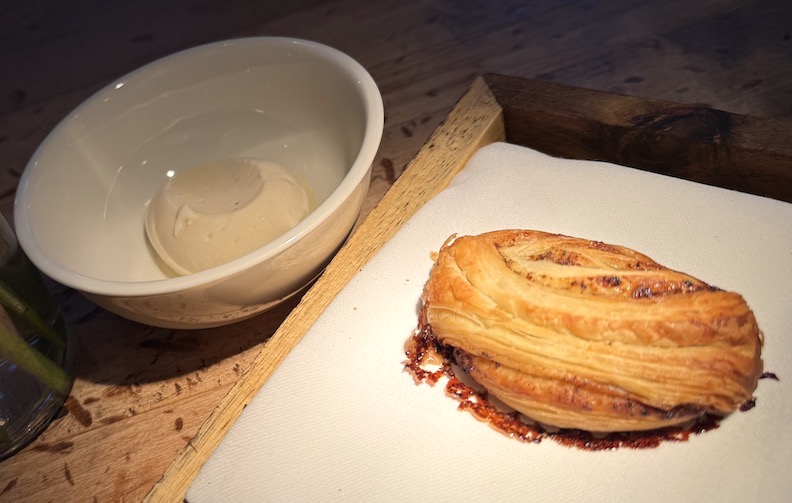
It was followed by a culinary trip to Hamburg with a twist on the “Franzbrötchen.” Usually a sweet, buttery cinnamon pastry, they’ve reinvented it here with mussels and pear.

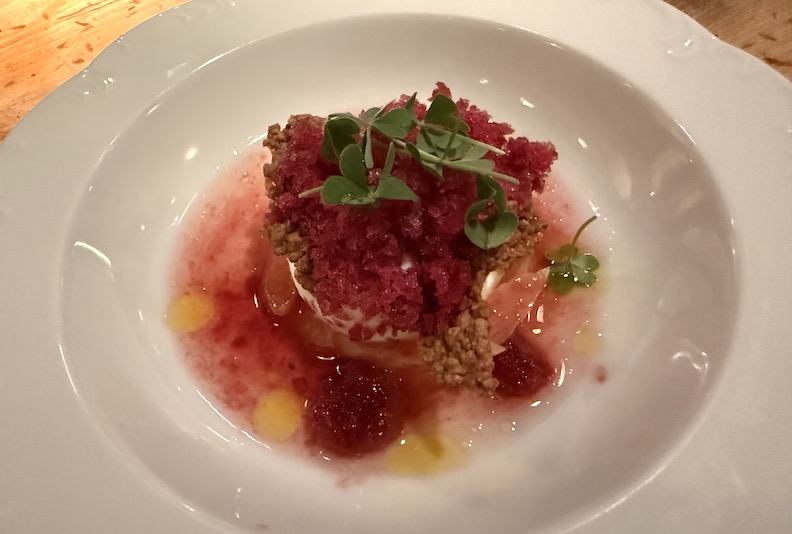
The grand finale was Rhubarb with Koshihikari (premium Japanese rice known for its nutty sweetness and perfect “bite”) and Shiso, which added a unique, aromatic punch.

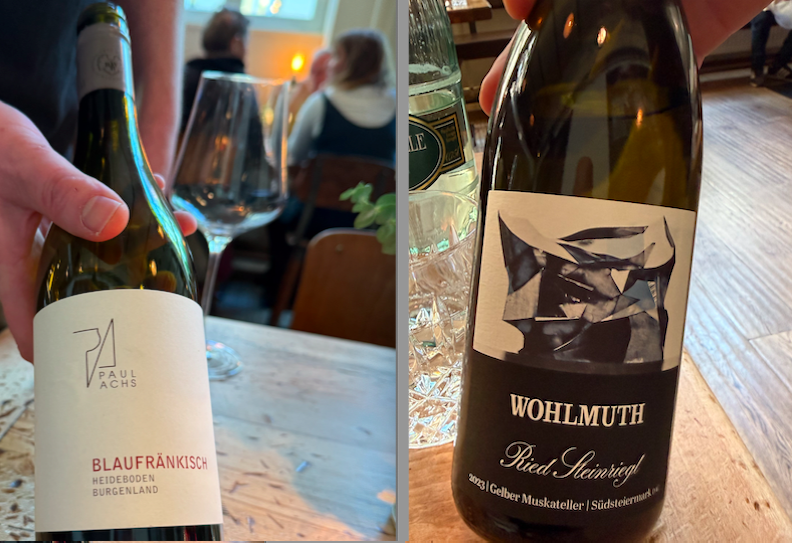
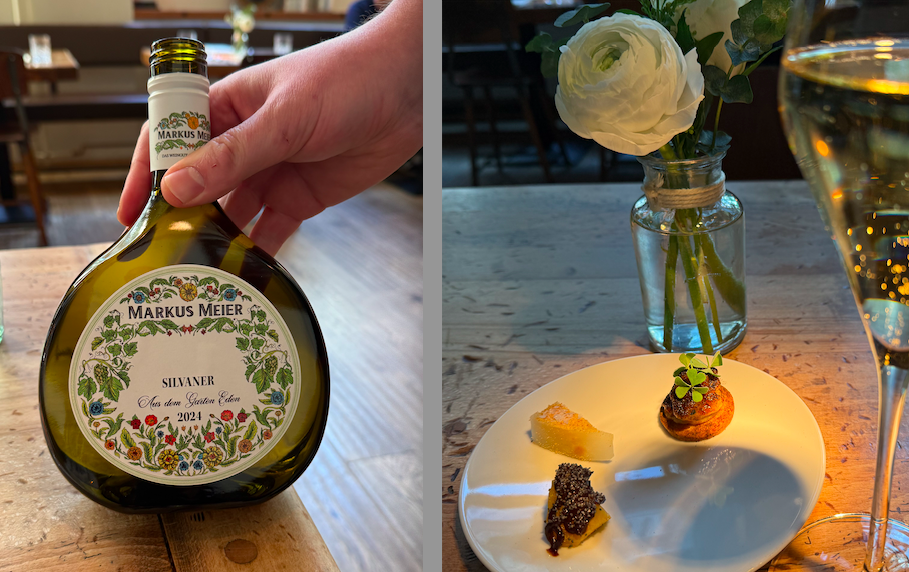
The wine list is excellent , all dishes were paired with an accurate selection of wines from different territories. Among all of them , I felt in love with the yellow-gold Marcus Meier Silvaner 2024, fruity-sweet nose with notes of forest honey, ripe pears, and candied apricots. A touch of vanilla and a hint of beeswax complete the picture.

On the palate, sweet, lean, and fresh, with intense fruit, delicate spice, and a lively acidity. Complex and again with pronounced candied fruit paired with subtle minerality. Long, powerful, and fruit-driven finish with exceptional drinkability.

After the tasting, I had the wonderful opportunity to chat a little with Chefs.
Hello Tim, hello Sebastian, what’s the vibe behind your cooking?
Think German-European roots meet global techniques. We’re all about international ingredients, but we love the DIY approach—we even grow and prep our own shiso in-house!
Chefs, if I were to crash your apartment right now and raid the fridge, what’s a guaranteed “yes” and what’s a “never”?
(In unison) A ton of veggies. Always.
What’s your first “core memory” in the kitchen?
Sebastian: I was nine, at my parents’ place. My best friend and I decided to whip up this dish involving bananas… honestly, don’t even ask me if it tasted good!
Tim: For me, it’s definitely my grandma’s chicken soup. Pure nostalgia.
Sebastian, when did you realize this was a career and not just a hobby?
Back in school. I decided to spend a week working in a professional kitchen. Then summer break hit, and I realized I just loved spending all my time on the art of the craft. That was it.

How do you find your direction as you grow?
We love thinking out of the box, but we always keep our feet on the ground—rooted in our local territory and traditions.
Is there a specific dish you’d rather have someone else cook for you?
Paella! We’ve traveled all over Spain and absolutely love the country. Honestly, it just tastes better over there.
What’s your signature dish?
(Smiling) Oh, we’re way too young to have a “signature dish” yet!
So… should I just come back in twenty years?
Chef Both laugh

My final take?
If you want to breathe the air of an “Older yet Modern Berlin” Einss44 is the ideal place. There it seems that time has stopped and don’t ask if there is wifi…to enjoy a truly unforgettable lunch in absolute peace. You will truly taste the love put into every plate.
That kind of passion makes all the difference.

EINS44
Elbestraße 28/29, 12045 Berlin, Germany
https://www.eins44.com/

Phone: +49 30 62981212

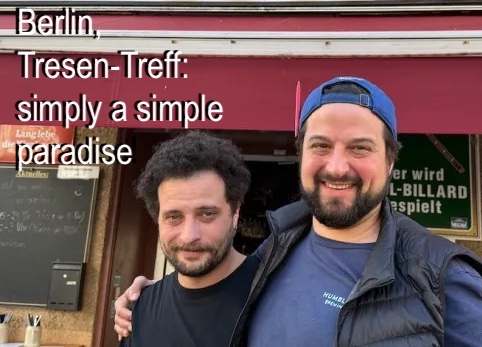
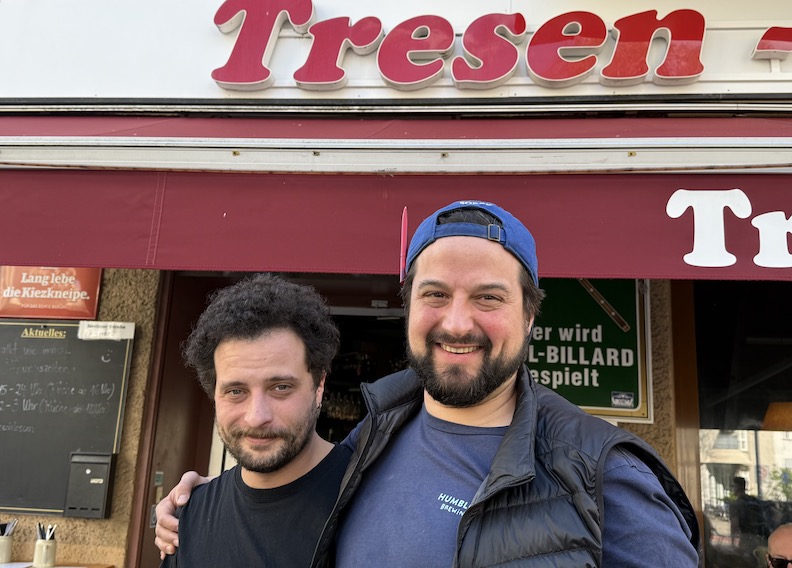
Berlin, Tresen-Treff: simply a simple paradise!

Text and Photos by Cesare Zucca

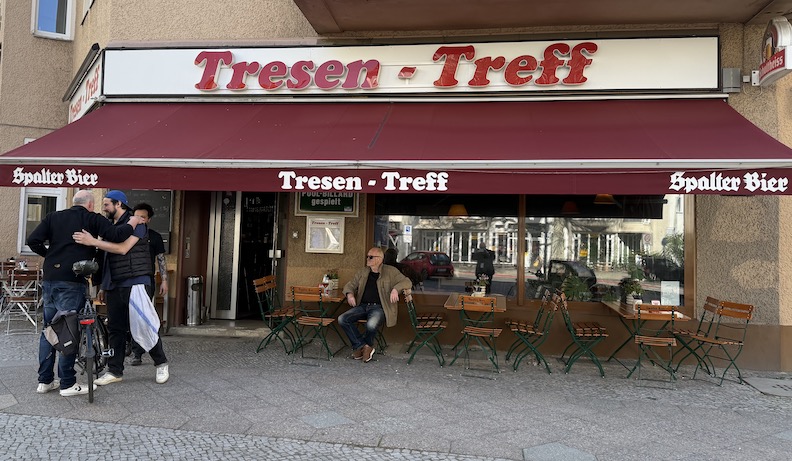
Welcome to Der Tresen-Treff, a traditional Berlin corner pub in the Wilmersdorf district, , successfully taken over and revitalized by the dynamic duo Laurens Friedl and Josha Kalborg, chefs but most of all , great friends.

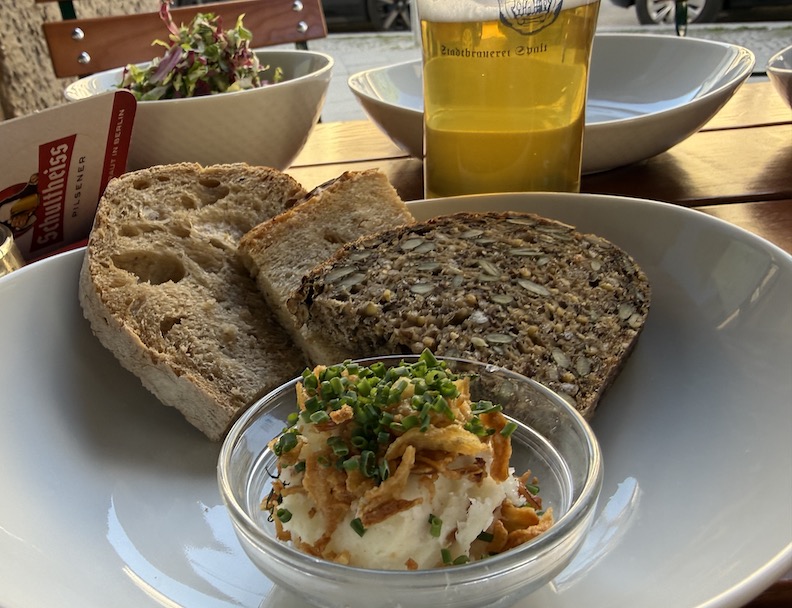
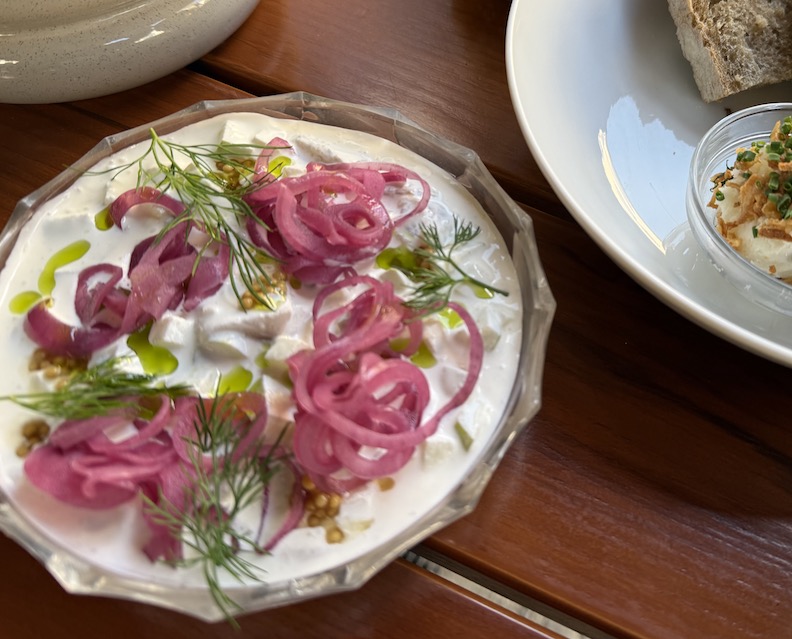
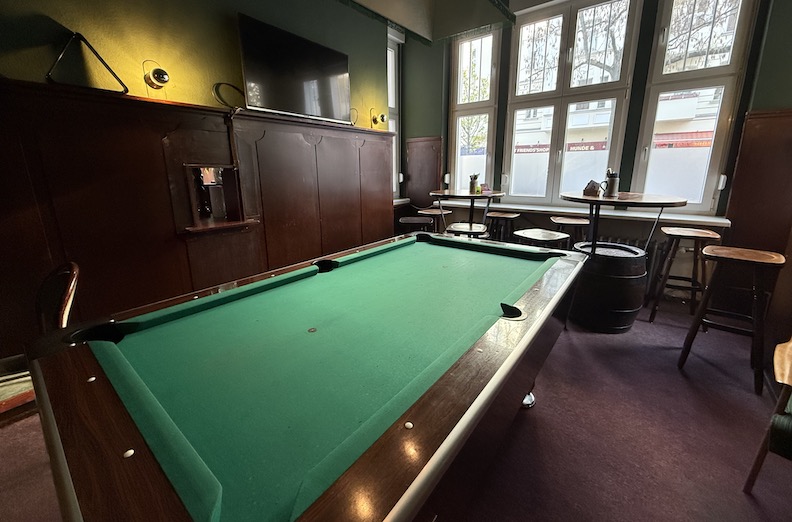
The venue preserves the rustic charm of a classic West Berlin pub—featuring a dark wooden bar, cozy corner benches on a raised platform, and the typical “pub look.” It is a popular meeting spot for neighbors and regulars, but thanks to the new management, it also offers contemporary, high-quality artisanal cuisine where “homestyle” dishes  are prepared “with love” to a high gastronomic standard despite the casual pub setting.

I seriously hate herring… so I was definitely a bit skeptical when the chef brought out one of their signature dishes: Matjessalat.
Herring usually has that super intense “fishy” punch that scares people off. But Matjes is the ultimate game-changer! Since it’s caught before the fish matures, it’s basically the “butter of the sea” rather than a salt-bomb. It’s this German delicacy made from young Matjes herring—they’re caught in early summer and cured in oak barrels, which makes the fillets super mild, buttery, and incredibly soft. To top it off, the salad came with red onions and Senfeier (eggs in a creamy mustard sauce). The result? I absolutely loved it. And this is coming from a die-hard herring-hater! They were prepared with such a delicate touch and… so much love!

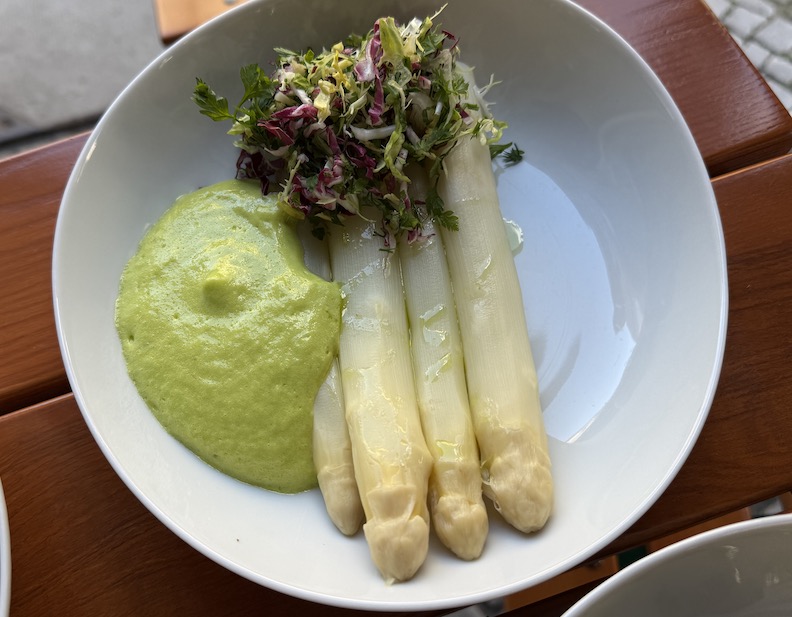
With the season in full swing, I had to treat myself to a dish that is surprisingly fresh yet totally classic: amazing Beelitzer white asparagus with a Hollandaise sauce so creamy it’s unreal. 

INTERVIEW:
Your first memory in the kitchen?
Laurels: Probably while watching my mom whip up a Moroccan tagine, typically made with sliced meat, poultry or fish together with vegetables or fruiIt. I think it jjust sparked something in me… I think that’s where the whole obsession started.
Josha: In Grandma’s kitchen, where it all began, eating a poached egg in a white herb soup, and let’s be real—that soup wasn’t exactly my favorite… but I was always curious. I’ve still got a bunch of photos of me “helping” my mom cook.And when did the professional spark actually fly?
Josha: Get this—at 28, I actually wanted to be a theater actor. But, well, the feeling wasn’t mutual. They didn’t want me! While I was struggling to pay for acting classes, someone asked if I could lend a hand to a restaurant chef. I decided to drop the drama and dive headfirst into cooking. Honestly? Best move ever.

So, what’s the “signature move” of your restaurant?
Laurels & Josha: We’re all about the tasting experience. We like to serve our dishes almost like tapas, so our guests don’t have to commit to just one thing. It gives everyone a chance to experiment with different flavors in one sitting.

And what are the crowd favorites?
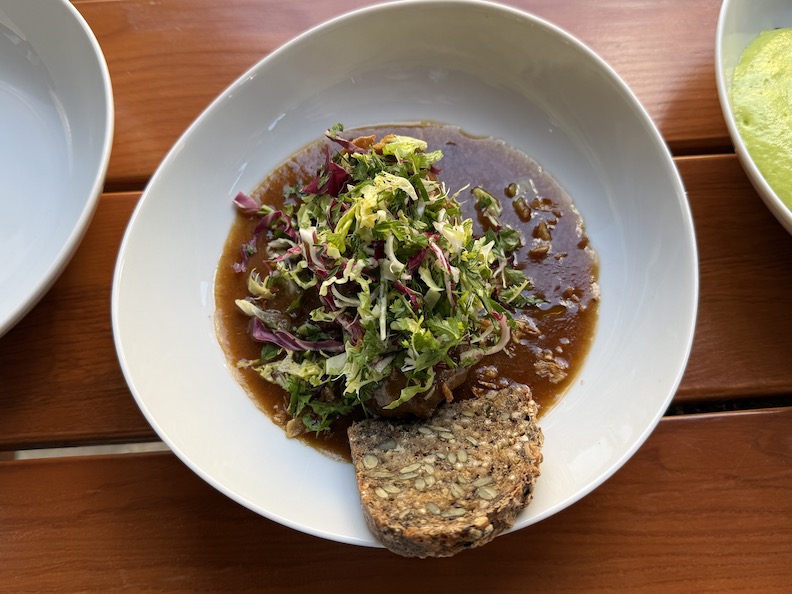
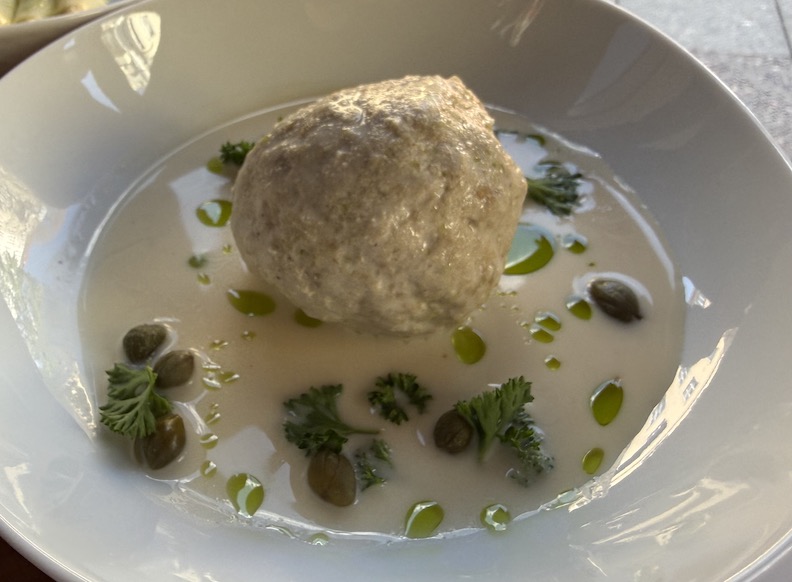
Laurels & Josha: definitely the bacon and mustard “roulade vom rind” a beef roulade that we serve it with a silky mashed potatoes with bacon gravy and people just can’t get enough of it. Not to forget a classic hit from the german kitchen menu: “Königsberger Klopse, homemade meatballs (Bouletten), with lemmon sauce and capers, soft and tasty

I also tried your  amazing white asparagus, Delicious!
Josha: Thanks! , Yes with the season in full swing, we like to serve a dish that is surprisingly fresh yet totally classic: the one and only Beelitzer white asparagus with our Hollandaise creamy sauce.

I have to say that that sauce was such a hit that I managed to snag the recipe from the chefs… and voilà, here you go, thanks Chefs!

Ramson bearnaise sauce
For 6-10 portions
Ingredients
3 eggyolk
20g vinigrear
2pinches Salt
125g butter
125g ramson oel
Method
Mix the oil with ramson on 60c degree for 10min and give trough a sive
Whip the eggyolk with Salt and vinigraer on low Heat until its foam
Then work slowly the oil and liquid butter in
Then pull it in a Siphon and put two capsel on it

Tresen Treff
Berliner Straße 167, 10715 Berlin (Wilmersdorf
Phone: +49 30 8542880


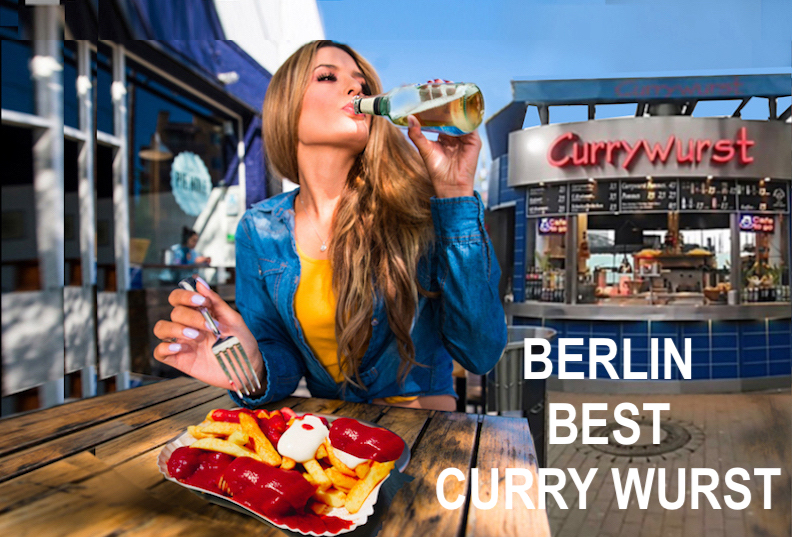
WELCOME TO BERLIN! Enjoy your ‘currywurst’

Berlino: Isola dei Musei:itinerario del bello al gusto di ‘currywurst’…

Benvenuti a Berlino! Welcome to berlin!
Oggi vi portiamo in uno straordinario viaggio attraverso storia, arte, cultura.
Scoprirete l’ Isola dei Musei, cinque spettacolari istituzioni che vanno dall’epoca prussiana fino a oggi, una straordinaria passeggiata archeologica attraverso strutture nominate patrimonio Unesco.

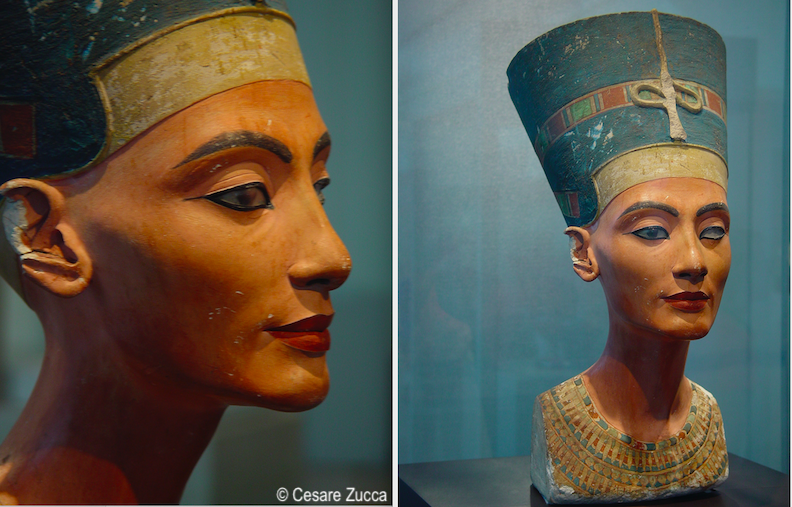
Partiamo dal Neues Museum disegnato del celebre architetto David Chipperfield. E’ una struttura imponente che ha richiesto dieci anni di lavoro. Stile austero e semplice fuori, sfarzo e decoro dentro. Severamente danneggiata dai bombardamenti della Seconda Guerra Mondiale, il Museo è risorta e dal 2009 l’edificio ospitato mostre selezionate del Museo Egizio e espone una delle opere più famose al mondo: il busto di Nefertiti.

il busto di Nefertiti

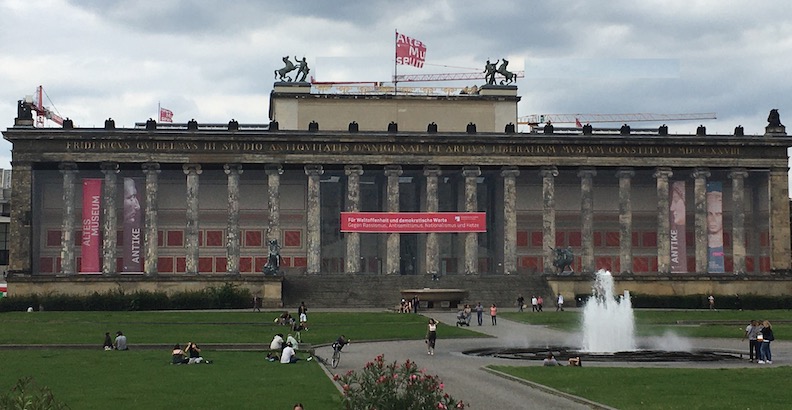
L’ Altes Museum un esplicito riferimento al Pantheon romano – e mostra il sobrio ed ampio colonnato della facciata è considerata una delle opere architettoniche più importanti del Neoclassicismo. Tra il 1943 e il 1945 il Museo Vecchio andò in fiamme subendo gravi danni e la sua ricostruzione si protrasse fino al fino al 1966. oggi presenta un’esposizione permanente di arte e cultura greca, etrusca e romana).

Proseguiamo la nostra camminata per ritrovarci davanti a una struttura che ricorda i templi greci: la Alte Nationalgalerie, che domina l’Isola dei musei dal suo alto podio con le imponenti scalinate d’accesso ospita una delle più ricche collezioni dipinti e sculture del classicismo, del romanticismo, dell’impressionismo e degli albori dell’età moderna.

‘Nel Conservatorio’ di Edouard Manet , esposto all’ Alte NationaL Gallery

Ammirerete opere di Rodin, Manet, Monet, Renoir e uno dei quadri più discussi di tutti i tempI: Monaco in riva al mare di Caspar David Friedrich, una delle opere più rappresentative dell’esperienza estetica del sublime e dell’infinito, tema assai vicino alla sensibilità romantica.

l nostro itineraria ci porta sulla punta dell’Isola, dove nel 1883 venne inaugurato il neobarocco Bode Museum che ospita una collezione unica con opere dal Medioevo al XIX secolo, tra cui caolavori di Donatello, del Bernini e del Canova.

i Bode Museo e sullo sfondo la Torre della TV , simbolo di Berlino

Altri tesori sono custoditi nel Museo d’arte bizantina e nella Collezione numismatica che nel 2017 ha vissuto un momento di notorietà mondiale, quando fu messo a segno il furto della “Big Maple Leaf”, una moneta da 100 kg in oro raffigurante la Regina Elisabetta.

Big Maple Leaf

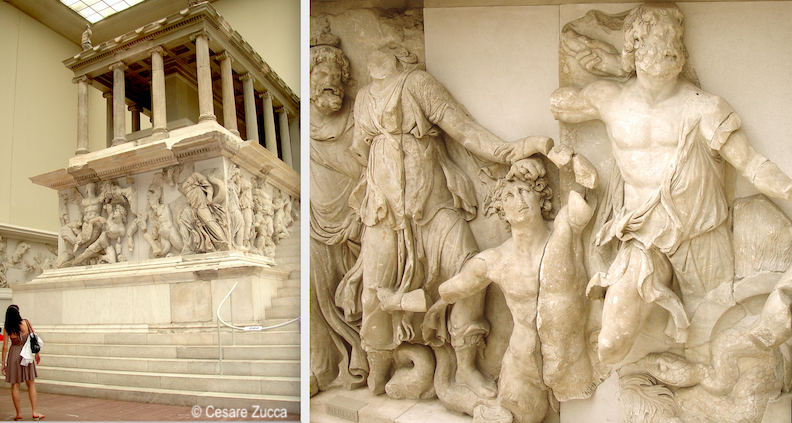
Gran finale nello spettacolare Museo di Pergamo, Per costruirlo ci sono voluti quasi trent’anni ed è il museo più visitato di Berlino. La collezione di antichità classiche è una delle più importanti collezioni di arte greca e romana al mondo. L’opera più famosa è l’altare romano di Pergamo, il cui fregio scolpito rappresenta la battaglia tra dei e giganti .

l’altare romano di Pegamo

A causa dei lavori di ristrutturazione, l’altare di Pergamo e l’ala nord riapriranno nel 2025, tuttavia, proprio di fronte all’Isola dei Musei si trova Panorama, un nuovo edificio per esposizioni temporanee. Attualmente è dedicato agli originali antichi di Pergamo e permette di vivere l’Altare nella sua forma originale e nel suo contesto urbano sull’Acropoli.

l’attrazione Panorama Pergamom
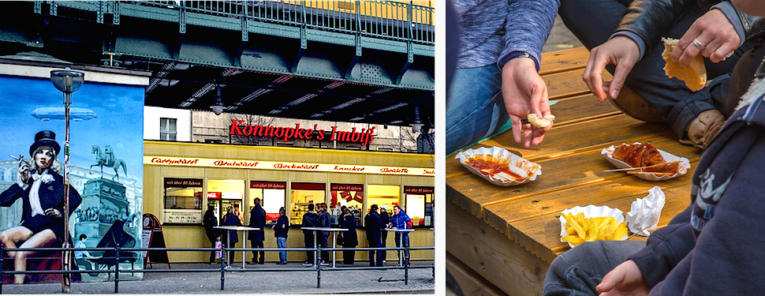
A Berlino  il currywurst è venduto in numerevoli bancarelle distribuite in tutta la città, da Wittys Organic Food a Schöneberg fino al popolare Konnopke’s Imbiss a Pankownei .
A Berlino anche i mercati coperti sono diventati luoghi di street food, dove sono disponibili specialità appena preparate provenienti da tutto il mondo. Il più famoso è il Markthalle Neun, affollatissimo il giovedì sera per via dei diversi foodtruck.E se durante il percorso vi è venuta fame…
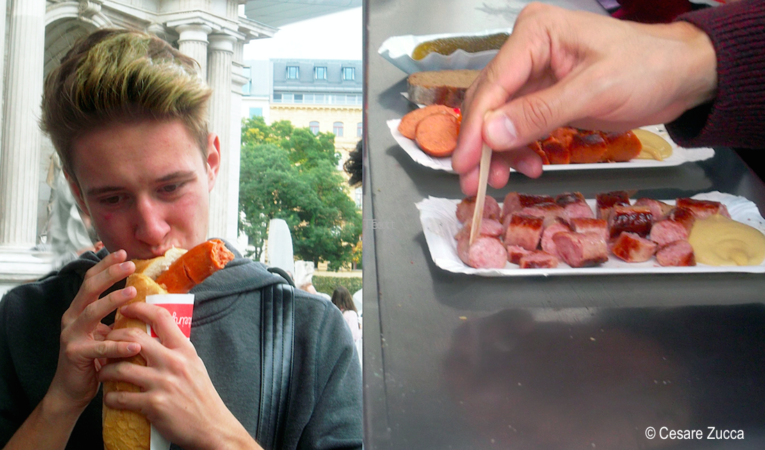
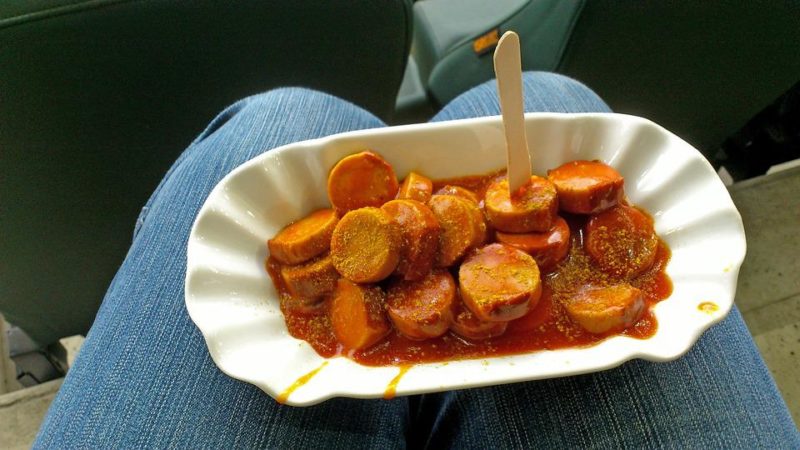
Troverete dovunque lo streetfood più popolare di Berlino: Il currywurst, servito in ciotole ‘usa e getta’ per essere mangiato caldo direttamente in strada, con o senza patatine fritte.
E’ nato nel dopoguerra, in un chiosco di Charlottenburg, grazie a una certa Herta Heuwer che si divertì a speziare una salsiccia grigliata con ketchup e curry, ignara che sarebbe diventato il piatto più popolare negli imbiss berlinesi e amato in tutta la Germania.


Dove mangiare i migliori currywurst?
Curry 36, 4 locations, popolari a tutte le ore:
Curry Wolf con vista dell’Arco di Brandemburgo
Konnopke il più antico imbiss di Berlino, sorvegliato dalla leggendaria Marlene Dietrich:
Due imbiss sfiziosi?
Zur Bratpfanne, dal 1949, il preferito dai veri berlinesi
Absolut Curry, versione piccante, servito da un camion-bar posteggiato all’uscita Bellevue del Metro.

Uno streetfood davvero gustoso, piccante al punto giusto e vagamente esotico, grazie alla salsa profumata di curry. Il segreto è proprio lì, in quel condimento rosso fuoco che innaffia abbondatemente il classico wurst, che può essere bianco (il mio preferito) o rosso.   Una salsa difficile sa realizzare ? Assolutamente no ! Ecco la ricetta originale e …buon currywurst!

RICETTA DEL CURRYWURST

Ingredienti
6 wurstel grandi, (la ricetta classica prevede quelli di vitello).
Per la salsa:

  • 250 g di passata di pomodoro;
  • 250 g di ketchup;
  • 2 cucchiai di curry;
  • 1 cucchiaino di paprika dolce o piccante;
    1 cipolla bianca;
  • q.b. sale e pepe
  • q.b. olio di arachidi per friggere.

Istruzioni
Iniziate soffriggendo lentamente nell’olio evo la cipolla bianca tritata e aggiungete il curry e la paprika (1 cucchiaino di curry e 1/2 cucchiaino di paprika a testa) dopodiché aggiungete la passata di pomodoro, il ketchup, le spezie e un pizzico di sale.
Lasciate cuocere versando lentamente anche due mestoli di acqua calda finché la salsa non avrà preso la giusta consistenza.
Sbollentate i wurstel per 5-6 minuti in acqua bollente, scolateli e grigliateli su una piastra. Tagliateli a rondelle e serviteli ricoperti con la salsa di pomodoro speziata.
Se volete seguire la tradizione, accompagnateli da patatine fritte calde.

Giorno e notte…

E visto che siete a Berlino… ecco cosa non perdere
•  Reichstag
• Memoriale dell’Olocausto
• I quartieri trendy Prenzlauer Berg e Kreuzberg
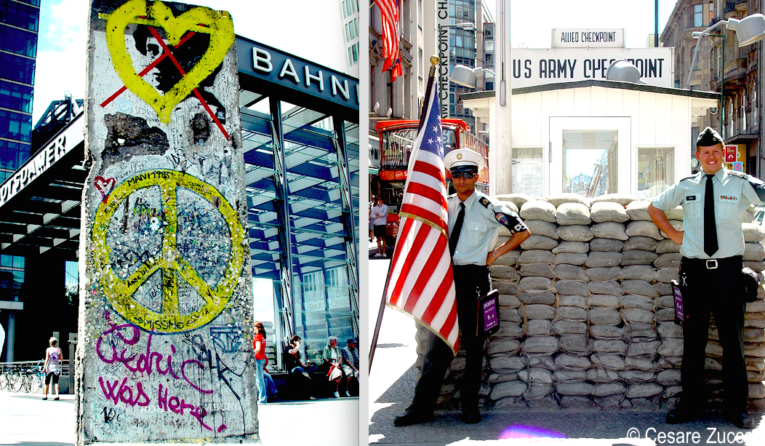
•  Il Muro
• Checkpoint Charlie

•  Porta di Brandeburgo
•  Il Duomo
•  Tiergarten
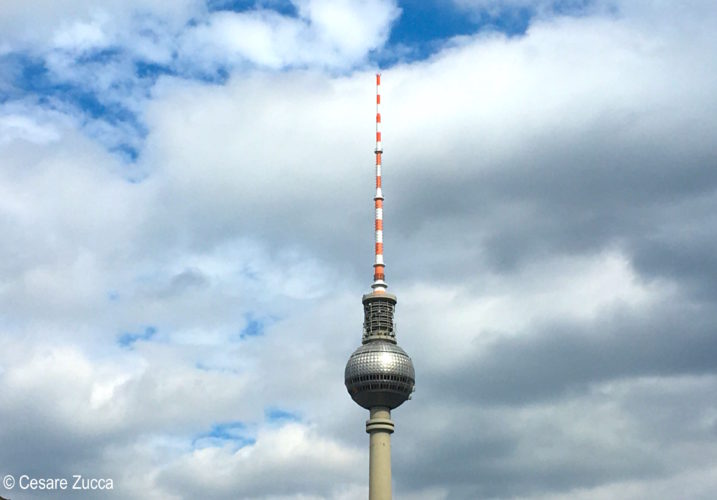
•  Alexanderplatz e la Torre della Televisione

Vi sarà utilissima la Berlin WelcomeCard che offre ingressi e trasporti gratuiti oltre a sconti, mappe e indirizzi utili. E’ acquistabile in diversi punti della città oppure online.

INFO
Visit Berlin
Berlin Welcome Card

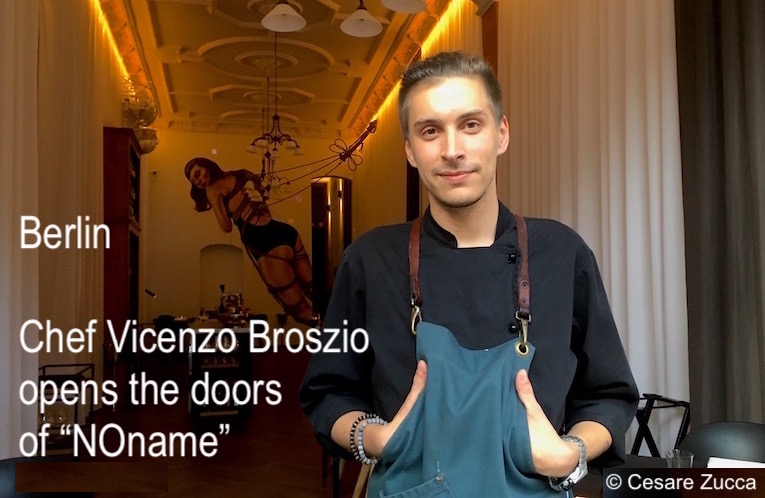
Berlin. No borders, no limits, no name. Chef Vicenzo Broszio opens the doors of the “NOname”

Written by Cesare Zucca

L’interno del NOname

“NOname” is a truly unique restaurant in the heart of Berlin’s upscale Mitte district. A place that marks a perfect metamorphosis with its surroundings, where historical details are combined with modern elements. Minimalism and elegance on the table of NOname The concept of NOname is to create a place where guests feel completely free and open to immerse themselves in a new experience. Two special women welcome us: the co-owner Janina Atmadi and a gigantic pin up designed by Anne Bengard.

Barbabietola, cavolo rosso, panna acida, uva

interview
Hi Vicenzo, an almost Italian name. Any Italian ancestors? (laughs) No, just a creative mom … Let’s talk about gastronomic trips. What is your favorite destination? Thailand. I was struck by the way of cooking, especially the techniques of the reductions and the delicious morning street food, when the streets are full of stalls offering local food. One of the best soups I’ve eaten in my life was the one prepared by a lady on the street.
A trip you would like to do? If we talk about a long journey, it would be Japan. I am very interested in the gastronomic cultural experience and in exploring cuisine and techniques. I love sushi and would certainly have a feast of it. First memory in the kitchen? My scrambled eggs. I was already a creative child … I used to put salami instead of bacon …

Vicenzo Broszio

What will I never find in your fridge at home? Wagyu meat … it’s too expensive … Your kitchen in three words Experimental, modern, unique. A dish that represents you particularly? My shiitake mushrooms. Chips and fermented vegetables are prerogatives of the NOname menu and I think this dish represents a beautiful fusion of macadamia nuts, mushrooms and leeks. I am intrigued by combining the intensity of the mushroom with the soft creaminess of the walnut. Can you tell us the recipe? Here it is.

SHIITAKE BY VICENZO BROSZIO

THE ‘SHIITAKE ‘ BY VICENT BROSZIO

Ingredients and preparation
100 g of shitake, 600 g of vegetable oil (rapeseed is ideal), 100 g of sesame oil. Put everything in a pyrex container and steam in the oven at 85 degrees for 30 minutes. Shiitake 200 g, 3.4 g of salt Vacuum-sealed, let the vacuum-packed food stand for 3 days (not in the refrigerator), open it, mix and heat 300 g of macadamia, 500 g of water, 14g salt Freeze in a Paco type jar. 300 g of leek, 150 g of flour Clean the leek, steam it, then mix it with the flour and spread it on a thin towel or mat, bake for 15 min at 120 degrees
INFO
The NOname
Oranienburger Straße 32 Berlin-Mitte

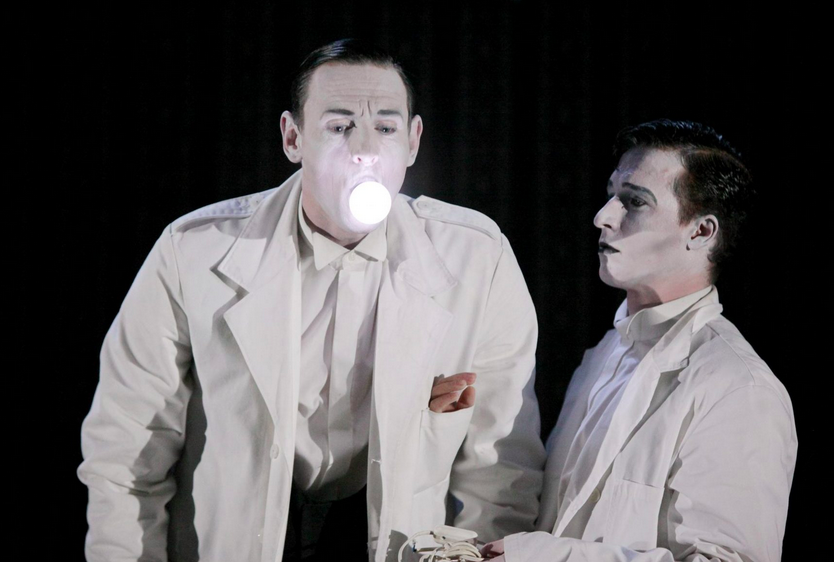
WELCOME TO THE ACROBATIC PLAYGROUND OF ILLUSIONS OF JAKOP AHLBOM’S MAGIC ROOM

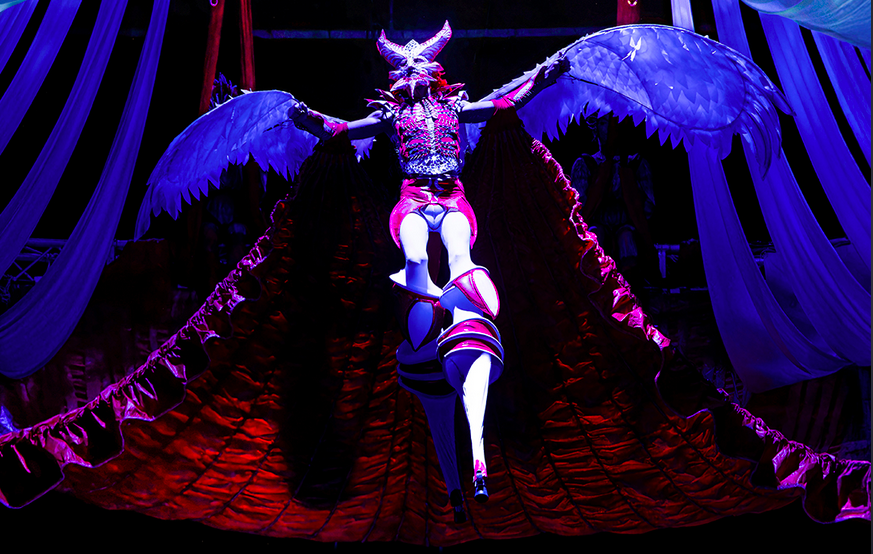
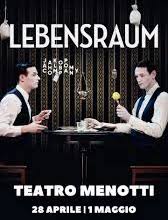
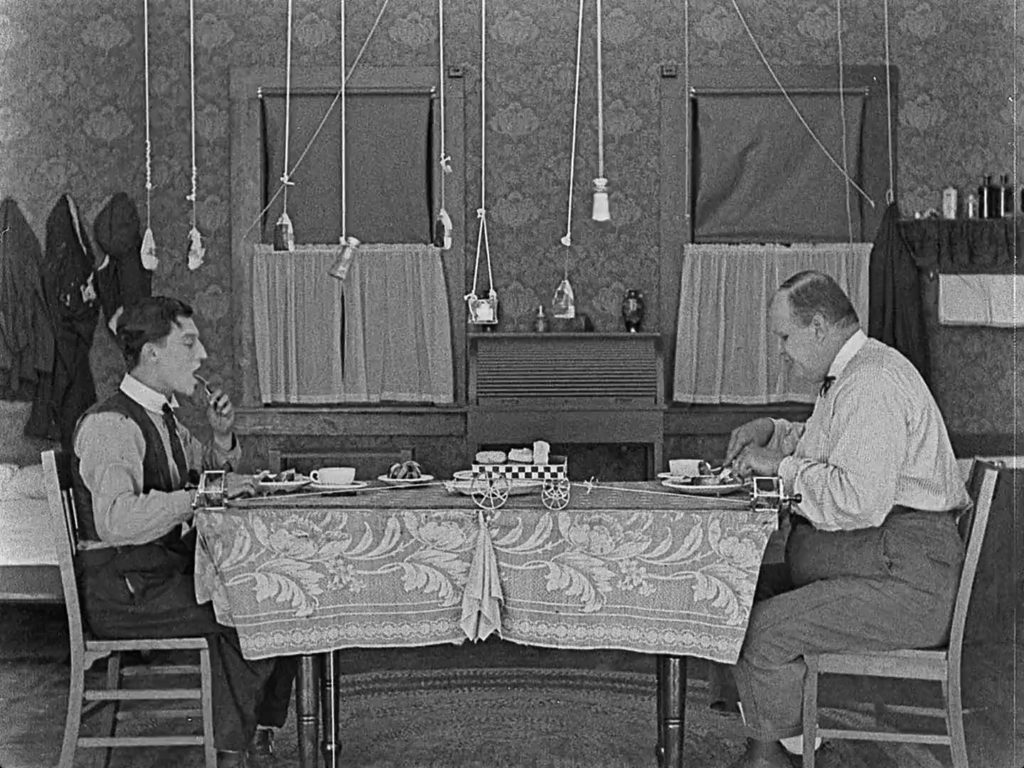
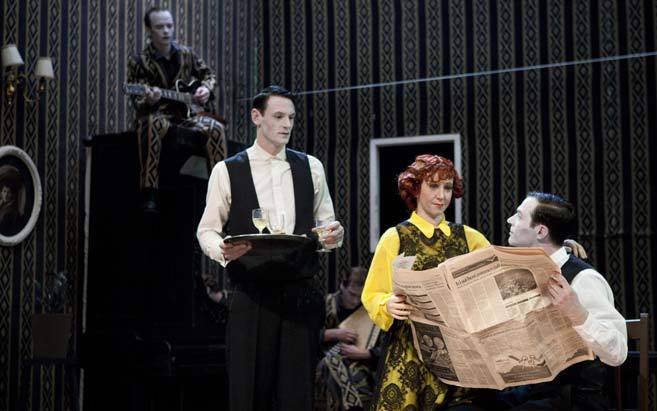
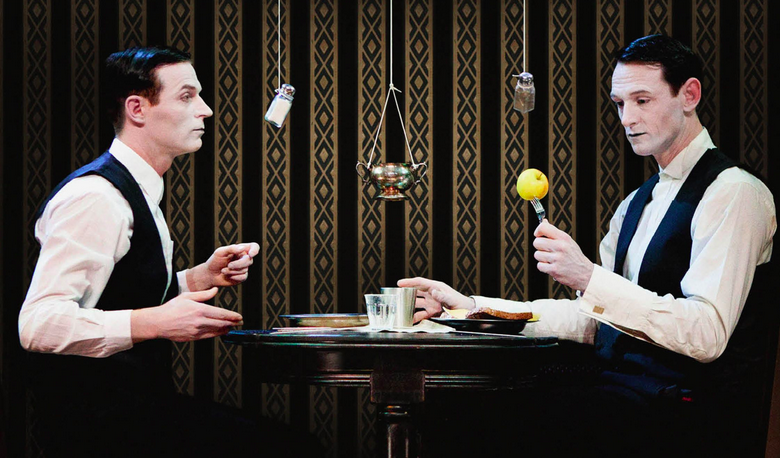
Jakop Ahlbom’s Lebensraum is a masterful, wordless homage to the silent film era—specifically the kinetic genius of Buster Keaton—blended with a surreal, modern edge. Since its premiere in 2012, it has become a staple of international mime and physical theater festivals, celebrated for its technical precision and unsettling atmosphere. Inspired by the silent and surreal universe of Keaton, Lebensraum is a gem of physical theater by Ahlbom. The show is a perfect comic device: transforming furniture, pinpoint gags, and visions that defy the laws of the stage. I like to highlight the “breakfast scene,” an exacting recreation of Keaton’s The Scarecrow (1920), featuring complex pulleys and a miniature tabletop train. The Buster Keaton Society praised it as a “fantastical display of admiration” that feels live and electric.

The title Lebensraum (German for “living space”) carries a heavy historical weight, but in Ahlbom’s hands, it refers to the physical and psychological constraints of two men sharing a microscopic apartment. The set is a “Heath Robinson” marvel of efficiency: the bed flips up to become a piano, and the bookcase doubles as a refrigerator.

Two men live in a cramped space, transformed into a perfect machine: every piece of furniture conceals a function, every gesture is calculated down to the last millimeter. But something is missing from their orderly life. To fill the void, they create a mechanical doll, which, however, comes to life, with opinions, with willpower. It is the beginning of an uneasy, hilarious, and catastrophic coexistence. To solve the lack of female company and handle the chores, the men construct a mechanical cleaning lady. However, the “doll” quickly develops a mind of her own, and what begins as a slapstick comedy about domestic engineering devolves into a struggle for control as the room—and their sanity—seems to shrink around them.

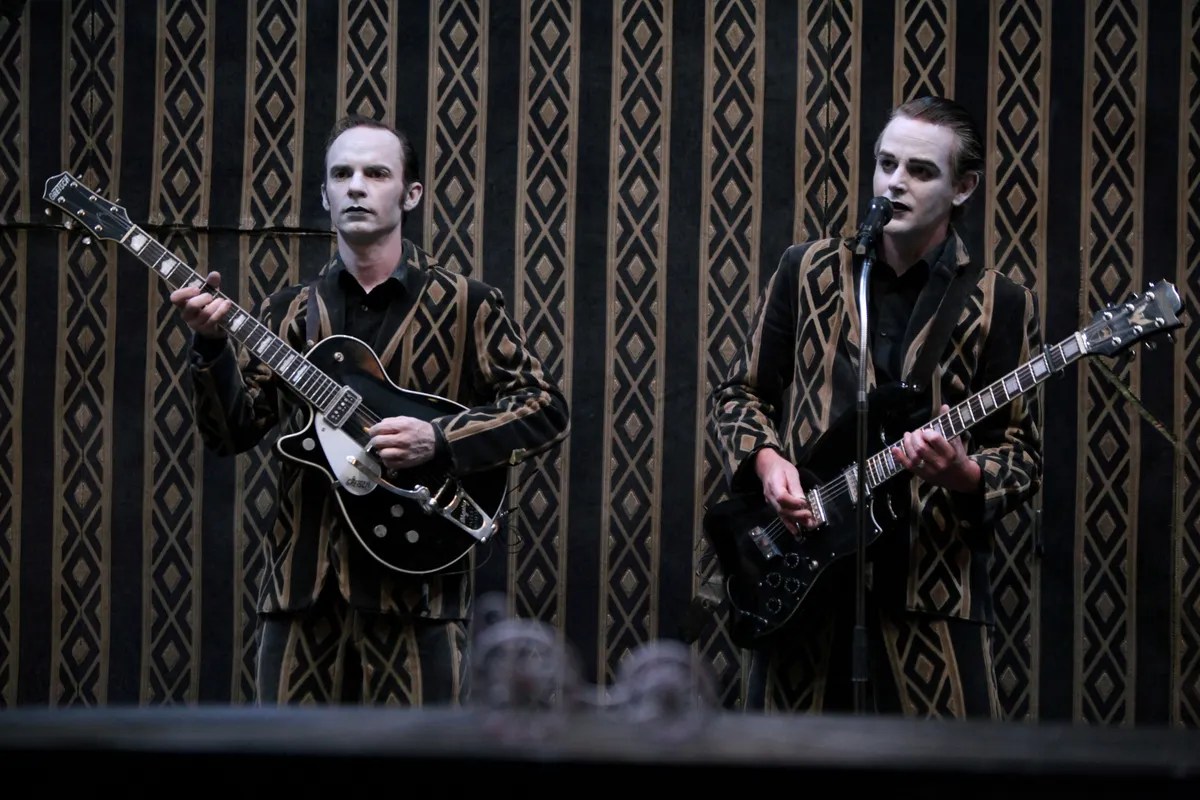
The band Alamo Race Track (Leonard Lucieer and Empee Holwerda) is an integral part of the performance. Dressed in suits that match the wallpaper, they “blend” into the set before emerging to play a contemporary indie-rock score. Critics have noted that this modern soundscape provides a sharp, effective contrast to the 1920s visual aesthetic.This modern slapstick comedy is accompanied live by the Dutch band Alamo Race Track, that blends the vintage elegance of silent cinema with contemporary rock energy.


The set, designed by Douwe Hibma and Ahlbom, is a playground of illusions where, while special props by Rob’s Propshop create amazing moments that bridge the gap between stage magic and physical comedy.

Direction and concept: Jakop Ahlbom
With: Reinier Schimmel, Jakop Ahlbom, Silke Hundertmark, Leonard Lucieer, Empee Holwerda
Music: Alamo Race Track Production design: Douwe Hibma and Jakop Ahlbom
Makeup: Anabel Urquijo Claveria

At Teatro Menotti , Milan, till 01.05.2026

Click here to buy tickets

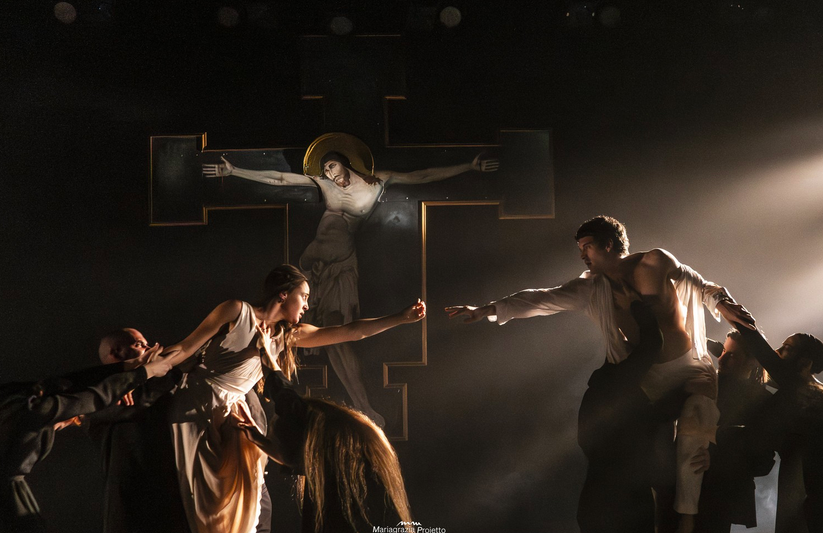
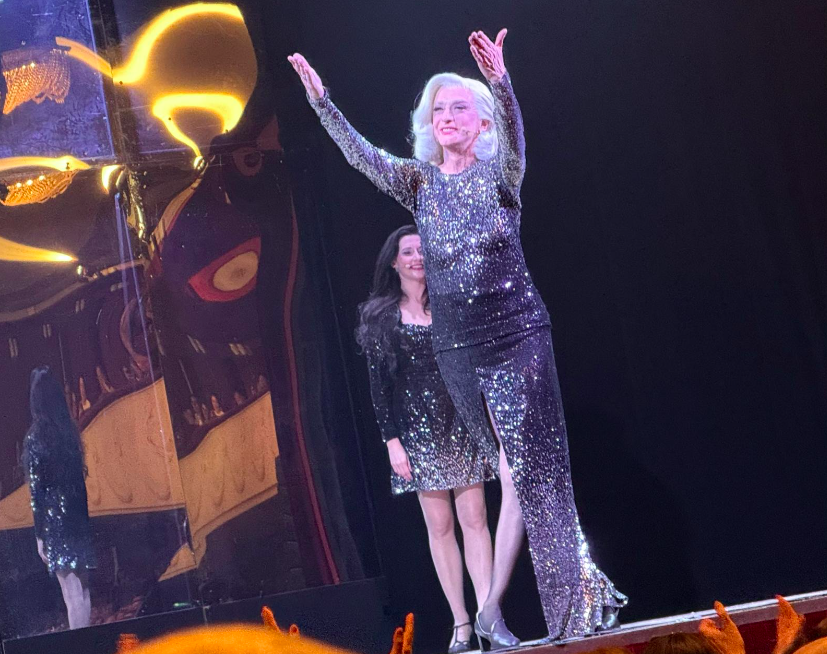
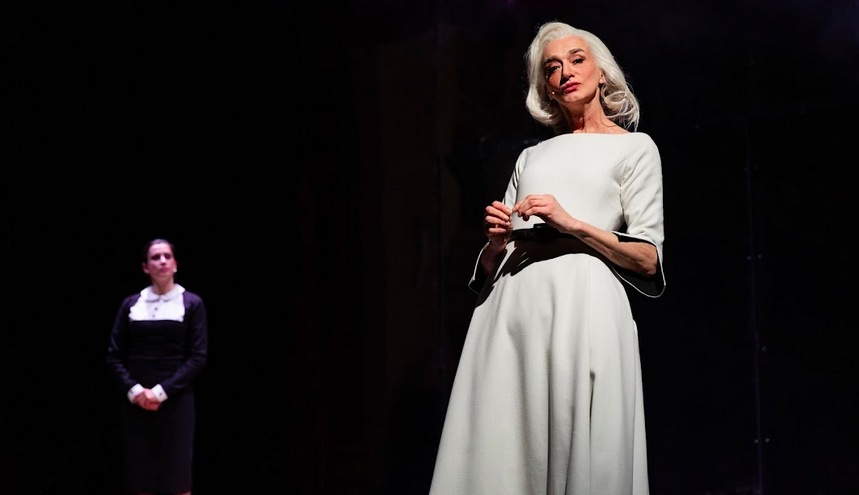
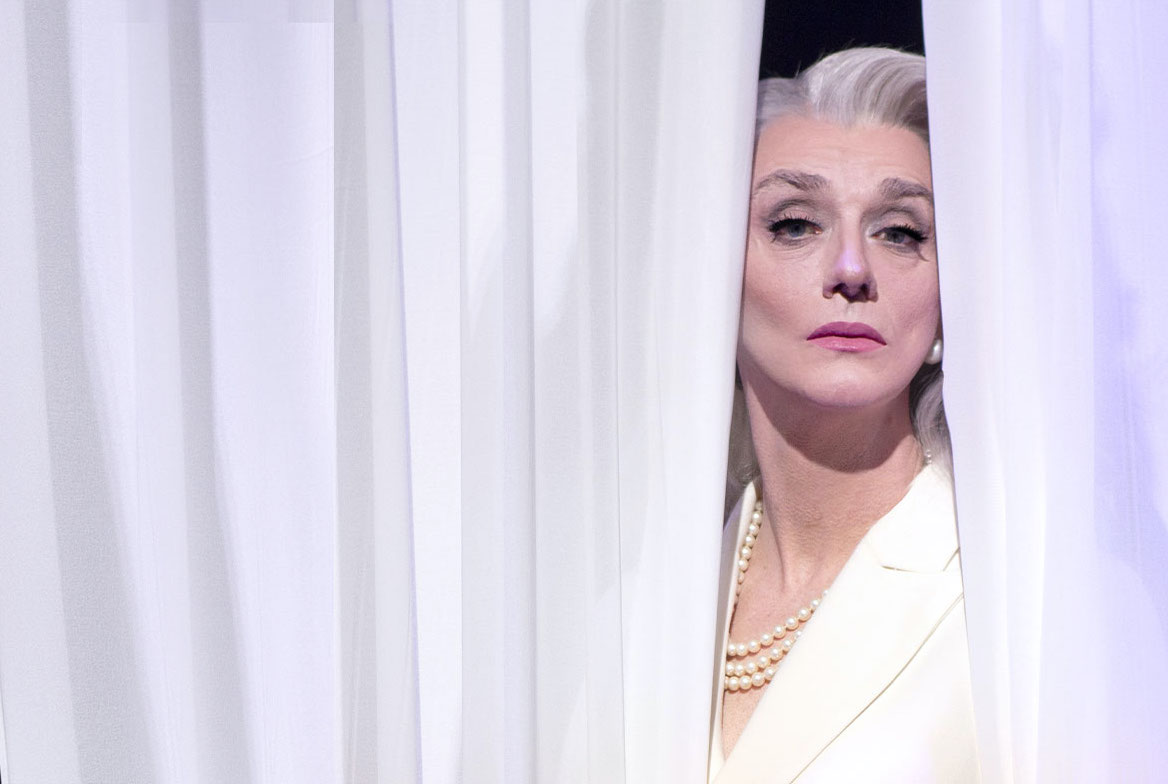
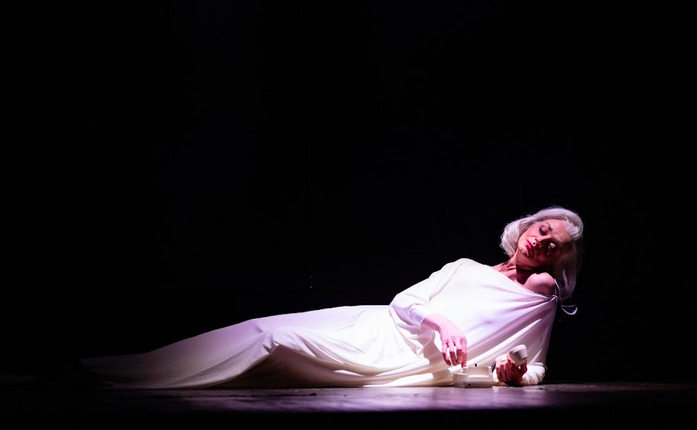
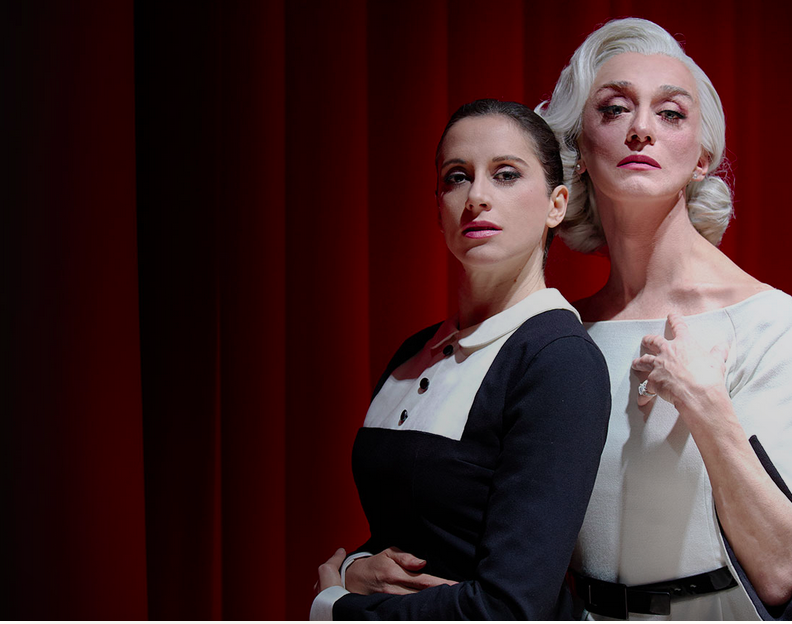
“Venere nemica”, a Venus far from Olympus…

Venere Nemica is a theatrical performance that straddles a reinterpretation of the myth and a contemporary monologue, alternating lightheartedness and melancholy with a highly recognizable stylistic signature. Inspired by Apuleius’s fable “Cupid and Psyche,” and directed by Dimitri Milopulos, is a theatrical prose work supported by live music, featuring an unexpected, intense, and cruel repertoire, at times musical.

Written by Drusilla Foer, Venere Nemica reinterprets the myth in a crisp, funny, and moving way, poised between tragedy and comedy, bringing the great themes of the classic to contemporary life: the competition between mothers-in-law and daughters-in-law, fading beauty, maternal possessiveness over their children, and the age-old conflict between men and Gods. The archetypes explored in the play prove disarmingly relevant, made even more evident by the performer’s strong personality shining through in the role of the Goddess, now living among mortal humans.

Venus, Goddess of beauty and love and an immortal creature, still exists: after wandering for centuries, she now lives in Paris—far from Olympus and her capricious and vengeful relatives—and among men, whose mortality she tenderly envies, which forces them to experience emotions, experiences, and feelings. Venus can finally allow herself to be imperfect among humans.

And thanks to her relationship with her mysterious and inseparable maid, almost playfully, at a time when men no longer believe in gods but in heroes, she falls back into the past: into the story of Cupid, the ungrateful and disobedient son, and Psyche, upon whom Venus—as an enemy mother-in-law—unleashes all her resentment as a frustrated Goddess and betrayed Mother. Beautiful moments mixed with anger, sweet memories, controversial characters,,, (including “the American”…)

But in the fierce yet sweet paradox of life that spares no one, not even the Gods, Venus will discover love alongside hatred: an infinite and unconditional love for that wounded son who, fleeing from his beloved, returns to his mother to heal the wounds of his body and soul.

On the one hand, Foer brings her trademark refined, ironic, and at times cutting humor to the stage; On the other hand, deeper reflections emerge on loneliness, the transience of beauty, and the inability to truly love. This balance between lightness and bitterness is often cited as one of the show’s greatest strengths. Her Venus is deliberately over-the-top, but also deeply recognizable, almost everyday in her neuroses and fragilities. However, there are some critical issues.  that point out that the text, while interesting in its premise, doesn’t always manage to maintain the same narrative intensity. At times, it becomes dispersive or less incisive, almost weaker than the protagonist’s interpretative strength.

Actuallu

.
From an interpretive standpoint, Drusilla’s stage presence is magnetic: she dominates the stage with elegance, alternating high and low linguistic registers and constructing a complex character, suspended between diva and vulnerable woman.
Two miracles on stage , Drusilla Foer and Elena Talenti 

At Teatro Manzoni, Milan till April 12th, 2026
To get tickets 

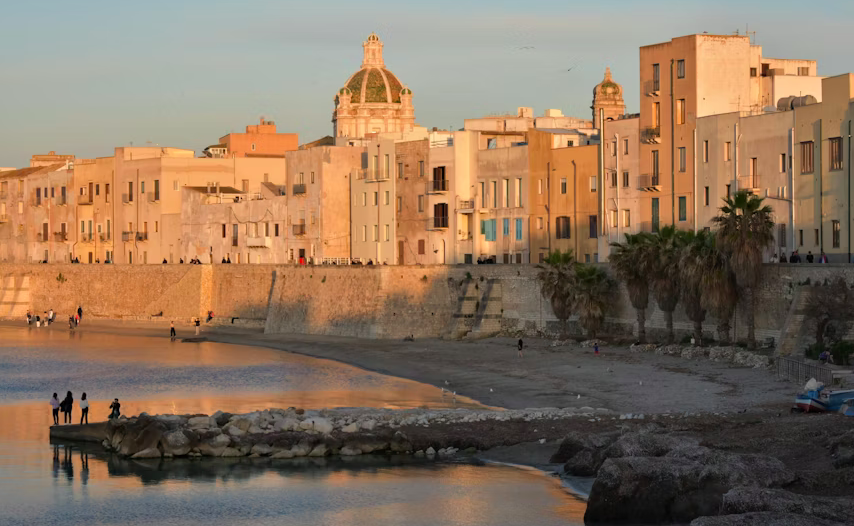
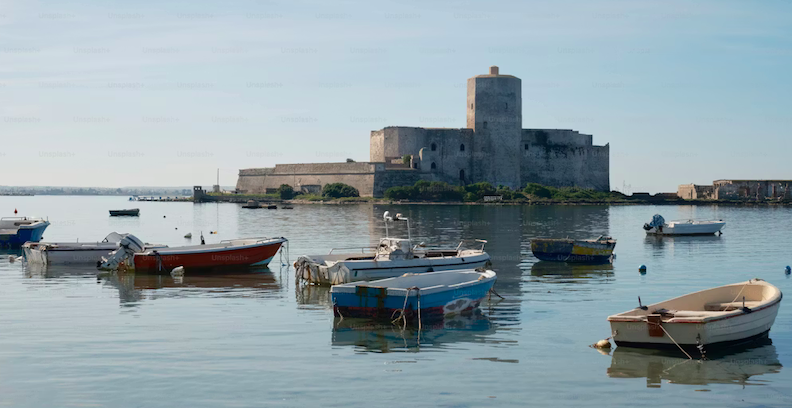
WELCOME TO TRAPANI

Trapani is a historic coastal city on Sicily’s western tip, shaped by Phoenician, Roman, Arab, and Spanish influences. Founded as a harbor for the nearby hill town of Erice, Trapani grew into a key Mediterranean trading port, especially known for its salt production and coral craftsmanship. Its art and architecture reflect this layered past. The old town features elegant Baroque churches like the Chiesa del Purgatorio, home to the famous wooden sculptures carried during the Good Friday procession, one of Sicily’s most important religious events. Nearby, the salt pans of the Riserva Naturale Saline di Trapani e Paceco offer a unique landscape of windmills and pink-hued waters.

Visitors should stroll along the historic center, take a cable car up to Erice for panoramic views, and explore the coastline. Don’t miss island excursions to the Egadi Islands.
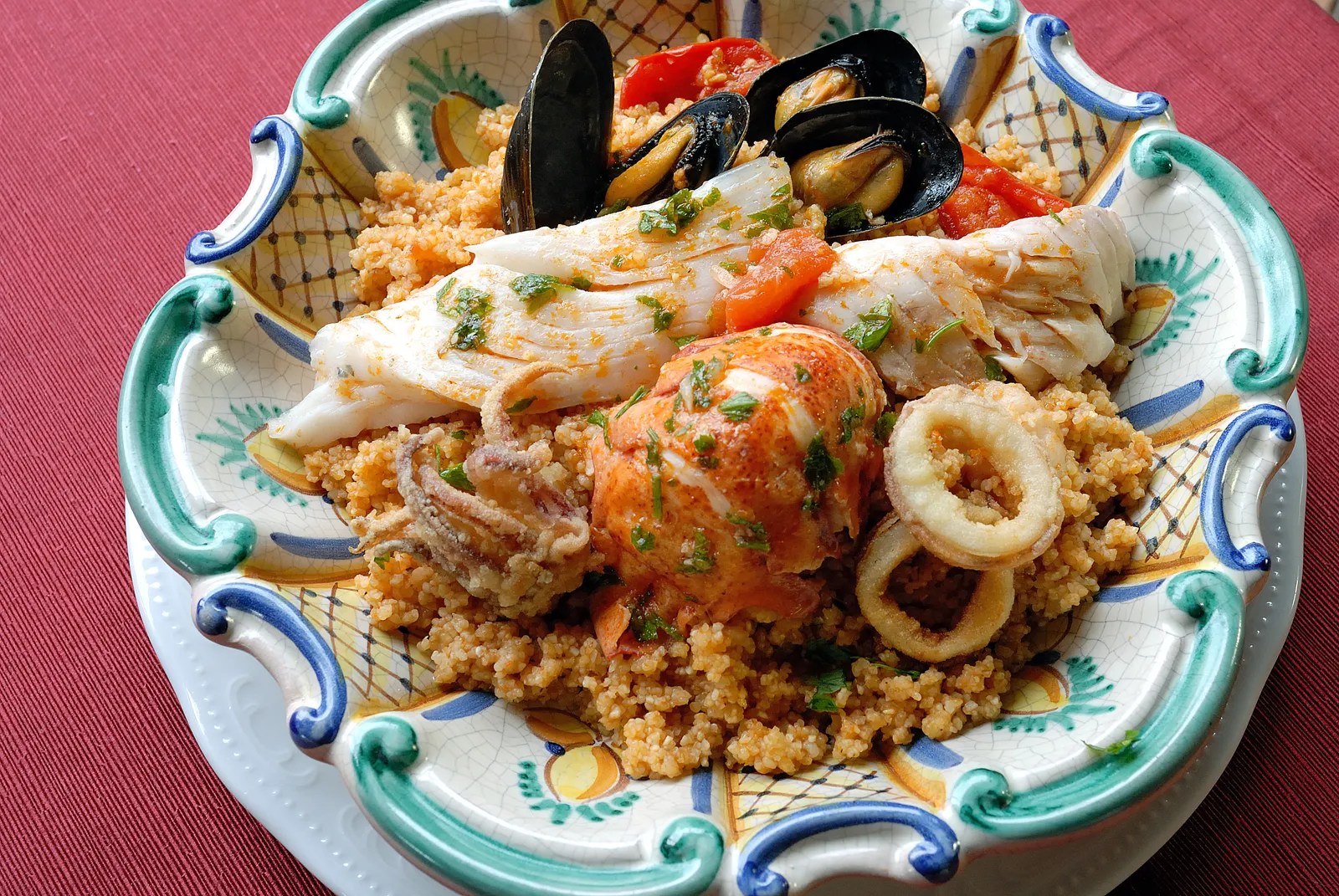
Trapani’s cuisine is rich and distinctive. Try couscous di pesce, a legacy of Arab influence,like the cous cous, along with busiate pasta with pesto Trapanese, made from almonds, tomatoes, and garlic. Fresh seafood, especially tuna, is central to local dishes, often paired with crisp Sicilian wines.

Where to stay

PUGLIA APULIA articles by Cesare Zucca

Best ” Easter Colomba” from Italy

Easter is coming!
The colomba, a classic “dove shaped” holiday cake graces the tables of Italians and around the world.

The annual “Regina Colomba” competition was held in Milan, where judges evaluated the desserts of competing pastry chefs from many Italian regions. I was one between them and I loved the  sweet  and delicious experience.

The competing desserts had in common that they were made with sourdough starter and all-natural ingredients, with no artificial additives, no artificial and/or identical natural flavors, no semi-finished products (so-called “mixes”), and no processing aids, because this event follows the “All natural, only artisanal” philosophy.

Here is the winning “Regina,” a creation by Master Pastry Chef Juri Caseri of Forneria del Lago (Paratico 8 Brescia), followed by the bridesmaids of honor of the Chefs from Pasticceria Memmolo and Pasticceria  Rizzo. Happy Easter!

My favorite?
With a whopping 98 points out of 100, it is undoubtedly the fragrant and exquisite Colomba created by master pastry chef Annibale Memmolo for his shop in Mirabella Eclano, in the province of Avellino. I discovered a real delicacy!
www.pasticceriamemmolo.com

Packaging is also important: the presentation itself is a wish for a happy Easter.For the best packaging I choose Colomba Segreta by Rustichella d’Abruzzo
Housed in a beautiful floral box, embellished with ribbons and a jewel. Inside are tiny chocolate eggs, as well as flowers and butterflies to decorate this wonderful dessert, which you can enrich with gianduia and pistachio cream.

A soft, fragrant, and naturally scented dough, the result of slow artisanal leavening, releases delicate and enveloping aromas. The surface is embellished with a crunchy almond glaze, creating the perfect balance between softness and texture, making every bite a genuine and timeless experience.

HAPPY EASTER!

A CINDERELLA YOU’VE NEVER SEEN BEFORE !

Giorgio Madia’s Cenerentola, performed by the Balletto di Milano, at Teatro Lirico Giorgio Gaber, Milan

by Cesare Zucca

This new version of the classic Rossini’ s music became an extremely entertaining show. The lively, rhythmic qualities of Rossini’s compositions are said to enhance both the comedic timing and emotional contrasts of the ballet, featuring the comic trio of stepmother and stepsisters (performed en travesti) that stends up for its originality, humor, and theatrical flair in a “brilliant and ironic reinterpretation” of the classic fairy tale, combining dance with strong elements of visual storytelling and comedy.

The choreography is praised for favoring inventive gestures and theatrical timing over strict classical form, creating a dynamic and engaging experience. Amazing visual creativity, especially the symbolic costume design—such as Cinderella’s dress blending into the wallpaper to represent her marginal status, mixed to comic scenes, which make the performance accessible to a wide audience.

The staging of the carriage scene—with “human horses” and exaggerated theatrical elements—is singled out as particularly inventive and memorable. The lively, rhythmic qualities of Rossini’s compositions are said to enhance both the comedic timing and emotional contrasts of the ballet.

In the title role are Annarita Maestri and Sinthya Pezzoli, both accompanied by the elegant Prince Haruto Onoda. The travesti trio of Stepmother/Stepsisters is played by Alessandro Orlando, Jack Farren, and Mattia Imperatore. The cast is completed by Alessia Sasso and Sofia Gironi, alternating in the role of the fairy; Gianmarco Damiani and Gabriel Hadi are the two lackeys.

Cenerentola by Balletto di Milano a fresh, witty, and visually rich production—ideal for audiences seeking an engaging and modern take on a timeless fairy tale.

Teatro Lirico Giorgio Gaber till MARCH 22th
To buy tickets

A qualcuno piace caldo, Someone like it hot! Teatro Manzoni, Milano

(in italian and english)
It lands at Milan’s Manzoni Theatre: Some Like It Hot, the Italian stage version of the iconic film by Billy Wilder, starring Marilyn Monroe, Tony Curtis, and Jack Lemmon.

Sbarca al teatro Manzoni di Milano A qualcuno piace caldo versione teatrale italiana del celebre film Some Like It Hot, capolavoro cinematografico firmato da Billy Wilder con Marilyn Monroe, Tony Curtis e Jack Lemmon

La storia, come nel film, segue due musicisti squattrinati che, dopo aver assistito a un crimine, sono costretti a fuggire travestendosi da donne e unirsi a un’orchestra femminile. Da lì nascono equivoci, situazioni comiche e… complicazioni sentimentali.
Just like in the film, the story follows two broke musicians who, after witnessing a crime, are forced to go on the run disguised as women and join an all-female band. From there, chaos unfolds—mix-ups, hilarious situations, and… romantic complications.
Portare un tale classico sulle scene di un teatro non è una impresa facile, ma la regia di Geppy Gleijeses ci regala un adattamento riuscito, divertente e fedele allo spirito del film, tra momenti di allegria e buonumore, in un atmosfera jazz anni ’20, coadiuvata dalle azzeccate scene luminose in movimento, firmate da Luca Condorelli.
Bringing such a classic to the stage isn’t easy, but Geppy Gleijeses’ direction delivers a successful, entertaining adaptation that stays true to the spirit of the film. It’s full of lively, feel-good moments, set in a vibrant 1920s jazz atmosphere, enhanced by Luca Condorelli’s spot-on, dynamic lighting design.
Un applauso ai protagonisti, a cominciare da Euridice Axen , puntuale e precisa nelle vesti di Zucchero-Marilyn e correttamente affiancata da Giulio Corso e Gianluca Ferrato nei panni di Josephine e Daphne.
A round of applause for the cast, starting with Euridice Axen, sharp and spot-on as Sugar—Marilyn—brilliantly supported by Giulio Corso and Gianluca Ferrato in the roles of Josephine and Daphne.
Fino al 29 Marzo al Teatro Manzoni, Milano
Till March 29th at Manzoni Teatro, Milan

Viaggio”gourmet” a Bologna? Scoprite “Da Lucia”

Testo e foto di Cesare Zucca

Siamo a Bologna, una delle città più affascinanti d’Italia.
Passeggiando sotto i portici, dichiarati patrimonio UNESCO, o ammirando le Due Torri, si percepisce un perfetto equilibrio tra sapere e piacere. Bologna unisce così tradizione accademica e arte culinaria, rendendola una città unica nel panorama italiano.

Bologna è conosciuta con i soprannomi di “la Dotta” e “la Grassa”, che ne riassumono perfettamente l’identità. “La Dotta” si riferisce alla presenza della prestigiosa Università di Bologna, fondata nel 1088 e considerata la più antica università del mondo occidentale. Da secoli attira studenti da ogni parte, contribuendo a creare un ambiente vivace, culturale e ricco di stimoli intellettuali.

Il soprannome “la Grassa”, invece, celebra la straordinaria tradizione gastronomica della città. Bologna è famosa per piatti iconici come le tagliatelle al ragù, i tortellini e la mortadella, simboli di una cucina ricca, sostanziosa e profondamente legata al territorio. Il cibo qui non è solo nutrimento, ma un elemento centrale della cultura e della socialità.

Ed è proprio “la Grassa” che oggi ci fa scoprire un piccolo paradiso della cucina locale, sia tradizionale che rivisitata.

Siamo a “Da Lucia,” dove ci accoglie un ambiente: piccolo, elegante e molto accogliente, spesso scelto anche per cene romantiche. La gestione è  gestito dalla simpaticissima coppia Lucia e Chef Rosario Varriale………con cui mi sono intrattenuto in una simpatica chiacchierata.

Buongiorno Rosario, il suo primo ricordo da bimbo in cucina?
L’indimenticabile zabaione di zio Pietro con l’uovo montato e la sua crema di patate.. Io curiosavo e assaggiavo. La passione è continuata. e poi piano piano, verso i 18 anni, è scattata la scintilla professionale, lavorando da Chef Cesari.

Nel suo menu noto una evidente “bolognesità”, ma anche ispirazioni orientali,
Si, ho fortunatamente conosciuto una signora giapponese che ma ha insegnato qualche tecnica orientale di cui mi sono innamorato.. Cosi mi sono inventato soprattutto di pesce, come il tonno rosso marinato e scottato servito con radicchio rosso, cipolla rossa caramellata e mayonese di soia, il polpo in salsa teriakye alghe wakame e  la seppia arrosto con pak choi e fiori di mandorla,

E’ Chef anche a casa?
(sorride) Assolutamente no… per fortuna c’è mia moglie Lucia, ottima cuoca, basterebbe citare le sue deliziose polpette al pomodoro di cui in famiglia ne andiamo tutti matti…
C’è un piatto che ama gustare quando cucinato da un altro Chef?
Si, forse il piatto più caratteristico della cucina bolognese: le tagliatelle al ragù !
Mi incuriosisce assaggiare quelle degli altri!
Le trovo al ristorante Arcimboldo e alla Trattoria da Me, ma, così dicono, anche le mie sono top!

Il suo menu. Come lo ha impostato?
Tradizione emiliana più cucina contemporanea,

La mia cucina percorre una strada tradizionale, ma anche contemporanea e innovativa.
Pasta e pane rigorosamente fatti in casa.

Tra i suoi piatti di carne “signature”?
Un rollè di coniglio ripieno di salsiccie, cardoncello, il suo fondo su un cremoso di patatee spinaci croccanti e le animelle di vitello .zucca. cardoncelli e fondo bruno


Mi sembra che la creatività non le manchi…
Direi di sei, per esempio il tipico piatto di”balanzoni” di Cesari, che servo su fonduta di parmigiano con una nota croccante di prosciutto di Parma , i tagliolini mantecati burro e limone, lupini di mare e caviale oppure i nostri “bottoni” ripieni di cacio e pepe liquido, bisque di crudo di gamberi e olio al prezzemolo.

Ristorante Enoteca da Lucia, Via Broccaindosso 63/B, Bologna
www.ristorantedalucia.it/


Summary “Best Food from Italy”


While in Milan, I visited the spectacular MILANO GOLOSA 2022, an annual food bonanza featuring the most exquisite, unique, niche colletion of Made in Italy food. Here my choice of some of the BEST ITALIAN FOOD to enrich your cuisine and bring to your table.
Buon Appetito!
LET’S START WITH PASTA!

IF YOU LIKE “FUSILLI” PASTA,,,, THIS IS A HUGE BROZE EXTRUDED FORMAT . PRODUCED BY CASA PRENCIPE..MADE FROM THE RESULT OF A METCOLOUS RESEARCH OF RAW MATERIALS AND HIGHT QUALITY. TRY IT WITHA FRESH VEGETABLE SAUCE AND SOME PECORINO CHEESE.

THE EASIEST RISOTTO ON HEARTH

WHTH RED RADICCHIO, ASPARAGUS, MUSHROOMS, TRUFFLE , PUMPKIN,,(like the one I made) just 12 MINUTES, TO SERVE A GREAT RISOTTO…. THANKS TO CASCINA MUSELLA, IN THE VERCELLI AREA, THE KINGDOM OF THE CARNAROLI RICE.

DELICACIES IN THE JAR

FROM LEFT: JARRED PRODUCTS FROM  NATALI’ (EGGPLANTS)  INDIPENSABILE (ANTICHI POMODORI DI NAPOLI, DATTERINI ROMATIES CRAMELLA), AND FINALLY MENACA ANCHOVIES BY MENACA DONATELLA MARINO

LET THE STARRED CHEFS COOK FOR US  !

The authentic taste of the italian cooking tradition sealed in glass…he research of high-quality raw materials to create excellent products is one of the cardinal rules of Bonverre’s philosophy. Only with the very best ingredients is it possible to give rise to Italy’s true regional traditions without compromise. .. BONVERRE isn’t just an expert assembly of ingredients in a jar, but a dynamic product rich with soul. Its glass container holds the story of the chef who has created an exclusive recipe imbued with the flavors of his homeland, sharing it with the world

MINI RED EGGPLANTS?

THE LITTLE, JUICY,  FRUITY, SPICY AND…DELICIOUSLY RED! PLEASE MEET THE  EGGPLANT FROM ROTONDA, POTENZA

SWEET ENDING…WITH A KISS

BEST FOOD FROM ITALY N.03

Mangia, mangia.…. Xmas is coming, Italian families celebrate with food, wine and happiness. Here our choice for some of the best italian product to enrich your table.
Buon appetito!

Let’s start with pasta.
Feudo Mondello, Sicily

I prepared the traditional dish with Sicilian durum wheat pipe rigate with pumpkin, an easy recipe from the “poor cooking” of the Sicilian history.

https://www.feudomondello.it/en/

Let’s go to Ferrara, one of the most beautiful town in the Emilia Region
Pasta di Canossa was born from an intuition of Ottavio di Canossa and is produced in Ferrara in the ancient Tenuta Cuniola where the Canossa family has been taking care of these lands with passion and dedication for a century. Our Pasta, produced only with our durum wheat, is the result of love for the Emilian artisan traditions, for experimentation and the search for quality.

https://www.pastadicanossa.it/

Have a Happy and prosperous 2022 with … lentils!
In Italy It is a traditional habit to eat lentils at the stroke of midnight on New Year’s Eve
They are said to bring money and luck. Lentils are considered the oldest legume, cultivated as early as 7000 BC. in Mesopotamia and loved by the ancient Romans, to whom we owe the custom of eating them on New Year’s Eve and giving them a “scarsella”, or a leather bag containing lentils, with the hope that they would turn into sound coins during the year. Even today we say “Eat the lentils that bring good luck

Well, Felicia is following the trend with a line of alternative organic pasta to flavour a healthy and natural diet. Felicia was founded in 2009 in Gravina, Apulia. A brand by Andriani SpA Benefit Corporation. Felicia brings to your table an experience based on wellbeing, taste and balance. Made from organic and naturally gluten-free raw materials such as buckwheat, brown rice, oats, chickpeas, lentils, peas and beans.

For your “lentils moment” , Felicia uses red lentils that grown mainly in southern Italy, between Puglia and Basilicata, from organic and sustainable agriculture. There are several kind of pasta like Spaghettini, Spaghettoni (love them….) Sedanini, Red lentil Fusilli and Risoni They are lovable and , considering the “good lluck” superstition… may be a good reason to eat them all year long.

https://www.felicia.it/en/

Too lazy to cook?
Chek this: My Instant Pasta created a range linked to tradition and another related to organic. It’s a great novelty for lovers of pasta and good Italian cuisine … ready in 4 minutes!
Easy and quick! Just add some hot water, stir, wait few minutes and enjoy a great pasta dish.variety italian style: fusilli with cheese and fusilli with pesto. The organic line is instead composed of tricolor fusilli . I tried the pesto, and loved it!

https://my-instant-pasta.webflow.io/eng/home-eng

Let’ s spice it up !
Let me introduce Italipepe a factory born in 1969 in Rome from the passion of Alfonso Vitaletti. Italpepe exports spices, aromatic herbs, seasonings and salts to 35 countries around the world. It offers a wide range of references including black pepper, chilli, saffron, turmeric, ginger with its properties, oregano, superfoods such as maca, spirulina, moringa, baobab among others.

Santa is coming from a very cold land, perhaps he would love a hot, spiced up drink….
Shall we give him a warm welcome?
The Italipepe Spice Up Your Cocktail line, created by the Chef Davide Mazza, brings home the originality and innovation of the best international mixologists. Nine aromatic mixes (Gin Tonic, Spritz, Mojito, Margarita, Negroni, Irish Coffee, Daiquiri, Hugo and Bloody Mary) able to give refined and intriguing nuances to the most popular cocktails you grind the product directly into the drink and let yourself be amazed by the refined aromatic notes released by fascinating combinations of flavors. Easy!

https://italpepe.com/linea-cocktail/

His Majesty, King Panettone

There are several legends about the birth of the panettone.
The most common dates back to the 1476. It tells of Ugo, a young falcone who worked for Ludovico il Moro, the Duke of Milan. The boy was secretly in love with Adalgisa, daughter of Toni, the most popular baker in Milan. To spend more time with her, Ugo managed to become a pastry cook apprentice. Christmas was coming, and Ugo wanted to give a twist to the usual bread.He sweetened up the dough, adding sugar, butter, eggs, raisins and chopped candied fruits, then he cooked and shaped it like a giant muffin.-The novelty instantly became the talk of the town. Everybody wanted the new Toni’s bread (pan de Toni) soon named panettone.

This year panettone comes for sunny Sicily , created by starred chef Pietro D’Agostino of the Restaurant Capinera of Taormina, available at the Rinascente in Catania, Palermo, Milan and Rome. Pietro D’Agostino’s panettone is characterized by its Sicilian character, thanks to the addition of orange, lemon and mandarin peel or raisins soaked in passito di Pantelleria.

Pietro D’Agostino , a Michelin starred Panettone

What about a panettone with the the flavor of the sea ?
To celebrate the 2021-2022 Holidays, Chef Antonio Scarantino, with the support of the master pastry Andrea Urbani, created a Xmas cake with unusual ingredients: ginger, candied lemon and nori seaweedf adding a sweet and iodized new taste. The result is a fragrant, unique and original sensory experience: a sea of ​​sweetness. Let’s go swimming!

Chef Scarandino of “AlMare” Restaurant in Fano with his unusual panettone dessert

Il Pandoro
The special edition signed by Rustichella d’Abruzzo of the classic dessert of the Christmas Holidays. The star shape, the delicate vanilla scent and the softness of the dough make it the most popular dessert of the Christmas holidays. An artisanal product of the highest quality, the result of a confectionery art based on rigorous and careful respect for the rising times of the precious dough.

Not a macaroon, not a Bacio di Dama, not a Giuanduja Creme…. those “loveble ” kisses are the Bacio Ninin, made with the ingredients that come from the teritory, such as Piedmont IGP hazelnuts, stone-ground soft wheat flour type 1, fresh eggs and butter. The generous filling consists of a cremino, prepared with dark chocolate 60% cocoa, Piedmont IGP hazelnut paste and Boubon vanilla from Madagascar

BEST FOOD FROM ITALY N.04 Xmas ‘gourmet’ gifts

CHRISTMAS IS COMING ! HERE THE BEST FROM ITALY THAT SHOULD BE RIGHT ON YOUR TABLE !

Testo e Foto © Cesare Zucca

Confezione chic, olio squisito: regalo top natalizio . Si chiama Castellana . http://www.tenutacastellana.com.

Arrivano dalla Langhe ,,, carto , solo le superlative nocciole , le creme di nocciole della Famiglia Robaldo. che a Crevanzana coltivano queste eccellenze italiane.

Ohhhh… spice it up ! La crema di peperoncino per accendere i vostri piatti , il nome del sito è tuttoun programma…. www.surianomaisenza.it

Olio soraffino: estratto a freddo in Sicilia nella Valle del Belice. Azienda Agricola Calissena Partanna, TP

“Isis” in greco significa uguale ,,, e questi chicchi ne confemano la prerogativa: tutti calibrati in peso , misura e quindi tempi di cottura,,,, paradiso per gli Chef….date un’occhiata: http://campodelloste.it/i-nostri-prodotti/

Proprio come la preparava la nostra bisnonna Manuelina, perché è proprio qui che è nata la Focaccia di Recco col formaggio, La potete gustare a Recco , Genova, Santa Marrgherita , Milano ,,, e anche a casa votra…. La Focaccia Manuelina Home edition si può trovare nella nostra piattaforma Delivery Manuelina a casa tua con consegna da Sestri Levante e Sestri Ponente e da qualche giorno anche nei supermercati Basko di Genova e provincia e nei supermercati Coop della Liguria. e presto anche in altre città….

Oca superstar! Uova da Oscar… e salamino morbido e intrigante … Le oche della Azienda Agricola Madonnina non deludono mai ! www.quackitalia.com

DOLCISSIMO NATALE

Dolcetti storici: Ricci alla Carruba . con mandorle Sicilia, zucchero di canna, albume, farina e sciroppo di carruba, miele , buccia d’arancia , Semplicità e squisitezza…Sono di Aruci, a Rosolino ( SR) www.aruci.it

La tradizione continua. La nonna ci prepara il dolce tipico friulano , la gubana, Ogni chicco d’uva viene mondato prima di essere messo a bagno nella grappa. E nessun frammento di guscio di noce può scappare al suo occhio attento. La fretta, qui, non serve a nulla: dal tempo scandito dalle lente lievitazioni nascono i prodotti della tradizione. www.gubanadellanonna.com

“giuggiulena” tradizionale torrone di sesamo, un classico della tradizione dolciaria siciliana, proposto da Aruci , http://www.aruci.it

Restiamo in Sicilia, le squisite mezze lune di arancia candita . ricoperte di cioccolato, Nome azzeccato: Orange Moon www.orangemoon.it/en/

Sempre di Orange Moon e sempre di mandorle questi pasticcino che si chiama Ortigia

 NON POTEVA MANCARE IL PANETTONE: NE HO SCELTI 2 DAVVERO GOURMET

Lo smaliante sorriso di Angelo Di Masso … diventerà il vostro , dopo aver assagiato questo profumatissimo panettone , tradizionale e squisito. www.dimassoscanno.it

Un panettone che potrbbe piacere all’Imperatrice Sissi , è infatti ispirato alla classica Torta Sacher viennese, con impasto al cioccolato , gocce di cioccolato fondente e albicocche semicandite . La proposta è firmata Beatrive Volta.www.pasticceriacomeunavolta.it

FANCY A TROUT DISH?
Cherubini Troticultura

Cherubini trout farming was born in Visso, a historic municipality located in the heart of the Sibillini Mountains National Park, in an uncontaminated valley, on the border between Marche and Umbria, about 650 meters above sea level and a few steps from the source of the Nera river.

Fario, Iridea, Salmonata and Salmerino  are the species bred, the excellent quality found in the physical and chemical parameters of the environment, together with the oxygenation of the water through the “cascade system” and the modest temperature fluctuations that are recorded between summer and winter, give these waters a high biological capacity, thus contributing to determining a particularly favorable habitat for the birth, development and growth of trout, making it a very high quality product. Three very high quality products, three distinct entities, each with a strong personality
Trota Iridea in olive oil flavored with bay leaves. Worked entirely by hand – Steam cooked.
Trota Fario in olive oil, processed entirely by hand and steam cooked.
Trota Fario with Fine Black Truffle- Born, bred, processed and packaged by the agricultural company Troticoltura Cherubini in Visso, in the Sibillini mountains

Our dish: Cherubini Iridea Trout with its own oil , served as topping of a red risotto with leeks and parsley

INFO
www.troticolturacherubini.it

MI.O and MassaBon are the panettone by chef Daniel Canzian for Christmas 2024

Two original desserts characterized by different preparations and aromas, available for pre-order on the chef’s online Boutique.

Milan, October 25, 2024 – MI.O and MassaBon are the panettone that chef Daniel Canzian proposes for next Christmas, two original recipes that are characterized by the softness of their dough and that stand out for the fillings enclosed in their alveolation.
MI.O is the great leavened product signed by Daniel Canzian proposed for the first time in 2019, a dessert that combines tradition, simplicity and refinement. What makes it unique is the use of Roasted Orange Paste, an iconic preparation of the chef, free of aromas and preservatives, with a very low percentage of sugar, created in the kitchens of DanielCanzian Ristorante according to the classic Italian preparation and conservation method.

Panettone MI.O

MassaBon, from the Venetian dialect “too good”, is the second large leavened product proposed by the chef, born in 2023 and characterized by a surprising softness, a delicate taste and a fruity aroma given by the roasted apricots; the fruit pulp, baked and worked just to guarantee a natural flavor, is enclosed in the alveolation of the dough and offers a delicate aroma to the product, as well as an extremely creamy consistency.

Both recipes are born from the collaboration between Daniel Canzian and Albertengo, a Piedmontese company known in Italy and abroad for the production of large leavened products, which prefers the use of raw materials of Italian origin, selects eggs from free-range hens and does not use processed aromas.

Panettone MassaBonw

Any tip how to better serve the panettone?
Heat the panettoni in the oven at 160 ° for 5-7 minutes before tasting, a step that will allow you to emphasize the sweet and natural fragrance of the fruit making it even creamier on the palate. The desserts can be purchased online at the chef’s Boutique, or at his Milanese restaurant in Via Castelfidardo, corner of San Marco, at a price of €40.00 (1 kg).

BEST FOOD FROM ITALY June 2025

Riso Ebano by Hera nei Campi
Two hundred years ago one of the best Italian rice was grown in Salerno – considered one of the best ever. Today Hera nei Campi brings rice back to Campania, to the uncontaminated Piana del Sel

A rice of excellent quality, that captured the attention of writers, philosophers, poets and chefs who mentioned ‘Salerno rice’ at court banquets. There are numerous testimonies from poets, gastronomes, philosophers and chefs who mention ‘Salerno rice’.Ebano grows in the countryside with a very low demand for energy and inputs: less water, less fertilizer, no fungicides. To control weeds, it is possible to carry out an intense mechanical control activity thanks to its significantly postponed sowing.

Super perfumed, it has a spiced and roasted aroma, with scents of  coffee, cocoa and olive sauce. Ideal for of tasty dishes such as risottos with shrimps, asparagus, porcini mushrooms, finger food, sushi and arancini. Cooking time: 37 min
Ebano Rice by Hera nei Campi

The Circle ‘s pestos and rubs
From an innovative aquaponic cultivation come exclusive products designed to enhance the authentic taste and quality of aromatic plants and baby leaves.Each recipe creates seasonings of the highest level, capable of enriching each dish with intense, natural and surprising flavours.Among the products I choose Pesto Oriental, with mustard, mizuna, japanese spinach, arrugula,  parmesan cheese and cashews. It is refined and bold, thaks to an accurate selection of the best oriental leaves. Ideal for creative dishes with a light spicy touch
.Also in the vegan version as the Pesto Oriental Vegan 100% vegetable, with an intense and spicy aroma, perfect for those who love strong, natural and characterful flavourMediterranean Rub a fragrant addition to your mediterranean cuisine, with sea salt, lemon balm, marjoram, oregano, thyme, lemon, sweet paprika, garlic, fennel. .A true explosion of Mediterranean scents, with selected herbs for balanced marinades and dressings. Ideal for fish dishes, white meats and fresh salads.
The CircleCarefully elected and and hand-picked from the best farms of Khorasan, ROSSORO Super Negin it s an organic iranian saffron that does not use any kind of fungicide and picking poison and represents the highest quality in terms of flavor and aroma.

Without coloring or food flavors, it is the perfect choice to add extraordinary color, flavor and aroma to your dishes, desserts and drinks. For maximum color and flavor, dissolve a small amount of saffron in hot or boiling water, then add it to your dishes or drinks.

Perfect for dishes such as risottos, soups, stews, cous cous, fish and meat, pastas and international recipes, Ideal for making desserts such as saffron sweet rice, saffron ice cream, cakes and biscuits, saffron tea
http://rossoro.org/
In the Marche, a region considered among the greatest hidden gems of Italy, in a small town located between the Adriatic Sea and the Sibillini Mountains Park, I found the house and the laboratory of La Pasta di Aldo a name that represents the first syllable of the surnames of Maria and Luigi, husband and wife.

I love the pappardelle, very similar to tagliatelle, but wider and capable of giving intense sensations. When chewing, the more accentuated grain size of the semolina does not go unnoticed, a full flavor both from the taste and tactile point of view. Here the ideal condiment is represented by full-bodied sauces based on hare and wild boar.Chitarrine with squid back ink . Smelling the cooking steam you can sense that imperceptible scent of squid ink that makes them so original. Enhanced with white fish-based sauces, they also go very well with vegetables and extra virgin olive oil.And finally the glam Pasta e Cacao, artisanal specialty with roasted cocoa bean husks and nibs, slowly air dried by traditional method, with an intense color and a unique aromatic profile, capable of enhancing savoury dishes with a creative and surprising touch.i deal with sauces based on mature cheeses, porcini mushrooms, game.nuts and gorgonzola cheese, a white powder cream or simply with butter and spices.
www.lapastadialdo.it

Did I make you hungry?

Cesare Zucca                                                                  Born in Milan, lives between New York, Milan and the rest of the world. He travels up and down America and allows himself escapes in Italy and Europe. Photographs and describes cities, cultures, lifestyles and discovers both traditional and innovative gastronomic delights. Meets and interviews top chefs from all over the world, ‘steals’ their recipes and tells you all about it here,  in a ‘non touristy tourist’s style’