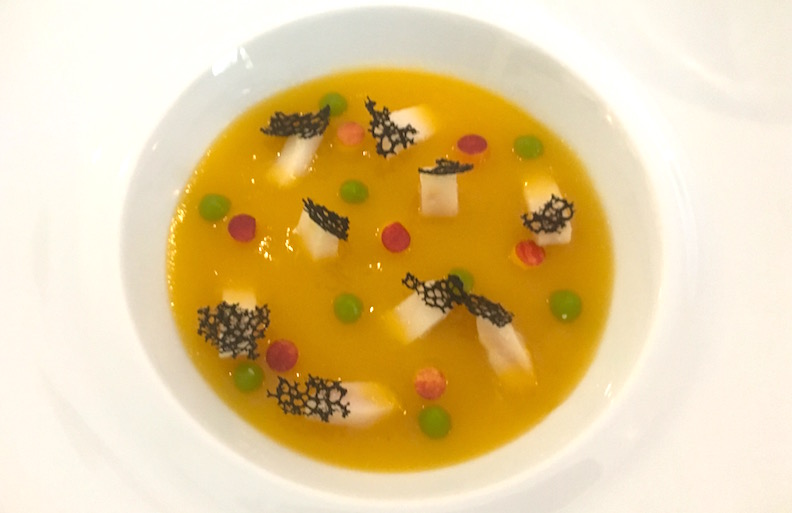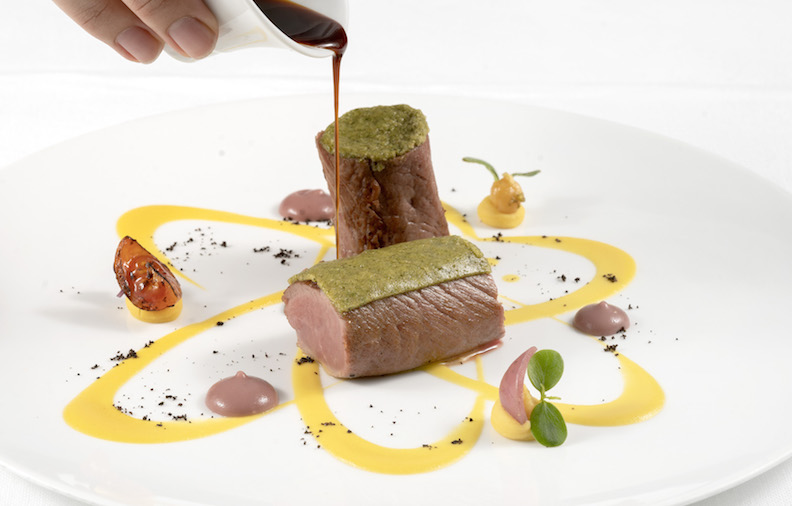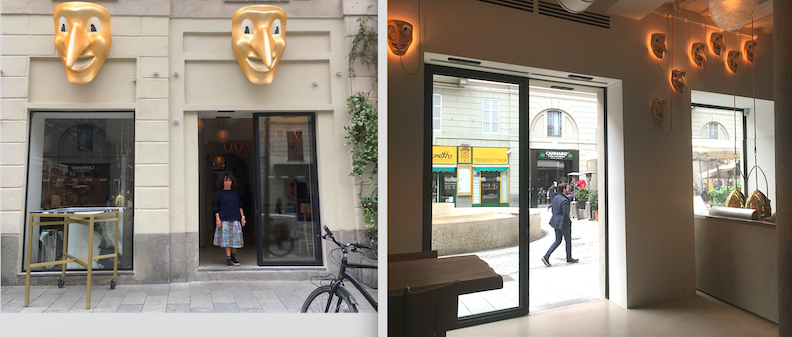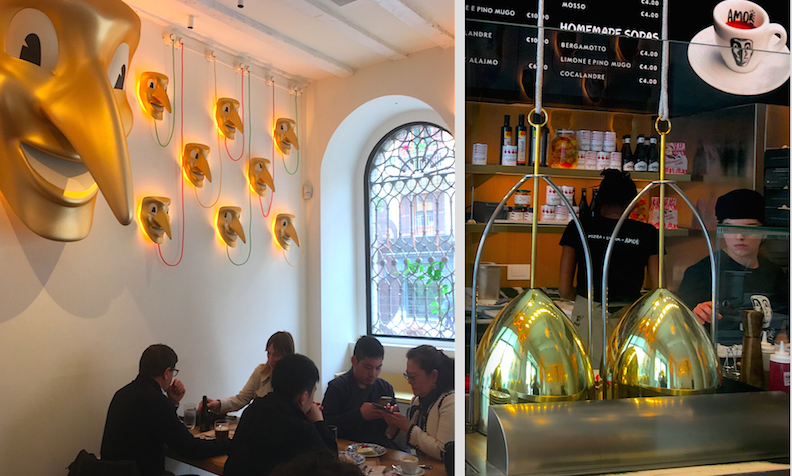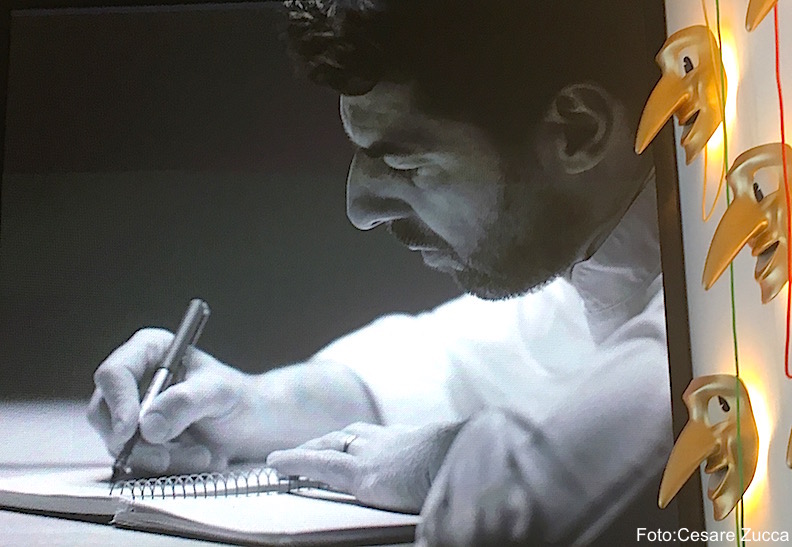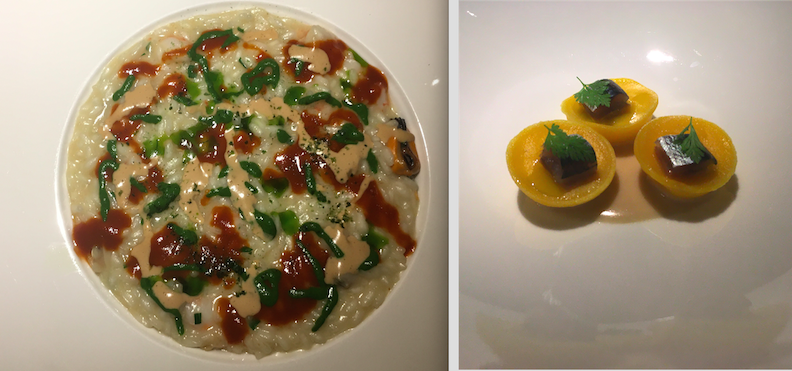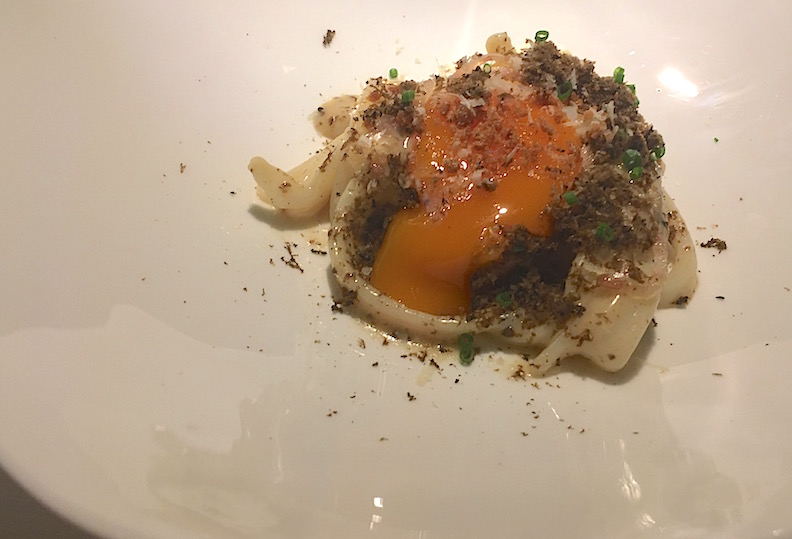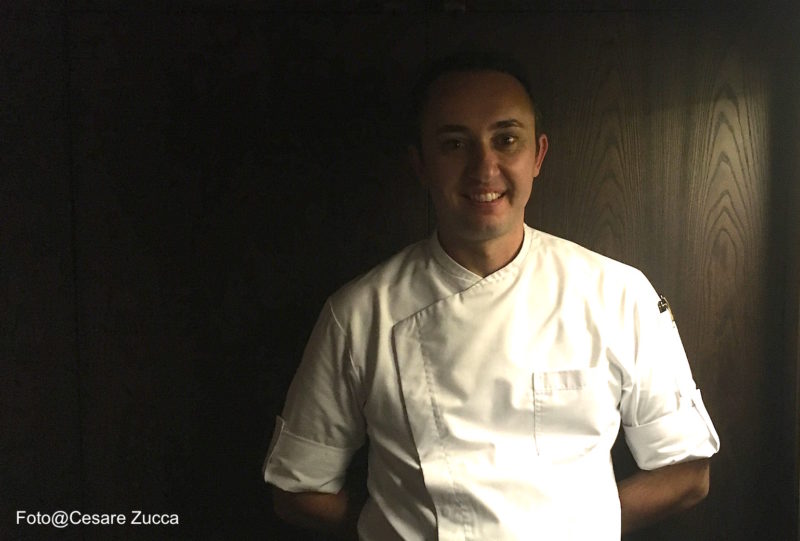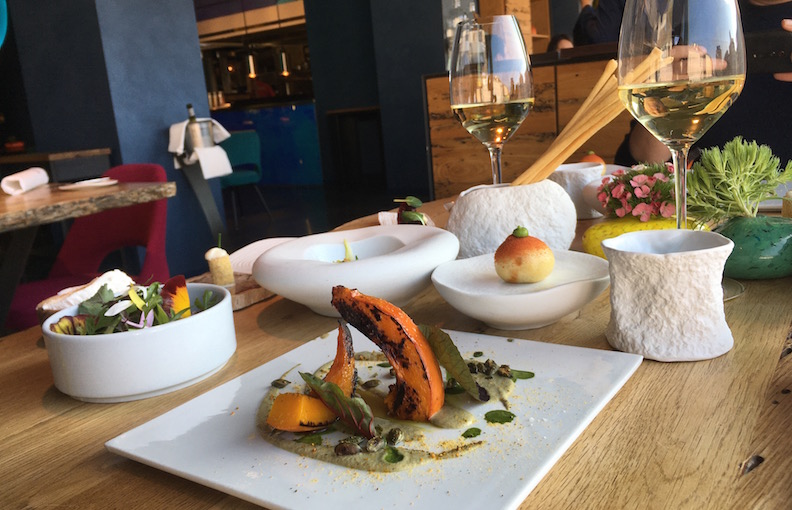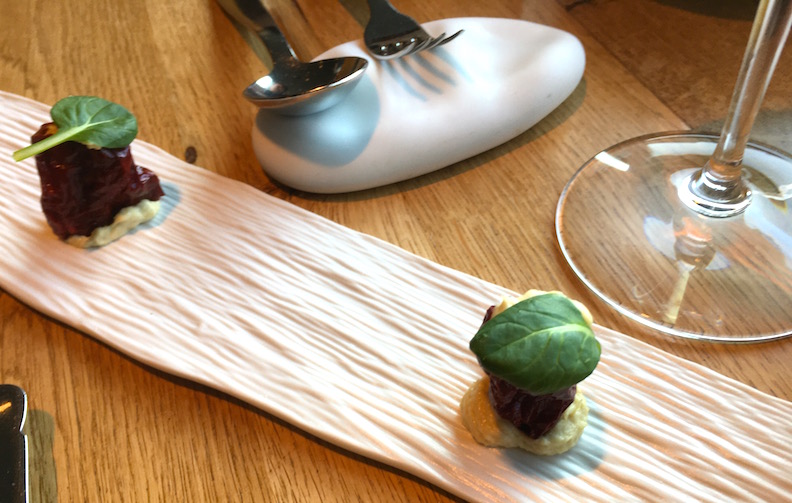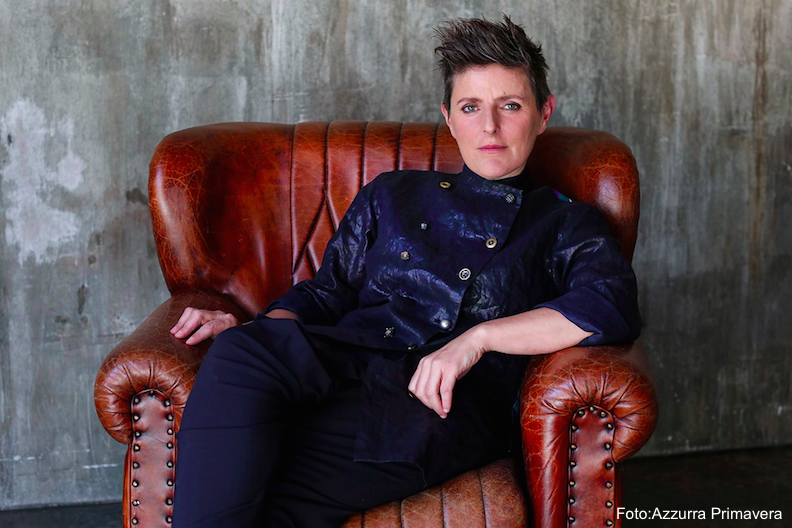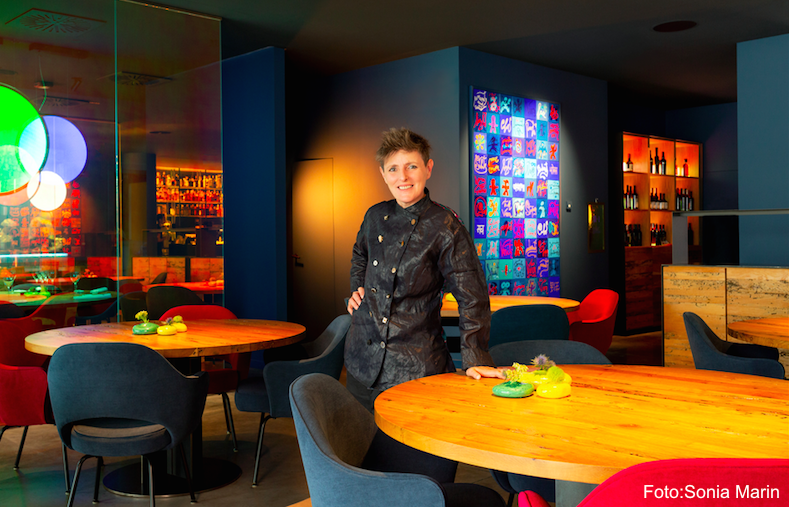
LONDRA. CHEF SRIRAM AYLUR E LA RAFFINATA CUCINA INDIANA DEL QUILON.

TESTO E FOTO DI CESARE ZUCCA –

London Calling! The Best Indian Restaurant.
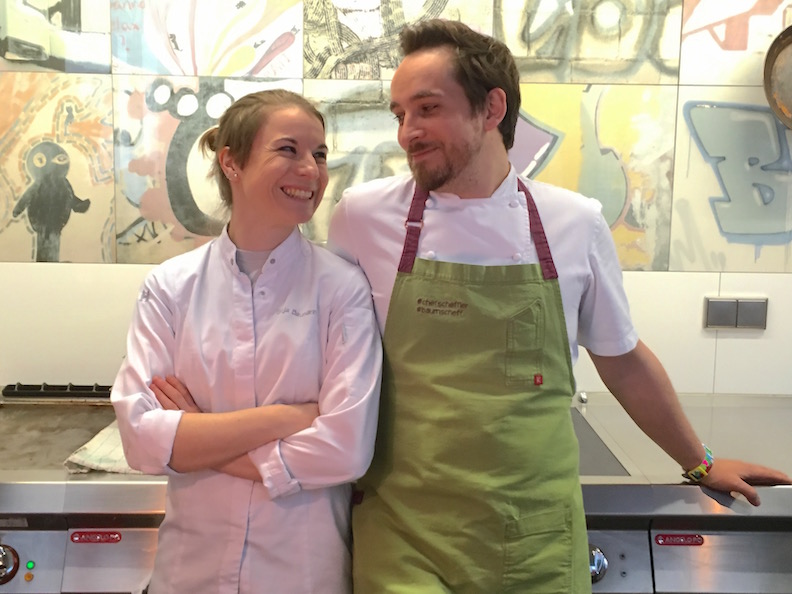
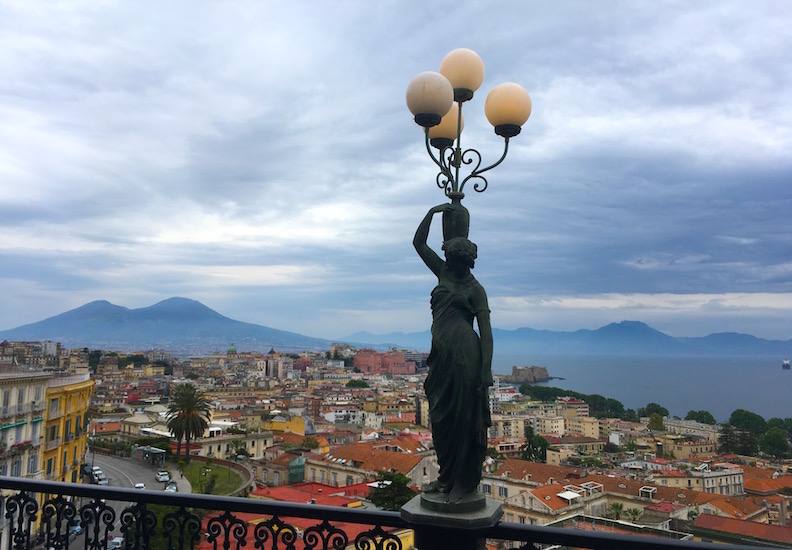
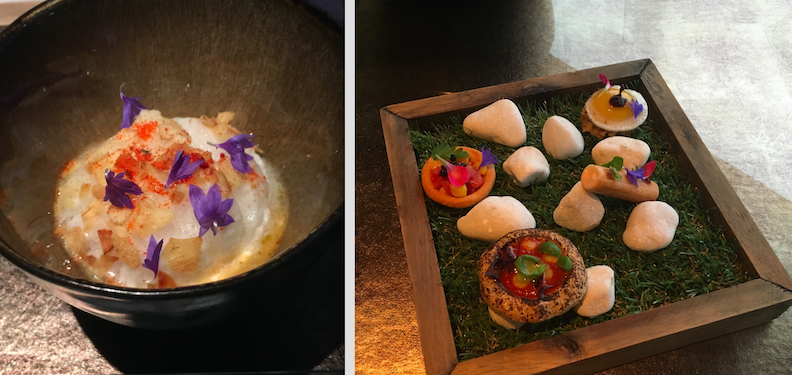
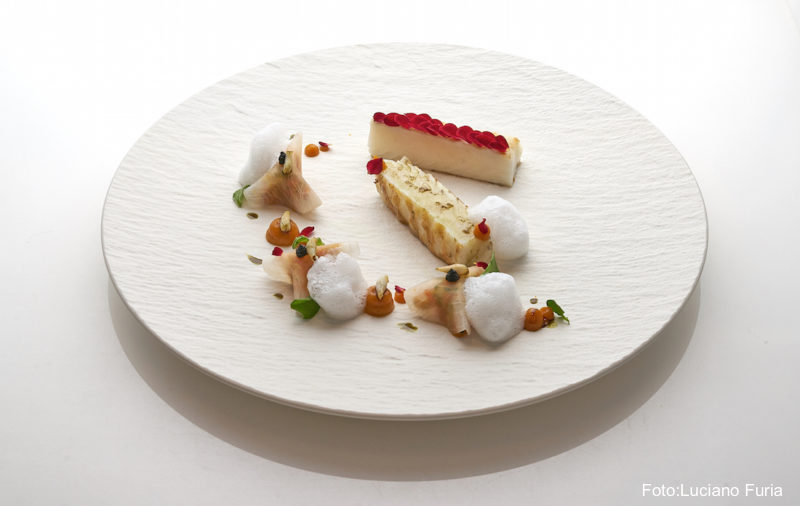
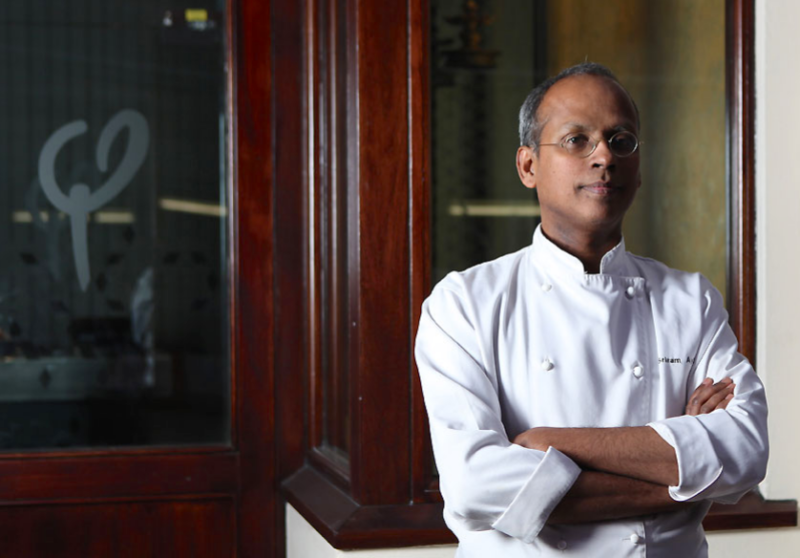
Quilon, piccola città nella provincia di Kerala in India del Sud  si è spostata nel cuore di Londra, nella elegante zona di Westminster. Perlomeno con il nome: Quilon è infatti il rinomatissimo ristorante di alta cucina indiana condotto dallo Chef Sriram Aylur, stella Michelin dal 2008 e tuttora insignito del prestigioso riconoscimento.


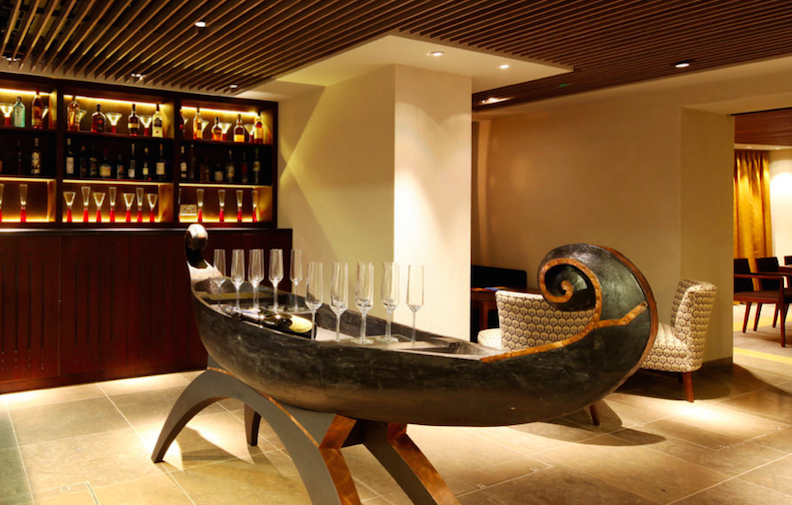
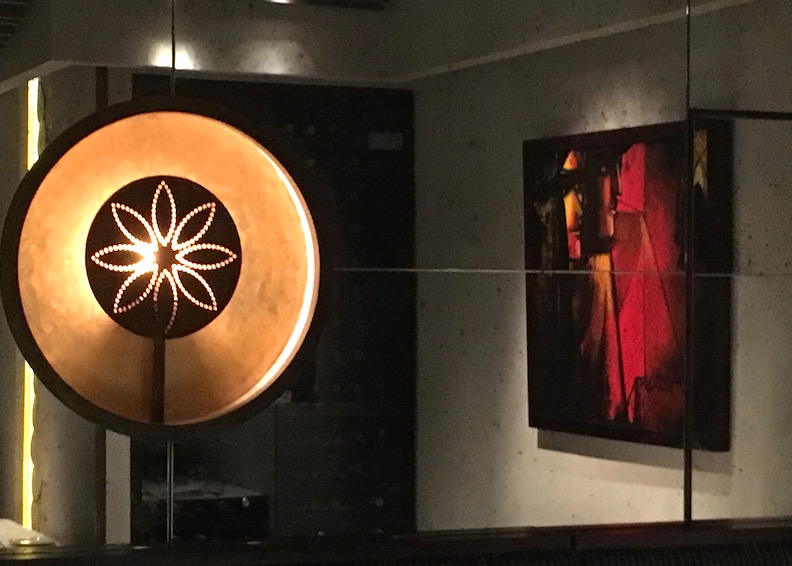
Quilon condivide gli spazi con il lussuoso Hotel Taj 51 Buckingham Gate e spicca per il suo   design rigoroso ed essenzale, ad eccezione dei suggestivi quadri che tappezzano le pareti. dai colori netti e dalle forti emozioni.

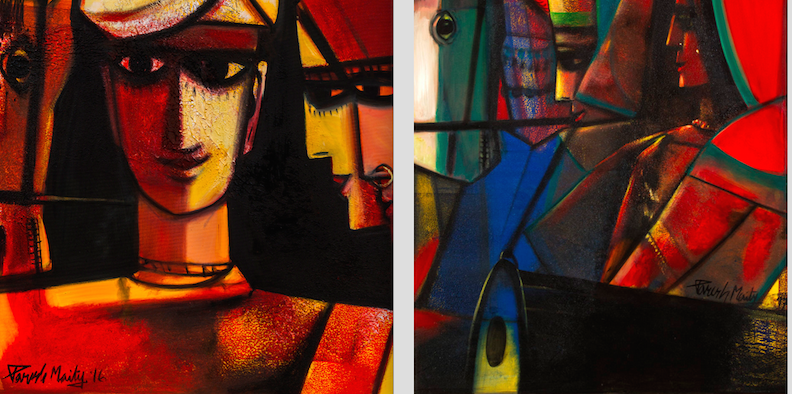
Sono tutte opere di Paresh Maity, un apprezzato artista indiano e caro amico di Sriram.

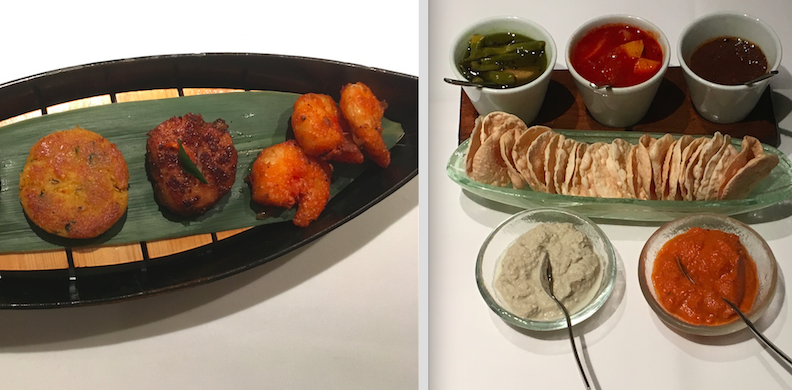
La cucina di Quilon ci porta nell’India meridionale. All’inizio del pasto mi è stata servita selezione di chutney, speziati si , ma sorprendentemente poco piccanti. Ho trovato che  a  volte le spezie sembravano essere attenuate e ravvicinate a sapori occidentali.


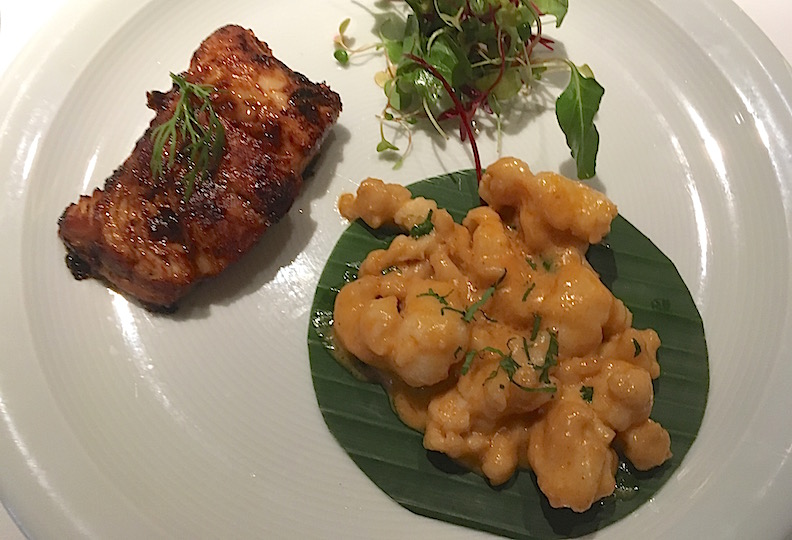
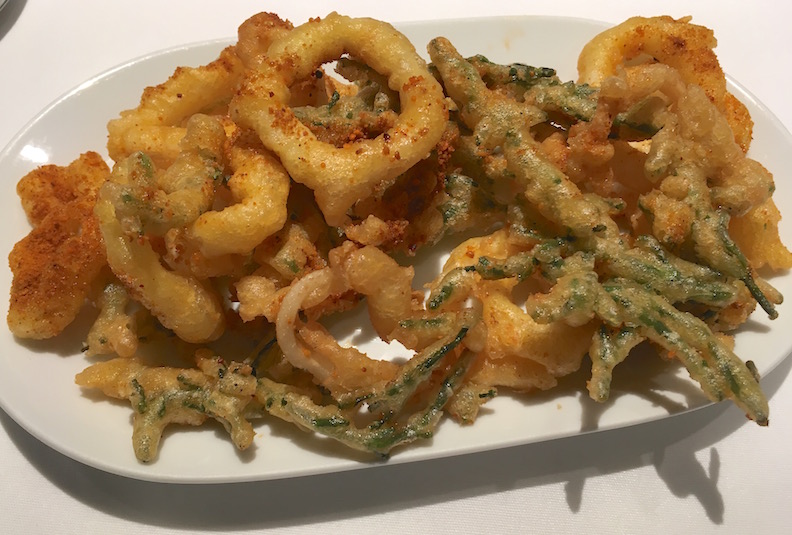
Le cimette di cavolfiore fritte erano croccanti e avevano un sapore gradevole, condite con foglie di curry, yogurt e peperoncino verde, I gamberetti al pepe erano teneri e ben speziati, serviti con salsa di mango e menta.
Ho poi gustato il pollo mangaloreano è un piatto dello stato costiero di Kamataka, aromatizzato con cocco e una gamma di spezie tra cui fieno greco, peperoncini rossi e chiodi di garofano.

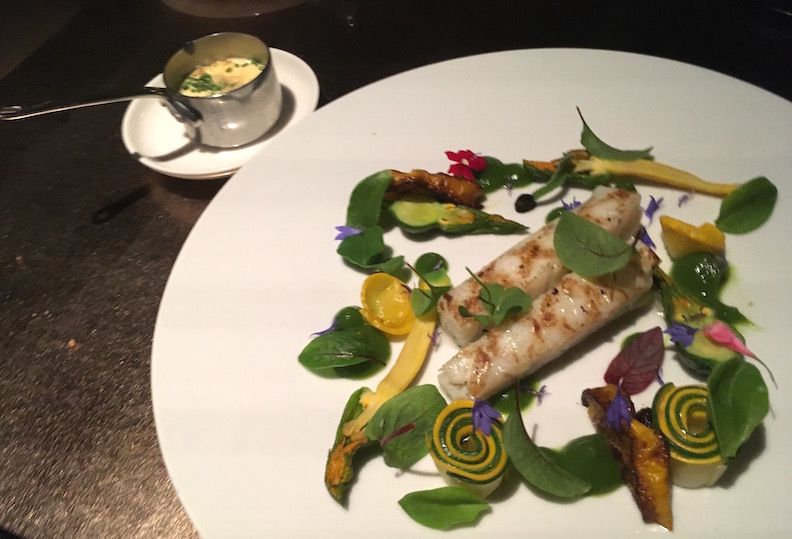
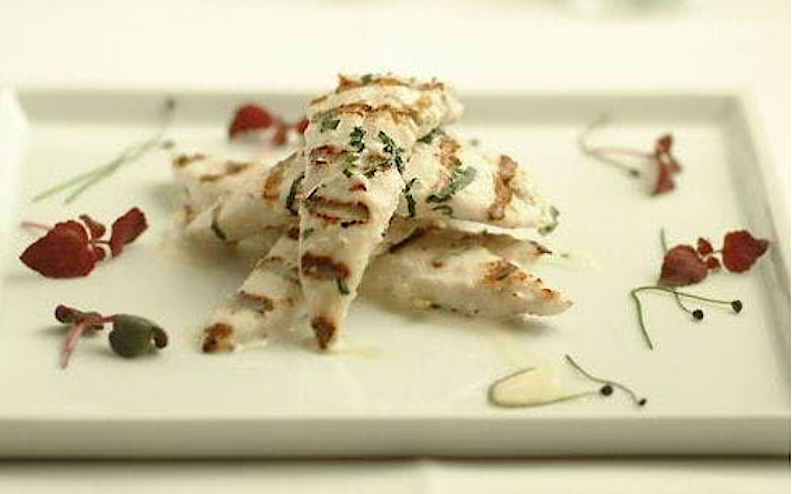
  Il merluzzo nero cotto nelle spezie era abbastanza piacevole, ma ho preferito i gamberi al peperoncino con grani di pepe rosa macinati.

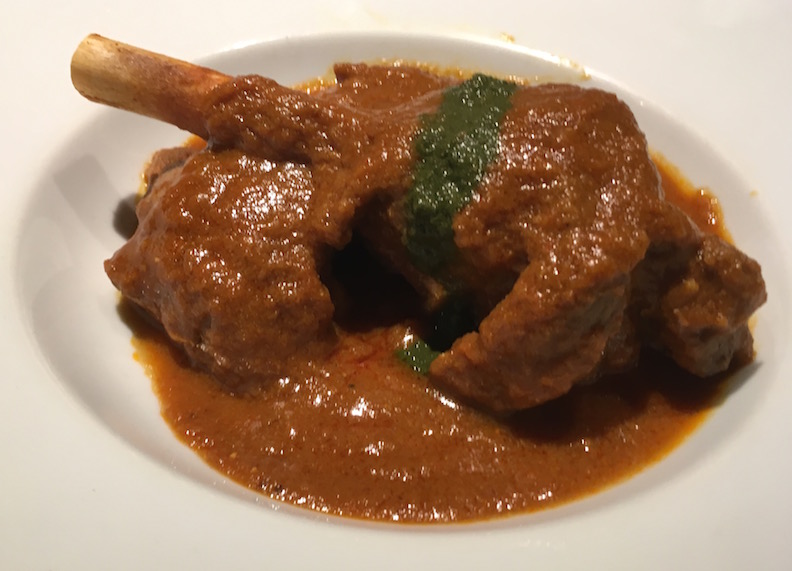
l Il mio piatto preferito? il tradizionale agnello biryani , servito dentro una grande pentola ben sigillata per conservarne profumo e sapore.


Quando è nata la tua passione per il cibo?
Dalla prima volta che sono entrato entrato nella cucina di mio padre, chef anche lui, è stato l’inizio di una lunga ricerca, di una passione senza limiti e della continua conoscenza del cibo. Studiavo legge e ho abbandonato gli studi per entrare nell’Istituto alberghiero e tecnologia della ristorazione.
La passione continua in famiglia?
Si, amo cucinare a casa e i miei ragazzi se la cavano benissimo, Il più grande punta sulla cucina giapponese, il più piccolo ama il cibo italiano, quando sono in vena di una buona pasta… ho un ristorante italiano in casa.
Cosa spicca nel tuo menù?
E’ un menu molto ricco e può soddisfare qualunque richiesta: carni , pesce, frutti di mare, gamberi. I miei preferiti: pollo al mango, merluzzo al forno, rombo macerato in coriandolo, menta, limone, aceto, capesante  al cocco e ogni giorno la ‘fisherman catch’, un pesce freschissimo che presento sempre i modo diverso.


Se ha del tempo libero, quali cittò ami visitare?
Tra le mie preferite: Barcellona, Milano, New York San Francisco e poi scopro sempre nuove città in India. Amo l’arte e l’architettura e naturalmente l’approccio con la cucina locale,
Prossimi viaggi?
Giappone, Australia, Turchia… una lista molto lunga,


La ricetta di Sriram Aylur
COSCE DI QUAGLIA RIPIENE
Ingredienti
Per 4 persone
Per la quaglia
4 quaglie (disossate e scuoiate della pelle)
1 cipolla tritata finemente
Un pezzo di zenzero da 2 cm
1 rametto di foglie di curry
1/4 cucchiaio di curcuma
1/4 cucchiaino di Chaat Masala
Pizzico di polvere di Aamchoor
1/4 cucchiaino di finocchio in polvere
Sale qb
50 g di coriandolo fresco
15 ml di olio
Per la salsa
500 ml di quaglie
15 ml di olio
1 cucchiaio di semi di finocchio
1 cipolla tritata finemente
Zenzero tritato finemente
1 rametto di foglie di curry
1/4 cucchiaino di curcuma
1/4 cucchiaino di peperoncino in polvere
2 pomodori tritati finemente
50 g di coriandolo fresco
Sale qb
Preparazione
Per la quaglia

Tritare grossolanamente la carne di quaglia in un mixer e tienila da parte. Pulire l’ala e l’osso della gamba, tagliare le articolazioni in due, dovreste riuscire a mettere insieme 8 ossa. Arrostire per alcuni minuti e tenere da parte.
Scaldare l’olio in una padella e soffriggere la cipolla fino a doratura. Aggiungere lo zenzero, le foglie di curry, il masala chaat di curcuma, la polvere di amchoor, la polvere di finocchio, il sale e il coriandolo fresco e cuocere per un minuto a fuoco lento. Aggiungere questo composto in otto dimensioni uguali e ricostruirlo in una gamba di quaglia, attacca ogni gamba con un pezzo di osso in modo che mantenga la forma.
Scaldare un po ‘d’olio in una padella o piastra e scottare la quaglia. Posizionare sulla teglia e arrostire per 3-4 minuti. Servire caldo con la salsa.
Per la salsa
Scaldare l’olio in una padella e aggiungere foglie di finocchio, cipolla, zenzero e curry, mescolare e aggiungere la curcuma, il peperoncino e il pomodoro. Cuocere fino a quando i pomodori sono morbidi e aggiungere il gambo di coriandolo insieme al brodo. Regolare il condimento. Portare a ebollizione e far sobbollire per 5-10 minuti. Togliere dal fuoco e battere in un frullatore a immersione. Passare attraverso il filtro. Scaldare la salsa e servirla con la quaglia.

INFO
Quilon
41 Buckingham Gate | St James, nella zona di Westminster, rinomata per il Palazzo di Westminster, l’iconico Big Ben e la Piazza del Parlamento.

CESARE ZUCCA
Travel, food & lifestyle.
Milanese di nascita, vive tra New York, Milano e il resto del mondo. Viaggia su e giù per l’America e si concede evasioni in Italia e in Europa.
Per WEEKEND PREMIUM fotografa e racconta città, culture, stili di vita e scopre delizie gastronomiche sia tradizionali che innovative.
Incontra e intervista top chefs di tutto il mondo, ‘ruba’ le loro ricette e vi racconta il tutto qui, in stile ‘turista non turista’.

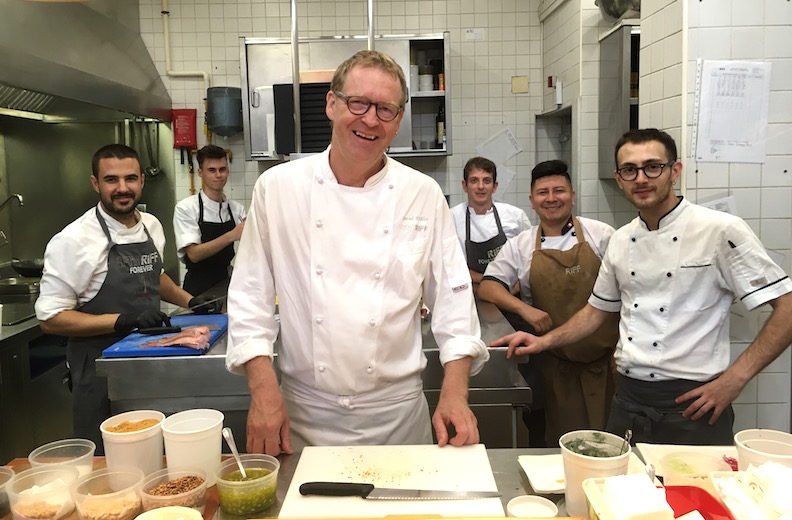
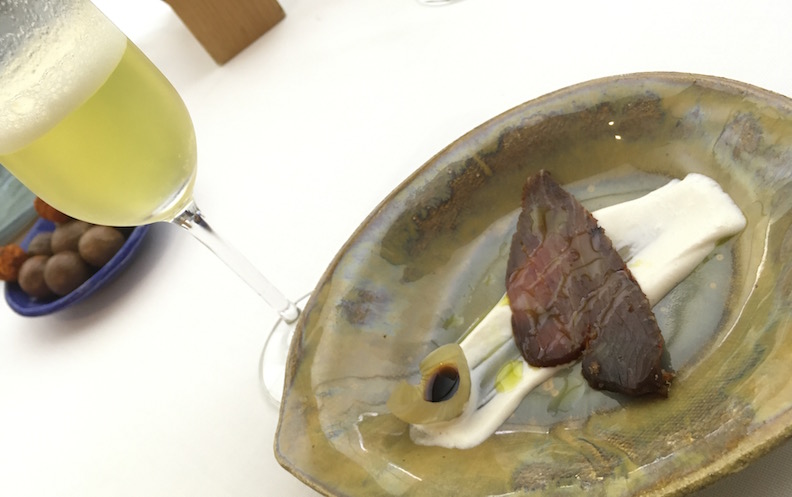
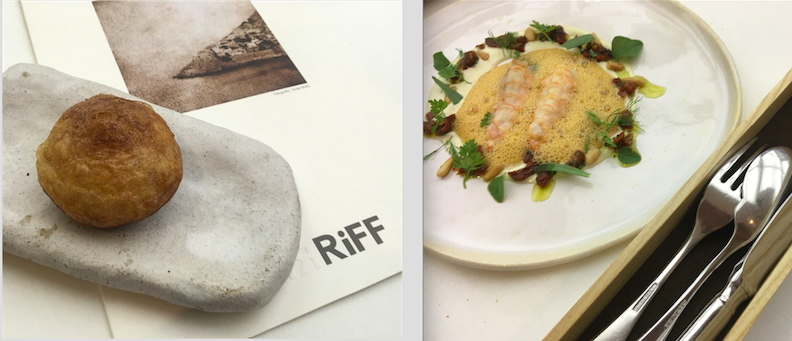
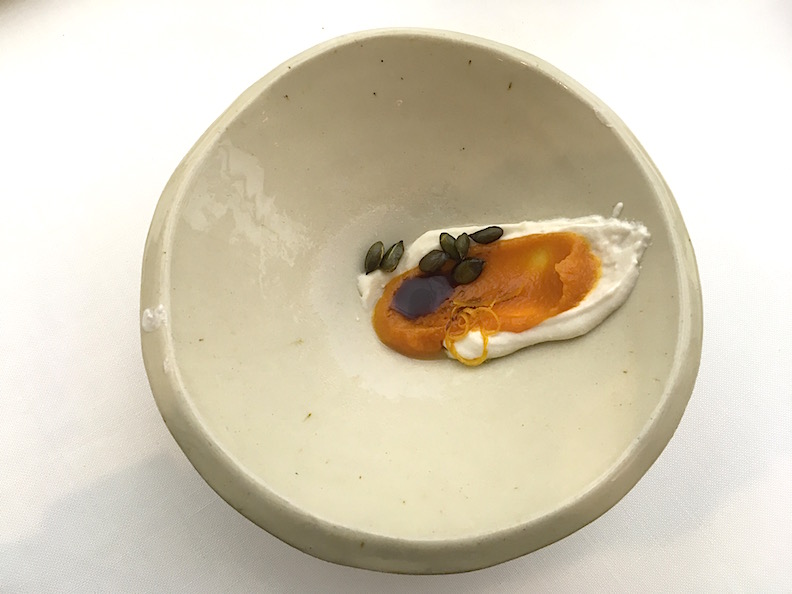
VALENCIA: BERND KNOLLER, IL SUO RISTORANTE STELLATO E LA SUA INSALATA “ANTI PIOGGIA”

VALENCIA: BERND KNOLLER, IL SUO RISTORANTE STELLATO E LA SUA INSALATA “ANTI PIOGGIA”

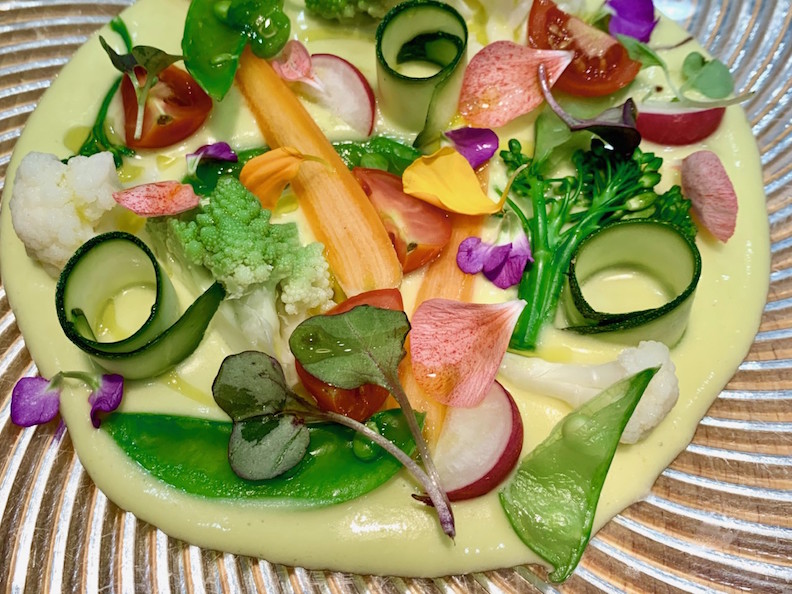
Una coloratissima e sana insalata, piatto ideale per sopravvivere alle abbuffate natalizie e per sentirsi già in estate, anche se fuori piove…
“ALIOLI” CON VERDURE

Per l “alioli”:
1 patata cotta con buccia, ancora calda
1 tenda d’aglio,
2 tuorli d’uovo
200 ml di olio extra vergine di oliva di ottima qualità
Sale marino non raffinato
Verdure
2 piccole carote
4 pomodori piccoli
8 tirabeques
4 pezzi di broccoli
4 pezzi di cavolfiore
4 ravanelli
Diversi fiori
Sale marino non raffinato
Le verdure vengono sbiancate in acqua salata e raffreddate con acqua salata con ghiaccio.
Viene preparato, con l’aiuto della patata pressata, i tuorli, un po ‘di purea d’aglio (occhio, non troppo), una maionese con olio extra vergine di oliva e, se necessario, con un po’ di acqua di cottura delle verdure
La maionese (alioli) viene messa sul piatto e le verdure, i fiori e le gemme vengono posate sopra.
INFO
RIFF
Conde De Altea, 18 Valencia, Spagna
Locale minimalista, intimo, luminoso. Grandi tendaggi d’argento separano, su richiesta, i pochi tavoli, il personale è cordiale, presente, mai invadente e sportivamente in scarpe da ginnastica.  La musica? Beh, credeteci o no, è proprio lo Chef che, nei momenti liberi, diventa DJ e suona musica rock, rigorosamente in vinile… Uno che ama il contatto con il cliente, esce spesso dalla cucina, intratteresi con il cliente, sentirne i gusti e definire insieme le ordinazioni.
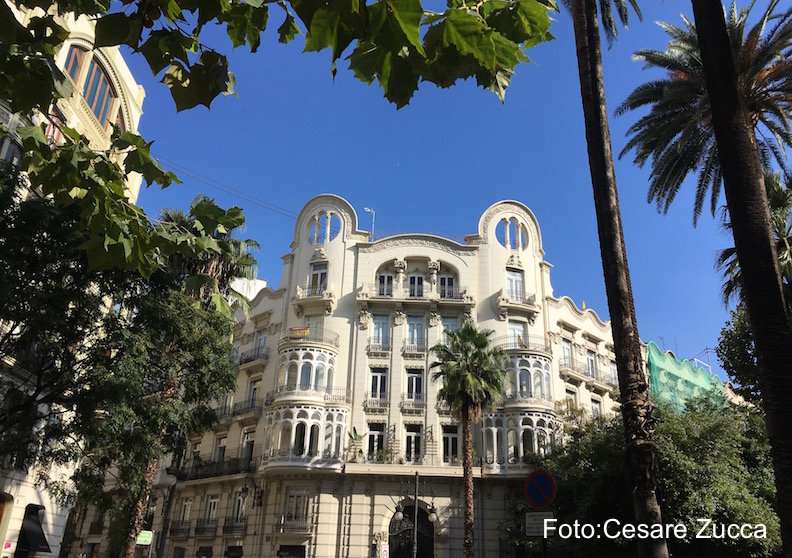
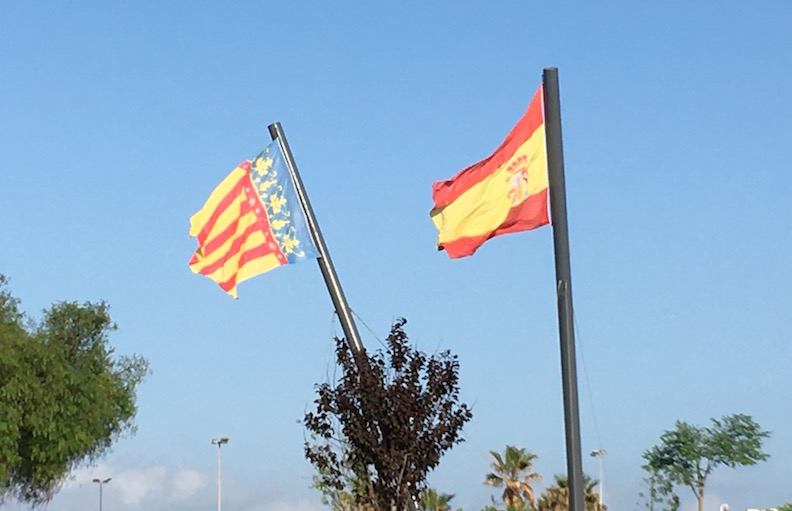
A Valencia si può arrivare via terra, mare e aria. Il centro è collegato alle principali città spagnole ed europee. L’aeroporto di Valencia, situato a soli 8 chilometri da Valencia, offre voli regolari giornalieri per le destinazioni nazionali e internazionali più importanti. La città possiede due stazioni ferroviarie, la stazione del Norte, dove opera soprattutto il servizio ferroviario metropolitano (Cercanías), e la stazione Joaquín Sorolla dell’alta velocità, da cui partono gli AVE per Madrid, Cuenca, Siviglia e Cordova. Dalla stazione Joaquín Sorolla partono anche i treni Alvia ed Euromed di lunga percorrenza che uniscono Valencia a Barcellona e ad altre città.


Il Porto di Valencia è uno dei più importanti del Mediterraneo in quanto a traffico commerciale. Il porto collega Valencia via nave alle isole Baleari e all’Italia, ed è una meta sempre più richiesta dalle navi di crociera, che attraccano nel molo di Ponente per consentire ai passeggeri di visitare la città per qualche ora.  Per raggiungere Valencia in macchina, una moderna rete stradale la collega alle principali città spagnole. In particolare, la AP-7, che percorre da nord a sud tutta la costa levantina, unendo Valencia a Barcellona e Alicante, e la A-3, che attraversa il centro della penisola per raggiungere Madrid.

IINFO
Visit Valencia

Cesare Zucca
Milanese di nascita, vive tra New York, Milano e il resto del mondo. Viaggia su e giù per l’America e si concede evasioni in Italia e in Europa.
Per WEEKEND PREMIUM fotografa e racconta città, culture, stili di vita e scopre delizie gastronomiche sia tradizionali che innovative.
Incontra e intervista top chefs di tutto il mondo, ‘ruba’ le loro ricette e riporta il tutto qui, in stile ‘turista non turista’.

ROMA: A DUE PASSI DA PIAZZA NAVONA, IL RISTORANTE STELLATO PIPERO E LE MAGICHE VISIONI DI CIRO SCAMARDELLA

TESTO E FOTO DI CESARE ZUCCA

Roma. Arrivare al ristorante Pipero provenendo dall’ opulenza barocca dell’adiacente Piazza Navona è come entrare in un altro mondo, sobrio e essenziale,  silenziosamente maschile, personale in abiti sartoriali, tavoli ben distanziati. La sobrietà di questa prima impressione è immediatamente contrastata dall’energia effervescente del Patron Alessandro Pipero, maitre, sommelier, consumato ospite dell’elite capitolina e promotore  di “Noi di sala”, un progetto volto a promuovere e valorizzare l’arte dell’ospitalità.

La cucina di Pipero serve piatti che uniscono tradizione a fantasia, dal porcellino in cialda. alla purea di ceci con funghi shitake e nocciole, alla porcellino mozzarella ‘sorpresa’ servita su un piatto a due piani, quello sopra, dove viene adagiata la mozzarella,  è forato e riceve il caldo dal piatto sottoscatnte  dove troviamo una panzanella  di pomodorini e cipoll.

Anche i dolci non mancano di stupire, come il ‘finto lime’ ripieno di yougurt su terriccio di cacao.

Al timone del ristorante (Stella Michelin) lo Chef Ciro Scamardella che ho incontrato per una breve intervista e per ‘rubargli’ una ricetta.

GENOVESE DI POLPO IN RAVIOLO

Mise en place del piatto:
Pasta all’uovo
Farcia genovese polpo
Crema burro e cipolla
Salsa fegato polpo
Acqua polpo ridotta
Olio maggiorana
Cipollina arricciata
Ventose polpo

Dosi:
5 ravioli a persona
7gr farcia per 1 raviolo (35gr farcia a persona)
15gr crema cipolla a persona
4gr salsa fegato a persona
3gr acqua polpo ridotta a persona
8 ventose a persona
3 riccioli cipollina a persona

Ricette
Ingredienti per la pasta all’uovo:
1kg farina “00”
1kg semola rimacinata
1lt tuorli
360gr tuorli freschi
200gr acqua
Procedimento per la pasta all’uovo:
Lavorare tutti gli ingredienti in planetaria con il gancio fino a quando non diventa ben
compatto l’impasto, da notare che la quantità di acqua può variare in base all’umidità
Ingredienti per la farcia:
8kg cipolle bianche
5kg polpo
100gr Olio extra vergine
Colatura di alici
Soia
Acqua del polpo
Sedano
Carota
Cipolla
Alloro
Procedimento per la farcia:
Tagliare sedano, carota e cipolla grossolani e mettere in una pentola grande con acqua, insieme all’alloro. Portare a bollore e cuocere il polpo (solo i tentacoli) per circa 30 minuti a fuoco forte, poi coprire la pentola e far riposare per 1 ora. In un altra padella aggiungere le cipolle precedentemente tagliate sottili e far andare a fuoco molto basso per 2-3 ore affinché si appassiscono bene. Spellare il polpo cotto e teniamo da parte le ventose (lo scarto della pelle non va buttato), il restante lo tagliamo a cubetti. Aggiungere adesso l’olio alle cipolle appassite, aumentare la potenza del fuoco e aggiungere le teste del polpo crude i cubi di polpo cotto, l’olio e l’acqua di cottura del polpo far andare affinché non evapora quasi del tutto l’acqua aggiunta, frullare tutto e condire con colatura di alici, soia, sale e pepe nero. Mettere nei silpat a mezza sfera e congelare.

Ingredienti per la salsa di fegato:
35gr fegato di polpo cotto (5 minuti a 65°)
35gr polpo cotto tritato
2gr colatura alici
1gr soia
5gr succo limone
50g olio vinacciolo
Sale
Pepe nero
Procedimento per la salsa fegato:
Unire tutti gli ingredienti tranne l’olio di vinacciolo, frullare per 5 minuti a velocità 7, unire l’olio a filo e continuare a frullare per altri 5 minuti a velocità 10, passare a chinoix e conservare in frigo.
Ingredienti per la salsa burro e cipolla:
8 cipolle bianche medie
750gr burro
15gr soia
Sale
Pepe nero
Procedimento per la salsa burro e cipolla:
Tagliare per metà nel senso della larghezza le cipolle, bruciarle al barbecue e mettere sottovuoto con il burro, cuocere a 65° per 1 ora e mezza e poi raffreddare. Frullare al bimby 7 minuti alla velocità massima, passare allo chinoix sottile e poi condire.

Ingredienti per la salsa di acqua polpo:
2,5kg polpo gelo
8lt di acqua
100gr sedano
100gr carota
100gr cipolla
2 rape rosse
Procedimento per la salsa di acqua polpo:
Tagliare le verdure a pezzi irregolari, mettere in una pentola con l’acqua e portare a bollore. Far sobbollire per 30 minuti, poi filtrare mettere in pentola a pressione e aggiungere il polpo con la rapa rossa a pezzi piccoli, dopo il fischio far cuocere per 50 minuti. Sfiatare, togliere i polpi ancora caldi e far riposare per 1 ora. Eliminare lo sporco che si crea alla base della pentola facendola decantare. Far ridurre di 2\3 il liquido ottenuto a fuoco medio per non intorbidire l’acqua. Assaggiare facendo attenzione che non diventi salato. Se dovesse capitare che si è già raggiunto il punto di sale, legare al 2% con amido di mais.


Ingredienti per l’olio di sedano:
70gr foglie di sedano
140gr olio vinacciolo
Procedimento per l’olio di sedano:
Sbollentare le foglie di sedano in acqua bollente e salata, con l’aggiunta di 1gr di bicarbonato, frullare tutto al bimby a velocità 7 per 10 minuti a 70°. Passare l’olio all’etamina e far congelare in un contenitore lungo e stretto. Lasciare una notte in congelatore, sformare e togliere subito la parte di acqua in eccesso che si congelerà sull’estremità dell’olio e tenere in frigo

INFO
Pipero Roma

CESARE ZUCCA
Travel, food & lifestyle.
Milanese di nascita, vive tra New York, Milano e il resto del mondo. Viaggia su e giù per l’America e si concede evasioni in Italia e in Europa.
Per WEEKEND PREMIUM fotografa e racconta città, culture, stili di vita e scopre delizie gastronomiche sia tradizionali che innovative.
Incontra e intervista top chefs di tutto il mondo, ‘ruba’ le loro ricette e vi racconta il tutto qui, in stile ‘turista non turista’.

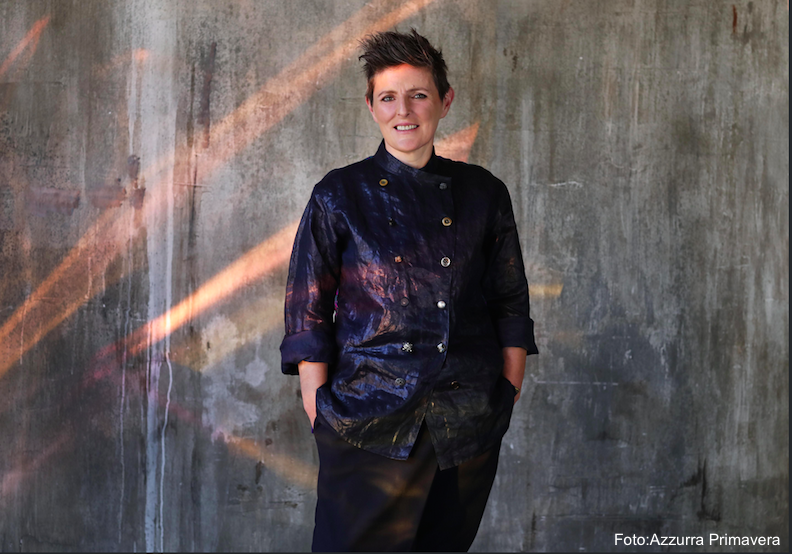
VIVA Viviana Varese! Chef stellata e viaggiatrice innamorata di terre lontane.

TESTO E FOTO DI CESARE ZUCCA

Milano. Viviana Varese, Chef inarrestabile, ama i progetti ambiziosi.. e li realizza:! A cominciare dall’ apertura di VIVA Viviana Varese, il suo nuovo ristorante stellato, dove ha riunito 24 chef e 6 pasticceri da tutto il mondo, agli appuntamenti di ‘INCREDIBILE VIVA’, creati con l’amica Anna Morelli, editrice e nota globetrotter. Sono serate speciali in cui Viviana ospita alcuni tra i migliori chef del mondo, ‘concedendo’ loro la sua brigata e coinvolgendoli a immergersi nel colore e nell’energia del suo locale.

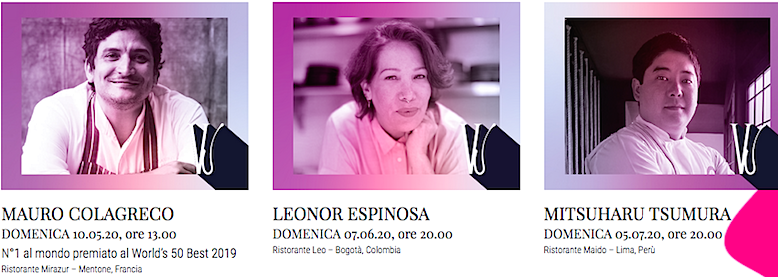
Un cast davvero stellato, eclettico e top, Sono previsti: Leonor Espinosa (Bogotà) Mitsuharu Tsumura (Lima) e Mauro Colagreco (Mentone) proclamato Chef n°1 al mondo da World’s 50 Best 2019. I menù sono scelti dall’ospite mentre VIviana si occupa degli antipasti e dei dolci, studiati in armonia con la personalità dell’ospite.
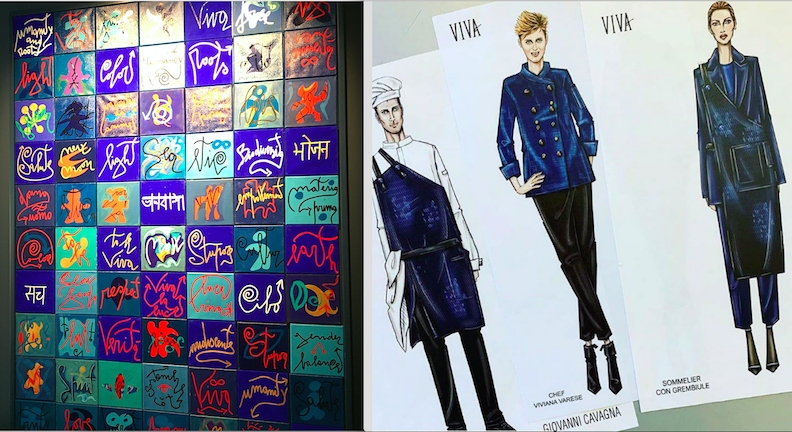

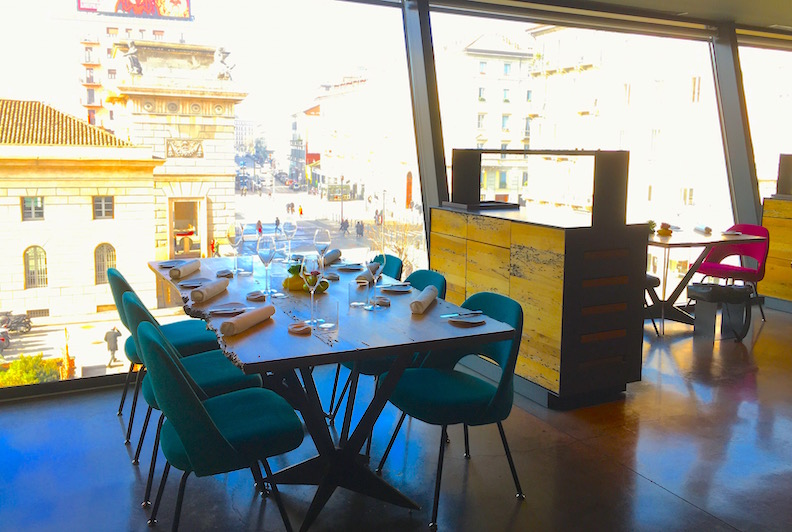
VIVA (acronimo del nome e cognome dlla Chef) è locato a Milano, all’ultimo piano di Eataly e ci riserva irridiscenze, colori, luce, una vista spettacolare su Piazza XXV Aprile, tavoli in legno, condivisione, arte e ricerca, dal variopinto murale di Marco Nerero Rotelli, ai bicchieri  disegnati da Gaia Rotelli, alle posate Giò Ponti, alle stilose divise disegnate da Giovanni Cavagna.

A tavola!
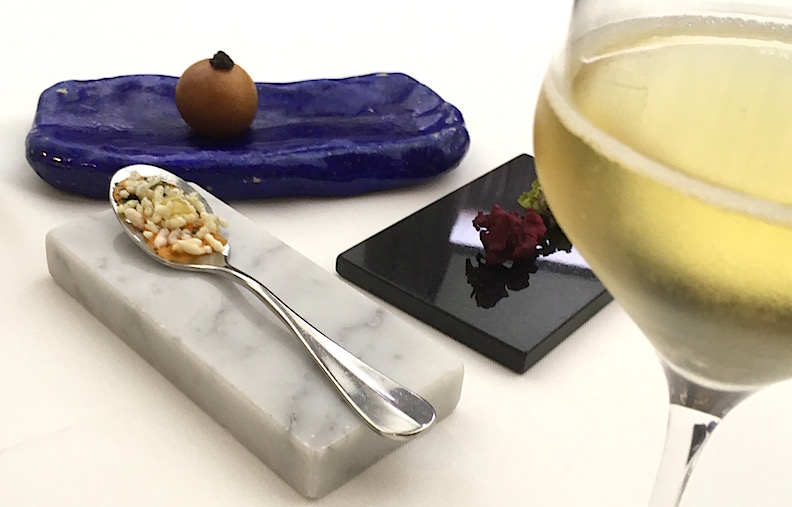
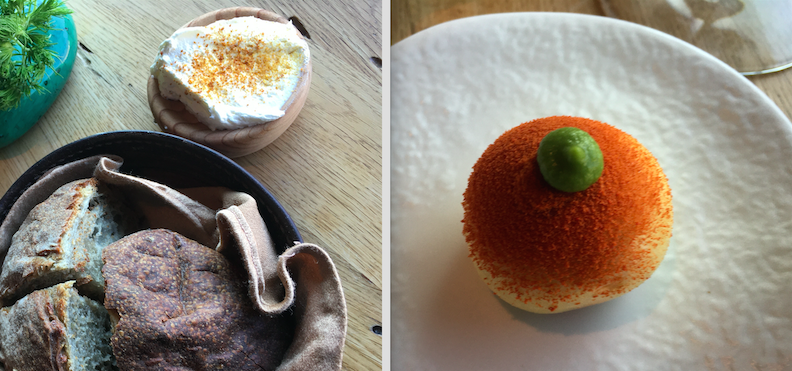
Si parte con le 7 variazioni dell’orto di Viviana, dalla briochina accompagnata da mozzarella di bufala pomodoro e basilico, alla fantastica zucca piastrata con estratto di zucca e alloro, da un pizzocchero fritto ripieno di formaggio a un consommé a base di topinambur,

allo stella repeperone crusco con baccalà mantecato, mentre il burro occhieggia ‘vivamente’ (è proprio il caso di dirlo…) polverizzato da agrumi misti.
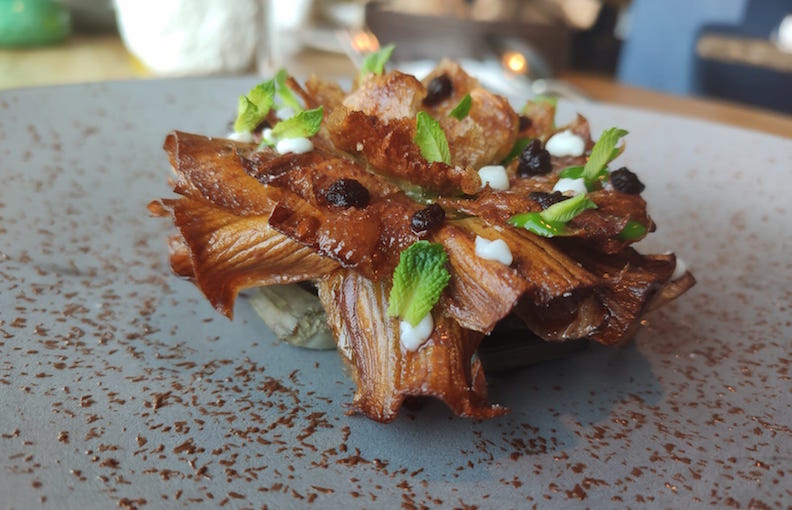
Un piatto dal titolo cinematografico: Non togliere l’osso a Mario ci presenta un ossobuco al barbeque con diaframma, tartare di fassona, cipollotto, maionese alla senape e neve all’aceto. Le citazioni continuano: il coccante carciofo alla Giudea diventa Al di là del Ghetto con menta, liquirizia, caffè, cioocolato e aglio.
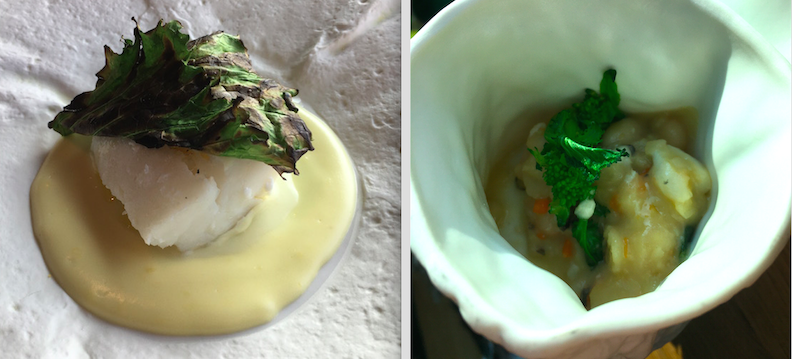
Il pesce sposa il porcino nel piatto  Rosemary’s ceci, calamari con crema di ceci neri, spugna al nero di seppia, brodo intenso di calamari e funghi porcini, mentre Tuffo nell’Orto serve baccalà al vapore, crema di patate, cime di rapa, zuppetta di fagioli di Pigna, trippa di baccalà.
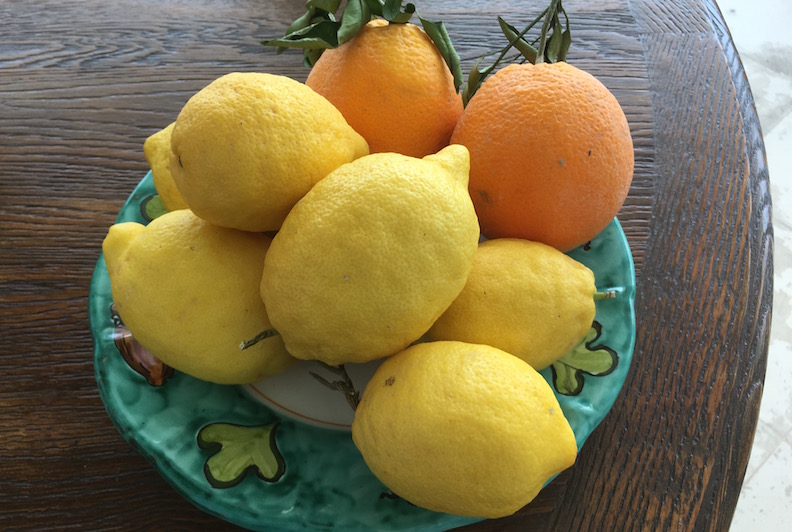
I limoni di Sorrento non mancano mai nei menu e nel frigo di casa di Viviana…
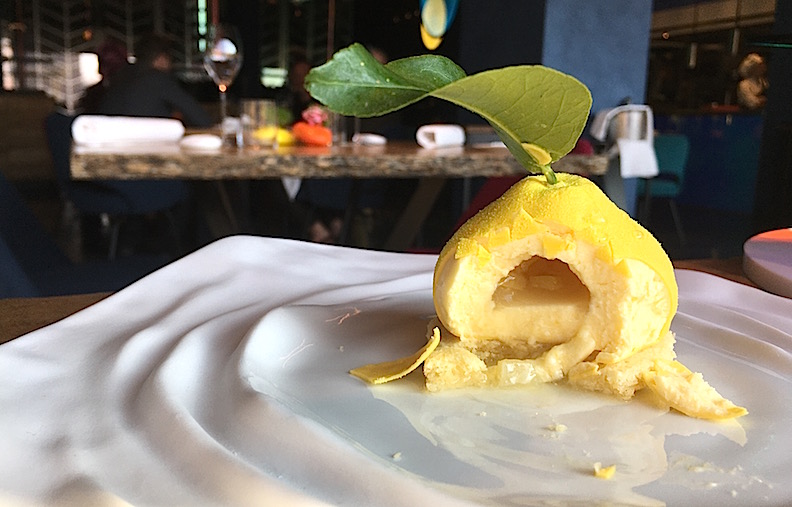
Siamo al dolce e riappare il limone in mousse dal cuore morbido su croccantino.

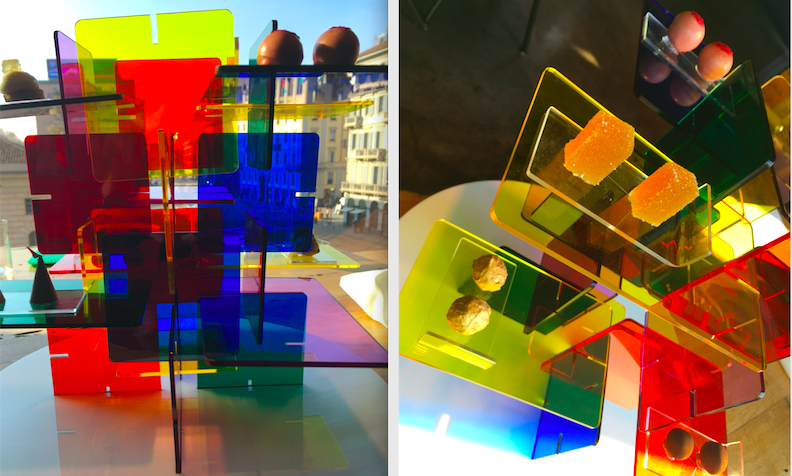
Ma le sorprese non finiscono perché, servite su una coloratissima costruzione di plexiglas, arrivano le delizie di mini pasticceria. Divertiamoci: gelatina di mango e frutto della passione, cioccolatino con aceto balsamico e lampon, la pepita d’oro che schiocca in bocca.
Buongiorno Viviana, quando è libera, dove le piace passare il weekend?
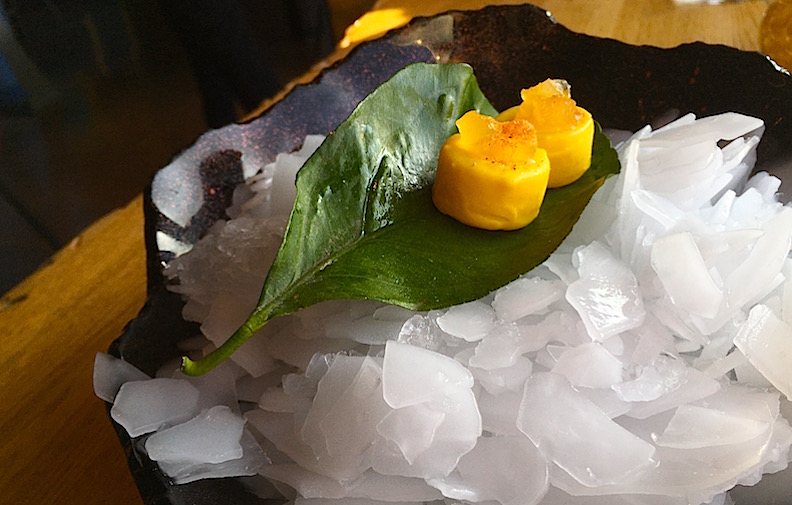
Il pochissimo tempo che mi dedico al di fuori del lavoro è di puro relax, talvolta In agriturismi in mezzo alla natura, dove posso liberare la mente e studiare nuove idee e poi… eccomi nuovamente al lavoro.
Che auto guida?
Una Land Rover
Qual è stato il suo viaggio preferito?
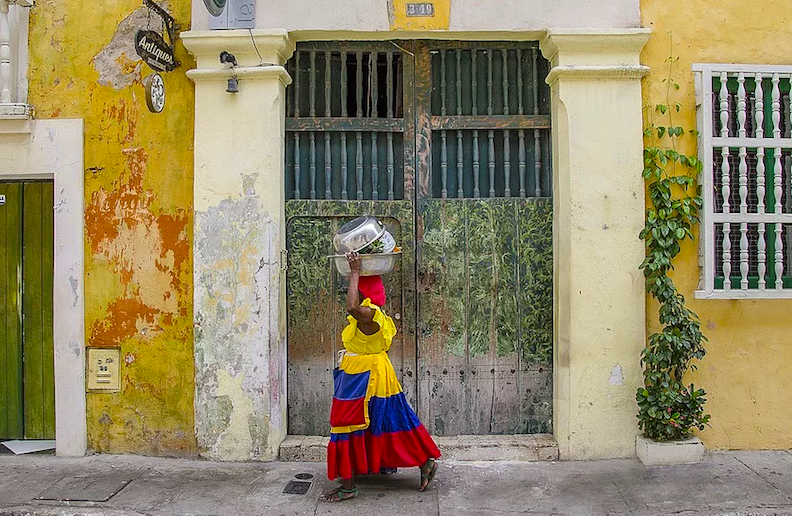
Sono stata da poco in Colombia, un luogo incantevole dove le persone vivono con grande semplicità, ma con valori ben radicati e forti. Gentilezza, accoglienza, rispetto per il prossimo, forti tradizioni.
Raffinatezza dei sapori e dei gusti: quale destinazione consiglia?
I Paesi Baschi. Ad oggi il luogo con la migliore offerta gastronomica al mondo.
Nei suoi viaggi ha avuto qualche ispirazione dal cibo locale?
Ogni mio viaggio mi accresce come persona e come professionista. Quando viaggio mi piace ascoltare le persone, vivere la loro quitidianità e mangiare il cibo locale. Traggo ispirazione dalle diverse culture con cui entro in contatto e vivere e lavorare a Milano, fortunatamente, mi consente di trovare praticamente tutti gli ingredienti del mondo. Da ogni viaggio mi porto sempre a casa un sapore, un accostamento, un ingrediente, un’idea.


Cucine nel mondo. Le sue preferite?
.Amo moltissimo alcuni piatti della cucina indiana, mi affascinano alcune preparazioni della cucina asiatica e ho anche molte amiche in America Latina (Messico, Colombia) che mi hanno fatto conoscere ingredienti straordinari. Ecco, cerco di riportare tutto ciò nella mia cucina, senza mai dimenticare chi sono e da dove provengo.


Come è diventata chef?
Potrei dire di essere nata in cucina. La mia è una famiglia di ristoratori. A 7 anni giocavo con l’impasto della pizza, a 13 ero pizzaiola e a 21 rilevavo il mio primo ristorante. Durante gli studi (ho studiato alle magistrali) oltre ad aiutare I mieri in pizzeria, studiavo da autodidatta leggendo le ricette e le tecniche dei grandi chef. Poi ho fatto alcuni stage presso realtà importantissime, come la scuola di Marchesi o I Roca, in Spagna.


Qualche appassionato di cucina nella sua famiglia?
Mio nonno possedeva lo storico bar del centro a Salerno, era una celebrità: era campione nazionale di pattinaggio e serviva i client sui pattini…la tradizione è continuata, mamma e papà avevano un ristorante in provincia di Lodi che ho rilevato io a 21 anni. Anche mia sorella Antonella e il suo compagno possiedono due ristoranti sul lago di Garda.


C’è un piatto che ama solo se cucinato da un altro?
La pasta e patate di mia mamma Carla. Una vera bomba!
Quanto è rilevante la sua terra nei suoi piatti?
La mia terra è l’origine della mia cucina. Nasco come pizzaiola, cresco come chef riconosciuta per i piatti di pesce e oggi, dopo oltre vent’anni ho aperto la mia cucina a diverse culture gastronomiche. Amo citare i piatti classici in chiave moderna.


Qualche esempio?
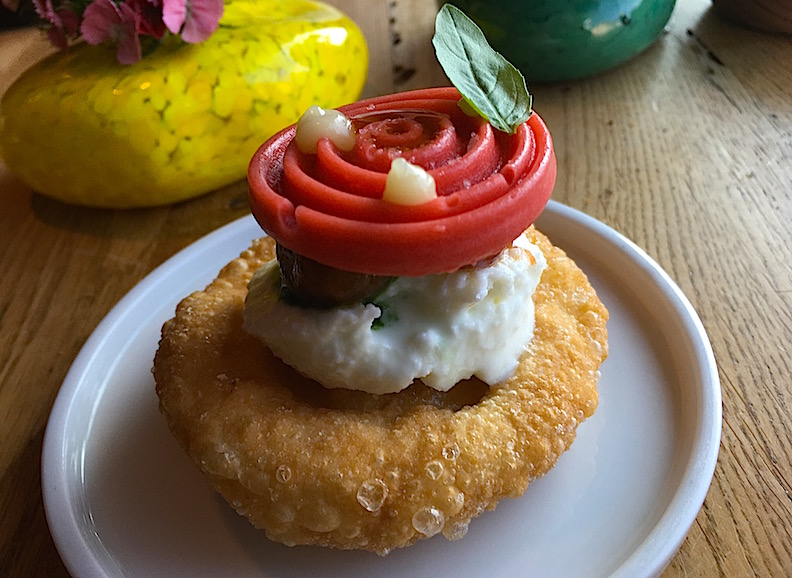
Per la mia pizza fritta, ad esempio, utilizzo una bavarese al pomodoro e un gel al basilico. Tra i miei primi la girella di pasta fresca ripiena di ragù alla genovese, piatto tipico della tradizione campana e poi il limone di Amalfi che non manca mai nella mia cucina.


Lavorare in cucina è…
Lavorare in cucina è faticoso. Fatica fisica e mentale, rinunce e amore spassionato per quello che fai quasi 15 ore al giorno. La tua vita diventa il tuo lavoro e viceversa. Inoltre, improvvisarsi è rischiosissimo. A Milano i ristoranti aprono e chiudono in continuazione. Questo danneggia non solo chi si imbarca nel progetto, ma l’intero settore.


Quanto c’è di ‘green’ nella sua cucina?
Il mio orto, a pochi km da Milano. Da lì arrivano le verdure di stagione che compongono i miei menu. Ho grande rispetto per la terra, per la stagionalità della materia prima. Seguo I ritmi della terra e ciò mi consente di cambiare i menu anche settimanalmente.


Dove trova l’ispirazione per creare un piatto?
Il mio cervello è sempre in movimento, non si ferma mai. Guardo al mondo sempre da una prospettiva “professionale”, cercando ispirazione nelle cose, nelle persone, nelle situazioni che vivo. E poi Milano, I miei viaggi, anche un singolo ingrediente che assaggio può essere fonte di ispirazione e poi l’arte, il design, i ricordi, certe immagini indelebili…
Ad esempio…
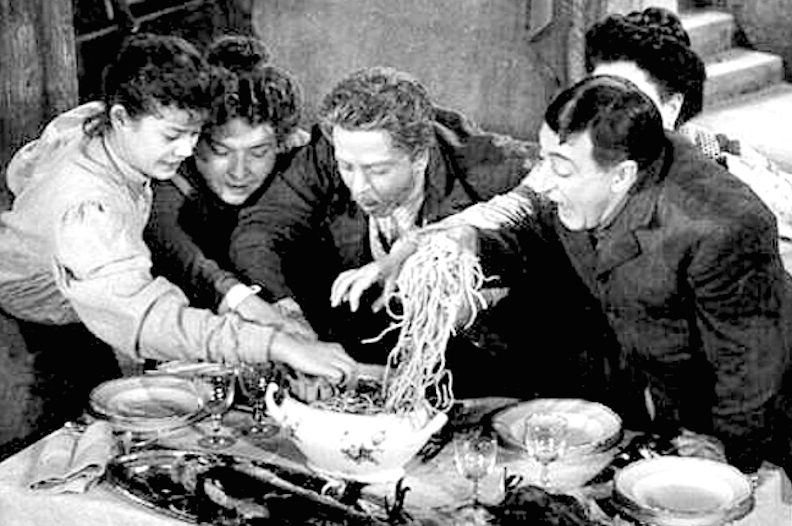
Ai miei ragazzi cito spesso la scena degli spaghetti nel capolavoro Miseria e nobiltà, in primis perché amo Totò e poi perché mi piace essere per loro, che sono molto giovani, un punto di contatto e una testimonianza con un’Italia che loro non hanno mai vissuto ma che credo non vada dimenticata.


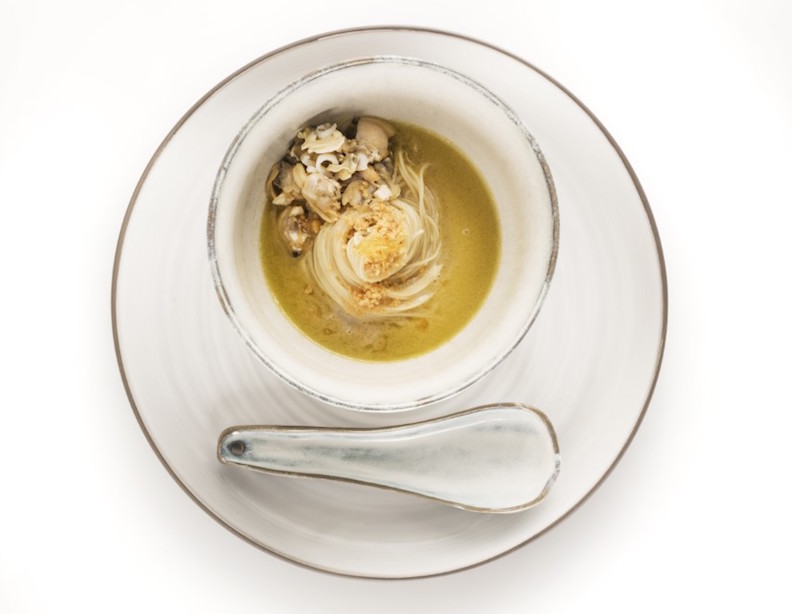
Condivido e rifletto: il mio piatto preferito? L’ Insuperabile, di nome e di fatto. Semplicità e gusto, un ‘quasi ramen’ brodetto affumicato di vongole, calamari, una spuzzata di polvere di tarallo con spaghettini, anzi ‘super spaghettini’ come li definisce  Chef Varese, a cui non posso non chiedere la ricetta …

SUPER SPAGHETTINO CON VONGOLE NAZIONALI, JULIENNE DI CALAMARO,
LIMONE CANDITO E POLVERE DI TARALLO

INGREDIENTI
per 4 persone

Spaghettini g 300
Brodo di pesce g 300
Vongole g 600
Calamari eviscerati g 100
Olio extravergine di oliva g 40
Zeste di limone candito g 10
Taralli pestati a mortaio g 80
Spicchi di aglio 2
Prezzemolo qb
Pene nero macinato qb

ZESTE CANDITE DI LIMONE
Limoni di Amalfi non trattati 4
acqua g 120
zucchero g 120

PREPARAZIONE
Pelare i limoni, eliminare la parte bianca, tagliare a julienne, cuocere in un pentolino con acqua e zucchero e bollire per 15 minuti. Raffreddare.
Soffriggere l’aglio, eliminarlo, mettere le vongole e due mestoli di brodo di pesce. Coprire. Spegnere il fuoco, sgusciare le vongole e metterle in frigorifero.
Bollire il brodo, aggiungere gli spaghettini e muoverli per due minuti.
Aggiungere le vongole, i calamari a julienne, 10 g di zeste di limone candito e il prezzemolo tritati. Cuocere un altro minuto.
Spegnere e mantecare con olio e pepe nero.

FINITURA
Versare gli spaghettini nel piatto con un po’ di brodo e ultimare con la polvere di tarallo.

INFO
VIVA Viviana Varese
INCREDIBILE VIVA

CESARE ZUCCA
Travel, food & lifestyle.
Milanese di nascita, vive tra New York, Milano e il resto del mondo. Viaggia su e giù per l’America e si concede evasioni in Italia e in Europa.
Per WEEKEND PREMIUM fotografa e racconta città, culture, stili di vita e scopre delizie gastronomiche sia tradizionali che innovative. Incontra e intervista top chefs di tutto il mondo, ‘ruba’ le loro ricette e vi racconta il tutto qui, in stile ‘Turista non Turista’

VALENCIA. TOP CHEF RAUL ALEIXANDRE: “SI ALLA ‘FUSIONE’, NO ALLA ‘CONFUSIONE’”

TESTO E FOTO DI CESARE ZUCCA

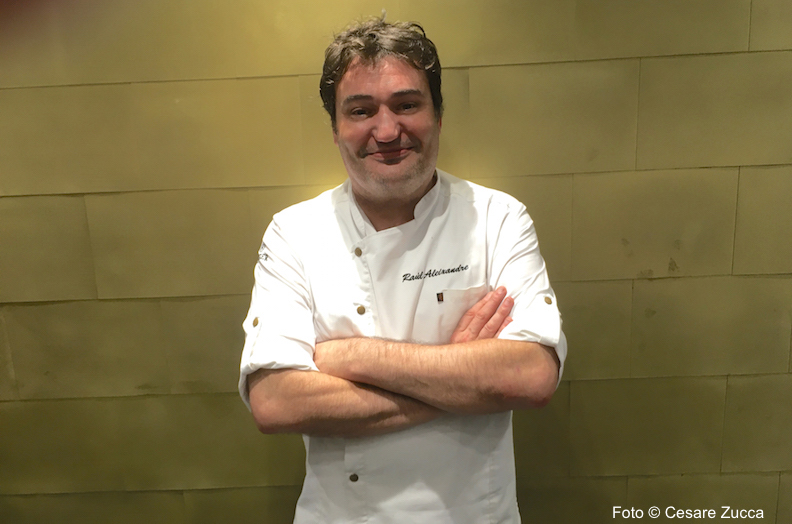
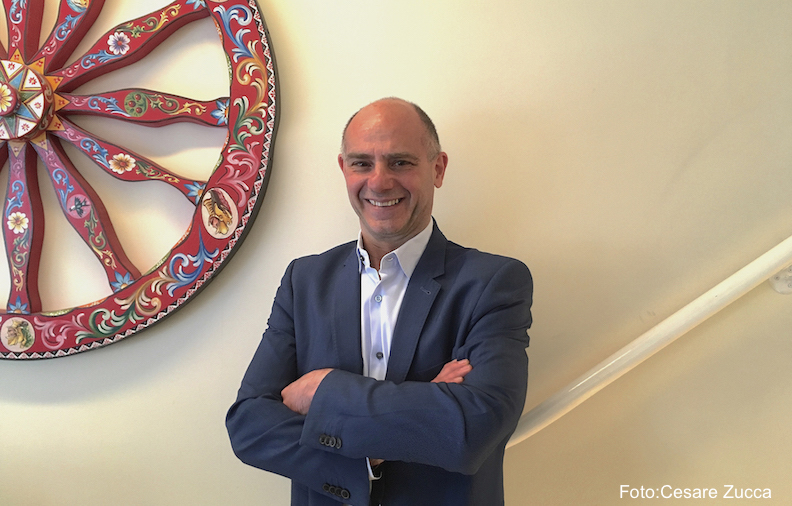
Valencia, Spagna. Raúl AleIxandre ha vinto numerosi premi: Miglior Chef il National Gastronomy Award, Premio Gourmetour per il miglior ristorante in Spagna e la stella Michelin al Ca’Sento.
Ha lavorato in diversi ristoranti top come El Bulli, Martín Berasategui e Mugaritz.


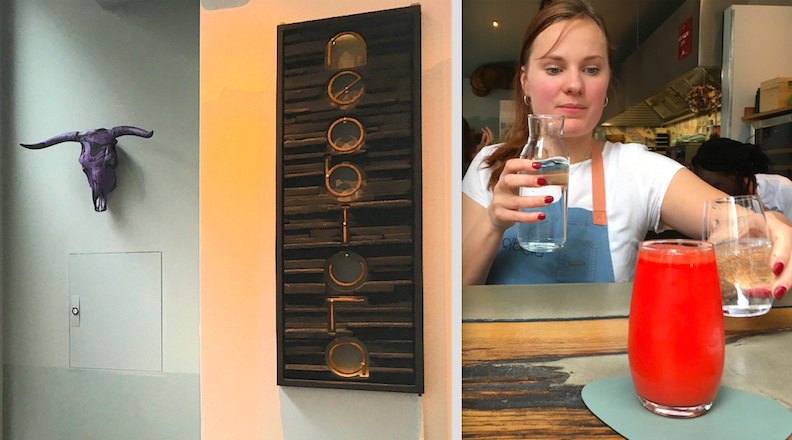
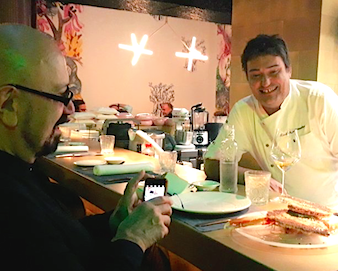
Lo ritroviamo a Valencia, la sua città, dove al Baobab, un ristorante con una decina di tavoli divisi in due sale e un bar che circonda la cucina a vista, dove Chef AleIxandre spadroneggia tra i fornelli, in modo che tutti possano vedere le preparazioni per poi gustare i sapori della sua cucina legata al  territorio, al mare, alle emozioni. La sua identità è marina, del Cabañal, di Valencia, del suo porto, della sua gente, gioviale, sorridente, entusiasta.


L’ho incontrato al Baobab e, tra un assaggio e l’altro, abbiamo fatto quattro chiacchere.
Dove vai nel tempo libero?
Ne ho davvero poco… mi piace andare in spiaggia, nel mio orto, un aperitivo con gli amici.
Le destinazioni che hai amato?
Tutta la Califonia e New York per un motivo speciale: ho cucinato per l’Ambasciatore di Spagna.
Se venissi a casa tua e curiosassi nel tuo frigo, cosa troverei di sicuro?
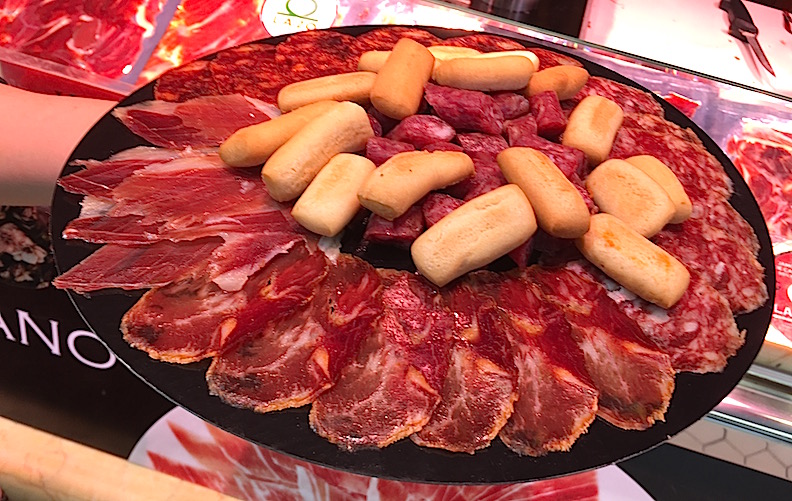
Yougurt e del buon jamón serrano, qualche formaggio, dei crackers, nel caso mi andasse di fare uno snack, anche perchè a casa non cucino mai.  Non troverai mai delle sardine, le detesto.


C’è un piatto che preferisci mangiare se cucinato da un’ altra persona?
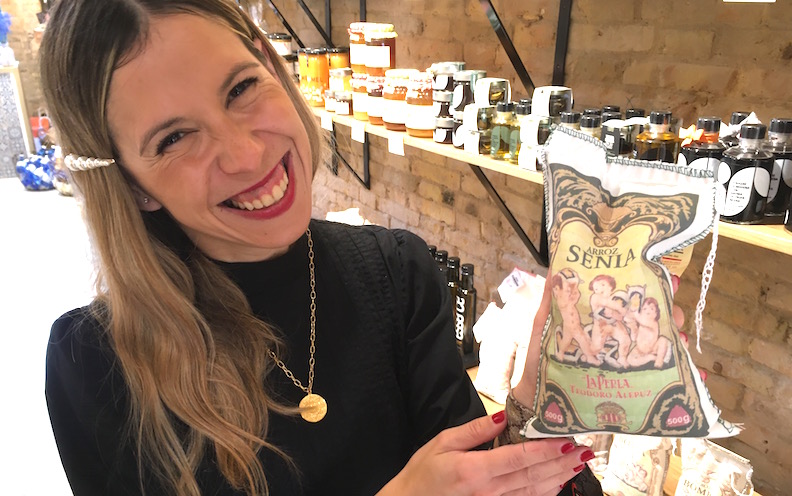
Il riso al forno di mia suocera 96enne. Usa rigorosamente Arroz Senia, celebre per i suoi 17 minuti spaccati di cottura e lo tratta come se fosse una tortilla, in più ci aggiunge pere e uvetta. Incomparabile!

Le cucine che preferisci?
Generalmente le cucine del Sud sia in Italia che in Francia e ovviamente in Spagna. Sono di Valencia, vivo a 50 Km dal mare e amo la cucina del mio territorio, la più vicina al mio modo di esprimermi.

Quindi cucina tradizionalmente territoriale, no ‘fusion”?
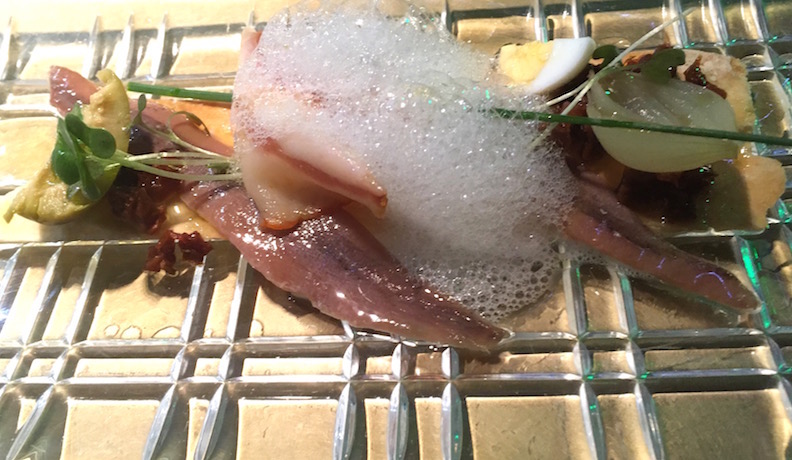
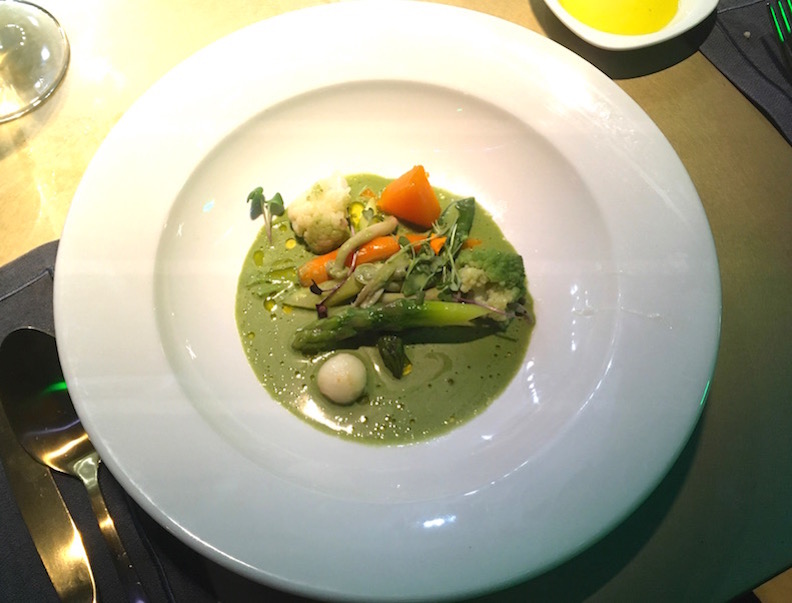
(ride) Mi piace la cucina della ‘fusione’ ma non della ‘confusione’…
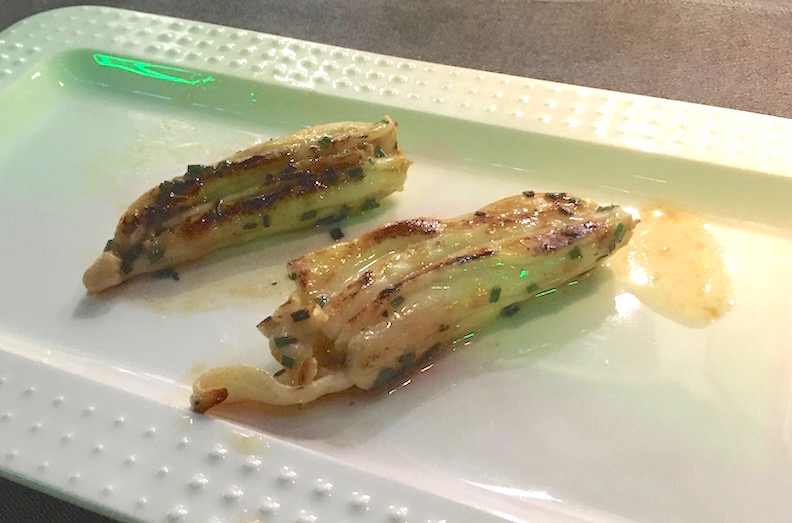
Assaggia qualcosa, partiamo da acciughe con uovo di quaglia, da mangiare con le mani, poi, per pulire lo stomaco, una supersana minestra con verdure, succo di bieta e acqua di mare.

Il mare è tanto presente nel mio menu…Conosci le espardenyes? Sono lumache di mare, a volte indicate come cetrioli di mare. Sono prelibatezze molto apprezzate, hanno un gusto e una consistenza unici, a metà tra granchio, vongola e capesante, perfette alla griglia.

La cucina del Baobab è…
Una cucina del territorio, sincera, umile onesta e la magia di mangiare cibo del posto, che comunque danno il benvenuto a ‘ospiti’ come il caviale e il fois gras, ma se mi dirai che quello che ti è piaciuto di più è stato il fois gras… mi ammazzi… E’ un po’ come se io venissi in Italia e a cena, invece di un buon Franciacorta, ordinassi della vodka!

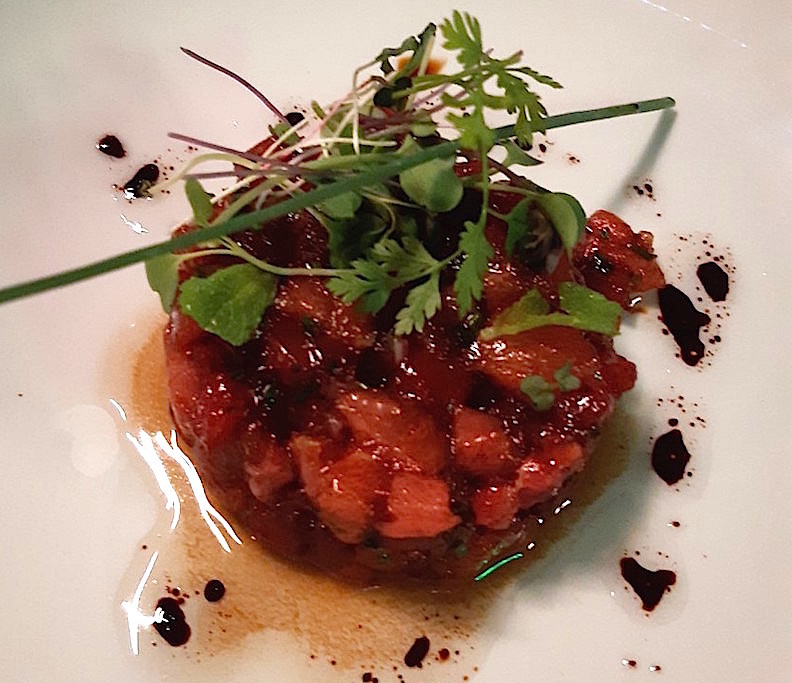
TARTARE DI TONNO CON MOUSSE DI MELANZANE 

Ingredienti
Per 4 persone

Filetto di tonno: 500 g.
Olio di zenzero: 2 cucchiai.
(l’olio di zenzero può essere fatto con olio di girasole e lo zenzero tagliato fine e lasciato marinare).
Soia: 3 cucchiai
Olio di girasole: 3 cucchiai
Menta: un pizzico di menta
Cerfoglio: un pizzico di cerfoglio.
1mazzetto di erba cipollina piccola.
Per la mousse di melanzana:
4 cucchiai. Olio di sesamo:
3 melanzane
Aglio: 1 spicchio d’aglio
Sale: un pizzico
Preparazione
Tagliare il filetto di tonno in piccoli cubetti e mescolare con olio di zenzero
Aggiungere qualche goccia di limone, l’erba cipollina tritata e qualche goccia di soia.
Per la mousse di melanzane:
Introdurre nel mixer (o frullatore): l’olio di sesamo, le melanzane arrostite, l’aglio crudo sbucciato, un pizzico di sale e setacciare il tutto con un colino fine.
Preparare la tartare di tonno in uno stampo e aggiungere menta, cerfoglio, erba cipollina e ravanello a fette.
Lo impiattiamo come nella foto.

INFO
Baobab Gastronomia


CESARE ZUCCA
Travel, food & lifestyle.
Milanese di nascita, vive tra New York, Milano e il resto del mondo. Viaggia su e giù per l’America e si concede evasioni in Italia e in Europa.
Per WEEKEND PREMIUM fotografa e racconta città, culture, stili di vita e scopre delizie gastronomiche sia tradizionali che innovative. Incontra e intervista top chefs di tutto il mondo, ‘ruba’ le loro ricette e vi racconta il tutto qui, in stile ‘Turista non Turista’

CHEF MATT CHEN, IL RISTORANTE TRISTELLATO ‘LE PALAIS’ E UNA ‘PANNA COTTA’…QUASI ITALIANA

TESTO DI CESARE ZUCCA
FOTO DI PHILIP SINSHEIMER

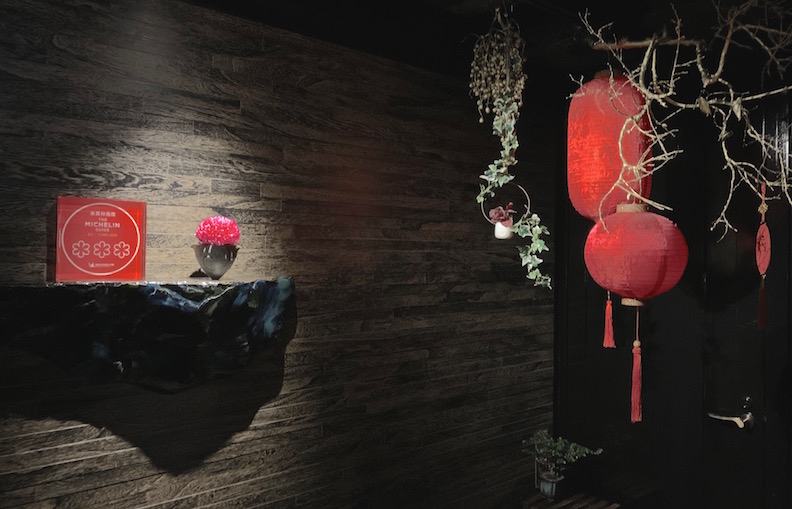
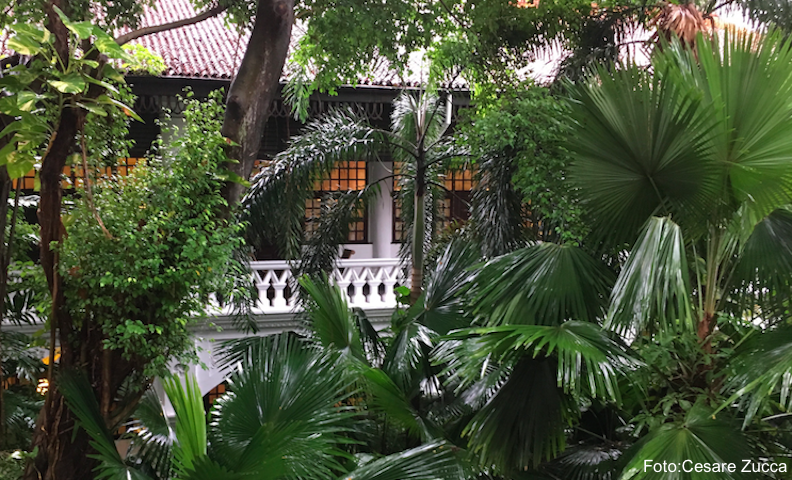
Taipei. Incontriamo lo Chef Matt Chen, al timone di Le Palais, unico ristorante 3 stelle Michelin di Taiwan, al diciassettesimo piano del prestigioso Hotel Palais de Chine.

Appena entrati, si sente immediatamente l’elevato standard del luogo, la raffinatezza degli arredi e l’accoglienza elegante del personale rigorosamente vestito di nero. Il ristorante è diviso in diverse sezioni e alcune sale private. Qui, spazio e tempo sembrano aver assunto una dimensione, equilibrata, tranquilla ed elegante.
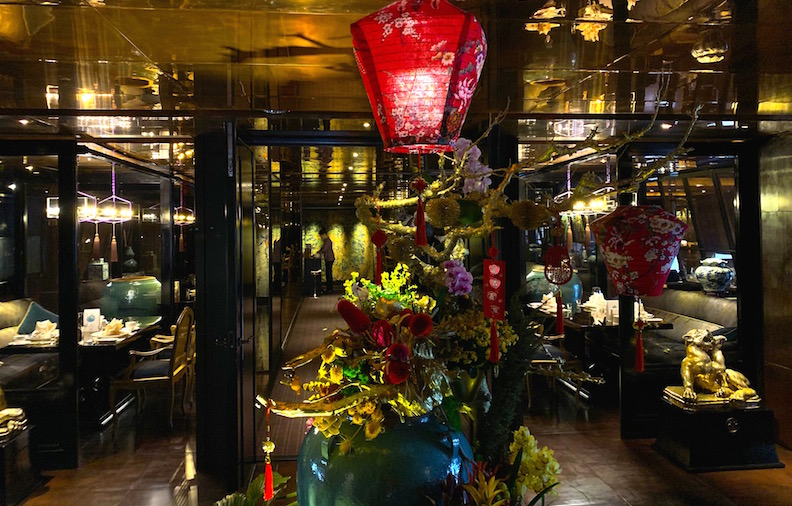
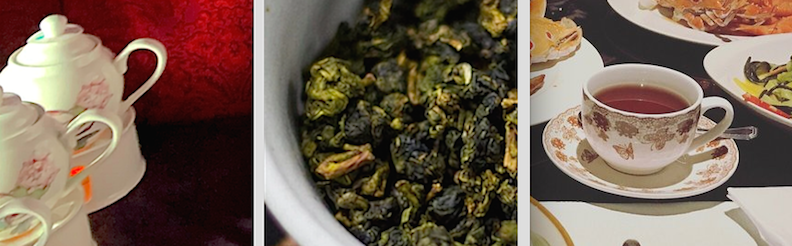
Il tè è protagonista: un ‘maestro del tè’, proprio come un sommelier, consiglia alcuni abbinamenti in base a quello che viene ordinat. Ho provato due superbe produzioni locali, una leggera e floreale dell’ area di Dayuling, l’altra, soprannominata “bellezza orientale” ricca di note di miele e di frutta matura.
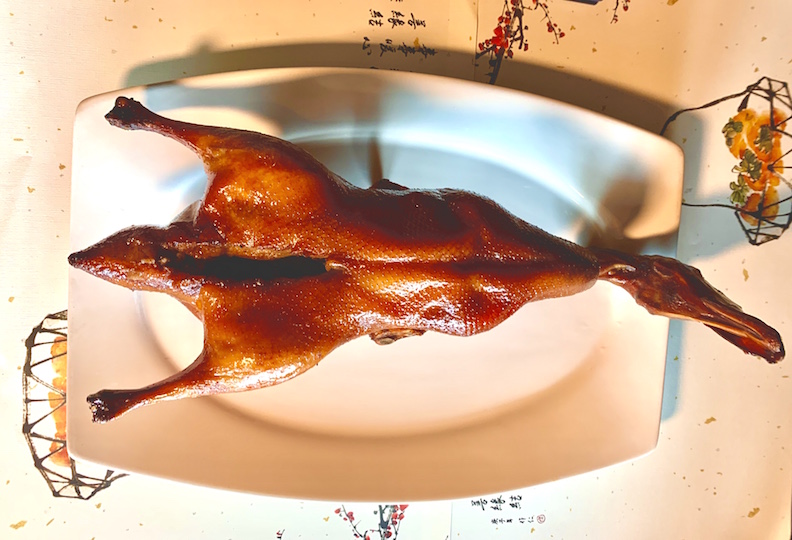
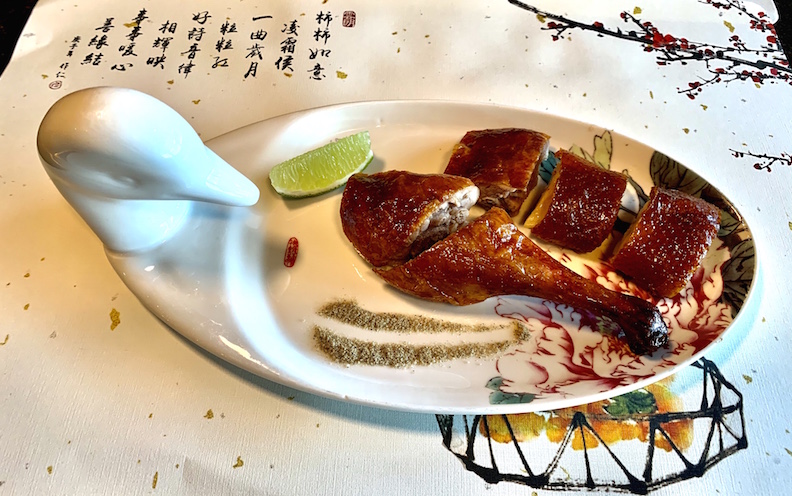
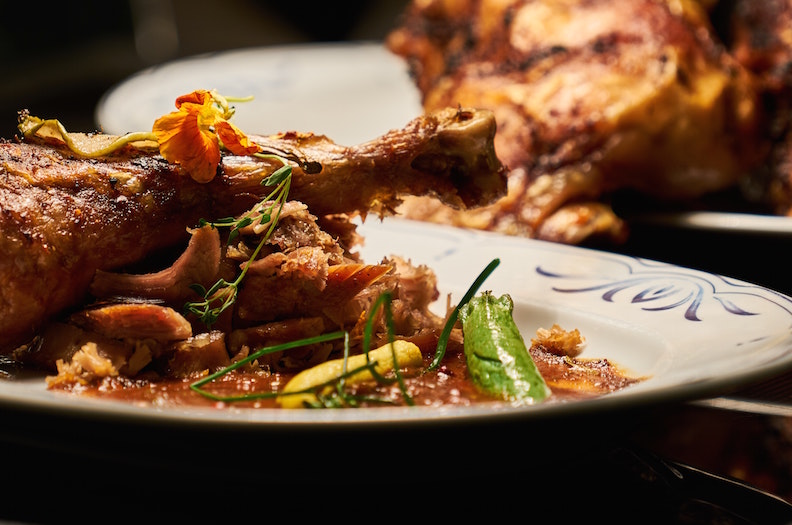
Nel menu impera la classica cucina cinese meridionale, spesso definita “cantonese”, con alcuni ‘colpi di scena’ creativi. I due executive chef provengono dal sud-ovest di Taiwan: uno è di Hong Kong e l’altro di Macao. Lo chef Matt Chen, ci ha servito Il suo piatto più rinomato: l’ anatra arrosto, la cui pelle croccante e la carne succosa non richiedevano nient’altro che un po’ di sale e pepe o giusto qualche goccia di lime per chi ama aggiungere un tocco di acidità.

Sorpresa! L’anatra viene servita accompagnata dalla recita di una poesia della dinastia Song di Su Sh che si tramanda aver ispirato il piatto.

Altra delizia: un piatto con uovo, granchio fresco e dei vermicelli di riso leggeri come dei capelli d’angelo, cosi’ fini… che viene voglia di pettinarli.
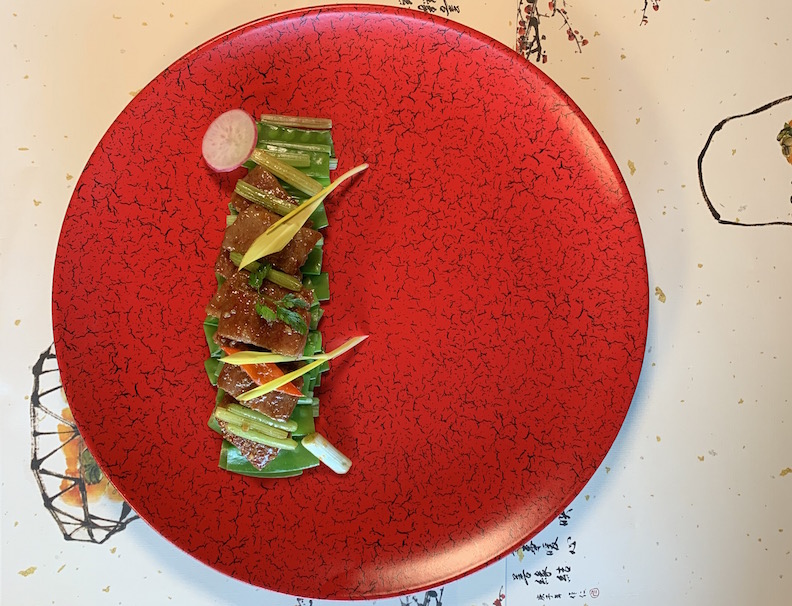
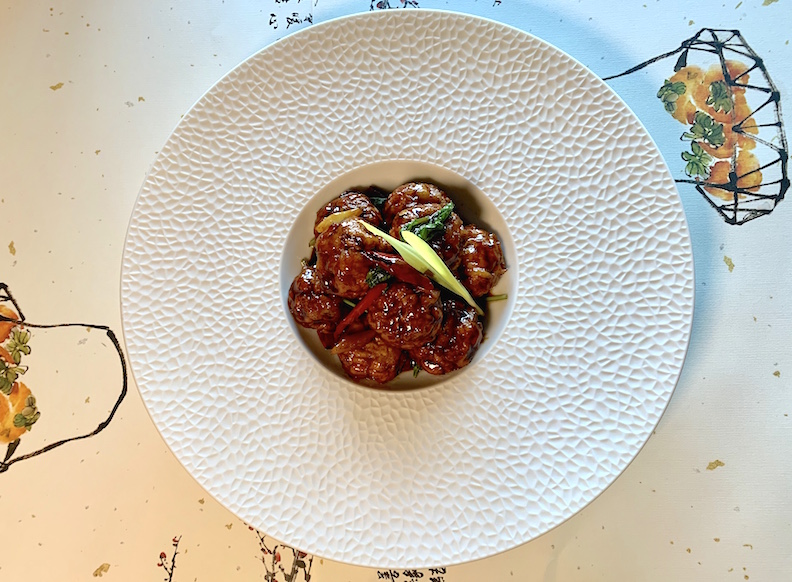
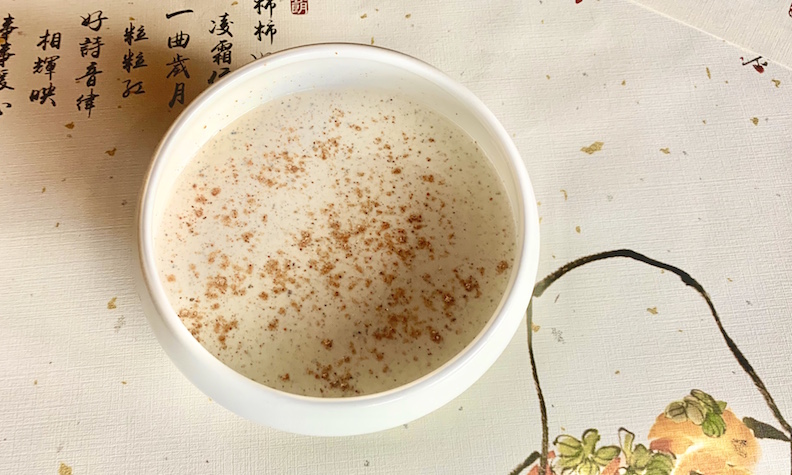
Per finire, una deliziosa panna cotta di sesamo, non troppo dolce e dalla consistenza delicata e dal sapore profondo, altro esempio del perfetto equilibrio della cucina di Chen.
Parliamo di viaggi. La tue destinazione preferite?
Se ho un po’ di tempo libero, mi piace prendere una pausa dalla cucina e andare in giro per Taiwan a mangiare in ristoranti degni di nota. La mia preferenza va alle cucine occidentali. I viaggi più lunghi puntano verso Singapore e Shanghaï. È qui che ho mentori e colleghi che mi aiutano a trarre ispirazione per creare nuovi piatti. Condividiamo idee, ricette, bei momenti e mi sento ispirato a tornare a cucinare con rinnovata energia.

Ti confesso che il mio grande desidero è di conoscere molti paesi europei: Francia, Olanda, Spagna, Italia, Portogallo, Inghilterra…Cosa mi attrae?  Il cibo, sei sorpreso? Cibo e cultura.
Nei tuoi viaggi precedenti, hai preso ispirazione dal cibo locale?
Direi che il mio ultimo viaggio ad Hong Kong mi ha aiutato a sviluppare la mia ricetta di manzo Wagyu con aglio e fagioli neri fermentati, un piatto locale molto tradizionale e sono entusiasta di averlo incluso nel mio repertorio.

Come sei diventato chef?
Sono stato ispirato da mio zio chef in un ristorante di Macao, una città e un territorio che hanno influenzato la mia cucina, per esempio nella mia versione del maiale alla brace.
Nel tuo frigorifero di casa: sempre e mai…
Abalone, secco che gli amici di Hong Kong non mancano mai di mandarmi. Sono un grande sostenitore della freschezza degli ingredienti e del cibo. Nel mio frigo non troverai mai prodotti che abbiano più di un giorno.

Parliamo della tua ricetta. Perché hai scelto questo piatto?
Per me questo dessert rappresenta un felice incontro tra l’ oriente e l’occidente,  la ricchezza e la naturale untuosità della crema e l’intenso sapore del sesamo bianco e nero.

PANNA COTTA CON SESAME BIANCO E NERO

Per una persona
Ingredienti
Sesamo bianco e nero: 160g~170g
Latte: 260g+10g
Gelatina: 0.5g
Zucchero: 1/4 di tazzina (o a proprio gusto)

Preparazione
Iniziate bollendo sesamo bianco e nero
Macinatelo.
Aggiungere latte e zucchero fino a ottenere un perfetto bilanciamento tra sesamo e latte

INFO
Le Palais

Cesare Zucca
Travel, food & lifestyle.
Milanese di nascita, vive tra New York, Milano e il resto del mondo. Viaggia su e giù per l’America e si concede evasioni in Italia e in Europa. Per WEEKEND PREMIUM fotografa e racconta città, culture, stili di vita e scopre delizie gastronomiche sia tradizionali che innovative. Incontra e intervista top chefs di tutto il mondo, ‘ruba’ le loro ricette e vi racconta il tutto qui, in stile ‘Turista non Turista’

Cesare con il fotografo Philip Sinsheimer

IN ESCLUSIVA: SANDRA MILO SI TRASFORMA IN CHEF: “IL MIO PIATTO ‘DA CONQUISTA’”

INTERVISTA DI CESARE ZUCCA –

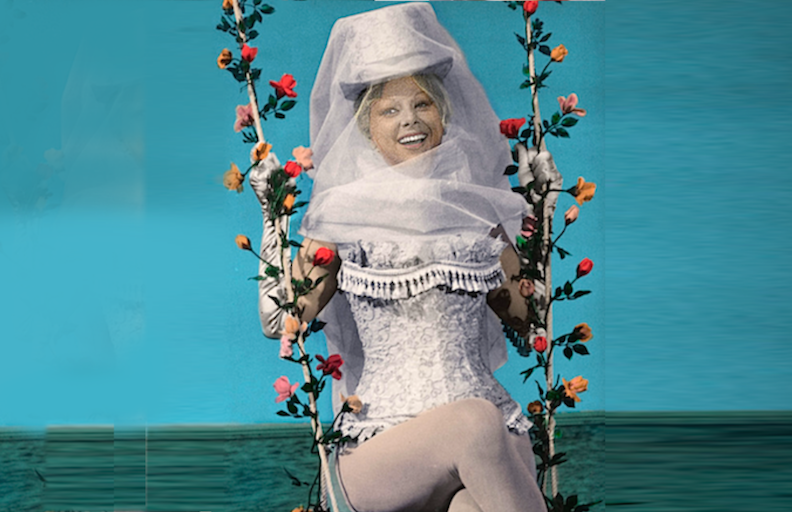
Quando? Una magica notte di luna piena. Dove? Alla Vigna di Sarah, nella meravigliosa Vallata del Prosecco, Chi ho incontrato? Un’icona del cinema italiano, l’incomparabile Sandra Milo.
Quasi tutti la conoscono come la biondissima, sexy, svampita e irriverente Musa di Federico Fellini, pochi sanno che Sandra nasconde un animo gentile e una felicità interiore colorati da  quel suo inimitabile pizzico di follia. Ah dimenticavo… con mia grande sorpresa ho scoperto che dietro un’immagine piuttosto frivola, si nasconde una poetessa… Sandra infatti scrive bellissime poesie che ha raccolto nel suo libro ‘Il corpo e l’anima’. E poi ho scoperto che è un’eccelente chef. Leggere per credere…


Parliamo di auto, cosa guida Sandra Milo?
Sandra da qualche giorno… non guida più..( ride)
Mi e’ scaduta la patente e non trovo il tempo per rinnovarla…
La sua auto da sogno?
Da ragazza ero pazza per le Ferrari, il mio ‘dream car’era la Ferrari 250 GT California, mitica star degli anni ’60, la più desiderata dai divi di Hollywood.

Ma poi col tempo mi piacevano sempre di più le macchine belle dentro, ma fuori un po’ ’vissute’, dalla carrozzeria un po’ scassata,  perchè mi toglievano la responsabilità di non doverle acciaccare , magari urtando contro un palo o facevendo manovra nei posteggi. Niente panico, tanto erano giò conciate…
Dove trascorre un weekend libero?
A casa mia (ride), con il telefono rigorosamente staccato…
Un viaggio che ricorda con piacere?
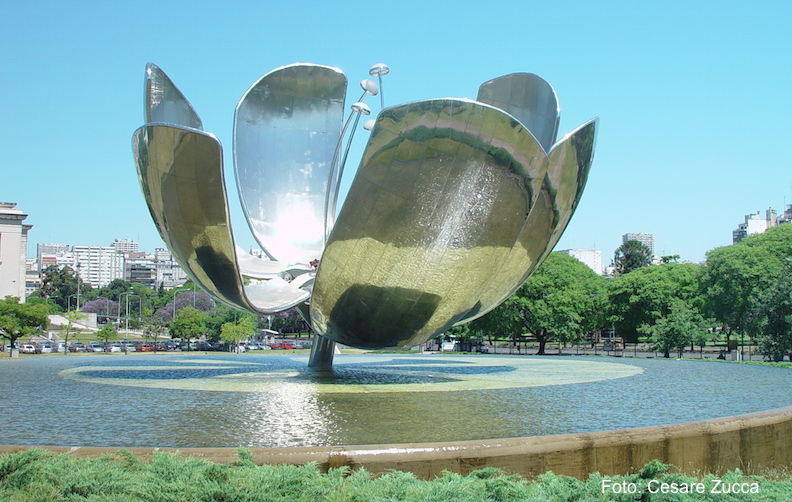
Ho viaggiato tanto, ma sempre per lavoro. Ho girato mezzo mondo ma non ricordo di aver fatto un viaggio solo per piacere. Un destinazione che ho particolarmente amato è stata  l’Argentina: Buenos Ayres è una città fantastica. me ne sono innamorata, al punto di occuparmi di un ristorante, il Porto Rose.


Lo gestiva lei?
Più che gestire… ero sempre in cucina , si. la cuoca ero io!
Ama cucinare ?
Cucinare è un’ arte che ha una durata brevissima e che va coltivata come una disciplina artistica. Ci sono molti ‘chef’ in giro ma solo alcuni sono veri artistI, abili non solo nell’innovazione e nella presentazione, ma soprattutto negli accoppiamenti e nei dosaggi, capaci di rispettare individualemte i sapori, senza che si scavalchino uno sull’altro.

Spesso mangi un piatto e non riesci a distinguere i sapori, secondo me l’arte della cucina è quando nessun degli ingredienti ha il sopravvento, ma tutto si fonda in un piacevole gusto, allora è arte.
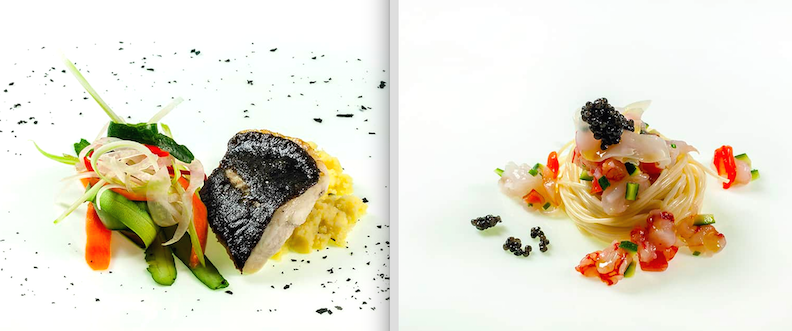
Beh, la passione per la cucina raffinata vedo che resta, l’abbiamo vista spesso con l’imprenditore Alessandro Rorato, dell’apprezzato ristorante Le Mercandole.
Si, lì trovo una cucina dove i sapori restano individuali, riconoscibili. Ti faccio un esempio: la polenta, è inutile camuffarla e estrapolare quel tradizionale sapore di grano turco perderebbe tutta la sua armonia.


Eros e cibo sono un’accoppiata indiscussa, qual è per lei un piatto erotico?
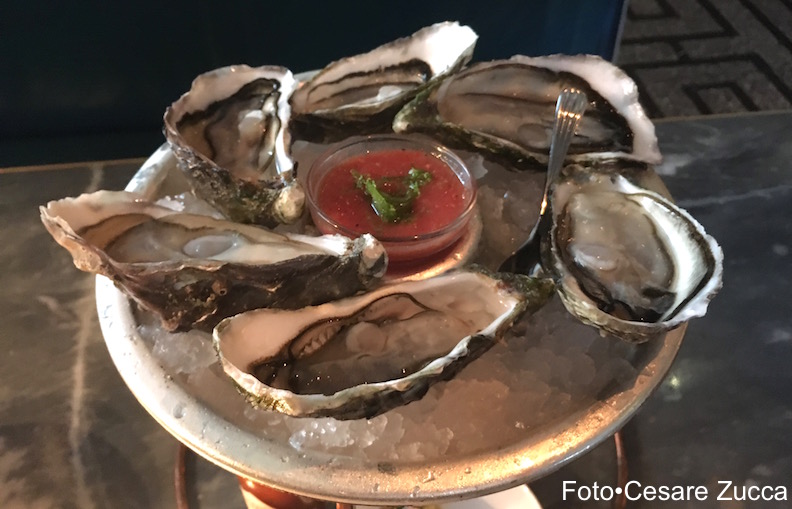
Un piatto esaltato da un’abile dosatura di pepe, peperoncino e spezie, che esaltano il gusto e la voglia…Tutti dicono le ostriche, ben non direi  anche perche spesso i filamenti ti rimangono infilati nei denti e di erotico non c’è proprio nulla… ( ride)


Un piatto che mangia solo se cucinato da un’altra persona?
Il sugo di pomodoro. Sembra facile, tutti lo fanno ma pochi lo sanno fare bene. Io me la cavo, ma non arrivo di certo all’altezza del sugo dell’ Excelsior di Ischia, fatto con tanti pomodori gialli, verdi e rossi.che crescono sull’isola e di quello del Don Carlos, lo chicchissimo ristorante del Grand Hotel de Milan


Aspetti un ospite speciale, ha un piatto ‘che conquista’?
Non ho dubbi: ‘lasagnette alle verdurine.’ Un piatto che sorprende grazie al suo gusto delicato arricchito da un appetitoso ragù di verdure miste, besciamella, parmigiano. Da portare in tavola in tutte le stagioni, grazie alla possibilità di utilizzare le verdure che troviamo sui banchi dei nostri mercati.
Come le cucina?
Le verdure le faccio cuocere in padella, tutte insieme, si possono usare anche quelle surgelate. Le unisco a un soffritto di aglio, cipolla e un po’ di peperoncino. Faccio rolosare e aggiugo un tocco di pomodoro. Preferisco usare lasagne sottili, mi sembrano più delicate, le metto a strati con le verdure, burro, besciamella e parmigiano. Semplice.
I suoi primi ricordi in cucina ?
I miei nonni erano toscani quindi  ricordo il profumo deila cucina toscana, i crostini e… quel pollo alla cacciatora che solo nonna Alberta sapeva fare cosi saporito.


Ha mai cucinato per Fellini o Fellini per lei ?
Cucinare proprio no, ma quando lavoravamo nel suo studio, Federico ordinava dalla Cesarina, una cuoca romagnola. che ci portava piatti tipici del suo territorio. La passione di Federico erano mortadella e parmigiano a tocchetti, da mangiare con le mani, cosa allora piuttosto insolita.
L’attore piu goloso?
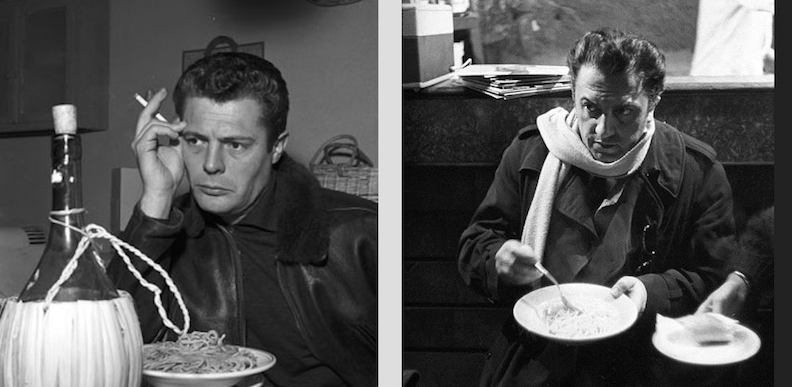
Marcello Mastroianni! Era capace di fare chilometri e chilometri per mangiare una cosa buona….Magari arrivava al ristorante alle 4 del pomeriggio e si faceva fare un piatto di tortellini in brodo…
Nel suo frigo di casa, cosa troverò sempre?
Formaggi, specialmente quelli francesi, li adoro.
Mai?
Beh, mangio un po’ di tutto… Ah si, la trippa, la milza, le interiora, beh non so se mi piacciono o no. Di certo non troverà del pesce perché ho fatto voto di non mangiarne più.
Posso chiederle perché?
Per rispetto verso tutta la gente che è morta nel Mediterraneo.
Un sogno nel cassetto
Li ho esauriti tutti. Ne avevo uno e cioè di fare un musical e lo farò nel 2020, quindi il sogno si avvererà e per la prima volta interpreterò un uomo vestito da donna, una drag queen.
Una domanda che lei vorrebbe che un intervistatore le facesse?
“Cosa vorresti che venisse scritto sulla tua tomba?
E la sua risposta?
Qui giace una donna libera e un po’ pazza che è stata capace di essere felice.

La ricetta di Sandra Milo
LASAGNE ALLE VERDURINE
Ingredienti
Verdure di stagione a tua scelta.
Come base:

  • 3 zucchine
  • 1 porro
  • 1 cipolla bianca
  • 2 carote
  • 1 bicchiere di vino bianco
  • 1 pizzico di pepe
  • b di sale
  • b di besciamella
  • 400 g di lasagne
  • 3 cucchiai di olio extravergine d’oliva
  • b. di grana padano
    Preparazione
    Fate scaldare l’olio extravergine di oliva in una teglia e inserite nel seguente ordine le verdure tagliate a fettine: cipolla, porro, carote, e zucchine. Sfumate con il vino bianco, salate e pepate. Lasciate riposare.
    Preparate la besciamella e sbollentate le lasagne adagiandole su di un canovaccio pulito. Oppure, utilizzate quelle pronte alla cottura in forno. In una teglia da forno imburrata, stendete il primo strato di lasagne e, a seguire, le verdure, la besciamella
    Continuate con gli strati fino a terminare con le verdure e la besciamella.
    Aggiungete qualche fiocco di burro e, se lo desiderate, una spolverata di grana padano o parmigiano reggiano.
    Infornate per 50 minuti a 180°C coprendo la teglia con un foglio di carta alluminio che toglierete a 10 minuti dal termine della cottura.


CESARE ZUCCA
Travel, food & lifestyle.
Milanese di nascita, vive tra New York, Milano e il resto del mondo. Viaggia su e giù per l’America e si concede evasioni in Italia e in Europa.
Per WEEKEND PREMIUM fotografa e racconta città, culture, stili di vita e scopre delizie gastronomiche sia tradizionali che innovative.
Incontra e intervista top chefs di tutto il mondo, ‘ruba’ le loro ricette e vi racconta il tutto qui, in stile ‘turista non turista’.

MILAN KEEPS ON COOKING!

A special apron bearing the words “MILAN KEEPS ON COOKING” to send a positive message to Milan, Italy and the whole world in a moment of immobility and general concern that threatens to deal a blow to everything the catering sector. The idea came to the team of the agency Alessia Rizzetto PR & Communication, specialized in the food & beverage sector “Milan, says Alessia, the dynamic, creative and productive city par excellence, will not stop, rather will continue to” cook “dishes, ideas and opportunities , although the Covid-19 epidemic forced us to change our lifestyle for the moment.
We therefore lend ourselves as a sounding board to a message of optimism that starts from the Milanese chefs and that we hope will reach the public and institutions,
“The goal, continues Alessia, is to relaunch the attractiveness of the made in Italy gastronomy on a national and international scale, of which Milan is one of the undisputed strongholds, without neglecting the precautionary measures imposed by the serious ongoing health emergency.
There are already more than 30 chefs, pizza chefs, pastry chefs and catering entrepreneurs – in alphabetical order, Mattia Accarino, Marco Ambrosino, Enrico Bartolini, Andrea Berton, Cesare Battisti, Eugenio Boer, Fabrizio Borraccino, Daniel Canzian, Nicola Cavallaro, Roberto Di Pinto , Gianluca Fusto, Antonio Guida, Ernst Knam, Filippo La Mantia, Martina Miccione, Davide Oldani,
Mathias Perdomo, Wicky Priyan, Eugenio Roncoroni, Laura Santosuosso, Lorenzo Sirabella, Luigi Taglienti, Matteo Torretta, Viviana Varese, Simone Zanon, Andrea Zazzara
– to have joined the awareness campaign by taking the front line for the recovery of Milan. They were symbolically given an apron to wear and then take a photo to be published on their social networks together with a message using the hashtag #milanokeepsoncooking
In the next few days, moreover, the chefs involved in the initiative will be asked to create video recipes that can be easily replicated at home,  Stay tuned for more info….

The TUTU inside you !

Six dancers take us on a frantic, humorous trip while revisiting iconic moments of classic ballet rigorously in travesti. Six male performers (and one female only, who acts as ‘porteur’) who fear nothing raise this Tutu to the rank of the best dance levels.. The troupe founded by choreographer  Philippe Lafeuille is known for self-irony and the art of mocking but also for the seriousness with which he carries on his belief: the love of dance above all things.
Each scene is a surprise of colors and the performers joyfully transport the audience into their fantastic and theatrical universe. The comic inventions are underlined by the amazing costumes of Corinne Petitpierre, delusional variations of the classic tutu, jackets, hats, duck tails and trousers that allow a bird to dance.

It’s a mix of dance, ballroom, sport and rhythm, academic or acrobatic. It is an ode to dance, where fun meets requirement , like in the iconic ‘Four little swans’ from Swan Lake, transforming their dance into a  fun hip hop mood.Screen Shot 2020-02-21 at 17.36.07.png
In addition to the classical ballet, there are endless shows on ancient songs on the gramophone, typical of the ‘pieces’ by Pina Bausch.
Or the shapes of the gymnasts who at the Olympics amaze us with their incredible technicalities and their slightly fanatical expressions. And the ‘expressive’ solos of throbbing modern dancers, half Valkyries and half Erinyes.
 All declined with grace and skill, with a taste for dialogue with the public capable of enchanting and showing that even our simple gesture, if guided with skill and poetry, can become dance.
Demonstrating that in every human being there is a hidden but ready to go out when you least expect it, a dancing soul.
 From classical ballet to Pina Bausch, to a ‘Bayaderes’ atmosphere  including the “dance of ducks and swans”, Chicos Mambo revisit all types of dance and make fun of the codes of choreography without any taboos, spanning from from classical ballet to contemporary dance to tango, to hip hop even to the Maori tribal dances.
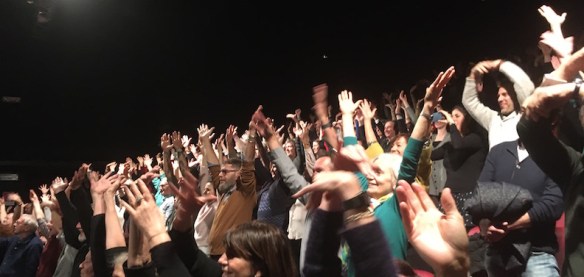
Amazing finale:  Philippe Lafeuille engages the public with a global singing and dancing .
Impossible to resist!
It’s true , there a TUTU inside everybody………
Don’t miss TUTU
Sat 22
Sund 23
February 2020
at
Teatro Menotti,
Via Ciro Menotti, 11 Milano

CESARE ZUCCA
Travel, food & lifestyle.
Milanese by birth, Cesare lives between New York, Milan and the rest of the world. He travels up and down America, often indulging to escape to Italy and Europe.
Cesare photographs and narrates cities, cultures, lifestyles and discovers traditional and innovative gastronomic delights. He meets and interviewes top chefs from all over the world, ‘steal’ their recipes and tell you everything here, in the  ‘non touristy’ style.


TANGO FATAL COMPANY in “TANGO Y AMOR”

Tango originated in Argentina in the late 1800s, invented by the creativity of the first immigrants, especially Italian and French, who sought an escape from hard daily life, to take refuge in music and dance. A new music, almost a fusion of European, American and black rhythms and sounds, but above all a new, bold and transgressive dance.
!t was danced in public housing, in the barrios of the suburbs, in cabarets called perigundines and in the infamous dance halls of San Telmo and Boca, where all the scandalous rules of the new dance were allowed: the sensuality of the embrace, the provocative intertwining of the legs and the bold words of the songs that told the sad reality of survival and the nostalgia for the distance from their land, but they exalted loyalty and brotherhood in adversity. Thus was born the tango, expression of body and mind for a free and intuitive choreography, destined to become part of the identity and culture of the Argentine people.
Tango Fatal is an international tango company directed by Guillermo Berzins, a world-famous Argentine dancer and choreographer, who will involve us in the show Tango y Amor, together with his sensual dancer with great technical and interpretative ability of Marijana Tanasković.
The show, with a strong emotional impact, makes the sensual and mysterious atmospheres of Buenos Aires revive and live on stage, managing to maintain an abstract and suspended in time setting, always current and modern, where dance, the main and fundamental element, is blends harmoniously with the music played by excellent musicians directed by the concertmaster Oksana Peceny Dolenc. Interpreting the romantic and dramatic notes of the most famous tangos and combining the rhythms of different tango periods, the show Tango y Amor is a promise of irresistible seduction!
There will be a dance between men who challenge each other with a knife, the partner as a key character of the tango, the ancient way of dancing of the canyengue tango, without forgetting the contagious energy of Argentine folklore and its gauchos with bombos and boleadoras, up to get to the golden age and finally reach spectacular contemporary choreography crowned by the music of Astor Piazzolla.
On Febryary 17, 2020 at 8.45 pm
Teatro Manzoni, Milan
Via Alessandro Manzoni, 42


250 years of history! Welcome to THE OLDEST STORE IN MILAN

By Rossana Beccari
Photos by Andrea Cerchi
Since its foundation in 1768, GUENZATI has been dealing with the retail sale of fabrics for clothing and linen and household linen, distinguishing itself for the originality and quality of the products offered, gaining popularity on the sophisticated Milanese square.It survives the Habsburg and Napoleonic domination, overcomes the two world conflicts, arrives at the end of the sixties and, with a gradual change of commercial image, becomes the only point of reference for customers who love “British style”.
Crossing the threshold of GUENZATI is a journey back in time: we forget the traffic .. it will seem that we have arrived there in a carriage or buggy … as when the Milanese went to the shops for their purchases, a stone’s throw from the Duomo.
Inside you can still admire the period furniture dating back to the first half of the 19th century, consisting of counters, shelves and desks made with fine national walnut and in perfect Biedermaier style with simple and functional lines.
The welcome is kind and informal, you can really breathe a ‘scent’ of the past,
rigorously ‘Anglo-Saxon’ like the whole assortment which, in addition to a wide choice of tweet and Scottish fabrics offers a vast selection of hats, waistcoats, ties, knitwear, various objects … and the ‘kilts’ cannot be missing.
AWARDED in November 2019 with the certificate of HISTORICAL WORKSHOP and on 7 December 2019 it obtained the coveted AMBROGINO D’ORO awarded every year to the personalities or companies that made Milan great.
GUENZATI is located in via Agnello 8, a few steps from the Duomo

https://www.dittaguenzati.com/

Opening Hours:

​Mon: 15:00 – 19:15

​Tue-Fri: 10:00 – 13:15 / 15:00 – 19:15

Sat: 10:30 – 13:30/ 14:30 – 19:00

Sun: 11:00 – 19:00

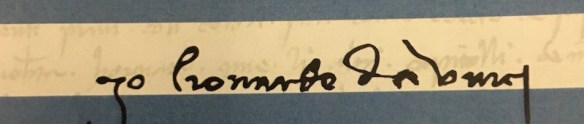
Milan. Found Leonardo’s original signature !

Milan
EXHIBIT “
NERO SU BIANCO” .(BLACK ON WHITE)
On a notary document dated June 8, 1496 , has been found an original signature by a Legend: Leonardo da Vinci.
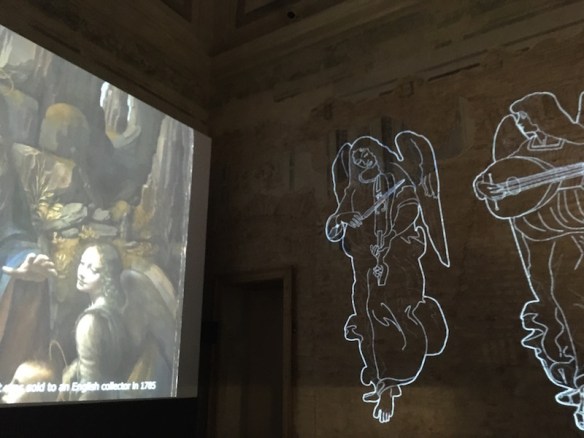
Now you can see that precious page in an extraordinary exhibit at The State Archive of Milan  Archivio di Stato di Milano, that dedicates a rich exhibition to Leonardo, based on some of his rarest documents, relating to his great works.
The show is accompanied by an engaging multimedia exhibition that will take you to a magical room where the passage of time is represented in a cycle that develops from dawn to night; from birth to Leonardo’s death of Leonardo.
This is the end of an amazing journey through 4 rooms respectively dedicated to:
Leonardo and Milan, The Virgin of the Rocks and the Last Supper, Leonardo and the other works and finally Leonardo’s Signature, taking place at the height of an almost dreamlike, immersive  narration: the spectator is at the center of a loggia delimited by large arches and closed by curtains moved by the wind.
The exhibition is based on extensive research conducted in the Milan State Archive and presents a selection of more than 50 documents, among which some unpublished works of great interest that span a time span of almost six centuries. Transcribed and acquired in high definition, the documents will be linked to the most significant images of the works of the Florentine GeniusTill March 28, 2020
Free admission.
Visits by reservation only
Monday to Thursday: 10.00-18.00
Friday: 10.00-14.00
Visit without reservation
Friday: 14.00-19.00
Saturday: 10.00-19.00
www.archiviodistatomilano.beniculturali.it
Free tickets booking:  as-mi.comunicazione@beniculturali.it


CESARE ZUCCA
Travel, food & lifestyle.
Milanese di nascita, vive tra New York, Milano e il resto del mondo. Viaggia su e giù per l’America e si concede evasioni in Italia e in Europa.
Per WEEKEND PREMIUM fotografa e racconta città, culture, stili di vita e scopre delizie gastronomiche sia tradizionali che innovative.
Incontra e intervista top chefs di tutto il mondo, ‘ruba’ le loro ricette e vi racconta il tutto qui, in stile ‘turista non turista’.


CAN THE ESPRESSO BE A… COCKTAIL?

Coffee liqueur has a long history dating back to the times of the unification of Italy and has always met the taste of consumers.
Espresso Bottega, a new proposal from the Bibano di Godega winery and distillery  draws inspiration from this long tradition and thanks to the careful selection of raw materials and their skilful mixing, is refined and intriguing. It is characterized by the persistent aroma of mocha, by the delicate fruity notes of peach and apricot, as well as by the slight hints of chocolate.

Espresso Bottega is produced exclusively with Arabica coffee of the fine Sidamo and Djmmah varieties, grown in the mountainous area of ​​Ethiopia. The quality, character and personality of this liqueur depend not only on the excellence of the raw materials, but also on the three different types of roasting used and the three different ways of extracting the aromatic component: hot infusion, which allows you to obtain hints of “mocha”, the cold infusion, which gives finesse and enhances the varietal characteristics and, finally, the classic hydro-alcoholic infusion, which gives the product more body and structure. Before filtration and bottling, a small percentage of grappa is added, which gives the product additional intensity.


The moderate alcohol content (20% vol.) Makes it an ideal after-meal, to be eaten smooth or with ice. It is also an excellent ingredient for preparing cocktails. Finally, it can accompany coffee desserts, dry pastries and can add an “alcoholic” touch to tiramisu.


For more info https://www.bottegaspa.com/en/collections/espresso/


MILAN, A SURPRISING RAINBOW QUARTER


Text and photos
by Rossana Beccari


A palette of colors characterizes this romantic area near Piazza Risorgimento and
I challenge anyone not to say
“it doesn’t seem to be in Milan” …

But of course we are in Milan close to the center and to be surprised we do not have to look up to count how many floors a skyscraper has and the gardens are not vertical: we are in the Rainbow District, also called the Garden District.


The history of these houses dates back to the end of the nineteenth century: conceived and designed by a building cooperative to meet the needs of the workers who worked in the area, to live in simple and affordable houses; the Workers’ Housing Company still exists and its first intervention was the worker village of Porta Vittoria. Over the years, the inhabitants have started to beautify the neighborhood, preferring to personalize the facades, now owned, with bright colors and pastel tones; the careful maintenance of the gardens completes the redevelopment of the neighborhood … they are said to trigger real challenges to create the most beautiful real estate unit.

Milan, via Abramo Lincoln and adjacent via Franklin.

WELCOME TO THE SAVINI MILANO 1867. A legendary institution for over 150 years

Text and photos by Rossana BeccariGalleria Vittorio Emanuele II was inaugurated on December 31, 1877
As a matter of fact,  the  so called ‘Salotto di Milano’ was already completed in 1867, when the covered passage was completed and so under a transparent roof, among stuccos, mosaics and elegant decorations, the Gallery comes to life with its shops, bars, restaurants and the prestigious headquarters of the Ricordi music publisher.
Once upon a time there was Caffè Gnocchi, then it changed its banner and became the elegant Stocker Brewery until in 1885 the space was purchased by Virginio Savini:
who transformed the venue into a posh living room enriched by beautiful crystal chandeliers, cutlery, table mats, silver food warmers and tailcoat waiters. The success spanned the golden season of the Belle Epoque and the fabulous 1950s.
Savini has always kept its aura of exclusive place but it is also an interesting archive of memories, stories of characters, curiosities of city life … and why not? … a little
of ‘gossip’: like the iconic ‘table 7’ on the first floor, in the most romantic corner with large windows overlooking the Gallery,
Why iconic? Because that spot was reserved only for the ‘Divine Soprano Maria Callas’ often escorted by Luchino Visconti, Franco Zeffirelli … and of course Mr.Onassis.
A cocktail is dedicated to her, her favorite, based on bitter herbs, still on the list and could only be called “DIVINA”.
Savini has always been the favorite venue for world-famous singers and composers.
Regular guests were Verdi, Puccini, Toscanini, Eleonora Duse and D’Annunzio At the beginning of the twentieth century,
Savini became a place for Milanese intellectuals, writers and artists: from these tables Filippo Tommaso Marinetti founded and became the leader the group known as ‘The Futurist” followed by legends such as Charlie Chaplin, Ava Gardner, Henry Ford, Hemingway and the iconic grand entrance of Liza Minnelli, who’s limo was allowed to drive into the Galleria and stop right in front of the restaurant entrance! That ‘s a star!
Today the Savini Milano 1867 sign is part of Milan’s historic shops and Italy’s historic venues
SAVINI MILANO
1° Piano / 1° Floor

Via Ugo Foscolo, 5
Corner of Galleria Vittorio Emanuele II
Opening Hours
From 12.00 to 2.30pm
and from 7.00pm to 10.30pm.
Closed for lunch on Saturdays and on Sunday
Tel +39 02 72 00 34 33

Passo del Cerreto, Collagna, RE , Italy. A CHESTNUTS BIG PARTY!

Collagna, RE , Italy:
On Saturday January18th at 5.00 pm, a yummy ‘Gastronomic Laboratory of the Apennines’ will take place. at the Passo del Cerreto, at the Giannarelli Restaurant, Visitor Center of the Tuscan-Emilian Apennine National Park.
The protagonists are chestnut producers and restaurateurs of the Zero Km circuit of the UNESCO Biosphere Reserve of the Tuscan-Emilian Apennines. On the occasion, the fourth ‘Contest’ will take place among the producers of chestnut flour made with the traditional method on the ridges of Emilia and Tuscany, a monument of tradition that binds the territory. Three moments of the competition: the sensory analysis of the product, by a jury of experts; the tasting of competing flours with small samples produced by the restaurateurs of the Km Zero circuit; the revisiting of a traditional dish by a representative chef from the Apennines.
‘Dolce & Farina’ is the event dedicated to the chestnut chain: an ancient path that has always linked the Apennini communities to their mountains. For many small villages, the recovery of the bread tree – as the chestnut was traditionally called – and its fruits, as well as the re-ignition of the dryers and the production phases of the precious flour, represent a renewed sense of community; a job for all the autumn months, until the winter, which brings people back to being together for a good that returns to being collective..on Saturday 18 January 2020 at 5.00 pm
INFO
turismo@parcoappennino.it
www.parcoappennino.it

CESARE ZUCCA
Born in Milan, he lives in New York, Milan and the rest of the world.
Cesare likes to travel up and down America as well as spending time  in Italy and Europe.
For NTT, he photographs and tells about cities, cultures, lifestyles and discovers both traditional and innovative gastronomic delights, among interviewing top chefs from all over the world, “stealing” their recipes and  write everything here, in  a perfect ‘ non touristy tourist’ style..
 

ROCKING ON STAGE: ELVIS MEETS JIMI

SUMMARY TRAVEL ARTICLES 2020

  • see full article

    see full article

    see full article
    see full article

    see full article

    One_il piacere del lusso_anno II_n2 see full article see full article see full article                                                       see full article

    see full article

    see full article

    see full article

    PDF_travel_articles final version
    gdansk-food
    budapest-traveller-fin

    Budapest ONE December 13 pag 1,2,3budapest-oneny-new-hotels-draggedBOUTIQUE HOTEL CASA ANGELINA,  AMALFI COAST
    by Cesare Zucca

    http://www.torrettas.com

    _DSC7796

    Three ‘Nobel’ days in Oslo Stay at the Grand Hotel

    3 HOTELS ROOF TOPS you don’t want to miss
    by Cesare Zucca

    Grand Hotel Central, Barcelona, Spain
    THE THIEF, Oslo, Norway
    riga 1 per webriga 2 per web


    Discovering beautiful Poland POZNAN by Cesare Zucca

    Article Breslavia and Poznan Page2 Poznan

    INTERCONTINENTAL HOTEL Phnom Penh


    BEST ‘KIDS FRIENDLY’ MUSEUMS IN NEW YORK
    Children’s Museum of The Arts (103 Charlton St) invita all’arte, coinvolgendo i bambini in disinvolte classi di pittura, ceramica, scultura e musica.
    New York City Fire Museum (278 Spring St) organizza Safety Tour, una vera lezione sul fuoco con tanto di simulazione di incendio, dove un vigile newyorkese insegnerà le tecniche di salvataggio.
    Children’s Museum of Manhattan (212 West 83 St) è un immenso asilo stile Disneyland con cinque piani di attrazioni, giochi educativi, passatempi intelligenti e divertimento, da Let’s Dance, spazio interattivo dedicato ai bambini che amano ballare, a Art, Artists & You  dove i piccoli si improvvisavo artisti .
    Natural History Museum (CPW/79 St) ospita The Butterfly Conservatory, una foresta con più di 500 farfalle da tutto il mondo.

    You just don’t realize how lucky you were when your join the guided 3,30-hour food tour organized by VisitLLjubljana.com managed by the Tourism Office of Ljubljana until you experience it.          

    They offer numerous guided city tours  including the Historical City Centre and Ljubljana Castle revolving around history, art and landmarks, whether on foot, bicycle or on a boat cruising the river.

    There is no other way to sample the incredible diversity of Slovenian food in so little time and in such a fun and well-paced way.
    Slovenia is a small country yes, but it counts no less than 24 gastronomic regions.

    Ljubljana, reminding me of Paris in a way, is pretty much in the center of the country and, as a capital, has attracted many food vendors and restaurateurs to benefit from the largest concentration of population (and tourists) of the country. But, right off the bat, let me tell you that, at no point, do you feel shepherded to a pasture of touristic traps you would have found on your own. The choice is balanced between food shops and restaurants, clearly very carefully picked.

    Also, it isn’t a gorging party:
    at the end of the tour, you feel satiated, without ever feeling over full!. As all good cooking requests, things started with the sourcing of ingredients: the market!
    And Ljubljana is blessed, right in its center with a human sized, yet substantial farmer’s market, with one section dedicated to only certified organic vendors. I had noticed on my way to the tour some beautiful chanterelle mushrooms, as well as yellow broad beans that I had never encountered before. Lucky enough, I was able to find them again and was met with the most charming smile the seller could have shared.

    Then, we got to visit the permanent covered market, a beautiful building along the riverbank. That was like entering a world of its own. Gorgeous charcuterie, cheeses, breads (got a loaf of this dark and dense bread, yet moist and oh! so tasty). A separate section is dedicated to fish, perhaps for temperature and odor control. Whatever the reason might be, I was really impressed by the display of fish available and the absence actually of any strong fishy smell. Slovenia is known mainly as an inland country, but it does have a little bit of coast on the Adriatic Sea and they sure know how to source the best of what can come out of it. Everything looked so fresh, a real temptation for any cook.
    But carrying fish on ice for the rest of the tour was NOT going to happen!


    We met our lovely guide Simona in Ciril-Metodov, the cobblestoned main street. She took us at Klòbasarna, where we had the first tasting: a warm smoked sausage form the Carniola region just South of Austria, in other words at the Northern end of Slovenia. Made of the finest pieces of pork, this sausage neither greasy nor too dry, just hit the spot accompanied by a light red wine, a little horseradish and mustard which I loved.


    Simona took us in more that 7 venues, specialized in different specialties, from the syrups and the honeys of Dobrote-Dolenjske,  to the traditional cake prekmurska gibanica homemade at
    Gujzina

    I won’t be going in the detail of all the things tasted, either in gastronomic shops or in restaurants… I want you to go and experience it for yourself. Besides beef tongue, fried chicken, honey (Slovenia is Europe’s largest producer per capita), my heart will go for this humble dish of mashed potatoes with sautéed onions and bits of bacon that we tasted at a very special restaurant, Druga Violina, where all the members of the staff suffer from some form of disability or another. It felt really good to contribute to this effort to support the community and, let’s be frank, it also tasted soooo good, just by itself. With influences coming from all neighboring countries (Italy, Austria, Hungry and Croatia), tucked between sea, plains, forests and mountains, the small country of Slovenia is rich of diversity and, if this three-hour tour cannot cover everything, it sure serves as the best introduction one can hope to taste in this timeframe!
    Tours priced at 52€ everything included,
    To make a reservation
    For more info www.visitLjubljana.com


    GRAND HOTEL TOPLICE, JULIJANA RESTAURANT IN BLED, SLOVENIA

    Slovenia. Bled, about an hour North of the capital Ljubljana to the North-West of Slovenia. Rather than the town it is the beautiful lake that gives the name Bled, famous among the European elite as early as the 1930’s with the construction of a luxurious hotel providing  natural hot spring source knowned for health benefits.I am talking of the Grand Hotel Toplice, a venue that boasts a rich history, a magical location, gorgeous alpine and lake views and sumptuously comfortable, elegantly styled rooms.


    Each of the rooms and suites at Grand Hotel Toplice has its own unique character and are traditionally styled with beautiful parquet floors, rich furniture and beautiful paintings with many of the rooms benefiting from breathtakingly beautiful lake views. The hotel has been recently renovated and restored to its former glory and is one of the best hotels in Slovenia as well as being a member of the Small Luxury Hotels of the World collection.


    It has hosted many eminent guests and is frequented by celebrities such as  Vivian Leigh, Arthur Miller, Pablo Neruda, King Hussein of Jordan, Paul McCartney and…me, with my best friend-chef-writer Philip Sinsheimer, graciously hosted by Sava hotel and resort group that manage the venue.

    Starting from the impeccable reception. the hotel boasts luxurious accommodation, few restaurant, a bar  and the enchantment of Lake Bled. All rooms and suites are individually decorated in an enchanting and traditional style, lavishly equipped with an excellent range of facilities, a relaxing thermal swimming pool and benefit from different saunas, wellness services and a solarium among a private lido, where Philip (expert swimmer) dived in the limpid lake water while me (lazy man…) was indulging in a relaxing sunbathing. We dedicated the morning ( when the light is best) to row to the island where the minuscule baroque chapel.I was anxious to hear the bells rings, because  I knew about the legend wich narrates that around the year 1500, the leaseholder of Lake Bled at the time, Hartman Kreigh, disappeared. People said he was killed. Sad for the events, the Lady of the Castle collected all of her precious golden jewellery to be melted down and casted into a bell for the chapel on the island of the Lake, so that the bell would toll in remembrance of  beloved companion. They say the bell has a magic power, when it rings, you should make 3 wishes and wait for them to become real.  We did 99 steps and finally we arrived at the church, where the view is really breathtaking and, yes, we waited for the bell… Not sure my wishes are becoming a reality, we ll see….

    A true wish coming true was the  splendid dinner we were invited for dinner at Julijana Restaurant where Chef Bertoncelj prepared a great dinner.
    I leave Philip the privilege of writing about it, since he is a chef and a food blogger.

                                      GRANDE CUISINE BY THE LAKE
    This historic landmark now called the Grand Hotel Toplice, operated by the Sava hotel and resort group, has managed to preserve the relics of the past with grand salons adorned with memorabilia pictures and bring all the comfort of modernity at the same time.This delicate balance between past was brilliantly reflected in the cuisine of the executive chef Simon Bertoncelj and the whole crew under him. Having dinner at the gastronomic Julijana Restaurant, especially if the weather allows to eat al fresco facing the lake is a moment of bliss: the quality of service, attention to detail and classic decor evoke a certain respect of classical elegance. This doesn’t constrain the cuisine to old classics, and the chef’s creativity and modern techniques seem to find their place very naturally in this elegant environment.

    The mise en bouche consisting of a delicately baked oyster and a buttery giant shrimp had all the signs of what you can expect in a palace restaurant: prime quality ingredients simply treated. This seafood opening was in synch with the view of the water even though it wasn’t the sea. As I were to learn later by the chef, unfortunately, as beautiful as it is, the lake doesn’t often yield the quantity of fish needed to take place on the menu.


    The mushroom cappuccino with porcini had the depth of flavor one can only get in top notch restaurants, served piping hot but adorned with the freshness of a few micro greens scattered on top rather than the old habit of a dollop of cream and a few chives. Fresh too was the vitello tonnato inspired salad, bright and lively. Here, as in all the great restaurants experienced in Slovenia, the wine list paid homage to the country’s fine wines, such as the 2017Verus Chardonnay from Stajerska, the western part of the Podravje region in the North of the country. At last a chardonnay that can showcase both concentration of flavors and freshness in the palate with a mere 13° alcohol content.The shining fish course was a thick and moist turbot filet, perfectly cooked and adorned by a beautiful composition of vegetables and foamy grapefruit sauce. Here again: classic base and modern composition. Though generous, nothing was heavy, and the beautiful matured saddle of veal served pink with a herb crust was still welcome.

    To finish, the iconic Bled Cream Cake, which recipe goes back to 1953 and is secretly kept by the Sava hotels group. The result was up to the legend. Even though I really do not have much of a sweet tooth, and I have had my share of mille-feuilles in France, this raised version of the classic with just two layers of perfectly crisp puffed pastry holding a firm custard covered by a layer of lighter whipped cream is to die for…

    Chef Simon Bertoncelj, who has worked under the commands of Gordon Ramsey, seems rather poised and discreet, but if you really want to find out, he opens his kitchen to a guest table of 2 to 6 people for a 7-course menu cooked and served, right before their eyes…and ears!

    For more info
    Julijana Restaurant
    Grand Hotel Toplice
    Cesta svobode 12, 4260 Bled, Slovenia
    +386 4 579 10 00

    Contact

    Cesta svobode 12, 4260 Bled, Slovenija

    Reception

    +386 4 579 10 00

    Reservations

    +386 4 579 16 00


    Hotel Hellsten, Stockholm. Memories of an exotic journey

    Hotel Hellsten is located in the heart of Stockholm and is the ideal starting point for all those who are visiting the City, since the attractions and sites of interest are reachable by public transport within easy reach including the subway that is just round the corner.
    The next street is the busy Sveavägen, Stockholm”s only real boulevard. The hotel is just around the corner from the underground (metro) stop Rådmansgatan. The locality is one of the most exciting in Stockholm, with a multitude of different restaurants within a few minutes walking distance. It is also a short walk from Gamla Stan, Stockholm’s historic and beautiful old town. I loved the area, and the next busy street Sveavägen, so alive and full of restaurants, shops and…barbers & haidressers,don’t ask me why, but very useful…

    The rooms are divided into various types depending on the services they offer, mostly in different styles, some have canopy bed, some are equipped with the classic Swedish fireplace called kakelugnar, light rays, wooden panels, even a private sauna,


    The walls are painted with warm colors that span from orange to red, to blue, to purple.


    All rooms have private new bathrooms, TV, telephone, free wired internet access and a hairdryer. They are non-smoking as well as the entire structure.


    My room had a cosy little terrace.

    Here and there I found exotic touches, my guide explained that Mr.Hellsten, owner of Hellsten, Rex and the newest Hellsten Glashus, is an enthusiastic traveller who likes to collect items from his trips. I loved the african masks !


    You have a colonial-style bar where coffee and tea are served 24 hours for free. Great idea! Every Thursday Hellsten Earth Bar transforms into one of Stockholm’s premier jazz venues. Exciting live acts on stage at 8pm and on the last Thursday of each month you are welcome to jam with the band, just bring your instruments or vocals, and the entrance is free.. Comfy beds and an excellent breakfast buffet that included pancakes, cold cuts, cheeses, eggs, lots of fruits and the traditional Swedish meatballs and served in a sunny and spacious veranda.
    Add Hotel Hellsten on your next trip to Stockholm!
    For more info
    http://hellsten.se/en/Hotel_Hellsten


    Industrial or design? A posh stay in Hamburg

    In my last trip to Hamburg I got the chance to visit and stay in Hotel Gastwerk and The George, two great properties owned by Fortune Hotels Group.
    They have different style and decor, both friendly, welcoming and worth to spend one (or few) nights there.Let’s start with the industrial red bricks Gastwerk. The name says it all, It was a squared and rigorous red bricks gas factory. Roughly 120 years ago, the old gas plant provided light to the streets and houses in West Hamburg. In the impressive and carefully restored industrial building, built with brick and steel, modern design and historical architecture form a fascinating harmonic setting. Gastwerk is first Hamburg’s design hotel.

    The building welcomed me with a large hall with a wide, meticulously well lighted reception and two unforgettable metal elevators, one red and one yellow lighted.                                                 The industrial adventure was already starting…


    141 rooms, lofts and suites, some with modern walls with a contemporary feeling, some with bricks walls (I love them), like the loft-like one where I was staying, giving the perfect atmosphere of and warehouse.

    In addition to that Gastwerk boasts a configurable conference area, the Mangold restaurant (I didn’t dine there, so no idea of the food) the L.BAR, the beautiful SPA, free parking spaces in front of the hotel and underground.   Here and there you’ll discover classy touches of fresh flowers, old  black and white pictures, original gas machines, and a splendid old water boiler.


    The second Fortune Hotel is The George, located in the hearth of the vibrant Saint George area.                                                        This venue is a triumphant tribute to the apotheosis of a ‘boutique hotel’ concept, where design meets furniture, lighting and that smell of trendyness…


    This reinterpretation of English style in Hamburg results in rooms swathed in warm colors ranging from cocoa to Champagne, lamps with delightful pleated shades and stylish wallpaper in a variety of designs.                             Super comfy mattresses, a nice view of the Lake Alster, not to mention that sweet & cute ‘Welcome Cesare’The George Hotel is a four-pearl property flush with a Great-Britain-in-the-’60s design, with 125 stylish rooms that all have flat-screen TVs, minibars, and free weight, a party-vibe bar, the supercool rooftop Campari Lounge in the terrace with a spectacular view of the Alster, a defined breakfast buffet that included a fine selection of cold cuts, imported cheeses, fruits and vegetables, and…


    Yes! there is Da Caio, italian restaurant (where I could not resist peeping at the menu, which I found correct in dishes choices and…right spelling, which is always a good sign for an Italian eating in an Italian restaurant abroad…

    Here info
    Hotel Gastwerk
    The George,
    Fortune Hotels Group.

    Two memorable days in Pula

    I would like to thank the lovely ladies Viviana Vukelic and Adriana Bajic from Ente Nazionale Croato per il Turismo in Milan and the super cool Goran from the Tourism Office in Pula, Chef Deniz Zembo and my amazing guide Rossana. They truly contributed to make my Pula’s visit memorable, fun and wonderful.
     
    For more info
    ENTE NAZIONALE CROATO PER IL TURISMO
    https://croatia.hr/en-GB
    TOURISM OFFICE PULA


    Hacienda Chichen: discover the most revered Mayan site the smart way!


    Chichen Itza
    , located inland of the Yucatan Peninsula, about 200 km East of Cancun, is one of the most visited archaeological sites in Mexico with over 2.6 million tourists in 2017.
    Do the math…                                                   .That’s on average over 7000 visitors a day. Even though the site is not limited to the iconic Kukulcàn pyramid (photo 1) and covers a very large area (over 300 hectares), that is a lot of human flesh roaming around! Especialy when one considers that the most popular way to visit the Unesco world heritage site is via tour operators organizing day trips from Cancun or Merida, creating a huge influx of fully loaded buses arriving around 11 AM or so every day. Arriving with the sun at its hottest among hordes of tourists had always been a deterring idea to me. I had sacrificed the visit of wholly site during my passed 3 visits of Yucatan, favoring the ruins of Tulum and Cuba, less crowded and still awesome examples of the might and splendor of the Mayan civilization. For this fourth visit this last spring, I was determined to visit the legendary Chichen Itza in the best way possible. Staying overnight at the Hacienda Chichen revealed to be the smartest answer possible. Smart because by staying overnight in this historic hotel located a few hundred feet from the archeological site enables to start exploring the grounds as early as 8 AM, before the arrival of the crowds. Smart, because the hotel combines genuine elegance and great service while respecting authenticity and ecological responsibility. Follow me, let me show you the way…When I arrived from Tulum around noon at the Chichen Itza bus terminal, I was left at the main entrance of the site in one of the largest parking lots I have ever seen: hundreds of buses still unloading their loads of tourists from every continent. The line to the ticket booth was long, the heat dreadful. Instead of joining the frenzy, I hopped in a cab and 10 minutes later, I was discovering the old-world charm of the Hacienda Chichen. The check in was a breeze and the welcoming cocktail made of pineapple and Chaya leaf juice refreshing as heaven (pic 3). I was later to learn that it had been freshly made from the organic garden of the property, providing a lot of the fruits, vegetables and herbs used by the kitchen


    The front desk offered to arrange the purchase of my ticket to visit the site the next morning, without any surcharge, avoiding the hassle to wait in line. They also offered the possibility to have a legitimate private guide for the visit, but as usual, I declined in order to feel totally free and visit at my own pace. The afternoon was mine to relax and enjoy what the Hacienda had to offer. The 28 rooms set in a total of 12 cottages spread out on the lush grounds were originally built to host archeologists who helped excavate the site. Now they are opened to all offering soothing air conditioning, large bed, beautiful sheets, large bathrooms, fresh flowers and hammocks on the front porch for those eager to adopt the Mayan way to take a nap at the sound of singing birds


    Another way to relax in a horizontal way is to indulge in one of the treatments at the Yaxkin spa. And that’s exactly what I did, with the 45-minute Pakal treatment, a Maya healing ritual focusing on the head and the upper body. The soul is also soothed by an initial prayer in Mayan language by my charming therapist.

    I loved the fact that the room was very large, not one of those cubicles where on feels locked up. The outside garden was present in the room with the use of various herbs and plants, including a refreshing aloe vera jelly applied on the face.Totally relaxed, I finished the afternoon by lingering by the superb swimming pool, large and square as I like them to do laps at length. .Recycled and chemical-free water added a guilt free sensation to the overall pleasure. Time went by and before I knew it was time to meet the general manager for a grand tour of the property, including the restored church where weddings can be organized, surrounded by the beautifully maintained vegetation).
    No wedding the evening of my stay, but I still felt like a very special person, enjoying an evening drink on the beautiful front patio at the sound of a traditional trio singing deep from the heart local ballads.
    For dinner, I ventured across the street to the humbler Villas Areological hotel (http://www.villasarqueologicas.com.mx/chichen-itza.html)
    that I wanted to check out for its restaurant serving a variety of traditional dishes from Yucatan. The best, by far, was the cream of Chaya soup and I appreciated the selection of Mexican wines. The night was young, but the day had been long, so I was eager to return to my beautiful room for a good night sleep. At 8:20 Am, I recuperated my ticket to visit the site and was guided to the private entrance specific to the Hacienda. I was alone when I crossed the gate and after a ten-minute walk, I was facing the beautiful Mayan pyramid with the company of a couple of iguanas, but not another human soul. 


    The morning air was cool, and the silence only broken by singing birds. All the merchants on the way were focused on unpacking their things, leaving me unburdened. Besides the famous pyramid, I loved walking through the gigantic ball game field practically alone

    As well as discovering the sacred cenote (sinkhole) and the perfectly aligned columns without the eye sore of groups of tourists ruining the geometry of the monuments.    After three hours of walking at my own pace, I went back to the Hacienda, walking against the growing flow of visitors and the solicitations of the souvenir vendors, they were in full swing mode, trying to sell their T-shirts and miniature statues probably made in China!
    The heat had risen and a last dip in the pool after a refreshing outdoor shower felt like pure bliss. At noon I was packed and ready to leave this magical place.                                       
    A short taxi ride took me to the small town of Piste where I tasted a delicious and original pozole de coco, lightly sweetened and perfectly chilled (pic 20), then hopped on a collective to reach Valladolid after 24 hours of total serenity, visiting the most famous Mayan site in the best way possible…
    the nontouristytourist way!

    Text and photos by Philip Sinsheimer


    HACIENDA CHICHEN RESORT AND YAXKIN SPA 


    http://www.haciendachichen.com

    Tel: +52 999 920 8407


    A ‘HYGGE’SUMMER IN COPENHAGEN

    In summer Copenhagen is an ideal destination: favorable weather, long and sunny days, smiling, polite and serene people. It seems that everyone here discovers the secret of happiness: hygge, a Danish word that invites you to enjoy the simple pleasures of life and live alone or with friends, at home or outside, special and happy moments.
    Find yourself singing on the beach around a bonfire, have a nice picnic at the park, attend an outdoor concert, participate in a street festival or take a bike ride … these and more are the little pleasures of life that feed the hygge spirit in the life of the Danes.

    To find out right away just do this test . The result is a real personalized treatment based on hygge, released with all the tips on how to get it on a trip to Denmark.
    Useful and precious, a true friend! I’m talking about the Copenhagen Card, a pass that allows you to visit as many as 86 museums and attractions, use all public transportation for free and benefit from discounts on tours, bars and restaurants.


    I also used it for a tour of the canals and the port. 1 hour, audiogude in all languages, a show of ancient and modern architecture, a sea of photos. passing the numerous bridges of the city. But pay attention to be seated: the bridges are very low and the risk to bump your head on it, it s quite possible.
     Tivoli


    The oldest playground in the world. You will skip over breathtaking roller coasters,you will be projected into space, you will remain suspended in the air more than a thousand other rides in the charming gardens where the oriental facade of beautiful
    Hotel Nimb stands out.

    After the aerial acrobatics, I finally relaxed in the Brasserie, famous Nimb restaurant,
    French cuisine, refined menu, excellent wine list, good service and relaxing atmosphere (apart from the crowded side room that celebrated a noisy birthday…) I tasted the Chef’s specialties, a delicate mollusk bisque served with scampi and carrots, a crunchy turbot à la meunière, sprinkled with lemon drops, ending with a puff pastry stuffed with strawberries and cream, all paired to my favorite Sancerre Domaine de La Garenne, deliciously fruity, In short, a dinner worthy of the unique atmosphere of the location.
    Copenhagen history boasts of royalties and magnificent castles,Here my favorites
    Amalienborg Palace, a must for anyone with a taste for royal history and the life of Denmark’s royal family who still resides inside the palace. Experience royal history at the museum and sense the present of one of the world’s oldest monarchies from the beautiful palace square where you can watch the changing of its famous guards called Den Kongelige Livgarde. Every day you can experience the changing of the guards, as they march from their barracks in 100 Gothersgade by Rosenborg Castle through the streets of Copenhagen and end up at Amalienborg, where the changing of the guard takes place at 12:00 noon.
    Christiansborg Palace famous for its hall covered with 17 giant tapestries, which tell 1000 years of Danish history, It is a gift from The Danish business community in occasion of Her Majesty Queen Margrethe 50th birthday,. Bjørn Nørgaard painted the full-size sketches upon which the tapestries were woven. These impressive royal rooms host the official receptions in the presence of the Queen, between a sparkle of uniforms and great evening gowns. Better to avoid arriving by car or taxi, the protocol prefers that the guests present themselves in a carriage…


    As a food lover, I could not resist the temptation to descend into the legendary Royal Kitchens to discover the background of an official banquet, browse the Queen’s recipes and admire one of the largest collections of copper crockery in Europe.


    To be or not to be…
    I recommend a small excursion outside the city. Helsingør 30 minutes by train.
    The famous Castle of Kronborg, better known as Hamlet’s house, reigns there. In fact, here Shakespeare set his drama. Gossips say that the writer had never been there, but would have been an actor in his company to tell him about this mighty fortress, from whose park, littered with cannons, you can glimpse Sweden. Suddenly the walls resound with the voices of the characters of Hamlet, which appear, like ghosts, perfectly interpreted by talented actors who bring to life the tragic events of the drama, You could spend a whole day in Kronborg, and live many experiences, guided tours through the casemates and the halls, explore the passages and towers, see a play and relax admiring the sea – but if you prefer, you can get an idea Kronborg concrete even in just one hour. Kronborg is open all year round (except 1st January, 24th, 25th and 31st December) from 11am to 4pm. In the summer (June, July and August) the schedule is extended: from 10.30am to 5.30pm.
    After all that drama I needed a…great meal and I went to the renowned restaurant Brasserie 1861, where I met the Chef. His name is Casper Stuhr Sobczyk I can describe him as a gentle viking with the sweetest smile and… smoked sardines tattooed in his arm.
    They called him ‘the king of herbs ‘for his passion for vegetables and fresh products from the field. His passions are: fish, molluscs, entrails as lamb’s brain, (not so popular in the quite skeptic Northern Europe), He started with French cuisine, passed to the molecular and ended up with mixing them two styles. ‘I like to play with the ingredients, says Casper, like for example, pairing strawberries to balsamic vinegar. I worked in Danmark a lot, including the Copenhagen National Library. I got good reviews and I started my new adventure here at Marienlyst Hotel, In my my fridge at home, there is always place for eggs, probably because my wife loves them, lot of vegetables and of course several max sizei Pepsi. I Love Pepsi… ‘His friendly Verona born partner Fabio Ciccarelli started serving a surprising appetizer: a revolutionary version of the traditional blini, made with caviar white sturgeon, to be mixed to crème fraiche on herbal waffle. The ingredients just melt perfectly together.


                                                                 Then a salted unusually cooked burned salmon, followed by a mackerel with foie gras, green peas. As a main dish , I tasted halibut with asparagus that burned for few minutes to maintain the crunchiness.

    Every dish was so intense, so fresh and so herbal.
    No wonder why Chef Sobczyk is the ‘king of herbs…
    ’In the summer, Denmark is a foodies paradise with its festivals and gastronomic events Do not miss the Copenhagen Cooking & Food Festival from August 24th to September 2nd, during which Copenhagen becomes a huge Nordic restaurant and definitely stop at the new street food Reffen, an urban playground recently opened, that mixes crafts and culture.

    Reffen is a place where the people of Copenhagen are invited to take part in the development. 54 start-ups in the form of food stalls, bars and creative workshops many confirming the dogmas “Reduce and Reuse”.


    Mermaid yes or no?
    The most celebrated mermaid statue of The Little Mermaid from Hans Christian Andersen’s children’s story, sitting on a stone at Langelinie in the harbor of Copenhagen, Denmark. Honestly I saw her from the boat and I have to say that the invading ‘selfie addicted crowd’ didn’t appeal to me… So I went at night, and here she was, alone, shining on the dark, mysterious and looking like wanting to splash in the water any minute,
    That, I call a magic encounter with Miss Mermaid…for more info
    #visitdenmarkstories @govistdenmark.


    Hamburg, Germany, Why go there and where to stay, what to eat

    I started my Hamburg experience with an avalanche of photos and selfies on board of the Stadtrundfahrt double-decker bus, providing earphones in all languages. In a couple of hours you’ll know the city, get off when you want, visit and get the next one. An indispensable tour, also in a mini-cruise version with Harbor Cruise You will enjoy the aquatic view of the city, of the immense port and of the colossal cargo ships with gigantic containers.
    Hamburg means bricks, red bricks, so my next stop was Speicherstadt.


    Almost a kilometer of old warehouses with typical red bricks, used as storage for incoming goods: oriental carpets, tea, raw coffee, cocoa, tobacco, spices. Among the attractions: a kaffeerösterei, an old coffee roaster, where you can also enjoy decadent cakes with strawberries and cream.


    Chocoversum,  a true chocolate triumph,
    Manufactumtrendy shop and the Spice Museum  where you will find and taste everything: European spices, Asian and Indian flavors, exotic perfumes, 50 varieties of pepper, cloves, cinnamon, turmeric, mustard seeds and the most expensive ones: orchid vanilla and saffron.


    Miniatur Wunderland Models of trains and landscapes in miniature? I was doubtful …well, I was amazed. Two huge floors where landscapes and cities of all the world have been meticulously reconstructed with airports, motorways, railways in great turmoil and crowded by a thousand minuscule people, including a team while washing Pope Francis car…


    Travel and read.
    130 bookshops stocked with second hand books! Passengers are allowed not only to read them during their journey ,but also to take them home.


    Elbphilharmonie
    Extraordinary glass structure, with windows that look like eyes. With its perfect acoustic, hosts concerts and shows. You get there with a spectacular 82 meter escalator that runs through The Plaza, from which you can enjoy a great view.
    Perfect location for a drink or a snack at the Beer & Dine and a little shopping in the well-stocked book, music and souvenir store. Tickets can be booked 18 weeks in advance and children up to three years do not pay.
    Hamburg and its museums. I chose two. Kunsthalle, 700 years of art, from the great masters of the Renaissance until 1800 with Manet, Caspar David Friedrich, up to the German expressionism (which I adore) and the contemporary avant-garde .
    MKG  Great museum with unusual exhibits: famous deco posters, precious vintage pianos, sketches and 30s dresses, a space dedicated to design furniture, photo galleries avant – garde and much more.
    It is true that the hamburger was born in Hamburg?
    The most famous meatball in the world is ‘made in the USA’ or ‘made in Hamburg’?
    The name would leave no doubt, but the Americans boast its paternity.
    The Germans claim that it was cooked in the houses of Hamburg and then it was exported to the USA, while for the Americans it would be born in the port of Hamburg, a municipality located in the state of New York and the inventors would have been the Menches brothers who in 1885 would propose the first sandwich stuffed with meat during the country festival Erie County Fair.
    Legends aside, here you will find space burgers. The best from Burger Lounge, Jim Block Jungfernstieg, Dulf’s Burger , Otto’s Burger Grindelhof and Schanze .

    WHERE TO STAY
    I tried two hotels, both experiences were great!

    Novotel Hamburg City Alster Hotel
    4-star hotel in the modern rooms and suites with a desk and free WIFI
    Central location and U-Bahn station on our doorstep make the Novotel Hamburg City Alster hotel the ideal base in Hamburg. 5-minutes away from Alster-Schwimmhalle and within 20 minutes of English Theatre Of Hamburg. Highlights at this hotel include in-room free WiFi, free high-speed Internet, and LCD TVs. All 210 soundproofed rooms feature sofa beds, satellite TV, and separate bathtubs and showers. You’ll find nice touches like soaking tubs and free toiletries to enhance your stay. Coffee/tea makers, free newspapers, and safes are also available. Enjoy the fitness centre, Turkish bath/hammam, and sauna. Business amenities include a meeting room and a business centre. Added amenities include free WiFi in public areas and laundry facilities. Each morning excellent buffet breakfast is served between 6:30 AM and 10:30 AM. Sights within a 20-minute walk of this 4-star Hamburg-Nord hotel include Museum of Arts and Crafts Hamburg and Mundsburg Center. Enjoy the comfort of the sauna and the video games area. Rooms are spacious and bright, Super comfy bed…I slept like a baby!
    Dining in is an option with room service, and minibars provide refreshments. I had a great lunch at the hotel stylish restaurant Novo2, and a nice chat with the executive Chef, who told me that his menu focuses on seasonal products and evergreen tasty meat. and suggested a juicy and tender La Maracho Rump Steak with sauteed vegetables  and … a silver swan (just for decoration…) Novo2 is an innovative combination of a bar lounge , that offers delicious seasonal dishes and light snacks are served from 6.30am to 9.30pm. A cool spot where where you can have a nice glass of wine, like i did!
    INFO


    Luebecker Strasse 3

    22087 HAMBURG

    Germany

    HafenCity. It is the new futuristic district of Hamburg, area of ​​creatives and artists,
    To get there they have specially built the metropolitan U4 line. in 3 stops from the center you have already arrived. Here you can breathe fresh air, the spaces are open and many Hamburgers get away from work to go for a drink or a snack.


    I stayed at the brand new 25 Hours HafenCity Hotel where I had a great time. I felt like a sailor, the rooms look like a ship’s cabins, with prosperous painted models on the bathroom walls.


    Here atmosphere is easy and relaxed , The motto says  COME AS YOU ARE! There is also free access to a spectacular spa in stones and wood. In the morning a rich buffet breakfast is set up, there you can find everything, including rote gruetze, my beloved raspberry, blueberry and cherry sauce served on lean yogurt. Yummy!


    What does a real Hamburger drink?
    Beer, of course! It has been produced in Hamburg for over a millennium and has become an icon of German culture. Here some popular ones.
    Ratsherrn, one of the city’s most famous artisan breweries From pilsner to light beers. Galopper des Jahres, popular and animated. The members of the staff are true fan of craft beer, so be sure to ask for their recommendations: they know what to suggest for every taste and palate. Blockbräu, a terrace with a wonderful view.
    My favorite? Altes Mädchen An incredible variety of excellent local and around 70 international beers, also combined with tasty German specialties.Remember, the real Hamburger does not drink Coca Cola!

    The preferred alternative is fritz-kola, rich in caffeine and lemon. It was born in 2002, invented almost for fun by young friends Lorenz and Mirco and produced with a really amateur process. Imagine: the labels were photocopies and they were glued by hand on the bottle …
    Today it is the national soft drink.


    Red lights …
    night and day!

    The St. Pauli district was once a bad area full of noisy pubs, frequented by criminals, sailors and prostitutes. Today the taverns have become artistic skyscrapers, like the Dancing Towers, which seem to really dance, while the smoky haunts of the past have become fashionable places.

    But the raunchy survived: sex shops, theaters, striptease, burlesque and the inevitable bouncers who invite you to enter. In addition to the ‘sensory’ attractions, the neighborhood is full of super-trendy shops, new boutiques, hip clubs and bars

    Keep walking around the St.Pauli district,
    head towards Markstrasse and the surroundings of KarolinenvIertel.

    There You will find small bars, self-managed restaurants, flowers, perfumes, mini boutiques and lots of vintage. If you are ‘bio’ dive into the Rider Markt Halle, and a relaxing drink from Zoe the bar of the different sofas. For more chic and exclusive products, head to Hole Bleichen.


    Then it comes the time for…
    beauty and relaxation.

    After a long walk, it is right to take a relaxing break in Jungfernstieg, in the heart of Hamburg with a fantastic view of the Alster river. Here Nivea Haus awaits for you, this is the official store of the famous face cream, born in Hamburg in 1929. Here you can find classic or brand new creams for face and body, cosmetics, revitalizing treatments, relaxing massages, as well as manicures and pedicures.


    Plus a really cute souvenir: your ‘Nivea’. You ‘ll be photographed and in a second …you’re on the cover of the famous blue box. I couldn’t resist …


    So, what do you think?
    Am I fine for a cream cover?


    MATERA, Italy. The city, the Sassi and the best Lucanian dishes


    Matera is one of the oldest cities in the world. By day the sunlight enhances its white. At night, it looks like an immense nativity set up under the starry sky.
    Its quarter I Sassi, ancient dwellings dug into the tufo, where the roofs serve as a base for the houses that have developed on higher levels. These were dug entirely into the rock and represent one of the most striking examples of exploitation of natural resources to obtain suitable conditions for the life of a large community. In the caves often lived more families and despite the lack of space, almost all daily activities took place in the cavities of cave-houses: from handicrafts to weaving, from food storage to animal care (dogs, chicken, pigs, horses and donkeys were living with the family as primitive source of heating). The temperature was constant and guaranteed by the characteristics of the sea tufo , so the inhabitants did not suffer too much from the cold in winter and found a shelter from summer heat. This way of life for years has been seen as a sign of backwardness and incivility. The inhabitants of the Sassi were often considered as primitives living like animals. In 1952 Sassi was considered “the Italian national shame”and abandoned in the late ’50s, Sassi was able to be redeemed until they became Unesco World Heritage in and will be the 2019 European Capital of Culture. Its amazing scenario has been used s a set for Mel Gibson “The Passion” Pier Paolo Pasolini “The Gospel According to Matthew “King David”, Christ The Lord: Out of Egypt “, and the remake of “Ben-Hur “.

    I took the Gran Tour of Sassi,
    an intense 3 hours guided tour and I learn so much about the history of this amazing city. The tour begins in front of the Cathedral, in the upper part of the City, and then goes deeper into the tangle of narrow alleys, caves, cellars, churches, small gardens, tiny squares and districts. I was able to discover in detail these unusual dwellings partly carved out of the limestone. It s a long walk, so wear comfy shoes.

    Matera is also well now for its cooking tradition, a classic example of Italian peasant cuisine, using free ingredients combined with a fair amount of labor and know-how to  turn an odd edible food into a delectable dish.
    Here my choices:
     ll Terrazzino  
    View, ambience, real food, rich menu, moderate prices and …did I mentioned the view? Welcome to Il Terrazzino, one of the oldest deck restaurant in Sassi Eustachio Persia welcomed me with a dish of local cold cuts, including my fav lampascioni, bulbs of a common wildflower in southern Italy, then I ordered lamb, and…surprise! iIt came wrapped in yellow strawpaper.
    This place used to be a cantina, told me Eustachio, just wine, no food.So people used to cook it at home and take it here, all wrapped up in paper tto keep it warm, then tear the bag and eat it paired with a nice glass of wine.Then came the crapiata a soup of different legumes, cereals and potatoes typical of the Basilicata cuisine of rural tradition, prepared in great quantity every year on the first day of August in the district La Martella, close to the cultivated fields and served to the inhabitants. Eustachio took me downstairs, to the 17 century cellar, which incorporates the typical architecture of the Sassi and was refurbished to retrace moments of daily life of the peasant life,

    Baccus
    Simple yet elegant restaurant Located in the Sassi area, Baccus is well know for its Chef Carlo Pozzuoli who likes to reinterpretate typical local dishes and flavors of the past  in a modern way.


    Starting with super crunchy chips of red peppers, followed by fagots of ziti with cream of yellow and red peppers, bundled in a slice of sweet scamorza cheese topped by goat ricotta curlS.


    A soupy Dish with tagliolini pasta with black and white chickpeas, considered ideal fro pregnant women, since it contains a lot of iron.
    The menu dedicates an attentive search of local herbs, like the cicoriella, the sivone and other fresh leaves variously used in cooking: in salads, minestrone, simply boiled with oil and lemon, or as a filling of ravioli and pansotti or excellent omelettes.


    Carlo and his wife Mariella were wonderful hosts. Not only keeping me company at the table but also surprising me with a taste of a sweet heart shaped Sporcamuso, (begrime the face) a dessert so full of cream that I inevitably ended up with hot pastry cream all over my face.


    Da Mario
    ‘We represent the tradition. My family managed this restaurant since the 50’s’ told me Anna, owner of the popular Ristorante Pizzeria Da MarioSince then we are always been loved by the people from Matera and from all over the world. Many celebrities have eaten here: Richard Gere, Mel Gibson just to mention few’                                         


    I went there for lunch and followed Anna’s suggestions, starting with a tasty orecchiette alle rape with anchovies and toasted breadcrumbs, then I tried home made strascinati pasta with cardoncelli mushrooms and garnished with the typical crunchy peperone crusco, fried red pepper. Da Mario is know for its pizza. I tried a baby Margherita, perfectly cooked. ‘I love my town, peaceful and quiet, I run the restaurant a cosy BnB called Sassi Belvedere although sometimes I need some noise… some that’s why I have a place in Milan, where I go , like an escape little vacation, but then I am happy to be back in my Lucania ( the ancient name of Basilicata) Sorry I still call it Lucania.. perhaps it’s because I like the old things…
    I don’t blame her..
    Where I stayed.
    Residence San Gennaro, located in the inner courtyard of the old “neighborhood”, once the fulcrum of the days of the inhabitants
    Super friendly host Francesco delighted me with anecdotes about the city, gave me tips took me to the prehistoric hypogeous cave below the residence, embellished with a precious Nativity and prepared a great breakfast that included fresh local products. I stayed in Guerricchio suite, that has a kitchenette, a delightful double bedroom, a private bathroom and a cute little balcony to enjoy the view on the enchanting Sassi of Matera. It is At the entrance an artistic work of great value welcomed me. “Girasoli di Guerricchio”, a Lucanian artist to whom the suite is dedicated.

    I also loved

    Casa Noha
    An amazing gateway” to the city, charting its history thanks to an innovative communication project, where the walls, the ceilings and the floors will take to an extraordinary journey through the history of Matera from its origins to the present day.
    MUSMA
    (Museum of Contemporary Sculpture Matera)
    This unique museum provides the perfect environment for the symbiosis of sculpture and the characteristic carved sites in the Sassi; the exhibition galleries, in fact, consist not only of the rooms of the Palazzo, but also the vast hypogea, where the works of art are revitalized by the strength and beauty of the surrounding rock hewn spaces


  • :)
  • see full article
  • screen-shot-2016-10-03-at-19-38-28see full article
  • see full article traveller-gospelsee full article
  • see full article see full articlesee full article
  • see full article
  • screen-shot-2016-10-03-at-23-27-04see full article
  • screen-shot-2016-10-04-at-01-26-07see full articlescreen-shot-2016-10-04-at-01-21-35see full articlescreen-shot-2016-10-04-at-01-41-24see full article screen-shot-2016-10-03-at-23-20-56see full article1a2a
  • screen-shot-2016-10-03-at-18-34-12screen-shot-2016-10-03-at-18-34-12
  • screen-shot-2016-10-03-at-18-34-22screen-shot-2016-10-03-at-23-59-00screen-shot-2016-10-03-at-23-59-09
  • screen-shot-2016-10-03-at-18-34-32screen-shot-2016-10-03-at-18-34-18screen-shot-2016-10-03-at-18-34-36screen-shot-2016-10-03-at-18-33-52see full articleArticle Breslavia and Poznan Page2 Poznan Article Breslavia and Poznan Page2 Poznan
    riga-1-per-webriga-2-per-webscreen-shot-2016-10-03-at-18-34-07screen-shot-2016-10-04-at-10-44-47

  • screen-shot-2016-10-03-at-23-44-53screen-shot-2016-10-03-at-23-44-58screen-shot-2016-10-04-at-11-18-53
  • screen-shot-2016-10-03-at-23-36-27
  • screen-shot-2016-10-03-at-23-37-37screen-shot-2016-11-17-at-13-20-18see full article see full article

DUO BALDO, WHEN MUSIC AND FUN HAVE A PARTY…


The musical comedy team DUO BALDO is renowned violinist Brad Repp and pianist/actor Aldo Gentileschi. Their critically acclaimed performances combine virtuosic performances, theatrical humor, and pop culture.
Duo Baldo made their debut with Italian tenor Andrea Bocelli in 2004.  In February 2006, Duo Baldo won first prize at the National Short Theater Competition in Florence. After winning first prize at the 2009 Musicomicontest, they performed at the opening of the 2010 Salzburg Festival.  Other engagements include the Chamber Music Society of Trieste, as well as appearances in many US cities including Cincinnati, Baltimore, El Paso, and internationally in Milan, Lucca, Lugano (Switzerland), Dubai (UAE), Mexico City, Paunat (France) and tours of China, Taiwan and Japan. Violinist Brad Repp has appeared as violin soloist with José Carreras.  He performs on a 1736 Testore violin.  Aldo Gentileschi performs on whatever piano he can find.After having sold out in Tokyo, Salzburg, Mexico City and Washington, CONdivertimentoCERTO finally returns to Milan to open the Harmonies and Sounds of the Spazio Teatro No’hma exhibition.
Aldo Gentileschi (pianist) and Brad Repp (violinist), “play” with music, humorously interpreting many classic songs from the most famous repertoire.They know how to  add theatrical comedy to the most splendid melodies.
What a repertoire!
From Mozart , to Debussy, to Gershiwn to a funny Per Elisa, to Paganini and John Cage. The violinist Maestro Repp and his ‘victim’ Aldo build an irresistible show that offers a different way of approaching the world of classical music. Jokes, tics, musical provocations become the fabric of the show in which music is combined with fun.
Let’s have them play & party!


Jan 8, 9 2020
At TEATRO NO’HMA TERESA POMODORO
Via Andrea Orcagna 2, Milan
Free entrance. To make a reservation
http://www.nohma.org/

CESARE ZUCCA
Born in Milan, he lives in New York, Milan and the rest of the world.
Cesare likes to travel up and down America as well as spending time  in Italy and Europe.
For NTT, he photographs and tells about cities, cultures, lifestyles and discovers both traditional and innovative gastronomic delights, among interviewing top chefs from all over the world, “stealing” their recipes and  write everything here, in  a perfect ‘ non touristy tourist’ style..


Milan.: MIC celebrates the great Federico

From 7 to 18 January 2020 at the MIC – Interactive Cinema Museum.
A century after its birth and sixty years after the release of La Dolce vita, the Cineteca Italiana Foundation pays homage to the great master Federico Fellini with an exhibition dedicated to him, Do you remember Federico? fA rich proposal that wants to celebrate not only the director but also the man who talks about himself without masks. To this end, the festival offers its most famous and exclusive documentaries in which Fellini tells about himself and his poetics, capable of revolutionizing Italian cinema and making it famous internationally.
The exhibition is designed to combine in a single great tribute to the Director and to explore the poetry of Fellini and to understand the great contribution he has been able to give to the history of cinema. Among the documentaries proposed in the review, Ciao Federico! by director Gideon Bachmann, who will open the review on Tuesday 7 January at 3pm, a film capable of capturing the magical atmosphere of the glittering set of the Satyricon, in the only truly complete and rich backstage on Federico Fellini’s way of working.
The irony, the boundless creativity, the brilliant intuitions emerge in a unique atmosphere that has fallen over the time. A wise work of alternation between archive material and interviews that tells a salient moment in the director’s career, in which he seems to be looking for new artistic paths.
Following, at 17, FMM: Fellini, Mastroianni, Masina – Interviews on the set of Ginger and Fred, another work by the director Gideon Bachmann in which Giulietta Masina first and Federico Fellini with Marcello Mastroianni then, open to the director in telling the production of the film that sees them reunited after many years. The mutual expectations and ambitions emerge, as well as the general sense of the project in the precise historical moment.
At 8.30 pm we continue with Fellini Fine Mai documentary presented at the 76th Venice International Film Festival for Venice Classics, in which the director Eugenio Cappuccio personally tells Fellini who lives again through the power of the images, sounds and photographs kept by Rai Teche: fragments of life and poetry of cinema, often unknown, and revealed by those who have had the good fortune to work with him. For the occasion, the director Eugenio Cappuccio will be present in the room for a meeting with the public.
On Friday 10 January at 3pm Fellinikon will be screened, a rhythmic and eccentric editing film of images captured from the Satyricon set: the preparation and filming of some scenes with different director’s commentary inserts. Another contribution by director Gideon Bachmann, in continuity with what has been done in Ciao Federico! to the re-discovery of Fellini’s genius in action.
Saturday 11 January at 3pm another great documentary interview: Fellini: I am a great liar by the Canadian director Damian Pettigrew, a biographical story by Federico Fellini, a year before the director’s death, which traces his entire career revealing that he was above all a talented “liar”. An exciting journey full of testimonies from friends, technicians and actors, archive images, scenes cut and never seen by his most famous films and extracts of recently restored films.
The occasion also offers nine of his timeless works, some of which are awarded the Oscar: La Strada, Rome, I vitelloni, Amarcord, Fellini Satyricon, La Dolce vita, 8 ½, Giulietta degli Spiriti, The nights of Cabiria . A selection of the absolutely unmissable works both for those who love the great director and for the younger ones who want to know their poetics.
To complete the review, Sunday 12 January at 17, a meeting with a projection of the anthropological docufilm by Lorenzo Bassi and Franco Longobardi Fellineide: a fascinating and amusing excursus on the director Federico Fellini in which two of the main crossroads of his unmistakable style will be explored, the paradoxical and evocative characterization of the human fauna that has constantly populated his works, and the taste for the grotesque and the scratchy satire. Franco Longobardi meets the audience.
more info
MIC
Viale Fulvio Testi 121
Milano

CESARE ZUCCA
Born in Milan, he lives in New York, Milan and the rest of the world.
Cesare likes to travel up and down America as well as spending time  in Italy and Europe.
For NTT, he photographs and tells about cities, cultures, lifestyles and discovers both traditional and innovative gastronomic delights, among interviewing top chefs from all over the world, “stealing” their recipes and  write everything here, in  a perfect ‘ non touristy tourist’ style..