
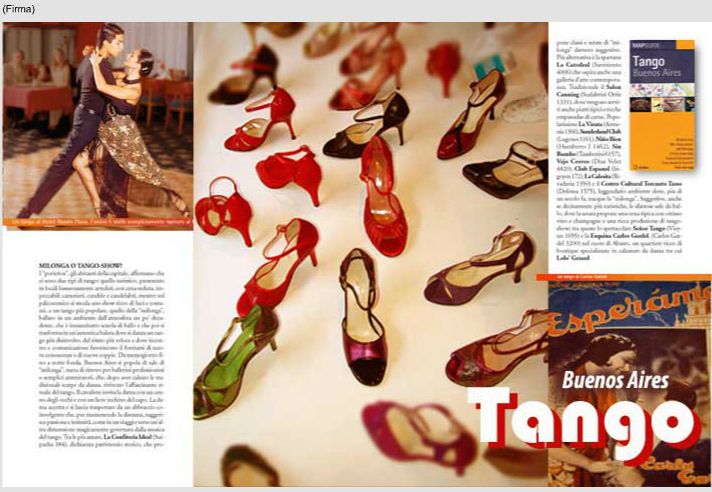
 Tango originated in Argentina in the late 1800s, invented by the creativity of the first immigrants, especially Italian and French, who sought an escape from hard daily life, to take refuge in music and dance. A new music, almost a fusion of European, American and black rhythms and sounds, but above all a new, bold and transgressive dance.
!t was danced in public housing, in the barrios of the suburbs, in cabarets called perigundines and in the infamous dance halls of San Telmo and Boca, where all the scandalous rules of the new dance were allowed: the sensuality of the embrace, the provocative intertwining of the legs and the bold words of the songs that told the sad reality of survival and the nostalgia for the distance from their land, but they exalted loyalty and brotherhood in adversity. Thus was born the tango, expression of body and mind for a free and intuitive choreography, destined to become part of the identity and culture of the Argentine people.
 Tango Fatal is an international tango company directed by Guillermo Berzins, a world-famous Argentine dancer and choreographer, who will involve us in the show Tango y Amor, together with his sensual dancer with great technical and interpretative ability of Marijana Tanasković.
The show, with a strong emotional impact, makes the sensual and mysterious atmospheres of Buenos Aires revive and live on stage, managing to maintain an abstract and suspended in time setting, always current and modern, where dance, the main and fundamental element, is blends harmoniously with the music played by excellent musicians directed by the concertmaster Oksana Peceny Dolenc. Interpreting the romantic and dramatic notes of the most famous tangos and combining the rhythms of different tango periods, the show Tango y Amor is a promise of irresistible seduction!
There will be a dance between men who challenge each other with a knife, the partner as a key character of the tango, the ancient way of dancing of the canyengue tango, without forgetting the contagious energy of Argentine folklore and its gauchos with bombos and boleadoras, up to get to the golden age and finally reach spectacular contemporary choreography crowned by the music of Astor Piazzolla.
TANGO FATAL COMPANY in TANGO Y AMOR
choreography and general direction Guillermo Berzins
Musical direction Oksana Peceny Dolenc
Dancers
Guillermo Berzins, Alessandro Cavallaro, Costanza Gruber, Diletta Milocco
Marcella Monaco, Marijana Tanasković, Martin Acosta Sponda, Saša Živković
Corazón de Tango Orchestra
Oksana Peceny Dolenc (musical director and violin) Andraz Frece (bandoneon)
Matic Dolenc (guitar) Aleksander Zivko (piano) Marko Tursic (double bass)
choreography and general direction Guillermo Berzins
Musical direction Oksana Peceny Dolenc
Dancers
Guillermo Berzins, Alessandro Cavallaro, Costanza Gruber, Diletta Milocco
Marcella Monaco, Marijana Tanasković, Martin Acosta Sponda, Saša Živković
Corazón de Tango Orchestra
Oksana Peceny Dolenc (musical director and violin) Andraz Frece (bandoneon)
Matic Dolenc (guitar) Aleksander Zivko (piano) Marko Tursic (double bass)
On Febryary 17, 2020 at 8.45 pm
Teatro Manzoni, Milan
Via Alessandro Manzoni, 42
 By Rossana Beccari





 CESARE ZUCCA
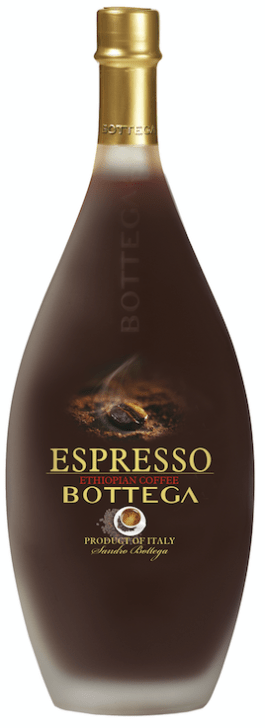 Coffee liqueur has a long history dating back to the times of the unification of Italy and has always met the taste of consumers.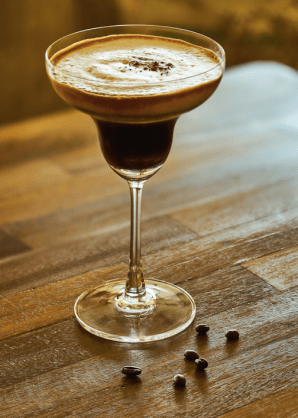
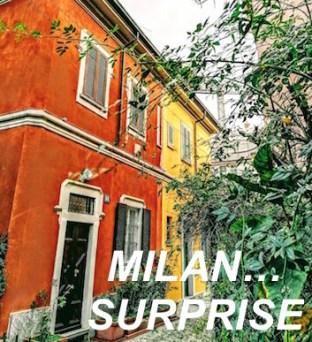
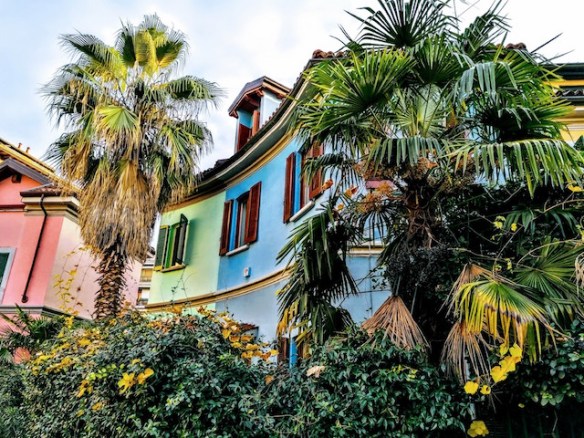

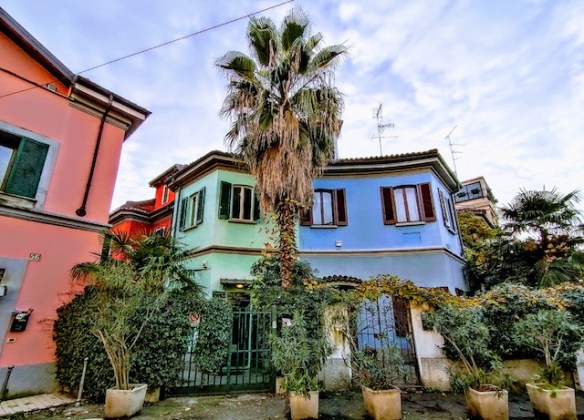
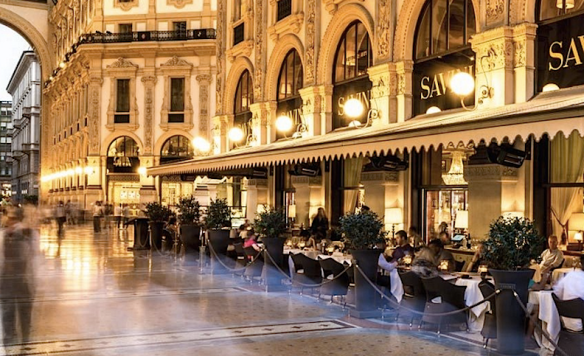
 Galleria Vittorio Emanuele II was inaugurated on December 31, 1877
 The success spanned the golden season of the Belle Epoque and the fabulous 1950s.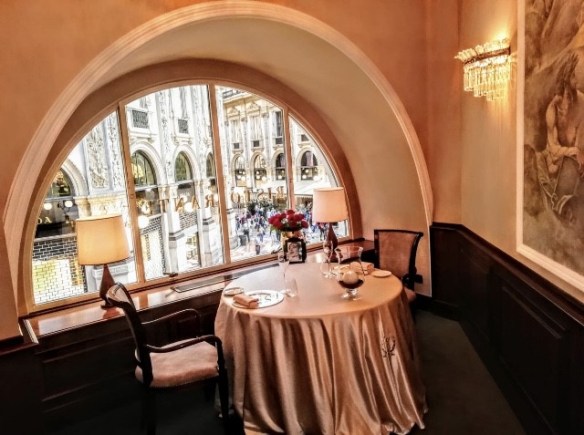



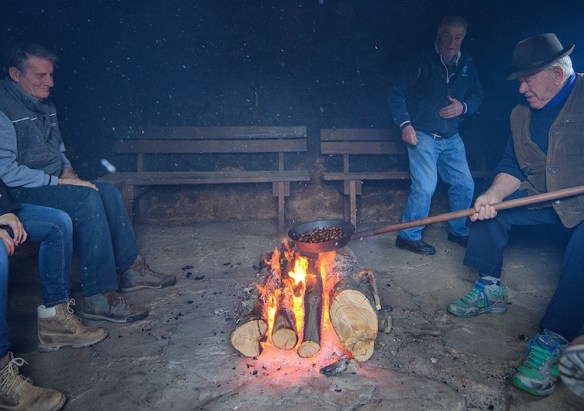 Three moments of the competition: the sensory analysis of the product, by a jury of experts; the tasting of competing flours with small samples produced by the restaurateurs of the Km Zero circuit; the revisiting of a traditional dish by a representative chef from the Apennines.
 on
on  CESARE ZUCCA

 On Jan 15th The Jimi Hendrix Revolution (Andrea Cervetto’s voice and guitar, accompanied by Alex Polifrone’s drums and Fausto Ciapica’s bass), will tribute Hendrix playing songs like Foxey Lady, Purple Haze and Hey Joe.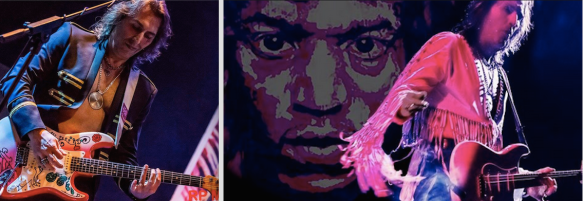





 see full article



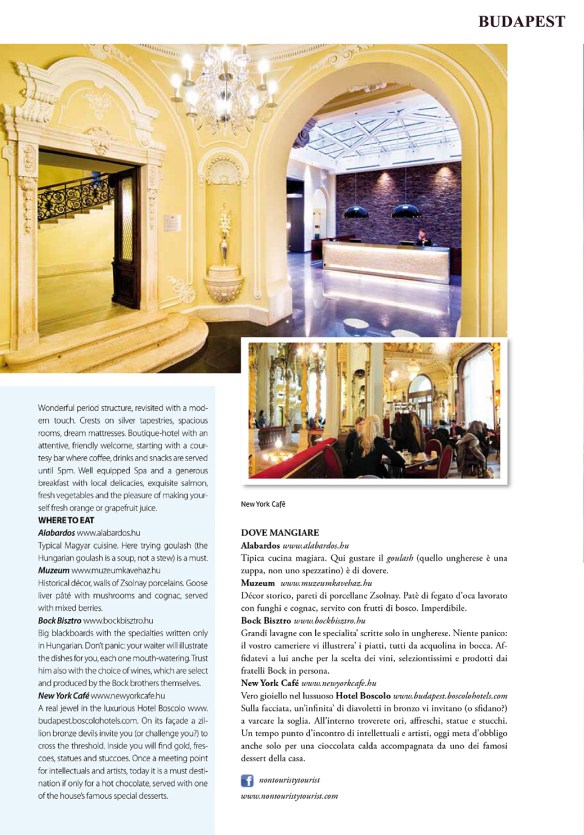

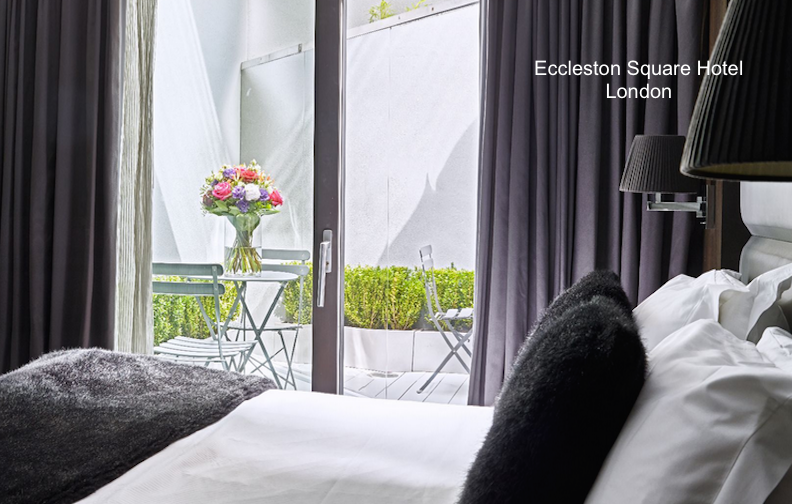
 BOUTIQUE HOTEL CASA ANGELINA, AMALFI COAST
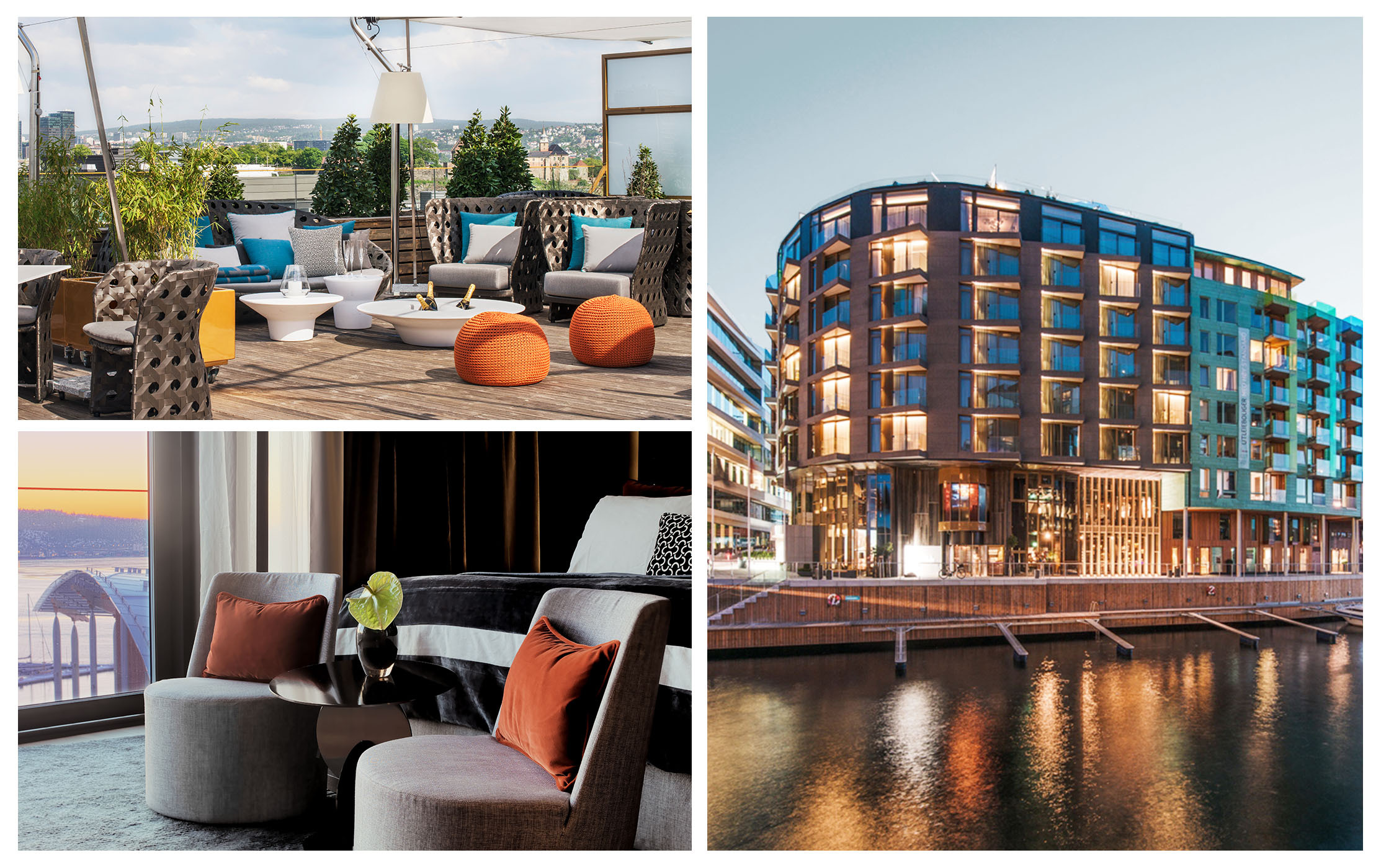
 INTERCONTINENTAL HOTEL Phnom Penh


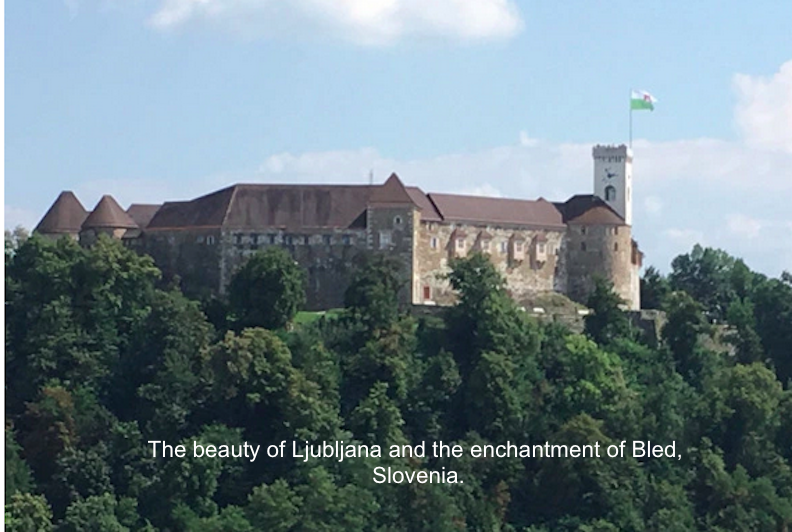
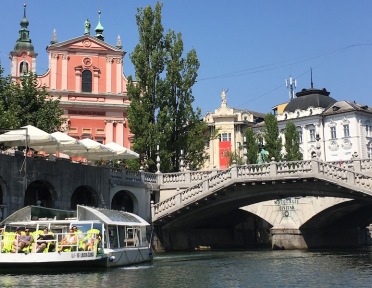

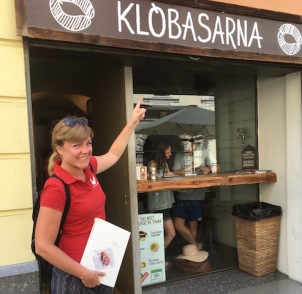
 You just don’t realize how lucky you were when your join the guided 3,30-hour food tour organized by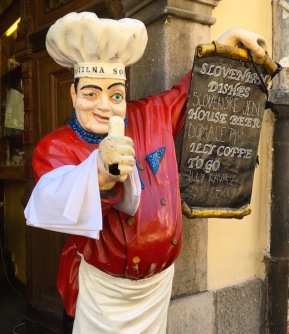
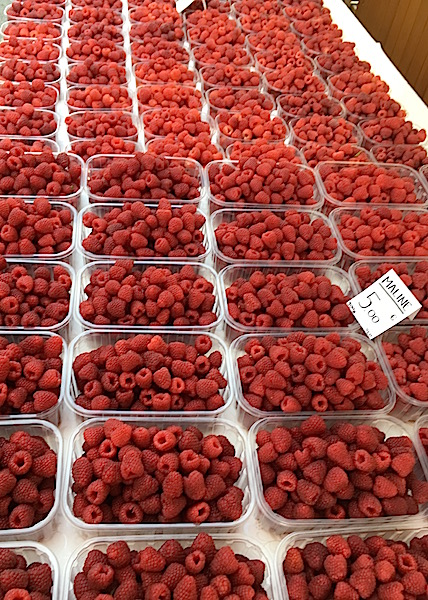
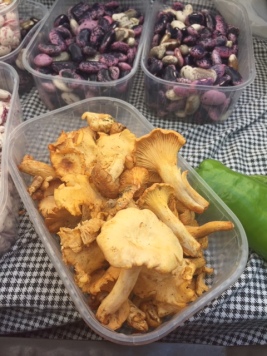

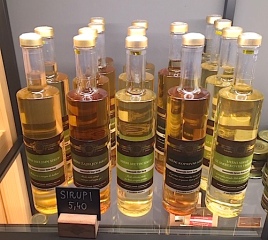

 I won’t be going in the detail of all the things tasted, either in gastronomic shops or in restaurants… I want you to go and experience it for yourself. Besides beef tongue, fried chicken, honey (Slovenia is Europe’s largest producer per capita), my heart will go for this humble dish of mashed potatoes with sautéed onions and bits of bacon that we tasted at a very special restaurant, Druga Violina, where all the members of the staff suffer from some form of disability or another. It felt really good to contribute to this effort to support the community and, let’s be frank, it also tasted soooo good, just by itself.
  With influences coming from all neighboring countries (Italy, Austria, Hungry and Croatia), tucked between sea, plains, forests and mountains, the small country of Slovenia is rich of diversity and, if this three-hour tour cannot cover everything, it sure serves as the best introduction one can hope to taste in this timeframe!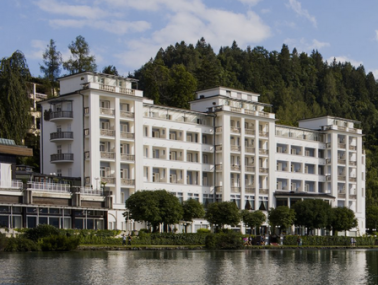
 Slovenia. Bled, about an hour North of the capital Ljubljana to the North-West of Slovenia. Rather than the town it is the beautiful lake that gives the name Bled, famous among the European elite as early as the 1930’s with the construction of a luxurious hotel providing natural hot spring source knowned for health benefits.I am talking of the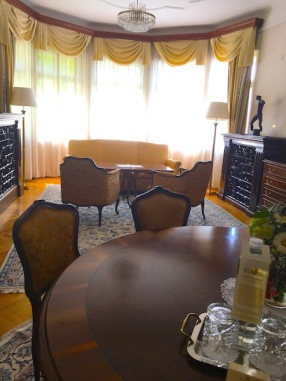
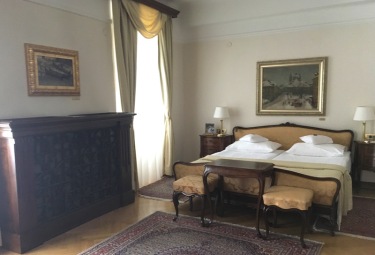
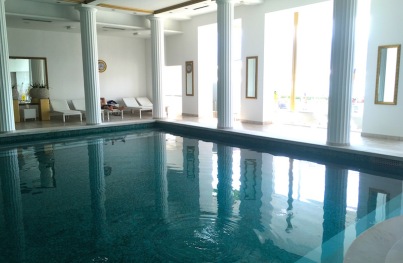
 Starting from the impeccable reception. the hotel boasts luxurious accommodation, few restaurant, a bar and the enchantment of Lake Bled. All rooms and suites are individually decorated in an enchanting and traditional style, lavishly equipped with an excellent range of facilities, a relaxing thermal swimming pool and benefit from different saunas, wellness services and a solarium among a private lido,
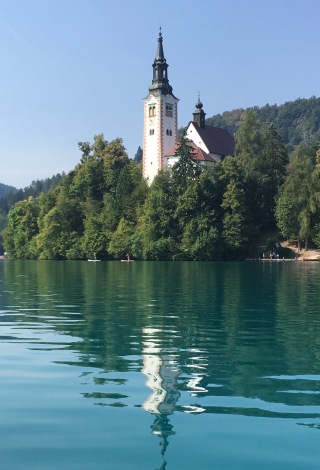
 where Philip (expert swimmer) dived in the limpid lake water while me (lazy man…) was indulging in a relaxing sunbathing. We dedicated the morning ( when the light is best) to row to the island where the minuscule baroque chapel.I was anxious to hear the bells rings, because I knew about the legend wich narrates that around the year 1500, the leaseholder of Lake Bled at the time, Hartman Kreigh, disappeared. People said he was killed. Sad for the events, the Lady of the Castle collected all of her precious golden jewellery to be melted down and casted into a bell for the chapel on the island of the Lake, so that the bell would toll in remembrance of beloved companion. They say the bell has a magic power, when it rings, you should make 3 wishes and wait for them to become real. We did 99 steps and finally we arrived at the church, where the view is really breathtaking and, yes, we waited for the bell… Not sure my wishes are becoming a reality, we ll see….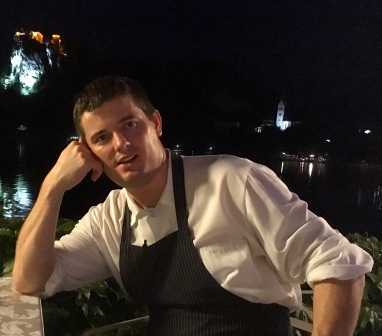
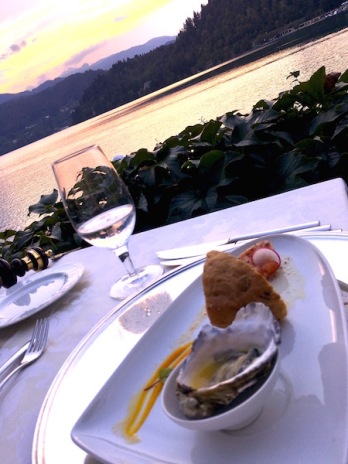
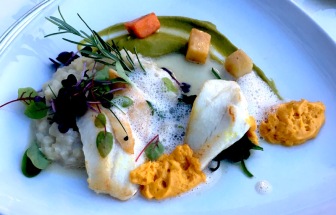
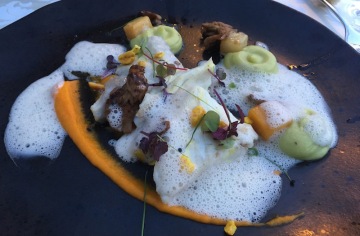
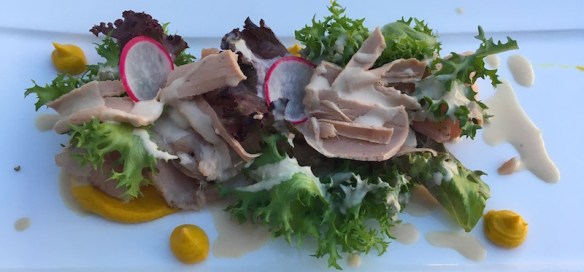
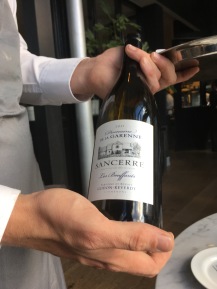
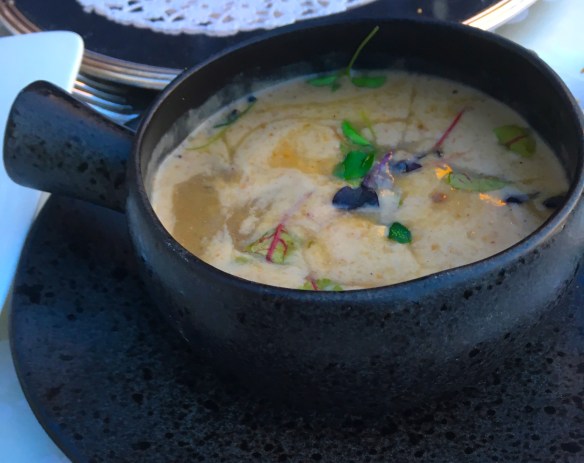 Fresh too was the vitello tonnato inspired salad, bright and lively. Here, as in all the great restaurants experienced in Slovenia, the wine list paid homage to the country’s fine wines, such as the 2017Verus Chardonnay from Stajerska, the western part of the Podravje region in the North of the country.
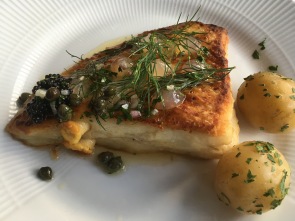
 At last a chardonnay that can showcase both concentration of flavors and freshness in the palate with a mere 13° alcohol content.The shining fish course was a thick and moist turbot filet, perfectly cooked and adorned by a beautiful composition of vegetables and foamy grapefruit sauce. Here again: classic base and modern composition. Though generous, nothing was heavy, and the beautiful matured saddle of veal served pink with a herb crust was still welcome.
  Chef Simon Bertoncelj, who has worked under the commands of Gordon Ramsey, seems rather poised and discreet, but if you really want to find out, he opens his kitchen to a guest table of 2 to 6 people for a 7-course menu cooked and served, right before their eyes…and ears!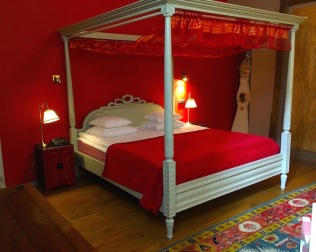
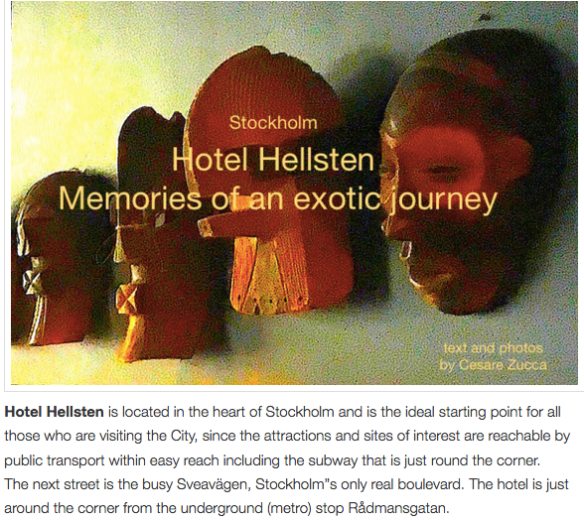
 Hotel Hellsten is located in the heart of Stockholm and is the ideal starting point for all those who are visiting the City, since the attractions and sites of interest are reachable by public transport within easy reach including the subway that is just round the corner.
 The locality is one of the most exciting in Stockholm, with a multitude of different restaurants within a few minutes walking distance. It is also a short walk from Gamla Stan, Stockholm’s historic and beautiful old town. I loved the area, and the next busy street Sveavägen, so alive and full of restaurants, shops and…barbers & haidressers,don’t ask me why, but very useful…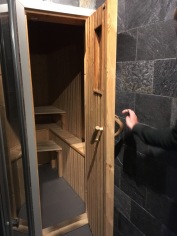
 Every Thursday Hellsten Earth Bar transforms into one of Stockholm’s premier jazz venues. Exciting live acts on stage at 8pm and on the last Thursday of each month you are welcome to jam with the band, just bring your instruments or vocals, and the entrance is free..
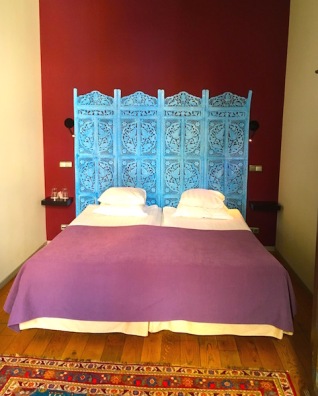
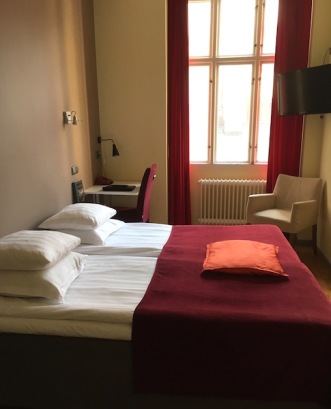
 Comfy beds and an excellent breakfast buffet that included pancakes, cold cuts, cheeses, eggs, lots of fruits and the traditional Swedish meatballs and served in a sunny and spacious veranda.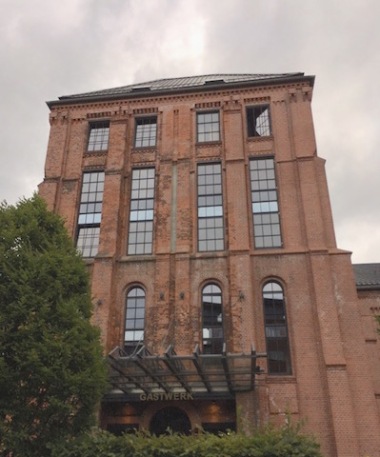
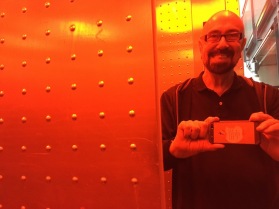
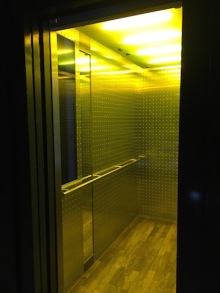
 The building welcomed me with a large hall with a wide, meticulously well lighted reception and two unforgettable metal elevators, one red and one yellow lighted. The industrial adventure was already starting…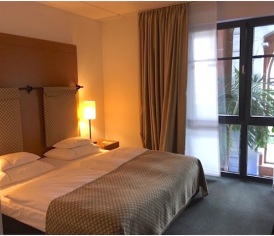
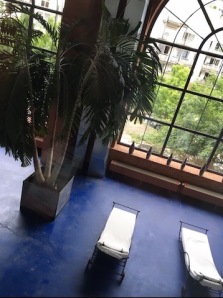
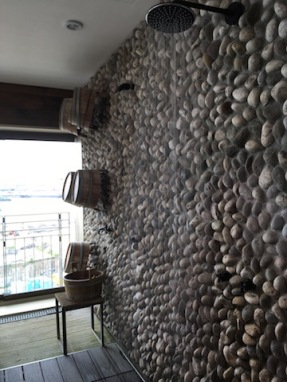
 In addition to that Gastwerk boasts a configurable conference area, the Mangold restaurant (I didn’t dine there, so no idea of the food) the L.BAR, the beautiful SPA, free parking spaces in front of the hotel and underground.
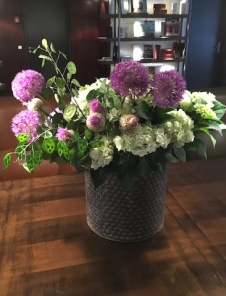
 Here and there you’ll discover classy touches of fresh flowers, old black and white pictures, original gas machines, and a splendid old water boiler.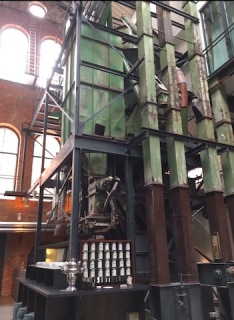
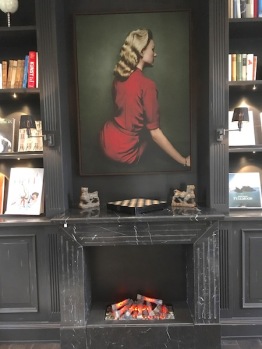
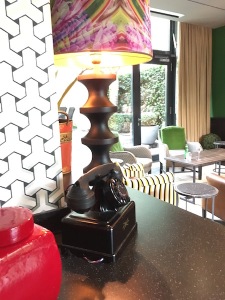
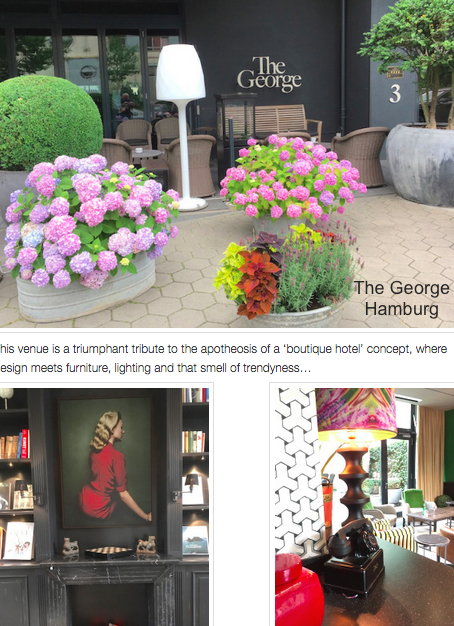
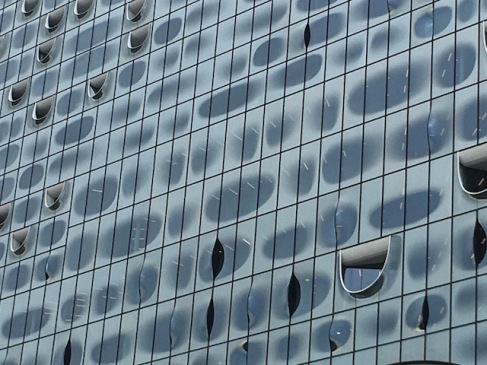
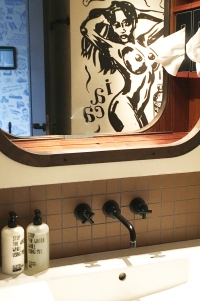
 This venue is a triumphant tribute to the apotheosis of a ‘boutique hotel’ concept, where design meets furniture, lighting and that smell of trendyness…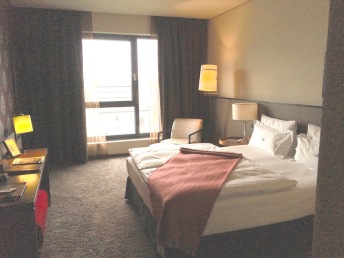
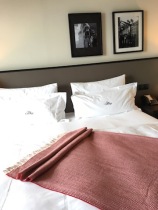
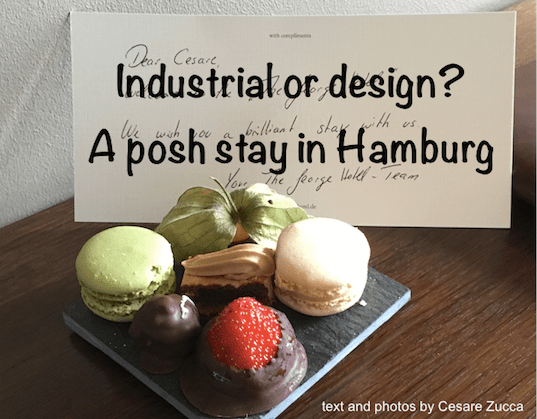
 This reinterpretation of English style in Hamburg results in rooms swathed in warm colors ranging from cocoa to Champagne, lamps with delightful pleated shades and stylish wallpaper in a variety of designs. Super comfy mattresses, a nice view of the Lake Alster, not to mention that sweet & cute ‘Welcome Cesare’…
  The George Hotel is a four-pearl property flush with a Great-Britain-in-the-’60s design, with 125 stylish rooms that all have flat-screen TVs, minibars, and free weight, a party-vibe bar, the supercool rooftop Campari Lounge in the terrace with a spectacular view of the Alster,
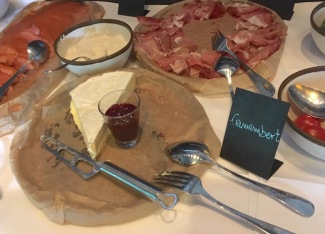
  a defined breakfast buffet that included a fine selection of cold cuts, imported cheeses, fruits and vegetables, and…
 Here info











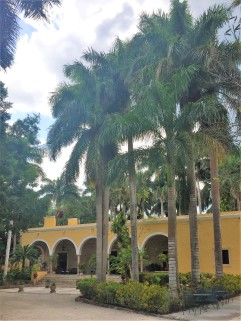
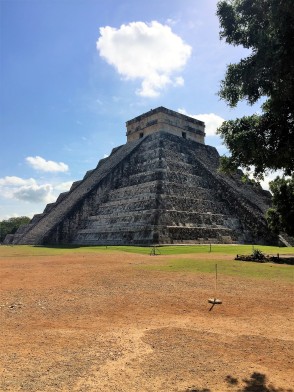
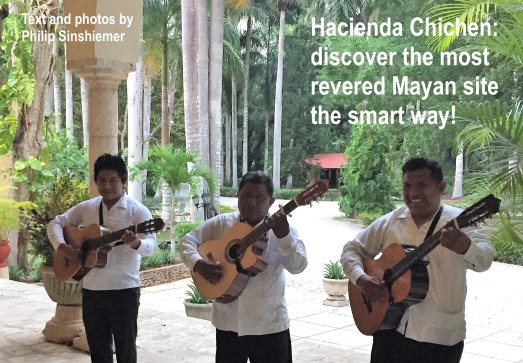 Chichen Itza, located inland of the Yucatan Peninsula, about 200 km East of Cancun, is one of the most visited archaeological sites in Mexico with over 2.6 million tourists in 2017.
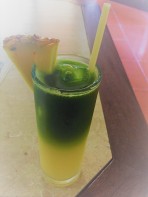
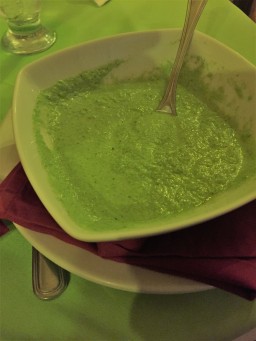
 That’s on average over 7000 visitors a day. Even though the site is not limited to the iconic Kukulcàn pyramid (photo 1) and covers a very large area (over 300 hectares), that is a lot of human flesh roaming around! Especialy when one considers that the most popular way to visit the Unesco world heritage site is via tour operators organizing day trips from Cancun or Merida, creating a huge influx of fully loaded buses arriving around 11 AM or so every day. Arriving with the sun at its hottest among hordes of tourists had always been a deterring idea to me. I had sacrificed the visit of wholly site during my passed 3 visits of Yucatan, favoring the ruins of Tulum and Cuba, less crowded and still awesome examples of the might and splendor of the Mayan civilization. For this fourth visit this last spring, I was determined to visit the legendary Chichen Itza in the best way possible. Staying overnight at the Hacienda Chichen revealed to be the smartest answer possible. Smart because by staying overnight in this historic hotel located a few hundred feet from the archeological site enables to start exploring the grounds as early as 8 AM, before the arrival of the crowds. Smart, because the hotel combines genuine elegance and great service while respecting authenticity and ecological responsibility. Follow me, let me show you the way…When I arrived from Tulum around noon at the Chichen Itza bus terminal, I was left at the main entrance of the site in one of the largest parking lots I have ever seen: hundreds of buses still unloading their loads of tourists from every continent. The line to the ticket booth was long, the heat dreadful. Instead of joining the frenzy, I hopped in a cab and 10 minutes later, I was discovering the old-world charm of the Hacienda Chichen. The check in was a breeze and the welcoming cocktail made of pineapple and Chaya leaf juice refreshing as heaven (pic 3). I was later to learn that it had been freshly made from the organic garden of the property, providing a lot of the fruits, vegetables and herbs used by the kitchen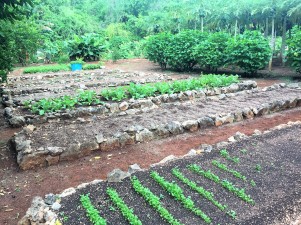

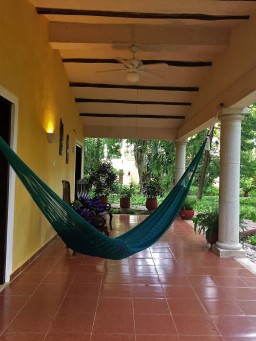
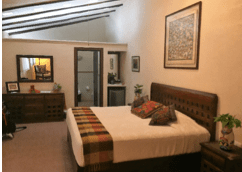
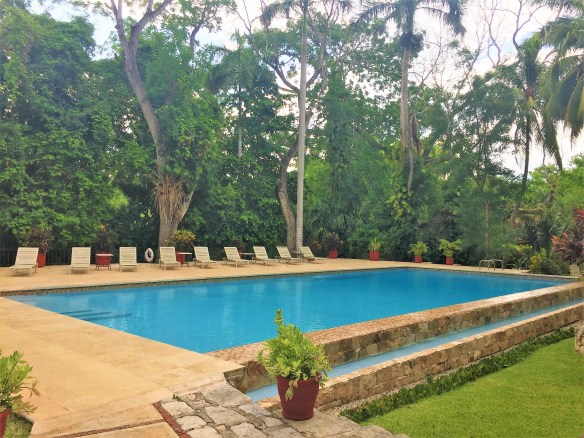
 I loved the fact that the room was very large, not one of those cubicles where on feels locked up. The outside garden was present in the room with the use of various herbs and plants, including a refreshing aloe vera jelly applied on the face.Totally relaxed, I finished the afternoon by lingering by the superb swimming pool, large and square as I like them to do laps at length.
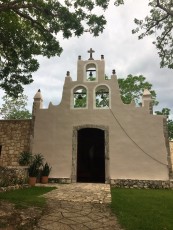
  .Recycled and chemical-free water added a guilt free sensation to the overall pleasure. Time went by and before I knew it was time to meet the general manager for a grand tour of the property, including the restored church where weddings can be organized, surrounded by the beautifully maintained vegetation).
 As well as discovering the sacred cenote (sinkhole) and the perfectly aligned columns without the eye sore of groups of tourists ruining the geometry of the monuments.
 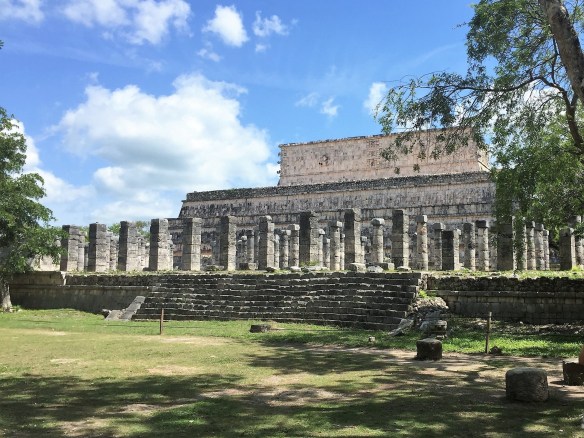 After three hours of walking at my own pace, I went back to the Hacienda, walking against the growing flow of visitors and the solicitations of the souvenir vendors, they were in full swing mode, trying to sell their T-shirts and miniature statues probably made in China!




 After the aerial acrobatics, I finally relaxed in the
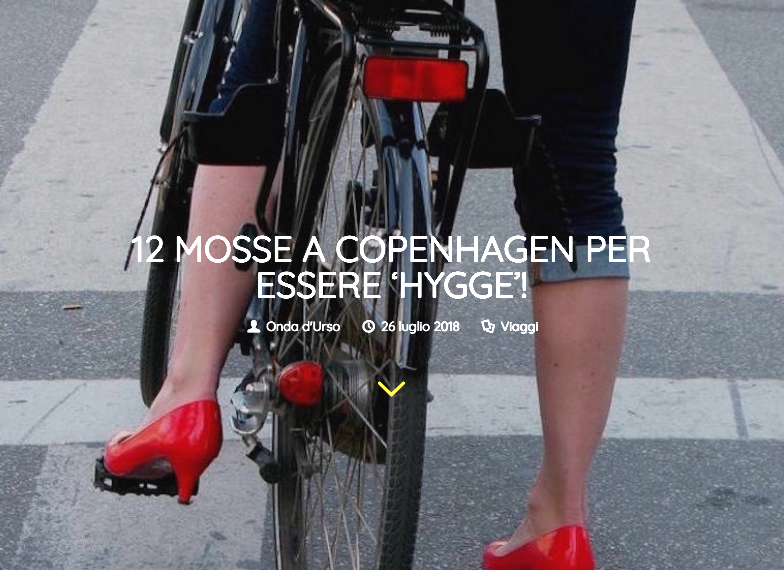
  Copenhagen history boasts of royalties and magnificent castles,Here my favorites
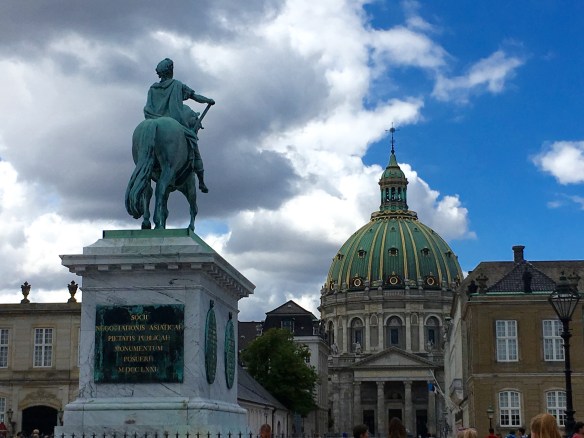 Experience royal history at the museum and sense the present of one of the world’s oldest monarchies from the beautiful palace square where you can watch the changing of its famous guards called Den Kongelige Livgarde. Every day you can experience the changing of the guards, as they march from their barracks in 100 Gothersgade by Rosenborg Castle through the streets of Copenhagen and end up at Amalienborg, where the changing of the guard takes place at 12:00 noon.
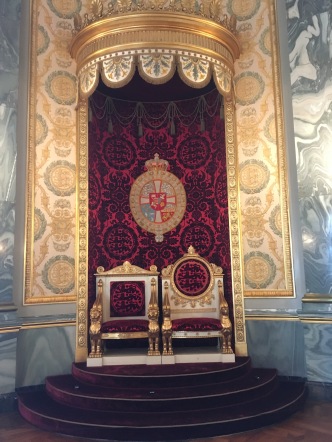
 These impressive royal rooms host the official receptions in the presence of the Queen, between a sparkle of uniforms and great evening gowns. Better to avoid arriving by car or taxi, the protocol prefers that the guests present themselves in a carriage…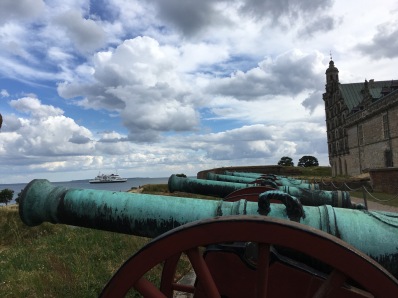
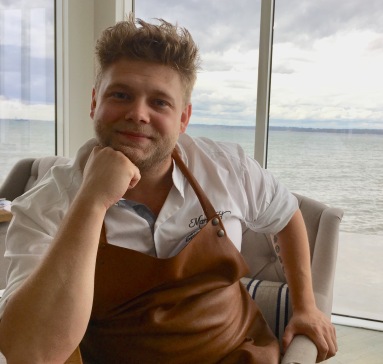
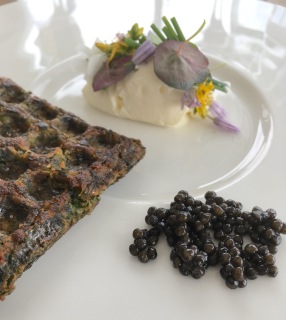

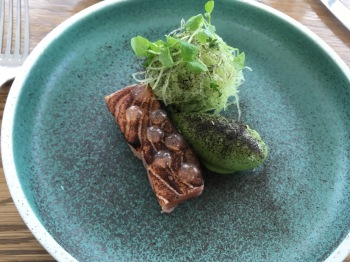
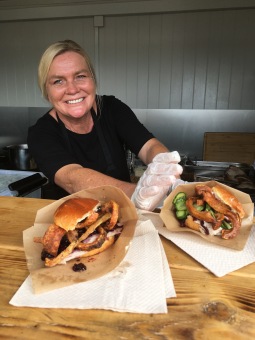
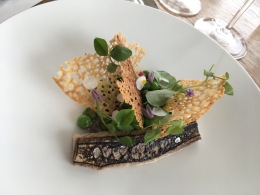
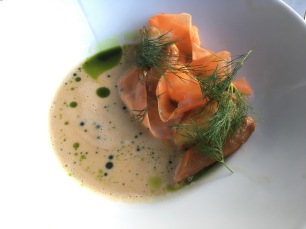
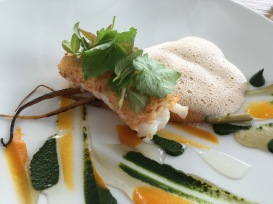 Every dish was so intense, so fresh and so herbal.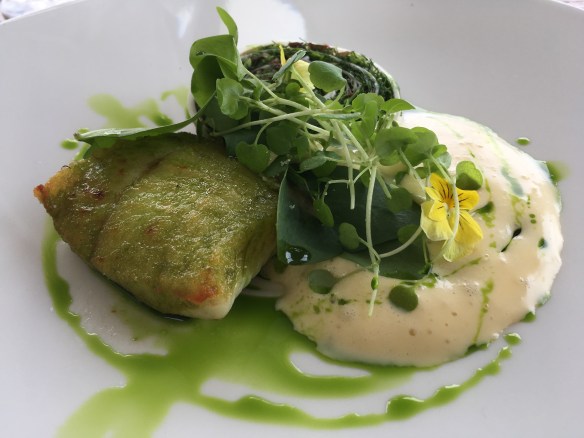
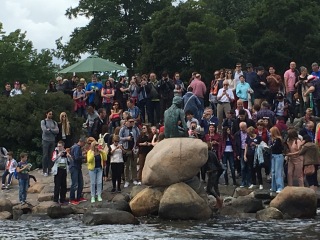
 for more info
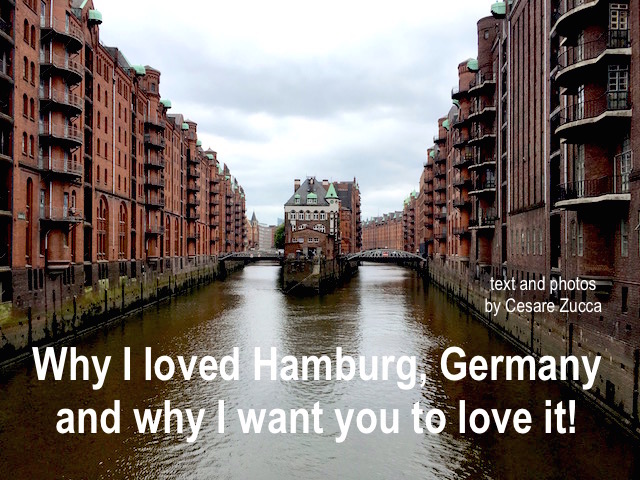
 I started my Hamburg experience with an avalanche of photos and selfies on board of the







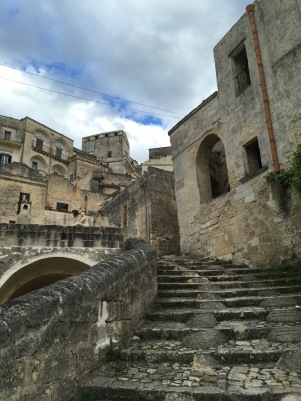

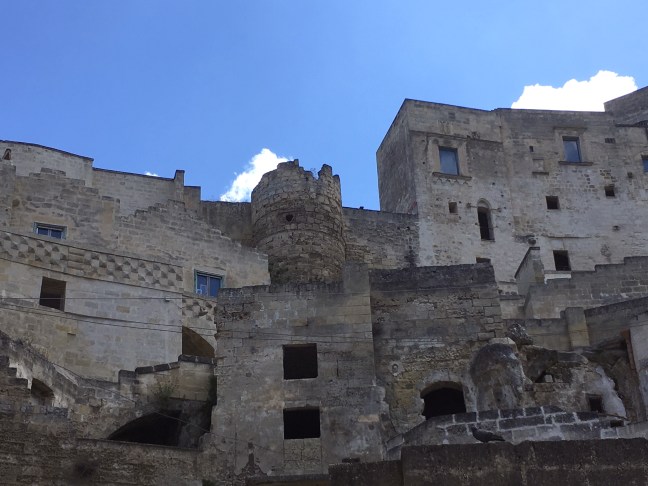 In the caves often lived more families and despite the lack of space, almost all daily activities took place in the cavities of cave-houses: from handicrafts to weaving, from food storage to animal care (dogs, chicken, pigs, horses and donkeys were living with the family as primitive source of heating). The temperature was constant and guaranteed by the characteristics of the sea tufo , so the inhabitants did not suffer too much from the cold in winter and found a shelter from summer heat. This way of life for years has been seen as a sign of backwardness and incivility. The inhabitants of the Sassi were often considered as primitives living like animals. In 1952 Sassi
  Its amazing scenario has been used s a set for Mel Gibson “The Passion” Pier Paolo Pasolini “The Gospel According to Matthew “King David”, Christ The Lord: Out of Egypt “, and the remake of “Ben-Hur “.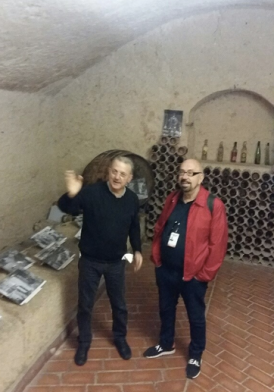
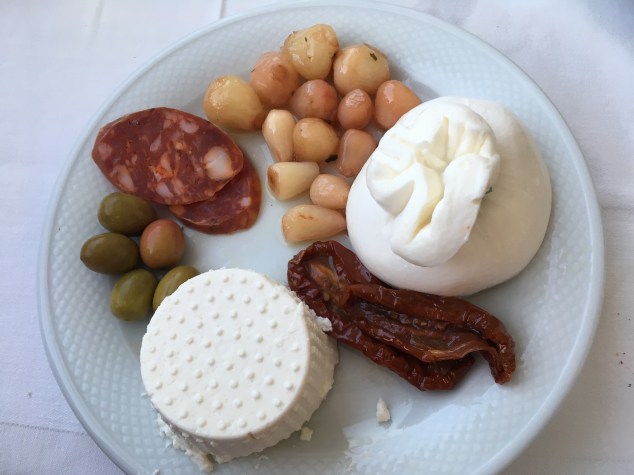
 Matera is also well now for its cooking tradition, a classic example of Italian peasant cuisine, using free ingredients combined with a fair amount of labor and know-how to turn an odd edible food into a delectable dish.
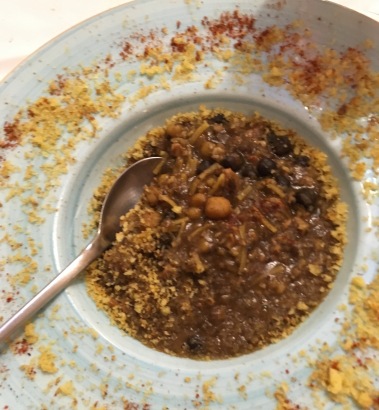
 ‘This place used to be a cantina, told me Eustachio, just wine, no food.So people used to cook it at home and take it here, all wrapped up in paper tto keep it warm, then tear the bag and eat it paired with a nice glass of wine.Then came the crapiata a soup of different legumes, cereals and potatoes typical of the Basilicata cuisine of rural tradition, prepared in great quantity every year on the first day of August in the district La Martella, close to the cultivated fields and served to the inhabitants. Eustachio took me downstairs, to the 17 century cellar, which incorporates the typical architecture of the Sassi and was refurbished to retrace moments of daily life of the peasant life,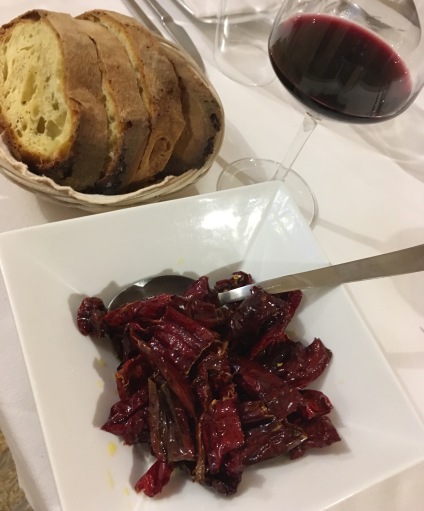

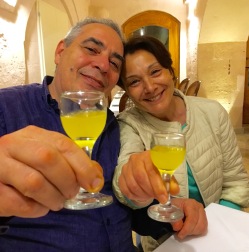

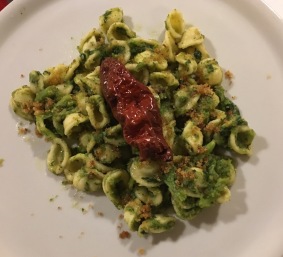


 Da Mario is know for its pizza. I tried a baby Margherita, perfectly cooked. ‘I love my town, peaceful and quiet, I run the restaurant a cosy BnB called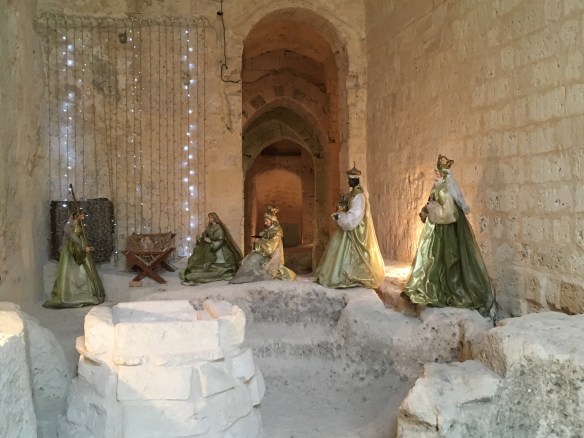



 see full article




 Other engagements include the Chamber Music Society of Trieste, as well as appearances in many US cities including Cincinnati, Baltimore, El Paso, and internationally in Milan, Lucca, Lugano (Switzerland), Dubai (UAE), Mexico City, Paunat (France) and tours of China, Taiwan and Japan. Violinist Brad Repp has appeared as violin soloist with José Carreras. He performs on a 1736 Testore violin. Aldo Gentileschi performs on whatever piano he can find.After having sold out in Tokyo, Salzburg, Mexico City and Washington,
 CONdivertimentoCERTO finally returns to Milan to open the Harmonies and Sounds of the Spazio Teatro No’hma exhibition.
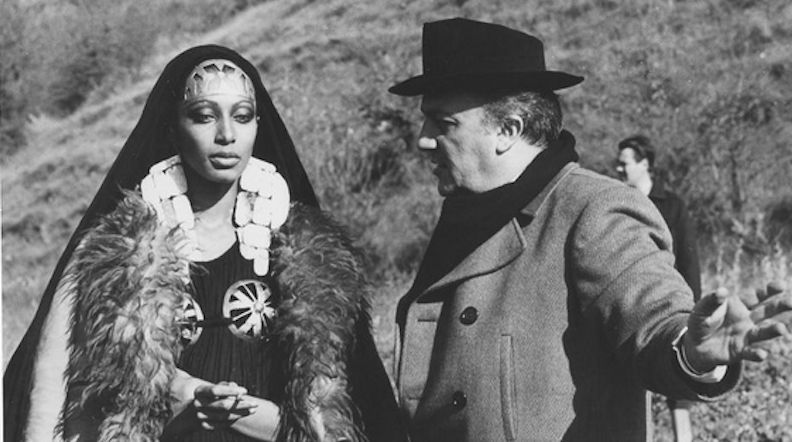
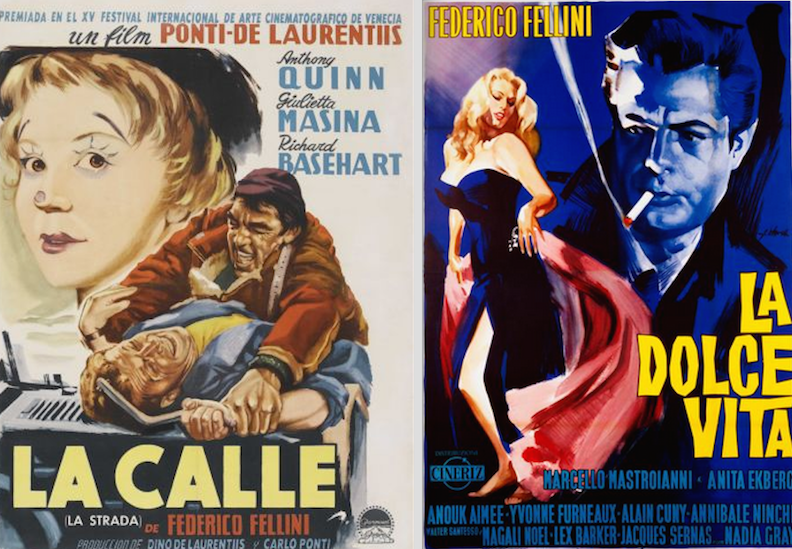
 Do you remember Federico? fA rich proposal that wants to celebrate not only the director but also the man who talks about himself without masks. To this end, the festival offers its most famous and exclusive documentaries in which Fellini tells about himself and his poetics, capable of revolutionizing Italian cinema and making it famous internationally.

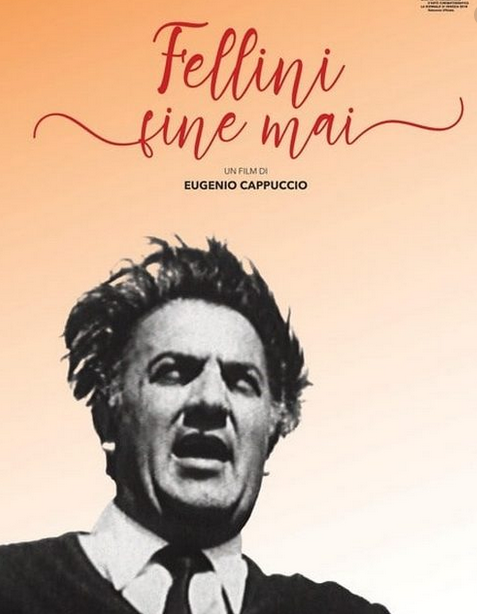
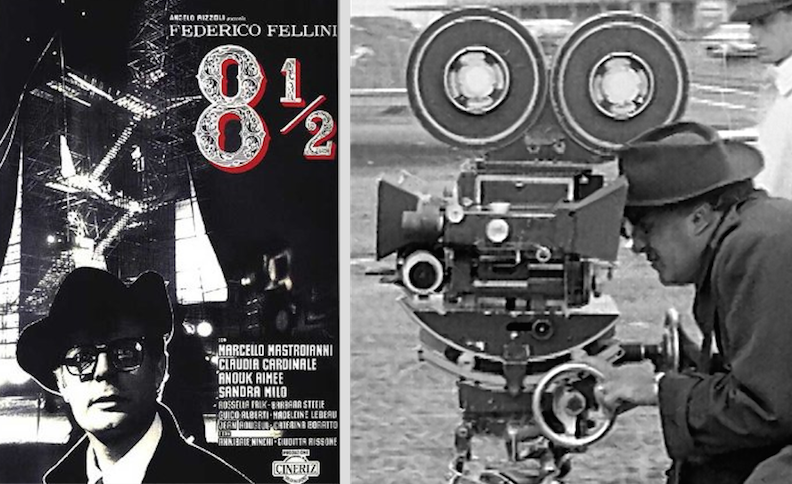




 It will be a show beyond every boundary and barrier, a kind of a ” theater outside the theater” that it will create an

 CESARE ZUCCA
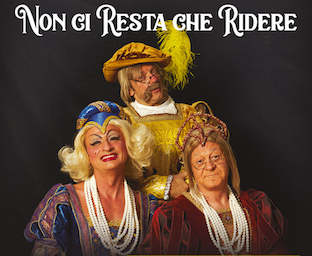 The theatrical company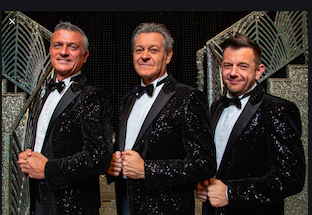
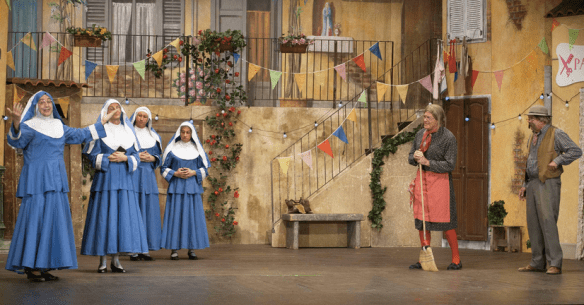 The courts are celebrating the feast of Sant Ambrogio. Teresa with the help of friends and nuns, is preparing a festive re-act of the Passion, featuring Mabilia in the roule of the Virgin Mary “Just call her Mary, forget the Virgin” suggests Teresa.During the
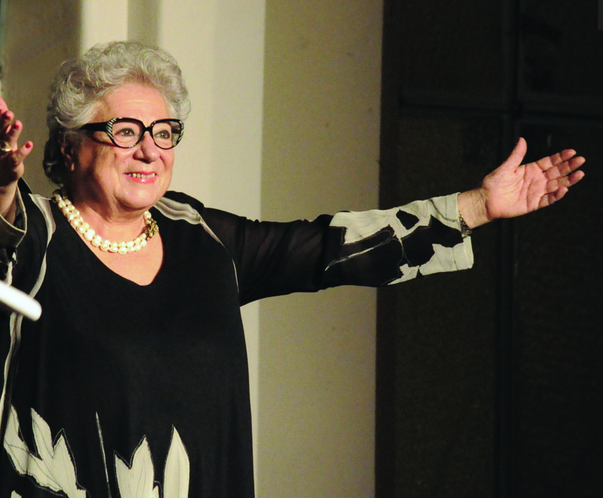
  This company brings to the stage the stories, customs and traditions of Lombardy but is widely appreciated outside Lombardy, thanks to the modernization of the original texts , the usage of more of an Italian text and the choice of universal themes such as the family, the economic crisis, the neighborly relations and of course their love-hate relationship.Finally, Mabilia offers some great musical numbers, first with a tribute to the iconic italian musical diva Wanda Osiris, then as a flamboyant Cuban singer sourrended by colorfull young dancers, while in the grand finale: all actors show up as “men” in ” elegant tuxedos.
 Year 2020
 Followed by a long tour in many Italian cities
 CESARE ZUCCA
 BY CESARE ZUCCA


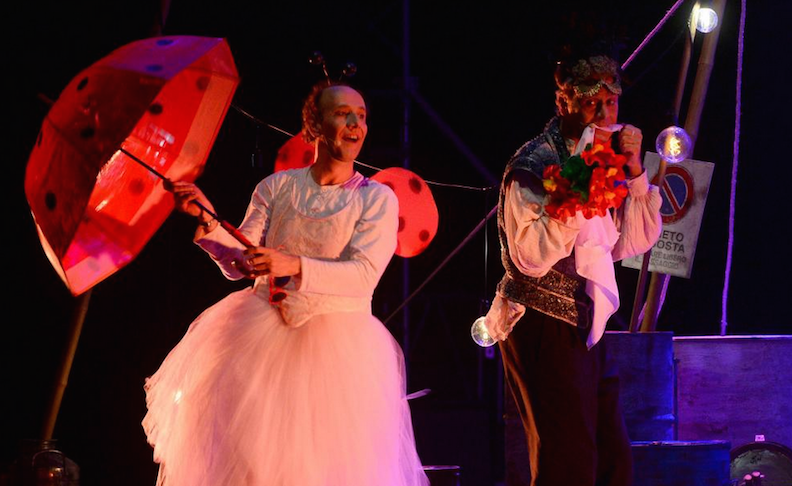 On the stage they put into play all their ability to have fun and have fun, but the result is unexpected. The rough Ale is a moving Juliet, as tender and naive as you’d expect from a young girl while the handsome Romeo, Franz is impetuous as expected from his character as a young lover.


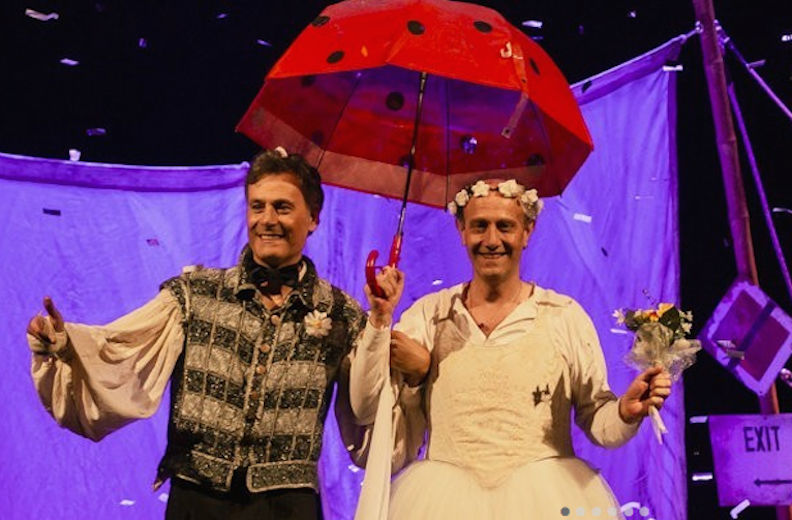 I have the feeling that most of the audience. as fans of the comic duo, got pretty disappointed to see their fav comedians acting like Shakespearean actors or at least Shakespeare amateurs. The laughs were few and anxiously expected.
 TEXT AND PHOTOS BY CESARE ZUCCA


 Benevento gained the reputation of a city difficult to conquer: even the Franks and Charlemagne himself had to stop at its borders. In 1077 Henry III ceded the city and the entire area to the Church, which held power until the unification of Italy.
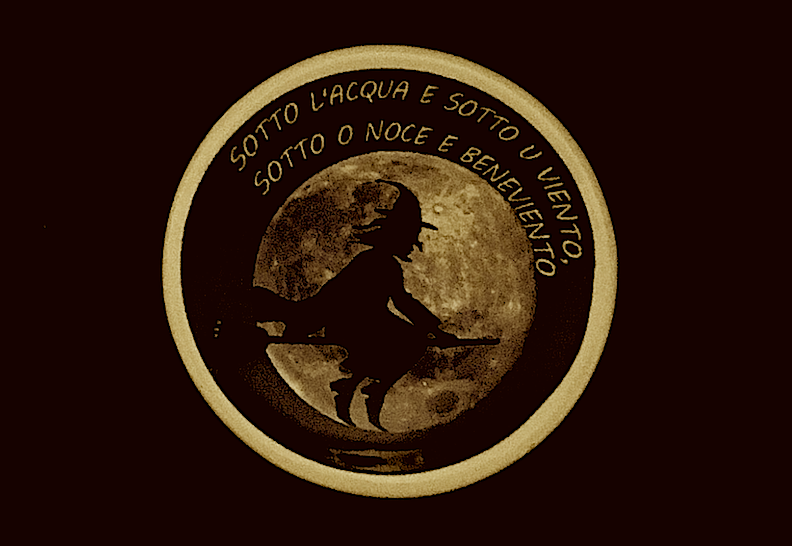
 These were women who possessed the knowledge of the occult and magical rites, such as invoices and the evil eye, capable of ruining life. According to tradition, in fact, it was necessary to place an upside-down millet broom or a bag with grains of salt in front of the door, counting which the witch would have lingered until dawn, when the light, her bitter enemy, would have forced her to flee away, leaving the inhabitants of that house or that room in particular in peace.
 T
T
 .
.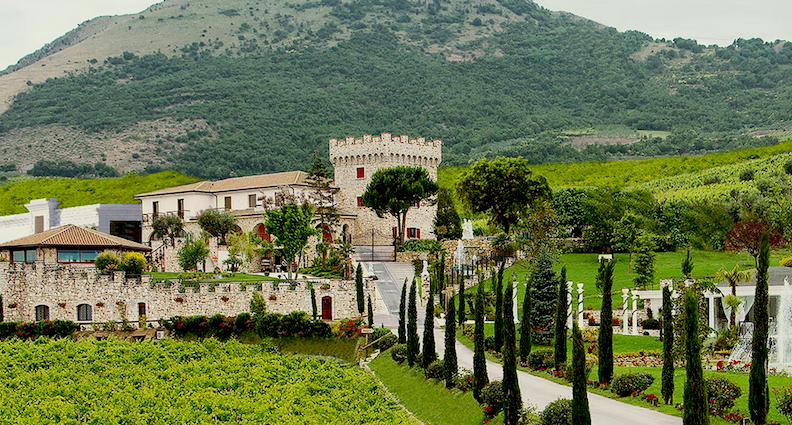 the slopes are a succession of vineyards, woods and small clearings, which only in the last hours of the day the Monte Taburno profile subtracts light and heat.

 The barrel vaults, that dominate the area destined to accommodate the aging of wine, entirely coated in terracotta bricks and partially dug into the tuff, bring us closer to an idea of the cellar to those who were the old “cellai” of rural farms, that is, those places that were intended to keep as much wine as food.
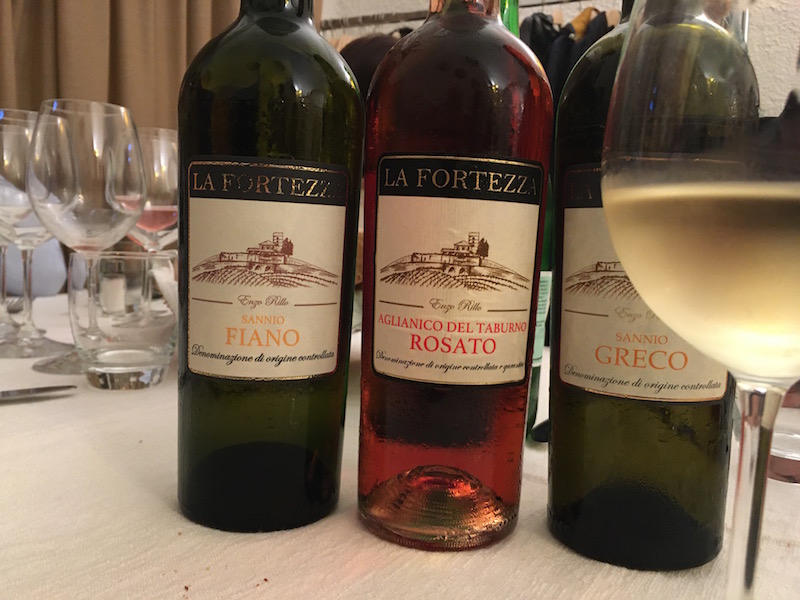
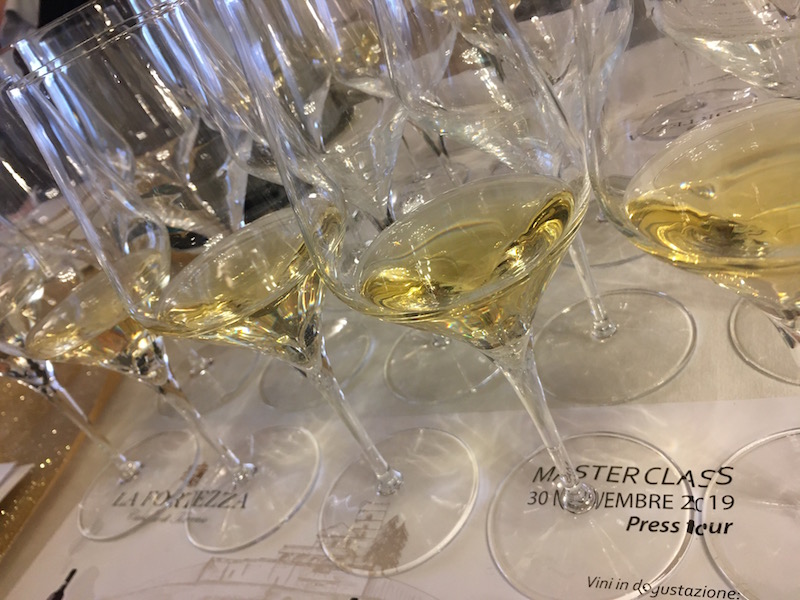
 Here La Fortezza’s grape varieties:

 both excellent choice if you are having a local great dish with baccalà (salted codfish) a remarkable specialty of this territory, which I had the pleasure to taste at a typical restaurant Trattoria Nunzia, in Benevento.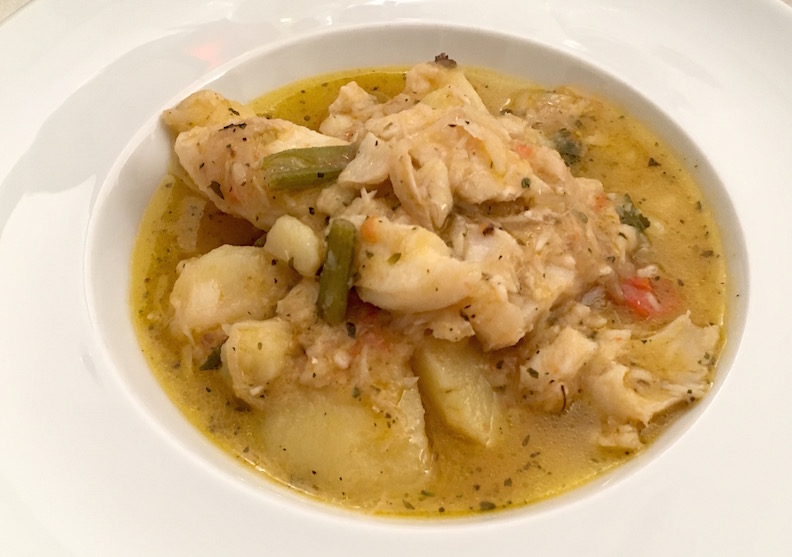






 from the Royal Palace of Genoa,

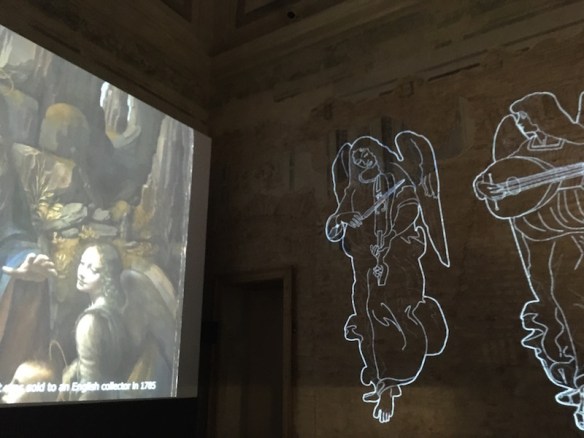
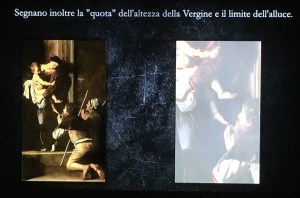
 Milan. Its people and visitors are patiently queuing for a show rendered unique not only because it will present to the public works from the leading Italian museums and equally important museums abroad, but also by the fact that Caravaggio’s canvases will be flanked by their respective X-radiographic images





 Forty four years have gone by since Escher’s death, still today his art doesn’t show any sign of dating. He turns geometric research and rigour into the purest visionary aesthetics, combines a range of different languages into a new and intriguing itinerary that represents a one off in the history of art across all ages and continues to thrill the wider public.
 A super exhibit of the one of a kind artist who used to say that “Wonder is the salt of the earth”, is greatly hosted by the Palazzo Reale in Milan till January 22th, 2017.
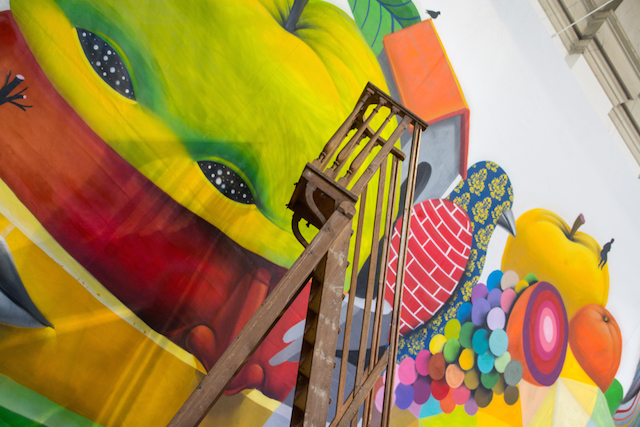

 At the
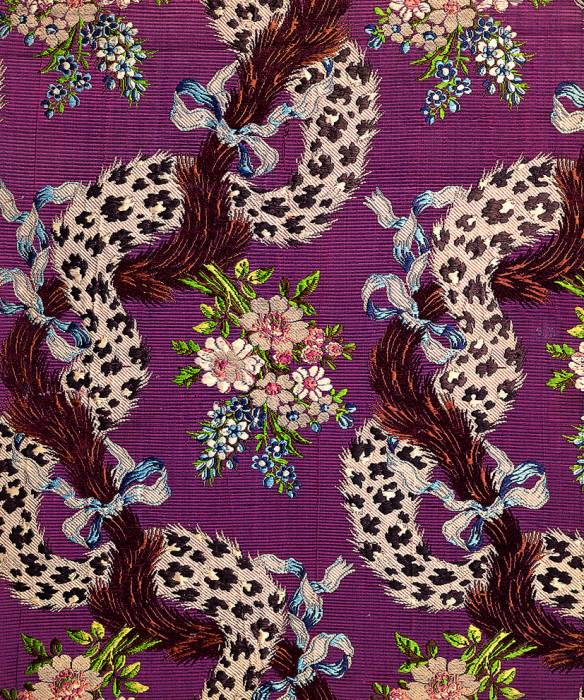
 Here you will find a luxurious display of embroideries, silks, brocades, and lampasses from 1600, when new nations were discovered and new costumes images and stories were imported to Europe.Porcelains, paintings of landscapes, and the new profession of the fabric painter starting from the vagary of remembering antique historical ruins to portraits either official or private.France launched and updated this elaborate fashion, stating different styles, from bizarre to dentelle, to the beautiful drawings of Jean Revel, a major figure in Lyonnaise silk from the 18th century and a pioneer of the French style, who carried his innovative style beyond the courts of Versailles and Paris.
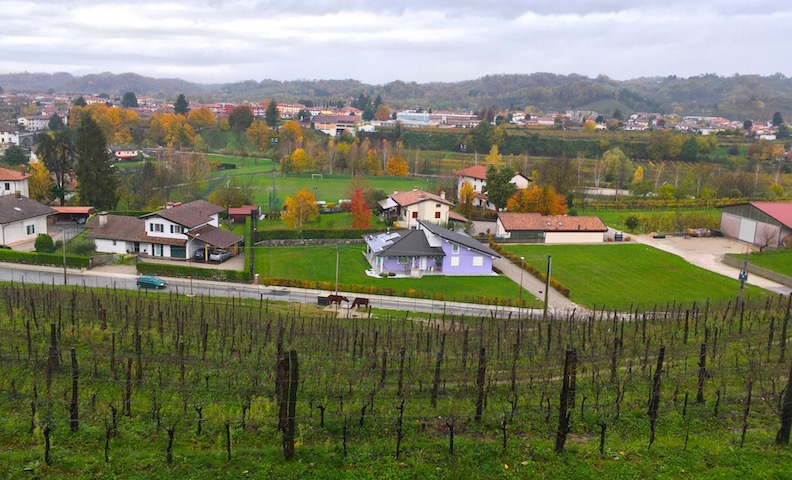
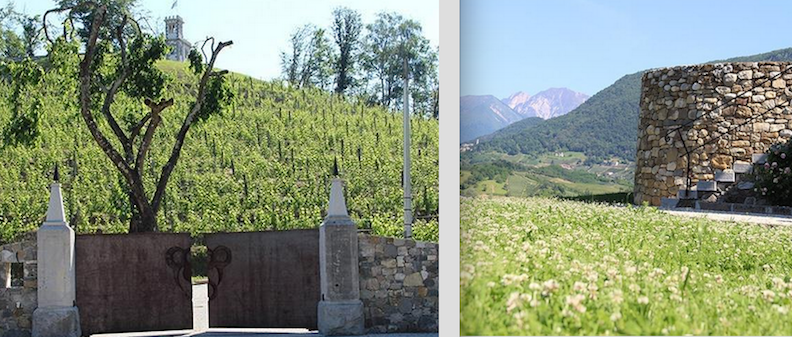
 Today the Gori winery produces between 60 and 70 thousand bottles, with a yield of 50 quintals per hectare, a precise choice that favors quality and makes the product iconic. Maximum care and attention are in fact dedicated to all the processing phases, such as the harvest, which is carried out manually in 20kg crates and the selection of the grapes, carried out with soft destemming on the sorting table.
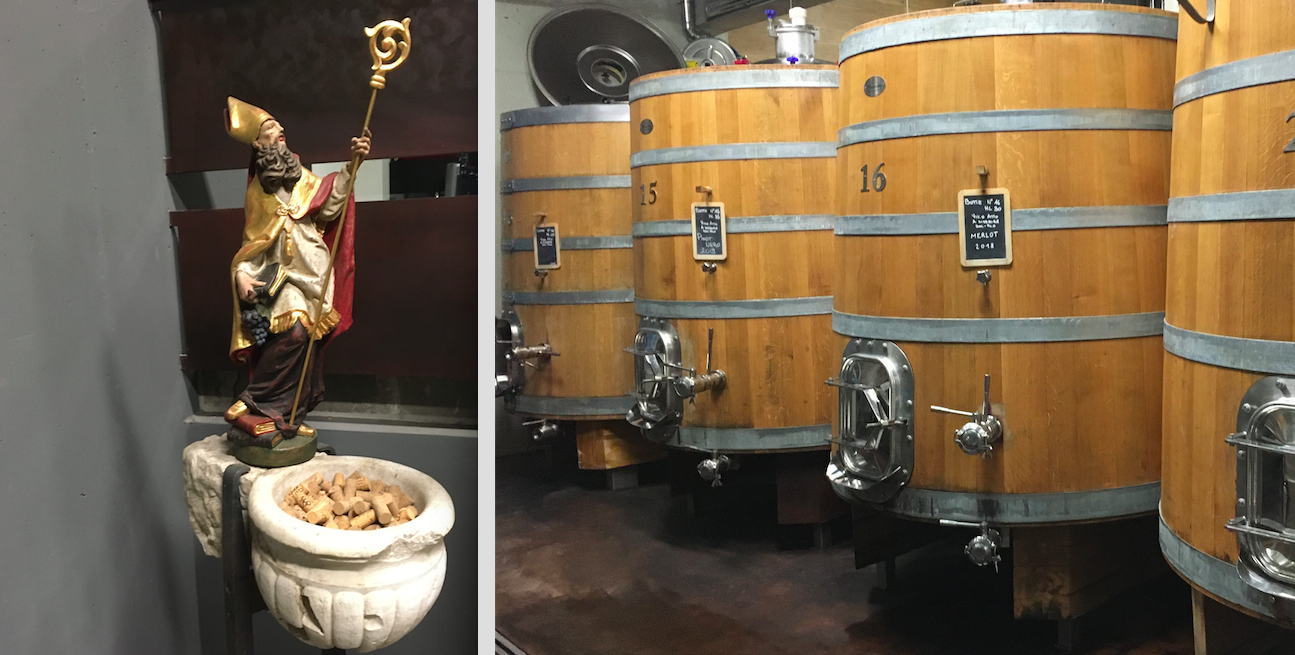 A good and healthy wine, which is born in harmony and with respect for the environment. If from the beginning the company has never used herbicides and has only carried out treatments based on copper and sulfur, 2019 will be a special year, that of achieving a great objective pursued consistently, the first certified organic harvest.
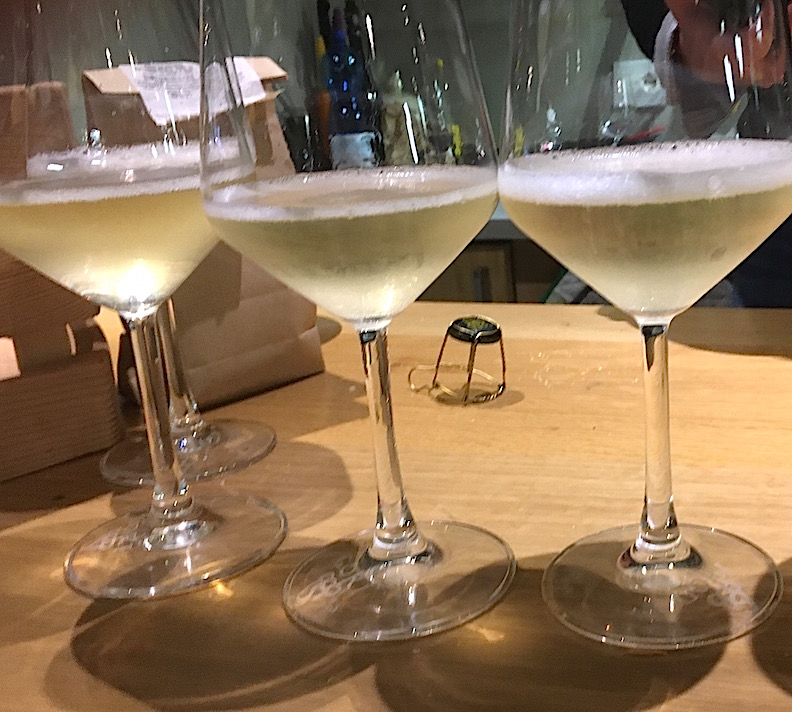
  The result of so much effort combined with an extraordinary competence is the excellent range of Gori wines: Nemas I, elegant and complex Pinot Nero; the Friulanissimo Refosco dal Peduncolo Rosso that gives its best on these hills, the blend of Schioppetino, Refosco and Merlot dedicated to the father of Giampiero Gori; a Merlot, the most produced and consumed wine in Friuli; wide and the Schioppettino.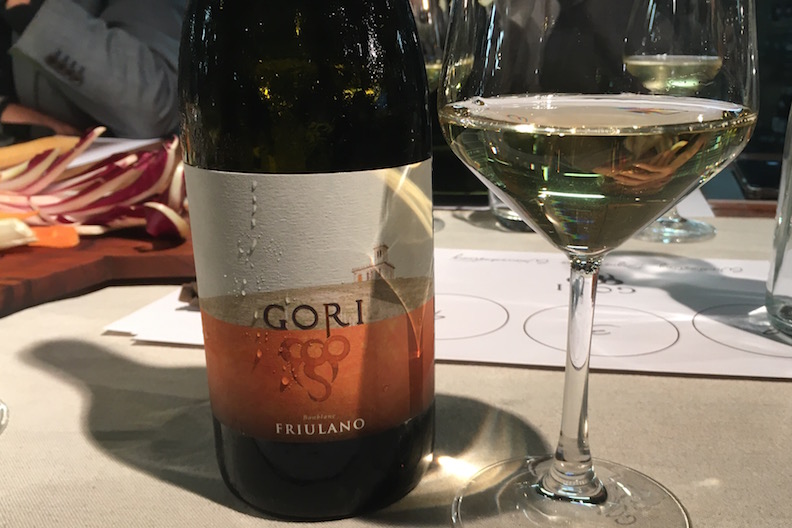

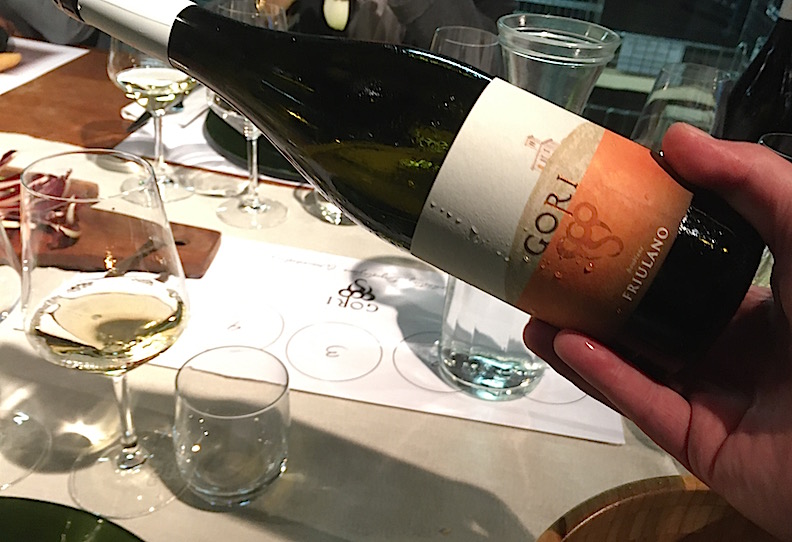 Sauvignon, also in this case an international grape variety which, thanks to the frequent daily temperature changes and to the fresh and dry soil, enhances its characteristics.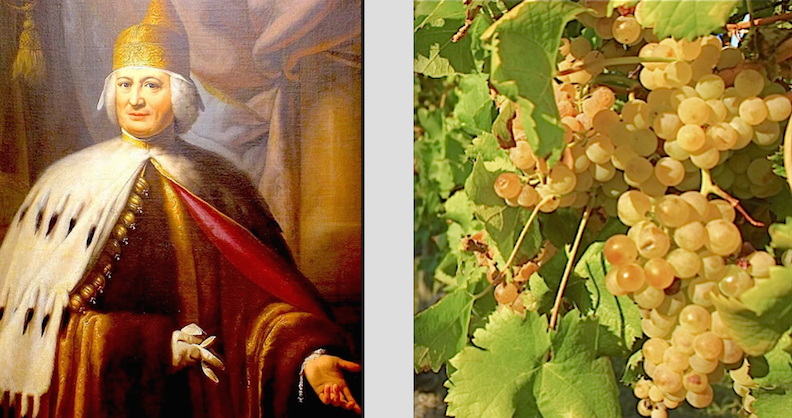
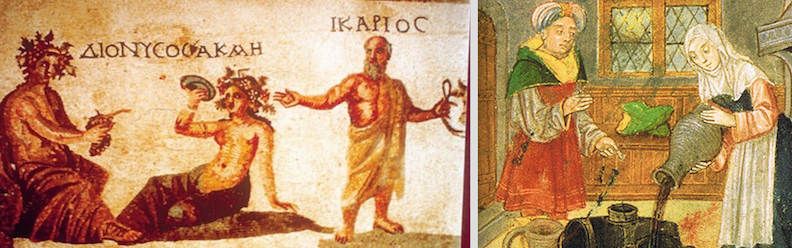
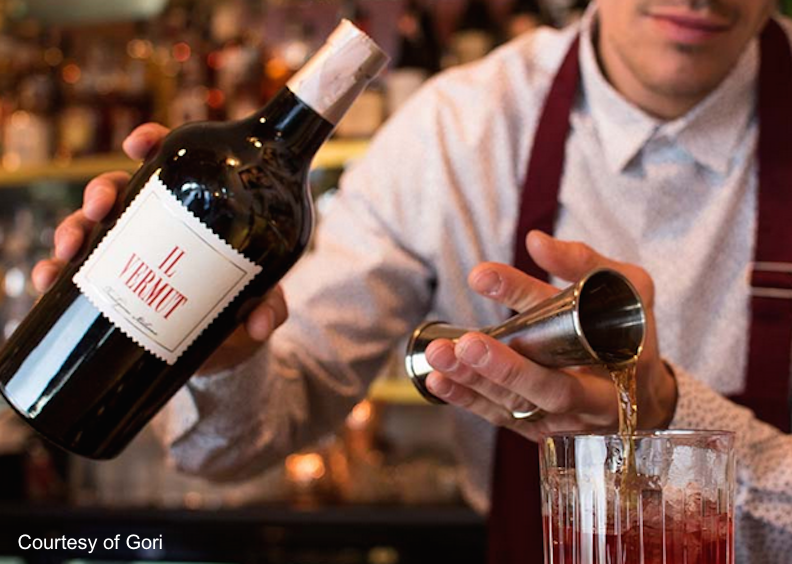
 The stainless steel containers and on the lower floor, excavated inside the hill, the wooden barrels are optimal and help red wines in their ripening phase, respecting their typicality and taste. Furthermore the use of refrigeration allows to obtain long and not tumultuous fermentations: in this way the wine retains the aromas and the aromas that the grape has obtained during the maturation, making the use of chemical products superfluous.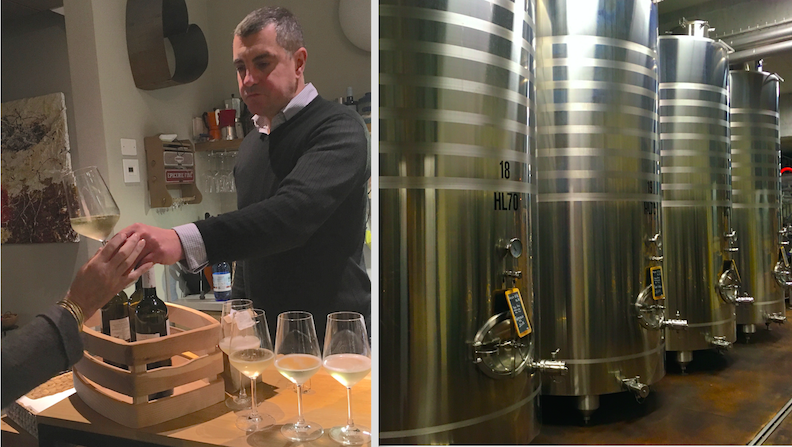



 INFO
INFO CESARE
  Hello non-touristy-tourists friends!
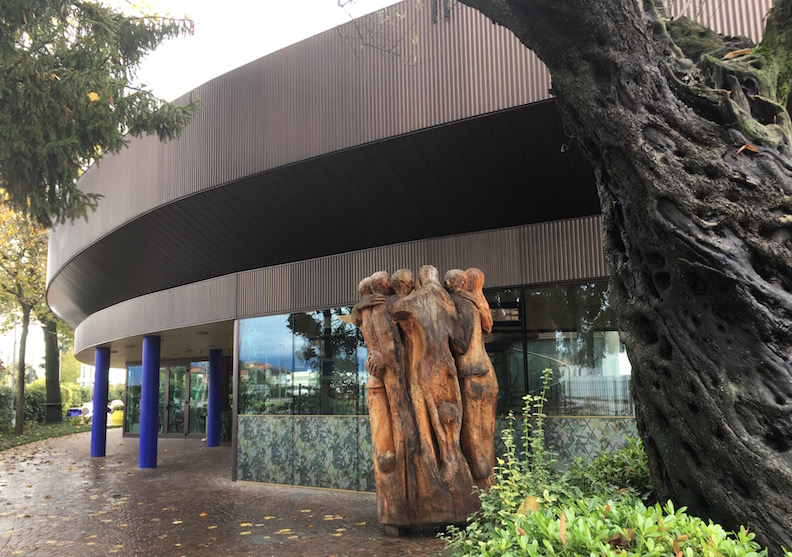 The trademark “Là di Moret” is a real guarantee – also confirmed by the prestigious awards obtained over the years, first of all the numerous Best of Alpe Adria Awards – which it is renewed daily not only in the kitchen of “Il Fogolar” but also means welcoming 360 ° to involve gourmets and all guests, all travelers who want to be pampered by the comfort of
  the 86 rooms and take advantage of the high international standards of services the hotel – at the forefront those dedicated to women and noteworthy for the excellence and flexibility those dedicated to business customers and the world of MICE – and to experience the beauty and wellness paths of the Blu Moret SPA.


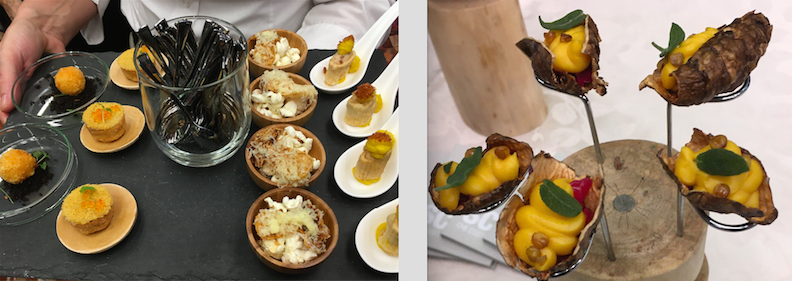


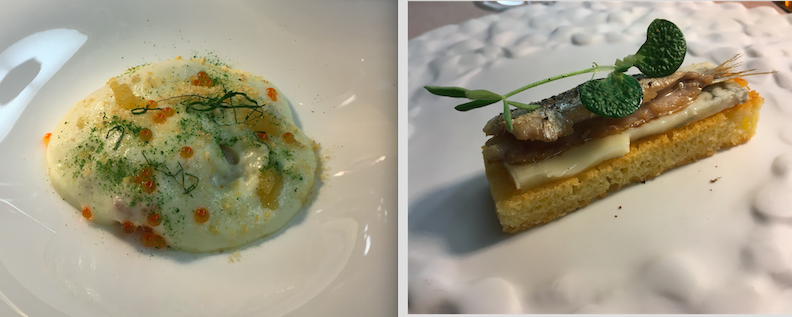
 The sadness of the devastation of his land – thousands of hectares of destroyed forests, on the ground over a million cubic meters of timber – has also touched this chef who has been leading for years what can be defined as the symbol of history, culture and values of tradition and hospitality of Friuli Venezia Giulia. But it is precisely the strong and poignant link to its territory, which meant that Stefano Basello was immediately activated to preserve, and in a certain sense revive, the beauty of these places and the essence of the trees exterminated by the fury of rain and wind .

 After all, the flours obtained from internal bark of trees or roots were produced once, when the farmers used them to feed themselves as they were very nutritious and rich from an organoleptic point of view (which is why they are also called “subsistence”) .For this bread, characterized by a very good and very special aroma, it is also used mother yeast, with the addition of 20% of white or red firs, or lichens.



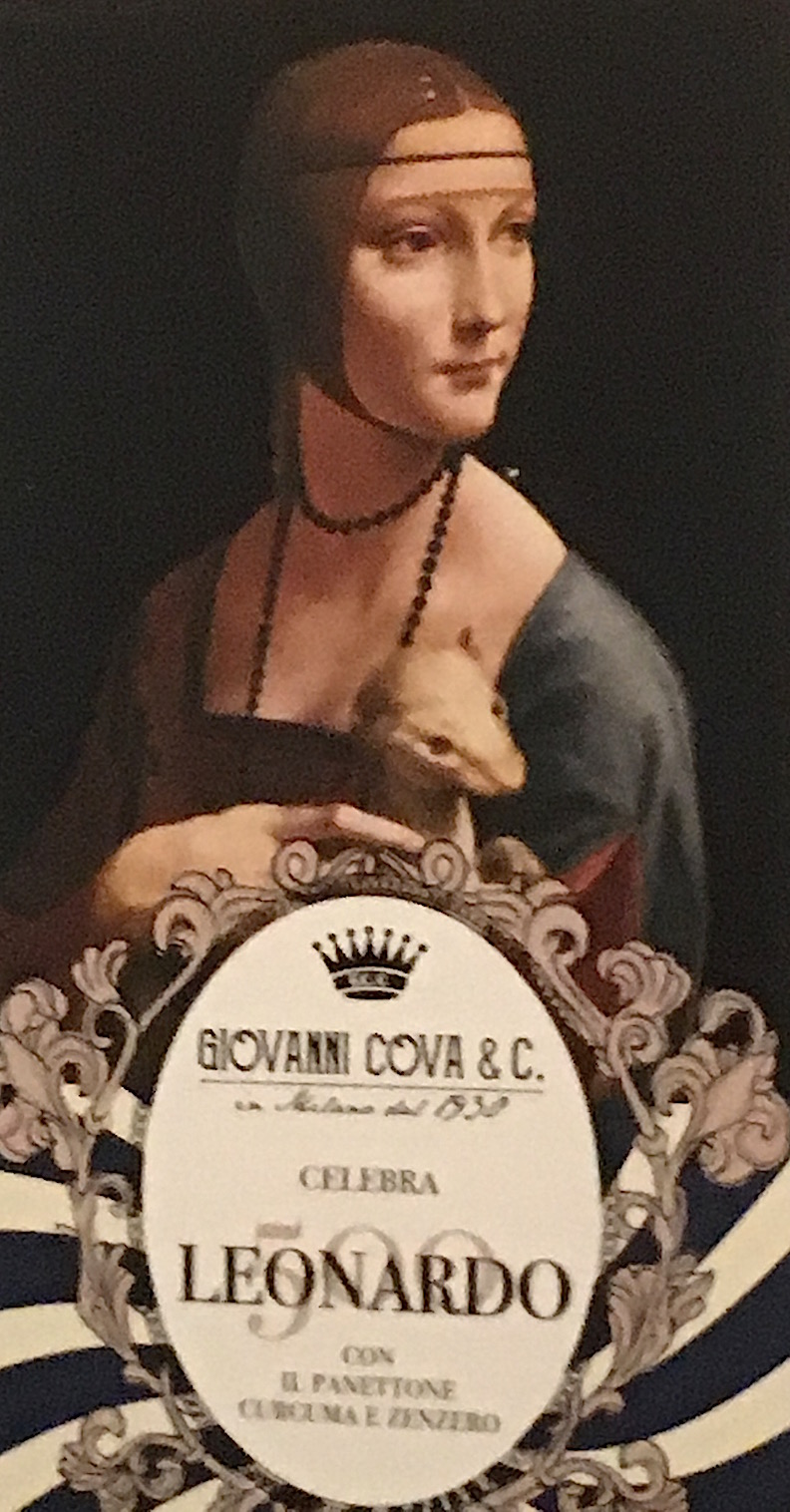
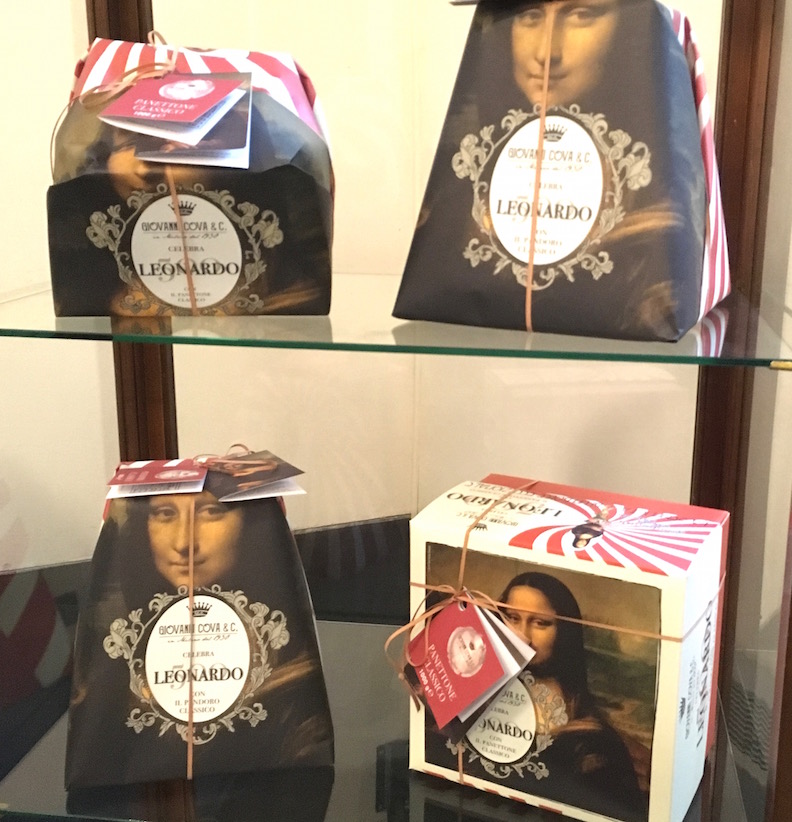 In 1795, Mastro Tommasso di Filippo Muzzi opened small pastry shop in the heart of Foligno, a town in central Umbria. Today, Muzzi continues to make the highest quality Italian pastries, cookies, and cakes.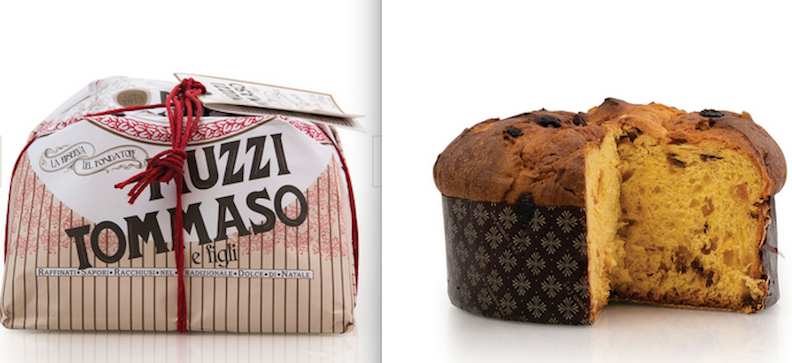
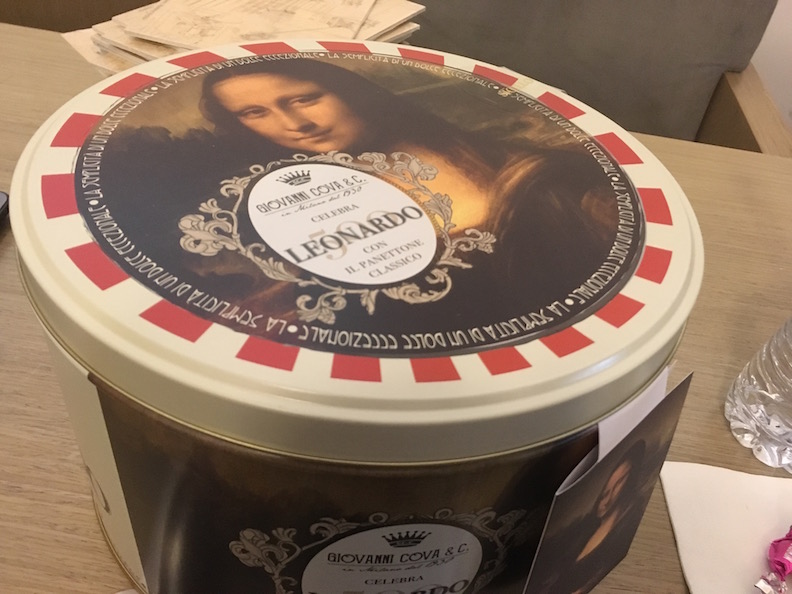
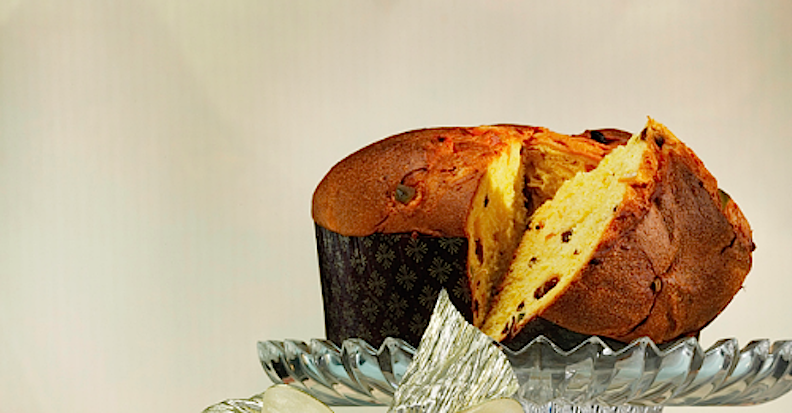
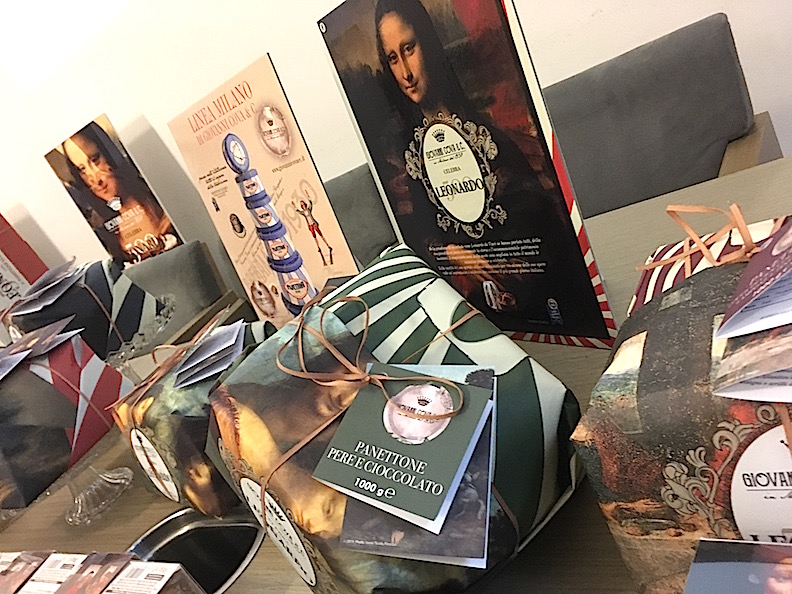 panettone and pandoro, coated and stuffed specialties that will find narrative opportunities and sumptuous exposure. Connoisseurs can, in a guided way, taste the products and understand the substantial characteristics and differences with respect to any other dessert. Emphasis therefore on the mother of natural yeast, sensory analysis, occasions and ways of consumption, to establish a path of knowledge and culture with the consumer.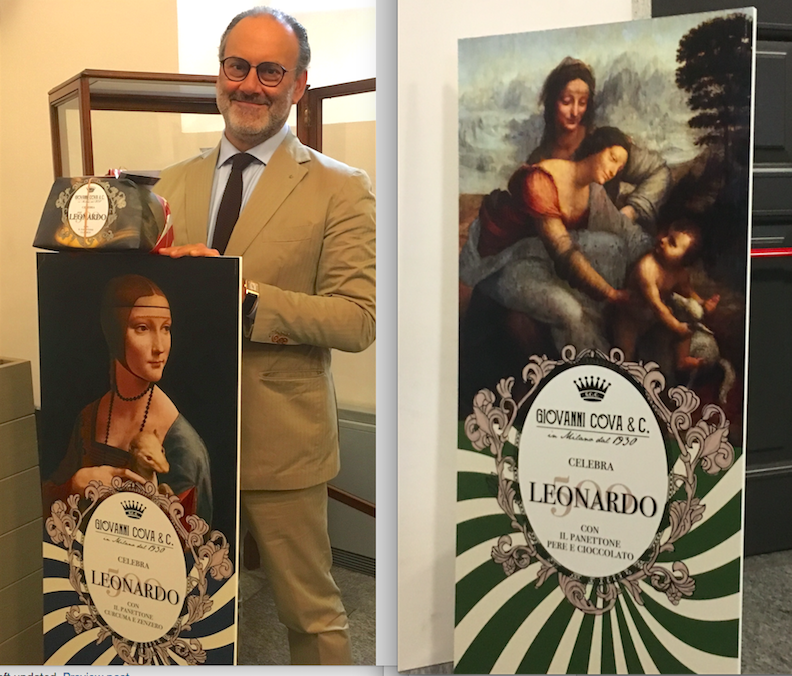
 INFO
INFO
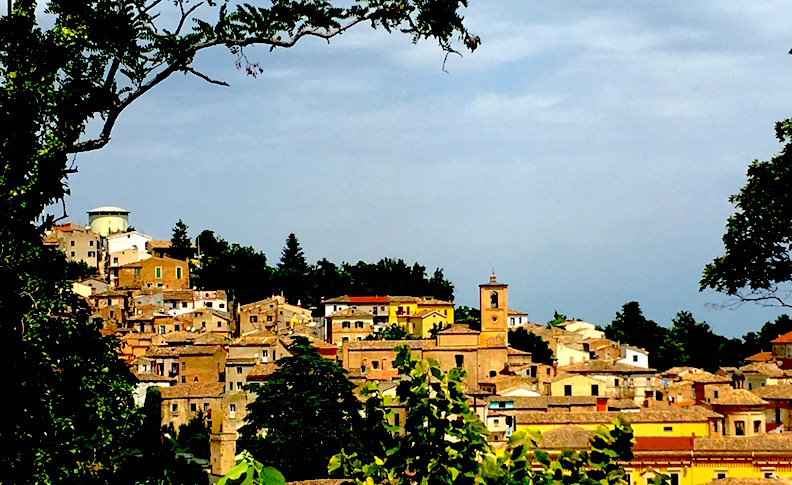 After the discovery of Abruzzi thanks to the guidance of local pasta maker extraordinaire Rustichella, I collected my thoughts about their business model relying largely on export. Why would this company deeply rooted in this region of Italy have both the desire and the possibility to reach the four corners of the world? Wasn’t there a form of contradiction here between local and global?
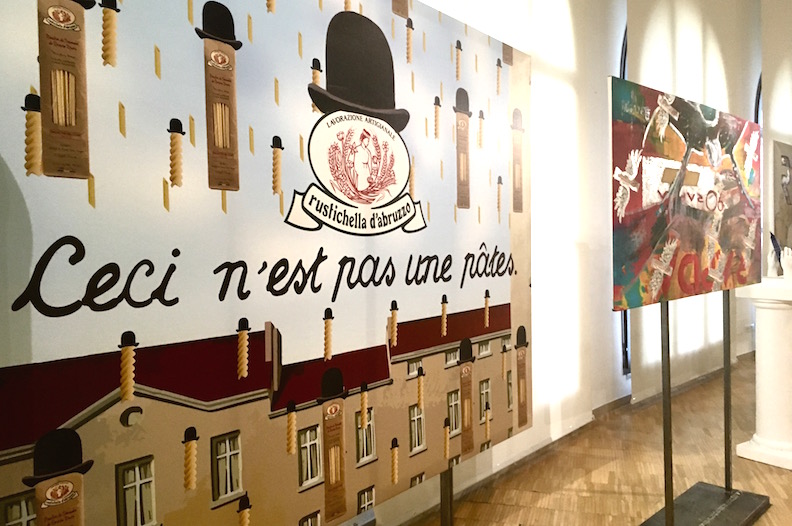 This happened to be around Oct 25th which is celebrated as pasta day around the world which put things in context, as pasta appears as an icon of Italiy and, at the same time, an international product, almost universal. Looking at things from a historical perspective, this is not that shocking or contradictory.
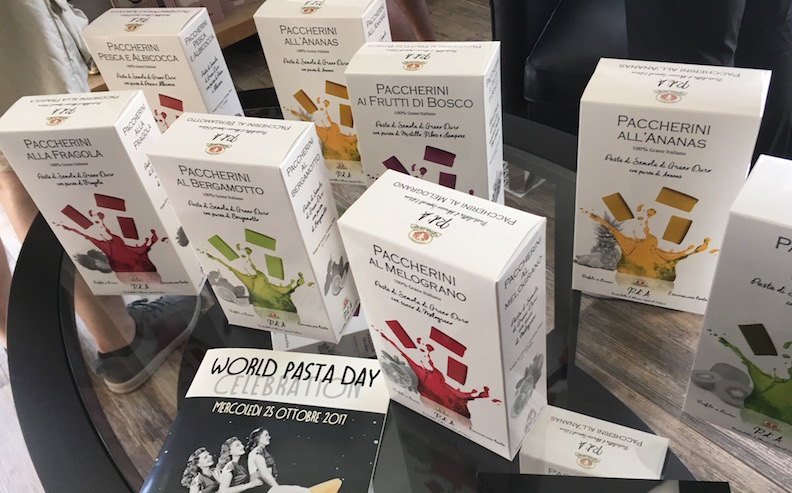 Pasta is, by definition, a product made to travel. By “pasta”, I am referring to dry pasta made of durum wheat semolina, not fresh pasta made from tender wheat flour with the adjunction of eggs most of the time. Italy is the birthplace of pasta as a commercial commodity capable of withstanding long periods of time, being a dry product that can last for years. The first mention of commercial dry pasta making dates to the 12th century (way before the birth of Marco Polo you may note!) with a text from an Arab geographer referring to a large production of it in the vicinity of today’s Palermo in Sicily. It is clearly stated that the goods produced were sent by ships to various Christian countries.
 Genova was soon to become an important area of dry pasta production as well. Why? Because of the importance of its port and shipping capacities. Think about it: at a time with no refrigeration and slow means of transportation, how far could food really travel? Pasta, well protected from humidity, rapidly grew in popularity and started traveling the world, just like salt cod did! Fast forward: today, how can a medium-size company like Rustichella manage to have their products fly over continents to reach the kitchens of chefs and gourmet home cooks as far away as Japan and Brazil?
  How can they compete with industrial giants such as Barilla which benefit from massive marketing, advertising and financial power? The answer is both material and immaterial qualities, just like soul and body. How can that be in the case of pasta which is basically made of 2 ingredients, durum wheat and water, the latter being at the end eliminated for the most part by the way. How can such a basic and simple food product have a soul and how can it vary so much in quality? Food products are not only a collection of molecules. They carry with them emotion and identity. Think of Proust and his lengthy internal voyage through the remembrance of his past, just by biting into this piece of madeleine cake ducked in a cup of tea. Rustichella does everything to delivery emotions.
 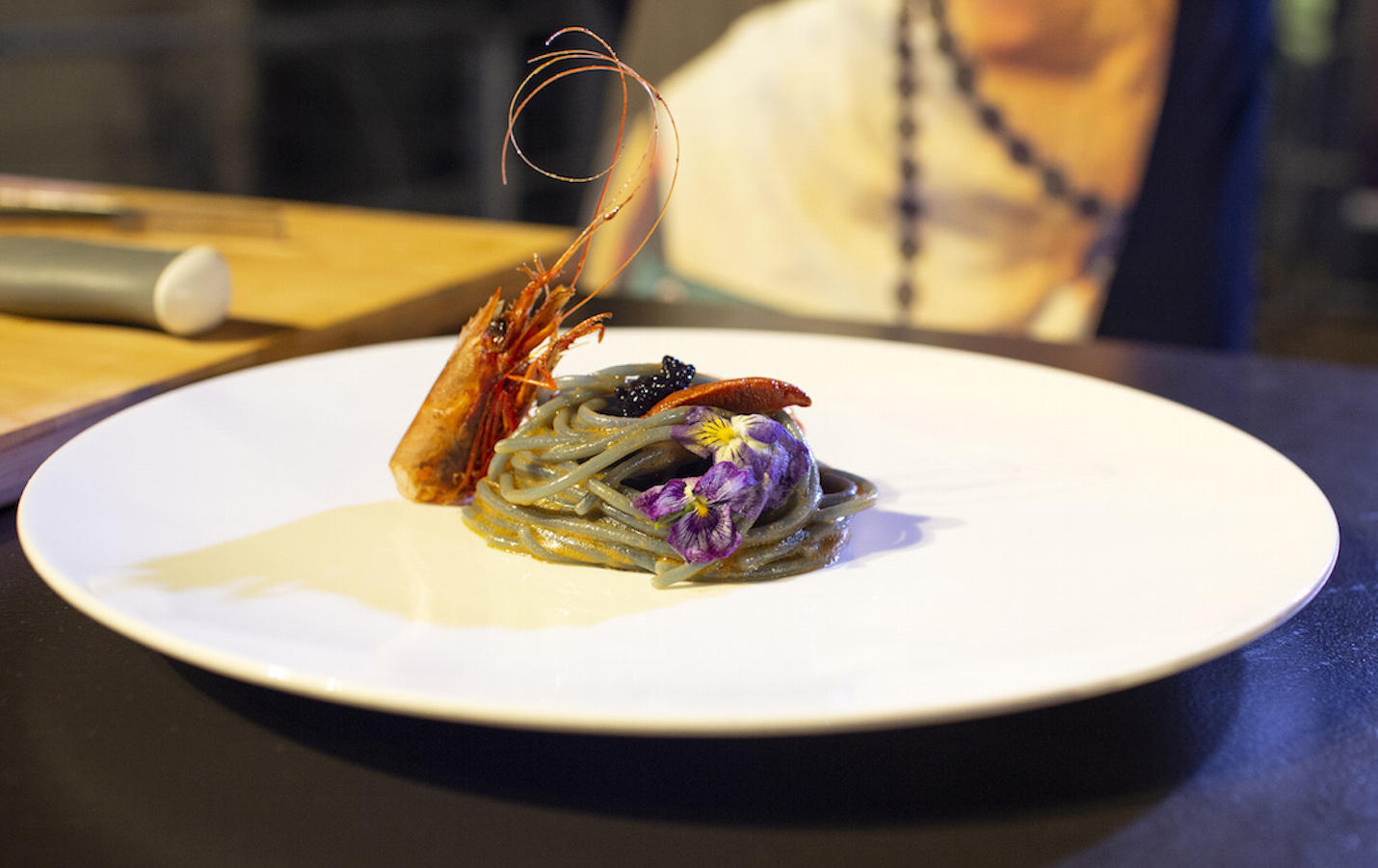 Opening a package of their product is an invitation to a journey to Abruzzi without having to take a plane. Of course, having been there is a prerequisite to experience this motionless journey. People should really come and taste all that Abruzzi has to offer in order to tie emotional knots in their memory and feel something when they open a package of pasta coming from there. Who knows where Barilla pasta is produced? And more importantly, who cares? The giant company which headquarters are in Parma translate nothing of the soul of this beautiful city of Emilia Romagna.
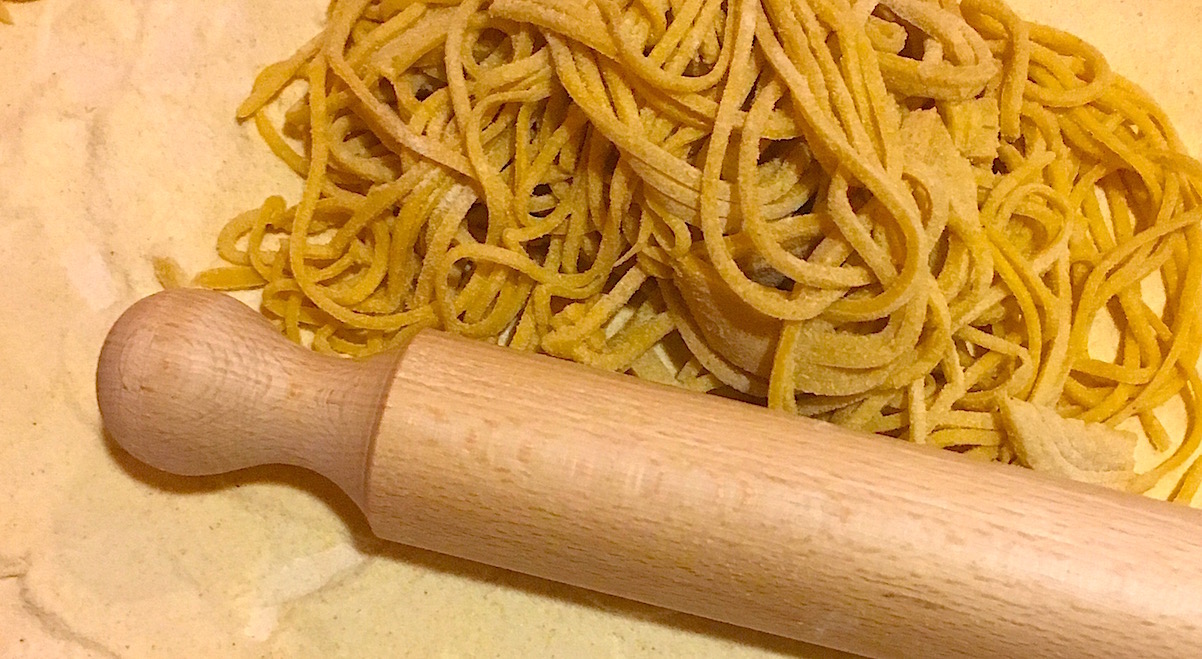 Besides this immaterial quality that Rustichella instils at the heart of its products, there is a good deal of very concrete and technological elements that make them stand out as a pasta like no other. In short, the product is not a mere invitation to dream of Abruzzi. If it carries a soul, it’s because its body is of the best quality to begin with. You wouldn’t have people dream and get off their feet with a food product that wouldn’t be worth their attention in the first place. Now, what are the material qualities that make a pasta exceptional and dream-worthy?
 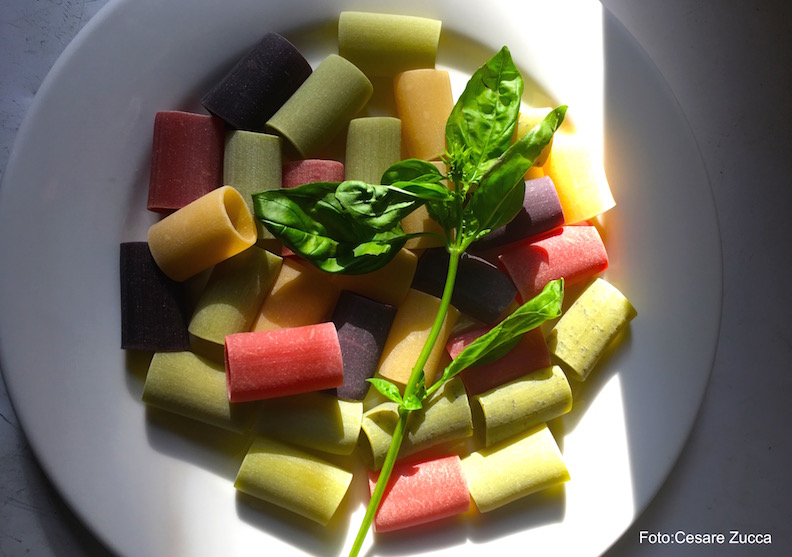 First, the quality of the ingredients. Well, we do not have to go very far with that: durum wheat and water, that’s it. I had been told that the quality of the water was important, but Gianluigi Peduzzi – co-owner of Rustichella with his sister Stefania – seemed to dismiss that element. Just pure water. The ingredient that really counts is the durum wheat. The siblings being children of famous millers in the region of Vestina knew one thing or two about the ingredient! A great wheat will lend not only great flavor, but great texture. Whether imported or locally sourced, only the best quality is used. An organic line of pasta has also been created recently
 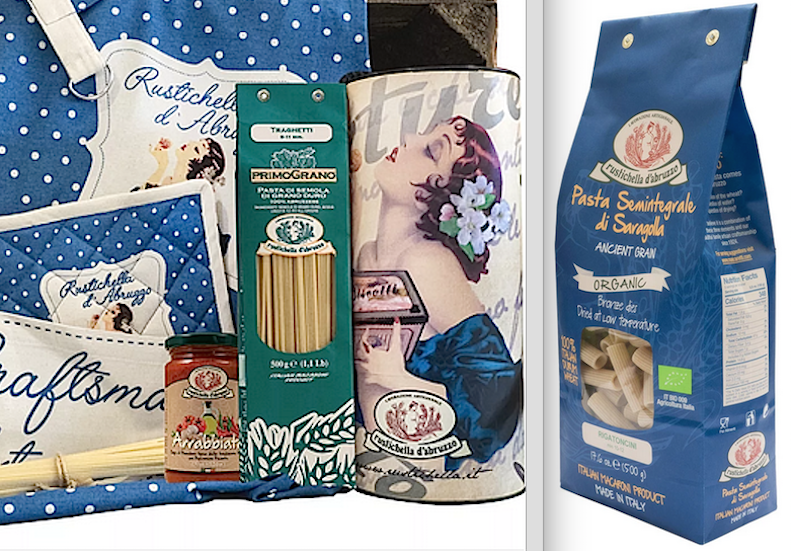 RUSTICHELLA
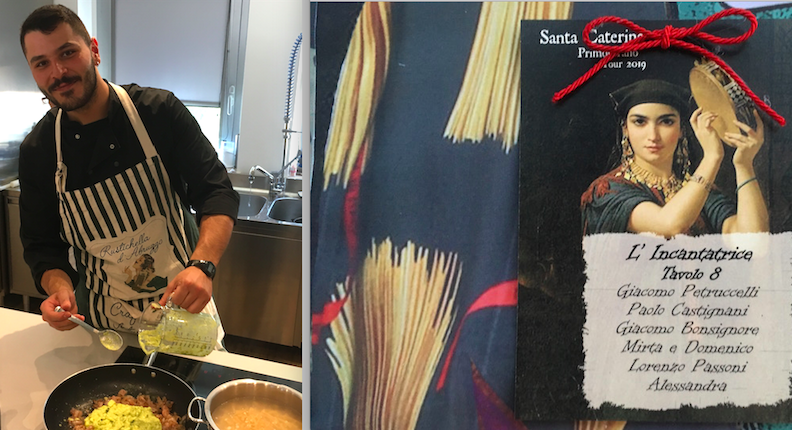 Why is this better than the Teflon coated molds used in basic quality pasta? Well, the bronze can never be totally smooth and thus the pasta will have a superficial rugosity which will help the sauce cling to the pasta. With plastic coating the extrusion is way faster, but the result is a pasta texturally bland. This represents a big cost for the company: not only does the production is slower, but the dyes need to be replaced more frequently.
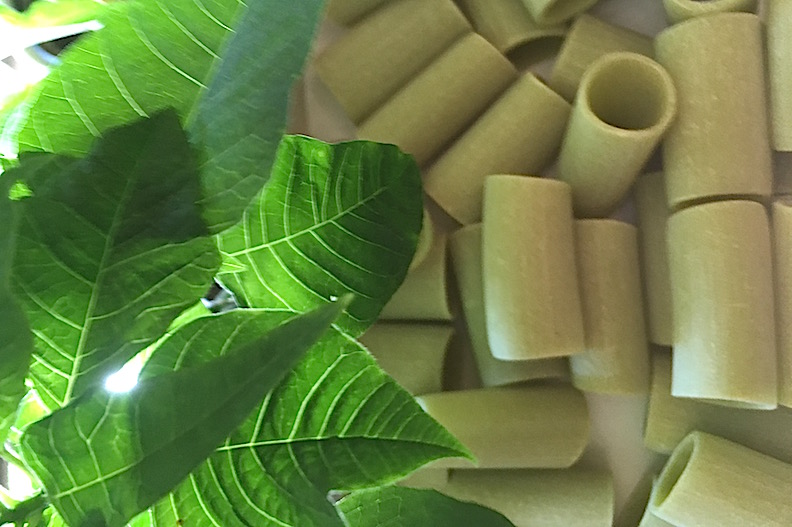 The second most important technical element is the drying process. Ordinary pasta is produced in a continuous fully automated way. As soon as the pasta is extruded and cut, it is dried rapidly with the help of heat. Well dried, I should perhaps say baked. Notice that deep yellow color of basic pasta: it’s the sign of a caramelization and pasta shouldn’t be resemble candy making! Here, the pasta is slowly dried in chambers. It is during that drying time that the flavor of the pasta develops.
 Artistry is at stake here: the pasta maker will have to consider the humidity in the air to see first how much water to add to the semolina in order to obtain the perfect consistency and then, one has to judge when has to make sure the drying process is done at the right temperature and for the right time. Technique and artistry work hand in hand. As Gianluigi shared all his insights in terms of the technology, his sister Stefania gave us to see how far her artistic involvement went. She not only designed various packaging but created pieces and oversaw the art direction of a temporary exposition dedicated to Rustichella from its origins to its latest creations.
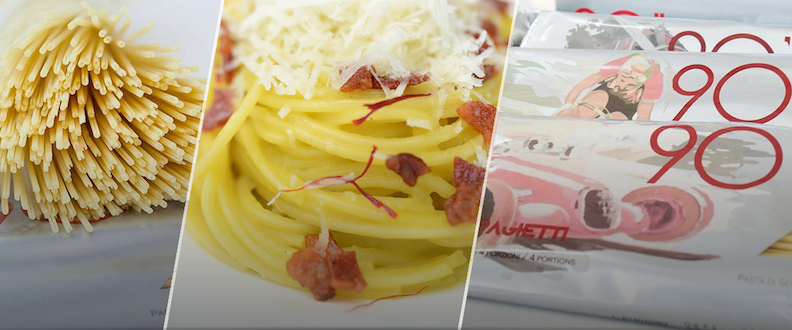
 One of those creations is a revolutionary spaghetti name ? that cooks in 90 seconds without sacrificing the quality of the pasta. No precooking here, like those sheets of lasagna that do not need to be precooked in boiling water. It is a technological feat coming from the shape of the pasta itself.
 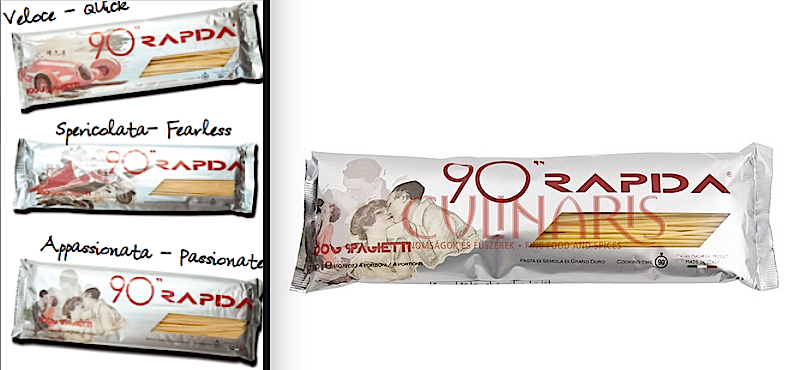 Here again, a combination of imagination and technology, tradition and modernity.All this explains why chefs at the other end of the world decide to put the price in this high-end product. They have a story to tell, not noodles to sell. They also have a well-made product which won’t let them down in their kitchen. Because the quality of the ingredients and of the process, they know the pasta won’t get limp on them and will remain al dente. They can even pre-cook the pasta halfway and finish the cooking process in the sauce or with a short plunge in boiling water.
 INFO
INFO nontouristytourist.com