“The psychic sphere, the surreal, the subconscious and metaphysical feelings unrelated to the conditioning of awareness” thus notes Max Ernst, German painter, sculptor, poet and theorist of art and celebrated at Palazzo Reale Milano with a spectacular retrospective, the first in Italy .
.The Angel of the Hearth alludes to the terrible catastrophe that was about to fall in 1939. A condor with a pointed beak bristling with sharp teeth becomes a symbol of a Europe drunk with blood, which will transform its children into monstrous entities.
A prolific artist, Ernst was a primary pioneer of the Dada movement and Surrealism in Europe. He had no formal artistic training, but his experimental attitude toward the making of art resulted in his invention of frottage—a technique that uses pencil rubbings of textured objects and relief surfaces to create images—and grattage, an analogous technique in which paint is scraped across canvas to reveal the imprints of the objects placed beneath.
“Crazy visionary anticipator, even without a precise or recognizable style of his own” This is the comment of the Italian Singer/Painter IVAN CATTANEO on the red carpet at the Max Ernst Exhibit at Palazzo Reale , Milan
Max Ernst was a provocateur, a shocking and innovative artist who mined his unconscious for dreamlike imagery that mocked social conventions. These charged sentiments directly fed into his vision of the modern world as irrational, an idea that became the basis of his artwork. Ernst’s artistic vision, along with his humor and verve come through strongly in his Dada and Surrealists works
“La sfera psichica, il surreale, il subconscio e i sentimenti metafisici slegati dal condizionamento della consapevolezza” così annota Max Ernst, pittore, scultore, poeta e teorico dell’arte,, celebrato nella spettacolare retrospettiva a Palazzo Reale Milano
Max Ernst era un provocatore, un artista scioccante e innovativo che scavava nel suo inconscio immagini oniriche che deridevano le convenzioni sociali.Questi sentimenti carichi alimentarono direttamente la sua visione del mondo moderno come irrazionale, un’idea che divenne la base della sua opera d’arte.La visione artistica di Ernst, insieme al suo umorismo e alla sua verve, emerge con forza nelle sue opere dadaiste e surrealiste
Artista prolifico, Ernst è stato uno dei principali pionieri del movimento Dada e del Surrealismo in Europa.Non aveva una formazione artistica formale, ma il suo atteggiamento sperimentale nei confronti della creazione artistica ha portato alla sua invenzione del frottage, una tecnica che utilizza lo sfregamento a matita di oggetti testurizzati e superfici in rilievo per creare immagini, e grattage, una tecnica analoga in cui la pittura viene raschiatasu tela per rivelare le impronte degli oggetti posti sotto.
“ Pazzo visionario anticipatore ma senza uno stile suo preciso o riconoscibile” così commenta il Cantante/Pittore IVAN CATTANEO on the red carpet at the Max Ernst Exhibit at Palazzo Reale , Milan.
L’Angelo del focolare allude alla immane catastrofe che stava per piombare, nel 1939, Un condor con il becco appuntito e irto di denti aguzzi diviene simbolo di una Europa, , ebbra di sangue, che trasformerà i propri figli in entità mostruose.
Ceramiche alle pareti , le preziose sedie in broccato, tra i dettagli dell’elegante Encanto
Esperienza nuova per lo stellatissimo Chef, al timone di oltre 20 ristoranti in Portogallo e in mezzo mondo. Ho incontrato Josè Avillez per una piacevole intervista
Hola Josè, se non sbaglio ci troviamo dove prima c’era il tuo bistellato BelCanto, giusto? Esatto. Tempo fa ho spostato BelCanto nella più grande location di fianco e questo spazio è diventato Canto, un ristorante con musica dove si alternavano alcuni dei i migliori artisti portoghesi come Ana Moura e António Zambujo Poi venne il Covid, Canto chiuse e da poco l’ho riaperto con un nuovo progetto totalmente vegetariano che ho chiamato Encanto
Ad accompagnare gli snacks inizialei , ecco uno ‘spritz’ definitivamente portoghese: Porto Bianco, soda, buccia di arancio
Hola Josè, mi parli di questa tua nuova avventura? Amò reinventarmi e mettermi continuamente in gioco , è stata una sorpresa anche per me abituato come dal caviale alle aragoste , dal bacalhau al coniglio, al carabineiro. Ho voluto sfidare me stesso per scoprire un mondo senza carne o pesce, concentrata sulle verdure. La cucina di Encanto punta su meno ingredienti, no proteine ma solo verdure del Portogallo, vicino a Lisbona e del Nord e del Sud del paese. Portogallo anche nei vini? Certamene, ho voluto celebrare i vini portoghesi ma anche dare la possibilità di accoppiare i piatti a drinks anolcolici a base di verdure, fiori e frutta.
Hai recentemente lavorato a un menu 4 mani con un tuo collega italiano super stellato, Enrico Crippa, come è stata la esperienza? Molto piacevole, Enrico è una persona adorabile. E’ stato piacevole affiancarlo nel menu, sperimentare la sua cucina e conoscere la sua famosa Insalata 21-31-41 , che mi fatto ricordare altri celebri piatti di verdure , come Gargouillou di Michel Bras e che senza dubbio è stata un invito a scoprire il mondo dei vegetali.
Confit di rosso d’uovo, topinambur, brodo di piselli, tartufo nero
il tuo primo ricordo in cucina? Avevo 4 o 5 anni quando tornavo dalla scuola ero sempre super affamato e ricordo che mi infilavo in cucina e con un cucchiaio provavo tutto ciò mia mamma Fatima o nonna Lura stavano preparando. Era una cucina molto semplice e tradizionale, abitavamo vicino al mare quindi tanto pesce.
Pescatori a Cascais
Dove ti piace passare il weekend? Che auto guidi? Una Jeep, utilissima per i miiei viaggi fuori città. Passo spesso le domeniche nei pressi di Cascais, li abbiamo una casa con un piccolo orto e mi diverto a cucinare il lunch per la mia famiglia e qualche parente.
Si, mi piace cucinare e trovo che significhi prendersi cura di chi ti è vicino, per questo apprezzo tantissimo i piatti che talvolta altri chef mi preparano. Adoro scoprire piccole tascas a conduzione familiare o meglio ancora se sono invitato a casa dai miei parenti, dove la cucina è veramente genuina.
I vini rigorosamente portoghesi di Encanto , che offre un menu degustazione unico, 100% vegetariano, con circa 12 momenti
L’arredamento, le luci, i colori e soprattutto il team: trovo che ci sia un’ atmosfera felice qui a Encanto… Grazie Cesare, è un magnifico complimento. Spesso si guarda altrove o lontano dimenticandoci di vedere quello che ci sta vicino. In una società in cui è tutto sempre più veloce, spesso dimentichi l’umanità e l’ attenzione di prendersi cura degli altri. Per me è essenziale che le persone con cui vivo e lavoro siano felici e che vada tutto bene.
Oggi vi portiamo alla scoperta di una delle città le cui origini si perdono nella notte dei tempi: Celie Messapica, gioiello pugliese dell’Alto Salento, nella provincia di Brindisi.
Ceglie Messapica
Troverete un vero scrigno di storia, impreziosito da bellezze architettoniche, angoli suggestivi viuzze dagli archi in pietra viva in un susseguirsi di corti e piazzette popolati da un sorprendente numero di ristoranti e osterie, vero paradiso per i buongustai! Celie si fregia dell’appellativo di “città d’arte e terra di gastronomia” per le tante testimonianze della sua storia millenaria e per la gastronomia locale, apprezzata e riconosciuta in tutta Italia. Quale meta migliore per un “weekend del bello e del gusto”?
DA VEDERE Il Castello Ducale e la Torre Normanna Edificato intorno all’XI secolo, decorato dagli stemmi di famiglie nobili e ricco elementi storici ed artistici come il portale Cinquecentesco. La Chiesa di San Domenico In stile barocco del XVI secolo,della scuola del Bernini.
Il Castello
La Chiesa di San Rocco Datata 1595, notevole esempio architettonico della facciata e delle tre navate del suo suggestivo interno. Piazza Plebiscito e la “Torre dell’orologio” Punto d’incontro della gente di Ceglie., chiude il centro storico medievale e apre a quello ottocentesco.
Piazza Plebiscito e la “Torre dell’orologio”
LA CUCINA DI CEGLIE Estremamente varia, per le influenze che l’Altosalento ha ricevuto nel corso della sua lunga storia: messapi, greci, romani, normanni, arabi, saraceni, francesi e spagnoli si sono succeduti nei secoli. Tantissime provenienze: gli gnummarieddi” (Involtini di interiora di agnello alla brace) sono romani, il ragù è normanno, la cupeta(torrone di mandorle) è di origine araba, mentre dalla Grecia sono giunte le frise (ciambelle di pane raffermo che vengono immerse in acqua, e poi condite con olio, sale, oregano e gli irresistibili pummidori di pennula, pomodorini locali conservati in grappoli).
I “gnumareddi”
Le ricette sono tramandate di generazione in generazione, I piatti locali sono caserecci e genuini, profondamente legati ai prodotti della terra che offre legumi, verdure, ortaggi, frutta e il celebrato olio extravergine di oliva “collina di Brindisi” utilizzato per condire piatti tradizionali come purè di fave, tipico alimento dei contadini, cotto in pignata, recipiente di terracotta a forma di brocca..
Ogni mattina, come una volta, dai forni a legna in pietra esce la fragrante piddica tipica focaccia del mattino, com podorini e olive nere, mentre il gelato cegliese ha conquistato il podio del Trofeo Internazionale della Gelateria a Rimini.
Appena sfornate: le irresistibili focacce del Forno Gigliola
Piatto tipico per eccellenza è la pasta fatta in casa, Primeggiano le celebri orecchiette stacchiodde e i maccheroncini strascinati, serviti con sugo di pomodoro, di carne o con le tradizionali cime di rape e acciughe.
La mia scoperta, in un vicoletto nascosto, ecco gli “strascinati” al pomodoro e cacioricotta, serviti nel suggestivo “M’Ami?” Lo chef è Piotr, di origine polacca, innamorato di Ceglie.
Le festività natalizie vedono in tavola le pettole, palline fritte di farina e patate lesse, le “attorcigliate” friselle condite con miele, zucchero o vino cotto, mentre il biscotto cegliese, un pasticcino a base di mandorle tostate
Il “biscotto cegliese”, eccellenza locale
Panino superstar ! Gaetano, soprannominato “Re del Panino Cegliese” nella sua “Caocolleria” offre prodotti tipici della zona e ,se insistete un po’, vi prepara “dal vivo” una delle specialità del luogo: il “panino Cegliese” farcito (rigorosamente in questa sequenza) da ventresca di tonno, capperi, soffice mortadella e provolone.
Gaetano e il suo famoso “Panino Cegliese”
FORMAGGI DA OSCAR! La Masseria Fragnite, la cui storia nasce nel 1700 , fino all’arrivo del Duca del duca di Ceglie che 1832 iniziò un processo di ristrutturazione e riorganizzazione produttiva, trasformandola in magazzini per la conservazione delle merci e in cortile per gli animali a cui verranno aggiunte le casedde e i tipici trulli per ospitare i braccianti e le loro famiglie.
L’antica Masseria Fragnite
Fra i formaggi spiccano le ricotte asckuante, piccanti ma nel contempo delicate, il cacioricotta, un formaggio tenero e gustoso e il saporitissimo caciocavallo.
ICaciocavallo in lavorazione
Perchè “caciocavallo”? Secondo alcuni il nome deriva dalla modalità di conservazione, dove, ancora fresco, viene appeso a cavallo su una trave. Secondo altri, invece, il termine ci riporta dall’usanza di portare al mercato le forme, a coppia, a dorso di un cavallo.
Tre eccellenze casearie della Masseria Fragnite
IL GUSTO IN TAVOLA! Frisedde Classici prodotti da forno: taralli con semi di finocchio selvatico. Cartiddate Simili a friselle affusolate sono condite con miele, zucchero o vino cotto (concentrato di mosto ottenuto mediante cottura). Pane casareccio La cottura avviene nei forni a legna in pietra. I panetti di colore bruno possono conservarsi anche per una settimana mantenendo la fragranza originale.
Piddichedda Grande tarallo pasquale ricoperto di zucchero fuso (tipico di Ceglie) Rosoli Liquori prodotti in casa in maniera semplice e antica, particolare il rosolio di corbezzolo.
Shopping: souvenir di Ceglie, i festosi oggetti luminosi, i “pumi” portafortuna in ceramica, simbolo di prosperità e i delicati ricami di Punto Antico
CELIE PARADISO “GOURMET”: I locali che abbiamo selezionato per voi. Arrosteria Bogno Antico Capatosta
Braceria dei Santi , Capotosta
Osteria L’Arco antico Trattoria L’acquolina Eno Cocus -Acini e Carbone
L ‘Acquolina, L’ Antico Arco, Eno Cocus
DOVE DORMIRE Nel centro di Ceglie Messapica B&B Sant’Anna Un bed & breakfast e due monolocali dal fascino delle tradizionali case in pietra dell’800, nel pieno centro storico affacciato su un gardino privato, Sassi bianchi alle pareti, archi, caminetti e alti soffitti Le volte in pietra sono impreziosite dalle antiche nicchie naturali e cornici di un arredamento ricercato d’epoca, Soluzione ideale per un soggiorno che sappia di storia e confort, dal letto queen size , alla nuovissima doccia nella grotta, mentre qua e la oggetti che ricordano memorie di famiglia, come la macchina da cucire della nonna
Sotto il palazzo c’era l’antica cisterna pubblica alla quale la gente del quartiere poteva attingere l’acqua da una finestra esterna, oggi quelle nicchie sono degli armadi speciali. La prima colazione con biscotti, crostate, pane e dolci fatti in casa portata in terrazza dalla deliziosa Pamela Filomeno che gestisce e cura queste strutture. con passione e amore. Gli alloggi sono climatizzati e dotati di TV LCD e bagno privato. Per chi cerca “qualità-prezzo”, questi alloggi si adattano perfettamente-.
B&B Sant’Anna
In una meravigliosa masseria Masseria Camarda Nata alla fine del 1800 come centro agricolo, si era poi specializzata nella produzione di olio, grano, ortaggi, legumi e le sue ampie stalle ospitavano capre, pecore e mucche.
Masseria Camarda
La Ferrari e la Puglia, le passioni di Cesare Fiorio. Nella Masseria incontro Cesare Fiorio, grande campione automobilistico con la Lancia nei rally e in F1 con la Ferrari e le altre squadre, nonchè conquistatore dell’oceano Atlantico con nave Destriero. Oggi Fiorio vive a Celie, in Puglia, una terra che amava a tal punto da volerla far conoscere a tutti.
Cesare Fiorio nella sua Masseria
“Dai motori dacorsa sono passato al trattore agricolo, racconta Fiorio, in cerca di una dimensione quasi ormai perduta, senza lo stress degli affanni quotidiani dove si gode la tranquillità degli antichi rapporti personali, del cibo sano e genuino e delle magiche atmosfere che queste terre sanno ancora creare.” “Un luogo, mi spiega Fiorio, che rappresenta una scelta di vita e il piacere di condividerne la tranquillità, i profumi e i colori della campagna salentina” La masseria offre eleganti alloggi all’interno dei caratteristici trulli e ricavati in antiche stalle in pietra con le tradizionali volte a botte. La piscine è posizionata in mezzo ad un frutteto dove, oltre alla vigna, sono presenti alberi di ciliege, melograni, albicocche, pere, cachi, fichi verdi e neri, fichi d’india, mandorli, nocciole.
Non poteva mancare l’automobilismo: nella grande grande sala in pietra spicca la carrozzeria della Ferrari F1 di Mansell, vincitrice del GP del Brasile, mentre Alessandro e Maria Paola Fiorio sono gli ideatori della Fiorio Cup, quest’anno alla sua seconda edizione. Con otto piloti che si sfidano su un percorso realizzato all’interno del comprensorio della proprietà.Tutt’intorno, Intorno si estende una vasta la campagna dove viene prodotto l’olio extra vergine di oliva di qualità superiore al vino primitivo, grano tipo “senatore Cappelli”, ingrediente base per la produzione delle tipiche orecchiette pugliesi, ortaggi, foraggio, frutta , noci, mandorle, nocciole, capperi, ceci, lupini .
La piscina
In vendita presso la Masseria, potrete trovare passate di pomodoro, marmellate, i famosi fichi “maritati”, prodotti che vengono offerti agli ospiti nelle ricche colazioni del mattino preparate dalle mani esperte di Sara Senofonte.
La succulenta prima colazione
Che buffet! Tutto fatto in casa: torte, crostate alla frutta, focaccia biscotti e gli immancabili taralli, chiamati anche scaldatelli, vero simbolo della cucina pugliese e “prinicipi ” della tavola SUA MAESTA’ IL TARALLO Tradizionali oppure aromatizzati con semi di finocchio, peperoncino, olive o pomodori secchi. Ottimi ottimi per uno snack, un aperitivo o con buon bicchiere di vino rosso. Piccoli, furbetti e tentatori, dolci o salati, uno tira l’altro ! Che languorino, vero? E visto che i veri taralli sono quelli fatti in casa, allora come farli a casa nostra? L’importante per ottenere un buon risultato è seguire passo dopo passo quanto suggerito nella ricetta originale dei taralli pugliesi fatti in casa. di cui gentilmente Sara ci regala la ricetta.
Sara e i taralli pugliesia.
TARALLI TRADIZIONALI PUGLIESI.
Ingredienti per circa mezzo chilo 500gr di farina 00 (Sara usa Senatore Cappelli) 160ml di vino bianco secco 160ml di olio rigorosamente extravergine di oliva ! cucchiaio da minestra di sale fino Preparazione Mischiare tutti gli ingredienti in una terrina Lavorare con le mani fino ad ottenere un impasto liscio ed omogeneo. Prendere un pezzo di pasta e formare dei filoncini lunghi 5 cm e spessi come il dito indice, unire le estremità formando degli anelli, Disporre i taralli su una teglia e infornare a 180 gradi per 20 minuti. Sfornateli, lasciateli raffreddare un po’ e… gustateveli!
La Masseria Camarda ha pensato di offrire ai suoi ospiti la cucina del territorio, vista, vissuta e rinterpretata dal valido Chef Maurizio, native di Torino con una estesa permanenza a nella cucina del suo ristorante a Cervinia per poi approdare a Ceglie, dove ogni sera prepara deliziose cene, esclusivamente per gli ospiti della Masseria. L’ ho incontrato per una breve intervista
Chef Maurizio, al timone del ristorante della Masseria Camarda, riservato solo agli ospiti
Buongiorno Maurizio, dopo 25 anni a Cervinia, sei approdato a Ceglie? Perché? Forse ne avevo abbastanza del bianco, Tutta quelle neve… Qui ho trovato una natura variopinta, meravigliosi tramonti, l’azzurro del mare e il calore dei Fiorio, La mia vita si è colorata. Cos’hai “importato” della cucina piemontese nel tuo menu pugliese? Mi sono lasciato ispirare dagli ingredienti della classica bagnacauda che ho trasformato in un sugo cremoso per condire la tipica pasta “appesa” di Ceglie.
Un piatto di Maurizio:l a tipica “pasta appesa” con verdure
Gli ingredienti locali che sono entrati nella tua mentalità gastronomica torinese? Le verdure del territorio, specialmente quelle che coltiviamo qui in Masseria. Le ho conosciute, sperimentate apprezzate, e ora sono ai primi posti della mia cucina. Invece i fanalini di coda… (ride) Molto di coda, visto che non li uso mai: rafano e wasabi. Non li troverai mai nei miei paitti e nemmeno nel mio frigorifero di casa.
L’olio Cesare Fiorio accompagna le verdure dell’orto in Masseria
C’è un piatto che vorresti mettere in menu, ma…? Eccome: gli gnocchi di patate come li faceva mio papà Bruno. Ho cercato di imitarli, ma non so come o perché, non mi sono mai venuti come i suoi…Squisiti e, devo ammettere, inimitabili! La cena qui è riservata agli ospiti? Esatto. Non c’è un menu scritto, tutto a voce, naturalmente tenendo conto di eventuali allergie o intolleranze. Alla base della Masseria, c’è la comunicazione con i nostri ospiti, anche nel proporre e nell’ordinare un piatto. Ah, dimenticavo qui non indichiamo i prezzi. Il prezzo lo fa l’ospite quando ha finito di mangiare, libero di valutare quale sia il prezzo giusto.
COME ARRIVARE A CELIE Celia Messapica dista circa 40 kilometri da Brindisi. E’ facilemente raggiungibile in auto (propria o noleggiata) o in bus (circa un’ ora e mezza) oppure, come ho fatto io, contattare una guiida locale che oltre al trasporto, provvederà a farvi conoscere la città e i dintorni. Io mi sono affidato Michael’s Tours pilotato dall’ esperto e super dinamico Michele Miccoli, nativo di Ceglie, che mi ha raccontato storie, anneddoti e segreti della città, facendomela scoprire come solo una persona del posto può fare.
Michele Miccoli
Grazie Michele! e grazie a Antonella Millarte, gentilissima Capo Ufficio Stampa di Puglia Promozione che mi ha suggerito e fatto scoprire questa meravigliosa meta pugliese.
english version
Weekend in Ceglie Messapica, Puglia. City of art and land of gastronomy
by Cesare Zucca
Today we take you to the discovery of one of the cities whose origins are lost in the mists of time: Celie Messapica, an Apulian jewel of the Upper Salento, in the province of Brindisi.
Ceglie Messapica
You will find a real treasure chest of history, embellished with architectural beauties, suggestive corners, alleys with stone arches in a succession of courtyards and small squares populated by a surprising number of restaurants and inns, a true paradise for gourmets! Celie boasts the title of “city of art and land of gastronomy” for the many testimonies of its millenary history and for the local gastronomy, appreciated and recognized throughout Italy. What better destination for a “weekend of beauty and taste”?
TO BE SEEN The Ducal Castle and the Norman Tower Built around the 11th century, decorated with the coats of arms of noble families and rich in historical and artistic elements such as the 16th century portal. The Church of San Domenico In the Baroque style of the sixteenth century, from the school of Bernini.
Il Castello
The Church of San Rocco Dated 1595, a remarkable architectural example of the façade and the three naves of its suggestive interior. Piazza Plebiscito and the “Clock Tower” Meeting point of the people of Ceglie., it closes the medieval historic center and opens to the nineteenth-century one.
Piazza Plebiscito e la “Torre dell’orologio”
Piazza Plebiscito and the “Clock Tower”
THE KITCHEN OF CEGLIE Extremely varied, due to the influences that Altosalento has received during its long history: Messapians, Greeks, Romans, Normans, Arabs, Saracens, French and Spanish have followed one another over the centuries. Many origins: the gnummarieddi” (grilled lamb entrails rolls) are Roman, the ragù is Norman, the cupeta (almond nougat) is of Arab origin, while the frize (stale bread donuts that are dipped in water, and then seasoned with oil, salt, oregano and the irresistible pummidori di pennula, local cherry tomatoes preserved in bunches).
I “gnumareddi”
The “gnumareddi”
The recipes are handed down from generation to generation, the local dishes are homemade and genuine, deeply linked to the products of the land which offers legumes, greens, vegetables, fruit and the celebrated extra virgin olive oil “collina di Brindisi” used to flavor traditional dishes such as broad bean purée, a typical peasant food, cooked in a pignata, an earthenware jug-shaped container. Every morning, as in the past, the fragrant piddish typical morning focaccia comes out of the wood-burning stone ovens, with podorini and black olives, while the Cegliese ice cream conquered the podium of the International Ice Cream Trophy in Rimini.
Appena sfornate: le irresistibili focacce del Forno Gigliola
Freshly taken out of the oven: the irresistible focaccias from Forno Gigliola
The typical dish par excellence is homemade pasta, The famous orecchiette stacchiodde and maccheroncini strascinati stand out, served with tomato sauce, meat sauce or with the traditional turnip greens and anchovies.
My discovery, in a hidden alley, here are the “strascinati” with tomato and cacioricotta, served in the suggestive “M’Ami?” The chef is Piotr, of Polish origin, in love with Ceglie.
Gli “strascinati” al pomodoro e cacioricotta, serviti al suggestivo Ristornate “M’Ami?” Lo chef è Piotr, di origine polacca, innamorato di Ceglie.
The Christmas festivities see on the table thepettole, fried balls of flour and boiled potatoes, the “twisted” friselle seasoned with honey, sugar or cooked wine, while the cegliese biscuit, a pastry made with toasted almonds
Il “biscotto cegliese”, eccellenza locale
The “Cegliese biscuit”, local excellence
Superstar Sandwich! Gaetano, nicknamed “King of the Cegliese sandwich” in his “Caocolleria” offers typical products of the area and, if you insist a little, he prepares “live” one of the local specialties: the stuffed “Cegliese sandwich” (strictly in this sequence ) from tuna ventresca, capers, soft mortadella and provolone cheese.
Gaetano e il suo famoso “Panino Cegliese”
Gaetano and his famous “Panino Cegliese”
TOP CHEESES Masseria Fragnite, whose history dates back to the 1700s, until the arrival of the Duke of Ceglie who in 1832 began a process of restructuring and reorganization of production, transforming it into warehouses for storing goods and a courtyard for animals to which will be added the casedde and the typical trulli to house the laborers and their families.
L’antica Masseria Fragnite
The ancient Masseria Fragnite
Among the cheeses, the asckuante ricottas stand out, spicy but at the same time delicate, the cacioricotta, a soft and tasty cheese and the very tasty caciocavallo.
Il Caciocavallo
Caciocavallo in progress
Why “caciocavallo”? According to some, the name derives from the method of conservation, where, still fresh, it is hung from a horse on a beam. According to others, however, the term brings us back to the custom of bringing the wheels to the market, in pairs, on the back of a horse.
Tre eccellenze casearie della Masseria Fragnite
Three excellent dairy products from Masseria Fragnite
TASTE ON THE TABLE!
Frisedde Classic bakery products: taralli with wild fennel seeds. Cartiddate Similar to tapered friselle, they are seasoned with honey, sugar or cooked wine (must concentrate obtained by cooking). Homemade bread Cooking takes place in wood-burning stone ovens. The brown colored loaves can be kept for up to a week maintaining the original fragrance. Piddichedda Large Easter tarallo covered with melted sugar (typical of Ceglie) Rosoli Liqueurs produced at home in a simple and ancient way, in particular the strawberry tree liqueur.
Shopping: souvenirs from Ceglie, the festive luminous objects, the ceramic “pumi” lucky charms, a symbol of prosperity and the delicate Punto Antico embroideries
CELIE PARADISO “GOURMET”: The places we have selected for you. Roast shop Bogno Antico Capatosta
Braceria dei Santi, Capotosta
Osteria L’Arco Antico The watering restaurant Eno Cocus – Grapes and Coal
L’Acquolina, L’ Antico Arco, Eno Cocus
Due suggestivi ristoranti di Ceglie: Braceria dei Santi e CapotostaL’Acquolina in bocca, L’Antico Arco, Eno Cocus
WHERE TO SLEEP In the center of Ceglie Messapica B&B Sant’Anna A bed & breakfast and two studio apartments with the charm of traditional 19th century stone houses, in the historic center overlooking a private garden, White stones on the walls, arches, fireplaces and high ceilings The stone vaults are embellished by the ancient natural niches and frames of refined period furnishings, the ideal solution for a stay that smacks of history and comfort, from the queen size bed to the brand new shower in the cave, while here and there objects reminiscent family memories, like grandma’s sewing machine
Under the building there was the ancient public cistern to which the people of the neighborhood could draw water from an external window, today those niches are special cabinets. The breakfast with biscuits, pies, bread and homemade desserts brought to the terrace by the delightful Pamela Filomeno who manages and takes care of these structures. with passion and love. Accommodation is air conditioned and comes with an LCD TV and private bathroom. For those looking for “quality-price”, these lodgings fit perfectly.
B&B Sant’Anna
B&B Sant’Anna
In a wonderful farmhouse Masseria Camarda Founded at the end of the 1800s as an agricultural center, it then specialized in the production of oil, wheat, vegetables, legumes and its large stables housed goats, sheep and cows.
Masseria Camarda
Masseria Camarda
Ferrari and Puglia, the passions of Cesare Fiorio. In the Masseria I meet Cesare Fiorio, great automotive champion with Lancia in rallies and in F1 with Ferrari and other teams, as well as conqueror of the Atlantic Ocean with ship Destriero. Today Fiorio lives in Celie, in Puglia, a land that he loved so much that he wanted to make it known to everyone.
Cesare Fiorio nella sua Masseria
Cesare Fiorio in his Masseria
“I switched from racing engines to the agricultural tractor, says Fiorio, in search of an almost lost dimension, without the stress of daily worries where one can enjoy the tranquility of ancient personal relationships, healthy and genuine food and the magical atmospheres that these earths still know how to create.” “A place, Fiorio explains to me, which represents a lifestyle choice and the pleasure of sharing its tranquillity, the scents and colors of the Salento countryside” The farm offers elegant accommodation inside the characteristic trulli and housed in ancient stone stables with traditional barrel vaults. The swimming pool is positioned in the middle of an orchard where, in addition to the vineyard, there are cherry, pomegranate, apricot, pear, persimmon, green and black fig trees, prickly pear, almond and hazelnut trees.
Motor racing could not be missing: in the large stone hall the bodywork of Mansell’s Ferrari F1 stands out, winner of the Brazilian GP, while Alessandro and Maria Paola Fiorio are the creators of the Fiorio Cup, this year in its second edition. With eight riders who challenge each other on a course created within the property’s area. All around, there is a vast countryside where extra virgin olive oil of superior quality is produced, primitive wine, “senator” type wheat Cappelli”, basic ingredient for the production of the typical Apulian orecchiette, vegetables, forage, fruit, walnuts, almonds, hazelnuts, capers, chickpeas, lupins.
La piscina
The pool
On sale at the Masseria, you can find tomato puree, jams, the famous “married” figs, products that are offered to guests in the rich morning breakfasts prepared by the expert hands of Sara Senofonte.
La succulenta prima colazione
The succulent breakfast
What a buffet! All homemade: cakes, fruit tarts, focaccia biscuits and the ever-present taralli, also called Scaldatelli, a true symbol of Apulian cuisine and “principles” of the table HIS MAJESTY THE TARALLO
HIS MAJESTY THE TARALLO Traditional or flavored with fennel seeds, chilli pepper, olives or dried tomatoes. Excellent excellent for a snack, an aperitif or with a good glass of red wine. Small, cunning and tempting, sweet or savoury, one leads to another!
How peckish, right? And since the real taralli are homemade, how can we make them at home? The important thing to obtain a good result is to follow step by step what is suggested in the original recipe of homemade Apulian taralli. of which Sara kindly gives us the recipe.
Sara e i taralli pugliesi
Sara and the Apulian taralli.
TRADITIONAL APULIA TARALLI.
Ingredients for about half a kilo 500gr of flour 00 (Sara uses Senatore Cappelli) 160ml of dry white wine 160ml of rigorously extra virgin olive oil ! soup spoon of fine salt Preparation Mix all ingredients in a bowl Work with your hands until you get a smooth and homogeneous dough. Take a piece of dough and form loaves 5 cm long and as thick as your index finger, join the ends forming rings, Arrange the taralli on a baking tray and bake at 180 degrees for 20 minutes. Take them out of the oven, let them cool a bit and… enjoy them!
Masseria Camarda has decided to offer its guests local cuisine, seen, experienced and re-interpreted by the talented Chef Maurizio, natives of Turin with an extended stay in the kitchen of his restaurant in Cervinia and then arriving in Ceglie, where every evening he prepares delicious dinners, exclusively for guests of the Masseria. I met him for a short interview
Chef Maurizio, al timone del ristorante della Masseria Camarda, riservato solo agli ospiti
Chef Maurizio, at the helm of the Masseria Camarda restaurant, reserved only for guests
Hello Maurizio, after 25 years in Cervinia, have you landed in Ceglie, Why? Maybe I’ve had enough of white, All that snow… Here I found colorful nature, wonderful sunsets, the blue of the sea and the warmth of the Fiorios. My life has become colourful. What have you “imported” from Piedmontese cuisine into your Apulian menu? I let myself be inspired by the ingredients of the classic bagnacauda which I transformed into a creamy sauce to flavor the typical “hanging” pasta of Ceglie.
Un piatto di Maurizio:l a tipica “pasta appesa” pugliese, con verdure
A dish from Maurizio: the typical “pasta hung” with vegetables
The local ingredients that have entered your Turin gastronomic mentality? Local vegetables, especially those we grow here in the Masseria. I got to know them, tried them, appreciated them, and now they are at the top of my kitchen. (laughs) I never use them: horseradish and wasabi. You will never find them in my paitti or even in my fridge at home.
L’olio Cesare Fiorio accompagna le verdure dell’orto in Masseria
Cesare Fiorio oil accompanies the vegetables from the Masseria’s garden
Is there a dish you would like to put on the menu, but…? And how: potato gnocchi as my father Bruno used to make them. I tried to imitate them, but I don’t know how or why, they never came to me like his… Exquisite and, I must admit, inimitable! Is dinner here for guests only? Exactly. There is no written menu, everything spoken, naturally taking into account any allergies or intolerances. At the basis of the Masseria, there is communication with our guests, even in proposing and ordering a dish. Ah, I forgot here we do not indicate the prices. The price is set by the guest when he has finished eating, free to evaluate what the right price is.
HOW TO GET TO CELIE Celia Messapica is about 40 kilometers from Brindisi. It is easily reachable by car (own or rented) or by bus (about an hour and a half) or, as I did, contact a local guide who, in addition to transport, will introduce you to the city and its surroundings. I entrusted Michael’s Tours piloted by the expert and super dynamic Michele Miccoli, a native of Ceglie, who told me stories, anecdotes and secrets of the city, making me discover it as only a local person can.
Michele Miccoli
Thanks Michael! and thanks to Antonella Millarte, very kind Head of the Puglia Promozione Press Office who suggested and made me discover this wonderful Apulian destination.
Nella musica non esisite niente di più magico che riascoltare un pezzo celebre e conosciuto che, grazie ai cursori di un mixer, viene scomposto, rivelandoci tutte le piste degli strumenti ,dei cori e della voce dell’Artista che lo ha inciso.
Cosi inizia il docufilm “La Voce del Padrone” che vede la produzione artistica a Stefano Senardi e la regia di Marco Spagnoli sulla vita e sull’arte di uno dei geni della musica: Franco Battiato. Battiato ci viene raccontato o meglio ancora “svelato” nell’ intenso, appassionato e meticoloso documentario “La Voce del Padrone”.che parte dagli inizi alternativi. dalle sperimentazioni, al grande successo inaspettatamente pop.. alle sue passioni, i suoi desideri, i suoi punti di vista fino al suo ritiro nella amata nativa cittadina di Milo. Senardi ci accompagna attraverso questo viaggio con garbo, cognizione e con la grande correttezza di non sopraffare mai i suoi ospiti, che intervista in ambienti familiarmente intimi, in sala d’incisione, sul divano del soggiorno in esterna seduti su sedie minimaliste.
Vengono intervistati una valanga di personaggi e artisti che con Battiato hanno condiviso momenti musicali irrepetibili o che semplicemente hanno di lui una grande stima. Gli interventi sono davvero molti, da Bruno Tibaldi, primo discografico della svolta “pop” di Battiato, al fotografo Roberto Masotti, a Francesco Messina, autore delle copertine, che ci svela come e perchè siano nate.
Una delle tante interviste di Stefano Senardi, qui con il discografico Bruno Tibaldi
Tra gli interventi , Alice, sua grande “musa” ed interpreste , la cui voce si fonde sorprendentemente all’unisono con quella di Battiato,Carmen Consoli che nei titoli di codagli dedicata una canzone in dialetto siciliano, e poi ancora Nanni Moretti, Willem Dafoe, Morgan (miracolosamente meno istrionico del solito) Juri Camisasca, Eugenio Finardi, giusto per citarne alcuni.
Franco con Alice
La regia di Marco Spagnoli è attenta e misurata, meritano una speciale menzione le splendide musiche di Paolo Buonvino, che arieggiano certi momenti “classici” di Battiato (sublime quella che accompagna le immagini del mare siciliano). Franco ci viene svelato in tutta la sua grande ironia, gioia di vivere, spiritualità, pensieri sulla morte, passioni e incomparabile arguzia E nessuno meglio di Senardi, suo amico , confidente e compagno di tanti viaggi, poteva “svelarci” la personalità del Maestro. Per chi ama la musica, per chiama Battiato, e per quei pochi che di lui poco conoscono, “La Voce del Padrone” è un documentario imperdibile, commovente, magico. Da un’intervista : Intervistatore: Cosa vuoi che resti di te? Battiato;Il mio suono… Intervistatore: Cioè la tua musica. le tue conzoni? Battiato: Il mio suono.
Al Teatro Martinitt di Milano, con un tributo alla tradizione teatrale del varietè e dell’avanspettacolo, così popolari negli anni 50 e 60, va in scena “La grande occasione, chissà se va…” .commedia-musical diretta da Marco Simeoli.
La trama ci racconta le avventure fuori scena di una compagnia teatrale di cui la giovane soubrette viene corteggiata da un illustre ministro politico. L’occasione è grande, avere l’appoggio della politica e di conseguenza agevolazioni e budget è una vera tentazione, ma si da’ il caso che la soubrette abbia già un boyfriend, il primo attore. Ecco quindi il dilemma: tradire il boy friend e concedersi al ministro oppure rinunciare ai conseguenti benefici?
“Primadonna” Fioretta Mari
Gli ingredienti del varietà ci sono tutti, dal primo attore comico che racconta barzellette, alle ballerine dalla coscia lunga, ai boys a torso nudo, alla danzatrice di Tip tap, alla cantante lirica e perfino un numero di burlesque-spogliarello che termina con un quasi topless.
A condire il tutto, tra scene nei camerini, gossip nel back stage, e spezzoni dello spettacolo si snoda una divertente commedia. musical Music in due tempi, capitanata dall’astuta Berta, l’immancabile e arguta sarta di scena, interpretata alla perfezione da Fioretta Mari.
Aggiungete le musiche originali, piacevoli e orecchiabili, una valanga di costumi luccicanti, piume e paillettes, il risultato è un gradevole intrattenimento che strappa risate e applausi
LA GRANDE OCCASIONE, CHISSA’ SE VA’…. Al Teatro Martinitt, fino al 27 Novembre 2022.
La storia del Teatro Martinitt Il nome “Martinitt”, ci riporta al1531 quando Francesco Sforza offrì a Gerolamo Emiliani, protettore dei minori in stato di abbandono, una nuova dimora per i trovatelli della città di Milano.
La sede scelta si trovava vicino all’oratorio di San Martino: da qui gli orfani presero il nome di Martinitt, piccoli Martini. Lì venivano istruit e imparavano a leggere a scrivere, studiavano musica e canto, e mettevano in scena piccole rappresentazioni teatrali a carattere morale. A tal proposito nel 1932 fu inaugurato, insieme alla nuova sede dell’istituto in via Riccardo Pitteri, il teatro Martinitt, luogo dedicato esclusivamente all’intrattenimento educativo degli orfani, fungendo talvolta anche da sala cinematografica.
Nel 2010 la società La Bilancia ha aperto al grande pubblico le porte del nuovo Teatro Martinitt. Da febbraio 2015, La Bilancia amplia la proposta culturale del Martinitt con il Cinema. Dal 2020, accanto al Teatro Cinema Martinitt, è stata aperta Arena Milano Est. Un’area di 2500 mq, con 800 posti disponibili, che da giugno a settembre ospita tanti eventi di cinema, teatro e stand-up comedy.
Questo teatro, ricco di storia milanese è stato per me una vera sorpresa: elegantemente rinnovato, circa 300 posti ,un grande palcoscenico sul quale la compagnia potuto installare scene mobili, sipari, giochi di luce e perfino la classica scala dove la soubrette scendeva contorniata dai ballerini.
Nella musica non esisite niente di più magico che riascoltare un pezzo celebre e conosciuto che, grazie ai cursori di un mixer, viene scomposto, rivelandoci tutte le piste degli strumenti ,dei cori e della voce dell’Artista che lo ha inciso.
Cosi inizia il docufilm “La Voce del Padrone” che vede la produzione artistica a Stefano Senardi e la regia di Marco Spagnoli sulla vita e sull’arte di uno dei geni della musica: Franco Battiato. Battiato ci viene raccontato o meglio ancora “svelato” nell’ intenso, appassionato e meticoloso documentario “La Voce del Padrone”.che parte dagli inizi alternativi. dalle sperimentazioni, al grande successo inaspettatamente pop.. alle sue passioni, i suoi desideri, i suoi punti di vista fino al suo ritiro nella amata nativa cittadina di Milo. Senardi ci accompagna attraverso questo viaggio con garbo, cognizione e con la grande correttezza di non sopraffare mai i suoi ospiti, che intervista in ambienti familiarmente intimi, in sala d’incisione, sul divano del soggiorno in esterna seduti su sedie minimaliste.
Vengono intervistati una valanga di personaggi e artisti che con Battiato hanno condiviso momenti musicali irrepetibili o che semplicemente hanno di lui una grande stima. Gli interventi sono davvero molti, da Bruno Tibaldi, primo discografico della svolta “pop” di Battiato, al fotografo Roberto Masotti, a Francesco Messina, autore delle copertine, che ci svela come e perchè siano nate.
Una delle tante interviste di Stefano Senardi, qui con il discografico Bruno Tibaldi
Tra gli interventi , Alice, sua grande “musa” ed interpreste , la cui voce si fonde sorprendentemente all’unisono con quella di Battiato,Carmen Consoli che nei titoli di codagli dedicata una canzone in dialetto siciliano, e poi ancora Nanni Moretti, Willem Dafoe, Morgan (miracolosamente meno istrionico del solito) Juri Camisasca, Eugenio Finardi, giusto per citarne alcuni.
Franco con Alice
La regia di Marco Spagnoli è attenta e misurata, meritano una speciale menzione le splendide musiche di Paolo Buonvino, che arieggiano certi momenti “classici” di Battiato (sublime quella che accompagna le immagini del mare siciliano). Franco ci viene svelato in tutta la sua grande ironia, gioia di vivere, spiritualità, pensieri sulla morte, passioni e incomparabile arguzia E nessuno meglio di Senardi, suo amico , confidente e compagno di tanti viaggi, poteva “svelarci” la personalità del Maestro. Per chi ama la musica, per chiama Battiato, e per quei pochi che di lui poco conoscono, “La Voce del Padrone” è un documentario imperdibile, commovente, magico. Da un’intervista : Intervistatore: Cosa vuoi che resti di te? Battiato;Il mio suono… Intervistatore: Cioè la tua musica. le tue conzoni? Battiato: Il mio suono.
While in Milan, I visited the spectacular MILANO GOLOSA 2022, an annual food bonanza featuring the most exquisite, unique, niche colletion of Made in Italy food. Here my choice of some of the BEST ITALIAN FOOD to enrich your cuisine and bring to your table. Buon Appetito!
LET’S START WITH PASTA!
IF YOU LIKE “FUSILLI” PASTA,,,, THIS IS A HUGE BROZE EXTRUDED FORMAT . PRODUCED BY CASA PRENCIPE..MADE FROM THE RESULT OF A METCOLOUS RESEARCH OF RAW MATERIALS AND HIGHT QUALITY. TRY IT WITHA FRESH VEGETABLE SAUCE AND SOME PECORINO CHEESE.
THE EASIEST RISOTTO ON HEARTH
WHTH RED RADICCHIO, ASPARAGUS, MUSHROOMS, TRUFFLE , PUMPKIN,,(like the one I made) just 12 MINUTES, TO SERVE A GREAT RISOTTO…. THANKS TO CASCINA MUSELLA, IN THE VERCELLI AREA, THE KINGDOM OF THE CARNAROLI RICE.
DELICACIES IN THE JAR
FROM LEFT: JARRED PRODUCTS FROM NATALI’ (EGGPLANTS) INDIPENSABILE (ANTICHI POMODORI DI NAPOLI, DATTERINI ROMATIES CRAMELLA), AND FINALLY MENACA ANCHOVIES BY MENACA DONATELLA MARINO
LET THE STARRED CHEFS COOK FOR US !
The authentic taste of the italian cooking tradition sealed in glass…he research of high-quality raw materials to create excellent products is one of the cardinal rules of Bonverre’s philosophy. Only with the very best ingredients is it possible to give rise to Italy’s true regional traditions without compromise. .. BONVERRE isn’t just an expert assembly of ingredients in a jar, but a dynamic product rich with soul. Its glass container holds the story of the chef who has created an exclusive recipe imbued with the flavors of his homeland, sharing it with the world
MINI RED EGGPLANTS?
THE LITTLE, JUICY, FRUITY, SPICY AND…DELICIOUSLY RED! PLEASE MEET THE EGGPLANT FROM ROTONDA, POTENZA
OILS, OILS, OILS… HERE THE BEST ONES
BIOE’ Extra virgin olive oil is produced exclusively from organic farming, respecting the environment and above all produced with all the precautions that guarantee its excellent quality. Suitable for those who love a healthy diet and quality at the table, Bío extra virgin olive oil enhances all preparations in the kitchen; consumed both cooked and raw, this excellent product has great nutritional value and is also a valuable food for feeding children.
VIVA L’ITALIA! THE COLORS OF THE ITALIAN FLAG, RED WHITE AND RED ARE DECORATING THE HAND MADE PAINTED BALL FOR THE “L’ORO COLATO” OIL FROM THE TENUTE GIARDINO SANTO STEFANO , POTENZA
I TAKE TO THE BEAUTIFUL GARDA LAKE , WHERE OIL IS CONSIDERED ONE OF THE BEST OF THE ENTIRE COUNTRY… OLEARIA CALDERA draws inspiration to offer its customers the best extra virgin oils.The founder’s thirty years of experience and persevering will have given life to a prestigious company, sensitive and attentive to the requests of an increasingly demanding consumer.I looove the antique tiles look of the label , and … what a taste!
LES MOVE TO TUSCANY TO DISCOVER THE BIO OLIVE OIL PRODUCED BY FATTORIA DI MAIANO , just 5 km from Florence. in a breathtaking panorama of green hills with cypress woods and olive trees, and rooms available for a beautiful weekend
MADE BY ANTICO FRANTOIO DI PERMA, In the heart of Basilicata, where olive trees embellish the hills set among the Lucanian Dolomites, A high-quality product needs to be dressed in beauty. So we decided to give a new look to our long-established oil: ceramic design bottles handmade and painted by Basilicata artisans.
DO YOU FANCY A FLAVORED OIL? ORANGE ? LEMON? PERHAPS ROSEMARY.? MERICO MARIAROSA FARM IN LECCE. PRODUCES ALL OF THEM AND SUGGESTS TO USE THEM TO SEASON YOUR MOZZARELLA CHEESE
The name itself Fattoria Oliveto testifies to the company’s ancient vocation for the cultivation of olive trees. At an altitude of about 150 meters above sea level centuries-old olive trees are cultivated in the old traditional forms. The varieties are the most common in the Chianti area: Frantoio, Moraiolo, Leccino and Pendolino.
SWEET ENDING…WITH A KISS
Not a macaroon, not a Bacio di Dama, not a Giuanduja Creme…. those “loveble ” kisses are the Bacio Ninin, made with the ingredients that come from the teritory, such as Piedmont IGP hazelnuts, stone-ground soft wheat flour type 1, fresh eggs and butter. The generous filling consists of a cremino, prepared with dark chocolate 60% cocoa, Piedmont IGP hazelnut paste and Boubon vanilla from Madagascar
Beautiful Puglia invites you to discover one of its gems: the little “heart shaped” Mesagne, an historical site , where you will find History, Arts, Culture, Landscapes, the kindness of the people, and the great Apulean traditional food.
Mesagne rises along the ancient Roman Appian Way and was once an important Messapian center (Messania), of which the necropolis in the historic center have been discovered. Among its streets still today you can discover the remains of ancient civilizations, testified by the presence of the necropolisi
THE HEART OF THE CITY The historic center of Mesagne has a truly unique heart-shaped feature and hosts numerous historical monuments that well represent the Apulian Baroque style.
Let’s cross the seventeenth-century arch of Porta Grande to discover the historic city center and its architectural wonders. The Castle with its massive tower dating back to the time, inside the Archaeological Museum houses archaeological finds with tombs, amphorae and various vases, tools, engravings and paintings, jewels and other objects that belonged to the Messapian people and other ancient civilizations, including an important Roman mosaic from the thermal baths located in the countryside of Masseria Malvindi. The seventeenth-century Chiesa Madre, Chiesa del Carmine, built in 1305, the church of Sant’Anna, in Apulian Baroque style, the Municipal Clock and the Hypogeum Oil Mil
WHERE to STAY We take you to Tenuta Moreno, obtained from a typical 18th century farmhouse surrounded by an immense Mediterranean park. It is a large structure, 84 rooms, restaurants, rooms for events and conventions and weddings, a wonderful swimming pool, immersed in the luxuriant garden flanked by centuries-old olive trees and a second swimming pool carved into the rock, as well as a Spa built with natural materials and characterized from large windows with a panoramic view of the orange grove
Among the wide range of rituals proposed, Moreno Ritual includes a herbal bath from the Tenuta’s Garden: you can choose thyme and lavender to purify, myrtle for dry skin, basil as a powerful anti-aging, chamomile to soothe.
There is also a yogurt-based pack enriched with Goji berries, Uva Urisina and Black Grapes to give the skin of the face and body a booster of calcium, vitamins A and B, lipids and proteins, and stock up on energy and vitality. .
Treatments to combat cellulite are those with white mud (ideal alternative to algae mud in cases of thyroid dysfunction) thanks to the synergistic mix of licorice (decongestant and draining), blueberry (counteracts the stagnation of liquids), ivy (toning) and soy (anti-aging), while a multivitamin mask based on Acerola, Blueberry and Oats is excellent to nourish and energize the most stressed skins.
Tenuta Moreno was one of the first structures not only in Puglia but on a national level, to pursue an eco-sustainable philosophy also in economic and social terms, combining environment, tradition, ecology and economy.
Everything in Tenuta Moreno revolves around respect for the environment, becoming a complex ecosystem such as that of a naturalistic and landscape heritage..
Tenuta green The plant choices according to renewable energy – solar, wind, geothermal panels -, the equipment, the furnishings, the materials, the food and wine offer, even the vegetable garden, the subject of guided tours and itineraries: everything revolves around the ecological aspect and Here you will discover precious indigenous varieties such as the Fiaschetto tomato from Torre Guaceto, the Regina tomato from Torre Canne and the sweet chilli pepper from Carovigno, indispensable in masterfully accompanying the bean puree .. and a collection of figs with infinite varieties from all over the basin. of the Mediterranean
The estate houses a “five-star” chicken coop for ethical eggs from animals raised outdoors including the Leccese chicken, an endangered breed despite being the absolute protagonist of the decorations on the dishes of the ancient tradition of Apulian ceramics
You also will find a great gallery of contemporary arT, paintings and statues that Pierangelo loves to collect
Tenuta Mpreno is currentlly promoting the events “Unexpected Puglia” , five weekends that aime to tell the story of Alto Salento, the area close to the ancient Via Appia between Taranto and Brindisi, in the nucleus of ancient Messapia. The weekends include dinner , food and wine, Here the program November 12-13 The stove: a journey through local meats and vegetables November 19-20 The cod and its brothers November 26-27 Slow Food presidents take the chair 3-4 December Sunday lunch”
Hotel services:
84 rooms 4 restaurants Magnolia bar Convention Center tourist information
multilingual staff wi-fi internet connection laundry service babysitter
parking area air conditioning heating porterage
Tennis court bowling green soccer field
health centre bike park transfer service: from / to the airport / station playground
At the helm of this great vessel we find Pierangelo Argentieri, President of Federalberghi BrindisI and promoter of widespread exhibitions as well as the annual Hortus Puglia meeting in Ostuni of fruit and vegetable producers from all parts of Italy for an event that promotes public green, the garden and sustainability. For mor thann 21 years ,Pierangelo is taking care of the Tenuta,following the family traditiIion
Tenuta Moreno offers to Guests cooking classes, where you learn the techniques for making taralli and orecchiette, which will then be tasted with tomato sauce and chops or aubergines for those who prefer a vegetarian dressing.
LET’S MEET THE CHEF The cuisine of the Tenuta is headed by Vincenzo Elia, a native of the nearby Vito dei Normanni, therefore an expert in the area’s products. Vincenzo has been collaborating with us for more than 15 years and is a staunch supporter of a philosophy based on biodiversity, environmental protection, respect for local cultures and traditions. From the very beginning he has in fact used almost exclusively local products
Faithful to the tradition and recipes of Mamma Angela, Vincenzo also offers in today’s menu some Apulian specialties, such as liver, a kind of “saltimbocca” of about 4 centimeters, stuffed with lamb offal including lung and heart, flavored with fresh parsley, roasted on the grill and served with potatoes or mixed salad.
Another typical dish Tiella, a dish from Bari, but widespread throughout Puglia. Each city has its own variation, there are those who put courgettes in it, some peppers. I love the traditional version with classic ingredients: rice, potatoes, cherry tomatoes and mussels of the moment, in this period the tasty “datterine”
Coimbra is a city that requires an intense visit, full of emotions, discoveries and ups and downs … The mind and body will find great relaxation in this boutique hotel, and a spa … without a spa, where wellness is given not so much by a swimming pool or a jacuzzi, but by the perfect relaxation and rest offered by the rooms, the atmosphere, the service and the extraordinary Swedish Hästens Sleep mattresses, considered one of the best in the world, It will be like entering a dream in which you are lulled by the power of rest.
The reception looks like a dazzling library made with more than 400,000 mosaic tiles, a tribute by Hästens Sleep SPA to the Joanina Library
The hotel’s slogan is “Sleep better, live better” In fact, while you sleep, miracles happen. The body and mind work harmoniously so that you can live a better life. Sleeping is a natural process that cannot be replicated in any other way, especially if you are pampered by the famous Swedish mattresses that contain the finest pure linen, wool and cotton and genuine hypoallergenic horsehair.
Lovely Diana Simoes in charge of Hastens Sleep Spa Coimbra.
Hästens since 1852 The history behind Hästens is rich and goes back six generations. They were originally master saddlers and were eventually appointed to supply the Royal House. Hästens beds are made exclusively using the best natural materials, produced in a sustainable and ethical way with the right resources. Start with horsehair, which removes excess heat and moisture produced by the body during deep sleep. The mix of wool and cotton in Hästens beds also offers maximum comfort, allowing the body to sweat easily.
By using linen in Hästens beds, we eliminate the build-up of static electricity from your body and help you create more positive energy while you sleep. Finally, the Hästens wooden bed frame gives strength and stability to your bed, while the patented spring system offers you maximum support and a high quality sleep. Each bed is made entirely by hand and the production takes about 200 hours. Filled with high quality cotton, wool and horsehair, this comfortable mattress is as breathable as it is flexible, creating an optimal and cool sleeping climate. A particularly high percentage of horsetail hair adds an extra dimension of elasticity.
A uniqe, exclusive from dawn till sunset… tea time included! Only fifteen rooms, some with private terrace, breakfast served at the table, Pianist with live music with sweet melodies and a brioche that made me crazy Only fifteen rooms, some with private terrace, breakfast served at the table, Pianist with live music with sweet melodies and a brioche that made me crazy
A special mention deserves the moment of the Hight Tea on the terrace… A classic London ritual just like the one at Buckingham Palace. Served on three-level trays we find watermelon and dill sandwiches, shrimps and mayonnaise, the classic scones, slightly sweet mini sandwiches to be buttered with pineapple and mango jam to finish with the traditional Bligny with salmon caviar cream cheese, mini glasses of lavender cream and lemon tartlets, meringue and berries .. All preceded by Pommery champagne.
I VINI DELLA FRANCONIA Famosa per la grande qualità delle birre e per l’ottima cucina, la Franconia riserva anche piacevoli sorprese enologiche. Grazie al clima e alla mineralità del terreno, la Franconia vanta un territorio da cui derivano vini di alta qualità.
Vigneti in Franconia
Fra i vitigni a bacca rossa i più diffusi sono il Pinot nero (Spätburgunder) e il Domina, ma sono i bianchi a predominare: Riesling, Müller-Thurgau e Bacchus e Silvaner , nato in Franconia nel 1659, creato dall’incrocio tra il Traminer, uno dei vitigni più antichi del mondo, e il Bianco Austriaco. E’ un vino fresco e vivace con aromi di miele e frutta secca, racchiuso nella tradizionale bottiglia rotonda Bocksbeutel.
Vini della Franconia
Da metaà Settembre fino a metà Novembre, i vini della Franconia vengono festeggiati nelle numerose “Wein & Winzer Festa” a tema, dalla ricerca di un amante, alle degustazioni a lume di candela, alle happy hour. Dove assaggiare i migliori vini Tre paesini magici: la barocca cittadina di Würzburg, Castell dove le antiche case abbracciano i vigneti, Iphofen, promotore di visite a cantine, degustazioni e eventi enoculturali come la Fürstliche Castell’sches Domänenamta.
Oggi vi portiamo a Norimberga. Risalente al 1050, è stata teatro di importanti eventi storici, tra cui il famoso processo. Dopo la seconda guerra mondiale, a causa dei molti bombardamenti degli alleati, la città è stata completamente egregiamente restaurata e così anche il suo centro storico
Città nota per la sua allegria, i suoi colori, i suoi alberi rigogliosi, il sole, il brulicare della gente, i musei, il castello, le sue rinomate enoteche Red Barrel e Fränkische Weinstube e le sue non meno famose rostbratwurst, leggendarie salsicce che per ottenere questo nome e autenticità, devono essere prodotte solo dai macellai di Norimnberga.
PRONTI PER UN TOUR DEL BELLO E DEL GUSTO? Altstadt, è il cuore della città dove scoprirete Hauptmarkt, la piazza dell’antico di Norimberga. Qui vi aspettano dei veri gioielli: la Lorenzkirche (St. Lawrence Church) e Frauenkirche (“Chiesa di Nostra Signora”) meraviglioso esempio di architettura gotica, con il suo Männleinlaufen, un orologio meccanico che a mezzogiorno spalanca le porticine da cui sbucano l’Impertore e la sua corte.
Lorenzkirche (St. Lawrence Church)
Poco più in là , un vero trionfo dei selfies…davanti alla Schöner Brunnen, “la bella fontana, alta circa 19 metri. Si ispira a una guglia gotica, ornata da figure che rappresentano la filosofia, le arti liberali, gli Evangelisti, i Padri della Chiesa, i principi elettori, Mosè e i Profeti. Protetta da un recinto in ferro, chiuso da due anelli che , cosi dice la leggenda, portano fortuna se vengono toccati … Provare …
Schöner Brunnen, la Bella Fontana
Gia da inizio Ottobre la piazza si illumina di luci natalizie e si popola si bancarelle che propongono decorazioni festive, creazioni artigianali e golosità…tra cui i tradizionali biscottini al burro Wicklein a forma di cuore, stella e naturalmente albero di Natale. Niente di meglio che sgranoccharsene un paio, mentre si fa shopping natalizio.
Heilig-Geist-Spital., Ospedale dello Spirito Santo, risale al 1300 ed è stata la più grande istituzione urbana per la cura dei malati e degli anziani. Ancor oggi e’ utilizzato come casa di riposo e dispone anche di un caratteristico ristorante, ricavato dall’antico refettorio. Ship of fools, scultura in bronzo di Jürgen Weber ispirata ai versi satirici di Sebastian Brant dedicati ai vizi e alle debolezze della sua epoca.
Ship of fools, scultura in bronzo di Jürgen Weber
Torre di Henkersteg (“il ponte del boia”), antica residenza del carnefice di Norimberga che doveva vivere isolato per evitare ogni contatto fisico con i cittadini, perlomeno prima… dell’esecuzione. Kettensteg, Ponte delle Catene. Costruito nel 1824, il più antico ponte a catena d’Europa. Vicolo dei conciatori (Weißgerbergasse) Sede medioevale del commercio delle pelli Oggi è uno dei pochi complessi monumentali architettonici sopravvissutoi ai bombardamenti della guerra .
Weißgerbergasse
Albrecht-Dürer Haus Casa-museo dI Albrecht-Dürer, uno degli artisti rinascimentali più importanti del paese nel XVI secolo. Al piano terra troverete una sala contenente delle copie dei suoi dipinti mentre ai piani superiori il museo presenta installazioni di arredi d’epoca, una bella cucina, e una ricostruzione dello studio dell’Artista.
La Casa-museo dI Albrecht-Dürer,
Tiergärtnertor Piazzetta da cui si gode di una bella visuale sul castello e su tutte le case a graticcio che circondano la piazza. Kaiserburg Gigantesco castello imperiale in arenaria , nato nel 12esimo secolo e considerato uno dei palazzi imperiali fortificati e piu’ importanti del Sacro Romano Impero. All’interno si possono ammirare le stanze storiche, oggetti preziosi, collezioni di armi e armature dei cavalieri.
KaiserburgSinwell Tower
All’esterno troviamo la Sinwell Tower, torre circolare che serviva per scopi di prestigio e di difesa. Salendo in cima alla torre si ha una bella vista sulla città.
I MUSEI Norimberga ospita una vasta gamma di gallerie e musei che esplorano il suo turbolento sviluppo, oltre a mostrare artisti locali e internazionali.
Museo del Giocattolo Un paradiso per i bimbi e non solo… Dai giocattoli storici, alle bambole vecchio stile alle automobili, ai treni e ai motori a vapore fino alle auto moderne e ai classici giochi di oggi, come Lego, Barbie, Playmobil o Matchbox.
Museo del Giocattolo
Germanisches Nationalmuseum Il Museo Nazionale Germanico risale al 1852 e ospita una delle collezioni più importanti del paese di manufatti e arte tedeschi, dall’età preistorica alla modernità. Troverete opere di Albrecht Dürer, di Rembrandt, il primo globo terrestre sopravvissuto e persino il primo orologio da tasca al mondo, oltre a numerosi strumenti storici provenienti da tutta Europa.
Germanisches Nationalmuseum
Fembo-Haus “Casa dei mercanti” residenza patrizia, unica dimora mercantile tardo rinascimentale che ha resistito alle avversità del tempo Grazie all’accurata installazione “Krone,Macht, Geschichte” (Corona, Potere, Storia) In soli 30 minuti, potrete rivivere 950 anni di storia cittadina.
La Casa dei Mercanti
Museo Ferroviario Tedesco A Norimberga è nata la prima ferrovia tedesca. Il Museo racconta la storia dello sviluppo del sistema ferroviario. Dalle umili origini in Inghilterra alla riunificazione tedesc, documentando anche gli ampi lavori di ristrutturazione per scopi militari sotto il regime nazista e il ruolo svolto dalla ferrovia nell’Olocausto.
Museo Ferroviario Tedesco
Neues Museum Il più importante museo d’arte e design della città, Le sue imponenti strutture in vetro sono state sviluppate dal famoso architetto Volker Staab, Collezioni e mistre di design innovativo e pezzi d’arte degli anni ’60.
Tribunale di Norimberga I famosi processi di Norimberga si sono svolti presso il Palazzo di Giustizia, perseguendo i restanti criminali di guerra della seconda guerra mondiale. L’aula 600 del Palazzo, luogo in cui i nazisti furono processati, è forse la sala di giustizia più famosa del mondo ed è ancora oggi utilizzata, soprattutto per i casi di omicidi. Il tribunale di Norimberga rappresenta un promemoria della turbolenta storia del paese, ma anche una rivalutazione delle responsabilità e un’eredità problematica.
L’aula 600 del Processo di Norimberga ,ieri e oggi
Museo della Bibbia Recentemente aperto, illustra come è stato scritto il libro, come è arrivato in Baviera. Tra le novità un’antica copia della Bibbia che potrete sfogliare digitalmente e un’ autentica Bibbia del 700 che potrete sfogliare a mano, dal vivo. Interessante! Per una visita completa ai musei e alle attrazioni di Norimberga, un’ ottima idea è quella di procurarsi una Nürnberg Card , online o direttamente al TTourist Office in Hauptmarkt. Avrete per due giorni l’ingresso gratuito a tutti i musei e le attrazioni di Norimberga ed inoltre potrete prendere tutti i mezzi di trasporto dell’intera regione di Norimberga, Fürth e Stein e il transfert all’Aereoporto.
Il Museo della Bibbia, uno dei tanti musei con ingresso gratuito grazie alla Nurnberg Card
DELIZIE GASTRONOMICHE Imperano le Rostbratwurst, tradizionali (e sopratutto autentiche) salsicce di Norimberga. Vengono grigliate alla fiamma e tradizionalmente servite su un piatto di peltro, accompagnate da crauti, insalata di patate e rafano.
le iconiche salsicce Rostbratwurst
Anche il nome è depositato , le autentiche devono essere prodotte solo dai macellai di Norimberga , Occhio alle clandestine! Le rostbratwurst, sono cosi amate, che la Città le ha volto dedicare perfino un Museo che racconta la loro storia, dalle originei alle ricette più innovative.
Museo della Salsiccia
DOVE MANGIARE LA MIGLIORE SALSICCIA Bratwurst Röslein il ristorante di salsicce più grande del mondo, nel cuore del centro storico di Norimberga Bratwursthäusle, dove dal 1313 le originali salsicce vengono grigliate su barbecue a legna di faggio. Goldenes Posthorn, la più antica enoteca della Germania e risale al 1498. Era la preferita di Dürer che di Hans Sachs ed è stata visitata da re, artisti e studiosi di tutto il mondo . Bratwurst-Glöcklein Il suo nome risale al 14 secolo e si trova proprio accanto al Königstor, di fronte alla stazione ferroviaria principale di Norimberga. Zum Gulden Stern, il ristorante di salsicce più antico del mondo. Un must per chi visita Norimberga
Il vero “re” della tavola è un succulento piatto fatto con spalla di maiale arrosto, completa di osso e cotenna super croccate, dumpling di patata e cavolo rosso. Si chiama “Ofenfrisches schäufele” ed è il tipico pasto domenicale della Franconia.
Ofenfrisches schäufele
Il migliore della città? Ho fatto lunghe ricerche e investigazioni, ma sono tutti d’accordo: Halbrecht Durer Stube rustica birreria-osteria dove lo Chef mi ha invitato in cucina per un’anteprima… Che profumo… e vi assicuro che la carne è davvero tenera, ricca, sostanziosa e sa come appagare i sensi…
DOVE DORMIRE
Art & Business Hotel Il nome dice tutto: un 3 stelle superior , arredamento “design” con tocchi d’arte moderna, letteralmente a due passi dalla Stazione ferroviaria e allo shuttle per l’Aereoporto. Adorabile buffet breakfast impreziosito dai rinomati formaggi Waltmann di Erlangen.
Porto, Portugal, a city that is history and modernity, river and sea, work and free time, an endless party and melancholy “saudade”.
Ibis Porto Centro Mercado Bolhão, Portugal 3-star structure of the proven Accor Hotels chain which today boasts more than a thousand hotels all over the world. Ibis, in my opinion ‘is a bit like Ikea, you know what you find and it never disappoints …
Ibis Porto Centro Mercado Bolhãoibis Porto Centro Mercado Do Bolhao
It is located on the top 5 floors of a 1950s-style building. Affordable prices, but with everything in place, from the friendly reception to a well-stocked buffet-breakfast where there is no shortage of traditional pasteis de nata, crunchy cream cakes.
Basic rooms with vaguely industrial-style furnishings, some overlooking the nearby Mercado (not to be missed). Very central location: The Liberdade Metro station is a stone’s throw away and the direct transfer to the airport also departs from there. Recommended!
Scandick Museumsufer, of the Swedish group of the same name. Nordic imprint, elegant and above all functional in its essentiality. I had already pleasantly experienced the one in Stockholm and I must admit even the German brother ‘did not disappoint me. It is located in the heart of the city, close to the Exhibition Center, the Museumsufer, the street of Art and just a five minute walk from the train station, the Opera, the Theater and the magical Fountain of Fairy tales are all within walking distance.
Scandick Museumsufer
Functional rooms, design and super comfort. In the room you will find an open bar with free drinks, tea, coffee, perfect wifi and a comfortable bed overlooking the view … I find it wonderful to go to bed or wake up in the morning with the spectacular view of the Frankfurt skyline and many rooms of the Scandick Museumsufer have this privilege.
Camera (… e letto) con vista
The Museumsufer riverside promenade, which is directly opposite the. Hotel, offers a large selection of contemporary and historical exhibitions with over 20 museums.
Excellent and healthy self-service breakfast buffet where you can also make yourself a super centrifuge at your pleasure (my favorite: apples, carrots, celery and ginger)
Here and there small ingenious ideas, such as the very useful mini shop with everything “… I forgot to bring, …” The Hotel’s must-have souvenir, the symbol and mascot of the Scandick, a mighty Swedish moose, made of rubber floating version in the bathtub ..
Scandick Museumsufer, dell’omonimo gruppo svedese. Impronta nordica, elegante e soprattutto funzionale nella sua essenzialità. Avevo già piacevolmete sperimentato quello di Stoccolma e devo ammttere anche anche il’fratello’ tedesco non mi ha deluso.
Si trova nel cuore della città, vicino al Centro Esposizioni, al Museumsufer, la via dell’Arte e a soli cinque minuti a piedi dalla stazione ferroviaria, l’Opera, il Teatro e la magica Fontana delle Fiabe sono tutti raggiungibili a piedi.
Scandick Museumsufer
Camere funzionali, design e super confor. In camera trovere un open bar con bibite gratuite, the, caffè, perfetto wifi e un comodo lettone che guarda il panorama …trovo stupendo andare a letto o svegliarsi alla mattina con davanti la vista spettacolare dello skyline di Francoforte e molte camere dello Scandick Museumsufer hanno questo privilegio.
Camera (… e letto) con vista
La passeggiata lungofiume Museumsufer, che si trova direttamente di fronte all. Hotel, offre una vasta selezione di mostre contemporanee e storiche con oltre 20 musei. Ottimo e salutare breakfast buffet self-service dove potrete anche farvi una super centrifuga a vostro piacere (la mia preferita: mele , carote, sedano e zenzero) Qua e laà piccole idee geniali , come l’ utilissimo mini shop con tutto ciò che “…mi sono dimenticato di portare,…” Souvenir-must dell’Hotel il simbolo e mascotte degli Scandick, un possente alce svedese, realizzato in gomma versione galleggante nella vasca da bagno…
( versione in inglese seguita dalla versione in italiano) . What Momix stands for?
A person who has the potential to attain spiritual enlightenment? Our main strengths are related to introspection and intuition? Not to be Essentially able to unite the feminine and masculine? Finding balance within two opposing forces which stop confronting and start complementing each other, is an ability few possess? This however does not mean that you are superior to others. Thoughts like this can only lead to emotional imbalance.? Simply hypnotic?
For sure Momix last production Alice that I saw last night at the Lirico Gaber Theatre,Milan, is all of above . Alice in Wonderland may be just an excuse to take you to an imaginary, magic, surreal world, and to meet people who are human, animals, emotions, even tho the Nasty Queen is there, the Rabbit is there, the Hatter and his hats are there, even the Psychedelic Cat is not lacking, as there is no shortage of playing cards … but above all there is Alice and the surreal worlds that she discovers on her long journey
Many.many years ago I had the enormous pleasure to discover Moses Pendleton’s MOMIX at its very first appearance in Milan, Italy.
If I remember well, the company counted then only four (maybe six) components including a very young Daniel Ezlarow. It was one of the best evening I ever spent in a theatre, a breathless performance and a priceless new form of entertaining . I was amazed. The morning after, I run to the office of Per Lui, a gorgeously trendy fashion magazine published by Italian Conde’Nast.
I literally begged the editor in Chief, the legendary Franca Sozzani, “Franca, I saw a new group, we must publish a story, the show is extraordinary…” I was so pushy that I got a photographer and we went to shoot MOMIX for their first ever feature in an Italian magazine. I so wish I still had that issue…
Well, Per Lui closed few years later, but MOMIX didn’t.. Au contraire, they became famous all over the world.
ALICE will play at Lirico Theatre, Milan till October 16th Then the italian Tour will go to San Dona, Thiene, Naples. Here how to get tickets and…. dont’ miss it!
Cosa significa Momix? Una persona che ha il potenziale per raggiungere l’illuminazione spirituale? I nostri principali punti di forza sono legati all’introspezione e all’intuizione? Non essere essenzialmente in grado di unire il femminile e il maschile? Trovare l’equilibrio all’interno di due forze opposte che smettono di confrontarsi e iniziano a completarsi a vicenda, è un’abilità che pochi possiedono? Questo però non significa che tu sia superiore agli altri. Pensieri come questo possono solo portare a uno squilibrio emotivo.? Semplicemente ipnotico?
Di sicuro’ultima produzione dei Momix ALICE che ho visto ieri sera al Teatro Lirico Gaber,Milano, è tutto questo e di più. Alice nel Paese delle Meraviglie potrebbe essere solo una scusa per portarti in un mondo immaginario, magico, surreale e per incontrare persone che sono esseri umane, animali, emozioni, anche se la Regina cattina c’è, il Coniglio c’è, il Cappellaio e i suoi cappelli ci sono , anche il Gatto psichedelico non manca , come non mancano le carte da gioco …ma sopratutto c’è Alice e i mondi surreali che scopre nel suo lungo viaggio,
Molti.molti anni fa ho avuto l’enorme piacere di scoprire MOMIX di Moses Pendleton alla sua prima apparizione a Milano, in Italia.
Se ben ricordo, l’azienda contava solo quattro (forse sei) componenti tra cui un giovanissimo Daniel Ezlarow. È stata una delle serate più belle che abbia mai trascorso in un teatro, uno spettacolo senza fiato e una nuova inestimabile forma di intrattenimento. Sono rimasto stupito. La mattina dopo, corro nell’ufficio di Per Lui, una rivista di moda meravigliosamente trendy edita da Italian Conde’Nast.
Ho letteralmente implorato la caporedattrice, la mitica Franca Sozzani, “Franca, ho visto un nuovo gruppo, dobbiamo pubblicare una storia, lo spettacolo è straordinario…” Ero così invadente che ho preso un fotografo e siamo andati a girare MOMIX per il loro primo servizio in assoluto su una rivista italiana. Vorrei tanto avere ancora quel problema…
Ebbene, i Per Lui ha chiuso qualche anno dopo, ma i MOMIX no.. Au contraire, sono diventati famosi in tutto il mondo.
.ALICE sarà in scena al Teatro Lirico di Milano fino al 16 ottobre Poi il Tour italiano andrà a San Dona, Thiene, Napoli. Ecco come acquistare i biglietti.
Text: Philip Sinsheimer Photos: Philip Sinsheimer, Garda DOC Consortium, Perla del Garda wineryand Cesare Zucca
A few months ago, I had the chance to discover the Garda Lake region and its wines, invited by the consortium promoting the Garda DOC to the public and, in my case, a happy group of 30 wine and travel journalists from around the world.
For three days, we got to experience the beauty of the lake and taste the wines produced around it, often the two at the same time, as with this mesmerizing sailboat ride before sunset with a profusion of sparkling wines to sample.
Great moments of dolce vita for sure, but we were also offered in-depth presentations to help us understand the history of wine production in the region, its specificities, and the raison d’être of this rather recent Garda DOC, created in 1996. My goal here is to focus on the specificities of this wine region, the DOC itself and a specific winery which we didn’t get to visit, but which wines I fell in love with. Let’s be honest, getting to understand the world of Italian wines is a challenge for almost everyone non-Italian, and I’m sure for quite a few Italians themselves. The relatively recent country that is Italy, unified just over 170 years ago, counts numerous wine regions, subregions and localities, a diversity of vernacular wine varietals and a multi-tiered classification system.
So, where are we here ? We are in Northern Italy, the Lake being located between Milano and Venice and surrounded by important historical cities: Brescia to the West, Mantova to the South, Vicenza and Padova to the East and Verona in the center of it all. In terms of wine, I must admit, my knowledge of the wines of the region was limited to the white Soave and the red Valpolicella, both with their own DOC dating from 1968 for the first and 1990 for the second.
The wine producers we met during the extensive tasting session often had pull out a map to explain where their winery was and which categories they were producing.
The Garda DOC was new to me, but not the DOC system itself, based on the French AOC (Appellation d’Origine Contrôlée). I won’t get into the details of the Italian wine classification, but, in short, the 329 Italian wine DOC’s (Denominazione di Origine Controllata) are each defined by a strict geographical territory, but also a certain level of quality and rules regarding permitted grape varietals, maximum harvest yields, and aging requirements to name just a few.
All this is good news concerning the quality of Garda wines that you may find at a wine store or a restaurant. But one can still ponder about the DOC itself, its function, and the reason behind its creation. Why? Well, I was soon to discover that Soave and Valpolicella are only 2 of a total of 10 DOC’s that are within Garda DOC general area! To the West of the lake, one counts Riviera Valtenesi, to the South Lugana, San Martino della Battaglia, Colli Mantovani and Custoza, and to the East Bardolino, Valdadige Terra dei Forti, Monti Lessini, Valpolicella and Soave.
So, what is the point? Why bother with a “meta” Garda DOC when there are already 10 smaller ones existing within its borders? Well, that’s the point, 10 is quite a lot for a limited area. Besides the last two, I dare you to remember more than three of the others in 3 minutes… The area was not suffering from a lack of DOC wines, but an excess of DOC’s themselves. Garda DOC is short and easy to remember. Name recognition is a big issue in a world market with more and more wine regions emerging, all the way up to Norway “thanks” to global warming. A widening competition paired with a declining wine consumption among the general population and the youth in particular, make it tough to market oneself and sell, especially when one is small.
Producers of San Martino Della Battaglia and Terra dei Forti probably needed a little help to boost revenues. Their respective DOC regulations block them from using it to label wines produced from grapes grown on new parcels of land. The Garda DOC is an opportunity to gain greater recognition in the expanding world of wine regions and the shrinking pool of wine drinkers.
Besides the heightened name recognition, the Garda DOC allows and encourages them to produce monovarietal wines with world famous grapes such as Chardonnay, Merlot, and Cabernet Sauvignon. A bottle of Chardonnay Garda DOC is easier to understand by consumers around the world than a Colli Mantovani. But at what cost?
Isn’t this giving up on local specificities and tradition ? Is it the beginning of the end to have the chance to sip a Lugana DOC wine made with the local Turbiana grape. Thought for a long time to be related to the well-known Trebbiano, it now appears that it has common roots with Verdicchio, and that, thanks to the specificity of the terroir, it became its own variety. To put it bluntly, is the system ready to let go biodiversity in the name of sales and marketing?
Absolutely not, thank God ! And it came as a relief to see that the DOC plays an instrumental role in the growth of region without eliminating local specificities. The Garda DOC is not there to muzzle the 10 DOCs of the region, but to offer other opportunities. All the producers we met keep their line of local DOC wines and develop a Garda DOC line which can allow them to produce wines that have a chance to be find a place on the world market.
What about the quality of the wines themselves? Now that the bottle and its label can achieve name recognition, is the content of the bottle up for the challenge? As we could expect, only quality wines were poured during our various tastings. For lack of space and because exceptional quality, I will focus here on one producer in particular: Perla del Grada. The estate of 34 hectares is located on the South side of the lake with a terrain of morainic hills. The first wine of their production I had to taste was during the blind tasting organized by the Garda DOC consortium.
It was the 6th sample but won first place, in my eyes at least. Nicknamed “Leonatus”, this beautiful red made exclusively from Merlot grapes showcased perfect balance : ripe fruit, but not jammy at all, probably due to a careful manual harvest, a cooling down of grapes at 10°C and a fermentation in temperature controlled stainless steel tanks. The ageing in French oak left discrete notes of wood, there to carry the fruit, not to hide it. The maturity of this 2016 vintage brought an elegant and subdued hue in the glass, it delivered depth and personality to this wine still perfectly vibrant and alive. On the sailboat tour, we sampled one of their sparkling wines, the Perla del Lago Extra Brut.
Made from 100% Chardonnay grapes, this sparkling proved again the quality of the grapes themselves with beautiful notes of sweet peach and white flowers. The mouth was so refreshing that it hinted the fact it was an extra brut, in other words dryer than a brut. Here too balance was key : freshness and liveliness, yet a depth of flavor due in part to a 2nd fermentation in the bottle of at least 24 months on the lees. One step above yet in terms of depth and complexity is their high-end sparkling Castel Guelfo, “riserva dei fondatori”, with a second fermentation of 72 months at least, in magnum bottles uniquely.
I did not taste the 19 different wines produced by Perla del Garda, but everyone I did displayed great technique, attention to details, and a distinctive style, a vision carried by the passion and personal involvement of Giovanna Prandini and her husband. They even created a unique bottle design making their wines stand out immediately from any shelf.
With wineries such as Perla del Garda and the two other family-owned wineries we visited (Pratello and Ricchi) we have the proof that the Garda DOC serves a purpose even for the best producers of the region. It enables them to create superb mono varietal wines that would not be possible to sell under the smaller local DOC to which they are attached and that they have not abandoned. It would be a mistake to imagine Garda DOC wines as generic and soulless, just meant to be marketable internationally under world renowned grape varietals.
Paradoxically, it is by tasting monovarietal wines from around the world that the notion of terroir is perhaps the most perceptible. A Garda Chardonnay will be very different than a white Burgundy or a chardonnay from Napa Valley. Soil, climate, and vinification methods make all the difference between one another. Here, the lake itself, the largest of Italy in size, is of great influence : sun reflection, humidity level, breeze and soil are all determining factors making a Garda DOC Chardonnay or Merlot unlike any other. Come taste the difference along the shores or as far as the beautiful village of Soave and, if you can’t, ask your favorite wine store or a Garda Lake winery to send you bottles to wherever you live.
I VINI DEL LAGO DI GARDA NAVIGANO VERSO NUOVI LUMINOSI ORIZZONTI !
Grazie alla forza del Garda DOC e di cantine di eccellenza, il riconoscimento internazionale è in vista.
Text: Philip Sinsheimer Photos: Philip Sinsheimer, Garda DOC Consortium, Perla del Garda wineryand Cesare Zucca
Qualche mese fa ho avuto la possibilità di scoprire la regione del Lago di Garda ei suoi vini, invitato dal Consorzio di promozione del Garda DOC al pubblico e, nel mio caso, da un felice gruppo di 30 giornalisti di vino e viaggi da tutto il mondo.
Per tre giorni, abbiamo potuto sperimentare la bellezza del lago e degustare i vini prodotti intorno ad esso, spesso contemporaneamente, come in un affascinante giro in barca a vela prima del tramonto con decine di spumanti da degustare!
E’ stato un grande momento di dolce vita, accompagnato da presentazioni approfondite per aiutarci a capire la storia della produzione vinicola nella regione, le sue specificità e la ragione d’essere di questo Garda DOC piuttosto recente, creato nel 1996. Il mio obiettivo qui è concentrarmi sulle specificità di questa regione vinicola, sulla DOC stessa e su aziende vinicole che non abbiamo potuto visitare, ma di cui mi sono innamorato. Capire il mondo dei vini italiani è una sfida per quasi tutti i non italiani, e sono sicuro per un bel po’ di italiani stessi. Il paese relativamente recente che è l’Italia, unificata poco più di 170 anni fa, conta numerose regioni vinicole, sottoregioni e località, una diversità di vitigni vernacolari e un sistema di classificazione a più livelli. .
Siamo nel nord Italia, il lago è situato tra Milano e Venezia e circondato da importanti città storiche: Brescia a ovest, Mantova a sud, Vicenza e Padova a est e Verona al centro di tutto. In termini di vino, devo ammettere, la mia conoscenza dei vini della regione si è limitata al bianco Soave e al rosso Valpolicella, entrambi con la propria DOC datata 1968 per il primo e 1990 per il secondo
I produttori di vino che abbiamo incontrato durante l’ampia sessione di degustazione spesso tiravano fuori una mappa per spiegare dove si trovava la loro cantina e quali categorie stavano producendo. .
Il Garda DOC era nuovo per me, ma non il sistema DOC in sé, basato sull’AOC francese (Appellation d’Origine Contrôlée). Non entro nei dettagli della classificazione dei vini italiani, ma, in breve, i 329 vini italiani DOC (Denominazione di Origine Controllata) sono definiti ciascuno da un rigoroso territorio geografico, ma anche da un certo livello di qualità e da regole in materia di permesso vitigni, rese massime del raccolto e requisiti di invecchiamento per citarne solo alcuni
Tutto questo è una buona notizia per quanto riguarda la qualità dei vini del Garda che potete trovare in un’enoteca o in un ristorante. Ma si può ancora riflettere sulla DOC stessa, sulla sua funzione e sul motivo della sua creazione. Come mai? Bene, ho presto scoperto che Soave e Valpolicella sono solo 2 su un totale di 10 DOC che si trovano all’interno dell’area generale Garda DOC! Ad Ovest del lago si contano Riviera Valtenesi, a Sud Lugana, San Martino della Battaglia, Colli Mantovani e Custoza, ed ad Est Bardolino, Valdadige Terra dei Forti, Monti Lessini, Valpolicella e Soave. .
Allora, qual è il punto? Perché preoccuparsi di un Garda DOC “meta” quando ne esistono già 10 più piccoli all’interno dei suoi confini? Bene, questo è il punto, 10 è abbastanza per un’area limitata. Oltre agli ultimi due, ti sfido a ricordare più di tre degli altri in 3 minuti… La zona non soffriva di carenza di vini DOC, ma di un eccesso di DOC stessi. Garda DOC è breve e facile da ricordare. Il riconoscimento del nome è un grosso problema in un mercato mondiale con sempre più regioni vinicole emergenti, fino alla Norvegia “grazie” al riscaldamento globale. Una concorrenza sempre più ampia, unita a un consumo di vino in calo tra la popolazione generale e tra i giovani in particolare, rende difficile commercializzarsi e vendere, soprattutto quando si è piccoli. . .
Probabilmente i produttori di San Martino Della Battaglia e Terra dei Forti avevano bisogno di un piccolo aiuto per aumentare i ricavi. I rispettivi regolamenti DOC impediscono loro di utilizzarlo per etichettare i vini prodotti da uve coltivate su nuovi appezzamenti di terreno. Il Garda DOC è un’opportunità per ottenere un maggiore riconoscimento nel mondo in espansione delle regioni vinicole e nel bacino sempre più piccolo di bevitori di vino. .
Besides the heightened name recognition, the Garda DOC allows and encourages them to produce monovarietal wines with world famous grapes such as Chardonnay, Merlot, and Cabernet Sauvignon. A bottle of Chardonnay Garda DOC is easier to understand by consumers around the world than a Colli Mantovani. But at what cost?
Non si tratta di rinunciare alle specificità e alle tradizioni locali? È l’inizio della fine per avere la possibilità di sorseggiare un vino Lugana DOC prodotto con l’uva Turbiana locale. Considerato per lungo tempo imparentato con il noto Trebbiano, ora sembra che abbia radici comuni con il Verdicchio e che, grazie alla specificità del terroir, sia diventato un vitigno a sé stante. Per dirla senza mezzi termini, il sistema è pronto a lasciar andare la biodiversità in nome delle vendite e del marketing?
Assolutamente no, grazie a Dio! Ed è stato un sollievo vedere che la DOC svolge un ruolo determinante nella crescita del territorio senza eliminare le specificità locali. Il Garda DOC non è lì per imbavagliare le 10 DOC della regione, ma per offrire altre opportunità. Tutti i produttori che abbiamo incontrato mantengono la loro linea di vini DOC locali e sviluppano una linea Garda DOC che può consentire loro di produrre vini che hanno la possibilità di trovare un posto sul mercato mondiale.
E la qualità dei vini stessi? Ora che la bottiglia e la sua etichetta possono ottenere il riconoscimento del nome, il contenuto della bottiglia è pronto per la sfida? Come ci si poteva aspettare, durante le nostre varie degustazioni sono stati versati solo vini di qualità. Per mancanza di spazio e per qualità eccezionale, mi concentrerò qui su un produttore in particolare: Perla del Grada. La tenuta di 34 ettari si trova sul versante sud del lago con un terreno di colline moreniche. Il primo vino di loro produzione che ho dovuto assaggiare è stato durante la degustazione alla cieca organizzata dal consorzio Garda DOC.
Era il 6° campione ma ha vinto il primo posto, almeno ai miei occhi. Soprannominato “Leonatus”, questo bel rosso ottenuto esclusivamente da uve Merlot mostrava un perfetto equilibrio: frutta matura, ma per nulla marmellata, probabilmente dovuta ad un’attenta vendemmia manuale, un raffreddamento delle uve a 10°C e una fermentazione in acciaio a temperatura controllata serbatoi d’acciaio. L’affinamento in rovere francese ha lasciato discrete note di legno, lì per portare il frutto, non per nasconderlo. La maturità di questa annata 2016 ha portato un colore elegante e tenue nel bicchiere, ha conferito profondità e personalità a questo vino ancora perfettamente vibrante e vivo. Durante il tour in barca a vela, abbiamo assaggiato uno dei loro spumanti, il Perla del Lago Extra Brut.
Ottenuto da uve Chardonnay al 100%, questo spumante ha dimostrato ancora una volta la qualità delle uve stesse con belle note di pesca dolce e fiori bianchi. La bocca era così rinfrescante da suggerire il fatto che fosse un brut in più, in altre parole più secco di un brut. Anche qui l’equilibrio è stato fondamentale: freschezza e vivacità, ma una profondità gustativa dovuta anche ad una seconda fermentazione in bottiglia di almeno 24 mesi sui lieviti. Un gradino sopra ancora in termini di profondità e complessità è il loro spumante di alta gamma Castel Guelfo, “riserva dei fondatori”, con una seconda fermentazione di almeno 72 mesi, in bottiglie magnum uniche.
Non ho assaggiato i 19 diversi vini prodotti da Perla del Garda, ma tutti ho mostrato grande tecnica, attenzione ai dettagli e uno stile distintivo, una visione portata dalla passione e dal coinvolgimento personale di Giovanna Prandini e suo marito. Hanno persino creato un design unico per la bottiglia che fa risaltare i loro vini immediatamente da qualsiasi scaffale.
Con cantine come Perla del Garda e le altre due cantine a conduzione familiare che abbiamo visitato (Pratello e Ricchi) abbiamo la prova che il Garda DOC serve anche ai migliori produttori della regione. Consente loro di creare superbi vini mono varietali che non sarebbe possibile vendere con la DOC locale più piccola a cui sono legati e che non hanno abbandonato. Sarebbe un errore immaginare i vini Garda DOC come generici e senz’anima, pensati solo per essere commercializzabili a livello internazionale con vitigni di fama mondiale.
Paradossalmente, è proprio degustando vini monovarietali provenienti da tutto il mondo che la nozione di terroir è forse la più percettibile. Un Garda Chardonnay sarà molto diverso da un bianco Borgogna o da uno chardonnay della Napa Valley. Terreno, clima e metodi di vinificazione fanno la differenza tra loro.
Grada DOC
Qui il lago stesso, il più grande d’Italia per grandezza, ha una grande influenza: il riflesso del sole, il livello di umidità, la brezza e il suolo sono tutti fattori determinanti che rendono uno Chardonnay o Merlot Garda DOC diverso dagli altri. Vieni ad assaporare la differenza lungo le sponde o fino al bellissimo borgo di Soave e, se non puoi, chiedi alla tua enoteca preferita o a una cantina del Lago di Garda di spedirti le bottiglie ovunque tu viva.
Where to sleep well and …be surprised I chose Hotel Franq, 4 stars (well deserved) of the Relais & Chateau chain. Very central (the Cathedral is literally a stone’s throw away) this structure knows how to combine the historic charm of a neoclassical building with the most advanced contemporary design
Team professionale, servizio ottimo, camere spaziose e luminose, arredate con gusto e un’ adorabile accoglienza a cominciare dal ‘ welcome’ trovato in camera: fiori, champagne e macharons alla menta.
Welcome to Hotel Franq
Enjoy a cocktail at the bar or on the intimate terrace before savoring a gourmet dinner in the elegant restaurant, where … to my surprise and delight, I discovered that at the helm of the kitchen there was a star chef whom I have always admiredthe moves: Tim Meuleneire, a native of Easter Belgium , for twenty years in Antwerp.I didn’t miss the opportunity to meet him for a nice interview.
Bonjour Tim, ritual question: where do you love to spend a weekend off?When I have time, I like to take my family up and down France, my wife Natalie and my twins we call it the ‘Tour de France’ … I imagine you will also taste ‘colleagues’ dishes. What is your reaction if you like the dish? Admiration and curiosity: I try to identify the techniques of how it was made.
les ‘ amouse-bouche’ dello Chef
Your first memory as a child in the kitchen? Grandma Georgette and the perfumes that came from her kitchen … I remember that when I visited her I enjoyed sniffing out the door to try to understand what she had cooked. I think that was my first encounter with the art of cooking or at least with the scents of cooking.
And the first ‘professional’ spark? When I was six when I went with my parents to a restaurant close to home. I was fascinated by the dishes and how they were prepared, how they were served, the atmosphere of the dining room and the buzz that came from the kitchen … One day I said to my dad “Dad. I want to be a cook” His reaction? “The cook? Are you crazy?” Well, he was hoping for a more consolidated profession, like a bank manager … (laughs) by the way in the bank, I really worked, but it wasn’t for me …) Seeing my insistence, dad asked the owner if I could have worked over the weekend and learned and it all started from there …, Your strength or your flaw? I would say something that comibines the two things …as a matter of fact I am a rather reserved type and usually I don’t go to the client’s table to ask for his opinion or if everything goes well, not because I’m not sure about my kitchen or because a criticism can be constructive, but because it seems to me a bit of invading the customer’s privacy. If he wants to compliment or criticize I am sure he will find the moment
Piccione affumicato e arrostito, piselli , fragole
Is there a dish you prefer to eat if cooked by another chef? Les ormeaux! The abalones! Those rather expensive seafood are now becoming popular in starred kitchens. I have tried it several times but I wasn’t happy abot the result. Luckily I discovered the restaurant Le Coquillage by Olivier Roellinger, a truly exceptional chef who cooks them to perfection!
Gelato allo zenzero
How would you define your kitchen? Franco-Belgian, seasonal, rather classic, reinvented. There is no lack of influences from Japanese cuisine, from Southern France, where I studied and worked, and from the traditionality of certain Belgian dishes. Like the typical (and fabulous) brown shrimp, ‘les crevettes grises’? (smiles) But of course, my fish supplier brought them to me this morning, .. They are very fresh and I put them on the menu that you will taste tonight! I cooked them in sea water, but pay attention to how they should be eaten … absolutely with your hands and you have to open them yourself … it is a bit complicated but you will see that you will succeed.
Gli iconici ‘crevettes grises’ tradizionali protagonisti della cucina belga
And there is no shortage of curiosities such as ginger ice cream and an exotic touch, the Bora Bora dessert, with passion fruit and then … surprise among surprises…
Spring Dessert Bora Bo
here are the Chef’s petit fours served on a ‘tiroir’ of a former National Bank of Belgium , whose vault has become the wine cellar, undoubtedly the only one in the world.
Would you like to ‘give’ a recipe to our readers? With pleasure! I chose a dish with a Belgian excellence: the traditional white asparagus, now in full season.
Halibut cooked with Kalamata olives, white asparagus with Ramson and creamy butter sauce with green cumin.
Halibut con olive kalamata, cumino verde e asparagi
ingredients 4 halibut fillets 350 g of kalamata olives 100 gr of grape seed oil 8 white asparagus type AAA For the wild garlic sauce 150 gr of wild garlic leaves without stem 10 gr of horseradish 100 gr of apple juice 150 grams of ice water 1 gr of xanthan gum 100 gr canola oil 100 gr of lemon oil 6 gr of salt For the creamy green cumin butter sauce 1 shallot 50 ml of creamy butter vinegar 50 ml of asparagus broth (reduction) 50 ml of fish glaze 50 ml of white wine 250 gr of butter 75 ml of cream 1 spoon of green cumin
Preparation Remove the stone from the olives and dry the flesh of the olives for 48 hours at 60 degrees. Blend the dried olives with the grape seed oil to obtain an olive paste with very intense flavors. Cover the halibut fillets with the olive paste using a kitchen brush. Add a little fleur de sel and mill pepper on the fish and cook them the first time for 3 minutes at 175 degrees in the oven. Before serving, bake for another 2 minutes. Peel the asparagus and boil them in a pan “a blanc”. Before serving, heat them in a good butter and season with fleur de sel and voastaperiferie pepper. Combine the sorrel, horseradish, apple juice and ice water in a blender and blend on high speed until smooth. Add the xanthan gum and mix until the sauce has thickened. Continue to blend and slowly add the canola oil and lemon oil. Strain the sauce and add the salt. Add the shallot with vinegar, white wine, asparagus reduction and fish glaze to a saucepan and reduce until 50 ml remain. Add the cream and green cumin and cook until creamy, gradually add small pieces of butter, always beating (monter au beurre). Strain the sauce and add the salt for seasoning.
I am in the suggestive Place Rouppe, where at number 23, we discover a French bistro deco atmosphere. To welcome you the delightful Laurence, wife of Lionel Rigolet, the chef of Comme chez Soi that means ‘like at home’, a name born almost a century ago, when the restaurant was still called ‘Chez Georges’.
It seems that a customer, satisfied with the lunch, complimented the cuisine of the chef who had brought him back to the delicious dishes of ‘his home’ … And he was right, from then until today the historic restaurant shines with a superb and innovative interpretation of local recipes. With a touch of comfort and fine opulence. starting with the tables set with the finest Flemish silk, the silver cutlery and the elegant Besserat chalice as a welcome
I met Lionel Rigolet for a … delightful interview.
Hello Chef, when was ‘Comme chez Soi’ born? In 1926, today we are the fourth generation and I can proudly say that my son Loïc will continue the tradition Your first memory in the kitchen? At eight years old. I have always loved to browse while my mother cooked and every now and then I made myself a cheese tart or a sandwich, simple things that I liked to customize with some unusual toppings …
Carrè di faraona con pinoli salsa Aurelie
Do you mean you were already in the ‘chef mood’? Probably, the fact is that I started very young, first helping my uncle in his ‘cremerie’ and then attending the hotel school where I met my wife. After few spending few months at Comme chez Soi , I started travelling abroad, in Italy, a country that I love, where beauty is everywhere: in art, in things and in local products, one of them is the wonderful hazelnut of Piedmont, and then Switzerland, Alsace, France. What about Belgium? (smiling) Imagine, I went back to Brussels just two days before the wedding… the rest is history!
Cat fish , asparagi, senape, crescione e moussoline di dragoncello
Do you cook at home? (smiles again) Yes, and it’ s always and only me, since my wife is dedicated to her family. I like to cook and for friends by improvising new solutions and simply going on the classic. What can I tell you? I love to cook … even when I am invited to a friend’s house, sooner or later you will find me in their kitchen, where I like to improvise, lend a hand, transmit and collect emotions
We are in the Anderlecht district and we discover La Paix, 2 Michelin stars, open since 1892, refined but without ostentation, deeply local cuisine but open to the world. Inside, many vintage photographs tell the story of the place, intertwined with works of art by Charles Kaisin, Kasper Hamacher, Lana Ruellan, overlooking a splendid open kitchen, led by David Martin. Between the dining room, the kitchen, Natalie’selfies and the unstoppable arrival of dishes to taste…… I was able to interview the Chef. Bonsoir David, ritual question: where do you spend a weekend off? In the Basque Country, with a fixed stop at the Asador Etxebarri restaurant. I love to taste other chefs’ cuisines, but be careful … never steal the recipe, rather try to understand techniques and procedures. For example in Japan I tasted fantastic fish dishes where the technique is interesting, the cut is good, the spices are right and the broth is intense but light, unlike some of our consommés …I I have to confess: I am quite curious, but never asked for the recipe, if anything the skill is appreciated and imagined for my cuisine which is half Spanish and half French, which loves creativity and imagination, with an eye to Japanese techniques. I take it you love Japan … Yes, I’ve been there 10 times and every time I am amazed by their way of cooking, of making broth, of cooking fish at such a high temperature …
Volaille du Pèrigord, yubeshi, vino gialloDo you like traveling in Italy?
Do you like to travel in Italy? Sure, travel and eat! Both Natalie and I love South Tyrol and South Tyrol, where we found wonderful taverns, we appreciate the hospitality of Emilia-Romagna starting with the Gastronomic Clinic, the first and only restaurant in Italy that got the Michelin Star in 1959. We went to Vico Equense with the great Gennaro Esposito and the impeccable Don Alfonso, all legendary kitchens where the same recipe has been served for more than 20 years.
Limone farcito con aragosta,stracciatella e caviale
So you are in favor of ‘evergreen’ recipes … Yes! I always tell my kids it’s no use inventing 20 new great dishes every year … it’s impossible! I’m 51 years old and if I manage to invent a dish or two a year … well, I can say I’m really happy.
Your first memory in the kitchen? Towards the age of 6. Papa Felix played and sang in a band where the saxophonist had a restaurant in the South of France. I was there on vacation and loved helping him in the kitchen. My specialty was peeling potatoes, an operation that required care and precision, following a demanding protocol that wanted them to be the same size in order to get perfect cooking all at the same time. David had you not become a chef you would have been … Probably a car racing racer or a musician, as I play the saxophone. Yes one of these two or maybe both …
WEEKEND A BRUXELLES? Idea geniale: il bello e il gusto vi attendono nella ‘Capitale delle Capitali’ che ha il pregio di essere una delle città più sostenibili d’Europa. Un recente calcolo ha rilevato che per ogni cittadino corrisponde uno spazio di 28 metri quadri di verde tra parchi, viali alberati, giardini all’inglese e persino boschi e foreste!
Pronti per il nostro itinerario? Partiamo dalla Grand Place, una delle piazze più belle del mondo, circondata dai palazzi delle antiche corporazioni delle arti e dei mestieri, in un trionfo di stucchi e oro. Spiccano l’Hôtel de Ville, capolavoro gotico brabantino, con il Beffroi, la torre alta 96 metri
MannekenPis, la statuetta di un bambino che fa eternamente la pipi, simbolo dello spirito anticonvenzionale della città. Un biricchino, e che guardaroba… più di mille abitini, conservati nel Garderobe MannekenPis . Attorno alla fontana tanti curiosi e turisti e conseguente valanga di selfie in compagnia del monello e proprio di fronte,,, beh cos’ altro poteva esserci se non una pasticceria con dolcetti a forma di ….?
Parlamento Europeo offre percorsi guidati a base di installazioni multimediali e interattive Palais Stoclet, capolavoro di Josef Hoffmann i cui interni sono decorati con affreschi di Klimt. Basilica di Koekelberg, la quinta chiesa più grande al mondo. Museo Belle Arti, splendida collezione di maestri fiamminghi, i capolavori di Bruegel e il famoso quadro di Jacques-Louis David ‘La morte di Marat’. Un museo sorprendentemete ‘in azione’, dove in alcune sale succedono dei veri e propri happening che ospitano sedute di tatuaggio artistico, classi di disegno e a volte artisti conosciuti come il fumettista Arno Vanheule e le sue vignette sulla storia di Marat.
Museo Magritte , esperienza imperdibile animata dalle suggestive opere del Maestro del surrealismo. Preparatevi a volare…. Atomium, iconica costruzione in acciaio realizzata in occasione dell’Esposizione Universale 1958. Rappresenta un atomo di nove sfere, nel cui interno troverete mostre d’arte, un ristorante panoramico e la Kid’s Sphere, ricca di sorprese per i più piccoli. Scatenatevi con i selfie.
Fumettomania Passeggiando nelle vie del centro scoprirete giganteschi murales che riproducono i personaggi più famosi del mondo dei fumetti nati in Belgio. Visit Brussels, ha creato una vera e propria mappa per seguire il percorso a tema o lasciarsi sorprendere di volta in volta.
Museo del Fumetto (Centre Belge de la Bande Desinée o CBBD) locato nel tempio dell’art neouveau, progettato da Victor Horta. Troverete mille storie segrete (e blu…) dei Puffi, dell’ intrepido Tintin e del simpatico combinaguai Gaston Lagaffe.
Nel gift store troverete un paradiso di gadget: mini puffi, libri, statuine e gli eroi dei fumetti a grandezza naturale. Impossibile non cedere a un selfie con vostro preferito , Il mio è l’impavido e coraggioso Tin Tin. Poco più in là, il Museo Marc Sleen fumettista noto per le sue serie Le Avventure di Nero. Qui troverete la ricostruzione dello studio e tantissimi bozzetti del suo lavoro. Ingresso gratis.
Bruxelles gourmet Bruxelles è pronta a soddisfare qualunque esigenza gastronomica, offrendo le eccellenze della gastronomia locale nella magica atmosfera delle delle Galeries Saint Hubert, dove spiccano alcune delle chocolaterie più rinomate, come Maison Dandoy , Neuhaus, Pierre Marcolini, migliore pasticcere del mondo 2020. Coccolatevi il palato con un coloratissimo ‘cuberdon’ caramella piramidale zuccherata che cela all’interno uno sciroppo di frutta. La più tradizionale è quella viola, ripiena di lamponi.
Il più popolare, il più amato, insomma il ‘vero’ street food è costituito dalle iconiche ‘frites’ le patatine fritte di cui i belgi vanno fieri, mal sopportando che In America vengano chiamate ‘ french fries’…. Ah, no… le originali, dorate, croccanti, autentiche patatine fritte sono ‘les frites’ belghe, fatte con patate bintje, rigorosamente tagliate a bastoncini larghi circa 1 centimetro e reputate le più gustose al mondo. Le potrete gustare dovunque, seduti al bistro, nelle bancarelle in piazza o come street food, sempre gustose e sostanziose, anche perchè letteralmente inondate da una valanga di salsa a vostra scelta.
Dove mangiare bene, anzi benissimo…
Siamo nel quartiere di Anderlecht e scopriamo La Paix, 2 stelle Micheli, aperto dal 1892, locale raffinato ma senza ostentazione, cucina profondamente locale ma aperta al mondo. All’ interno tante fotografie vintage raccontano la storia del luogo, intrecciate a opere d’arte di Charles Kaisin, Kasper Hamacher, Lana Ruellan, affacciandosi su una splendida cucina a vista, guidata da David Martin. Tra sala, cucina, i selfy della moglie Natalie e l’inarrestabile arrivo di assaggini… sono riuscito a intervistare lo Chef. Bonsoir David, domanda di rito: dove trascorri un weekend libero? Nei Paesi Baschi, con tappa fissa al ristorante di Asador Etxebarri. Amo assaggiare cucine di altri chef, ma attenzione… mai rubare la ricetta, piuttosto cercare di capire tecniche e procedimento. Per esempio in Giappone ho assaggiato fantastici piatti di pesce dove la tecnica è interessante, il taglio è buono, le spezie sono indovinate e il brodo è intenso ma leggero, al contrario di certi nostri consommè… Tanta curiosità, ma mai chiesta la ricetta, semmai apprezzata l’abilità e immaginata per la mia cucina che è metà spagnola e metà francese, che ama creatività e fantasia, con un occhio alle tecniche giapponesi. Deduco che ami il Giappone… Si, ci sono stato 10 volte e ogni volta mi stupisce il loro modo di cucinare , di fare il brodo, di cuocere il pesce a temperatura così alta…
Volaille du Pèrigord, yubeshi, vino giallo
Ti piace viaggiare in Italia? Certo, viaggiare e mangiare! Sia io che Natalie adoriamo l’ Alto Adige e il Sud Tirolo, dove abbiamo trovato delle meravigliose osterie, apprezziamo l’ ospitalità dell’Emilia-Romagna a cominciare dalla Clinica Gastronomica, primo e unico ristorante in Italia che prese la Stella Michelin nel 1959. Siamo stati a Vico Equense dal grande Gennaro Esposito e dall’impeccabile Don Alfonso, tutte cucine leggendarie dove lo stessa ricetta viene servita da più di 20 anni.
Limone farcito con aragosta,stracciatella e caviale
Quindi sei favorevole alle ricette ‘ evergreen’ ... Yes! Dico sempre i miei ragazzi è inutile inventare 20 nuovi grandi piatti ogni anno… è impossibile! Ho 51 anni e se riesco a inventare un piatto o due all’anno… beh, posso dire di essere veramente felice.
Il tuo primo ricordo in cucina? Verso i 6 anni. Papà Felix suonava e cantava in una band dove il sassofonista aveva un ristorante nel Sud della Francia. Ero lì in vacanza e amavo aiutarlo in cucina. La mia specialità era pelare le patate, un’operazione che richiededeva cura e precisione, seguendo un esigente protocollo che le voleva della stessa dimensione per arrivare alla perfetta cottura tutte allo stesso momento.
David non tu fossi diventato uno chef saresti…
Probabilmente un corridore di corse automobilistiche o un musicista ,visto che suono il sassofono. Si uno di questi due o forse tutti e due…
Spostiamoci nella suggestiva Place Rouppe, dove l numero 23 scopriamo un’ atmosfera deco da bistro francese. Ad accogliervi la deliziosa Laurence Rigolet, moglie di Lionel, lo chef di Comme chez Soi cioè ‘come a casa vostra’, nome nato quasi un secolo fa, quando il ristorante si chiamava ancora ‘Chez Georges’.
Laurence, Lionel e Loïc Rigolet. La tradizione continua…
Pare che un cliente, soddisfatto del pranzo, si sia complimentato con la cucina dello chef che lo aveva riportato ai deliziosi piatti di ‘casa sua’… E aveva ragione, da allora fino a oggi lo storico ristorante brilla di una superba e innovativa interpretazione delle ricette del territorio. Con un tocco di confortevole e fine opulenza. a cominciare dai tavolini apparecchiati con pregiatissima seta fiamminga, alla posateria d’argento e all’elegantissimo calice di Besserat come benvenuto .
Ho incontrato Lionel Rigolet per una… deliziosa intervista.
Buongiorno Chef, quando è nato ‘Comme chez Soi? Nel 1926, oggi siamo la quarta generazione e con orgoglio posso dire che mio figlio Loïc continuerà la tradizione Il suo primo ricordo in cucina? A otto anni. Ho sempre amato curiosare mentre mamma cucinava e e ogni tanto mi facevo una tartina al formaggio o un panino, cose semplici che mi piaceva personalizzare con delle guarnizioni un po’ insolite…
Carrè di faraona con pinoli salsa Aurelie
Vuole dire che era già nel ‘mood chef’? Probabilmente , fatto sta che ho incominciato giovanissimo, dappria con dare una mano a mio zio nella sua ‘cremerie’ per poi frequentare la scuola alberghiera dove incontrato mia moglie. Sono seguiti dei periodi al Comme chez Soi seguiti da viaggi e esperienza all’estero, in Italia, paese che adoro, dove il bello è dovunque: nell’arte, nelle cose e nei prodotti locali, uno fra tutti la meravigliosa nocciola del Piemonte, e poi Svizzera, Alsazia, Francia. E il Belgio? Pensa, ci sono ritornato due giorni prima del matrimonio… il resto è storia !
Cat fish , asparagi, senape, crescione e moussoline di dragoncello
Cucina a casa? (sorride) SI, sempre e solo io, visto che mia moglie si dedica alla famiglia. Mi piace cucinare eper gli amici improzzisando nuove soluzioni e semplicemte andando sul classico. Cosa ti devo dire? Adoro cucinare… anche quando sono invitato a casa di amici , prima o poi mi ritrovate nella loro cucina, dove mi piace improvvisare, dare una mano, trasmettere e riscuotere emozioni.
San Sablon
E tutto questione di ‘ ciotola’….. ecco come potreessere lo slogan del trendy ristorante San Sablon , locato nell’elegante quartiere di Sablon, arredato con un soave tocco alla moda. AL timone troviamo Pierre-Jean Antoine che presenta la propria cucina, integrata per l’occasione nella iconica ciotola cara a Sang Hoon Degeimbre, per il quale ha lavorato all’interno del suo team presso il ristorante L’air du temps**, a Liernu.
Pierre Jean Antoine
Con cuore, energia, buon umore e talento Pierre-Jean concepisce ogni piatto come un’esperienza, che immagina, lavora e rielabora, per trovare il più giusto equilibrio. Seguendo le stagioni e gli appuntamenti gastronomici, la cucina di SAN Sablon è generosa, appassionata ed emozionante.
Arogosta , pisellini
Esperienza ‘al cucchiaio’ Come in una piece teatrale, ogni ciotola presenta un interprete , ne illumina la gamma salata grazie a un’intelligente combinazione di tecniche e consistenze. Seguendo le stagioni e gli appuntamenti gastronomici, la cucina di SAN Sablon è generosa, appassionata ed emozionante.
Tutto servito in ciotola e cucchiaio. non cercate la forchetta! San Sablon, Invece di piatti, forchette e coltelli, serve i suoi piatti soltanto con i cucchiai, per rendere giustizia alle ricette originali. L’ingrediente principale è esaltato da grintosi contorni di verdure
… e per finire in dolcezza…’panna cotta’ e verbena, Bravo Pierre Jean!
Dove dormire
Proprio a due passi da Comme chez Soi, ho scoperto The Augustin, un boutique hotel 4 stelle che, secondo me, garantisce qualità, servizio e prezzo
The Augustin è un boutique hotel rinnovato in stile moderno, e si trova a meno di 1 km dalla Stazione di Bruxelles Midi e a 200 metri dalla fermata della metropolitana Anneessens. ‘La struttura offre una sala fitness, una reception aperta 24 ore su 24, e la connessione Wi-Fi gratuita, Personale estramemente cordiale e attento e gentile, basta pensare ai fiori freschi recapitati in camera al mio arrivo… Camere spaziose, dotate di ampie finestre con vista sulla strada o sul patio-giardino, tutte fornite di aria condizionata, scrivania, minibar, area salotto, alcune includono un frigorifero, mentre altre offrono un minibar. C’è un tranquillo bar per relax o per un drink, il breakfast è soddisfacente e, per posizione e servizio, questa struttura si merita un ottimo voto.
Se invece preferite essere vicini alla Grand Place, vi aspetta una struttura che lancia un nuovo concetto di alloggio dove le consuetudini di un ostello incontrano la qualità del servizio di un hotel di fascia alta. Siamo a La Troupe Grand Palace, primo hotel belga della omonima catena spagnola.
Posizione strategica nel centro storico di Bruxelles, a 400 metri dal Municipio e a 200 metri da Place Saint Gery e dal Manneken Pis. R Un nuovo concetto di alloggio in Europa. Un’esperienza diversa, alternativa e flessibile per tutte le età ed esigenze, minimalista essenziale, pur senza rinunciare al design, al buon servizio o al comfort. Camere private o in condivisione con altri viaggiatori , ideale per famiglie con bambini grazie ai letti a castello estraibili.
La prima colazione, decisamente ‘green’ è a self-service e ben congegnata. Reception attiva 24 ore su 24, un salone in comune e connessione WiFi gratuita dovunque e cancellazione gratuita fino a un giorno, Dategli un’occhiata !
Bruxelles, città fantastica ! E per finire…. Voilà ‘moules et frites’ Il piatto nazionale belga: cozze e patatine.
Le cozze sono recuperabili tutto l’anno ma in Francia la stagione top è da Luglio a Gennaio, periodo in cui sono grandi, carnose e saporite. L’importante è che siano fresche, ancora vive al momento dell’acquisto. L’accoppiata perfetta? Moules et frites, cioè cozze e patatine, piatto ‘must’ nel vostro weekend a Bruxelles. Anche qui le varianti non si contano: al vino bianco, al pomodoro, alla birra bianca (ottime!) oppure marinières, le più tradizionali (e le mie preferite) di cui ho ‘rubato’ la ricetta originale, facile facile… Volete cucinarle a casa ?
MOULES MARINIÈRES
per 4 persone.
2,5 kg di cozze 5 scalogni 1/2 mazzetto di prezzemolo 4 spicchi d’aglio 40 g di burro 30 cl di vino bianco secco 1 o 2 rametti di timo 1 pizzico di sale 1 pizzico di pepe
Raschiare con cura le cozze e lavarle una volta in una grande ciotola di acqua fredda. Mondare e tritare lo scalogno. In una pentola molto capiente Aggiungere vino, burro, pepe nero, 1 o 2 rametti di timo. Se amate l’aglio, aggiungete 4 spicchi sbucciati e tritati. Portare a bollore e aggiungere le cozze. Coprire e cuocere a fuoco vivo per 5 ~ 7 minuti circa scuotendo energicamente la pentola con il coperchio. Spegnere non appena tutte le cozze sono aperte (scartare quelle che non lo faranno) Aggiungere il prezzemolo tritato e servire ben caldo. accompagnato da una generosa porzione di patatine fritte o del buon pane. Un consiglio per ottenere le perfette ‘frites’. Per rimuovere l’amido in eccesso, immergete le patatine crude per 10 minuti in acqua fredda. Toglietele dall’acqua e asciugatele tamponando con carta assorbente o un panno pulito.
Weekend in Brussels? Brilliant idea: beauty and taste await you in the ‘Capital of the Capitals’ which has the advantage of being one of the most sustainable cities in Europe. A recent calculation found that for each citizen there is a space of 28 square meters of green between parks, tree-lined avenues, English gardens and even woods and forests!
Ready for our itinerary? We start from the Grand Place, one of the most beautiful squares in the world, surrounded by the buildings of the ancient guilds of arts and crafts, in a triumph of stucco and gold. The Hôtel de Ville stands out, a Brabantine Gothic masterpiece, with the Belfry, the 96-meter high tower
MannekenPis,: the statuette of a child who is eternally peeing.symbol of the unconventional spirit of the city and what a wardrobe… more than a thousand dresses, preserved in the Garderobe MannekenPis. Around the fountain many onlookers and tourists and a consequent avalanche of selfies in the company of the naughty child and right in front of it ,,, well, a pastry store with…guess what? xxxx shaped biscuits !
European Parliament offers guided tours based on multimedia and interactive installations Palais Stoclet, Josef Hoffmann’s masterpiece whose interiors are decorated with frescoes by Klimt. Koekelberg Basilica, the fifth largest church in the world. Fine Arts Museum, splendid collection of Flemish masters, Bruegel’s masterpieces and the famous painting by Jacques-Louis David ‘The death of Marat’. A surprisingly ‘in action’ museum, where real happenings take place in some rooms that host artistic tattoo sessions, drawing classes and sometimes well-known artists such as cartoonist Arno Vanheule and his cartoons on the history of Marat.
Magritte Museum, an unmissable experience animated by the evocative works of the Master of Surrealism. Get ready to fly…. Atomium, iconic steel construction built for the 1958 Universal Exposition. It represents an atom of nine spheres, inside which you will find art exhibitions, a panoramic restaurant and the Kid’s Sphere, full of surprises for the little ones. Go wild with selfies.
Cartoon-mania Walking through the streets of the center you will discover gigantic murals that reproduce the most famous characters in the world of comics born in Belgium. Visit Brussels, has created a real map to follow the themed route or be surprised from time to time.
Comics Museum (Center Belge de la Bande Desinée or CBBD) located in the temple of art neouveau, designed by Victor Horta. You will find a thousand secret stories (and blue …) of the Smurfs, the intrepid Tintin and the friendly troublemaker Gaston Lagaffe.
In the gift store you will find a paradise of gadgets: mini smurfs, books, figurines and the heroes of life-size comics. Impossible not to give in to a selfie with your favorite, Mine is the fearless and brave Tin Tin. A little further on, the Marc Sleen Museum, cartoonist known for his The Adventures of Nero series. Here you will find the reconstruction of the studio and many sketches of his work. Free admission.
Bruxelles gourmet
Brussels is ready to satisfy any gastronomic need, offering the excellence of local gastronomy in the magical atmosphere of the Galeries Saint Hubert, where some of the most renowned chocolateries stand out, such as Maison Dandoy, Neuhaus, Pierre Marcolini, best pastry chef in the world 2020. with a colorful ‘cuberdon’ sugared pyramidal candy that conceals a fruit syrup inside. The most traditional is the purple one, filled with raspberries.
The most popular, the most loved, in short, the ‘real’ street food is made up of the iconic ‘frites’ the French fries of which the Belgians are proud, not tolerating that in America they are called ‘french fries’ …. Ah, no … the original, golden, crunchy, authentic french fries are Belgian ‘les frites’, made with bintje potatoes, rigorously cut into sticks about 1 centimeter wide and reputed to be the tastiest in the world. You can enjoy them anywhere, sitting in the bistro, in the stalls in the square or as street food, always tasty and substantial, also because they are literally flooded with an avalanche of sauce of your choice.
Where to eat well, very well indeed
We are in the Anderlecht district and we discover La Paix, 2 Michelin stars, open since 1892, refined but without ostentation, deeply local cuisine but open to the world. Inside, many vintage photographs tell the story of the place, intertwined with works of art by Charles Kaisin, Kasper Hamacher, Lana Ruellan, overlooking a splendid open kitchen, led by David Martin.
Between the dining room, the kitchen, Natalie’selfies and the unstoppable arrival of dishes to taste…… I was able to interview the Chef. Bonsoir David, ritual question: where do you spend a weekend off? In the Basque Country, with a fixed stop at the Asador Etxebarri restaurant. I love to taste other chefs’ cuisines, but be careful … never steal the recipe, rather try to understand techniques and procedures. For example in Japan I tasted fantastic fish dishes where the technique is interesting, the cut is good, the spices are right and the broth is intense but light, unlike some of our consommés …I I have to confess: I am quite curious, but never asked for the recipe, if anything the skill is appreciated and imagined for my cuisine which is half Spanish and half French, which loves creativity and imagination, with an eye to Japanese techniques. I take it you love Japan … Yes, I’ve been there 10 times and every time I am amazed by their way of cooking, of making broth, of cooking fish at such a high temperature …
Volaille du Pèrigord, yubeshi, vino gialloDo you like traveling in Italy?
Do you like to travel in Italy? Sure, travel and eat! Both Natalie and I love South Tyrol and South Tyrol, where we found wonderful taverns, we appreciate the hospitality of Emilia-Romagna starting with the Gastronomic Clinic, the first and only restaurant in Italy that got the Michelin Star in 1959. We went to Vico Equense with the great Gennaro Esposito and the impeccable Don Alfonso, all legendary kitchens where the same recipe has been served for more than 20 years.
Limone farcito con aragosta,stracciatella e caviale
So you are in favor of ‘evergreen’ recipes … Yes! I always tell my kids it’s no use inventing 20 new great dishes every year … it’s impossible! I’m 51 years old and if I manage to invent a dish or two a year … well, I can say I’m really happy.
Your first memory in the kitchen? Towards the age of 6. Papa Felix played and sang in a band where the saxophonist had a restaurant in the South of France. I was there on vacation and loved helping him in the kitchen. My specialty was peeling potatoes, an operation that required care and precision, following a demanding protocol that wanted them to be the same size in order to get perfect cooking all at the same time. David had you not become a chef you would have been … Probably a car racing racer or a musician, as I play the saxophone. Yes one of these two or maybe both …
Let’s move to the suggestive Place Rouppe, where the number 23 we discover a French bistro deco atmosphere. To welcome you the delightful Laurence, wife of Lionel Rigolet, the chef of Comme chez Soi that means ‘like at home’, a name born almost a century ago, when the restaurant was still called ‘Chez Georges’.
It seems that a customer, satisfied with the lunch, complimented the cuisine of the chef who had brought him back to the delicious dishes of ‘his home’ … And he was right, from then until today the historic restaurant shines with a superb and innovative interpretation of local recipes. With a touch of comfort and fine opulence. starting with the tables set with the finest Flemish silk, the silver cutlery and the elegant Besserat chalice as a welcome
I met Lionel Rigolet for a … delightful interview.
Hello Chef, when was ‘Comme chez Soi’ born? In 1926, today we are the fourth generation and I can proudly say that my son Loïc will continue the tradition Your first memory in the kitchen? At eight years old. I have always loved to browse while my mother cooked and every now and then I made myself a cheese tart or a sandwich, simple things that I liked to customize with some unusual toppings …
Carrè di faraona con pinoli salsa Aurelie
Do you mean you were already in the ‘chef mood’? Probably, the fact is that I started very young, first helping my uncle in his ‘cremerie’ and then attending the hotel school where I met my wife. After few spending few months at Comme chez Soi , I started travelling abroad, in Italy, a country that I love, where beauty is everywhere: in art, in things and in local products, one of them is the wonderful hazelnut of Piedmont, and then Switzerland, Alsace, France. What about Belgium? (smiling) Imagine, I went back to Brussels just two days before the wedding… the rest is history!
Cat fish , asparagi, senape, crescione e moussoline di dragoncello
Do you cook at home? (smiles again) Yes, and it’ s always and only me, since my wife is dedicated to her family. I like to cook and for friends by improvising new solutions and simply going on the classic. What can I tell you? I love to cook … even when I am invited to a friend’s house, sooner or later you will find me in their kitchen, where I like to improvise, lend a hand, transmit and collect emotions
.
San Sablon
t’s all a matter of ‘bowl’ … .. this is how the slogan of the trendy San Sablon restaurant, located in the elegant Sablon district, could be, furnished with a gentle touch of fashion. At the helm we find Pierre-Jean Antoine introducing his kitchen, integrated for the occasion in the iconic bowl dear to Sang Hoon Degeimbre, for whom he worked within his team at the L’air du temps ** restaurant, in Liernu.
Pierre Jean Antoine
With heart, energy, good humor and talent Pierre-Jean conceives each dish as an experience, which he imagines, works and re-elaborates, to find the right balance. Following the seasons and gastronomic events, San Sablon’s cuisine is generous, passionate and exciting.
Arogosta , pisellini
The ‘spoon experience‘ As in a theatrical piece, each bowl features an interpreter, illuminating the salty range thanks to an intelligent combination of techniques and textures.
All served in bowl and spoon. do not look for the fork! San Sablon, Instead of plates, forks and knives, he serves his dishes only with spoons, to do justice to the original recipes. The main ingredient is enhanced by gritty vegetable side dishes
… and to finish on a sweet note …’panna cotta’ and verbena, Bravo Pierre Jean!
Where to sleep
Just a stone’s throw from Comme chez Soi, I discovered The Augustin, a 4-star boutique hotel which, in my opinion, guarantees quality, service and price.
The Augustin is a renovated boutique hotel in a modern style, and is located less than 1 km from Brussels Midi Station and 200 meters from Anneessens Metro Station. ‘The property offers a fitness room, a 24-hour reception, and free Wi-Fi,Extremely friendly and attentive and kind staff, just think of the fresh flowers delivered to the room on my arrival … Spacious rooms, equipped with large windows overlooking the street or the patio-garden, all equipped with air conditioning, desk, minibar, living room, some include a refrigerator, while others offer a minibar. There is a quiet bar for relaxation or a drink, the breakfast is satisfactory and, for location and service, this property deserves a very good rating.
If, on the other hand, you prefer to be close to the Grand Place, a structure awaits you that launches a new concept of accommodation where the customs of a hostel meet the quality of service of a high-end hotel. We are at La Troupe Grand Palace, first Belgian hotel of the Spanish chain of the same name.
Strategic location in the historic center of Brussels, 400 meters from the Town Hall and 200 meters from Place Saint Gery and the Manneken Pis. A A new concept of accommodation in Europe. A different, alternative and flexible experience for all ages and needs, essential minimalist, without sacrificing design, good service or comfort. Private rooms or shared with other travelers, ideal for families with children thanks to the pull-out bunk beds.
The self-service breakfast is well cured and defenetely ‘green’. The property boasts a 24 hour reception, a shared lounge, free WiFi throughout and free cancellation up to one day. Check it out!
Brussels, a fantastic city! And finally…. Voilà ‘moules et frites’ The Belgian national dish: mussels and chips ..
Mussels can be found all year round but in France the top season is from July to January, a period in which they are large, meaty and tasty. The important thing is that they are fresh, still alive at the time of purchase. The perfect match? Moules et frites, that is, mussels and chips, a ‘must’ dish on your weekend in Brussels. Here too the variations are countless: white wine, tomato, white beer (excellent!) Or marinières, the most traditional (and my favorites) of which I ‘stole’ the original recipe, easy easy …
Do you want to cook them at home? MOULES MARINIÈRES
Ingredients for 4 people.
2.5 kg of mussels 5 shallots 1/2 bunch of parsley 4 cloves of garlic 40 g of butter 30 cl of dry white wine 1 or 2 sprigs of thyme 1 pinch of salt 1 pinch of pepper
Preparation
Carefully scrape the mussels and wash them once in a large bowl of cold water. Clean and chop the shallot. In a very large pot Add wine, butter, black pepper, 1 or 2 sprigs of thyme. If you love garlic, add 4 peeled and chopped cloves. Bring to the boil and add the mussels. Cover and cook over high heat for about 5 ~ 7 minutes while vigorously shaking the pot with the lid. Turn off as soon as all mussels are open (discard any that won’t) Add the chopped parsley and serve hot. accompanied by a generous portion of French fries or good bread. A tip to get the perfect ‘frites’. To remove excess starch, soak the raw fries for 10 minutes in cold water. Remove them from the water and dry them by blotting with absorbent paper or a clean cloth.
Estate 2022: quali sono le tendenze per i piatti di pesce ?
di Cesare Zucca
Sostenibilità,alternativa e recupero sono le tre parole che sentiremo pronunciare nell’ l’Estate 2022. Aziende, chef e amanti della buona cucina si stanno indirizzando verso un consumo più consapevole, alla lotta allo spreco, a un maggior impegno verso la sostenibilità ambientale, la trasparenza e tracciabilità. Una cucina che punta a tutelare le risorse del pianeta e ridurre al minimo gli sprechi alimentari, senza però rinunciare al gusto delle materie prime, anche nei piatti di pesce.
Scopriamo insieme i top ristoranti “vista mare” e i loro piatti di pesce da gustare nell’Estate 2022. Ne abbiamo selezionato per voi alcuni premiati con una, due o tre Stelle Michelin, e… una sorpresa. Pronti per scoprire questi ” paradisi del gusto” ?
MAURO ULIASSI Ristorante Uliassi, Senigallia 3 stelle Michelin, ll suo ristorante è sul mare, tra il porto canale e la spiaggia, la sua cucina affonda le radici nelle tradizioni della Riviera Adriatica, giocando con le contaminazioni e riservando grande attenzione ai piatti di mare. Trai suoi top: gambero rosso, estratto di mandarino, fiori di salvia ananas e ancora sogliola, lattuga e bergamotto, un piatto dedicato allo chef Pier Giorgio Parini, paladino della Romagna a cui Uliassi dedica il delizioso Rimini Fest, spiedino di calamaretto alla griglia e shot ghiacciati di citronette.
MORENO CEDRONI Al timone del super trendy Il Clandestino susci bar nella baia di Portonovo, assolutamente “pieds dans l’eau” su una spiaggia di sassi, baciata da onde turchesi e profumata dalle ginestre del Parco del Monte Conero. La cucina “non solo sushi” abbraccia la tradizione del crudo partendo dall’ Oriente per un viaggio fantastico.
Oltre al Clandestino, Cedroni conduce da anni il 2 Stelle Michelin Madonnina del Pescatore, Senigallia, dove la tradizione e l’ esecuzione accurata regalano sapori innovativi. Meritano una citazione le afrodisiache penne, capesante essiccate, burro ai ricci di mare e seppia ai carboni, arricchite dal sapore di erbe selvatiche, essiccate e grigliate.
LA MIA INTERVISTA Buongiorno Moreno, i suoi viaggi ‘gourmet’ preferiti?
Amo la Spagna, la parte Atlantica e adoro la cucina di Ángel León a Aponiente vicino a Cadice. Quando viaggio, mi piace scoprire la cucina locale, amo i piccoli banchi di street food, affollati dalla gente del posto, segno evidente che li si mangia bene. Ricordo un viaggio in Vietnam, in una strada di Hanoi ho scoperto un’ indimenticabile ostrica piccante, acida e salata, che ho rivisitato in versione mangia e bevi, alla griglia con cavolo viola e mela.
Madonnina e Clandestino: due splendide locations marine. E’ amante del mare? (sorride) Sono nato sul mare! All’ottavo mese di gravidanza, a mia mamma si sono rotte le acque mentre era proprio in riva mare intenta a cogliere cannelli…
Torniamo al pesce. Qualche suo piatto top? Tra i classici il cannolicchio della Madonnina, preparato con pasta fillo, maionese di yuzu, olio di erba cipollina e gelato ai ricci di mare e poi bianco, Il baccalà che salo io, cocco, daikon e quinoa agrodolce. Tra i nuovissimi direi il cuore del polpo, mascarpone e mostarda, cetriolo agrodolce, foglie di senape e spezie, uno dei piatti più espressivi e insoliti, visto l’abbinamento al cuore di vitello. cannolicchio della Madonnina e Il baccalà che salo io
Il pesce più gettonato? Piacciono le accoppiate, per esempio le penne rigate Gentile, burro ai ricci di mare, capesante essiccate, erbe spontanee e seppia ai carboni, mentre trai i secondi spicca la ricciola, un pesce che negli ultimi anni ha superato la fama del tonno, sia crudo che nella mia versione fritta, poco cotta, panzanella, olio al basilico e sedano croccante. Le novità estive del Clandestino? Ho introdotto i sushi movies, piatti ispirati a film che hanno parlato di cibo. Metterei sul podio il film ‘Pomodori verdi fritti’, un tuffo nell’ Alabama anni ’20 che raccona l’ amicizia tra Idgie e Ruth, una storia nata tra i fornelli di un bar, sito alla fermata ferroviaria, la cui specialità sono appunto i pomodori verdi fritti. che ho abbinato a capesante turgide e essiccate, brodo di fichi e burrata Ho rielaborato il riso a tre sughi di ‘The big night” e poi ancora le torte strampalate di ‘Ricette d’amore’ Per ricordare lo spassosissimo ‘Ratatouille’ ho utilizzato una spigola cilena che ho servito con una ratatouille di verdure.
DOMENICO CANDELA George, Napoli, 1 Stella Michelin Vogliamo parlare di vista mozzafiato? La Baia di Napoli, Il Vesuvio che vi sorride, una terrazza fiorita dove Chef Candela delizia gli ospiti con la sua cucina mediterranea con sapori partenopei e internazionali. Nel menu: il risotto ‘Raggio di Sole’ cotto in estrazione di foglie di limone, gamberi rossi al naturale, olio al dragoncello . formaggio caprino e succo fermentato di fico d’India ,
ROBERTO TORO Otto Gelleng, Taormina, 1 Stella Michelin Sulla meravigliosa terrazza del Belmond Grand Hotel Timeo. Tavole preziose, argenti, cristalli, tovaglie ricamate a mano, una vista incomparabile della costa e la spettacolare cucina dello Chef Roberto Toro che, dopo una lunga permanenza al Noma di Copenhagen, al Louis XIII di Parigi e da Alajmo in Italia ha optato per questa terra dal mare incantato.
Non a caso il menu degustazione si chiama Il mare intorno all’isola e prevede baccalà, cipollotto, sedano e mela verde, mentre le seppie fannno capolino nel risotto alla erbe selvatiche e lime. Piatti dai sapori seducenti, difficile scegliere… anche se io mi butterei senza esitazione sulla triglia, finocchio, semi di senape e garusoli cioè lumachine di mare (per cui io mpazzisco…)
Dalla riva del mare ci spostiamo in riva al lago. Siamo a Desenzano del Garda, incantevole paesino in provincia di Brescia, affacciato sulla sponda meridionale del lago, una meta ideale per un weekend ricco di storia, arte, natura. Al timone dello stellato Esplanade, da cui si gode una meravigliosa viata sul Lago, troviamo Massimo Fezzardi. Nel suo menu estivo spiccano prelibati pesci di lago, come il coregone in olio di cottura erbette e salsa di pomodorini e confit di capperi, rigorosamente del Garda. Il mio ‘Oscar Estate 2022′ va agli spaghetti freddi al nero di seppia con tartare di calamari e zenzero marinato”.
RAFFAELE AMITRANO Siamo al Mammà, Capri. Stella Michelin e vero angolo di paradiso a due passi dalla famosa piazzetta. Al timone c’è Raffaele, che ha iniziato da giovanissimo il suo lungo viaggio, partendo dalla ‘Taverna del Capitano’ di Nerano fino a Capri, un’isola stupenda che gli ha conquistato il cuore. Voglia di pesce? Rombo alla mugnaia,baccalà, peperoni e erbe fini, astice alla Catalana.
GIULIO COPPOLA Bikini Vico Equense, Napoli 1 Stella Michelin Letteralmente sul mare, un locale voluto dal patron Giorgio Scarselli, paladino di una cucina di mare e territorio. Vista incomparabile e i piatti di Chef Coppola, gragnanese, vincitore del cooking show “Cuochi di Italia” e discepolo di Antonino Cannavacciuolo. Beh, inutile aggiungere altro. Zuppa di Cozze con Spuma di Patate e Riso Soffiato, mentre la tradizionale insalata Caprese è rallegrata con tonno alletterato marinato con colatura di alici alla scapece.
GENNARO ESPOSITO Nella magia del doppio stellato Torre del Saracino a Vico Equense, incontriamo l’istrionico (e meravigliosamente partenopeo) Gennaro Esposito, chef fedele all’ attento, filologico recupero della tradizione campana unito a preparazioni moderne, nuovi equilibri di sapore, lievità palatali e inedite eleganze nella presentazione. I piatti di pesce sono dei capolavori, bastera citare le linguine con anemoni, scuncilli e alghe, la triglia ripiena del suo fegato in guazzetto alla “carbonara.
Gennaro, paladino di una ricerca che potrebbe portare benefici all’ambiente e alla sostenibilità, da tempo parla di un utilizzo in cucina di un pesce finora estraneo nei menu italiani. la medusa. .
LA MIA INTERVISTA Sei stato uno dei primi a cucinare le meduse, me ne vuoi parlare? Le meduse sono un ingrediente presente nella cucina asiatica da molto tempo, ma nella nostra sono ancora in fase di studio. Sono mappate, catalogate come alimento, ma non esiste una vera pesca. Mi risulta che le autorità europee stiano effettuando dei monitoraggi per poi inserirle nella lista dei cibi autorizzati, decisione che potrebbe risolvere anche una serie di problemi ambientali.
Com’è nata la tua ‘passione medusa’? Ho iniziato le mie ricerche qualche anno fa. Una sera, nella cucina del Bulgari, ce ne hanno fatta trovare una grande in frigorifero e ci siamo divertiti a fare una sorpresa agli ospiti, con un successo davvero sorprendente. Cibo del futuro? In Europa non sono ancora autorizzate per uso alimentare, mentre nelle piazze orientali sono considerate un ingrediente versatile e prelibato. In Giappone sono fedeli compagne del sushi, ma all’occorrenza si trasformano in croccante tempura. In Cina fritte, in Thailandia spaghetti. Più healthy style i vietnamiti che le prediligono con frutta e insalata. Il Cnr, partner scientifico di Palazzo Italia durante Expo 2015, le aveva addirittura promosse come risorsa per il futuro in un convegno dedicato alle materie prime alternative. Come le hai cucinate? Cottura leggera a 40°, senza farle compattare. Ho voluto valorizzare la freschezza, la mineralità e la straordinaria sapidità dello iodio che ti sorprende non solo nel palato ma anche nel ricordo, ti sembra quasi di stare di fronte al mare. Dopo averle private dei tentacoli urticanti, l’ho fatte riposare su un letto di sale e zucchero, per poi unirle a un fresco pesto di zucchine, pinoli, gherigli di noci, basilico e olio evo, pomodorini del Vesuvio arrostiti e un nodo di mozzarella di Bufala, dolce e cremoso, perfetto in opposizione alla callosa trasparenza della medusa.


 Artista prolifico, Ernst è stato uno dei principali pionieri del movimento Dada e del Surrealismo in Europa. Non aveva una formazione artistica formale, ma il suo atteggiamento sperimentale nei confronti della creazione artistica ha portato alla sua invenzione del frottage, una tecnica che utilizza lo sfregamento a matita di oggetti testurizzati e superfici in rilievo per creare immagini, e grattage, una tecnica analoga in cui la pittura viene raschiata su tela per rivelare le impronte degli oggetti posti sotto.






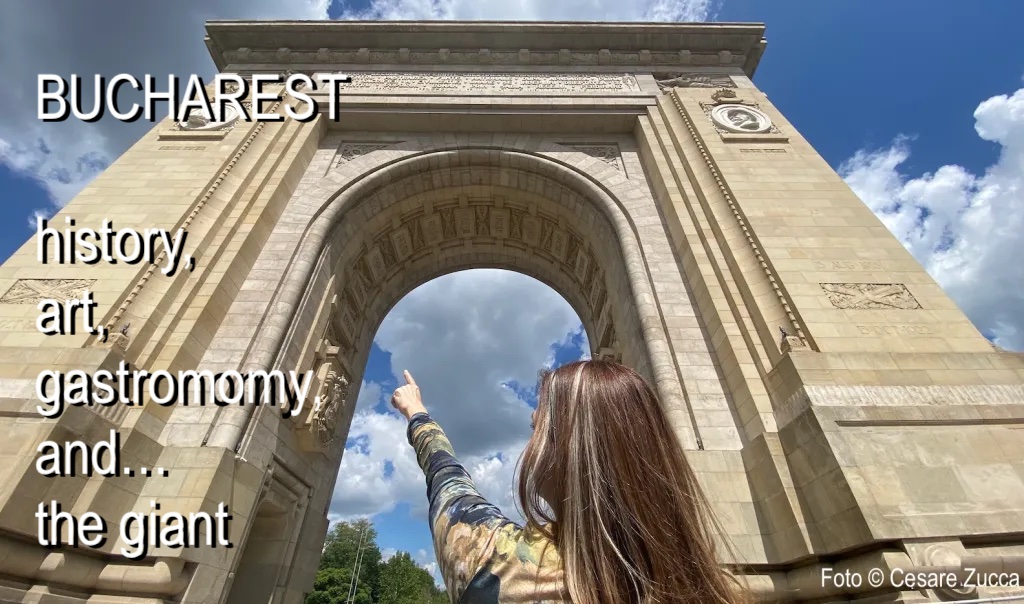


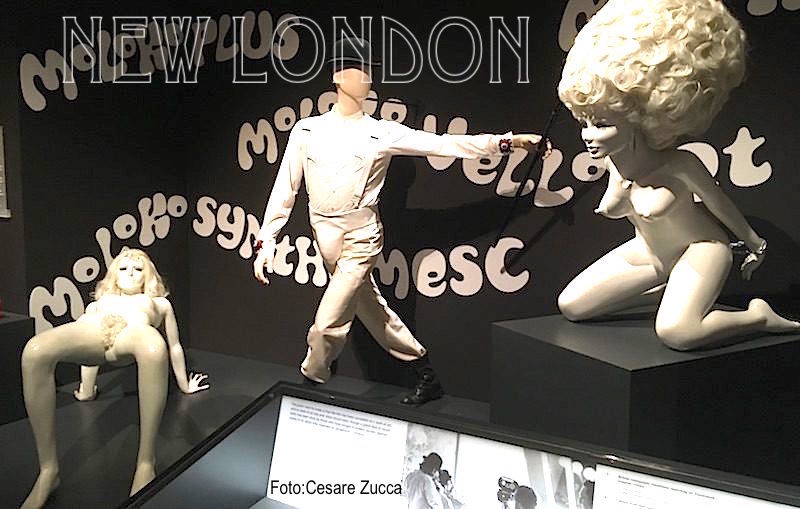

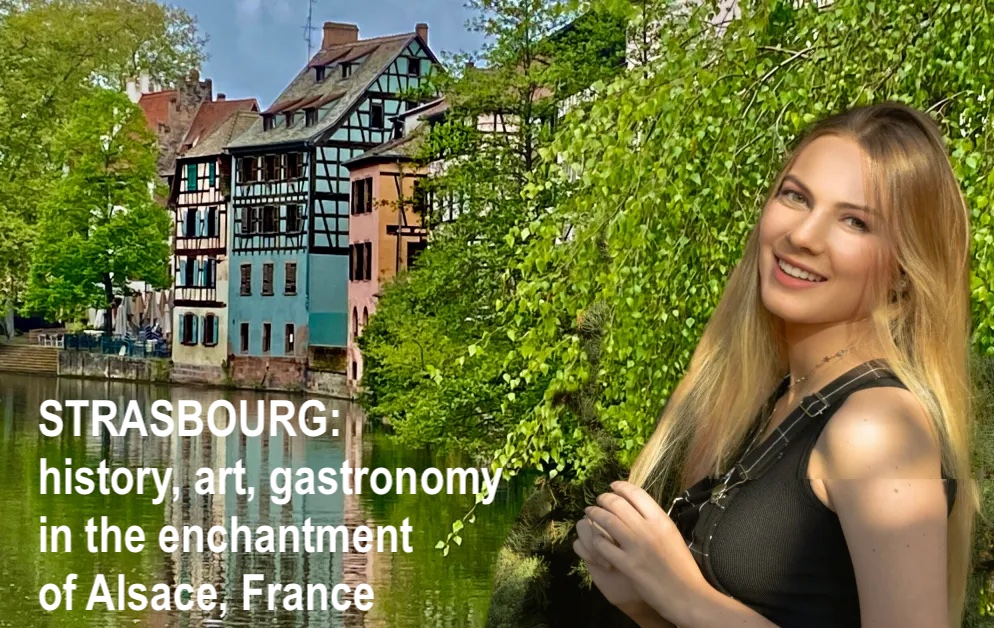



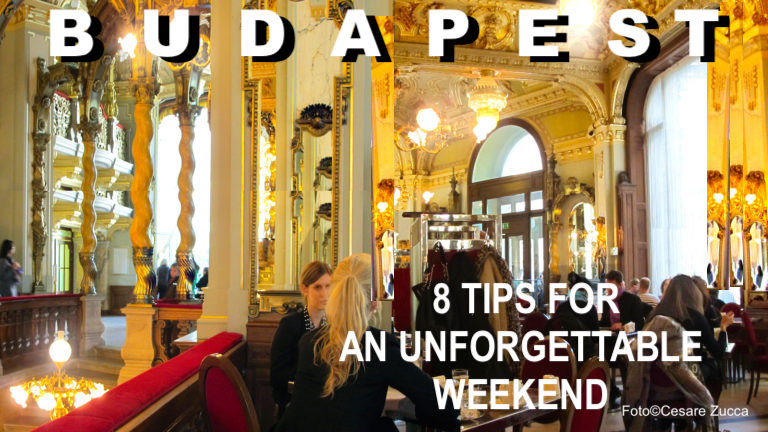
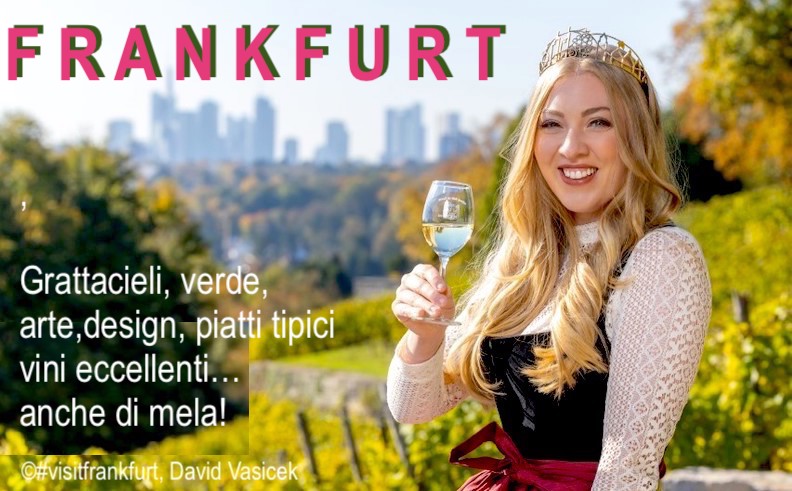
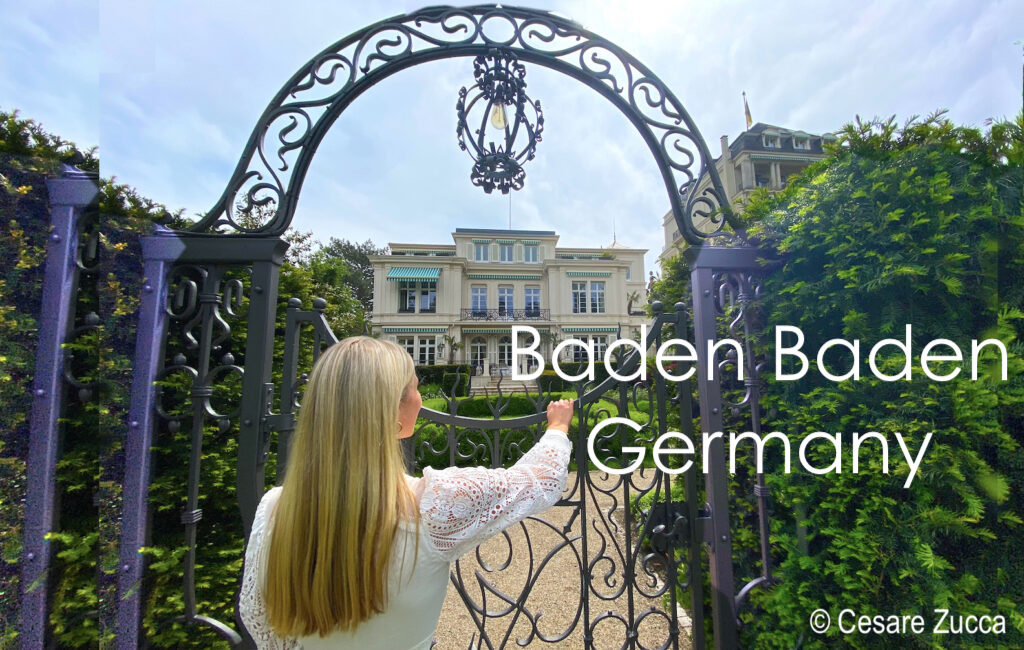

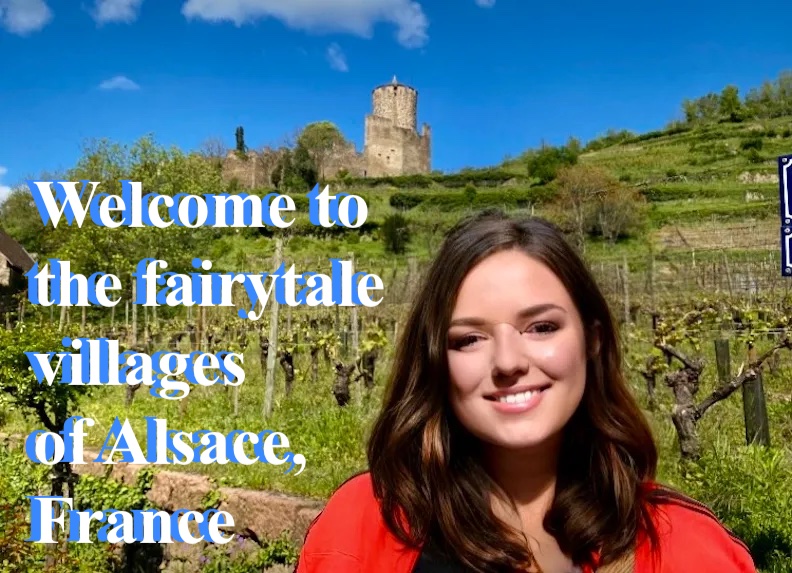



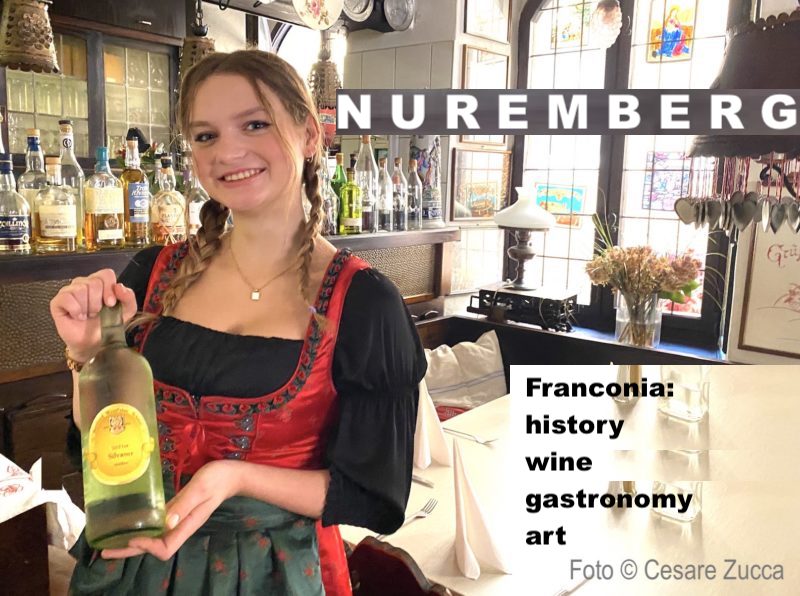
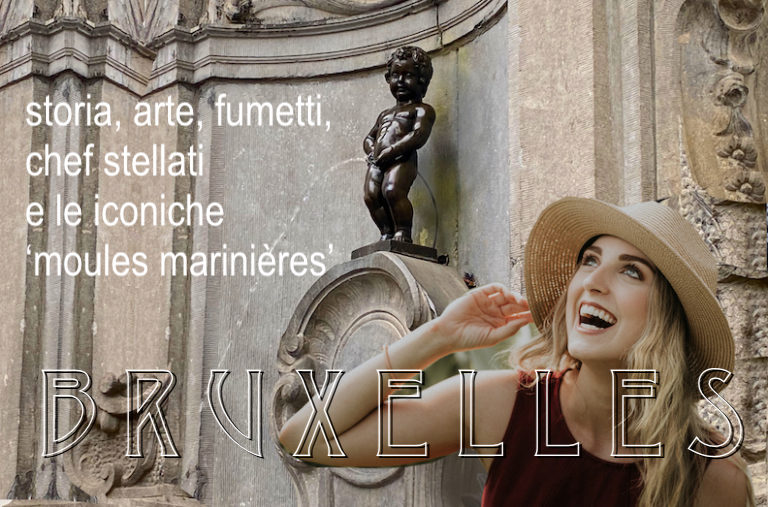

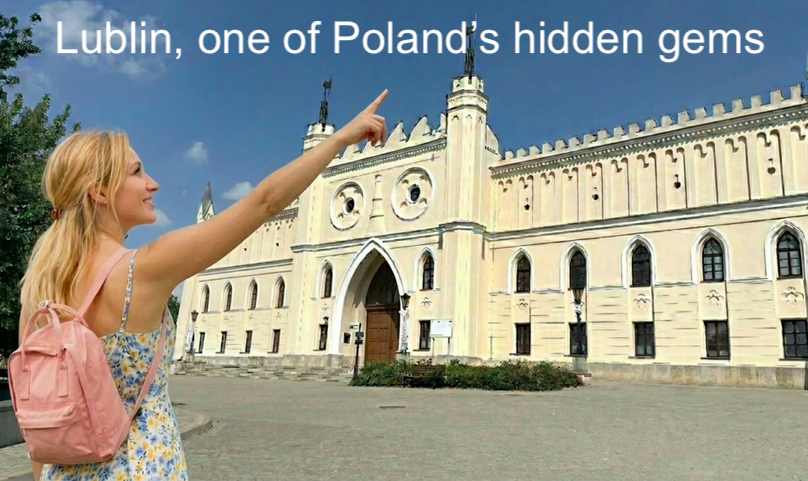

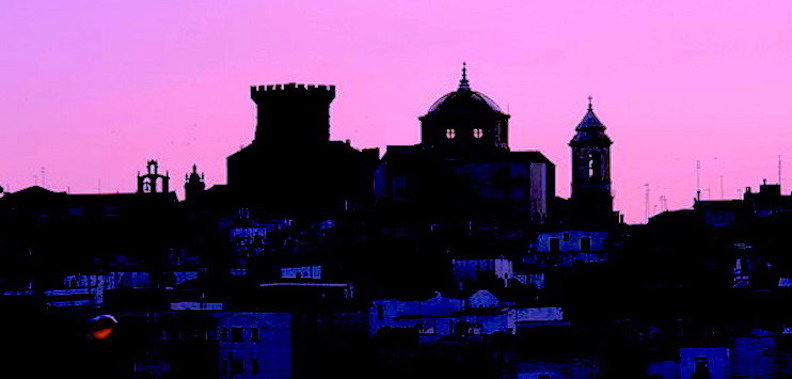
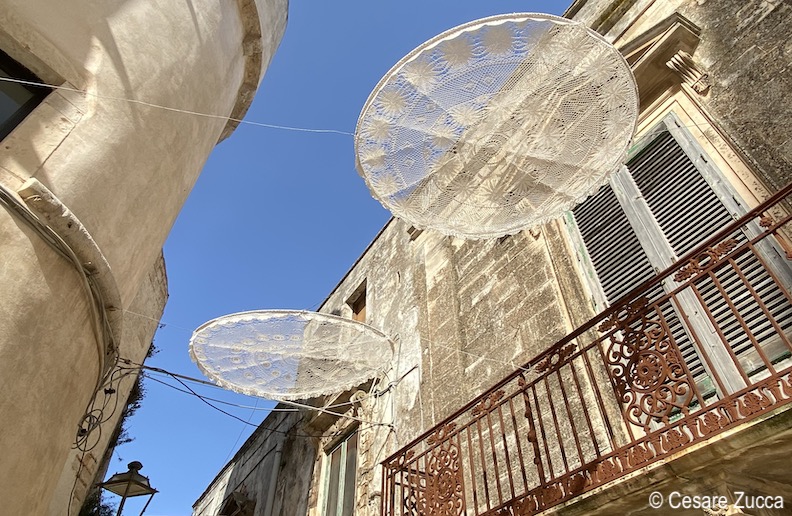

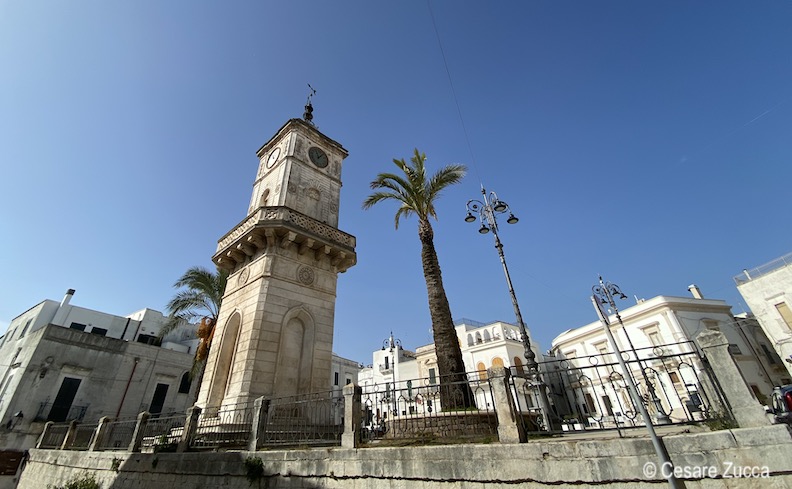
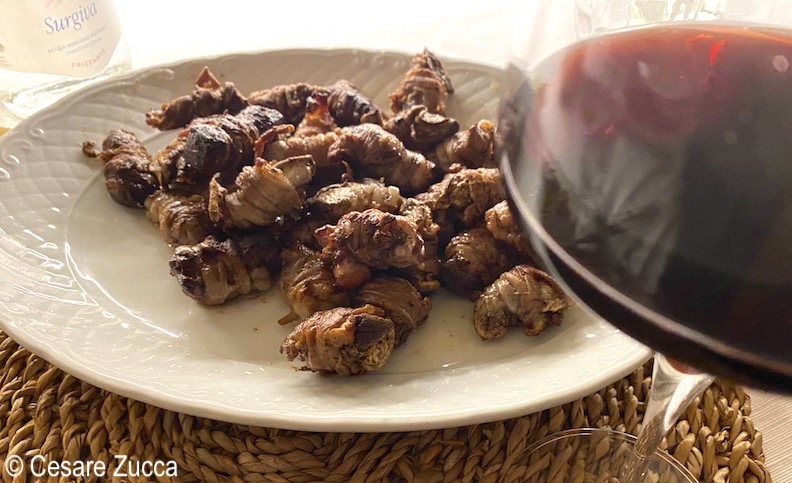

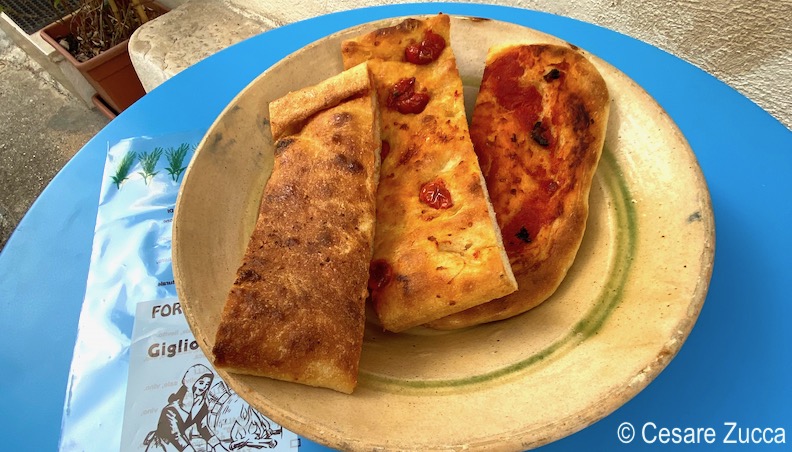
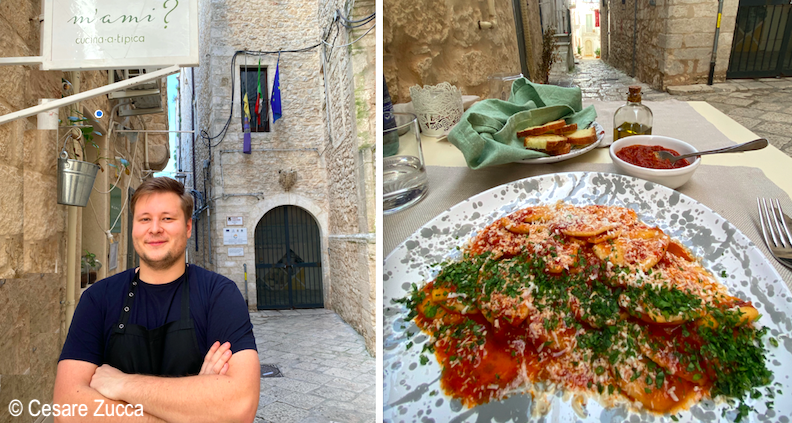
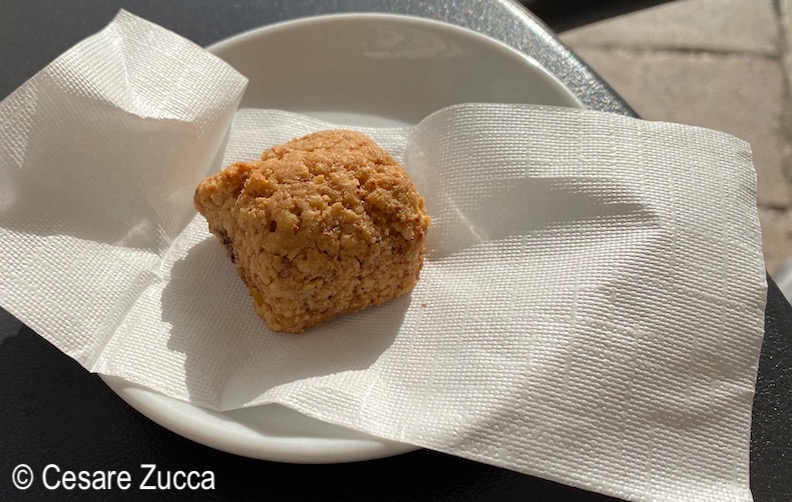

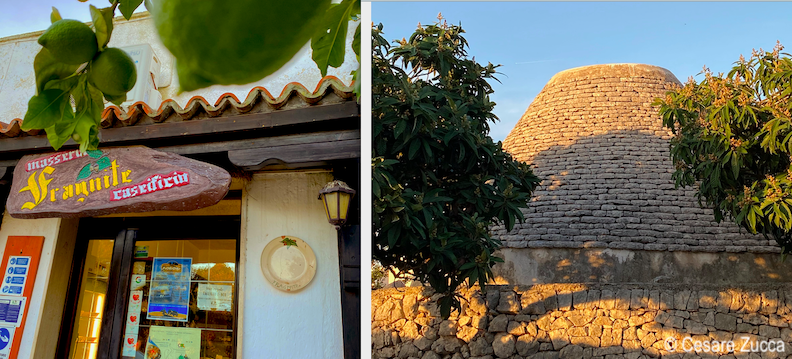


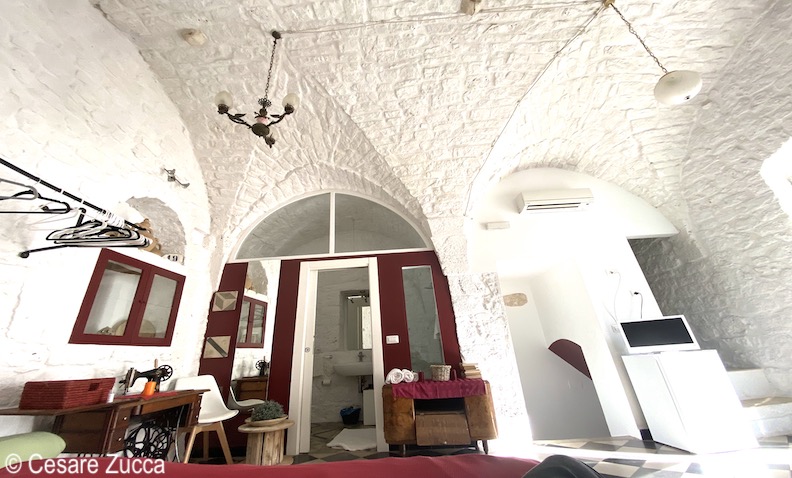

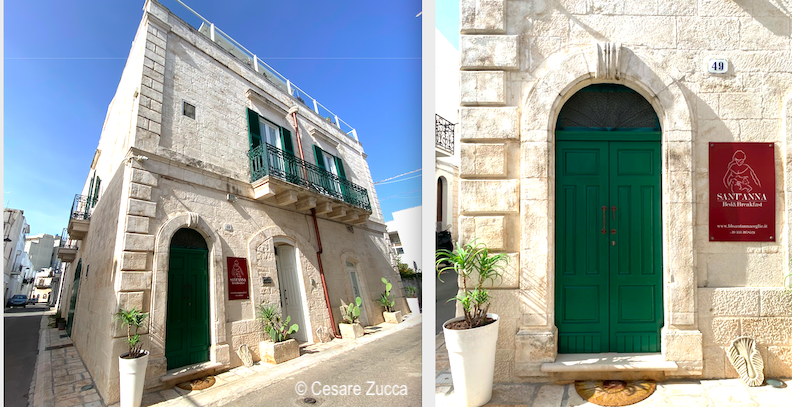
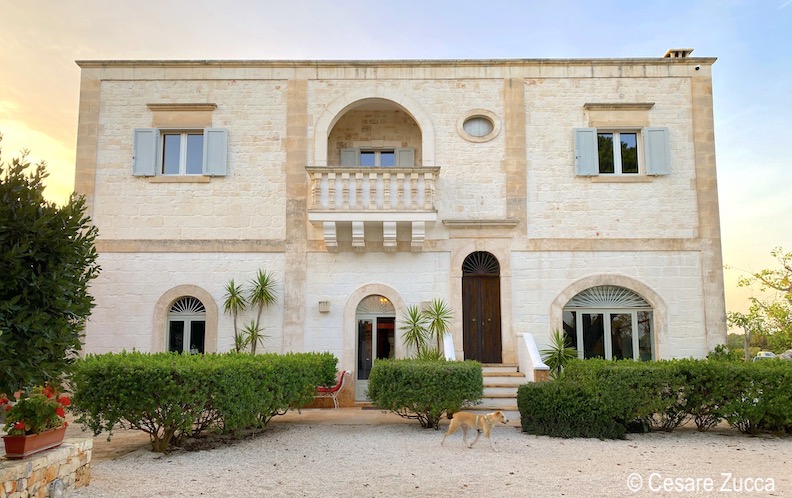


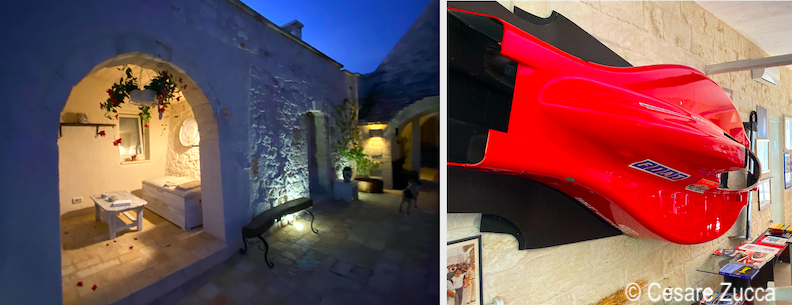 Tutt’intorno, Intorno si estende una vasta la campagna dove viene prodotto l’olio extra vergine di oliva di qualità superiore al vino primitivo, grano tipo “senatore Cappelli”, ingrediente base per la produzione delle tipiche orecchiette pugliesi, ortaggi, foraggio, frutta , noci, mandorle, nocciole, capperi, ceci, lupini .


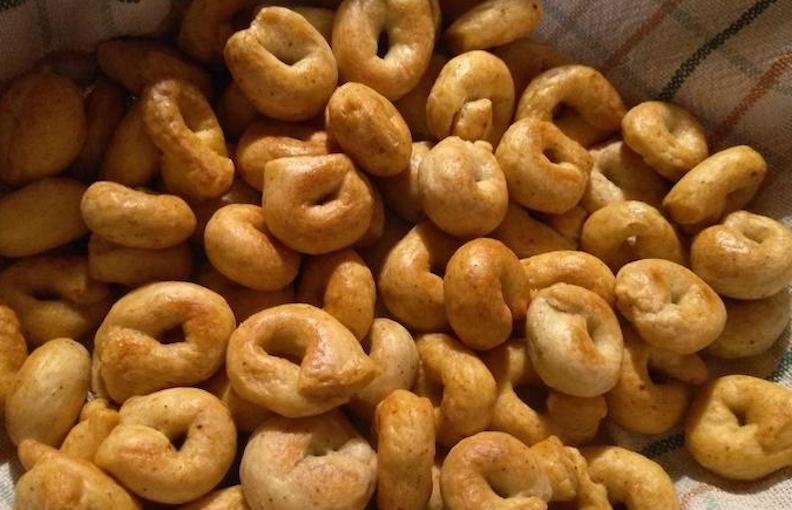


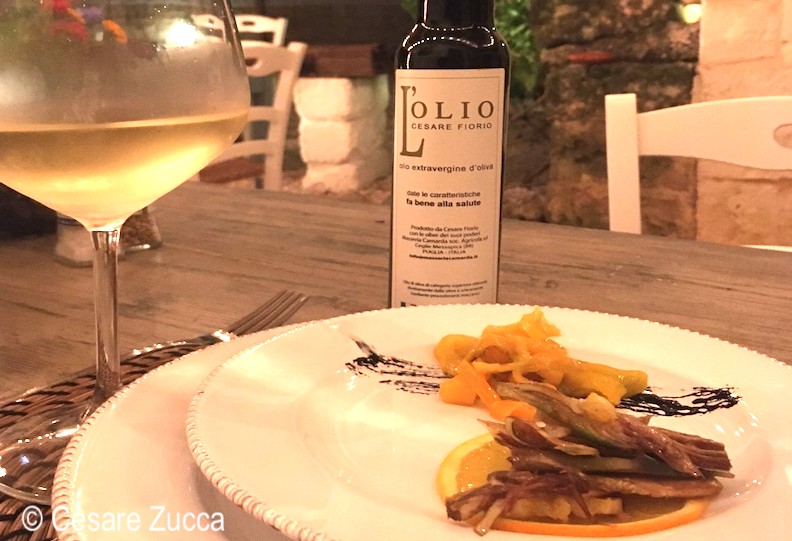
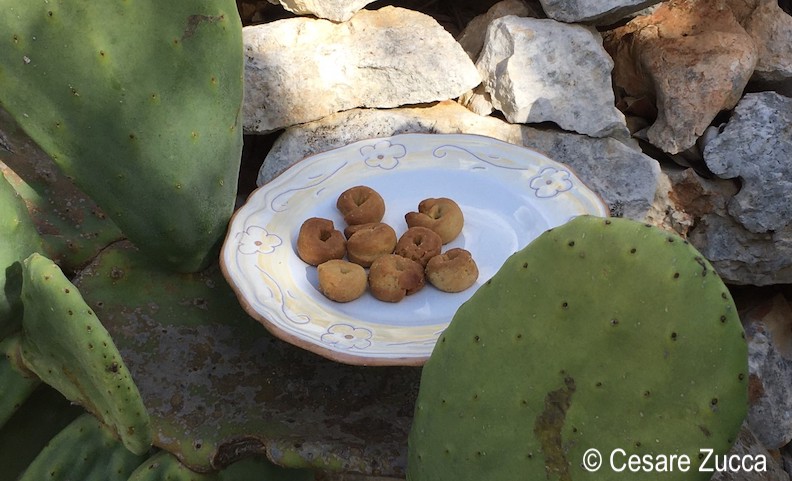
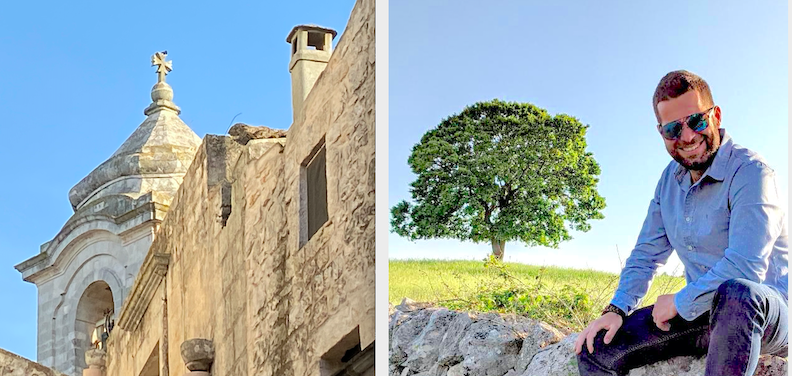
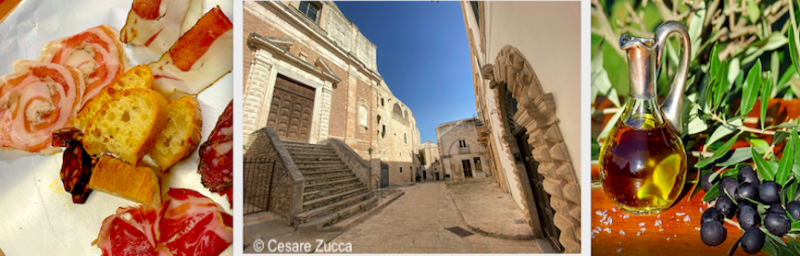
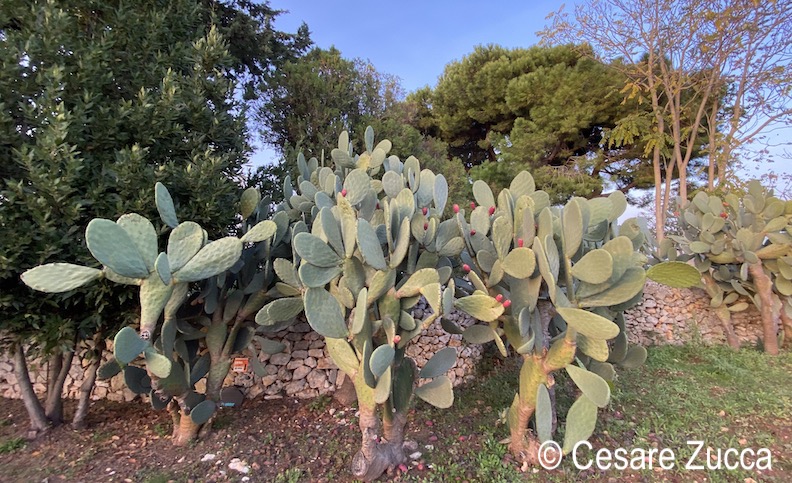


 While in Milan, I visited the spectacular

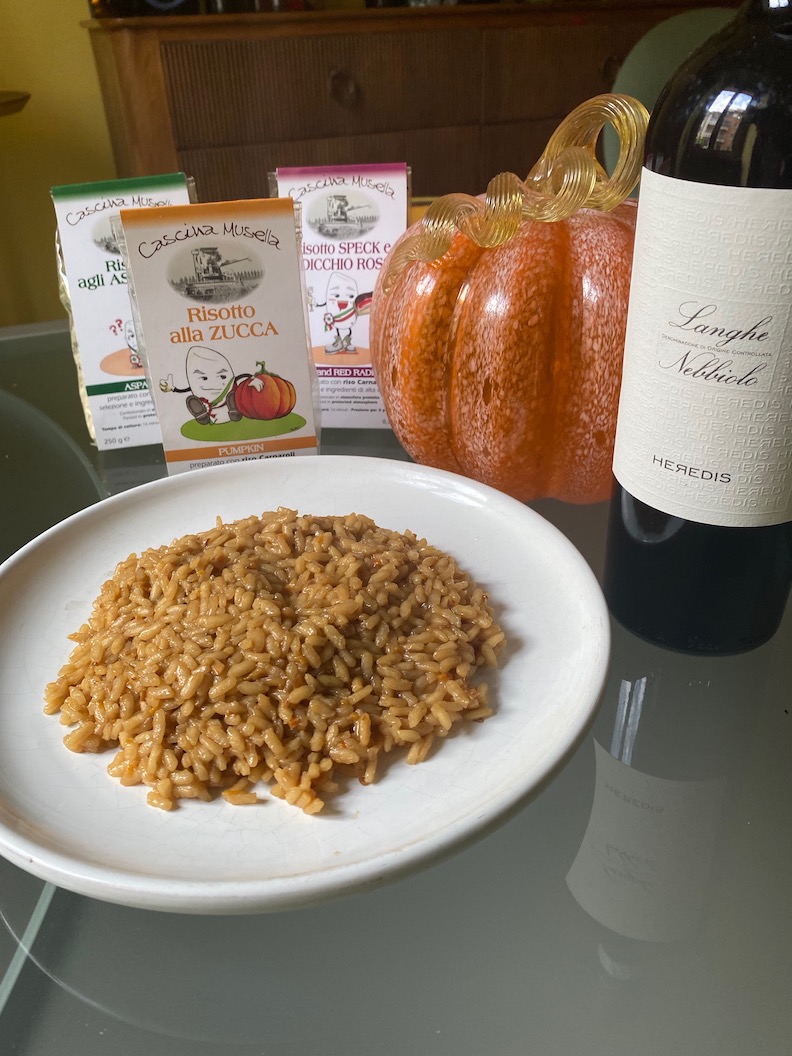
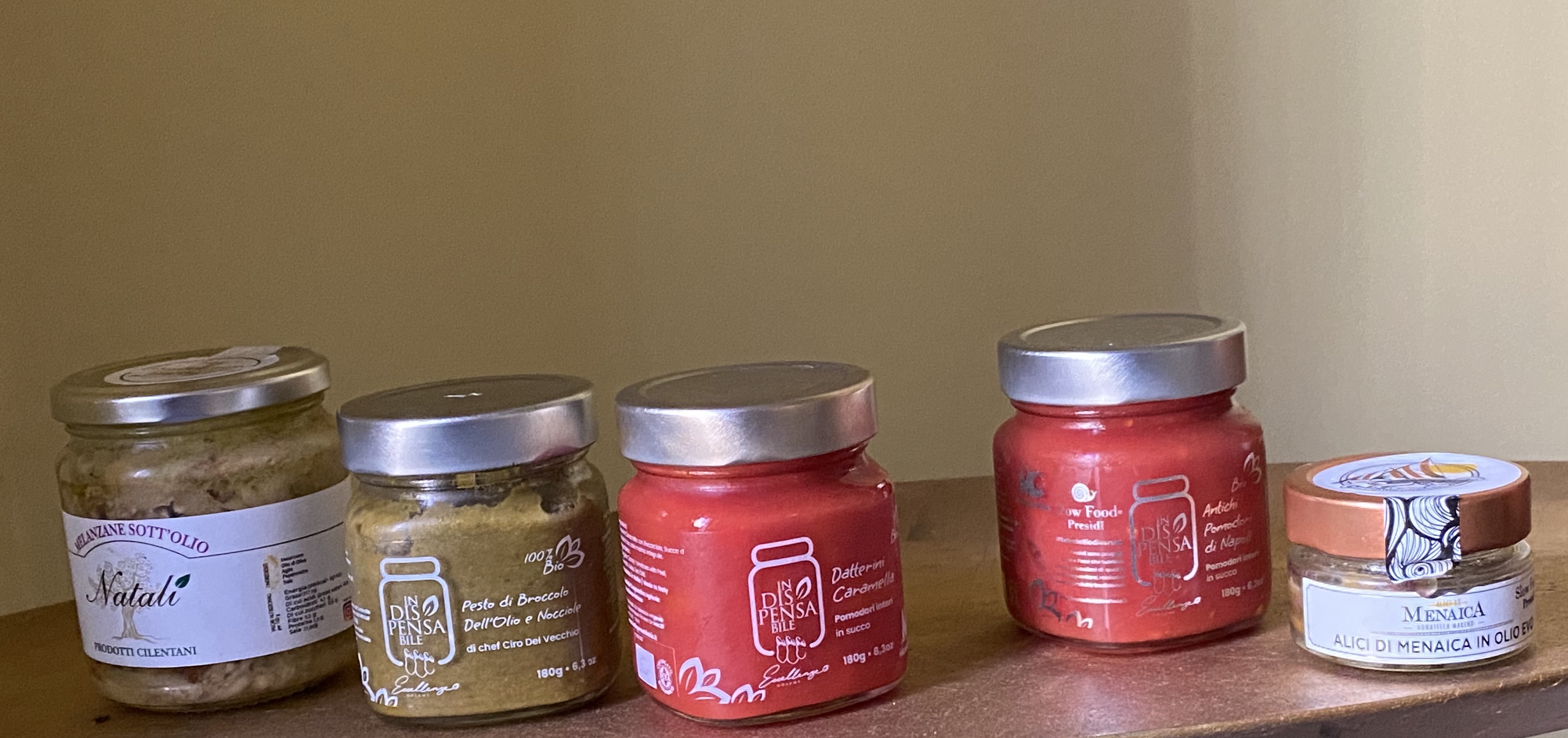


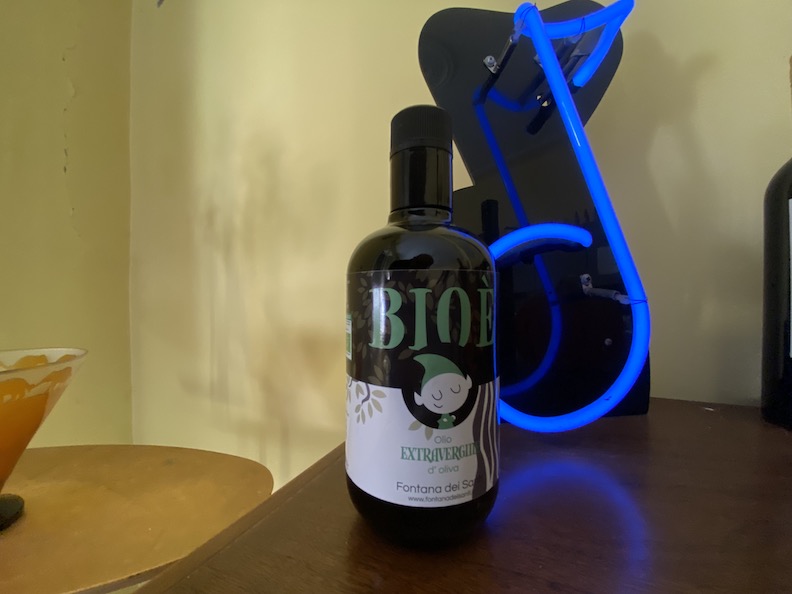


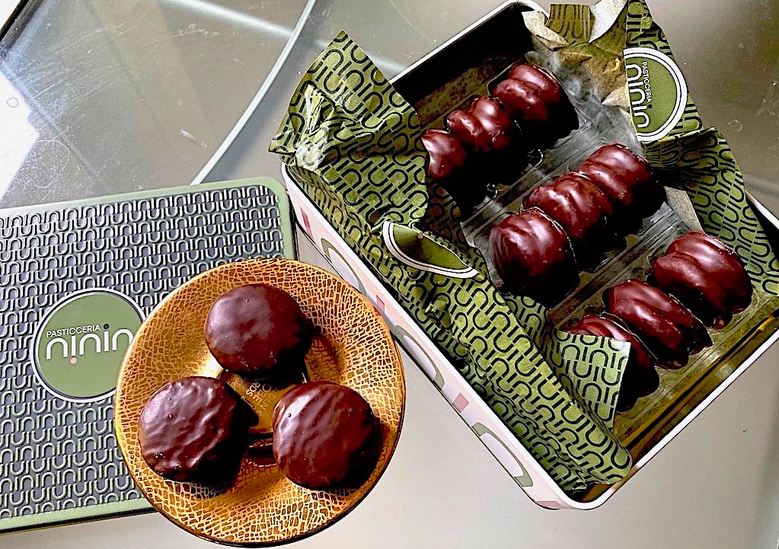



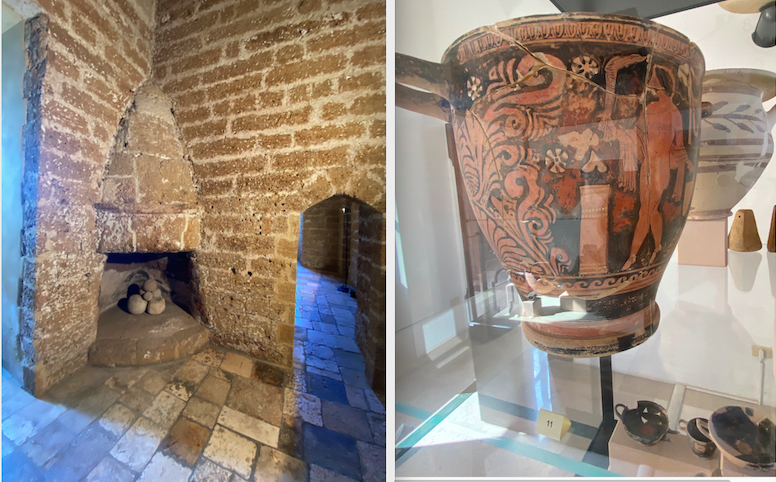

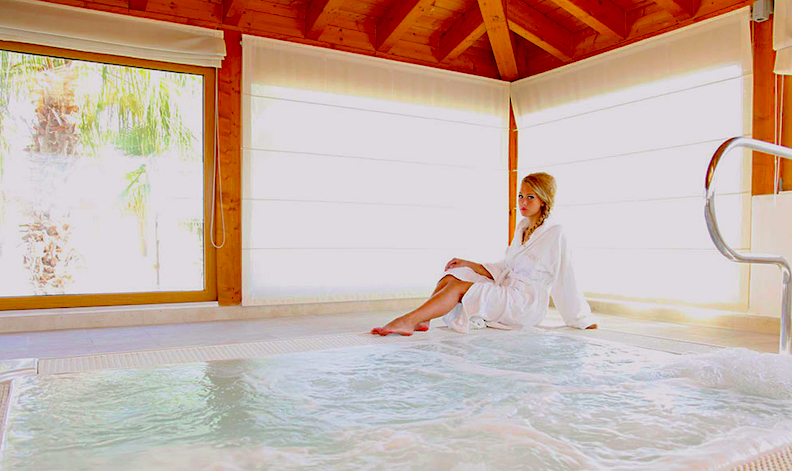

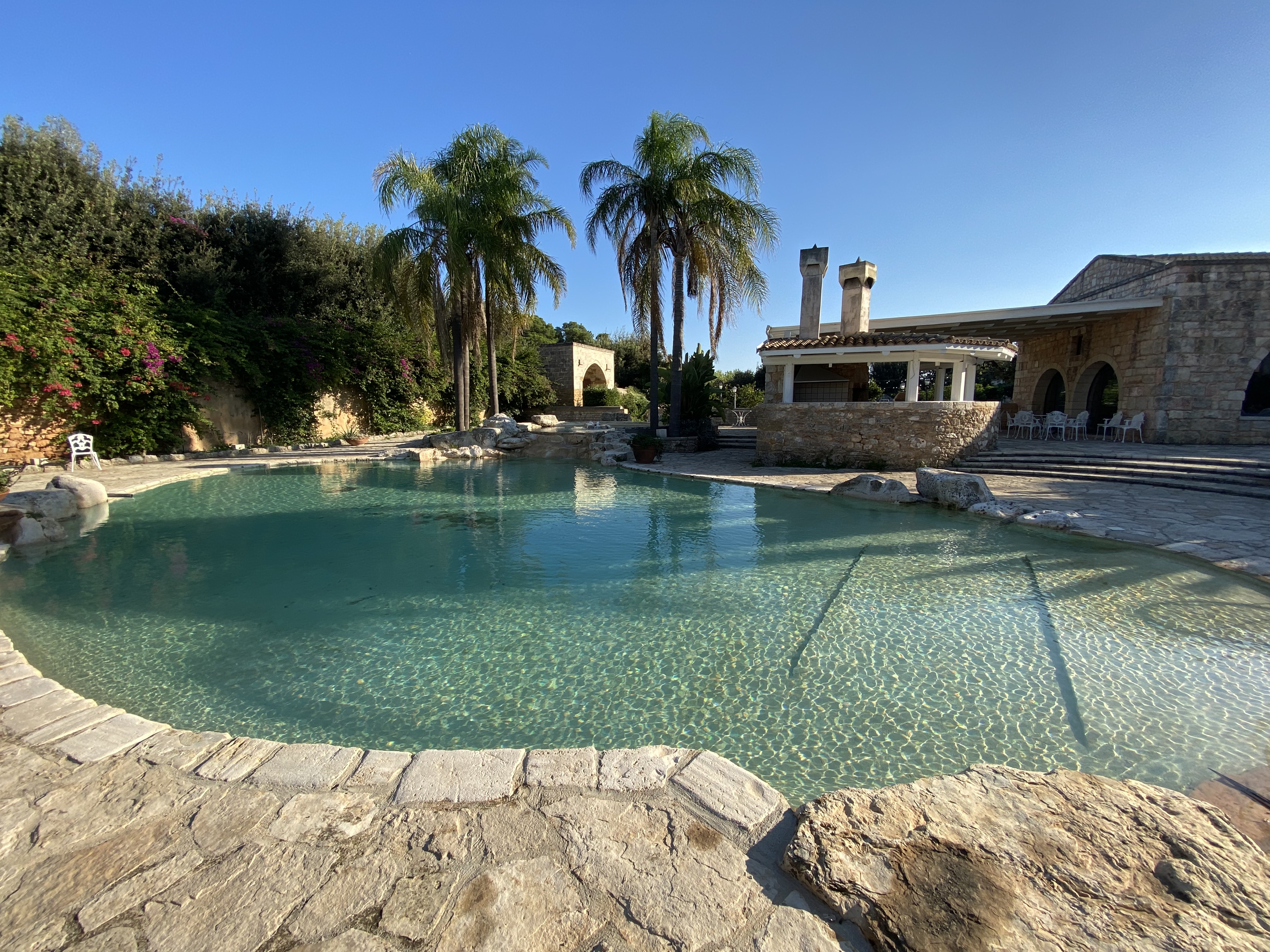


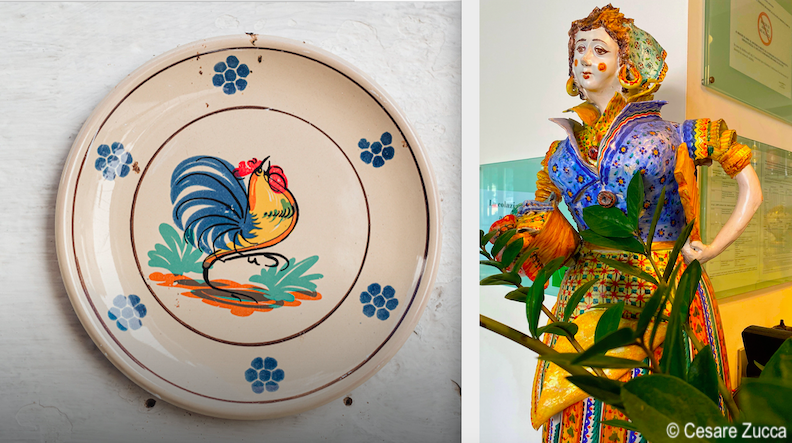


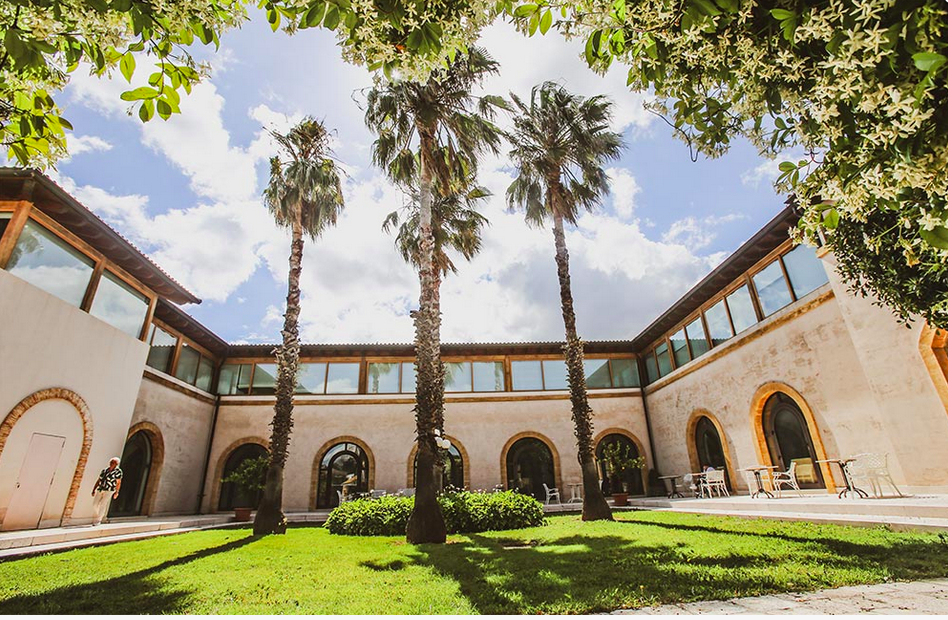
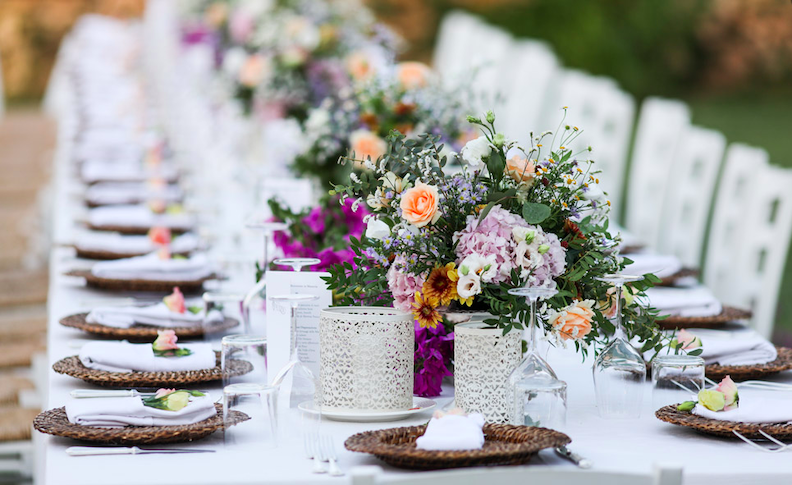
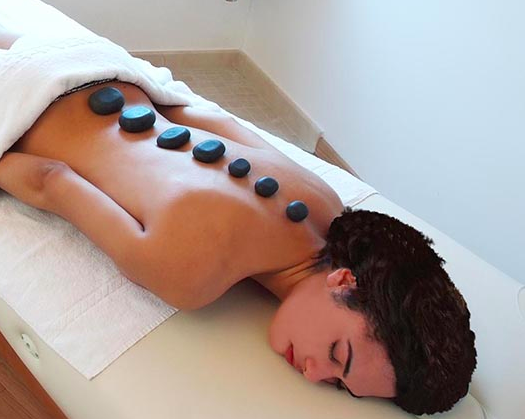
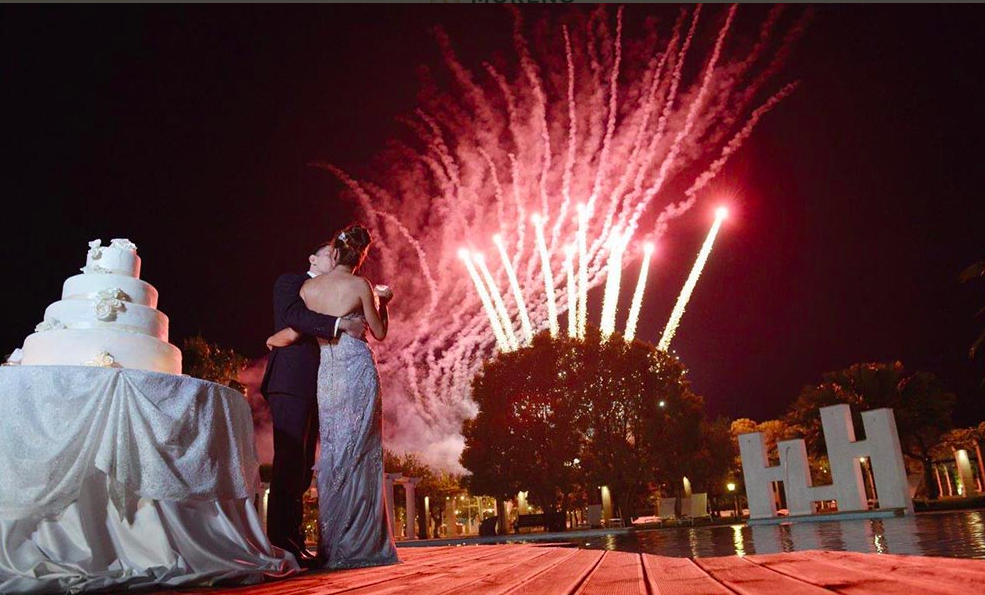

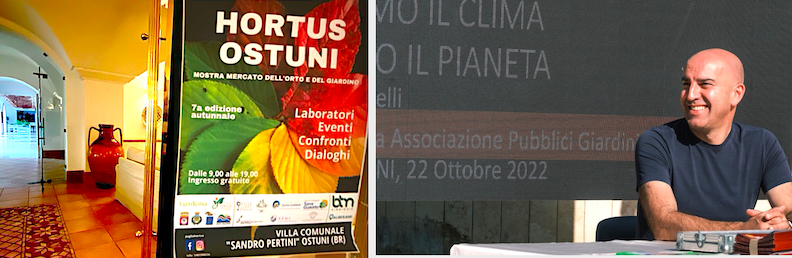

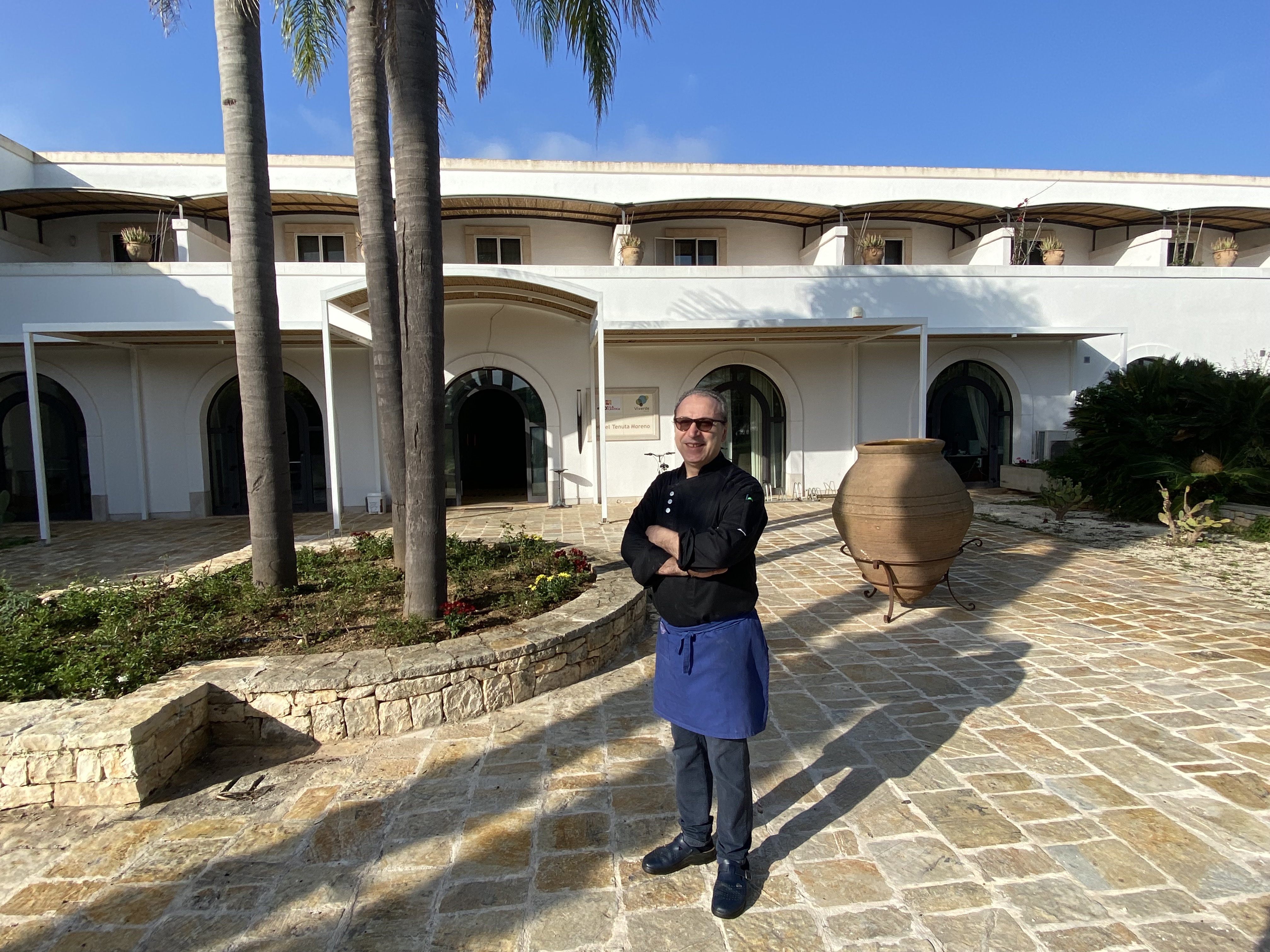


 And he was right, from then until today the historic restaurant shines with a superb and innovative interpretation of local recipes. With a touch of comfort and fine opulence. starting with the tables set with the finest Flemish silk, the silver cutlery and the elegant Besserat chalice as a welcome


 I I have to confess: I am quite curious, but never asked for the recipe, if anything the skill is appreciated and imagined for my cuisine which is half Spanish and half French, which loves creativity and imagination, with an eye to Japanese techniques. I take it you love Japan … Yes, I’ve been there 10 times and every time I am amazed by their way of cooking, of making broth, of cooking fish at such a high temperature …


 Un museo sorprendentemete ‘in azione’, dove in alcune sale succedono dei veri e propri happening che ospitano sedute di tatuaggio artistico, classi di disegno e a volte artisti conosciuti come il fumettista Arno Vanheule e le sue vignette sulla storia di Marat.


 The Augustin è un boutique hotel rinnovato in stile moderno, e si trova a meno di 1 km dalla Stazione di Bruxelles Midi e a 200 metri dalla fermata della metropolitana Anneessens. ‘La struttura offre una sala fitness, una reception aperta 24 ore su 24, e la connessione Wi-Fi gratuita,
 Personale estramemente cordiale e attento e gentile, basta pensare ai fiori freschi recapitati in camera al mio arrivo… Camere spaziose, dotate di ampie finestre con vista sulla strada o sul patio-giardino, tutte fornite di aria condizionata, scrivania, minibar, area salotto, alcune includono un frigorifero, mentre altre offrono un minibar. C’è un tranquillo bar per relax o per un drink, il breakfast è soddisfacente e, per posizione e servizio, questa struttura si merita un ottimo voto.


 Oltre al Clandestino, Cedroni conduce da anni il 2 Stelle Michelin Madonnina del Pescatore, Senigallia, dove la tradizione e l’ esecuzione accurata regalano sapori innovativi. Meritano una citazione le afrodisiache penne, capesante essiccate, burro ai ricci di mare e seppia ai carboni, arricchite dal sapore di erbe selvatiche, essiccate e grigliate.


 cannolicchio della Madonnina e Il baccalà che salo io
 Le novità estive del Clandestino?
 Ho rielaborato il riso a tre sughi di ‘The big night” e poi ancora le torte strampalate di ‘Ricette d’amore’ Per ricordare lo spassosissimo ‘Ratatouille’ ho utilizzato una spigola cilena che ho servito con una ratatouille di verdure.


 Al timone dello stellato


 INFO


