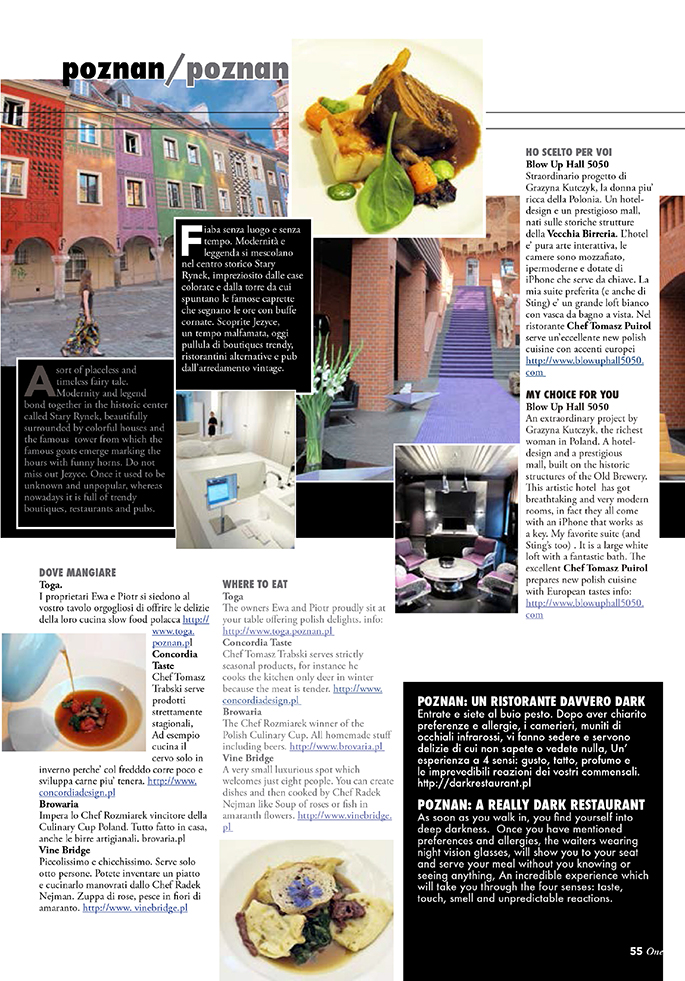
Trapani is a historic coastal city on Sicily’s western tip, shaped by Phoenician, Roman, Arab, and Spanish influences. Founded as a harbor for the nearby hill town of Erice, Trapani grew into a key Mediterranean trading port, especially known for its salt production and coral craftsmanship. Its art and architecture reflect this layered past. The old town features elegant Baroque churches like the Chiesa del Purgatorio, home to the famous wooden sculptures carried during the Good Friday procession, one of Sicily’s most important religious events. Nearby, the salt pans of the Riserva Naturale Saline di Trapani e Paceco offer a unique landscape of windmills and pink-hued waters.
Visitors should stroll along the historic center, take a cable car up to Erice for panoramic views, and explore the coastline. Don’t miss island excursions to the Egadi Islands. Trapani’s cuisine is rich and distinctive. Try couscous di pesce, a legacy of Arab influence,like the cous cous, along with busiate pasta with pesto Trapanese, made from almonds, tomatoes, and garlic. Fresh seafood, especially tuna, is central to local dishes, often paired with crisp Sicilian wines.
Atelier Ines (Napoli)
Benvenuti nel Rione Sanità, un allegro caos di voci, suoni, rumori e strombazzanti motorette che tagliano le strade. Però in tutto questo traffico, ho trovato una vera oasi di pace e silenzio… insomma, ho scoperto un piccolo gioiello.
Aprite il cancello e immergetevi nella magica atmosfera dell’ Atelier Ines, un B&B con cinque camere, una diversa dall’altra e una suite, arredate con i pezzi design creati da Vincenzo Oste e veramente tranquille, luminose e curatissime nei dettagli e nei comfort, dotate di bagni in ceramica di Vietri.
L’ Atelier è situato nel cuore della Sanità, a 600 metri dall’Osservatorio astronomico di Capodimonte e offre camere climatizzate con WiFi gratuito, mentre alcune unità dispongono di un’area salotto dove è possibile rilassarsi.
La colazione offre marmellate fatte in casa, yogurt e torte (meravigliose) nonché uova fresche di fattoria e frutta biologica.
Un posto dove ci si sente a casa e si è affascinati dal decoro, dall’arredamento e dal grande talento presente in ogni singola creazione, dalle lampade ai portasciugamani a spirale, alle testate scultoree uniche nel loro genere. In più gli ospiti sono invitati a esplorare l’adiacente laboratorio e l’archivio Oste.
Bologna nel Cuore (Bologna)
In the heart of the city I met the lovely Maria Ketty, a splendid lady of Venetian origins and ex-photomodel, who for 14 years has been passionately managing her B&B Bologna nel Cuore, a cozy apartment with two finely furnished rooms, each with a private bathroom among two other fully funished apartments.
A wonderful living room with period paintings. There Mary serves an accurate personalized breakfast according to the needs of the customer (I tasted one of my favorite desserts, the home-made rice cake …) So if you are looking fo service, family warmth and careful care, with the utmost respect for privacy, as well as precious ideas for venturing to discover Bologna, this B&B is for you.
BnB Sant’Anna (Ceglie Messapica, Apulia) Pamela Filomeno gestisce e cura queste strutture. con passione e amore. Gli alloggi sono climatizzati e dotati di TV LCD e bagno privato.Per chi cerca “qualità-prezzo”, questi alloggi si adattano perfettamente
B&B Sant’Anna
Casa Schiavenza Via Mazzini 4, Perno,( Piemonte)
Un’ accogliente villetta B&B dotata di una capace cucina, due bagni, un piacevole terrazzo con vista sulle Laghe, una bella piscina, un garage privato e capace di ospitare fino a 8 persone.
Se non avrete voglia di cucinare, poco distante troverete il ristorante “Cucina di Langa“ capitanata da Emanuela, la proprietaria del BnB . dalla Chef mamma Maura e dalla nonna Luciana, all’insegna della cortesia e del buon gusto in una vera tradizione di famiglia.
Chef Mamma Maura
Nel ristorante troviamo una grande sala bianca, pulita ed essenziale , con qualche tocco vintage come la credenza della nonna, viene servito un menu con pochi, selezionati piatti della tradizione, come i plin al brasato di barolo, la faraona al forno oltre a qualche rispettosa rivistazione. Concedetevi un goloso pasto annaffiato da un bicchiere di Barolo o Dolcetto rigorosamente locali.
Borgo Murgia B&B ( Andria, Apulia)
Un tuffo nel cuore di Andria antica. Pulito, moderno, funzionale, cucina ben attrezzata, letto comodo , insomma super accogliente. La terrazza vi offre una vista incantevole della città di Andria e dei suoi meravigliosi campanili, inutile dire quanto piacevole possa essere un “breakfast con vista” ! Sorpresa! Il pianterreno, che posa sulle fondamenta, dove un segreto è stato celato per decenni: gli antichi insediamenti urbani risalenti all’epoca normanna.Oggi Il tour Casa Museo offre un viaggio esperienziale e sensoriale, alla scoperta di ambienti ipogei scavati nei secoli e posti a oltre 12 metri di profondità, tra antiche grotte e dimore contadine, cisterne, cave di pietra e stratificazioni rocciose in cui sono incastonati come gemme reperti fossili risalenti a milioni di anni fa.Casa D’Anna (Napoli)
Una “maison d’art” elegante, riservata. Bellissima casa d’epoca con quattro camere nel centro del Rione Sanità che con il tempo è diventata punto di riferimento a Napoli per una clientela raffinata, colta ed esigente.
Dimora barocca dei primi del 1500, finemente restaurata, si trova al secondo piano di Palazzo Giannattasio, a pochi passi dal Museo Archeologico, indirizzo ideale per un’esperienza autentica della vita napoletana grazie alla sua posizione nel vivace mercato rionale della Sanità.
Al piano superiore di Casa D’Anna si trova un ampio giardino che ospita decine di meravigliose piante mediterranee come bouganville, limoni e gelsomini. Puoi rilassarti con un bicchiere di vino, sfogliare una rivista o semplicemente prendere il sole.
Residence San Gennaro (Matera)
Super friendly host Francesco delighted me with anecdotes about the city, gave me tips took me to the prehistoric hypogeous cave below the residence, embellished with a precious Nativity and prepared a great breakfast that included fresh local products.
I stayed in Guerricchio suite, that has a kitchenette, a delightful double bedroom, a private bathroom and a cute little balcony to enjoy the view on the enchanting Sassi of Matera. It is At the entrance an artistic work of great value welcomed me. “Girasoli di Guerricchio”, a Lucanian artist to whom the suite is dedicated.
Praga è una delle città più romantiche e affascinanti d’Europa, perfetta da esplorare in un fine settimana d’autunno. Il cuore della visita parte da Staré Město, la Città Vecchia, Da non perdere la Piazza dell’Orologio, dove allo scoccare dell’ora le figure dell’Orologio Astronomico prendono vita.
Da qui, passeggiando tra vicoli e botteghe, si arriva al fiume Moldava e al simbolo della città, il suggestivo Ponte Carlo (Karlův most), uno dei simboli di Praga. Progettato dall’architetto Petr Parléř, divenne per secoli la via principale di collegamento tra le regioni dell’Impero boemo e il resto d’Europa, favorendo commercio e processioni reali.
E’ celebre per le sue 30 statue barocche, tra cui spiccano San Venceslao, Sant’Anna, i santi della Compagnia di Gesù e gruppi scultorei che celebrano il cattolicesimo boemo. Oggi il ponte è uno dei luoghi più visitati d’Europa, animato da artisti e musicisti di strada, soprattutto all’alba e al tramonto, quando offre scorci romantici sulla città.
Il secondo giorno del vostro weekend può essere dedicato a Malá Strana e al Castello di Praga, uno dei complessi reali più grandi del mondo, che include la spettacolare Cattedrale di San Vito e il fiabesco Vicolo d’Oro. Per una vista panoramica imperdibile, sali sulla Collina di Petřín o sulla Torre del Municipio. La sera, una crociera sul fiume è un modo romantico e rilassante per ammirare la città illuminata.
FOOD Sul fronte gastronomico, Praga offre piatti sostanziosi e saporiti. Tra le specialità da provare ci sono il goulash con knedlíky (gnocchi di pane), il vepřo knedlo zelo (maiale con crauti), il svíčková con salsa alla panna e mirtilli, e lo smažený sýr, amatissimo formaggio fritto, spesso accompagnato da una birra Pilsner. orgoglio nazionale.
Il famoso Prosciutto di Praga cotto affumicato, originario della Boemia, preparato con cosce di suino che vengono salate, affumicate con legno di faggio e poi cotte, tradizionalmente a vapore o, in modo più antico, su uno spiedo).
Questo processo gli conferisce un sapore e una consistenza unici, morbidi e con un aroma caratteristico. Si trova normalmente in commercio senz’osso, anche se intero con osso è ritenuto più pregiato.
Il dolce tipico di Praga è il trdelník ottenuto da un impasto lievitato che viene arrotolato attorno a un cilindro di legno o metallo e cotto lentamente sul fuoco, per poi essere guarnito con zucchero e cannella, oppure farcito con creme, gelato, frutta e cioccolato.
Ottimo street food, lo troverete in molte bancarelle per le strade di Praga.
DOVE DORMIRE Golden Well , Un boutique-hotel lussuoso, situato in un edificio storico del XVI secolo dall’atmosfera romantica e vista panoramica. Aria, hotel design boutique per chi vuole un soggiorno più raffinato ma non necessariamente ultra-lusso. stile moderno, atmosfera curata, molte camere godono di una spendida vista. Pod Vezi, vicinissimo al Ponte Carlo. Ottimo rapporto qualità/prezzo. Residence Select, camere moderne e posizione comoda per trasporti.lmanac X Alcron,centrale, stile moderno-lusso, adatta a chi vuole ambientazione elegante ma non ultra-lusso.
Io ho scelto il Savoy, posizione centrale, perfetto per chi vuole essere nell’azione senza rinunciare al comfort.Tutte le camere e le suite sono arredate con gusto e dispongono di lussuosi bagni in marmo e set di cortesia per tè e caffè. La colazione dell’hotel è super ricca e sempre preparata al momento con ingredienti accuratamente selezionati
Ah dimenticavo… oltre alle decine di selfies che farete sul Ponte Carlo, date una toccatina alla statua di San San Giovanni Nepomuceno, martire gettato nella Moldava: la leggenda dice che toccare il suo bassorilievo porti fortuna… e un futuro ritorno in città.
Scopriamo insieme Casaprota, un piccolo gioiello della Sabina Reatina, nel cuore del Lazio. Sorge a 523 metri di altezza sul livello del mare, immersa tra colline verdi, uliveti secolari e panorami che sembrano usciti da una cartolina.
Li’ troveremo quell’atmosfera autentica che solo i borghi italiani sanno regalare: vicoli in pietra, piazzette dove il tempo sembra fermarsi e un ritmo di vita lento, tutto da gustare… a cominciare dalle castagne!
Dal punto di vista storico, Casaprota ha origini antiche: le prime testimonianze risalgono all’epoca romana, ma il borgo attuale conserva soprattutto il fascino medievale, con il suo castello e le mura che dominano la vallata. Passeggiando tra le sue stradine si scoprono piccole chiese ricche di arte, come la Chiesa di San Domenico e quella di San Michele Arcangelo, che custodiscono affreschi e opere d’epoca.
Il territorio di Casaprota è un mix perfetto tra natura e tradizione. I dintorni sono ideali per chi ama le escursioni: ci sono sentieri che attraversano boschi di querce e castagni, perfetti per trekking, passeggiate a cavallo o gite in mountain bike. Da qui si possono raggiungere anche luoghi spettacolari come il Monte Tancia o le Gole del Farfa, dove la natura è protagonista assoluta. La Sabina Reatina è un territorio ancora genuino, poco turistico ma pieno di sorprese: abbazie millenarie, panorami mozzafiato e borghi che raccontano storie di pastori, monaci e contadini.
È un luogo dove si vive bene, si mangia meglio e si respira un’aria di autenticità. Casaprota ne è l’esempio perfetto: piccolo ma pieno di vita, ideale per un weekend rilassante tra natura, storia e… ottima cucina. La gastronomia di Casaprota e, più in generale, quella della Sabina Reatina, è un trionfo di semplicità, genuinità e sapori autentici. È una gastronomia “di terra”, fatta di ingredienti poveri ma di grande qualità, dove trionfa l’olio DOP Sabina, uno dei più pregiati d’Italia: profumato, leggero e fruttato, viene usato ovunque, dalle bruschette al condimento dei piatti di carne e verdura. A Casaprota e nei paesi vicini, l’olivicoltura è una tradizione secolare, tramandata con orgoglio da generazioni. Durante la raccolta, tra ottobre e dicembre, le colline si riempiono di vita: un vero rito contadino.
I piatti tipici La pasta fatta in casa è una religione. Le specialità più amate sono le fettuccine ai funghi porcini, i tonnarelli cacio e pepe, e gli gnocchi al sugo di castrato. Poi ci sono i maccaruni a fezze, tirati a mano e serviti con sugo di pomodoro e pecorino sabino, stagionato al punto giusto.
Tra i secondi, spiccano la porchetta sabina, il cinghiale in umido e l’agnello alla scottadito, spesso accompagnati da verdure dell’orto e funghi raccolti nei boschi vicini. In autunno, le castagne diventano protagoniste: nei dolci, nei contorni e, abbinate ai porcini, in saporite zuppe.
E nel calice? Vini schietti e profumati, prodotti nelle colline tra Rieti e Roma. Tra i più apprezzati troviamo il Colli della Sabina DOC, sia rosso che bianco. Il rosso, morbido e corposo, accompagna perfettamente le carni e i salumi; il bianco, fresco e aromatico, è ottimo con i formaggi e gli antipasti. E poi, immancabile in autunno, il vino novello, servito durante le sagre insieme alle caldarroste.
Uno degli appuntamenti più attesi è la Festa d’Autunno, una tradizione per buongustai e curiosi, pronti a tuffarsi nei piatti tipici di una terra che da secoli custodisce l’arte del mangiare bene.elebrare i sapori autentici del territorio con la sua Festa d’Autunno, in programma Sabato 25 ottobre a cena e Domenica 26 ottobre a pranzo.
. Protagoniste assolute sono le castagne, arrostite o trasformate in dolci irresistibili, accompagnate da vino novello e piatti tipici come le fettuccine ai funghi porcini o la polenta con sugo di cinghiale. Tra musica, stand gastronomici e mercatini artigianali, l’atmosfera è allegra, conviviale, perfetta per scoprire la vera ospitalità sabina.
La nostra meta weekend è Auronzo di Cadore (Belluno) suggestivo borgo affacciato sull’azzurro del Lago di Santa Caterina. Scoprirete l’architettura originaria delle case in legno e pietra, i balconi fioriti, i vecchi tabià, fienili in legno, costruzioni tipiche che risalgono agli anni 60-70, il lavatoio comunale, oggi ristrutturato, che rimanda indietro nel tempo, quando i panni si lavavano a mano e questo luogo era punto d’incontro e di socializzazione per le donne del paese.
Meritano una visita il Museo Palazzo Conte Metto con sezioni su archeologia, la Grande Guerra, minerali e storia, la Chiesa di San Lucano, Chiesa della Madonna, Chiesa Delle Grazie e la Chiesa di Santa Giustina, con opere del pittore De Min.
Numerose sono le passeggiate che si sviluppano oltre l’abitato di Auronzo, sentieri di bassa montagna che permettono di immergersi nei boschi e nel silenzio, per camminare a ritmo lento e rilassare la mente., come quelli della lussureggiante Val Visdende e i rifugi tra cui Rifugio Auronzo, Fonda-Savio e Carducci che, oltre a numerose escursioni sia facili che più impegnative, fino alle mitiche Tre Cime di Lavaredo. simbolo delle Dolomiti:
Piatti tipici / cucina locale La cucina di Auronzo e del Cadore riflette la tradizione montana: materie prime locali, prodotti caseari, selvaggina, ortaggi, semplicità ma sapore. Ecco cosa non perdere: • Casunziei: ravioli a mezzaluna, ripieni di rapa rossa (variante più diffusa) oppure con patate, cipolle, spesso conditi con burro fuso, semi di papavero e poina, la tipica ricotta affumicata • Canederli: fatti con pane raffermo, speck, formaggio, serviti in brodo oppure al burro o con sughi di montagna.
• Minestra d’orzo o di fagioli: zuppe con cereali / legumi, molto tradizionali. • Polenta accompagnata da carni robuste e saporite (cervo, capriolo, maiale) e arricchita da sughi o formaggi. • Salumi e formaggi locali: latticini, ricotta, caciotte, burro, yogurt. • Dolci: le zopes, la péta, i crafin, frittelle di mele e il tradizionale strudel
Qui, nel cuore delle Dolomiti Bellunesi, il vostro weekend vi regalerà un autentico relax che nasce da paesaggi ancora incontaminati, dove la natura è la vera protagonista, in un paradiso naturale dove trovare la propria dimensione e il giusto ritmo, assaporare accoglienza, genuinità e la gustosa cucina locale.
San Vito lo Capo, in provincia di Trapani è racchiusa nella baia compresa tra la Riserva Naturale dello Zingaro e la Riserva Naturale di Monte Cofano, vanta un territorio di rara bellezza, che si affaccia su un mare cristallino dalle intense tonalità del blu.
Il nucleo storico si snoda attorno a via Savoia, la strada principale, che conduce direttamente al mare. Fate una prima sosta al Santuario di San Vito, in stile arabo normanno, dalle dimensioni imponenti: ben 104 metri base e 16 di altezza, con mura spesse da 2 metri e mezzo a 20 centimetri. Poco distante, si può vedere anche il tempietto di Santa Crescenzia, dedicato alla nutrice del santo.
Procedendo ancora lungo via Savoia vale la pena fare una visita al Museo del Mare, che conserva importanti reperti archeologici recuperati dai fondali marini, tra cui i resti della nave arabo-normanna che giace ancora nella zona antistante il Faro. Proprio questo è un altro dei simboli di San Vito lo Capo. Si tratta, infatti, di uno dei fari più importanti della Sicilia. La sua potente luce, di notte, arriva oltre le venti miglia marine.
Un altro edificio degno di nota è Palazzo La Porta, sede del Municipio. Costruito nel XIX secolo, conserva ancora oggi gli antichi pavimenti di maiolica e l’atrio basolato con pietra locale secondo l’uso ottocentesco. Lo splendido giardino alle spalle del palazzo ospita ogni anno mostre e iniziative culturali.
I dintorni di San Vito lo Capo sono una meraviglia della natura. Non solo un mare cristallino, ma montagne, sentieri, calette e grotte e due Riserve Naturali tutte da scoprire. Tra queste c’è la Riserva Naturale dello Zingaro, che si estende per 7 chilometri nel tratto di costa che va da San Vito lo Capo a Castellamare del Golfo e ha un’estensione di 1700 ettari che occupano gran parte della penisola di San Vito lo Capo.
La zona costiera si compone di calette pittoresche che si affacciano su un mare cristallino dalle mille sfumature dell’azzurro e del verde. In pochi minuti a piedi dalla biglietteria si arriva alla Tonnarella dell’Uzzo, una delle spiagge più frequentate nella stagione estiva, ma che offre il meglio in autunno e in primavera.
Chi ama andare alla scoperta delle spiagge più “segrete”, può prendere il sentiero della costa che tocca Cala Torre dell’Uzzo, Cala Marinella, Cala Beretta, Cala della Disa, Cala del Varo, fino a Cala della Capreia, che tocca il territorio di Scopello.
Il piatto principe di San Vito lo Capo è il cous cous alla trapanese, che abbina la semola al pesce fresco. Impossibile resistere alle arancine di riso, alla carne, al burro o in fantasiose varianti. Tra lo street food locale ci sono le panelle, frittelle di farina di ceci racchiuse in un panino. Con le melanzane si preparano la caponata e le cotolette.
Tra i primi piatti abbondano i condimenti a base di pesce, come la pasta con le sarde, gli spaghetti alle vongole o al nero di seppia. Tra le paste al forno troviamo la ‘ncaciata, citata anche nel celebre serial “Il Commissario Montalbano, e il timballo di anellette, Da non perdere la celebra pasta alla Norma e le busiate al pesto alla trapanese, di cui trovate qui sotto la ricetta.
Busiate al pesto alla Trapanese
Ingredienti
600 gr di busiate (pasta tipica trapanese)
500 gr di pomodori da salsa
40 gr di mandorle pelate
4 spicchi di aglio
1 mazzetto di basilico
100 gr di pecorino grattugiato
Olio EVO
Sale e pepe q.b.
Tritate poi pestate insieme le mandorle, l’aglio e il basilico, aggiungendo un filo di olio di oliva. Quando sarà il tutto ben amalgamato, unite anche il pecorino grattugiato e mescolare. Mettete poi i pomodori a sbollentare nell’acqua calda per qualche minuto, poi pelateli, puliteli dai semi, tagliateli grossolanamente a pezzettoni e passateli nel mortaio. Unite anche gli altri ingredienti, il sale e il pepe. Aggiustate di olio. Cuocete la pasta in acqua salata, scolatela quando è al dente e versatela nel tegame con il sugo. Mescolate e servite.
(Italian version followed by english version) La Costa bergamasca del Lago d’Iseo, situata sulla sponda occidentale, offre un affascinante intreccio di paesaggi, storia e tradizioni enogastronomiche.
Qui le montagne scendono ripide verso l’acqua, creando scorci spettacolari e un’atmosfera più intima rispetto alla sponda bresciana.
La storia di questa costa è segnata da secoli di commercio e pesca, ma anche da momenti difficili legati alle guerre e alle epidemie. Il lago ha sempre rappresentato una via di comunicazione vitale e una risorsa per la vita quotidiana.
L’economia locale si basa principalmente sull’agricoltura, la pastorizia e il turismo, soprattutto quello legato alle escursioni e alle attività all’aria aperta. Nei dintorni si possono percorrere numerosi sentieri, tra cui quelli che portano alla Corna Trentapassi, una cima molto amata dagli escursionisti per la vista spettacolare.
Tra i borghi più suggestivi troviamo Sarnico, con il suo elegante lungolago, le ville in stile liberty e il centro storico ricco di viuzze e botteghe. Più a nord, Predore custodisce resti romani e un piccolo porto pittoresco, mentre Riva di Solto e Tavernola affascinano con le sue case in pietra affacciate direttamente sul lago e i vicoli ombreggiati. Salendo verso l’interno si incontrano località come Parzanica e Fonteno, che regalano viste mozzafiato.
A TAVOLA
Dal punto di vista enogastronomico, la zona è rinomata per i vini della Valcalepio DOC, rossi e bianchi eleganti, e per le bollicine del Franciacorta prodotte poco più a sud. In tavola si trovano piatti legati alla tradizione lacustre, come l’agone essiccato o il coregone alla griglia, affiancati da specialità montane: casoncelli bergamaschi, l’iconica polenta taragna e “concia” con formaggi locali (Branzi, Taleggio, Formai de Mut)
Piatti ruspanti e genuini, conditi con abbondantissimo burro. Ogni borgo ha la sua specilità , la piu caratteristica è la famosa torta alle amarene che potrete trovare del Forno “Mondo”Fenaroli e nella Pasticceria Zatti di Tavernola
LA NOSTRA META Parzanica è un piccolo comune della provincia di Bergamo, situato su un altopiano che domina la sponda occidentale del lago d’Iseo. Con poco più di 300 abitanti, è un borgo tranquillo e immerso nella natura, apprezzato per il suo panorama mozzafiato che spazia dalle acque del lago fino alle Prealpi Orobie.
Il centro storico conserva un fascino autentico, con viuzze strette, case in pietra e scorci pittoreschi, inoltre gli amanti del trekking potranno sperimentare il Giro delle Cinque Cime, un’escursione che permette di ammirare le cime di Monte Creò, Punta del Bert, Monte Mandolino, Monte Cremona e Saresano, con panorami sul lago e le valli circostanti.
DA VEDERE
La chiesa parrocchiale di San Colombano, edificata verso la fine del XVIII secolo, questa chiesa è impreziosita da affreschi e paramenti religios rappresenta un importante punto di riferimento, con origini antiche e un campanile che si staglia sul paesaggio.
Forse la chiesa più suggestiva è quella dedicata a San Rocco, uno dei santi più amati della tradizione popolare, venerato come protettore contro le epidemie e patrono di pellegrini e malati. Nato a Montpellier nel XIV secolo, intraprese un lungo pellegrinaggio verso Roma, durante il quale si dedicò a curare gli appestati.
Secondo la leggenda, durante il viaggio contrasse egli stesso la peste e si ritirò in una capanna isolata per non contagiare nessuno. Alla sua nutrizione provvedeva un cane che ogni giorno gli portava un pezzo di pane, nutrendolo e contribuendo alla sua sopravvivenza.
DOVE FARE LUNCH Belvedere, di nome e di fatto, posizione e vista spettacolari.!
Un’azienda agricola che produce confetture di frutti di bosco, verdure sottaceto e un meraviglioso miele di castagno.
Al timone del ristorante troviamo Alessandra Paissoni che da tre anni delizia gli ospiti con i piatti e ingrediendi tipici del territorio. Tra le specialità troviamo i casoncelli con pancetta , burro, salvia e la polenta taragna con un su saporito sugo di pioppini e altri funghi di serra
DOVE ALLOGGIARE Agriturismo La Freschera, azienda agricola,locata in in una splendida una zona panoramica. Le sorelle Alessandra e Tania curano questo bnb con la massima attenzione, dalle tre camere, pulite e ordinate, al ristorante, giustamente rinomato, dove troverete un’atmosfera rustica, un servizio semplice, una cucina tipica e assolutamente tradizionale dagli ingrediendi Km.0
Le camere e gli arredi di sapore vintage, vi trasporteranno in un felice mondo rurale , proprio come una volta.
La cucina offre molti piatti, tutti fatti in casa, che rappresentano un ottimo rapporto qualità-prezzo. I “casoncelli” di Alessandra sono una celebrità. Vengono serviti coperti da un ricco sugo della casa a base di pancetta e tanto , tanto burro… Che bontà!
Lì potrete trovare, formaggi, salumi, ortaggi, miele, fantastiche conserve di frutta e altre tipicità locali, Immaginatevi di essere in un ranch, con cavalli, mucche, pecore, animali da cortile e tanti, tanti gatti.
L’orto, curato secondo le tradizioni antiche tramandate da nonno Tuni’, regala zucchine, pomodori, insalata, fagioli, verza, porri e piante aromatiche come salvia, rosmarino e basilico. Tante piante da frutto, come prugne, amarene, ciliegie, castagne, noci e nocciole. I frutti vengono utilizzati freschi o trasformati in confetture, sottoli e sottaceti.
Lasciatevi sedurre dal tris di polente, dalla concia alla “taragna” arricchite da formaggi locali, salumi nostrani e sughi di verdure, tutto “fatto in casa” all’antica maniera.
La Freschera apre alle scolaresche, trasformandosi in una fattoria didattica per bambini e non. Ogni anno si celebrano Le Quattro Stagioni in Fattoria, un incontro con la natura e con gli animali che animano il giardino.
Si realizzano piccoli manufatti con tutto ciò che la natura ci offre (sassi, foglie e fieno, ecc.) Si preparano marmellate di prugne, amarene, ciliegie, castagne, noci, nocciole oltre a profumi con le erbe aromatiche e cooking class di biscotti, ravioli, casoncelli e molto altroInsomma, una meta ideale per coppie, famiglie, appassionati di trekking, amanti della tranquillità, della natura e della buona cucina.
English version
The Bergamasque Coast of Lake Iseo, located on the western shore, offers a fascinating blend of landscapes, history, and food-and-wine traditions.
Here, the mountains plunge steeply into the water, creating spectacular views and a more intimate atmosphere compared to the Brescian shore.
The history of this coast is marked by centuries of trade and fishing, but also by difficult times linked to wars and epidemics. The lake has always been a vital communication route and a resource for daily life.
The local economy is mainly based on agriculture, livestock farming, and tourism—especially hiking and outdoor activities. In the surrounding area there are numerous trails, including those leading to Corna Trentapassi, a peak much loved by hikers for its spectacular views.
Among the most picturesque villages are Sarnico, with its elegant lakeside promenade, Liberty-style villas, and a historic center full of narrow lanes and shops. Further north, Predore preserves Roman remains and a small picturesque harbor, while Riva di Solto and Tavernola captivate with their stone houses overlooking the lake and shaded alleys. Heading inland, you’ll find places like Parzanica and Fonteno, offering breathtaking vistas.
AT THE TABLE
From a gastronomic perspective, the area is renowned for the Valcalepio DOC wines—elegant reds and whites—and for the sparkling Franciacorta wines produced just a bit further south. The table features dishes tied to lake traditions, such as dried agone (shad) or grilled coregone (whitefish), alongside mountain specialties: casoncelli bergamaschi, the iconic polenta taragna and “concia” enriched with local cheeses (Branzi, Taleggio, Formai de Mut).
Hearty, genuine dishes, generously dressed with butter. Every village has its own specialty, the most distinctive being the famous sour cherry cake, which you can find at the “Mondo” Fenaroli bakery and at Pasticceria Zatti in Tavernola.
OUR DESTINATION
Parzanica is a small municipality in the province of Bergamo, located on a plateau overlooking the western shore of Lake Iseo. With just over 300 inhabitants, it is a peaceful village immersed in nature, appreciated for its breathtaking panorama stretching from the lake’s waters to the Orobie Pre-Alps.
The historic center preserves authentic charm, with narrow lanes, stone houses, and picturesque corners. Trekking lovers can enjoy the Giro delle Cinque Cime (Five Peaks Route), a hike that takes in Monte Creò, Punta del Bert, Monte Mandolino, Monte Cremona, and Saresano, offering views over the lake and surrounding valleys.
WHAT TO SEE
The parish church of San Colombano, built towards the end of the 18th century, is adorned with frescoes and religious vestments, and serves as an important landmark, with ancient origins and a bell tower that stands out in the landscape.
Perhaps the most evocative church is the one dedicated to San Rocco, one of the most beloved saints in popular tradition, venerated as a protector against epidemics and patron of pilgrims and the sick. Born in Montpellier in the 14th century, he undertook a long pilgrimage to Rome, during which he devoted himself to caring for plague victims.
According to legend, during his journey he himself contracted the plague and withdrew to an isolated hut to avoid infecting others. He was fed by a dog, which each day brought him a piece of bread, sustaining him and helping him survive.
WHERE TO HAVE LUNCH
Belvedere—by name and by nature, with a spectacular location and view.
This farm produces jams made from berries, pickled vegetables, and a wonderful chestnut honey.
At the helm of the restaurant is Alessandra Paissoni, who for the past three years has delighted guests with dishes and ingredients typical of the area. Among the specialties are casoncelli with pancetta, butter, and sage, and polenta taragna served with a savory sauce of pioppini mushrooms and other greenhouse varieties.
WHERE TO STAY
Agriturismo La Freschera, a working farm located in a beautiful panoramic area. Sisters Alessandra and Tania run this B&B with the utmost care—from its three clean and tidy rooms to its well-regarded restaurant, where you’ll find a rustic atmosphere, simple service, and traditional cuisine made with zero-kilometer ingredients.
The vintage-style rooms and furnishings will transport you to a happy rural world, just like in the old days.
The kitchen offers many homemade dishes, all representing excellent value for money. Alessandra’s casoncelli are a local celebrity, served with a rich house sauce made with pancetta and plenty—plenty—of butter. Delicious!
Here you can find cheeses, cured meats, vegetables, honey, wonderful fruit preserves, and other local specialties. Imagine yourself on a ranch, with horses, cows, sheep, poultry, and lots—and lots—of cats.
The vegetable garden, tended according to the old traditions handed down by Grandpa Tuni’, yields zucchini, tomatoes, lettuce, beans, cabbage, leeks, and aromatic plants like sage, rosemary, and basil. There are also many fruit trees—plums, sour cherries, cherries, chestnuts, walnuts, and hazelnuts. The fruit is used fresh or transformed into jams, preserves, and pickles.
Let yourself be tempted by the trio of polente—from concia to taragna—enriched with local cheeses, home-cured meats, and vegetable sauces, all made “the old-fashioned way” in-house.
La Freschera also opens its doors to school groups, turning into a teaching farm for children and adults. Every year it celebrates “The Four Seasons on the Farm,” an encounter with nature and the animals that inhabit the garden.
Guests can make small handicrafts using natural materials (stones, leaves, hay, etc.), prepare plum, sour cherry, cherry, chestnut, walnut, and hazelnut jams, create aromatic herb scents, and join cooking classes for cookies, ravioli, casoncelli, and much more.
In short—a perfect destination for couples, families, trekking enthusiasts, and all lovers of peace, nature, and good food.
Text and Photos by Philip Sinsheimer, Cesare Zucca (italian and english version)
Oggi partiamo per un viaggio da ricordare: la Calabria “straordinaria” e le sue meravigliose tappe enogastronomiche. Partiamo dalla associazione Riviera dei Borghi che si occupa di promozione turistica del basso Tirreno cosentino, con esattezza di 9 comuni (Fiumefreddo, Longobardi, Belmonte, Amantea, San Pietro in Amantea, Lago, Aiello Calabro e Serra d’Aiello) Fiumefreddo Bruzio Iniziamo dal fascino di un borgo arroccato sulle colline a picco sul mare, Le rovine dell’antico castello dominano la collina e vi verrà voglia di esplorare la città a piedi.per scoprire la sua storia, i monumenti, l’arte e le delizie culinarie.
La nostra guida Alessandra Porto ci ha fatto scoprire antiche chiese ricche di fascino, tra cui una che ospita favolosi dipinti del famoso artista Salvatore Fiume, che evidentemente aveva la vocazione di condividere la sua opera in questa città che onora il suo nome.
A trip to remember
Calabria, going up the coast starting from Amantea and going North towards the border with Basilicata province. Here the best stopovers, food, and wine
Fiumefreddo Bruzio,
An absolute must stop for the charm of the city perched in the hills about the sea, its history, monuments, arts, and culinary delights. Thanks to our enthusiastic touristic guide Alessandra Porto, we got to enjoy the visit to the fullest.
She had the key to let us discover old churches full of charm and one that hosts fabulous paintings by famous artist Salvatore Fiume who must have had a calling to share his work in this town that honors his name. The ruins of the old castle dominate the hill, and you will work up an appetite by discovering the town on foot.
Diversi ristoranti soddisferanno la vostra fame, ma l’Osteria Convivio offre di più: una vera esperienza della Calabria locale dall’inizio alla fine… L’Osteria si dedica anche alla promozione dei vini calabresi e la sua lista di bottiglie di bianchi, rossi e rosé è davvero impressionante.
Tra le varie specialità, la stroncatura (o struncatura), una pasta preparata con acciughe, aglio, qualche oliva nera, olio d’oliva locale, un po’ di peperoncino e pangrattato croccante in superficie. Questa pasta ha una storia ricca, ma origini molto umili. Sembra una tagliatella marroncina, tradizionalmente fatta con gli avanzi di grano e crusca raccolti direttamente dal pavimento dei mulini.. Preparata con pochi ingredienti, è una vera testimonianza della genialità della cucina povera calabrese. Vera primadonna della cucina è la frittata di patate alla fiumefreddese.
Niente uova, solo patate a fette, un po’ di farina, pecorino, un pizzico di origano, peperoncino e sale. L’esterno è super croccante e l’interno si scioglie in bocca.,,,
Several restaurants will satisfy your hunger, but l’ Osteria Convivio offers more: a real experience of local Calabria from beginning to end. L’Osteria is also dedicated to the promotion of Calabrian wines and their list of white, red, and rose bottles is really impressive. The restaurant has different dining areas set on various levels. You feel like you are in a historic tavern that caters to locals and visitors. Among the various specialties, we sampled the stroncatura (or struncatura) pasta prepared with anchovies, garlic, a few black olives, local olive oil, a little peperoncino and extra crunchy breadcrumbs on top. This pasta has a rich history, but very humble origin. It looks like a brownish tagliatelle, traditionally made from grain and bran leftovers swept directly from the floor of flour mills. It got banned for a while for obvious hygiene reasons and has resurrected in the form of a perfectly sanitary pasta, but truthful to its origins, mixing the flour of various grains. The resulting texture is quite unique, slightly rough, allowing the condiment and oil to cling to it. Prepared with just a few ingredients, it is a real testimony of the genius of the “cucina povera” of Calabria. The other dish tasted was another local specialty star: the “frittata di patate alla fiumefreddese.” No eggs involved here, just sliced potatoes, a little flour, pecorino cheese, a touch of oregano, peperoncino and salt.
La filosofia alla base della selezione di vini è scritta sul muro: “il peggiore vino contadino e migliorere del migliore vino industriale“. Scoprite il Mare bianco delle Cantine Benvenuto. Ha di tutto: un frutto maturo persistente, ma una splendida freschezza al naso e al palato. Prodotto con uve Malvasia e Zibibbo, il terroir le conferisce una combinazione gioiosa e perfettamente equilibrata.
The philosophy behind the wine selection is written on the wall: “the worse single vineyard wine is better than the best industrial wine.” (Photo : “Il peggiore vino contadino e megliore del migliore vino dell’industria »). Discover white Mare from the Cantine Benvenuto. It had it all: lingering ripe fruit, yet a beautiful freshness to the nose and on the palate. Made from malvasia and Zibibbo grape varietals, the terroir brings them to a joyful and perfectly balanced combination.After such a meal, we enjoyed walking around Fiumefreddo’s streets and small plazas before hitting the road to our next stop up the coast.
CLETO Per arrestare quei nemici che riuscivano ad arrivare alla costa e tentavano di conquistare i borghi arroccati, i castelli divennero vere e proprie fortezze, capaci di resistere all’aggressione da una posizione dominante e di sopravvivere all’interno delle mura grazie a ingegnosi depositi di acqua e viveri, come il grano. Abbiamo iniziato la nostra “Alla scoperta dei Borghi” con il suggestivo Castello di Savuto, dai cui resti si gode uno splendido panorama
Da lì, ci siamo spostati a Cleto, dove siamo stati accolti con un aperitivo che includeva, come avrete già immaginato, della n’duja su crostini, insieme a una crema di olive, vari salumi e formaggi. Il vino rosso locale (Savuto classico di Antichevigne) era robusto, ma non pesante né stucchevole. Inoltre una ricca collezione di liquori amari, incluso il Rupes aromatizzato al peperoncino: non piccante in senso stretto, ma capace di lasciare una leggera sensazione di pizzicore sulla lingua.
Da Cleto ci siamo spostati su un’altra collina per visitare il bellissimo borgo di Aiello, ricco di storia e con diverse dimore nobiliari, come il Palazzo Cybo-Malaspina, Da non perdere gli squisiti mieli locali che potete acquistare da Bernardo Apicoltura.
If those made it to the shore and attempted to seize the perched villages, castles became real fortresses capable of withstanding aggression from a dominant standpoint and survive within closed walls thanks to savvy reservoirs of water and foodstuff like grain. We started our “borgo adventures in Savuto where the views are enjoyed from the castle remains. From there, we hopped to Cleto, where we were hosted to have an aperitivo along with, you guessed it, some n’duja on crostini as well as olive spread, different charcuterie and cheese. The local red wine (Savuto classico from Antichevigne) was robust, but not heavy or cloying. But, what stoof out for me was the collection of “amaro’ liquors, including the Rupes one flavored with peperoncino: not hot per se, but leaving a little tingling on the tongue. Another stand out was the Jefferson which gets its strange name from the date of its creation in 1871!AIELLO
From Cleto, we hopped to another hill to visit the beautiful village of Aiello, rich in history and counting several noble mansions (like the Palazzo Cybo-Malaspina).. Not to be missed is the various local honeys you can get at Bernardo Apicoltura. Back to Amantea, one gourmet stop that cannot be missed to finish the day is to get a gelato at Sicoli. It’s a real institution in the area, and beyond, for the creaminess of its biggest hits (orange and pistachio), as well as a stuffed pastry which recipe is kept as a family treasure not to be shared.
BELMONTE CALABRO Passeggiando nel centro storico si incontrano vicoletti stretti, case in pietra, archi medievali e chiese barocche. Il nome “Belmonte” deriva probabilmente dal latino “Bellus Mons”, per via della sua posizione panoramica da cui potrete godere di una vista mozzafiato sul Mar Tirreno, magari assaporando qualche dolce specialità locale, come i fichi dottati, i dolci cannariculi e i taralli al miele.
La fondazione ufficiale del Castello viene attribuita al normanno Ruggero il Normanno, che nel 1065 fece costruire un castello come fortezza difensiva.
Si narra che il castello sia infestato dal fantasma della “Dama Bianca”, una giovane nobile rinchiusa e lasciata morire da un geloso signore. Le sue apparizioni sarebbero state registrate da visitatori che affermano di aver visto una figura in abito bianco aggirarsi tra le stanze antiche, soprattutto nelle notti di luna piena.
DIAMANTE
una delle città della Calabria con un centro storico direttamente sulla costa (di solito arroccato sulle colline). È nota a livello internazionale per due cose: oltre duecento murales e la sagra del peperoncino che si tiene ogni settembre. Il peperoncino si trova in tutte le sue forme: piccole botteghe che vendono vasetti di varie preparazioni piccanti (dalla crema liscia al sott’olio tritato grossolanamente, dai peperoncini interi secchi alla polvere sottile…) Alcune gelaterie offrono gelato al peperoncino. Altri negozi usano la forma e il colore dei peperoncini per creare sciarpe e teli mare o braccialetti e altri oggetti decorativi. Abbiamo optato per soggiornare e cenare fuori dal centro storico e lontano dai negozi turistici, a pochi chilometri lungo la costa, al Cristina Hotel (www.cristinahotel.com). Le camere dispongono di ampie terrazze dove si può ammirare il tramonto in tutta tranquillità, dopo un bagno in mare o nella splendida piscina della proprietà. È anche un luogo dove cenare è un momento speciale, perché avrete l’occasione di scoprire piatti autentici come la “raganella di alici”.peparata con pane raffermo sbriciolato, acciughe, aglio, origano, prezzemolo e peperoncino. Per accompagnare questa ricetta di famiglia, niente di meglio che bere il vino della casa, particolarmente leggero e rinfrescante, ma al tempo stesso affascinante e interessante con i suoi aromi floreali.DIAMANTE
One of the very cities in Calabria with a historic center directly along the coast (usually it’s perched up in the hills). It is known for two things internationally: over two hundred mural paintings and its peperoncino festival held every September. It is a charming town with a long promenade along the crystal-clear sea and small coves where you can swim with the charming old town in the background. Peperoncino is to be found in all its form: small stores selling small jars of various spicy preparations (smooth cream to coarsely chopped sott’olio, dried whole peppers to thin powder…). Even though tiny in size, the touristic store Radici di Calabria (www.prodotti-tipici-calabresi.net) will dazzle you with the variety of gourmet products. Some gelaterias offer pepperoncino ice cream. Other stores use the shape and color of peppers to create scarves and beach towels or bracelets and other trinkets.The touristic feeling is never overwhelming, and Diamante keeps a charming authenticity. (picture with two old buildings and a little red car stuck between them) But we opted to stay and dine outside of the old center and away from the touristic shops a few kilometers up the coast at Cristina Hotel (www.critinahotel.com). The rooms have generous terrasses where one can admire the sunset in peace, after swimming in the sea or the beautiful swimming pool on property. It is also a place where dining is special moment because you will have the occasion to discover very authentic dishes such as the “raganella di alici.” It is another example of how “cucina povera’ can reach unexpected perfection. Made from stale bread broken into crumbs, anchovies, garlic, oregano, parsley and peperoncino, it comes out as a crispy galette, perfect in combination with a fresh salad. To wash down this family recipe, nothing better than to drink the vino della casa bearing the name Ristorante Cristina on the label which comes from the region of Morano Calabro and produced by the Casa Vinicola Gialdino. With only 11.5% alcohol, it is particularly light and refreshing, yet charming and interesting with its floral aromas.
SAN NICOLA ARCELLA
La nostra ultima tappa lungo la costa tirrenica è stata appena a nord di Scalea, nella località di San Nicola Arcella, che vanta alcune delle spiagge più belle della Calabria. Dopo uno spettacolare boat trip a cura di Galatea tra suggestive grotte marine e la strabiinate vista della storica nave ” Amerigo Vespucci”, siamo approdati al ristorante Il Furano,pesce freschissimo, preparazioni sapienti, un’eccellente selezione di vini, un servizio cordiale e competente, tutto perfetto in un’atmosfera elegante, ma semplice e familiare.Ecco due dei piatti eccezionali che abbiamo assaggiato.
Il polpo alla griglia era già di per sé splendido, con i suoi due tentacoli generosi, appena scottati e scintillanti di freschezza. Adagiato su un letto di verdure e circondato da croccanti peperoni cruschi a ricordarci che eravamo a pochi chilometri dalla Basilicata, era un modello di equilibrio e generosità. Il polpo era di una tenerezza da sogno e l’unico consiglio che siamo riusciti a ottenere da Franca, la “cuoca madre“, per ottenere una tale consistenza è stato proprio un tempo di cottura limitato.
Anche il filetto di tonno rosso in crosta di pistacchi, ricoperto di cremosa stracciatella e delicatamente caramellato di cipolle rosse di Tropea, è stato un successo, per il suo equilibrio di sapore e consistenza. L’esecuzione del piatto era degna di una stella Michelin, con la crosta perfettamente croccante e per nulla unta, mentre la polpa del tonno è stata mantenuta praticamente cruda per preservarne la consistenza e il sapore succulenti.
Il vino bianco si abbinava perfettamente a entrambi i piatti: aromatico e saporito, ma allo stesso tempo leggero e rinfrescante. Il Nobili Melissesi (IGT Calabria Bianco) nasce dal tradizionale vitigno Greco Bianco, con l’aggiunta di Chardonnay.La famiglia Galiano offre camere in affitto (www.furanohomebb.it) proprio lì, tra la spiaggia e il ristorante, per un pisolino sotto il sole cocente. Per un drink, un caffè espresso o un pasto leggero dopo un tuffo in mare, hanno un bistrot proprio di fronte alla spiaggia.Our last stop along the Tyrrhenian coast is just north of Scalea in the locality of San Nicola Arcella that counts some of the most beautiful beaches of Calabria. We had the privilege to savor one of the best meals of our whole Calabrian tour at Il Furano restaurant (INSTAGRAM: @RISTORANTEILFURANO). Set on a large terrasse dominating the sea, you will have the lunch of your life: super fresh seafood, expert preparations, beautiful wine selection, charming and knowledgeable service, everything was perfect bathing in a chic, yet simple and family-oriented atmosphere. Here are two of the outstanding dishes we got to taste.The grilled octopus was visually stunning already with these two generous tentacles, barely charred and glistening with freshness. Set on a bed of greens and surrounded by crunchy cruschi peppers reminding us that we were just a few kilometers away from Basilicata, it was a model of balance and generosity. The octopus was dreamingly tender and the only tip we could obtain from Franca, the “mother in chef” to achieve such a consistency was just a limited cooking time. The red tuna filet with a pistachio crust, covered with creamy stracciatella and delicately caramelized Tropea red onions was also a winner, by its balance in flavor and texture. The execution of the dish was Michelin star worthy with the crust being perfectly crispy and not greasy at all, while the flesh of the tuna was kept practically raw to preserve its luscious texture and taste.The white wine was a perfect match with both dishes: aromatic and flavorful, yet light and refreshing at the same time. Nobili Melissesi (IGT Calabria Bianco) comes from the traditional greco bianco grape with the addition of some Chardonnay which gives it a bit of depth and roundness making it a perfect gastronomic wine. Produced by the cantine Bruni http://www.cantinebruni.it, the vineyard is located near Melissa, a few kilometers inland from the town of Ciro.The Galiano family offers rooms to rent (www.furanohomebb.it) right there, between the beach and the restaurant in order to take a nap while the sun is burning hot. They also offer a variety of boat trips to explore the beautiful coast. For a drink, an espresso, or a light meal after a dip in the sea, they have a bistrot right in front of the beach.
In just a few days and less than a 60 km drive up or down the coast from Lamezia, you get to taste how rich the history of Calabria is and how bountiful the area is in terms of products, wines and noteworthy eateries. This gastronomic tour is far from being over. Next, we’ll take you up North to discover wonders along the sea and inland treasures. Viva Calabria! Special Thanks to Maria Antonella Cauterucci / calabriastraordinaria.it, Rossella Ferraro/Riviera dei Borghi
di Cesare Zucca
Gli agriturismi in Italia sono strutture ricettive situate in ambienti rurali, spesso all’interno di aziende agricole. Offrono ai turisti un’esperienza autentica e immersiva nella vita di campagna, combinando l’ospitalità con la produzione agricola. In un agriturismo è possibile soggiornare in antiche cascine restaurate, gustare piatti tipici preparati con ingredienti a chilometro zero, partecipare a attività come la raccolta della verdure, dell’uva o delle olive, e scoprire la tradizione contadina italiana.
Nel Nord Italia, gli agriturismi sono molto diffusi in regioni come Piemonte, Lombardia, Veneto e Trentino-Alto Adige. In queste aree, oltre al soggiorno, è spesso possibile degustare vini pregiati, formaggi locali e piatti tipici regionali. In montagna, gli agriturismi offrono esperienze legate alla natura e al benessere, mentre in pianura o in collina si trovano agriturismi immersi tra vigneti e frutteti. Molti offrono anche percorsi naturalistici, equitazione e visite a borghi storici.
La tipica ospitalità italiana L’ospitalità italiana è rinomata in tutto il mondo per il suo calore, la familiarità e l’attenzione al cliente. In un agriturismo, l’accoglienza è spesso gestita direttamente dalla famiglia proprietaria, creando un’atmosfera autentica e conviviale. Gli ospiti vengono trattati come amici, con pasti serviti in tavolate comuni, racconti sulla vita agricola e piccoli gesti che fanno sentire “a casa”.
Convenienza e accoglienza Soggiornare in un agriturismo è spesso più conveniente rispetto agli hotel tradizionali, soprattutto per famiglie o gruppi. A parità di prezzo, si ottengono servizi personalizzati, cucina genuina e ambienti rilassanti. Inoltre, la possibilità di vivere esperienze autentiche e conoscere la cultura locale rende gli agriturismi una scelta ideale per chi cerca un turismo sostenibile e accogliente.
LAGO DI GARDA
Azienda Pratello
I produttori di vini Garda DOC, sono paladini della storia, della sua bellezza e della biodiversità. Lo testimoniamo la cura e la preservazione delle ‘pievi’, degli antichi sentieri, delle architetture passate dei borghi e delle mura ‘marogne’ testimoni di ere geologiche.
E’ un atto d’amore verso il ‘loro’ lago.
Un amore che trasuda nelle parole, negli sguardi e nell’irresistible simpatia di Naikè Bertola , al timone della cantina Pratello a Padenghe sul Garda, nel cuore della Valtènesi, zona ricca di vigneti, borghi suggestivi, santuari di antica devozione e castelli risalenti al X secolo, famosa per la bellezza del paesaggio e per la produzione di vini.
Naikè Bertola
Pratello è un vero ‘universo’: vigneto, cantina, olio, olive, ospitalità, ristorante con piatti tipici della zona, frutteto, orto, frutta antica, allevamenti allo stato brado di razze autoctone e una spettacolare “bottega contadina” che propone prodotti unici e autentici, come confetture, confit, ragù, sottaceti, agrodolci …
Le camere sono semplici ma di gusto si alternano alle suite più ricercate e finemente arredate o agli appartamenti dal tipico sapore country chic per finire con l’esclusiva wellness suite che permette il massimo relax durante il soggiorno. Il ricchissimo buffet offre prodotti di qualità, rigorosamente fatti in casa, dai sapori indimenticabili perché coccolare i clienti già al risveglio per noi è un vero piacere
A Pratello esiste da sempre un curioso allevamento: quello degli alpaca, animali estremamente docili e rispettosi, vivono nei prati. tra gli uliveti e si nutrono d’erba. Gli alpaca sono conosciuti soprattutto per la loro morbida lana che Pratello tratta ed utilizzata per la creazione capi caldi e soffici, rigorosamente realizzati a mano.
Sono animali estremamente docili e rispettosi, vivono nei prati. tra gli uliveti e si nutrono d’erba. Gli alpaca sono conosciuti soprattutto per la loro morbida lana che Pratello tratta ed utilizzata per la creazione di capi caldi e soffici, rigorosamente realizzati a mano.
Un alpaca di Pratello
I vini Pratello abbracciano sia i territori della Valtenesi che della Lugana, nel rispetto della natura, della biodiversità degli ecosistemi dei loro vigneti in una passione di famiglia che da cinque generazioni cura la terra e i suoi frutti.
PUGLIA Sant’Anna a Ceglie Messapica Pamela Filomeno gestisce e cura queste strutture. con passione e amore. Gli alloggi sono climatizzati e dotati di TV LCD e bagno privato.Per chi cerca “qualità-prezzo”, questi alloggi si adattano perfettamente-.
B&B Sant’Anna
Masseria Camarda Nata alla fine del 1800 come centro agricolo, si era poi specializzata nella produzione di olio, grano, ortaggi, legumi e le sue ampie stalle ospitavano capre, pecore e mucche.
Masseria Camarda
La Ferrari e la Puglia, le passioni di Cesare Fiorio.Nella Masseria incontro Cesare Fiorio, grande campione automobilistico con la Lancia nei rally e in F1 con la Ferrari e le altre squadre, nonchè conquistatore dell’oceano Atlantico con nave Destriero. Oggi Fiorio vive a Celie, in Puglia, una terra che amava a tal punto da volerla far conoscere a tutti.
Cesare Fiorio nella sua Masseria
“Dai motori dacorsa sono passato al trattore agricolo, racconta Fiorio, in cerca di una dimensione quasi ormai perduta, senza lo stress degli affanni quotidiani dove si gode la tranquillità degli antichi rapporti personali, del cibo sano e genuino e delle magiche atmosfere che queste terre sanno ancora creare.Questo è un luogo, mi spiega Fiorio, che rappresenta una scelta di vita e il piacere di condividerne la tranquillità, i profumi e i colori della campagna salentina”La masseria offre eleganti alloggi all’interno dei caratteristici trulli e ricavati in antiche stalle in pietra con le tradizionali volte a botte. La piscine è posizionata in mezzo ad un frutteto dove, oltre alla vigna, sono presenti alberi di ciliege, melograni, albicocche, pere, cachi, fichi verdi e neri, fichi d’india, mandorli, nocciole.Non poteva mancare l’automobilismo: nella grande grande sala in pietra spicca la carrozzeria della Ferrari F1 di Mansell, vincitrice del GP del Brasile, mentre Alessandro e Maria Paola Fiorio sono gli ideatori della Fiorio Cup. Con otto piloti che si sfidano su un percorso realizzato all’interno del comprensorio della proprietà.Tutt’intorno, Intorno si estende una vasta la campagna dove viene prodotto l’olio extra vergine di oliva di qualità superiore al vino primitivo, grano tipo “senatore Cappelli”, ingrediente base per la produzione delle tipiche orecchiette pugliesi, ortaggi, foraggio, frutta , noci, mandorle, nocciole, capperi, ceci, lupini .
La piscina
In vendita presso la Masseria, potrete trovare passate di pomodoro, marmellate, i famosi fichi “maritati”, prodotti che vengono offerti agli ospiti nelle ricche colazioni del mattino preparate dalle mani esperte di Sara Senofonte.
La succulenta prima colazione
Che buffet! Tutto fatto in casa: torte, crostate alla frutta, focaccia biscotti e gli immancabili taralli, chiamati anche scaldatelli, vero simbolo della cucina pugliese e “prinicipi ” della tavola
SUA MAESTA’ IL TARALLO
Tradizionali oppure aromatizzati con semi di finocchio, peperoncino, olive o pomodori secchi. Ottimi ottimi per uno snack, un aperitivo o con buon bicchiere di vino rosso.Piccoli, furbetti e tentatori, dolci o salati, uno tira l’altro !Che languorino, vero?E visto che i veri taralli sono quelli fatti in casa, allora come farli a casa nostra?L’importante per ottenere un buon risultato è seguire passo dopo passo quanto suggerito nella ricetta originale dei taralli pugliesi fatti in casa. di cui gentilmente Sara ci regala la ricetta.
ROMAGNA
Agriturismo Faggioli Per il nostro tour abbiamo scelto come base le Fattorie Faggioli a Borgo Basino, provincia Forli-Cesena. Lì siamo stati accolti e coccolati dalla famiglia Faggioli con il proverbiale calore ed empatia della Romagna. Per un ‘turista non turista’ come me, questo posto è davvero un paradiso, lontano dai rumori, dalle macchine, immerso in una tranquilla vallata verdeggiante.
Sentivo la qualità della vita, nell’ambiente naturale che contribuiva alla salute del suo spirito e del suo corpo. Sono previste gite in montagna, raccolta di erbe, bagni di fieno e persino una sauna salutare con erbe e fango. Le camere sono accoglienti, c’è anche una bella piscina.
Fattorie Faggioli
Il cibo è spettacolare, composto da prodotti freschi coltivati in loco e totalmente fatto in casa, sano e delizioso con prezzi decisamente abbordabili .
A tavola con la famiglia Faggioli
Da li’ potrete visitare i suggestivi borghi dei dintorni e riconoscere l’identificazione di identità e biodiversità di un territorio che oggi è attivamente impegnato nello sviluppo turistico della nuova “Destinazione Romagna”. che considero la regione più genuina, profonda e sincera d’Italia, dove natura, storia e enogastronomia si relazionano a radici, memorie e tradizioni.
CALABRIA Agriturismo Costantino Considerando che gli spostameti sono ragionevolmente brevi, ho scelto la “base strategica” da cui giornalmente raggiungere le mete da visitare per poi rientrare e godermi pace, natura, tranquillità e ottime cene: l’Agriturismo Costantino, a Maida, pochi chilometri da Lamezia Terme.
Trovo che sia il punto di partenza perfetto per chi desidera scoprire la Calabria autentica, fatta di tradizioni agricole, sapori veri e calore umano. immerso tra colline morbide e baciato dal sole. Qui la natura non è solo uno sfondo, ma la vera protagonista: uliveti che si perdono all’orizzonte, orti rigogliosi, alberi da frutto e animali da fattoria creano un’atmosfera autentica, rurale, genuina. Il tempo rallenta, e finalmente si respira.
Il villaggio è nato agli inizi del ‘900 conserva gli alloggi originali, situati nell’ antico casale e nelle case rurali, arredati con il gusto d’epoca, camere spaziose e luminose.
Qui tutto ruota intorno alla terra, che viene rispettata e curata con passione dalla Famiglia Costantino, capeggiata da Mariangela, custode di un sapere tramandato da generazioni.
Passeggiando tra le piante tipiche del territorio, melograni, fichi, limoni di Rocca Imperiale e ulivi centenari si percepisce la connessione profonda tra uomo e natura: è da questi ulivi che nasce l’olio extravergine d’oliva dell’azienda, protagonista indiscusso della tavola.
Un momento top all’Agriturismo è stata la lezione di cucina, dove ho imparato a preparare una delle paste più tipiche della regione: i fileja. Si tratta di una pasta lunga e arrotolata a mano con un ferro sottile, simile a un ferretto per la lana. Sembra semplice, ma richiede pazienza e cura, proprio come facevano le nonne calabresi nelle cucine di paese.
Impastare acqua e farina, arrotolare la pasta e poi cuocerla al momento, magari con un sugo corposo al ragù o alla ‘nduja. Un rito magico, fatto di gesti antichi e risate condivise , grazie allo Chef Alberto Gilli, che non ha indugiato a farmeli provare in un gusttosissima versione con pomodorini, fagioli bianchi, crumble al rosmarino.
Tra storia, mare, leggende e sapori, la Calabria vi saprà regalare emozioni forti e momenti indimenticabili. Sarà un arrivederci, non un addio!
PIEMONTE Azienda agricola Montalbera, Siamo a Castagnole Monferrato, dove scopriamo l’azienda agricola Montalbera, una suggestiva struttura che, oltre alla produzione di vini doc, offre una showroom per degustazioni vini, sale relax, sessioni di yoga nella barricai, piscina con idromassaggio affacciata sui vigneti,Tutt’intorno, trionfa un vero anfiteatro di vigne dove nascono molte varietà di vini (Barbera d’Asti, Grignolino, Viognier, Monferrato Nebbiolo) e “last but not least” il Ruchè docg, un rosso prodotto da un vitigno autoctono, rinato grazie alle ricerche di Franco Morando. Vengono lavorate le particelle più selezionate come il Ruché Laccento e il Ruché Limpronta ,12 mesi di legno E le bollicine? Scoprite gli Extra Dry, Cuvée Rosé e Cuvée Blanche Metodo Martinotti e l ’ottimo 120+1 Per chi volesse passare una notte da sogno, magari dopo un tour in cantina e una ricca degustazione dei vini Montalbera accompagnata dalle delizie delle eccellenze gastronomiche del territorio…. beh, proprio girato l’angolo potrà alloggiare in una delle Wine Suites Sono quattro alloggi indipendenti dove accoglienza, servizio, privacy, relax, confort e un panorama mozzafiato sono garantiti… Vi verrranno consegnate le chiavi, proprio come se foste a casa vostra: riservatezza e squisita accoglienza rendono il soggiorno indimenticabile.
PIEMONTE Serralunga d’Alba tipico borgo medievale, sovrastato da un imponente castello medievale e circondato da colline ricoperte di vigneti. Un paesaggio stupendo e famoso in tutto il mondo, così come le bottiglie pregiate che vengono prodotte nella zona. Il paese è circondato da celebri vigneti a nebbiolo da Barolo, mentre nelle sue cantine si affina il “re dei vini” per la gioia dei grandi intenditori di tutto il mondoCasa Schiavenza,
A Perno, poco distante dal borgo, troverete questa accogliente villetta B&B dotata di una capace cucina, due bagni, un piacevole terrazzo con vista sulle Laghe, una bella piscina, un garage privato e capace di ospitare fino a 8 persone.
Ho scelto la “Cucina di Langa“ dell’Agriturismo Schiavenza in Via Mazzini 4, capitanata da Emanuela Pira, la Chef mamma Maura e nonna Luciana, all’insegna della cortesia e del buon gusto in una vera tradizione di famiglia.
Chef Mamma Maura
Nel ristorante troviamo una grande sala bianca, pulita ed essenziale , con qualche tocco vintage come la credenza della nonna, viene servito un menu con pochi, selezionati piatti della tradizione, come i plin al brasato di barolo, la faraona al forno oltre a qualche rispettosa rivistazione. Concedetevi un goloso pasto annaffiato da un bicchiere di Barolo o Dolcetto rigorosamente locali.
E SE AMATE I DOLCI…. A Serralunga troverete un vero paradiso di delizie, dalla classica torta ai biscotti “nisurin”, ai “brutti ma buoni”, ai tartufi dolci, tutto a base di nocciole (la tonda gentile delle Langhe); le torte di castagne, gli amaretti morbidi, i cuneesi al rhum, al barolo, alla nocciola e altri; il torrone di Sebaste tipico di Gallo Grinzane Cavour e sua Maestà il Bonet do cioccolato .VENETO Agriturismo La Vigna di Sarah In Cozzuolo, a comfortable old colonial bnb located in the farmhouse far only 40 minutes from Venice and 1 hour from Cortina d’Ampezzo, one of the most famous and prestigious village in Dolomiti Mountains. the farmhouse has a wonderful panorama: the view starts from Prosecco hills and arrives to Venice Lagoon. a great destination if you planning to visit this marvelous land.You will find And surprise… In addition to the cosy rooms, you can find some unique accommodations: three huge wooden wine barrels, perfect for an ‘ I love ‘ vacation. Excellent 5 hours grilled meat by the Alpini group of Soligo; dishes and vegetables from the organic vineyard of Sarah’s Vineyard, cooked by the trattoria Larin da Bepo, the yummy Treviso soppressa with Mauro Pinel’s bread and pumpered by the extra virgin Istrian olive oil Mate produced by Aleksandra VekicAnd in the glasses the two wines of the Antiche Cantine Migliaccio, the Fieno and the Biancolella of Ponza IGP, and the Prosecco Superiore DOCG “La Vigna di Sarah”, for a sparkling goodbye to the Night Harvest 2020.
EMILIA ROMAGNA Bologna nel Cuore Nel cuore della città ho incontrato la deliziosa Maria Ketty, splendida signora di origini venete e ex fotomodella, che da 14 anni gestisce con passione il suo B&B un accogliente appartamento con due camere finemente arredate, ognuna con bagno privato e altri due appartamenti completi.
Un meraviglioso soggiorno con quadri d’epoca nel quale Mary serve un’ accurata prima colazione personalizzata a secondo delle esigenze del Cliente (ho gustato una dei miei dolci preferiti, la torta di riso, rigorosamente fatta in casa, una bontà…)
Quindi se cercate disponibilità, calore familiare ed un’attenta cura, nel massimo rispetto della privacy, altrechè preziosi spunti per avventurarsi alla scoperta di Bologna, questo delizioso B&B fa per voi.
CAMPANIA
Napoli, Atelier Ines
Rione Sanità è un allegro caos di voci, suoni, rumori e strombazzanti motorette che tagliano le strade. Però in tutto questo traffico, ho trovato una vera oasi di pace e silenzio… insomma, ho scoperto un piccolo gioiello, proprio nel cuore della Sanità.
Aprite il cancello e immergetevi nella magica atmosfera dell’ Atelier Ines, un B&B con cinque camere, una diversa dall’altra e una suite, arredate con i pezzi design creati da Vincenzo Oste e veramente tranquille, luminose e curatissime nei dettagli e nei comfort, dotate di bagni in ceramica di Vietri.
L’ Atelier è situato nel cuore della Sanità, a 600 metri dall’Osservatorio astronomico di Capodimonte e offre camere climatizzate con WiFi gratuito, mentre alcune unità dispongono di un’area salotto dove è possibile rilassarsi.
La colazione offre marmellate fatte in casa, yogurt e torte (meravigliose) nonché uova strapazzate fresche di fattoria e frutta biologica.
Un posto dove ci si sente a casa e si è affascinati dal decoro, dall’arredamento e dal grande talento presente in ogni singola creazione, dalle lampade ai portasciugamani a spirale, alle testate scultoree uniche nel loro genere. im più gli ospiti sono invitati a esplorare l’adiacente laboratorio e l’archivio Oste.
Casa D’Anna, 4 Camere
Ai Cristallini è una maison d’art elegante, riservata. Una bellissima casa d’epoca con quattro camere nel centro del Rione Sanità che con il tempo è diventata punto di riferimento a Napoli per una clientela raffinata, colta ed esigente.
Casa D ‘Anna
Dimora barocca dei primi del 1500, finemente restaurata, si trova al secondo piano di Palazzo Giannattasio, a pochi passi dal Museo Archeologico, indirizzo ideale per un’esperienza autentica della vita napoletana grazie alla sua posizione nel vivace mercato rionale della Sanità.
Al piano superiore di Casa D’Anna si trova un ampio giardino che ospita decine di meravigliose piante mediterranee come bouganville, limoni e gelsomini. Puoi rilassarti con un bicchiere di vino, sfogliare una rivista o semplicemente prendere il sole.
Agriturismo La Freschera, a working farm located in a beautiful panoramic area. Sisters Alessandra and Tania run this B&B with the utmost care—from its three clean and tidy rooms to its well-regarded restaurant, where you’ll find a rustic atmosphere, simple service, and traditional cuisine made with zero-kilometer ingredients.
The vintage-style rooms and furnishings will transport you to a happy rural world, just like in the old days.
The kitchen offers many homemade dishes, all representing excellent value for money. Alessandra’s casoncelli are a local celebrity, served with a rich house sauce made with pancetta and plenty—plenty—of butter. Delicious!
Here you can find cheeses, cured meats, vegetables, honey, wonderful fruit preserves, and other local specialties. Imagine yourself on a ranch, with horses, cows, sheep, poultry, and lots—and lots—of cats.
The vegetable garden, tended according to the old traditions handed down by Grandpa Tuni’, yields zucchini, tomatoes, lettuce, beans, cabbage, leeks, and aromatic plants like sage, rosemary, and basil. There are also many fruit trees—plums, sour cherries, cherries, chestnuts, walnuts, and hazelnuts. The fruit is used fresh or transformed into jams, preserves, and pickles.
Let yourself be tempted by the trio of polente—from concia to taragna—enriched with local cheeses, home-cured meats, and vegetable sauces, all made “the old-fashioned way” in-house. La Freschera also opens its doors to school groups, turning into a teaching farm for children and adults. Every year it celebrates “The Four Seasons on the Farm,” an encounter with nature and the animals that inhabit the garden.
Guests can make small handicrafts using natural materials (stones, leaves, hay, etc.), prepare plum, sour cherry, cherry, chestnut, walnut, and hazelnut jams, create aromatic herb scents, and join cooking classes for cookies, ravioli, casoncelli, and much more.
In short—a perfect destination for couples, families, trekking enthusiasts, and all lovers of peace, nature, and good food.
A proposito di cucina tipica, la cipolla rossa di Tropea è un’istituzione. Cresce ovunque da queste parti: ne abbiamo visto un campo intero vicino all’Hotel Villaggio Stromboli, poco più a sud, a Capo Vaticano.L’Hotel è in ottima posizione, direttamente sul mare, tra due colate di lava solidificata, 37 camere quasi tutte con terrazzo vista mare. Davanti a voi Stramboli come una nuve nera tra i colori del tramonto. La cucina del ristorante è tipica mediterranea anche con scelte vegetariane.
Un itinerario suggestivo? Un percorso indimenticabile? Una …frittata da Oscar?
Benvenuti nella Via dei Borghi, la cui Associazione si occupa di promozione turistica del basso Tirreno cosentino e delle sue gemme preziose: Fiumefreddo, Longobardi, Belmonte, Amantea, San Pietro in Amantea, Cleto, Lago, Aiello Calabro e Serra d’Aiello
Tra i miei borghi preferiti spiccano
Fiumefreddo Bruzio, un mix perfetto tra mare e montagna, tra storia e panorami da cartolina. Si trova sulla costa tirrenica della Calabria, incastonato come una gemma tra le rocce e il blu del mare.
Ma il bello arriva quando inizi a passeggiare tra i vicoletti: ogni angolo racconta una storia, mentre il maestoso Castello della Valle, restaurato con l’aiuto dell’artista Salvatore Fiume, ti porta in un’altra epoca.
Le meraviglie continuano a tavola, l’ Osteria Convivio offre una “frittata finta”… infatti è una ricetta senza uova, fatta con patate, farina, pecorino, peperoncino, basilico e aglio. Risultato? Spettacolare!
Belmonte Calabro Belmonte Calabro è un borgo che ti accoglie col sorriso e con panorami da togliere il fiato. La prima tappa obbligatoria è il Castello di Belmonte, imponente fortezza aragonese, la Chiesa del Carmine, un gioiellino del Seicento con una vista mozzafiato sul mare.
Passeggiando si scoprono anche la Porta di Mare, uno degli accessi storici al borgo e le case in pietra costruite sul pendio. Se ami la storia, non perderti una visita al Museo dell’Emigrazione, che racconta con toccante semplicità le storie di chi partiva per cercare fortuna lontano.
Cleto Borgo, in gran parte disabitato ma affascinante, un vero labirinto di case in pietra, vicoli stretti e silenzio assoluto. Il Castello, arroccato sulla sommità, regala una vista mozzafiato e racconta secoli di storia. Ogni estate il paese si anima con il “Cleto Festival”, un evento tra arte, musica e cultura che riporta vita e sorrisi tra le mura antiche.
DOVE DORMIRE Hotel Baia Di Tempsa. Un resort che si trova a soli 100 metri da una splendida e suggestiva baia, alla quale si accede attraverso un sottopassaggio interno. L’offerta ricettiva si articola nella formula Residence e nella formula b&b.
È inoltre possibile fruire della convenzione in essere con il nuovissimo ristorante Il Molo dei Bretti La cucina privilegia l’impostazione marinara potendo attingere a prodotti tipici di territorio, così come a ricette della tradizione opportunamente adeguate ai tempi. Cantina ben fornita con le migliori etichette regionali e nazonali. I piatti forti? Pacchero fresco con dadolata di cernia, ‘nduja di Calabria, pane croccante e pomodorino bicolore, Gnocco di Patata Viola con Gambero Rosso, dadolata di pomodorino giallo e fiocchi di burrata. Il mio preferito? L’aragosta spinosa ripiena, servita con paccheri fatti in casa: deliziosa!
Da questo hotel puoi esplorare anche i borghi dell’entroterra: stradine tra ulivi secolari e fiori profumati ti portano in piccoli paesi dove si respira la storia calabrese. Castelli antichi, usati un tempo per difendersi dai pirati, ancora dominano le colline.
Abbiamo iniziato il tour a Savuto, con una vista mozzafiato dai resti del castello, poi siamo passati a Cleto, dove ci hanno accolti con un aperitivo a base di… sì, ancora ‘nduja su crostini, olive, salumi e formaggi. Il vino rosso locale (Savuto Classico di Antiche Vigne) era robusto ma equilibrato. Ma la vera scoperta? Gli amari locali: il Rupes al peperoncino (leggero pizzicore) e il mitico Jefferson, nato nel 1871!
Da lì siamo saliti ancora fino ad Aiello, piccolo borgo ricco di storia e palazzi nobiliari come il Palazzo Cybo-Malaspina. Passeggiando tra i suoi vicoli si respira un’atmosfera d’altri tempi, e. Il centro storico è curato e tranquillo, perfetto per chi cerca relax e autentici. Tra le attrazioni principali c’è il Duomo, con le sue opere d’arte e affreschi.
L’ Osteria Malaspina, famosa per l’ottima cucina e l’impressionante selezione di vini calabresi. E se ami il miele, devi assolutamente provare quelli di Apicoltura Bernardo.
Tornati ad Amantea, non si può concludere la giornata senza un gelato da Sicali: una vera istituzione per cremosità, soprattutto nei gusti arancia e pistacchio. E non perderti il dolce ripieno la cui ricetta è un segreto di famiglia!
In un weekend medio-lungo e meno di 60 km su e giù per la costa da Lamezia, ti rendi conto di quanto la Calabria sia ricca di storia, sapori e panorami da sogno. Ma questo è solo l’inizio del nostro tour gastronomico. Prossima tappa: il nord, tra meraviglie costiere e tesori nascosti nell’entroterra.
Diamante (Calabria)
Diamante è la “perla del Tirreno calabrese”, e il nome non è scelto a caso: brilla davvero, soprattutto al tramonto, quando il cielo si infuoca e il mare riflette mille colori. È famosa in tutta Italia (e non solo) per due cose: i 200 murales sui muri, portoni, nei vicoli e il peperoncino che viene festaggio in Settembre con il “Festival del peperoncino”tra bancarelle piccantissime, concerti e risate
.
Da non perdere l’Isola di Cirella, proprio di fronte, un piccolo gioiello da esplorare in barca o a nuoto.
Come alloggio. ho scelto Hotel Cristina, camere confortevoli, servizio cordiale,piscina e spiaggia privata , di fronte all’isola.
Al timone del ristorante c’è la proprietaria Chef Cristina che serve piatti tipici come la raganella di alici, autentico piatto della tradizione calabrese che le nonne cucinavano con amore, iniziando al mattino presto a sbriciolare il pane raffermo e preparando tutti gli aromi necessari: origano, peperone secco sbriciolato, aglio e prezzemolo.
La mia dieta dice “niente pane”... ma devo ammettere che ho trasgredito (alla grande) in occasione di un saporitissimo weekend nell’incanto del Gargano, Puglia, dove si è vissuto un percorso tra sacralità e tradizioni, tra leggende e storie di oggi.
In occasione dell’evento Grani Futuri 2025 è nato un itinerario tra i luoghi più mistici del Gargano, dal Convento di San Marco in Lamis, al mistico Santuario di San Matteo allo straordinario Santuario di San Michele Arcangelo , passando per il Convento di Padre Pio a San Giovanni Rotondo., dove devoti di tutto il mondo si recano in pellegrinaggio.
Grazie alla guida di Michele Bruno, mi sono immerso nei paesaggi aperti del Tavoliere delle Puglie, tra le spighe mature dei campi di Zilletta di Brancia.
Grani antichi, farine vive e storie contadine ci conducono alla radice di un pane che racconta la terra di chi ancora oggi sa custodire il tempo. Nei campi assolati, rivivono la mietitura a mano e la molitura a pietra, con la pazienza e la bellezza delle origini. Verissimo lo slogan “Se l’amore avesse un profumo, sarebbe quello del pane appena sfornato”
Nell’oasi all’aperto del Convento di Stignano. a due passi da San Marco in Lamis, si è celebrato un rito serale di condivisione del pane,
“Complici ai Fornelli” un plotone di top chef provenienti da località pugliesi e italiane.
(l’elenco completo e i loro ristoranti a fine articolo)
LA VIA DEL PANE
Agriturismo Le Caselle (Rignano Garganico) ha ospitato la “Via del Pane”,un progetto di speranza che unisce la Puglia attraverso il valore della terra e della cultura agricola.LE SEI REGINE DELL’ARTE BIANCA
Sono sei le città pugliesi simbolo dell’arte bianca • Altamura (BA), Guagnano (LE), Laterza (TA), Andria (BT), Mesagne (BR), Monte Sant’Angelo (FG) •
Sei imperdibili località che costruiscono insieme un percorso di identità e sapori.Lungo questo simbolico cammino, prende forma un momento di confronto tra i sindaci e le comunità, per riconoscere nel pane un segno di appartenenza, dialogo
e visione condivisa.
SUA MAESTA’ IL PANCOTTO
Profumi e sapori del cibo da secoli è l’eccellenza “povera” della cucina pugliese … “povera” si fa per dire, “squisita” lo è di certo! Basta vedere come gli Chef pugliesi hanno servito le loro “nuove versioni” dello storico “pancotto” e dei tradizionali piatti di pane.
Protagonista è il “pancotto”, piatto umile e universale, proposto sia in versione tradizionale che innovativa, sempre utilizzando i pani caratterizzanti ciascun comune coinvolto.
Tre top chefs: Nicola Martella di Peschici, Lele Murani di Foggia, Michele Pizzigoni di Lesina, uniti in una missione d’ eccellenza: servire una loro ricetta tradizionale e crearne una innovativaCome non innamorarsi di queste ricette tradizionali e della loro “new version”?
Da quella con cipolla. peperone, pomodor,cime di rape e cubetti di salumi, una ricetta che Chef Michele ha “rubato” alla Nonna. La sua versione innovativa si ispira a una riedizione sempre “al recupero” con uova, pasta brisè, parmigiano, tagliatella di seppia, guanciale e germogli di borraggine. Da Premio Oscar!!
Più tradizione di così…Chef Nicola punti a classici ingredienti: pane. patate, basilico, il tutto amalgamato in una cremosa e fresca tentazione. Per l’innovazione, si riallaccia ai ricordi del classico pesce farcito e inserisce nel calamaro un ripieno di pane e pecorino. Piatto top.
Chef Lele si dirige verso verdure e erbe spontanee, in un profumato tripudio di odori e sapori, tra cui spiccano bietola, cicoria selvatica, rucola, pomodorino. E le famose polpette? Eccole rivisitate, rigorosamente in pane da recupero, insaporite da pasta di pomodoro, soffritto di acciuga e verdure. Bontà!
Super host di Grani Futuri 2025 è Antonio Cera dell’insuperabile FORNO SAMMARCO situato nel centro storico della suggestiva San Marco in Lamis, una colorata cittadina dove potrete scoprire le donne del luogo, vestite alla maniera antica.
Indossano i costumi della tradizione, con lunghe gonne colorate, elaborate camice lavorate a mano e sfavillanti ori al collo, spesso intente a portare a destinazione il pane appena sfornato.
Nella cosiddetta “palude”, primo nucleo abitato del paese, scoprirete austeri forni e vezzose botteghe orafe in un percorso che narra il pane e l’oro come gesti d’arte, bellezza condivisa e memoria viva. Tra le mani che impastano e quelle che cesellano, nasce un racconto di inclusione tra cuore e cultura.San Marco in Lamis è nota anche per le manifestazioni del Venerdì Santo che culminano con la preparazione delle “fracchie“, enormi coni di legno, realizzati con grossi tronchi tenuti insieme da cerchi in ferro, che vengono accesi all’imbrunire e fatti circolare per il paese su appositi carri in occasione della Processione della Madonna Addolorata.
IL PANE E’ DI SCENA
In un sorprendente spettacolo tra mito, pane e risate, esplode il fantasmagorico Rito d’Iniziazione dell’Accademia delle Corna (Putignano).
Questa tradizione, che affonda le sue radici nella satira e nella tradizione popolare, vede un corteo di uomini (i “cornuti”) sfilare per le vie del paese, indossando abiti griffati dall’associazione, accompagnati da canti e balli affidati ad “attori” più o meno improvvisati e “gaudenti”Un weekend che auguro a chiunque, dieta o non dieta! IN CUCINA… ECCO CHI C’ERA
Tutti gli chefs, i fornai e dove trovarli. Luigi Nardella (Masseria Montaratro – Lucera), Giovanni Ingletti (XFood Ristorante – San Vito dei Normanni), Nicola Di Lena (Virgola Pasticceria Terapeutica – San Vito dei Normanni Con Michele Sabatino (CASA SABATINO – Apricena),Primiano D’Addetta (LAKE CAFE’ – Lesina), Alfredo De Luca (Ristorante LA TAVERNA DEL PORTO – Tricase), Luigi Tedone (MASSERIA SCANNAGATTA – Corato),
Massimo Ferosi (Ristorante IL PRESIDENTE – Lucera), Pietro Zito (ANTICHI SAPORI – Montegrosso), Agostino Bartoli (GATTO ROSSO – Taranto) Errico Recanati (Andreina * Michelin – Loreto), Domenico Cilenti (Porta di Basso * Michelin – Peschici) e Tiziano Mita e Felice Campanale (Borgo Egnazia – Savelletri),
Luigi De Vita (IL MANISCALCO – Mattinata), Luigi Centra (AL SOPPALCO – San Giovanni Rotondo), Michele Sabatino (CASA SABATINO – Apricena), Gaetano Pezzicoli (OPUS ART EVENT – Lesina)
Una personale menzione speciale a Iginio Ventura (Gelateria PINAGEL – Peschici) che ha sbalordito il pubblico con un gelato all’ amarena piccola, in purità,And last but ot the least, la “supersonica” Diana Pia Pignatelli (Agriturismo LE CASELLE – Rignano Garganico) che, oltre a una tradizionale panzanella e un inedito vitello alle pesche, ha servito una parmigiana che mi ha fatto esclamare ” Questa parmigiana è davvero….una parmigiana !”
I MAGNIFICI FORNAI Salvatore Curatolo (FORNO FANTASMA -Cagnano Varano), Massimo Vitali (PANETTERIA VITALÌ – Cesenatico), Catello Di Maio (CESTO BAKERY – Torre del Greco), Francesco Arena (FRANCESCO ARENA MASTRO FORNAIO – Messina), Nunzio Ninivaggi (IL PANE DI NUNZIO – Altamura), Orazio Chiapparino (D’ORAZIO PIZZERIA – San Giovanni Rotondo), Francesco Paolo Mango (VIRGA&MILANO GROUP Palermo),Vincenzo Maddalena (Castelluccio dei Sauri), Antonio Cera e Pietro Borazio (FORNO SAMMARCO – San Marco in Lamis).
Un grazie speciale a Antonio Cera, Ester, Alessandra, Ludovico, Antonella Millarte, Michele Bruno e tutto l’agguerrito Team di Grani Futuri. Mi avete fatto vivere un’esperienza meravigliosa, dieta o non dieta…. Arrivederci a Grani Futuri 2026 !
Cesare Zucca Milanese di nascita, vive tra New York, Milano e il resto del mondo. Viaggia su e giù per l’America e si concede evasioni in Italia e in Europa. Cesare fotografa e racconta città, culture, stili di vita e scopre delizie gastronomiche sia tradizionali che innovative. Incontra e intervista top chefs di tutto il mondo, ‘ruba’ le loro ricette e riporta il tutto in stile ‘turista non turista’.
Test and Photos by Philip Sinsheimer, Cesare Zucca
This unforgettable trip began in Lamezia Terme, as for many visitors coming from elsewhere in Italy or the rest of the world . Lamezia is much more centrally located on the Tyrrhenian Sea and at a short distance from the Ionic coast, Also the international Lamezia airport is minutes away from the main train station, Just a 15 minutes drive and you will discover the best place possible to relax after a long trip and enjoy our first bite of Calabria.Welcome to Hang Loose Cottage in the small community of Gizzeria Lido, but it really is a world of its own, above the sea and boasting a gorgeous swimming pool embodying the spirit of the place.
The individual cottages have everything you can dream of for relaxing at your own pace. Freedom is the key feeling that emanates from the place. A well-appointed kitchen with table and high-chairs let you prepare a meal if you feel like it, the super comfortable king size bed will let you sleep as long as you wish and an upper level will make the perfect loft for children or friends.
Relaxed in spirit, but high-end in style. The dazzling bar welcomes you in the main structure where sits the restaurant with floor to ceiling windows.For dinner you ll have to taste the most traditional Calabrian peperoncino product: n’duja.a spicy spreadable pork sausage. It is sold in butcher shops but also supermarkets, and specialty stores. Here it was served along the best grissini I have ever tasted, due to their irregular shapes: the thicker parts had a bit of chew and the thinner ones were super crispy.
During dinner, ask for peperoncinoand you may have some whole fresh peppers, as well as chopped dry peppers mixed with oil, showing how ubiquitous the product is. Both were as flavorful as they were hot!
The chilled Greco white wine from Cantine Statti was the perfect complement to temper the heat. Made from the local grape called pecorello, it is pale in hue, but definitely bright and lively in the mouth with a beautiful acidity, carried by lingering minerality and aromas of citrus and white flowers.
To cool down, you also have the pool, of course, but the beach isn’t far at all. Hang Loose Cottage can arrange to drive you down to theirPrivate Beach Club, located in Gizzeria Lido, less than 10 minutes away.right in the the Pesce Anguille beach, famous throughout the world for its annual Kitesurfing World Championships.This area is known for having strong winds and you’ll have your chance to kitesurfing, windsurfing, stand up paddle (sup), sailing, canoeing. All the equipment is there and the experts too to show you the ropes of the activity
For those who prefer to remain on the sand and indulge with earthly pleasures, a restaurant welcomes you to savor the products of the sea you have before your eyes.
Try a selection of them cold as a generous antipasto, then cooked in a perfectly prepared in a traditional hand made pastaNot to get dehydrated, the restaurant offers an impressive selection of local wines, including the beautiful Cerauto Grisara which has the roundness and body that makes it a wine fit to match the flavorful cuisine.
It is hard to leave Hang Loose Cottage, but if you want to explore and hit the road, you don’t have to go far to be delighted, down or up the coast.
To the South,Tropea is only one hour or so by car.
What makes the fame of the city is not only the beauty of its center, but the beautiful beaches that spread below the cliffs.
After a nice swim, we tasted the cuisine of Chef Dario at the helm of Tropea Sunset BeachClub. . The beautiful airy and full of light of the restaurant matches the preciseness of the cuisine. Vongole and mussels combined were perfectly cooked, still plump and juicy, to honor their incredible freshness. Here too, peperponcino was brought fresh and whole to the table to bite into it at will.
The maître d’ was also a great addition to the pleasure procured by the food. Extremely knowledgeable and kind, he approved the choice of a sparkling wine which revealed to be a good match foodwise but also in the general ambiance of the restaurant, airy, bright, simple but not boring, with a hint of sophistication.
What a wonderful sea in Tropea!
And what a desire to enjoy a catch of the day, perhaps on a terrace overlooking the blue. Sunset Beach Club) a restaurant perfectly in tune with the magnificent panorama.At the helm we find Chef Dario Jannello, who confesses to me that he has always been “curious in the kitchen”, since the age of 8 … and the results are evident, a sincere, lively, tasty cuisine… Here the fish triumphs, starting with the cod meatballs, also in the “gourmet” version with potatoes, caciocavallo silano and tomato chutney, to the crispy breaded anchovies (but how good they are …) served with nduja mayonnaise.I then enjoyed an exquisite mussels with pepper and a dish of linguine and clams that tasted of the sea,
All washed down with an excellent Almaneti Liprandi, a label well known to local and non-local enthusiasts. The cellar boasts 150 labels, 80% of which are Calabrian. Sunset Beach Club Tropea is a perfect place for a lunch, a romantic dinner or an unforgettable aperitif with tapas.
Foodwise, Tropea is also known for the famous red onion that carries its name. It definitely grows in the area, and I actually noticed a whole field of them right next the Hotel Stromboli where we stayed, just a bit down the coast in Capo Vaticano.
Besides the neighboring fields that dominate the sea, guests of the hotel tend to watch the beauty of the sea that you can enjoy from the beach and the terrasse of the restaurant down the road or just from your balcony where sunsets showcase the famous Stromboli island and its volcano as a black pyramid licked by the drowning sun.
From Lamezia, you can also take the the coast towards Basilicate
Less than 1 hour away, you’ll find Amantea, a small town that prides itself on also growing Tropea onions, seen as a Calabrian product consumed from coast to coast, and not the exclusive possession of the town that gave its name to them. to savor cuisine of the area, we got to dine at Molo Bretti Restaurant. a seafood restaurant attached to Baia Di Tempsa Hotel.
The food was delicious…We loved the stuffed spiny lobster served of rich home made paccheri.
This hotel is the perfect base to enjoy the beach, but also to explore the hidden gems up the hills. Winding roads among gnarly century-old olive trees and flowers that bloomed only yesterday take you to a small group of “borgo” , traditional villages where the complicated Calabrian history awaits in the form of crumbling castles that once permitted to observe, away from the coast, approaching invaders or looting pirates.
If those made it to the shore and attempted to seize the perched villages, castles became real fortresses capable of withstanding aggressions from a dominant standpoint and survive within closed walls thanks to savvy reservoirs of water and foodstuff like grain.
We started our “borgo adventures in Savuto where the views are enjoyed from the castle remains. From there, we hopped to Cleto
Where we were hosted to have an aperitivo along with, you guessed it, some n’duja on crostini as well as olive spread, different charcuterie and cheese. The local red wine (Savuto classico from Antichevigne) was robust, but not heavy or cloying. But, what stoof out for me was the collection of “amaro’ liquors, including the Rupes one flavored with peperoncino: not hot per se, but leaving a little tingling on the tongue. . Another stand out was the Jefferson which gets its strange name from the date of its creation in 1871!
From Cleto, we hopped to another hill to visit the beautiful village of Aiello, rich in history and counting several noble mansions (like the Palazzo Cybo-Malaspina).
No time to dine, but the Osteria Malaspina is a gastronomic reference in the area, thanks to the chef-owner who has an impressive collection of Calabrian wines. Not to be missed is the various local honeys you can get at Bernardo Apicoltura. Back to Amantea, one gourmet stop that cannot be missed to finish the day is to get a gelato at Sicali. It’s a real institution in the area, and beyond, for the creaminess of its biggest hits (orange and pistachio), as well as a stuffed pastry which recipe is kept as a family treasure not to be shared.
In just a few days and less than a 60 km drive up or down the coast from Lamezia, you get to taste how rich the history of Calabria is and how bountiful the area is in terms of products, wines and noteworthy restaurants. This gastronomic tour is far from being over. Next, we’ll take you up North to discover wonders along the sea and inland treasures. Viva Calabria
Testo e Foto di Cesare Zucca (Italian version followed by English version)
Oggi vi porto alla scoperta di una perla nel cuore delle Langhe, in Piemonte: Serralunga d’Alba, tipico borgo medievale, sovrastato da un imponente castello medievale e circondato da colline ricoperte di vigneti. Un paesaggio stupendo e famoso in tutto il mondo, così come le bottiglie pregiate che vengono prodotte nella zona. Il paese è circondato da celebri vigneti a nebbiolo da Barolo, mentre nelle sue cantine si affina il “re dei vini” per la gioia dei grandi intenditori di tutto il mondoIL CASTELLO Slanciato, maestoso, considerato uno degli esempi meglio conservati di castello nobiliare trecentesco del Piemonte, rappresenta un unicum in Italia. La roccaforte svetta verso il cielo ha infatti la struttura architettonica di un donjon francese con le alte torri, baluardi dell’avvistamento, da cui si può osservare la singolare struttura urbanistica dalle case disposte in modo concentrico per favorire l’accesso della popolazione in caso di guerraDalle finestre dell’edificio è possibile godere di una vista spettacolare su tutta la Langa fino all’arco alpino, un panorama che toglie il fiato specie nelle giornate più terse.
Il Catello è visitabile da maggio ad ottobre: giovedì pomeriggio 14.30 -18.30; da venerdì a lunedì e tutti i festivi: 10:30 – 13:30 e 14:30 – 18:30. L’accesso al castello è consentito esclusivamente con visite guidate (durata 45 minuti), Una visita da non perdere …E POI … TUTTI A TAVOLA!
Ho scelto la “Cucina di Langa“ dell’Agriturismo Schiavenza in Via Mazzini 4, capitanata da Emanuela Pira, mamma Maura e nonna Luciana, all’insegna della cortesia e del buon gusto in una vera tradizione di famiglia.
Chef Mamma Maura
Nella grande sala bianca, pulita ed essenziale , con qualche tocco vintage come la credenza della nonna, viene servito un menu con pochi, selezionati piatti della tradizione, come i plin al brasato di barolo, la faraona al forno oltre a qualche rispettosa rivistazione. Concedetevi un goloso pasto annaffiato da un bicchiere di Barolo o Dolcetto rigorosamente locali. Tra gli antipasti, oltre alla tradizionale tartare di fassona, il ricco vitello tonnato e una delicata crepe alle verdure, spicca un delizioso gioiello, il pess coj, un involtino di cavolo di cui Chef Maura mi ha rivelato la ricetta che troverete a fine articolo.Tra le specialità della Trattoria troverete un ricco assortimento di formaggi :locali: il caprino di Rocca Verano, i formaggi di pecora di Murazzano e la raschera, vaccino stagionato in foglia di castagno.
E SE AMATE I DOLCI…. A Serralunga troverete un vero paradiso di delizie, dalla classica torta ai biscotti “nisurin”, ai “brutti ma buoni”, ai tartufi dolci, tutto a base di nocciole (la tonda gentile delle Langhe); le torte di castagne, gli amaretti morbidi, i cuneesi al rhum, al barolo, alla nocciola e altri; il torrone di Sebaste tipico di Gallo Grinzane Cavour e sua Maestà il Bonet do cioccolato .La vostra sosta”gourmet” proseguirà nel borgo, scoprirete gli “infernot” tipiche botteghe che offrono una vasta scelta di prodotti in vasetto, e tanti golosità al tartufo, come i , “tajarin”, creme e sughi abbinati ai funghi, un profumato olio tartufato e gustosi formaggi sott’olio.DOVE DORMIRE
Sempre gestito dall’affabile Emanuela, a Perno, poco distante dal borgo, troverete l’ accogliente villetta B&B Casa Schiavenza, dotata di una capace cucina, due bagni, un piacevole terrazzo con vista sulle Laghe, una bella piscina, un garage privato e capace di ospitare fino a 8 persone.
Ecco la ricetta dei PESS COJ (involtini di cavolo) la specialità di Chef Mamma MauraIngredienti per 4 persone:
8 foglie CAVOLO VERZA
100 gr SALSICCIA
10 gr PREZZEMOLO TRITATO
1 UOVO intero
40gr GRANA PADANO GRATTUGGIATO
5 gr BURRO Preparazione
Lessare le foglie di cavolo in acqua salata. Scolare.
Cuocere la salsiccia, tritarla, unire prezzemolo, uovo e grana.
Farcire le foglie con il composto formando degli involtini.
Cuocerli pochi minuti in padella con il burro e aggiungere una spolverata di formaggio. Buon appetito!
Serralunga d’Alba: the enchantment of the Langhe, the majestic Castle and Mamma Maura’s super recipe English version
Text and Photos by Cesare ZuccaSERRALUNGA D’ALBA . PIEDMONT Discover a little pearl in the heart of the Langhe, in Piedmont: Serralunga d’Alba, a typical medieval village, overlooked by an imposing medieval castle and surrounded by hills covered with vineyards. A stunning landscape famous throughout the world, as are the fine bottles that are produced in the area. The town is surrounded by famous Nebbiolo vineyards for Barolo, while in its cellars the “king of wines” is refined to the delight of great connoisseurs from all over the worldTHE CASTLE
Slender, majestic, considered one of the best preserved examples of a fourteenth-century noble castle in Piedmont, it represents a unique example in Italy. The stronghold soars towards the sky and has in fact the architectural structure of a French donjon with high towers, bastions of sighting, from which you can observe the singular urban structure of the houses arranged in a concentric way to facilitate access by the population in case of war.From the windows of the building you can enjoy a spectacular view of the entire Langa up to the Alpine arc, a panorama that takes your breath away especially on the clearest days.
The Castle can be visited from May to October: Thursday afternoon 2.30pm – 6.30pm; from Friday to Monday and all holidays: 10.30am – 1.30pm and 2.30pm – 6.30pm. Access to the castle is permitted exclusively with guided tours (duration 45 minutes),
A visit not to be missed …AND THEN … EVERYONE TO THE TABLE!
I chose the “Cucina di Langa” of the Agriturismo Schiavenza in Via Mazzini 4, led by Emanuela Pira, mother Maura and grandmother Luciana, in the name of courtesy and good taste in a true family tradition.
Chef Mamma Maura
In the large white room, clean and essential, with some vintage touches like grandma’s sideboard, a menu is served with a few, selected traditional dishes, such as plin with braised Barolo, baked guinea fowl as well as some respectful revisitations. Treat yourself to a delicious meal washed down with a glass of strictly local Barolo or Dolcetto.Among the appetizers, in addition to the traditional Fassona tartare, the rich veal with tuna sauce and a delicate vegetable crepe, a delicious jewel stands out, the pess coj, a cabbage roll for which Chef Maura revealed the recipe to me that you will find at the end of the article.Among the specialties of the Trattoria you will find a rich assortment of local cheeses: goat cheese from Rocca Verano, sheep cheese from Murazzano and raschera, cow cheese aged in chestnut leaves.iF YOU LOVE SWEETS….
In Serralunga you will find a true paradise of delights, from the classic “nisurin” biscuit cake, to the “brutti ma buoni”, to sweet truffles, all made with hazelnuts (the tonda gentile delle Langhe); chestnut cakes, soft amaretti, cuneesi with rum, Barolo, hazelnut and others; the typical nougat from Sebaste from Gallo Grinzane Cavour and His Majesty the chocolate Bonet Your “gourmet” stop will continue in the village, you will discover the “infernot” typical shops that offer a wide selection of products in jars, and many truffle delicacies, such as the “tajarin”, creams and sauces combined with mushrooms, a fragrant truffle oil and tasty cheeses in oil.WHERE TO SLEEP
Always managed by the affable Emanuela, in Perno, not far from the village, you will find the welcoming villa B&B Casa Schiavenza, equipped with a large kitchen, two bathrooms, a pleasant terrace overlooking the Laghe, a beautiful swimming pool, a private garage and capable of hosting up to 8 people.
Here is the recipe for PESS COJ (cabbage rolls) the specialty of Chef Mamma MauraIngredients for 4 people:
8 leaves of CABBAGE
100 gr SAUSAGE
10 gr CHOPPED PARSLEY
1 whole EGG
40 gr GRATED GRANA PADANO
5 gr BUTTER Preparation
Boil the cabbage leaves in salted water. Drain.
Cook the sausage, chop it, add parsley, egg and parmesan.
Stuff the leaves with the mixture to form the rolls.
Cook them for a few minutes in a pan with butter and add a sprinkling of cheese. Enjoy your meal!
Ravenna: 14 Febbraio Festa degli Innamorati Niente di più romantico di un San Valentino nella città dell’amore eterno!
di Cesare Zucca Ravenna, con i suoi mosaici scintillanti e le sue storie senza tempo, è la cornice perfetta per un weekend romantico o per un’esperienza diversa da condividere con chi amata. Vi aspettano momenti emozionanti da condividere con la persona amata, tra vicoli incantati, leggende affascinanti e la magia di una città che ha tanto da raccontare. Tra tour dedicati, angoli suggestivi e sapori autentici, Ravenna vi invita a vivere il lato più romantico e autentico della sua anima, Lasciatevi conquistare da questa città che ha fatto da sfondo a grandi storie d’amore e passioni senza tempo. Che si tratti di una passeggiata tra mosaici dorati, di un aperitivo con racconti affascinanti o di un’avventura tra enigmi e misteri, non c’è occasione migliore per scoprire – o riscoprire – la città da una prospettiva diversa. Perché l’amore ha mille forme… e a Ravenna trova il suo rifugio perfetto.
Partendo da Piazza San Francesco, attraverso le vie più suggestive della città, tra scorci romantici e angoli segreti dove l’amore ha lasciato il segno, per passare dalle grandi passioni di nobili casate fino ai piccoli gesti quotidiani che raccontano la storia dei ravennati di ogni tempo.
Lasciatevi stupire dal Mausoleo di Galla Placidia, il Battistero Neoniano e quello degli Ariani, la Basilica di Sant’Apollinare Nuovo e di Sant’Apollinare in Classe, la Cappella Arcivescovile di Sant’Andrea, la Basilica di San Vitale e il Mausoleo di Teodorico sono simboli del glorioso passato di Ravenna che difficilmente dimenticherete.
In questa passeggiata guidata nel cuore del centro storico, scoprirete i racconti di amori celebri e leggendari: dall’intenso legame tra Lord Byron e Teresa Gamba alla struggente leggenda di Guidarello Guidarelli. la cui statua è stata fonte di ispirazione per molti artisti nel corso dei secoli, ha suggestionato innumerevoli visitatori e si dice che abbia anche ricevuto qualche milione di baci.La statua si trova nella Loggetta Lombardesca del Museo MAR, e pare sia stata creata avendo a disposizione la maschera mortuaria del cavaliere, che doveva essere del tutto simile al viso marmoreo. Questa scultura è anche stata catturata dall’obiettivo della macchina da presa di Marcello Aliprandi per il film La ragazza di latta (1970). Nei titoli di testa, la protagonista interpretata da Sydne Rome, si china sulla statua per baciare il suo bellissimo volto e le sue labbra marmoreeLasciatevi conquistare da questa città che ha fatto da sfondo a grandi storie d’amore e passioni senza tempo, amori epistolari, casate nobili, ma anche tragedie e tradimenti, amor di patria e tanto altro.
Un San Valentino ravennate è dunque l’occasione ideale per immergersi nell’atmosfera intima e suggestiva del suo borgo, con i suoi vicoli raccolti e i mosaici che catturano la luce e le storie che si intrecciano tra arte e passato.Per chi cerca un’esperienza speciale, il tour guidato “Ravenna Romantica”, condurrà i partecipanti attraverso i luoghi più romantici della città, raccontando le passioni e gli amori che hanno attraversato le sue strade, da Dante a Lord ByronPer chi ama la creatività, un laboratorio di mosaico è un’esperienza sicuramente originale: un momento per sperimentare insieme la tecnica del mosaico e magari realizzare un cuore da portare a casa come ricordo. Un’idea perfetta per chi cerca qualcosa di diverso da condividere, che sia con il partner, un amico o un familiare. E per chi vuole sorprendere con un regalo speciale, presso l’Ufficio Informazioni Turistiche il Mosaic Temporary Shop propone una selezione di oggetti artigianali in mosaico, pezzi unici realizzati da mosaiciste locali che possono diventare un dono perfetto per San Valentino.
MANCHESTER: history, art, football, beer, bees and friendliness
Text and Photos by Cesare Zucca
Welcome to Manchester, England: a mix of Victorian structures, former industrial buildings and spectacular ultramodern constructions. A ballet of styles and architecture often highlighted by the birthplace of world-famous football, a city full of world-class art galleries and a music scene that has seen the local band Oasis take centre stage. Oh, and bees, which have been the iconic symbol of this city of hard-working, industrious people since 1840, rightly proud of its connection to the industrious insect. When you walk the streets of Manchester, look around and you will see them everywhere. In Manchester you will discover legendary pubs, trendy restaurants, food markets, vintage record shops, trendy boutiques and the colourful atmosphere of the Village, one of the most famous gay neighbourhoods in Britain. In short: days full of excitement and a nightlife that will have you dancing from dusk till dawn accompanied by generous pints of beer, and what a beer!Ready for your tour of the city? A great solution will be to join the Free Manchester Walking Tour, a free excursion that every day at 11.00 starts from the Alan Turing Memorial, . and where you will be accompanied by a guide who will illustrate the history of the city.TO SEE The Cathedral dating back to 1215 and characterized by its large neo-Gothic tower, the pulpit and the wooden apse and the splendid stained glass windows. John Rylands Library, a spectacular Gothic-style building that houses reading rooms, a library and high spiral staircases. Manchester Art Gallery, houses collections of fine art, ceramics and costumes. Manchester Museum, to discover the history of the city Science and Industry Museum, traces the development of science, technology and industry with an emphasis on the results achieved by the city in these fields. National Football Museum, a paradise for all football fans and Etihad Stadium, the spectacular home of the famous Manchester City football team. For its innovative design, the stadium won the special award of the Association of Structural Engineers in 2003 and, a year later, also that of the British Architects.VINYLMANIA Music lovers and record collectors will discover exceptional emporiums, such as the Vinyl Exchange, Eastern Bloc and Piccadilly Records, famous throughout the world. There are also many gems in the suburbs such as the Sifter in Burna, immortalised in the Oasis song “Shakermaker” while in Chorlton, Kingbee Records offers a treasure trove of rare records including the albums by Wet Wet Wet, Meat Loaf, Nirvana, Pearl Jam or a precious Beatles album autographed by Lennon or MacCartney THE NORTHERN QUARTER Here we are in Oldham Street in the Northern Quarter, the trendiest area of the city. Here you will find the largest number of second-hand shops on a single street in the whole of the United Kingdom. Starting from Piccadilly Gardens to Blue Rinse, a huge vintage shop that sells clothing by the kilo, you will discover many eclectic emporiums including Oxfam Originals, Gone Fishing, Affleck, Cow and Zeffa, known and appreciated for over 40 years.FOOD TO ENJOY Among the local specialties we find “Lancashire Hotpot”, a stew based on lamb, onions and potatoes, the famous “Manchester caviar” which is in fact a delicious puree of peas, served with meat or fish. Enjoy the pie, a savoury pie filled with meat and vegetables and enriched with an inevitable touch of cheese. “Manchester Egg” is the most representative dish of the city. It is a pickled egg covered in sausage meat, breaded and fried, while among the desserts “Eccles Cake” stands out, composed of two circular layers of puff pastry filled with currants.
“Manchester Egg”
On a weekend in Manchester it is a must to taste the most iconic dish of the city: fish & chips. You will find it everywhere and the best, according to the locals, is The Fish Hut. I have tasted it and I confirm it: tasty, tender, crunchy. WHERE TO EAT Mackie Mayor is a street food paradise specialising in international cuisines, from New Wave Ramen to Pico’s Tacos, to vegetarian dishes at Grub, Society, which hosts five excellent local kitchens, while Vocation offers 40 types of craft beers, considered among the best in the world. Speaking of beer, treat yourself to a stop (or stops…) at the city’s traditional pubs. Among the most renowned: Pelican, Piccadilly Tap, Beermoth, Smithfield Market Tavern and the historic Marble Arch on Rochdale Road. My favourite? Wether Spoons Seven Stars, busy, welcoming and very popular with Mancunians, hosts a sensational collection of beers and tasty traditional foods.I loved Sam’s Chop House, a historic pub that has been welcoming Manchester’s foodies with the best of British food and drink since 1868. Check out their menu and you’ll find everything that makes old England. I enjoyed their famous “Corned Beef Hash” topped with poached egg, bacon and gravy, followed by a meat pie and kidney pudding, mashed potatoes and creamed peas….If you want to experience essential and pleasantly alternative cuisine, here is Erst, by chef Patrick Withington. The menu is a collection of small plates designed for sharing, the dishes change depending on whats in season and the quality of the produce availableOne of the most popular dish is the beetroot is chopped into irregular shapes and roasted with some spices, vinegar, brown sugar and olives until beginning to char. They’re served with ajo blanco which is sharpened with sherry vinegar then a sauce made with green chilli and coriander goes on top to freshen it up.
Beetroot, ajo blanco and green chilli one of the most popular dishes on the Erst menu.
WHERE TO SLEEP Hotel Indigo Welcome to a charming eighteenth-century structure with a well-deserved 4 stars, literally a stone’s throw from Victoria Station, therefore an excellent point of arrival and departure, well served by a train that will take you to the Airport in 40 minutes. In addition to the standard rooms and the uniquely designed boutique rooms, inspired by the history of the neighborhood.the hotel offers large suites with private balconies from which you can enjoy the view of the city skyline. You will also find a well-equipped gym open until midnight. In Manchester, showers are frequent and often unexpected, if you have not packed an umbrella the hotel provides very useful umbrellas for rent. What a good idea ! The food part is also carefully hospitable, starting from the generous breakfast, up to the restaurant-cocktail bar Mamacium, which serves delicious dishes prepared with locally sourced ingredients. You will find a classic British menu with an innovative Northern touch in a fresh and imaginative approach. You will find a classic British menu with a Northern twist in a fresh and imaginative approach. I enjoyed a delicious pie filled with braised beef, cooked in beer and served with tender broccoli, mashed potatoes and a homemade gravy. At this point, all you have to do is add Manchester on the list of your next weekends dedicated to beauty and taste. You will not be disappointed!
A special thanksto Elinor Dunn and the great staff of Hotel Indigo.
CESARE ZUCCA Travel, food & lifestyle. Milanese by birth, Cesare lives between New York, Milan and the rest of the world.For WEEKEND PREMIUM he photographs and writes about cities, cultures, lifestyles.art, entertainment. He likes to discover both traditional and innovative gastronomic delights. Cesare meets and interview top chefs from all over the world, ‘steals’ their recipes in a ” non touristy tourist ” style
Text and Photos by Cesare Zucca Basel, Switzerland is located right at the meeting point of Switzerland, Germany, and France, With its rich mix of art, history, and culture, and nature converge to offer visitors an experience. Basel truly has something for everyone, from its world-class art scene and architectural wonders to its vibrant festivals and culinary delights.
A city of a thousand souls and where culture reigns. Its historic center offers suggestive squares and historic buildings, while the Rhine River is painting a serene backdrop.
Basel stands out not just as a city but as an experience. It’s where the modern pulse of Switzerland meets centuries-old traditions.Basel boasts an eclectic mix of art galleries, historic landmarks,bustling food markets and culinary delights.
The Oldest University in Switzerland is also located here, dating back to 1460, which has seen some famous students over the centuries, including Erasmus of Rotterdam and Friedrich Nietzsche. Its world-famous art scene will have the pick during the 2024 Art Basel a spectacular annual event held in June. Whether you’re into art, history, food, or just exploring, Basel has something for you. It’s a city where every street has a story, every square echoes with music, and every building is a testament to its rich history. , Basel promises an enriching and memorable journey.
Let’s start from the Swiss Railway Station (SBB), an Imposing neo-baroque palace, equipped with a very large glass area that illuminates the interiors. It represents the busiest international border station in Europe.
Just few steps away from the Station. I found the 4-stars Victoria Hotel, modern, comfortable with a stylish atmosphere and all the comforts of modern life.Located in an Ideal location, close to museums, theatres, sport stadiums, the Basel ZOO, as well as the congress and exhibition centre that are easily reachable by foot or by public transportation.
107 rooms with modern furnishings and elegant lighting. From comfortable single rooms to the first-class Victoria suite, our rooms are furnished with style and we offer the very best services for a relaxing stay.All rooms are equipped with a functional working desk, phone, free Wi-Fi, large flat screen TV, room safe, minibar with free mineral water, door spy hole, Nespresso-machine, tea maker facilities, iron and ironing board.
The hotel also features a small fitness room, business corner with free Internet access, and a selection of daily newspapers.
Thanks to the hotel’s central location on Centralbahnplatz, just a few steps away from the Swiss Railway Station (SBB), the Bar&Bistro is also an ideal place for travelers to stop off for a rest and a meal or a drink before or after a long train journey.The restaurant menu offers an international choice of dishes among traditional local specialties. I had a delicious breakfast in the outdoor terrace of the “Bar&Bistro” featuring a fine choice of traditional Swiss, regional and international dishes.Ideal location, close to museums, theatres, sport stadiums, the Basel ZOO, as well as the congress and exhibition centre that are easily reachable by foot or by public transportation. Also, as a lovely courtesy,,, guests staying at the hotel can use Basel’s public transportation free of charge. That ‘s great !
see full articlesee full articlesee full articlesee full article see full articlesee full articlesee full articlesee full articlesee full article see full articlesee full articlesee full article see full articleBOUTIQUE HOTEL CASA ANGELINA, AMALFI COAST by Cesare Zuccahttp://www.torrettas.comThree ‘Nobel’ days in Oslo Stay at the Grand Hotel 3 HOTELS ROOF TOPS you don’t want to miss by Cesare Zucca Discovering beautiful Poland POZNAN by Cesare Zucca INTERCONTINENTAL HOTEL Phnom Penh BEST ‘KIDS FRIENDLY’ MUSEUMS IN NEW YORK Children’s Museum of The Arts (103 Charlton St) invita all’arte, coinvolgendo i bambini in disinvolte classi di pittura, ceramica, scultura e musica. New York City Fire Museum (278 Spring St) organizza Safety Tour, una vera lezione sul fuoco con tanto di simulazione di incendio, dove un vigile newyorkese insegnerà le tecniche di salvataggio. Children’s Museum of Manhattan (212 West 83 St) è un immenso asilo stile Disneyland con cinque piani di attrazioni, giochi educativi, passatempi intelligenti e divertimento, daLet’s Dance, spazio interattivo dedicato ai bambini che amano ballare, a Art, Artists & You dove i piccoli si improvvisavo artisti . Natural History Museum (CPW/79 St) ospita The Butterfly Conservatory, una foresta con più di 500 farfalle da tutto il mondo. You just don’t realize how lucky you were when your join the guided 3,30-hour food tour organized by VisitLLjubljana.com managed by the Tourism Office of Ljubljana until you experience it. They offer numerous guided city tours including the Historical City Centre and Ljubljana Castlerevolving around history, art and landmarks, whether on foot, bicycle or on a boat cruising the river. There is no other way to sample the incredible diversity of Slovenian food in so little time and in such a fun and well-paced way. Slovenia is a small country yes, but it counts no less than 24 gastronomic regions. Ljubljana, reminding me of Paris in a way, is pretty much in the center of the country and, as a capital, has attracted many food vendors and restaurateurs to benefit from the largest concentration of population (and tourists) of the country. But, right off the bat, let me tell you that, at no point, do you feel shepherded to a pasture of touristic traps you would have found on your own. The choice is balanced between food shops and restaurants, clearly very carefully picked. Also, it isn’t a gorging party: at the end of the tour, you feel satiated, without ever feeling over full!. As all good cooking requests, things started with the sourcing of ingredients: the market! And Ljubljana is blessed, right in its center with a human sized, yet substantial farmer’s market, with one section dedicated to only certified organic vendors. I had noticed on my way to the tour some beautiful chanterelle mushrooms, as well as yellow broad beans that I had never encountered before. Lucky enough, I was able to find them again and was met with the most charming smile the seller could have shared. Then, we got to visit the permanent covered market, a beautiful building along the riverbank. That was like entering a world of its own. Gorgeous charcuterie, cheeses, breads (got a loaf of this dark and dense bread, yet moist and oh! so tasty). A separate section is dedicated to fish, perhaps for temperature and odor control. Whatever the reason might be, I was really impressed by the display of fish available and the absence actually of any strong fishy smell. Slovenia is known mainly as an inland country, but it does have a little bit of coast on the Adriatic Sea and they sure know how to source the best of what can come out of it. Everything looked so fresh, a real temptation for any cook. But carrying fish on ice for the rest of the tour was NOT going to happen! We met our lovely guide Simona in Ciril-Metodov, the cobblestoned main street. She took us at Klòbasarna, where we had the first tasting: a warm smoked sausage form the Carniola region just South of Austria, in other words at the Northern end of Slovenia. Made of the finest pieces of pork, this sausage neither greasy nor too dry, just hit the spot accompanied by a light red wine, a little horseradish and mustard which I loved. Simona took us in more that 7 venues, specialized in different specialties, from the syrups and the honeys of Dobrote-Dolenjske, to the traditional cake prekmurska gibanica homemade at GujzinaI won’t be going in the detail of all the things tasted, either in gastronomic shops or in restaurants… I want you to go and experience it for yourself. Besides beef tongue, fried chicken, honey (Slovenia is Europe’s largest producer per capita), my heart will go for this humble dish of mashed potatoes with sautéed onions and bits of bacon that we tasted at a very special restaurant, Druga Violina, where all the members of the staff suffer from some form of disability or another. It felt really good to contribute to this effort to support the community and, let’s be frank, it also tasted soooo good, just by itself. With influences coming from all neighboring countries (Italy, Austria, Hungry and Croatia), tucked between sea, plains, forests and mountains, the small country of Slovenia is rich of diversity and, if this three-hour tour cannot cover everything, it sure serves as the best introduction one can hope to taste in this timeframe! Tours priced at 52€ everything included, To make a reservation For more infowww.visitLjubljana.com Posted in Food, travel | Tagged Food Tour, Ljubljana, prekmurska gibanica, Tourism Office of Ljubljana | Leave a replyEditGRAND HOTEL TOPLICE, JULIJANA RESTAURANT IN BLED, SLOVENIA Posted on Slovenia. Bled, about an hour North of the capital Ljubljana to the North-West of Slovenia. Rather than the town it is the beautiful lake that gives the name Bled, famous among the European elite as early as the 1930’s with the construction of a luxurious hotel providing natural hot spring source knowned for health benefits.I am talking of the Grand Hotel Toplice, a venue that boasts a rich history, a magical location, gorgeous alpine and lake views and sumptuously comfortable, elegantly styled rooms. Each of the rooms and suites at Grand Hotel Toplice has its own unique character and are traditionally styled with beautiful parquet floors, rich furniture and beautiful paintings with many of the rooms benefiting from breathtakingly beautiful lake views. The hotel has been recently renovated and restored to its former glory and is one of the best hotels in Slovenia as well as being a member of the Small Luxury Hotels of the World collection. It has hosted many eminent guests and is frequented by celebrities such as Vivian Leigh, Arthur Miller, Pablo Neruda, King Hussein of Jordan, Paul McCartney and…me, with my best friend-chef-writer Philip Sinsheimer, graciously hosted by Sava hotel and resort group that manage the venue. Starting from the impeccable reception. the hotel boasts luxurious accommodation, few restaurant, a bar and the enchantment of Lake Bled. All rooms and suites are individually decorated in an enchanting and traditional style, lavishly equipped with an excellent range of facilities, a relaxing thermal swimming pool and benefit from different saunas, wellness services and a solarium among a private lido, where Philip (expert swimmer) dived in the limpid lake water while me (lazy man…) was indulging in a relaxing sunbathing. We dedicated the morning ( when the light is best) to row to the island where the minuscule baroque chapel.I was anxious to hear the bells rings, because I knew about the legend wich narrates that around the year 1500, the leaseholder of Lake Bled at the time, Hartman Kreigh, disappeared. People said he was killed. Sad for the events, the Lady of the Castle collected all of her precious golden jewellery to be melted down and casted into a bell for the chapel on the island of the Lake, so that the bell would toll in remembrance of beloved companion. They say the bell has a magic power, when it rings, you should make 3 wishes and wait for them to become real. We did 99 steps and finally we arrived at the church, where the view is really breathtaking and, yes, we waited for the bell… Not sure my wishes are becoming a reality, we ll see…. A true wish coming true was the splendid dinner we were invited for dinner at Julijana Restaurant where Chef Bertoncelj prepared a great dinner. I leave Philip the privilege of writing about it, since he is a chef and a food blogger. GRANDE CUISINE BY THE LAKE This historic landmark now called the Grand Hotel Toplice, operated by the Sava hotel and resort group, has managed to preserve the relics of the past with grand salons adorned with memorabilia pictures and bring all the comfort of modernity at the same time.This delicate balance between past was brilliantly reflected in the cuisine of the executive chef Simon Bertoncelj and the whole crew under him. Having dinner at the gastronomic JulijanaRestaurant, especially if the weather allows to eat al fresco facing the lake is a moment of bliss: the quality of service, attention to detail and classic decor evoke a certain respect of classical elegance. This doesn’t constrain the cuisine to old classics, and the chef’s creativity and modern techniques seem to find their place very naturally in this elegant environment. The mise en bouche consisting of a delicately baked oyster and a buttery giant shrimp had all the signs of what you can expect in a palace restaurant: prime quality ingredients simply treated. This seafood opening was in synch with the view of the water even though it wasn’t the sea. As I were to learn later by the chef, unfortunately, as beautiful as it is, the lake doesn’t often yield the quantity of fish needed to take place on the menu. The mushroom cappuccino with porcini had the depth of flavor one can only get in top notch restaurants, served piping hot but adorned with the freshness of a few micro greens scattered on top rather than the old habit of a dollop of cream and a few chives. Fresh too was the vitello tonnato inspired salad, bright and lively. Here, as in all the great restaurants experienced in Slovenia, the wine list paid homage to the country’s fine wines, such as the 2017Verus Chardonnay from Stajerska, the western part of the Podravje region in the North of the country. At last a chardonnay that can showcase both concentration of flavors and freshness in the palate with a mere 13° alcohol content.The shining fish course was a thick and moist turbot filet, perfectly cooked and adorned by a beautiful composition of vegetables and foamy grapefruit sauce. Here again: classic base and modern composition. Though generous, nothing was heavy, and the beautiful matured saddle of veal served pink with a herb crust was still welcome. To finish, the iconic Bled Cream Cake, which recipe goes back to 1953 and is secretly kept by the Sava hotels group. The result was up to the legend. Even though I really do not have much of a sweet tooth, and I have had my share of mille-feuilles in France, this raised version of the classic with just two layers of perfectly crisp puffed pastry holding a firm custard covered by a layer of lighter whipped cream is to die for… Chef Simon Bertoncelj, who has worked under the commands of Gordon Ramsey, seems rather poised and discreet, but if you really want to find out, he opens his kitchen to a guest table of 2 to 6 people for a 7-course menu cooked and served, right before their eyes…and ears! For more info Julijana Restaurant Grand Hotel Toplice Cesta svobode 12, 4260 Bled, Slovenia +386 4 579 10 00 Contact Cesta svobode 12, 4260 Bled, Slovenija Reception +386 4 579 10 00 ghtoplice@hotelibled.com Reservations +386 4 579 16 00 info@hotelibled.com Posted in Food, travel | Tagged Bed, chef Simon Bertoncelj, Grand Hotel Toplice, Juljiana Restaurant, Slovenia | Leave a replyEditHotel Hellsten, Stockholm. Memories of an exotic journey Posted on Hotel Hellsten is located in the heart of Stockholm and is the ideal starting point for all those who are visiting the City, since the attractions and sites of interest are reachable by public transport within easy reach including the subway that is just round the corner. The next street is the busy Sveavägen, Stockholm”s only real boulevard. The hotel is just around the corner from the underground (metro) stop Rådmansgatan. The locality is one of the most exciting in Stockholm, with a multitude of different restaurants within a few minutes walking distance. It is also a short walk from Gamla Stan, Stockholm’s historic and beautiful old town. I loved the area, and the next busy street Sveavägen, so alive and full of restaurants, shops and…barbers & haidressers,don’t ask me why, but very useful… The rooms are divided into various types depending on the services they offer, mostly in different styles, some have canopy bed, some are equipped with the classic Swedish fireplace called kakelugnar, light rays, wooden panels, even a private sauna, The walls are painted with warm colors that span from orange to red, to blue, to purple. All rooms have private new bathrooms, TV, telephone, free wired internet access and a hairdryer. They are non-smoking as well as the entire structure. My room had a cosy little terrace. Here and there I found exotic touches, my guide explained that Mr.Hellsten, owner of Hellsten, Rex and the newest Hellsten Glashus, is an enthusiastic traveller who likes to collect items from his trips. I loved the african masks ! You have a colonial-style bar where coffee and tea are served 24 hours for free. Great idea! Every Thursday Hellsten Earth Bar transforms into one of Stockholm’s premier jazz venues. Exciting live acts on stage at 8pm and on the last Thursday of each month you are welcome to jam with the band, just bring your instruments or vocals, and the entrance is free.. Comfy beds and an excellent breakfast buffet that included pancakes, cold cuts, cheeses, eggs, lots of fruits and the traditional Swedish meatballs and served in a sunny and spacious veranda. Add Hotel Hellsten on your next trip to Stockholm! For more info http://hellsten.se/en/Hotel_Hellsten Posted in travel | Tagged Hotel Hellsten, Stockholm | Leave a replyEditIndustrial or design? A posh stay in Hamburg Posted on In my last trip to Hamburg I got the chance to visit and stay in Hotel Gastwerk and The George, two great properties owned by Fortune Hotels Group. They have different style and decor, both friendly, welcoming and worth to spend one (or few) nights there.Let’s start with the industrial red bricks Gastwerk. The name says it all, It was a squared and rigorous red bricks gas factory. Roughly 120 years ago, the old gas plant provided light to the streets and houses in West Hamburg. In the impressive and carefully restored industrial building, built with brick and steel, modern design and historical architecture form a fascinating harmonic setting. Gastwerk is first Hamburg’s design hotel. The building welcomed me with a large hall with a wide, meticulously well lighted reception and two unforgettable metal elevators, one red and one yellow lighted. The industrial adventure was already starting… 141 rooms, lofts and suites, some with modern walls with a contemporary feeling, some with bricks walls (I love them), like the loft-like one where I was staying, giving the perfect atmosphere of and warehouse. In addition to that Gastwerk boasts a configurable conference area, the Mangold restaurant (I didn’t dine there, so no idea of the food) the L.BAR, the beautiful SPA, free parking spaces in front of the hotel and underground. Here and there you’ll discover classy touches of fresh flowers, old black and white pictures, original gas machines, and a splendid old water boiler. The second Fortune Hotel is The George, located in the hearth of the vibrant Saint George area. This venue is a triumphant tribute to the apotheosis of a ‘boutique hotel’ concept, where design meets furniture, lighting and that smell of trendyness… This reinterpretation of English style in Hamburg results in rooms swathed in warm colors ranging from cocoa to Champagne, lamps with delightful pleated shades and stylish wallpaper in a variety of designs. Super comfy mattresses, a nice view of the Lake Alster, not to mention that sweet & cute ‘Welcome Cesare’… The George Hotel is a four-pearl property flush with a Great-Britain-in-the-’60s design, with 125 stylish rooms that all have flat-screen TVs, minibars, and free weight, a party-vibe bar, the supercool rooftop Campari Lounge in the terrace with a spectacular view of the Alster, a defined breakfast buffet that included a fine selection of cold cuts, imported cheeses, fruits and vegetables, and… Yes! there is Da Caio, italian restaurant (where I could not resist peeping at the menu, which I found correct in dishes choices and…right spelling, which is always a good sign for an Italian eating in an Italian restaurant abroad… Here info Hotel Gastwerk The George, Fortune Hotels Group. Posted in travel | Tagged Da Caio, Fortune Hotels Group, Gastwerk Hotel, Hamburg, The George Hotel | Leave a replyEditTwo memorable days in Pula Posted on Great history, mild climate, smooth sea, unspoiled nature, dream beaches, friendly locals, smiling people, amazing food and…best teeth on hearth! Welcome to Croatia!I spent only two days in Pula, but, believe me , I ‘ll go back!. Pula is the largest town on the Istrian peninsula and offers a diversity of attractions to lovers of culture. The rich itinerary of its three thousand year old history, where every step you take through the Old Town is a landmark, begins and ends with the Roman amphitheatre. The city has a long tradition of winemaking, fishing, shipbuilding, and tourism. The Arena. Pula’s amphitheater was built around the end of the first century before Christ. It was August with a very hot weather. That s why my lovely guide Rossana met me there early in the morning , immediately after they open the gate. I suggest you to do the same. Rossana told me a quite cute legend about a raw linen made tent (they called it velarium) that used to be opened up to protect from the sun and give some shade to the audience while watching the show, or function as a bug umbrella in case of rain. Actually the morning is he best time to come to the arena as well the sunset time. Often the Arena hosts operas, concerts and performances. The acoustic is amazing: Tenors Giorgio Pavarotti, Placido Domingo and Beniamino Gigli said the this place was one of the most suitable for their voice and for the public. In the Arena have been performing great music legends such as Tina Turner, Joe Cocker, Sting, Simply Red, Robert Plant, Status Quo, Massive Attack, just to mention few. Every summer, Pula host a superb Film Festival in the Arena, Celebrity town. Pula was also the residence of many Italian celebrities, from Italian singer Sergio Endrigo, to Italian actress Alida Valli who was celebrated as one of the most beautiful woman in the he world.Pula girls! The legacy of Alida Valli keeps the tradition. Beauty, charme, and those beautiful legs, so famous all over the world, make the local girls into dreamgirls ! Writer James Joyce choose Pula as his residency for several years. After a full day of historical sightseeing you will find many coffee shops on the street Forum including Café Uliks is a must for any fans of James Joyce, the Irish author who worked in Pula as a teacher in the early 20th century.Wines and foodWines top quality wines including Malvasia (one of my favorites) the most famous Istrian wines produced from indigenous white grapes. and Teran, a rich red wine, intensely purple colored, able to compet with the Italian ones but less expensive. A big time specialty is the zgvacet ragout. It is a sauce of diced chunks of chicken meat. In Pula, just as in most towns of Istria, be sure to taste seafood specialties, of which dishes rospi (monkfish), sea bass or delicious buzara Kvarner scampi only a small number of delicacies on offer. In Pula you should try and shells, thanks to the clear waters are a special flavor mussels, scallops or kanaštrele excellent fish stew, and definitely should try the black risotto with cuttlefish. Lovers of oily fish to taste anchovies to savor. This dish is eaten cold and fried sardines topped with sauce, oil, onion, vinegar and spices.In Pula you should try and maneštras traditional thick soup whose main ingredients are potatoes and beans with added mixture of bacon and garlic. Truffles! Many Pula’s restaurants carry the highlight of gastronomy: the white truffles. Try them with fusi or gnocchi with truffles or shaved over meat or cheese. But the real combo, the Romeo and Juliet of the choiche should be truffles and eggs!Bars, shops, market and flea marketsHave fun, look around, bargain! Smile!Dental tourism, is hot in Croatia, organized groups come here and put their teeth in place with low-budget, cheaper prices, excellent quality, good materials and expert dentist. How to contact them who contact them? Or you can see on the websites or call the local tourist agency that will give you advice on the best places or to be so lucky to have a friend who has already been here already. Do not! Croatia has its own currency: the kuna. Don’t change your money in the street, you may get useless Balcanian or Bulgarian money… Go into a bank and change there!Where to stay I stayed atAmfiteatar Hotel, located in the heart of the Pula city, hotel Amphitheater is at a 2 minutes walking distance to the Arena and 5 minutes walking distance to the city cathedral, with the harbor also in the close vicinity. Beach and the airport are only 10 minutes away by car. Very close to the arena and within a short walking distance to all the other attractions in the old town. I had dinner in the outdoor restaurant, Owner Chef and culinary star Deniz Zembo prepared delicious local dishes with a twist. I loved the grilled octopuss and delicious cake. I would like to thank the lovely ladies Viviana Vukelic and Adriana Bajic from Ente Nazionale Croato per il Turismo in Milan and the super cool Goran from the Tourism Office in Pula, Chef Deniz Zembo and my amazing guide Rossana. They truly contributed to make my Pula’s visit memorable,fun and wonderful. For more info ENTE NAZIONALE CROATO PER IL TURISMO https://croatia.hr/en-GB TOURISM OFFICE PULA http://www.pulainfo.hr/Hacienda Chichen: discover the most revered Mayan site the smart way!Chichen Itza, located inland of the Yucatan Peninsula, about 200 km East of Cancun, is one of the most visited archaeological sites in Mexico with over 2.6 million tourists in 2017. Do the math… .That’s on average over 7000 visitors a day. Even though the site is not limited to the iconic Kukulcàn pyramid (photo 1) and covers a very large area (over 300 hectares), that is a lot of human flesh roaming around! Especialy when one considers that the most popular way to visit the Unesco world heritage site is via tour operators organizing day trips from Cancun or Merida, creating a huge influx of fully loaded buses arriving around 11 AM or so every day. Arriving with the sun at its hottest among hordes of tourists had always been a deterring idea to me. I had sacrificed the visit of wholly site during my passed 3 visits of Yucatan, favoring the ruins of Tulum and Cuba, less crowded and still awesome examples of the might and splendor of the Mayan civilization. For this fourth visit this last spring, I was determined to visit the legendary Chichen Itza in the best way possible. Staying overnight at the Hacienda Chichen revealed to be the smartest answer possible. Smart because by staying overnight in this historic hotel located a few hundred feet from the archeological site enables to start exploring the grounds as early as 8 AM, before the arrival of the crowds. Smart, because the hotel combines genuine elegance and great service while respecting authenticity and ecological responsibility. Follow me, let me show you the way…When I arrived from Tulum around noon at the Chichen Itza bus terminal, I was left at the main entrance of the site in one of the largest parking lots I have ever seen: hundreds of buses still unloading their loads of tourists from every continent. The line to the ticket booth was long, the heat dreadful. Instead of joining the frenzy, I hopped in a cab and 10 minutes later, I was discovering the old-world charm of the Hacienda Chichen. The check in was a breeze and the welcoming cocktail made of pineapple and Chaya leaf juice refreshing as heaven (pic 3). I was later to learn that it had been freshly made from the organic garden of the property, providing a lot of the fruits, vegetables and herbs used by the kitchen The front desk offered to arrange the purchase of my ticket to visit the site the next morning, without any surcharge, avoiding the hassle to wait in line. They also offered the possibility to have a legitimate private guide for the visit, but as usual, I declined in order to feel totally free and visit at my own pace. The afternoon was mine to relax and enjoy what the Hacienda had to offer. The 28 rooms set in a total of 12 cottages spread out on the lush grounds were originally built to host archeologists who helped excavate the site. Now they are opened to all offering soothing air conditioning, large bed, beautiful sheets, large bathrooms, fresh flowers and hammocks on the front porch for those eager to adopt the Mayan way to take a nap at the sound of singing birds Another way to relax in a horizontal way is to indulge in one of the treatments at the Yaxkin spa. And that’s exactly what I did, with the 45-minute Pakal treatment, a Maya healing ritual focusing on the head and the upper body. The soul is also soothed by an initial prayer in Mayan language by my charming therapist. I loved the fact that the room was very large, not one of those cubicles where on feels locked up. The outside garden was present in the room with the use of various herbs and plants, including a refreshing aloe vera jelly applied on the face.Totally relaxed, I finished the afternoon by lingering by the superb swimming pool, large and square as I like them to do laps at length. .Recycled and chemical-free water added a guilt free sensation to the overall pleasure. Time went by and before I knew it was time to meet the general manager for a grand tour of the property, including the restored church where weddings can be organized, surrounded by the beautifully maintained vegetation). No wedding the evening of my stay, but I still felt like a very special person, enjoying an evening drink on the beautiful front patio at the sound of a traditional trio singing deep from the heart local ballads. For dinner, I ventured across the street to the humbler Villas Areological hotel (http://www.villasarqueologicas.com.mx/chichen-itza.html) that I wanted to check out for its restaurant serving a variety of traditional dishes from Yucatan. The best, by far, was the cream of Chaya soup and I appreciated the selection of Mexican wines. The night was young, but the day had been long, so I was eager to return to my beautiful room for a good night sleep. At 8:20 Am, I recuperated my ticket to visit the site and was guided to the private entrance specific to the Hacienda. I was alone when I crossed the gate and after a ten-minute walk, I was facing the beautiful Mayan pyramid with the company of a couple of iguanas, but not another human soul. The morning air was cool, and the silence only broken by singing birds. All the merchants on the way were focused on unpacking their things, leaving me unburdened. Besides the famous pyramid, I loved walking through the gigantic ball game field practically alone As well as discovering the sacred cenote (sinkhole) and the perfectly aligned columns without the eye sore of groups of tourists ruining the geometry of the monuments. After three hours of walking at my own pace, I went back to the Hacienda, walking against the growing flow of visitors and the solicitations of the souvenir vendors, they were in full swing mode, trying to sell their T-shirts and miniature statues probably made in China! The heat had risen and a last dip in the pool after a refreshing outdoor shower felt like pure bliss. At noon I was packed and ready to leave this magical place. A short taxi ride took me to the small town of Piste where I tasted a delicious and original pozole de coco, lightly sweetened and perfectly chilled (pic 20), then hopped on a collective to reach Valladolid after 24 hours of total serenity, visiting the most famous Mayan site in the best way possible… the nontouristytourist way! Text and photos by Philip Sinsheimer HACIENDA CHICHEN RESORT AND YAXKIN SPAhttp://www.haciendachichen.comTel: +52 999 920 8407 Posted in travel | Tagged Chichen Itza, Mexico | Leave a replyEditA ‘HYGGE’SUMMER IN COPENHAGEN Posted on In summer Copenhagen is an ideal destination: favorable weather, long and sunny days, smiling, polite and serene people. It seems that everyone here discovers the secret of happiness: hygge, a Danish word that invites you to enjoy the simple pleasures of life and live alone or with friends, at home or outside, special and happy moments. Find yourself singing on the beach around a bonfire, have a nice picnic at the park, attend an outdoor concert, participate in a street festival or take a bike ride … these and more are the little pleasures of life that feed the hygge spirit in the life of the Danes. To find out right away just do this test . The result is a real personalized treatment based on hygge, released with all the tips on how to get it on a trip to Denmark. Useful and precious, a true friend! I’m talking about the Copenhagen Card, a pass that allows you to visit as many as 86 museums and attractions, use all public transportation for free and benefit from discounts on tours, bars and restaurants. I also used it for a tour of the canals and the port. 1 hour, audiogude in all languages, a show of ancient and modern architecture, a sea of photos. passing the numerous bridges of the city. But pay attention to be seated: the bridges are very low and the risk to bump your head on it, it s quite possible. Tivoli The oldest playground in the world. You will skip over breathtaking roller coasters,you will be projected into space, you will remain suspended in the air more than a thousand other rides in the charming gardens where the oriental facade of beautiful Hotel Nimb stands out. After the aerial acrobatics, I finally relaxed in the Brasserie, famous Nimb restaurant, French cuisine, refined menu, excellent wine list, good service and relaxing atmosphere (apart from the crowded side room that celebrated a noisy birthday…) I tasted the Chef’s specialties, a delicate mollusk bisque served with scampi and carrots, a crunchy turbot à la meunière, sprinkled with lemon drops, ending with a puff pastry stuffed with strawberries and cream, all paired to my favorite Sancerre Domaine de La Garenne, deliciously fruity, In short, a dinner worthy of the unique atmosphere of the location. Copenhagen history boasts of royalties and magnificent castles,Here my favorites Amalienborg Palace, a must for anyone with a taste for royal history and the life of Denmark’s royal family who still resides inside the palace. Experience royal history at the museum and sense the present of one of the world’s oldest monarchies from the beautiful palace square where you can watch the changing of its famous guards called Den Kongelige Livgarde. Every day you can experience the changing of the guards, as they march from their barracks in 100 Gothersgade by Rosenborg Castle through the streets of Copenhagen and end up at Amalienborg, where the changing of the guard takes place at 12:00 noon. Christiansborg Palace famous for its hall covered with 17 giant tapestries, which tell 1000 years of Danish history, It is a gift from The Danish business community in occasion of Her Majesty Queen Margrethe 50th birthday,. Bjørn Nørgaard painted the full-size sketches upon which the tapestries were woven. These impressive royal rooms host the official receptions in the presence of the Queen, between a sparkle of uniforms and great evening gowns. Better to avoid arriving by car or taxi, the protocol prefers that the guests present themselves in a carriage… As a food lover, I could not resist the temptation to descend into the legendary Royal Kitchens to discover the background of an official banquet, browse the Queen’s recipes and admire one of the largest collections of copper crockery in Europe. To be or not to be… I recommend a small excursion outside the city. Helsingør 30 minutes by train. The famous Castle of Kronborg, better known as Hamlet’s house, reigns there. In fact, here Shakespeare set his drama. Gossips say that the writer had never been there, but would have been an actor in his company to tell him about this mighty fortress, from whose park, littered with cannons, you can glimpse Sweden. Suddenly the walls resound with the voices of the characters of Hamlet, which appear, like ghosts, perfectly interpreted by talented actors who bring to life the tragic events of the drama, You could spend a whole day in Kronborg, and live many experiences, guided tours through the casemates and the halls, explore the passages and towers, see a play and relax admiring the sea – but if you prefer, you can get an idea Kronborg concrete even in just one hour. Kronborg is open all year round (except 1st January, 24th, 25th and 31st December) from 11am to 4pm. In the summer (June, July and August) the schedule is extended: from 10.30am to 5.30pm. After all that drama I needed a…great meal and I went to the renowned restaurant Brasserie 1861, where I met the Chef. His name is Casper StuhrSobczyk I can describe him as a gentle viking with the sweetest smile and… smoked sardines tattooed in his arm. They called him ‘the king of herbs ‘for his passion for vegetables and fresh products from the field. His passions are: fish, molluscs, entrails as lamb’s brain, (not so popular in the quite skeptic Northern Europe), He started with French cuisine, passed to the molecular and ended up with mixing them two styles. ‘I like to play with the ingredients, says Casper, like for example, pairing strawberries to balsamic vinegar. I worked in Danmark a lot, including the Copenhagen National Library. I got good reviews and I started my new adventure here at Marienlyst Hotel, In my my fridge at home, there is always place for eggs, probably because my wife loves them, lot of vegetables and of course several max sizei Pepsi. I Love Pepsi… ‘His friendly Verona born partner Fabio Ciccarelli started serving a surprising appetizer: a revolutionary version of the traditional blini, made with caviar white sturgeon, to be mixed to crème fraiche on herbal waffle. The ingredients just melt perfectly together. Then a salted unusually cooked burned salmon, followed by a mackerel with foie gras, green peas. As a main dish , I tasted halibut with asparagus that burned for few minutes to maintain the crunchiness. Every dish was so intense, so fresh and so herbal. No wonder why Chef Sobczyk is the ‘king of herbs… ’In the summer, Denmark is a foodies paradise with its festivals and gastronomic events Do not miss the Copenhagen Cooking & Food Festival from August 24th to September 2nd, during which Copenhagen becomes a huge Nordic restaurant and definitely stop at the new street food Reffen, an urban playground recently opened, that mixes crafts and culture. Reffen is a place where the people of Copenhagen are invited to take part in the development. 54 start-ups in the form of food stalls, bars and creative workshops many confirming the dogmas “Reduce and Reuse”. Mermaid yes or no? The most celebrated mermaid statue of The Little Mermaid from Hans Christian Andersen’s children’s story, sitting on a stone at Langelinie in the harbor of Copenhagen, Denmark. Honestly I saw her from the boat and I have to say that the invading ‘selfie addicted crowd’ didn’t appeal to me… So I went at night, and here she was, alone, shining on the dark, mysterious and looking like wanting to splash in the water any minute, That, I call a magic encounter with Miss Mermaid…for more info #visitdenmarkstories @govistdenmark. Posted in travel | Tagged Copenhagen | Leave a replyEditHamburg, Germany, Why go there and where to stay, what to eat Posted on I started my Hamburg experience with an avalanche of photos and selfies on board of the Stadtrundfahrt double-decker bus, providing earphones in all languages. In a couple of hours you’ll know the city, get off when you want, visit and get the next one. An indispensable tour, also in a mini-cruise version with Harbor CruiseYou will enjoy the aquatic view of the city, of the immense port and of the colossal cargo ships with gigantic containers. Hamburg means bricks, red bricks, so my next stop was Speicherstadt. Almost a kilometer of old warehouses with typical red bricks, used as storage for incoming goods: oriental carpets, tea, raw coffee, cocoa, tobacco, spices. Among the attractions: a kaffeerösterei, an old coffee roaster, where you can also enjoy decadent cakes with strawberries and cream. Chocoversum, a true chocolate triumph, Manufactum a trendy shop and the Spice Museum where you will find and taste everything: European spices, Asian and Indian flavors, exotic perfumes, 50 varieties of pepper, cloves, cinnamon, turmeric, mustard seeds and the most expensive ones: orchid vanilla and saffron. Miniatur Wunderland Models of trains and landscapes in miniature? I was doubtful …well, I was amazed. Two huge floors where landscapes and cities of all the world have been meticulously reconstructed with airports, motorways, railways in great turmoil and crowded by a thousand minuscule people, including a team while washing Pope Francis car… Travel and read. 130 bookshops stocked with second hand books! Passengers are allowed not only to read them during their journey ,but also to take them home. Elbphilharmonie Extraordinary glass structure, with windows that look like eyes. With its perfect acoustic, hosts concerts and shows. You get there with a spectacular 82 meter escalator that runs through The Plaza, from which you can enjoy a great view. Perfect location for a drink or a snack at the Beer & Dine and a little shopping in the well-stocked book, music and souvenir store. Tickets can be booked 18 weeks in advance and children up to three years do not pay. Hamburg and its museums. I chose two. Kunsthalle, 700 years of art, from the great masters of the Renaissance until 1800 with Manet, Caspar David Friedrich, up to the German expressionism (which I adore) and the contemporary avant-garde . MKG Great museum with unusual exhibits: famous deco posters, precious vintage pianos, sketches and 30s dresses, a space dedicated to design furniture, photo galleries avant – garde and much more. It is true that the hamburger was born in Hamburg? The most famous meatball in the world is ‘made in the USA’ or ‘made in Hamburg’? The name would leave no doubt, but the Americans boast its paternity. The Germans claim that it was cooked in the houses of Hamburg and then it was exported to the USA, while for the Americans it would be born in the port of Hamburg, a municipality located in the state of New York and the inventors would have been the Menches brothers who in 1885 would propose the first sandwich stuffed with meat during the country festival Erie County Fair. Legends aside, here you will find space burgers. The best from Burger Lounge, Jim Block Jungfernstieg, Dulf’s Burger, Otto’s Burger Grindelhof and Schanze . WHERE TO STAY I tried two hotels, both experiences were great!
Novotel Hamburg City Alster Hotel 4-star hotel in the modern rooms and suites with a desk and free WIFI Central location and U-Bahn station on our doorstep make the Novotel Hamburg City Alster hotel the ideal base in Hamburg. 5-minutes away from Alster-Schwimmhalle and within 20 minutes of English Theatre Of Hamburg. Highlights at this hotel include in-room free WiFi, free high-speed Internet, and LCD TVs. All 210 soundproofed rooms feature sofa beds, satellite TV, and separate bathtubs and showers. You’ll find nice touches like soaking tubs and free toiletries to enhance your stay. Coffee/tea makers, free newspapers, and safes are also available. Enjoy the fitness centre, Turkish bath/hammam, and sauna. Business amenities include a meeting room and a business centre. Added amenities include free WiFi in public areas and laundry facilities. Each morning excellent buffet breakfast is served between 6:30 AM and 10:30 AM. Sights within a 20-minute walk of this 4-star Hamburg-Nord hotel include Museum of Arts and Crafts Hamburg and Mundsburg Center. Enjoy the comfort of the sauna and the video games area. Rooms are spacious and bright, Super comfy bed…I slept like a baby! Dining in is an option with room service, and minibars provide refreshments. I had a great lunch at the hotel stylish restaurant Novo2, and a nice chat with the executive Chef, who told me that his menu focuses on seasonal products and evergreen tasty meat. and suggested a juicy and tender La Maracho Rump Steak with sauteed vegetables and … a silver swan (just for decoration…) Novo2 is an innovative combination of a bar lounge , that offers delicious seasonal dishes and light snacks are served from 6.30am to 9.30pm. A cool spot where where you can have a nice glass of wine, like i did! INFO Luebecker Strasse 322087 HAMBURGGermanyHafenCity. It is the new futuristic district of Hamburg, area of creatives and artists, To get there they have specially built the metropolitan U4 line. in 3 stops from the center you have already arrived. Here you can breathe fresh air, the spaces are open and many Hamburgers get away from work to go for a drink or a snack. I stayed at the brand new 25 Hours HafenCityHotel where I had a great time. I felt like a sailor, the rooms look like a ship’s cabins, with prosperous painted models on the bathroom walls. Here atmosphere is easy and relaxed , The motto says COME AS YOU ARE! There is also free access to a spectacular spa in stones and wood. In the morning a rich buffet breakfast is set up, there you can find everything, including rotegruetze, my beloved raspberry, blueberry and cherry sauce served on lean yogurt. Yummy! What does a real Hamburger drink? Beer, of course! It has been produced in Hamburg for over a millennium and has become an icon of German culture. Here some popular ones. Ratsherrn, one of the city’s most famous artisan breweries From pilsner to light beers. Galopper des Jahres, popular and animated. The members of the staff are true fan of craft beer, so be sure to ask for their recommendations: they know what to suggest for every taste and palate. Blockbräu, a terrace with a wonderful view. My favorite? Altes Mädchen An incredible variety of excellent local and around 70 international beers, also combined with tasty German specialties.Remember, the real Hamburger does not drink Coca Cola! The preferred alternative is fritz-kola, rich in caffeine and lemon. It was born in 2002, invented almost for fun by young friends Lorenz and Mirco and produced with a really amateur process. Imagine: the labels were photocopies and they were glued by hand on the bottle … Today it is the national soft drink. Red lights … night and day!The St. Pauli district was once a bad area full of noisy pubs, frequented by criminals, sailors and prostitutes. Today the taverns have become artistic skyscrapers, like the Dancing Towers, which seem to really dance, while the smoky haunts of the past have become fashionable places. But the raunchy survived: sex shops, theaters, striptease, burlesque and the inevitable bouncers who invite you to enter. In addition to the ‘sensory’ attractions, the neighborhood is full of super-trendy shops, new boutiques, hip clubs and bars Keep walking around the St.Pauli district, head towards Markstrasse and the surroundings of KarolinenvIertel.There You will find small bars, self-managed restaurants, flowers, perfumes, mini boutiques and lots of vintage. If you are ‘bio’ dive into the Rider Markt Halle, and a relaxing drink from Zoe the bar of the different sofas. For more chic and exclusive products, head to Hole Bleichen.Then it comes the time for… beauty and relaxation.After a long walk, it is right to take a relaxing break in Jungfernstieg, in the heart of Hamburg with a fantastic view of the Alster river. Here Nivea Hausawaits for you, this is the official store of the famous face cream, born in Hamburg in 1929. Here you can find classic or brand new creams for face and body, cosmetics, revitalizing treatments, relaxing massages, as well as manicures and pedicures. Plus a really cute souvenir: your ‘Nivea’. You ‘ll be photographed and in a second …you’re on the cover of the famous blue box. I couldn’t resist … So, what do you think? Am I fine for a cream cover? Posted in travel | Tagged Hamburg | Leave a replyEditMATERA, Italy. The city, the Sassi and the best Lucanian dishes Posted on Matera is one of the oldest cities in the world. By day the sunlight enhances its white. At night, it looks like an immense nativity set up under the starry sky. Its quarter I Sassi, ancient dwellings dug into the tufo, where the roofs serve as a base for the houses that have developed on higher levels. These were dug entirely into the rock and represent one of the most striking examples of exploitation of natural resources to obtain suitable conditions for the life of a large community. In the caves often lived more families and despite the lack of space, almost all daily activities took place in the cavities of cave-houses: from handicrafts to weaving, from food storage to animal care (dogs, chicken, pigs, horses and donkeys were living with the family as primitive source of heating). The temperature was constant and guaranteed by the characteristics of the sea tufo , so the inhabitants did not suffer too much from the cold in winter and found a shelter from summer heat. This way of life for years has been seen as a sign of backwardness and incivility. The inhabitants of the Sassi were often considered as primitives living like animals. In 1952 Sassi was considered “the Italian national shame”and abandoned in the late ’50s, Sassi was able to be redeemed until they became Unesco World Heritage in and will be the 2019 European Capital of Culture. Its amazing scenario has been used s a set for Mel Gibson “The Passion” Pier Paolo Pasolini “The Gospel According to Matthew “King David”, Christ The Lord: Out of Egypt “, and the remake of “Ben-Hur “. I took the Gran Tourof Sassi, an intense 3 hours guided tour and I learn so much about the history of this amazing city. The tour begins in front of the Cathedral, in the upper part of the City, and then goes deeper into the tangle of narrow alleys, caves, cellars, churches, small gardens, tiny squares and districts. I was able to discover in detail these unusual dwellings partly carved out of the limestone. It s a long walk, so wear comfy shoes. Matera is also well now for its cooking tradition, a classic example of Italian peasant cuisine, using free ingredients combined with a fair amount of labor and know-how to turn an odd edible food into a delectable dish. Here my choices: ll Terrazzino View, ambience, real food, rich menu, moderate prices and …did I mentioned the view? Welcome to Il Terrazzino, one of the oldest deck restaurant in Sassi Eustachio Persia welcomed me with a dish of local cold cuts, including my fav lampascioni, bulbs of a common wildflower in southern Italy, then I ordered lamb, and…surprise! iIt came wrapped in yellow strawpaper. ‘This place used to be a cantina, told me Eustachio, just wine, no food.So people used to cook it at home and take it here, all wrapped up in paper tto keep it warm,then tear the bag and eat it paired with a nice glass of wine.Then came the crapiata a soup of different legumes, cereals and potatoes typical of the Basilicata cuisine of rural tradition, prepared in great quantity every year on the first day of August in the district La Martella, close to the cultivated fields and served to the inhabitants. Eustachio took me downstairs, to the 17 century cellar, which incorporates the typical architecture of the Sassi and was refurbished to retrace moments of daily life of the peasant life, Baccus Simple yet elegant restaurant Located in the Sassi area, Baccus is well know for its Chef Carlo Pozzuoli who likes to reinterpretate typical local dishes and flavors of the past in a modern way. Starting with super crunchy chips of red peppers, followed by fagots of ziti with cream of yellow and red peppers, bundled in a slice of sweet scamorza cheese topped by goat ricotta curlS. A soupy Dish with tagliolini pasta with black and white chickpeas, considered ideal fro pregnant women, since it contains a lot of iron. The menu dedicates an attentive search of local herbs, like the cicoriella, the sivone and other fresh leaves variously used in cooking: in salads, minestrone, simply boiled with oil and lemon, or as a filling of ravioli and pansotti or excellent omelettes. Carlo and his wife Mariella were wonderful hosts. Not only keeping me company at the table but also surprising me with a taste of a sweet heart shaped Sporcamuso, (begrime the face) a dessert so full of cream that I inevitably ended up with hot pastry cream all over my face. Da Mario ‘We represent the tradition. My family managed this restaurant since the 50’s’ told me Anna, owner of the popular Ristorante Pizzeria Da Mario ‘Since then we are always been loved by the people from Matera and from all over the world. Many celebrities have eaten here: Richard Gere, Mel Gibson just to mention few’ I went there for lunch and followed Anna’s suggestions, starting with a tasty orecchiette alle rape with anchovies and toasted breadcrumbs, then I tried home made strascinati pasta with cardoncelli mushrooms and garnished with the typical crunchy peperone crusco, fried red pepper. Da Mario is know for its pizza. I tried a baby Margherita, perfectly cooked. ‘I love my town, peaceful and quiet, I run the restaurant a cosy BnB called Sassi Belvedere although sometimes I need some noise… some that’s why I have a place in Milan, where I go , like an escape little vacation, but then I am happy to be back in my Lucania ( the ancient name of Basilicata) Sorry I still call it Lucania.. perhaps it’s because I like the old things… I don’t blame her.. Where I stayed. Residence San Gennaro, located in the inner courtyard of the old “neighborhood”, once the fulcrum of the days of the inhabitants Super friendly host Francesco delighted me with anecdotes about the city, gave me tips took me to the prehistoric hypogeous cave below the residence, embellished with a precious Nativity and prepared a great breakfast that included fresh local products. I stayed in Guerricchio suite, that has a kitchenette, a delightful double bedroom, a private bathroom and a cute little balcony to enjoy the view on the enchanting Sassi of Matera. It is At the entrance an artistic work of great value welcomed me. “Girasoli di Guerricchio”, a Lucanian artist to whom the suite is dedicated. I also lovedCasa Noha An amazing gateway” to the city, charting its history thanks to an innovative communication project, where the walls, the ceilings and the floors will take to an extraordinary journey through the history of Matera from its origins to the present day. MUSMA (Museum of Contemporary Sculpture Matera) This unique museum provides the perfect environment for the symbiosis of sculpture and the characteristic carved sites in the Sassi; the exhibition galleries, in fact, consist not only of the rooms of the Palazzo, but also the vast hypogea, where the works of art are revitalized by the strength and beauty of the surrounding rock hewn spaces Posted in Food, travel | Tagged Baccus, Basilicata, Da Mario, Il Terrazino, Matera, Sassi | Leave a replyEdit
Privacy & Cookies: This site uses cookies. By continuing to use this website, you agree to their use. To find out more, including how to control cookies, see here: Cookie Policy
see full articlesee full articlesee full articlesee full article see full articlesee full articlesee full articlesee full articlesee full article see full articlesee full articlesee full article see full articleBOUTIQUE HOTEL CASA ANGELINA, AMALFI COAST by Cesare Zuccahttp://www.torrettas.comThree ‘Nobel’ days in Oslo Stay at the Grand Hotel 3 HOTELS ROOF TOPS you don’t want to miss by Cesare Zucca Discovering beautiful Poland POZNAN by Cesare Zucca INTERCONTINENTAL HOTEL Phnom Penh BEST ‘KIDS FRIENDLY’ MUSEUMS IN NEW YORK Children’s Museum of The Arts (103 Charlton St) invita all’arte, coinvolgendo i bambini in disinvolte classi di pittura, ceramica, scultura e musica. New York City Fire Museum (278 Spring St) organizza Safety Tour, una vera lezione sul fuoco con tanto di simulazione di incendio, dove un vigile newyorkese insegnerà le tecniche di salvataggio. Children’s Museum of Manhattan (212 West 83 St) è un immenso asilo stile Disneyland con cinque piani di attrazioni, giochi educativi, passatempi intelligenti e divertimento, daLet’s Dance, spazio interattivo dedicato ai bambini che amano ballare, a Art, Artists & You dove i piccoli si improvvisavo artisti . Natural History Museum (CPW/79 St) ospita The Butterfly Conservatory, una foresta con più di 500 farfalle da tutto il mondo. You just don’t realize how lucky you were when your join the guided 3,30-hour food tour organized by VisitLLjubljana.com managed by the Tourism Office of Ljubljana until you experience it. They offer numerous guided city tours including the Historical City Centre and Ljubljana Castlerevolving around history, art and landmarks, whether on foot, bicycle or on a boat cruising the river. There is no other way to sample the incredible diversity of Slovenian food in so little time and in such a fun and well-paced way. Slovenia is a small country yes, but it counts no less than 24 gastronomic regions. Ljubljana, reminding me of Paris in a way, is pretty much in the center of the country and, as a capital, has attracted many food vendors and restaurateurs to benefit from the largest concentration of population (and tourists) of the country. But, right off the bat, let me tell you that, at no point, do you feel shepherded to a pasture of touristic traps you would have found on your own. The choice is balanced between food shops and restaurants, clearly very carefully picked. Also, it isn’t a gorging party: at the end of the tour, you feel satiated, without ever feeling over full!. As all good cooking requests, things started with the sourcing of ingredients: the market! And Ljubljana is blessed, right in its center with a human sized, yet substantial farmer’s market, with one section dedicated to only certified organic vendors. I had noticed on my way to the tour some beautiful chanterelle mushrooms, as well as yellow broad beans that I had never encountered before. Lucky enough, I was able to find them again and was met with the most charming smile the seller could have shared. Then, we got to visit the permanent covered market, a beautiful building along the riverbank. That was like entering a world of its own. Gorgeous charcuterie, cheeses, breads (got a loaf of this dark and dense bread, yet moist and oh! so tasty). A separate section is dedicated to fish, perhaps for temperature and odor control. Whatever the reason might be, I was really impressed by the display of fish available and the absence actually of any strong fishy smell. Slovenia is known mainly as an inland country, but it does have a little bit of coast on the Adriatic Sea and they sure know how to source the best of what can come out of it. Everything looked so fresh, a real temptation for any cook. But carrying fish on ice for the rest of the tour was NOT going to happen! We met our lovely guide Simona in Ciril-Metodov, the cobblestoned main street. She took us at Klòbasarna, where we had the first tasting: a warm smoked sausage form the Carniola region just South of Austria, in other words at the Northern end of Slovenia. Made of the finest pieces of pork, this sausage neither greasy nor too dry, just hit the spot accompanied by a light red wine, a little horseradish and mustard which I loved. Simona took us in more that 7 venues, specialized in different specialties, from the syrups and the honeys of Dobrote-Dolenjske, to the traditional cake prekmurska gibanica homemade at GujzinaI won’t be going in the detail of all the things tasted, either in gastronomic shops or in restaurants… I want you to go and experience it for yourself. Besides beef tongue, fried chicken, honey (Slovenia is Europe’s largest producer per capita), my heart will go for this humble dish of mashed potatoes with sautéed onions and bits of bacon that we tasted at a very special restaurant, Druga Violina, where all the members of the staff suffer from some form of disability or another. It felt really good to contribute to this effort to support the community and, let’s be frank, it also tasted soooo good, just by itself. With influences coming from all neighboring countries (Italy, Austria, Hungry and Croatia), tucked between sea, plains, forests and mountains, the small country of Slovenia is rich of diversity and, if this three-hour tour cannot cover everything, it sure serves as the best introduction one can hope to taste in this timeframe! Tours priced at 52€ everything included, To make a reservation For more infowww.visitLjubljana.com Posted in Food, travel | Tagged Food Tour, Ljubljana, prekmurska gibanica, Tourism Office of Ljubljana | Leave a replyEditGRAND HOTEL TOPLICE, JULIJANA RESTAURANT IN BLED, SLOVENIA Posted on Slovenia. Bled, about an hour North of the capital Ljubljana to the North-West of Slovenia. Rather than the town it is the beautiful lake that gives the name Bled, famous among the European elite as early as the 1930’s with the construction of a luxurious hotel providing natural hot spring source knowned for health benefits.I am talking of the Grand Hotel Toplice, a venue that boasts a rich history, a magical location, gorgeous alpine and lake views and sumptuously comfortable, elegantly styled rooms. Each of the rooms and suites at Grand Hotel Toplice has its own unique character and are traditionally styled with beautiful parquet floors, rich furniture and beautiful paintings with many of the rooms benefiting from breathtakingly beautiful lake views. The hotel has been recently renovated and restored to its former glory and is one of the best hotels in Slovenia as well as being a member of the Small Luxury Hotels of the World collection. It has hosted many eminent guests and is frequented by celebrities such as Vivian Leigh, Arthur Miller, Pablo Neruda, King Hussein of Jordan, Paul McCartney and…me, with my best friend-chef-writer Philip Sinsheimer, graciously hosted by Sava hotel and resort group that manage the venue. Starting from the impeccable reception. the hotel boasts luxurious accommodation, few restaurant, a bar and the enchantment of Lake Bled. All rooms and suites are individually decorated in an enchanting and traditional style, lavishly equipped with an excellent range of facilities, a relaxing thermal swimming pool and benefit from different saunas, wellness services and a solarium among a private lido, where Philip (expert swimmer) dived in the limpid lake water while me (lazy man…) was indulging in a relaxing sunbathing. We dedicated the morning ( when the light is best) to row to the island where the minuscule baroque chapel.I was anxious to hear the bells rings, because I knew about the legend wich narrates that around the year 1500, the leaseholder of Lake Bled at the time, Hartman Kreigh, disappeared. People said he was killed. Sad for the events, the Lady of the Castle collected all of her precious golden jewellery to be melted down and casted into a bell for the chapel on the island of the Lake, so that the bell would toll in remembrance of beloved companion. They say the bell has a magic power, when it rings, you should make 3 wishes and wait for them to become real. We did 99 steps and finally we arrived at the church, where the view is really breathtaking and, yes, we waited for the bell… Not sure my wishes are becoming a reality, we ll see…. A true wish coming true was the splendid dinner we were invited for dinner at Julijana Restaurant where Chef Bertoncelj prepared a great dinner. I leave Philip the privilege of writing about it, since he is a chef and a food blogger. GRANDE CUISINE BY THE LAKE This historic landmark now called the Grand Hotel Toplice, operated by the Sava hotel and resort group, has managed to preserve the relics of the past with grand salons adorned with memorabilia pictures and bring all the comfort of modernity at the same time.This delicate balance between past was brilliantly reflected in the cuisine of the executive chef Simon Bertoncelj and the whole crew under him. Having dinner at the gastronomic JulijanaRestaurant, especially if the weather allows to eat al fresco facing the lake is a moment of bliss: the quality of service, attention to detail and classic decor evoke a certain respect of classical elegance. This doesn’t constrain the cuisine to old classics, and the chef’s creativity and modern techniques seem to find their place very naturally in this elegant environment. The mise en bouche consisting of a delicately baked oyster and a buttery giant shrimp had all the signs of what you can expect in a palace restaurant: prime quality ingredients simply treated. This seafood opening was in synch with the view of the water even though it wasn’t the sea. As I were to learn later by the chef, unfortunately, as beautiful as it is, the lake doesn’t often yield the quantity of fish needed to take place on the menu. The mushroom cappuccino with porcini had the depth of flavor one can only get in top notch restaurants, served piping hot but adorned with the freshness of a few micro greens scattered on top rather than the old habit of a dollop of cream and a few chives. Fresh too was the vitello tonnato inspired salad, bright and lively. Here, as in all the great restaurants experienced in Slovenia, the wine list paid homage to the country’s fine wines, such as the 2017Verus Chardonnay from Stajerska, the western part of the Podravje region in the North of the country. At last a chardonnay that can showcase both concentration of flavors and freshness in the palate with a mere 13° alcohol content.The shining fish course was a thick and moist turbot filet, perfectly cooked and adorned by a beautiful composition of vegetables and foamy grapefruit sauce. Here again: classic base and modern composition. Though generous, nothing was heavy, and the beautiful matured saddle of veal served pink with a herb crust was still welcome. To finish, the iconic Bled Cream Cake, which recipe goes back to 1953 and is secretly kept by the Sava hotels group. The result was up to the legend. Even though I really do not have much of a sweet tooth, and I have had my share of mille-feuilles in France, this raised version of the classic with just two layers of perfectly crisp puffed pastry holding a firm custard covered by a layer of lighter whipped cream is to die for… Chef Simon Bertoncelj, who has worked under the commands of Gordon Ramsey, seems rather poised and discreet, but if you really want to find out, he opens his kitchen to a guest table of 2 to 6 people for a 7-course menu cooked and served, right before their eyes…and ears! For more info Julijana Restaurant Grand Hotel Toplice Cesta svobode 12, 4260 Bled, Slovenia +386 4 579 10 00 Contact Cesta svobode 12, 4260 Bled, Slovenija Reception +386 4 579 10 00 ghtoplice@hotelibled.com Reservations +386 4 579 16 00 info@hotelibled.com Posted in Food, travel | Tagged Bed, chef Simon Bertoncelj, Grand Hotel Toplice, Juljiana Restaurant, Slovenia | Leave a replyEditHotel Hellsten, Stockholm. Memories of an exotic journey Posted on Hotel Hellsten is located in the heart of Stockholm and is the ideal starting point for all those who are visiting the City, since the attractions and sites of interest are reachable by public transport within easy reach including the subway that is just round the corner. The next street is the busy Sveavägen, Stockholm”s only real boulevard. The hotel is just around the corner from the underground (metro) stop Rådmansgatan. The locality is one of the most exciting in Stockholm, with a multitude of different restaurants within a few minutes walking distance. It is also a short walk from Gamla Stan, Stockholm’s historic and beautiful old town. I loved the area, and the next busy street Sveavägen, so alive and full of restaurants, shops and…barbers & haidressers,don’t ask me why, but very useful… The rooms are divided into various types depending on the services they offer, mostly in different styles, some have canopy bed, some are equipped with the classic Swedish fireplace called kakelugnar, light rays, wooden panels, even a private sauna, The walls are painted with warm colors that span from orange to red, to blue, to purple. All rooms have private new bathrooms, TV, telephone, free wired internet access and a hairdryer. They are non-smoking as well as the entire structure. My room had a cosy little terrace. Here and there I found exotic touches, my guide explained that Mr.Hellsten, owner of Hellsten, Rex and the newest Hellsten Glashus, is an enthusiastic traveller who likes to collect items from his trips. I loved the african masks ! You have a colonial-style bar where coffee and tea are served 24 hours for free. Great idea! Every Thursday Hellsten Earth Bar transforms into one of Stockholm’s premier jazz venues. Exciting live acts on stage at 8pm and on the last Thursday of each month you are welcome to jam with the band, just bring your instruments or vocals, and the entrance is free.. Comfy beds and an excellent breakfast buffet that included pancakes, cold cuts, cheeses, eggs, lots of fruits and the traditional Swedish meatballs and served in a sunny and spacious veranda. Add Hotel Hellsten on your next trip to Stockholm! For more info http://hellsten.se/en/Hotel_Hellsten Posted in travel | Tagged Hotel Hellsten, Stockholm | Leave a replyEditIndustrial or design? A posh stay in Hamburg Posted on In my last trip to Hamburg I got the chance to visit and stay in Hotel Gastwerk and The George, two great properties owned by Fortune Hotels Group. They have different style and decor, both friendly, welcoming and worth to spend one (or few) nights there.Let’s start with the industrial red bricks Gastwerk. The name says it all, It was a squared and rigorous red bricks gas factory. Roughly 120 years ago, the old gas plant provided light to the streets and houses in West Hamburg. In the impressive and carefully restored industrial building, built with brick and steel, modern design and historical architecture form a fascinating harmonic setting. Gastwerk is first Hamburg’s design hotel. The building welcomed me with a large hall with a wide, meticulously well lighted reception and two unforgettable metal elevators, one red and one yellow lighted. The industrial adventure was already starting… 141 rooms, lofts and suites, some with modern walls with a contemporary feeling, some with bricks walls (I love them), like the loft-like one where I was staying, giving the perfect atmosphere of and warehouse. In addition to that Gastwerk boasts a configurable conference area, the Mangold restaurant (I didn’t dine there, so no idea of the food) the L.BAR, the beautiful SPA, free parking spaces in front of the hotel and underground. Here and there you’ll discover classy touches of fresh flowers, old black and white pictures, original gas machines, and a splendid old water boiler. The second Fortune Hotel is The George, located in the hearth of the vibrant Saint George area. This venue is a triumphant tribute to the apotheosis of a ‘boutique hotel’ concept, where design meets furniture, lighting and that smell of trendyness… This reinterpretation of English style in Hamburg results in rooms swathed in warm colors ranging from cocoa to Champagne, lamps with delightful pleated shades and stylish wallpaper in a variety of designs. Super comfy mattresses, a nice view of the Lake Alster, not to mention that sweet & cute ‘Welcome Cesare’… The George Hotel is a four-pearl property flush with a Great-Britain-in-the-’60s design, with 125 stylish rooms that all have flat-screen TVs, minibars, and free weight, a party-vibe bar, the supercool rooftop Campari Lounge in the terrace with a spectacular view of the Alster, a defined breakfast buffet that included a fine selection of cold cuts, imported cheeses, fruits and vegetables, and… Yes! there is Da Caio, italian restaurant (where I could not resist peeping at the menu, which I found correct in dishes choices and…right spelling, which is always a good sign for an Italian eating in an Italian restaurant abroad… Here info Hotel Gastwerk The George, Fortune Hotels Group. Posted in travel | Tagged Da Caio, Fortune Hotels Group, Gastwerk Hotel, Hamburg, The George Hotel | Leave a replyEditTwo memorable days in Pula Posted on Great history, mild climate, smooth sea, unspoiled nature, dream beaches, friendly locals, smiling people, amazing food and…best teeth on hearth! Welcome to Croatia!I spent only two days in Pula, but, believe me , I ‘ll go back!. Pula is the largest town on the Istrian peninsula and offers a diversity of attractions to lovers of culture. The rich itinerary of its three thousand year old history, where every step you take through the Old Town is a landmark, begins and ends with the Roman amphitheatre. The city has a long tradition of winemaking, fishing, shipbuilding, and tourism. The Arena. Pula’s amphitheater was built around the end of the first century before Christ. It was August with a very hot weather. That s why my lovely guide Rossana met me there early in the morning , immediately after they open the gate. I suggest you to do the same. Rossana told me a quite cute legend about a raw linen made tent (they called it velarium) that used to be opened up to protect from the sun and give some shade to the audience while watching the show, or function as a bug umbrella in case of rain. Actually the morning is he best time to come to the arena as well the sunset time. Often the Arena hosts operas, concerts and performances. The acoustic is amazing: Tenors Giorgio Pavarotti, Placido Domingo and Beniamino Gigli said the this place was one of the most suitable for their voice and for the public. In the Arena have been performing great music legends such as Tina Turner, Joe Cocker, Sting, Simply Red, Robert Plant, Status Quo, Massive Attack, just to mention few. Every summer, Pula host a superb Film Festival in the Arena, Celebrity town. Pula was also the residence of many Italian celebrities, from Italian singer Sergio Endrigo, to Italian actress Alida Valli who was celebrated as one of the most beautiful woman in the he world.Pula girls! The legacy of Alida Valli keeps the tradition. Beauty, charme, and those beautiful legs, so famous all over the world, make the local girls into dreamgirls ! Writer James Joyce choose Pula as his residency for several years. After a full day of historical sightseeing you will find many coffee shops on the street Forum including Café Uliks is a must for any fans of James Joyce, the Irish author who worked in Pula as a teacher in the early 20th century.Wines and foodWines top quality wines including Malvasia (one of my favorites) the most famous Istrian wines produced from indigenous white grapes. and Teran, a rich red wine, intensely purple colored, able to compet with the Italian ones but less expensive. A big time specialty is the zgvacet ragout. It is a sauce of diced chunks of chicken meat. In Pula, just as in most towns of Istria, be sure to taste seafood specialties, of which dishes rospi (monkfish), sea bass or delicious buzara Kvarner scampi only a small number of delicacies on offer. In Pula you should try and shells, thanks to the clear waters are a special flavor mussels, scallops or kanaštrele excellent fish stew, and definitely should try the black risotto with cuttlefish. Lovers of oily fish to taste anchovies to savor. This dish is eaten cold and fried sardines topped with sauce, oil, onion, vinegar and spices.In Pula you should try and maneštras traditional thick soup whose main ingredients are potatoes and beans with added mixture of bacon and garlic. Truffles! Many Pula’s restaurants carry the highlight of gastronomy: the white truffles. Try them with fusi or gnocchi with truffles or shaved over meat or cheese. But the real combo, the Romeo and Juliet of the choiche should be truffles and eggs!Bars, shops, market and flea marketsHave fun, look around, bargain! Smile!Dental tourism, is hot in Croatia, organized groups come here and put their teeth in place with low-budget, cheaper prices, excellent quality, good materials and expert dentist. How to contact them who contact them? Or you can see on the websites or call the local tourist agency that will give you advice on the best places or to be so lucky to have a friend who has already been here already. Do not! Croatia has its own currency: the kuna. Don’t change your money in the street, you may get useless Balcanian or Bulgarian money… Go into a bank and change there!Where to stay I stayed atAmfiteatar Hotel, located in the heart of the Pula city, hotel Amphitheater is at a 2 minutes walking distance to the Arena and 5 minutes walking distance to the city cathedral, with the harbor also in the close vicinity. Beach and the airport are only 10 minutes away by car. Very close to the arena and within a short walking distance to all the other attractions in the old town. I had dinner in the outdoor restaurant, Owner Chef and culinary star Deniz Zembo prepared delicious local dishes with a twist. I loved the grilled octopuss and delicious cake. I would like to thank the lovely ladies Viviana Vukelic and Adriana Bajic from Ente Nazionale Croato per il Turismo in Milan and the super cool Goran from the Tourism Office in Pula, Chef Deniz Zembo and my amazing guide Rossana. They truly contributed to make my Pula’s visit memorable,fun and wonderful. For more info ENTE NAZIONALE CROATO PER IL TURISMO https://croatia.hr/en-GB TOURISM OFFICE PULA http://www.pulainfo.hr/Hacienda Chichen: discover the most revered Mayan site the smart way!Chichen Itza, located inland of the Yucatan Peninsula, about 200 km East of Cancun, is one of the most visited archaeological sites in Mexico with over 2.6 million tourists in 2017. Do the math… .That’s on average over 7000 visitors a day. Even though the site is not limited to the iconic Kukulcàn pyramid (photo 1) and covers a very large area (over 300 hectares), that is a lot of human flesh roaming around! Especialy when one considers that the most popular way to visit the Unesco world heritage site is via tour operators organizing day trips from Cancun or Merida, creating a huge influx of fully loaded buses arriving around 11 AM or so every day. Arriving with the sun at its hottest among hordes of tourists had always been a deterring idea to me. I had sacrificed the visit of wholly site during my passed 3 visits of Yucatan, favoring the ruins of Tulum and Cuba, less crowded and still awesome examples of the might and splendor of the Mayan civilization. For this fourth visit this last spring, I was determined to visit the legendary Chichen Itza in the best way possible. Staying overnight at the Hacienda Chichen revealed to be the smartest answer possible. Smart because by staying overnight in this historic hotel located a few hundred feet from the archeological site enables to start exploring the grounds as early as 8 AM, before the arrival of the crowds. Smart, because the hotel combines genuine elegance and great service while respecting authenticity and ecological responsibility. Follow me, let me show you the way…When I arrived from Tulum around noon at the Chichen Itza bus terminal, I was left at the main entrance of the site in one of the largest parking lots I have ever seen: hundreds of buses still unloading their loads of tourists from every continent. The line to the ticket booth was long, the heat dreadful. Instead of joining the frenzy, I hopped in a cab and 10 minutes later, I was discovering the old-world charm of the Hacienda Chichen. The check in was a breeze and the welcoming cocktail made of pineapple and Chaya leaf juice refreshing as heaven (pic 3). I was later to learn that it had been freshly made from the organic garden of the property, providing a lot of the fruits, vegetables and herbs used by the kitchen The front desk offered to arrange the purchase of my ticket to visit the site the next morning, without any surcharge, avoiding the hassle to wait in line. They also offered the possibility to have a legitimate private guide for the visit, but as usual, I declined in order to feel totally free and visit at my own pace. The afternoon was mine to relax and enjoy what the Hacienda had to offer. The 28 rooms set in a total of 12 cottages spread out on the lush grounds were originally built to host archeologists who helped excavate the site. Now they are opened to all offering soothing air conditioning, large bed, beautiful sheets, large bathrooms, fresh flowers and hammocks on the front porch for those eager to adopt the Mayan way to take a nap at the sound of singing birds Another way to relax in a horizontal way is to indulge in one of the treatments at the Yaxkin spa. And that’s exactly what I did, with the 45-minute Pakal treatment, a Maya healing ritual focusing on the head and the upper body. The soul is also soothed by an initial prayer in Mayan language by my charming therapist. I loved the fact that the room was very large, not one of those cubicles where on feels locked up. The outside garden was present in the room with the use of various herbs and plants, including a refreshing aloe vera jelly applied on the face.Totally relaxed, I finished the afternoon by lingering by the superb swimming pool, large and square as I like them to do laps at length. .Recycled and chemical-free water added a guilt free sensation to the overall pleasure. Time went by and before I knew it was time to meet the general manager for a grand tour of the property, including the restored church where weddings can be organized, surrounded by the beautifully maintained vegetation). No wedding the evening of my stay, but I still felt like a very special person, enjoying an evening drink on the beautiful front patio at the sound of a traditional trio singing deep from the heart local ballads. For dinner, I ventured across the street to the humbler Villas Areological hotel (http://www.villasarqueologicas.com.mx/chichen-itza.html) that I wanted to check out for its restaurant serving a variety of traditional dishes from Yucatan. The best, by far, was the cream of Chaya soup and I appreciated the selection of Mexican wines. The night was young, but the day had been long, so I was eager to return to my beautiful room for a good night sleep. At 8:20 Am, I recuperated my ticket to visit the site and was guided to the private entrance specific to the Hacienda. I was alone when I crossed the gate and after a ten-minute walk, I was facing the beautiful Mayan pyramid with the company of a couple of iguanas, but not another human soul. The morning air was cool, and the silence only broken by singing birds. All the merchants on the way were focused on unpacking their things, leaving me unburdened. Besides the famous pyramid, I loved walking through the gigantic ball game field practically alone As well as discovering the sacred cenote (sinkhole) and the perfectly aligned columns without the eye sore of groups of tourists ruining the geometry of the monuments. After three hours of walking at my own pace, I went back to the Hacienda, walking against the growing flow of visitors and the solicitations of the souvenir vendors, they were in full swing mode, trying to sell their T-shirts and miniature statues probably made in China! The heat had risen and a last dip in the pool after a refreshing outdoor shower felt like pure bliss. At noon I was packed and ready to leave this magical place. A short taxi ride took me to the small town of Piste where I tasted a delicious and original pozole de coco, lightly sweetened and perfectly chilled (pic 20), then hopped on a collective to reach Valladolid after 24 hours of total serenity, visiting the most famous Mayan site in the best way possible… the nontouristytourist way! Text and photos by Philip Sinsheimer HACIENDA CHICHEN RESORT AND YAXKIN SPAhttp://www.haciendachichen.comTel: +52 999 920 8407 Posted in travel | Tagged Chichen Itza, Mexico | Leave a replyEditA ‘HYGGE’SUMMER IN COPENHAGEN Posted on In summer Copenhagen is an ideal destination: favorable weather, long and sunny days, smiling, polite and serene people. It seems that everyone here discovers the secret of happiness: hygge, a Danish word that invites you to enjoy the simple pleasures of life and live alone or with friends, at home or outside, special and happy moments. Find yourself singing on the beach around a bonfire, have a nice picnic at the park, attend an outdoor concert, participate in a street festival or take a bike ride … these and more are the little pleasures of life that feed the hygge spirit in the life of the Danes. To find out right away just do this test . The result is a real personalized treatment based on hygge, released with all the tips on how to get it on a trip to Denmark. Useful and precious, a true friend! I’m talking about the Copenhagen Card, a pass that allows you to visit as many as 86 museums and attractions, use all public transportation for free and benefit from discounts on tours, bars and restaurants. I also used it for a tour of the canals and the port. 1 hour, audiogude in all languages, a show of ancient and modern architecture, a sea of photos. passing the numerous bridges of the city. But pay attention to be seated: the bridges are very low and the risk to bump your head on it, it s quite possible. Tivoli The oldest playground in the world. You will skip over breathtaking roller coasters,you will be projected into space, you will remain suspended in the air more than a thousand other rides in the charming gardens where the oriental facade of beautiful Hotel Nimb stands out. After the aerial acrobatics, I finally relaxed in the Brasserie, famous Nimb restaurant, French cuisine, refined menu, excellent wine list, good service and relaxing atmosphere (apart from the crowded side room that celebrated a noisy birthday…) I tasted the Chef’s specialties, a delicate mollusk bisque served with scampi and carrots, a crunchy turbot à la meunière, sprinkled with lemon drops, ending with a puff pastry stuffed with strawberries and cream, all paired to my favorite Sancerre Domaine de La Garenne, deliciously fruity, In short, a dinner worthy of the unique atmosphere of the location. Copenhagen history boasts of royalties and magnificent castles,Here my favorites Amalienborg Palace, a must for anyone with a taste for royal history and the life of Denmark’s royal family who still resides inside the palace. Experience royal history at the museum and sense the present of one of the world’s oldest monarchies from the beautiful palace square where you can watch the changing of its famous guards called Den Kongelige Livgarde. Every day you can experience the changing of the guards, as they march from their barracks in 100 Gothersgade by Rosenborg Castle through the streets of Copenhagen and end up at Amalienborg, where the changing of the guard takes place at 12:00 noon. Christiansborg Palace famous for its hall covered with 17 giant tapestries, which tell 1000 years of Danish history, It is a gift from The Danish business community in occasion of Her Majesty Queen Margrethe 50th birthday,. Bjørn Nørgaard painted the full-size sketches upon which the tapestries were woven. These impressive royal rooms host the official receptions in the presence of the Queen, between a sparkle of uniforms and great evening gowns. Better to avoid arriving by car or taxi, the protocol prefers that the guests present themselves in a carriage… As a food lover, I could not resist the temptation to descend into the legendary Royal Kitchens to discover the background of an official banquet, browse the Queen’s recipes and admire one of the largest collections of copper crockery in Europe. To be or not to be… I recommend a small excursion outside the city. Helsingør 30 minutes by train. The famous Castle of Kronborg, better known as Hamlet’s house, reigns there. In fact, here Shakespeare set his drama. Gossips say that the writer had never been there, but would have been an actor in his company to tell him about this mighty fortress, from whose park, littered with cannons, you can glimpse Sweden. Suddenly the walls resound with the voices of the characters of Hamlet, which appear, like ghosts, perfectly interpreted by talented actors who bring to life the tragic events of the drama, You could spend a whole day in Kronborg, and live many experiences, guided tours through the casemates and the halls, explore the passages and towers, see a play and relax admiring the sea – but if you prefer, you can get an idea Kronborg concrete even in just one hour. Kronborg is open all year round (except 1st January, 24th, 25th and 31st December) from 11am to 4pm. In the summer (June, July and August) the schedule is extended: from 10.30am to 5.30pm. After all that drama I needed a…great meal and I went to the renowned restaurant Brasserie 1861, where I met the Chef. His name is Casper StuhrSobczyk I can describe him as a gentle viking with the sweetest smile and… smoked sardines tattooed in his arm. They called him ‘the king of herbs ‘for his passion for vegetables and fresh products from the field. His passions are: fish, molluscs, entrails as lamb’s brain, (not so popular in the quite skeptic Northern Europe), He started with French cuisine, passed to the molecular and ended up with mixing them two styles. ‘I like to play with the ingredients, says Casper, like for example, pairing strawberries to balsamic vinegar. I worked in Danmark a lot, including the Copenhagen National Library. I got good reviews and I started my new adventure here at Marienlyst Hotel, In my my fridge at home, there is always place for eggs, probably because my wife loves them, lot of vegetables and of course several max sizei Pepsi. I Love Pepsi… ‘His friendly Verona born partner Fabio Ciccarelli started serving a surprising appetizer: a revolutionary version of the traditional blini, made with caviar white sturgeon, to be mixed to crème fraiche on herbal waffle. The ingredients just melt perfectly together. Then a salted unusually cooked burned salmon, followed by a mackerel with foie gras, green peas. As a main dish , I tasted halibut with asparagus that burned for few minutes to maintain the crunchiness. Every dish was so intense, so fresh and so herbal. No wonder why Chef Sobczyk is the ‘king of herbs… ’In the summer, Denmark is a foodies paradise with its festivals and gastronomic events Do not miss the Copenhagen Cooking & Food Festival from August 24th to September 2nd, during which Copenhagen becomes a huge Nordic restaurant and definitely stop at the new street food Reffen, an urban playground recently opened, that mixes crafts and culture. Reffen is a place where the people of Copenhagen are invited to take part in the development. 54 start-ups in the form of food stalls, bars and creative workshops many confirming the dogmas “Reduce and Reuse”. Mermaid yes or no? The most celebrated mermaid statue of The Little Mermaid from Hans Christian Andersen’s children’s story, sitting on a stone at Langelinie in the harbor of Copenhagen, Denmark. Honestly I saw her from the boat and I have to say that the invading ‘selfie addicted crowd’ didn’t appeal to me… So I went at night, and here she was, alone, shining on the dark, mysterious and looking like wanting to splash in the water any minute, That, I call a magic encounter with Miss Mermaid…for more info #visitdenmarkstories @govistdenmark. Posted in travel | Tagged Copenhagen | Leave a replyEditHamburg, Germany, Why go there and where to stay, what to eat Posted on I started my Hamburg experience with an avalanche of photos and selfies on board of the Stadtrundfahrt double-decker bus, providing earphones in all languages. In a couple of hours you’ll know the city, get off when you want, visit and get the next one. An indispensable tour, also in a mini-cruise version with Harbor CruiseYou will enjoy the aquatic view of the city, of the immense port and of the colossal cargo ships with gigantic containers. Hamburg means bricks, red bricks, so my next stop was Speicherstadt. Almost a kilometer of old warehouses with typical red bricks, used as storage for incoming goods: oriental carpets, tea, raw coffee, cocoa, tobacco, spices. Among the attractions: a kaffeerösterei, an old coffee roaster, where you can also enjoy decadent cakes with strawberries and cream. Chocoversum, a true chocolate triumph, Manufactum a trendy shop and the Spice Museum where you will find and taste everything: European spices, Asian and Indian flavors, exotic perfumes, 50 varieties of pepper, cloves, cinnamon, turmeric, mustard seeds and the most expensive ones: orchid vanilla and saffron. Miniatur Wunderland Models of trains and landscapes in miniature? I was doubtful …well, I was amazed. Two huge floors where landscapes and cities of all the world have been meticulously reconstructed with airports, motorways, railways in great turmoil and crowded by a thousand minuscule people, including a team while washing Pope Francis car… Travel and read. 130 bookshops stocked with second hand books! Passengers are allowed not only to read them during their journey ,but also to take them home. Elbphilharmonie Extraordinary glass structure, with windows that look like eyes. With its perfect acoustic, hosts concerts and shows. You get there with a spectacular 82 meter escalator that runs through The Plaza, from which you can enjoy a great view. Perfect location for a drink or a snack at the Beer & Dine and a little shopping in the well-stocked book, music and souvenir store. Tickets can be booked 18 weeks in advance and children up to three years do not pay. Hamburg and its museums. I chose two. Kunsthalle, 700 years of art, from the great masters of the Renaissance until 1800 with Manet, Caspar David Friedrich, up to the German expressionism (which I adore) and the contemporary avant-garde . MKG Great museum with unusual exhibits: famous deco posters, precious vintage pianos, sketches and 30s dresses, a space dedicated to design furniture, photo galleries avant – garde and much more. It is true that the hamburger was born in Hamburg? The most famous meatball in the world is ‘made in the USA’ or ‘made in Hamburg’? The name would leave no doubt, but the Americans boast its paternity. The Germans claim that it was cooked in the houses of Hamburg and then it was exported to the USA, while for the Americans it would be born in the port of Hamburg, a municipality located in the state of New York and the inventors would have been the Menches brothers who in 1885 would propose the first sandwich stuffed with meat during the country festival Erie County Fair. Legends aside, here you will find space burgers. The best from Burger Lounge, Jim Block Jungfernstieg, Dulf’s Burger, Otto’s Burger Grindelhof and Schanze . WHERE TO STAY I tried two hotels, both experiences were great!
Novotel Hamburg City Alster Hotel 4-star hotel in the modern rooms and suites with a desk and free WIFI Central location and U-Bahn station on our doorstep make the Novotel Hamburg City Alster hotel the ideal base in Hamburg. 5-minutes away from Alster-Schwimmhalle and within 20 minutes of English Theatre Of Hamburg. Highlights at this hotel include in-room free WiFi, free high-speed Internet, and LCD TVs. All 210 soundproofed rooms feature sofa beds, satellite TV, and separate bathtubs and showers. You’ll find nice touches like soaking tubs and free toiletries to enhance your stay. Coffee/tea makers, free newspapers, and safes are also available. Enjoy the fitness centre, Turkish bath/hammam, and sauna. Business amenities include a meeting room and a business centre. Added amenities include free WiFi in public areas and laundry facilities. Each morning excellent buffet breakfast is served between 6:30 AM and 10:30 AM. Sights within a 20-minute walk of this 4-star Hamburg-Nord hotel include Museum of Arts and Crafts Hamburg and Mundsburg Center. Enjoy the comfort of the sauna and the video games area. Rooms are spacious and bright, Super comfy bed…I slept like a baby! Dining in is an option with room service, and minibars provide refreshments. I had a great lunch at the hotel stylish restaurant Novo2, and a nice chat with the executive Chef, who told me that his menu focuses on seasonal products and evergreen tasty meat. and suggested a juicy and tender La Maracho Rump Steak with sauteed vegetables and … a silver swan (just for decoration…) Novo2 is an innovative combination of a bar lounge , that offers delicious seasonal dishes and light snacks are served from 6.30am to 9.30pm. A cool spot where where you can have a nice glass of wine, like i did! INFO Luebecker Strasse 322087 HAMBURGGermanyHafenCity. It is the new futuristic district of Hamburg, area of creatives and artists, To get there they have specially built the metropolitan U4 line. in 3 stops from the center you have already arrived. Here you can breathe fresh air, the spaces are open and many Hamburgers get away from work to go for a drink or a snack. I stayed at the brand new 25 Hours HafenCityHotel where I had a great time. I felt like a sailor, the rooms look like a ship’s cabins, with prosperous painted models on the bathroom walls. Here atmosphere is easy and relaxed , The motto says COME AS YOU ARE! There is also free access to a spectacular spa in stones and wood. In the morning a rich buffet breakfast is set up, there you can find everything, including rotegruetze, my beloved raspberry, blueberry and cherry sauce served on lean yogurt. Yummy! What does a real Hamburger drink? Beer, of course! It has been produced in Hamburg for over a millennium and has become an icon of German culture. Here some popular ones. Ratsherrn, one of the city’s most famous artisan breweries From pilsner to light beers. Galopper des Jahres, popular and animated. The members of the staff are true fan of craft beer, so be sure to ask for their recommendations: they know what to suggest for every taste and palate. Blockbräu, a terrace with a wonderful view. My favorite? Altes Mädchen An incredible variety of excellent local and around 70 international beers, also combined with tasty German specialties.Remember, the real Hamburger does not drink Coca Cola! The preferred alternative is fritz-kola, rich in caffeine and lemon. It was born in 2002, invented almost for fun by young friends Lorenz and Mirco and produced with a really amateur process. Imagine: the labels were photocopies and they were glued by hand on the bottle … Today it is the national soft drink. Red lights … night and day!The St. Pauli district was once a bad area full of noisy pubs, frequented by criminals, sailors and prostitutes. Today the taverns have become artistic skyscrapers, like the Dancing Towers, which seem to really dance, while the smoky haunts of the past have become fashionable places. But the raunchy survived: sex shops, theaters, striptease, burlesque and the inevitable bouncers who invite you to enter. In addition to the ‘sensory’ attractions, the neighborhood is full of super-trendy shops, new boutiques, hip clubs and bars Keep walking around the St.Pauli district, head towards Markstrasse and the surroundings of KarolinenvIertel.There You will find small bars, self-managed restaurants, flowers, perfumes, mini boutiques and lots of vintage. If you are ‘bio’ dive into the Rider Markt Halle, and a relaxing drink from Zoe the bar of the different sofas. For more chic and exclusive products, head to Hole Bleichen.Then it comes the time for… beauty and relaxation.After a long walk, it is right to take a relaxing break in Jungfernstieg, in the heart of Hamburg with a fantastic view of the Alster river. Here Nivea Hausawaits for you, this is the official store of the famous face cream, born in Hamburg in 1929. Here you can find classic or brand new creams for face and body, cosmetics, revitalizing treatments, relaxing massages, as well as manicures and pedicures. Plus a really cute souvenir: your ‘Nivea’. You ‘ll be photographed and in a second …you’re on the cover of the famous blue box. I couldn’t resist … So, what do you think? Am I fine for a cream cover? Posted in travel | Tagged Hamburg | Leave a replyEditMATERA, Italy. The city, the Sassi and the best Lucanian dishes Posted on Matera is one of the oldest cities in the world. By day the sunlight enhances its white. At night, it looks like an immense nativity set up under the starry sky. Its quarter I Sassi, ancient dwellings dug into the tufo, where the roofs serve as a base for the houses that have developed on higher levels. These were dug entirely into the rock and represent one of the most striking examples of exploitation of natural resources to obtain suitable conditions for the life of a large community. In the caves often lived more families and despite the lack of space, almost all daily activities took place in the cavities of cave-houses: from handicrafts to weaving, from food storage to animal care (dogs, chicken, pigs, horses and donkeys were living with the family as primitive source of heating). The temperature was constant and guaranteed by the characteristics of the sea tufo , so the inhabitants did not suffer too much from the cold in winter and found a shelter from summer heat. This way of life for years has been seen as a sign of backwardness and incivility. The inhabitants of the Sassi were often considered as primitives living like animals. In 1952 Sassi was considered “the Italian national shame”and abandoned in the late ’50s, Sassi was able to be redeemed until they became Unesco World Heritage in and will be the 2019 European Capital of Culture. Its amazing scenario has been used s a set for Mel Gibson “The Passion” Pier Paolo Pasolini “The Gospel According to Matthew “King David”, Christ The Lord: Out of Egypt “, and the remake of “Ben-Hur “. I took the Gran Tourof Sassi, an intense 3 hours guided tour and I learn so much about the history of this amazing city. The tour begins in front of the Cathedral, in the upper part of the City, and then goes deeper into the tangle of narrow alleys, caves, cellars, churches, small gardens, tiny squares and districts. I was able to discover in detail these unusual dwellings partly carved out of the limestone. It s a long walk, so wear comfy shoes. Matera is also well now for its cooking tradition, a classic example of Italian peasant cuisine, using free ingredients combined with a fair amount of labor and know-how to turn an odd edible food into a delectable dish. Here my choices: ll Terrazzino View, ambience, real food, rich menu, moderate prices and …did I mentioned the view? Welcome to Il Terrazzino, one of the oldest deck restaurant in Sassi Eustachio Persia welcomed me with a dish of local cold cuts, including my fav lampascioni, bulbs of a common wildflower in southern Italy, then I ordered lamb, and…surprise! iIt came wrapped in yellow strawpaper. ‘This place used to be a cantina, told me Eustachio, just wine, no food.So people used to cook it at home and take it here, all wrapped up in paper tto keep it warm,then tear the bag and eat it paired with a nice glass of wine.Then came the crapiata a soup of different legumes, cereals and potatoes typical of the Basilicata cuisine of rural tradition, prepared in great quantity every year on the first day of August in the district La Martella, close to the cultivated fields and served to the inhabitants. Eustachio took me downstairs, to the 17 century cellar, which incorporates the typical architecture of the Sassi and was refurbished to retrace moments of daily life of the peasant life, Baccus Simple yet elegant restaurant Located in the Sassi area, Baccus is well know for its Chef Carlo Pozzuoli who likes to reinterpretate typical local dishes and flavors of the past in a modern way. Starting with super crunchy chips of red peppers, followed by fagots of ziti with cream of yellow and red peppers, bundled in a slice of sweet scamorza cheese topped by goat ricotta curlS. A soupy Dish with tagliolini pasta with black and white chickpeas, considered ideal fro pregnant women, since it contains a lot of iron. The menu dedicates an attentive search of local herbs, like the cicoriella, the sivone and other fresh leaves variously used in cooking: in salads, minestrone, simply boiled with oil and lemon, or as a filling of ravioli and pansotti or excellent omelettes. Carlo and his wife Mariella were wonderful hosts. Not only keeping me company at the table but also surprising me with a taste of a sweet heart shaped Sporcamuso, (begrime the face) a dessert so full of cream that I inevitably ended up with hot pastry cream all over my face. Da Mario ‘We represent the tradition. My family managed this restaurant since the 50’s’ told me Anna, owner of the popular Ristorante Pizzeria Da Mario ‘Since then we are always been loved by the people from Matera and from all over the world. Many celebrities have eaten here: Richard Gere, Mel Gibson just to mention few’ I went there for lunch and followed Anna’s suggestions, starting with a tasty orecchiette alle rape with anchovies and toasted breadcrumbs, then I tried home made strascinati pasta with cardoncelli mushrooms and garnished with the typical crunchy peperone crusco, fried red pepper. Da Mario is know for its pizza. I tried a baby Margherita, perfectly cooked. ‘I love my town, peaceful and quiet, I run the restaurant a cosy BnB called Sassi Belvedere although sometimes I need some noise… some that’s why I have a place in Milan, where I go , like an escape little vacation, but then I am happy to be back in my Lucania ( the ancient name of Basilicata) Sorry I still call it Lucania.. perhaps it’s because I like the old things… I don’t blame her.. Where I stayed. Residence San Gennaro, located in the inner courtyard of the old “neighborhood”, once the fulcrum of the days of the inhabitants Super friendly host Francesco delighted me with anecdotes about the city, gave me tips took me to the prehistoric hypogeous cave below the residence, embellished with a precious Nativity and prepared a great breakfast that included fresh local products. I stayed in Guerricchio suite, that has a kitchenette, a delightful double bedroom, a private bathroom and a cute little balcony to enjoy the view on the enchanting Sassi of Matera. It is At the entrance an artistic work of great value welcomed me. “Girasoli di Guerricchio”, a Lucanian artist to whom the suite is dedicated. I also lovedCasa Noha An amazing gateway” to the city, charting its history thanks to an innovative communication project, where the walls, the ceilings and the floors will take to an extraordinary journey through the history of Matera from its origins to the present day. MUSMA (Museum of Contemporary Sculpture Matera) This unique museum provides the perfect environment for the symbiosis of sculpture and the characteristic carved sites in the Sassi; the exhibition galleries, in fact, consist not only of the rooms of the Palazzo, but also the vast hypogea, where the works of art are revitalized by the strength and beauty of the surrounding rock hewn spaces Posted in Food, travel | Tagged Baccus, Basilicata, Da Mario, Il Terrazino, Matera, Sassi | Leave a replyEdit
Privacy & Cookies: This site uses cookies. By continuing to use this website, you agree to their use. To find out more, including how to control cookies, see here: Cookie Policy

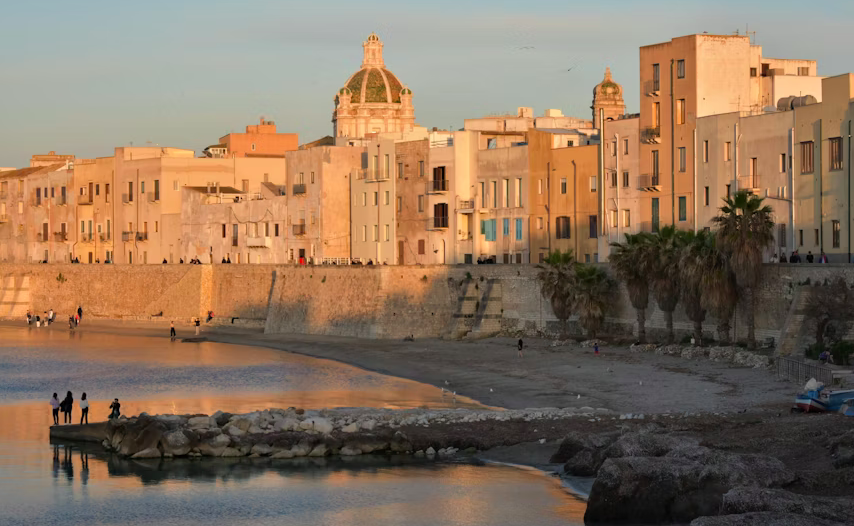
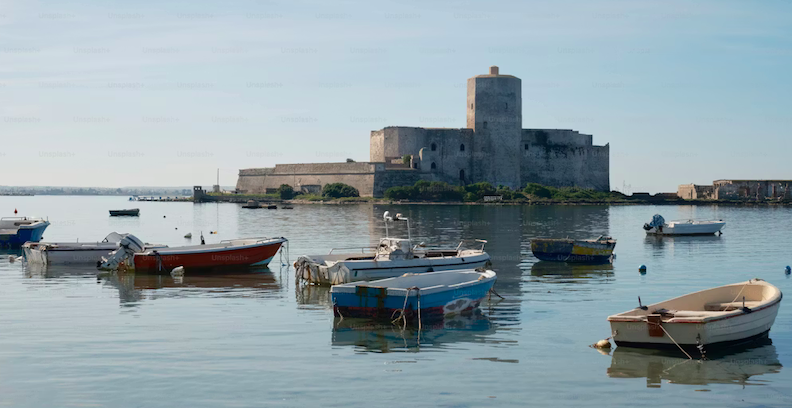
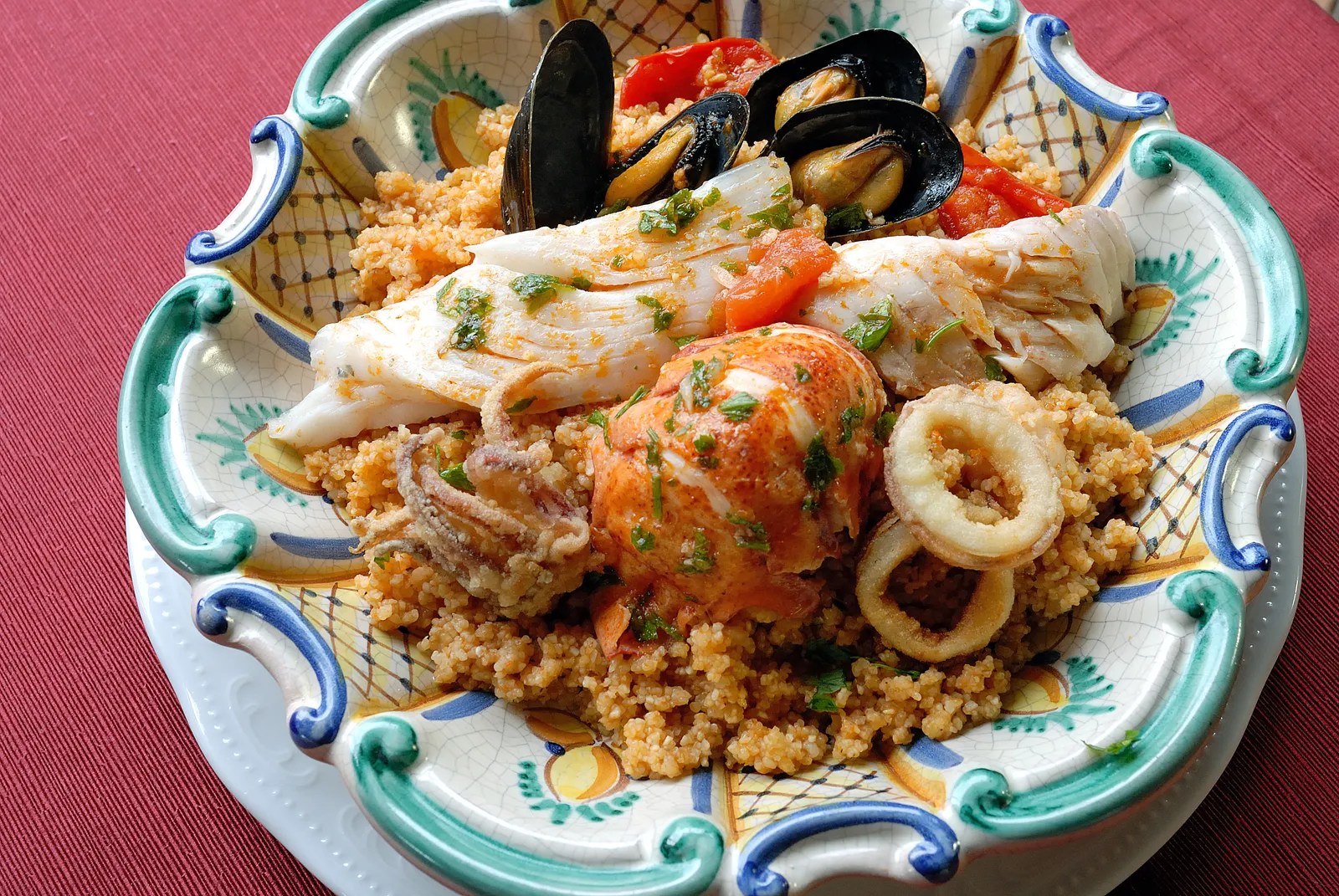

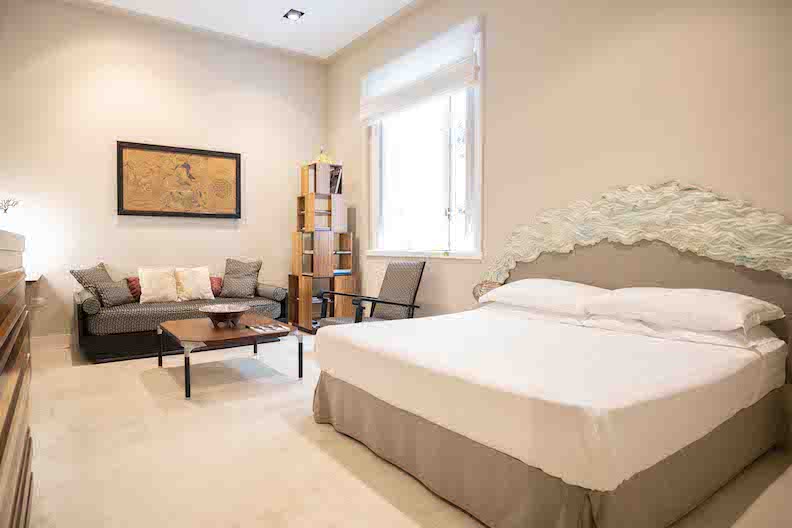 L’ Atelier è situato nel cuore della Sanità, a 600 metri dall’Osservatorio astronomico di Capodimonte e offre camere climatizzate con WiFi gratuito, mentre alcune unità dispongono di un’area salotto dove è possibile rilassarsi.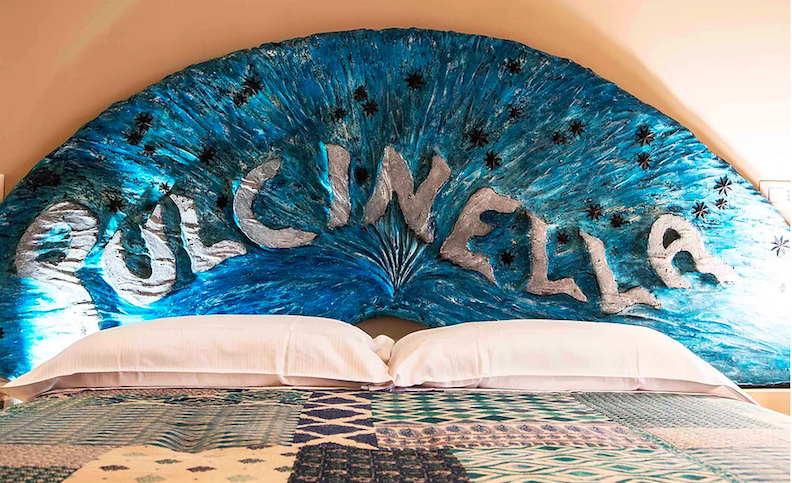
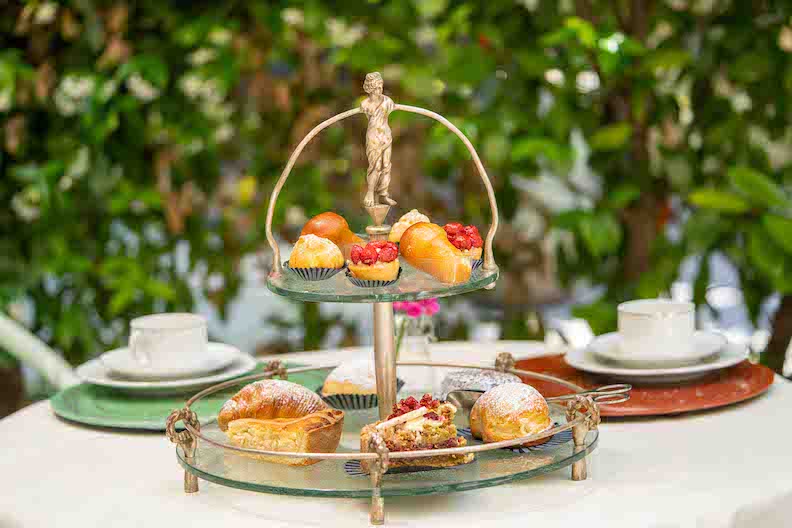



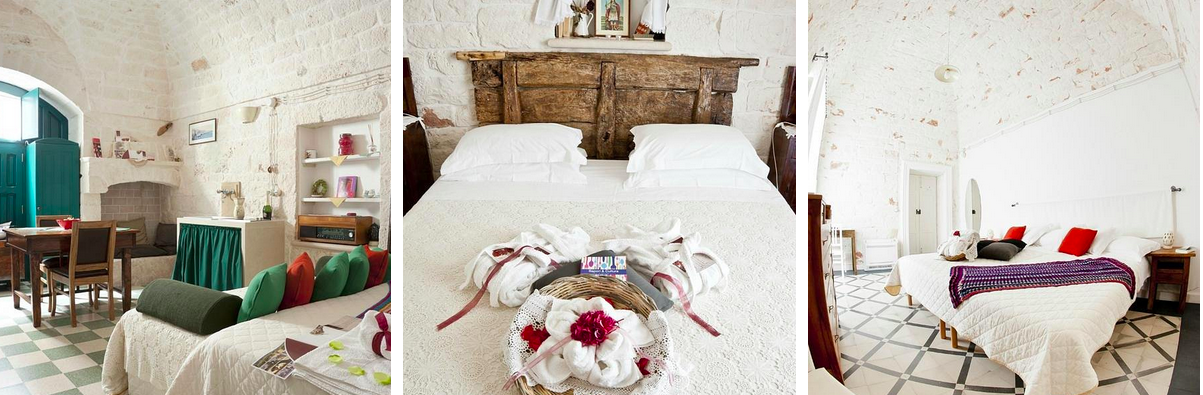
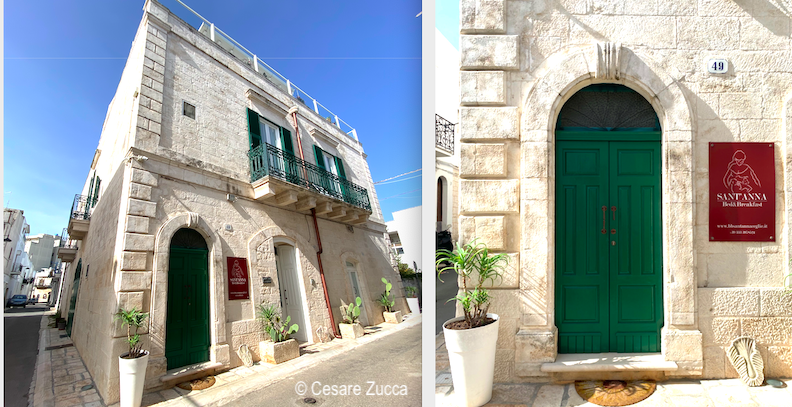
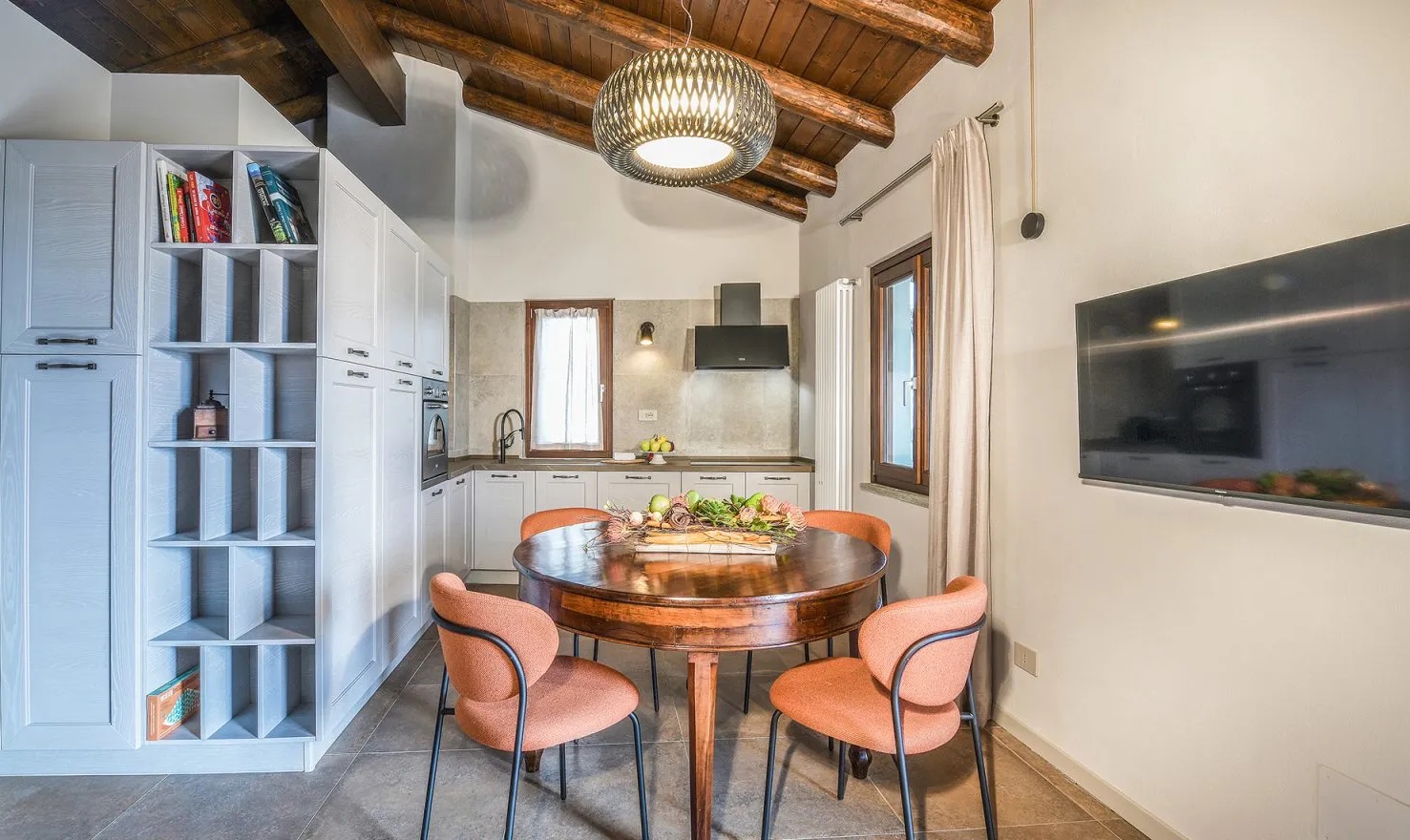

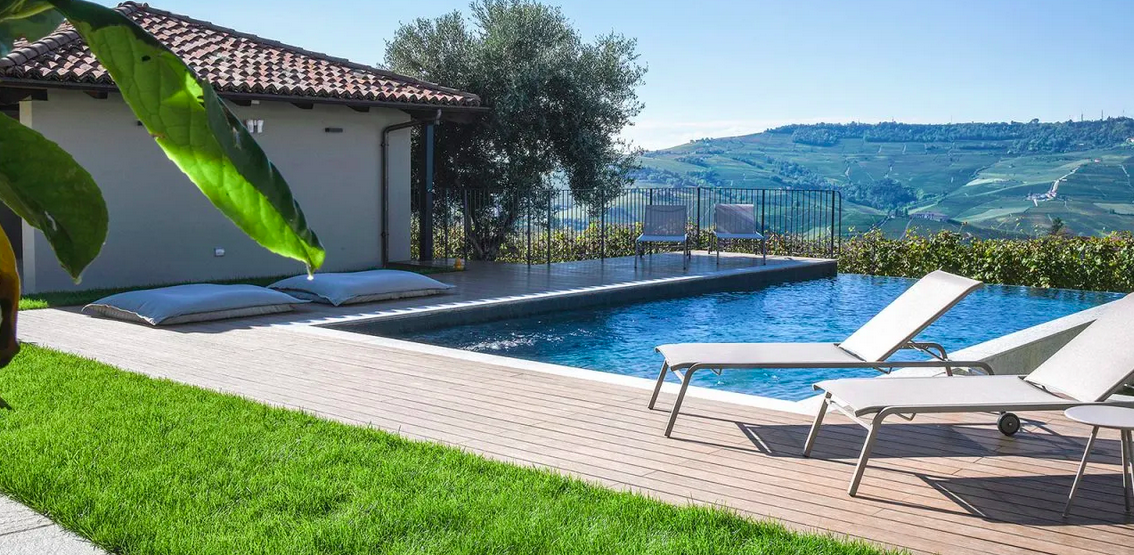


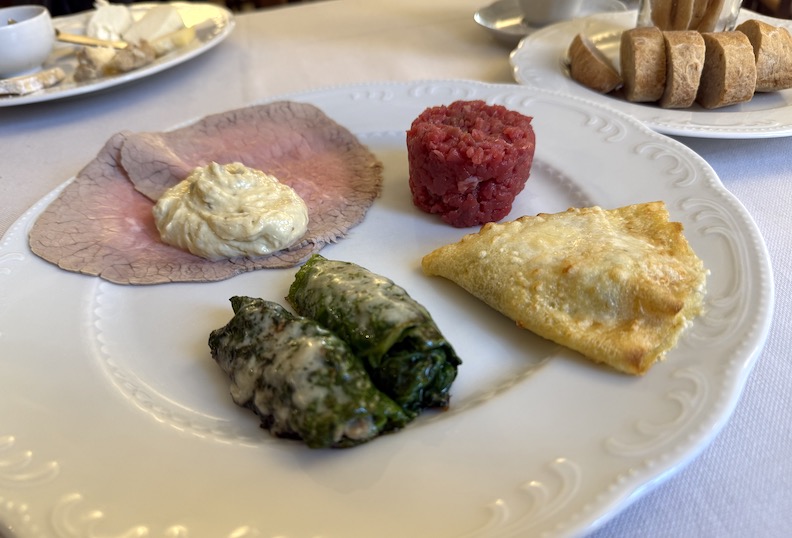

 La terrazza vi offre una vista incantevole della città di Andria e dei suoi meravigliosi campanili, inutile dire quanto piacevole possa essere un “breakfast con vista” !
  Sorpresa! Il pianterreno, che posa sulle fondamenta, dove un segreto è stato celato per decenni: gli antichi insediamenti urbani risalenti all’epoca normanna.Oggi Il tour
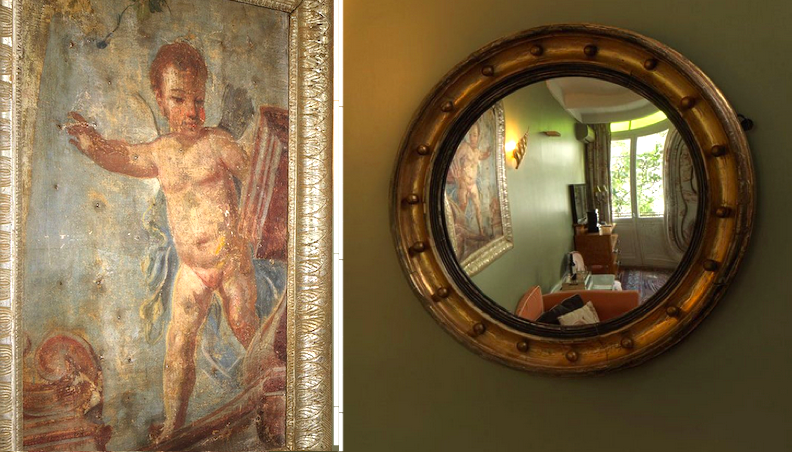
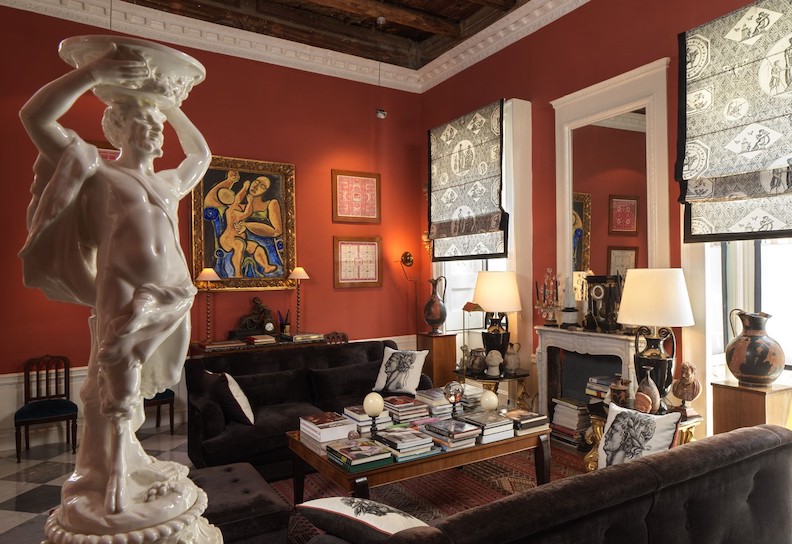
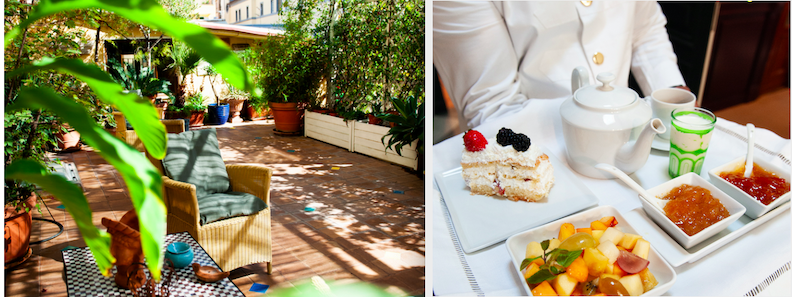
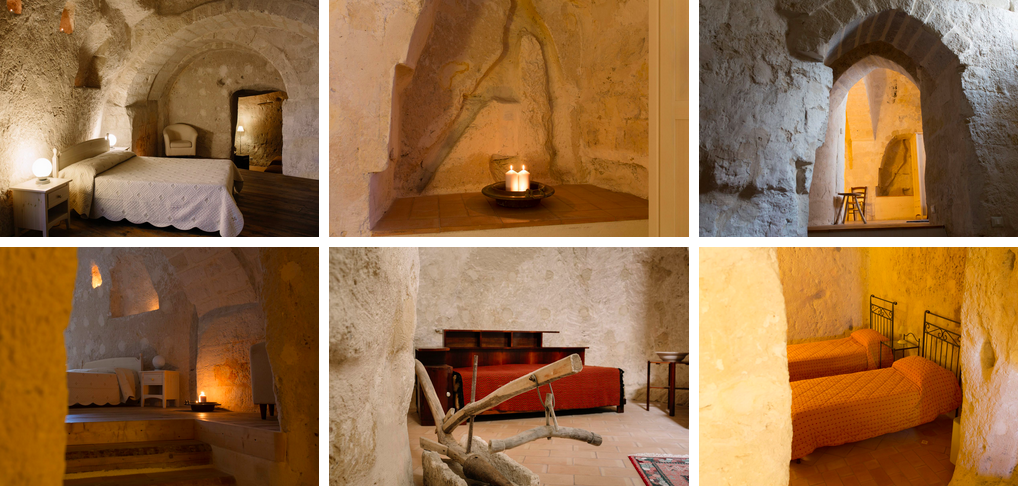 I stayed in Guerricchio suite, that has a kitchenette, a delightful double bedroom, a private bathroom and a cute little balcony to enjoy the view on the enchanting Sassi of Matera. It is At the entrance an artistic work of great value welcomed me. “Girasoli di Guerricchio”, a Lucanian artist to whom the suite is dedicated.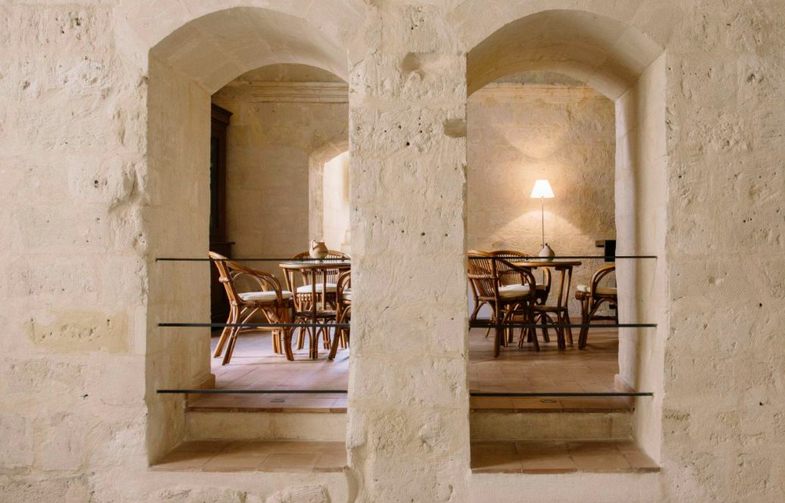


 E’ celebre per le sue 30 statue barocche, tra cui spiccano San Venceslao, Sant’Anna, i santi della Compagnia di Gesù e gruppi scultorei che celebrano il cattolicesimo boemo. Oggi il ponte è uno dei luoghi più visitati d’Europa, animato da artisti e musicisti di strada, soprattutto all’alba e al tramonto, quando offre scorci romantici sulla città.
 Il secondo giorno del vostro weekend può essere dedicato a Malá Strana e al Castello di Praga, uno dei complessi reali più grandi del mondo, che include la spettacolare Cattedrale di San Vito e il fiabesco Vicolo d’Oro. Per una vista panoramica imperdibile, sali sulla Collina di Petřín o sulla Torre del Municipio. La sera, una crociera sul fiume è un modo romantico e rilassante per ammirare la città illuminata.
 FOOD
FOOD


 Ottimo street food, lo troverete in molte bancarelle per le strade di Praga.


 Numerose sono le passeggiate che si sviluppano oltre l’abitato di Auronzo, sentieri di bassa montagna che permettono di immergersi nei boschi e nel silenzio, per camminare a ritmo lento e rilassare la mente., come quelli della lussureggiante Val Visdende e i rifugi tra cui Rifugio Auronzo, Fonda-Savio e Carducci che, oltre a numerose escursioni sia facili che più impegnative, fino alle mitiche Tre Cime di Lavaredo. simbolo delle Dolomiti:


 Il nucleo storico si snoda attorno a via Savoia, la strada principale, che conduce direttamente al mare. Fate una prima sosta al Santuario di San Vito, in stile arabo normanno, dalle dimensioni imponenti: ben 104 metri base e 16 di altezza, con mura spesse da 2 metri e mezzo a 20 centimetri. Poco distante, si può vedere anche il tempietto di Santa Crescenzia, dedicato alla nutrice del santo.
 Procedendo ancora lungo via Savoia vale la pena fare una visita al Museo del Mare, che conserva importanti reperti archeologici recuperati dai fondali marini, tra cui i resti della nave arabo-normanna che giace ancora nella zona antistante il Faro. Proprio questo è un altro dei simboli di San Vito lo Capo. Si tratta, infatti, di uno dei fari più importanti della Sicilia. La sua potente luce, di notte, arriva oltre le venti miglia marine.
 Un altro edificio degno di nota è Palazzo La Porta, sede del Municipio. Costruito nel XIX secolo, conserva ancora oggi gli antichi pavimenti di maiolica e l’atrio basolato con pietra locale secondo l’uso ottocentesco. Lo splendido giardino alle spalle del palazzo ospita ogni anno mostre e iniziative culturali.
 I dintorni di San Vito lo Capo sono una meraviglia della natura. Non solo un mare cristallino, ma montagne, sentieri, calette e grotte e due Riserve Naturali tutte da scoprire. Tra queste c’è la Riserva Naturale dello Zingaro, che si estende per 7 chilometri nel tratto di costa che va da San Vito lo Capo a Castellamare del Golfo e ha un’estensione di 1700 ettari che occupano gran parte della penisola di San Vito lo Capo.
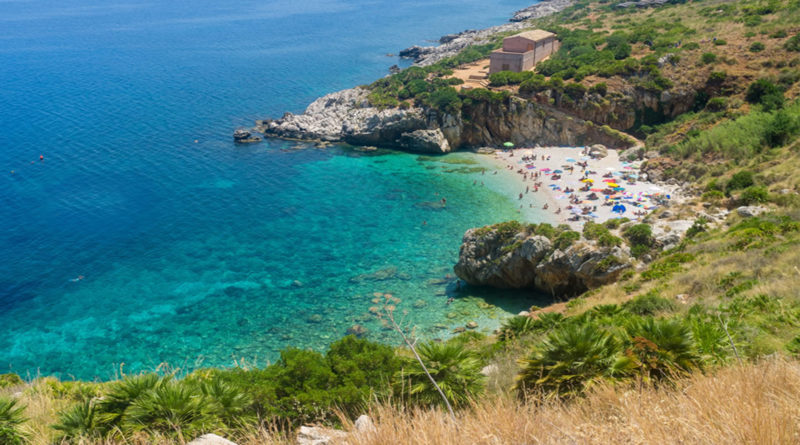 La zona costiera si compone di calette pittoresche che si affacciano su un mare cristallino dalle mille sfumature dell’azzurro e del verde. In pochi minuti a piedi dalla biglietteria si arriva alla Tonnarella dell’Uzzo, una delle spiagge più frequentate nella stagione estiva, ma che offre il meglio in autunno e in primavera.
 Chi ama andare alla scoperta delle spiagge più “segrete”, può prendere il sentiero della costa che tocca Cala Torre dell’Uzzo, Cala Marinella, Cala Beretta, Cala della Disa, Cala del Varo, fino a Cala della Capreia, che tocca il territorio di Scopello.
 I sapori del trapanese
 Tra i primi piatti abbondano i condimenti a base di pesce, come la pasta con le sarde, gli spaghetti alle vongole o al nero di seppia. Tra le paste al forno troviamo la ‘ncaciata, citata anche nel celebre serial “Il Commissario Montalbano, e il timballo di anellette, Da non perdere la celebra pasta alla Norma e le busiate al pesto alla trapanese, di cui trovate qui sotto la ricetta.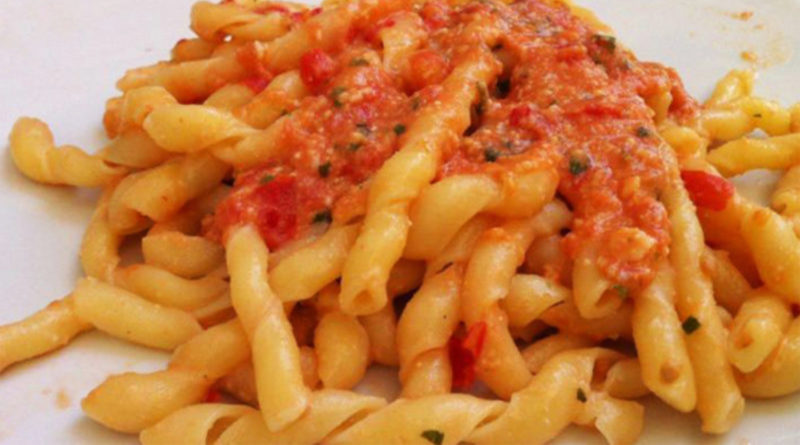
 La storia di questa costa è segnata da secoli di commercio e pesca, ma anche da momenti difficili legati alle guerre e alle epidemie. Il lago ha sempre rappresentato una via di comunicazione vitale e una risorsa per la vita quotidiana.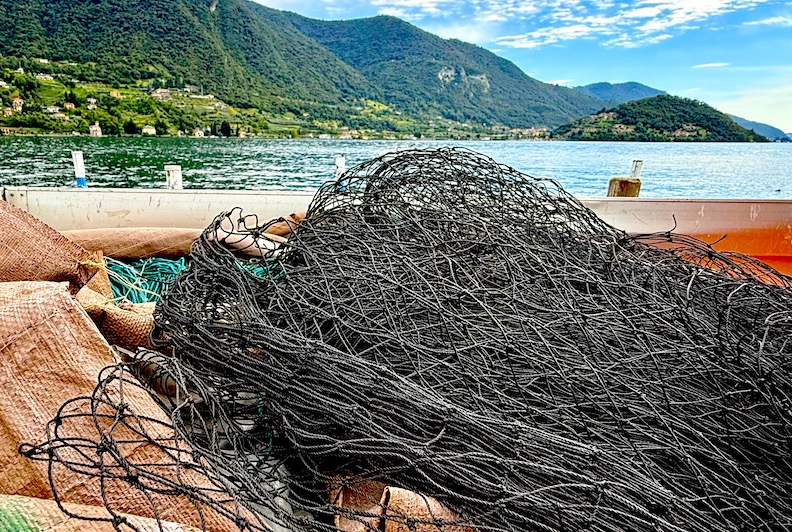
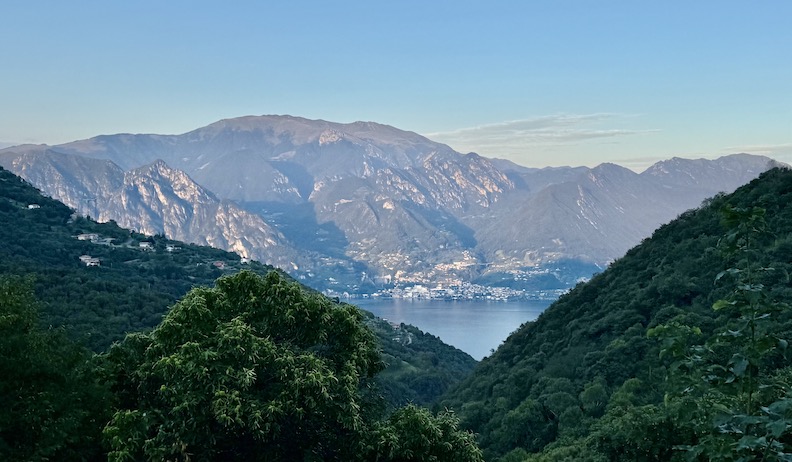

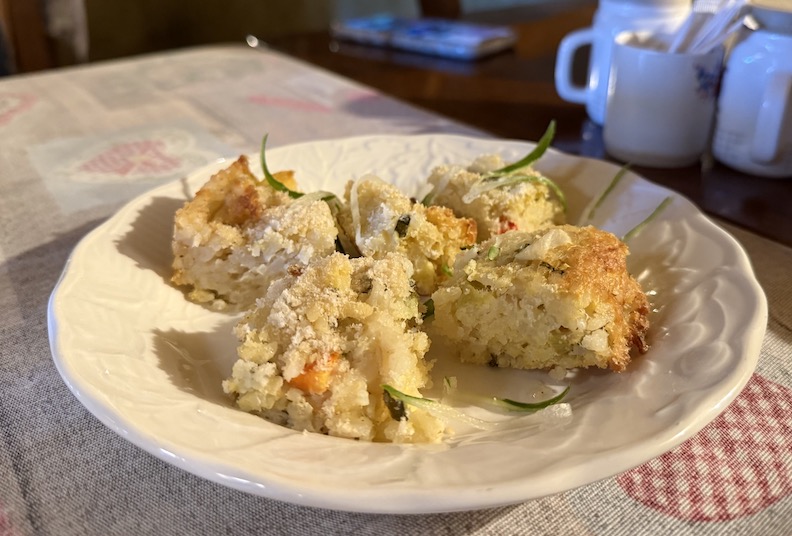




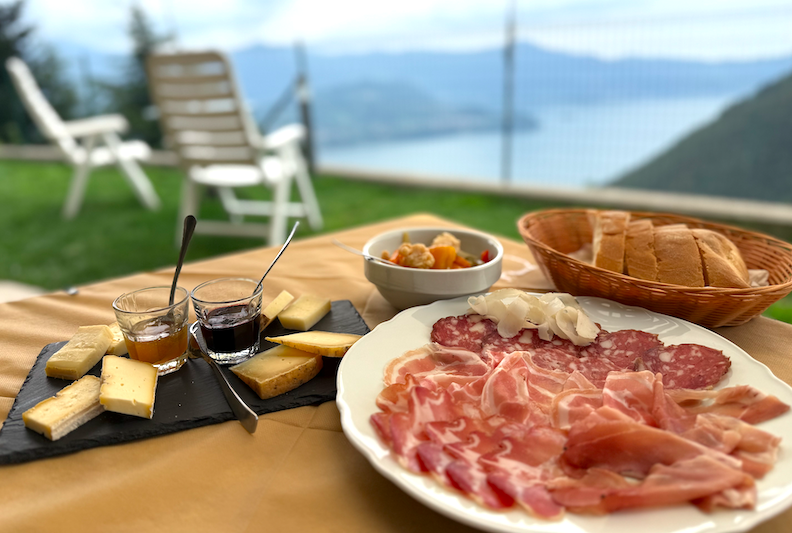 Un’azienda agricola che produce confetture di frutti di bosco, verdure sottaceto e un meraviglioso miele di castagno.
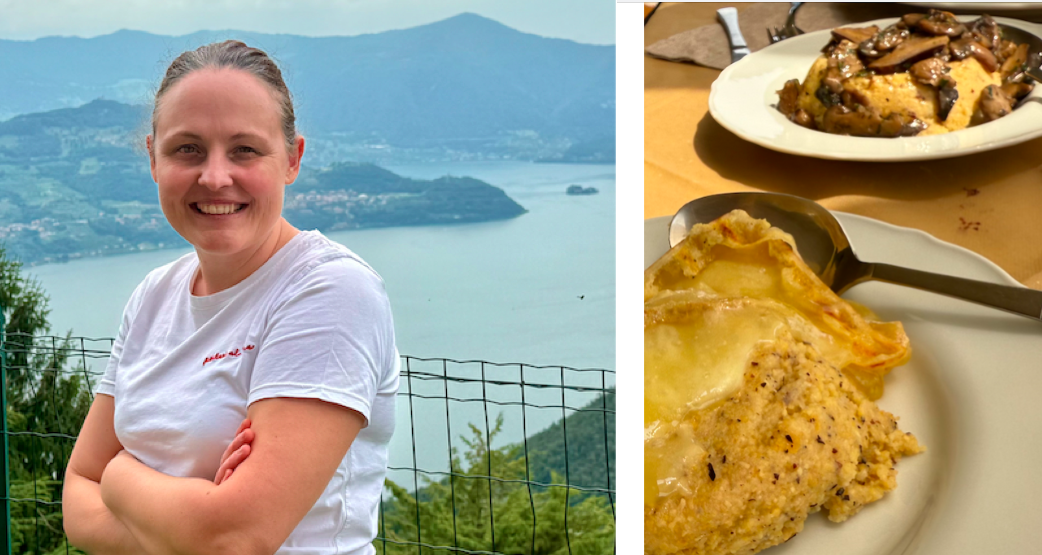

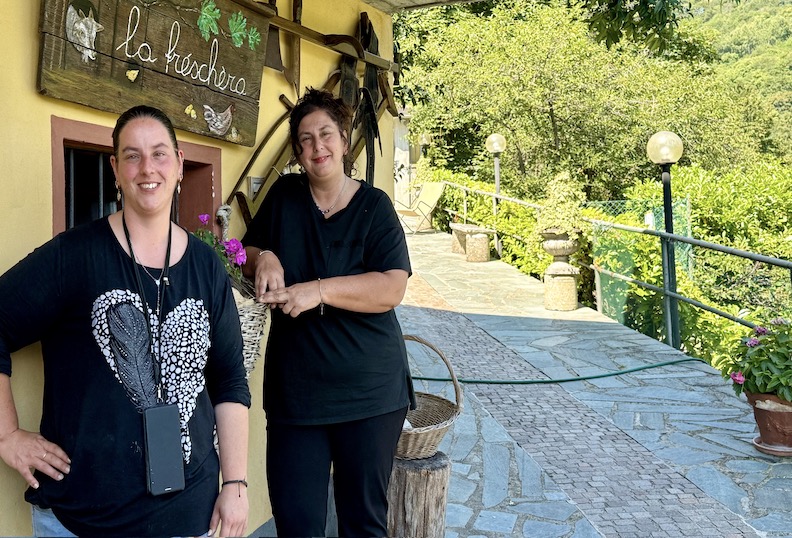

 Lì potrete trovare, formaggi, salumi, ortaggi, miele, fantastiche conserve di frutta e altre tipicità locali, Immaginatevi di essere in un ranch, con cavalli, mucche, pecore, animali da cortile e tanti, tanti gatti.
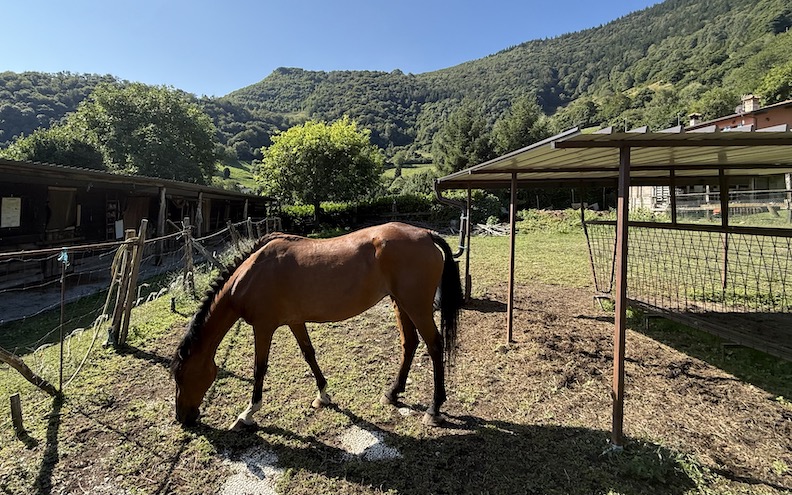 L’orto, curato secondo le tradizioni antiche tramandate da nonno Tuni’, regala zucchine, pomodori, insalata, fagioli, verza, porri e piante aromatiche come salvia, rosmarino e basilico. Tante piante da frutto, come prugne, amarene, ciliegie, castagne, noci e nocciole. I frutti vengono utilizzati freschi o trasformati in confetture, sottoli e sottaceti.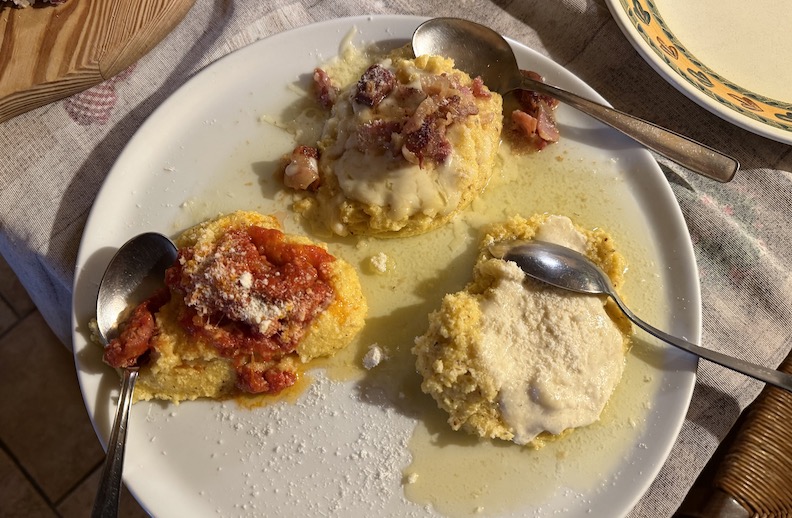
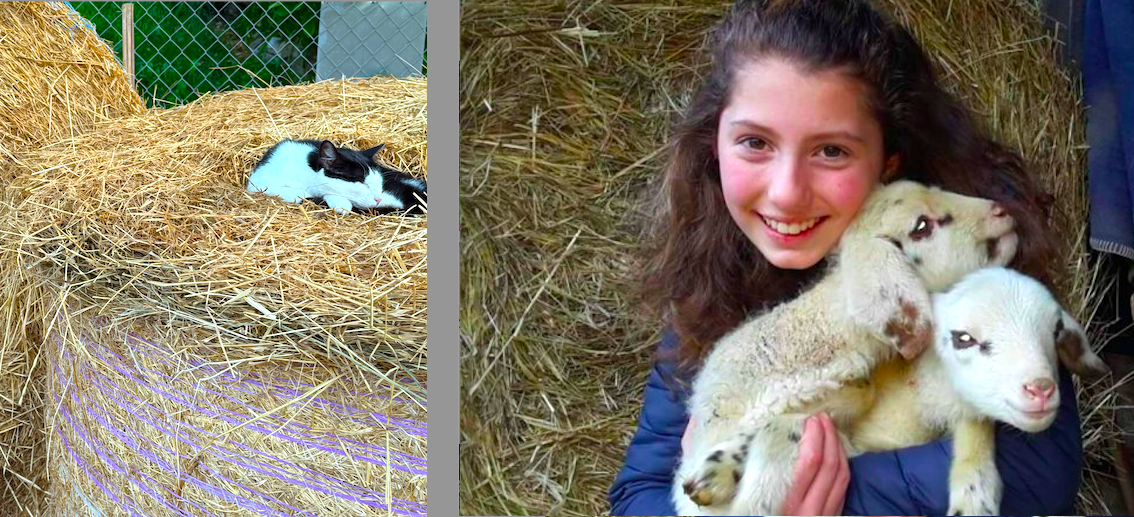
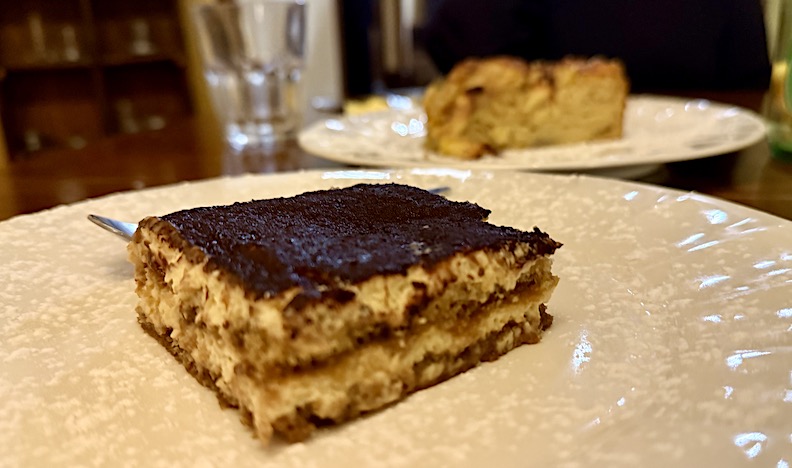

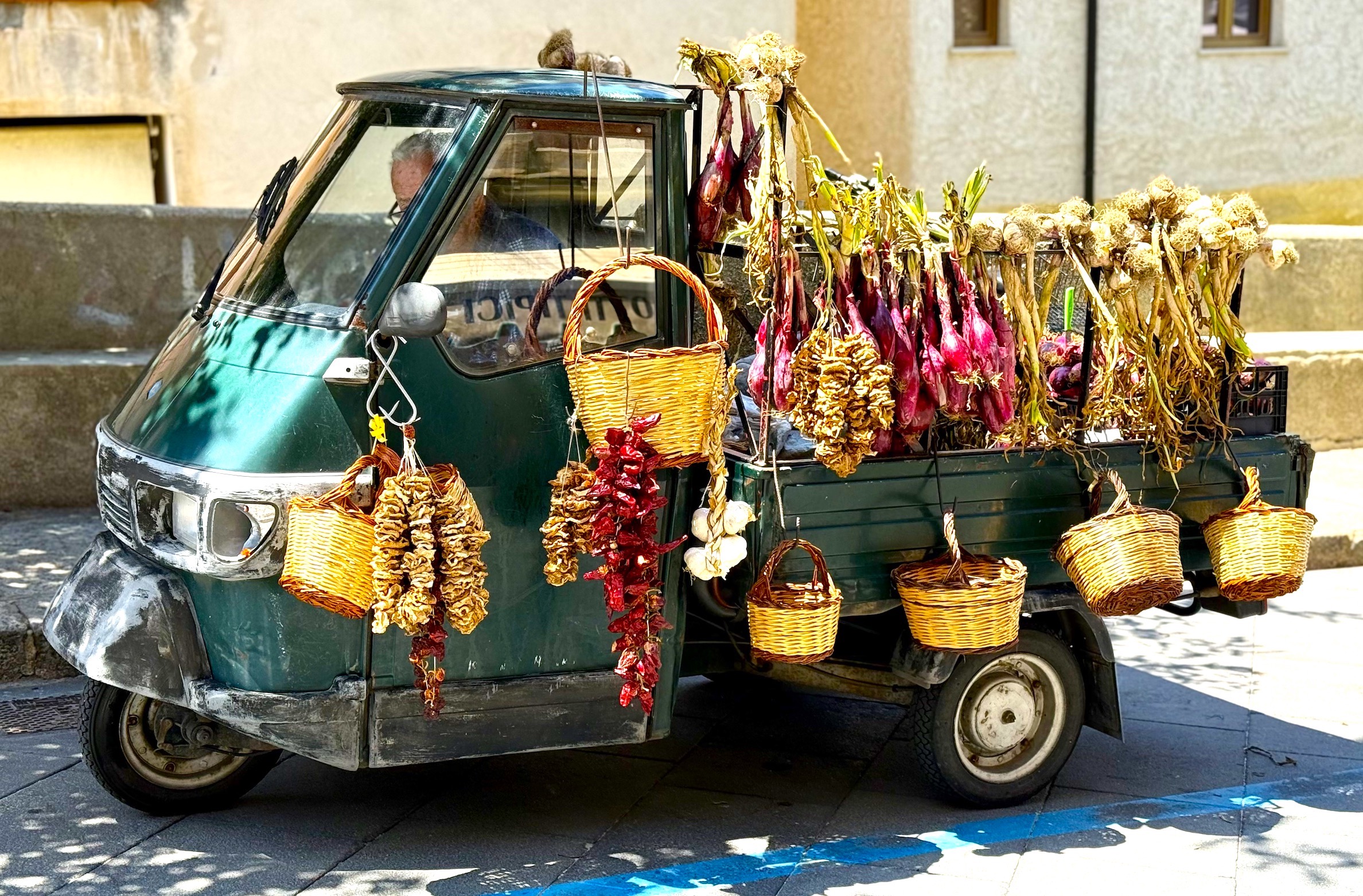 Fiumefreddo Bruzio
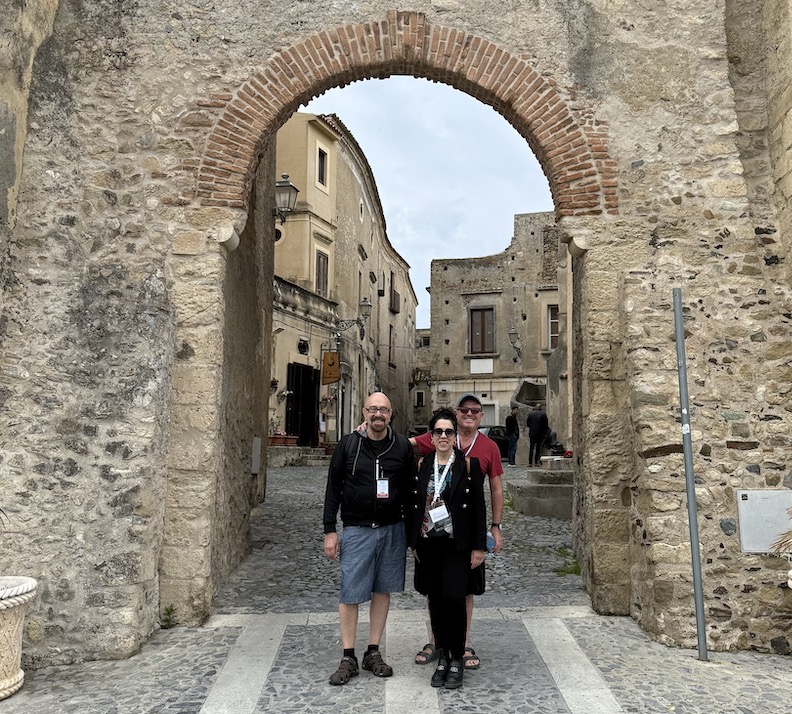 La nostra guida Alessandra Porto ci ha fatto scoprire antiche chiese ricche di fascino, tra cui una che ospita favolosi dipinti del famoso artista Salvatore Fiume, che evidentemente aveva la vocazione di condividere la sua opera in questa città che onora il suo nome.
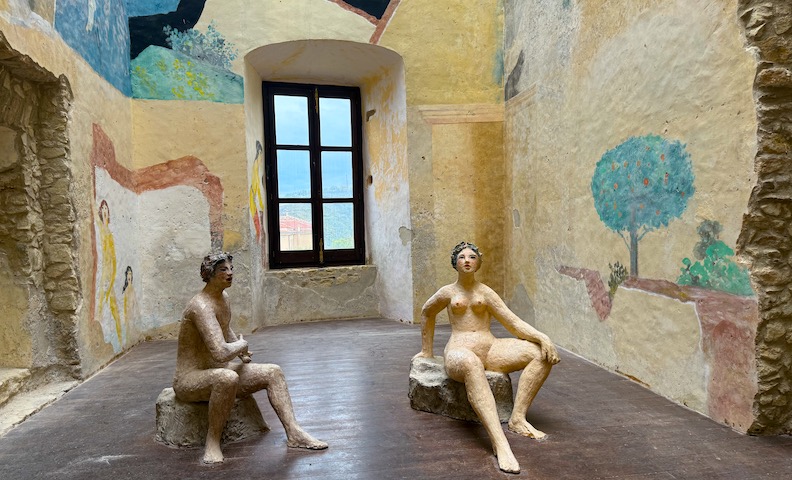

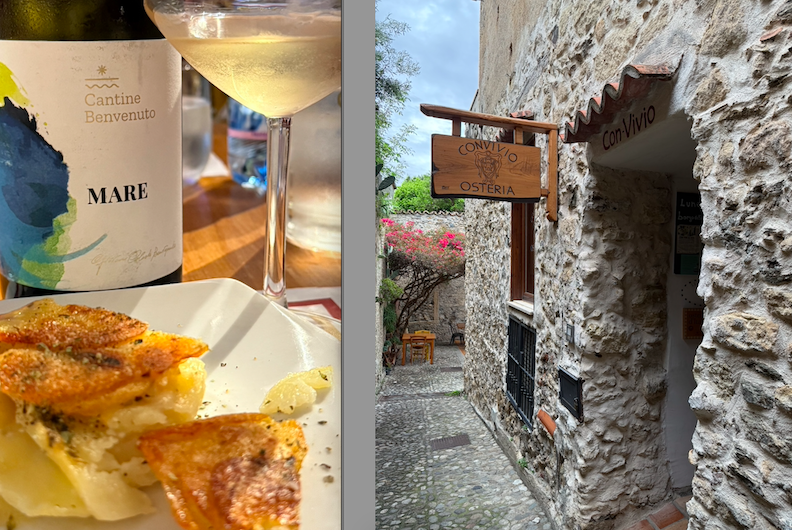
 Vera primadonna della cucina è la frittata di patate alla fiumefreddese.
 It looks like a brownish tagliatelle, traditionally made from grain and bran leftovers swept directly from the floor of flour mills. It got banned for a while for obvious hygiene reasons and has resurrected in the form of a perfectly sanitary pasta, but truthful to its origins, mixing the flour of various grains. The resulting texture is quite unique, slightly rough, allowing the condiment and oil to cling to it. Prepared with just a few ingredients, it is a real testimony of the genius of the “cucina povera” of Calabria. The other dish tasted was another local specialty star: the “frittata di patate alla fiumefreddese.” No eggs involved here, just sliced potatoes, a little flour, pecorino cheese, a touch of oregano, peperoncino and salt.

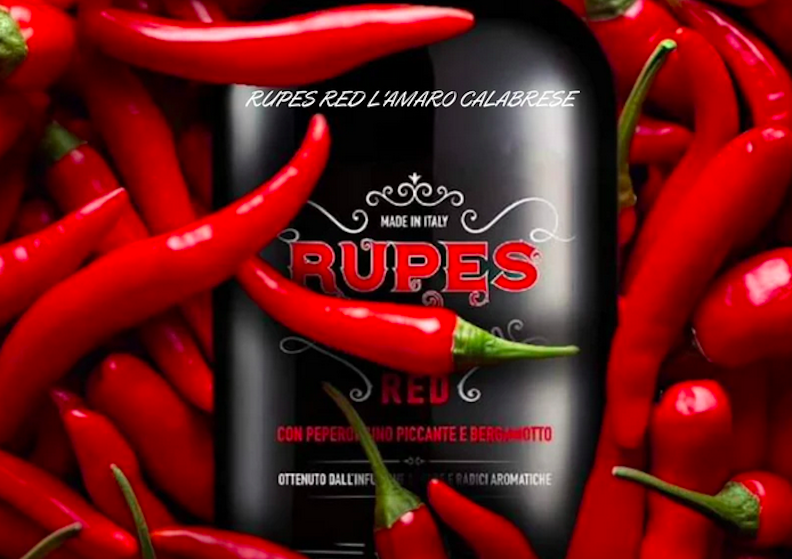

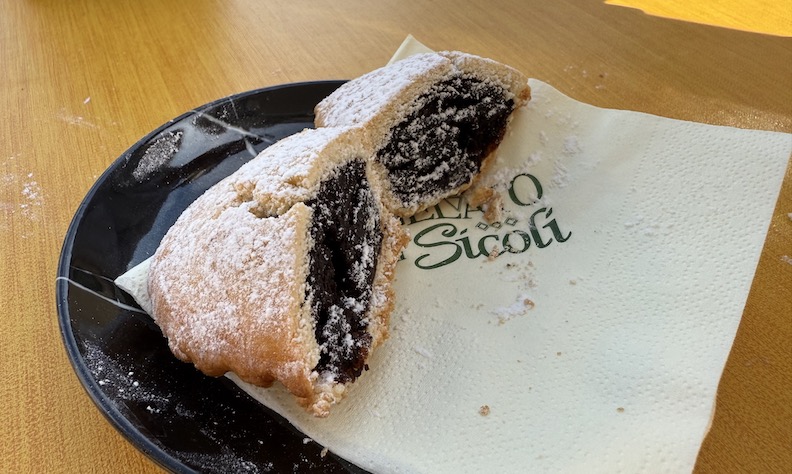
 La fondazione ufficiale del Castello viene attribuita al normanno Ruggero il Normanno, che nel 1065 fece costruire un castello come fortezza difensiva.
 Si narra che il castello sia infestato dal fantasma della “Dama Bianca”, una giovane nobile rinchiusa e lasciata morire da un geloso signore. Le sue apparizioni sarebbero state registrate da visitatori che affermano di aver visto una figura in abito bianco aggirarsi tra le stanze antiche, soprattutto nelle notti di luna piena.
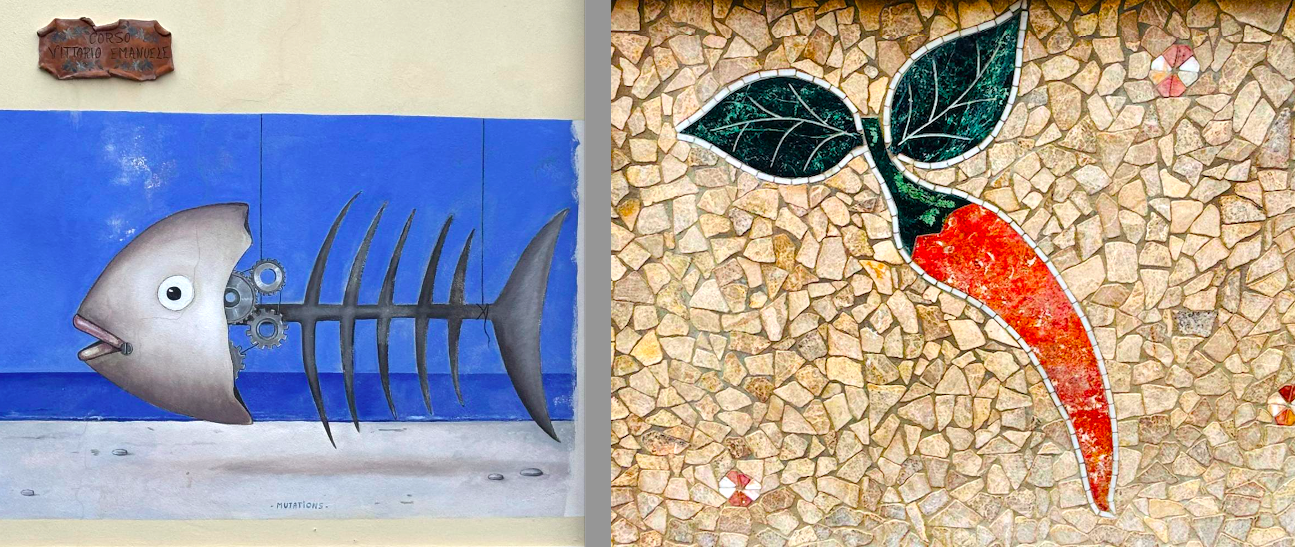 Il peperoncino si trova in tutte le sue forme: piccole botteghe che vendono vasetti di varie preparazioni piccanti (dalla crema liscia al sott’olio tritato grossolanamente, dai peperoncini interi secchi alla polvere sottile…) Alcune gelaterie offrono gelato al peperoncino. Altri negozi usano la forma e il colore dei peperoncini per creare sciarpe e teli mare o braccialetti e altri oggetti decorativi.
 Abbiamo optato per soggiornare e cenare fuori dal centro storico e lontano dai negozi turistici, a pochi chilometri lungo la costa, al Cristina Hotel (www.cristinahotel.com). Le camere dispongono di ampie terrazze dove si può ammirare il tramonto in tutta tranquillità, dopo un bagno in mare o nella splendida piscina della proprietà.
 È anche un luogo dove cenare è un momento speciale, perché avrete l’occasione di scoprire piatti autentici come la “raganella di alici”.peparata con pane raffermo sbriciolato, acciughe, aglio, origano, prezzemolo e peperoncino. Per accompagnare questa ricetta di famiglia, niente di meglio che bere il vino della casa, particolarmente leggero e rinfrescante, ma al tempo stesso affascinante e interessante con i suoi aromi floreali.
 DIAMANTE
 It is a charming town with a long promenade along the crystal-clear sea and small coves where you can swim with the charming old town in the background. Peperoncino is to be found in all its form: small stores selling small jars of various spicy preparations (smooth cream to coarsely chopped sott’olio, dried whole peppers to thin powder…). Even though tiny in size, the touristic store Radici di Calabria (www.prodotti-tipici-calabresi.net) will dazzle you with the variety of gourmet products. Some gelaterias offer pepperoncino ice cream. Other stores use the shape and color of peppers to create scarves and beach towels or bracelets and other trinkets.
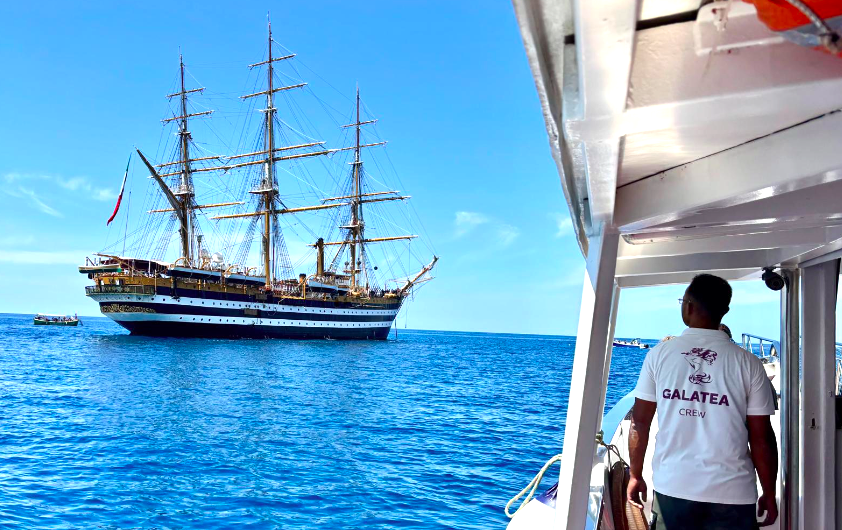 Ecco due dei piatti eccezionali che abbiamo assaggiato.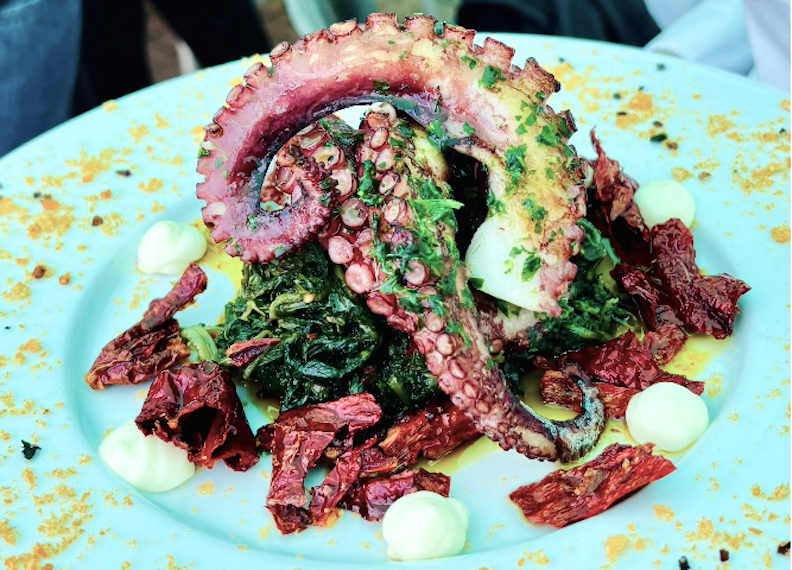
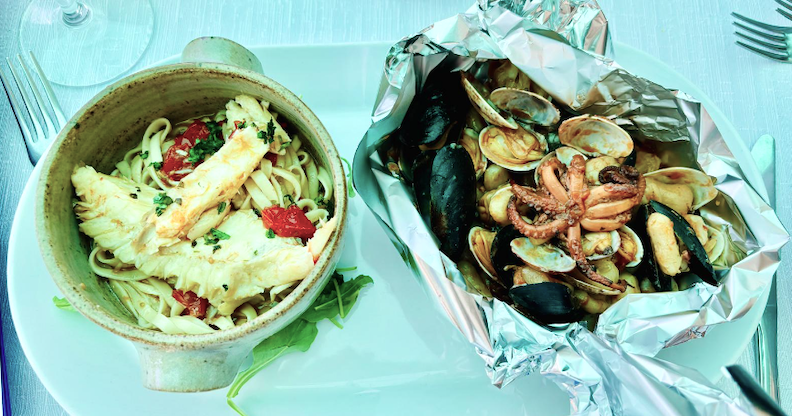
 Our last stop along the Tyrrhenian coast is just north of Scalea in the locality of San Nicola Arcella that counts some of the most beautiful beaches of Calabria.
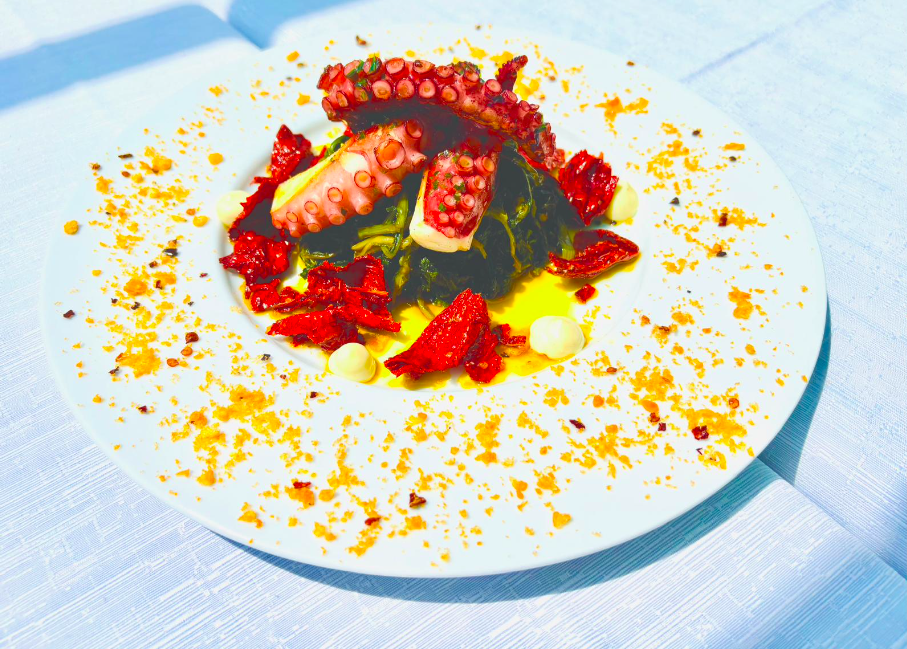 The grilled octopus was visually stunning already with these two generous tentacles, barely charred and glistening with freshness. Set on a bed of greens and surrounded by crunchy cruschi peppers reminding us that we were just a few kilometers away from Basilicata, it was a model of balance and generosity. The octopus was dreamingly tender and the only tip we could obtain from Franca, the “mother in chef” to achieve such a consistency was just a limited cooking time. The red tuna filet with a pistachio crust, covered with creamy stracciatella and delicately caramelized Tropea red onions was also a winner, by its balance in flavor and texture. The execution of the dish was Michelin star worthy with the crust being perfectly crispy and not greasy at all, while the flesh of the tuna was kept practically raw to preserve its luscious texture and taste.
 The white wine was a perfect match with both dishes: aromatic and flavorful, yet light and refreshing at the same time. Nobili Melissesi (IGT Calabria Bianco) comes from the traditional greco bianco grape with the addition of some Chardonnay which gives it a bit of depth and roundness making it a perfect gastronomic wine. Produced by the cantine Bruni
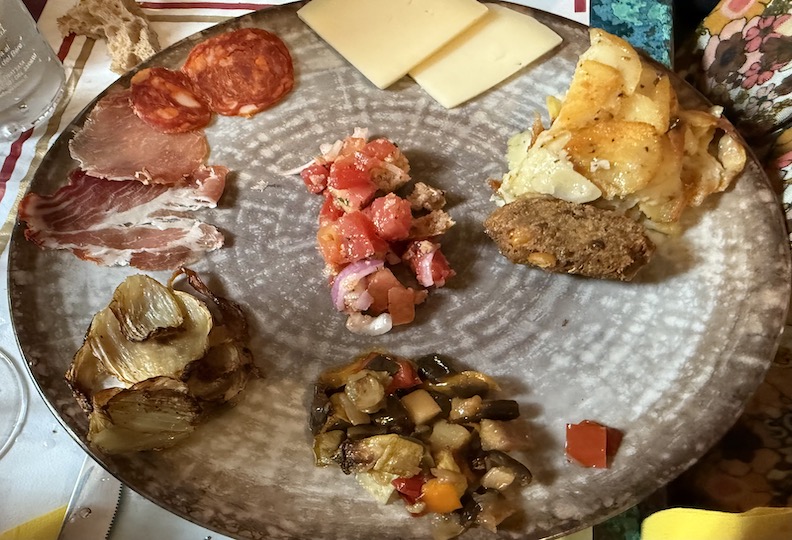 Special Thanks to Maria Antonella Cauterucci / calabriastraordinaria.it, Rossella Ferraro/
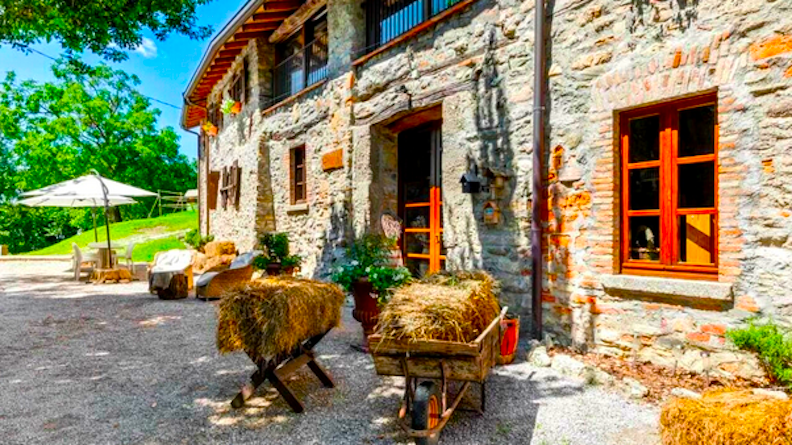 di Cesare Zucca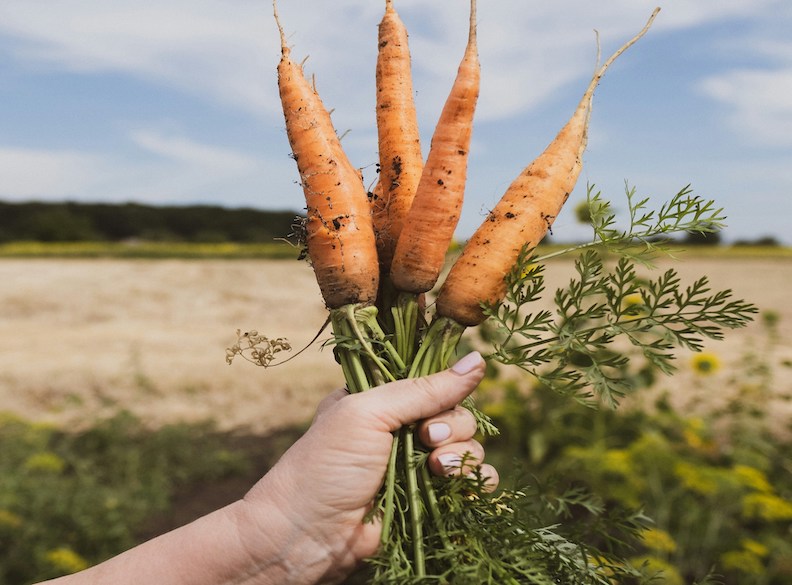
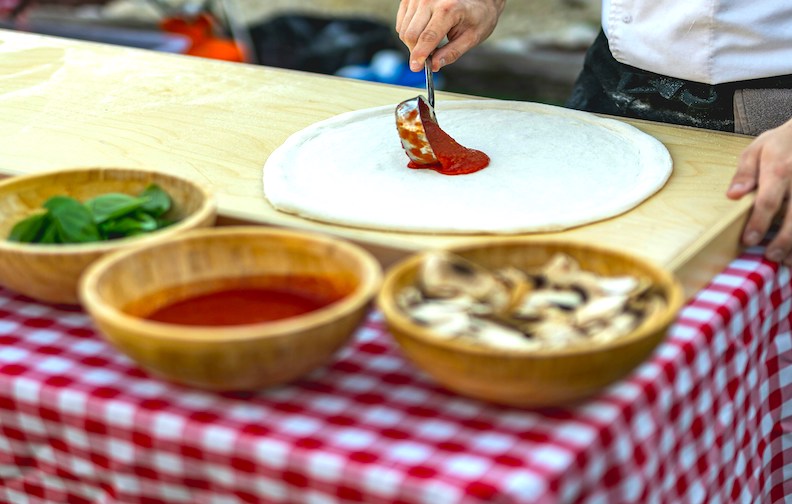
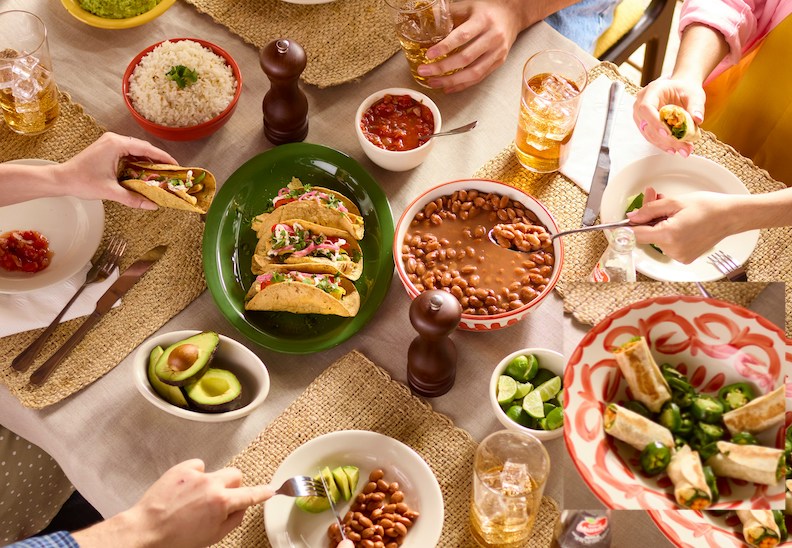


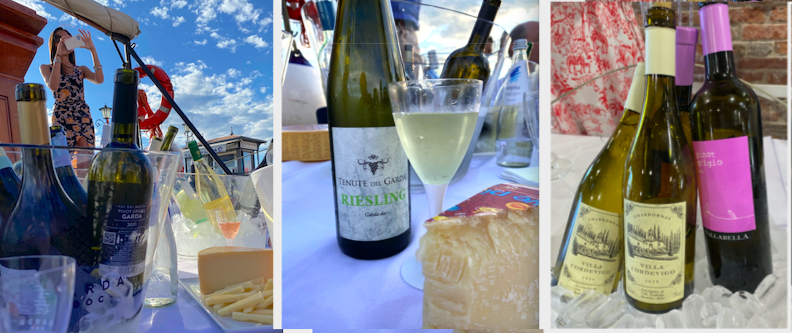 E’ un atto d’amore verso il ‘loro’ lago.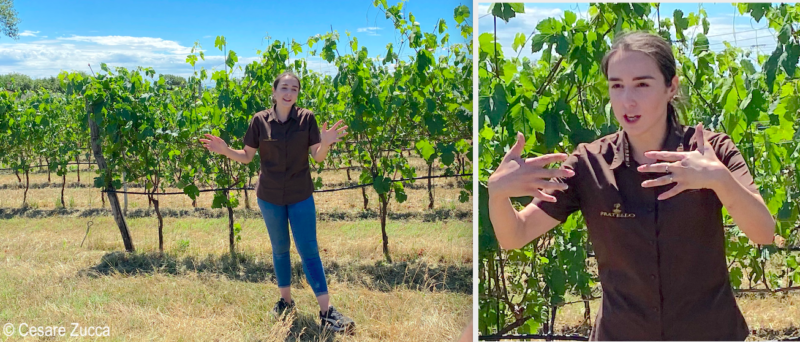


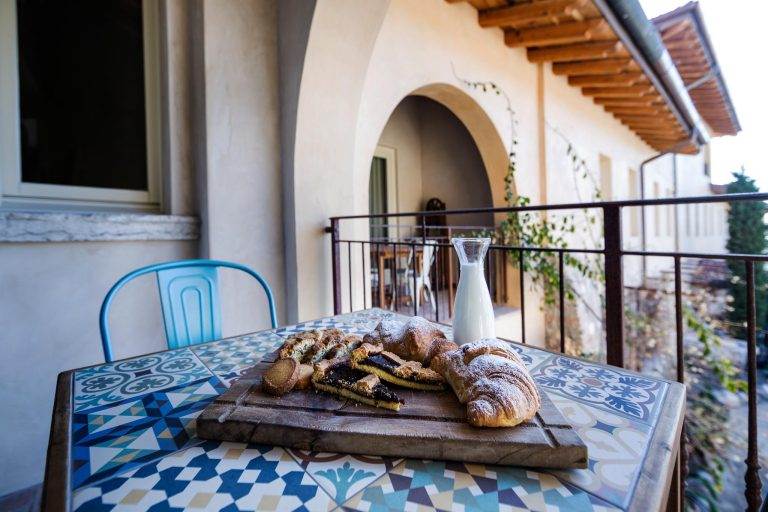 A Pratello
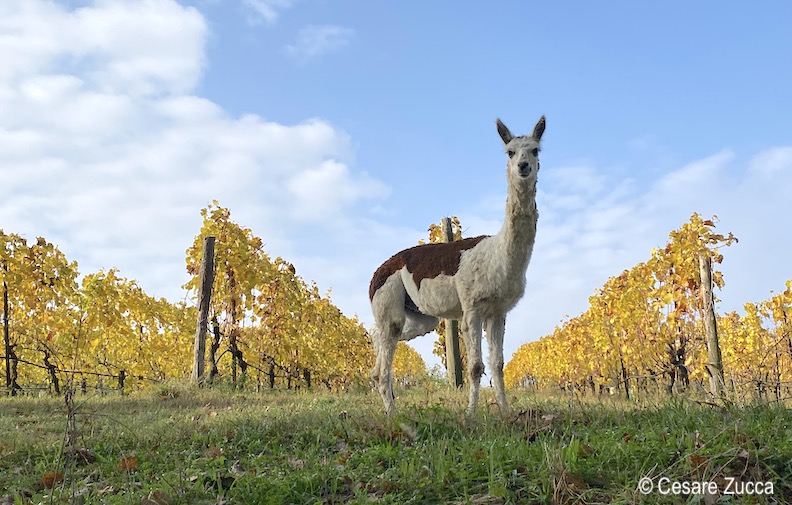
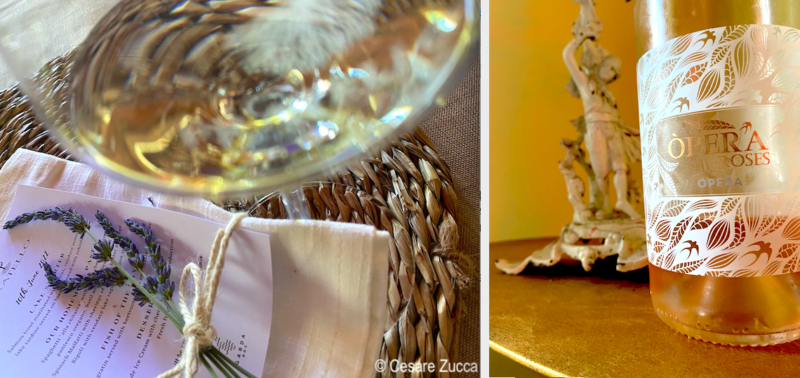
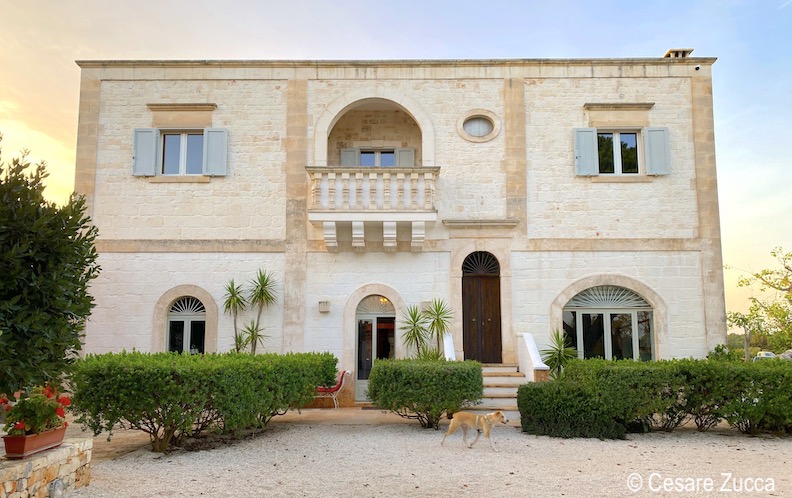

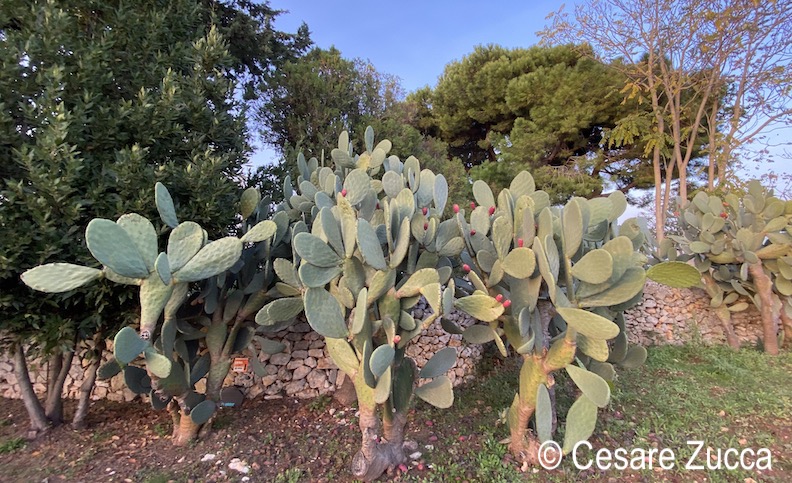 La masseria offre eleganti alloggi all’interno dei caratteristici trulli e ricavati in antiche stalle in pietra con le tradizionali volte a botte. La piscine è posizionata in mezzo ad un frutteto dove, oltre alla vigna, sono presenti alberi di ciliege, melograni, albicocche, pere, cachi, fichi verdi e neri, fichi d’india, mandorli, nocciole.
 Non poteva mancare l’automobilismo: nella grande grande sala in pietra spicca la carrozzeria della Ferrari F1 di Mansell, vincitrice del GP del Brasile, mentre Alessandro e Maria Paola Fiorio sono gli ideatori della Fiorio Cup. Con otto piloti che si sfidano su un percorso realizzato all’interno del comprensorio della proprietà.
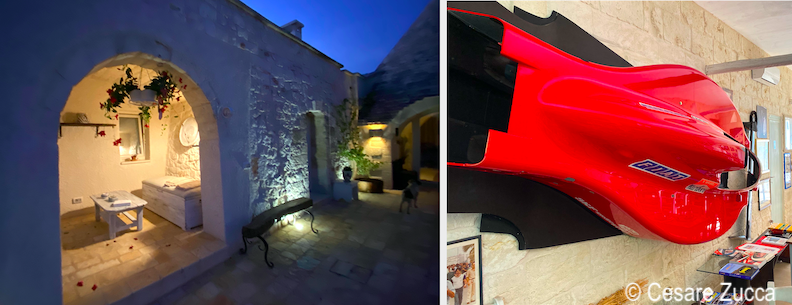 Tutt’intorno, Intorno si estende una vasta la campagna dove viene prodotto l’olio extra vergine di oliva di qualità superiore al vino primitivo, grano tipo “senatore Cappelli”, ingrediente base per la produzione delle tipiche orecchiette pugliesi, ortaggi, foraggio, frutta , noci, mandorle, nocciole, capperi, ceci, lupini .

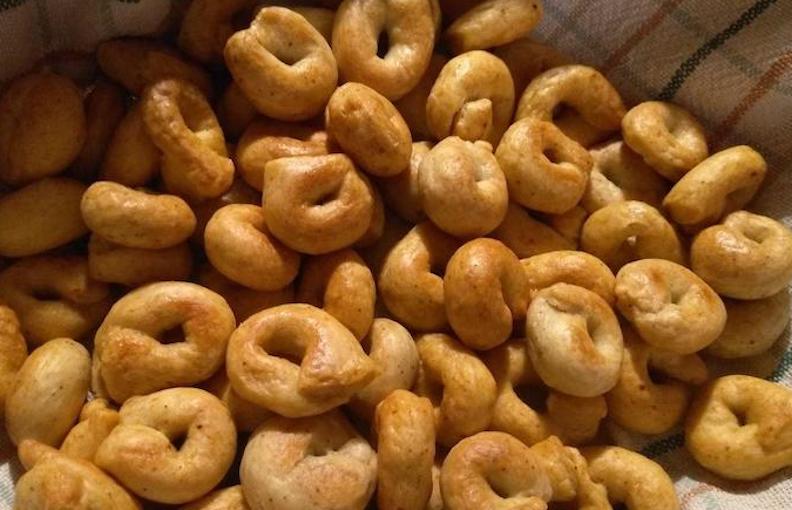 Che languorino, vero?E visto che i veri taralli sono quelli fatti in casa, allora come farli a casa nostra?L’importante per ottenere un buon risultato è seguire passo dopo passo quanto suggerito nella ricetta originale dei taralli pugliesi fatti in casa. di cui gentilmente Sara ci regala la ricetta.
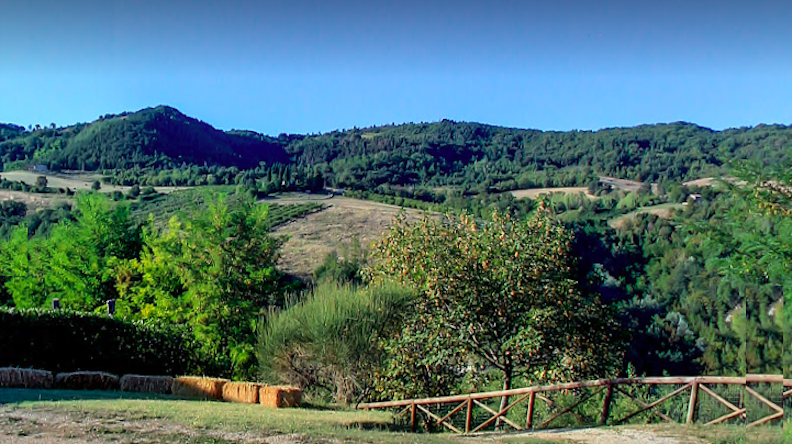 Sentivo la qualità della vita, nell’ambiente naturale che contribuiva alla salute del suo spirito e del suo corpo. Sono previste gite in montagna, raccolta di erbe, bagni di fieno e persino una sauna salutare con erbe e fango. Le camere sono accoglienti, c’è anche una bella piscina.

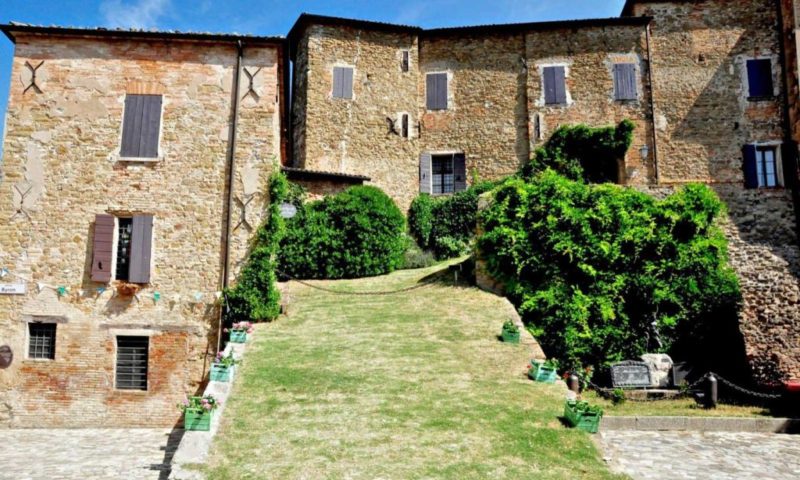


 Passeggiando tra le piante tipiche del territorio, melograni, fichi, limoni di Rocca Imperiale e ulivi centenari si percepisce la connessione profonda tra uomo e natura: è da questi ulivi che nasce l’olio extravergine d’oliva dell’azienda, protagonista indiscusso della tavola.
 Impastare acqua e farina, arrotolare la pasta e poi cuocerla al momento, magari con un sugo corposo al ragù o alla ‘nduja. Un rito magico, fatto di gesti antichi e risate condivise , grazie allo Chef Alberto Gilli, che non ha indugiato a farmeli provare in un gusttosissima versione con pomodorini, fagioli bianchi, crumble al rosmarino.

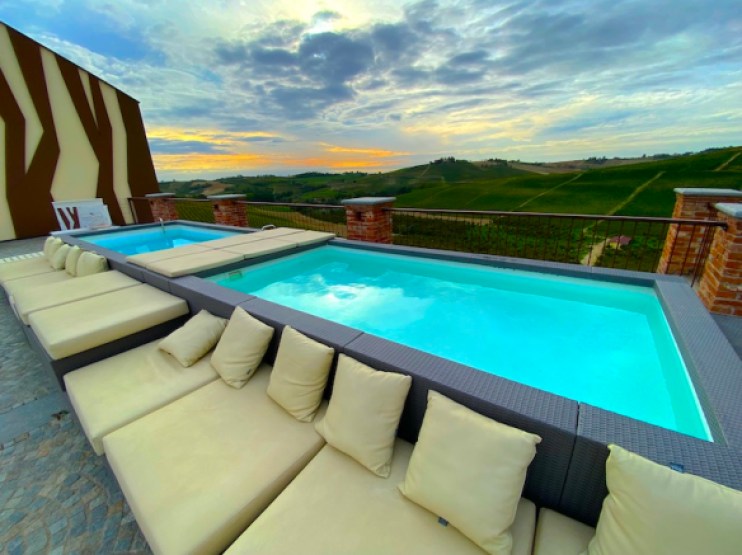
 Tutt’intorno, trionfa un vero anfiteatro di vigne dove nascono molte varietà di vini (Barbera d’Asti, Grignolino, Viognier, Monferrato Nebbiolo) e “last but not least” il Ruchè docg, un rosso prodotto da un vitigno autoctono, rinato grazie alle ricerche di Franco Morando. Vengono lavorate le particelle più selezionate come il Ruché Laccento e il Ruché Limpronta ,12 mesi di legno
 E le bollicine?
 Sono quattro alloggi indipendenti dove accoglienza, servizio, privacy, relax, confort e un panorama mozzafiato sono garantiti… Vi verrranno consegnate le chiavi, proprio come se foste a casa vostra: riservatezza e squisita accoglienza rendono il soggiorno indimenticabile.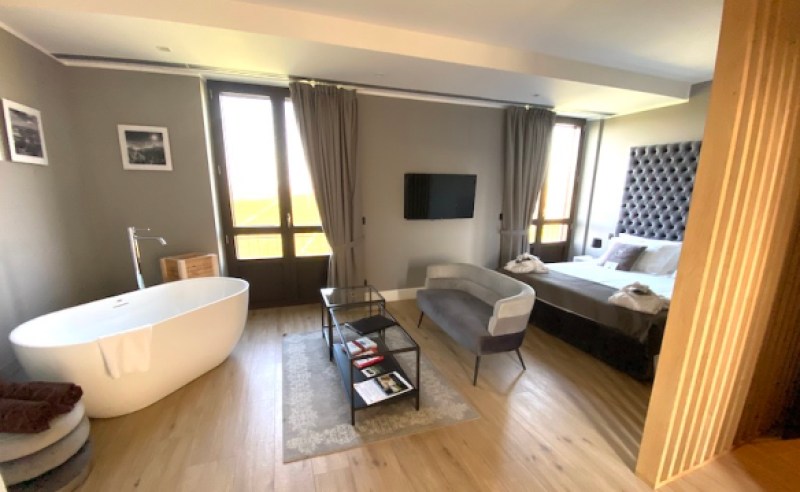

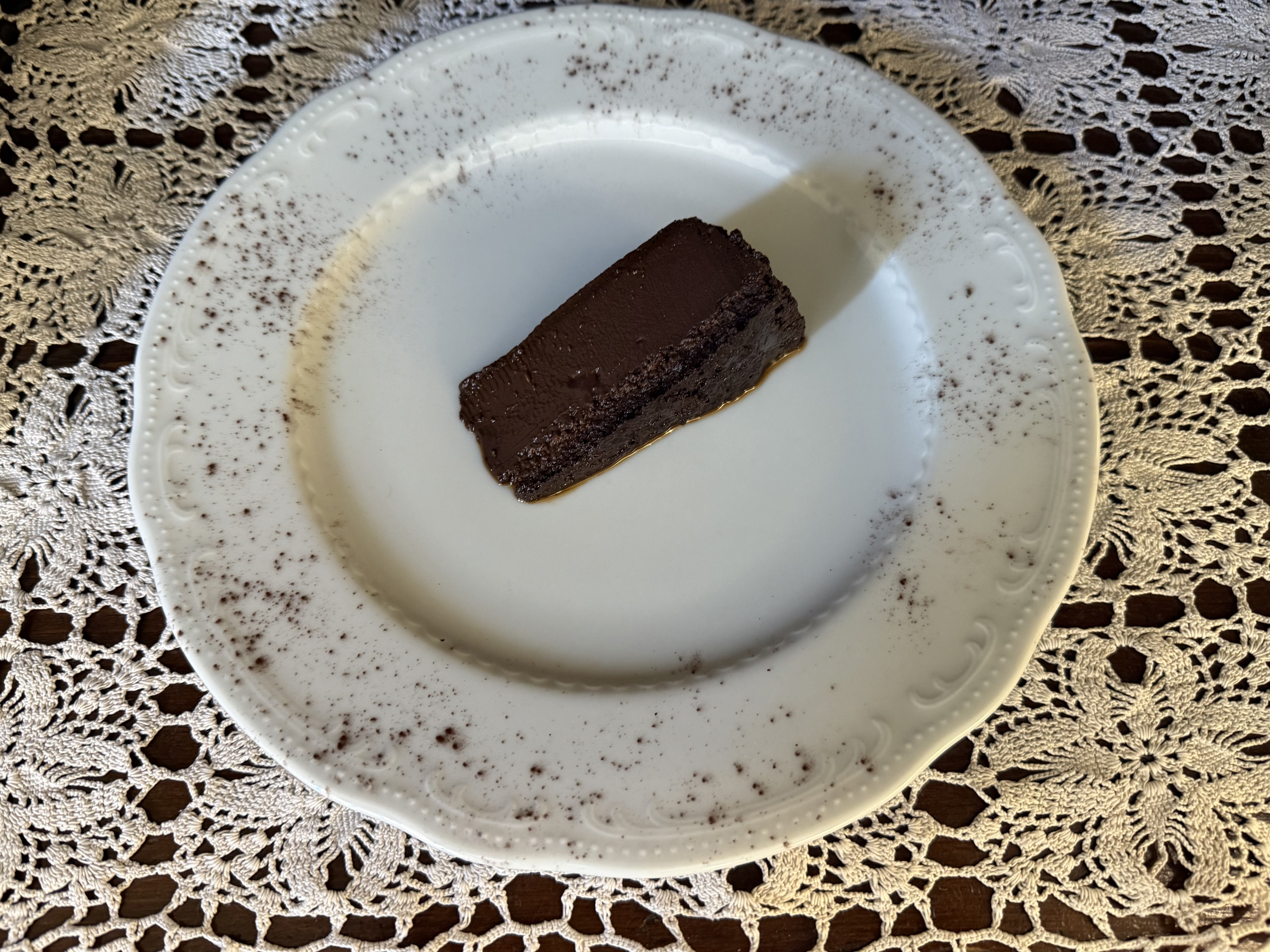 VENETO
 And surprise… In addition to the cosy rooms, you can find some unique accommodations: three huge wooden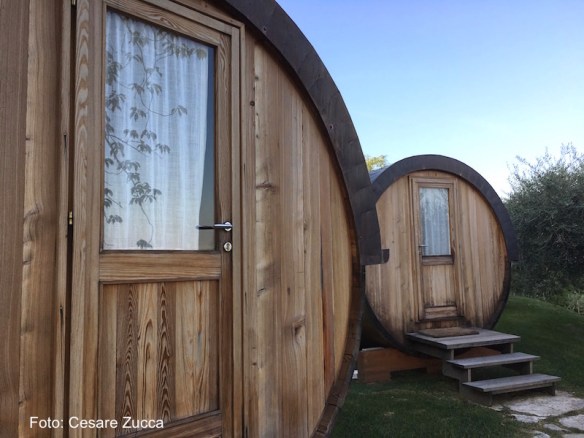
 And in the glasses the two wines of the Antiche Cantine Migliaccio, the Fieno and the Biancolella of Ponza IGP, and the Prosecco Superiore DOCG “La Vigna di Sarah”, for a sparkling goodbye to the Night Harvest 2020.


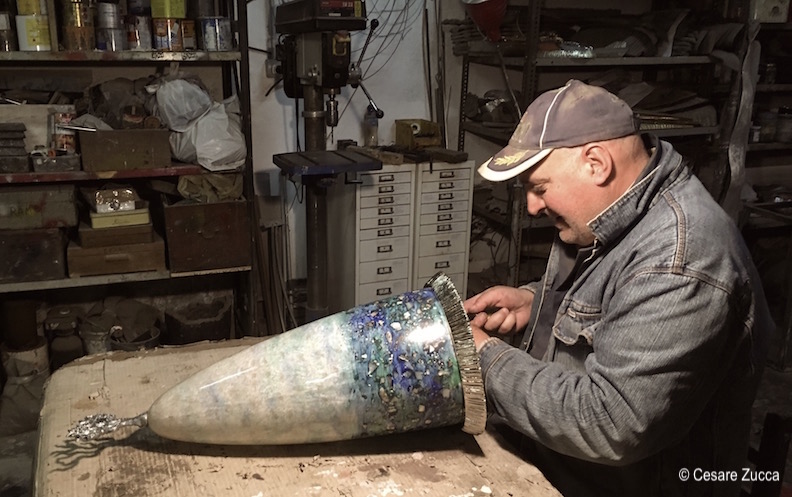
 L’Hotel è in ottima posizione, direttamente sul mare, tra due colate di lava solidificata, 37 camere quasi tutte con terrazzo vista mare. Davanti a voi Stramboli come una nuve nera tra i colori del tramonto. La cucina del ristorante è tipica mediterranea anche con scelte vegetariane.


 .
.

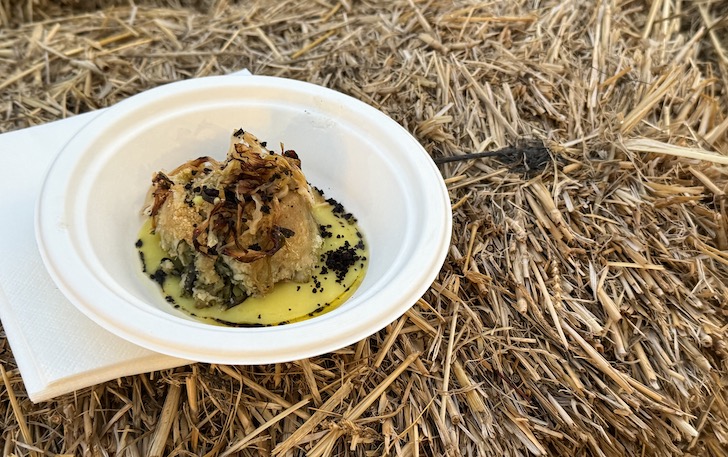 Testo & Foto © Cesare Zucca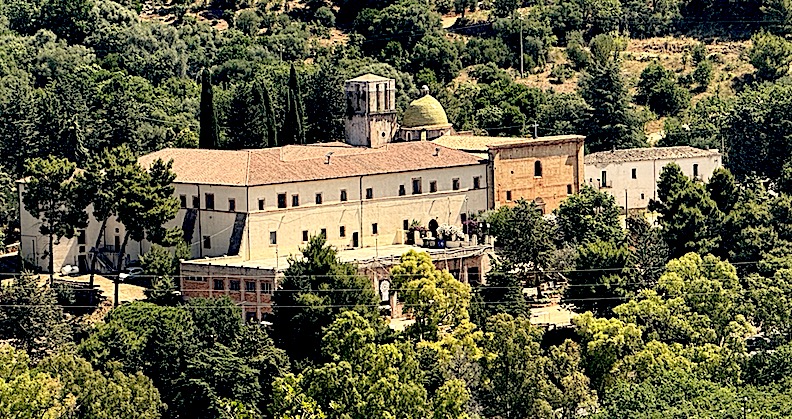

 Grani antichi, farine vive e storie contadine ci conducono alla radice di un pane che racconta la terra di chi ancora oggi sa custodire il tempo. Nei campi assolati, rivivono la mietitura a mano e la molitura a pietra, con la pazienza e la bellezza delle origini. Verissimo lo slogan “Se l’amore avesse un profumo, sarebbe quello del pane appena sfornato”
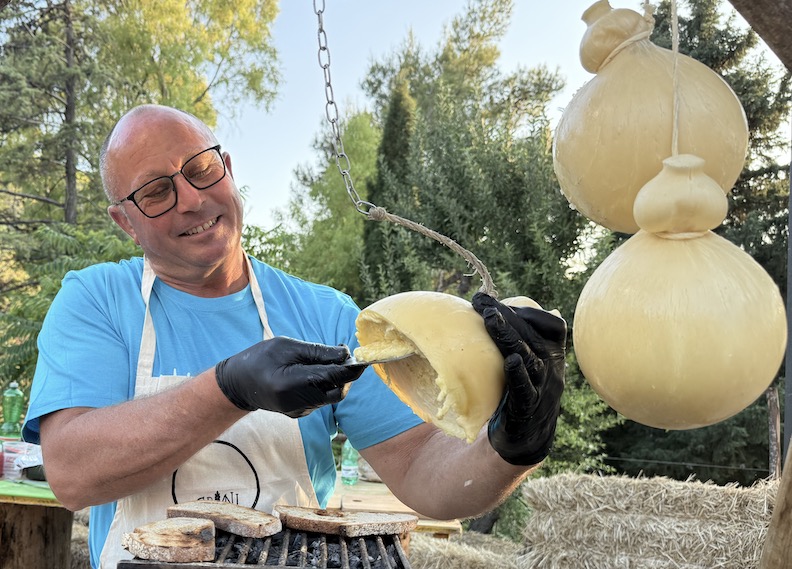
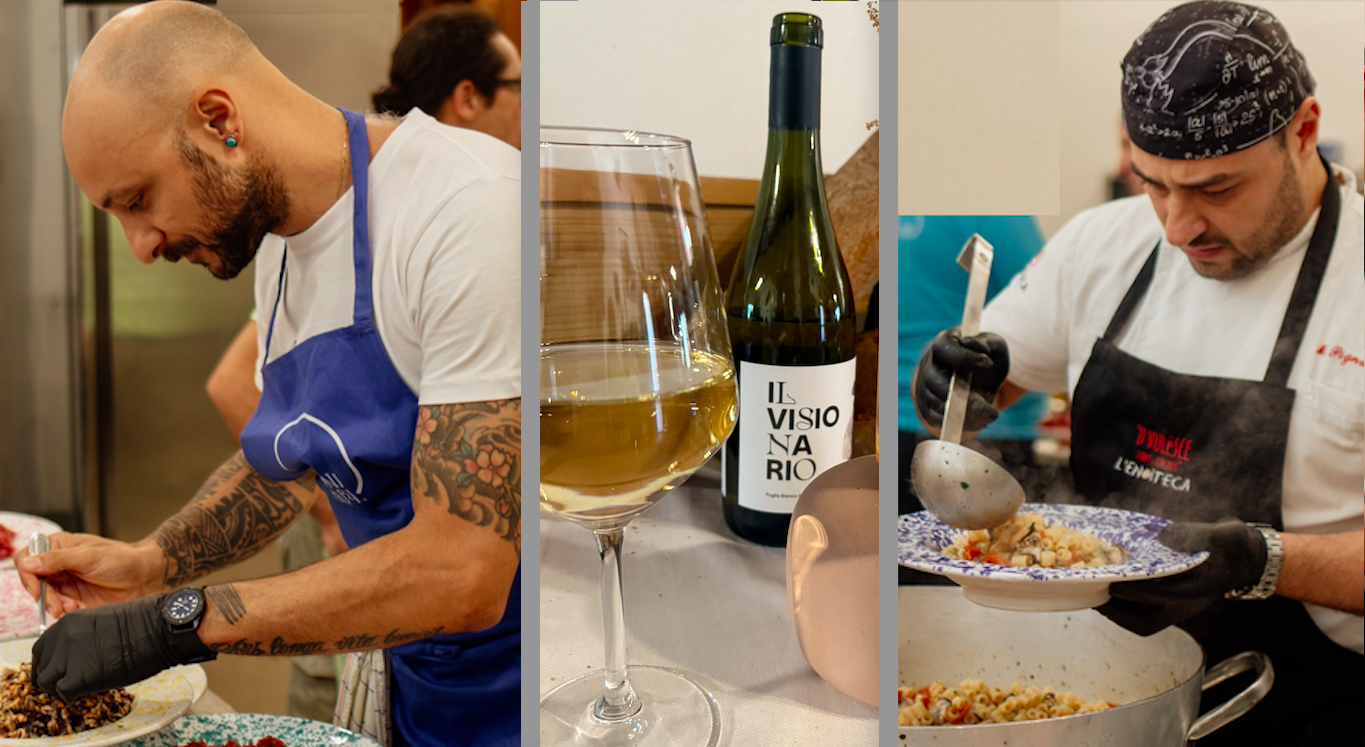 (l’elenco completo e i loro ristoranti a fine articolo)
 LE SEI REGINE DELL’ARTE BIANCA
 Lungo questo simbolico cammino, prende forma un momento di confronto tra i sindaci e le comunità, per riconoscere nel pane un segno di appartenenza, dialogo

 Come non innamorarsi di queste ricette tradizionali e della loro “new version”?
 La sua versione innovativa si ispira a una riedizione sempre “al recupero” con uova, pasta brisè, parmigiano, tagliatella di seppia, guanciale e germogli di borraggine. Da Premio Oscar!!
 Più tradizione di così…Chef Nicola punti a classici ingredienti: pane. patate, basilico, il tutto amalgamato in una cremosa e fresca tentazione. Per l’innovazione, si riallaccia ai ricordi del classico pesce farcito e inserisce nel calamaro un ripieno di pane e pecorino. Piatto top.
 Chef Lele si dirige verso verdure e erbe spontanee, in un profumato tripudio di odori e sapori, tra cui spiccano bietola, cicoria selvatica, rucola, pomodorino. E le famose polpette? Eccole rivisitate, rigorosamente in pane da recupero, insaporite da pasta di pomodoro, soffritto di acciuga e verdure. Bontà!


 San Marco in Lamis è nota anche per le manifestazioni del Venerdì Santo che culminano con la preparazione delle “fracchie“, enormi coni di legno, realizzati con grossi tronchi tenuti insieme da cerchi in ferro, che vengono accesi all’imbrunire e fatti circolare per il paese su appositi carri in occasione della Processione della Madonna Addolorata.
 Un weekend che auguro a chiunque, dieta o non dieta!
 IN CUCINA… ECCO CHI C’ERA
 Primiano D’Addetta (LAKE CAFE’ – Lesina), Alfredo De Luca (Ristorante LA TAVERNA DEL PORTO – Tricase), Luigi Tedone (MASSERIA SCANNAGATTA – Corato),
 Errico Recanati (Andreina * Michelin – Loreto), Domenico Cilenti (Porta di Basso * Michelin – Peschici) e Tiziano Mita e Felice Campanale (Borgo Egnazia – Savelletri),
 Luigi De Vita (IL MANISCALCO – Mattinata), Luigi Centra (AL SOPPALCO – San Giovanni Rotondo), Michele Sabatino (CASA SABATINO – Apricena), Gaetano Pezzicoli (OPUS ART EVENT – Lesina)
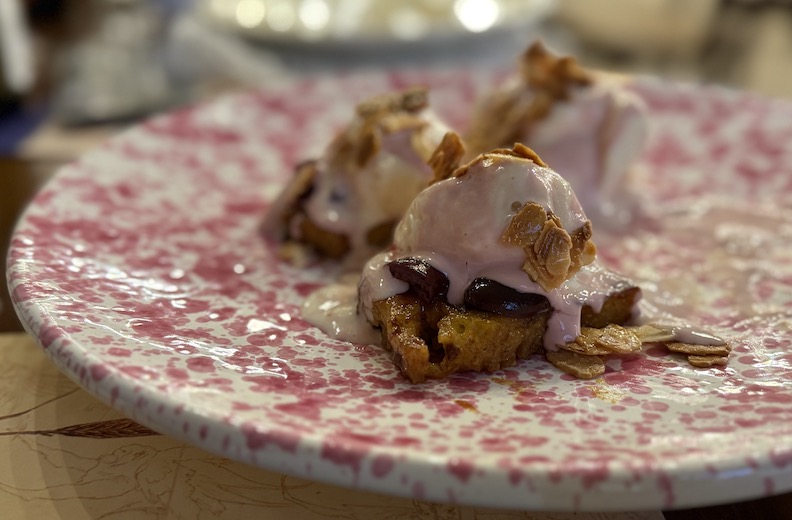 Una personale menzione speciale a Iginio Ventura (Gelateria PINAGEL – Peschici) che ha sbalordito il pubblico con un gelato all’ amarena piccola, in purità,
 And last but ot the least, la “supersonica” Diana Pia Pignatelli (Agriturismo LE CASELLE – Rignano Garganico) che, oltre a una tradizionale panzanella e un inedito vitello alle pesche, ha servito una parmigiana che mi ha fatto esclamare ” Questa parmigiana è davvero….una parmigiana !”
 I MAGNIFICI FORNAI
 Orazio Chiapparino (D’ORAZIO PIZZERIA – San Giovanni Rotondo), Francesco Paolo Mango (VIRGA&MILANO GROUP Palermo),Vincenzo Maddalena (Castelluccio dei Sauri), Antonio Cera e Pietro Borazio (FORNO SAMMARCO – San Marco in Lamis).

 Cesare Zucca
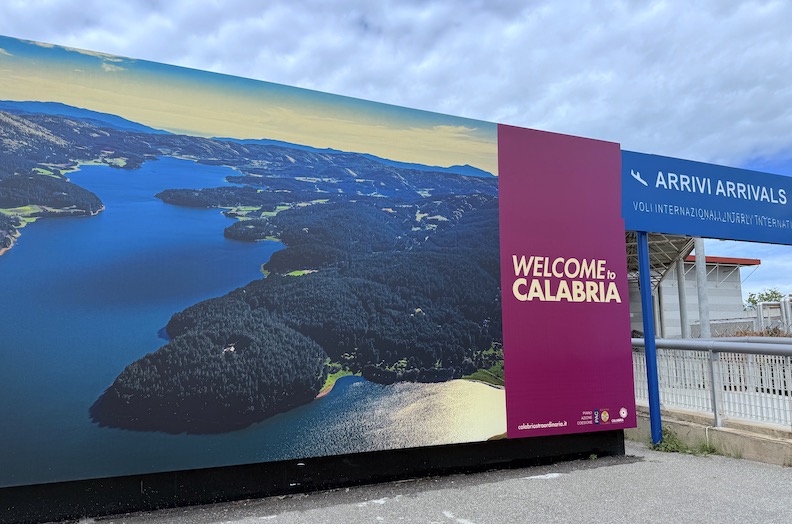 This unforgettable trip began in Lamezia Terme, as for many visitors coming from elsewhere in Italy or the rest of the world . Lamezia is much more centrally located on the Tyrrhenian Sea and at a short distance from the Ionic coast, Also the international Lamezia airport is minutes away from the main train station, Just a 15 minutes drive and you will discover the best place possible to relax after a long trip and enjoy our first bite of Calabria.
 Welcome to Hang Loose Cottage in the small community of Gizzeria Lido, but it really is a world of its own, above the sea and boasting a gorgeous swimming pool embodying the spirit of the place.

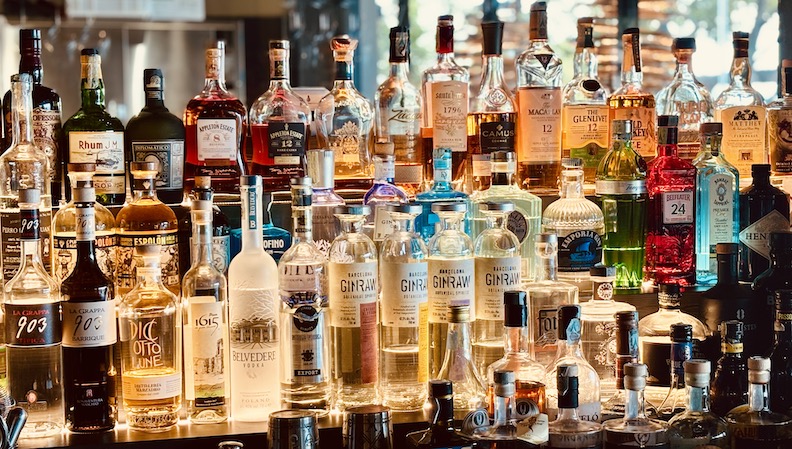 For dinner you ll have to taste the most traditional Calabrian peperoncino product: n’duja. a spicy spreadable pork sausage. It is sold in butcher shops but also supermarkets, and specialty stores. Here it was served along the best grissini I have ever tasted, due to their irregular shapes: the thicker parts had a bit of chew and the thinner ones were super crispy.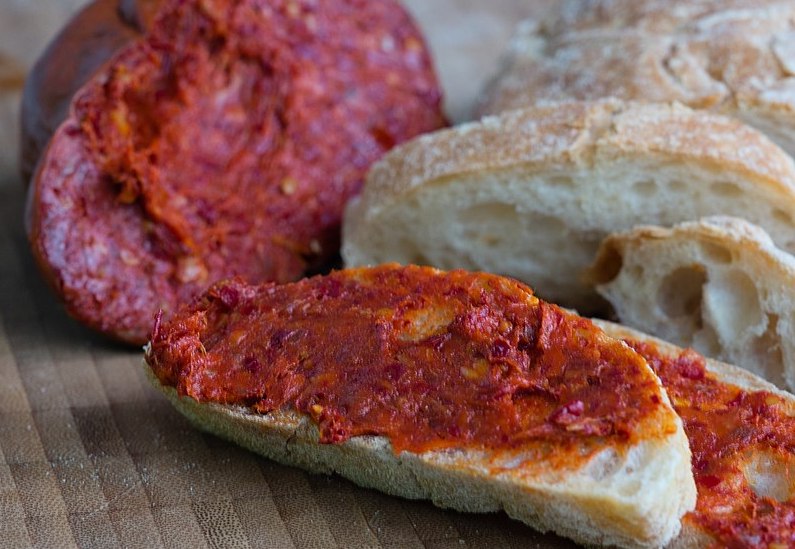


 This area is known for having strong winds and you’ll have your chance to kitesurfing, windsurfing, stand up paddle (sup), sailing, canoeing. All the equipment is there and the experts too to show you the ropes of the activity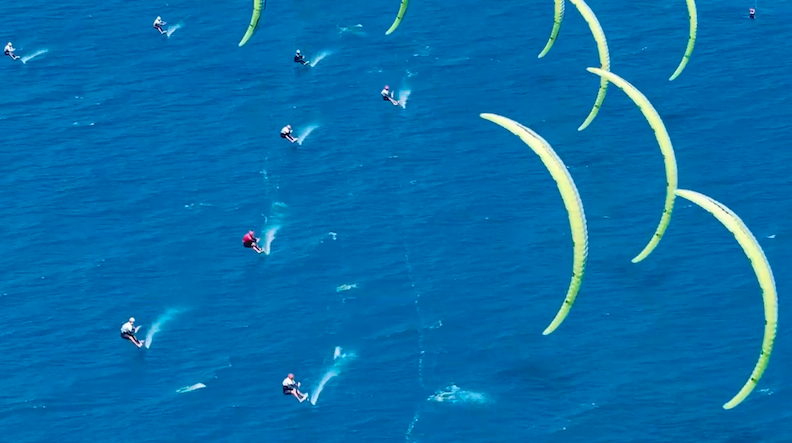
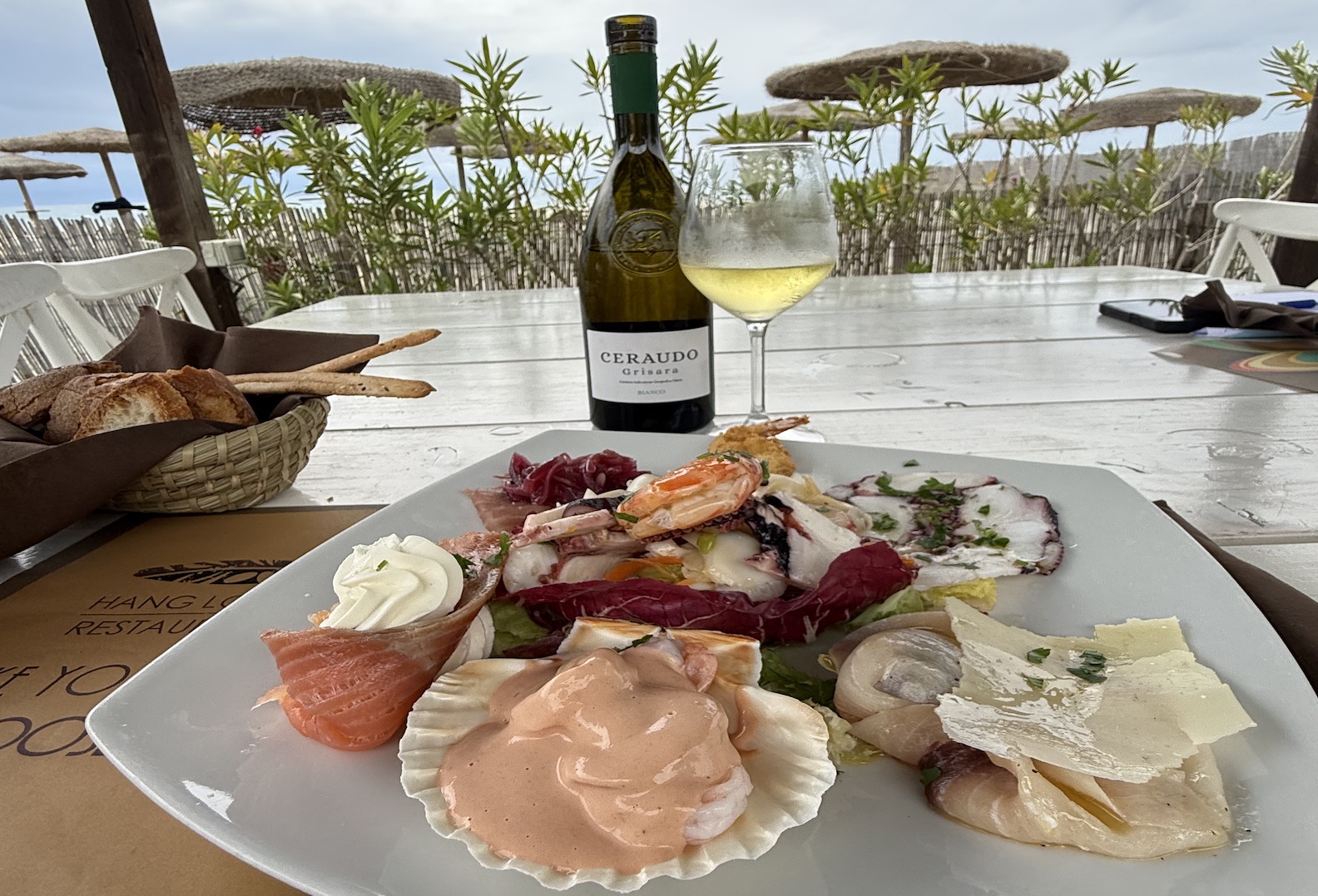
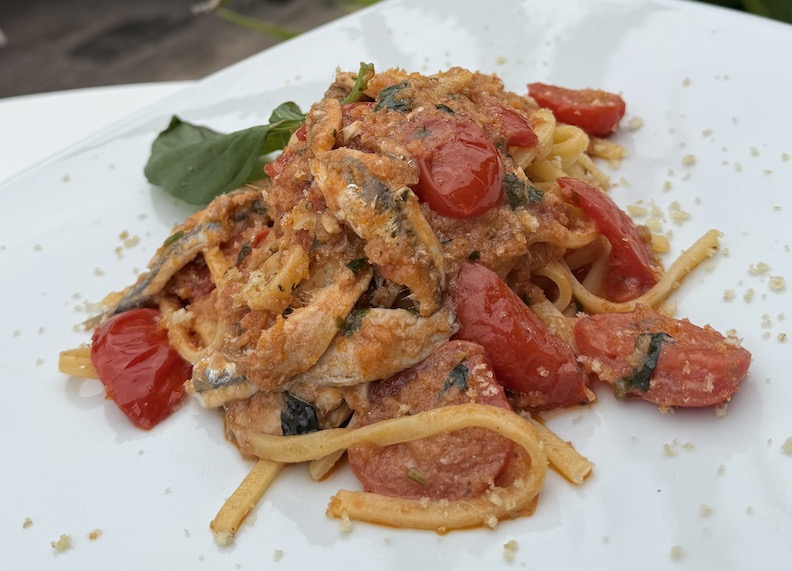 Not to get dehydrated, the restaurant offers an impressive selection of local wines, including the beautiful Cerauto Grisara which has the roundness and body that makes it a wine fit to match the flavorful cuisine.


 At the helm we find Chef Dario Jannello, who confesses to me that he has always been “curious in the kitchen”, since the age of 8 … and the results are evident, a sincere, lively, tasty cuisine…
  Here the fish triumphs, starting with the cod meatballs, also in the “gourmet” version with potatoes, caciocavallo silano and tomato chutney, to the crispy breaded anchovies (but how good they are …) served with nduja mayonnaise.
 I then enjoyed an exquisite mussels with pepper and a dish of linguine and clams that tasted of the sea,
 All washed down with an excellent Almaneti Liprandi, a label well known to local and non-local enthusiasts. The cellar boasts 150 labels, 80% of which are Calabrian.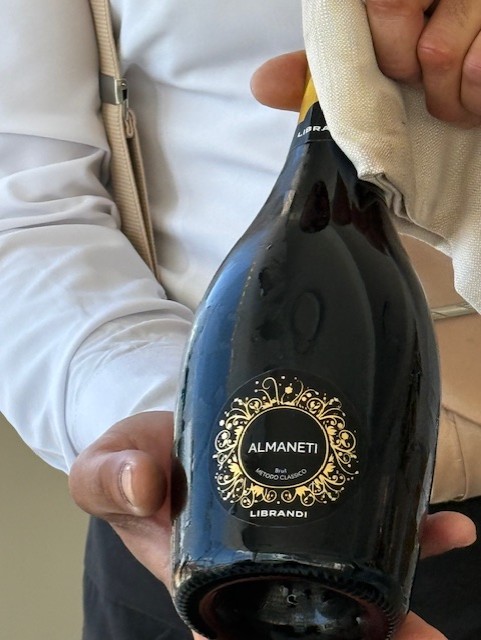
 Besides the neighboring fields that dominate the sea, guests of the hotel tend to watch the beauty of the sea that you can enjoy from the beach and the terrasse of the restaurant down the road or just from your balcony where sunsets showcase the famous Stromboli island and its volcano as a black pyramid licked by the drowning sun.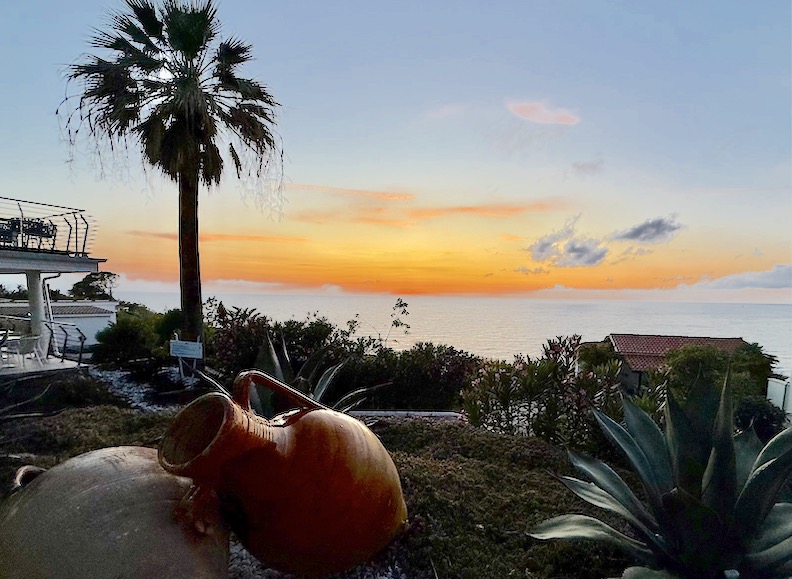
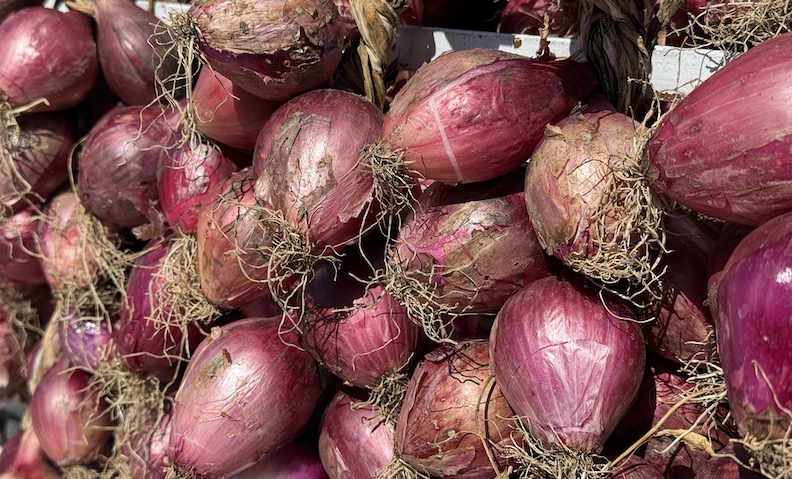 to savor cuisine of the area, we got to dine at Molo Bretti Restaurant. a seafood restaurant attached to Baia Di Tempsa Hotel.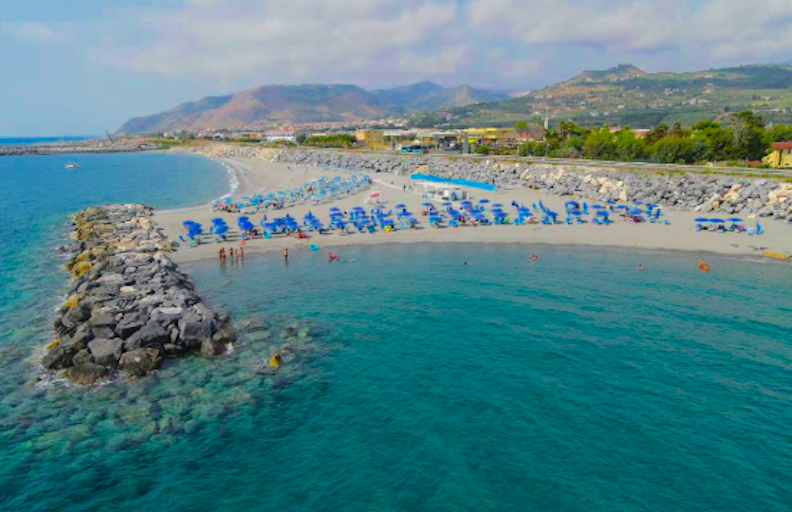
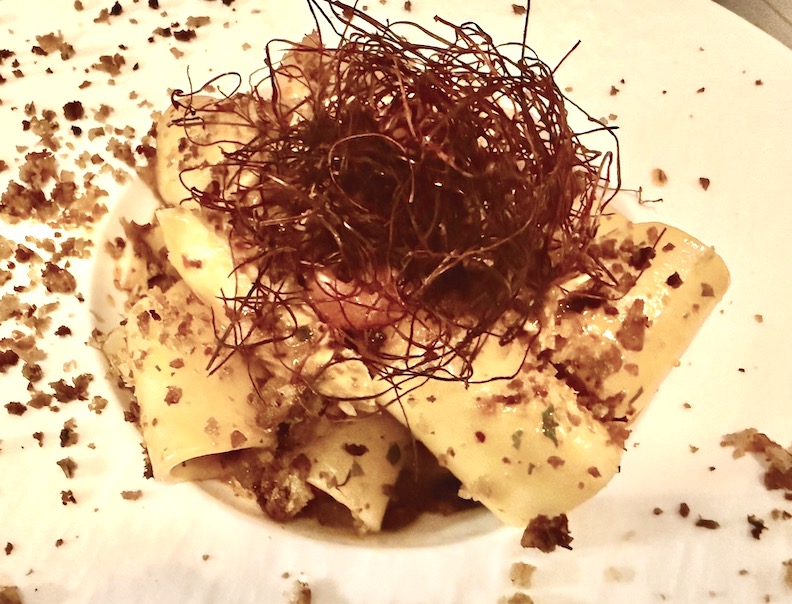
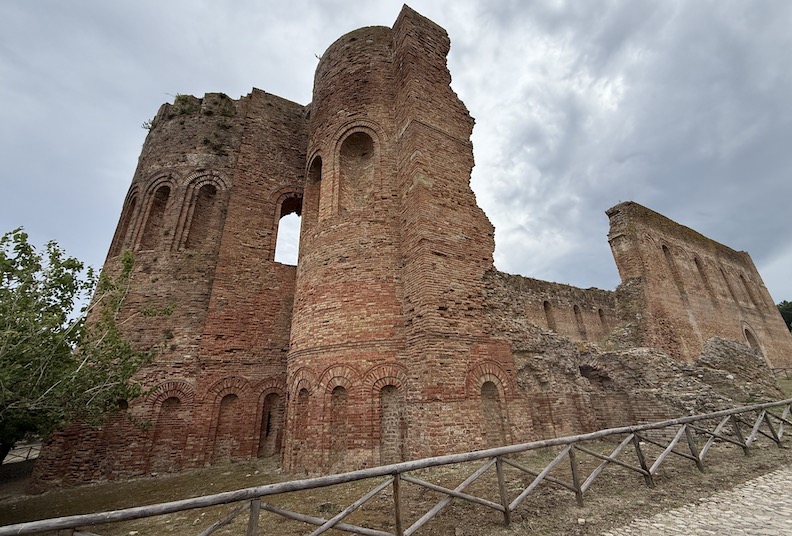 If those made it to the shore and attempted to seize the perched villages, castles became real fortresses capable of withstanding aggressions from a dominant standpoint and survive within closed walls thanks to savvy reservoirs of water and foodstuff like grain.
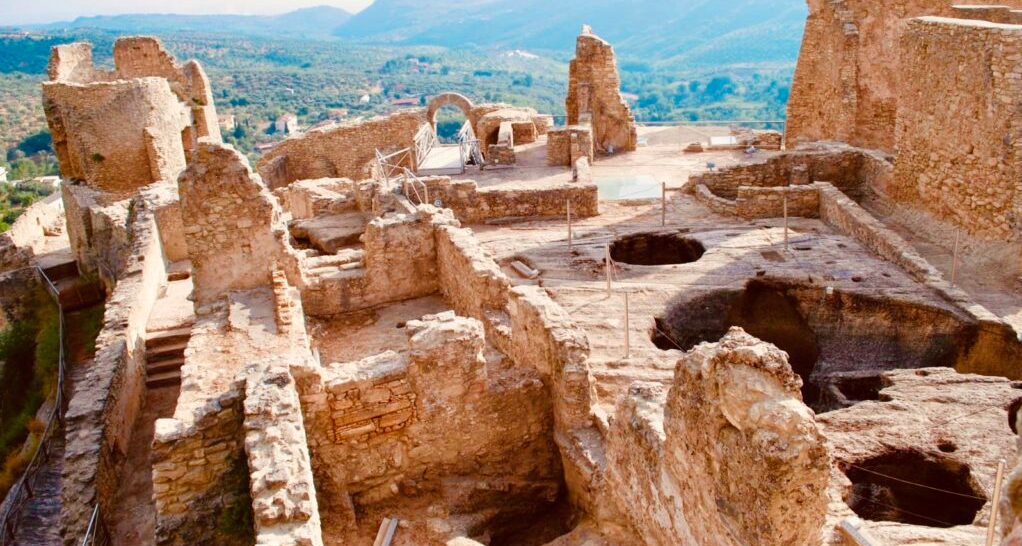 Where we were hosted to have an aperitivo along with, you guessed it, some n’duja on crostini as well as olive spread, different charcuterie and cheese. The local red wine (Savuto classico from Antichevigne) was robust, but not heavy or cloying. But, what stoof out for me was the collection of “amaro’ liquors, including the Rupes one flavored with peperoncino: not hot per se, but leaving a little tingling on the tongue. . Another stand out was the Jefferson which gets its strange name from the date of its creation in 1871!
 From Cleto, we hopped to another hill to visit the beautiful village of Aiello, rich in history and counting several noble mansions (like the Palazzo Cybo-Malaspina).
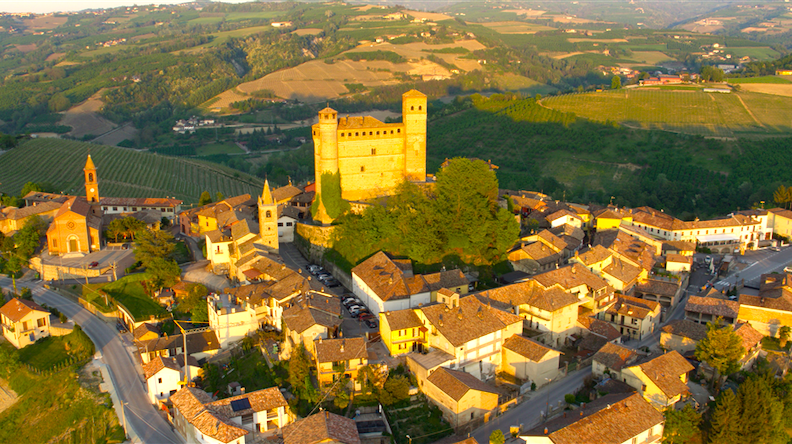 Testo e Foto di Cesare Zucca
 Dalle finestre dell’edificio è possibile godere di una vista spettacolare su tutta la Langa fino all’arco alpino, un panorama che toglie il fiato specie nelle giornate più terse.
 E POI … TUTTI A TAVOLA!
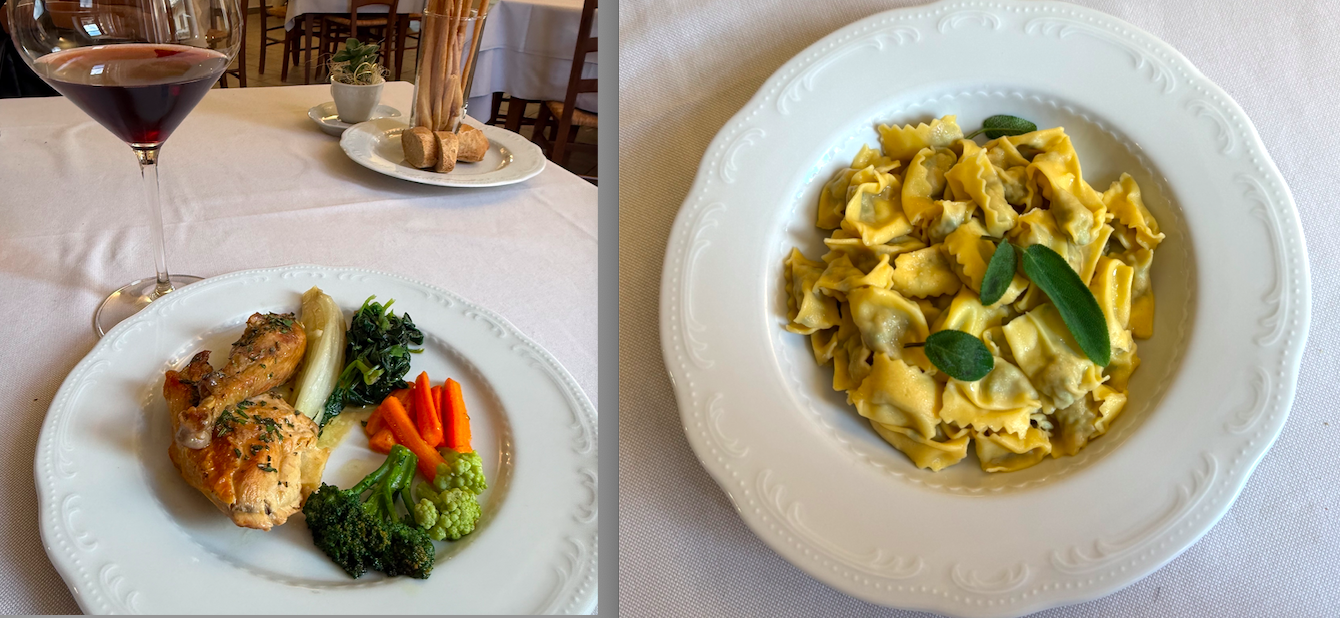 Tra gli antipasti, oltre alla tradizionale tartare di fassona, il ricco vitello tonnato e una delicata crepe alle verdure, spicca un delizioso gioiello, il pess coj, un involtino di cavolo di cui Chef Maura mi ha rivelato la ricetta che troverete a fine articolo.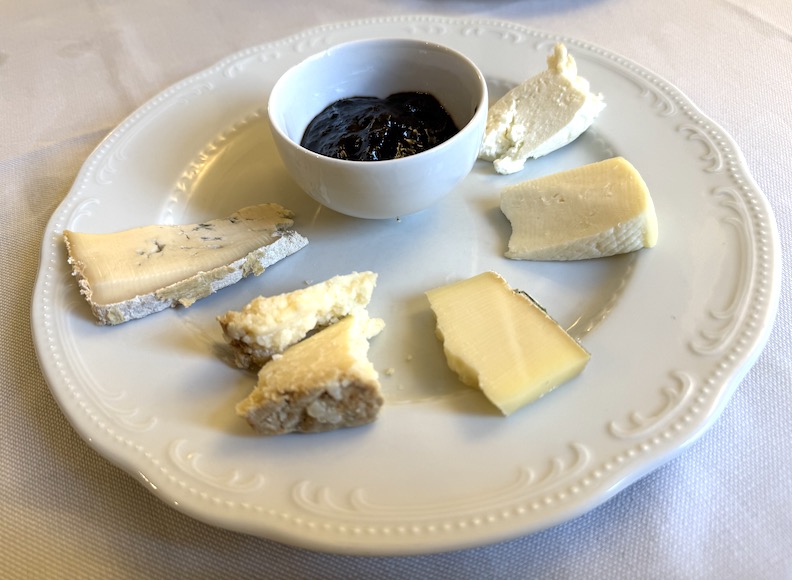
 DOVE DORMIRE
 Ingredienti per 4 persone:
 THE CASTLE
 From the windows of the building you can enjoy a spectacular view of the entire Langa up to the Alpine arc, a panorama that takes your breath away especially on the clearest days.
 Tra tour dedicati, angoli suggestivi e sapori autentici, Ravenna vi invita a vivere il lato più romantico e autentico della sua anima, Lasciatevi conquistare da questa città che ha fatto da sfondo a grandi storie d’amore e passioni senza tempo.
 Che si tratti di una passeggiata tra mosaici dorati, di un aperitivo con racconti affascinanti o di un’avventura tra enigmi e misteri, non c’è occasione migliore per scoprire – o riscoprire – la città da una prospettiva diversa.

 La statua si trova nella Loggetta Lombardesca del Museo MAR, e pare sia stata creata avendo a disposizione la maschera mortuaria del cavaliere, che doveva essere del tutto simile al viso marmoreo. Questa scultura è anche stata catturata dall’obiettivo della macchina da presa di Marcello Aliprandi per il film La ragazza di latta (1970). Nei titoli di testa, la protagonista interpretata da Sydne Rome, si china sulla statua per baciare il suo bellissimo volto e le sue labbra marmoree
 Lasciatevi conquistare da questa città che ha fatto da sfondo a grandi storie d’amore e passioni senza tempo, amori epistolari, casate nobili, ma anche tragedie e tradimenti, amor di patria e tanto altro.
 Per chi cerca un’esperienza speciale, il tour guidato “Ravenna Romantica”, condurrà i partecipanti attraverso i luoghi più romantici della città, raccontando le passioni e gli amori che hanno attraversato le sue strade, da Dante a Lord Byron
 Per chi ama la creatività, un laboratorio di mosaico è un’esperienza sicuramente originale: un momento per sperimentare insieme la tecnica del mosaico e magari realizzare un cuore da portare a casa come ricordo. Un’idea perfetta per chi cerca qualcosa di diverso da condividere, che sia con il partner, un amico o un familiare.
  E per chi vuole sorprendere con un regalo speciale, presso l’Ufficio Informazioni Turistiche il Mosaic Temporary Shop propone una selezione di oggetti artigianali in mosaico, pezzi unici realizzati da mosaiciste locali che possono diventare un dono perfetto per San Valentino.
 Welcome to Manchester, England: a mix of Victorian structures, former industrial buildings and spectacular ultramodern constructions. A ballet of styles and architecture often highlighted by the birthplace of world-famous football, a city full of world-class art galleries and a music scene that has seen the local band Oasis take centre stage.
  Oh, and bees, which have been the iconic symbol of this city of hard-working, industrious people since 1840, rightly proud of its connection to the industrious insect. When you walk the streets of Manchester, look around and you will see them everywhere.
 In short: days full of excitement and a nightlife that will have you dancing from dusk till dawn accompanied by generous pints of beer, and what a beer!
 Ready for your tour of the city?
 TO SEE

 For its innovative design, the stadium won the special award of the Association of Structural Engineers in 2003 and, a year later, also that of the British Architects.
 VINYLMANIA
 Starting from Piccadilly Gardens to Blue Rinse, a huge vintage shop that sells clothing by the kilo, you will discover many eclectic emporiums including Oxfam Originals, Gone Fishing, Affleck, Cow and Zeffa, known and appreciated for over 40 years.
 FOOD TO ENJOY
 “Manchester Egg” is the most representative dish of the city. It is a pickled egg covered in sausage meat, breaded and fried, while among the desserts “Eccles Cake” stands out, composed of two circular layers of puff pastry filled with currants.


 I loved
 If you want to experience essential and pleasantly alternative cuisine, here is
  One of the most popular dish is the beetroot is chopped into irregular shapes and roasted with some spices, vinegar, brown sugar and olives until beginning to char. They’re served with ajo blanco which is sharpened with sherry vinegar then a sauce made with green chilli and coriander goes on top to freshen it up.
 the hotel offers large suites with private balconies from which you can enjoy the view of the city skyline.
 You will also find a well-equipped gym open until midnight.
 In Manchester, showers are frequent and often unexpected, if you have not packed an umbrella the hotel provides very useful umbrellas for rent. What a good idea !
 I enjoyed a delicious pie filled with braised beef, cooked in beer and served with tender broccoli, mashed potatoes and a homemade gravy.


 Text and Photos by Cesare Zucca


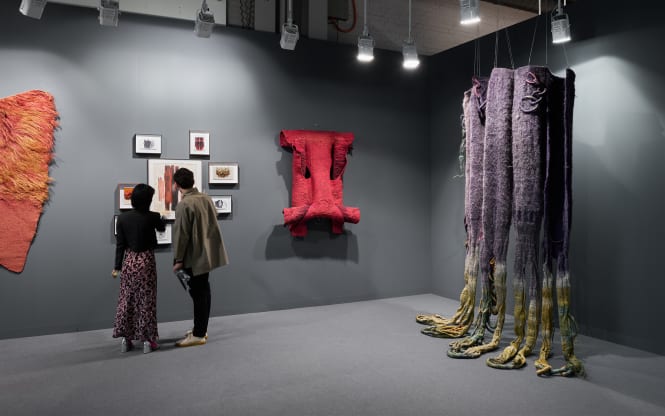 Whether you’re into art, history, food, or just exploring, Basel has something for you. It’s a city where every street has a story, every square echoes with music, and every building is a testament to its rich history. , Basel promises an enriching and memorable journey.

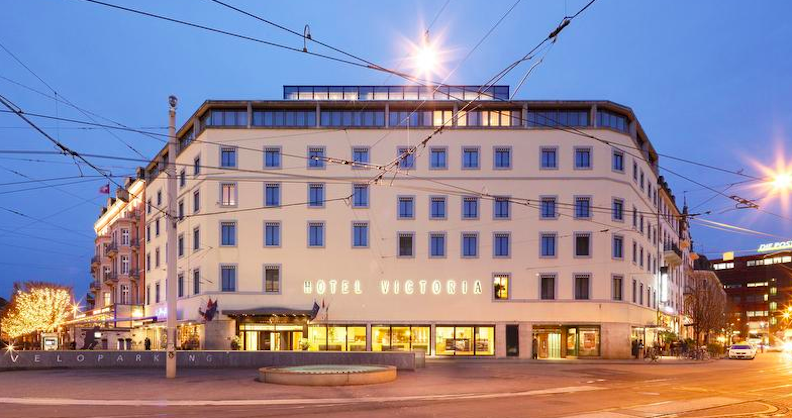
 All rooms are equipped with a functional working desk, phone, free Wi-Fi, large flat screen TV, room safe, minibar with free mineral water, door spy hole, Nespresso-machine, tea maker facilities, iron and ironing board.


 The restaurant menu offers an international choice of dishes among traditional local specialties. I had a delicious breakfast in the outdoor terrace of the “Bar&Bistro” featuring a fine choice of traditional Swiss, regional and international dishes.
 Ideal location, close to museums, theatres, sport stadiums, the Basel ZOO, as well as the congress and exhibition centre that are easily reachable by foot or by public transportation.


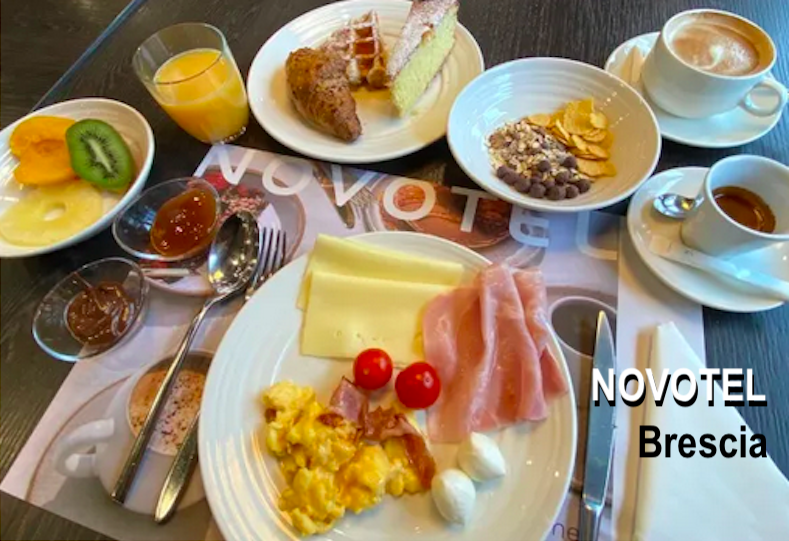










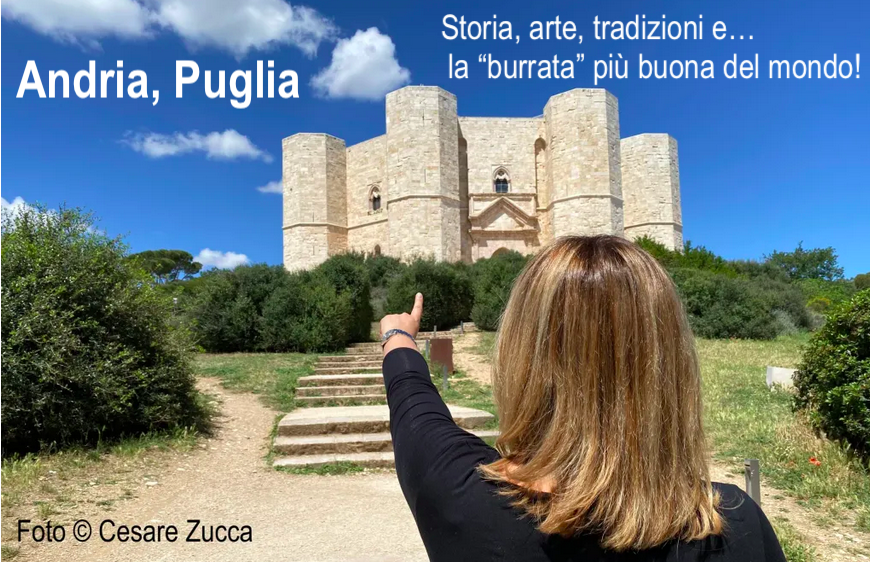

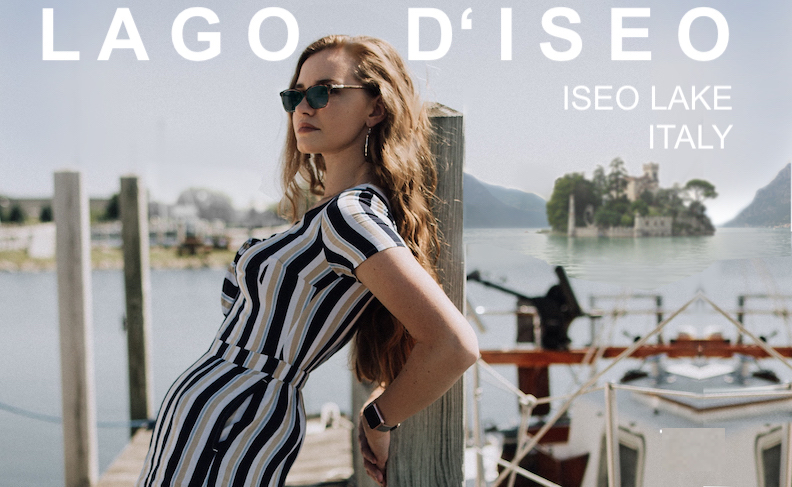


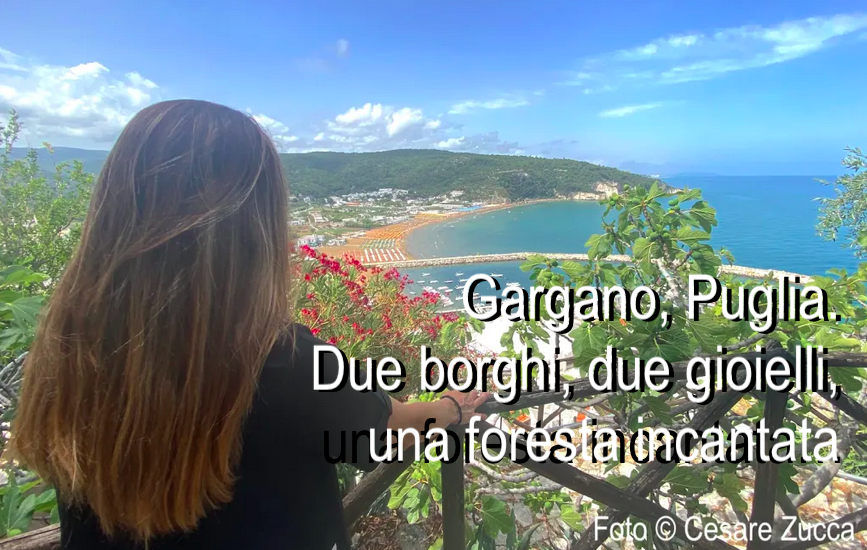

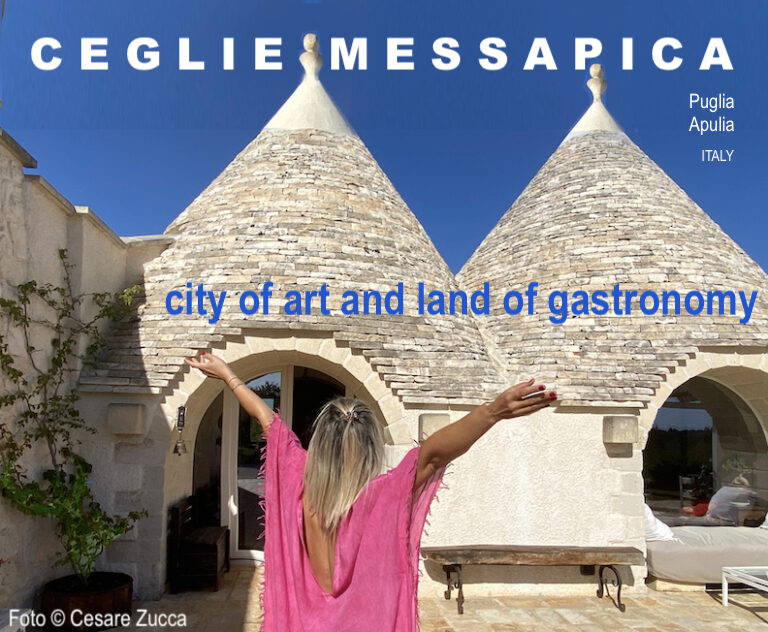


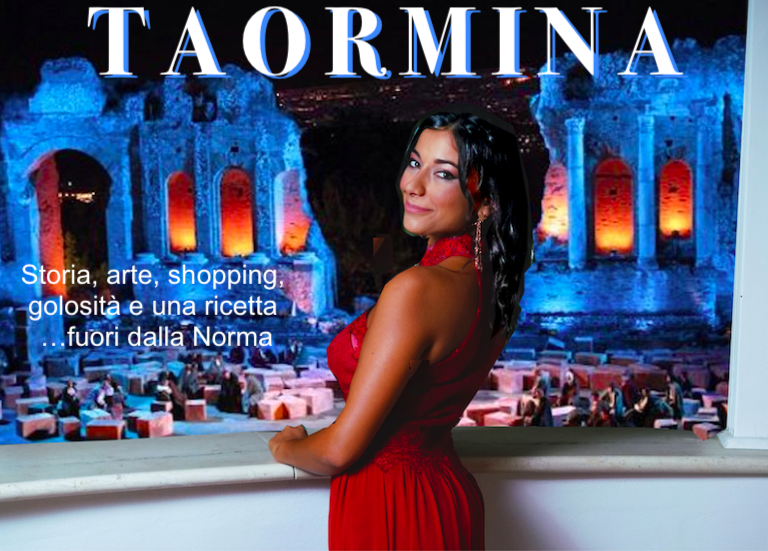
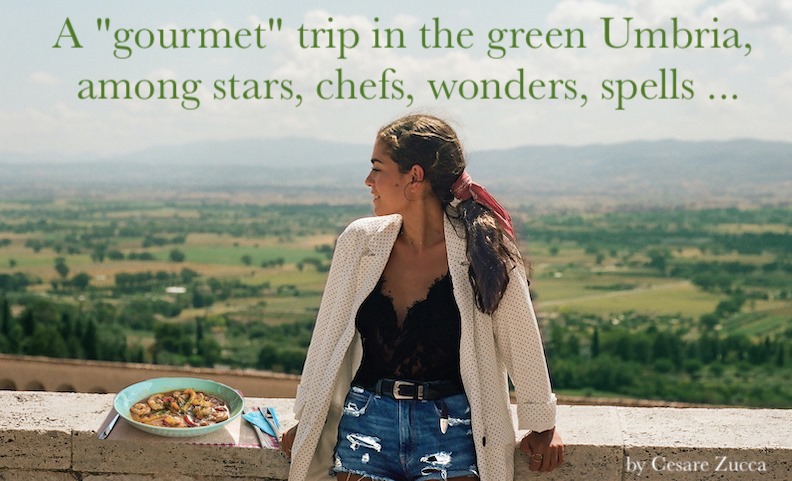
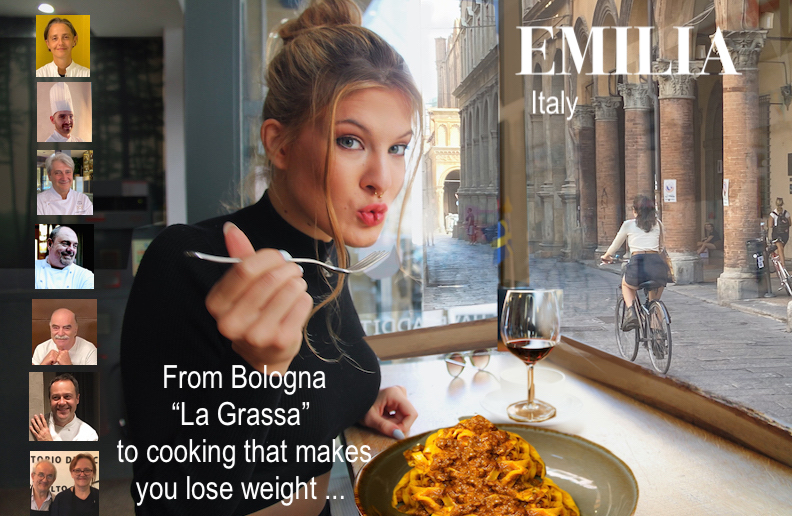

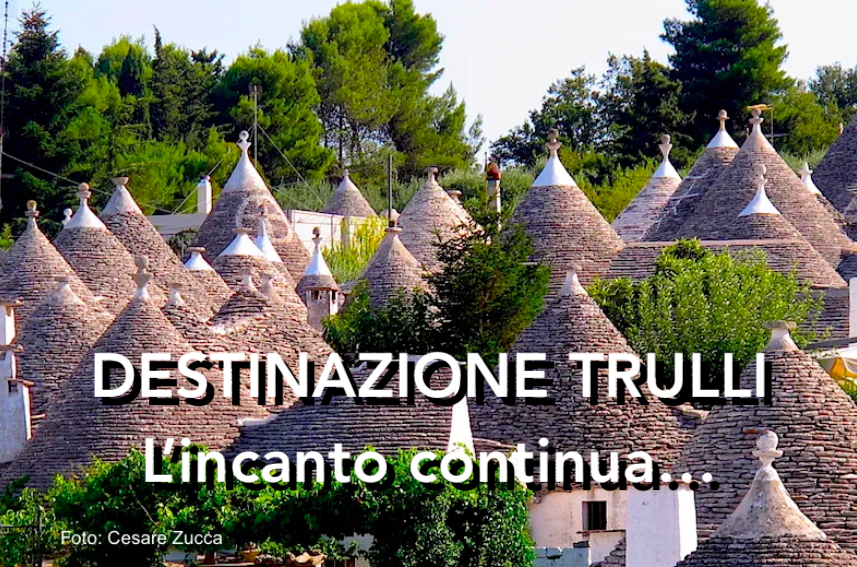
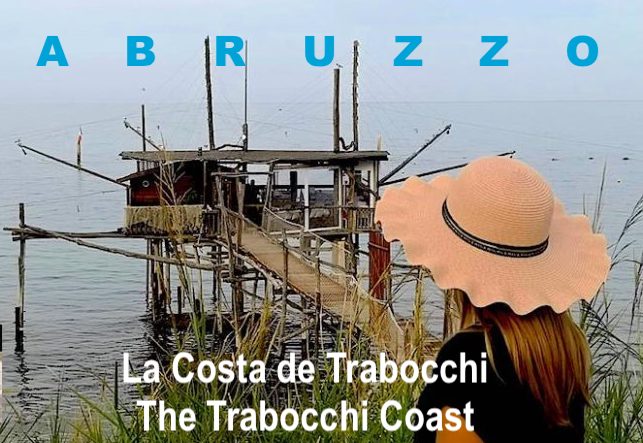


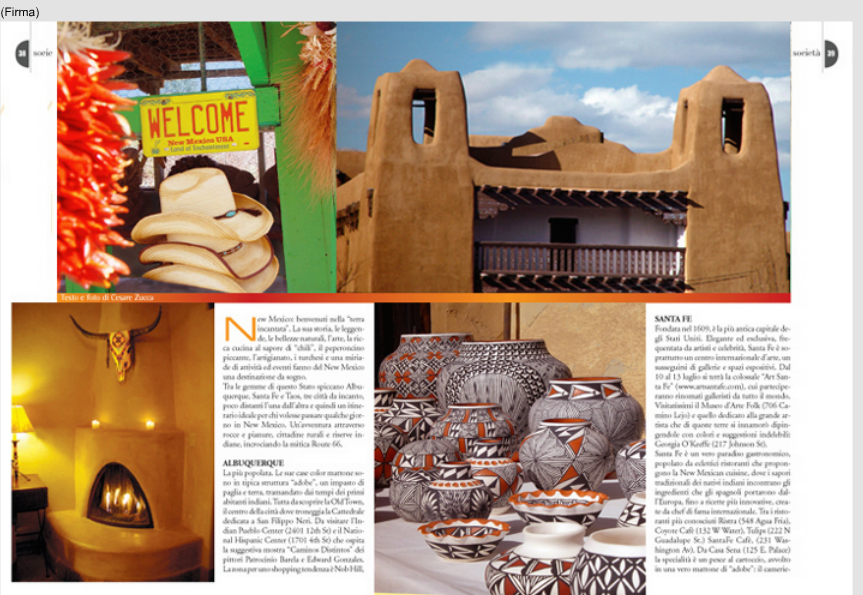


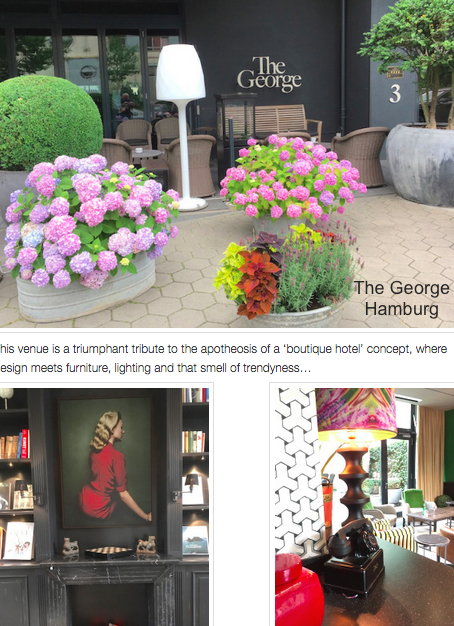

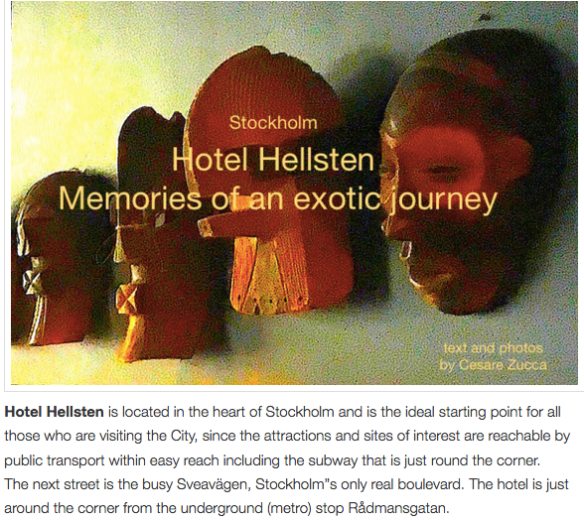
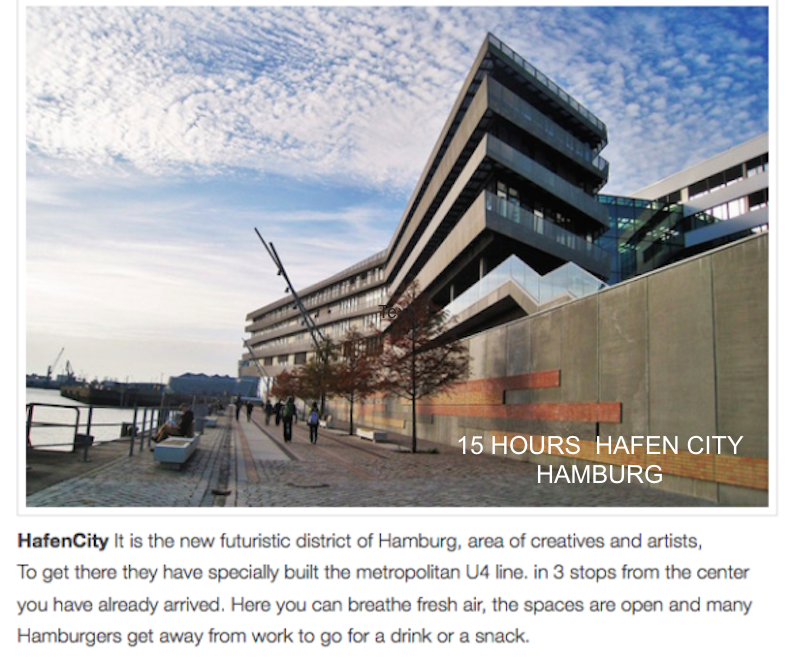
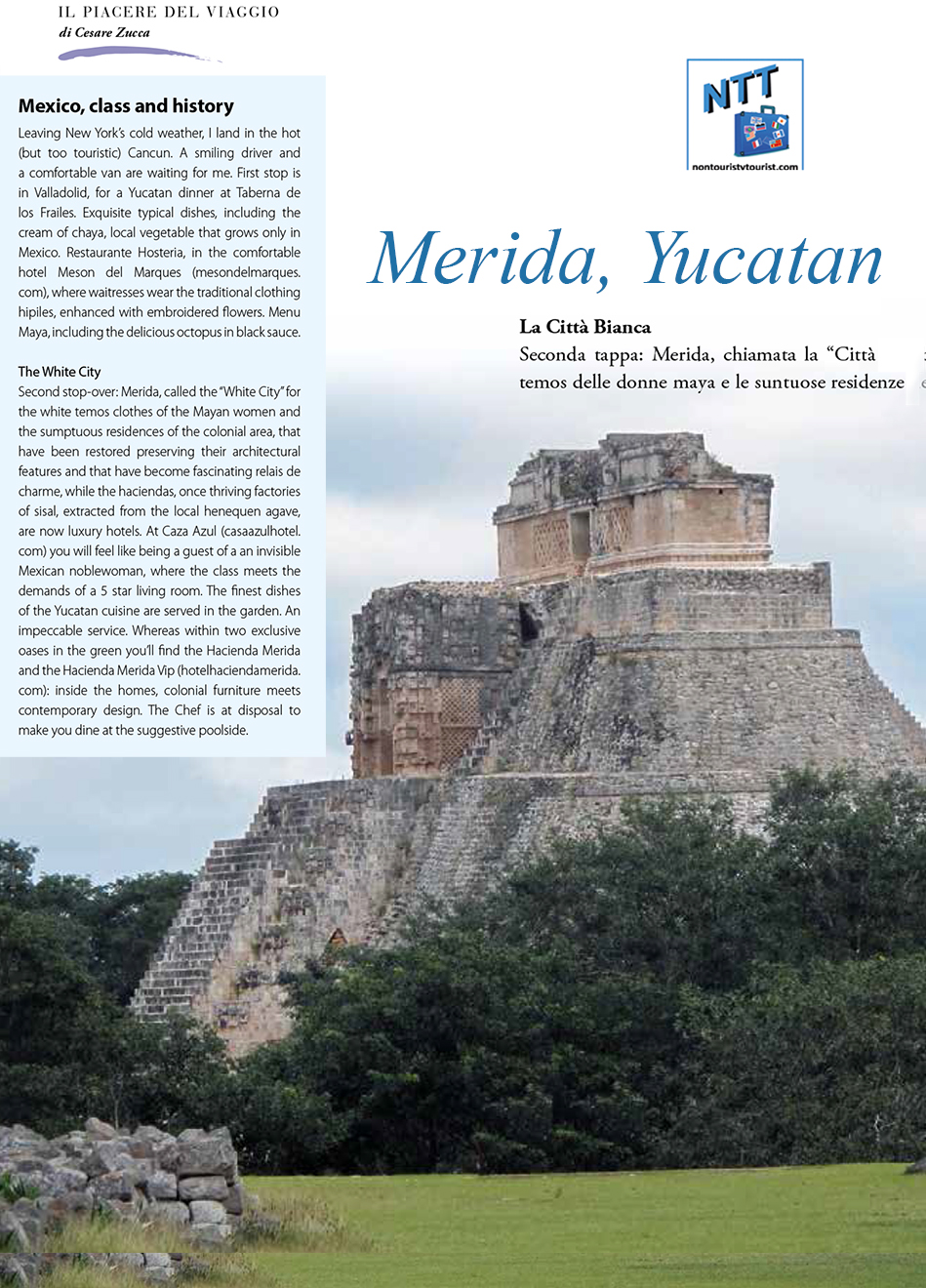
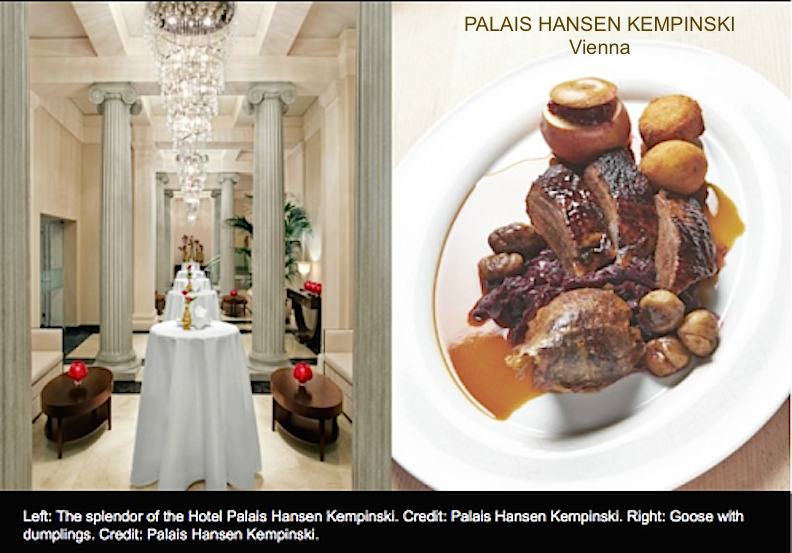
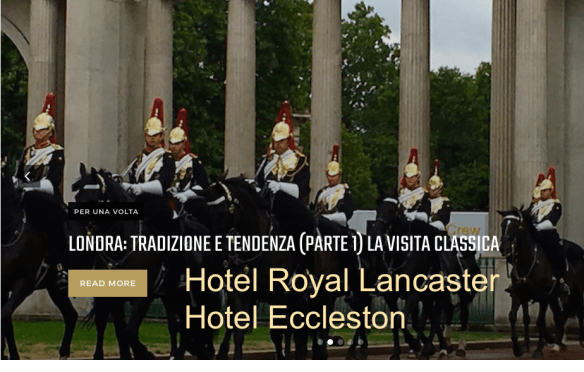
 see full article



 BOUTIQUE HOTEL CASA ANGELINA, AMALFI COAST
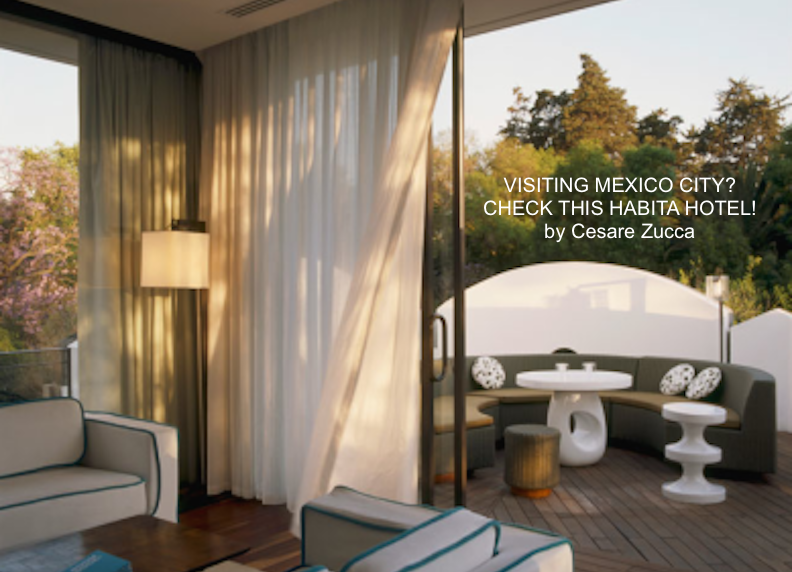 INTERCONTINENTAL HOTEL Phnom Penh

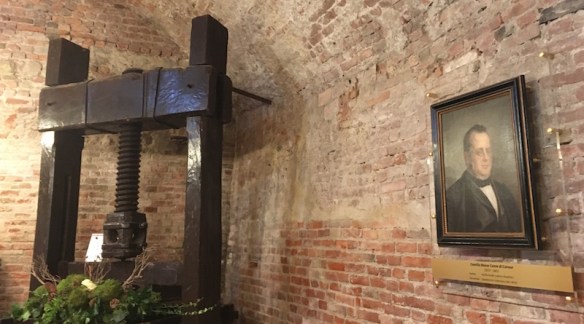

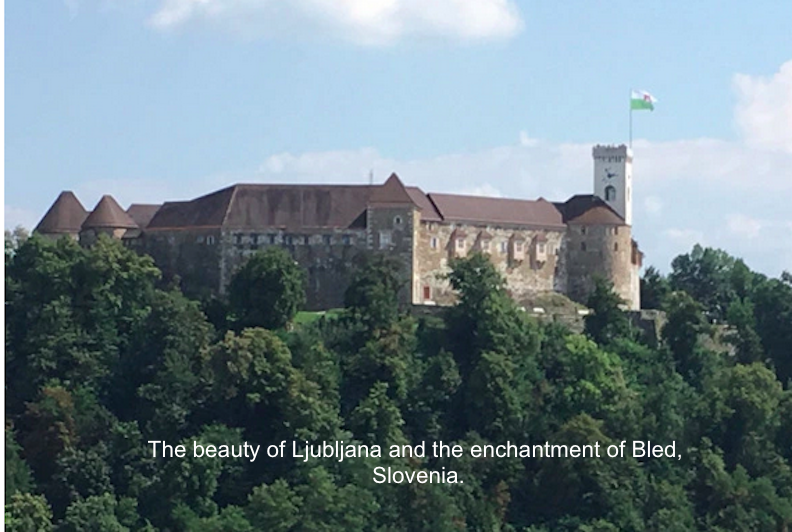
 You just don’t realize how lucky you were when your join the guided 3,30-hour food tour organized by
  There is no other way to sample the incredible diversity of Slovenian food in so little time and in such a fun and well-paced way.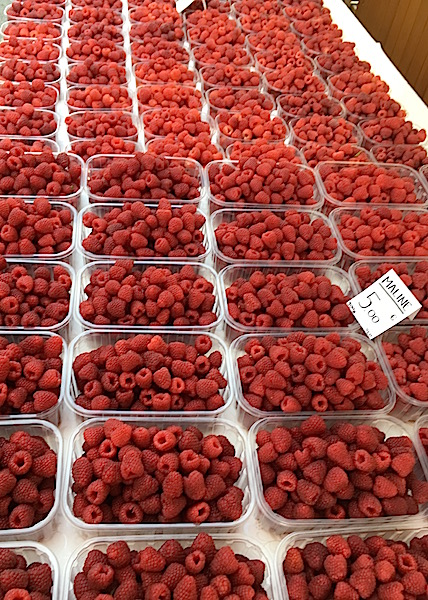
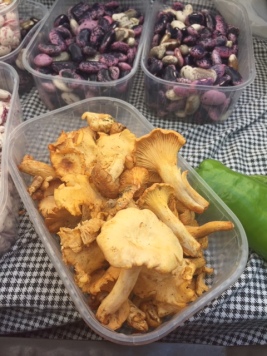 Also, it isn’t a gorging party:
 Then, we got to visit the permanent covered market, a beautiful building along the riverbank. That was like entering a world of its own. Gorgeous charcuterie, cheeses, breads (got a loaf of this dark and dense bread, yet moist and oh! so tasty). A separate section is dedicated to fish, perhaps for temperature and odor control. Whatever the reason might be, I was really impressed by the display of fish available and the absence actually of any strong fishy smell. Slovenia is known mainly as an inland country, but it does have a little bit of coast on the Adriatic Sea and they sure know how to source the best of what can come out of it. Everything looked so fresh, a real temptation for any cook.
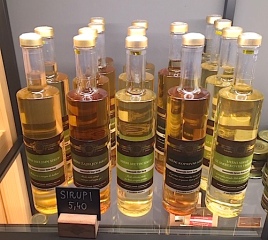 We met our lovely guide Simona in Ciril-Metodov, the cobblestoned main street. She took us at Klòbasarna, where we had the first tasting: a warm smoked sausage form the Carniola region just South of Austria, in other words at the Northern end of Slovenia. Made of the finest pieces of pork, this sausage neither greasy nor too dry, just hit the spot accompanied by a light red wine, a little horseradish and mustard which I loved.
  Simona took us in more that 7 venues, specialized in different specialties, from the syrups and the honeys of
  I won’t be going in the detail of all the things tasted, either in gastronomic shops or in restaurants… I want you to go and experience it for yourself. Besides beef tongue, fried chicken, honey (Slovenia is Europe’s largest producer per capita), my heart will go for this humble dish of mashed potatoes with sautéed onions and bits of bacon that we tasted at a very special restaurant, Druga Violina, where all the members of the staff suffer from some form of disability or another. It felt really good to contribute to this effort to support the community and, let’s be frank, it also tasted soooo good, just by itself.
  With influences coming from all neighboring countries (Italy, Austria, Hungry and Croatia), tucked between sea, plains, forests and mountains, the small country of Slovenia is rich of diversity and, if this three-hour tour cannot cover everything, it sure serves as the best introduction one can hope to taste in this timeframe!
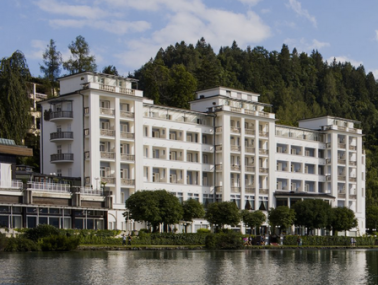 Slovenia. Bled, about an hour North of the capital Ljubljana to the North-West of Slovenia. Rather than the town it is the beautiful lake that gives the name Bled, famous among the European elite as early as the 1930’s with the construction of a luxurious hotel providing natural hot spring source knowned for health benefits.I am talking of the
 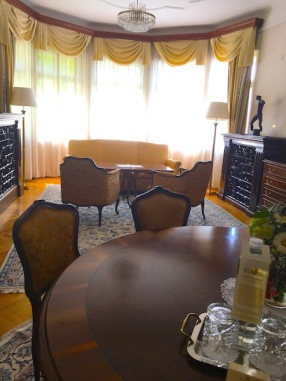 Each of the rooms and suites at Grand Hotel Toplice has its own unique character and are traditionally styled with beautiful parquet floors, rich furniture and beautiful paintings with many of the rooms benefiting from breathtakingly beautiful lake views. The hotel has been recently renovated and restored to its former glory and is one of the best hotels in Slovenia as well as being a member of the Small Luxury Hotels of the World collection.
 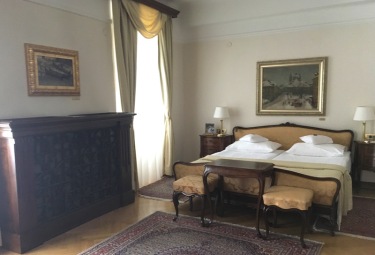 It has hosted many eminent guests and is frequented by celebrities such as Vivian Leigh, Arthur Miller, Pablo Neruda, King Hussein of Jordan, Paul McCartney and…me, with my best friend-chef-writer Philip Sinsheimer, graciously hosted by Sava hotel and resort group that manage the venue.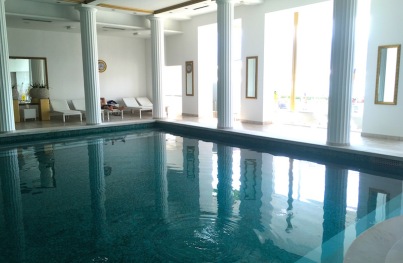
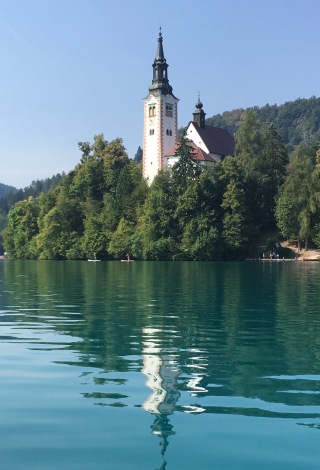
 Starting from the impeccable reception. the hotel boasts luxurious accommodation, few restaurant, a bar and the enchantment of Lake Bled. All rooms and suites are individually decorated in an enchanting and traditional style, lavishly equipped with an excellent range of facilities, a relaxing thermal swimming pool and benefit from different saunas, wellness services and a solarium among a private lido,
 where Philip (expert swimmer) dived in the limpid lake water while me (lazy man…) was indulging in a relaxing sunbathing. We dedicated the morning ( when the light is best) to row to the island where the minuscule baroque chapel.I was anxious to hear the bells rings, because I knew about the legend wich narrates that around the year 1500, the leaseholder of Lake Bled at the time, Hartman Kreigh, disappeared. People said he was killed. Sad for the events, the Lady of the Castle collected all of her precious golden jewellery to be melted down and casted into a bell for the chapel on the island of the Lake, so that the bell would toll in remembrance of beloved companion. They say the bell has a magic power, when it rings, you should make 3 wishes and wait for them to become real. We did 99 steps and finally we arrived at the church, where the view is really breathtaking and, yes, we waited for the bell… Not sure my wishes are becoming a reality, we ll see…. A true wish coming true was the splendid dinner we were invited for dinner at Julijana Restaurant where Chef Bertoncelj prepared a great dinner.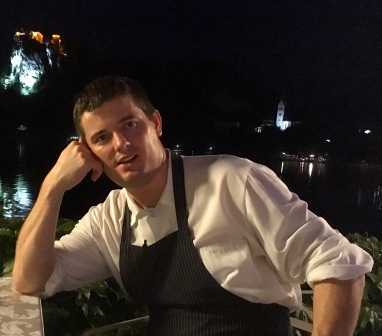
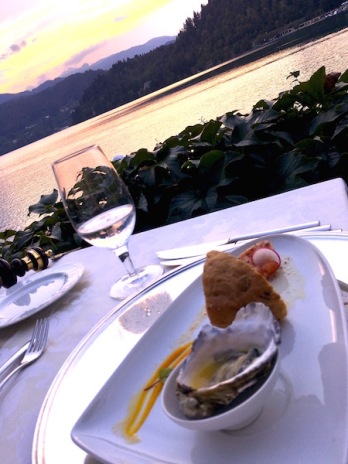 GRANDE CUISINE BY THE LAKE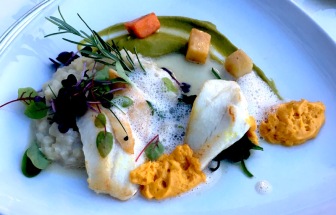
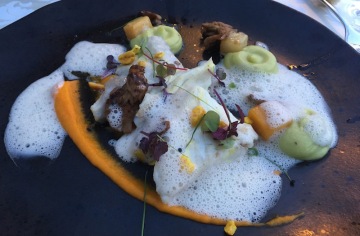 The mushroom cappuccino with porcini had the depth of flavor one can only get in top notch restaurants, served piping hot but adorned with the freshness of a few micro greens scattered on top rather than the old habit of a dollop of cream and a few chives.
 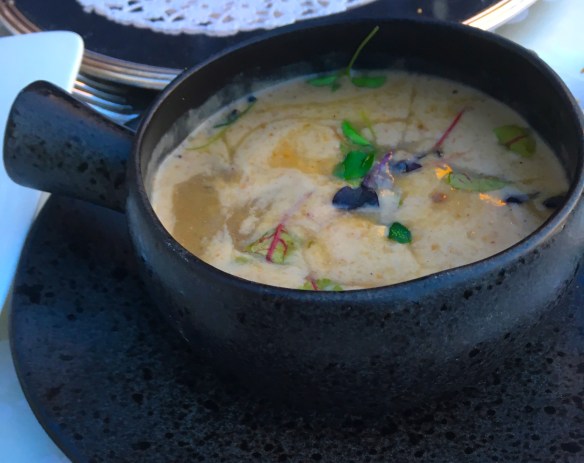 Fresh too was the vitello tonnato inspired salad, bright and lively. Here, as in all the great restaurants experienced in Slovenia, the wine list paid homage to the country’s fine wines, such as the 2017Verus Chardonnay from Stajerska, the western part of the Podravje region in the North of the country.
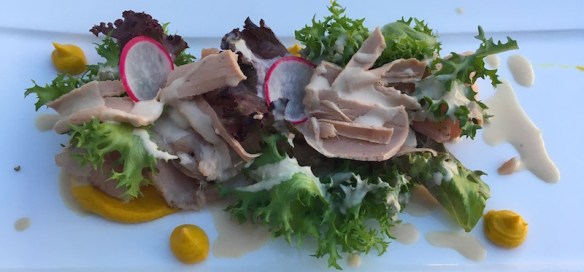 At last a chardonnay that can showcase both concentration of flavors and freshness in the palate with a mere 13° alcohol content.The shining fish course was a thick and moist turbot filet, perfectly cooked and adorned by a beautiful composition of vegetables and foamy grapefruit sauce. Here again: classic base and modern composition. Though generous, nothing was heavy, and the beautiful matured saddle of veal served pink with a herb crust was still welcome. To finish, the iconic Bled Cream Cake, which recipe goes back to 1953 and is secretly kept by the Sava hotels group. The result was up to the legend. Even though I really do not have much of a sweet tooth, and I have had my share of mille-feuilles in France, this raised version of the classic with just two layers of perfectly crisp puffed pastry holding a firm custard covered by a layer of lighter whipped cream is to die for…
  Chef Simon Bertoncelj, who has worked under the commands of Gordon Ramsey, seems rather poised and discreet, but if you really want to find out, he opens his kitchen to a guest table of 2 to 6 people for a 7-course menu cooked and served, right before their eyes…and ears! For more info
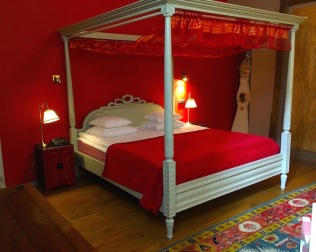 Hotel Hellsten is located in the heart of Stockholm and is the ideal starting point for all those who are visiting the City, since the attractions and sites of interest are reachable by public transport within easy reach including the subway that is just round the corner.
 The locality is one of the most exciting in Stockholm, with a multitude of different restaurants within a few minutes walking distance. It is also a short walk from Gamla Stan, Stockholm’s historic and beautiful old town. I loved the area, and the next busy street Sveavägen, so alive and full of restaurants, shops and…barbers & haidressers,don’t ask me why, but very useful… The rooms are divided into various types depending on the services they offer, mostly in different styles, some have canopy bed, some are equipped with the classic Swedish fireplace called kakelugnar, light rays, wooden panels, even a private sauna,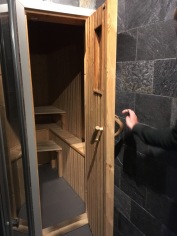
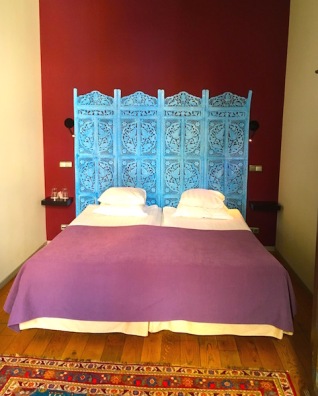 The walls are painted with warm colors that span from orange to red, to blue, to purple. All rooms have private new bathrooms, TV, telephone, free wired internet access and a hairdryer. They are non-smoking as well as the entire structure.
 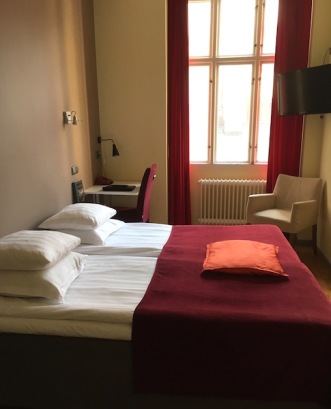 My room had a cosy little terrace. Here and there I found exotic touches, my guide explained that Mr.Hellsten, owner of Hellsten, Rex and the newest Hellsten Glashus, is an enthusiastic traveller who likes to collect items from his trips. I loved the african masks !
  You have a colonial-style bar where coffee and tea are served 24 hours for free. Great idea!
  Every Thursday Hellsten Earth Bar transforms into one of Stockholm’s premier jazz venues. Exciting live acts on stage at 8pm and on the last Thursday of each month you are welcome to jam with the band, just bring your instruments or vocals, and the entrance is free..
 Comfy beds and an excellent breakfast buffet that included pancakes, cold cuts, cheeses, eggs, lots of fruits and the traditional Swedish meatballs and served in a sunny and spacious veranda.
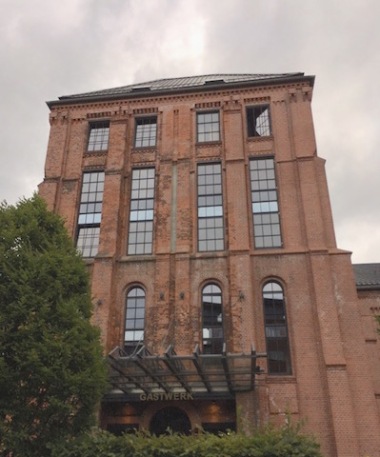 In my last trip to Hamburg I got the chance to visit and stay in
 The building welcomed me with a large hall with a wide, meticulously well lighted reception and two unforgettable metal elevators, one red and one yellow lighted. The industrial adventure was already starting…
 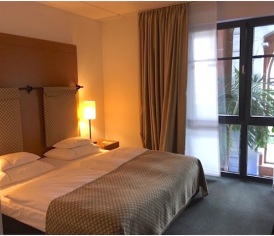 141 rooms, lofts and suites, some with modern walls with a contemporary feeling, some with bricks walls (I love them), like the loft-like one where I was staying, giving the perfect atmosphere of and warehouse.
 In addition to that Gastwerk boasts a configurable conference area, the Mangold restaurant (I didn’t dine there, so no idea of the food) the L.BAR, the beautiful SPA, free parking spaces in front of the hotel and underground.
 Here and there you’ll discover classy touches of fresh flowers, old black and white pictures, original gas machines, and a splendid old water boiler.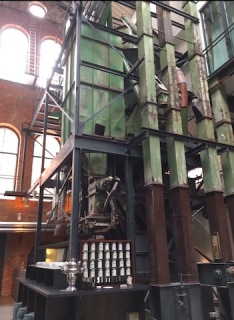
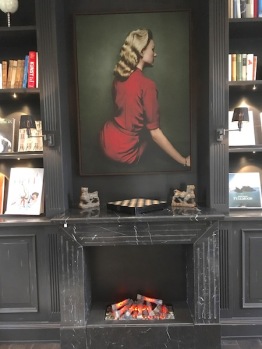
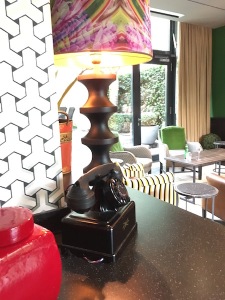 The second Fortune Hotel is The George, located in the hearth of the vibrant Saint George area.
  This venue is a triumphant tribute to the apotheosis of a ‘boutique hotel’ concept, where design meets furniture, lighting and that smell of trendyness…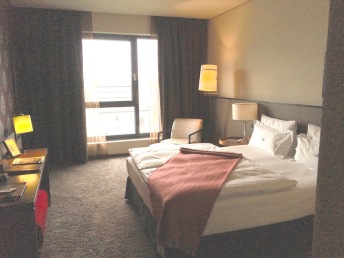
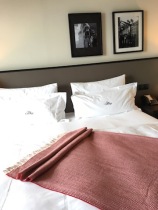
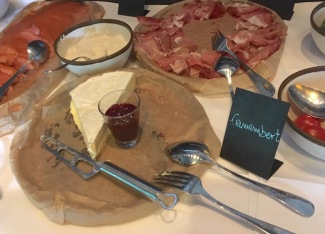
 This reinterpretation of English style in Hamburg results in rooms swathed in warm colors ranging from cocoa to Champagne, lamps with delightful pleated shades and stylish wallpaper in a variety of designs. Super comfy mattresses, a nice view of the Lake Alster, not to mention that sweet & cute ‘Welcome Cesare’…
  The George Hotel is a four-pearl property flush with a Great-Britain-in-the-’60s design, with 125 stylish rooms that all have flat-screen TVs, minibars, and free weight, a party-vibe bar, the supercool rooftop Campari Lounge in the terrace with a spectacular view of the Alster,
  a defined breakfast buffet that included a fine selection of cold cuts, imported cheeses, fruits and vegetables, and… Yes! there is Da Caio, italian restaurant (where I could not resist peeping at the menu, which I found correct in dishes choices and…right spelling, which is always a good sign for an Italian eating in an Italian restaurant abroad…
  Here info
 I spent only two days in Pula, but, believe me , I ‘ll go back!. Pula is the largest town on the Istrian peninsula and offers a diversity of attractions to lovers of culture. The rich itinerary of its three thousand year old history, where every step you take through the Old Town is a landmark, begins and ends with the Roman amphitheatre. The city has a long tradition of winemaking, fishing, shipbuilding, and tourism.
 Pula girls!
 The legacy of Alida Valli keeps the tradition. Beauty, charme, and those beautiful legs, so famous all over the world, make the local girls into dreamgirls !
  Writer James Joyce
 Wines and food
  Wines top quality wines including Malvasia (one of my favorites) the most famous Istrian wines produced from indigenous white grapes. and Teran, a rich red wine, intensely purple colored, able to compet with the Italian ones but less expensive.
 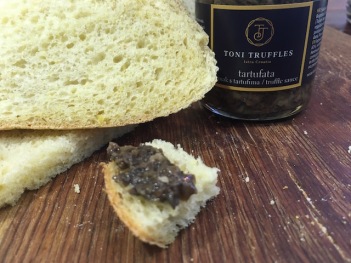 A big time specialty is the zgvacet ragout. It is a sauce of diced chunks of chicken meat. In Pula, just as in most towns of Istria, be sure to taste seafood specialties, of which dishes rospi (monkfish), sea bass or delicious buzara Kvarner scampi only a small number of delicacies on offer. In Pula you should try and shells, thanks to the clear waters are a special flavor mussels, scallops or kanaštrele excellent fish stew, and definitely should try the black risotto with cuttlefish. Lovers of oily fish to taste anchovies to savor. This dish is eaten cold and fried sardines topped with sauce, oil, onion, vinegar and spices.In Pula you should try and maneštras traditional thick soup whose main ingredients are potatoes and beans with added mixture of bacon and garlic.
 Bars, shops, market and flea markets
 Have fun, look around, bargain!

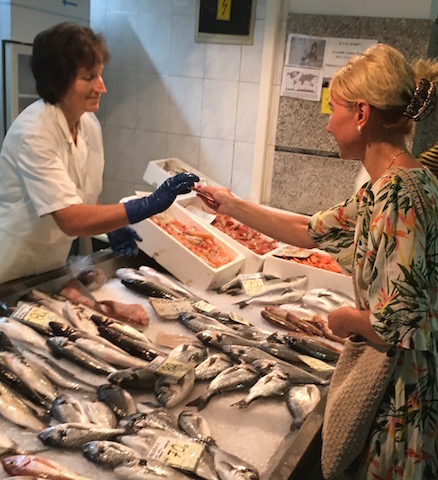

 Smile!
  Dental tourism, is hot in Croatia, organized groups come here and put their teeth in place with low-budget, cheaper prices, excellent quality, good materials and expert dentist. How to contact them who contact them? Or you can see on the websites or call the local tourist agency that will give you advice on the best places or to be so lucky to have a friend who has already been here already. Do not!
 Croatia has its own currency: the kuna.
 Where to stay I stayed at
 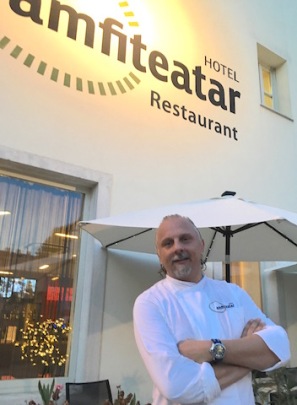 I had dinner in the outdoor restaurant, Owner Chef and culinary star Deniz Zembo prepared delicious local dishes with a twist. I loved the grilled octopuss and delicious cake.
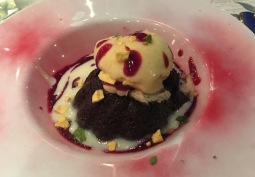
 I would like to thank the lovely ladies Viviana Vukelic and Adriana Bajic from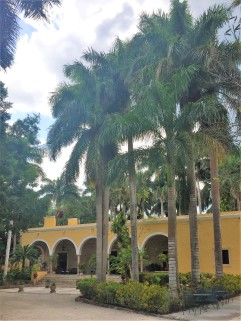
 Chichen Itza, located inland of the Yucatan Peninsula, about 200 km East of Cancun, is one of the most visited archaeological sites in Mexico with over 2.6 million tourists in 2017.
 That’s on average over 7000 visitors a day. Even though the site is not limited to the iconic Kukulcàn pyramid (photo 1) and covers a very large area (over 300 hectares), that is a lot of human flesh roaming around! Especialy when one considers that the most popular way to visit the Unesco world heritage site is via tour operators organizing day trips from Cancun or Merida, creating a huge influx of fully loaded buses arriving around 11 AM or so every day. Arriving with the sun at its hottest among hordes of tourists had always been a deterring idea to me. I had sacrificed the visit of wholly site during my passed 3 visits of Yucatan, favoring the ruins of Tulum and Cuba, less crowded and still awesome examples of the might and splendor of the Mayan civilization. For this fourth visit this last spring, I was determined to visit the legendary Chichen Itza in the best way possible. Staying overnight at the Hacienda Chichen revealed to be the smartest answer possible. Smart because by staying overnight in this historic hotel located a few hundred feet from the archeological site enables to start exploring the grounds as early as 8 AM, before the arrival of the crowds. Smart, because the hotel combines genuine elegance and great service while respecting authenticity and ecological responsibility. Follow me, let me show you the way…When I arrived from Tulum around noon at the Chichen Itza bus terminal, I was left at the main entrance of the site in one of the largest parking lots I have ever seen: hundreds of buses still unloading their loads of tourists from every continent. The line to the ticket booth was long, the heat dreadful. Instead of joining the frenzy, I hopped in a cab and 10 minutes later, I was discovering the old-world charm of the Hacienda Chichen. The check in was a breeze and the welcoming cocktail made of pineapple and Chaya leaf juice refreshing as heaven (pic 3). I was later to learn that it had been freshly made from the organic garden of the property, providing a lot of the fruits, vegetables and herbs used by the kitchen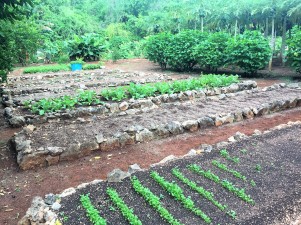
 The front desk offered to arrange the purchase of my ticket to visit the site the next morning, without any surcharge, avoiding the hassle to wait in line. They also offered the possibility to have a legitimate private guide for the visit, but as usual, I declined in order to feel totally free and visit at my own pace. The afternoon was mine to relax and enjoy what the Hacienda had to offer. The 28 rooms set in a total of 12 cottages spread out on the lush grounds were originally built to host archeologists who helped excavate the site. Now they are opened to all offering soothing air conditioning, large bed, beautiful sheets, large bathrooms, fresh flowers and hammocks on the front porch for those eager to adopt the Mayan way to take a nap at the sound of singing birds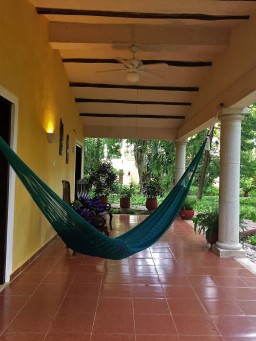
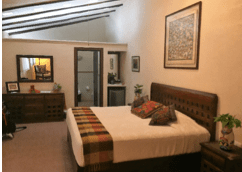 Another way to relax in a horizontal way is to indulge in one of the treatments at the Yaxkin spa. And that’s exactly what I did, with the 45-minute Pakal treatment, a Maya healing ritual focusing on the head and the upper body. The soul is also soothed by an initial prayer in Mayan language by my charming therapist.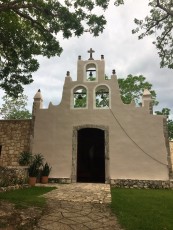
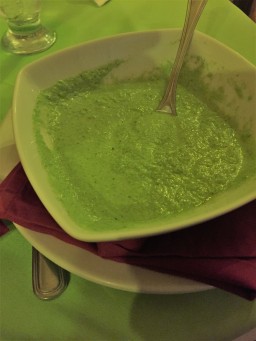
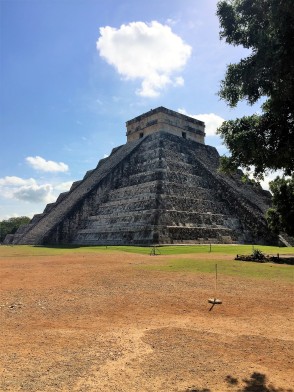
 I loved the fact that the room was very large, not one of those cubicles where on feels locked up. The outside garden was present in the room with the use of various herbs and plants, including a refreshing aloe vera jelly applied on the face.Totally relaxed, I finished the afternoon by lingering by the superb swimming pool, large and square as I like them to do laps at length.
 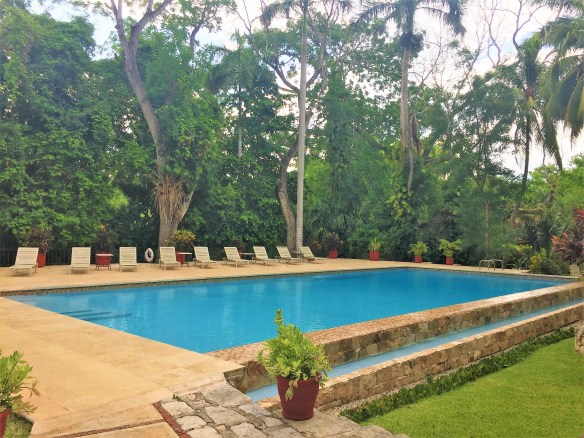 .Recycled and chemical-free water added a guilt free sensation to the overall pleasure. Time went by and before I knew it was time to meet the general manager for a grand tour of the property, including the restored church where weddings can be organized, surrounded by the beautifully maintained vegetation).
 As well as discovering the sacred cenote (sinkhole) and the perfectly aligned columns without the eye sore of groups of tourists ruining the geometry of the monuments.
 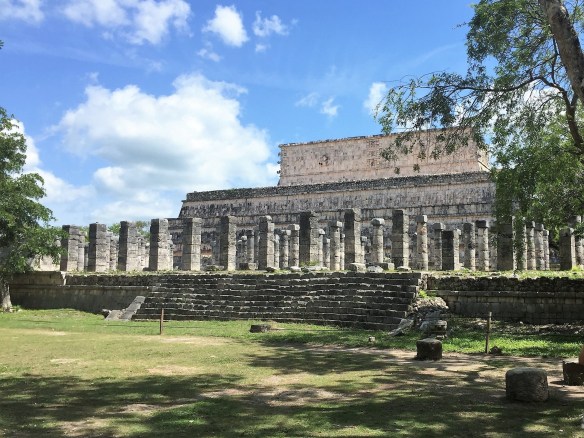 After three hours of walking at my own pace, I went back to the Hacienda, walking against the growing flow of visitors and the solicitations of the souvenir vendors, they were in full swing mode, trying to sell their T-shirts and miniature statues probably made in China!
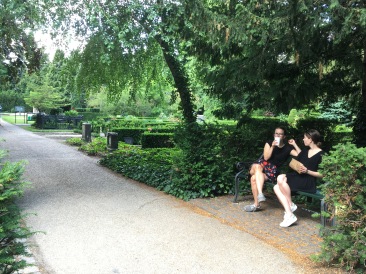
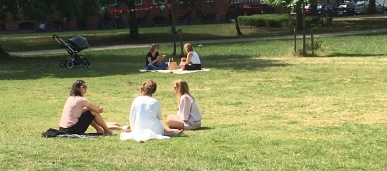 In summer Copenhagen is an ideal destination: favorable weather, long and sunny days, smiling, polite and serene people. It seems that everyone here discovers the secret of happiness: hygge, a Danish word that invites you to enjoy the simple pleasures of life and live alone or with friends, at home or outside, special and happy moments.
 To find out right away just do this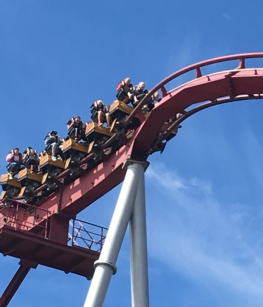

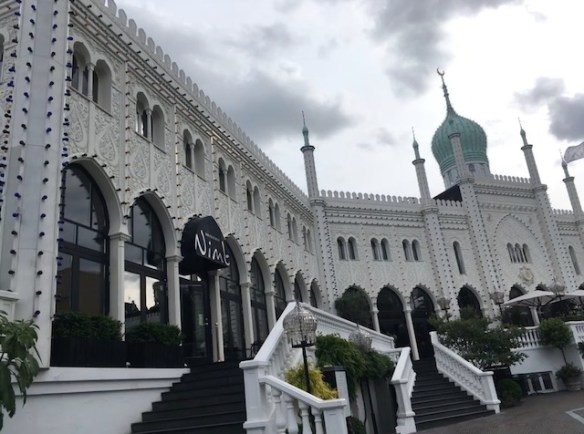
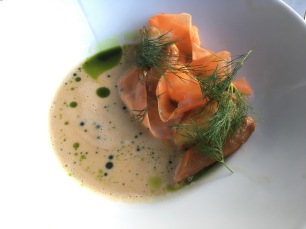
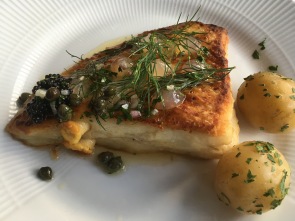
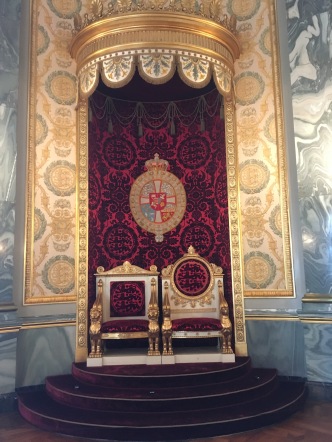
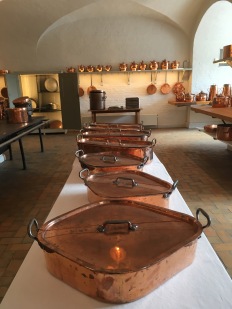
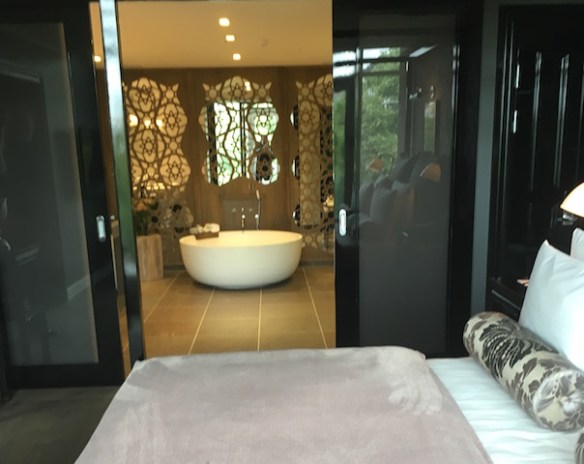 After the aerial acrobatics, I finally relaxed in the
 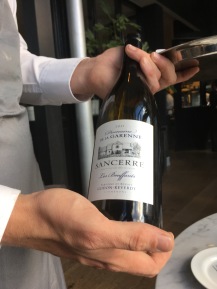 Copenhagen history boasts of royalties and magnificent castles,Here my favorites
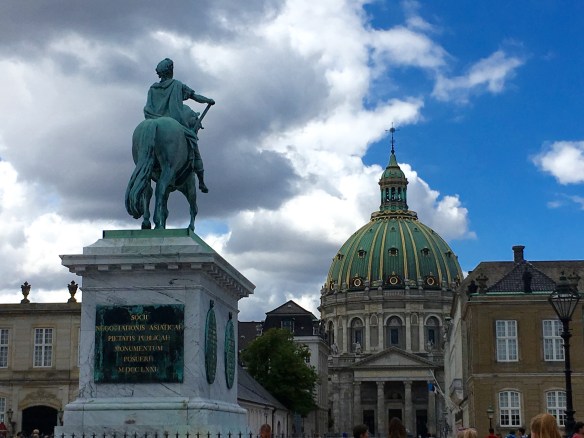 Experience royal history at the museum and sense the present of one of the world’s oldest monarchies from the beautiful palace square where you can watch the changing of its famous guards called Den Kongelige Livgarde. Every day you can experience the changing of the guards, as they march from their barracks in 100 Gothersgade by Rosenborg Castle through the streets of Copenhagen and end up at Amalienborg, where the changing of the guard takes place at 12:00 noon.
 These impressive royal rooms host the official receptions in the presence of the Queen, between a sparkle of uniforms and great evening gowns. Better to avoid arriving by car or taxi, the protocol prefers that the guests present themselves in a carriage… As a food lover, I could not resist the temptation to descend into the legendary Royal Kitchens to discover the background of an official banquet, browse the Queen’s recipes and admire one of the largest collections of copper crockery in Europe.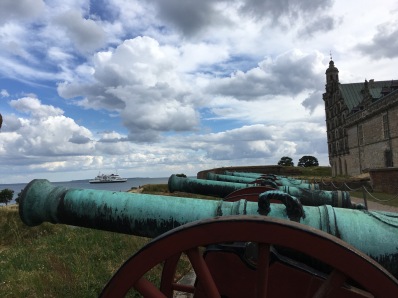
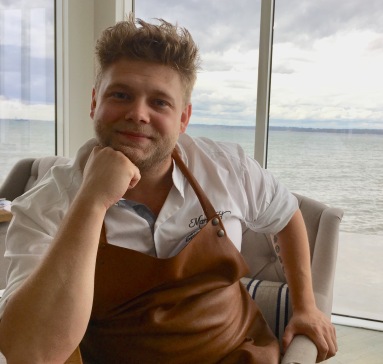
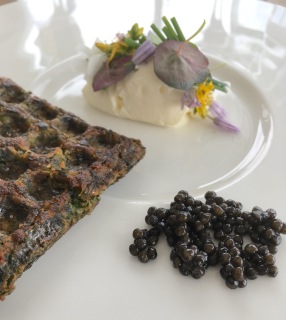 To be or not to be…
 Gossips say that the writer had never been there, but would have been an actor in his company to tell him about this mighty fortress, from whose park, littered with cannons, you can glimpse Sweden. Suddenly the walls resound with the voices of the characters of Hamlet, which appear, like ghosts, perfectly interpreted by talented actors who bring to life the tragic events of the drama, You could spend a whole day in Kronborg, and live many experiences, guided tours through the casemates and the halls, explore the passages and towers, see a play and relax admiring the sea – but if you prefer, you can get an idea Kronborg concrete even in just one hour. Kronborg is open all year round (except 1st January, 24th, 25th and 31st December) from 11am to 4pm. In the summer (June, July and August) the schedule is extended: from 10.30am to 5.30pm.
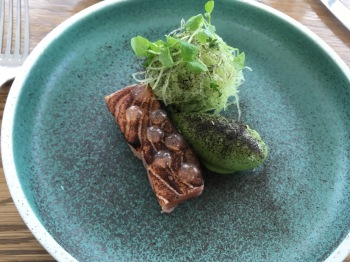 Then a salted unusually cooked burned salmon, followed by a mackerel with foie gras, green peas. As a main dish , I tasted halibut with asparagus that burned for few minutes to maintain the crunchiness.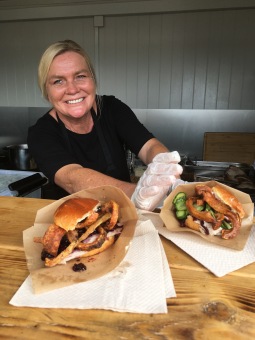
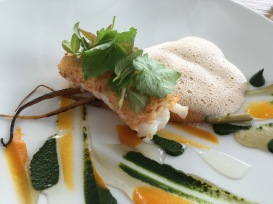 Every dish was so intense, so fresh and so herbal.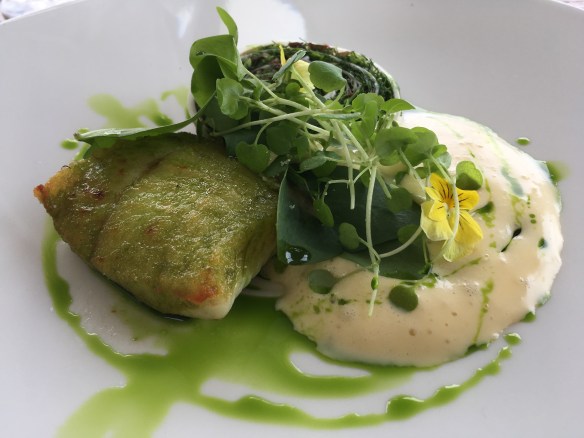
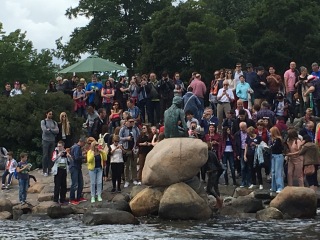 Mermaid yes or no?
 for more info
 I started my Hamburg experience with an avalanche of photos and selfies on board of the
 Almost a kilometer of old warehouses with typical red bricks, used as storage for incoming goods: oriental carpets, tea, raw coffee, cocoa, tobacco, spices. Among the attractions: a kaffeerösterei, an old coffee roaster, where you can also enjoy decadent cakes with strawberries and cream.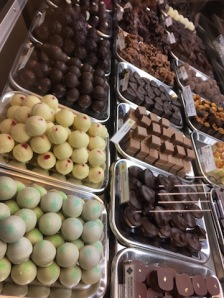
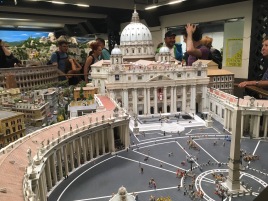
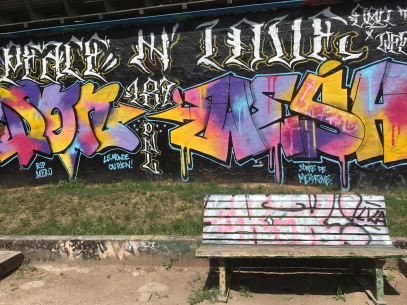

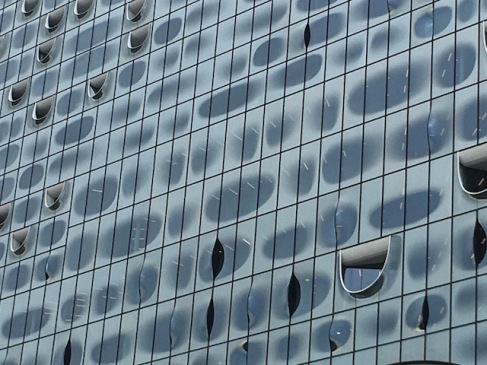


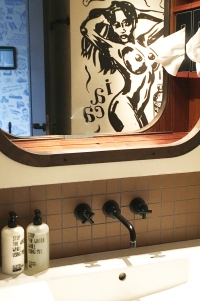 HafenCity. It is the new futuristic district of Hamburg, area of creatives and artists,
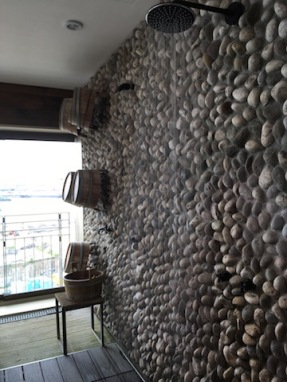 Here atmosphere is easy and relaxed , The motto says COME AS YOU ARE! There is also free access to a spectacular spa in stones and wood. In the morning a rich buffet breakfast is set up, there you can find everything, including rote gruetze, my beloved raspberry, blueberry and cherry sauce served on lean yogurt. Yummy!
  What does a real Hamburger drink?
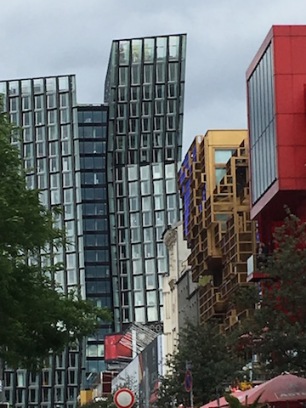 The St. Pauli district was once a bad area full of noisy pubs, frequented by criminals, sailors and prostitutes. Today the taverns have become artistic skyscrapers, like the Dancing Towers, which seem to really dance, while the smoky haunts of the past have become fashionable places. But the raunchy survived: sex shops, theaters, striptease, burlesque and the inevitable bouncers who invite you to enter. In addition to the ‘sensory’ attractions, the neighborhood is full of super-trendy shops, new boutiques, hip clubs and bars Keep walking around the St.Pauli district,
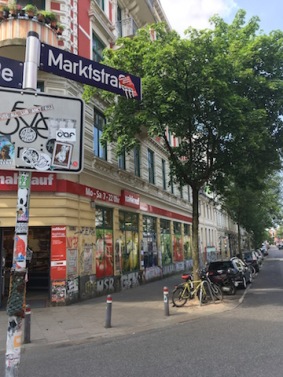 There You will find small bars, self-managed restaurants, flowers, perfumes, mini boutiques and lots of vintage. If you are ‘bio’ dive into the
 After a long walk, it is right to take a relaxing break in Jungfernstieg, in the heart of Hamburg with a fantastic view of the Alster river. Here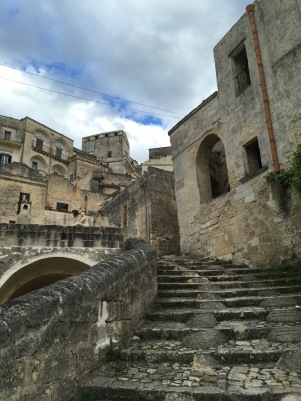

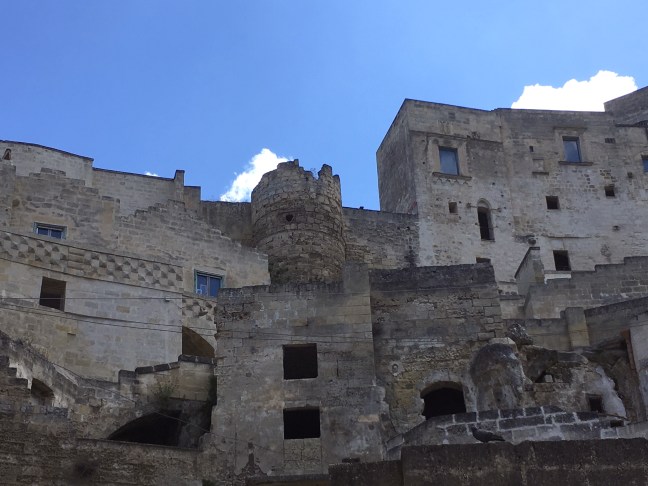 In the caves often lived more families and despite the lack of space, almost all daily activities took place in the cavities of cave-houses: from handicrafts to weaving, from food storage to animal care (dogs, chicken, pigs, horses and donkeys were living with the family as primitive source of heating). The temperature was constant and guaranteed by the characteristics of the sea tufo , so the inhabitants did not suffer too much from the cold in winter and found a shelter from summer heat. This way of life for years has been seen as a sign of backwardness and incivility. The inhabitants of the Sassi were often considered as primitives living like animals. In 1952 Sassi was considered “the Italian national shame”and abandoned in the late ’50s, Sassi was able to be redeemed until they became Unesco World Heritage in and will be the 2019 European Capital of Culture.
  Its amazing scenario has been used s a set for Mel Gibson “The Passion” Pier Paolo Pasolini “The Gospel According to Matthew “King David”, Christ The Lord: Out of Egypt “, and the remake of “Ben-Hur “. I took the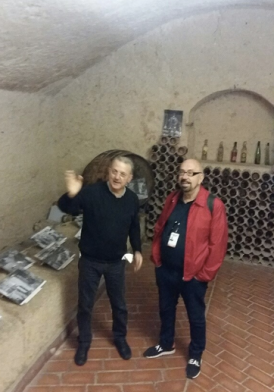
 Matera is also well now for its cooking tradition, a classic example of Italian peasant cuisine, using free ingredients combined with a fair amount of labor and know-how to turn an odd edible food into a delectable dish.
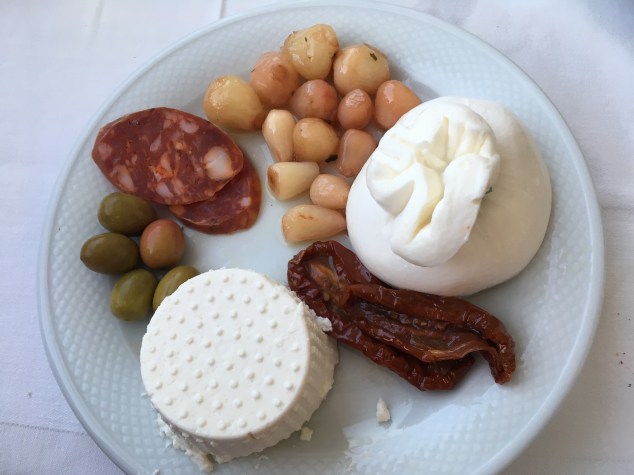
 ‘This place used to be a cantina, told me Eustachio, just wine, no food.So people used to cook it at home and take it here, all wrapped up in paper tto keep it warm, then tear the bag and eat it paired with a nice glass of wine.Then came the crapiata a soup of different legumes, cereals and potatoes typical of the Basilicata cuisine of rural tradition, prepared in great quantity every year on the first day of August in the district La Martella, close to the cultivated fields and served to the inhabitants. Eustachio took me downstairs, to the 17 century cellar, which incorporates the typical architecture of the Sassi and was refurbished to retrace moments of daily life of the peasant life,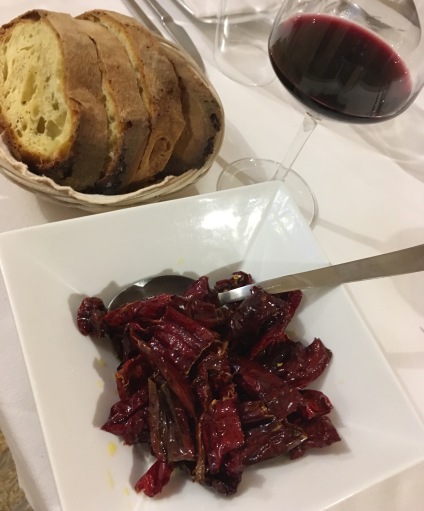

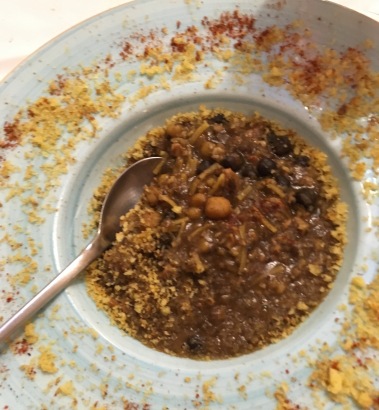
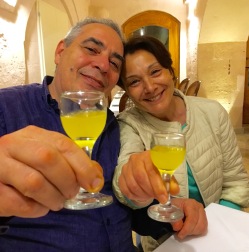 A soupy Dish with tagliolini pasta with black and white chickpeas, considered ideal fro pregnant women, since it contains a lot of iron.
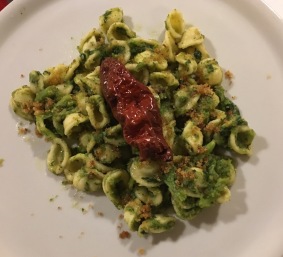


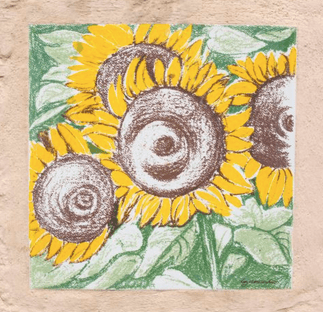 I went there for lunch and followed Anna’s suggestions, starting with a tasty orecchiette alle rape with anchovies and toasted breadcrumbs, then I tried home made strascinati pasta with cardoncelli mushrooms and garnished with the typical crunchy peperone crusco, fried red pepper.
 Da Mario is know for its pizza. I tried a baby Margherita, perfectly cooked. ‘I love my town, peaceful and quiet, I run the restaurant a cosy BnB called
 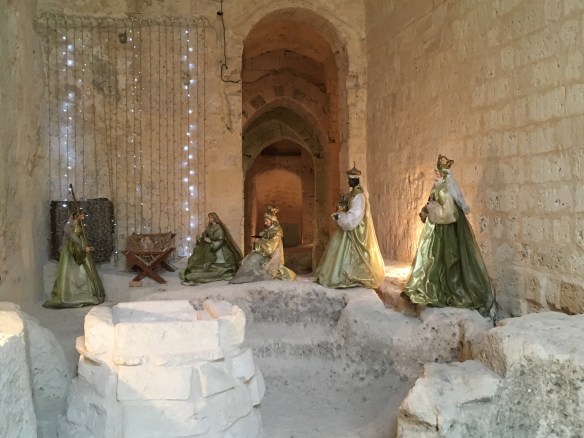 I also loved
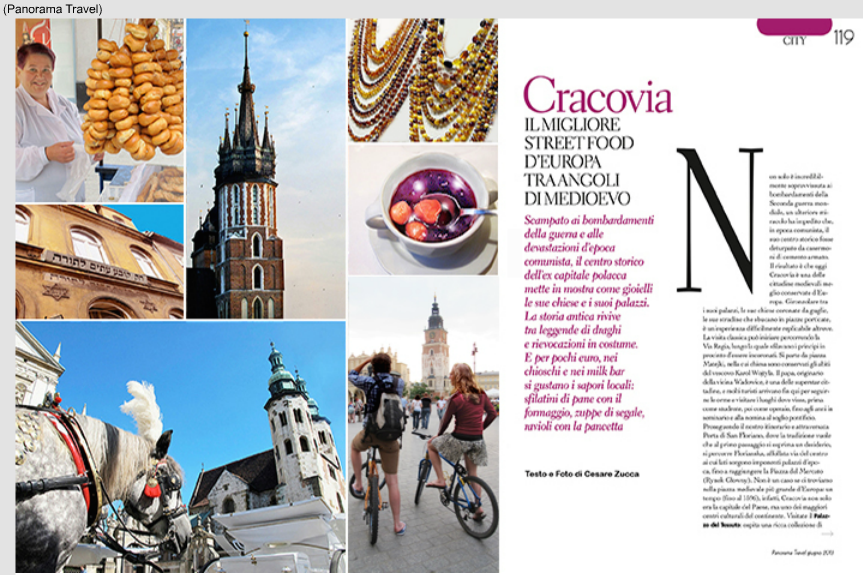
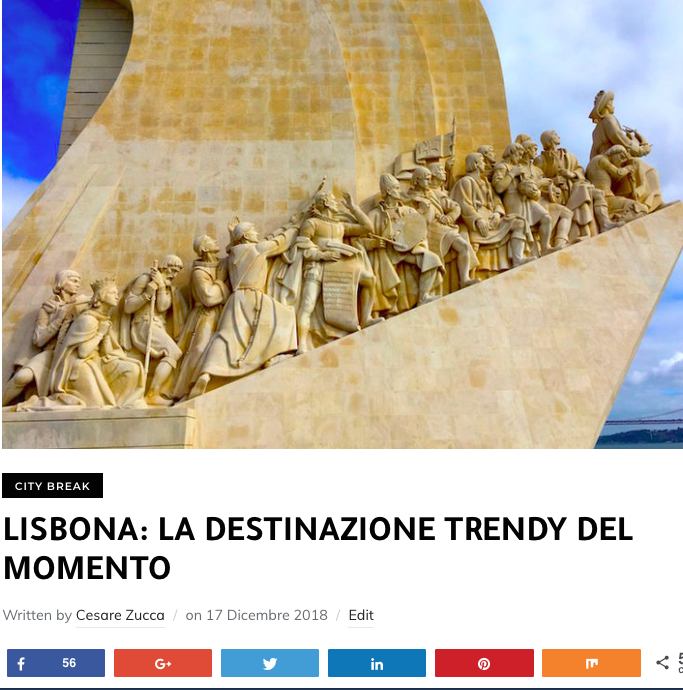

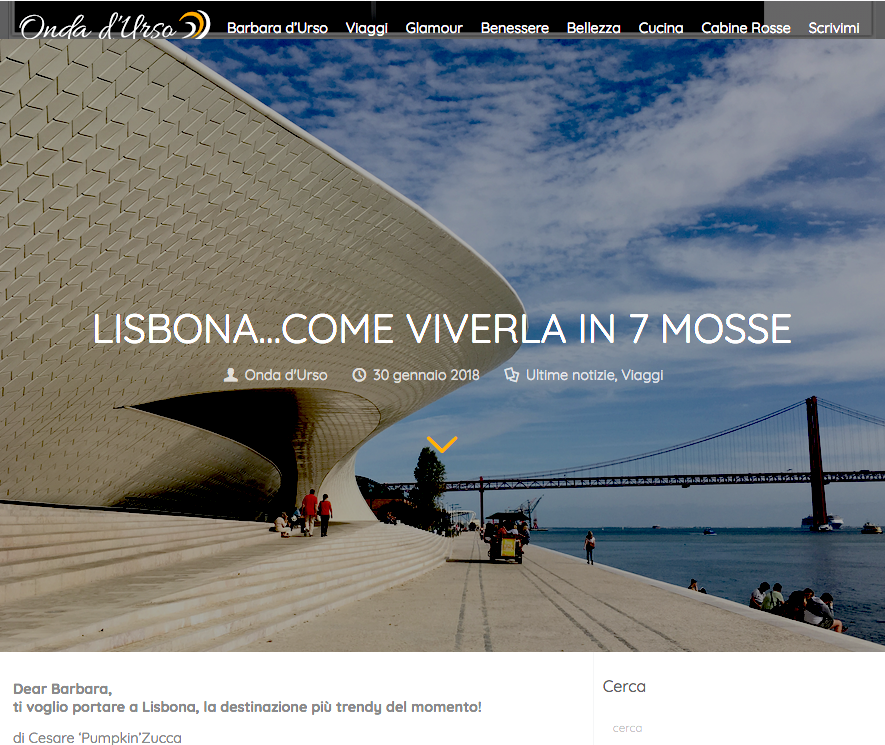
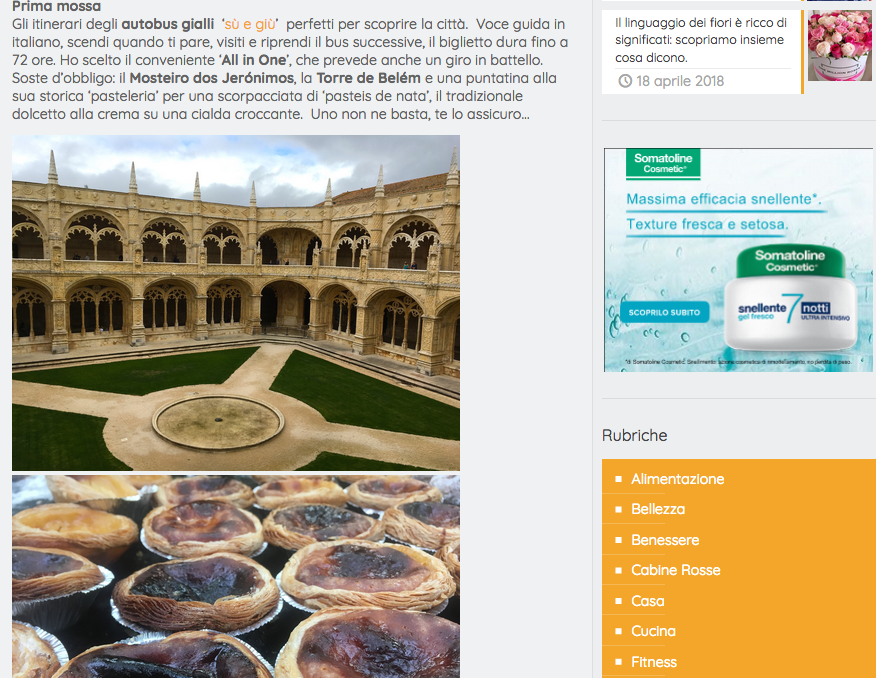

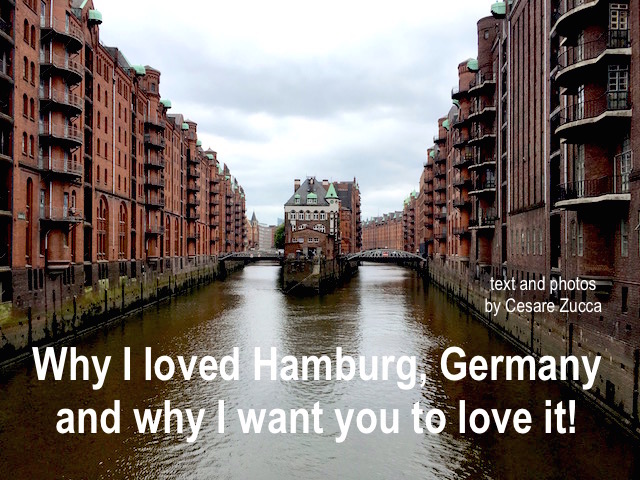 see full article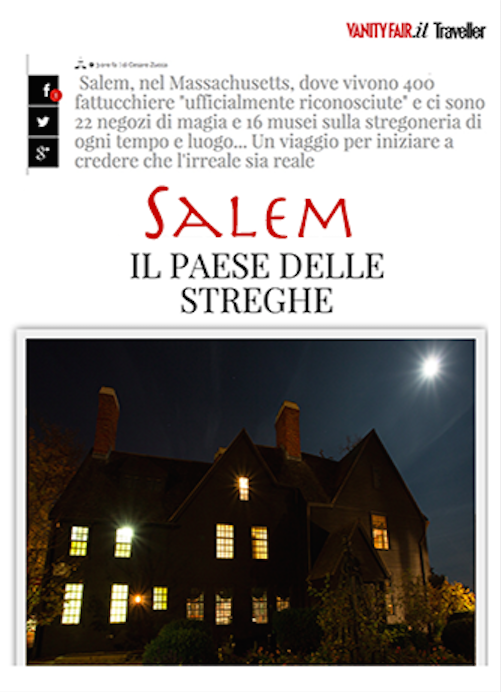
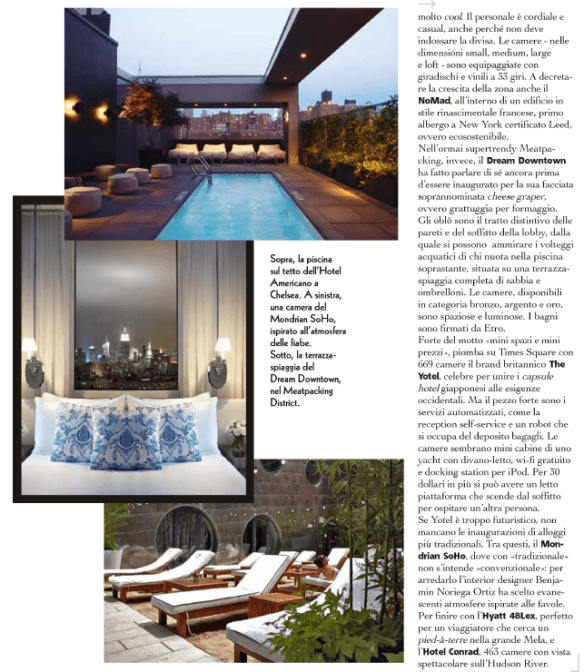
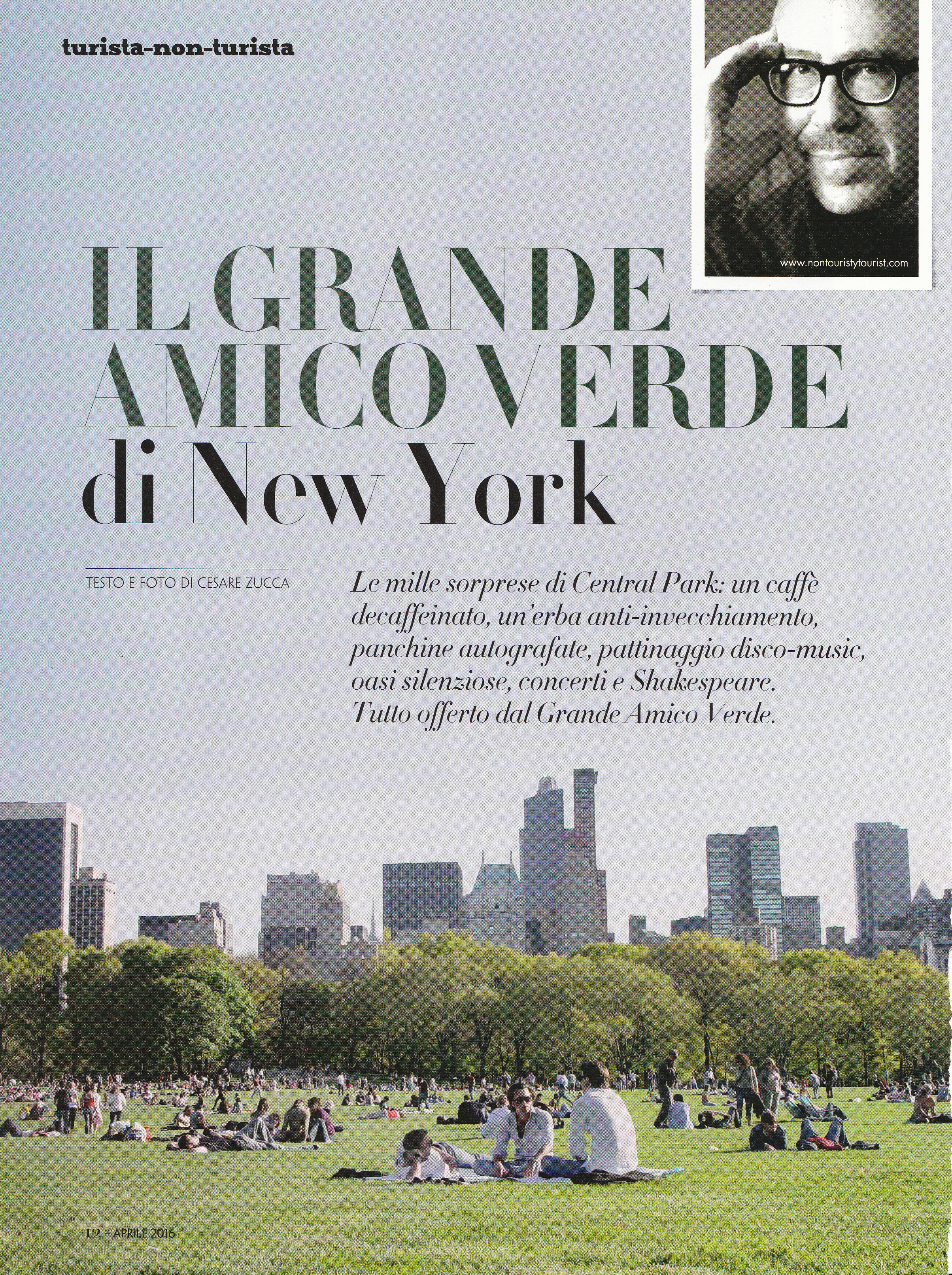
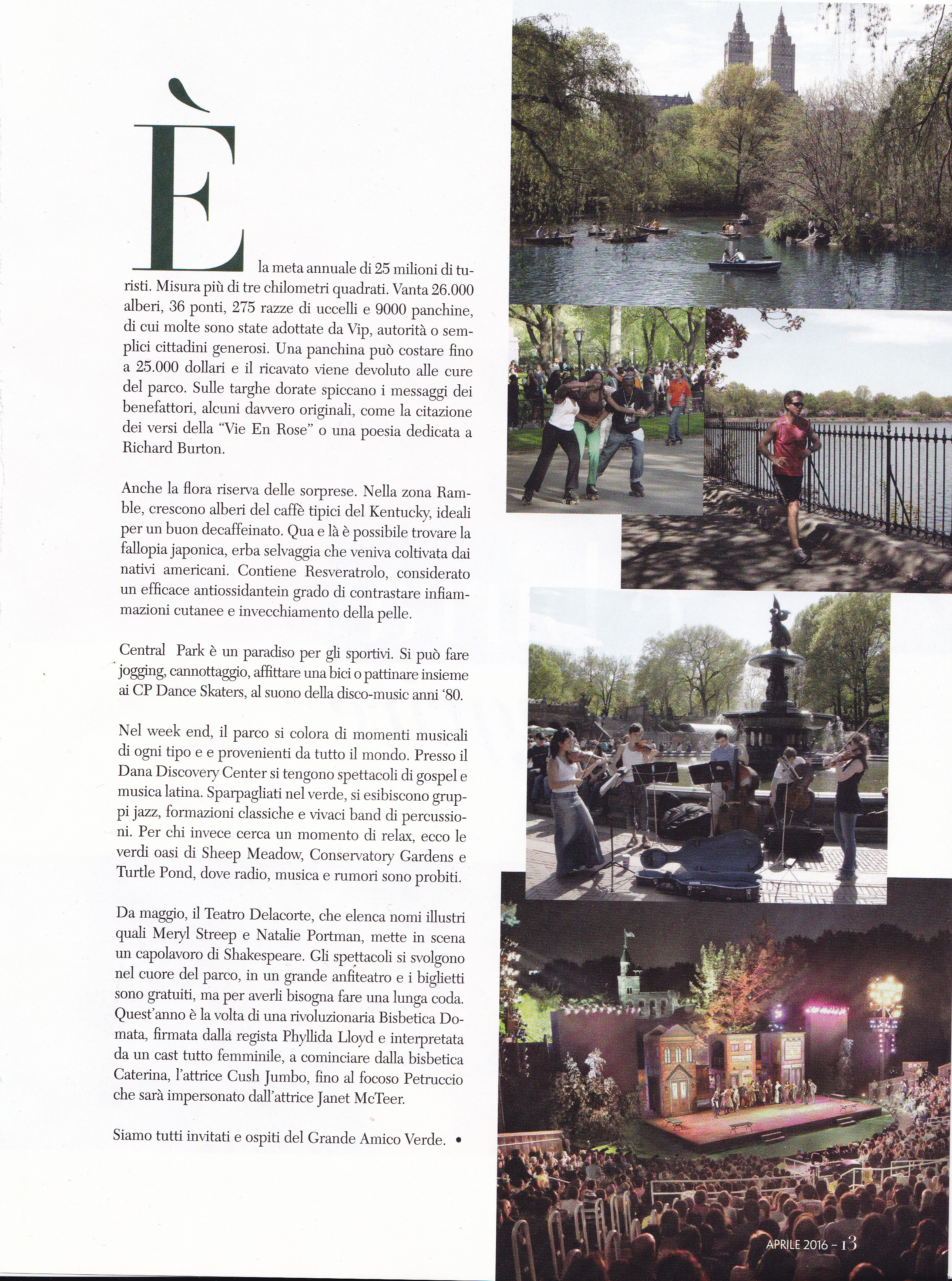
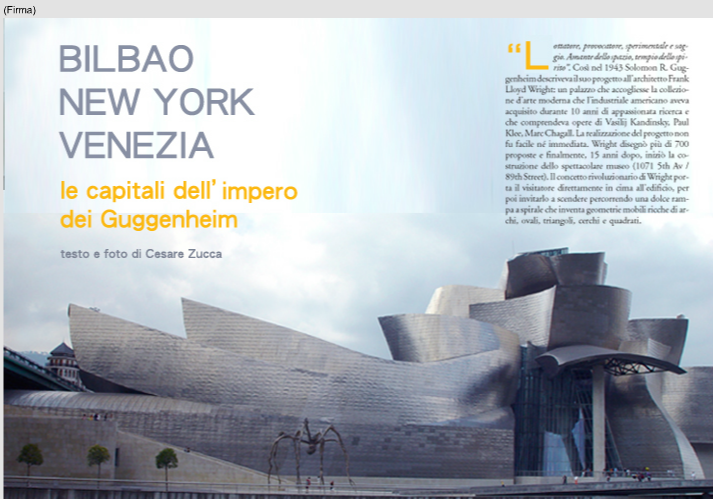
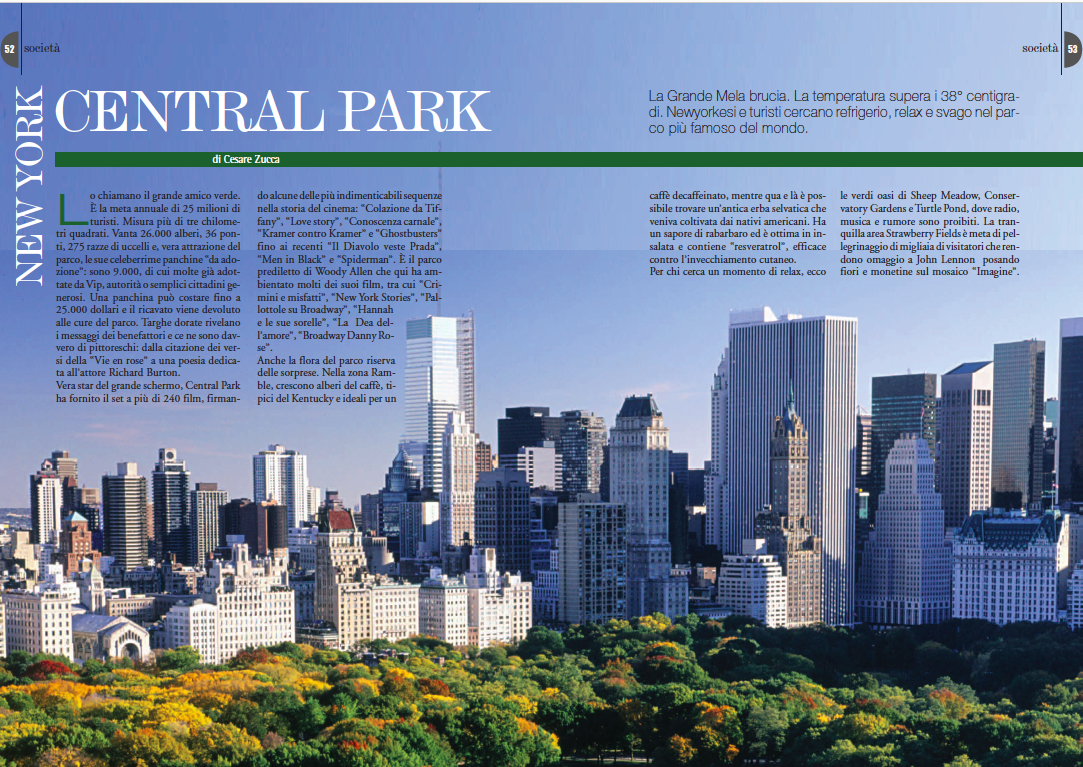
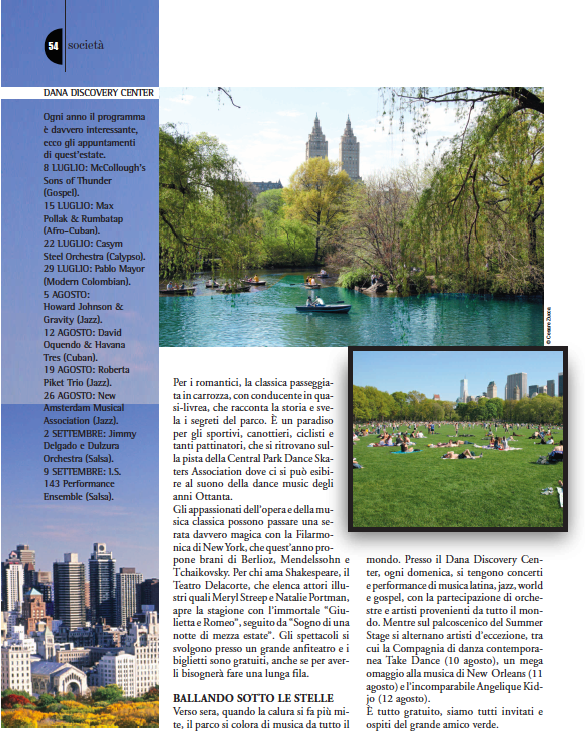
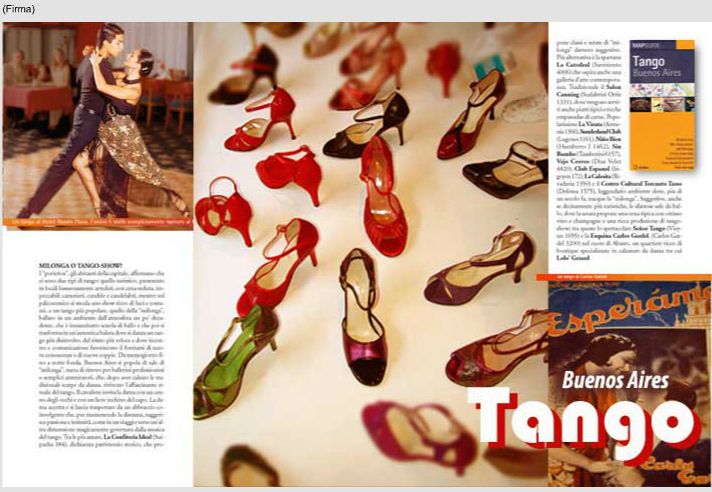
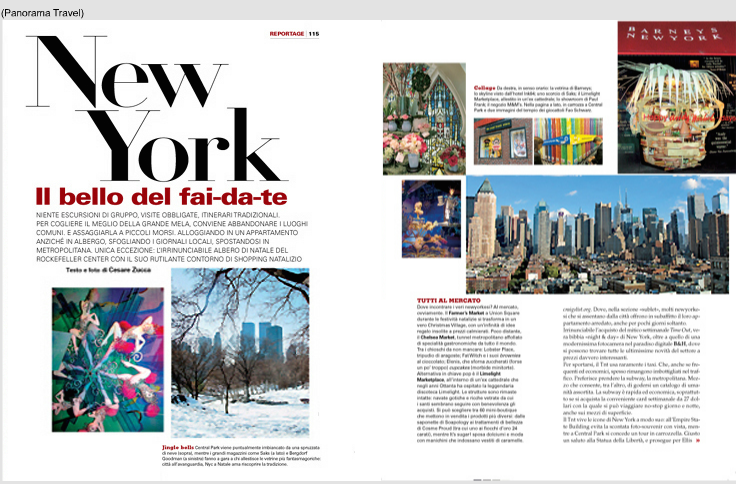
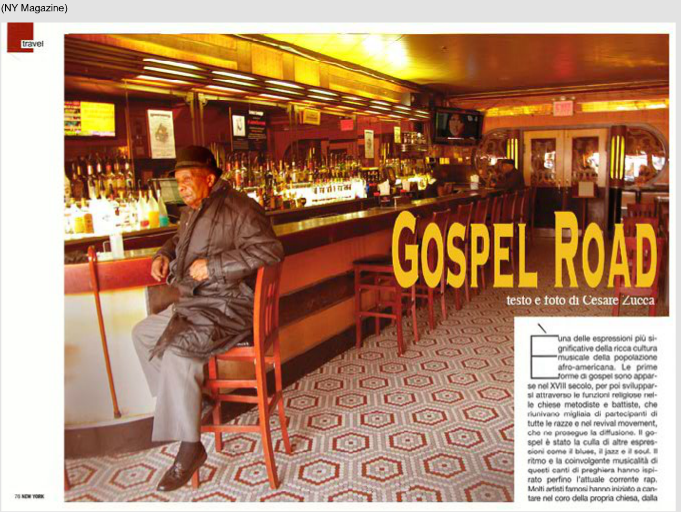
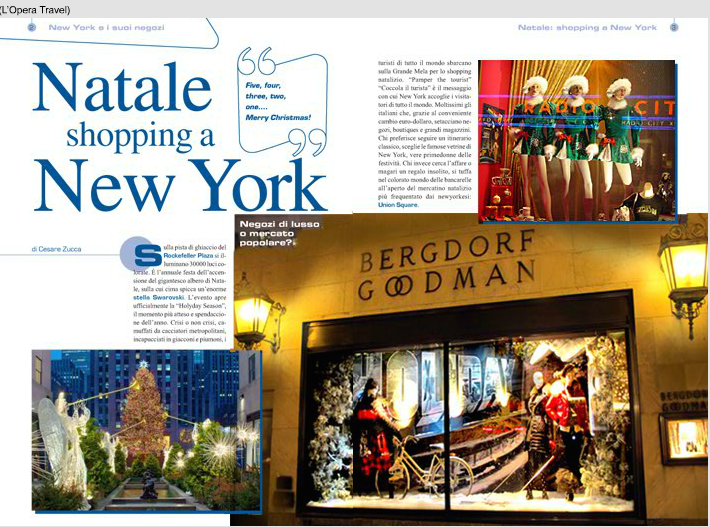
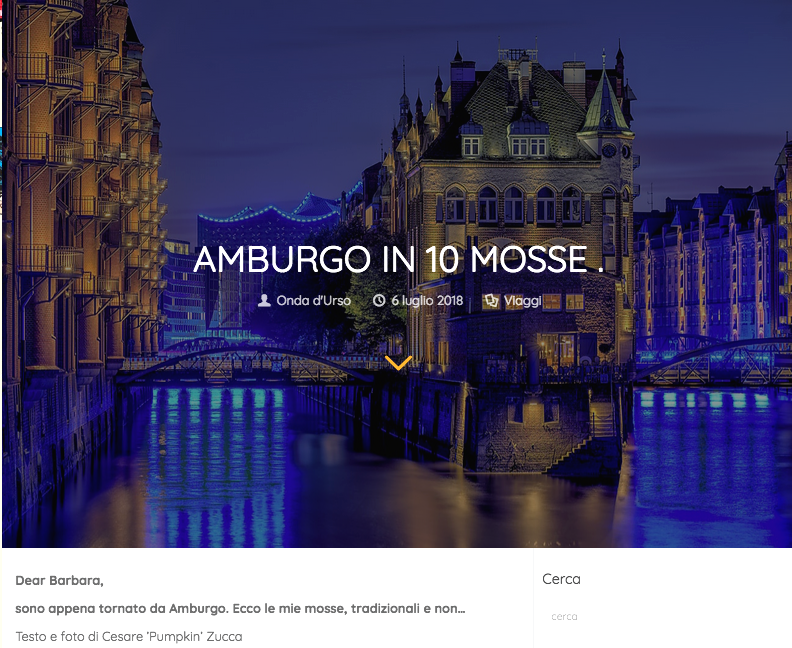
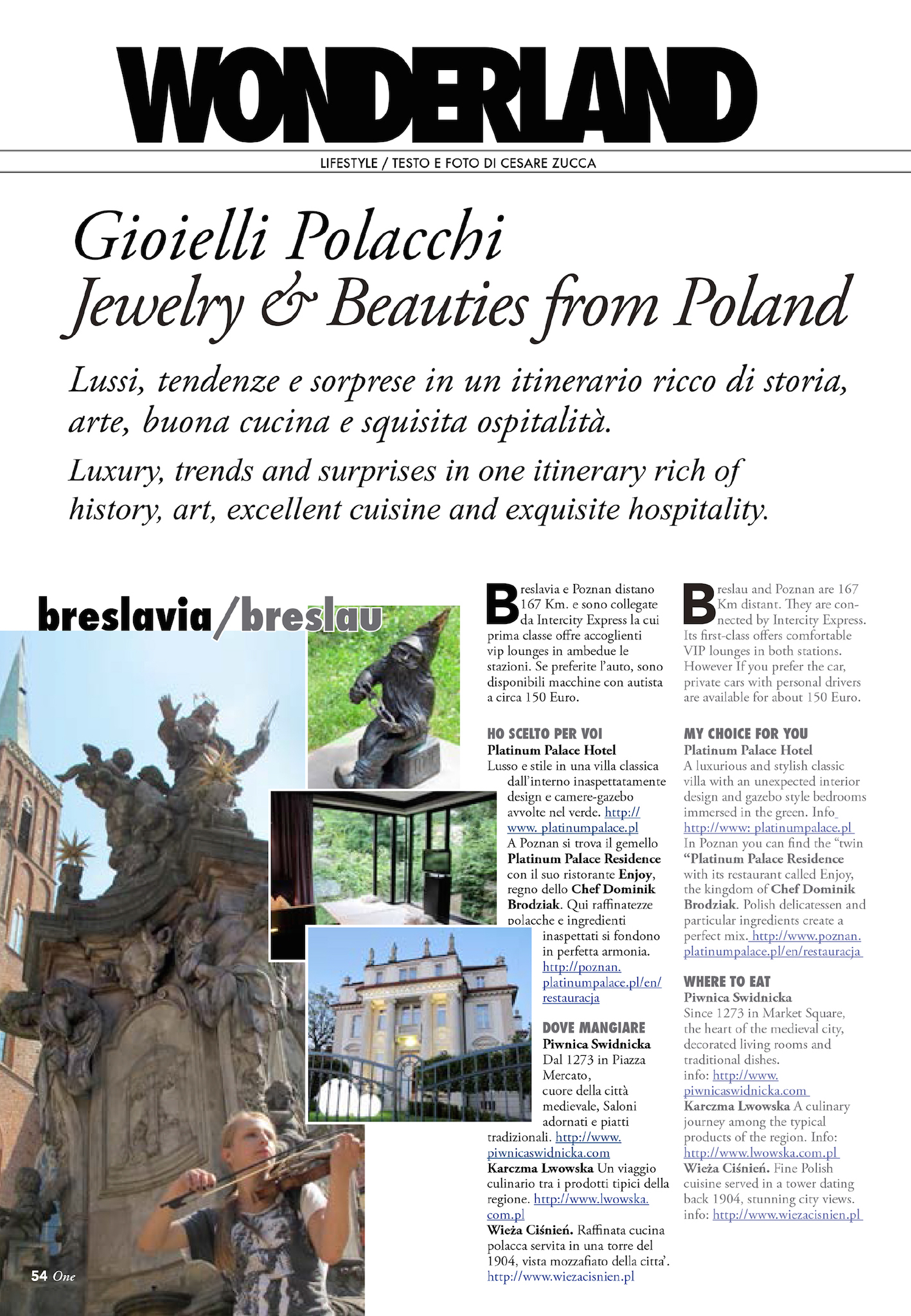

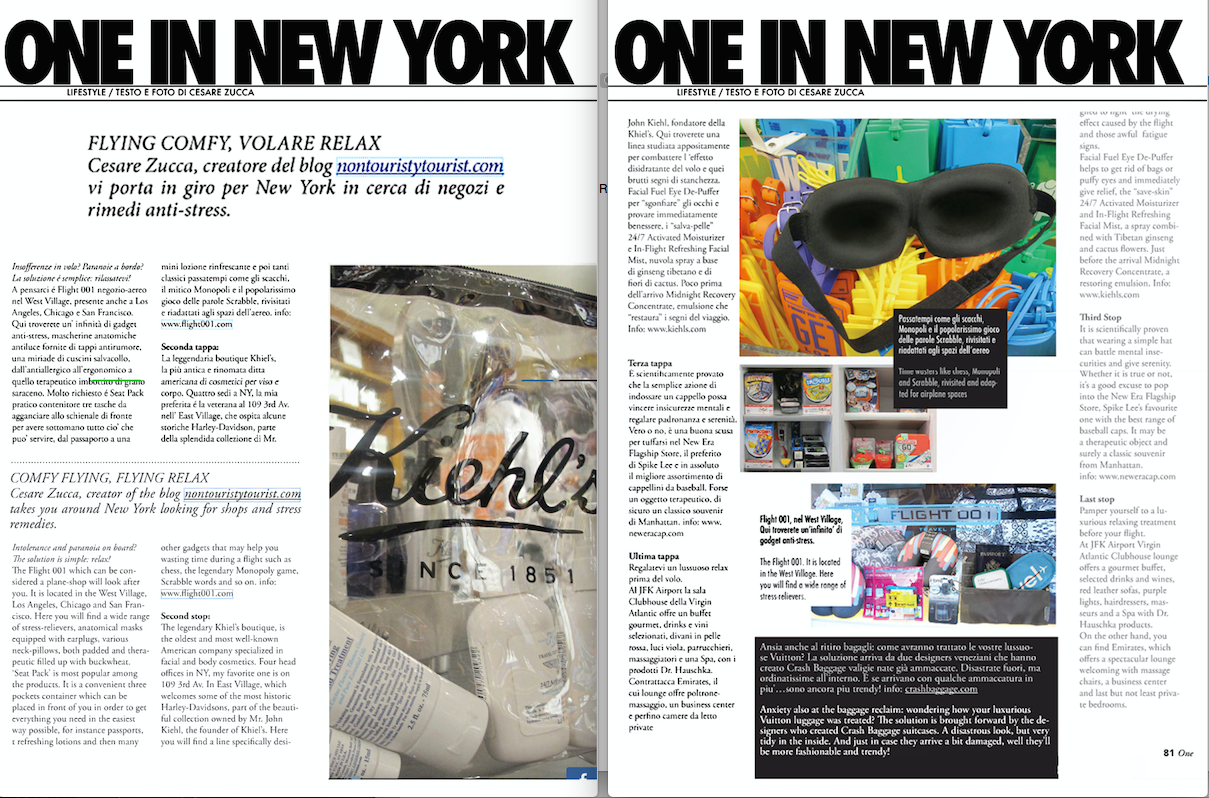

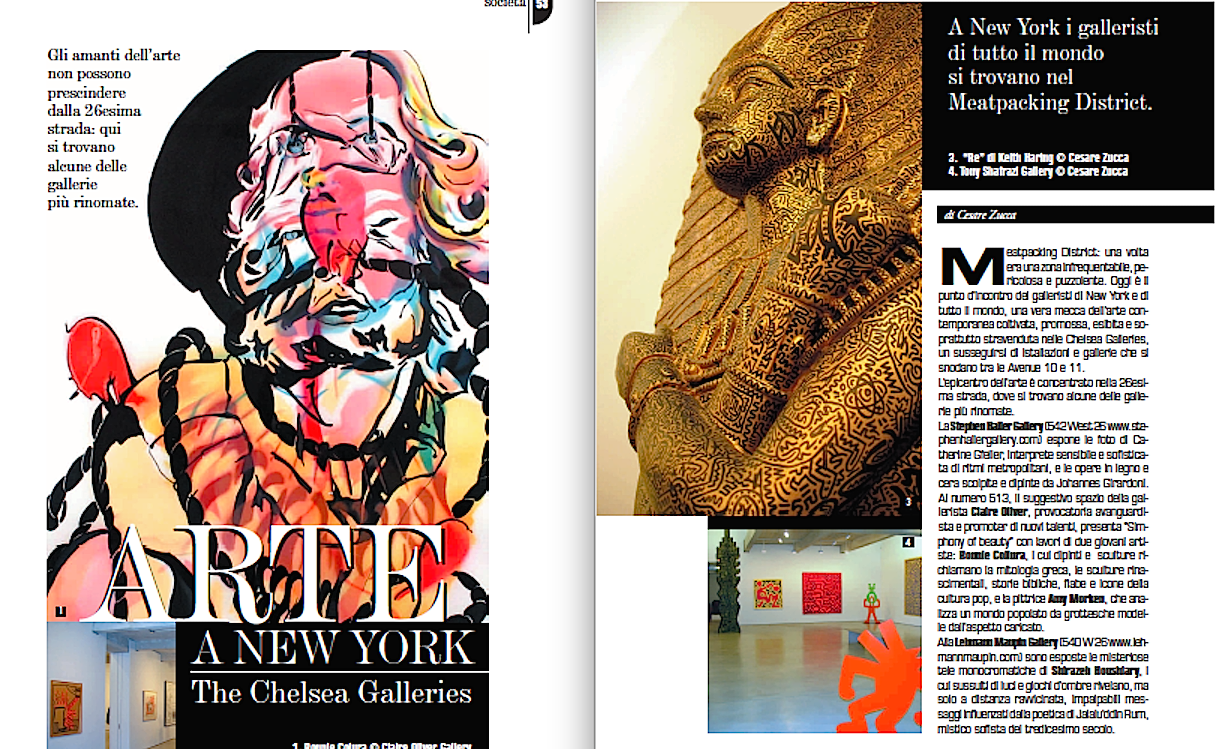
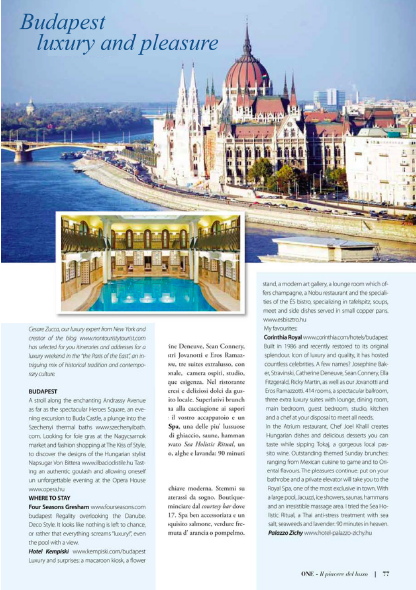
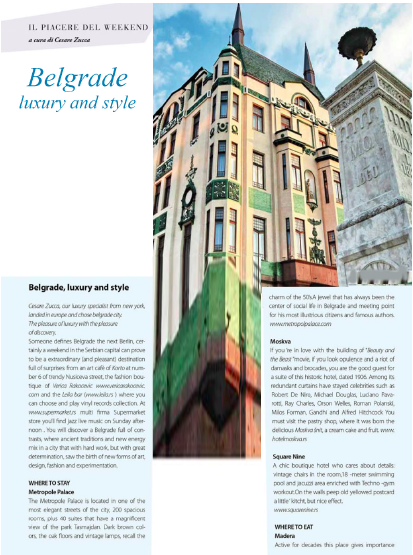
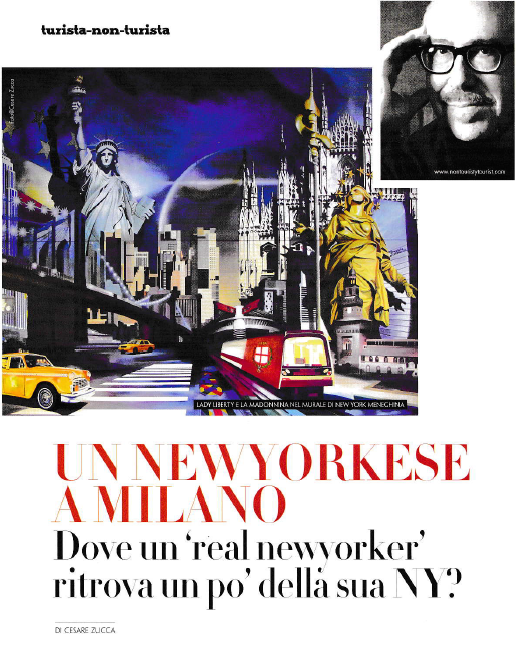
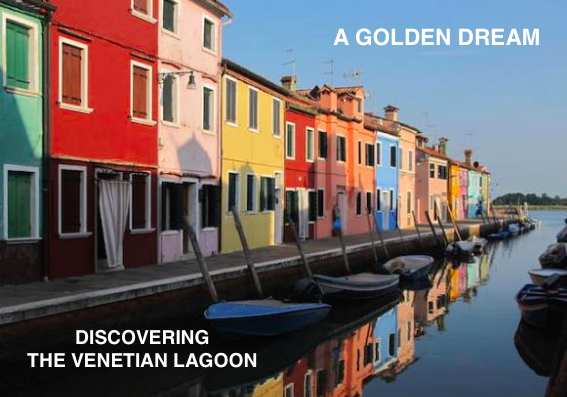
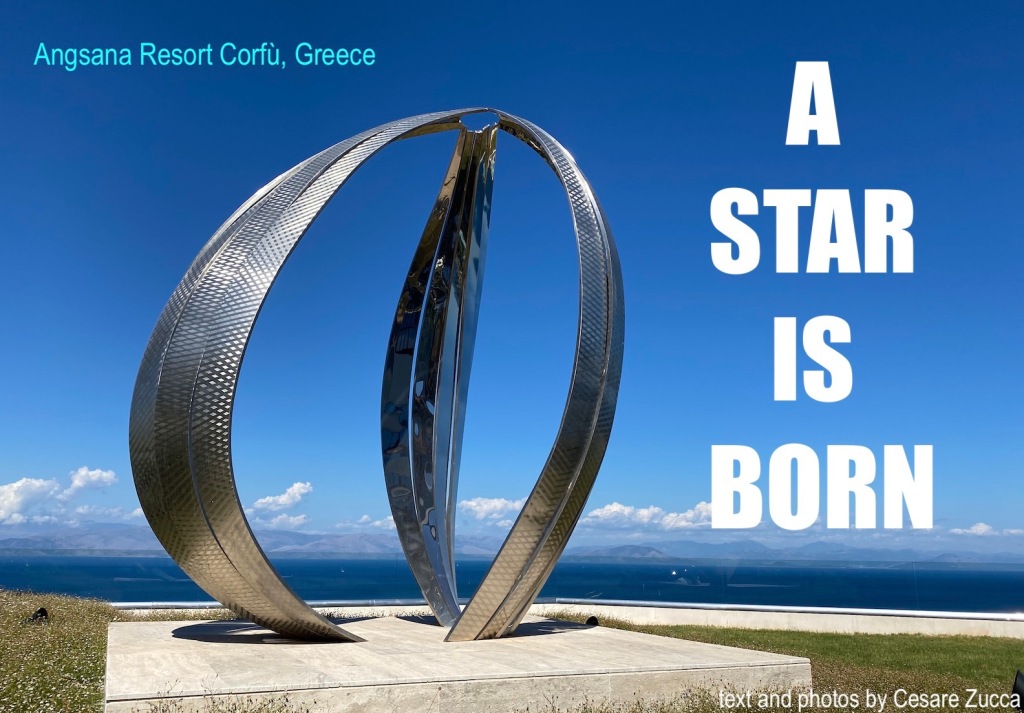

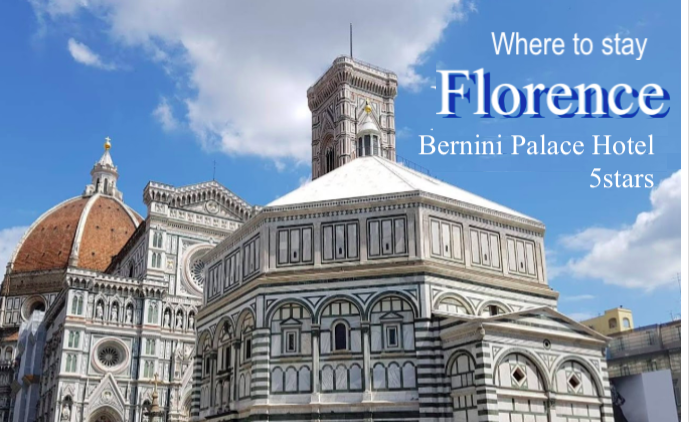
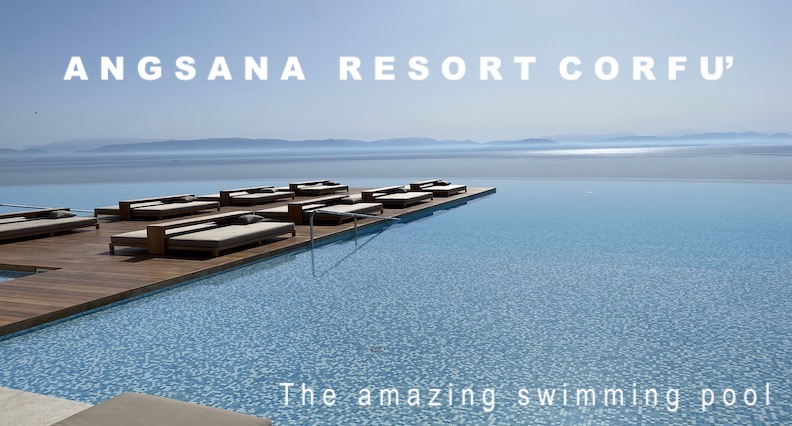
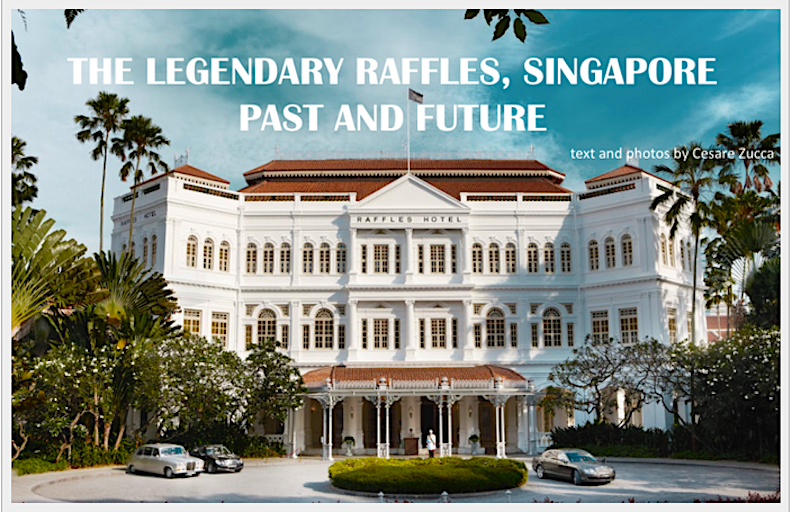
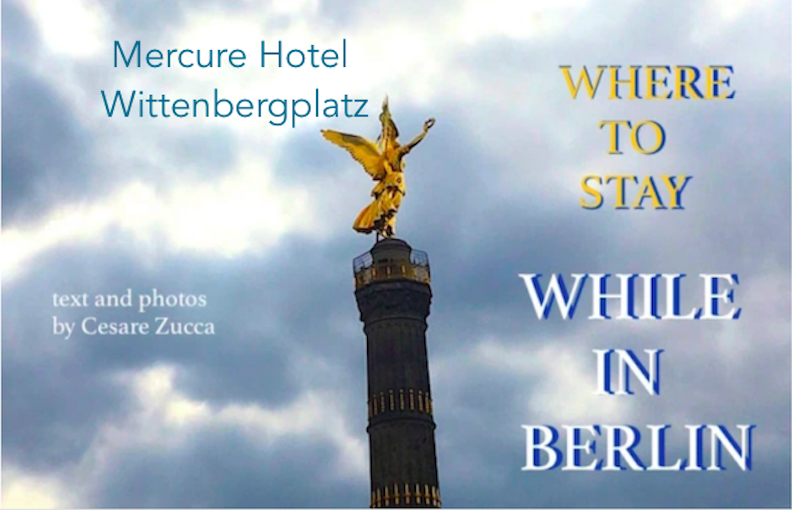
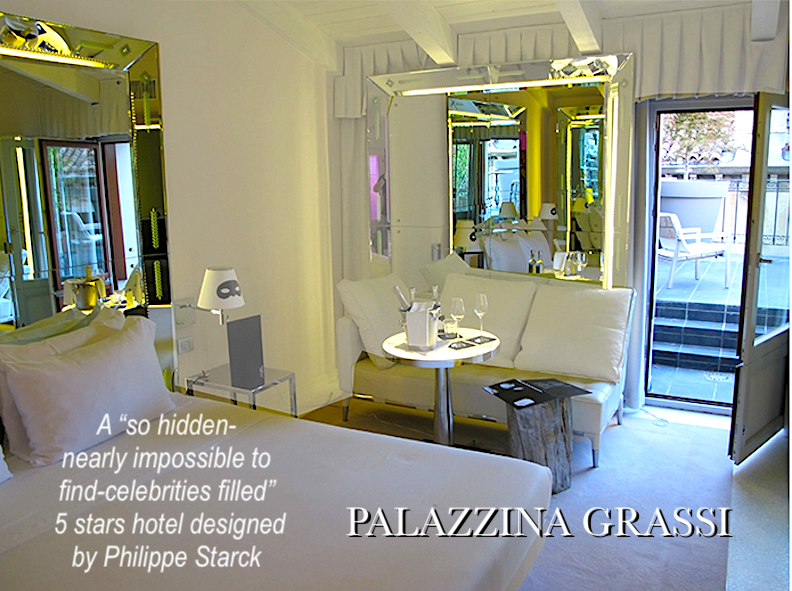
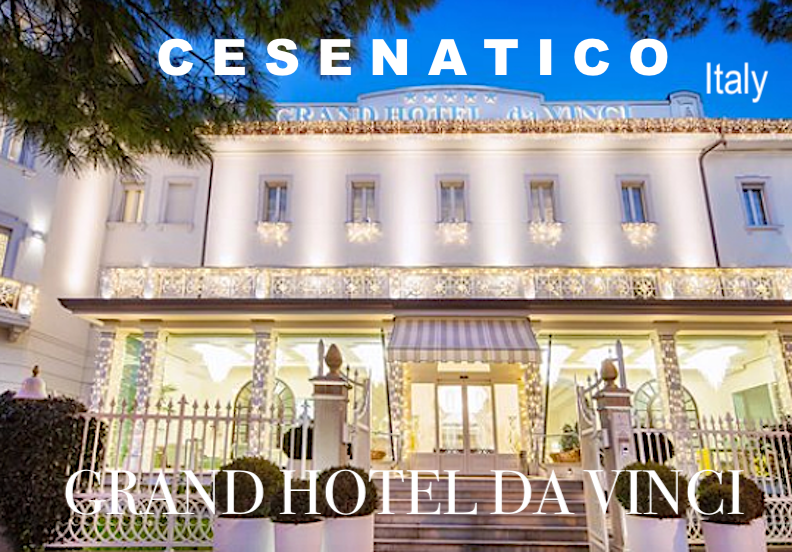
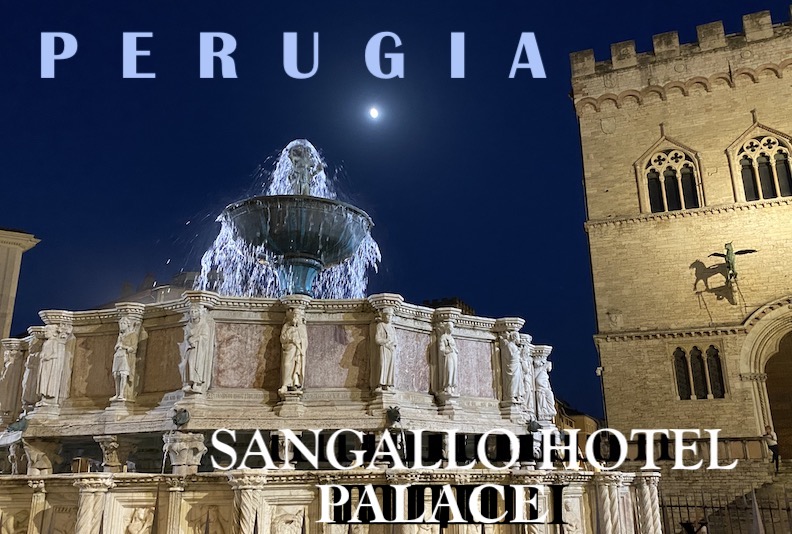
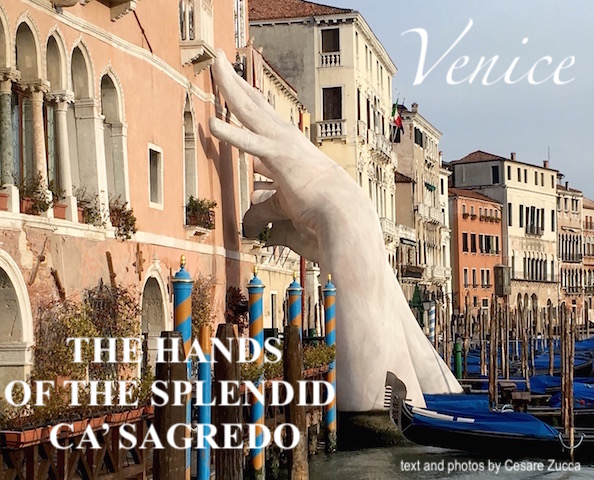
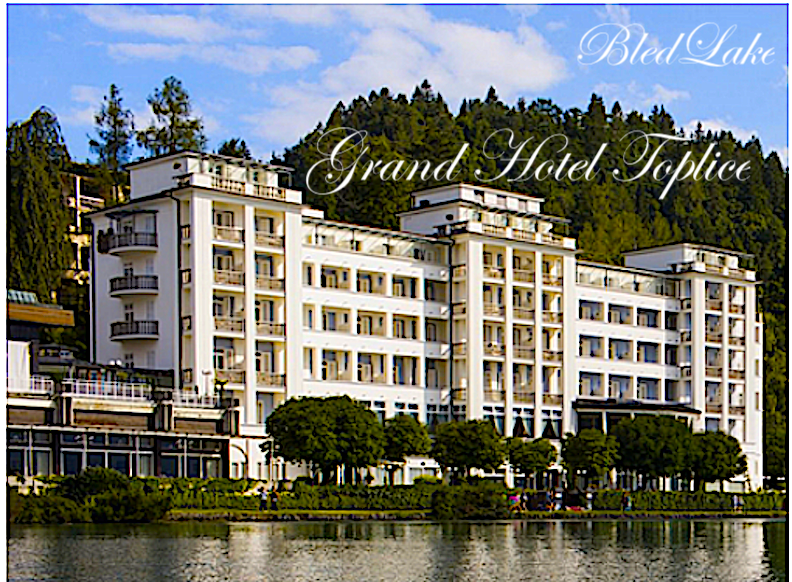
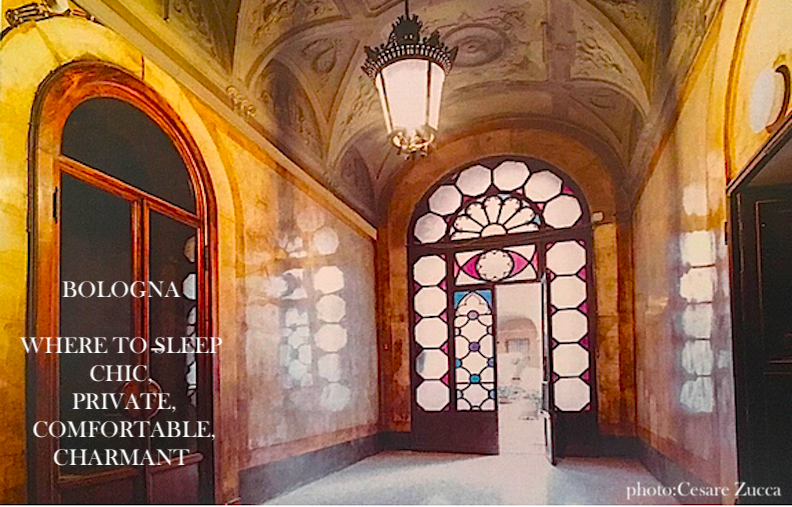
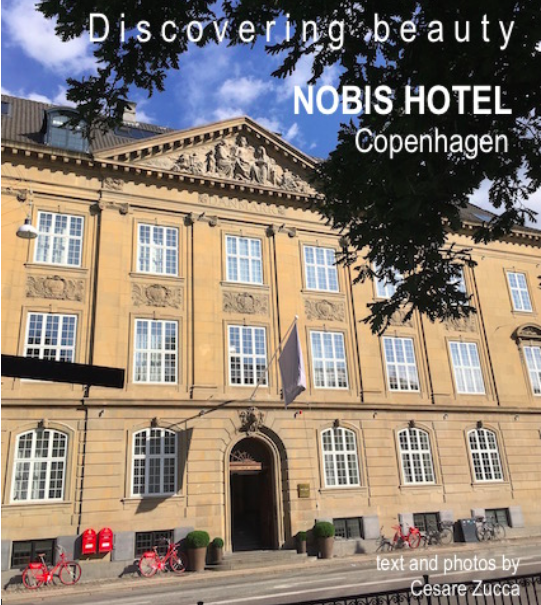
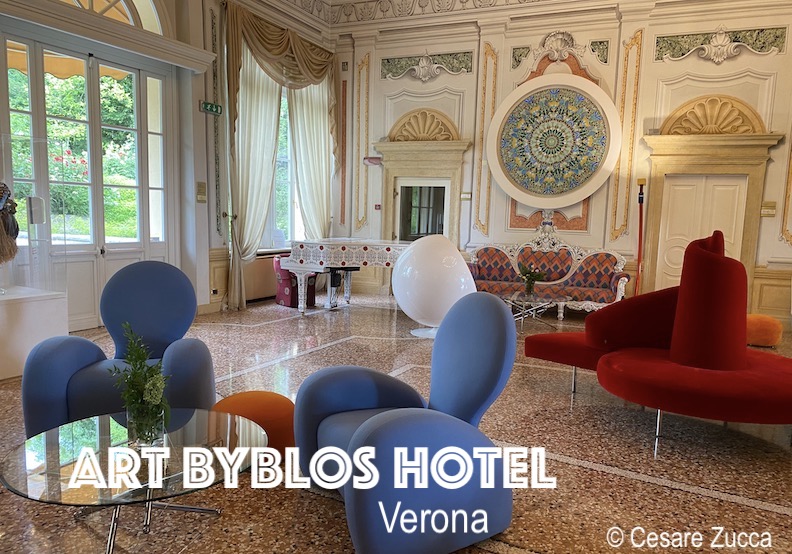

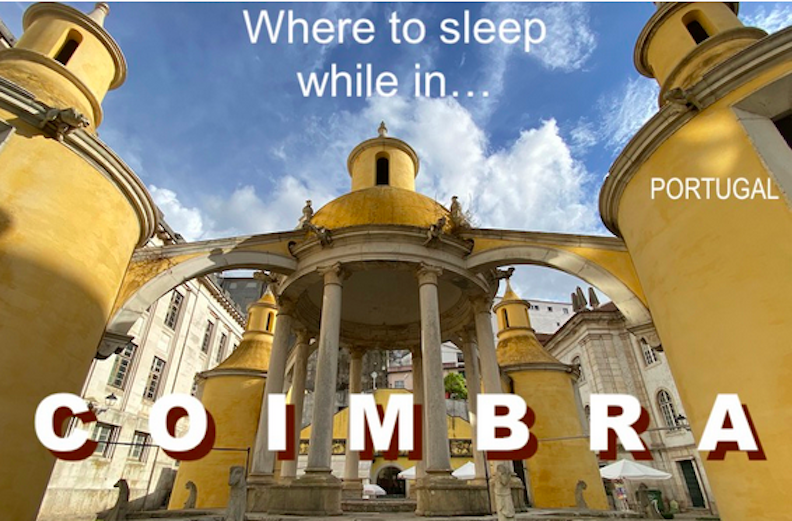
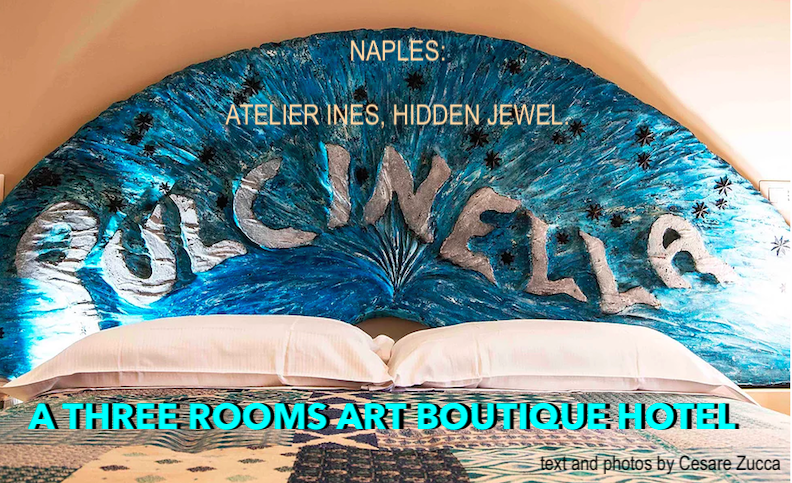
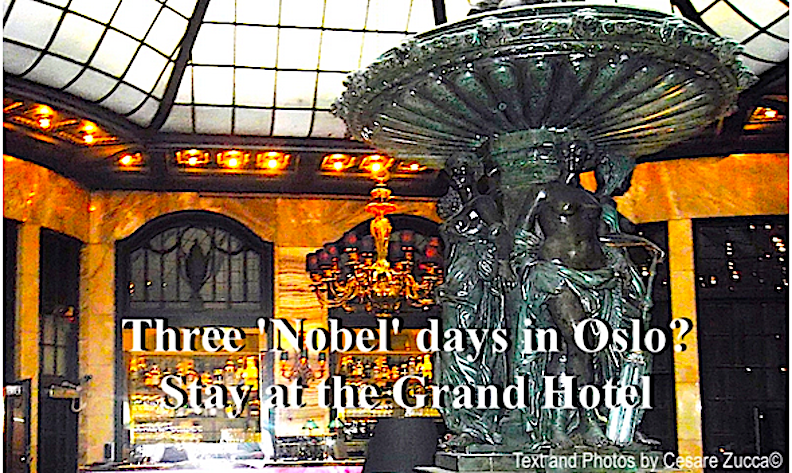
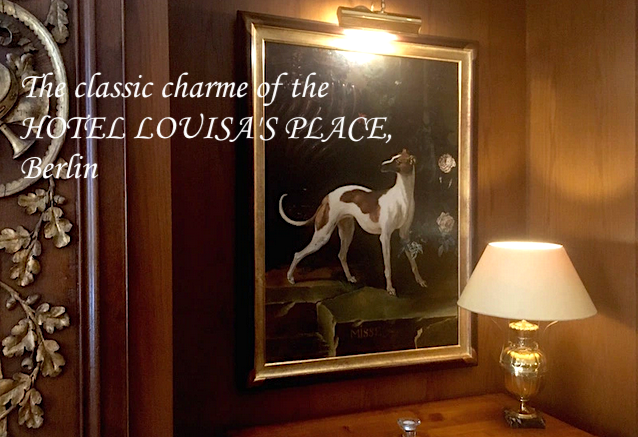
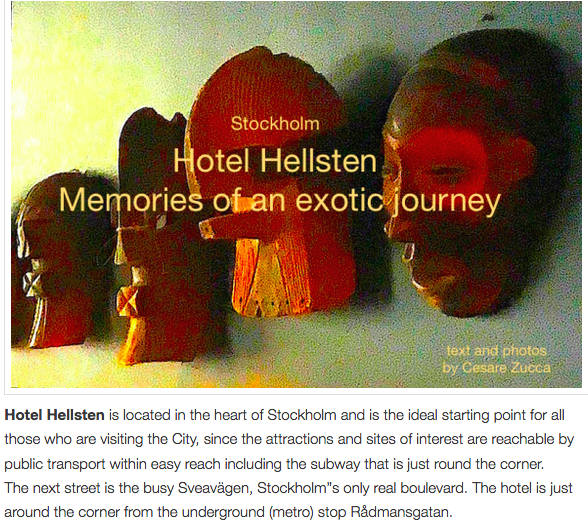
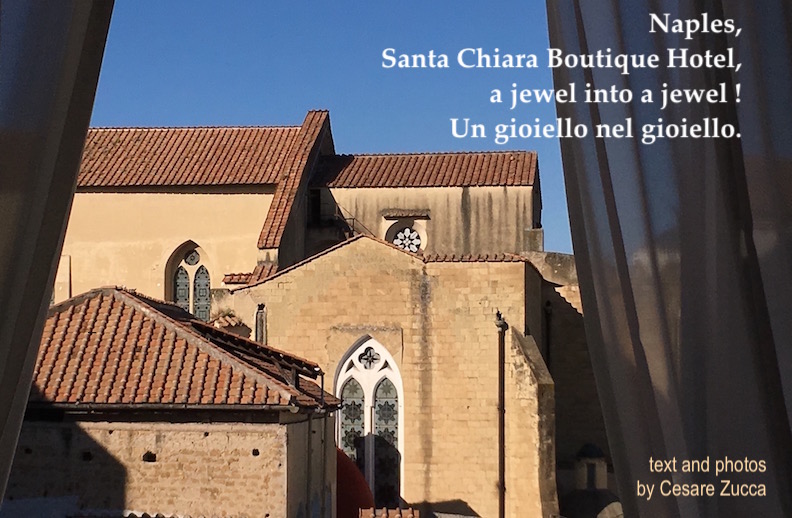
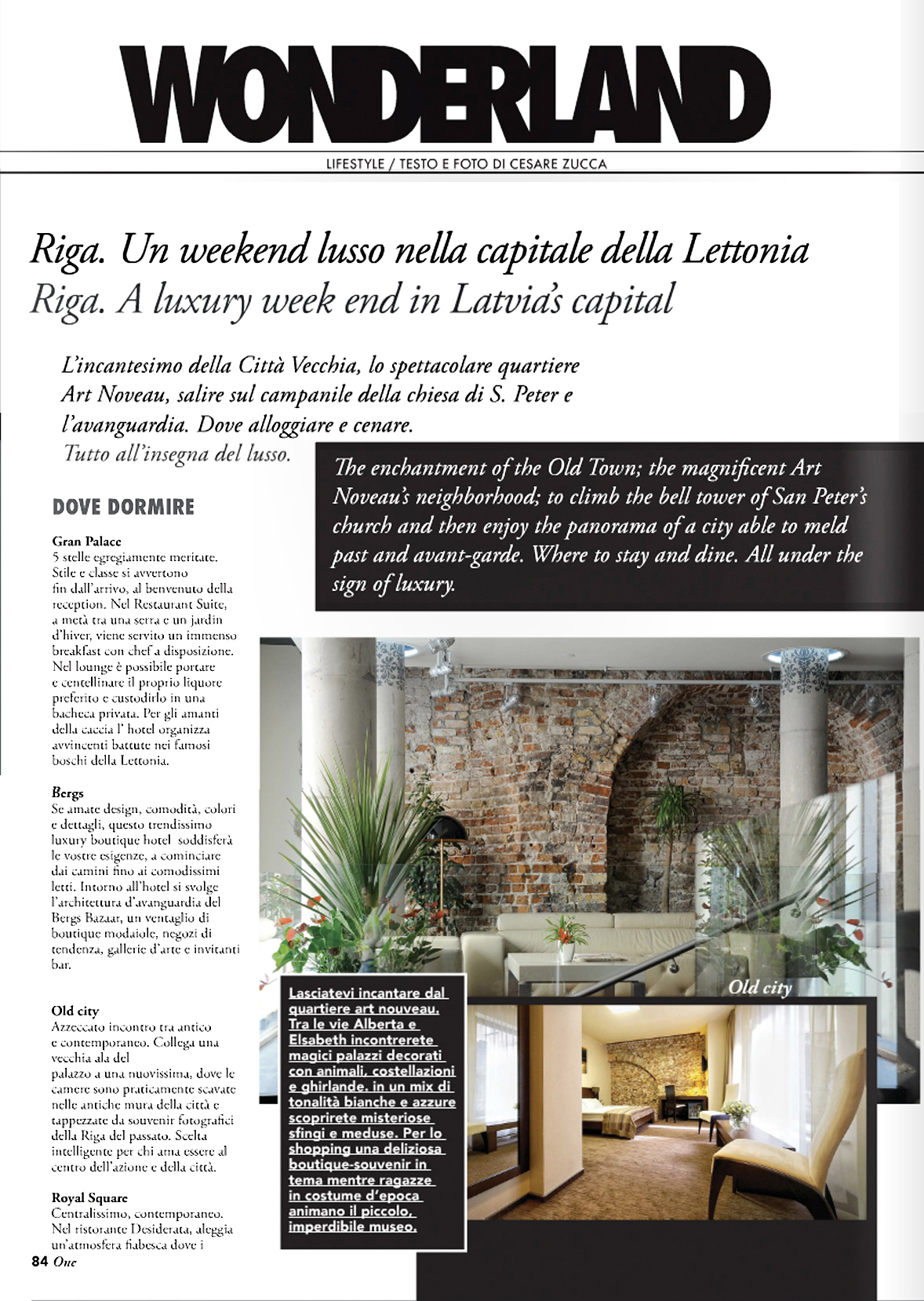

 nontouristytourist.com