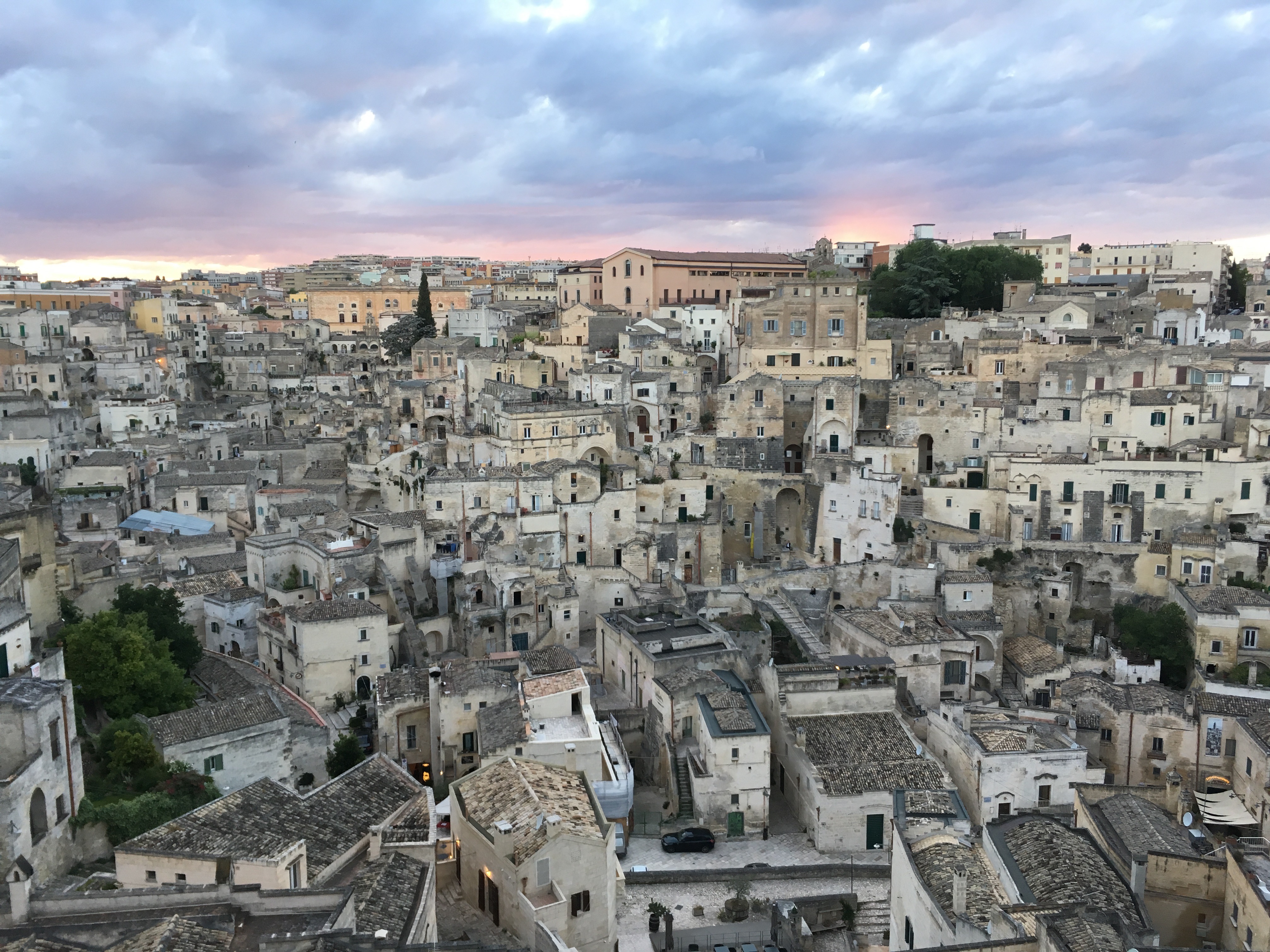
Matera is one of the oldest cities in the world. By day the sunlight enhances its white. At night, it looks like an immense nativity set up under the starry sky.
Its quarter I Sassi, ancient dwellings dug into the tufo, where the roofs serve as a base for the houses that have developed on higher levels. These were dug entirely into the rock and represent one of the most striking examples of exploitation of natural resources to obtain suitable conditions for the life of a large community. 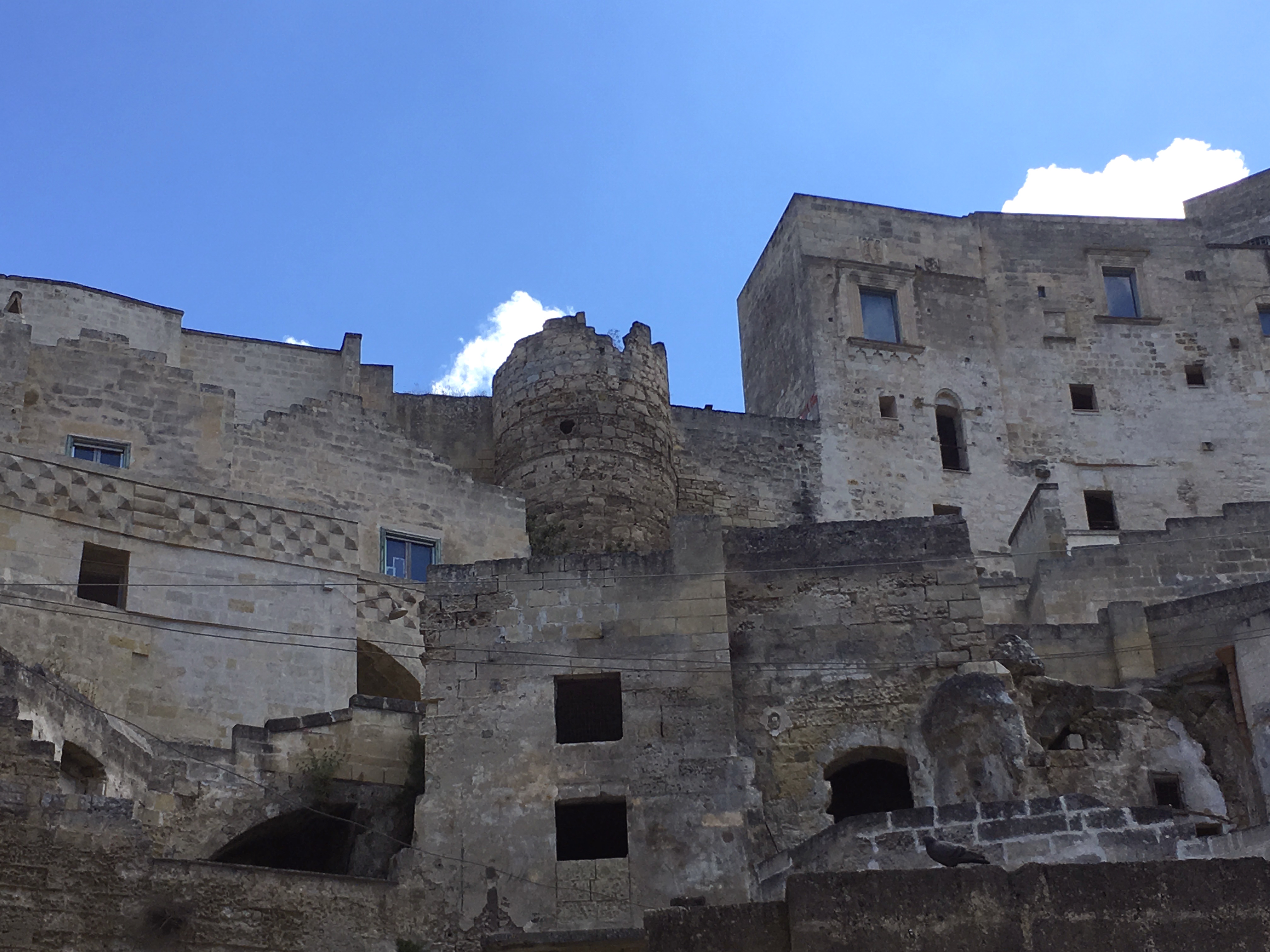 In the caves often lived more families and despite the lack of space, almost all daily activities took place in the cavities of cave-houses: from handicrafts to weaving, from food storage to animal care (dogs, chicken, pigs, horses and donkeys were living with the family as primitive source of heating). The temperature was constant and guaranteed by the characteristics of the sea tufo , so the inhabitants did not suffer too much from the cold in winter and found a shelter from summer heat. This way of life for years has been seen as a sign of backwardness and incivility. The inhabitants of the Sassi were often considered as primitives living like animals. In 1952 Sassi was considered “the Italian national shame”and abandoned in the late ’50s, Sassi was able to be redeemed until they became Unesco World Heritage in and will be the 2019 European Capital of Culture.
 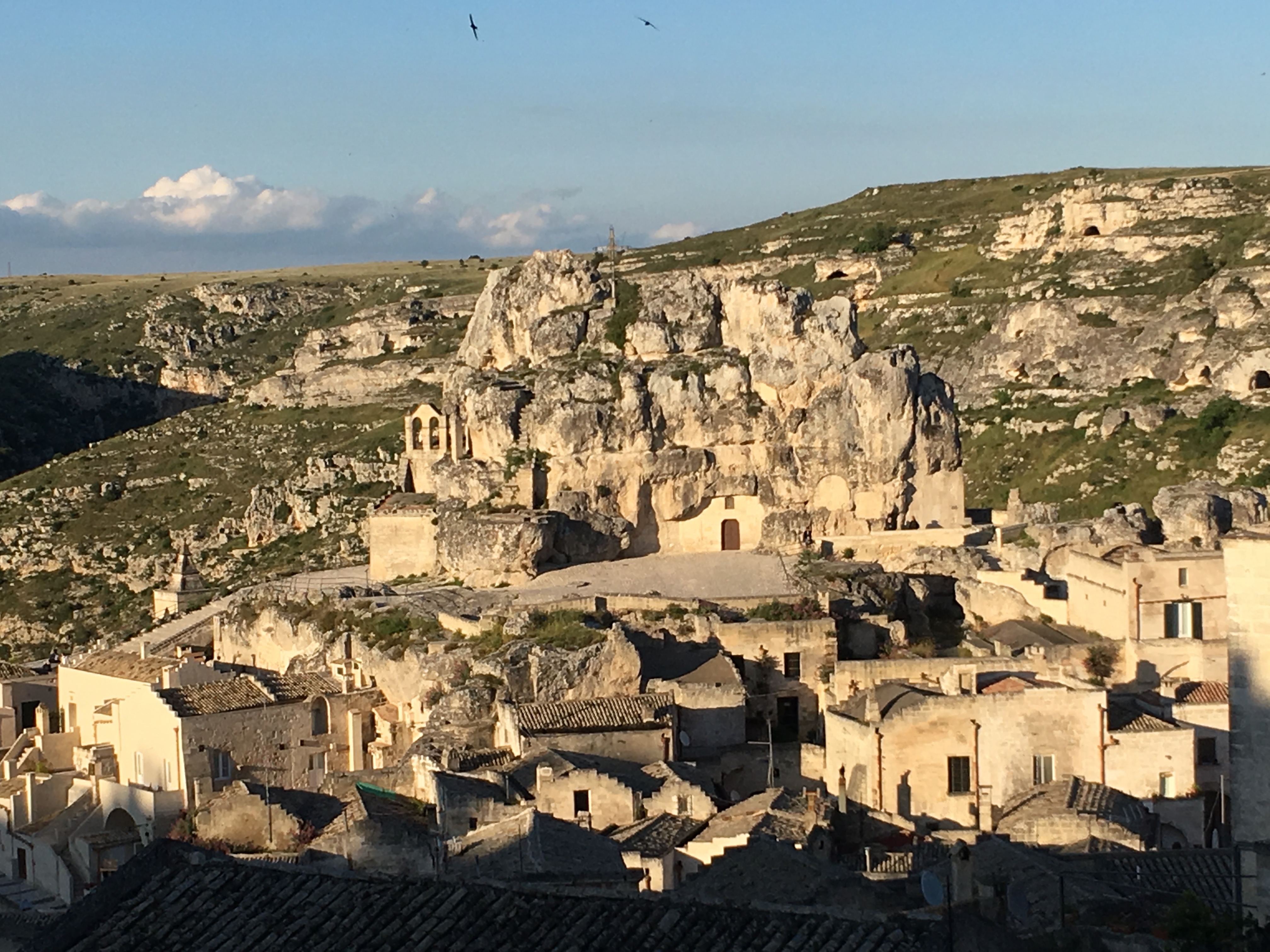 Its amazing scenario has been used s a set for Mel Gibson “The Passion” Pier Paolo Pasolini “The Gospel According to Matthew “King David”, Christ The Lord: Out of Egypt “, and the remake of “Ben-Hur “
 .
.
I took the Gran Tour of Sassi,
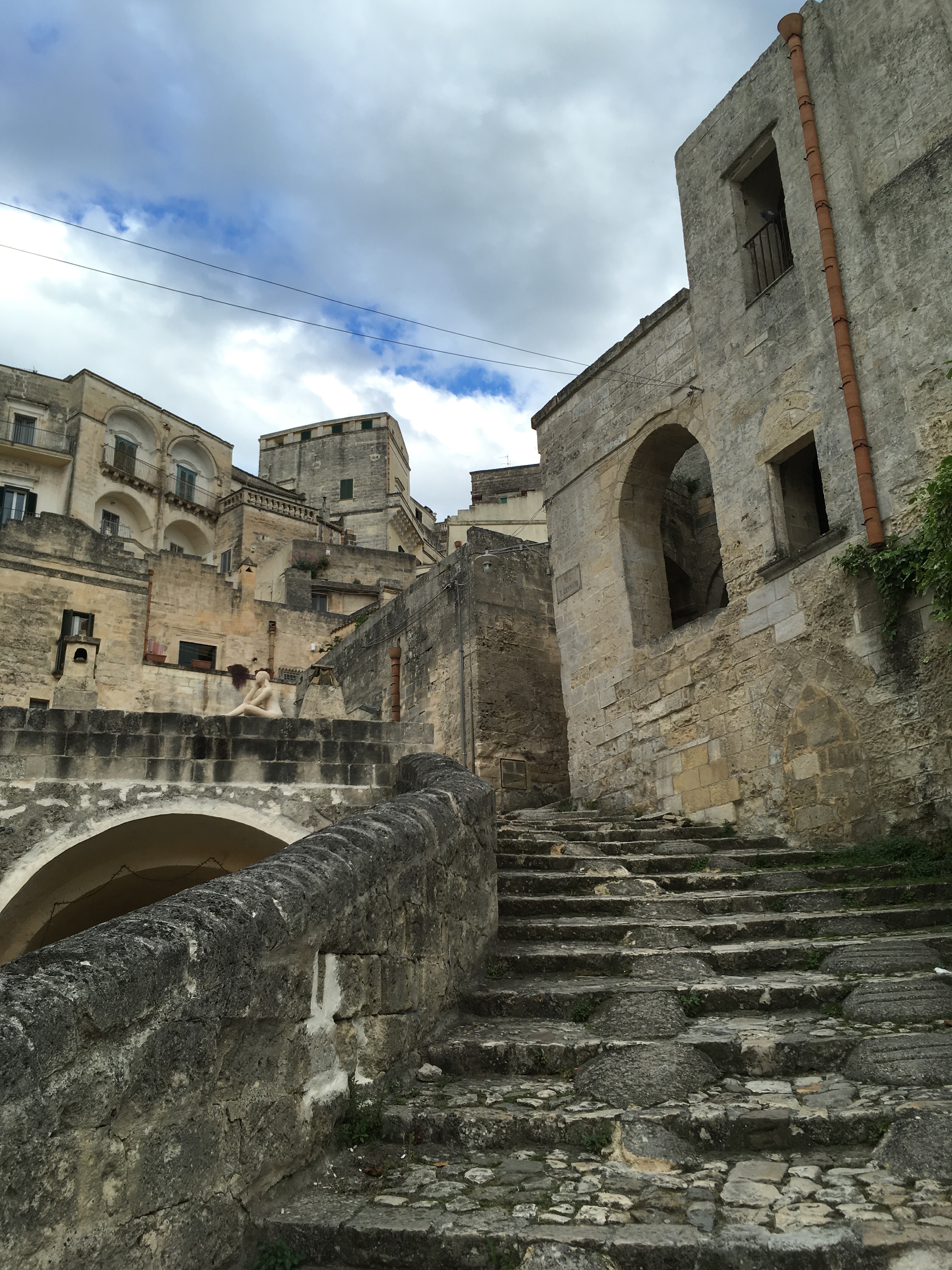
an intense 3 hours guided tour and I learn so much about the history of this amazing city. The tour begins in front of the Cathedral, in the upper part of the City, and then goes deeper into the tangle of narrow alleys, caves, cellars, churches, small gardens, tiny squares and districts. I was able to discover in detail these unusual dwellings partly carved out of the limestone. It s a long walk, so wear comfy shoes.
 Matera is also well now for its cooking tradition, a classic example of Italian peasant cuisine, using free ingredients combined with a fair amount of labor and know-how to turn an odd edible food into a delectable dish.
Here my choices: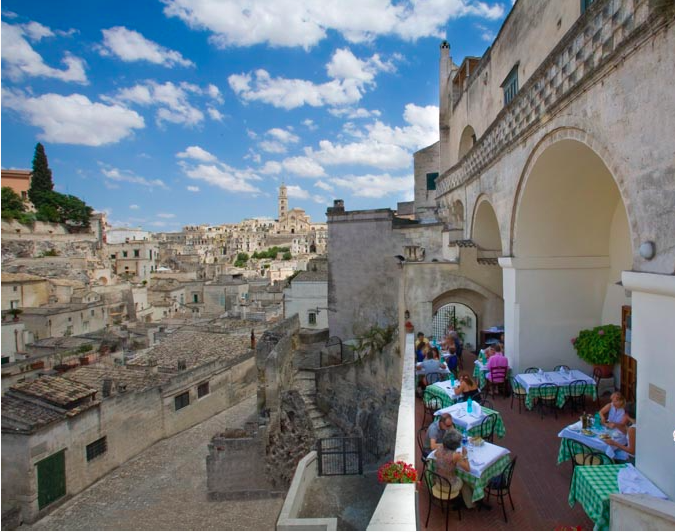
ll Terrazzino
View, ambience, real food, rich menu, moderate prices and …did I mentioned the view? Welcome to Il Terrazzino, one of the oldest deck restaurant in Sassi Eustachio Persia welcomed me with a dish of local cold cuts, including my fav lampascioni, bulbs of a common wildflower in southern Italy, then I ordered lamb, and…surprise! iIt came wrapped in yellow strawpaper.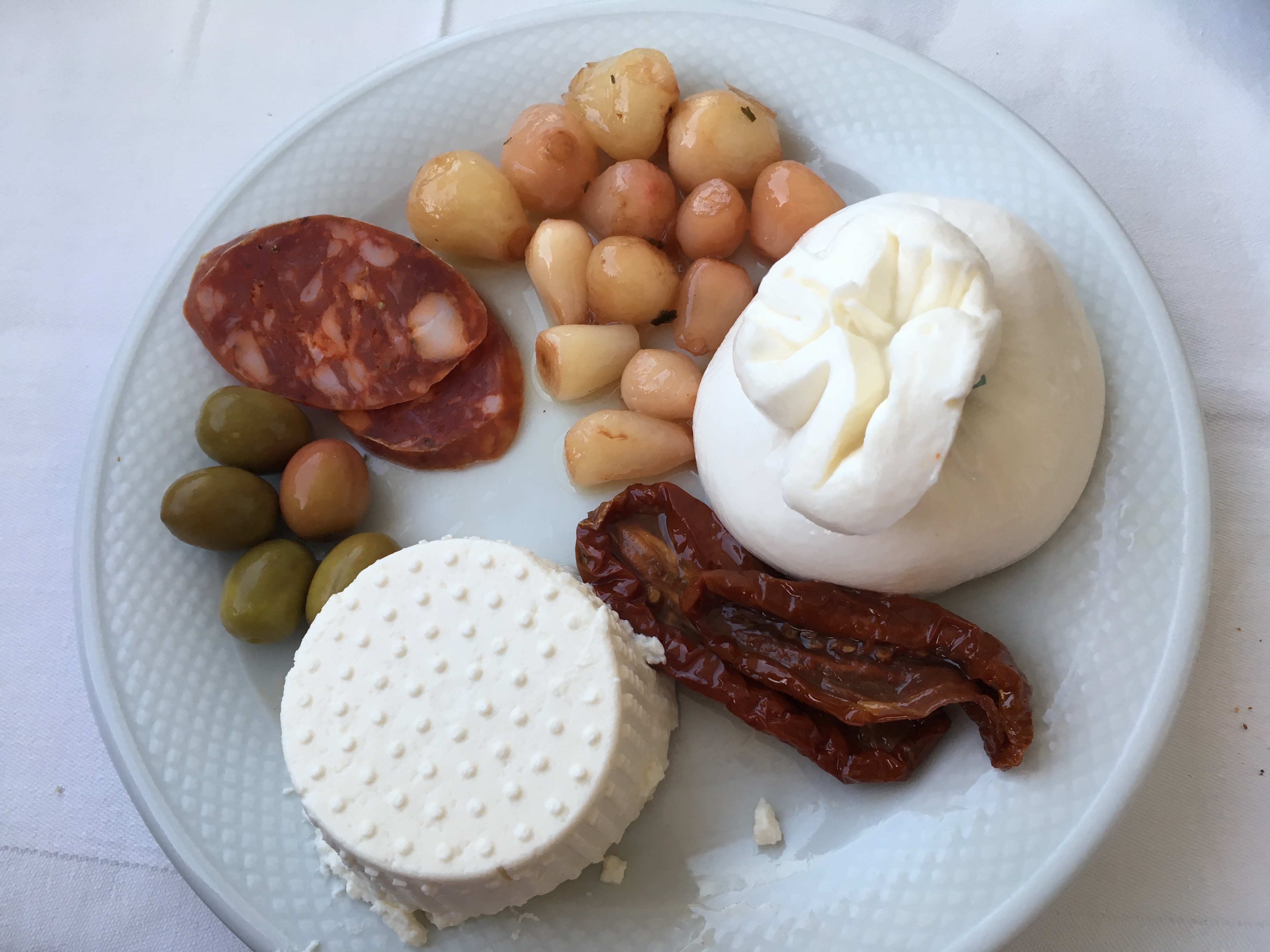
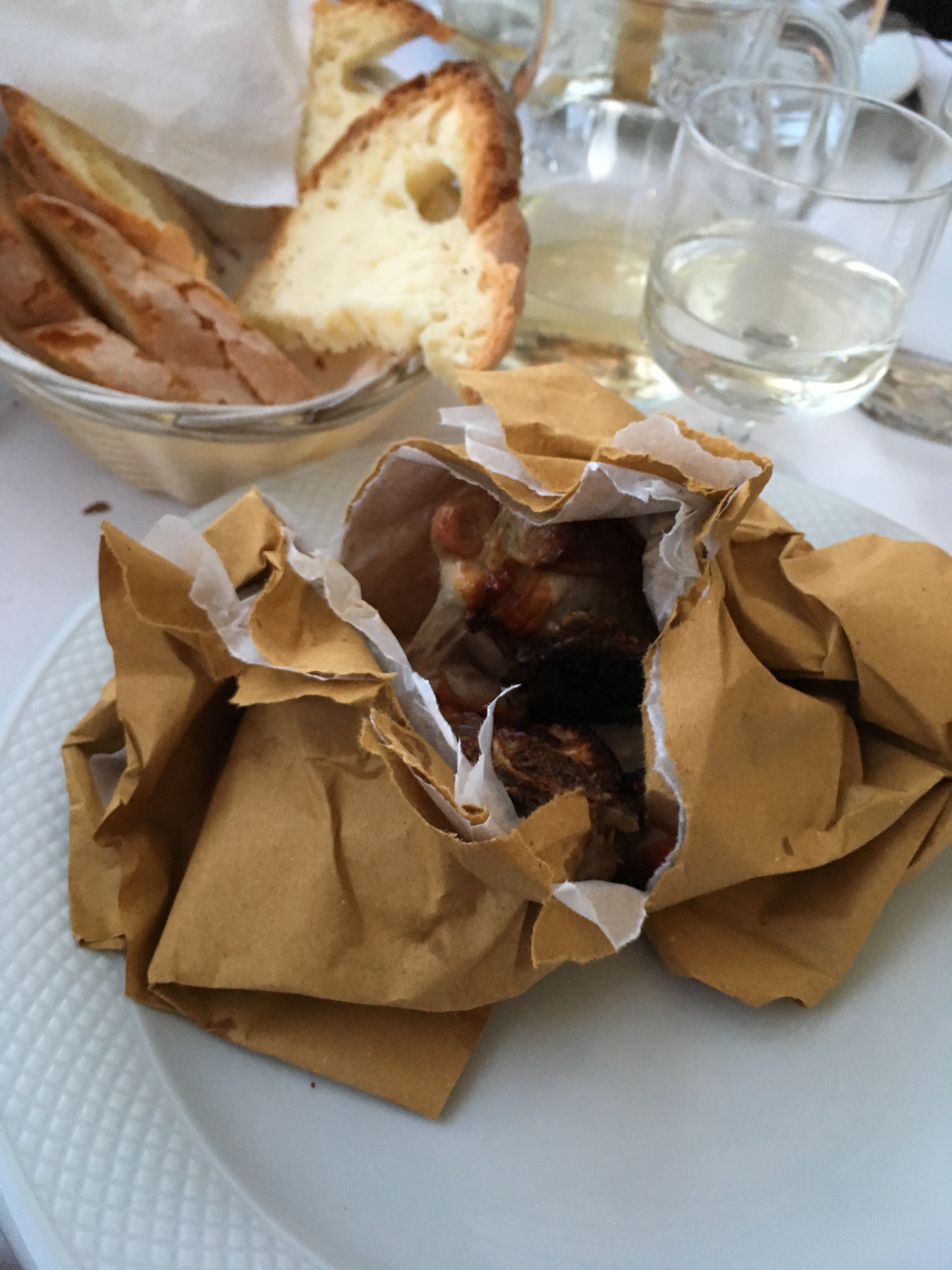
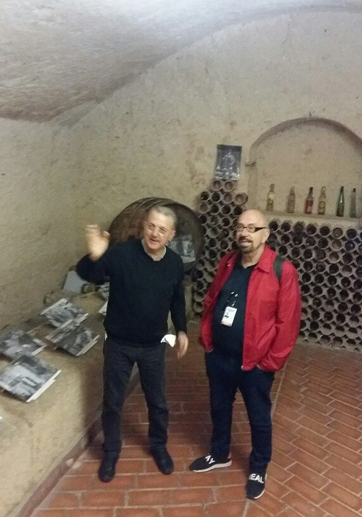 ‘This place used to be a cantina, told me Eustachio, just wine, no food.So people used to cook it at home and take it here, all wrapped up in paper tto keep it warm, then tear the bag and eat it paired with a nice glass of wine.Then came the crapiata a soup of different legumes, cereals and potatoes typical of the Basilicata cuisine of rural tradition, prepared in great quantity every year on the first day of August in the district La Martella, close to the cultivated fields and served to the inhabitants. Eustachio took me downstairs, to the 17 century cellar, which incorporates the typical architecture of the Sassi and was refurbished to retrace moments of daily life of the peasant life,
Baccus 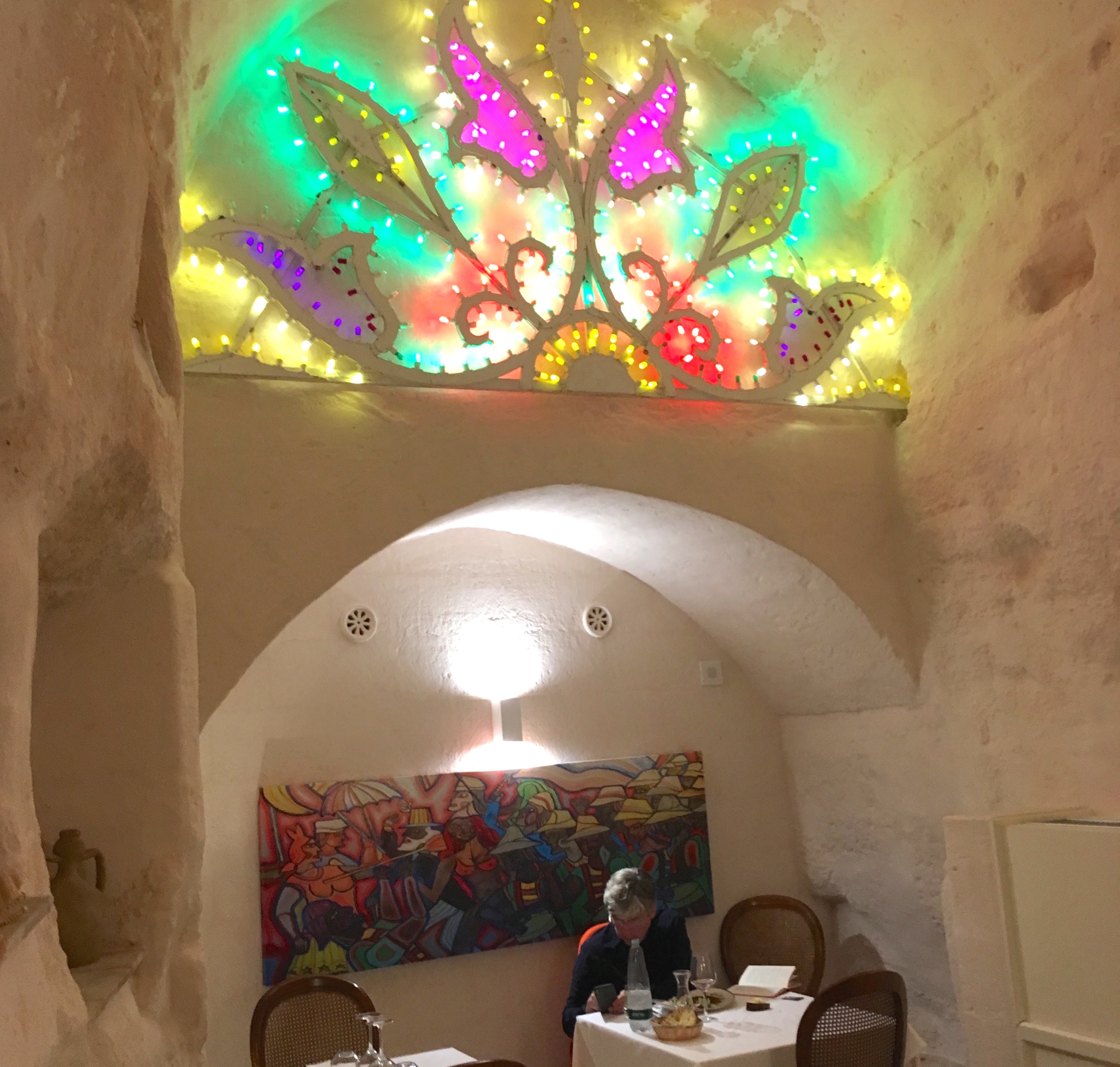
Simple yet elegant restaurant Located in the Sassi area, Baccus is well know for its Chef Carlo Pozzuoli who likes to reinterpretate typical local dishes and flavors of the past in a modern way.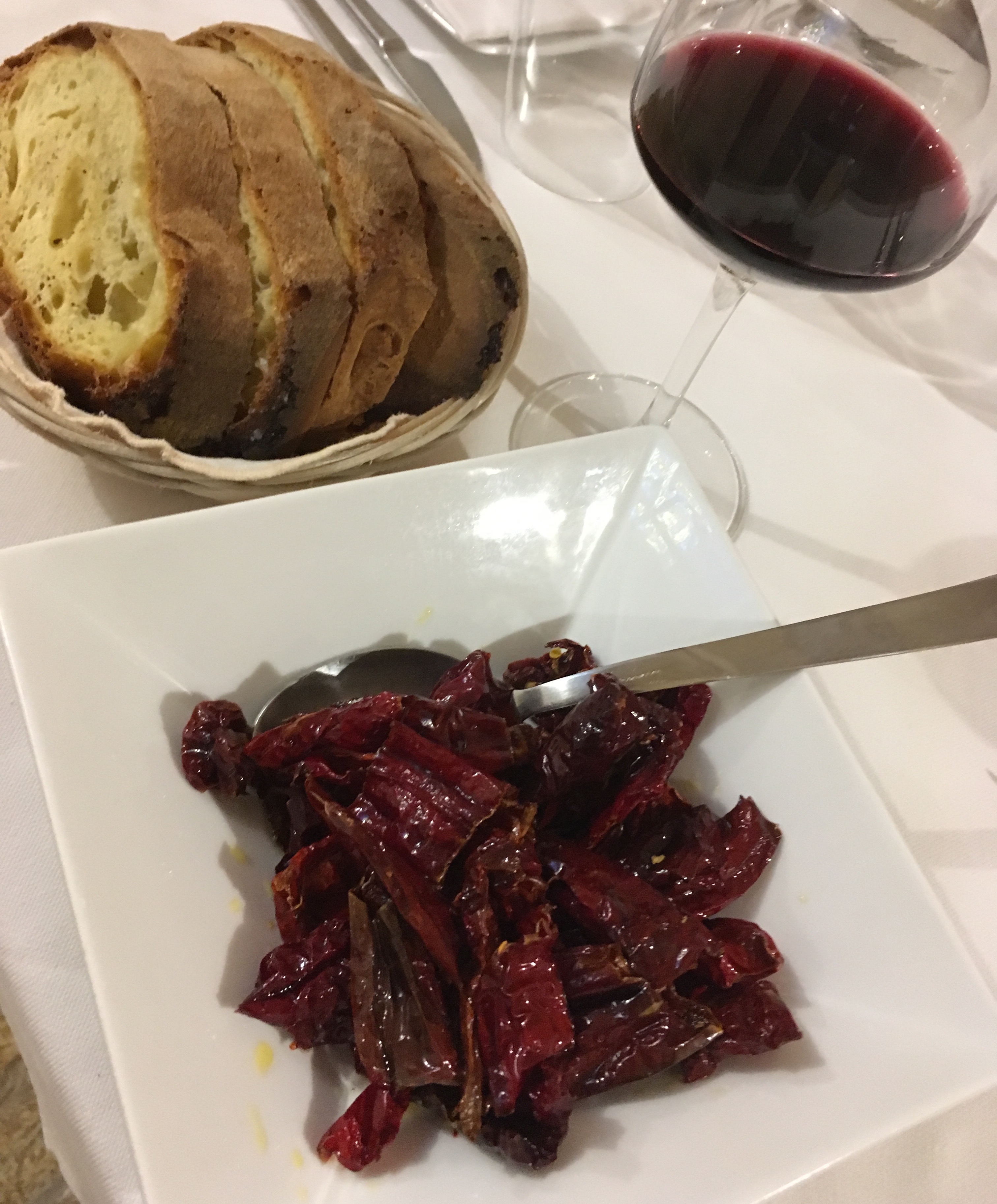
Starting with super crunchy chips of red peppers, followed by fagots of ziti with cream of yellow and red peppers, bundled in a slice of sweet scamorza cheese topped by goat ricotta curlS.
A soupy Dish with tagliolini pasta with black and white chickpeas, considered ideal fro pregnant women, since it contains a lot of iron.
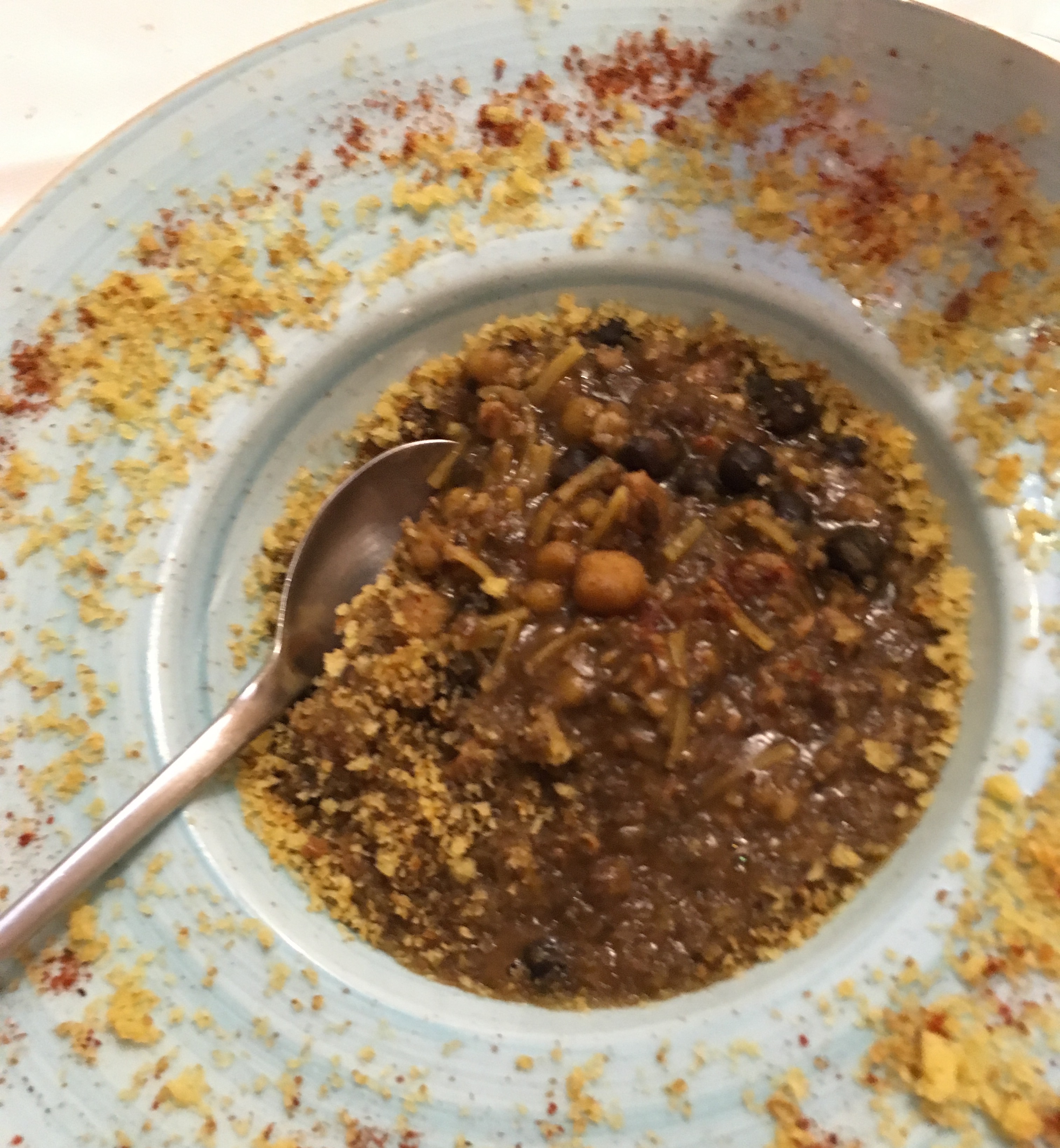 The menu dedicates an attentive search of local herbs, like the cicoriella, the sivone and other fresh leaves variously used in cooking: in salads, minestrone, simply boiled with oil and lemon, or as a filling of ravioli and pansotti or excellent omelettes.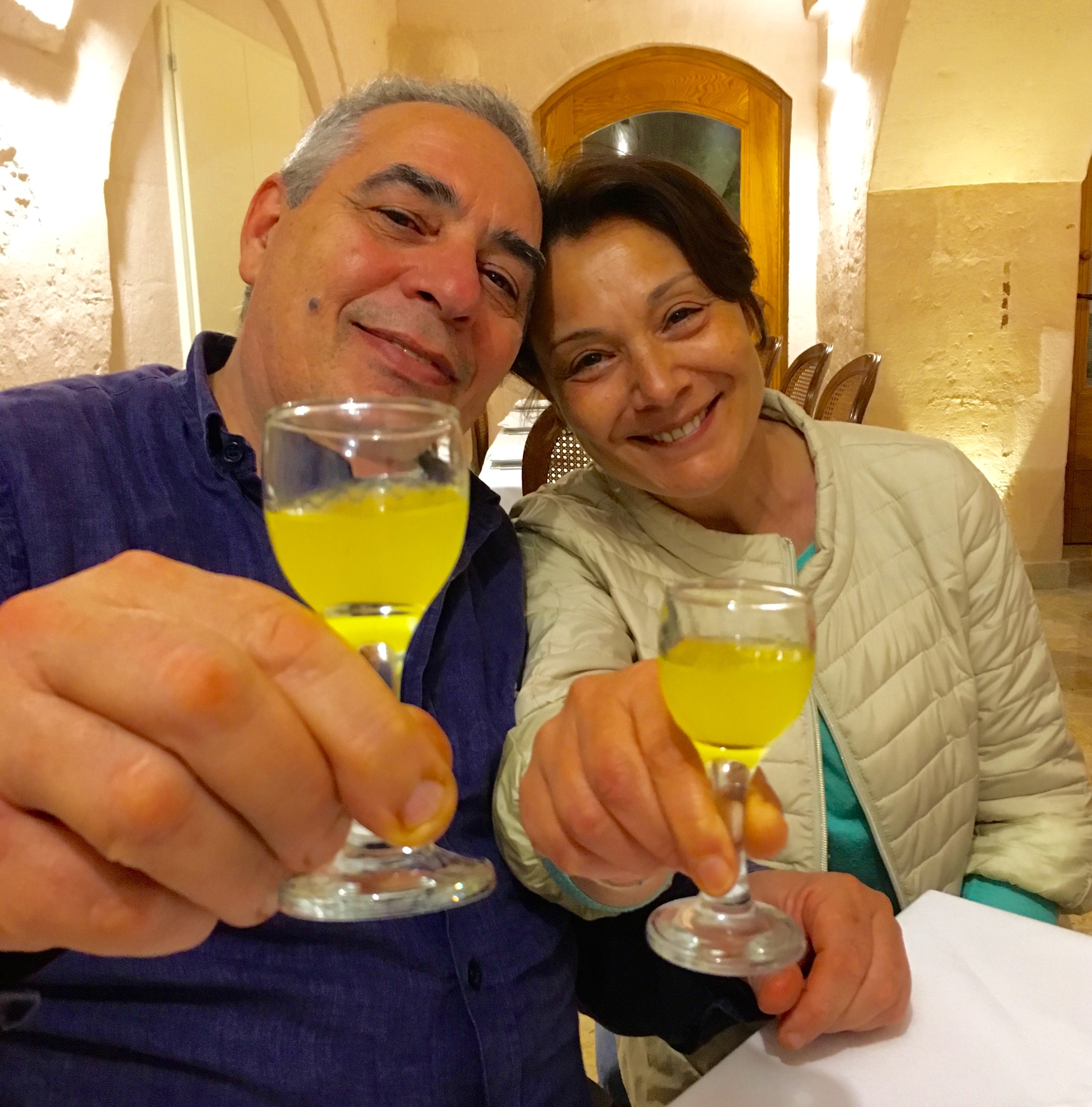
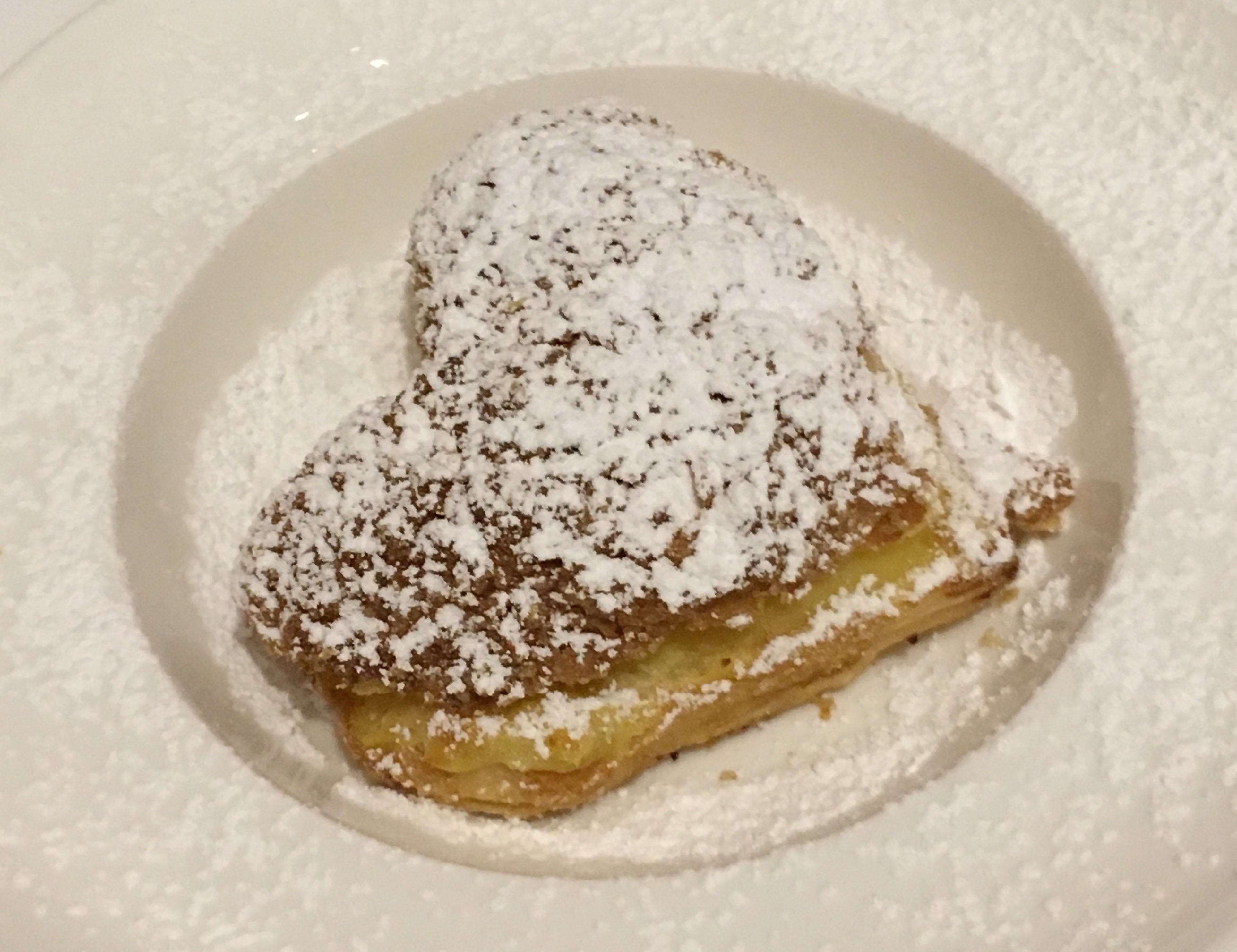
Carlo and his wife Mariella were wonderful hosts. Not only keeping me company at the table but also surprising me with a taste of a sweet heart shaped Sporcamuso, (begrime the face) a dessert so full of cream that I inevitably ended up with hot pastry cream all over my face.
Da Mario
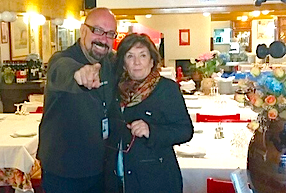 ‘We represent the tradition. My family managed this restaurant since the 50’s’ told me Anna, owner of the popular Ristorante Pizzeria Da Mario ‘Since then we are always been loved by the people from Matera and from all over the world. Many celebrities have eaten here: Richard Gere, Mel Gibson just to mention few’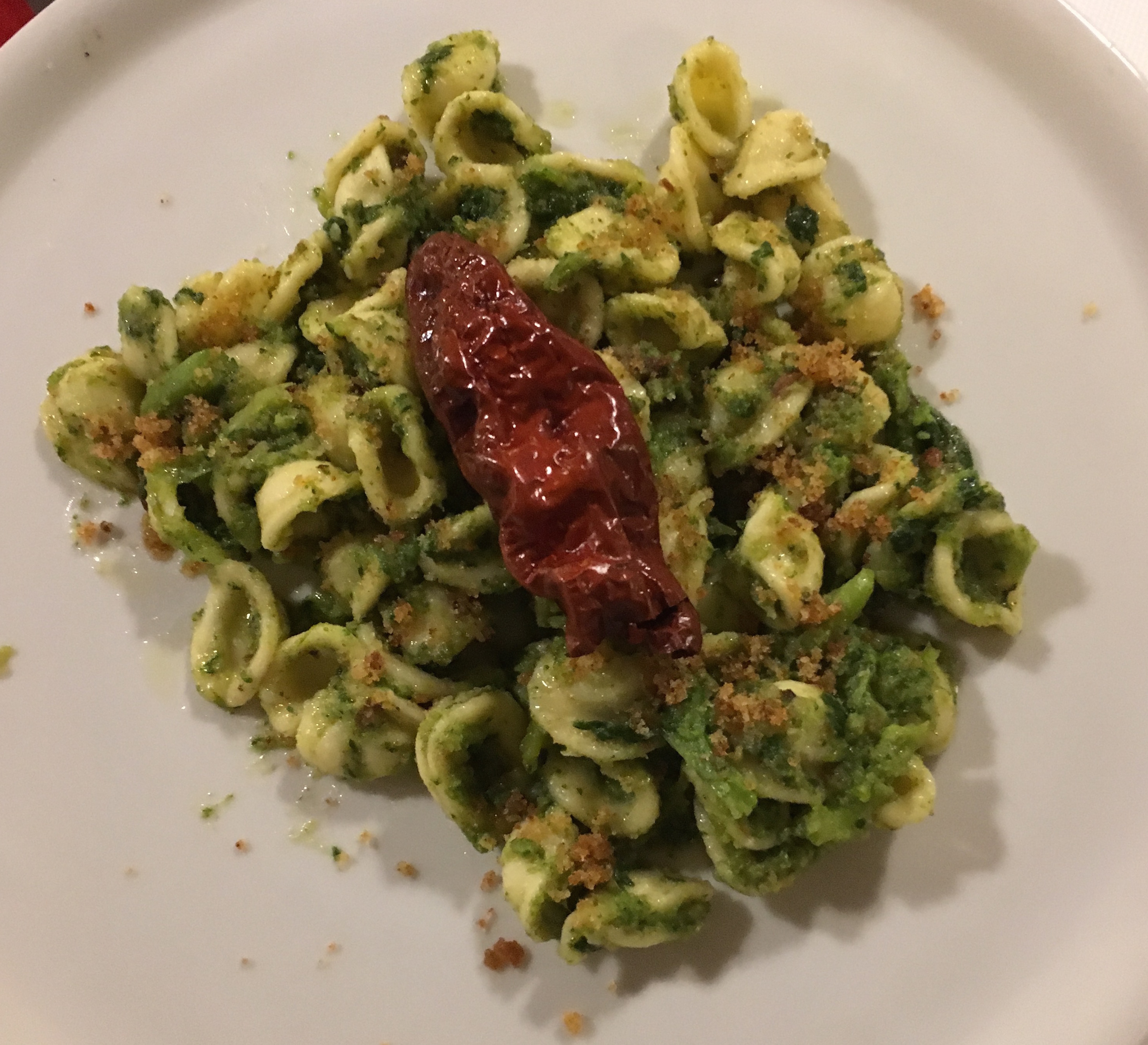
I went there for lunch and followed Anna’s suggestions, starting with a tasty orecchiette alle rape with anchovies and toasted breadcrumbs, then I tried home made strascinati pasta with cardoncelli mushrooms and garnished with the typical crunchy peperone crusco, fried red pepper.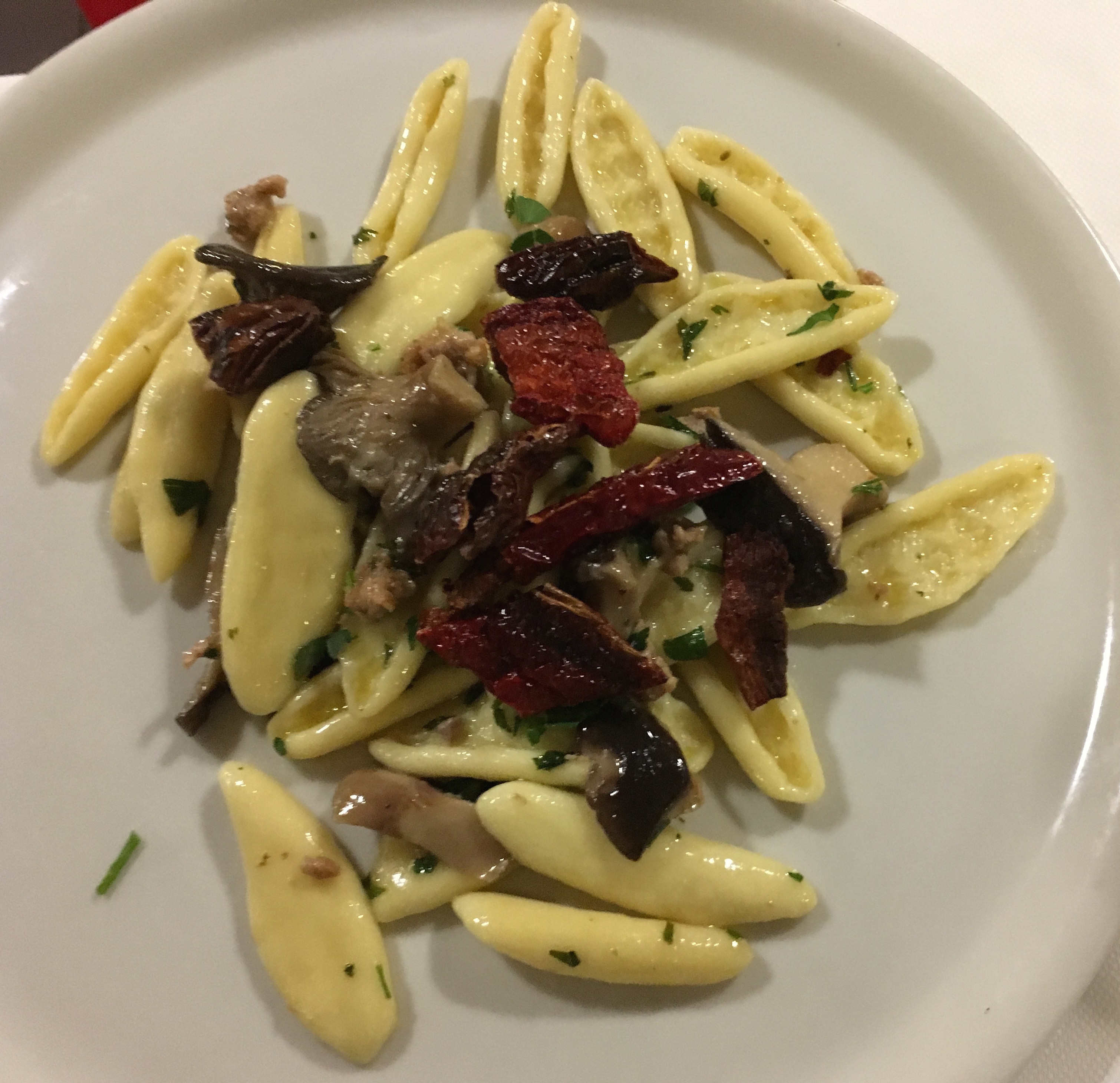 Da Mario is know for its pizza. I tried a baby Margherita, perfectly cooked. ‘I love my town, peaceful and quiet, I run the restaurant a cosy BnB called Sassi Belvedere although sometimes I need some noise… some that’s why I have a place in Milan, where I go , like an escape little vacation, but then I am happy to be back in my Lucania ( the ancient name of Basilicata) Sorry I still call it Lucania.. perhaps it’s because I like the old things…
I don’t blame her..
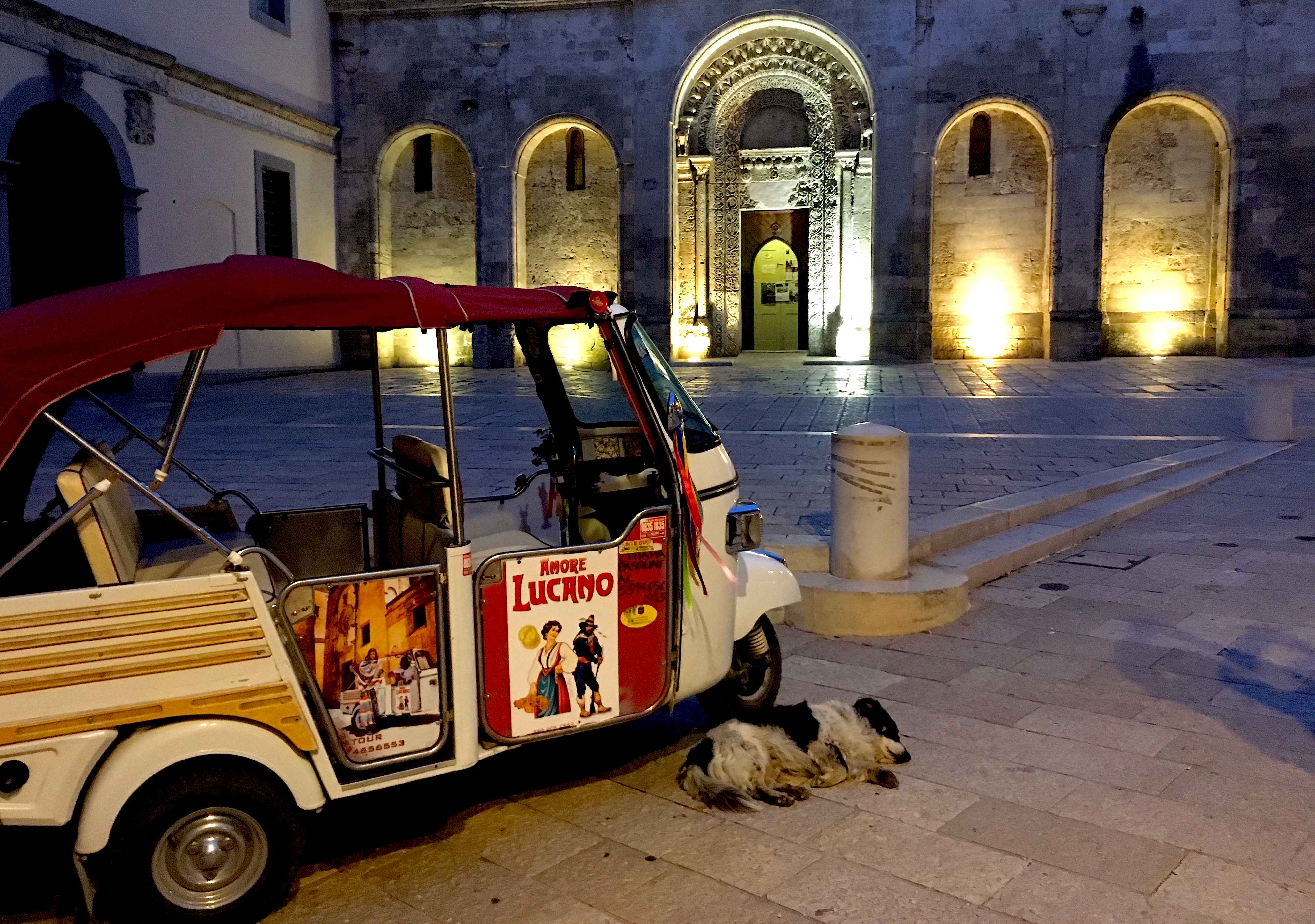 Where I stayed.
Residence San Gennaro, located in the inner courtyard of the old “neighborhood”, once the fulcrum of the days of the inhabitants
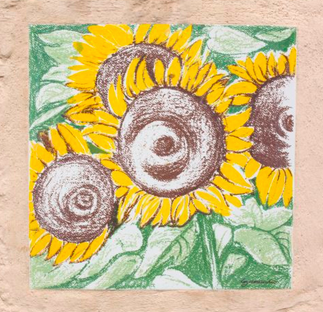 Super friendly host Francesco delighted me with anecdotes about the city, gave me tips took me to the prehistoric hypogeous cave below the residence, embellished with a precious Nativity and prepared a great breakfast that included fresh local products. I stayed in Guerricchio suite, that has a kitchenette, a delightful double bedroom, a private bathroom and a cute little balcony to enjoy the view on the enchanting Sassi of Matera. It is At the entrance an artistic work of great value welcomed me. “Girasoli di Guerricchio”, a Lucanian artist to whom the suite is dedicated.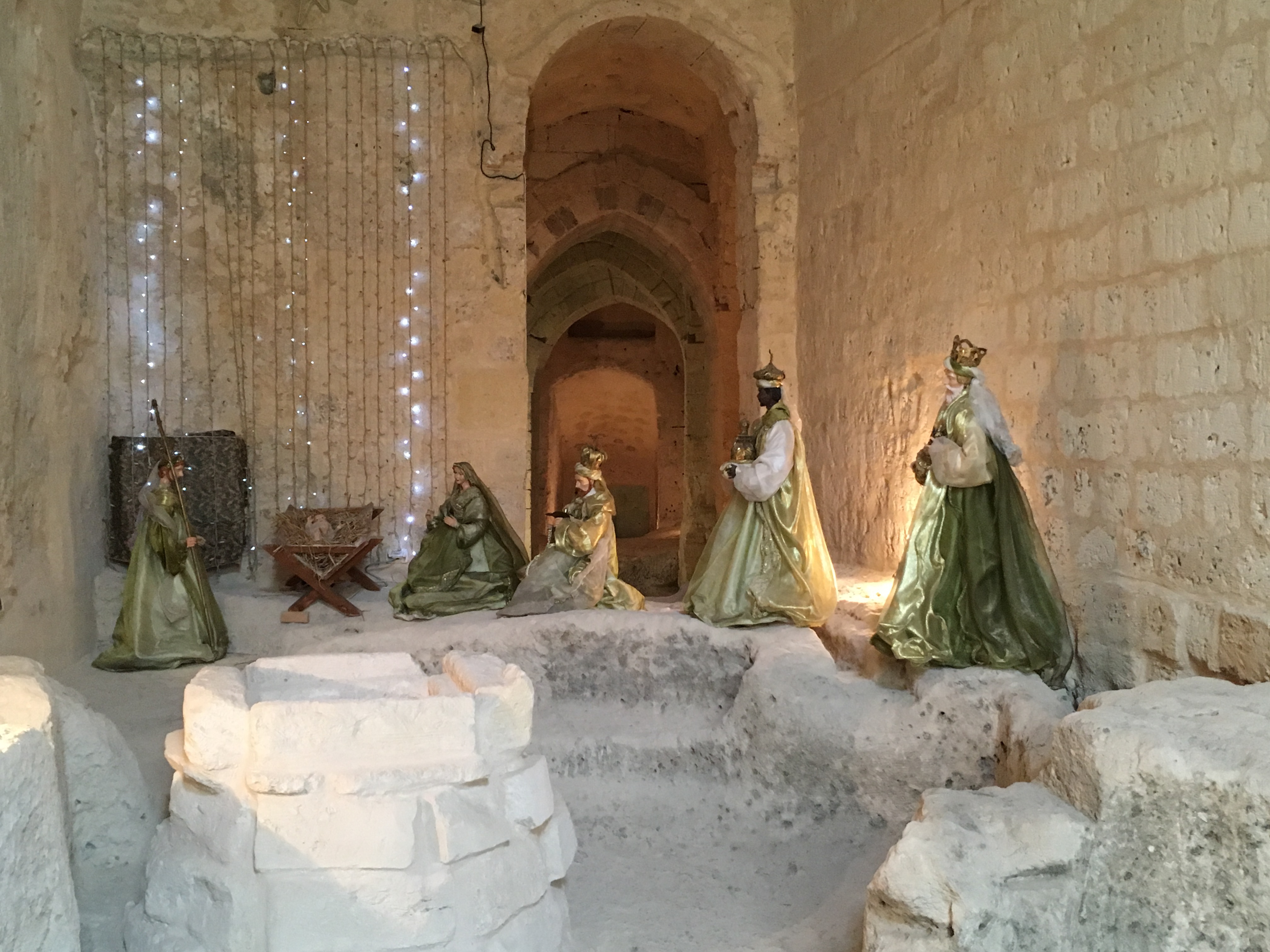
I also loved
Casa Noha
An amazing gateway” to the city, charting its history thanks to an innovative communication project, where the walls, the ceilings and the floors will take to an extraordinary journey through the history of Matera from its origins to the present day.
MUSMA
(Museum of Contemporary Sculpture Matera)
This unique museum provides the perfect environment for the symbiosis of sculpture and the characteristic carved sites in the Sassi; the exhibition galleries, in fact, consist not only of the rooms of the Palazzo, but also the vast hypogea, where the works of art are revitalized by the strength and beauty of the surrounding rock hewn spaces


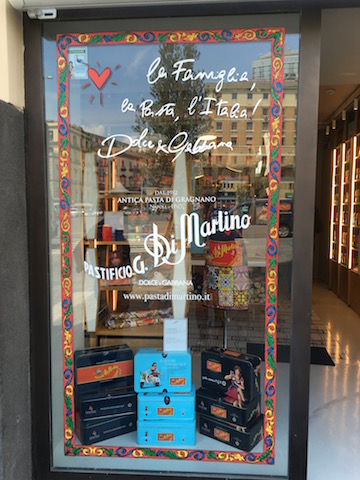 Naples:


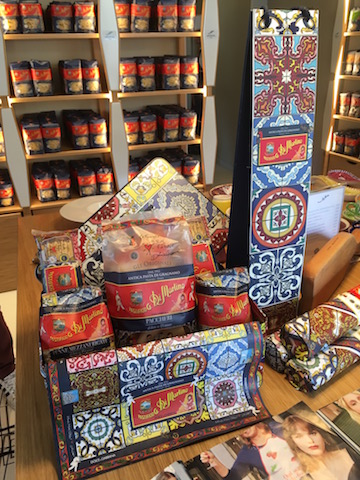
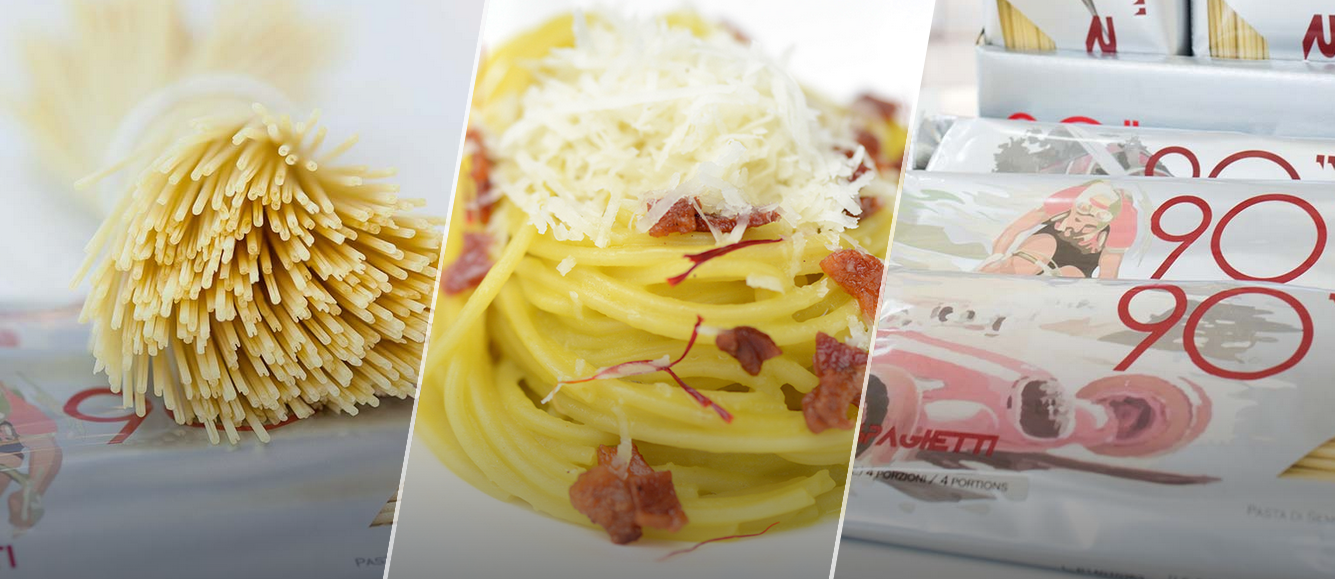
 On the corner, you will find a takeaway window that sales (for only 5 Euros!) a box generously filled of perfectly cooked spaghetti with the richest tomato sauce that literally floods on a slice of bread on the bottom, renewing the traditional way to do the scarpetta.

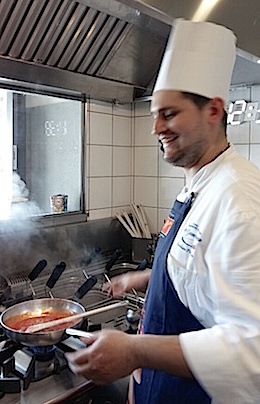
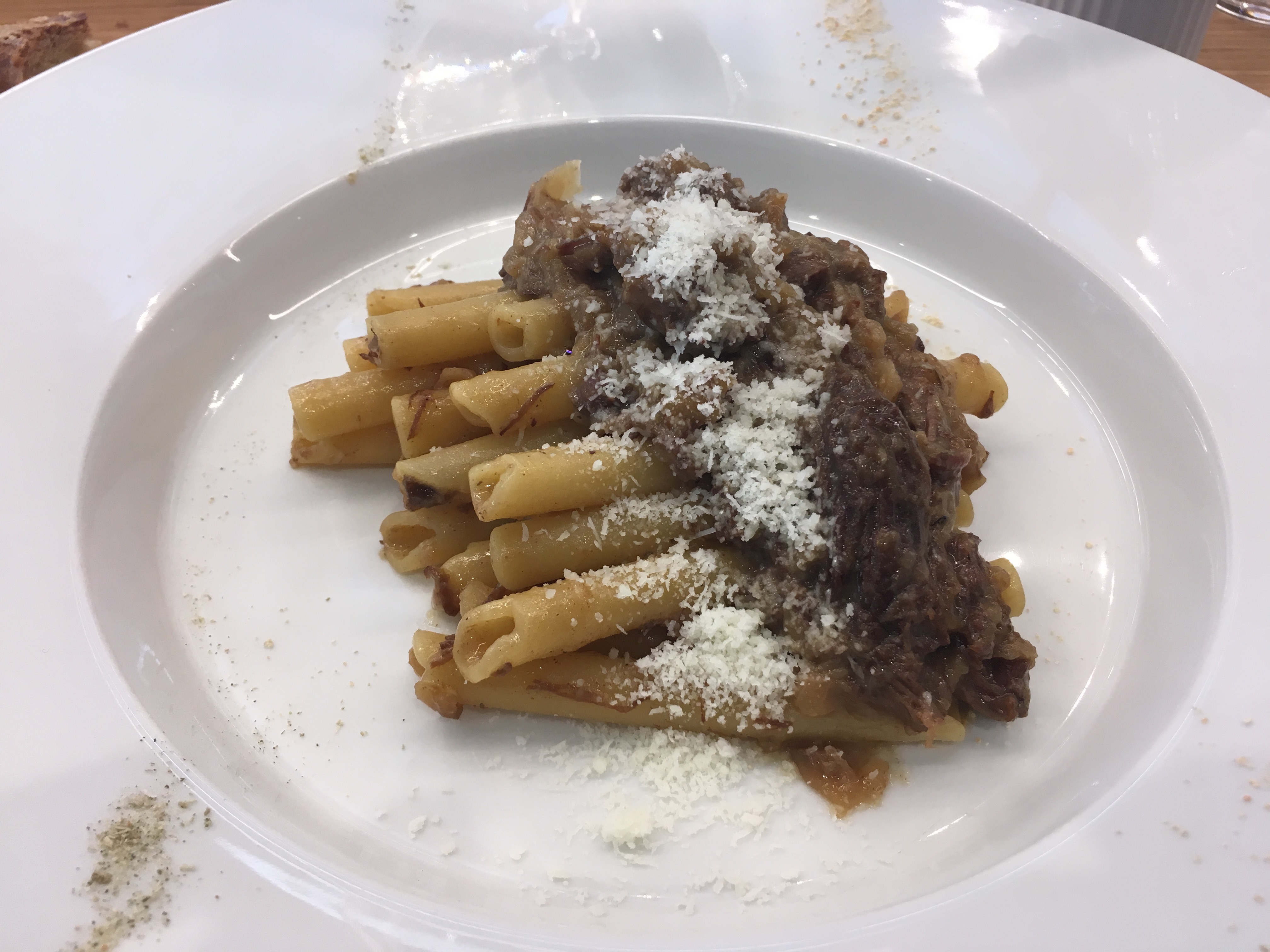
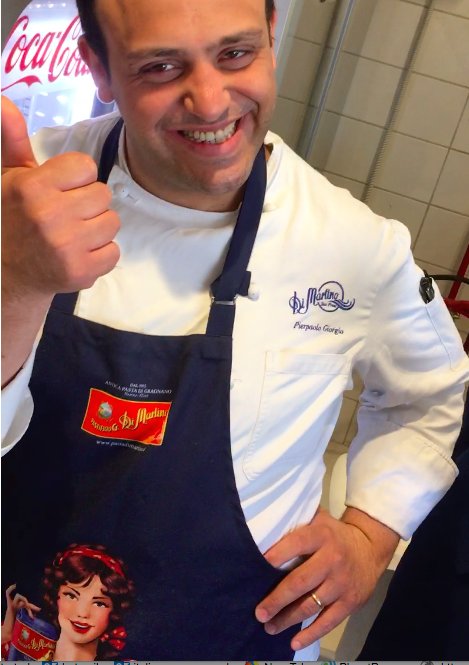
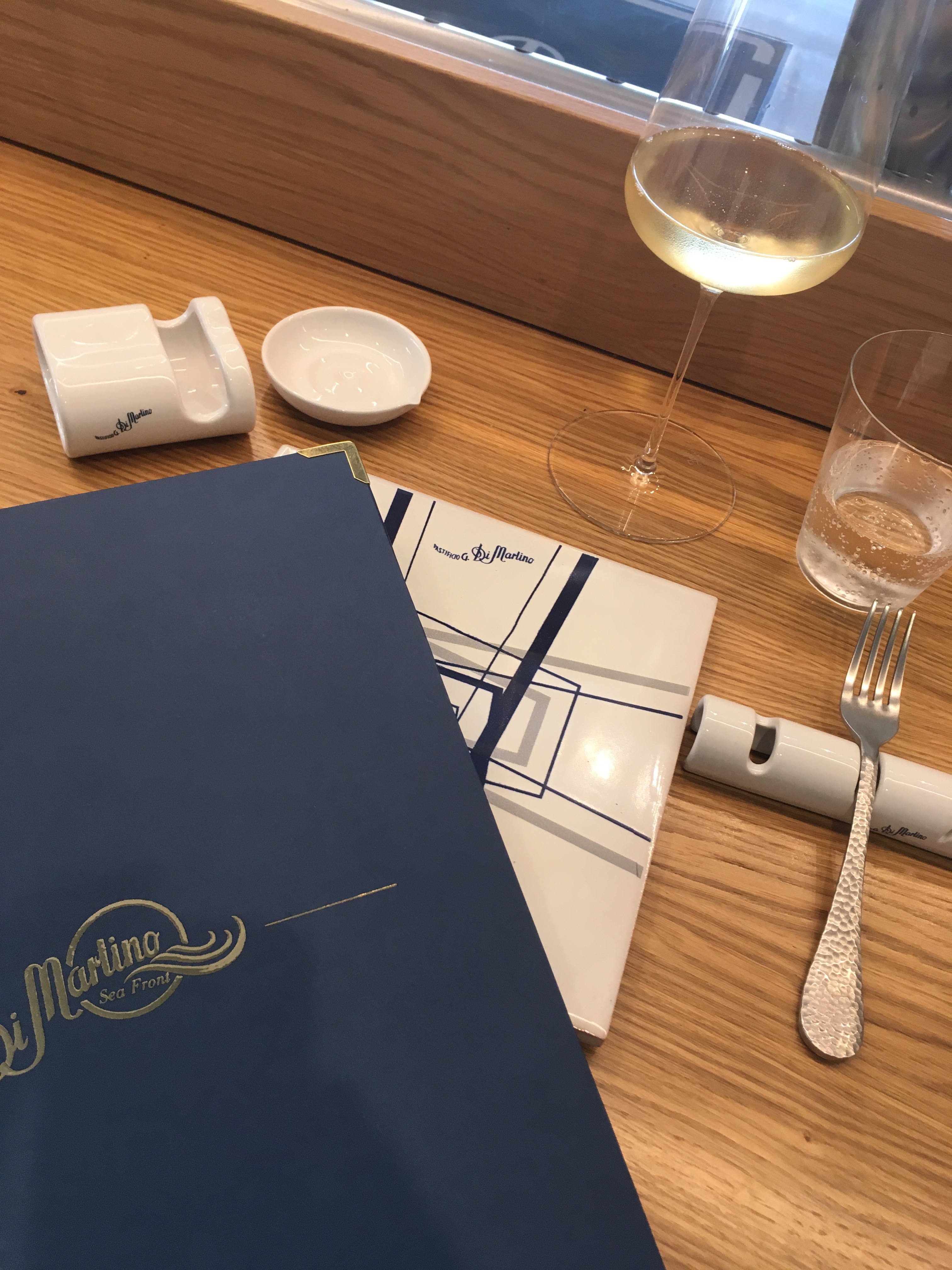 Let’s go upstairs. On the first floor you will find the open kitchen restaurant furnished with seats at the desk where you can appreciate a menu based entirely on Gragnano’s IGP Di Martino pasta, from antipasto to dessert, Under your eyes, Chef Pierpaolo Giorgio, starred Peppe Guida’s disciple and its team will prepare an amazing variety of pasta dishes.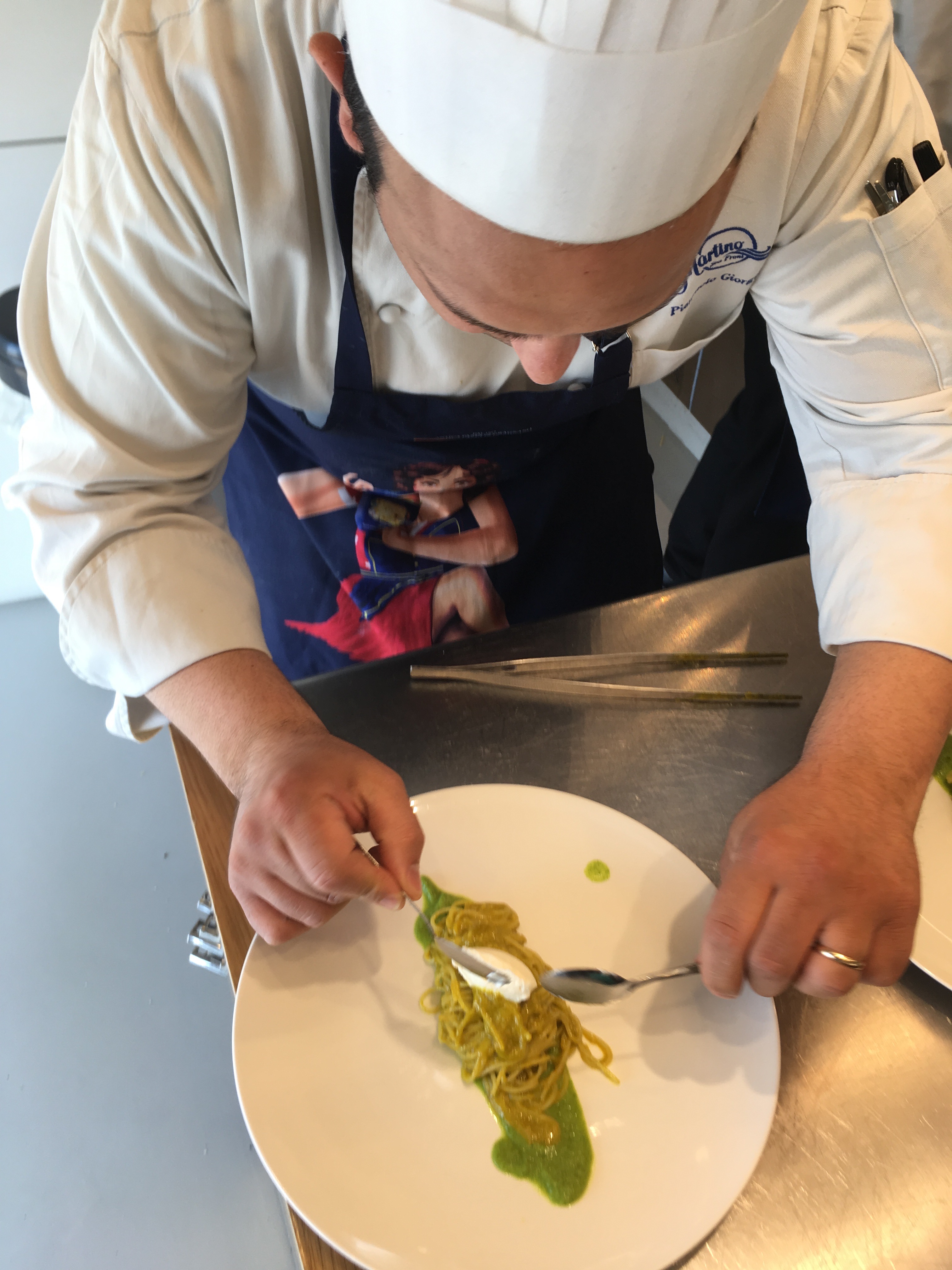



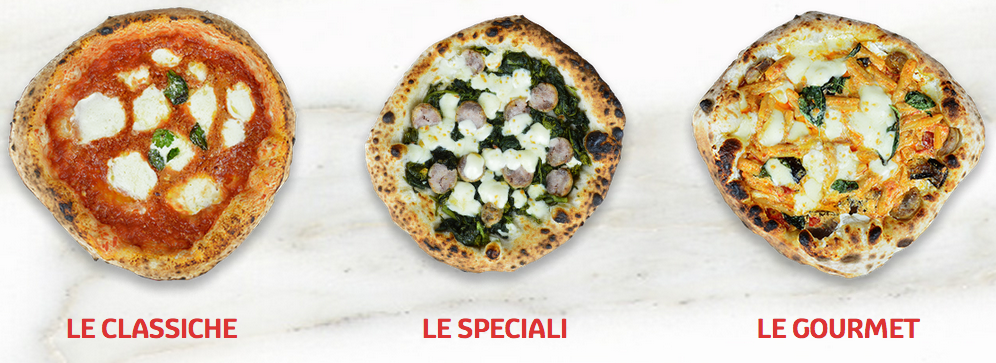

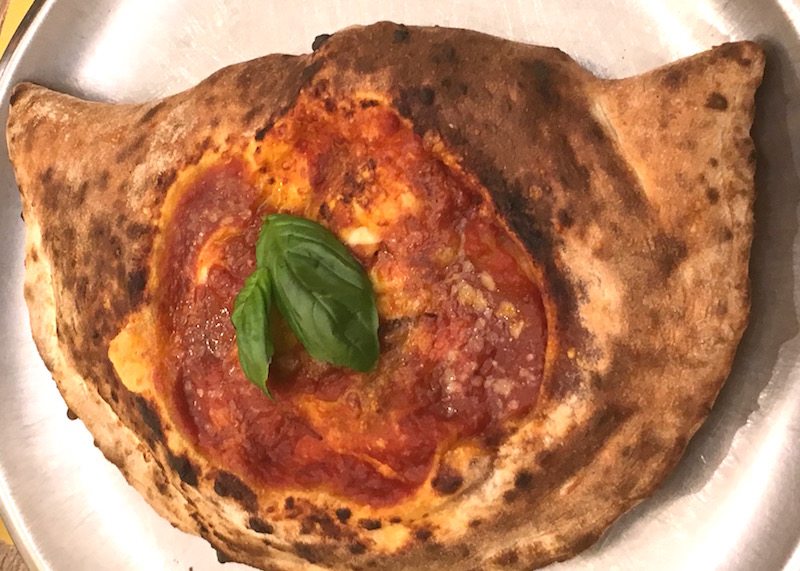
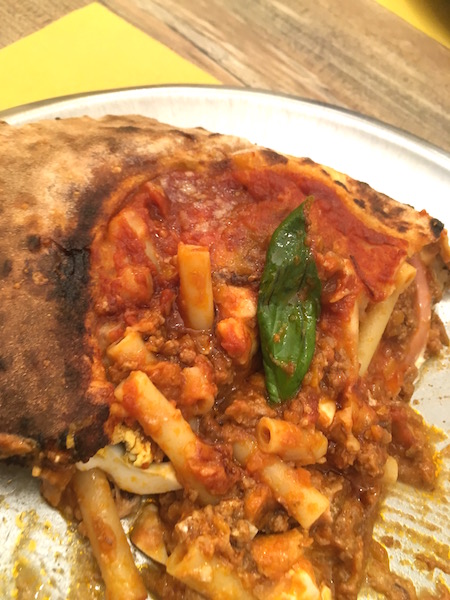
 II was curious about the attuali ( contemporary) pizzas, so I tasted (and loved) the SVB with local salsiccia, seasonable greens, burrata cheese from Andria in a soft cornice , compact and crispy.FinallyI had to try the Acunzo hit: their pizza e pasta, stuffed with a succulent mix of pasta, cheese, tomato sauce.eggs and basil.

 Welcome to the enchanting hills of the Marche region where the past lives in the present and the soundness of its traditions merges with the strength of the innovations in a constant striving for quality in its wines.Today I choose the winery CIU’ CIU’,located in S. Maria in Carro, Offida in the province of Ascoli Piceno. Ciù Ciù wines are the authentic expression of the company’s commitment and tradition, the result of research and quality in both the vineyard and in the cellar, but also of a natural wine-growing ecosystem of quality with a “terroir” (microclimate, soil and subsoil) that is unique and irreplaceable.
 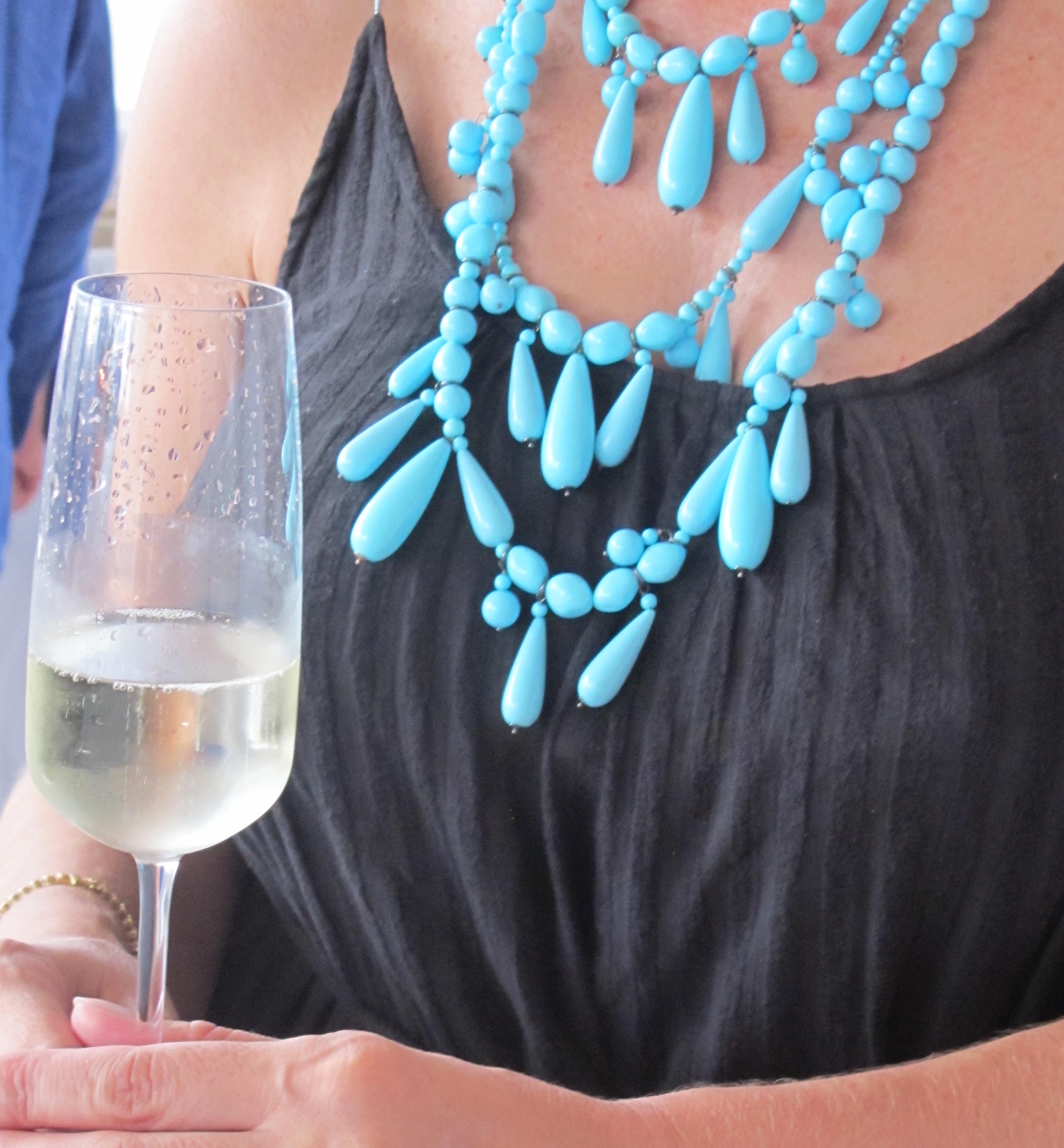 The hospitable and elegant Ciù Ciù showroom is open to anyone wishing to embark upon a tasteful experience such as this: the red and white organic wines are matched with samplings of products typical of the Marche tradition, bringing out the best in them and offering an explosion of taste in perfect harmony. If you want to live this experience, book your tasting.
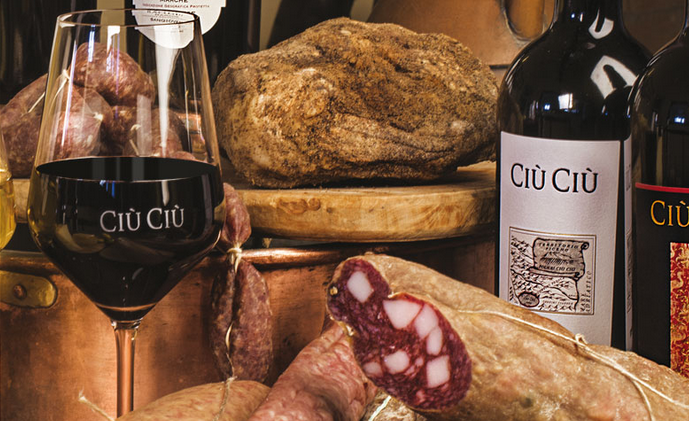 A range of organic red wines that express quality, derived from the natural wine-growing ecosystem of the range of hills that slope downwards from Offida to the sea. In 2017
 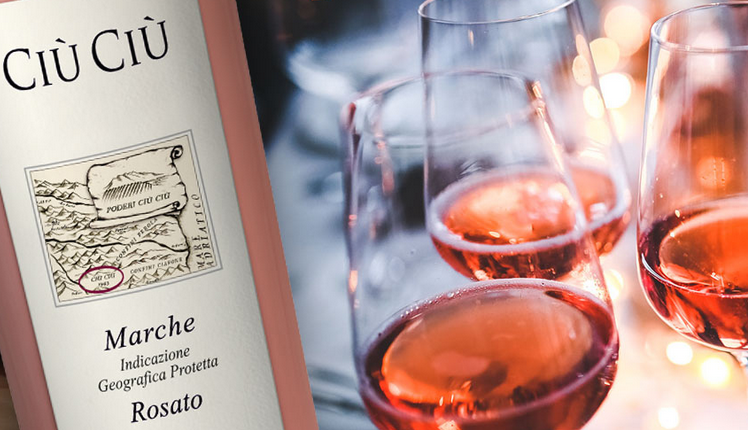 The Rosato is a delicate organic and vegan wine rosé wine with an intense colour and a fruity bouquet, which is selected from Sangiovese and Montepulciano grape varieties growing up the “Piceno” hillside.
 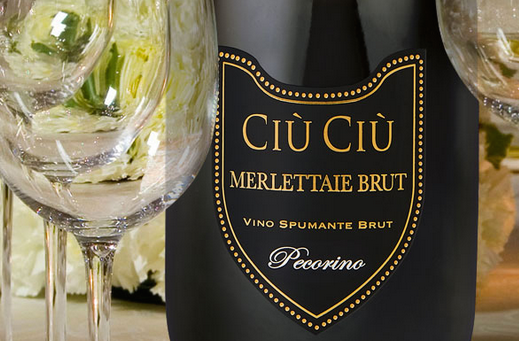 Last but not least , two wonderful sparkling organic Spumante wines boasting a vibrant colours and an intense bouquet; the Pecorino Merlettaie and the Passerina Altamarea, great with Ascolana style stuffed olives and fish courses.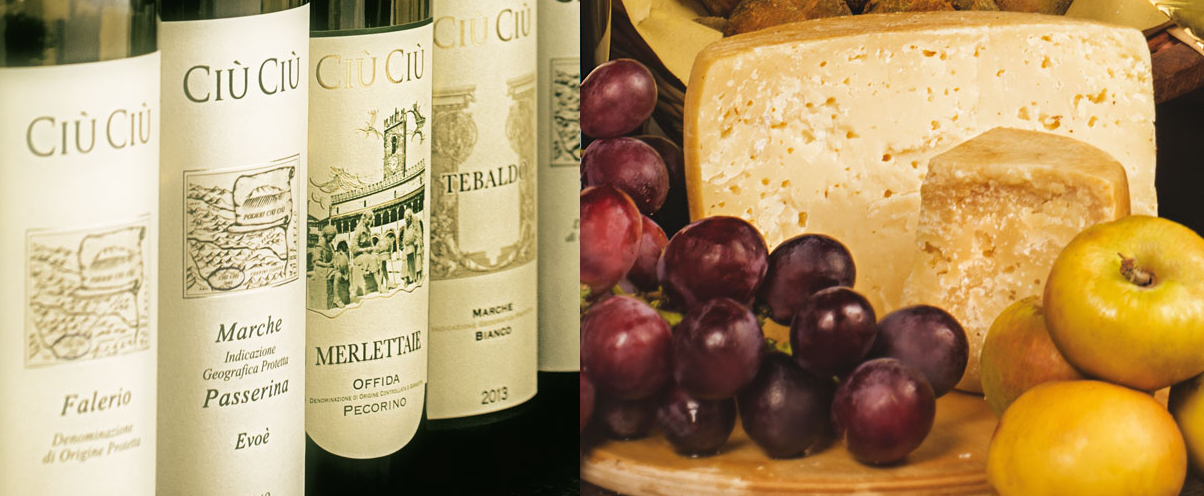
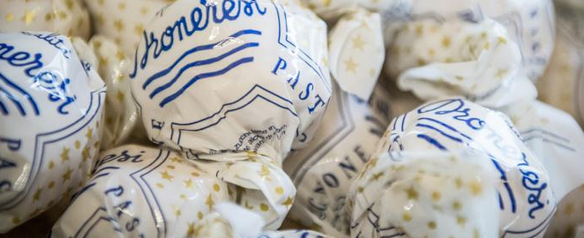
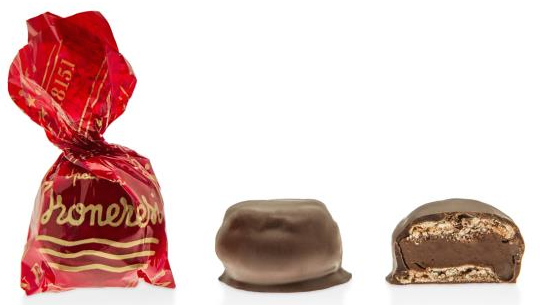 Welcome to Dronero: a tiny medieval town in the province of Cuneo, Italy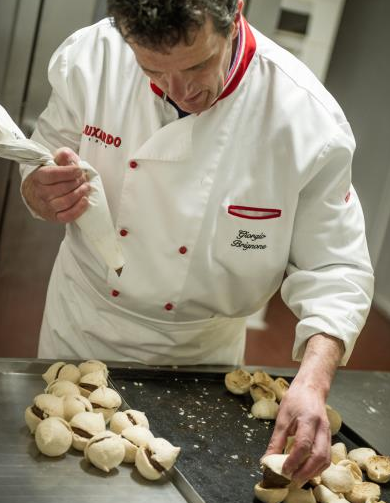
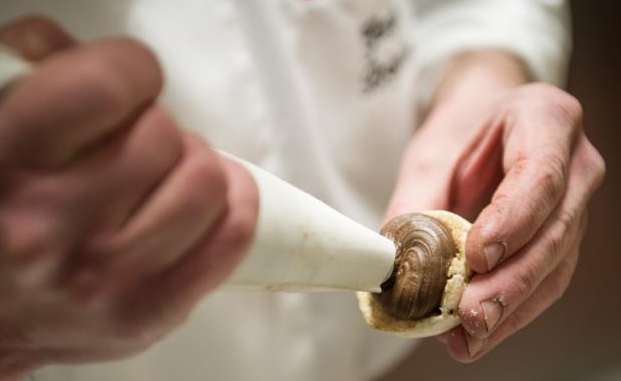
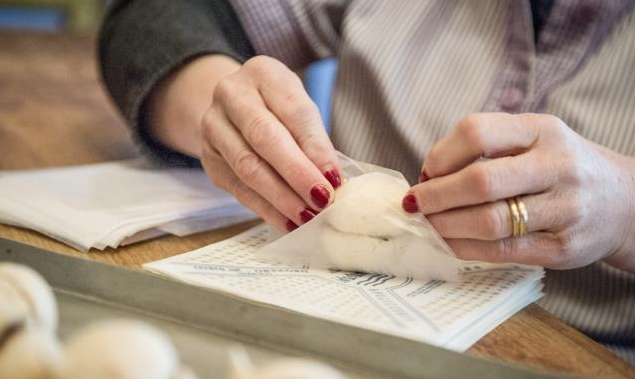
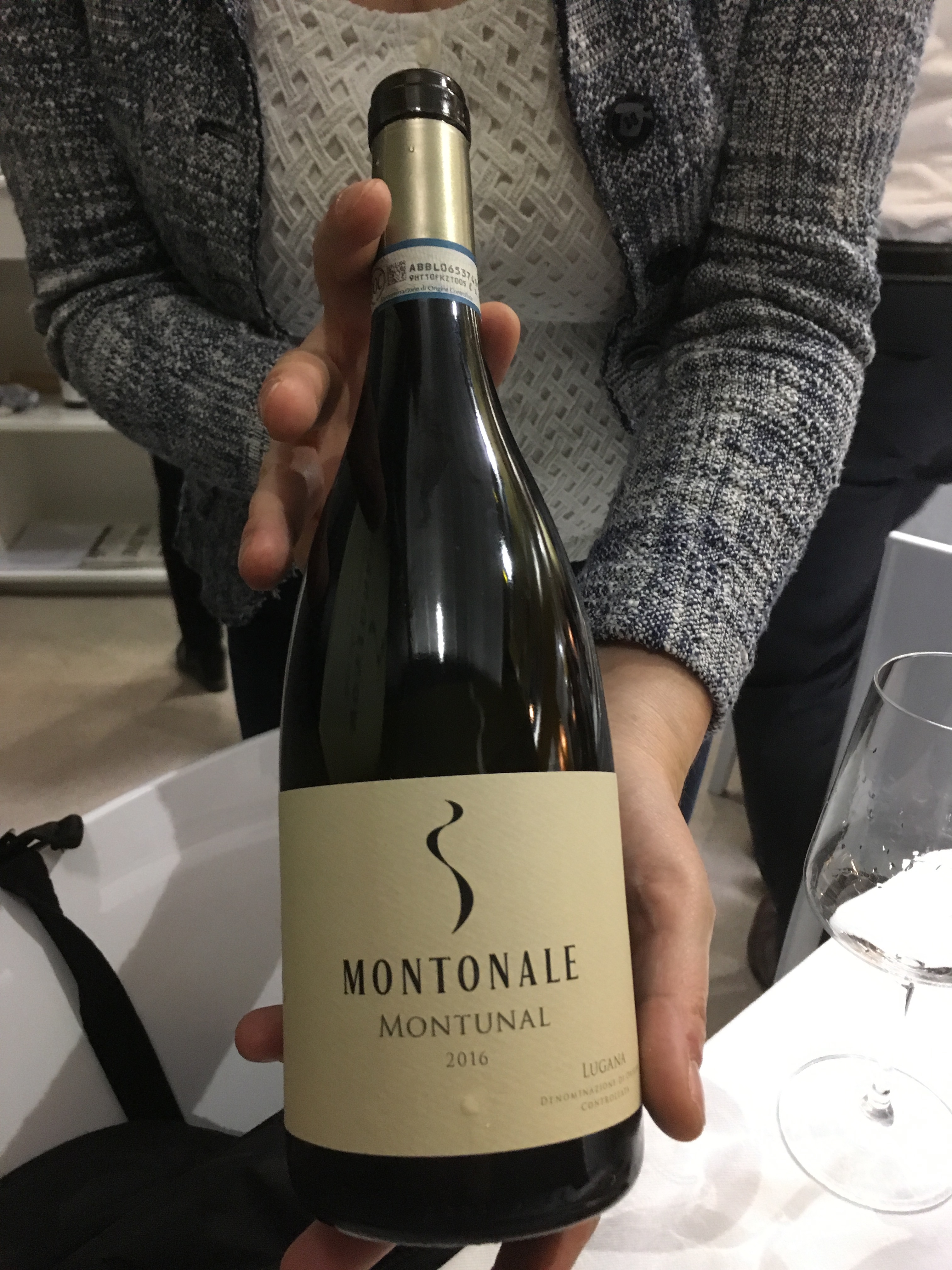
 At 2018 Verona Vinitay, I had a wonderful surprise when I met with
  The harvest is performed exclusively by hand, September through the end of October,
 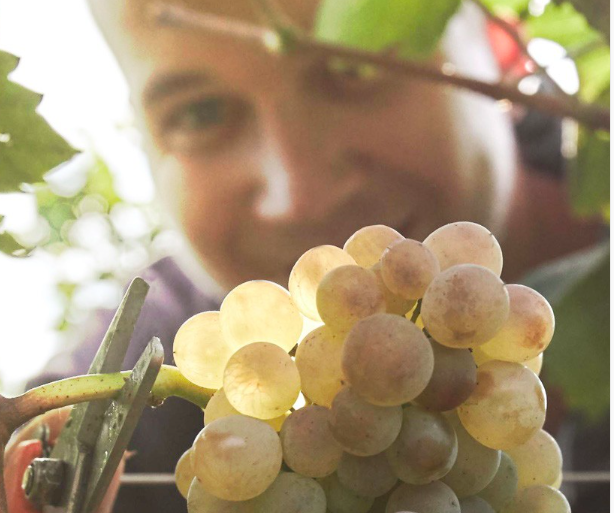 while the grapes can reach a perfect ripeness thanks to the great sunlight exposure and the good ventilation.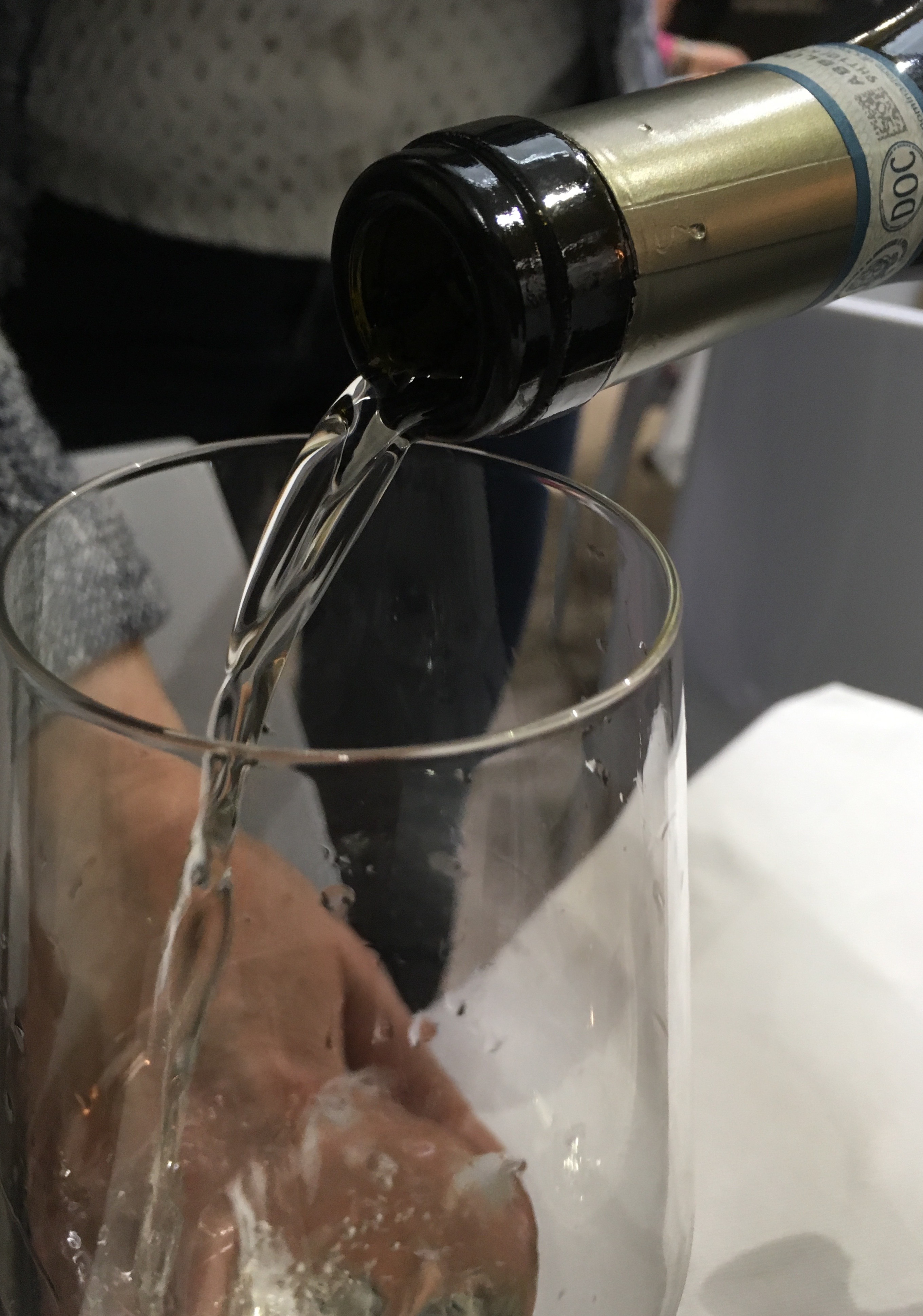
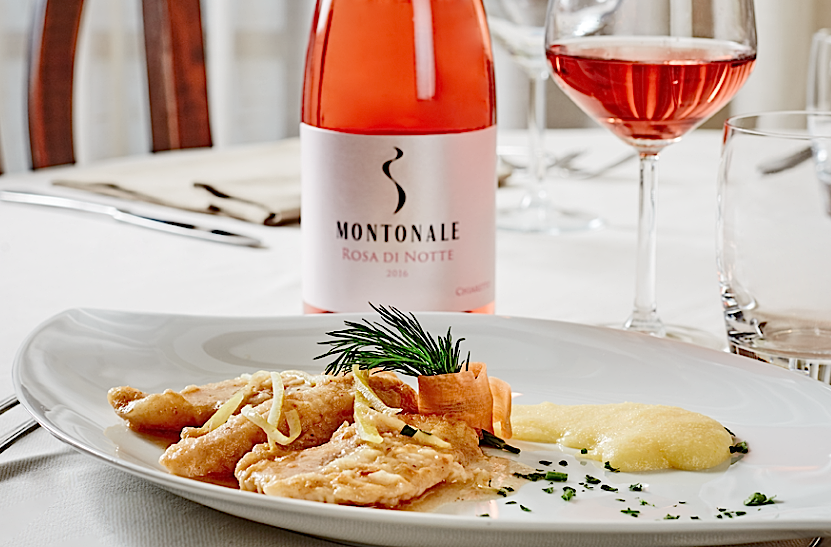
 Let me take you to Venice to taste the traditional cake Veneziana. It’s delicately soft on the palate and it’s delicious for breakfast or as an afternoon snack. It’s a mixture made of milk, eggs, flour and butter, topped with sugar and almonds.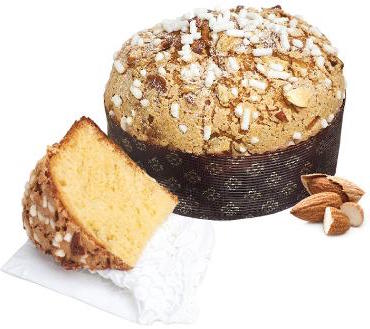

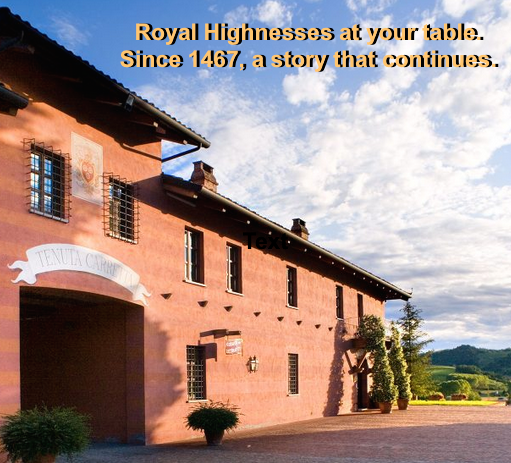 Today I take you to
 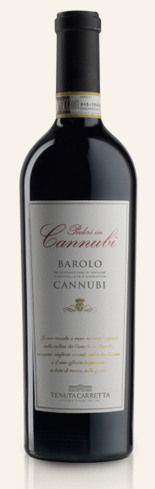 1467 and located in the Roero area, in the South of Piedmont Region, Italy .The property’s vineyards also extend close to the Langhe, such as 2.6 hectares in Barolo on the prestigious Cannubi hill, from which the nebbiolo grapes destined for the production of the celebrated Barolo Cannubi, a wine of grand character, elegance and longevity.Thanks to the vines’ exposure to sun and to the particular microclimate, it is a wine of grand character, elegance and longevity, thanks to the exposure to sun and to the particular climate.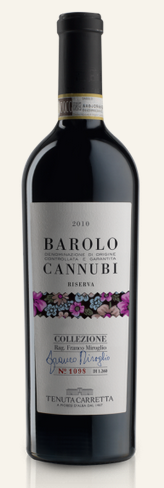
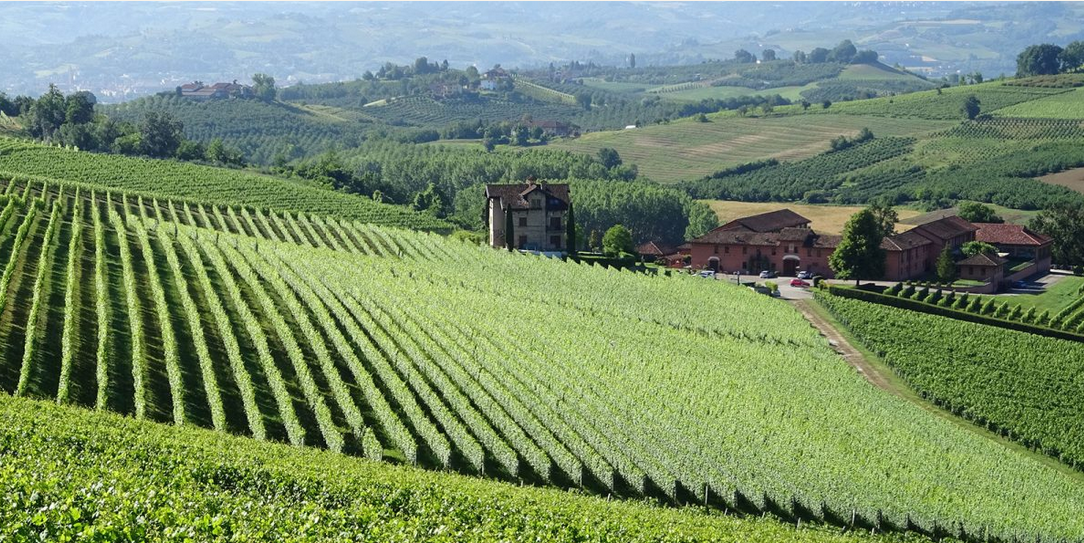 Guided visits to the winery, the elegant Charme Hotel and a welcoming Enoteca – Wine Shop, make up the rest of the mosaic.I saved the best for last…
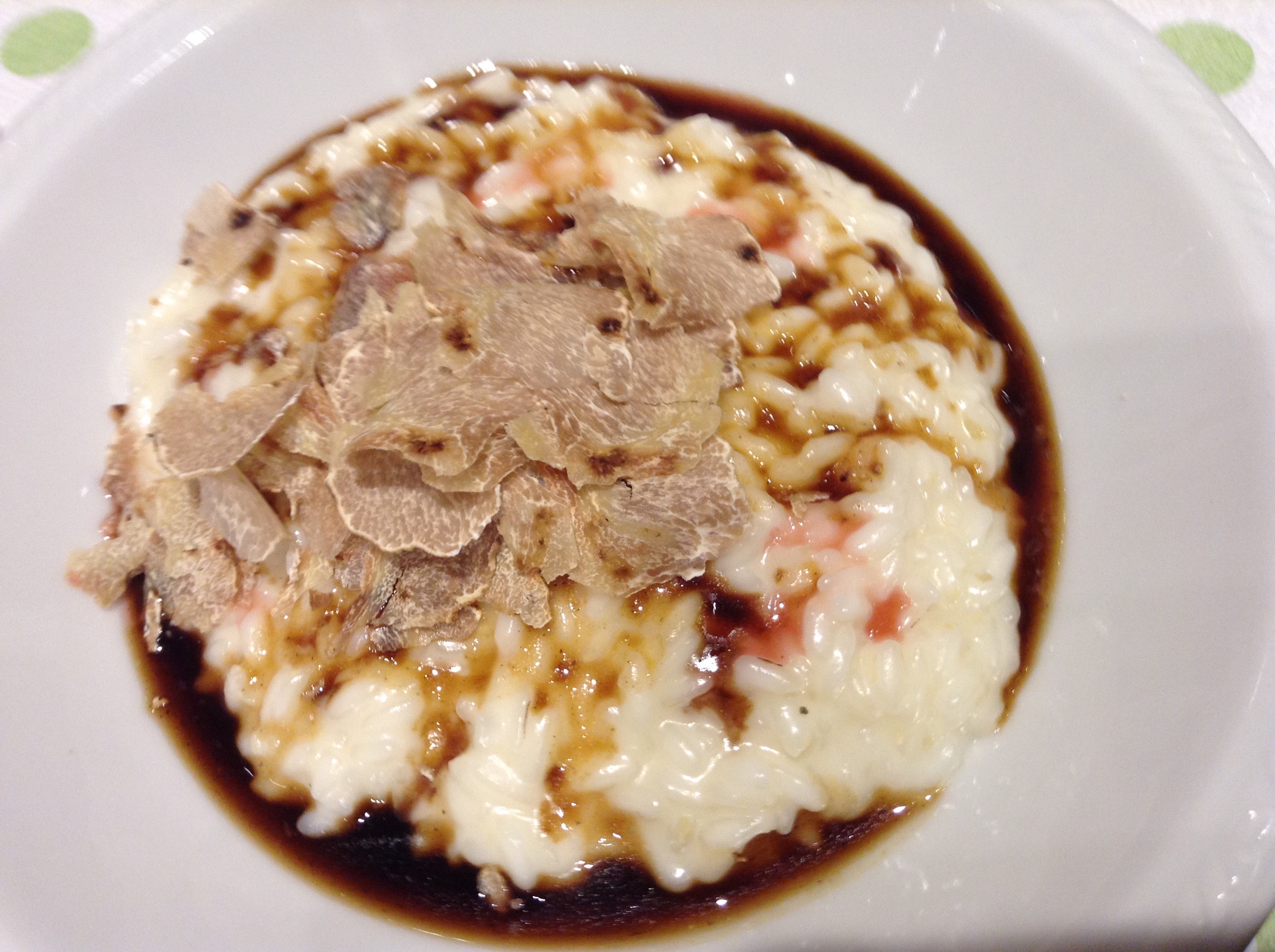 -end restaurants where your dishes will take to meet the royalties of the territory: the tartufo bianco di Alba ( Alba’s white truffle) and the porcini.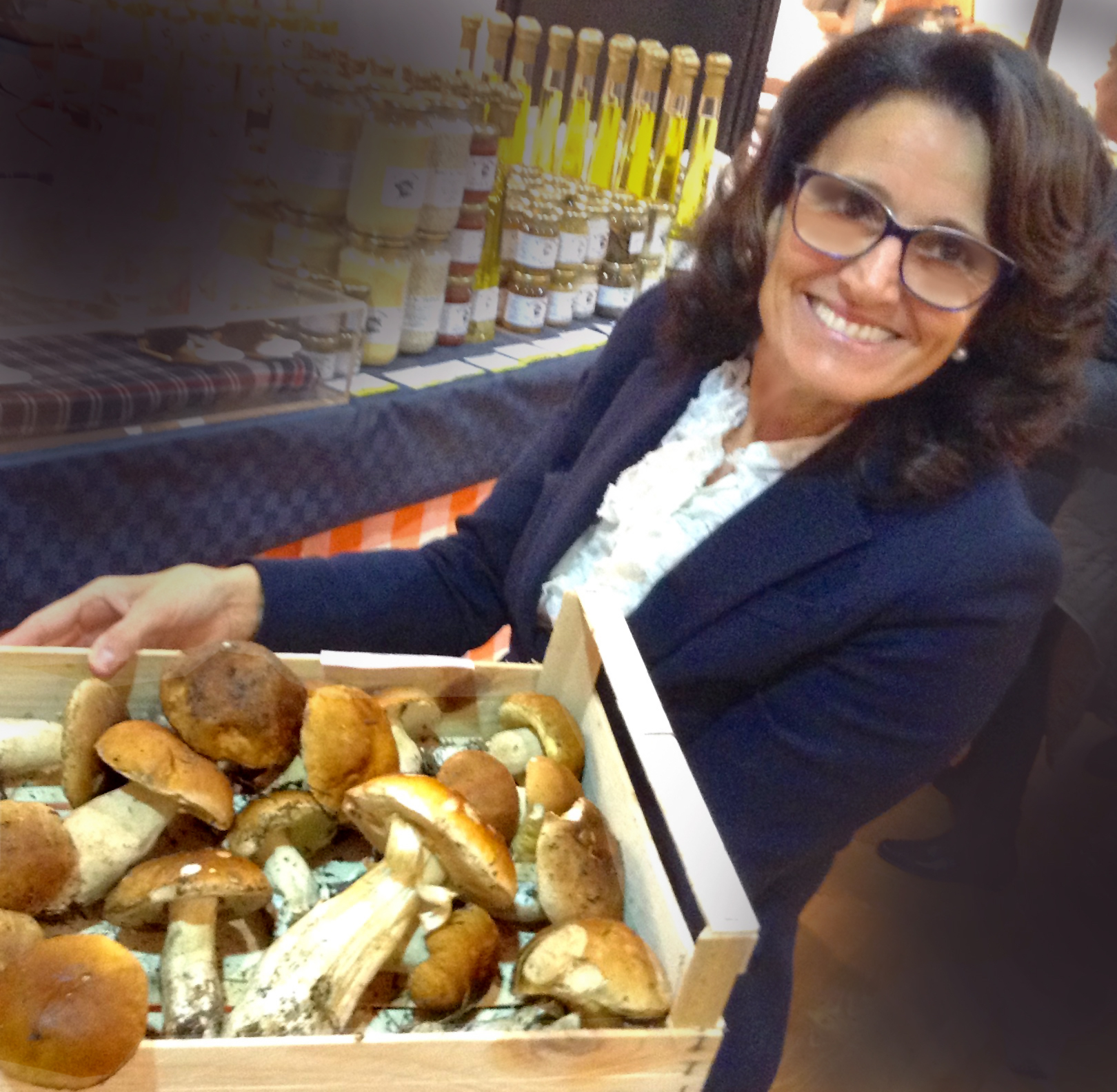



 They were 30. They became 9. Yesterday only 1 ….
 after three years of siege, captured the town of Pavia in northern Italy on Easter Eve. Evading the guards, an old baker was able to reach the king and offer a dove-shaped leavened bread. “Alboin,” he said, “I offer this symbol, as a tribute to peace, on Easter day.” The sweet scent and the convincing message persuaded the king to give a promise of peace. That’s the legend.The dove we know today has a more recent origin and, I should say, a more prosaic version of the history. In the early 1
 930s the Milanese company Motta specialized in panettone, a cake produced only for Christmas. Unhappy to have their machinery unused for many months, Motta decided to package a similar product to be sold during the Easter holidays.
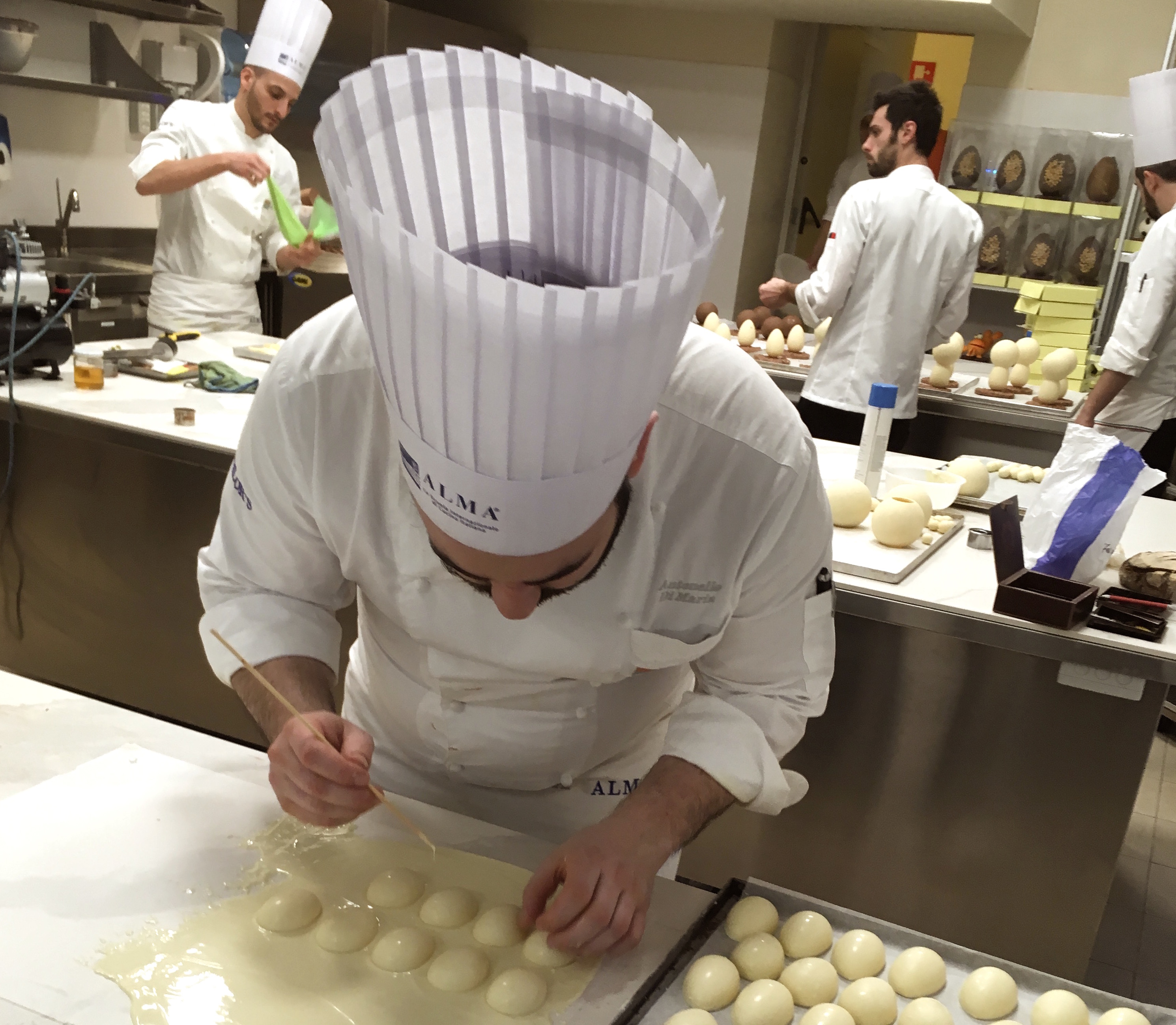 After a long rest, the dough is portioned in different sizes for an additional four hours of leavening, then covered with almonds, sugar and amaretto. Since its birth, the colomba was enriched by many variations and a variety of different icings and fillings.
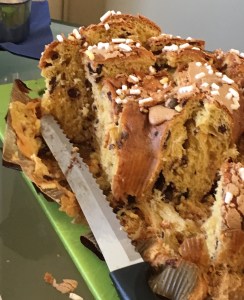 urs before it is finally packaged.
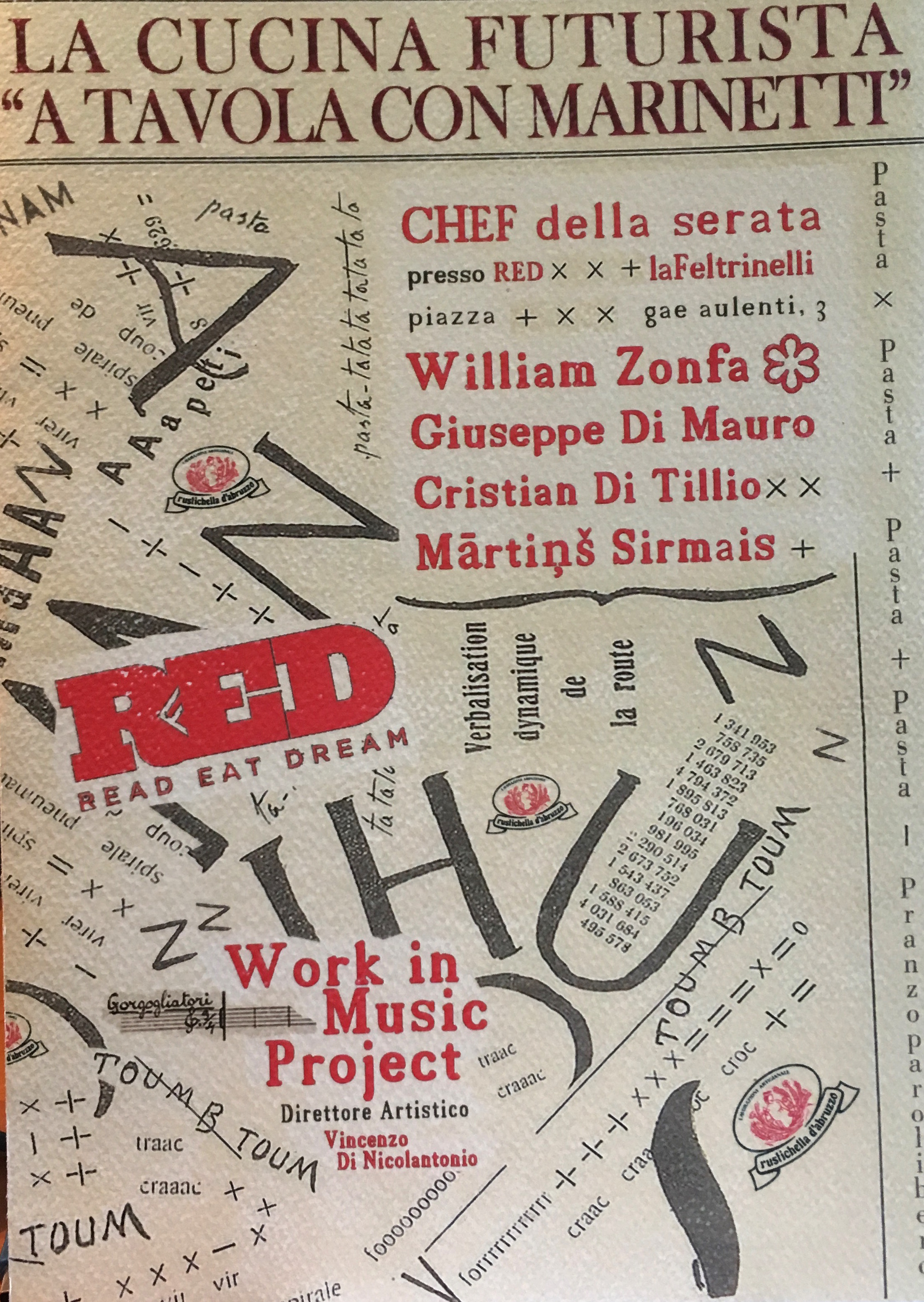
 Italy,1909. The ‘futurismo’ artistic movement is born!!
 To celebrate the rhythm of futurism,
  This
This 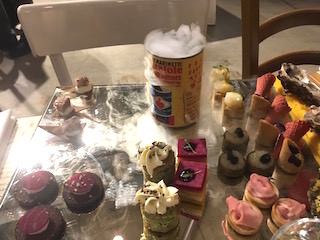
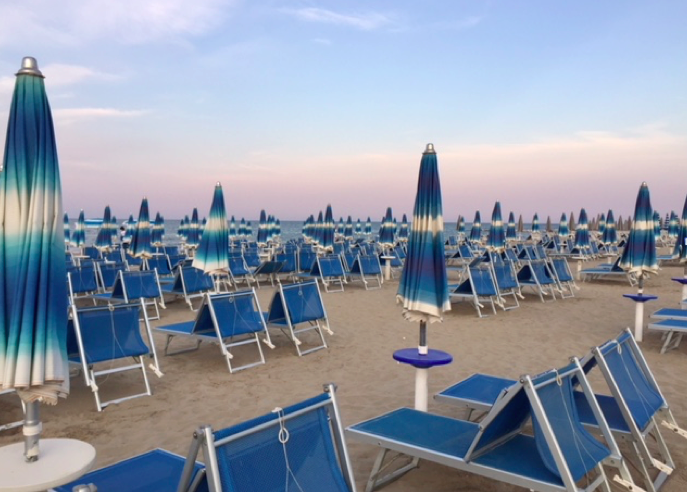 I knew it only for the famous beach town of Rimini (birthplace of Federico Fellini and of beach umbrellas according to some, and the historic city of Ravenna, which served as the capital of the Western Roman Empire (from 402 to 476). But wines, no, “I was dry”, as we say in French, not a clue as to what to expect…
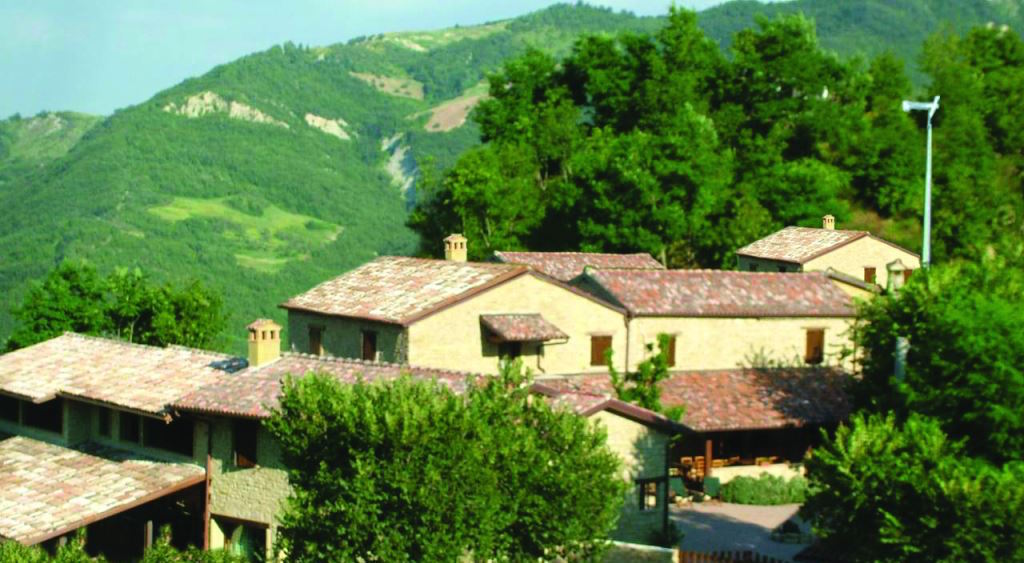 harming Fattoria
  It was a Sangiovese which, I was told right away, was the most prized and celebrated red grape of Romagna. Everyone tends to associate the noble grape with Tuscany, the region immediately to the South, with its world-famous Chianti and Brunelo di Montalcino. Even though Sangiovese has not reached those level of notoriety in Romagna, the region can definitely boast of a deeply rooted wine culture. After a few glasses, an old saying came up, revealing the generosity of the Romagnolo people and their love of wine. If a stranger knocks at the door of someone in Emilia, he is offered a glass of water, in Romagna… a glass of wine!. This sense of hospitality connected to wine culture was perfectly exemplified during our visit of the medieval town of Bertinoro. The symbol of this perched little city is its 13th century column with twelve metal rings, named the “column of hospitality” photo). Each ring was associated to one of the local noble families and when a traveler arrived into town and tied his horse to one of the rings, he would automatically become a guest of the family associated to it
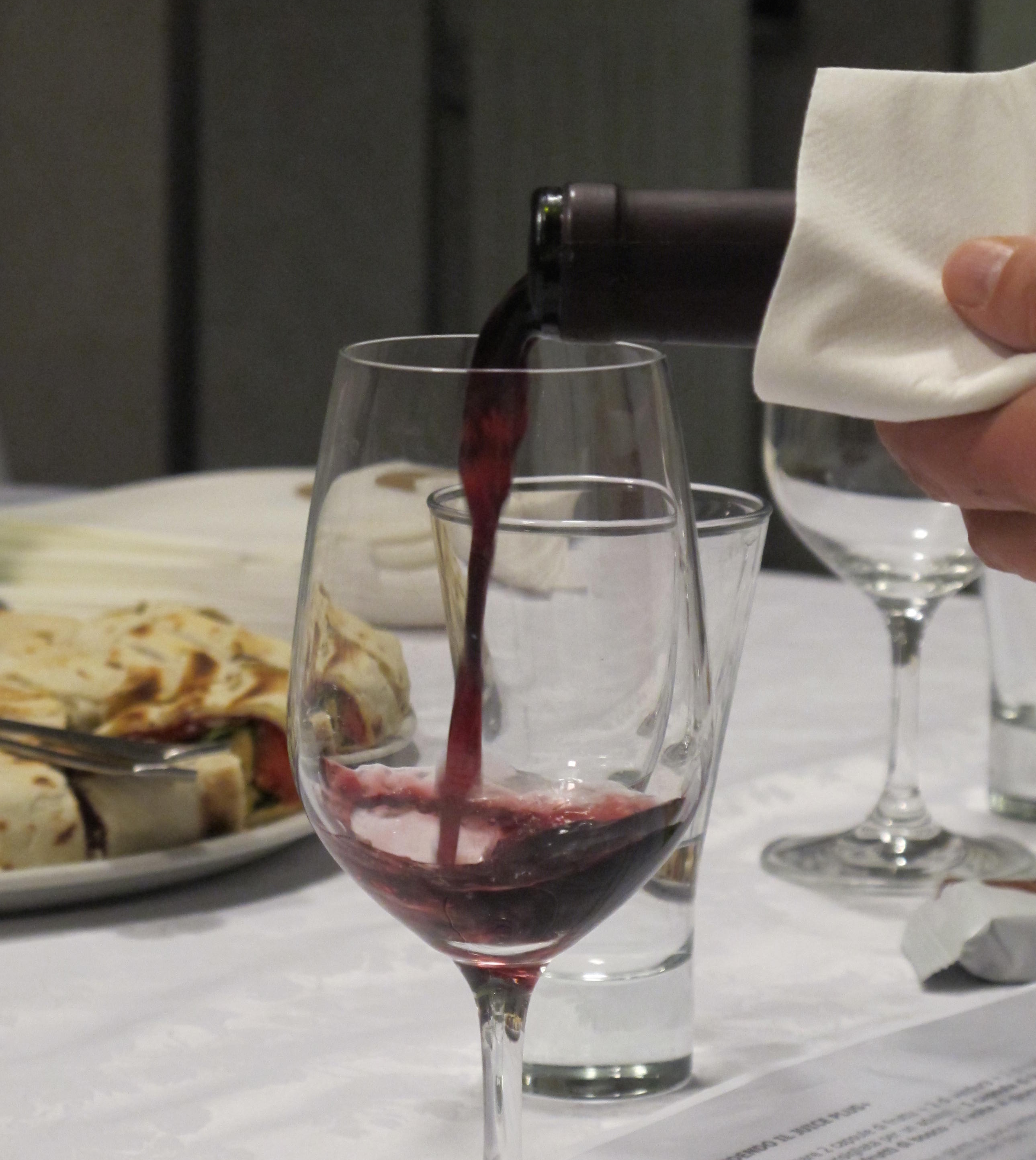
 We didn’t arrive on horses, but were just as warmly welcomed at the beautiful visitor center with an in-depth presentation of the local wines. This was my first encounter with Romagna’s most celebrated white wine: l’Albana, unique to this region. The 2016 “I Croppi” from Celli winery (photo) revealed a white unlike any other. Golden in color, the wine had a serious body and boasted 14° of alcohol.
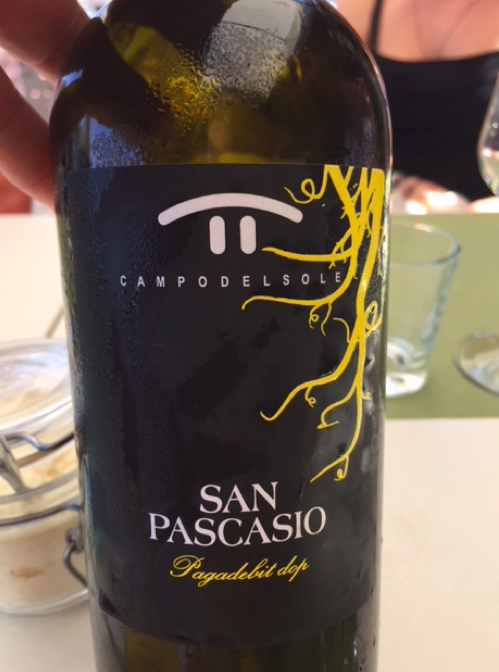
  One of the distinctive tastes I noticed was a lingering ripe apple flavor and it felt like it had some tannins. It is actually sometimes called the red wine made in white and it can pair meat dishes as well, if not better than seafood. We tasted a local 100% Sangiovese, bold and rich with 14.5% alcohol, but my second thrill came with the second white wine we tasted: the 2016 San Pascasio, Romagna Pagadebit DOP (photo), from the Campodelsole winery. Unlike the Albana, this white had a vivacious acidity and a refreshing minerality. Aromas and flavors of exotic fruits and elderflower were delicious. I was wowed and seduced immediately. Pagadebit is made from the Bombino Bianco grape, which, unlike Albana, is not unique to Romagna. It can be found in central Italy all the way to Puglia, but it has definite terroir characteristics here in Romagna and must count for at least 85% of the grapes for the Pagadebit di Romagna DOC. The name is a story in itself. “Paga-debit” – literally “pays your debt” in Italian – comes from the grape’s reputation for being high yielding and a reliable crop for vineyard owners to grow, assuring that each vintage would enable them to pay off their debts.
  But the latest report regarding the 2017 vintage is rather alarming and almost puts in question the validity of the promising name. My source is Mauro Sirri, co-owner of the Celli winery in Bertinoro. In his 34 years of winemaking experience, he has never seen such precocious harvest, which started on the 8th of August, about 3 weeks before than usual, due to high temperature and scarce rainfall. So much for those who have doubts about global or local warming! The oldest vines, benefiting from deeper roots, reacted better, but the average yield still dropped by 50%, putting at risk the financial balance of wineries.
 The wine collection is also exceptional (photo du mec?) and I really liked the 2016 Albana “Neblina”, produced by Givana Madonia, which had a very pleasant acidity
 r Pagadebit (blended with 15% of Sauvignon Blanc) was fresh and vivacious with a floral nose and a crisp finish. Besides those two established whites in Romagna, we had the chance to discover a third one, called Famoso, in reference to the name of the grape which it was made of exclusively. Ironically, this indigenous grape from Romagna has been rediscovered in the last ten years or so after a period of abandonment. Fame comes and goes I guess. And what a flamboyant come back this was in the glass with this 2016 vintage: totally charming white, light, with only 11.5° alcohol, but intense with its floral aromas, notes of tropical fruit, and a long, clean, lip smacking finish. Cesare and I fell in love with this rarity and decided to buy a few bottles to take home and share with others. In spite of its name, Famoso won’t be in the aisle of your supermarket anytime soon! Look for it at your specialty wine store, but better yet, plan a trip to Ravenna.
 (where you can take traditional
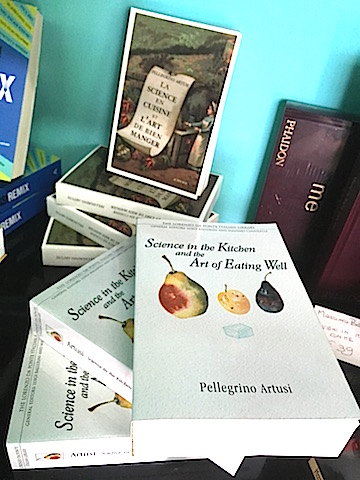
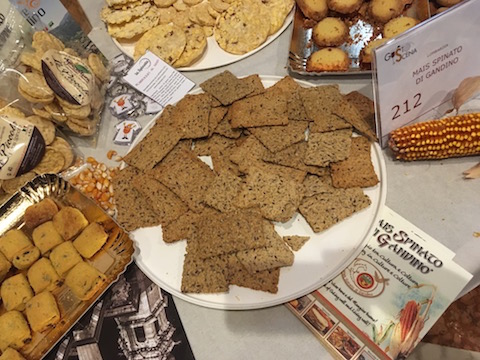
 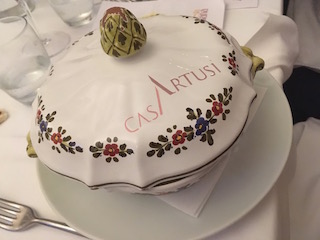 cooking classes, as well as learn about one of the legends of Italian cookery in the name of Pellegrino Artusi whose monumental La Scienza in Cucina e l’Arte di Mangiar Bene was first printed in 1891 with 700 regional recipes. The whole town during these few days pays homage to the legendary food writer by putting certain of his recipes on the menu of established or ephemeral restaurants. Food stands abound and enable you to taste specialties from Romagna and elsewhere.
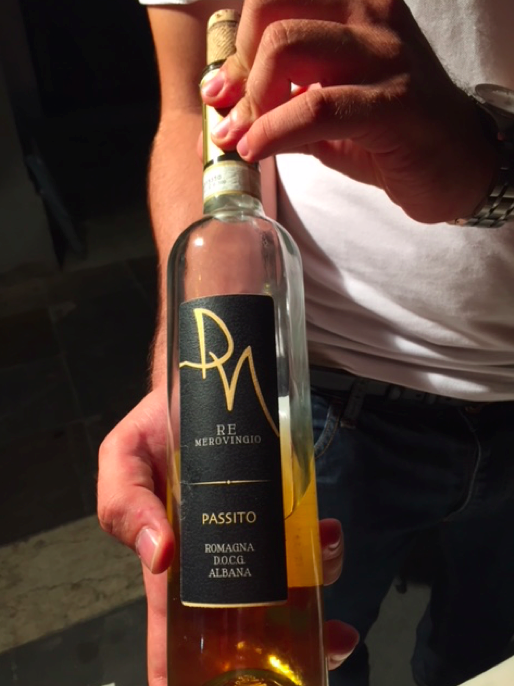 Beverages are also part of the feast of course, from local microbrewery beers to local wines. One stand had me taste an Albana Passito, sweet and intense, beautifully balanced with just enough acidity to make you want to have another sip. This final tasting note still lingers in my mind and the unique wines of Romagna will have me go back again, that is for sure.
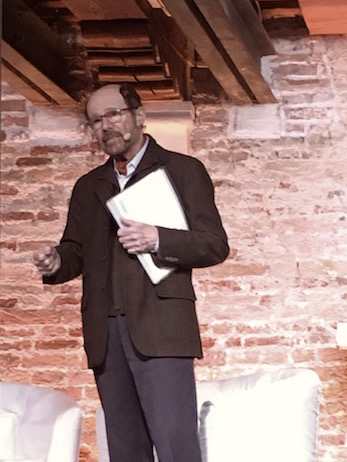 author of La Cucina del Senza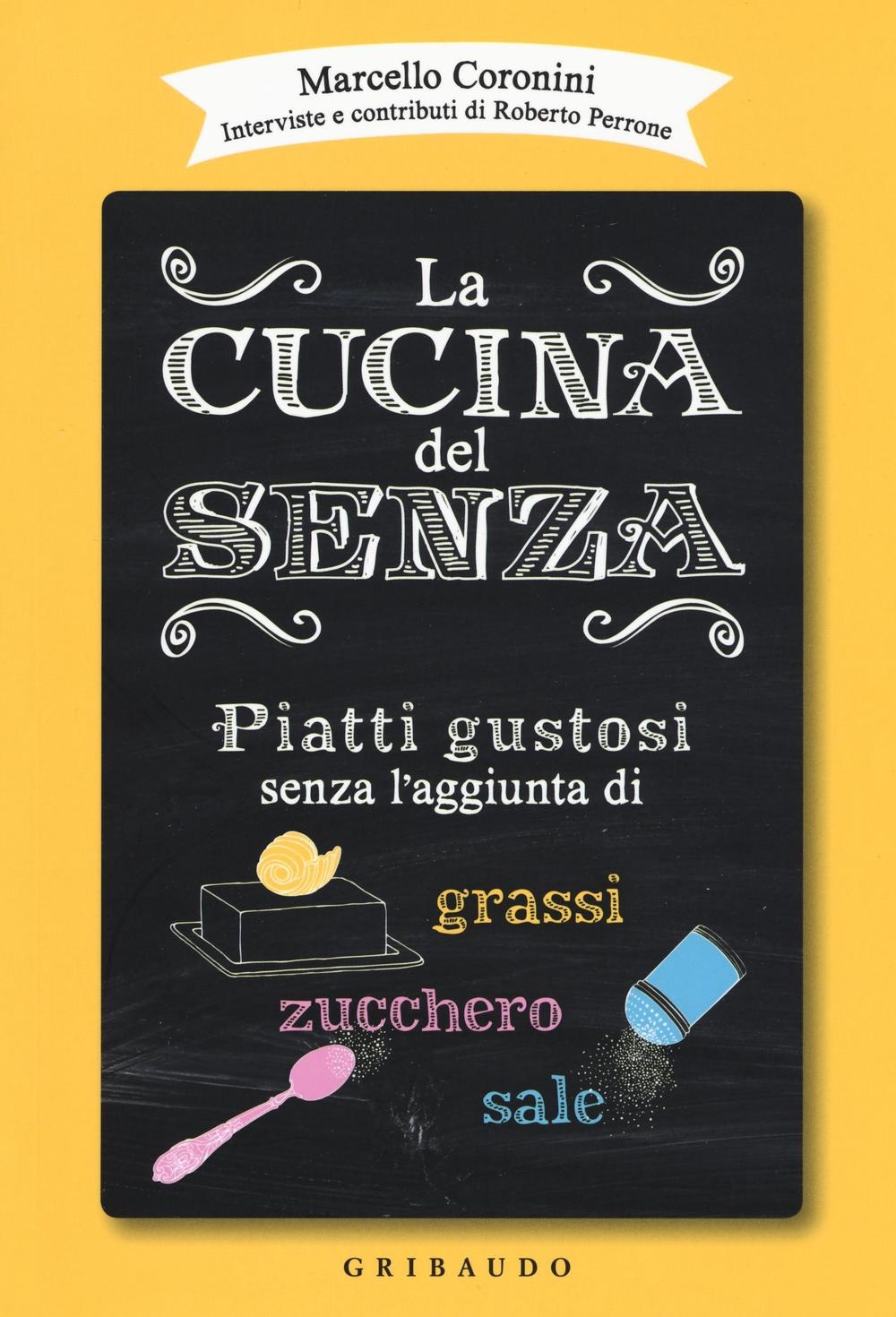
 The mission was to serve
  I like to mention Oliwer Glowing, from ‘La Tavola, Il Vino e la Dispensa’ in Rome, Luca Marchini, from ‘L’erba del Re’ in Modena, Luca Veritti from Met Restaurant at Metropole Hotel in Venice,
  Veneto recipes, and a futurist style through which the same recipes are elaborated and proposed in a creative way. I should mention all of them, but I like to keep some secrets, teasing you to attend to the next edition of G
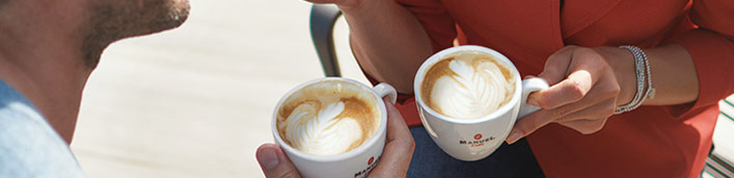
 Manuel Caffè, t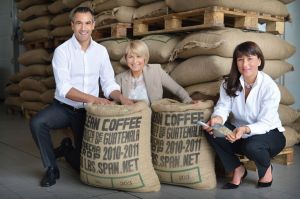

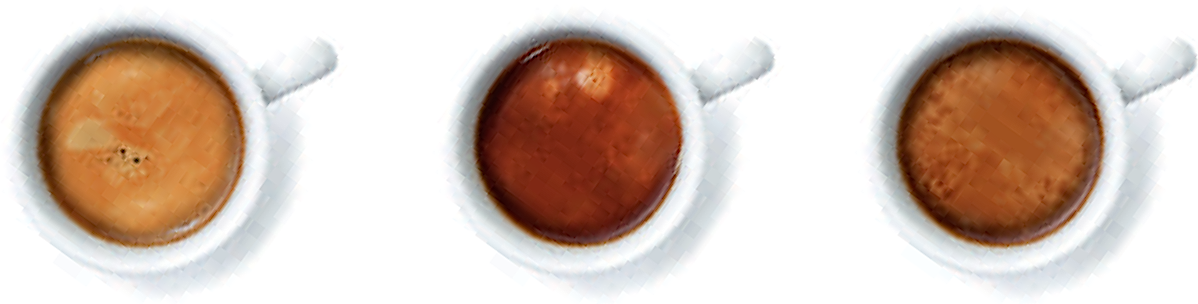
 More info at


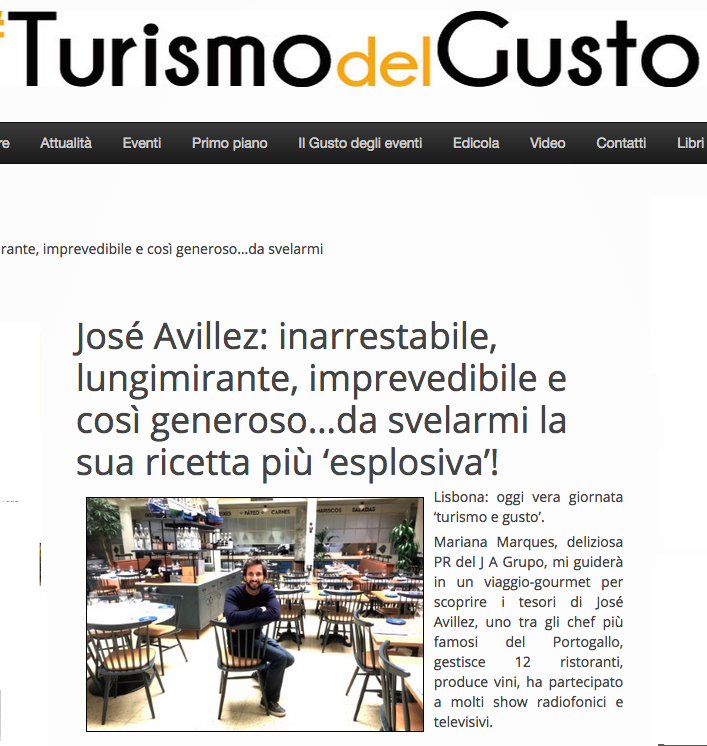

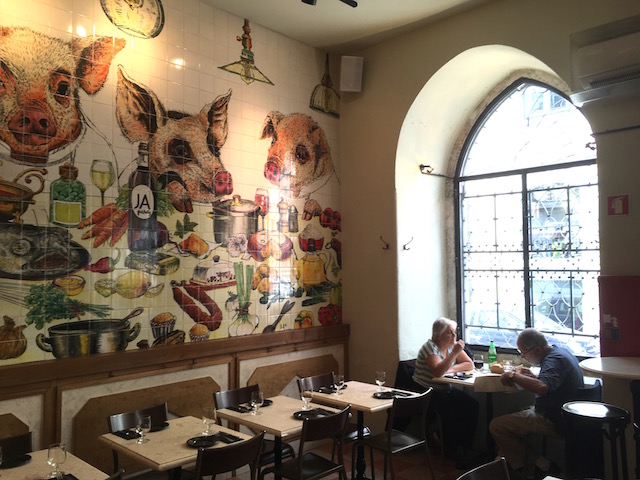
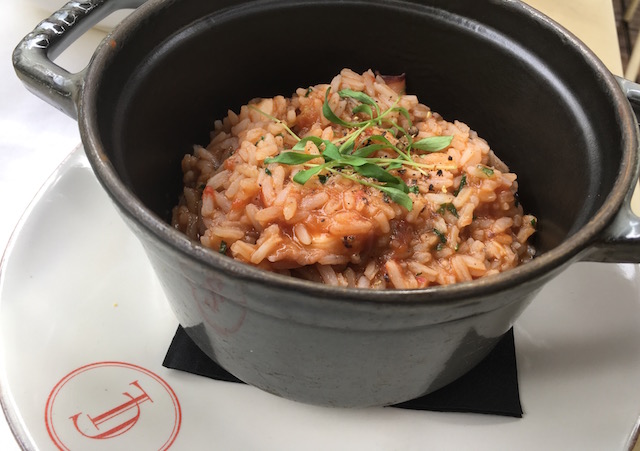
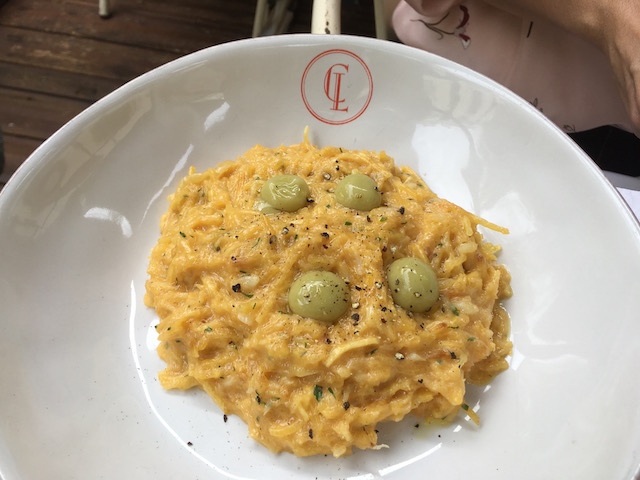
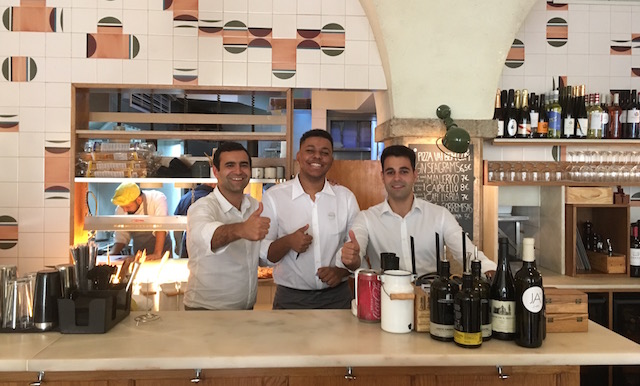
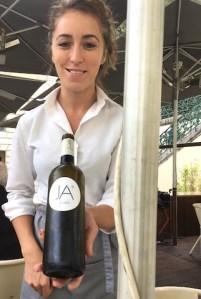
 Nel menu non poteva mancare il pastéis de nata, iconico dolce di uova, latte, mandorle, zucchero e cannella.Nato nella celebratissima versione di Belém, venduta nell’omonima pasteleria che fiancheggia il superbo Monastero dos Jerònimos.Nato nella celebratissima versione di Belém, José, oltre che nella versione tradizionale, lo propone anche in versione salata, con una croccante sfoglia ripiena di carne stufata per molte ore.Il tutto innaffiato da un fresco e aromatico JA Branco dai vitigni Viognier e Arinto..
 Gran finale: un dolce incluso nelle sette meraviglie della gastronomia portoghese, lo storico budino dell’Abate di Priscos, considerato uno dei più grandi chef del 1800.


 L’inarrestabile José non si ferma.




 nontouristytourist.com