
 Text and Photos © Cesare Zucca
(italian and english version)
Welcome to the western part of the province of Asti, between the Tanaro river and the steep Moscato hills, characterized by a predominantly hilly landscape, enriched by historic villages including Moncalvo, Grazzano Badoglio, Montemagno, Vignale, many small pearls in a sea of hills and wine-growing landscapes which have become a UNESCO world heritage site, featuring places of art such as Palazzo Alfieri, the Risorgimento Museum, Palazzo Mazzetti.
Benvenuti nella parte occidentale della provincia di Asti, tra il fiume Tanaro e le ripide colline del Moscato, caratterizzata da un paesaggio prevalentemente collinare, arricchito da borghi storici tra cui Moncalvo, Grazzano Badoglio, Montemagno, Vignale, tante piccole perle in un mare di colline e paesaggi vitivinicoli divenuti patrimonio dell’UNESCO, caratterizzati da luoghi d’arte come Palazzo Alfieri, il Museo del Risorgimento, Palazzo Mazzetti.
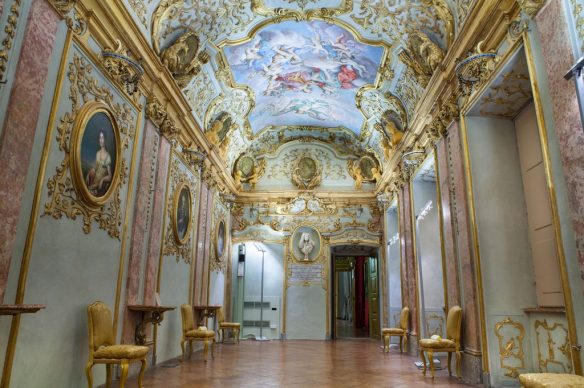
Palazzo Mazzetti
In Castagnole Monferrato (Asti) in Piedmont, Italy, we discovered the Montalbera farm, a suggestive structure which, in addition to the production of excellent wines, offers a showroom for wine tastings, relaxation rooms, yoga sessions in the barrel room, swimming pool and jacuzzi overlooking the vineyards. A Castagnole Monferrato (Asti), scopriamo l’azienda agricola Montalbera, una suggestiva struttura che, oltre alla produzione di eccellenti vini, offre una showroom per degustazioni vini, sale relax, sessioni di yoga nella barricaia piscina e idromassaggio affacciatI sui vigneti,
All around triumphs a true amphitheater of vineyards where many varieties of wines are born (Barbera d’Asti, Grignolino, Viognier, Monferrato Nebbiolo) and “last but not least” the Ruchè docg, a red produced from an indigenous vine, reborn thanks to the research of Franco Morando whose the most selected particles such as Ruché LACCENTO and Ruché LIMPRESA are processed 12 months of wood to obtain the Docg.i. Tutt’intorno trionfa un vero anfiteatro di vigne dove nascono molte varietà di vini (Barbera d’Asti, Grignolino, Viognier, Monferrato Nebbiolo) e “last but not least” il Ruchè docg, un rosso prodotto da un vitigno autoctono, rinato grazie alle ricerche di Franco Morando di cui vengono lavorate le particelle più selezionate come il Ruché Laccento e il Ruché Limpronta, e 12 mesi di legno per avere la Docg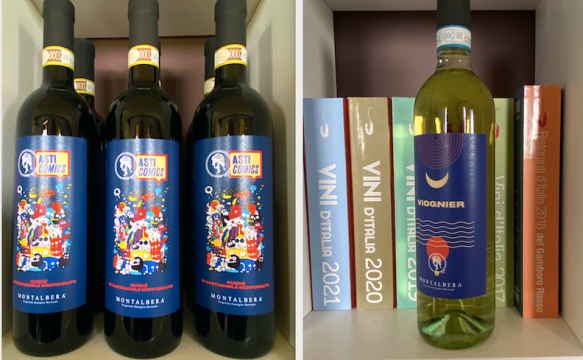
For three generations, the Morando family has been passionately dedicated to the fruit of their vineyards, animated by a production philosophy that puts wine at the center of everything, enhancing the peculiarities of the vineyards and enhancing their personality. It all started in the 1980s, when the family began (and continues) to acquire land in addition to the current 175 hectares.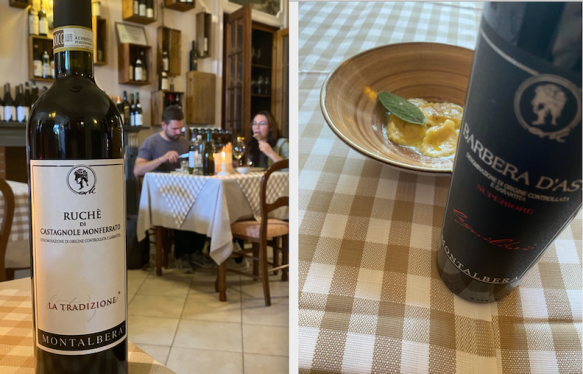 Thanks to them, the rebirth of Ruchè took place, a red produced from an indigenous vine of the same name typical of eight countries and other varieties (Barbera d’Asti, Grignolino, Viognier, Monferrato Nebbiolo)
 Here is an extremely elegant, silky, warm wine on the palate, with a great balance that reflects the international taste of the modern taster and attentive to innovative pleasures, matured in steel tanks and subsequently bottled positioned horizontally at a controlled temperature, Ruchè is a wine with an unmistakable character with a bright garnet red colour, pleasant floral hints of rose and violet, fruity notes of apricot and the spiciness that emerges with evolution making it immediately recognizable in the glass
Da tre generazioni, la famiglia Morando si dedica con passione al frutto dei propri vigneti, animata da una filosofia produttiva che mette al centro di tutto il vino, esaltando le peculiarità dei vigneti e su blimandone la personalità. Tutto è cominciato negli anni Ottanta, quando la famiglia inizia (e continua) ad acquisire terreni oltre agli attuali 175 ettari.
Grazie a loro è avvenuta la rinascita del Ruchè, un rosso prodotto da un vitigno autoctono omonimo tipico di otto paesi e altre varietà (Barbera d’Asti, Grignolino,Viognier, Monferrato Nebbiolo) Ecco un vino estremamente elegante, setoso, caldo al palato, con un grande equilibrio che rispecchia il gusto internazionale dell’assaggiatore moderno e attento alle piacevolezze innovative, maturato in vasche di acciaio e successivamente in bottiglia posizionata in senso orizzontale a temperatura controllata, Ruchè è un vino dal carattere inconfondibile dallo sgargiante color rosso granato, ai piacevoli sentori floreali di rosa e viola, le note fruttate di albicocca e la speziatura che emerge con l’evoluzione lo rendono immediatamente riconoscibile nel bicchiere.
Today Ruchè is known and appreciated on national and international tables for its unique and fascinating characteristics which originate from that extraordinary terroir that is Monferrato.
Oggi il Ruchè è conosciuto e apprezzato sulle tavole nazionali ed internazionali per le sue caratteristiche uniche ed affascinanti che hanno origine da quello straordinario terroir che è il Monferrato.
“For Monferrato, Ruché is a dream, a wonder, it represents the possibility of emerging for the entire territory” says CEO Franco Morando, who, for the first time, wanted to apply the technique and study of the night harvest, which the company had already carried out on white wines for several years
“ Il Ruché per il Monferrato è un sogno, una meraviglia, rappresenta la possibilità di emergere per tutto il territorio” racconta il Ceo Franco Morando, che, per la prima volta ha voluto applicare su un vitigno a bacca nera la tecnica e lo studio della vendemmia notturna, che già da diversi anni l’azienda aveva realizzato sui vini bianchi

Franco Morando
Tasting the Barbera d’Asti Superire, we realize that we are in a universe of excellency.
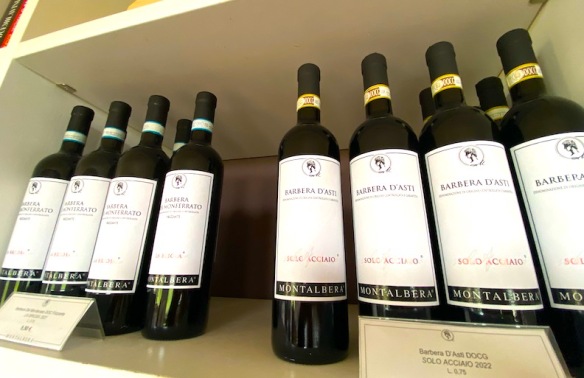
Among the Montalbera ruchès, LA TRADIZIONE, LACCENTO and LIMPRONTA stand out. Tasting the Barbera d’Asti Superire, we realize that we are in a universe of warm wines , pleasant and of rare silkiness with an intense, persistent aroma with hints of rose petals and wild berries in jam. uby bone tending towards garnet, Intense, persistent with tending aromatic memories and typical hints of berries, which evolve into oriental spices and black pepper.
L’assaggio del Barbera d’Asti Superior, ci porta in un mondo di eccellenze, dove spiccano in ruchè LA TRADIZIONE, LACCENTO, LIMPRONTA Parliamo di vini caldi, piacevole e di rara setosità, dal profumo Intenso, persistente con sentori di petali di rosa e frutti di bosco in confettura. Intensi, persistenti con tendeziali ricordi aromatici e sentori tipici di frutti di bosco, che evolgono in spezie orientali e pepe nero.
What about sparkling ?
Discover the Extra Dry, Cuvée Rosé and the Cuvée Blanche Metodo Martinotti, while the120+1 stands out, as a true Piedmontese champagne. A project embraced by the oenologist Luca Caramellino and concluded by Morando. “The first bottle uncorked will have to rest for 40 days, then my young sample will be presented in Paris, France. Because our 120+1 is in all respects a ‘champagne’.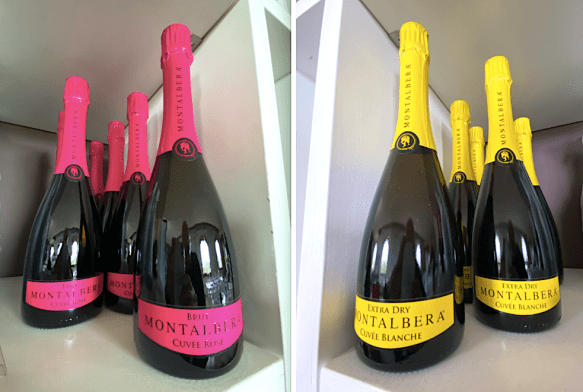
E le bollicine?
Scoprite gli Extra Dry, Cuvée Rosé e Cuvée Blanche Metodo Martinotti e ll’ottimo 120+1 un, lasciatemelo dire, champagne piemontese. Un progetto sposato dall’enologo Luca Caramellino e concluso da Morando. “La prima bottiglia stappata dovrà riposare 40 giorni, poi il mio giovane campione sarà presentato a Parigi, in Francia. Perché il nostro 120+1 è a tutti gli effetti uno ‘champagne’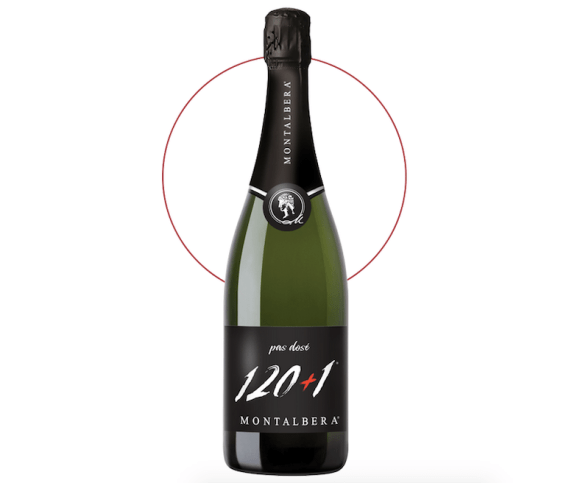
WHERE TO SLEEP
For those who want to spend a dream night, perhaps after a tour of the cellar and a rich tasting of Montalbera wines accompanied by the delights of the gastronomic excellence of the area… well, just around the corner you can stay in one of the Wine Suites, four independent accommodations where hospitality, service, privacy, relaxation, comfort and a breathtaking view are guaranteed… You will be given the keys, just as if you were at home: confidentiality and exquisite hospitality make your stay unforgettable.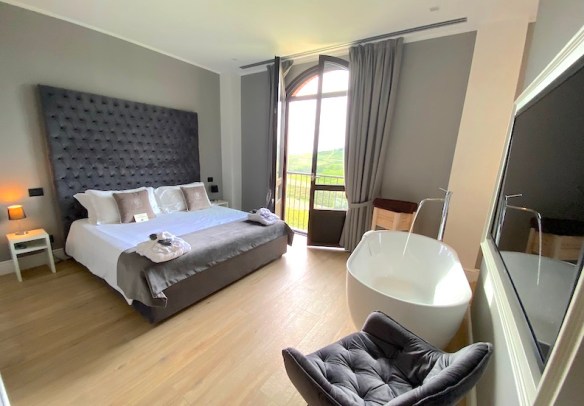
The different types of Suites are characterized by elegant simplicity and furnishings that recall the typical “Tropeziana” tradition with furnishings and design elements that blend well with the surrounding natural context, always respecting the historicity of the terroir.
Per chi volesse passare una notte da sogno , magari dopo un tour in cantina e una ricca degustazione dei vini Montalbera accompagnata dalle delizie delle eccellenze gastronomiche del territorio…. beh, proprio girato l’angolo potrà alloggiare in una delle Wine Suites, quattro alloggi indipendenti dove accoglienza, servizio, privacy , relax confort e un panorama mozzafiato sono garantiti… Vi verrranno consegnate le chiavi, proprio come se foste a casa vostra: riservatezza e squisita accoglienza rendono il soggiorno indimenticabile.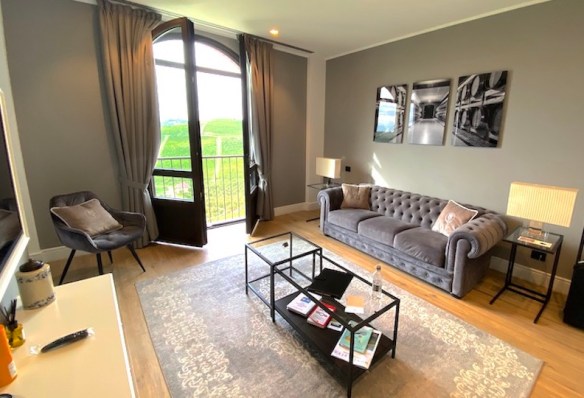
Le diverse tipologie di Suites sono caratterizzate da un’elegante semplicità e da un arredo che richiama la tradizione tipica “Tropeziana” con arredi ed elementi di design che ben si sposano con il contesto naturalistico circostante rispettando sempre la storicità del terroir.
Montalbera, attentive to sustainability, including social sustainability, has changed the working hours of the 22 workers in the countryside, which become more than 90 during the harvest, moving them to less hot and muggy moments of the day, in the morning from 6am while the evening harvest begins in the late afternoon. Montalbera, attenta alla sostenibilità, anche sociale., ha modificato le ore di lavoro dei 22 lavoratori in campagna, che diventano più di 90 in vendemmia, spostandole in momenti meno caldi e afosi della giornata, nella fascia mattutina dalle 6 mentre la vendemmia serale inizia nel tardo pomeriggio.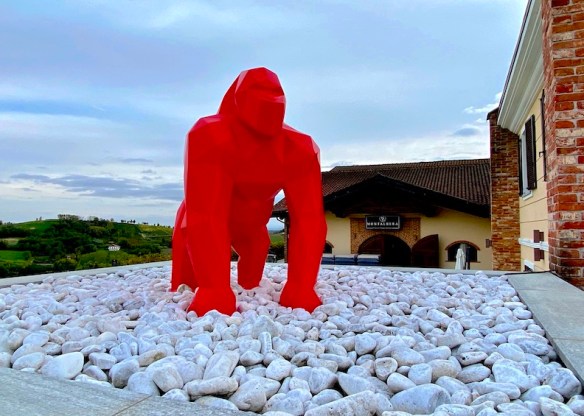
INFO
Wine Shop Montalbera is open from Monday to Friday from 10am to 6.30pm and on weekends from 10am to 7pm with the possibility of tasting and purchasing wine.Guided tours are possible by reservation from Monday to Sunday from 10am to 6pm with the possibility of tasting and purchasing.
Wine Shop Montalbera è aperto dal lunedì al venerdì dalle 10 alle 18.30 ed il weekend dalle 10 alle 19 con possibilità di degustazione e acquisto vino.
Le visite guidate sono possibili su prenotazione dal lunedì alla domenica dalle 10 alle 18 con relativa possibilità di degustazione e acquisto
www.montalbera.it
CESARE ZUCCA
Travel, food & lifestyle.
Milanese di nascita, vive tra New York, Milano e il resto del mondo. Cesare fotografa e racconta città, culture, stili di vita e delizie gastronomiche sia tradizionali che innovative. Incontra e intervista top chefs di tutto il mondo, ‘ruba’ le loro ricette e vi racconta tutto in stile ‘Turista non Turista”
Milanese by birth, lives between New York, Milan and the rest of the world. Cesare photographs and writes about cities, cultures, lifestyles and either traditional or innovative gastronomic delights. Cesare meets and interview top chefs from all over the world, ‘steals’ their recipes in a ” non touristy tourist ” style.
 While in Milan, I visited the spectacular






 Ingredients
 Incrociamo via Toledo fino al meraviglioso Palazzo Carafa di Maddaloni. All’improvviso, il tortuoso itinerario prende respiro e sfocia nella Piazza del Gesù. Se siete appassionati di cinema, riconoscerete la facciata del Palazzo Pandola ha fatto da set L’oro di Napoli e Matrimonio all’italiana di Vittorio De Sica con la più grande diva napoletana: Sofia Loren.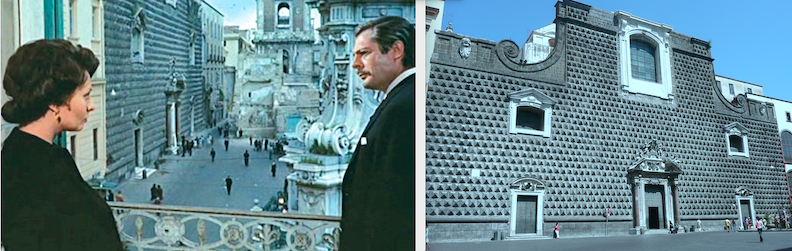

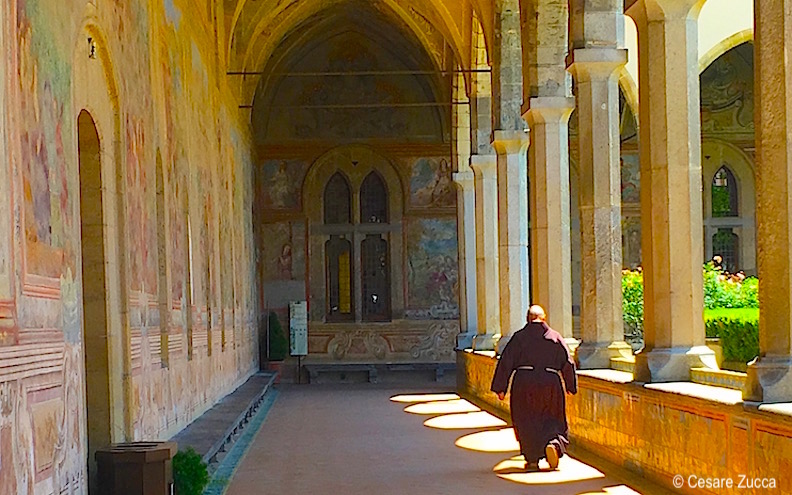
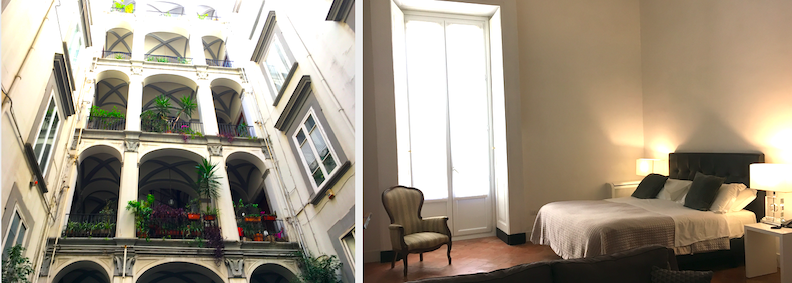 Nelle 7 suites e 3 glam room, il classico degli affreschi incontra un design moderno e confortevole, le finestre si affacciano sulla città, un attento restauro ha conservato molte delle caratteristiche di questo magnifico edificio (soffitti con travi originali, splendide porte dipinte, finestre alte, pavimenti in cotto antico) mentre un mix di mobili antichi e contemporanei uniti ai comfort di oggi , lo rendono aggiornato e accogliente.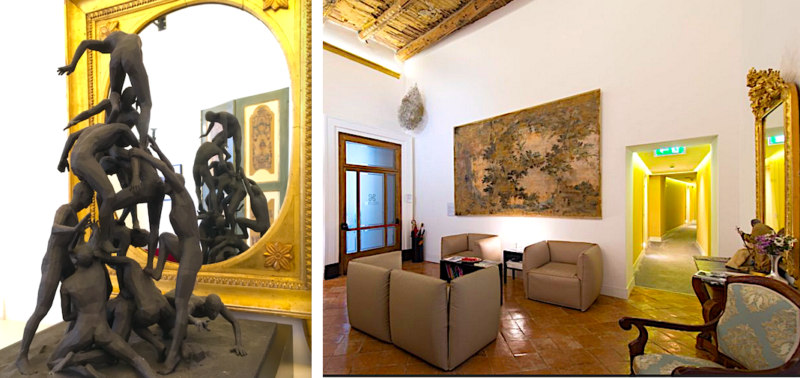





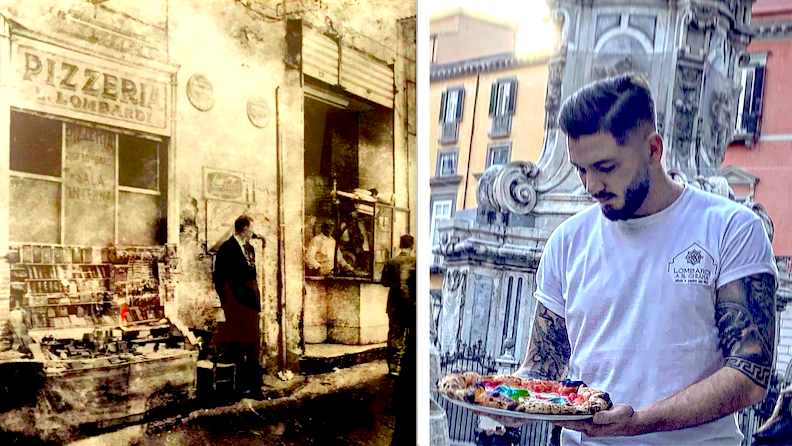 Lombardi continua a celebrare l’ illustre storia della pizza con farine attentamente selezionate e topping realizzati con ricercate materie prime, dal San Marzano Dop alla mozzarella di bufala campana Dop, mentre ogni mese arriva “La pizza del mese” che segue il ritmo delle stagioni. Al timone I maestri Pizzaioli Michele Lungo e Carmine Prisco che ci sorprendono con le loro pizze “gourmet” come l’ultimissima “new entry” alla pancetta, fichi e gorgonzola.



 TEXT AND PHOTOS BY CESARE ZUCCA


 Benevento gained the reputation of a city difficult to conquer: even the Franks and Charlemagne himself had to stop at its borders. In 1077 Henry III ceded the city and the entire area to the Church, which held power until the unification of Italy.
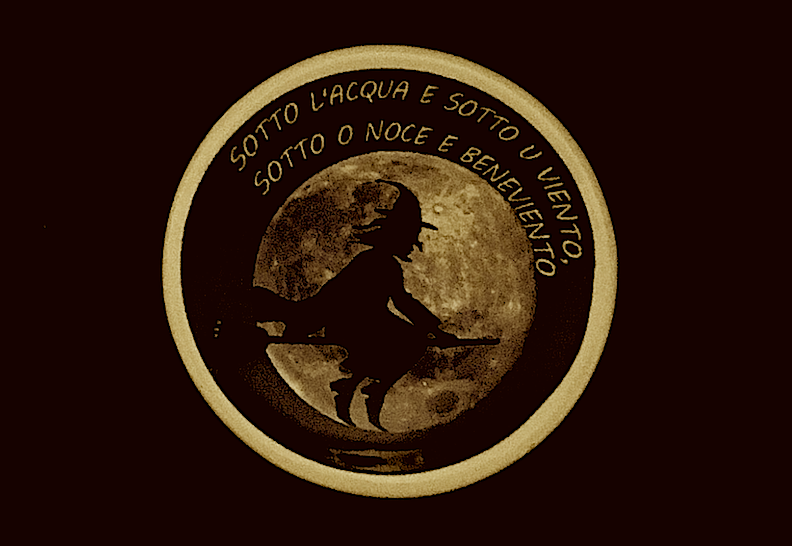
 These were women who possessed the knowledge of the occult and magical rites, such as invoices and the evil eye, capable of ruining life. According to tradition, in fact, it was necessary to place an upside-down millet broom or a bag with grains of salt in front of the door, counting which the witch would have lingered until dawn, when the light, her bitter enemy, would have forced her to flee away, leaving the inhabitants of that house or that room in particular in peace.
 T
T
 .
.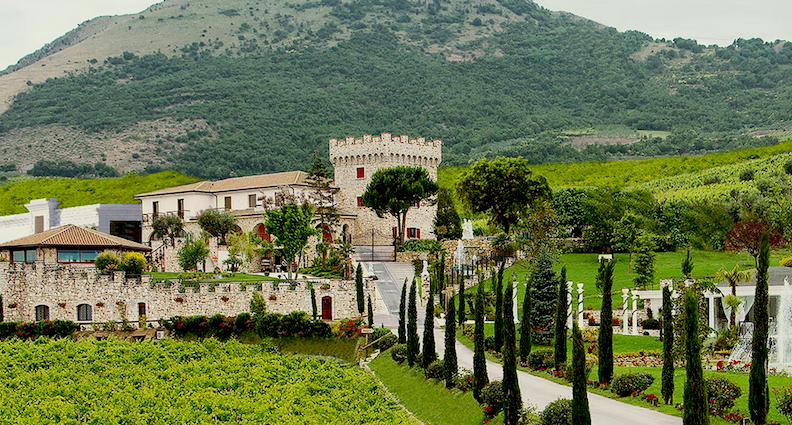 the slopes are a succession of vineyards, woods and small clearings, which only in the last hours of the day the Monte Taburno profile subtracts light and heat.

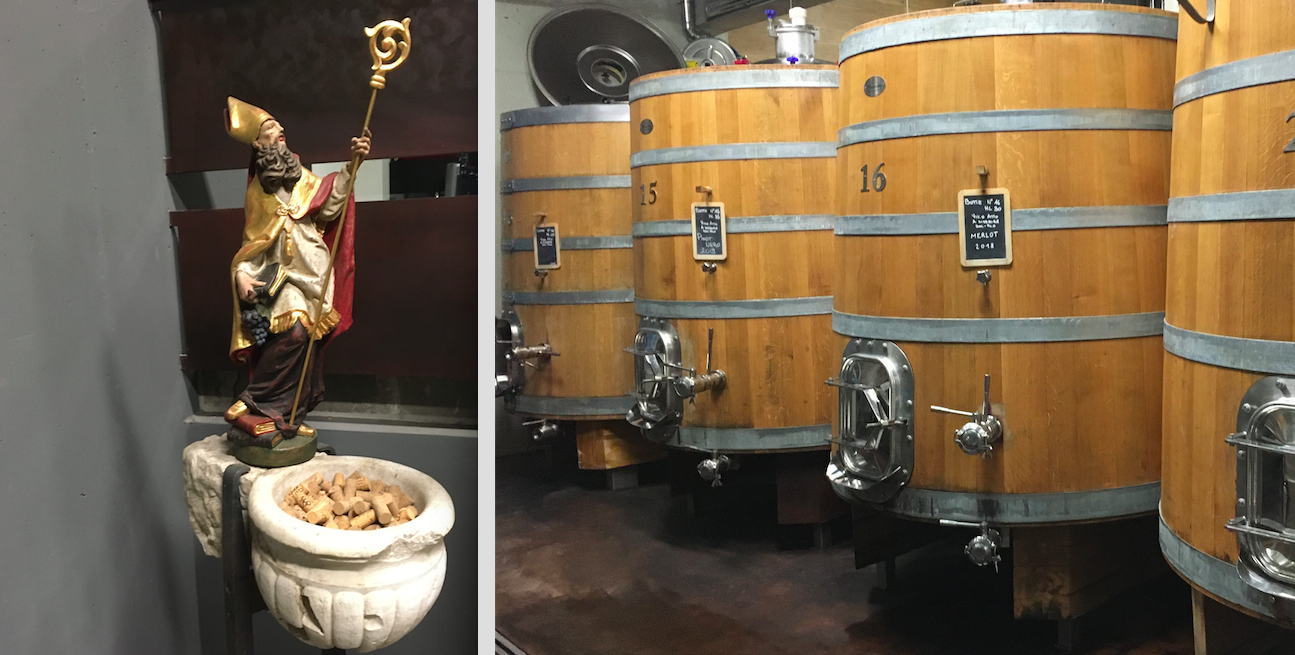
 The barrel vaults, that dominate the area destined to accommodate the aging of wine, entirely coated in terracotta bricks and partially dug into the tuff, bring us closer to an idea of the cellar to those who were the old “cellai” of rural farms, that is, those places that were intended to keep as much wine as food.
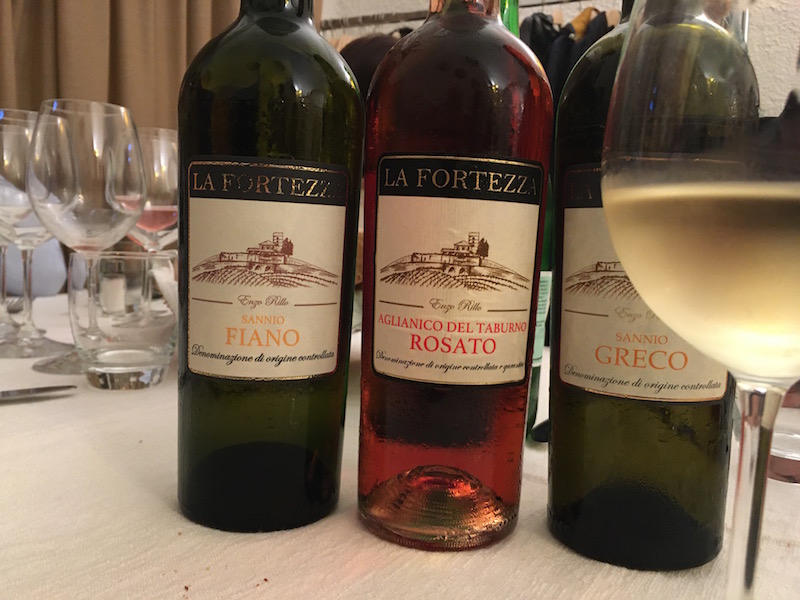
 Here La Fortezza’s grape varieties:
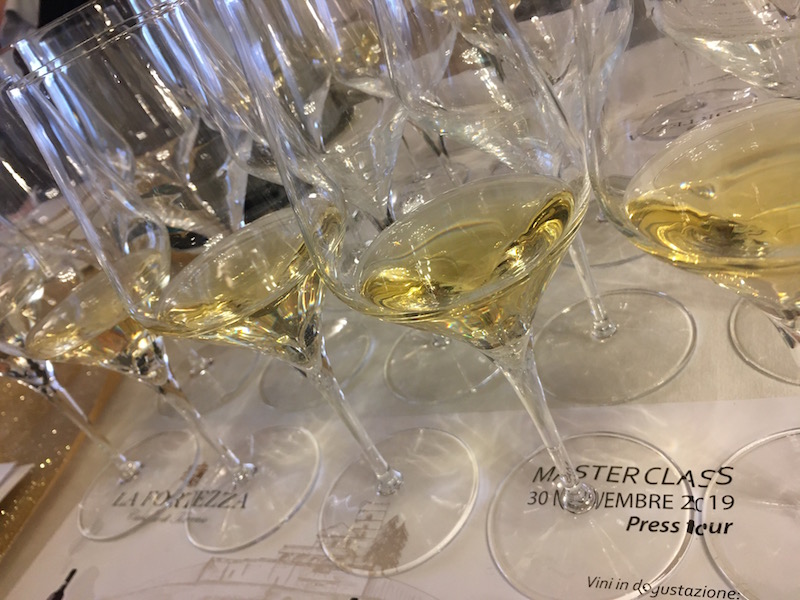

 both excellent choice if you are having a local great dish with baccalà (salted codfish) a remarkable specialty of this territory, which I had the pleasure to taste at a typical restaurant Trattoria Nunzia, in Benevento.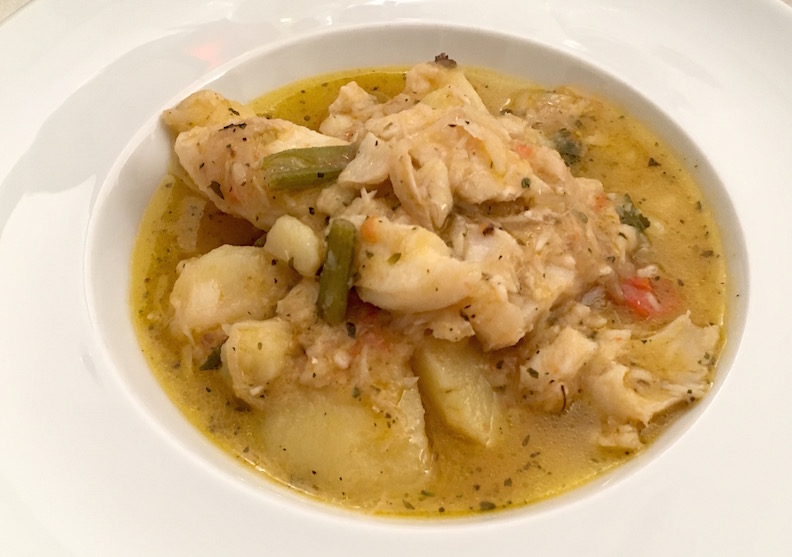


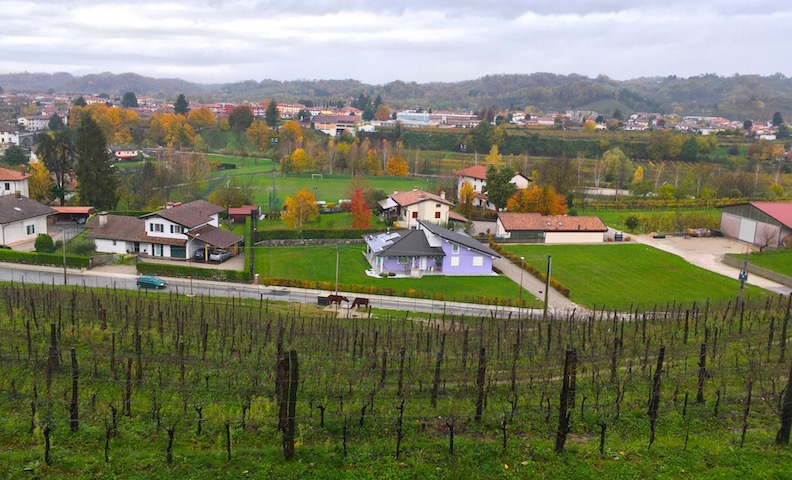
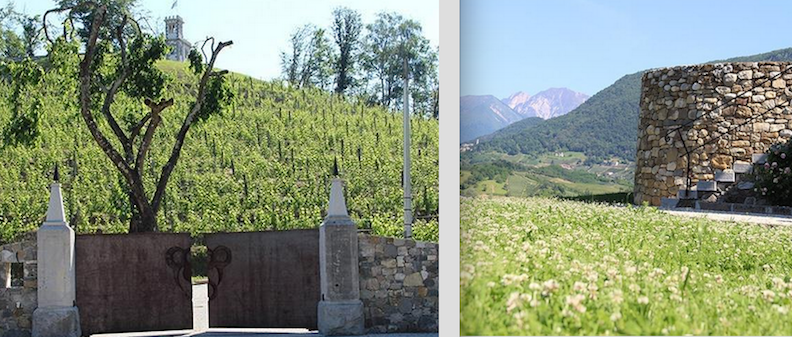
 Today the Gori winery produces between 60 and 70 thousand bottles, with a yield of 50 quintals per hectare, a precise choice that favors quality and makes the product iconic. Maximum care and attention are in fact dedicated to all the processing phases, such as the harvest, which is carried out manually in 20kg crates and the selection of the grapes, carried out with soft destemming on the sorting table.
 A good and healthy wine, which is born in harmony and with respect for the environment. If from the beginning the company has never used herbicides and has only carried out treatments based on copper and sulfur, 2019 will be a special year, that of achieving a great objective pursued consistently, the first certified organic harvest.
  The result of so much effort combined with an extraordinary competence is the excellent range of Gori wines: Nemas I, elegant and complex Pinot Nero; the Friulanissimo Refosco dal Peduncolo Rosso that gives its best on these hills, the blend of Schioppetino, Refosco and Merlot dedicated to the father of Giampiero Gori; a Merlot, the most produced and consumed wine in Friuli; wide and the Schioppettino.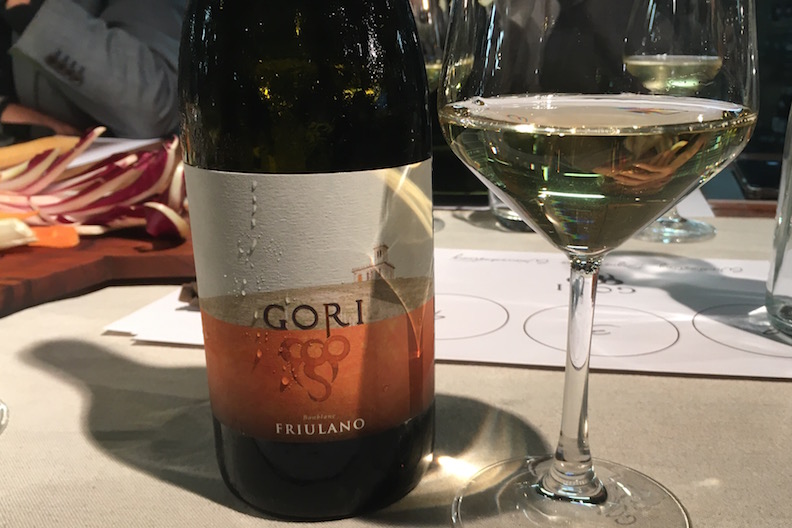

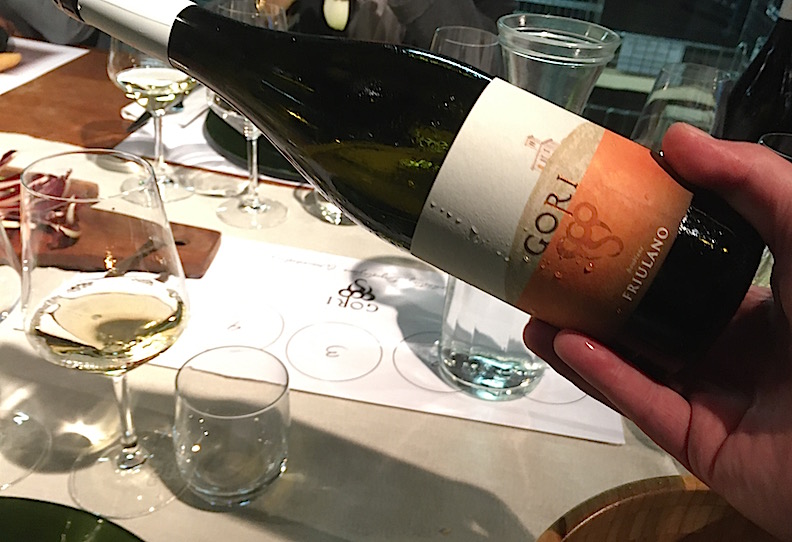 Sauvignon, also in this case an international grape variety which, thanks to the frequent daily temperature changes and to the fresh and dry soil, enhances its characteristics.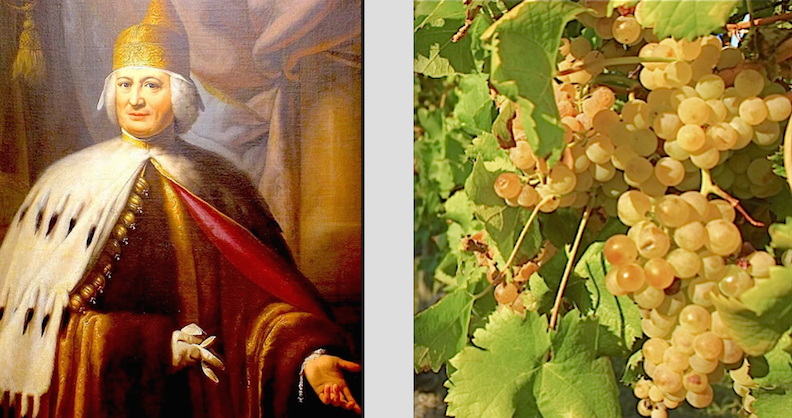
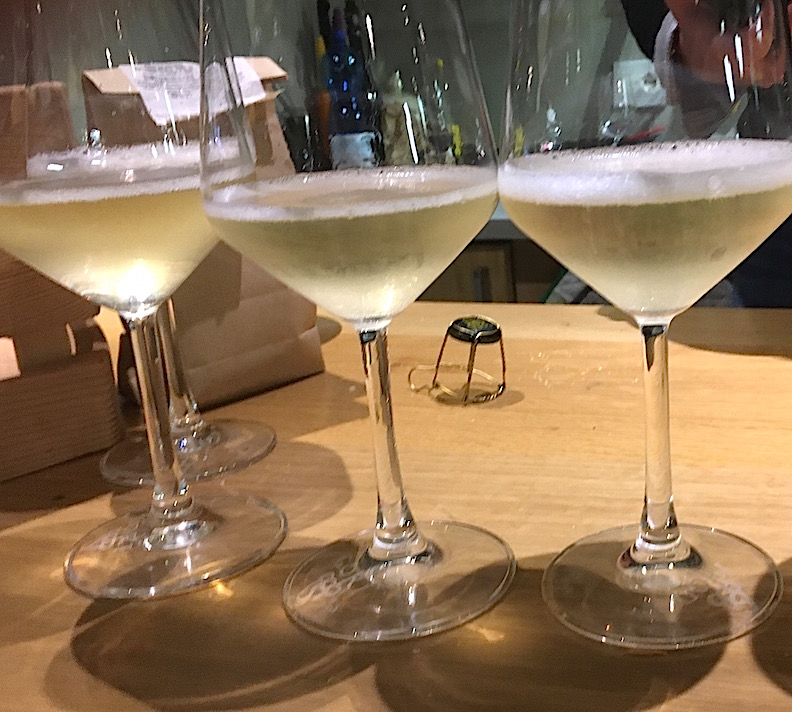
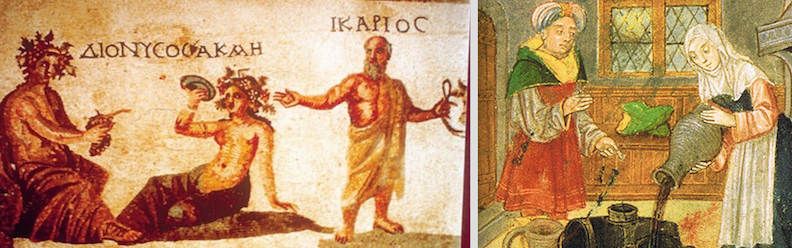
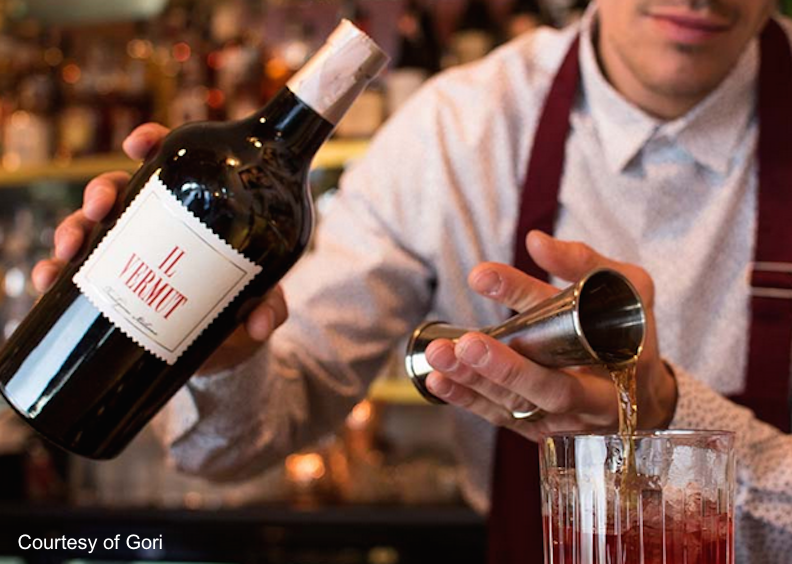
 The stainless steel containers and on the lower floor, excavated inside the hill, the wooden barrels are optimal and help red wines in their ripening phase, respecting their typicality and taste. Furthermore the use of refrigeration allows to obtain long and not tumultuous fermentations: in this way the wine retains the aromas and the aromas that the grape has obtained during the maturation, making the use of chemical products superfluous.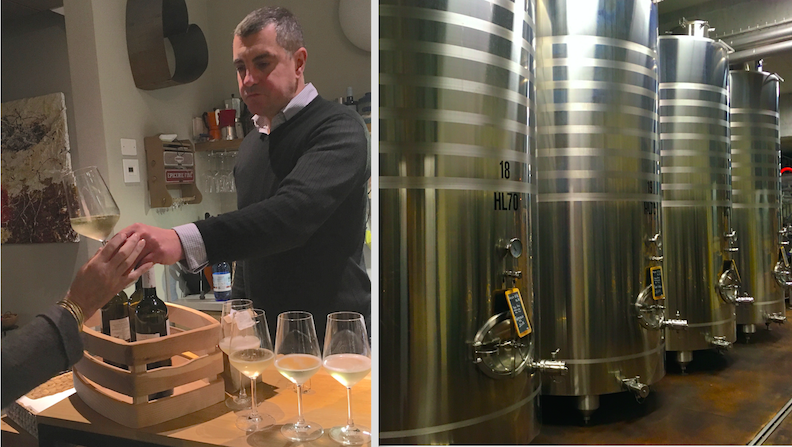



 INFO
INFO CESARE
  Have you already been to Abruzzo? No? Well time is due to discover this Italian region, due East from Rome, encompassing part of the Apennine mountains down to the Adriatic Sea where sits its capital: Pescara. But that, you may know already if you’ve had the chance to visit this region that locals like to nickname “Tuscany without the marketing”!
 Personally, my first Abruzzian experience dates no further than last July, in spite of many trips to Italy, both for pleasure and for research on my book on the history of Italian pasta (Les Pâtes du Terroir Italien. I knew that one of the most typical shapes of pasta in the region was the long threads resembling square spaghetti obtained by pressing down with a rolling pin a sheet of pasta dough against the strings of an instruments called a Chitarra (as it resembles in some way a guitar)
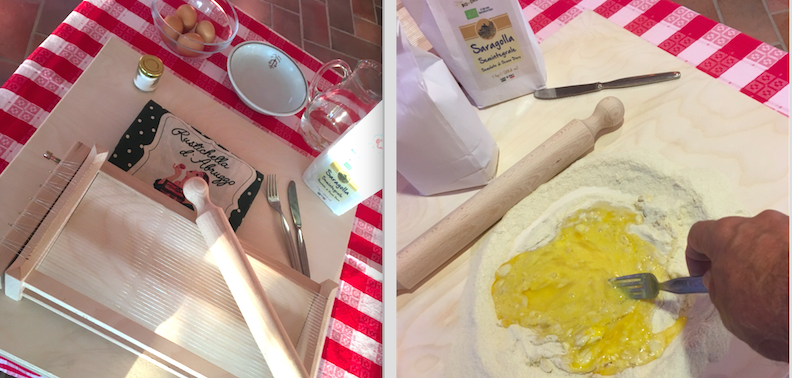 One would want to also associate the region with the famous penne pasta (meaning pens or feathers) since there is a town by that name sitting less than 20 miles from Pescara. This brings me directly to the occasion of my four-day trip invited, by one of the most respected pasta manufacturers of not only Abruzzo, but the whole of Italy: Rustichella, a family owned mid-size company which origins go back to the 19th century in the town of Penne.
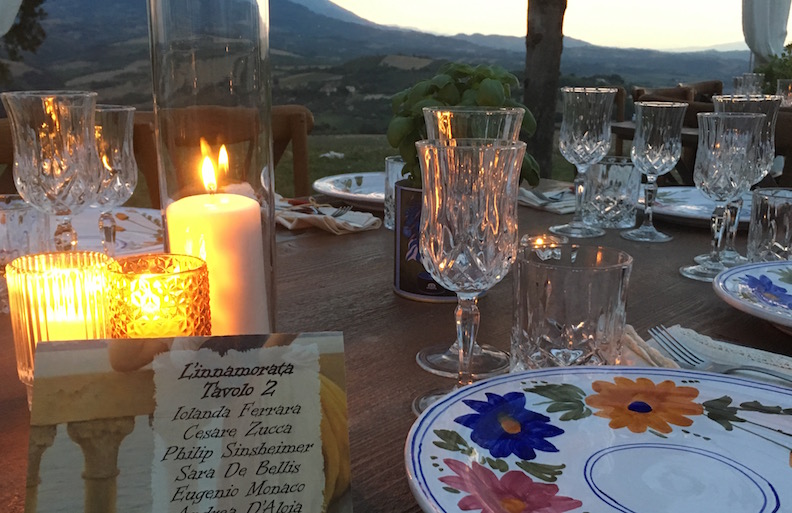
 The occasion was the annual celebration nicknamed Primograno (literally “first grain”) by the company in honor of the beginning of the wheat harvest in the area. It is the occasion for the family to host a selected number of importers, chefs and some happy few journalists, and here I am! The generosity displayed was beyond this world… yet, absolutely rooted in Abruzzo! arrived the evening of the big celebration where all guests were united under a tent set in the middle of a field name ? to experience a culinary experience not to be forgotten in the breeze of a warm summer night.
 The magic continued after the dinner with a live band under the stars to shake off on the dancefloor those few extra calories of gastronomic indulgence, but also a firework display like no other. A man in costume at a rather close distance started to dance on a traditional music that was going to stick with our group for the rest of the stay covered with a hat shooting thousands of fiery spurs. Besides the food and the fun, I began to wonder how connected to reality was the celebration.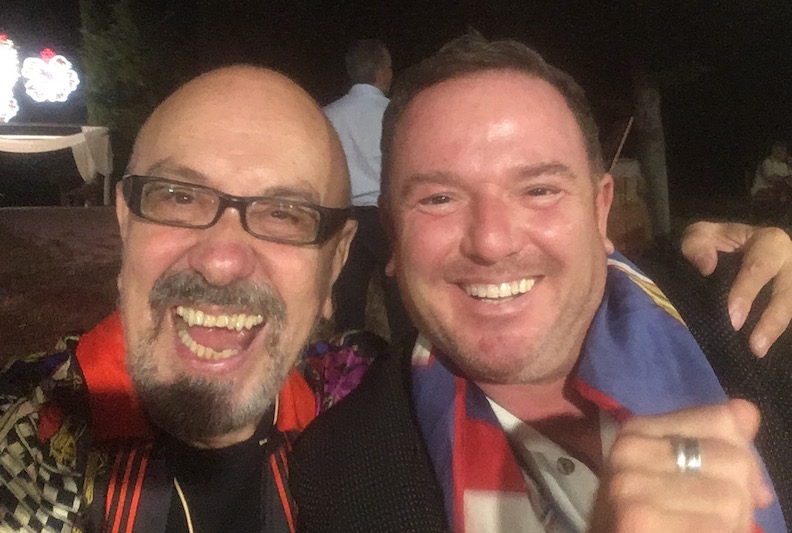
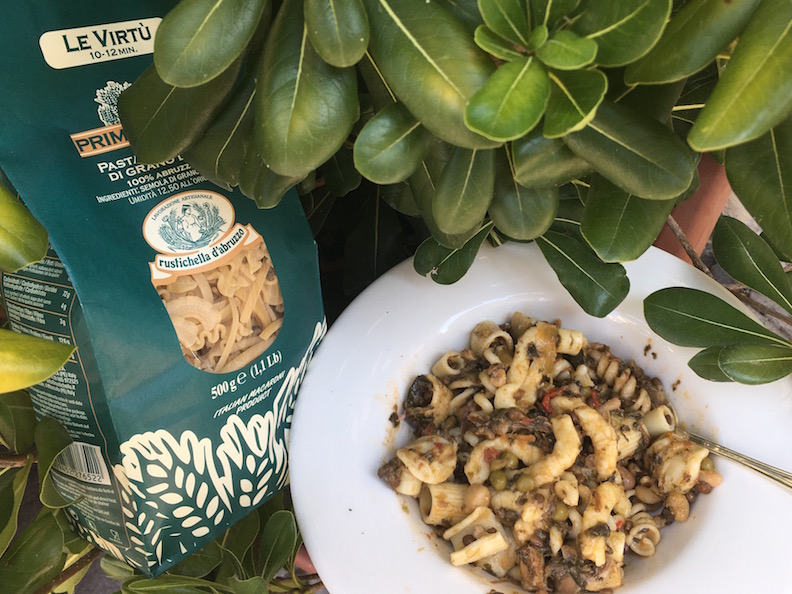
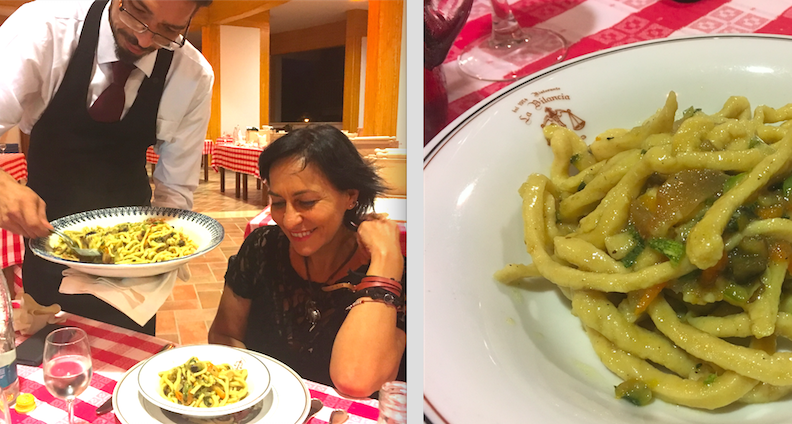 I was soon to discover that for Rustichella this celebration was “for real”, honoring the actual beginning of local wheat harvest that was going to end-up in form of semolina in their factory. With the development of local sourcing of ingredients and the “farm to table” craze, Rustichella, very smartly, developed indeed a line of pasta made only of local wheat. It is not only a marketing move, it’s an ecologically and socially responsible investment.A specific green packaging has been created for this 100% local pasta. Like a “cru” of wine, you could almost know which parcel of wheat was at the source of the handful of spaghetti you are holding in your hand. An approach very far from the industrial standardization at stake with the giant pasta manufacturers, for which uniqueness boils down to their single named brand not the actual pasta you’re about to drop in your pot!
 The Rustichella team took Primograno as an occasion to have our happy group experience various highlights of Abruzzi from the inland the beauty of rolling hills where wild horses graze the grass to the coastline where one can breathe the salty breeze of the Adriatic while strolling on the beach or eating a fabulously fresh and piping hot fritto misto. Among Abruzzi’s specialties, I really loved those little grilled meat skewers, traditionally made with lamb.
 I was also really impressed with different local wines that I had never heard about before. For the whites, I loved the “passarina” that we got to try, made from the grape of the same name yielding an incredible fresh acidity smoothed by a round fruitiness. In several occasions, we got to have fantastic rosés, notably. No doubt about it, Rustichella had it at heart to have us experience the best of their products, but also their region in general. And you should too. You will only regret to have to go back home…
 But I have good news for you. First, if you fly back using the airport of Pescara, you will be able to purchase various gastronomic treats at the airport shop and stock up on Rustichella’s 100% Abruzzian green line of pasta. Unlike liquor, no limit there except the size of your luggage! Bring along a pack of traghetti, you will make your landing easier with a little piece of Abruzzi with you.
 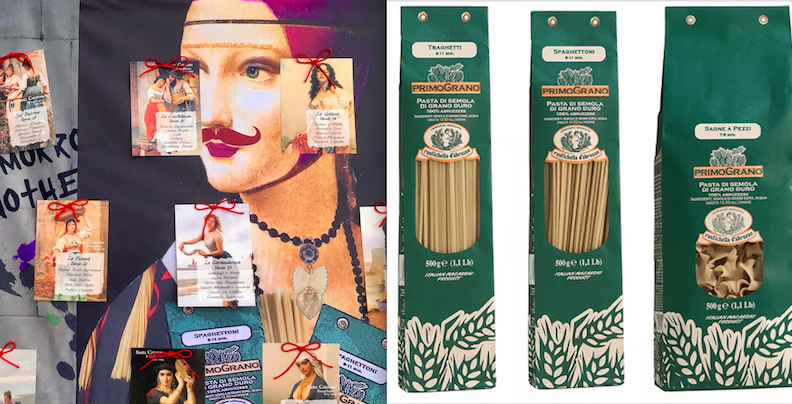 Actually, chances are your trip may be prolonged in your home country, as Rustichella has decided to dedicate most of its production to export. In the following piece I’ll show why and how famous chefs around the world decide to use Rustichella as their primary source of pasta. In the meantime, look around because if you can’t make it to Abruzzi, Rustichella has perhaps already come to you!
 INFO
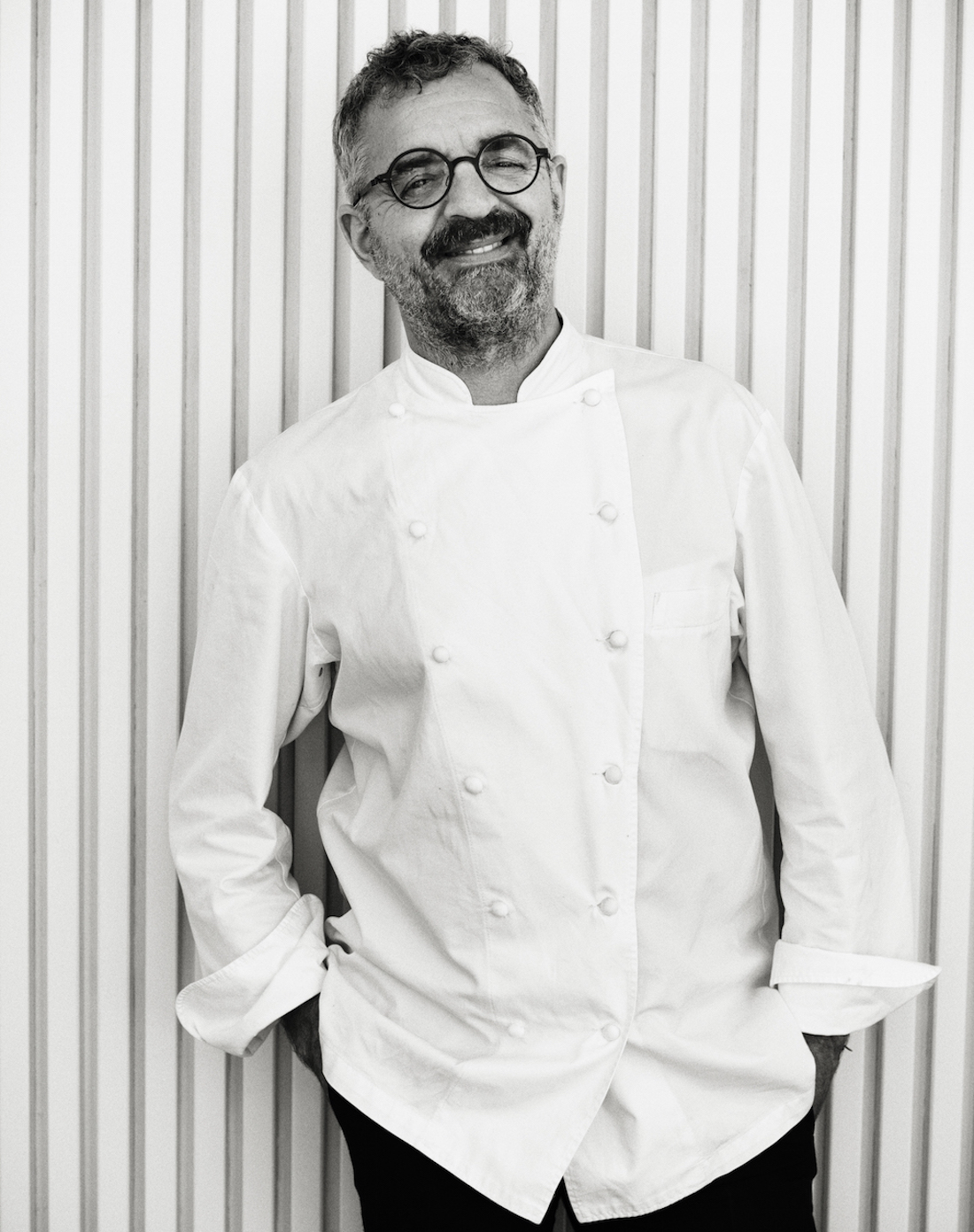
INFO I met with Mauro Uliassi, the Chef who won 3 Michelin stars, 5 Cappelli Espresso, 3 Gambero Rosso Forks. Mauro opened the Uliassi Restaurant in Senigallia in 1990, creating a cuisine full of contamination, variations, sensations and memories.
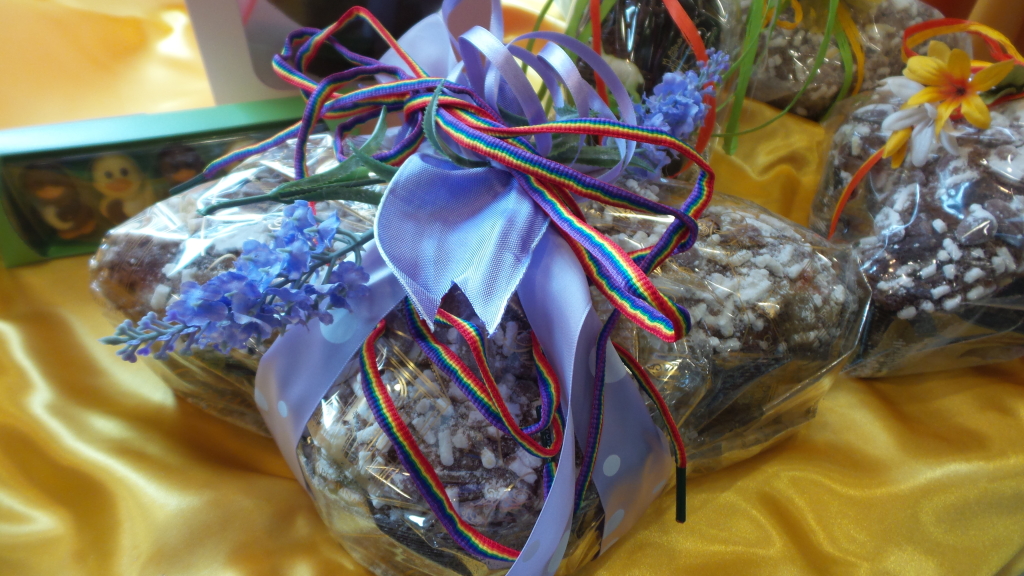 The colomba could mean not only a peace message but also solidarity. Like in the case of the artisanal Colomba Arcobaleno (Rainbow Dove) created by the Milanese sommelier Diana Zerilli who supports gay rights and gay issues in Italy, such as marriage and child adoption. Her colomba is made with Sicilian Avola almonds, Calabria cedar, kneaded with Vernaccia Mormoraia, a traditional white wine from San Gimignano,

 Then guided by super Chef Antonio, you will learn how to make an amazing hamburger, inspired to the legendary Serendipity’s Burger Extravagant, listed in the Guinness Records as the most expensive burger in the world.



 nontouristytourist.com