By Philip Sinsheimer
Photos by Philip Sinsheimer, Cesare Zucca
Cesare Zucca already related our fabulous trip to Romagna last June with its various highlights, where the warmth of the people rivaled the heat of the constant sun.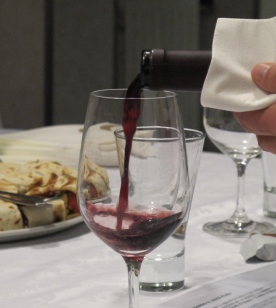
Today, the “vino-Phil” that I am will focus on the unsung grace of the wines of this region, overshadowed by Emilia, its twin sister to the West, which rolls on the fame of products as famous as Prosciutto di Parma, Parmigiano Reggiano, Aceto Balsamico de Modena, Mortadella di Bologna and, for the wines, Lambrusco.
I’m pretty sure you’ve heard of it, as it seems to be exported pretty much everywhere. Quite an achievement for a rather peculiar red wine, both fizzy and often sweet. Clearly, not the best bottles are exported… I still need to sip a Lambrusco that I would actually want to drink.Regardless of quality, Lambrusco has acquired fame. But, can you tell me anything about wines from Romagna? Sorry? I can’t hear you… Well, my guess is: not so much. At least, that was my case before discovering this region with my own eyes and mouth! Before,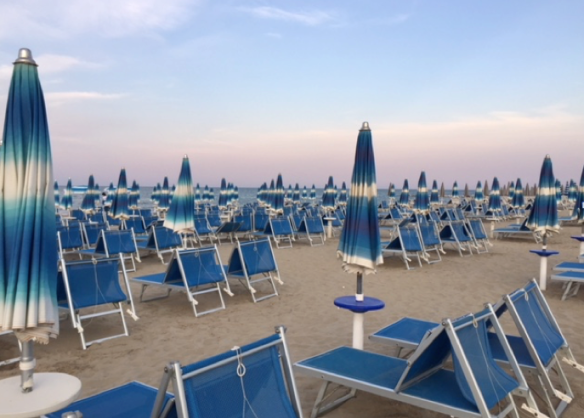 I knew it only for the famous beach town of Rimini (birthplace of Federico Fellini and of beach umbrellas according to some, and the historic city of Ravenna, which served as the capital of the Western Roman Empire (from 402 to 476). But wines, no, “I was dry”, as we say in French, not a clue as to what to expect…
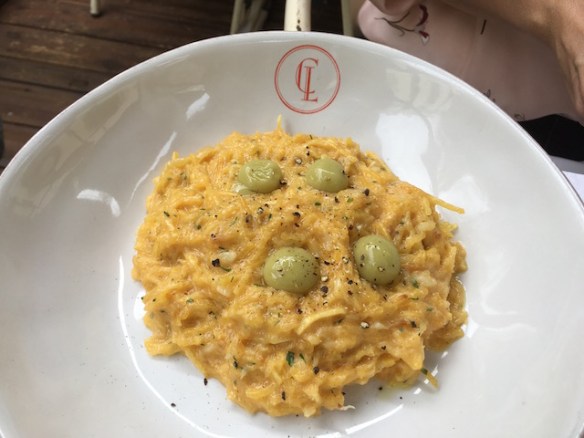
I didn’t have to wait long to be initiated. As soon as we arrived at the c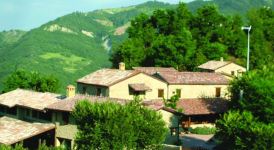 harming Fattoria Faggioli where we were hosted during our four-day press trip, we were offered a red wine which reflected perfectly the delicious home cooked pasta and the general atmosphere: no fuss, big heart, big flavor, frank and bold (photo).
  It was a Sangiovese which, I was told right away, was the most prized and celebrated red grape of Romagna. Everyone tends to associate the noble grape with Tuscany, the region immediately to the South, with its world-famous Chianti and Brunelo di Montalcino. Even though Sangiovese has not reached those level of notoriety in Romagna, the region can definitely boast of a deeply rooted wine culture. After a few glasses, an old saying came up, revealing the generosity of the Romagnolo people and their love of wine. If a stranger knocks at the door of someone in Emilia, he is offered a glass of water, in Romagna… a glass of wine!. This sense of hospitality connected to wine culture was perfectly exemplified during our visit of the medieval town of Bertinoro. The symbol of this perched little city is its 13th century column with twelve metal rings, named the “column of hospitality” photo). Each ring was associated to one of the local noble families and when a traveler arrived into town and tied his horse to one of the rings, he would automatically become a guest of the family associated to it
 We didn’t arrive on horses, but were just as warmly welcomed at the beautiful visitor center with an in-depth presentation of the local wines. This was my first encounter with Romagna’s most celebrated white wine: l’Albana, unique to this region. The 2016 “I Croppi” from Celli winery (photo) revealed a white unlike any other. Golden in color, the wine had a serious body and boasted 14° of alcohol.
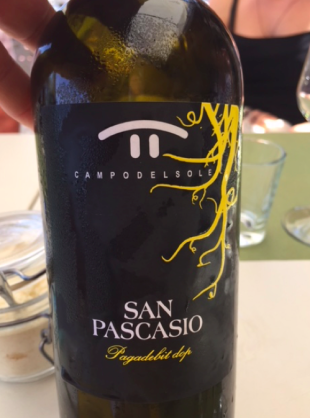
  One of the distinctive tastes I noticed was a lingering ripe apple flavor and it felt like it had some tannins. It is actually sometimes called the red wine made in white and it can pair meat dishes as well, if not better than seafood. We tasted a local 100% Sangiovese, bold and rich with 14.5% alcohol, but my second thrill came with the second white wine we tasted: the 2016 San Pascasio, Romagna Pagadebit DOP (photo), from the Campodelsole winery. Unlike the Albana, this white had a vivacious acidity and a refreshing minerality. Aromas and flavors of exotic fruits and elderflower were delicious. I was wowed and seduced immediately. Pagadebit is made from the Bombino Bianco grape, which, unlike Albana, is not unique to Romagna. It can be found in central Italy all the way to Puglia, but it has definite terroir characteristics here in Romagna and must count for at least 85% of the grapes for the Pagadebit di Romagna DOC. The name is a story in itself. “Paga-debit” – literally “pays your debt” in Italian – comes from the grape’s reputation for being high yielding and a reliable crop for vineyard owners to grow, assuring that each vintage would enable them to pay off their debts.
  But the latest report regarding the 2017 vintage is rather alarming and almost puts in question the validity of the promising name. My source is Mauro Sirri, co-owner of the Celli winery in Bertinoro. In his 34 years of winemaking experience, he has never seen such precocious harvest, which started on the 8th of August, about 3 weeks before than usual, due to high temperature and scarce rainfall. So much for those who have doubts about global or local warming! The oldest vines, benefiting from deeper roots, reacted better, but the average yield still dropped by 50%, putting at risk the financial balance of wineries.
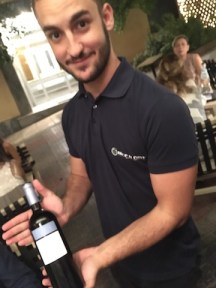
On the positive side, Albana seems to gain some appeal outside the borders of Romagna. On November 25th and 26th 2017, Bertinoro will host the first Albana Trophy to find the best expert of this wine in order to be its ambassador both nationally and internationally. I wish I could go, perhaps you can, I know you should! The little town will be having many events for the occasion. You just cannot miss having a meal at l’Osteria Cà de Bè with a panoramic view of the surrounding hills and fantastic food (still thinking about this rabbit…).  The wine collection is also exceptional (photo du mec?) and I really liked the 2016 Albana “Neblina”, produced by Givana Madonia, which had a very pleasant acidity
After my initiation in Bertinoro, I was better armed to appreciate the following tastings of Romagnolo wines. The first one came soon after at the Cantina Poderi dal Nespoli (link? http://www.poderidalnespoli.com/en/), a winery established in 1929 about 16 miles to the South-West of Bertinoro, with a beautiful tasting room and a wide diversity of wines. There was of course various Sangiovese based reds and out of the lot, my favorite was the Prugneto, Romagna DOC, Sangiovese Superiore, made from 100 % Sangiovese grosso: a wine full of life with a bright ruby color, an intense bouquet of ripe red fruit which didn’t translate in the palate into anything jammy, allowing a certain freshness to shine through and soft tannins to carry notes of violet and plum. Yum!
But, once again, my focus was more on the whites. The Campodora, a 100% Albana showcased the typical golden yellow color of the grape and a rich smooth taste of stone fruit and acacia flowers. But what made it shine for me was this beautiful balance between ripeness and acidity. This freshness, I was told, was to be attributed to vines perched at a higher altitude and a careful picking of the grapes in the morning, before it got too hot. Thei r Pagadebit (blended with 15% of Sauvignon Blanc) was fresh and vivacious with a floral nose and a crisp finish. Besides those two established whites in Romagna, we had the chance to discover a third one, called Famoso, in reference to the name of the grape which it was made of exclusively. Ironically, this indigenous grape from Romagna has been rediscovered in the last ten years or so after a period of abandonment. Fame comes and goes I guess. And what a flamboyant come back this was in the glass with this 2016 vintage: totally charming white, light, with only 11.5° alcohol, but intense with its floral aromas, notes of tropical fruit, and a long, clean, lip smacking finish. Cesare and I fell in love with this rarity and decided to buy a few bottles to take home and share with others. In spite of its name, Famoso won’t be in the aisle of your supermarket anytime soon! Look for it at your specialty wine store, but better yet, plan a trip to Ravenna.
If you have the chance to go in the summer during the Festa Artusiana in Forlimpopoli, your will be able to discover the beautiful Casa Artusi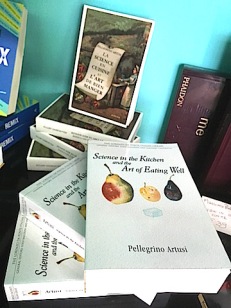 (where you can take traditional
 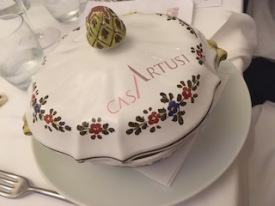 cooking classes, as well as learn about one of the legends of Italian cookery in the name of Pellegrino Artusi whose monumental La Scienza in Cucina e l’Arte di Mangiar Bene was first printed in 1891 with 700 regional recipes. The whole town during these few days pays homage to the legendary food writer by putting certain of his recipes on the menu of established or ephemeral restaurants. Food stands abound and enable you to taste specialties from Romagna and elsewhere.
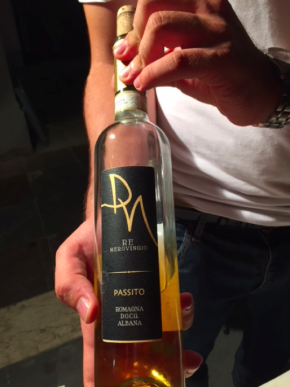 Beverages are also part of the feast of course, from local microbrewery beers to local wines. One stand had me taste an Albana Passito, sweet and intense, beautifully balanced with just enough acidity to make you want to have another sip. This final tasting note still lingers in my mind and the unique wines of Romagna will have me go back again, that is for sure.

 after three years of siege, captured the town of Pavia in northern Italy on Easter Eve. Evading the guards, an old baker was able to reach the king and offer a dove-shaped leavened bread. “Alboin,” he said, “I offer this symbol, as a tribute to peace, on Easter day.” The sweet scent and the convincing message persuaded the king to give a promise of peace. That’s the legend.The dove we know today has a more recent origin and, I should say, a more prosaic version of the history. In the early 1
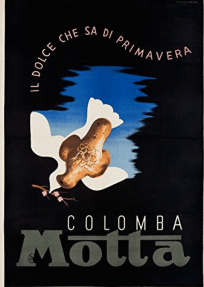 930s the Milanese company Motta specialized in panettone, a cake produced only for Christmas. Unhappy to have their machinery unused for many months, Motta decided to package a similar product to be sold during the Easter holidays.
 After a long rest, the dough is portioned in different sizes for an additional four hours of leavening, then covered with almonds, sugar and amaretto. Since its birth, the colomba was enriched by many variations and a variety of different icings and fillings.
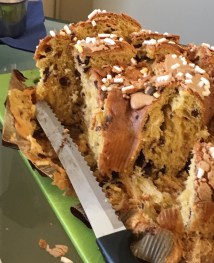 urs before it is finally packaged.
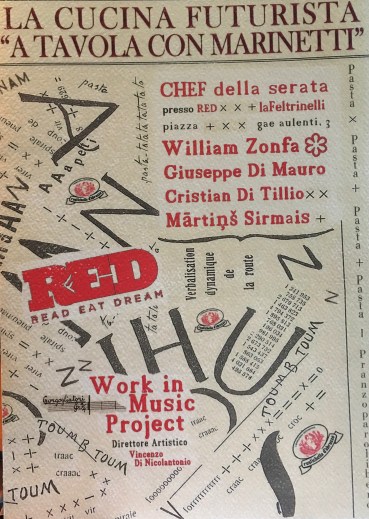
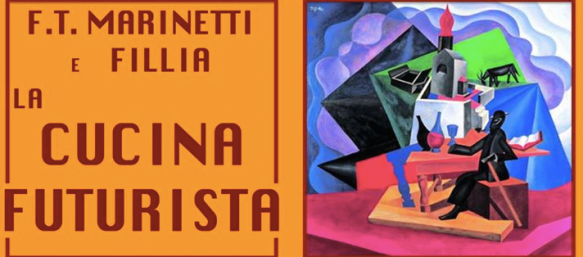 Italy,1909. The ‘futurismo’ artistic movement is born!!
 To celebrate the rhythm of futurism,
  This
This 
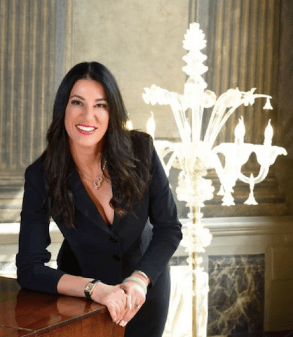 , sorry I literally have 5 minutes, i got to run to Mestre to sign the extension of showing ‘Support’.
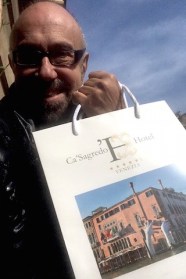
 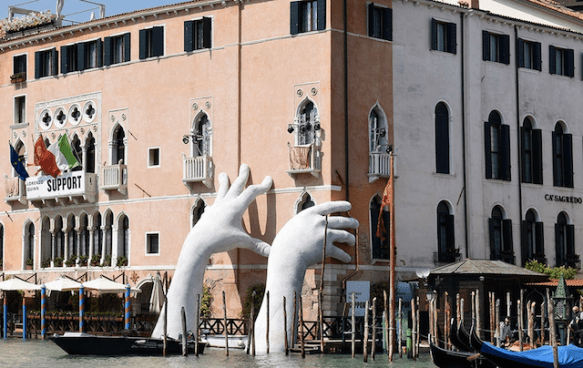 as these two giant hands rising from the waters of the Grand Canal ideally aiming to protect the façade of Ca’ Sagredo, one of Venice’s most beautiful and iconic buildings that risks sinking due to a changing climate. At the same time, however, they could destroy it and let the city sink at any moment, because “A hand could hold so much power, said Quin, the power to love, to hate, to create, to destroy. “
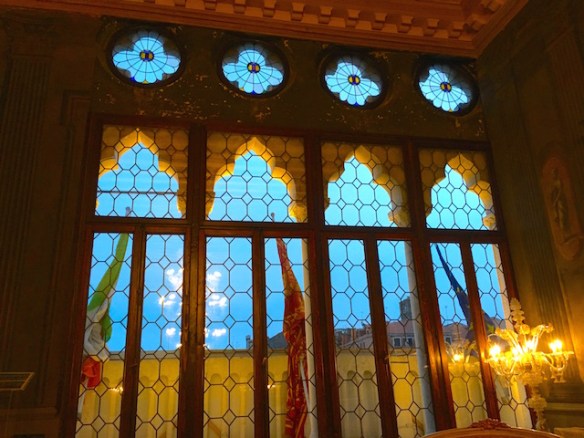

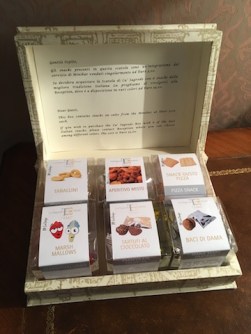

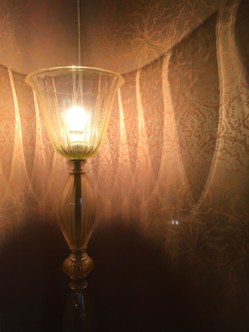

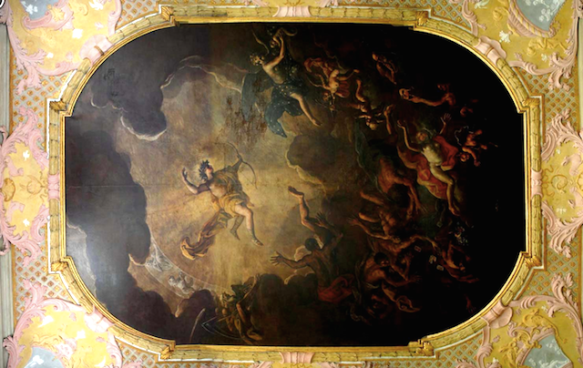
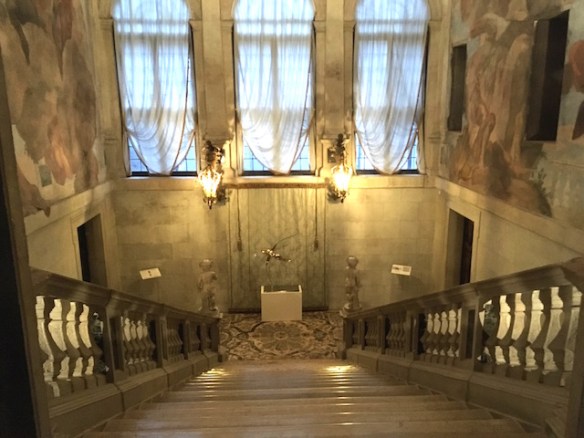 It is a real gem, half hotel, half museum with important works of art by 17th and 18th-century artists Sebastiano Ricci, Niccolò Bambini, Pietro Longhi and a beautiful Giambattista Tiepolo‘s




 The ballet tells the extraordinary primitive experience of man in contact with nature and its elements, in an almost fairytale setting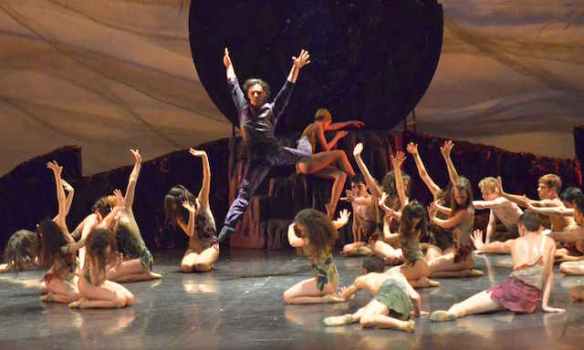
 which will close the first part of the show.

 author of La Cucina del Senza
 The mission was to serve
  I like to mention Oliwer Glowing, from ‘La Tavola, Il Vino e la Dispensa’ in Rome, Luca Marchini, from ‘L’erba del Re’ in Modena, Luca Veritti from Met Restaurant at Metropole Hotel in Venice,
  Veneto recipes, and a futurist style through which the same recipes are elaborated and proposed in a creative way. I should mention all of them, but I like to keep some secrets, teasing you to attend to the next edition of G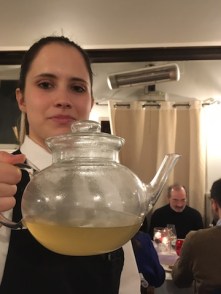
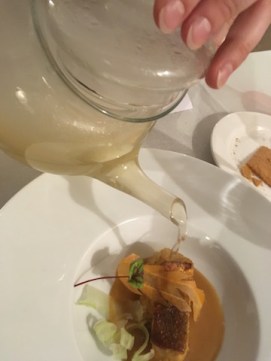






 Manuel Caffè, t

 More info at


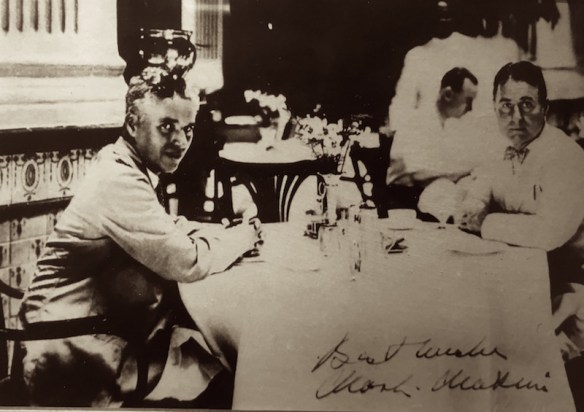
 becoming the most fabled hotel in the Far East and a must destination for royalties, celebrities and wealthy clientele, all pictures in an impressive hall of fame. Legends as Charlie Chaplin, Maurice Chevalier, Jean Harlow, Noel Coward.
  Hollywood royalties as Ava Gardner and Elizabeth Taylor.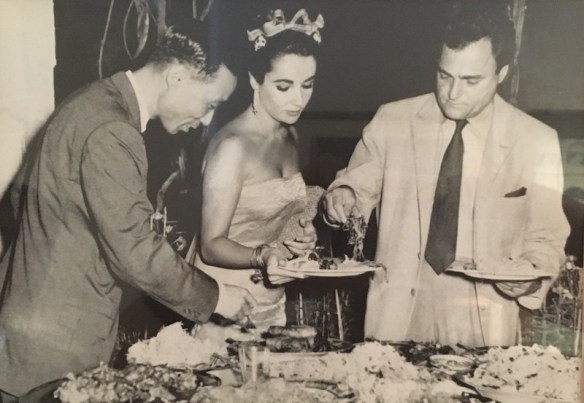

 T
T
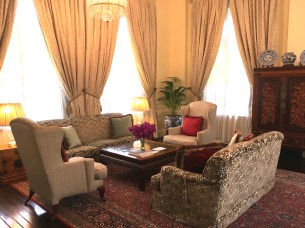
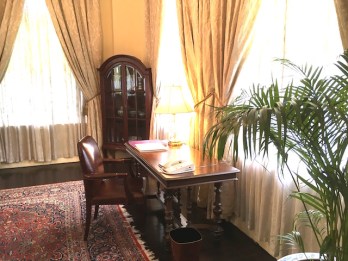
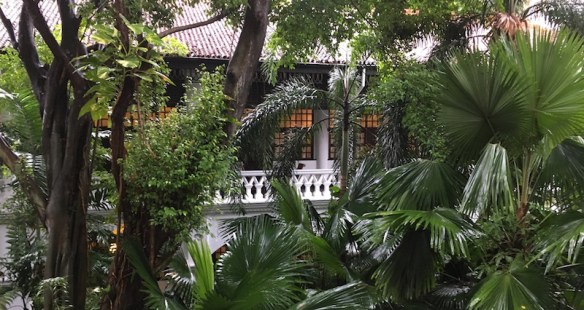
 Within its walls are more than a hundred expansive suites, framed by polished teak verandas and white marble colonnades, clustered around lush tropical gardens. Each is serviced by the legendary Raffles Butlers and offers every modern convenience necessary.



 It felt like a furnished apartment with high ceilings that I had already lived in, not a room that I was staying for the first time. I stepped through the door into a small ante-room, decorated with botanical prints.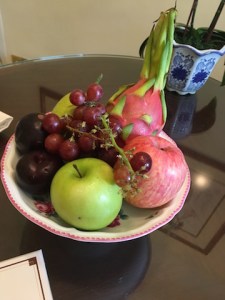

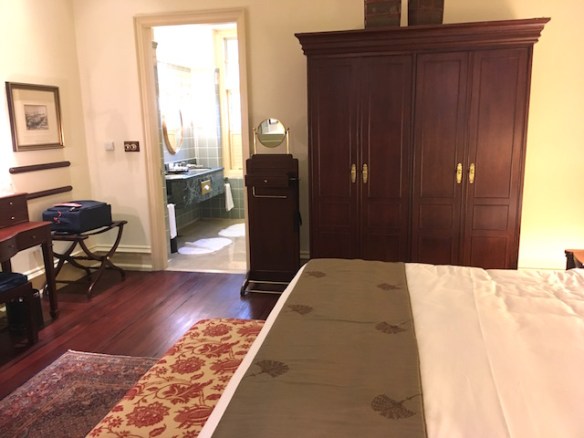
 And beyond there was the timeless green marbled bathroom with two rooms; one with basin and Raffles amenities. the other with toilet, shower, giant bath tub and ceramic elephant pot holders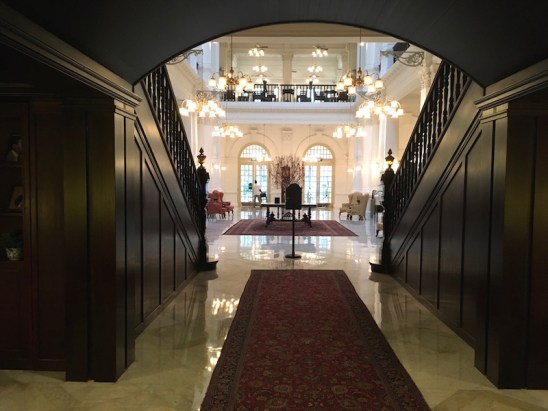

 THE NEW RAFFLES
 The venue will boast new events spaces, including a majestic 300-guest ballroom, named Jubilee Ballroom as a tribute to the Jubilee Theatre, originally a cinema in the 1930s at the same location. Elegantly sophisticated in hues of cream and gold, complimented with an air-conditioned pre-event foyer, the new space will be the ideal venue for weddings and social galas. Once reopened, the Raffles Arcade will showcase social spaces and a variety of lifestyle experiences. This includes a refreshed Raffles Gift Shop that will house a History Gallery to illustrate the heritage of Raffles Singapore. The Arcade will also be home to a brand-new Raffles Spa, a holistic sanctuary for hotel residents and the community to escape the bustle of the city.
  Writers Bar will be expanded to a full bar and be the place for bespoke cocktails, discreet elegance and intimate conversations. All event spaces will also have striking lighting elements and the latest audio-visual technology, to be relevant for today’s social galas and events.
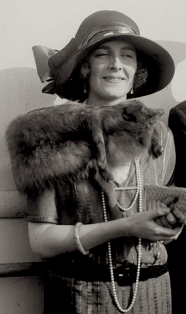 and wife of Lord Louis Mountbatten who was the Earl of Burma, last Viceroy of India and also Southeast Asia’s Supreme Allied Commander during the Second World War. In September 1945, Lord Mountbatten was in Singapore to witness the surrender of the Japanese Forces.The other will be dedicated to Lady Sophia, wife of Sir Stamford Raffles, the founder of Modern Singapore, and for whom Raffles Hotel Singapore is named after.

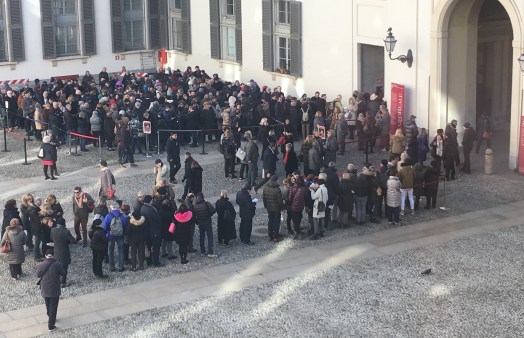

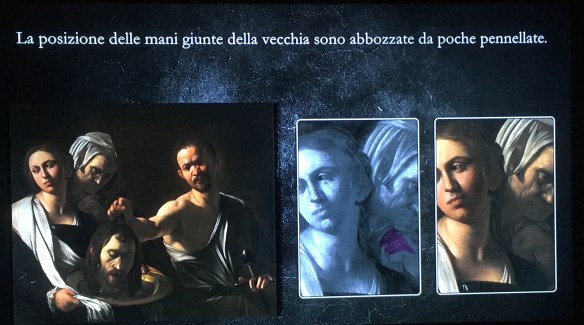





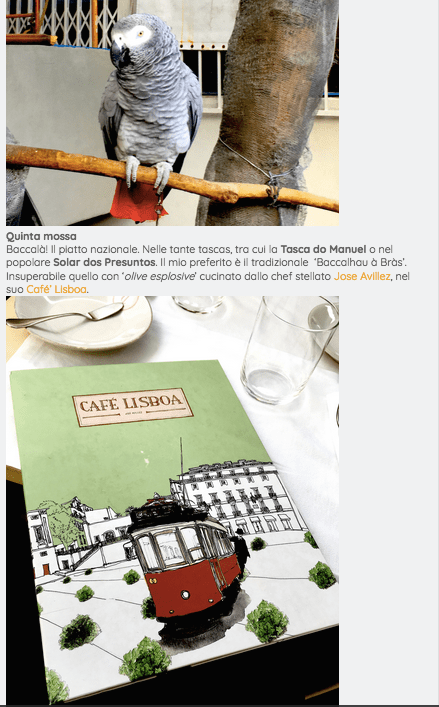
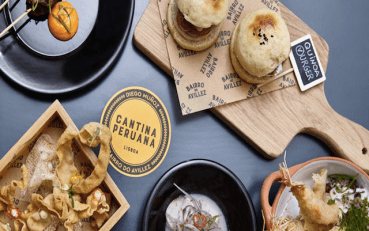
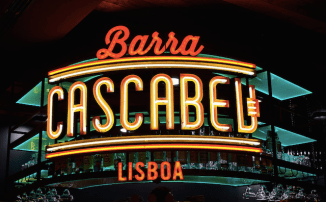
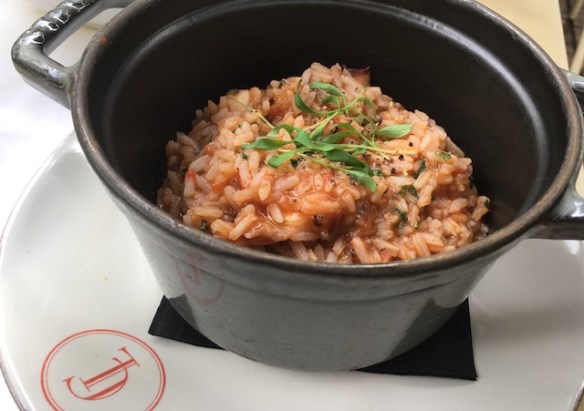
 Nel menu non poteva mancare il pastéis de nata, iconico dolce di uova, latte, mandorle, zucchero e cannella.Nato nella celebratissima versione di Belém, venduta nell’omonima pasteleria che fiancheggia il superbo Monastero dos Jerònimos.Nato nella celebratissima versione di Belém, José, oltre che nella versione tradizionale, lo propone anche in versione salata, con una croccante sfoglia ripiena di carne stufata per molte ore.Il tutto innaffiato da un fresco e aromatico JA Branco dai vitigni Viognier e Arinto..
 Gran finale: un dolce incluso nelle sette meraviglie della gastronomia portoghese, lo storico budino dell’Abate di Priscos, considerato uno dei più grandi chef del 1800.


 L’inarrestabile José non si ferma.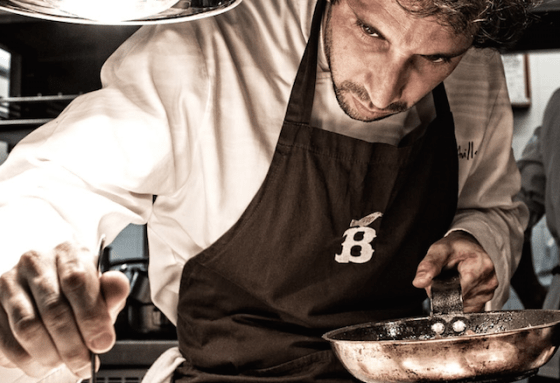
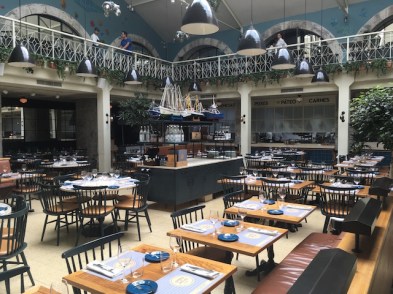
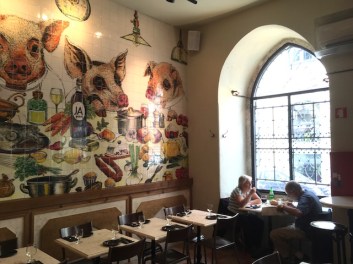







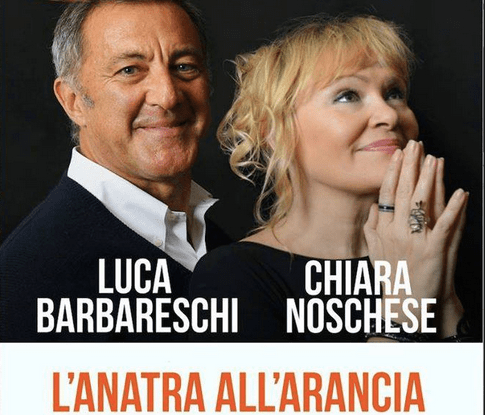
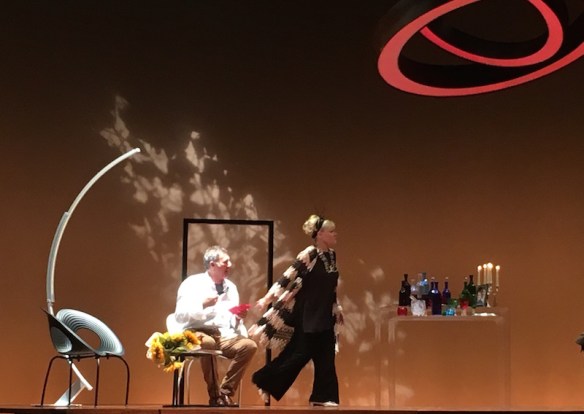 L’altra sera alla prima al Teatro Manzoni di Milano, ho visto una straordinaria Chiara Noschese perfettamente calata, anche nella cadenza, nella parte di una milanese radical chic e Luca Barbareschi, che si sapeva bravo attore, questa volta impegnato in un ruolo inedito, dove brilla di un’ irrefrenabile simpatia che, non a caso, strappa diversi applausi a scena aperta.
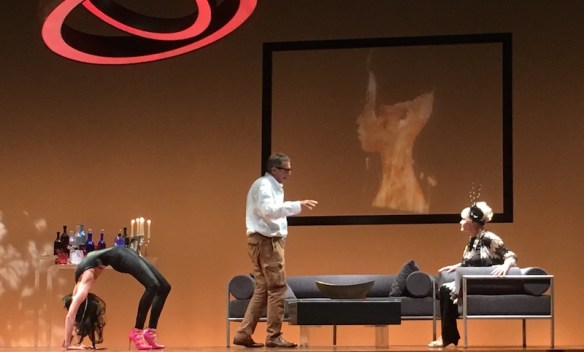 Musica, luci e design per una scenografia post moderna/futurista. Anche il resto del cast completa il successo: Margherita La Terza, è una , perfetta sexy-coatta segretaria. Gerardo Maffei l’amante, meno belloccio e giovane di come ci si aspetta, ma comunque credibile nel ruolo del principe russo e finalmente il cameriere Ernesto Mahieux, eccellente caratterista napoletano.
 It’s harvest season and 2017 appears as a challenging vintage in Europe (“a catastrophy” in Italy according to our host Cesare Zucca). Climate has always been a nail-biting stress factor in wine production and the recent warming observations are not helping…
 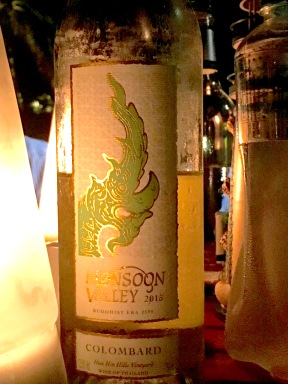 Well, not helping everybody! If some predict the growing production of wines in small Northern players such as the UK, Southern European big producers are feeling the heat and are worried. Wine geography has seen many changes with the emergence of “New World” wines of North America, as well as Chile, Argentina, Australia, New Zealand, South Africa in the Southern hemisphere. But wines of decent quality in tropical countries had never come to my attention… Until the discovery of
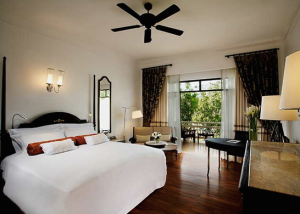
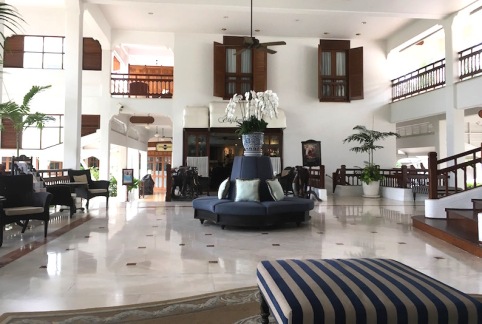
 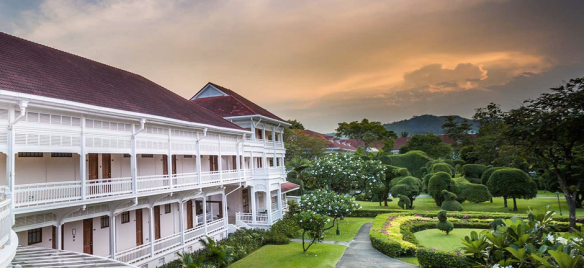 The Centara Hua Hin is a magnificent venue designed to evoke the spirit of the 1920s. Colonial influences meet modern-day comforts and soothing views are to be had of the swimming pools or the magic gardens, populated by grass elephants and other animals.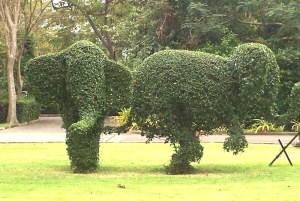
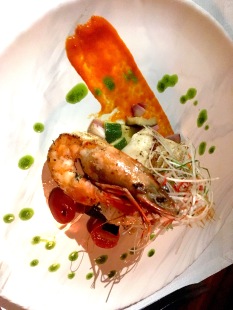 from shrimp with mango salad to roasted duck in red curry.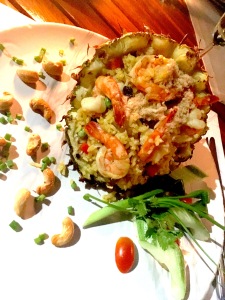
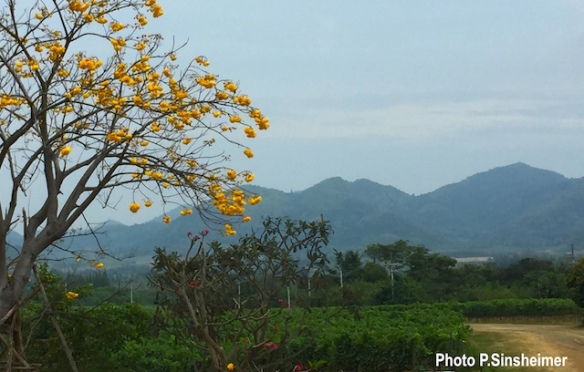
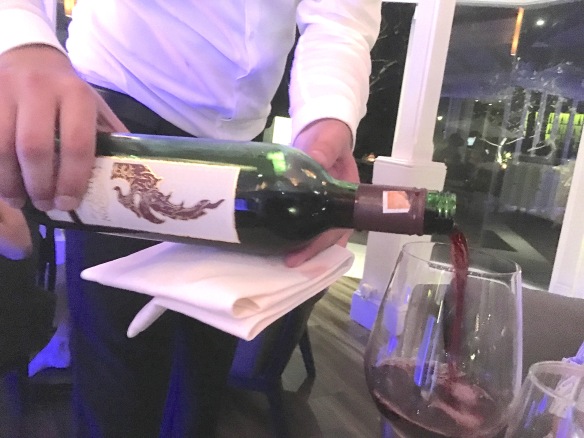 I have to say I was skeptical, but all preconceptions disappeared after a few sips of this Mansoon Valley colombard, both crisp and delicate, with exotic fruit and citrus aromas, along with floral notes. Wow! Perfect pairing with the lemongrass used in the dishes and perfectly cooling to counterbalance the heat of the chilies.I was very curious about it all and the adorable staff of the hotel arranged a visit to the vineyard located less than an hour away. The drive was a beautiful occasion to see a bit of the country side with many fields, mainly pineapple plantations. What a surprise to see in the background of one of the most iconic tropical fruit a well manicured vineyard of over 100 hectars.
 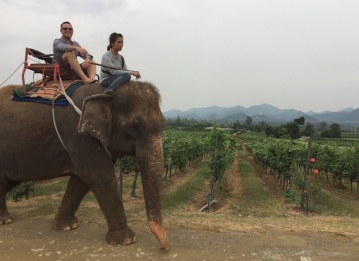 The surprise does not stop there, as I had the opportunity to tour the property on the back of an elephant (if you’ve never done this, just be prepared, it’s a beautiful, but rather rocky ride). The large and elegant tasting room dominates the valley and one can appreciate the key position of the vineyard that benefits from a cooler micro climate with breezes coming from the hills. This is essential to the production of wines that do not taste “cooked”. It’s also the occasion of learning about who is behind this incredible business operation: a man whose name you may not know, but whose fortunate was made by a beverage you definitely have heard about. No, not wine… Red Bull! Chalerm Yoovidhya is among the richest man in Thailand with a fortune approaching 10 billion US dollars according to Forbes this year. Upon returning from his studies abroad where his taste for wine was developed, Chalerm took up the challenge of growing grapes in his native Thailand and show the world that great wines can be crafted even at the 13th latitude
 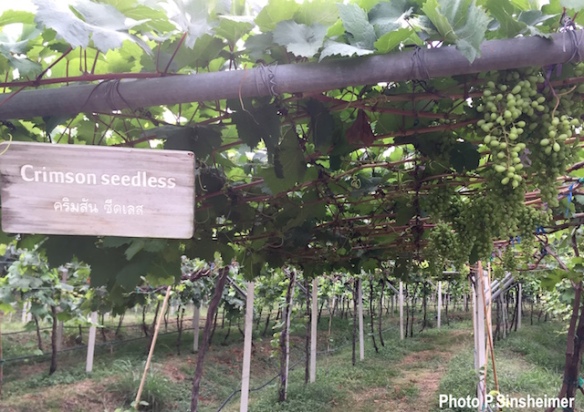 of the northern hemisphere. New World wines are old, new latitude wines are in! Hua Hin Vineyards is actually one of three vineyards he owns, but it serves as the flagship of the Mansoon Valley brand. The winemaker is German born Kathrin Puff, who worked in several wineries in Italy and New Zealand before meeting this tropical challenge with brio. I had the chance to sample a few of the large collection of wines available at the vineyard and all showcased a serious winemaking expertise. A brut blanc de blancs, showacses the delicate a floral notes of chenin blanc, colombard and viognier grapes that compose this traditional champenoise method sparkling.
 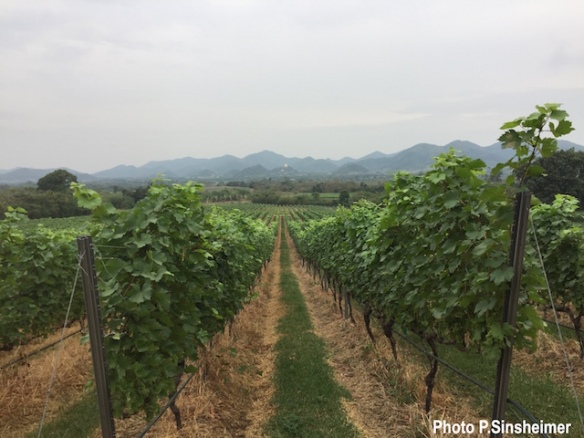 Besides the colombard white, I tried the medium sweet chenin blanc, which was not cloying at all and promised a nice pairing with spicy meats dishes and seafood salads. Among the two high-end “Cuvée de Siam” bottles, made with the best grapes of chosen parcels,
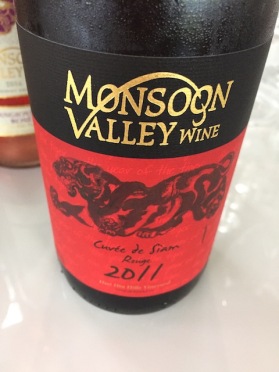 I was really impressed with the red, made with the oldest vines of shiraz and sangiovese, aged in French oak barrels and bottled unfiltered. The result: a spicy wine combining medium tanin and long finish (which earned 84 points by Robert Parker). The white was a serious wine, but lacked a bit of the freshness so pleasant in the other more simple whites. To finish on a sweet note, the chenin blanc late harvest with a nice balancing acidity invites to be enjoyed along with seared foie gras, aged gorgonzola or a more local mango, sticky rice and coconut dessert. Yes,!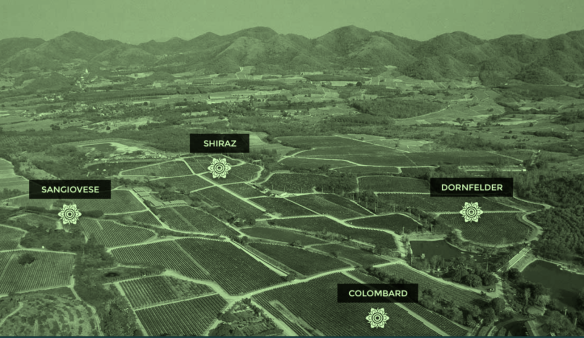

 This is just one of the most completely Made in Italy designs –
 a tough competition between young cooking promises coming from the Culinary Schools of Sardinia, Sicily, Lazio, Lombardy and Emilia Romagna.
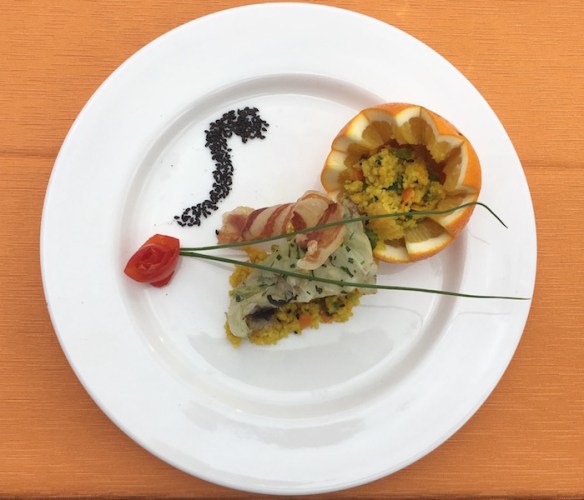
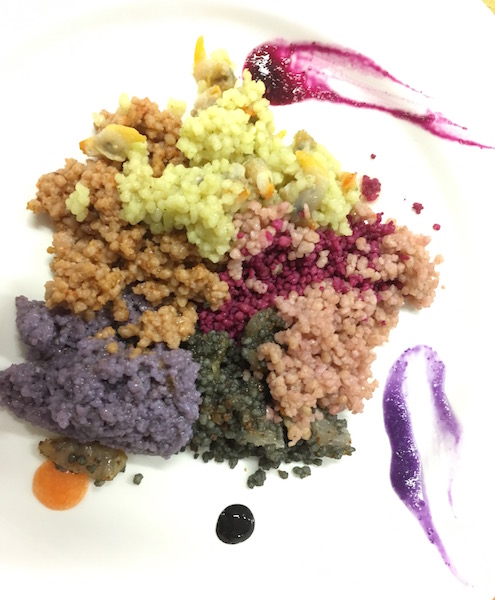
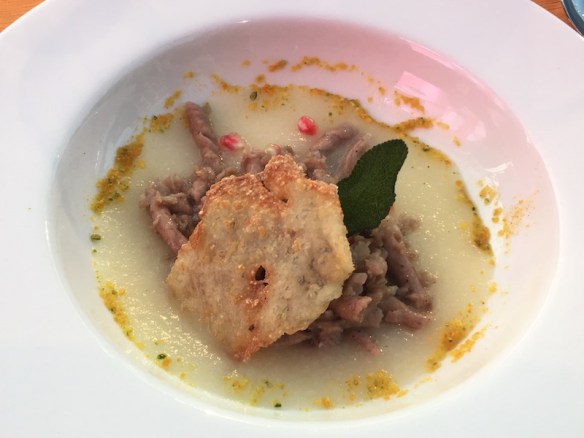 Talking about tradition & innovation, the Remo Brindisi Institute in Comacchio, Ferrara, was inspired by their own a national treasure: the eel served with which orange flavoured vegetable couscous and crisp bacon, getting my enthusiastic votes…and the prizes for best presentation and popular jury favorite.
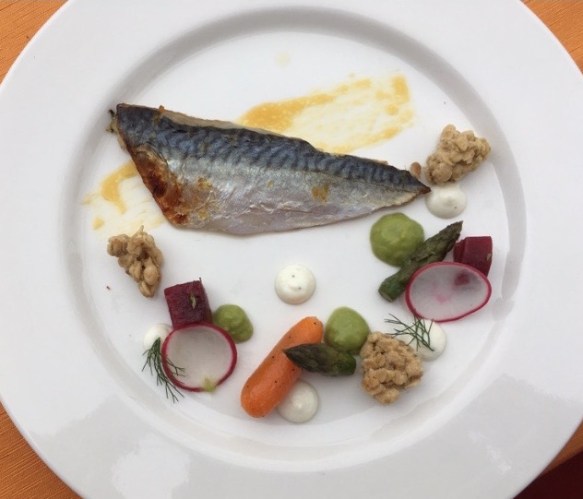
  Thanks to its marinated mackerel, Pietro Piazza in Palermo, won the Golden Wine Award for the best wine and dish combination, sponsored by Tenute Garusol.
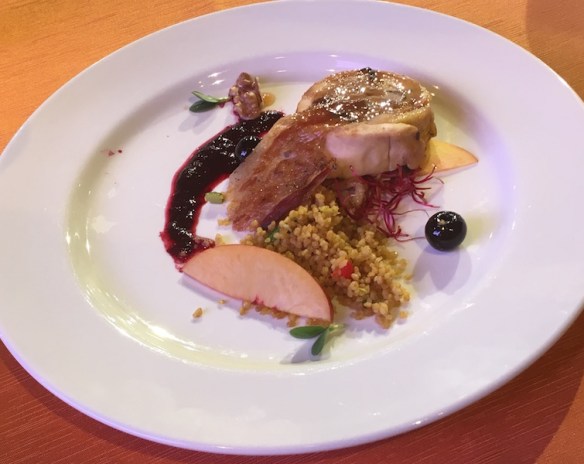
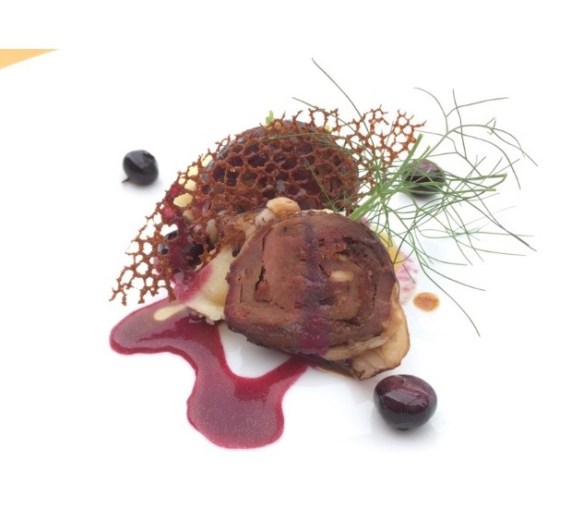
  The Malatesta School of Rimini served a successful stuffed chicken with blueberry sauce that went straight to the final.
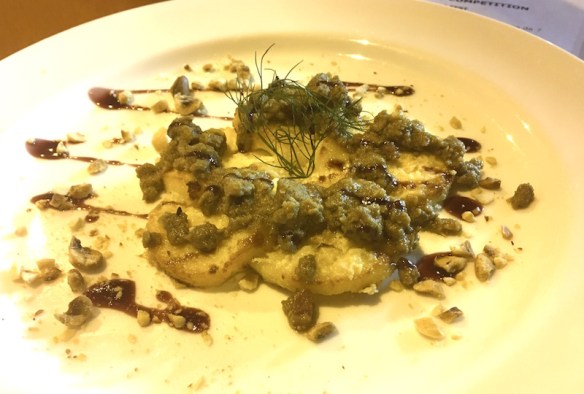
  The Amerigo Vespucci team in Rome, launched a creation named 444 Kilometers, which is the distance between Rome and Argenta, Cool name for a not so convincing ‘gnocchetti alla romana’ with hare topping.
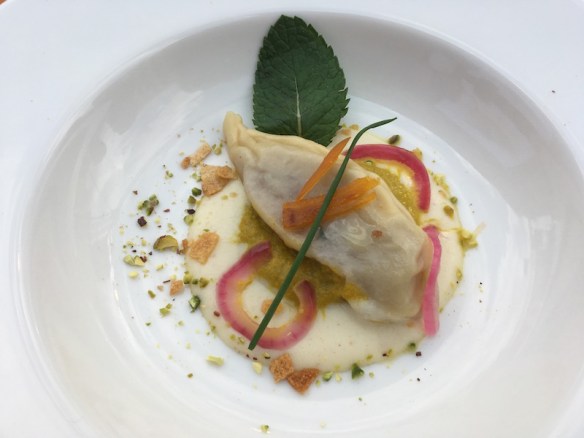
 Ipsia Ferraris of Carbonia-Iglesias, surprised with fresh kamut pasta, pumpkin flower mousse, parmesan, caramelized onions and orange bottarga,
  while Ipssar of San Pellegrino Terme Bergamo opted for local rabbit and couscous.
 The show, brilliantly hosted by funny Actor-Chef Andy Luotto and charming Eliana Chiavetta, was an opportunity to discover the flavors and the atmosphere of the Delta del Po Park, UNESCO heritage and its valuable wildlife, fish and herbs, among some excellences in the wine &food industry: such as the wide range of Giulio Bellini’s Bia CousCous, Tenuta Garusola wines from the Consorzio Bosco Eliceo.
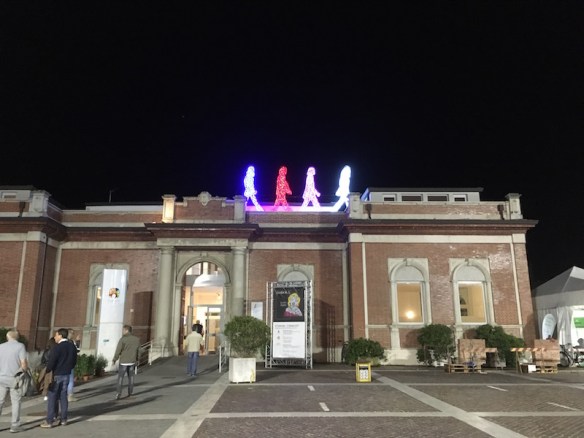 See you next year in the Silver City ! Yummy…..
 nontouristytourist.com