By Philip Sinsheimer
Photos by Philip Sinsheimer, Cesare Zucca
Cesare Zucca already related our fabulous trip to Romagna last June with its various highlights, where the warmth of the people rivaled the heat of the constant sun.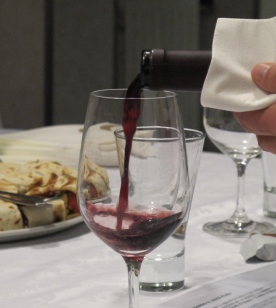
Today, the “vino-Phil” that I am will focus on the unsung grace of the wines of this region, overshadowed by Emilia, its twin sister to the West, which rolls on the fame of products as famous as Prosciutto di Parma, Parmigiano Reggiano, Aceto Balsamico de Modena, Mortadella di Bologna and, for the wines, Lambrusco.
I’m pretty sure you’ve heard of it, as it seems to be exported pretty much everywhere. Quite an achievement for a rather peculiar red wine, both fizzy and often sweet. Clearly, not the best bottles are exported… I still need to sip a Lambrusco that I would actually want to drink.Regardless of quality, Lambrusco has acquired fame. But, can you tell me anything about wines from Romagna? Sorry? I can’t hear you… Well, my guess is: not so much. At least, that was my case before discovering this region with my own eyes and mouth! Before,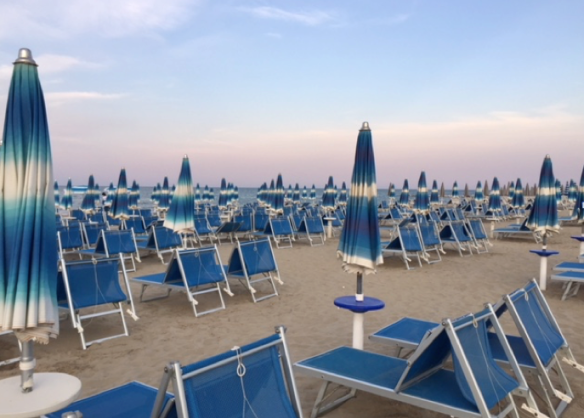 I knew it only for the famous beach town of Rimini (birthplace of Federico Fellini and of beach umbrellas according to some, and the historic city of Ravenna, which served as the capital of the Western Roman Empire (from 402 to 476). But wines, no, “I was dry”, as we say in French, not a clue as to what to expect…
I didn’t have to wait long to be initiated. As soon as we arrived at the c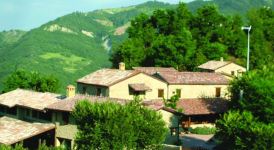 harming Fattoria Faggioli where we were hosted during our four-day press trip, we were offered a red wine which reflected perfectly the delicious home cooked pasta and the general atmosphere: no fuss, big heart, big flavor, frank and bold (photo).
  It was a Sangiovese which, I was told right away, was the most prized and celebrated red grape of Romagna. Everyone tends to associate the noble grape with Tuscany, the region immediately to the South, with its world-famous Chianti and Brunelo di Montalcino. Even though Sangiovese has not reached those level of notoriety in Romagna, the region can definitely boast of a deeply rooted wine culture. After a few glasses, an old saying came up, revealing the generosity of the Romagnolo people and their love of wine. If a stranger knocks at the door of someone in Emilia, he is offered a glass of water, in Romagna… a glass of wine!. This sense of hospitality connected to wine culture was perfectly exemplified during our visit of the medieval town of Bertinoro. The symbol of this perched little city is its 13th century column with twelve metal rings, named the “column of hospitality” photo). Each ring was associated to one of the local noble families and when a traveler arrived into town and tied his horse to one of the rings, he would automatically become a guest of the family associated to it
 We didn’t arrive on horses, but were just as warmly welcomed at the beautiful visitor center with an in-depth presentation of the local wines. This was my first encounter with Romagna’s most celebrated white wine: l’Albana, unique to this region. The 2016 “I Croppi” from Celli winery (photo) revealed a white unlike any other. Golden in color, the wine had a serious body and boasted 14° of alcohol.
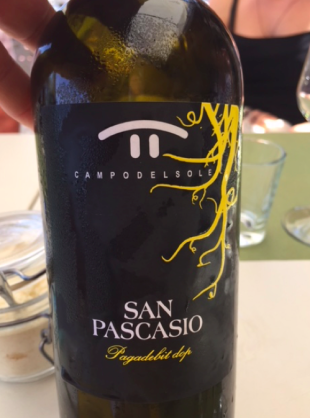
  One of the distinctive tastes I noticed was a lingering ripe apple flavor and it felt like it had some tannins. It is actually sometimes called the red wine made in white and it can pair meat dishes as well, if not better than seafood. We tasted a local 100% Sangiovese, bold and rich with 14.5% alcohol, but my second thrill came with the second white wine we tasted: the 2016 San Pascasio, Romagna Pagadebit DOP (photo), from the Campodelsole winery. Unlike the Albana, this white had a vivacious acidity and a refreshing minerality. Aromas and flavors of exotic fruits and elderflower were delicious. I was wowed and seduced immediately. Pagadebit is made from the Bombino Bianco grape, which, unlike Albana, is not unique to Romagna. It can be found in central Italy all the way to Puglia, but it has definite terroir characteristics here in Romagna and must count for at least 85% of the grapes for the Pagadebit di Romagna DOC. The name is a story in itself. “Paga-debit” – literally “pays your debt” in Italian – comes from the grape’s reputation for being high yielding and a reliable crop for vineyard owners to grow, assuring that each vintage would enable them to pay off their debts.
  But the latest report regarding the 2017 vintage is rather alarming and almost puts in question the validity of the promising name. My source is Mauro Sirri, co-owner of the Celli winery in Bertinoro. In his 34 years of winemaking experience, he has never seen such precocious harvest, which started on the 8th of August, about 3 weeks before than usual, due to high temperature and scarce rainfall. So much for those who have doubts about global or local warming! The oldest vines, benefiting from deeper roots, reacted better, but the average yield still dropped by 50%, putting at risk the financial balance of wineries.
On the positive side, Albana seems to gain some appeal outside the borders of Romagna. On November 25th and 26th 2017, Bertinoro will host the first Albana Trophy to find the best expert of this wine in order to be its ambassador both nationally and internationally. I wish I could go, perhaps you can, I know you should! The little town will be having many events for the occasion. You just cannot miss having a meal at l’Osteria Cà de Bè with a panoramic view of the surrounding hills and fantastic food (still thinking about this rabbit…).  The wine collection is also exceptional (photo du mec?) and I really liked the 2016 Albana “Neblina”, produced by Givana Madonia, which had a very pleasant acidity
After my initiation in Bertinoro, I was better armed to appreciate the following tastings of Romagnolo wines. The first one came soon after at the Cantina Poderi dal Nespoli (link? http://www.poderidalnespoli.com/en/), a winery established in 1929 about 16 miles to the South-West of Bertinoro, with a beautiful tasting room and a wide diversity of wines. There was of course various Sangiovese based reds and out of the lot, my favorite was the Prugneto, Romagna DOC, Sangiovese Superiore, made from 100 % Sangiovese grosso: a wine full of life with a bright ruby color, an intense bouquet of ripe red fruit which didn’t translate in the palate into anything jammy, allowing a certain freshness to shine through and soft tannins to carry notes of violet and plum. Yum!
But, once again, my focus was more on the whites. The Campodora, a 100% Albana showcased the typical golden yellow color of the grape and a rich smooth taste of stone fruit and acacia flowers. But what made it shine for me was this beautiful balance between ripeness and acidity. This freshness, I was told, was to be attributed to vines perched at a higher altitude and a careful picking of the grapes in the morning, before it got too hot. Thei r Pagadebit (blended with 15% of Sauvignon Blanc) was fresh and vivacious with a floral nose and a crisp finish. Besides those two established whites in Romagna, we had the chance to discover a third one, called Famoso, in reference to the name of the grape which it was made of exclusively. Ironically, this indigenous grape from Romagna has been rediscovered in the last ten years or so after a period of abandonment. Fame comes and goes I guess. And what a flamboyant come back this was in the glass with this 2016 vintage: totally charming white, light, with only 11.5° alcohol, but intense with its floral aromas, notes of tropical fruit, and a long, clean, lip smacking finish. Cesare and I fell in love with this rarity and decided to buy a few bottles to take home and share with others. In spite of its name, Famoso won’t be in the aisle of your supermarket anytime soon! Look for it at your specialty wine store, but better yet, plan a trip to Ravenna.
If you have the chance to go in the summer during the Festa Artusiana in Forlimpopoli, your will be able to discover the beautiful Casa Artusi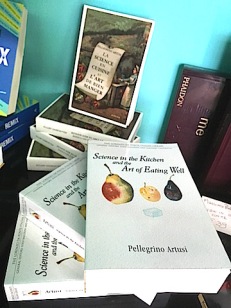 (where you can take traditional
 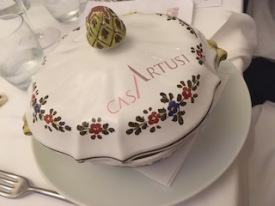 cooking classes, as well as learn about one of the legends of Italian cookery in the name of Pellegrino Artusi whose monumental La Scienza in Cucina e l’Arte di Mangiar Bene was first printed in 1891 with 700 regional recipes. The whole town during these few days pays homage to the legendary food writer by putting certain of his recipes on the menu of established or ephemeral restaurants. Food stands abound and enable you to taste specialties from Romagna and elsewhere.
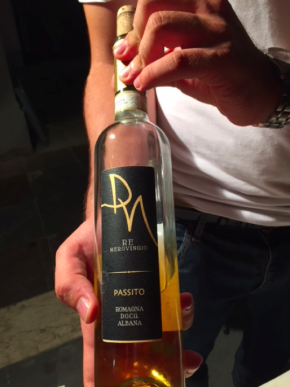 Beverages are also part of the feast of course, from local microbrewery beers to local wines. One stand had me taste an Albana Passito, sweet and intense, beautifully balanced with just enough acidity to make you want to have another sip. This final tasting note still lingers in my mind and the unique wines of Romagna will have me go back again, that is for sure.

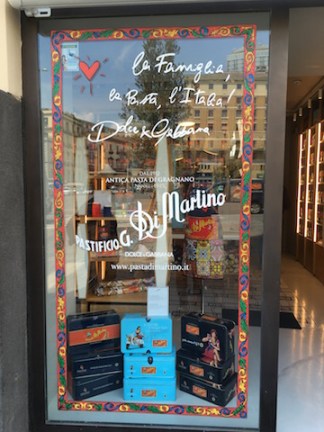 Naples: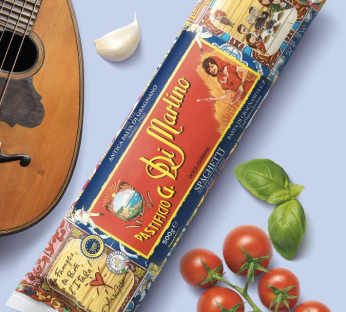


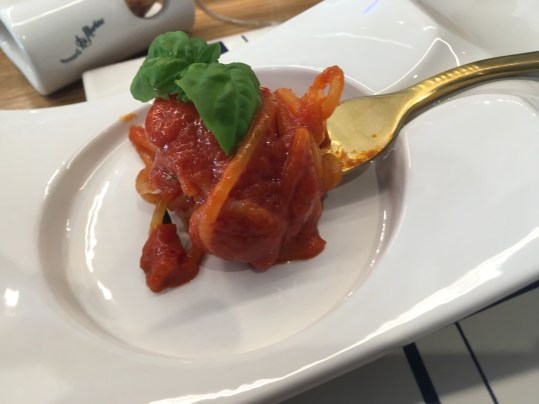
 On the corner, you will find a takeaway window that sales (for only 5 Euros!) a box generously filled of perfectly cooked spaghetti with the richest tomato sauce that literally floods on a slice of bread on the bottom, renewing the traditional way to do the scarpetta.


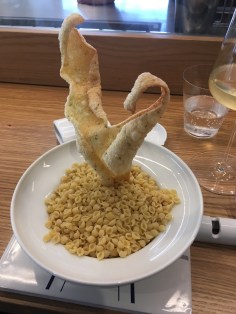
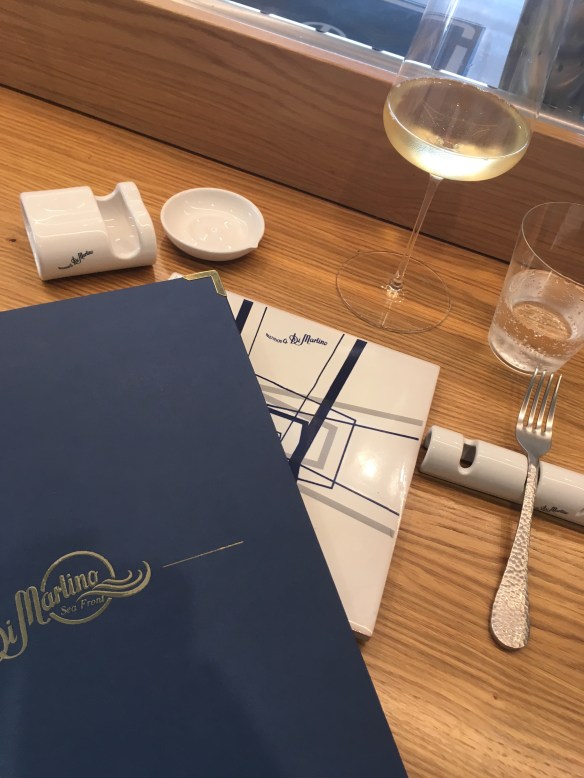 Let’s go upstairs. On the first floor you will find the open kitchen restaurant furnished with seats at the desk where you can appreciate a menu based entirely on Gragnano’s IGP Di Martino pasta, from antipasto to dessert, Under your eyes, Chef Pierpaolo Giorgio, starred Peppe Guida’s disciple and its team will prepare an amazing variety of pasta dishes.




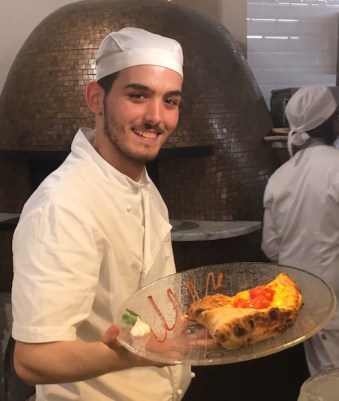

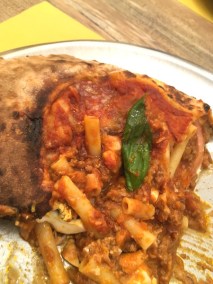
 II was curious about the attuali ( contemporary) pizzas, so I tasted (and loved) the SVB with local salsiccia, seasonable greens, burrata cheese from Andria in a soft cornice , compact and crispy.FinallyI had to try the Acunzo hit: their pizza e pasta, stuffed with a succulent mix of pasta, cheese, tomato sauce.eggs and basil.
 Last night, the beautiful San Carlo Theatre in Naples, hosted the première of Il Cappello di paglia di Firenze (The Straw Hat of Florence) an alive, surprising and amusing musical farce based on the vaudeville Le Châpeau de paille d’Italie by Eugène Labiche and Marc Michel, with the music of the great composer Nino Rota who also wrote the libretto helped with his mother Ernesta Rinaldi. This little jewel, that echoes opera, operetta, musical theatre and contemporary sounds, was welcomed by a resounding success that led to a very unusual circuit in Italy, initially performed in the 50’s at the Piccola Scala in Milan under the direction of Giorgio Strehler.
 Set in the magical atmosphere of Paris,the story turns around an elegant straw hat from Florence, real protagonist of a continuous paradoxical misunderstandings, exchanges of person, plot twists and naturally happy ending.Young and energetic Valerio Galli directed with vitality the San Carlo orchestra and choir. Elena Barbalich ‘s featured an animated direction, perhaps a little too horizontal, having often the big cast (nearly 40 people) all aligned on the same level, Tommaso Lagattolla‘s amazing costumes who’s palette spans from pastels from a glamorous red, black and white evening gowns number. I loved the impressive and athletic cast: Pietro Adaini, Gianluca Buratto, Bruno de Simone , Dario Giorgelè, Marco Miglietta, Roberto Covatta just to mention few, and the primadonnas Zuzana Marková, the ‘diva’ Anna Malavasi as the Baroness of Champigny, the flamboyant Anna Maria Sarra who irrevocably reminded me of the notorious Gradisca from Fellini’s Amarcord.
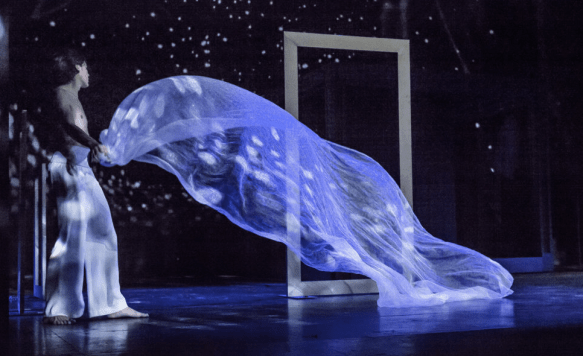
 The highlights? I have to mention the irresistible choir performance of Io casco dalle nuvole a Broadway musical like moment with eight identical blonds seamstresses silhouetting against a fuchsia background, the very Verdi inspired change of the guard, , a unexpeced Salvo Lobardo ‘s violin solo performance in the middle of the audience, the colored umbrellas floating over the stage and, last but not the least, the lovely clown with his white had and his trumped , who took me to the magical world of Fellini.
 for more info
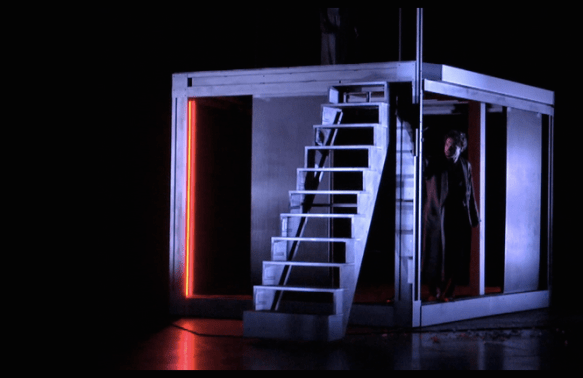
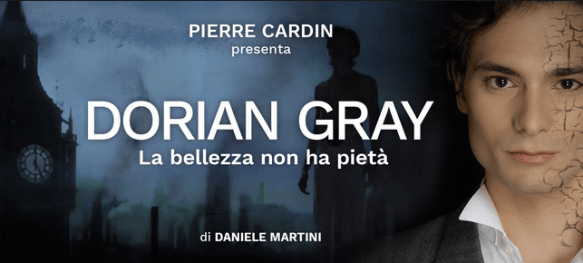 Lights and stage special effects, accuracy of the image, a catching opera-rock soundtrack, excellent performances, Federico Marignetti superstar able to carry a non-stop tour de force, perhaps some lack of narration of the original history.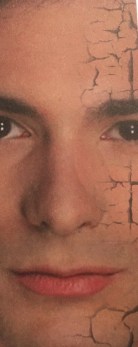
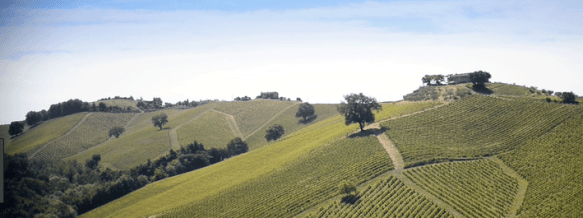 Welcome to the enchanting hills of the Marche region where the past lives in the present and the soundness of its traditions merges with the strength of the innovations in a constant striving for quality in its wines.Today I choose the winery CIU’ CIU’,located in S. Maria in Carro, Offida in the province of Ascoli Piceno. Ciù Ciù wines are the authentic expression of the company’s commitment and tradition, the result of research and quality in both the vineyard and in the cellar, but also of a natural wine-growing ecosystem of quality with a “terroir” (microclimate, soil and subsoil) that is unique and irreplaceable.
 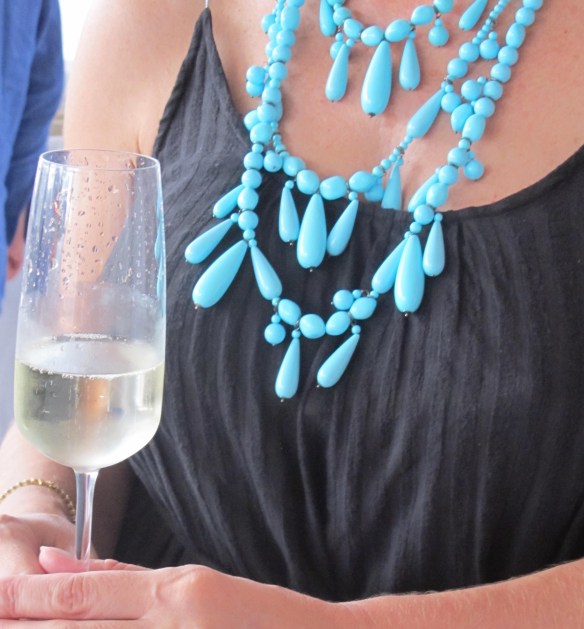 The hospitable and elegant Ciù Ciù showroom is open to anyone wishing to embark upon a tasteful experience such as this: the red and white organic wines are matched with samplings of products typical of the Marche tradition, bringing out the best in them and offering an explosion of taste in perfect harmony. If you want to live this experience, book your tasting.
 A range of organic red wines that express quality, derived from the natural wine-growing ecosystem of the range of hills that slope downwards from Offida to the sea. In 2017
  The Rosato is a delicate organic and vegan wine rosé wine with an intense colour and a fruity bouquet, which is selected from Sangiovese and Montepulciano grape varieties growing up the “Piceno” hillside.
  Last but not least , two wonderful sparkling organic Spumante wines boasting a vibrant colours and an intense bouquet; the Pecorino Merlettaie and the Passerina Altamarea, great with Ascolana style stuffed olives and fish courses.
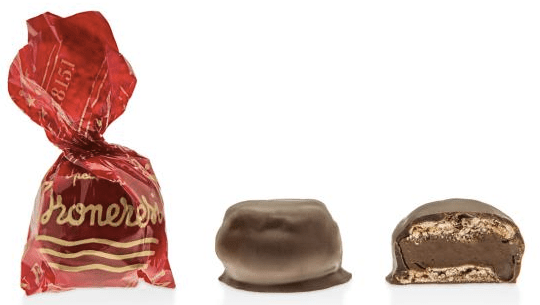 Welcome to Dronero: a tiny medieval town in the province of Cuneo, Italy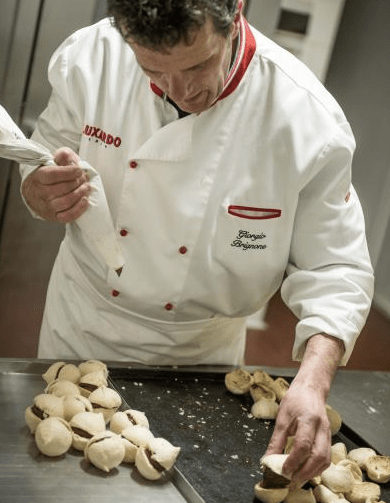




 At 2018 Verona Vinitay, I had a wonderful surprise when I met with
 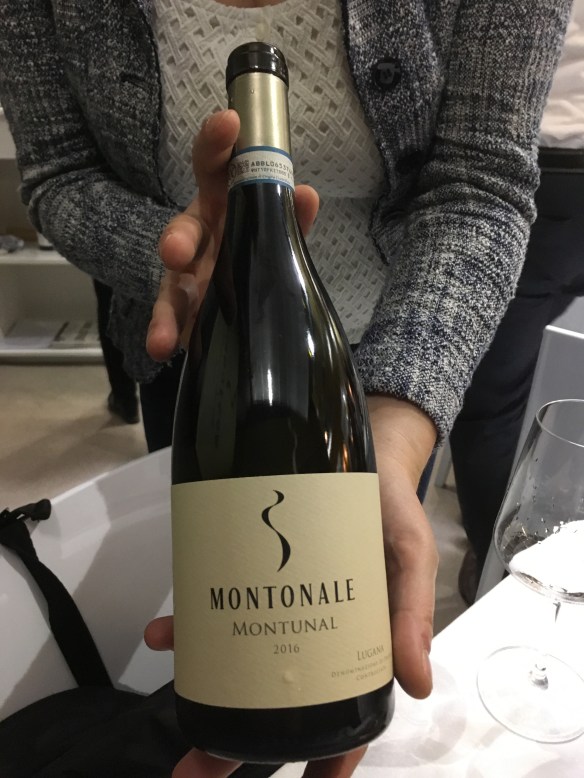 The harvest is performed exclusively by hand, September through the end of October,
  while the grapes can reach a perfect ripeness thanks to the great sunlight exposure and the good ventilation.


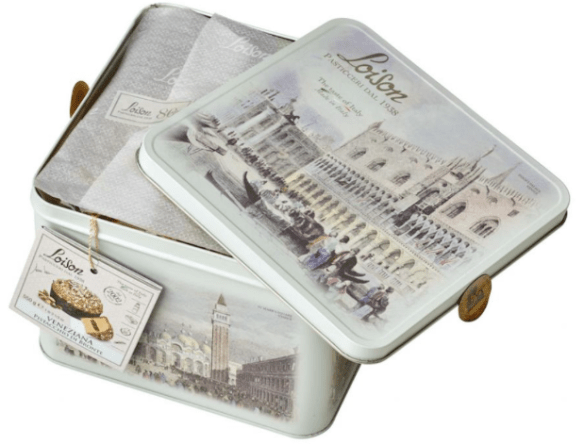
 Let me take you to Venice to taste the traditional cake Veneziana. It’s delicately soft on the palate and it’s delicious for breakfast or as an afternoon snack. It’s a mixture made of milk, eggs, flour and butter, topped with sugar and almonds.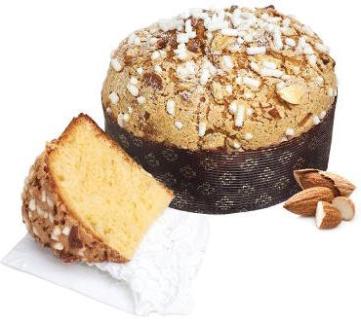
 Ravel Project is a triptych structured tribute to the always fascinating music of Maurice Ravel .A

 Abano Terme is a spa resort in the Veneto region of north-east Italy, close to Padua, on the eastern slope of the Colli Euganei; it is 10 kilometres (6 mi) southwest by rail from Padua. The town’s hot springs and mud baths are an important economic resource.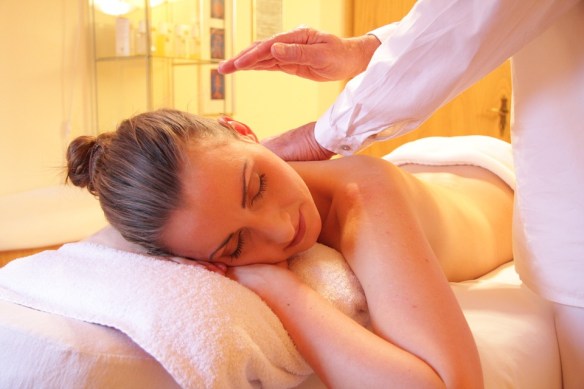


 The baths were known to the Romans as Aponi fons or Aquae Patavinae. A description of them is given in a letter to Theodoric, the king of the Ostrogoths, from Cassiodorus. Some remains of the ancient baths have been discovered (S. Mandruzzato, Trattato dei Bagni d’Abano, Padua, 1789). An oracle of Geryon lay near, and the so-called sortes Praenestinae (C.I.L. i., Berlin, 1863; 1438–1454), small bronze cylinders inscribed, and used as oracles, were perhaps found here in the 16th century.[3]
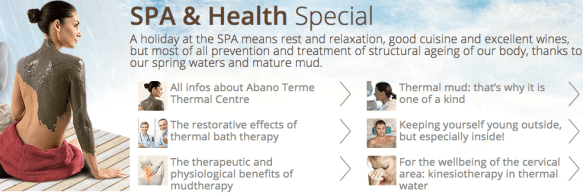 See hotels and SPA treatments here
 Today I take you to
  1467 and located in the Roero area, in the South of Piedmont Region, Italy .The property’s vineyards also extend close to the Langhe, such as 2.6 hectares in Barolo on the prestigious Cannubi hill, from which the nebbiolo grapes destined for the production of the celebrated Barolo Cannubi, a wine of grand character, elegance and longevity.Thanks to the vines’ exposure to sun and to the particular microclimate, it is a wine of grand character, elegance and longevity, thanks to the exposure to sun and to the particular climate.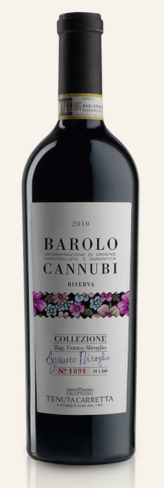
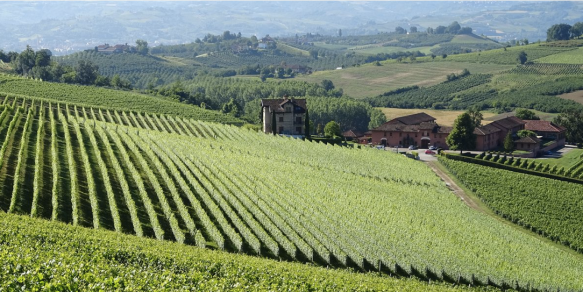 Guided visits to the winery, the elegant Charme Hotel and a welcoming Enoteca – Wine Shop, make up the rest of the mosaic.I saved the best for last…
 -end restaurants where your dishes will take to meet the royalties of the territory: the tartufo bianco di Alba ( Alba’s white truffle) and the porcini.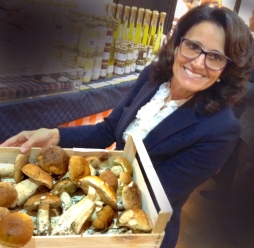


 They were 30. They became 9. Yesterday only 1 ….




 from the Royal Palace of Genoa,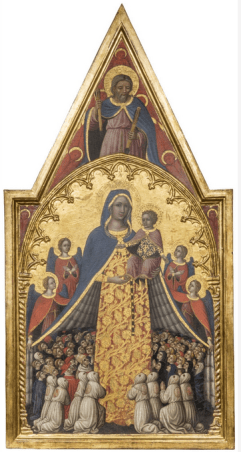
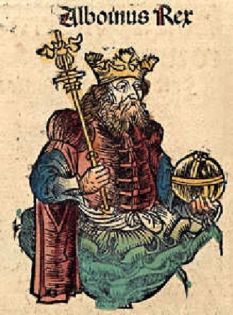 after three years of siege, captured the town of Pavia in northern Italy on Easter Eve. Evading the guards, an old baker was able to reach the king and offer a dove-shaped leavened bread. “Alboin,” he said, “I offer this symbol, as a tribute to peace, on Easter day.” The sweet scent and the convincing message persuaded the king to give a promise of peace. That’s the legend.The dove we know today has a more recent origin and, I should say, a more prosaic version of the history. In the early 1
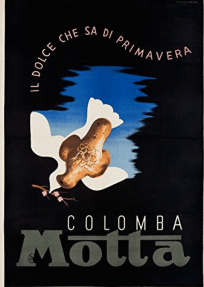 930s the Milanese company Motta specialized in panettone, a cake produced only for Christmas. Unhappy to have their machinery unused for many months, Motta decided to package a similar product to be sold during the Easter holidays.
 After a long rest, the dough is portioned in different sizes for an additional four hours of leavening, then covered with almonds, sugar and amaretto. Since its birth, the colomba was enriched by many variations and a variety of different icings and fillings.
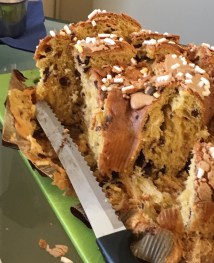 urs before it is finally packaged.
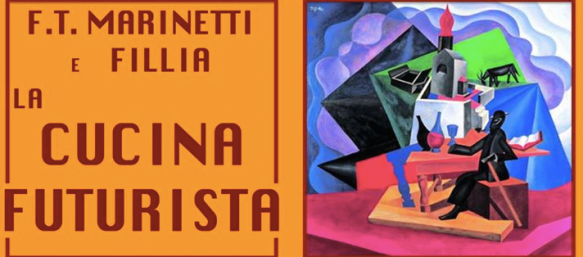 Italy,1909. The ‘futurismo’ artistic movement is born!!
 To celebrate the rhythm of futurism,
 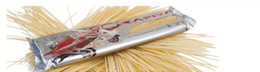 This
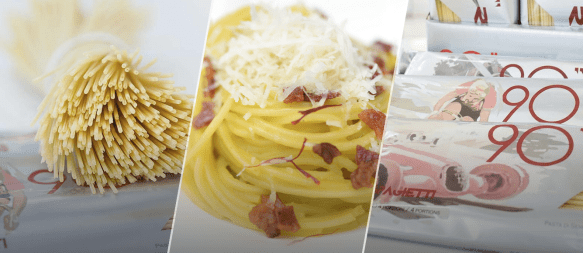
This 
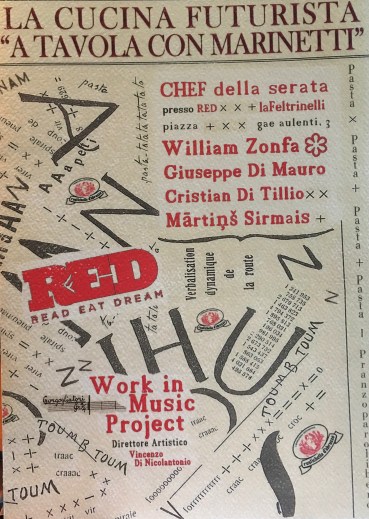
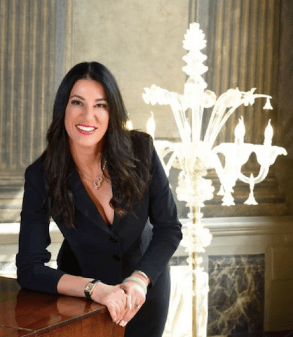 , sorry I literally have 5 minutes, i got to run to Mestre to sign the extension of showing ‘Support’.
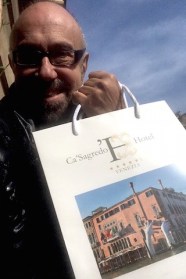
 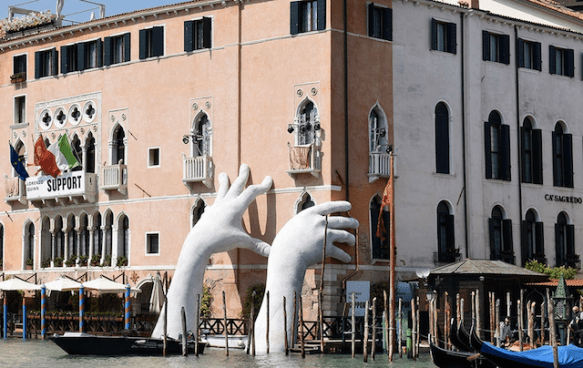 as these two giant hands rising from the waters of the Grand Canal ideally aiming to protect the façade of Ca’ Sagredo, one of Venice’s most beautiful and iconic buildings that risks sinking due to a changing climate. At the same time, however, they could destroy it and let the city sink at any moment, because “A hand could hold so much power, said Quin, the power to love, to hate, to create, to destroy. “
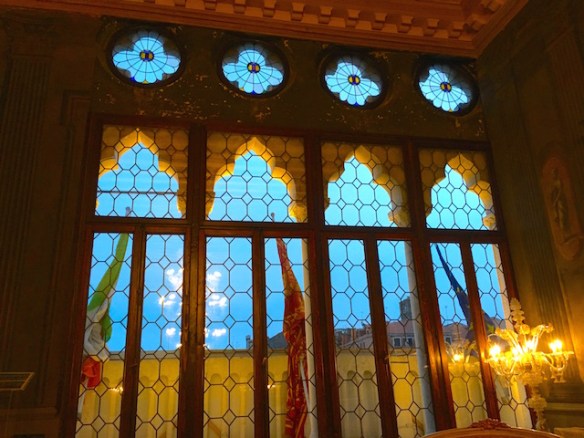

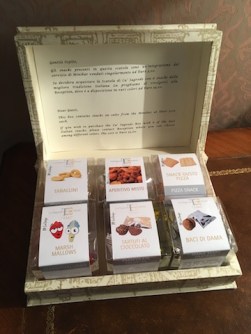

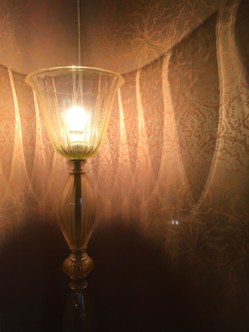

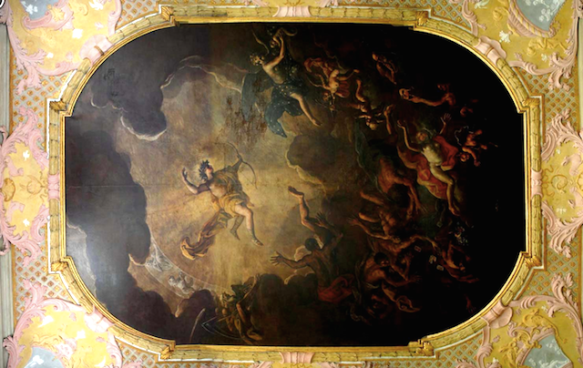
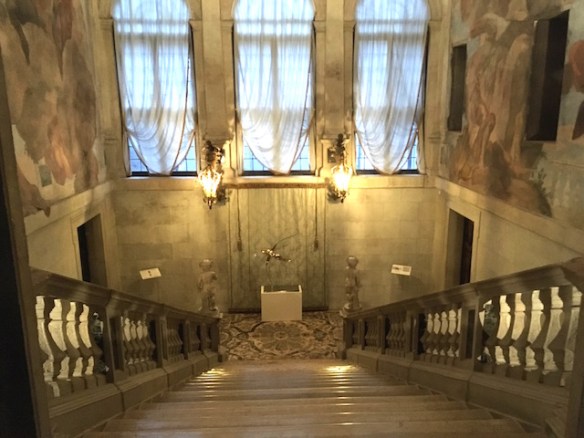 It is a real gem, half hotel, half museum with important works of art by 17th and 18th-century artists Sebastiano Ricci, Niccolò Bambini, Pietro Longhi and a beautiful Giambattista Tiepolo‘s




 The ballet tells the extraordinary primitive experience of man in contact with nature and its elements, in an almost fairytale setting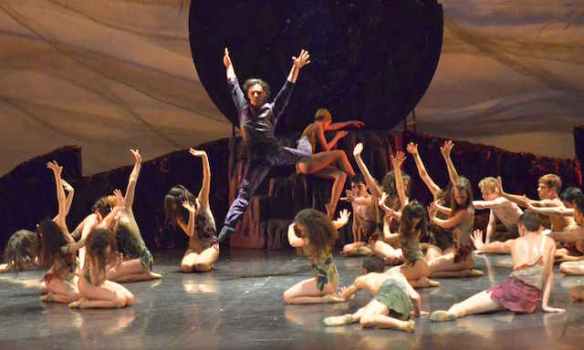
 which will close the first part of the show.

