By Cesare Zucca Last night at Auditorium Milano, Hitchcock PSYCO, in original version with the soundtrack played LIVE by the Orchestra Sinfonica Giovanile Milano,
More than 30 musicians greatly directed by Anthony Gabriele.
The thrill Master Hitchcock’s masterpiece as I have never seen (and heard) before.The iconic soundtrack composed by Academy Award winner Bernard Herrmann was performed by the Orchestra on the original version of the Master of suspense’s masterpiece, played by an amazing and tormented Anthony Perkins. If you want to see more check my Instagram
Next performance will be Jurassic Park with the great John Williams music
On May 31 and June 1 at Auditorium Milano. Not to be missed !
Also if you like Beethoven and…chocolate Saturday 25 March at 6 pm
Auditorium Milano will host the Milan Symphony Orchestra conducted by Maestro Ruben Jais together with the Chef and Maitre Chocolatier Ernst Knam, awaits you for a “synesthetic” adventure that combines listening to Beethoven’s music with tasting a selection of pralines, specially designed and created by the Chef for this unmissable event. Music and Chocolate have never been so close!
Let yourself be moved by listening to an overwhelming symphonic concert accompanied by the scent and taste of the best Knam chocolate.
.INFO info@auditoriumdimilano.org
Here how to buy tickets
BOM (good in Brazilian) plus MAKI (the roll of Japanese cuisine) equals BOMAKI the new nippo-brasilian cuisie that is scoring all over Italy. Last night I went to theopening for the new Bomaki Navigli, tin he trendiest ” movida” and “food” area in Milan. One hundred seats between the internal hall and the welcoming external dehor overlooking the Naviglio, which allows you to taste the goodness of the Bomaki offer in an environment characterized by extremely refined furnishing elements.
Let’s adventure in luxuriant tropical forests and ceramic azulejos that recall the South American atmosphere. Exotic accents meet natural details in a kind of “urban escape” in the metropolis, where the menu boasts a Brazilian, Japanese and European foods can be enjoyed in a colorful environment, full of details reminiscent of South America . ………….
The menu is extensive and satisfies all tastes, in fact, in addition to the vast choice of uramaki, you can try different varieties of tartare and carpaccio or more “street” formats such as burritos and meat and fish tacos. These delights can be combined with excellent typical Brazilian cocktails such as caipirinha, caipiroska, exotic mojitos, all with flavors ranging from mango to passion fruit and for the more traditional customers of craft beer, “Branquinha”, created specifically for Bomaki by the Brewery of Legnano.
I met The CEO of Bomaki Giuseppe Grasso who told me: “Bomaki Navigli represents an important step for the company because it covers a very strategic area of Milan and, in fact, completes our coverage on the city. The restaurant has enormous potential, both for the position we have chosen and for its internal architecture which is able to enhance the peculiarities of our food & drink offer and to keep the promise that we make to our customers every day: “
The chef and partner Jeric Bautista, brings taste and creativity to the gastronomic proposal is one of Bomaki’s strengths, the dishes are constantly evolving and keep faith with tradition, aromas and colors of Brazil. The visual impact is the first step of the culinary experience, a fundamental element for Japanese cuisine which is combined with the chromatic Brazilian gastronomy.
CESARE ZUCCA Travel, food & lifestyle. Milanese by birth, Cesare lives between New York, Milan and the rest of the world.For WEEKEND PREMIUM he photographs and writes about cities, cultures, lifestyles. He likes to discover both traditional and innovative gastronomic delights. Cesare meets and interview top chefs from all over the world, ‘steals’ their recipes in a ” non touristy tourist ” style
INFO Bomaki Navigli Alzaia Naviglio Grande, 38, 20144 Milano MI Menu: bomaki.it Phone:02 2305 4220
By Cesare Zucca History, Mithology, Art, Culture, Beauty and TASTE !!!
That is what the amazing Italian Oils will bring to your table. The world has over 1,600 olive cultivars: Italy, on its own, has 600 of them.
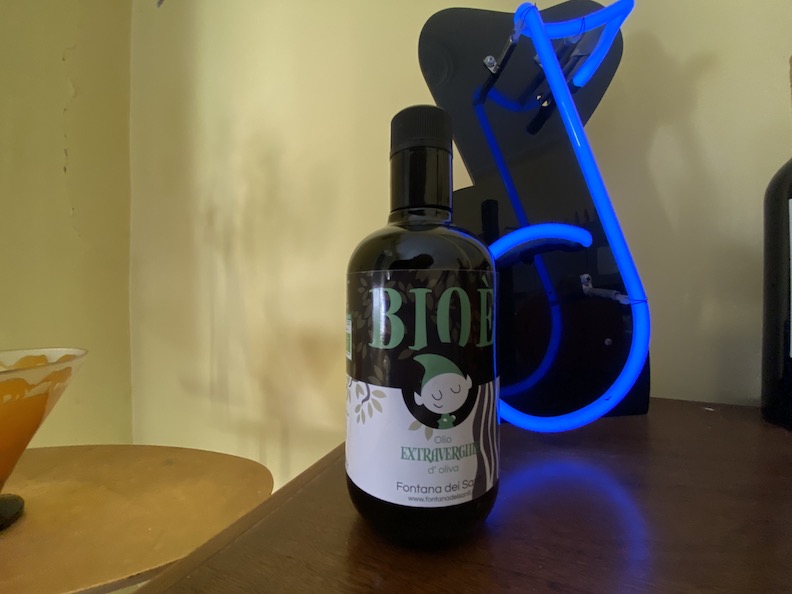
The historic and cultural roots of Italian taste are appreciated around the globe, and are enriched with meaning and value through our products. Here a selection of my preferred oils featured in 2023 TASTE , Florence.
Orgolio is an extra virgin olive oil produced by the La Poderina farm in Siena, in the heart of Tuscany, which comes from the beauty of a unique land and from the obsessive search for quality. The Frantoio variety gives an intense green color with faint yellow notes, medium-strong intensity, elegance and broad vegetal tones that refer to thistle and artichoke on an almond base; the Moraiolo, rustic and imposing, makes the oil intensely fruity, decidedly bitter and spicy with hints of leaves and fine woody notes, the Leccino gives the aroma of ripe olives and vegetable aromas, and a slight bitter and spicy sensation.
Orgolio della Poderina is a product of the highest quality, elegant, with a marked scent of freshly mown grass and a strong character like its balanced spicy and bitter aroma.
The result is an extra virgin olive oil naturally rich in polyphenols that give a magnificent aroma to any pairing, from freshly picked garden salads to the highest gastronomy dishes.
This “Oro verde “oil was born in a corner of Puglia (Apulia) where scents and flavors cloak the landscape dotted with monumental olive trees with atmosphere.The Apulian oil is as intense as the ancient peasant culture that the Frantoio D’Orazio has always preserved and exalted, to give every palate taste and beauty, with every taste. The Ravello boasts shades of blue and green that follow each other without interruption, like the rows of centuries-old olive trees on the rolling hills of Puglia, between small lakes and sinkholes of karst origin. All of Frantoio D’Orazio’s love for his land is revived in this bottle. Love that is also reflected in the processing of extra virgin olive oil, which still takes place with the same care and attention as in the past.
Leaf green color tending towards golden yellow. We are dealing with a light oil, with hints of grass and leaves. On the palate it is slightly bitter and spicy, balanced, with notes of leaves and vegetables. A perfect harmony between the local olive varieties Olivastro, Cima di Mola, Leccino, Coratina, Cima di Melfi, Picholine, Simona and Nociara.Thus was born the extra virgin olive oil of Frantoio D’Orazio, with a light fruity taste, enhanced by notes of leaves and grass. Pairings: thisi s a light and fruity oil, ideal condiment to enhance a dish without distorting or covering the flavours. We recommend it for fresh salads, vegetable purées, rice soups and savory soups, dishes based on beans, artichokes, asparagus, cooked vegetables, with white meats, bruschetta, salsa, mixed legumes, baked tomatoes, truffle sauce.
The Peranzana di Mimì extra virgin olive oil was born from the passion of Donato and Michele and their mother Giuditta who fulfilled the dream of their father Domenico also known as Mimì. Their olive grove is spread over 80 hectares where they cultivate 24,000 olive trees with dedication, which produce about 500 hectoliters of oil every year.
Peranzana di Mimì extra virgin olive oil is a medium intensity fruity oil with many vegetable and herbaceous scents on the nose, with a marked note of tomato and green apple. When I tasted, the freshness of the apple and green tomato reappeared and showed a spicy and bitter character while maintaining an elegant harmony between the two components. Ideal for pairing with raw dishes as a condiment for salads or vegetables but also for seasoning grilled meats and fish or soups. Perfect raw condiment on grilled dishes, salads or soups.
The legend of the “Moro” (Arabic) head dates back to the 11th century, when the Mori’s invaded Sicily and became part of the population, so much so that it blended perfectly with the Sicilian population. The history of this vase will be included in the label of the bottle, also to provide the consumer with all the details of the origin of this vase which is found throughout Sicily.The project was born from the idea of creating a bottle that would represent the “Sicily” of a fine oil, through one of the most famous “symbols” of Sicily.
The bottle is made of heavy glass from a mold made by a registered drawing, on one side the drawing of the female face, on the other the drawing of the male face, it is made of dark glass or painted in white, possibly decorated in some details (the mouth, eyes, necklace, etc.), to make different versions of the bottle to the retailer.
The production areas of this oil are the slopes of Etna Vulcan., the colour is intensevely green, the smell is medium fruity with hints of grass just cutted, I found notes of bitter and spicy with after taste of tomato flavor. Great to consume: raw, special with Mediterranean dishes
The Pujje company was born in the heart of the Murgia Tarantina from the idea of three young people in love with their land – an agronomist, a manager and a communication professional. Pujje Evo Oil has a heart. The heart of those who imagined it and then created it. Its flavor is an ode to the hand-made olive harvest, among the majestic olive trees born and raised in our land and pampered by its enveloping wind, a handcrafted cold-pressed Extra Virgin Olive Oil. Its perfume reveals the genuineness of the raw materials used, evokes the notes of a past time, rediscovering the values of authenticity and tradition.
Pujje Oil is a container of mithology and values: Amphitrite, a beautiful sea nymph who, not wanting to marry, sought protection from Poseidon from Atlas. A dolphin, sent by the God of the Sea, found her and convinced her to marry him.This oil was born on the coasts bathed by the Ionian Sea, it is light fruity with notes of freshly mown green grass, which marries simpler and seafood dishes, enhancing them all; Rea, Goddess of earth, nature and abundance. Perfect for meat dishes, medium fruity, with notes of tomato leaves and aromatic herbs, with a prevalence of almond, which gives its best with equally robust and earthy dishes, Finally Helios, God of the solar star, every morning, driving the golden chariot of the Sun crossing the sky from the east and in the evening it plunged into the west. Perfect for vegetable, fruit and sweet dishes. Helios which, with a single olive full of taste and a vegetable scent, evokes a slight hint of leaves and fresh fruit. A the medium fruity taste which goes perfectly with vegetable recipes, sweets and artisan desserts.
Frantoio Muraglia was founded in Andria, the oil capital of Apulia, five generations ago, but family’s patriarch has lived through 460 springs. It is a majestic coratina olive tree.
Rainbow is a true style icon. The ceramic jar, handmade by craftsmen, colours the table, warms up the kitchen and preserves all the scents and flavour of extra virgin olive oil.
The quality of the extra virgin olive oil combined with the design of original ceramic jars handmade by Apulian craftsmen will leave your friends and family with a delicious and special memory.
Monocultivar Coratina olive, intense green with golden hues. Aromas of dill, fennel, artichoke, pepper and hay. It leaves a tasty spicy flavour.nThis extra virgin oil enhances ancient dishes and modern palates. The taste is a journey of vegetable tones, structured, powerful, rich. A journey that remains in your memories, persistent.Perfect for crudités, salads and legume soups.
Rainbow is a true style icon. The ceramic jar, handmade by our craftsmen, colours the table, warms up the kitchen and preserves all the scents and flavour of our extra virgin olive oil.nSavino JR’s creative flair has led to the hand-painted terracotta jars that identify our company and our products. Colourful, stylish, 100% made in Italy and handmade Ceramic plates hand-painted by our Apulian ceramists with a rainbow pattern echoing that of designer jars. Format: 20 cm – 25 cm – 30 cm
Olitalia is managed by the family of founder Giuseppe Cremonini: children Angelo, Elisabetta and Camillo. For over 50 years, this family-owned company name stands for excellence, quality and tradition in Italian cuisine around the world. Today we are one of the most trusted brands in the food and condiments sector: thanks to our total devotion to our roots, while at the same time moving forward on the path of excellence with a healthy ambition to achieve future results.
Olitalia selecta olives in the most careful and rigorous way: a solid guarantee of constant quality, ensured year after year by maintaining the same standards of quality and quantity in cultivation.
The “Dedicati” collection represents a careful selection of raw materials and the naturalness of a development process involving the best chefs ensure the high quality of these products, which were designed and intended to amaze. Dedicati For Meat
This oil has great character, it is rich in fragrances and vegetable notes. It is important that the oil chosen is aromatic and can enhance the taste of any type of meat. Dedicati for Vegetables
This oil has strong herbaceous notes: such feature can enhance the taste of vegetables at best and match perfectly diverse and quite sharp tastes. Dedicati for Fish
This is a delicate oil with a harmonious profile and notes of apple and fresh almond. For a perfect match with fish, it is important that the oil does not cover the taste of ingredients, but matches and enhances it.
What a great selection and variety of different virgin olive oils!
But.. wait a minute, here comes a sunflower seed rosemary scented frying oil..
Yes from same Olitalia producers, here comes…
FRIENN is the frying oil with an innovative recipe, without palm oil, which allows you to obtain professional quality, crispy and dry fried food. It is obtained from high oleic sunflower seeds grown and processed exclusively in Italy. Its composition, protected by an Italian patent, gives the product unique properties. The combination of sunflower oil with a high oleic acid content and antioxidants guarantees high stability at high temperatures, avoiding the unpleasant onset of bad smells. FRIENN frying oil respects the original flavor of the ingredients, without transferring color and flavor to the food. Perfect for frying savory and sweet foods, both in a pan and in the fryer. I tried, I loved it! Please take a note of it!
Florence : Me at 2023 Test!! A really amazing food bonanza!
For the English version click here Benvenuti a Copenhagen, Capitale Mondiale dell’Architettura UNESCO. Durante tutto il 2023, per celebrare il design e l’architettura danese. la città ospiterà maxi eventi tra cui l’inaugurazione di nuovi padiglioni portuali e dell’attesissimo museo del bunker sotterraneo Regan Vest. Per gli amanti dell’architettura verranno organizzate visite al Danish Architecture Center e tour guidati alle opere del celebre architetto Jørn Utzon, che ha creato l’Opera House di Sydney. Passato e futuro: la mostra Made in Denmark porta i visitatori alla scoperta della storia dell’architettura danese dall’epoca vichinga , mentre con un rocambolesco salto indietro nel passato, potreme scoprire i maestosi castelli, dove l’autenticità degli esterni e degli interni sono rimasti invariati nel tempo.
I CASTELLI DA VEDERE
Amalienborg Racconta la storia di una delle monarchie più antiche del mondo. Il palazzo , in stile rocoò, risale al 1700 ed è costituito da quattro strutture, residenze reali per regnanti, eredi al trono e ospiti illustri. Si affaccia sulla grandiose piazza dove potrete assistere al quotidiano cambio delle guardie Den Kongelige LivgardeFrederiksborg Splendido palazzo costruito nel 1600 su volere di Re Cristiano IV. SI trova sui tre isolotti dell’affascinante lago sulla parte nord della città, Hillerød. Ospita anche il Museo di Storia Nazionale Danese.
Rosemborg Nel centro di Copenaghen. costruito nel 1606-1607 come residenza estiva per ordine di Cristiano IV. Da oltre 400 anni custodisce i tesori più preziosi di re e regine danesi, trai quali spicca la Corona di Cristiano V, ispirata a quella di Carlomagno e simbolo della monarchia e dello Stato danese.
Frederiksberg Nato come residenza estiva per la famiglia Reale, oggi ospita l’Accademia per Ufficiale dell’Esercito Reale Danese. In sile barocco, impreziosito da giardini curati in ogni minimo dettaglio e da un piccolo gioiello nascosto: la suggestiva Cappella Reale
La Cappella Reale di Frederiksberg
Kronborg Poco distante da Copenhagen, è conosciuto come la casa di Amleto. Qui infatti Shakespeare ha ambientato il suo dramma. Le malelingue dicono che lo scrittore non ci fosse mai stato, ma sarebbe stato un attore in sua compagnia a raccontargli di questa possente fortezza. Ogni giorno, all’improvviso le pareti risuonano delle voci dei personaggi di Amleto, che appaiono, come fantasmi, perfettamente interpretati da bravissimi attori che danno vita alle tragiche vicende del dramma.
Christiansborg Famoso per la sua sala ricoperta da 17 arazzi giganti, che raccontano 1000 anni di storia danese e sede dei ricevimenti ufficiali alla presenza della Regina Margherita, tra un luccichio di uniformi e grandi abiti da serae un protocollo che chiede agli ospiti di arrivare in carrozza.
Sua Maestà la Regina Margrethe, attualmentete la regnante che vanta più anni di regno, è molto amata dal popolo danese. Gli spendidi arazzi sono un regalo dell’industria danese per il suo compleanno nel 1990. Raccontano la storia della Danimarca e del mondo, tra cui l’era vichinga, il medioevo, la monarchia assoluta, la riforma, la seconda guerra mondiale, il presente e persino il futuro. Da buongustaio non ho resistito alla tentazione di scendere nelle mitiche Cucine Reali per scoprire i retroscena di un banchetto ufficiale, curiosare tra le ricette della Regina e ammirare una delle collezioni di stoviglie in rame più grandi d’Europa
Dopo tanto lusso e abbondanza” culinaria” impossibile non avere un certo lalnguorino e alora, alla caccia del piatto che i danesi amano alla follia… tutti a tavola con le “smørrebrød” Sia nei baracchini street food che nelle trattorie più informali o nei ristoranti gourmet, troverete “Sol over Gudhjem” il piatto tipico della cucina danese. Deriva da un pittoresco borgo di pescatori sull’isola di Bornholmm ed è fatto di tartine smørrebrød, cioè fette di pane di segale imburrate e tradizionalmente ricoperte da svariati tipi di toppiing: anguilla, aringa, salmone, gamberetti e altri pesci affumicati oltre a versioni con carne o vegetariane a base di uova accompagnate da ravanelli, cipolla rossa. l’aneto, l’erba cipollina e barbabietole. Non mancano svariate versioni “gourmet” con prosciutto crudo,pomodori secchi e avocado oppure con uova al tegamino e bacon o con gamberetti, salmone e avocado
Dove mangiare il migliore smørrebrødFrk Barners Kaelder Ristorante tipico, senza pretese, con i piatti succulenti della Signora Barner, famosa per le sue aringhe condite con mela, aneto e servite con lardo, capperi e tritato di cipolline da spalmare su pane integrale fatto in casa, il tutto innaffiato da un bicchierino di grappa. Un piatto squisito! E ve lo dice uno che odia grappa e aringhe…
Le-aringhe-di-Frk-Barners-Kaelde-
Ecco la ricetta classica per prepararne una dozzina. Ingredienti
Burro 60 g
Pane di segale 12 fette
Uova 6
Cipolla rossa qualche fettina
Cetriolini sott’aceto 3
Gamberetti 6Preparazione Marinate l’aringa con olio extravergine d’oliva e il succo di limone, sgocciolotela. Tagliate a rondelle la cipolla e a fettine i cetriolini.e disponete il tutto su una fette il pane nero di segale abbondantemente spalmato di burro Cuocete le uova per poi tagliarle a metà. Ultimate guarnendo ogni fetta con: metà uovo sodo, un gamberetto, due fettine di cetriolini, alcune rondelle di cipolla e ornando con rametti di erbe aromatiche a piacere
Dopo un’intensa giornata… rilassatevi in una spa galleggiante Copenhot offre un momento indimenticabile di relax eccezionale. Questo concetto di New Nordic Wellness propone delle installazioni spa all’aperto in un contesto urbano, con acqua di mare pulita e del calore creato dalla legna da ardere. Navigare o risalassarsi con amici in una jacuzzi galleggiante all’aria aperta… la scelta è ampia: bagni caldi all’aperto e saune panoramiche che offrono una meravigliosa vista sul porto e sull’orizzonte
Gente sempre sorridente, educata e serena. Sembra che qui tutti scoprano il segreto della felicità “hygge”, intraducibile parola danese che invita a godersi i piaceri semplici della vita e vivere, da soli o con gli amici, a casa o fuori, momenti speciali e felici.
Una dritta: la Copenhagen Card Utile e preziosa, una vera amica! Sto parlando della Copenhagen Card, un pass che permette di visitare ben 86 musei e attrazioni, utilizzare gratuitamente tutti i mezzi pubblici e beneficiare di sconti su tour, bar e ristoranti. L’ho usata anche per un suggestivo tour dei canali che passa sotti i ponti della città, alcuni bassissimi, occhio alle zuccate…
Il Foyer del Teatro alla Scala. Milano, letteramente a quattro passi dal Teatro all Scala, scopriamo l’ evoluzione del ristorante Il Marchesino aperto dal più grande Maestro della cucina italiana, Gualtiero Marchesi, egregiamente ricordato in un menu dove spicca il suo leggendario “Riso, oro e zafferano” Arredamento contemporaneo, tocchi di rosso che ci riportano alla suntuosa platea del Teatro, soffitti alti, eleganti colonne e personale attento e gradevole. Come un tributo alle note delle opere più famose, nel lounge vengono serviti drink ispirati alla musica, dall’Aida a base di Vodka Belvedere infusa al te Sakura, liquore allo zenzero, shrub di lampone, succo di melograno, bitter afrodisiaco, soda ai frutti rossi e vino rosso, affumicato con spezie afrodisiache al Lago dei cigni con Gin Hendrick’s, succo di lime, liquore St. Germain, sciroppo di agave e basilico. Praticamente, il sublime in un bicchiere… e a tavola. Al timone del ristorante troviamo Marco Amasi con cui ho mi sono intrattenuto per una simpatica chiaccherata.
Marco Amasi
Buongiorno Marco, mi racconta i menu del Foyer? Sia quello di mezzigiorno che in quello serale, ho voluto celebrare la tipica cucina milanese con piatti tradizionali come l’osso buco, i mondeghili e, naturalmente, il risotto allo zafferano, sia nella versione classica che nella presentazione “Oro” creata dal grande Gualtiero Marchesi, che proprio qui deliziava i milanesi, gli stranieri e il pubblico pre e dopo Scala.
Un piatto iconico, probabilmente difficile da realizzare, com’è avvenuto il suo approccio?
“Riso e Oro”: è un “semplice” risotto allo zafferano, tipico milanese, con una foglia d’oro alimentare posta al centro, formando cosi un cerchio e un quadrato, geometrie gastronomiche anni ‘80. La cucina di Marchesi tendeva a celebrare un concetto di semplicità e purezza e trovo che questo risotto non richieda una preparazione molto difficile, l’importante è seguire le regole e proseguire, anche se non nascondo di essere piuttosto intimorito all’idea di rifare un piatto così leggendario…lo confesso, ci ho studiato sopra un bel po’, provato e riprovato a farlo più di una volta…volevo che fosse perfetto…
Con la Scala di fianco, penso che abbiate una clientela davvero internazionale…
Si sopratutto francesi e americani. Anche il mondo arabo apprezza la nostra cucina, all’iinizio con un pizzico di diffidenza, anche perchè i sapori dell’Oriente sono piuttosto diversi dai nostri, ma poi escono escono soddisfatti.
Ravioli di zucca e fois gras, raspadura Lodigiana, caviale di aceto balsamico
Filetto di rombo arrosto, carciofi, patate ratte, salsa olandese
Il tuo primo ricordo in cucina? Senz’altro i ravioli in brodo, classico piatto domenicale di nonna Nadia
Un ricordo di un piatto che ti è molto piaciuto? Agnello al curry in un ristorantino indiano a Londra. Ineguagliabile!
Un piatto per cui ti piace essere ricordato?
Un semplice risotto alla milanese, ne sarei felice…(sorride) magari “semplice” alla maniera di Marchesi…
Chef Amasi ci invita al Foyer. A destra uno dei suoi piatti preferiti: il classico risotto alla Milanese
English version
The Foyer of the Teatro alla Scala. Milan, literally a stone’s throw from the Teatro alla Scala, let’s discover the evolution of the Il Marchesino restaurant opened by the greatest Master of Italian cuisine, Gualtiero Marchesi, admirably remembered in a menu where his legendary “Rice, gold and saffron” stands out
Contemporary furnishings, touches of red that bring us back to the sumptuous theater stalls, high ceilings, elegant columns and attentive and pleasant staff. As a tribute to the notes of the most famous operas, drinks inspired by music are served in the lounge, from Aida based on Belvedere Vodka infused with Sakura tea, ginger liqueur, raspberry shrub, pomegranate juice, aphrodisiac bitters, fruit soda reds and red wine, smoked with aphrodisiac spices at Swan Lake with Hendrick’s Gin, lime juice, St. Germain liqueur, agave syrup and basil. Basically, the sublime in a glass… and at the table. At the helm of the restaurant we find Marco Amasi with whom I had a nice chat.
Marco Amasi
Hello Marco, can you tell me about the Foyer menus? Both at noon and in the evening, I wanted to celebrate typical Milanese cuisine with traditional dishes such as osso bucco, mondeghili and, of course, saffron risotto, both in the classic version and in the “Gold” presentation created by the great Gualtiero Marchesi, who delighted the Milanese, foreigners and the public before and after Scala right here.
An iconic dish, probably difficult to make, how did you approach it? “Riso e Oro”: it is a “simple” risotto with saffron, typical of Milan, with an edible gold leaf placed in the center, thus forming a circle and a square, gastronomic geometries from the 80s. Marchesi’s cuisine tended to celebrate a concept of simplicity and purity and I find that this risotto doesn’t require a very difficult preparation, the important thing is to follow the rules and continue, even if I don’t deny that I am rather intimidated by the idea of redoing such a legendary dish… I confess it , I researched it quite a bit, tried and tried to do it more than once…I wanted it to be perfect…
With La Scala next door, I think you have a truly international clientele… Yes, especially the French and Americans. Even the Arab world appreciates our cuisine, initially with a hint of diffidence, also because the flavors of the Orient are quite different from ours, but then they come out satisfied.
Ravioli di zucca e fois gras, raspadura Lodigiana, caviale di aceto balsamico
Filetto di rombo arrosto, carciofi, patate ratte, salsa olandese
Roasted turbot fillet, artichokes, ratte potatoes, hollandaise sauce Your first memory in the kitchen? Definitely ravioli in broth, Grandma Nadia’s classic Sunday dish A memory of a dish that you really liked? Lamb curry in an Indian restaurant in London. Unrivaled! A dish you like to be remembered for? A simple Milanese risotto, I’d be happy… (smiles) maybe “simple” in the Marchesi way..
les chefs étoile, i ristoranti top, la “superburrosa”cucina locale e una ricetta stellata.
(in Italian and English)
La cucina valdostana è quella tipica montanara, gustosa e sostanziosa. Il clima freddo offre patate, rape, porri, cipolle cavoli e verze, fantastici ingredienti per squisite zuppe montanare. I prodotti tipici della Valle d’Aosta raccontano, attraverso il gusto, la storia di un territorio alpino e della sua identità, a cominciare dal riso, probabilmente ereditato dai primi abitanti piemontesi, mentre gli antichi romani hanno introdotto l’orzo.
A tavola , con i prodotti tipici della Val d’Aosta
Formaggi bovinI, caprini e vini Imperdibili, tra le tante specialità della Valle d’Aosta, sono quelle che hanno ottenuto il riconoscimento “Denominazione di Origine Protetta”: il Valle d’Aosta Fromadzo, il Jambon de Bosses e il Vallée d’Aoste Lard d’Arnad e naturalmente la Fontina, divenuta simbolo della Valle d’Aosta, da gustare in abbinamento con i migliori vini locali, tra cui i bianchi Blanc de Morgex et de La Salle, Petite Arvine, Chardonnay, Muller Thurgau,,Chambave Muscat, Muscat Petit Grain, Pinot Gris, Nus Malvoisie, Vasto assortimento di rossi: Torrette, Enfer d’Arvier, Petit Rouge, Chambave Rouge, Donnas, Arnad-Montjovet, Fumin, Cornalin, Mayolet.
Tanto, tanto burro…beh si, una cucIna che proprio “leggerissima” non è… In inverno si gusta il tartiflette, pasticcio di patate cipolle pancetta affumicata e formaggio reblechon. La carne è di scena nella frecacha tortino di carne bovina e patate e nella carbonade, stufato di manzo tagliato a fettine sottili, cotto nel vino, aromi e spezie. La squisita crema di Cogne dolce semiliquido preparato cuocendo latte, panna, tuorli d’uovo, zucchero e cacao amaro.
Fontina superstar
Il formaggio nazionale regna in molti piatti tipici: a strati nella polenta concia irrorata con burro fuso e gratinata in forno oppure come copertura della crespelle, frittatine sottilissime ripiene di prosciutto e ricoperte di fonduta. Nella vapellenentse la troviamo insieme a strati di fette di pane raffermo, passati in teglia, bagnati con il brodo, coperti di burro fuso, una spolverata di cannella e cotti n forno, mentre, in versione cremosa, è la protagonista nell’iconica fonduta, mista a latte e tuorlo d’uovo, e servita calda.
Una fetta di delizioso Fontina
Gli stellati
Le Petit Bellevue, Cogne (1 Stella Michelin) Minuscolo, romantico, speciale: solo sei tavoli e Fabio Iacovone, uno straordinario Chef che affonda le sue radici nella tradizione montanara e mediterranea, in continua ricerca di nuove emozioni senza mai allontanarsi dalla tradizione e dall’uso di ingredienti di primissima qualità.
Fabio Iacovone , al timone de’ Le petit bellevue
Petit Royal, Courmayeur (1 Stella Michelin) Situato nello splendore di Courmayeur, la struttura è uno storico hotel a 5 stelle che vanta una vista mozzafiato sul Monte Bianco. Chef Paolo Griffa, propone le eccellenze della tradizione locale e i prodotti del territorio, in chiave contemporanea e gourmet.
Paolo Griffa al timone del Petit Royal
La nuova Star
Si chiama Filippo Oggioni, legnanese di nascita, ora al timone del Vecchio Ristoro, a Aosta. E’ lui la nuova Stella Michelin 2021. Impossible non “rubargli” la ricetta di uno dei suoi “signature dish” Ravioli di Bollito Misto. “Questo è un piatto, racconta Filippo, che ama coniugare un gusto classicamente delle nostre zone con materia prima valdostana, in modo particolare le carni che usiamo per questa ricetta, che sono appunto i tagli più tradizionali del bollito (alcuni dei quali caduti in disuso, parzialmente, come la cresta di gallo). Sono Ravioli ripieni di 3 differenti salse, serviti poi con un diverso taglio di bollito e brodo di carne.”
Filippo Oggioni ,nuova Stella Michelin della Val d’Aosta ci regala la ricetta del suo piatto top: ravioli di bollito misto
Ingredienti e preparazione SALSA VERDE 60g prezzemolo 15g acciuga 5g aglio 2g peperoncino 1,5g pepe 100ml acqua 40g aceto Sale 60g pane lievito madre
Frullare tutti gli ingredienti fino a ottenere un composto omogeneo.
RIPIENO SENAPE E NOCI 100g mostarda di pere 100g noci sgusciate
Frullare fino a ottenere un composto omogeneo.
BAGNETTO ROSSO 250 g pomodori 4 filetti di acciughe (alici) sott’olio 1 cucchiaio di capperi sott’aceto 2 spicchi di aglio 1 cipolla bianca tritata finemente 5 foglie basilico q.b.prezzemolo 1peperoncino 1/2 bicchiere di aceto (70 ml circa) 1 cucchiaio di olio di oliva q.b.sale
Cuocere in padella per 30 minuti, lentamente a fiamma media, partendo dalla padella fredda. Eliminare l’aglio e cuocere ulteriorimente il composto fino a raggiungere una buona densità. Frullare e setacciare.
LE CARNI Cresta di Gallo Petto di pollo Cotechino Biancostato Lingua
Cuocere come un classico bollito le carni, separatamente; chiarificare e ridurre alla metà il brodo di biancostato, per concentrare i sapori. Formare tre ravioli di salsa verde, due di bagnetto rosso e uno di mostarda. Affiancare ad ogni ravioli un taglio di bollito. Ultimate con prezzemolo fritto e brodo chiarificato di biancostato.
Ottimi e ottimissimi…
Laghetto, Brusson Le Grenier , Saint Vincet La Chandelle, Wood, La Luge, Breud Cervinia Coeur de Bois, Cogne Stefanelli Desk, Aosta Cafè Quinson, Morges Pierre Alexis, Courmayeur
l’incanto di Courmayeur
…e le osterie?
Maison Rosset, Nus Le bon plaisir, Saint Vincet Trattoria di Campagna, Sarre Omens, Verres Baita Ermitage, Courmayeur,
I formaggi valdostani
Ayas, Champoluc Alpe Rebelle, Bionaz Brasserie du BonBec, Les Pertzes, Lou Ressignon, Cogne Da Nando, Al Maniero, Aosta
Aosta
E per finire… un goccio di génépy
Dalla linfa dell’artemisia, un liquore digestivo, profumato e caratteristico.
In Valle d’Aosta la produzione dei distillati di erbe di montagna richiama antiche tradizioni. Le erbe alpine che fioriscono a quote elevate sono note per le proprietà terapeutiche, e comprendono essenze peculiari quali l’artemisia glacialis e l’artemisia weber, componenti base del génépy, il famoso liquore giallo valdostano un “elisir” che si ottiene facendo macerare in alcool, per diversi giorni, la parte migliore delle erbe essiccate.
Le Petit Bellevue, Cogne (1 Michelin Star) Tiny, romantic, special: only six tables and Fabio Iacovone, an extraordinary Chef who has his roots in the mountain and Mediterranean tradition, constantly looking for new emotions without ever straying from tradition and the use of top quality ingredients.
Fabio Iacovone , al timone de’ Le petit bellevue
Petit Royal, Courmayeur (1 Stella Michelin) Located in the splendor of Courmayeur, the property is a historic 5-star hotel boasting breathtaking views of Mont Blanc.Chef Paolo Griffa, offers the excellence of local tradition and local products, in a contemporary and gourmet key.
Paolo Griffa al timone del Petit Royal
Vecchio Ristoro, Aosta. The new Star His name is Filippo Oggioni, born in Legnano, now at the helm of the Vecchio Ristoro, in Aosta. He is the new Michelin Star 2021. Impossible not to “steal” the recipe for one of his “signature dish” Ravioli di Bollito Misto. “This is a dish, says Filippo, who loves to combine a classic taste of our area with raw materials from the Aosta Valley, especially the meats we use for this recipe, which are precisely the most traditional cuts of boiled meat (some of which have fallen into disuse , partially, like the cockscomb). They are ravioli stuffed with 3 different sauces, then served with a different cut of boiled meat and meat broth. “
Filippo Oggioni, the new Michelin Star of Val d’Aosta, gives us the recipe for his top dish: MIXED BOILED RAVIOLI
ingredients and preparation
GREEN SAUCE 60g parsley 15g anchovy 5g garlic 2g chilli 1,5g pepper 100ml water 40g vinegar salt 60g sourdough bread Blend all the ingredients until you get a homogeneous mixture. FILLED WITH MUSTARD AND WALNUTS FILLING 100g pear mustard 100g shelled walnuts Blend until you get a homogeneous mixture. SMALL RED BATH 250 g tomatoes 4 anchovy fillets (anchovies) in oil 1 tablespoon of pickled capers 2 cloves of garlic 1 finely chopped white onion 5 basil leaves q.s. parsley 1 chilli 1/2 glass of vinegar (about 70 ml) 1 tablespoon of olive oil to taste salt Cook in a pan for 30 minutes, slowly over medium heat, starting from the cold pan. Remove the garlic and cook the mixture further until it reaches a good density. Blend and sift. THE MEATS Cockscomb Chicken breast Cotechino Biancostat Tongue Cook the meats as a classic boiled meat, separately; clarify and reduce the steak broth by half to concentrate the flavors. Form three ravioli with green sauce, two with red sauce and one with mustard. Place a cut of boiled meat alongside each ravioli. Ultimate with fried parsley and clarified steak broth.
Great restaurants
Laghetto, Brusson Le Grenier , Saint Vincet La Chandelle, Wood, La Luge, Breud Cervinia Coeur de Bois, Cogne Stefanelli Desk, Aosta Cafè Quinson, Morges Pierre Alexis, Courmayeur
l’incanto di Courmayeur
…e le osterie?
Maison Rosset, Nus Le bon plaisir, Saint Vincet Trattoria di Campagna, Sarre Omens, Verres Baita Ermitage, Courmayeur,
I formaggi valdostani
Ayas, Champoluc Alpe Rebelle, Bionaz Brasserie du BonBec, Les Pertzes, Lou Ressignon, Cogne Da Nando, Al Maniero, Aosta
Aosta
E per finire… un goccio di génépy
Dalla linfa dell’artemisia, un liquore digestivo, profumato e caratteristico.
In the Aosta Valley, the production of mountain herb distillates recalls ancient traditions. The alpine herbs that bloom at high altitudes are known for their therapeutic properties, and include peculiar essences such as artemisia glacialis and artemisia weber, basic components of génépy, the famous Aosta Valley yellow liqueur, an “elixir” that is obtained by macerating in alcohol, for several days, the best part of the dried herbs.
A due passi dalla Stazione Centrale si trova il Mata (ex Manifattura Tabacchi), una delle realtà architettoniche post industriali più significative per la storia del lavoro e dell’economia modenese, che rimanda alla lavorazione del tabacco attiva fin dal Seicento. E’ un museo fuori dal comune che ha ospitato e ospiterà (appena possibile) delle collezioni davvero insolite, come quella delle Cartoline o della Figurine.
Il Museo della Figurina
Una delle location più suggestive è Piazza Santa Maria della Pomposa, con l’omonima Chiesa, la cui suggestiva facciata mantiene parti della costruzione originaria affidata all’illustre prevosto Ludovico Antonio Muratori, grande storico, giurista, letterato, erudito modenese del XVIII secolo che qui fu sepolto.
Chiesa Santa Maria della Pomposa
Proprio davanti alla Chiesa ci aspetta la Trattoria della Pomposa del Re gras, capeggiata dallo Chef Luca Marchini, che ho incontrato e che ci ha ‘svelato’ la sua ricetta di uno dei dolci più famosi al mondo: la zuppa inglese, ovviamente in stile “Pomposa”.
Luca Marchini alla Tratttoria Pomposa
LUCA MARCHINI Toscano di origine, vive a Modena da più di 20 anni, Dopo un’intensa formazione e collaborazione con diversi chef stellati tra cui Bottura e Barberi, nonchè esperienze in Italia e all’estero, realizza a Modena il suo progetto più importante, il ristorante L’Erba del Re che nel 2008 ottiene la stella Michelin. Della cultura gastronomica emiliana e della forte vocazione alla cucina sperimentale ne ha fatto uno stile di vita, un mestiere e un’espressione di crescita personale. “Qui ogni elemento del piatto, sottolinea Marchini ha un’identità riconoscibile, a servizio degli altri ingredienti. L’impegno di ogni “boccone” è di restituire al palato la varietà di sapori in un insieme armonico e calibrato”
Marchini e itradizionali tortellini in brodo di gallina.
Luca crea la Scuola di Cucina Amaltea,pensata per amatori e progetti di team building aziendali e apre, proprio di fianco al suo ristorante, un nuovo locale: la Trattoria Pomposa al Re Gras, con un menu che vuole rendere omaggio alle eccellenze della cucina modenese. Una semplice locanda, accessibile nei prezzi e essenziale nell’arredamento che ricorda i locali di un tempo. a cominciare dagli utensili di cucina appesi sui muri.
Nel menu ritoviamo alcuni piatti poveri della cucina contadina come la paneda, densa zuppa di pane, cibi storici come il friggione, una sostanziosa salsa a base di peperoni la cui ricetta originale viene addirittura conservata presso la Camera di Commercio di Bologna. Non mancano i calzagatti di polenta e fagioli, un’antica, e quasi scomparsa, specialità deile nonne modenesi.
lLa ‘paneda’ : la tradizione emiliana si rinnona nei piatti della Trattoria Pomposa
E poi i piatti della tradizione, come il bollito misto con la classica salsa verde e giardiniera, gli immancabili tortellini in brodo di gallina e i ravioli verdi con crescenza, burro, menta e un’abbondante pioggia di parmigiano reggiano. Non poteva mancare uno dei dolci più classici: la zuppa inglese. Ecco la sua ricetta
ZUPPA INGLESE DELLA TRATTORIA POMPOSA AL RE GRAS
La Zuppa Inglese di Luca Marchini
Ingredienti per la crema pasticcera: 400 gr di latte, 5 tuorli, 120 gr di zucchero, 40 gr di fecola; (per i savoiardi) 4 tuorli, 80 gr di zucchero, 4 albumi, 20 gr di zucchero a velo, 100 gr di farina; cioccolato fondente, alkermes. Per i savoiardi: montare i tuorli con lo zucchero, montare gli albumi con lo zucchero a velo. Unire i due composti aggiungendo la farina. Per la crema pasticcera: unire lo zucchero, la fecola e i tuorli, aggiungere il latte appena riscaldato e sul fuoco mescolare finchè non arriva ad ebollizione. Continuare per un paio di minuti. Per la crema pasticcera al cioccolato aggiungere poco latte e la cioccolata fondente a scaglie. Totale ingredienti: savoiardi, cioccolato fondente, alkermes, (per la crema pasticcera) 500 gr di latte tiepido, 6 tuorli, 120 gr di zucchero, 50 di farina. Procedimento Fare la crema pasticcera lasciandola sobbollire a lungo, dividerla a metà ed inserire la cioccolata fondente e poco latte per riequilibrare la densità. Riscaldare l’alkermes diluito con acqua, immergere velocemente i savoiardi, doferare uno stampo, inserire alternata la crema al cioccolato e quella pasticcera. Chiudere con i savoiardi.
Padova. Oggi incontriamo il pasticcere Luigi Biasetto eletto “Campione del Mondo 1997” Nasce a Bruxelles, la città del cioccolato, si diploma Mâitre Pâtissier Chocolatier. collabora con Wittamer, fornitore ufficiale dei reali del Belgio, arriva in Italia, a Mestre. Nel 1997 la sua “Torta Sette Veli” gli vale il premio come “miglior pasticcere del mondo”. Le sue pasticcerie sono a Padova e Udine, i suoi dolci sono famosi in tutto il mondo.
Maestro, dove le piace passare un weekend? Ora, con il Covid, è piu prudente restare in casa, Spero di riprendere i miei weekend quando i tempi saranno tornati alla normalità. Amo i posti dove ci si sente amati, dove c’è cura del dettaglio, dove occhi e cervello sono appagati, quindi l’italia. Si, devo dire che le mie destinazioni preferite sono italiane, città di storia, d’arte e ottima gastronomia e buon vino … mi piace lo champagne, ma bevo bollicine italiane. Qualche destinazione italiana che le è particolarmente piaciuta ? Ho amato tanto il Resort Verdura Rocco Forte, situato in una meravigliosa valle sulla costa meridionale della Sicilia e circondato da rigogliosi aranceti e uliveti. Ho trovato grande senso di ospitalità e cura del dettaglio. Quando ci sono andato, mia figlia Maria Laura era piccola e in cameria ha trovato, giochi, matite, passatempi adatti alla sua età.. Penso che sia un modo per farci sentire spontaneamente benvenuti.
Resort Verdura Rocco Forte, Sicilia
Che auto guida? Una Volvo, efficIente e sicura. Ho percorso una valanga di chilometri, la guida mi rilassa, però sono costantemente al telefono, essere in macchina con me… è noiosissimo. Cucina a casa ? Raramente, tranne un periodo in cui mia moglie Sandra aveva una gamba ingessata. Si era rotta lo stinco e, secondo me, il mio modo migliore di sdrammatizzare era cucinarle proprio un piatto di stinco bollito, una specialità tedesca che le ho riproposto in mille modi…a bassa temperatura, in brodo, al forno…
la pasticceria di Padova
Il suo piatto forte come chef casalingo? (Sorride) Chef casalingo ma sempre “pasticcere”… devo dire che la pasticceria entra anche nella cucina di casa. Dagli spaghettini con pistaccio di Bronte, pomodoro confit e pinoli tostati al ‘mio’ risotto di brodo di cacao … Restiamo a casa sua,. Sempre e mai nel suo frigorifero… Sempre: diversi tipi di burro, per le mie sperimentazioni. Mai: una pizza surgelata.
I meravigliosi macaron del “Maestro”
Il suo primo ricordo in cucina? Alle 7 del mattimo… al mio risveglio : il profumo del ragu di nonna Cesira, bravissima cuoca e fedele custode della cucina veneta. E’ un bellissimo ricordo, ed è bello, specialmente in questo triste momento, dimenticare per un attimo la realtà e tuffarsi nei ricordi alla ricerca di serenità, certezza e sicurezza,
“Macaron”il libro di Luigi Biasetto, un viaggio straordinario, tra dolce e salato, alla scoperta di un protagonista assoluto della pasticceria del futuro.
Grazie alla sua “Torta 7 veli” e’ stato eletto “Miglior Pasticcere del Mondo”: un consiglio a chi ancora non lo è diventato? L’importanza della competizione con se stessi, ben sapendo che per crescere bisogna accettare le proprie debolezze e saper riconoscere il valore di un fallimento o di un insuccesso. E’ indispensabile liberarsi di ogni condizionamento che spesso si trasforma in paura, il più grande ostacolo per la nostra crescita.
Una creazioe di Biasetto
Eros e cibo: combinazione secolare. Qual è un dolce erotico? Un dolce che sappia coinvolgere e appagare i sensi, che abbia un aspetto intrigante, accattivante stimolante e elegante. Sbaglio o allude alla sua famosa “Torta 7 veli”? Si, un dolce dall’apparenza sensuale, dal gusto che ricorda sensazioni di calore, al tatto che varia come le sue consistenze. Anche l’udito… ha mai provato a chiudere gli occhi e sentire lo scricchiolio di una noci pralinata? Musica! Io poi che sono nato a Bruxelle, dove la pralina fa parte del mio DNA, semplice coerenza…
“Torta 7 veli”
Cos’è per lei la coerenza? Pensare a una cosa, dirla e farla.
La pasticceria del Maestro
La ricetta del dolce di Luigi Biasetto ci “svelerà” un meraviglioso monte innevato ripieno di castagne… Avete già l’acquolina in bocca?
MONTE BIANCO
Il ‘Monte Bianco’ firmato da Luigi Biasetto
Per 6/8 persone
Esecuzione Per la meringa francese: montare in planetaria 3 albumi d’uovo, aggiungendo piano piano mentre monta 90 g di zucchero semolato. Quando sarà completamente sciolto lo zucchero incorporare con l’aiuto di una marisa 90 g di zucchero a velo. Utilizzando una tasca da pasticceria con bocchetta liscia nr 12 su un foglio di carta da forno a distanza regolare formare delle spirali piatte di 6 cm di diametro per uno spessore di 1 cm. Cuocere in forno preriscaldato a 110°C per 60 minuti e lasciar raffreddare. Nel frattempo preparare il biscuit joconde (vedi Opera) e con una tasca da pasticceria con bocchetta liscia nr 12 fare dei dischi del diametro di 5 cm. Cuocerli in forno preriscaldato a 250°C per 6 minuti. Per la farcitura: montare 200 g di panna con 80 g di mascarpone e 20 g di sciroppo di marron glacé. Mettere la crema in tasca da pasticceria e conservare in frigorifero. A questo punto sgocciolare alcuni marron glacé (uno per persona) e preparare la crema ai marroni. Per la bagna al rhum: in un piccolo contenitore sciogliere 50 g di zucchero con 50 g di acqua bollente e aggiungere 50 g di rhum. Preservare fino al momento della farcitura. Per la crema ai marroni: montare 150 g di pasta di marron glacé (si può fare anche con crema di castagne) con 10 g di rhum e 150 g di burro a pomata e metterla in una tasca da pasticceria con bocchetta rigata da delizia. Montaggio: inzuppare leggermente i biscuit joconde. Fare una spirale di panna sopra ai biscuit e schiacciare un disco di meringa sulla panna per farla aderire. Formare una cupola di panna sopra alla meringa e distribuire qualche pezzo di marron glacè. Ripetere l’operazione con la panna e i marron glacé integrando anche qualche pezzo di meringa e facendo in modo di formare una montagnola liscia il più possibile (ritoccandola se necessario con una spatola). Lasciar indurire per un’ora in congelatore. Tolte dal congelatore ricoprire tutta la tortina con una spirale continua dal basso verso l’alto con la crema ai marroni preparata in precedenza. Spolverare con un po’ di zucchero a velo e qualche goccia di cacao e decorare a piacere, in questo caso ho deciso di mettere qualche foglia di lingue di gatto per ricordare l’autunno. Chiusura con suggerimenti Consiglio di lasciarla maturare per alcune ore prima di servire. In torta grande il taglio diventa un momento di condivisione e di allegria.
Cesare Zucca Travel, food & lifestyle.Milanese di nascita, vive tra New York, Milano e il resto del mondo. Per WEEKEND PREMIUM fotografa e racconta città, culture, stili di vita e scopre delizie gastronomiche sia tradizionali che innovative. Incontra e intervista top chefs di tutto il mondo, ‘ruba’ le loro ricette e vi racconta il tutto nel suo blog, in stile ‘Turista non Turista’
Buongiorno Bruno, qual è a prima cosa che fai al tuo risveglio al mattino? MI sveglio e non m’importa se fuori fa caldo o freddo, se c’è pioggia o sole, vento o neve. Cerco di cogliere la bellezza di quello che sono al mio risveglio: un uomo libero, dallo spirito indipendente e sincero, un uomo che non è mai sceso a compromessi e che ha sempre raccontato quello che è nella propria vita. Per me ogni giorno è sempre più buono di quello precedente. Il domani è pieno di aspettative e di emozioni, l’oggi è bello ma mi piace pensare che il giorno che deve arrivare possa esserlo di più. Un domani ancora più buono…( sorride) beh, potrebbe essere un buon titolo di un libro…
In un’intervista hai detto “Non cerco moglie, le donne vanno e vengono”… Sono cresciuto in una casa dove i miei genitori non erano sempre presenti, ho grande rispetto della famiglia, ma con la vita che ho fatto è stato difficile metterne su una. Ho iniziato a 17 anni a girare fuori casa, ora ne ho 57 e a casa ci devo ancora tornare. Con questi ritmi penso che sia impossibile essere un buon marito e crescere i figli in un certo modo, io sono uno che al sabato pomeriggio vorrebbe portare il figlio al catechismo o giocare a pallone nel cortile dell’oratorio.
Hai anche detto che vorresti un figlio prima dei tuoi 60 Ah beh, allora ho ancora tre anni di tempo…Scherzi a parte, penso che un figlio debba stare con un padre giovane, anche se mi sento un trentenne. Incoraggeresti tuo figlio a diventare Chef? Uno deve fare quello che si sente. Questo è un lavoro che ti prende anima e corpo. Ho sacrificato la mia vita e la mia famiglia, ed è stata una corsa incontrollabile, irrefrenabile, senza tempo. Proprio ieri mi ha telefonato una mia nipotina e mi ha detto ‘”Zio, ho preso la patente” Sono rimasto scioccato…per me era ancora una bimba.
Detesti… Detesto certi giornalisti che vogliono entrare nel profondo del mio io e scovare quello che c’è nell’anima di Barbieri. Lo si deve capire standomi vicino, parlandomi. Insomma: intuire senza chiedere. La ricetta di oggi? Un mio cavallo di battaglia: la Coppa Macchiavelli. Qualcuno l’ha definita “un volo acrobatico di apocalittica dolcezza’… Fatemi sapere.
COPPA MACCHIAVELLI Ingredienti per 4 persone: 500 cl di latte 200 gr di tuorli d’uovo 150 gr di zucchero 50 gr di amido di mais 1 baccello di vaniglia Bourbon 1 limone da grattugiare biologico
Per la salsa di ciliegie e frutti di bosco: 1 l di lambrusco 200 gr di zucchero di canna 300 gr di ciliegie snocciolate 300 gr di frutti di bosco 1 foglia di alloro Un sacchetto in stoffa da infusione di spezie (cardamomo, chiodi di garofano, anice stellato, pepe nero in grani, fave di tonka) 2 fette di arancia
Procedimento: Aprile la bacca di vaniglia, grattare tutta la polpa e aggiungerla al latte. Portare a bollore inserendo anche la stecca di vaniglia e il limone grattugiato (poi verrà filtrata), a parte unire in una bacinella a secco lo zucchero con l’amico di Mais. Aggiungere i tuorli d’uovo al mix zucchero e amido, mescolare il tutto con una frusta. Filtrare il latte, unirlo al composto di tuorli e riportare il tutto nella casseruola e continuare la cottura. Terminata la cottura, farla raffreddare o in abbattitore oppure in una vasca capiente. Appena raffreddata porla in un sac a poche. A parte unire in una casseruola capiente il lambrusco con lo zucchero di canna, l’alloro, il sacchetto di spezie e le fette di arancia. Fare ridurre il tutto. Quando avremo raggiunto una consistenza quasi sciropposa, aggiungervi le ciliegie e i frutti di bosco. Continuare la cottura. Tutta la frutta dovrà risultare appassita. Formare con il gelato alla vaniglia delle palle, 1 a pozione.
Presentazione: Porre la crema pasticciera in 4 ciotole, sovrapporvi il gelato e nappare con la glassa sciroppata alle ciliegie e frutti di bosco. Guarnire con cime di menta e zucchero di vanigliato.
Brema, Germania ,Il dolce tradizionale è il Bremer Klaben, una specie di panettone al cardamomo. Davvero buono e non difficile da realizzare, rigorosamente preparato un giorno prima e lasciato raffreddare, perchè non va servito caldo. Gran finale: un’innaffiatina di vin santo, o una spruzzatina di rum. Volete la ricetta?
BREMER KLABEN INGREDIENTI: 450 gr di uvetta 150 gr circa di rum 125 gr latte tiepido 1 cubotto di lievito di birra 50 gr zucchero 1 cucchiaino di sale 500 gr farina 250 gr burro 1 bustina di vanillina 100 gr di arancia candita 100 gr di cedro candito la buccia grattugiata di 1 limone 1 cucchiaino di polvere di cardamomo macinato 200 gr mandorle tagliuzzate PROCEDIMENTO Lavate le uvette e mettetele a mollo nel rum. Mescolate il latte intiepidito con il lievito e un cucchiaio di zucchero. Lasciate riposare Mescolate la farina, lo zucchero e il sale, e unirli al latte e lievito. Aggiungete anche il burro a pezzettoni e impastare Coprite l’impasto per 20 minuti impastate dentro l’uvetta con tutto il liquido rimasto, i canditi, la buccia grattuggiata del limone, il cardamomo, le mandorle e la vanilllina. Ricoprite e far riposare per altri 40 minuti. Mettele in una teglia mburrata, coprite con un foglio di carta da forno e infornate a 200 gradi r Dopo 30-40 minuti, la carta e fate continuare a cuocere 30-40 min a 180 gradi. Fate raffreddare e uscitelo il giorno dopo.
ENGLISH VERSION
The traditional dessert is Bremer Klaben, a kind of cardamom panettone. Really good and not difficult to make, rigorously prepared one day in advance and left to cool, because it should not be served hot. Grand finale: a sprinkling of vin santo, or a sprinkle of rum. Do you want the recipe?
BREMER KLABEN.
INGREDIENTS: 450 grams of raisins About 150 grams of rum 125 gr lukewarm milk 1 cube of brewer’s yeast 50 gr sugar 1 teaspoon of salt 500 gr flour 250 gr butter 1 sachet of vanillin 100 gr of candied orange 100 gr of candied citron the grated rind of 1 lemon 1 teaspoon of ground cardamom powder 200 gr chopped almonds
METHOD:
Wash the raisins and soak them in rum. Mix the warmed milk with the yeast and a spoonful of sugar. Let it sit Mix the flour, sugar and salt, and combine them with the milk and yeast. Also add the butter into chunks and knead Cover the dough for 20 minutes mix the raisins with all the remaining liquid, the candied fruit, the grated lemon peel, the cardamom, the almonds and the vanilla. Cover and let it rest for another 40 minutes. Put them in a buttered pan, cover with a sheet of parchment paper and bake at 200 degrees r After 30-40 minutes, the paper and continue to cook 30-40 minutes at 180 degrees. Let it cool, take it out the next day and serve,
( talian and english versions) L’ICONICA E MERAVIGLIOSA TORTA SACHER
di Cesare Zucca Impossibile lasciare Vienna senza aver visitato il Cafè Sacher per gustatare una fetta di Torta Sacher, orgoglio nazionale, dolce simbolo della città e forse la torta al cioccolato più famosa del mondo…. Fu inventata nel 1832 dall’allora sedicenne Franz Sacher per il principe Klemens von Metternich e da allora ha conquistato il mondo. Da degustare con un caffè, un the o con un buon vino locale. Abbiamo scoperto la ricetta di Ernst Knam, uno dei Maestri Pasticceri più conosciuti e ve la raccontiamo .
Ernst Knam e gli ingredienti della “sua” Torta Sacher. (Foto Courtesy Facebook )
TORTA SACHER
Ingredienti 75 gr. cioccolato fondente a pezzetti 65 gr. burro 20 gr. zucchero a velo qb un pizzico di vaniglia in polvere 3 uova 90 gr. zucchero semolato 65 gr. farina 00 250 gr. crema ganache 150gr. confettura di albicocche qb burro e farina per lo stampo Ingredienti per la ganache 250 ml. panna liquida 375 gr. cioccolato fondente in pastiglie o a pezzetti Preparazione Versate la panna in una casseruola e mettetela a scaldare sul fuoco. Portatela in ebollizione, poi aggiungete il cioccolato fondente. Mescolate accuratamente con un cucchiaio di legno, finché il cioccolato non si sarà completamente sciolto e ben amalgamato con la panna. Raccogliete il cioccolato fondente in una ciotola; quindi fatelo fondere a bagnomaria. Intanto, in una terrina, montate con una frusta il burro con lo zucchero a velo, il sale e la vaniglia. Quando il composto é ben amalgamato, unisci un po’ alla volta i tuorli leggermente sbattuti, mescolate e aggiungete il cioccolato fuso. A parte, in una ciotola ampia, montate a neve con una frusta gli albumi insieme allo zucchero e uniteli delicatamente all’impasto. Mescolate con cura fino ad ottenere un impasto omogeneo. Versate il tutto in uno stampo imburrato e infarinato del diametro di circa 22-24 cm e ponete nel forno preriscaldato a 170°C per 35-40 minuti. Sfornare la torta e lasciatela raffreddare; quindi toglietela dallo stampo, capovolgendola delicatamente. Tagliatela a metà in senso orizzontale con un coltello sottile, a sega, in modo da ottenere 2 dischi. Preparare ora la ganache. Portate a bollore la panna in un pentolino e versarvi il cioccolato tritato o in pastiglie, amalgamare con una frusta sino a quando la ganache non sarà del tutto emulsionata. Con una spatola stendetene uno strato sul primo disco e chiudete la torta con il secondo disco. Spalmate la confettura su tutta la superficie della torta; quindi ricoprite il dolce con la rimanente ganache. Mettete in frigorifero per 20 minuti finché la glassa non si solidifica.
CIOCCOLATO… DOVUNQUE! Visto che siete lì…. perchè non godersi un momento davvero indimenticable… Nella Sacher Spa godete di coccole per il corpo e l’anima , grazie ai trattamenti che combinano gli ingredienti più preziosi della fava di cacao per un piacere esclusivo e per il massimo del benessere. Nei trattamenti viene utilizzata una gamma di prodotti teneri, cremosi e profumati: la linea Time to Chocolate®, pensata per addolcire l’anima e nutrire la pelle, lasciandola più morbida e levigata che mai. Ricchi di effetti nutrienti e vitali, i prodotti sono la ricreazione ideale per la pelle delle clienti. La cura cremosa al cioccolato, in particolare il burro di cacao, fornisce risultati immediati, una pelle più soda e garantisce un aspetto radioso con un effetto duraturo.
English vesrion
THE ICONIC AND WONDERFUL SACHER CAKE
It is impossible to leave Vienna without visiting the Cafè Sacher to enjoy a slice of the Sacher cake, national pride, sweet symbol of the city and perhaps the most famous chocolate cake in the world. .
. It was created in 1832 by the then 16-year-old Franz Sacher for Prince Klemens von Metternich and has since conquered the world. To be enjoyed with a coffee, a tea or a good local wine. We have discovered the recipe of Ernst Knam, one of the best known Master Pastry Chefs and we will tell you about it.
Ernst Knam e gli ingredienti della “sua” Torta Sacher. (Foto Courtesy Facebook )
SACHER TORTE RECIPE
Ingredients 75 g. chopped dark chocolate 65 g. butter 20 g. powdered sugar a pinch of vanilla powder to taste 3 eggs 90 g. caster sugar 65 g. flour 00 250 g. Ganache cream 150gr. Apricot jam to taste butter and flour for the mould Ingredients for the ganache 250ml. liquid cream 375 g. dark chocolate in pellets or pieces Preparation Pour the cream into a saucepan and heat it over the heat. Bring to the boil, then add the dark chocolate. Mix thoroughly with a wooden spoon until the chocolate has completely melted and well blended with the cream. Collect the dark chocolate in a bowl; then let it melt in a water bath. Meanwhile, in a bowl, whip the butter with the icing sugar, salt and vanilla with a whisk. When the mixture is well blended, add the lightly beaten egg yolks a little at a time, mix and add the melted chocolate. Separately, in a large bowl, whip the egg whites with a whisk until stiff together with the sugar and gently fold them into the mixture. Mix carefully until a homogeneous mixture is obtained. Pour everything into a buttered and floured mold with a diameter of about 22-24 cm and place in the preheated oven at 170°C for 35-40 minutes. Take the cake out of the oven and let it cool; then remove it from the mold, gently turning it upside down. Cut it in half horizontally with a thin, saw-like knife, in order to obtain 2 discs. Now prepare the ganache. Bring the cream to the boil in a saucepan and pour in the chopped chocolate or in tablets, mix with a whisk until the ganache is completely emulsified. With a spatula, spread a layer of it on the first disc and close the cake with the second disc. Spread the jam over the entire surface of the cake; then cover the dessert with the remaining ganache. Refrigerate for 20 minutes until the glaze sets.
Si intitola CUORE, TESTA, PANCIA filosofia di un lucano , il nuovo libro dello Chef Stellato Vitantonio Lombardo
Il libro è un inno alla sua passione, la cucina, alla vita, all’amore,alle origini, alla cultura gastronomica italiana e alle sue materie prime eccellenti.Un libro sognato per essere utilizzato, sottolineato e ‘mangiato’, dove i suoi piattidiventano un’espressione del suo linguaggio, un racconto dettagliato della sua vitaucano di origine. Il suo è stato un viaggio con illustri maestrii come Paolo Teverini, Gianfranco Vissani e Fabio Barbaglini. Amante del suo territorio,ha voluto ridare vita ad una grotta abbandonata per proporre due menu :“Frammenti, cucina della nostra storia e “Battiti, piatti in continua evoluzione”
Lo chef stellato Vitantonio Lombardo
Vitantonio, cuoco, oste e chef, ha trasformato la sua più grandepassione in lavoro, e ora si diverte a cucinare come quando era alle prime armi, ma sedendosi tra le stelle dell’Alta Cucina internazionale. .
Con sè ha portato lericette della tradizione apprese dalla nonna, la cuoca della famiglia. Ha avuto così la possibilità di crescere nelle cucine dei più straordinari professionisti, come Davide Scabin e Paolo Teverini. Dal 2018 è tornato nella sua Lucania, a Matera, e ha aperto il suo Vitantonio Lombardo Ristorante.
Dalla cucina di Chef Vitantonio
CalaMarro Una delle tante ricette che scoprirete nel libro Calamaro, Cazzomarro, Carciofi e Liquirizia
Arrivano dalla Langhe ,,, carto , solo le superlative nocciole , le creme di nocciole della Famiglia Robaldo. che a Crevanzana coltivano queste eccellenze italiane.
Ohhhh… spice it up ! La crema di peperoncino per accendere i vostri piatti , il nome del sito è tuttoun programma…. www.surianomaisenza.it
Olio soraffino: estratto a freddo in Sicilia nella Valle del Belice. Azienda Agricola Calissena Partanna, TP
“Isis” in greco significa uguale ,,, e questi chicchi ne confemano la prerogativa: tutti calibrati in peso , misura e quindi tempi di cottura,,,, paradiso per gli Chef….date un’occhiata: http://campodelloste.it/i-nostri-prodotti/
Proprio come la preparava la nostra bisnonna Manuelina, perché è proprio qui che è nata la Focaccia di Recco col formaggio, La potete gustare a Recco , Genova, Santa Marrgherita , Milano ,,, e anche a casa votra…. La Focaccia Manuelina Home edition si può trovare nella nostra piattaforma Delivery Manuelina a casa tua con consegna da Sestri Levante e Sestri Ponente e da qualche giorno anche nei supermercati Basko di Genova e provincia e nei supermercati Coop della Liguria. e presto anche in altre città….
Oca superstar! Uova da Oscar… e salamino morbido e intrigante … Le oche della Azienda Agricola Madonnina non deludono mai ! www.quackitalia.com
DOLCISSIMO NATALE
Dolcetti storici: Ricci alla Carruba . con mandorle Sicilia, zucchero di canna, albume, farina e sciroppo di carruba, miele , buccia d’arancia , Semplicità e squisitezza…Sono di Aruci, a Rosolino ( SR) www.aruci.it
La tradizione continua. La nonna ci prepara il dolce tipico friulano , la gubana, Ogni chicco d’uva viene mondato prima di essere messo a bagno nella grappa. E nessun frammento di guscio di noce può scappare al suo occhio attento. La fretta, qui, non serve a nulla: dal tempo scandito dalle lente lievitazioni nascono i prodotti della tradizione. www.gubanadellanonna.com
“giuggiulena” tradizionale torrone di sesamo, un classico della tradizione dolciaria siciliana, proposto da Aruci , http://www.aruci.it
Restiamo in Sicilia, le squisite mezze lune di arancia candita . ricoperte di cioccolato, Nome azzeccato: Orange Moon www.orangemoon.it/en/
Sempre di Orange Moon e sempre di mandorle questi pasticcino che si chiama Ortigia
NON POTEVA MANCARE IL PANETTONE: NE HO SCELTI 2 DAVVERO GOURMET
Lo smaliante sorriso di Angelo Di Masso … diventerà il vostro , dopo aver assagiato questo profumatissimo panettone , tradizionale e squisito. www.dimassoscanno.it
Un panettone che potrbbe piacere all’Imperatrice Sissi , è infatti ispirato alla classica Torta Sacher viennese, con impasto al cioccolato , gocce di cioccolato fondente e albicocche semicandite . La proposta è firmata Beatrive Volta.www.pasticceriacomeunavolta.it
…*** A questo punto…. non mi resta che augurarvi …***
Ceramiche alle pareti , le preziose sedie in broccato, tra i dettagli dell’elegante Encanto
Esperienza nuova per lo stellatissimo Chef, al timone di oltre 20 ristoranti in Portogallo e in mezzo mondo. Ho incontrato Josè Avillez per una piacevole intervista
Hola Josè, se non sbaglio ci troviamo dove prima c’era il tuo bistellato BelCanto, giusto? Esatto. Tempo fa ho spostato BelCanto nella più grande location di fianco e questo spazio è diventato Canto, un ristorante con musica dove si alternavano alcuni dei i migliori artisti portoghesi come Ana Moura e António Zambujo Poi venne il Covid, Canto chiuse e da poco l’ho riaperto con un nuovo progetto totalmente vegetariano che ho chiamato Encanto
Ad accompagnare gli snacks inizialei , ecco uno ‘spritz’ definitivamente portoghese: Porto Bianco, soda, buccia di arancio
Hola Josè, mi parli di questa tua nuova avventura? Amò reinventarmi e mettermi continuamente in gioco , è stata una sorpresa anche per me abituato come dal caviale alle aragoste , dal bacalhau al coniglio, al carabineiro. Ho voluto sfidare me stesso per scoprire un mondo senza carne o pesce, concentrata sulle verdure. La cucina di Encanto punta su meno ingredienti, no proteine ma solo verdure del Portogallo, vicino a Lisbona e del Nord e del Sud del paese. Portogallo anche nei vini? Certamene, ho voluto celebrare i vini portoghesi ma anche dare la possibilità di accoppiare i piatti a drinks anolcolici a base di verdure, fiori e frutta.
Hai recentemente lavorato a un menu 4 mani con un tuo collega italiano super stellato, Enrico Crippa, come è stata la esperienza? Molto piacevole, Enrico è una persona adorabile. E’ stato piacevole affiancarlo nel menu, sperimentare la sua cucina e conoscere la sua famosa Insalata 21-31-41 , che mi fatto ricordare altri celebri piatti di verdure , come Gargouillou di Michel Bras e che senza dubbio è stata un invito a scoprire il mondo dei vegetali.
Confit di rosso d’uovo, topinambur, brodo di piselli, tartufo nero
il tuo primo ricordo in cucina? Avevo 4 o 5 anni quando tornavo dalla scuola ero sempre super affamato e ricordo che mi infilavo in cucina e con un cucchiaio provavo tutto ciò mia mamma Fatima o nonna Lura stavano preparando. Era una cucina molto semplice e tradizionale, abitavamo vicino al mare quindi tanto pesce.
Pescatori a Cascais
Dove ti piace passare il weekend? Che auto guidi? Una Jeep, utilissima per i miiei viaggi fuori città. Passo spesso le domeniche nei pressi di Cascais, li abbiamo una casa con un piccolo orto e mi diverto a cucinare il lunch per la mia famiglia e qualche parente.
Si, mi piace cucinare e trovo che significhi prendersi cura di chi ti è vicino, per questo apprezzo tantissimo i piatti che talvolta altri chef mi preparano. Adoro scoprire piccole tascas a conduzione familiare o meglio ancora se sono invitato a casa dai miei parenti, dove la cucina è veramente genuina.
I vini rigorosamente portoghesi di Encanto , che offre un menu degustazione unico, 100% vegetariano, con circa 12 momenti
L’arredamento, le luci, i colori e soprattutto il team: trovo che ci sia un’ atmosfera felice qui a Encanto… Grazie Cesare, è un magnifico complimento. Spesso si guarda altrove o lontano dimenticandoci di vedere quello che ci sta vicino. In una società in cui è tutto sempre più veloce, spesso dimentichi l’umanità e l’ attenzione di prendersi cura degli altri. Per me è essenziale che le persone con cui vivo e lavoro siano felici e che vada tutto bene.
Oggi vi portiamo alla scoperta di una delle città le cui origini si perdono nella notte dei tempi: Celie Messapica, gioiello pugliese dell’Alto Salento, nella provincia di Brindisi.
Ceglie Messapica
Troverete un vero scrigno di storia, impreziosito da bellezze architettoniche, angoli suggestivi viuzze dagli archi in pietra viva in un susseguirsi di corti e piazzette popolati da un sorprendente numero di ristoranti e osterie, vero paradiso per i buongustai! Celie si fregia dell’appellativo di “città d’arte e terra di gastronomia” per le tante testimonianze della sua storia millenaria e per la gastronomia locale, apprezzata e riconosciuta in tutta Italia. Quale meta migliore per un “weekend del bello e del gusto”?
DA VEDERE Il Castello Ducale e la Torre Normanna Edificato intorno all’XI secolo, decorato dagli stemmi di famiglie nobili e ricco elementi storici ed artistici come il portale Cinquecentesco. La Chiesa di San Domenico In stile barocco del XVI secolo,della scuola del Bernini.
Il Castello
La Chiesa di San Rocco Datata 1595, notevole esempio architettonico della facciata e delle tre navate del suo suggestivo interno. Piazza Plebiscito e la “Torre dell’orologio” Punto d’incontro della gente di Ceglie., chiude il centro storico medievale e apre a quello ottocentesco.
Piazza Plebiscito e la “Torre dell’orologio”
LA CUCINA DI CEGLIE Estremamente varia, per le influenze che l’Altosalento ha ricevuto nel corso della sua lunga storia: messapi, greci, romani, normanni, arabi, saraceni, francesi e spagnoli si sono succeduti nei secoli. Tantissime provenienze: gli gnummarieddi” (Involtini di interiora di agnello alla brace) sono romani, il ragù è normanno, la cupeta(torrone di mandorle) è di origine araba, mentre dalla Grecia sono giunte le frise (ciambelle di pane raffermo che vengono immerse in acqua, e poi condite con olio, sale, oregano e gli irresistibili pummidori di pennula, pomodorini locali conservati in grappoli).
I “gnumareddi”
Le ricette sono tramandate di generazione in generazione, I piatti locali sono caserecci e genuini, profondamente legati ai prodotti della terra che offre legumi, verdure, ortaggi, frutta e il celebrato olio extravergine di oliva “collina di Brindisi” utilizzato per condire piatti tradizionali come purè di fave, tipico alimento dei contadini, cotto in pignata, recipiente di terracotta a forma di brocca..
Ogni mattina, come una volta, dai forni a legna in pietra esce la fragrante piddica tipica focaccia del mattino, com podorini e olive nere, mentre il gelato cegliese ha conquistato il podio del Trofeo Internazionale della Gelateria a Rimini.
Appena sfornate: le irresistibili focacce del Forno Gigliola
Piatto tipico per eccellenza è la pasta fatta in casa, Primeggiano le celebri orecchiette stacchiodde e i maccheroncini strascinati, serviti con sugo di pomodoro, di carne o con le tradizionali cime di rape e acciughe.
La mia scoperta, in un vicoletto nascosto, ecco gli “strascinati” al pomodoro e cacioricotta, serviti nel suggestivo “M’Ami?” Lo chef è Piotr, di origine polacca, innamorato di Ceglie.
Le festività natalizie vedono in tavola le pettole, palline fritte di farina e patate lesse, le “attorcigliate” friselle condite con miele, zucchero o vino cotto, mentre il biscotto cegliese, un pasticcino a base di mandorle tostate
Il “biscotto cegliese”, eccellenza locale
Panino superstar ! Gaetano, soprannominato “Re del Panino Cegliese” nella sua “Caocolleria” offre prodotti tipici della zona e ,se insistete un po’, vi prepara “dal vivo” una delle specialità del luogo: il “panino Cegliese” farcito (rigorosamente in questa sequenza) da ventresca di tonno, capperi, soffice mortadella e provolone.
Gaetano e il suo famoso “Panino Cegliese”
FORMAGGI DA OSCAR! La Masseria Fragnite, la cui storia nasce nel 1700 , fino all’arrivo del Duca del duca di Ceglie che 1832 iniziò un processo di ristrutturazione e riorganizzazione produttiva, trasformandola in magazzini per la conservazione delle merci e in cortile per gli animali a cui verranno aggiunte le casedde e i tipici trulli per ospitare i braccianti e le loro famiglie.
L’antica Masseria Fragnite
Fra i formaggi spiccano le ricotte asckuante, piccanti ma nel contempo delicate, il cacioricotta, un formaggio tenero e gustoso e il saporitissimo caciocavallo.
ICaciocavallo in lavorazione
Perchè “caciocavallo”? Secondo alcuni il nome deriva dalla modalità di conservazione, dove, ancora fresco, viene appeso a cavallo su una trave. Secondo altri, invece, il termine ci riporta dall’usanza di portare al mercato le forme, a coppia, a dorso di un cavallo.
Tre eccellenze casearie della Masseria Fragnite
IL GUSTO IN TAVOLA! Frisedde Classici prodotti da forno: taralli con semi di finocchio selvatico. Cartiddate Simili a friselle affusolate sono condite con miele, zucchero o vino cotto (concentrato di mosto ottenuto mediante cottura). Pane casareccio La cottura avviene nei forni a legna in pietra. I panetti di colore bruno possono conservarsi anche per una settimana mantenendo la fragranza originale.
Piddichedda Grande tarallo pasquale ricoperto di zucchero fuso (tipico di Ceglie) Rosoli Liquori prodotti in casa in maniera semplice e antica, particolare il rosolio di corbezzolo.
Shopping: souvenir di Ceglie, i festosi oggetti luminosi, i “pumi” portafortuna in ceramica, simbolo di prosperità e i delicati ricami di Punto Antico
CELIE PARADISO “GOURMET”: I locali che abbiamo selezionato per voi. Arrosteria Bogno Antico Capatosta
Braceria dei Santi , Capotosta
Osteria L’Arco antico Trattoria L’acquolina Eno Cocus -Acini e Carbone
L ‘Acquolina, L’ Antico Arco, Eno Cocus
DOVE DORMIRE Nel centro di Ceglie Messapica B&B Sant’Anna Un bed & breakfast e due monolocali dal fascino delle tradizionali case in pietra dell’800, nel pieno centro storico affacciato su un gardino privato, Sassi bianchi alle pareti, archi, caminetti e alti soffitti Le volte in pietra sono impreziosite dalle antiche nicchie naturali e cornici di un arredamento ricercato d’epoca, Soluzione ideale per un soggiorno che sappia di storia e confort, dal letto queen size , alla nuovissima doccia nella grotta, mentre qua e la oggetti che ricordano memorie di famiglia, come la macchina da cucire della nonna
Sotto il palazzo c’era l’antica cisterna pubblica alla quale la gente del quartiere poteva attingere l’acqua da una finestra esterna, oggi quelle nicchie sono degli armadi speciali. La prima colazione con biscotti, crostate, pane e dolci fatti in casa portata in terrazza dalla deliziosa Pamela Filomeno che gestisce e cura queste strutture. con passione e amore. Gli alloggi sono climatizzati e dotati di TV LCD e bagno privato. Per chi cerca “qualità-prezzo”, questi alloggi si adattano perfettamente-.
B&B Sant’Anna
In una meravigliosa masseria Masseria Camarda Nata alla fine del 1800 come centro agricolo, si era poi specializzata nella produzione di olio, grano, ortaggi, legumi e le sue ampie stalle ospitavano capre, pecore e mucche.
Masseria Camarda
La Ferrari e la Puglia, le passioni di Cesare Fiorio. Nella Masseria incontro Cesare Fiorio, grande campione automobilistico con la Lancia nei rally e in F1 con la Ferrari e le altre squadre, nonchè conquistatore dell’oceano Atlantico con nave Destriero. Oggi Fiorio vive a Celie, in Puglia, una terra che amava a tal punto da volerla far conoscere a tutti.
Cesare Fiorio nella sua Masseria
“Dai motori dacorsa sono passato al trattore agricolo, racconta Fiorio, in cerca di una dimensione quasi ormai perduta, senza lo stress degli affanni quotidiani dove si gode la tranquillità degli antichi rapporti personali, del cibo sano e genuino e delle magiche atmosfere che queste terre sanno ancora creare.” “Un luogo, mi spiega Fiorio, che rappresenta una scelta di vita e il piacere di condividerne la tranquillità, i profumi e i colori della campagna salentina” La masseria offre eleganti alloggi all’interno dei caratteristici trulli e ricavati in antiche stalle in pietra con le tradizionali volte a botte. La piscine è posizionata in mezzo ad un frutteto dove, oltre alla vigna, sono presenti alberi di ciliege, melograni, albicocche, pere, cachi, fichi verdi e neri, fichi d’india, mandorli, nocciole.
Non poteva mancare l’automobilismo: nella grande grande sala in pietra spicca la carrozzeria della Ferrari F1 di Mansell, vincitrice del GP del Brasile, mentre Alessandro e Maria Paola Fiorio sono gli ideatori della Fiorio Cup, quest’anno alla sua seconda edizione. Con otto piloti che si sfidano su un percorso realizzato all’interno del comprensorio della proprietà.Tutt’intorno, Intorno si estende una vasta la campagna dove viene prodotto l’olio extra vergine di oliva di qualità superiore al vino primitivo, grano tipo “senatore Cappelli”, ingrediente base per la produzione delle tipiche orecchiette pugliesi, ortaggi, foraggio, frutta , noci, mandorle, nocciole, capperi, ceci, lupini .
La piscina
In vendita presso la Masseria, potrete trovare passate di pomodoro, marmellate, i famosi fichi “maritati”, prodotti che vengono offerti agli ospiti nelle ricche colazioni del mattino preparate dalle mani esperte di Sara Senofonte.
La succulenta prima colazione
Che buffet! Tutto fatto in casa: torte, crostate alla frutta, focaccia biscotti e gli immancabili taralli, chiamati anche scaldatelli, vero simbolo della cucina pugliese e “prinicipi ” della tavola SUA MAESTA’ IL TARALLO Tradizionali oppure aromatizzati con semi di finocchio, peperoncino, olive o pomodori secchi. Ottimi ottimi per uno snack, un aperitivo o con buon bicchiere di vino rosso. Piccoli, furbetti e tentatori, dolci o salati, uno tira l’altro ! Che languorino, vero? E visto che i veri taralli sono quelli fatti in casa, allora come farli a casa nostra? L’importante per ottenere un buon risultato è seguire passo dopo passo quanto suggerito nella ricetta originale dei taralli pugliesi fatti in casa. di cui gentilmente Sara ci regala la ricetta.
Sara e i taralli pugliesia.
TARALLI TRADIZIONALI PUGLIESI.
Ingredienti per circa mezzo chilo 500gr di farina 00 (Sara usa Senatore Cappelli) 160ml di vino bianco secco 160ml di olio rigorosamente extravergine di oliva ! cucchiaio da minestra di sale fino Preparazione Mischiare tutti gli ingredienti in una terrina Lavorare con le mani fino ad ottenere un impasto liscio ed omogeneo. Prendere un pezzo di pasta e formare dei filoncini lunghi 5 cm e spessi come il dito indice, unire le estremità formando degli anelli, Disporre i taralli su una teglia e infornare a 180 gradi per 20 minuti. Sfornateli, lasciateli raffreddare un po’ e… gustateveli!
La Masseria Camarda ha pensato di offrire ai suoi ospiti la cucina del territorio, vista, vissuta e rinterpretata dal valido Chef Maurizio, native di Torino con una estesa permanenza a nella cucina del suo ristorante a Cervinia per poi approdare a Ceglie, dove ogni sera prepara deliziose cene, esclusivamente per gli ospiti della Masseria. L’ ho incontrato per una breve intervista
Chef Maurizio, al timone del ristorante della Masseria Camarda, riservato solo agli ospiti
Buongiorno Maurizio, dopo 25 anni a Cervinia, sei approdato a Ceglie? Perché? Forse ne avevo abbastanza del bianco, Tutta quelle neve… Qui ho trovato una natura variopinta, meravigliosi tramonti, l’azzurro del mare e il calore dei Fiorio, La mia vita si è colorata. Cos’hai “importato” della cucina piemontese nel tuo menu pugliese? Mi sono lasciato ispirare dagli ingredienti della classica bagnacauda che ho trasformato in un sugo cremoso per condire la tipica pasta “appesa” di Ceglie.
Un piatto di Maurizio:l a tipica “pasta appesa” con verdure
Gli ingredienti locali che sono entrati nella tua mentalità gastronomica torinese? Le verdure del territorio, specialmente quelle che coltiviamo qui in Masseria. Le ho conosciute, sperimentate apprezzate, e ora sono ai primi posti della mia cucina. Invece i fanalini di coda… (ride) Molto di coda, visto che non li uso mai: rafano e wasabi. Non li troverai mai nei miei paitti e nemmeno nel mio frigorifero di casa.
L’olio Cesare Fiorio accompagna le verdure dell’orto in Masseria
C’è un piatto che vorresti mettere in menu, ma…? Eccome: gli gnocchi di patate come li faceva mio papà Bruno. Ho cercato di imitarli, ma non so come o perché, non mi sono mai venuti come i suoi…Squisiti e, devo ammettere, inimitabili! La cena qui è riservata agli ospiti? Esatto. Non c’è un menu scritto, tutto a voce, naturalmente tenendo conto di eventuali allergie o intolleranze. Alla base della Masseria, c’è la comunicazione con i nostri ospiti, anche nel proporre e nell’ordinare un piatto. Ah, dimenticavo qui non indichiamo i prezzi. Il prezzo lo fa l’ospite quando ha finito di mangiare, libero di valutare quale sia il prezzo giusto.
COME ARRIVARE A CELIE Celia Messapica dista circa 40 kilometri da Brindisi. E’ facilemente raggiungibile in auto (propria o noleggiata) o in bus (circa un’ ora e mezza) oppure, come ho fatto io, contattare una guiida locale che oltre al trasporto, provvederà a farvi conoscere la città e i dintorni. Io mi sono affidato Michael’s Tours pilotato dall’ esperto e super dinamico Michele Miccoli, nativo di Ceglie, che mi ha raccontato storie, anneddoti e segreti della città, facendomela scoprire come solo una persona del posto può fare.
Michele Miccoli
Grazie Michele! e grazie a Antonella Millarte, gentilissima Capo Ufficio Stampa di Puglia Promozione che mi ha suggerito e fatto scoprire questa meravigliosa meta pugliese.
english version
Weekend in Ceglie Messapica, Puglia. City of art and land of gastronomy
by Cesare Zucca
Today we take you to the discovery of one of the cities whose origins are lost in the mists of time: Celie Messapica, an Apulian jewel of the Upper Salento, in the province of Brindisi.
Ceglie Messapica
You will find a real treasure chest of history, embellished with architectural beauties, suggestive corners, alleys with stone arches in a succession of courtyards and small squares populated by a surprising number of restaurants and inns, a true paradise for gourmets! Celie boasts the title of “city of art and land of gastronomy” for the many testimonies of its millenary history and for the local gastronomy, appreciated and recognized throughout Italy. What better destination for a “weekend of beauty and taste”?
TO BE SEEN The Ducal Castle and the Norman Tower Built around the 11th century, decorated with the coats of arms of noble families and rich in historical and artistic elements such as the 16th century portal. The Church of San Domenico In the Baroque style of the sixteenth century, from the school of Bernini.
Il Castello
The Church of San Rocco Dated 1595, a remarkable architectural example of the façade and the three naves of its suggestive interior. Piazza Plebiscito and the “Clock Tower” Meeting point of the people of Ceglie., it closes the medieval historic center and opens to the nineteenth-century one.
Piazza Plebiscito e la “Torre dell’orologio”
Piazza Plebiscito and the “Clock Tower”
THE KITCHEN OF CEGLIE Extremely varied, due to the influences that Altosalento has received during its long history: Messapians, Greeks, Romans, Normans, Arabs, Saracens, French and Spanish have followed one another over the centuries. Many origins: the gnummarieddi” (grilled lamb entrails rolls) are Roman, the ragù is Norman, the cupeta (almond nougat) is of Arab origin, while the frize (stale bread donuts that are dipped in water, and then seasoned with oil, salt, oregano and the irresistible pummidori di pennula, local cherry tomatoes preserved in bunches).
I “gnumareddi”
The “gnumareddi”
The recipes are handed down from generation to generation, the local dishes are homemade and genuine, deeply linked to the products of the land which offers legumes, greens, vegetables, fruit and the celebrated extra virgin olive oil “collina di Brindisi” used to flavor traditional dishes such as broad bean purée, a typical peasant food, cooked in a pignata, an earthenware jug-shaped container. Every morning, as in the past, the fragrant piddish typical morning focaccia comes out of the wood-burning stone ovens, with podorini and black olives, while the Cegliese ice cream conquered the podium of the International Ice Cream Trophy in Rimini.
Appena sfornate: le irresistibili focacce del Forno Gigliola
Freshly taken out of the oven: the irresistible focaccias from Forno Gigliola
The typical dish par excellence is homemade pasta, The famous orecchiette stacchiodde and maccheroncini strascinati stand out, served with tomato sauce, meat sauce or with the traditional turnip greens and anchovies.
My discovery, in a hidden alley, here are the “strascinati” with tomato and cacioricotta, served in the suggestive “M’Ami?” The chef is Piotr, of Polish origin, in love with Ceglie.
Gli “strascinati” al pomodoro e cacioricotta, serviti al suggestivo Ristornate “M’Ami?” Lo chef è Piotr, di origine polacca, innamorato di Ceglie.
The Christmas festivities see on the table thepettole, fried balls of flour and boiled potatoes, the “twisted” friselle seasoned with honey, sugar or cooked wine, while the cegliese biscuit, a pastry made with toasted almonds
Il “biscotto cegliese”, eccellenza locale
The “Cegliese biscuit”, local excellence
Superstar Sandwich! Gaetano, nicknamed “King of the Cegliese sandwich” in his “Caocolleria” offers typical products of the area and, if you insist a little, he prepares “live” one of the local specialties: the stuffed “Cegliese sandwich” (strictly in this sequence ) from tuna ventresca, capers, soft mortadella and provolone cheese.
Gaetano e il suo famoso “Panino Cegliese”
Gaetano and his famous “Panino Cegliese”
TOP CHEESES Masseria Fragnite, whose history dates back to the 1700s, until the arrival of the Duke of Ceglie who in 1832 began a process of restructuring and reorganization of production, transforming it into warehouses for storing goods and a courtyard for animals to which will be added the casedde and the typical trulli to house the laborers and their families.
L’antica Masseria Fragnite
The ancient Masseria Fragnite
Among the cheeses, the asckuante ricottas stand out, spicy but at the same time delicate, the cacioricotta, a soft and tasty cheese and the very tasty caciocavallo.
Il Caciocavallo
Caciocavallo in progress
Why “caciocavallo”? According to some, the name derives from the method of conservation, where, still fresh, it is hung from a horse on a beam. According to others, however, the term brings us back to the custom of bringing the wheels to the market, in pairs, on the back of a horse.
Tre eccellenze casearie della Masseria Fragnite
Three excellent dairy products from Masseria Fragnite
TASTE ON THE TABLE!
Frisedde Classic bakery products: taralli with wild fennel seeds. Cartiddate Similar to tapered friselle, they are seasoned with honey, sugar or cooked wine (must concentrate obtained by cooking). Homemade bread Cooking takes place in wood-burning stone ovens. The brown colored loaves can be kept for up to a week maintaining the original fragrance. Piddichedda Large Easter tarallo covered with melted sugar (typical of Ceglie) Rosoli Liqueurs produced at home in a simple and ancient way, in particular the strawberry tree liqueur.
Shopping: souvenirs from Ceglie, the festive luminous objects, the ceramic “pumi” lucky charms, a symbol of prosperity and the delicate Punto Antico embroideries
CELIE PARADISO “GOURMET”: The places we have selected for you. Roast shop Bogno Antico Capatosta
Braceria dei Santi, Capotosta
Osteria L’Arco Antico The watering restaurant Eno Cocus – Grapes and Coal
L’Acquolina, L’ Antico Arco, Eno Cocus
Due suggestivi ristoranti di Ceglie: Braceria dei Santi e CapotostaL’Acquolina in bocca, L’Antico Arco, Eno Cocus
WHERE TO SLEEP In the center of Ceglie Messapica B&B Sant’Anna A bed & breakfast and two studio apartments with the charm of traditional 19th century stone houses, in the historic center overlooking a private garden, White stones on the walls, arches, fireplaces and high ceilings The stone vaults are embellished by the ancient natural niches and frames of refined period furnishings, the ideal solution for a stay that smacks of history and comfort, from the queen size bed to the brand new shower in the cave, while here and there objects reminiscent family memories, like grandma’s sewing machine
Under the building there was the ancient public cistern to which the people of the neighborhood could draw water from an external window, today those niches are special cabinets. The breakfast with biscuits, pies, bread and homemade desserts brought to the terrace by the delightful Pamela Filomeno who manages and takes care of these structures. with passion and love. Accommodation is air conditioned and comes with an LCD TV and private bathroom. For those looking for “quality-price”, these lodgings fit perfectly.
B&B Sant’Anna
B&B Sant’Anna
In a wonderful farmhouse Masseria Camarda Founded at the end of the 1800s as an agricultural center, it then specialized in the production of oil, wheat, vegetables, legumes and its large stables housed goats, sheep and cows.
Masseria Camarda
Masseria Camarda
Ferrari and Puglia, the passions of Cesare Fiorio. In the Masseria I meet Cesare Fiorio, great automotive champion with Lancia in rallies and in F1 with Ferrari and other teams, as well as conqueror of the Atlantic Ocean with ship Destriero. Today Fiorio lives in Celie, in Puglia, a land that he loved so much that he wanted to make it known to everyone.
Cesare Fiorio nella sua Masseria
Cesare Fiorio in his Masseria
“I switched from racing engines to the agricultural tractor, says Fiorio, in search of an almost lost dimension, without the stress of daily worries where one can enjoy the tranquility of ancient personal relationships, healthy and genuine food and the magical atmospheres that these earths still know how to create.” “A place, Fiorio explains to me, which represents a lifestyle choice and the pleasure of sharing its tranquillity, the scents and colors of the Salento countryside” The farm offers elegant accommodation inside the characteristic trulli and housed in ancient stone stables with traditional barrel vaults. The swimming pool is positioned in the middle of an orchard where, in addition to the vineyard, there are cherry, pomegranate, apricot, pear, persimmon, green and black fig trees, prickly pear, almond and hazelnut trees.
Motor racing could not be missing: in the large stone hall the bodywork of Mansell’s Ferrari F1 stands out, winner of the Brazilian GP, while Alessandro and Maria Paola Fiorio are the creators of the Fiorio Cup, this year in its second edition. With eight riders who challenge each other on a course created within the property’s area. All around, there is a vast countryside where extra virgin olive oil of superior quality is produced, primitive wine, “senator” type wheat Cappelli”, basic ingredient for the production of the typical Apulian orecchiette, vegetables, forage, fruit, walnuts, almonds, hazelnuts, capers, chickpeas, lupins.
La piscina
The pool
On sale at the Masseria, you can find tomato puree, jams, the famous “married” figs, products that are offered to guests in the rich morning breakfasts prepared by the expert hands of Sara Senofonte.
La succulenta prima colazione
The succulent breakfast
What a buffet! All homemade: cakes, fruit tarts, focaccia biscuits and the ever-present taralli, also called Scaldatelli, a true symbol of Apulian cuisine and “principles” of the table HIS MAJESTY THE TARALLO
HIS MAJESTY THE TARALLO Traditional or flavored with fennel seeds, chilli pepper, olives or dried tomatoes. Excellent excellent for a snack, an aperitif or with a good glass of red wine. Small, cunning and tempting, sweet or savoury, one leads to another!
How peckish, right? And since the real taralli are homemade, how can we make them at home? The important thing to obtain a good result is to follow step by step what is suggested in the original recipe of homemade Apulian taralli. of which Sara kindly gives us the recipe.
Sara e i taralli pugliesi
Sara and the Apulian taralli.
TRADITIONAL APULIA TARALLI.
Ingredients for about half a kilo 500gr of flour 00 (Sara uses Senatore Cappelli) 160ml of dry white wine 160ml of rigorously extra virgin olive oil ! soup spoon of fine salt Preparation Mix all ingredients in a bowl Work with your hands until you get a smooth and homogeneous dough. Take a piece of dough and form loaves 5 cm long and as thick as your index finger, join the ends forming rings, Arrange the taralli on a baking tray and bake at 180 degrees for 20 minutes. Take them out of the oven, let them cool a bit and… enjoy them!
Masseria Camarda has decided to offer its guests local cuisine, seen, experienced and re-interpreted by the talented Chef Maurizio, natives of Turin with an extended stay in the kitchen of his restaurant in Cervinia and then arriving in Ceglie, where every evening he prepares delicious dinners, exclusively for guests of the Masseria. I met him for a short interview
Chef Maurizio, al timone del ristorante della Masseria Camarda, riservato solo agli ospiti
Chef Maurizio, at the helm of the Masseria Camarda restaurant, reserved only for guests
Hello Maurizio, after 25 years in Cervinia, have you landed in Ceglie, Why? Maybe I’ve had enough of white, All that snow… Here I found colorful nature, wonderful sunsets, the blue of the sea and the warmth of the Fiorios. My life has become colourful. What have you “imported” from Piedmontese cuisine into your Apulian menu? I let myself be inspired by the ingredients of the classic bagnacauda which I transformed into a creamy sauce to flavor the typical “hanging” pasta of Ceglie.
Un piatto di Maurizio:l a tipica “pasta appesa” pugliese, con verdure
A dish from Maurizio: the typical “pasta hung” with vegetables
The local ingredients that have entered your Turin gastronomic mentality? Local vegetables, especially those we grow here in the Masseria. I got to know them, tried them, appreciated them, and now they are at the top of my kitchen. (laughs) I never use them: horseradish and wasabi. You will never find them in my paitti or even in my fridge at home.
L’olio Cesare Fiorio accompagna le verdure dell’orto in Masseria
Cesare Fiorio oil accompanies the vegetables from the Masseria’s garden
Is there a dish you would like to put on the menu, but…? And how: potato gnocchi as my father Bruno used to make them. I tried to imitate them, but I don’t know how or why, they never came to me like his… Exquisite and, I must admit, inimitable! Is dinner here for guests only? Exactly. There is no written menu, everything spoken, naturally taking into account any allergies or intolerances. At the basis of the Masseria, there is communication with our guests, even in proposing and ordering a dish. Ah, I forgot here we do not indicate the prices. The price is set by the guest when he has finished eating, free to evaluate what the right price is.
HOW TO GET TO CELIE Celia Messapica is about 40 kilometers from Brindisi. It is easily reachable by car (own or rented) or by bus (about an hour and a half) or, as I did, contact a local guide who, in addition to transport, will introduce you to the city and its surroundings. I entrusted Michael’s Tours piloted by the expert and super dynamic Michele Miccoli, a native of Ceglie, who told me stories, anecdotes and secrets of the city, making me discover it as only a local person can.
Michele Miccoli
Thanks Michael! and thanks to Antonella Millarte, very kind Head of the Puglia Promozione Press Office who suggested and made me discover this wonderful Apulian destination.
While in Milan, I visited the spectacular MILANO GOLOSA 2022, an annual food bonanza featuring the most exquisite, unique, niche colletion of Made in Italy food. Here my choice of some of the BEST ITALIAN FOOD to enrich your cuisine and bring to your table. Buon Appetito!
LET’S START WITH PASTA!
IF YOU LIKE “FUSILLI” PASTA,,,, THIS IS A HUGE BROZE EXTRUDED FORMAT . PRODUCED BY CASA PRENCIPE..MADE FROM THE RESULT OF A METCOLOUS RESEARCH OF RAW MATERIALS AND HIGHT QUALITY. TRY IT WITHA FRESH VEGETABLE SAUCE AND SOME PECORINO CHEESE.
THE EASIEST RISOTTO ON HEARTH
WHTH RED RADICCHIO, ASPARAGUS, MUSHROOMS, TRUFFLE , PUMPKIN,,(like the one I made) just 12 MINUTES, TO SERVE A GREAT RISOTTO…. THANKS TO CASCINA MUSELLA, IN THE VERCELLI AREA, THE KINGDOM OF THE CARNAROLI RICE.
DELICACIES IN THE JAR
FROM LEFT: JARRED PRODUCTS FROM NATALI’ (EGGPLANTS) INDIPENSABILE (ANTICHI POMODORI DI NAPOLI, DATTERINI ROMATIES CRAMELLA), AND FINALLY MENACA ANCHOVIES BY MENACA DONATELLA MARINO
LET THE STARRED CHEFS COOK FOR US !
The authentic taste of the italian cooking tradition sealed in glass…he research of high-quality raw materials to create excellent products is one of the cardinal rules of Bonverre’s philosophy. Only with the very best ingredients is it possible to give rise to Italy’s true regional traditions without compromise. .. BONVERRE isn’t just an expert assembly of ingredients in a jar, but a dynamic product rich with soul. Its glass container holds the story of the chef who has created an exclusive recipe imbued with the flavors of his homeland, sharing it with the world
MINI RED EGGPLANTS?
THE LITTLE, JUICY, FRUITY, SPICY AND…DELICIOUSLY RED! PLEASE MEET THE EGGPLANT FROM ROTONDA, POTENZA
OILS, OILS, OILS… HERE THE BEST ONES
BIOE’ Extra virgin olive oil is produced exclusively from organic farming, respecting the environment and above all produced with all the precautions that guarantee its excellent quality. Suitable for those who love a healthy diet and quality at the table, Bío extra virgin olive oil enhances all preparations in the kitchen; consumed both cooked and raw, this excellent product has great nutritional value and is also a valuable food for feeding children.
VIVA L’ITALIA! THE COLORS OF THE ITALIAN FLAG, RED WHITE AND RED ARE DECORATING THE HAND MADE PAINTED BALL FOR THE “L’ORO COLATO” OIL FROM THE TENUTE GIARDINO SANTO STEFANO , POTENZA
I TAKE TO THE BEAUTIFUL GARDA LAKE , WHERE OIL IS CONSIDERED ONE OF THE BEST OF THE ENTIRE COUNTRY… OLEARIA CALDERA draws inspiration to offer its customers the best extra virgin oils.The founder’s thirty years of experience and persevering will have given life to a prestigious company, sensitive and attentive to the requests of an increasingly demanding consumer.I looove the antique tiles look of the label , and … what a taste!
LES MOVE TO TUSCANY TO DISCOVER THE BIO OLIVE OIL PRODUCED BY FATTORIA DI MAIANO , just 5 km from Florence. in a breathtaking panorama of green hills with cypress woods and olive trees, and rooms available for a beautiful weekend
MADE BY ANTICO FRANTOIO DI PERMA, In the heart of Basilicata, where olive trees embellish the hills set among the Lucanian Dolomites, A high-quality product needs to be dressed in beauty. So we decided to give a new look to our long-established oil: ceramic design bottles handmade and painted by Basilicata artisans.
DO YOU FANCY A FLAVORED OIL? ORANGE ? LEMON? PERHAPS ROSEMARY.? MERICO MARIAROSA FARM IN LECCE. PRODUCES ALL OF THEM AND SUGGESTS TO USE THEM TO SEASON YOUR MOZZARELLA CHEESE
The name itself Fattoria Oliveto testifies to the company’s ancient vocation for the cultivation of olive trees. At an altitude of about 150 meters above sea level centuries-old olive trees are cultivated in the old traditional forms. The varieties are the most common in the Chianti area: Frantoio, Moraiolo, Leccino and Pendolino.
SWEET ENDING…WITH A KISS
Not a macaroon, not a Bacio di Dama, not a Giuanduja Creme…. those “loveble ” kisses are the Bacio Ninin, made with the ingredients that come from the teritory, such as Piedmont IGP hazelnuts, stone-ground soft wheat flour type 1, fresh eggs and butter. The generous filling consists of a cremino, prepared with dark chocolate 60% cocoa, Piedmont IGP hazelnut paste and Boubon vanilla from Madagascar
Beautiful Puglia invites you to discover one of its gems: the little “heart shaped” Mesagne, an historical site , where you will find History, Arts, Culture, Landscapes, the kindness of the people, and the great Apulean traditional food.
Mesagne rises along the ancient Roman Appian Way and was once an important Messapian center (Messania), of which the necropolis in the historic center have been discovered. Among its streets still today you can discover the remains of ancient civilizations, testified by the presence of the necropolisi
THE HEART OF THE CITY The historic center of Mesagne has a truly unique heart-shaped feature and hosts numerous historical monuments that well represent the Apulian Baroque style.
Let’s cross the seventeenth-century arch of Porta Grande to discover the historic city center and its architectural wonders. The Castle with its massive tower dating back to the time, inside the Archaeological Museum houses archaeological finds with tombs, amphorae and various vases, tools, engravings and paintings, jewels and other objects that belonged to the Messapian people and other ancient civilizations, including an important Roman mosaic from the thermal baths located in the countryside of Masseria Malvindi. The seventeenth-century Chiesa Madre, Chiesa del Carmine, built in 1305, the church of Sant’Anna, in Apulian Baroque style, the Municipal Clock and the Hypogeum Oil Mil
WHERE to STAY We take you to Tenuta Moreno, obtained from a typical 18th century farmhouse surrounded by an immense Mediterranean park. It is a large structure, 84 rooms, restaurants, rooms for events and conventions and weddings, a wonderful swimming pool, immersed in the luxuriant garden flanked by centuries-old olive trees and a second swimming pool carved into the rock, as well as a Spa built with natural materials and characterized from large windows with a panoramic view of the orange grove
Among the wide range of rituals proposed, Moreno Ritual includes a herbal bath from the Tenuta’s Garden: you can choose thyme and lavender to purify, myrtle for dry skin, basil as a powerful anti-aging, chamomile to soothe.
There is also a yogurt-based pack enriched with Goji berries, Uva Urisina and Black Grapes to give the skin of the face and body a booster of calcium, vitamins A and B, lipids and proteins, and stock up on energy and vitality. .
Treatments to combat cellulite are those with white mud (ideal alternative to algae mud in cases of thyroid dysfunction) thanks to the synergistic mix of licorice (decongestant and draining), blueberry (counteracts the stagnation of liquids), ivy (toning) and soy (anti-aging), while a multivitamin mask based on Acerola, Blueberry and Oats is excellent to nourish and energize the most stressed skins.
Tenuta Moreno was one of the first structures not only in Puglia but on a national level, to pursue an eco-sustainable philosophy also in economic and social terms, combining environment, tradition, ecology and economy.
Everything in Tenuta Moreno revolves around respect for the environment, becoming a complex ecosystem such as that of a naturalistic and landscape heritage..
Tenuta green The plant choices according to renewable energy – solar, wind, geothermal panels -, the equipment, the furnishings, the materials, the food and wine offer, even the vegetable garden, the subject of guided tours and itineraries: everything revolves around the ecological aspect and Here you will discover precious indigenous varieties such as the Fiaschetto tomato from Torre Guaceto, the Regina tomato from Torre Canne and the sweet chilli pepper from Carovigno, indispensable in masterfully accompanying the bean puree .. and a collection of figs with infinite varieties from all over the basin. of the Mediterranean
The estate houses a “five-star” chicken coop for ethical eggs from animals raised outdoors including the Leccese chicken, an endangered breed despite being the absolute protagonist of the decorations on the dishes of the ancient tradition of Apulian ceramics
You also will find a great gallery of contemporary arT, paintings and statues that Pierangelo loves to collect
Tenuta Mpreno is currentlly promoting the events “Unexpected Puglia” , five weekends that aime to tell the story of Alto Salento, the area close to the ancient Via Appia between Taranto and Brindisi, in the nucleus of ancient Messapia. The weekends include dinner , food and wine, Here the program November 12-13 The stove: a journey through local meats and vegetables November 19-20 The cod and its brothers November 26-27 Slow Food presidents take the chair 3-4 December Sunday lunch”
Hotel services:
84 rooms 4 restaurants Magnolia bar Convention Center tourist information
multilingual staff wi-fi internet connection laundry service babysitter
parking area air conditioning heating porterage
Tennis court bowling green soccer field
health centre bike park transfer service: from / to the airport / station playground
At the helm of this great vessel we find Pierangelo Argentieri, President of Federalberghi BrindisI and promoter of widespread exhibitions as well as the annual Hortus Puglia meeting in Ostuni of fruit and vegetable producers from all parts of Italy for an event that promotes public green, the garden and sustainability. For mor thann 21 years ,Pierangelo is taking care of the Tenuta,following the family traditiIion
Tenuta Moreno offers to Guests cooking classes, where you learn the techniques for making taralli and orecchiette, which will then be tasted with tomato sauce and chops or aubergines for those who prefer a vegetarian dressing.
LET’S MEET THE CHEF The cuisine of the Tenuta is headed by Vincenzo Elia, a native of the nearby Vito dei Normanni, therefore an expert in the area’s products. Vincenzo has been collaborating with us for more than 15 years and is a staunch supporter of a philosophy based on biodiversity, environmental protection, respect for local cultures and traditions. From the very beginning he has in fact used almost exclusively local products
Faithful to the tradition and recipes of Mamma Angela, Vincenzo also offers in today’s menu some Apulian specialties, such as liver, a kind of “saltimbocca” of about 4 centimeters, stuffed with lamb offal including lung and heart, flavored with fresh parsley, roasted on the grill and served with potatoes or mixed salad.
Another typical dish Tiella, a dish from Bari, but widespread throughout Puglia. Each city has its own variation, there are those who put courgettes in it, some peppers. I love the traditional version with classic ingredients: rice, potatoes, cherry tomatoes and mussels of the moment, in this period the tasty “datterine”

 Last night at Auditorium Milano, Hitchcock PSYCO, in original version with the soundtrack played LIVE by the Orchestra Sinfonica Giovanile Milano,
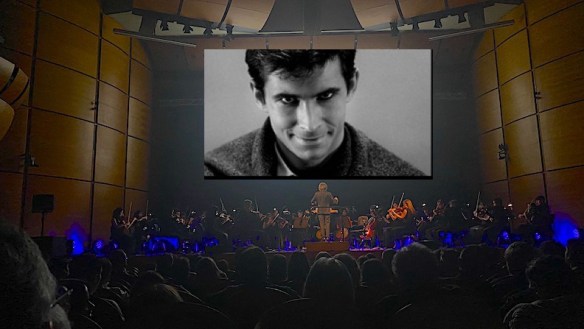


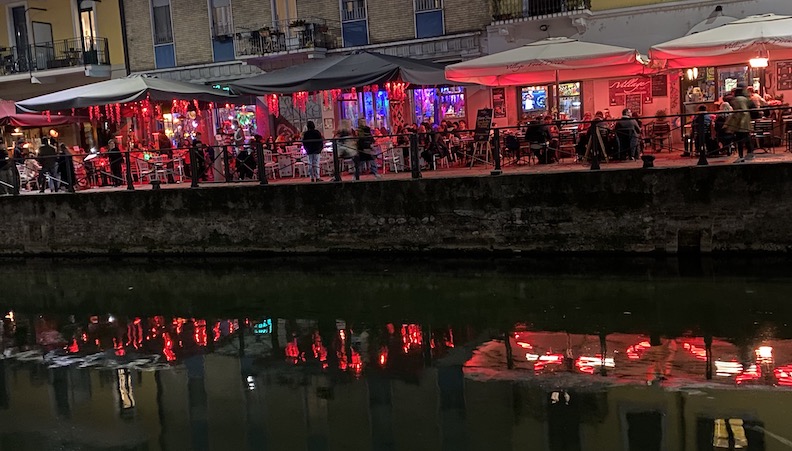
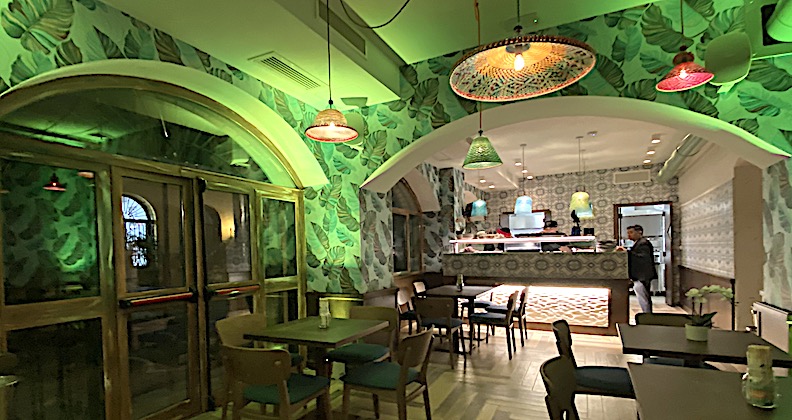
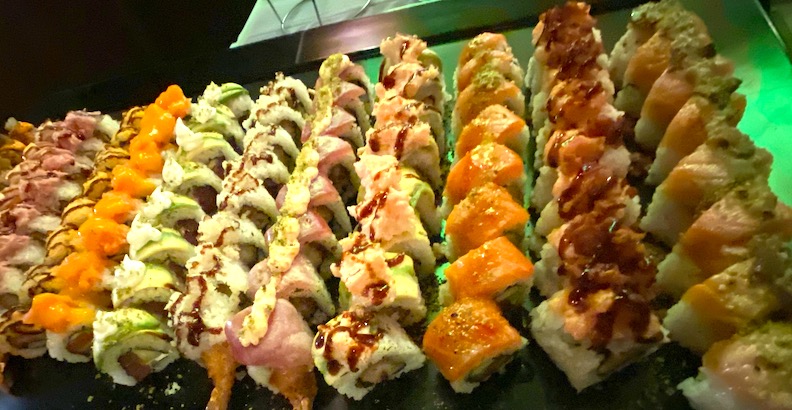 ………….
………….
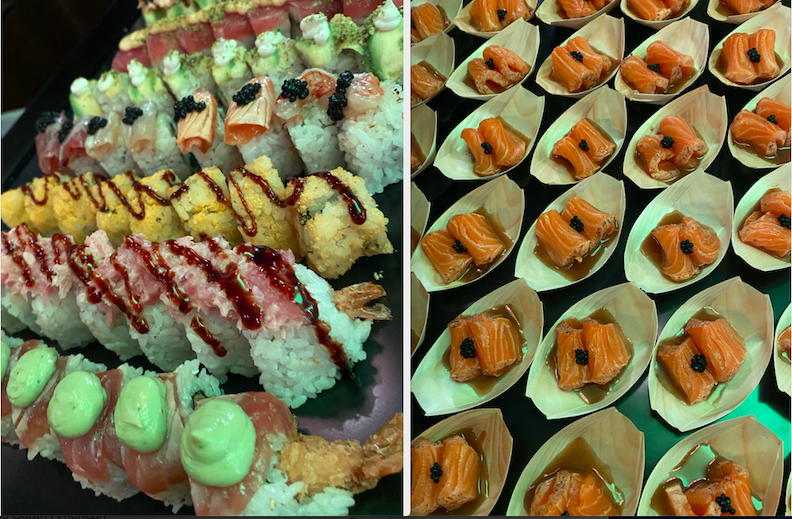
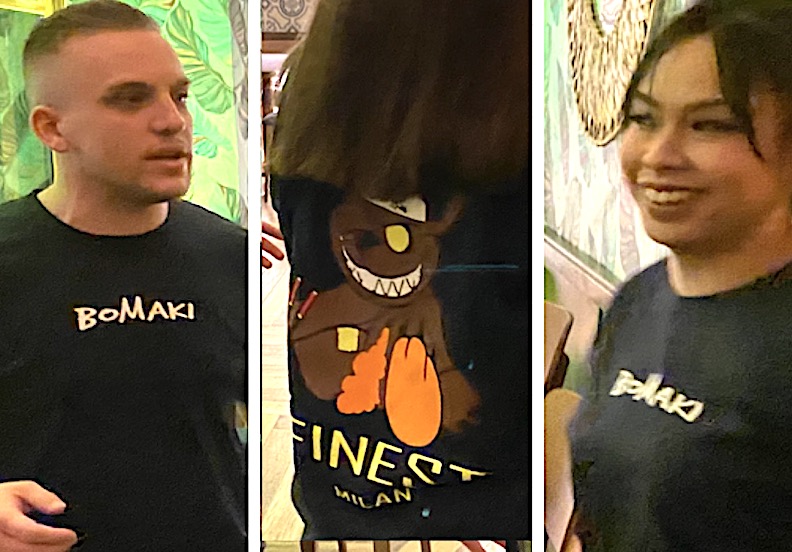
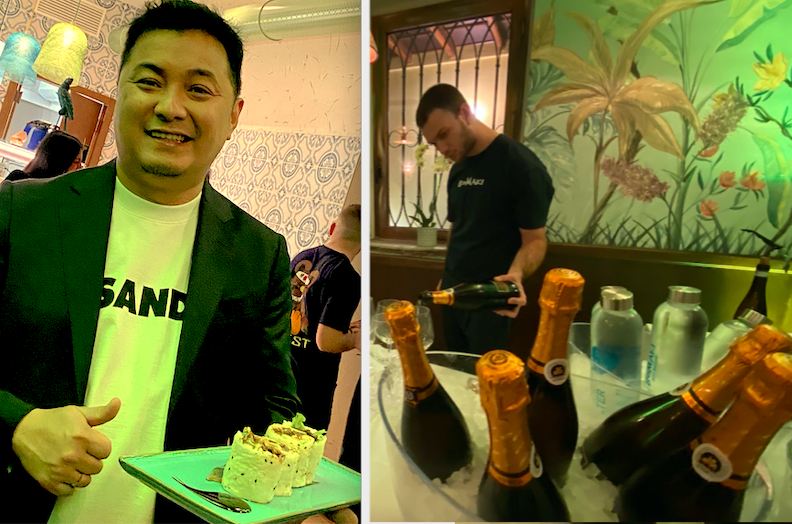
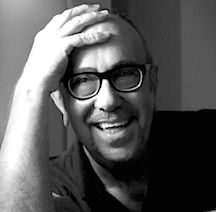
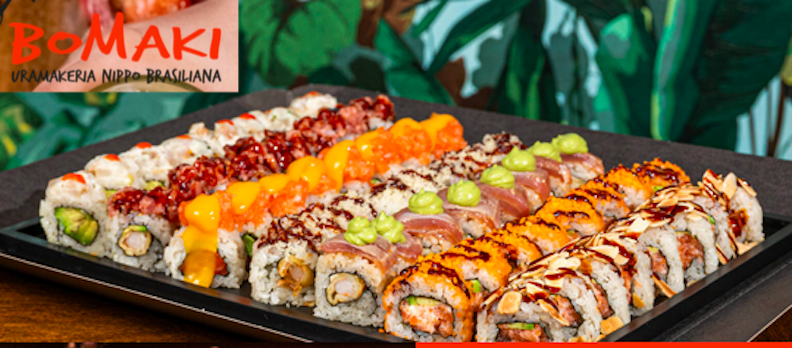
 By Cesare Zucca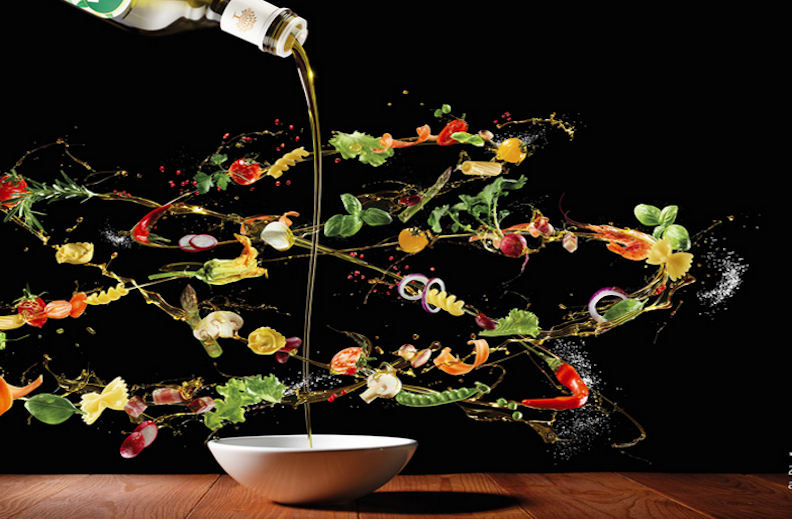
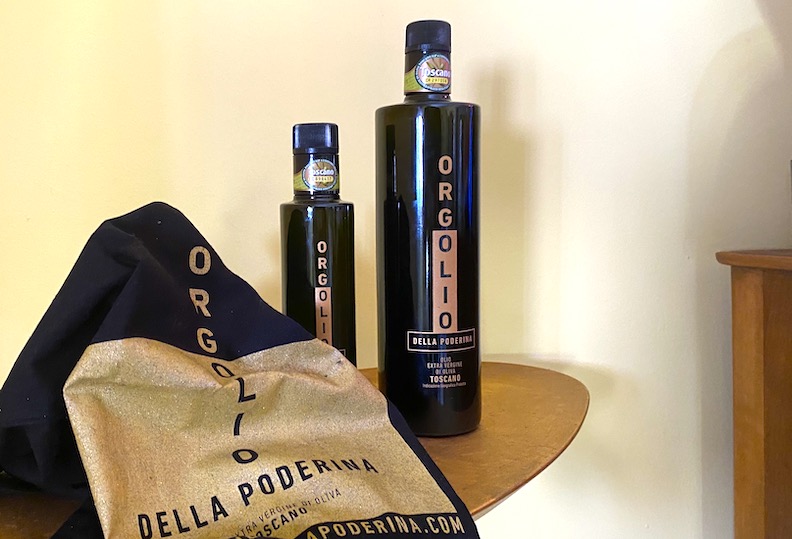 Orgolio is an extra virgin olive oil produced by the La Poderina farm in Siena, in the heart of Tuscany, which comes from the beauty of a unique land and from the obsessive search for quality. The Frantoio variety gives an intense green color with faint yellow notes, medium-strong intensity, elegance and broad vegetal tones that refer to thistle and artichoke on an almond base; the Moraiolo, rustic and imposing, makes the oil intensely fruity, decidedly bitter and spicy with hints of leaves and fine woody notes, the Leccino gives the aroma of ripe olives and vegetable aromas, and a slight bitter and spicy sensation.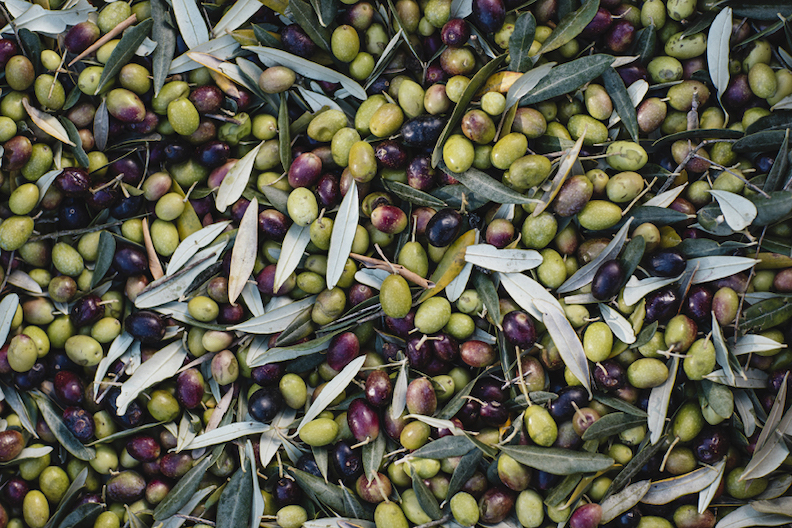
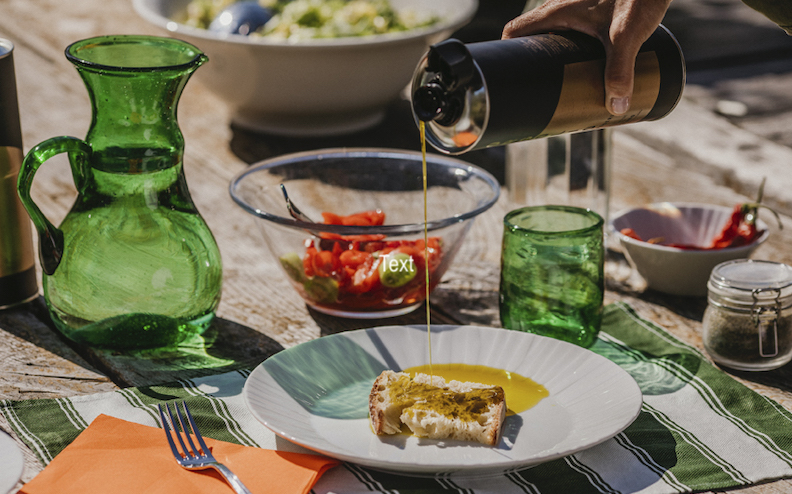
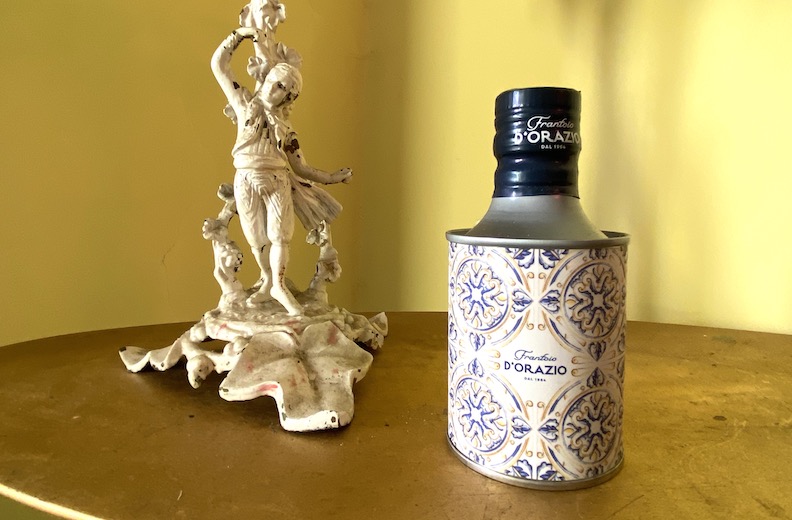
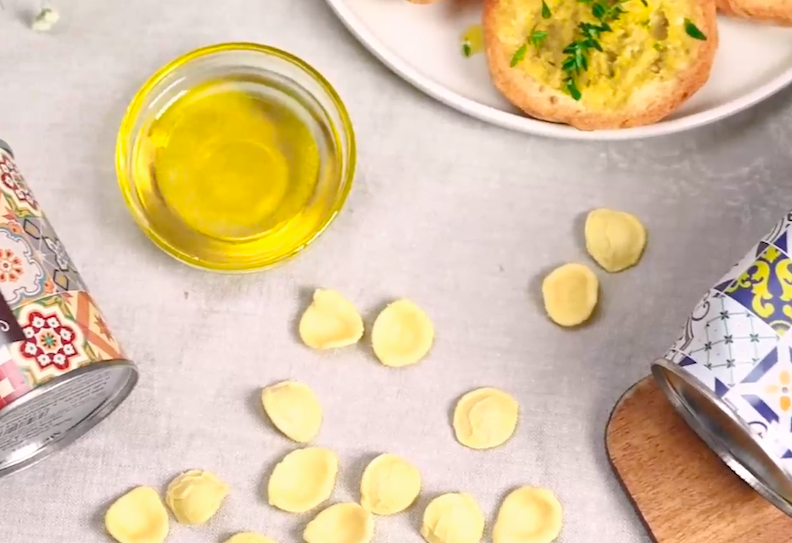 Pairings: thisi s a light and fruity oil, ideal condiment to enhance a dish without distorting or covering the flavours. We recommend it for fresh salads, vegetable purées, rice soups and savory soups, dishes based on beans, artichokes, asparagus, cooked vegetables, with white meats, bruschetta, salsa, mixed legumes, baked tomatoes, truffle sauce.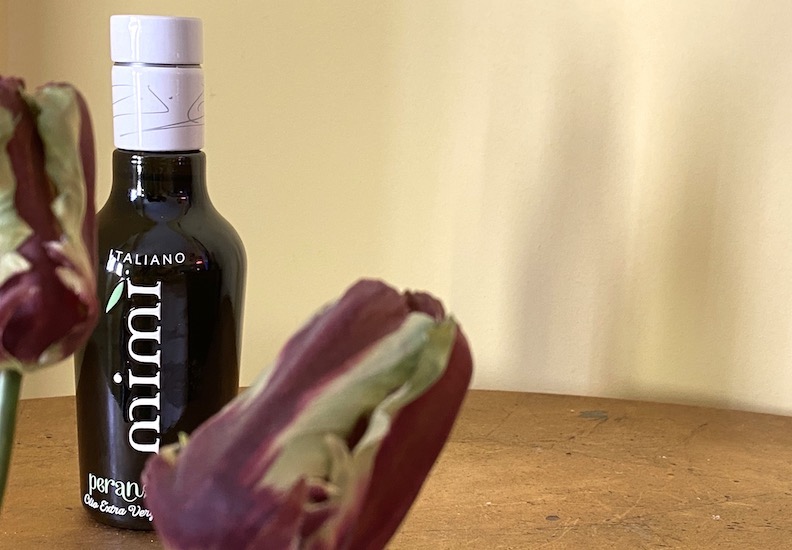
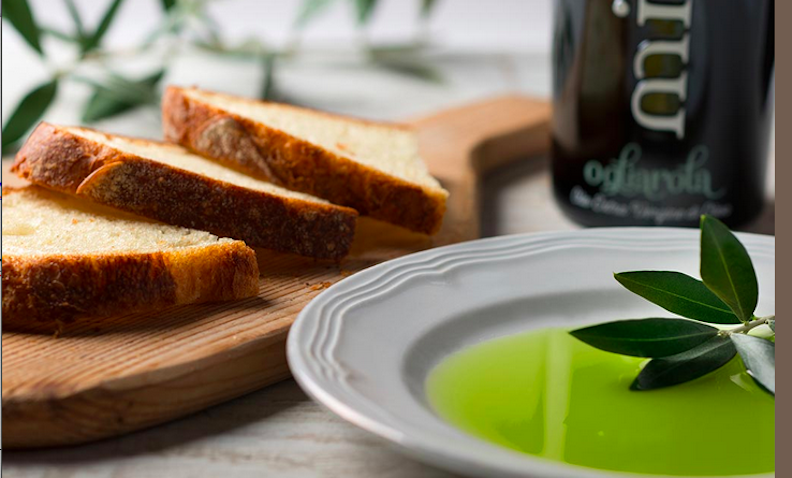 When I tasted, the freshness of the apple and green tomato reappeared and showed a spicy and bitter character while maintaining an elegant harmony between the two components. Ideal for pairing with raw dishes as a condiment for salads or vegetables but also for seasoning grilled meats and fish or soups. Perfect raw condiment on grilled dishes, salads or soups.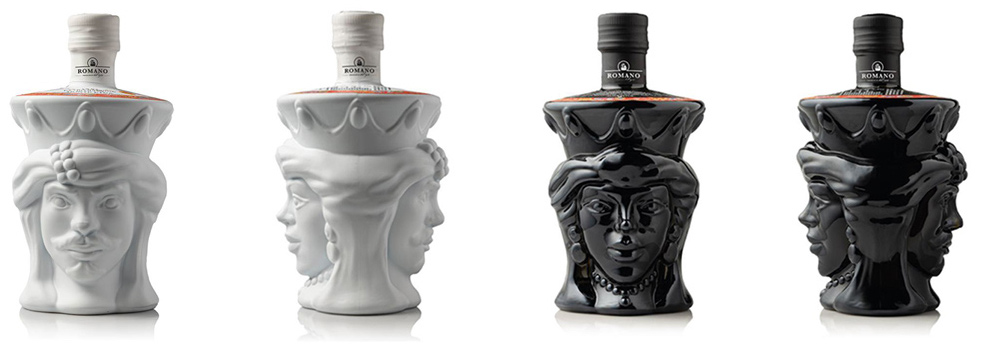
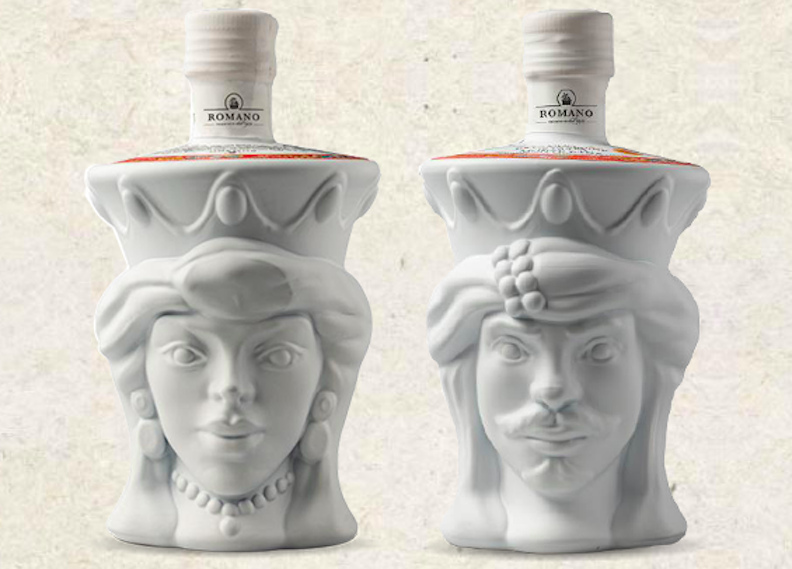
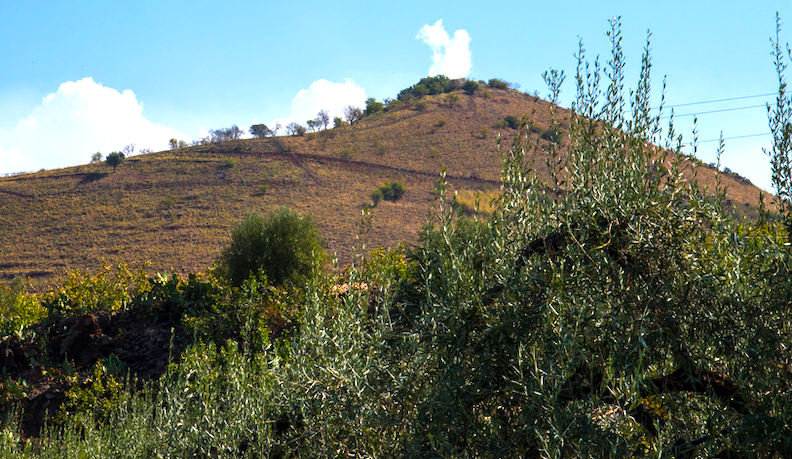
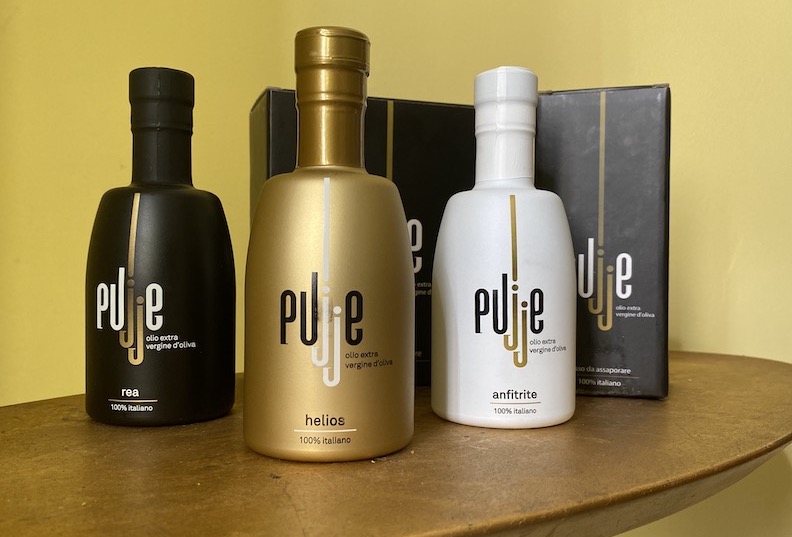
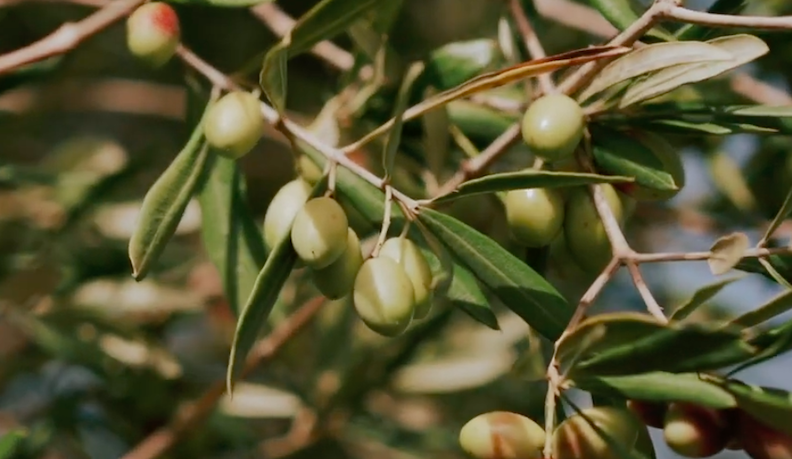
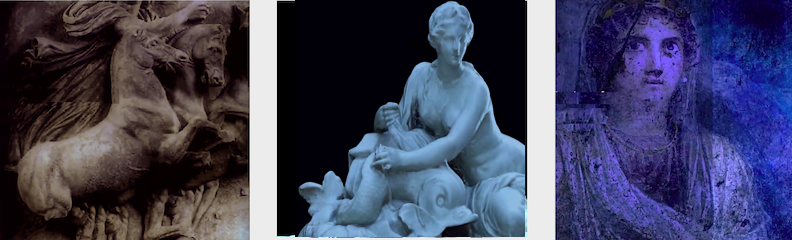
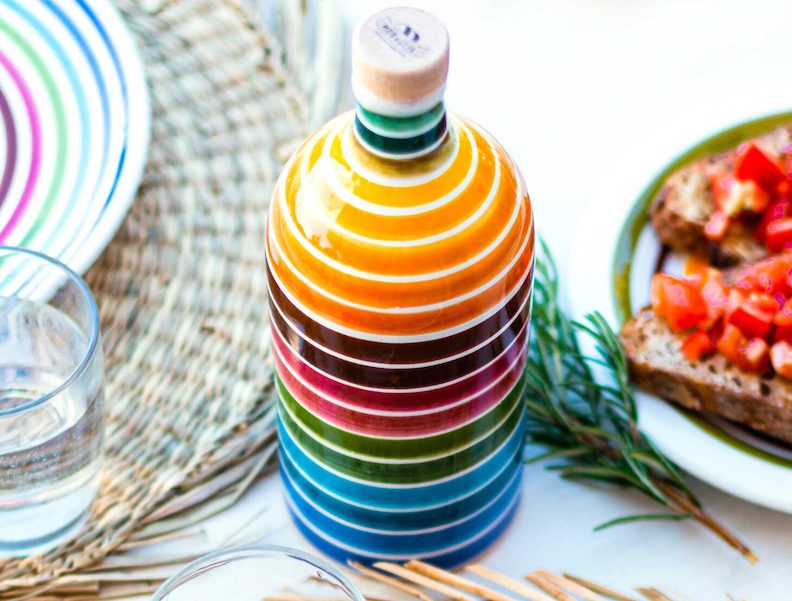 Frantoio Muraglia was founded in Andria, the oil capital of Apulia, five generations ago, but family’s patriarch has lived through 460 springs. It is a majestic coratina olive tree.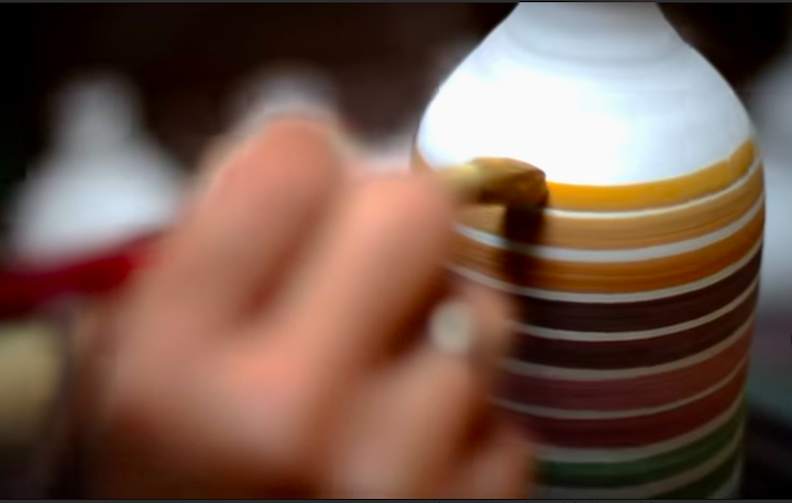
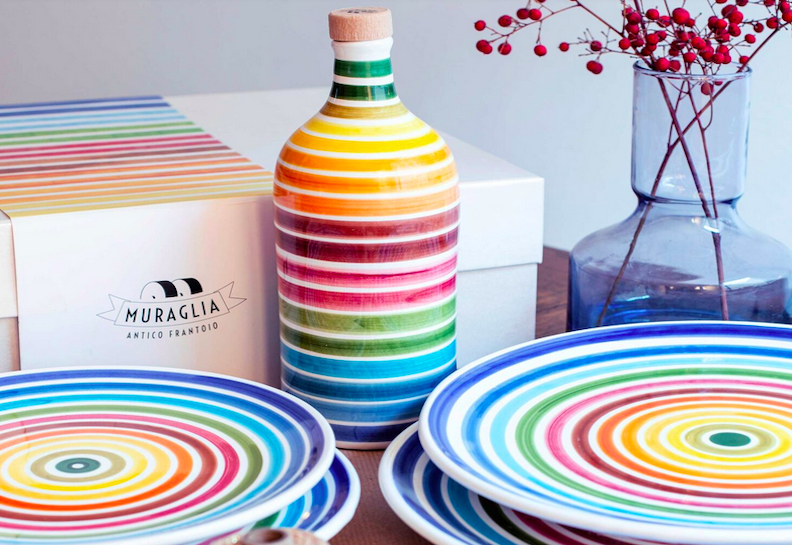
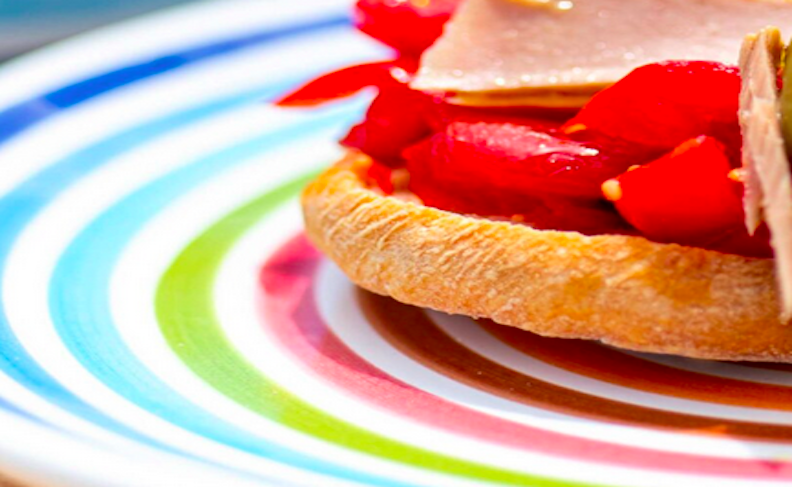
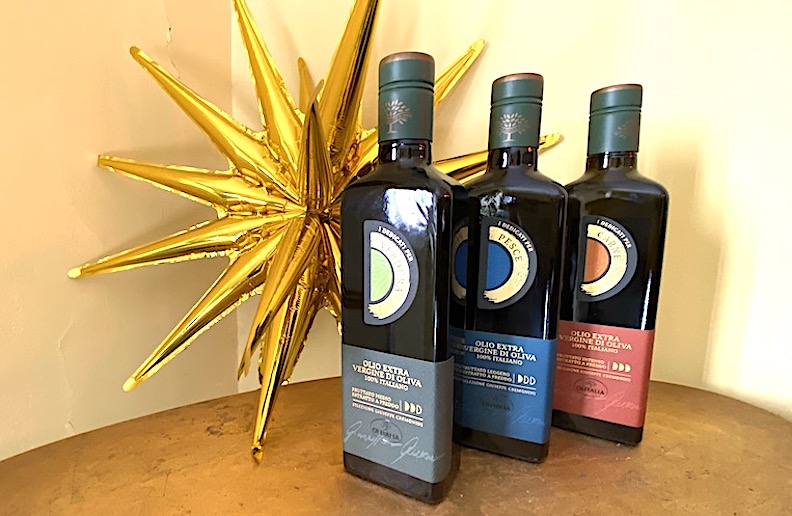
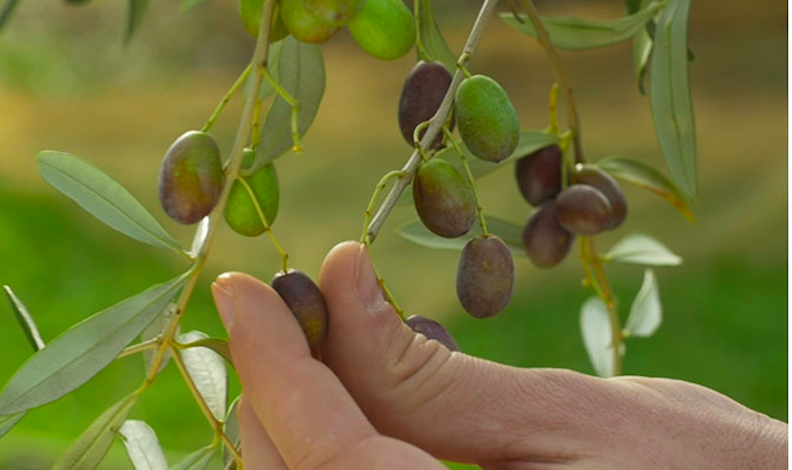
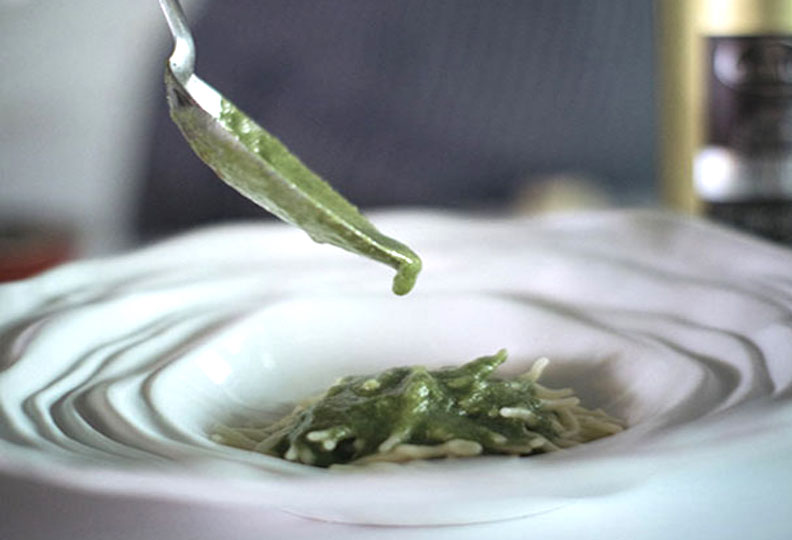
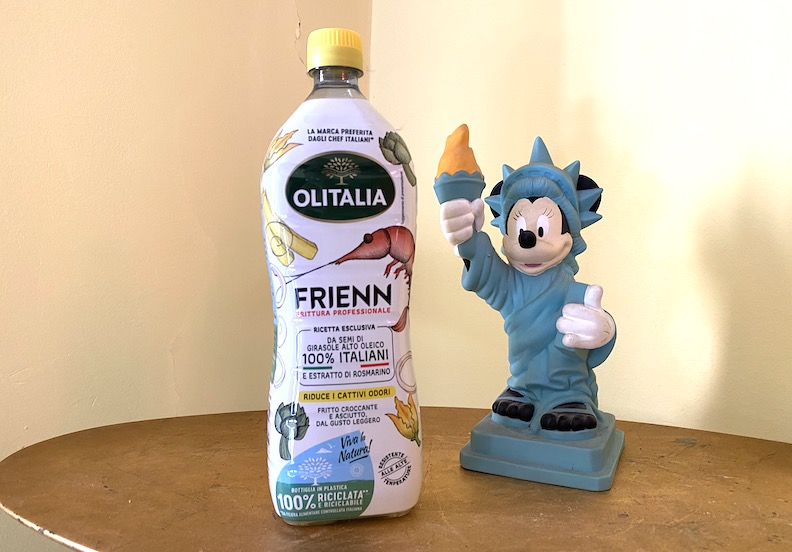
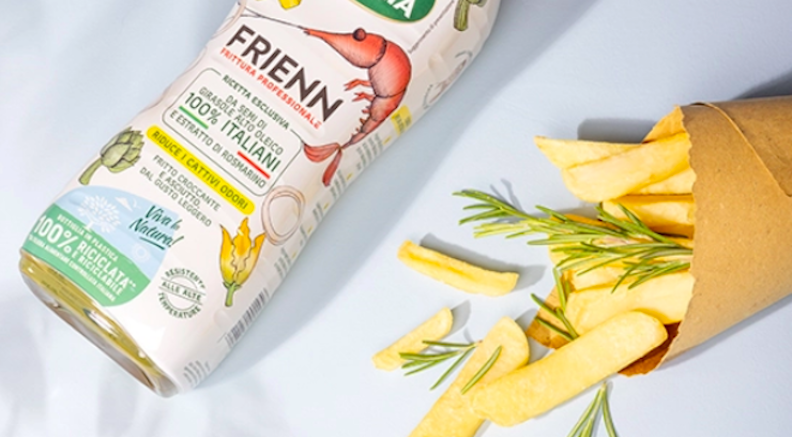 The combination of sunflower oil with a high oleic acid content and antioxidants guarantees high stability at high temperatures, avoiding the unpleasant onset of bad smells. FRIENN frying oil respects the original flavor of the ingredients, without transferring color and flavor to the food. Perfect for frying savory and sweet foods, both in a pan and in the fryer.
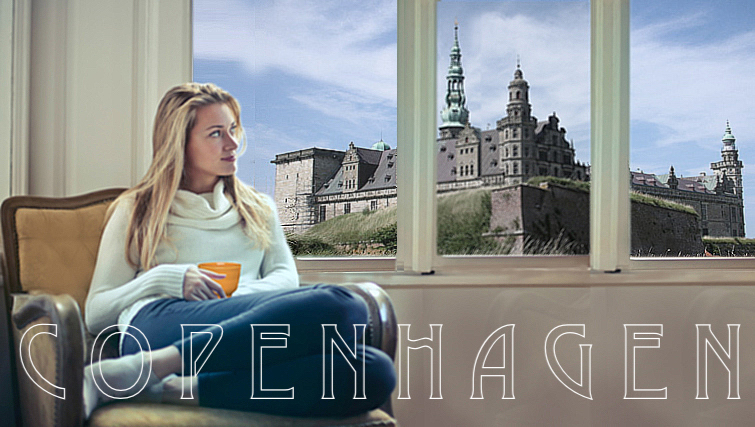
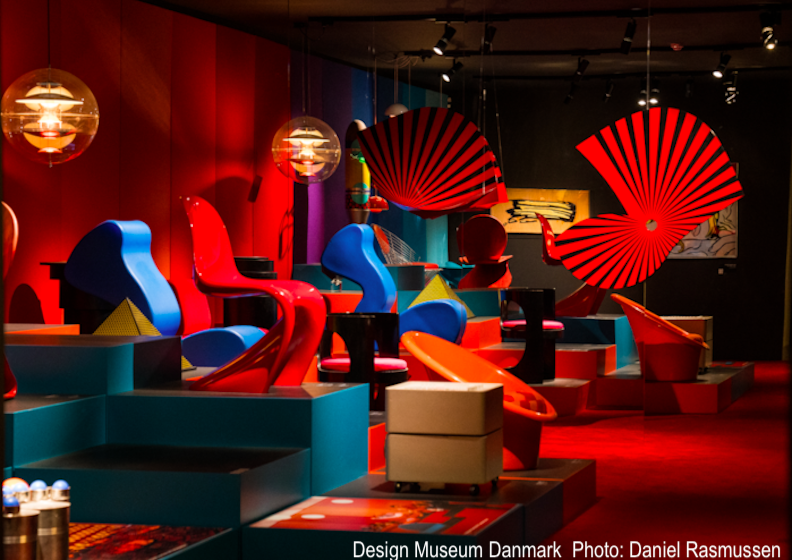 Benvenuti a Copenhagen, Capitale Mondiale dell’Architettura UNESCO.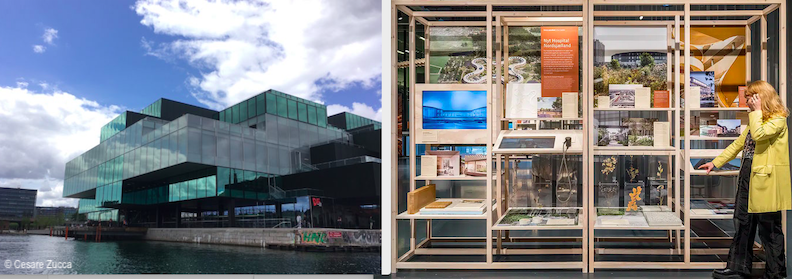
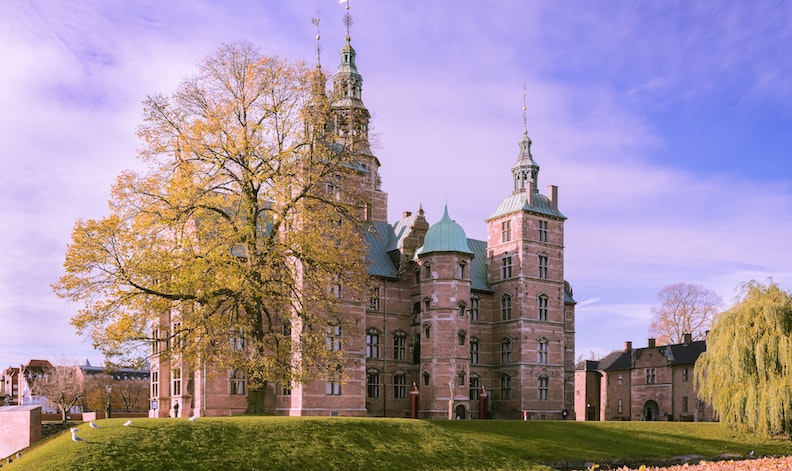

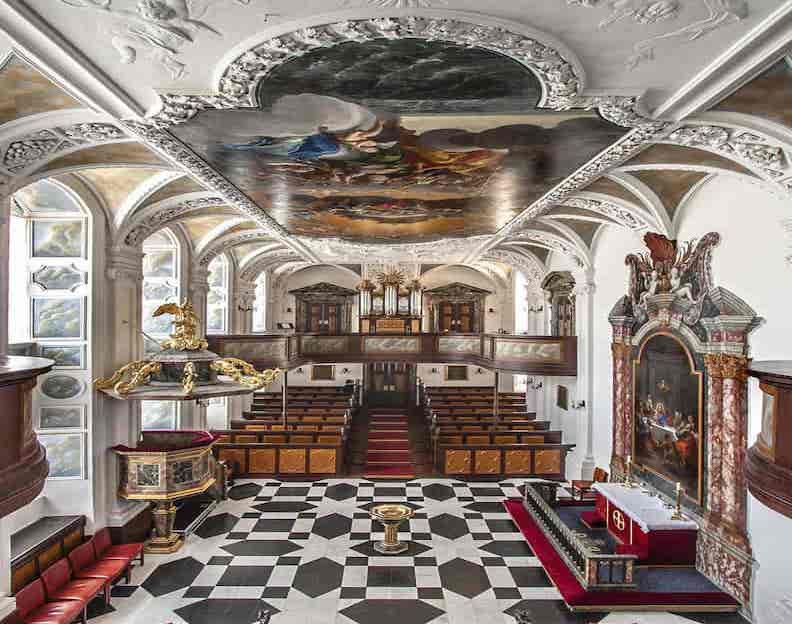
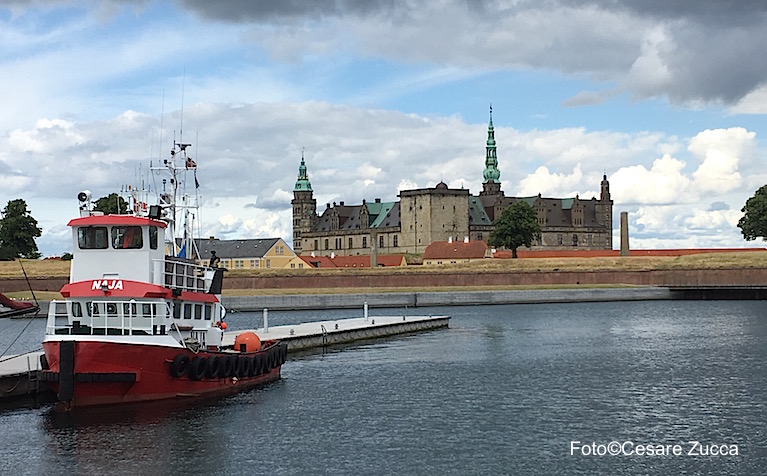

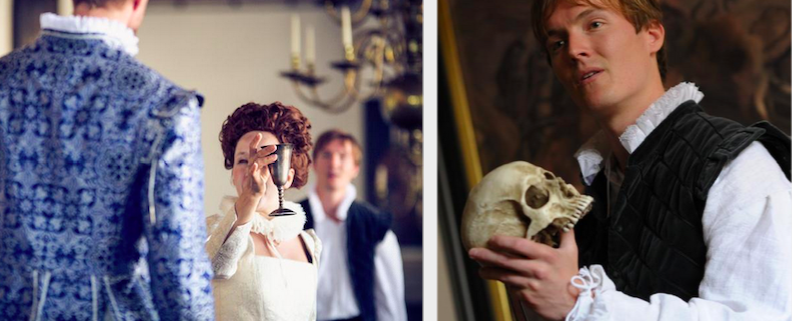
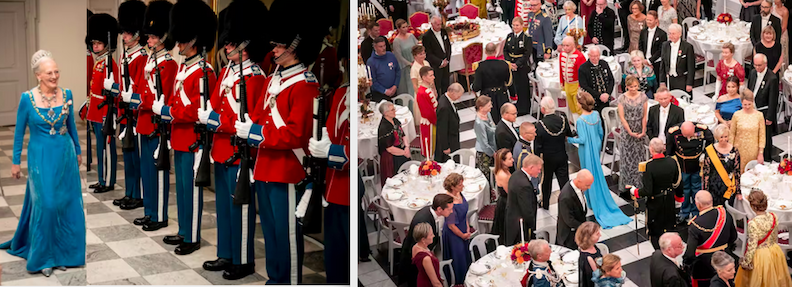
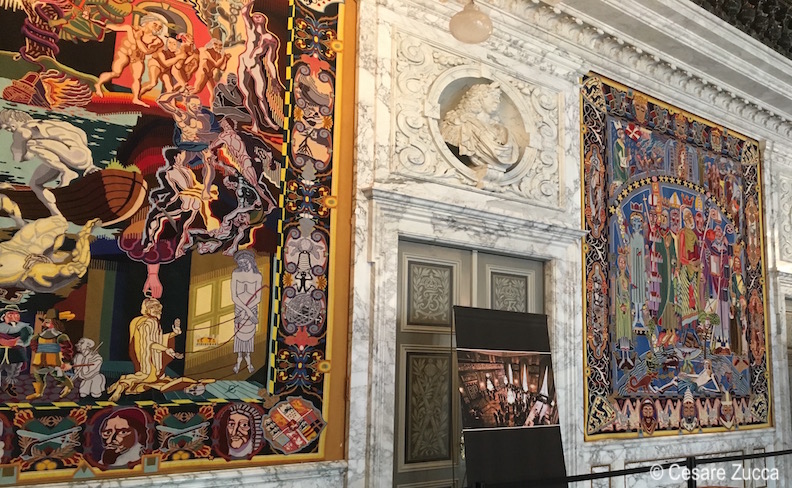
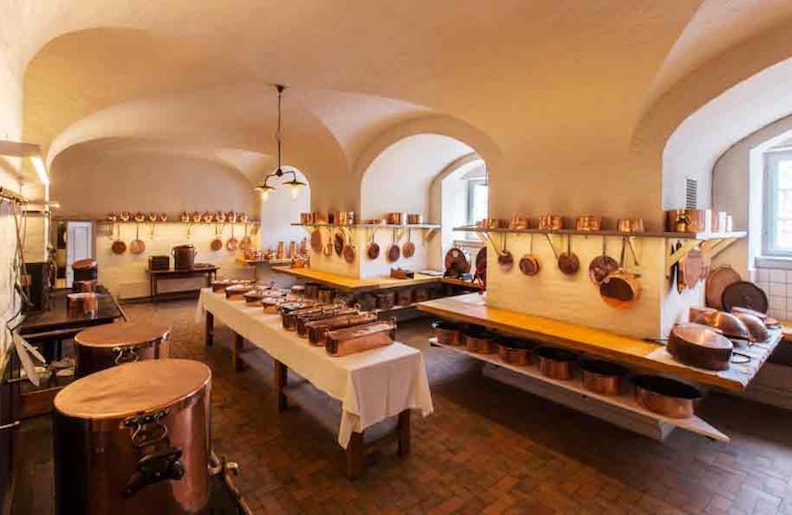
 Deriva da un pittoresco borgo di pescatori sull’isola di Bornholmm ed è fatto di tartine smørrebrød, cioè fette di pane di segale imburrate e tradizionalmente ricoperte da svariati tipi di toppiing: anguilla, aringa, salmone, gamberetti e altri pesci affumicati oltre a versioni con carne o vegetariane a base di uova accompagnate da ravanelli, cipolla rossa. l’aneto, l’erba cipollina e barbabietole.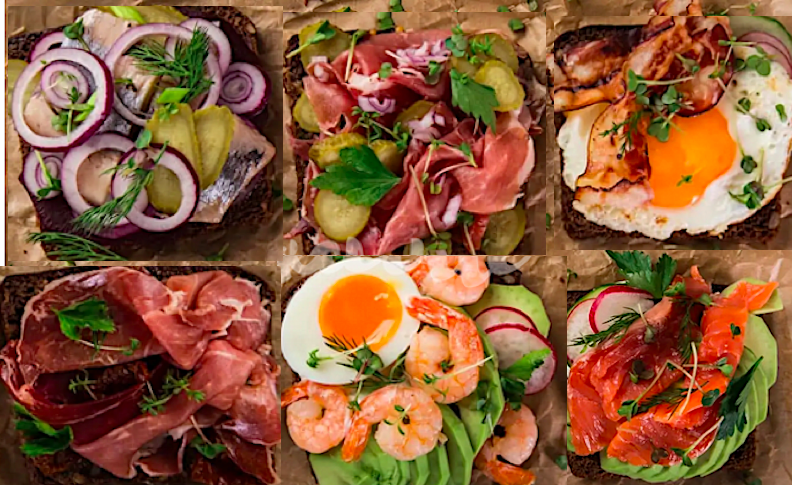
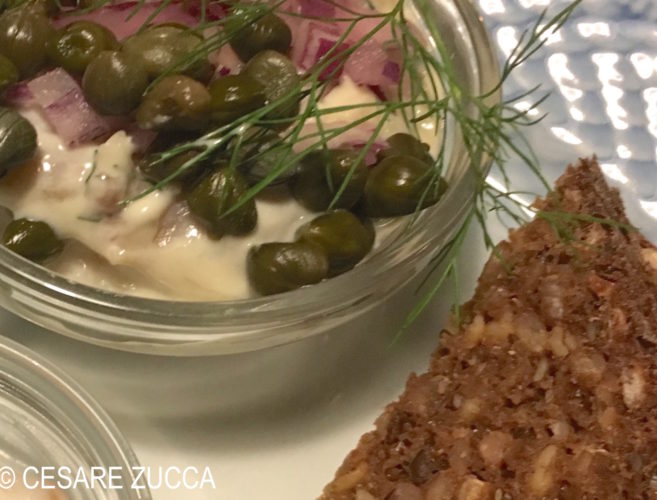
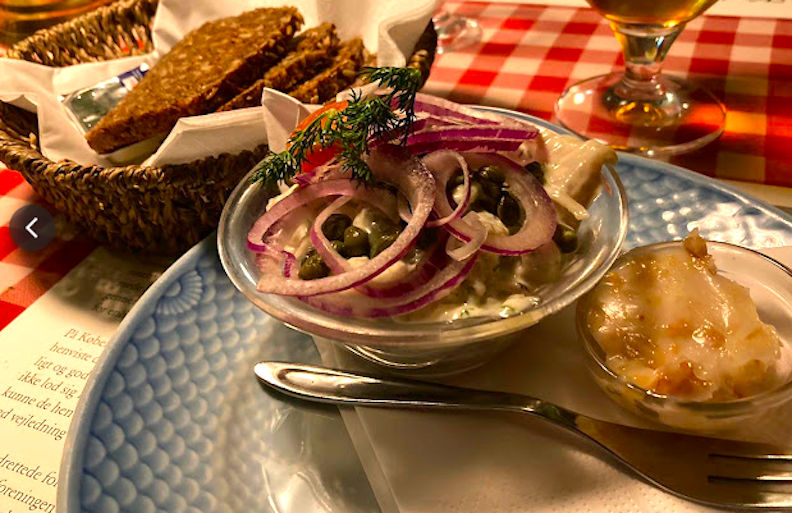
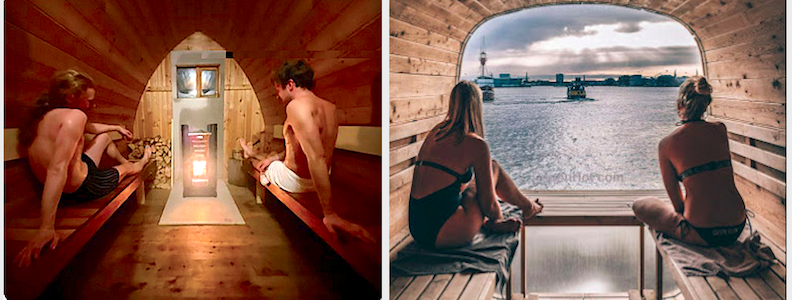

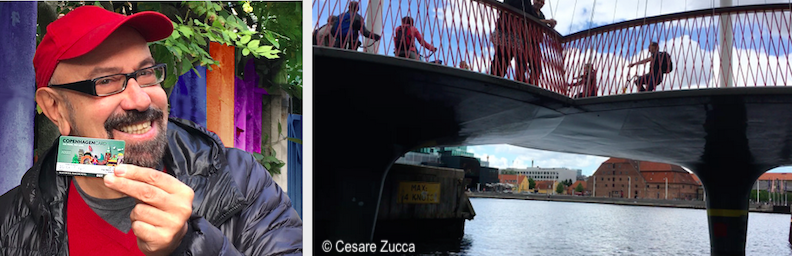
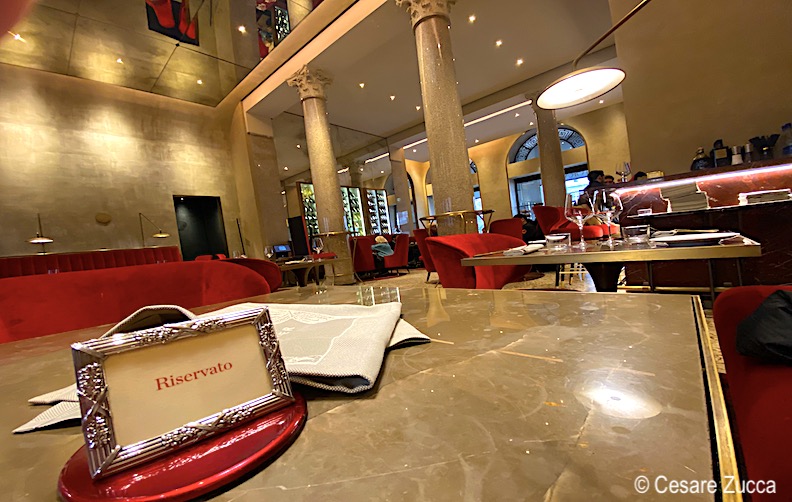


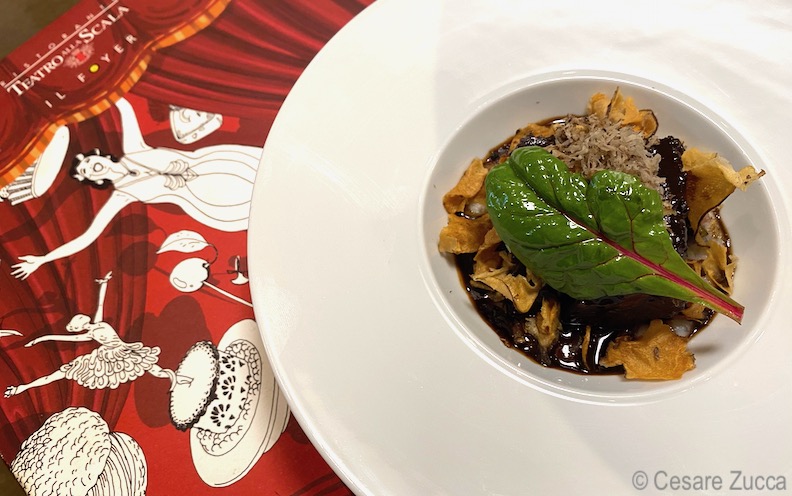
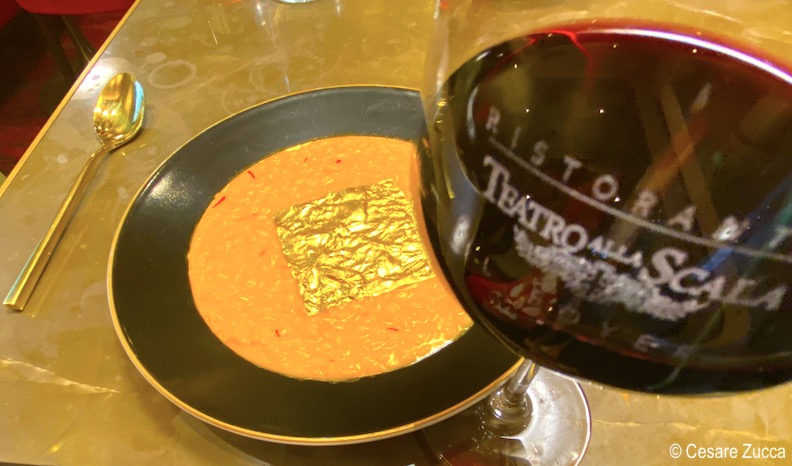
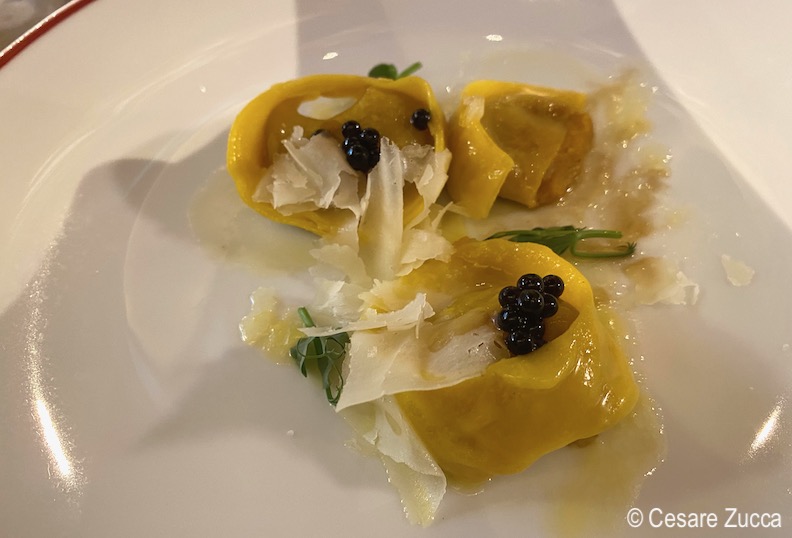
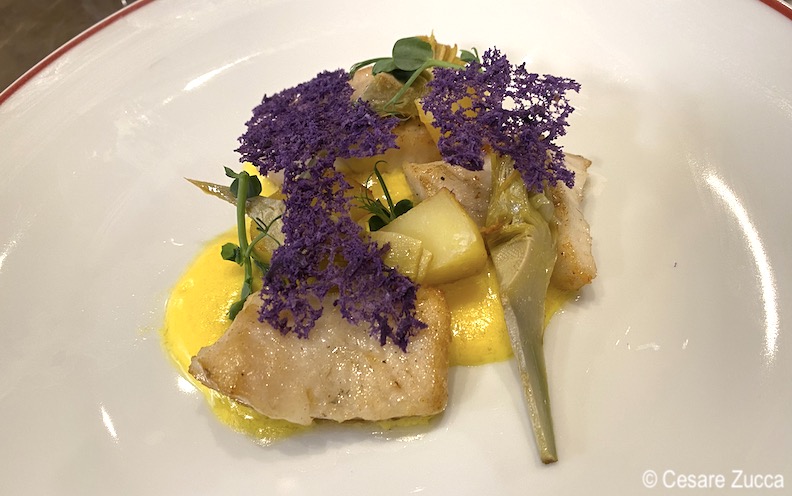

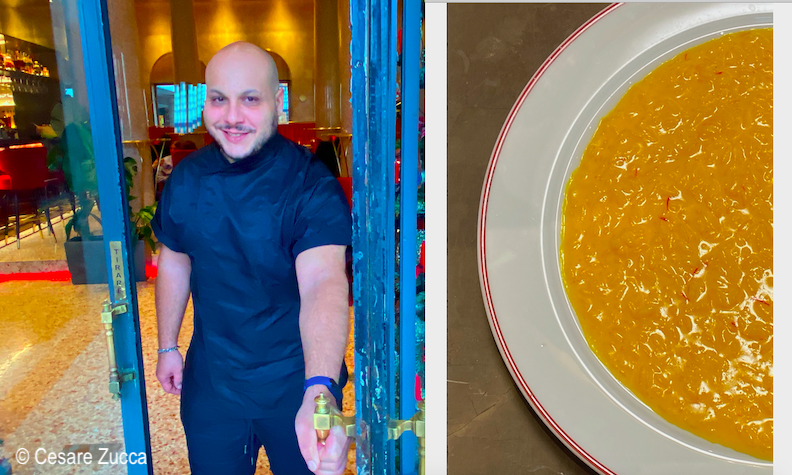
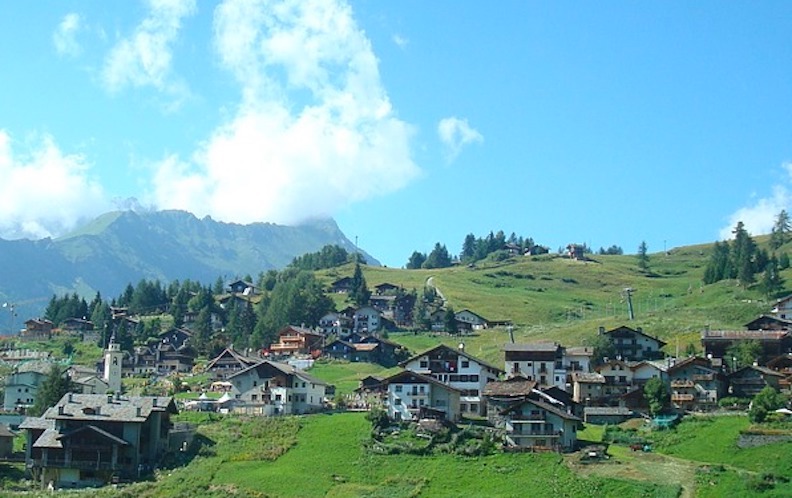 (in Italian and English)
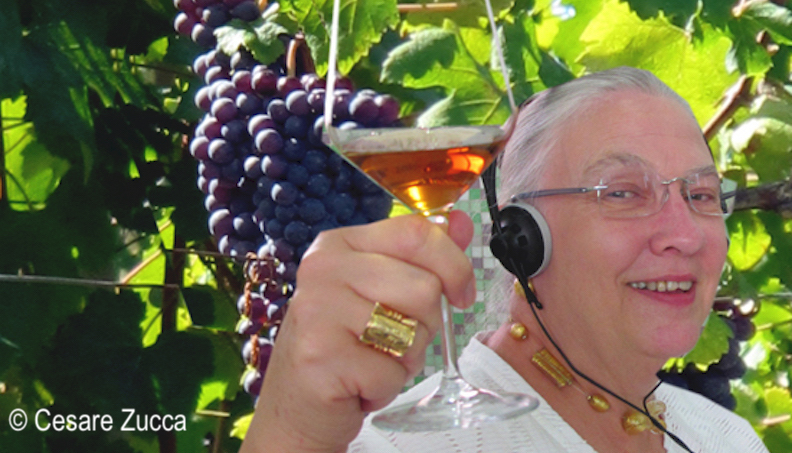
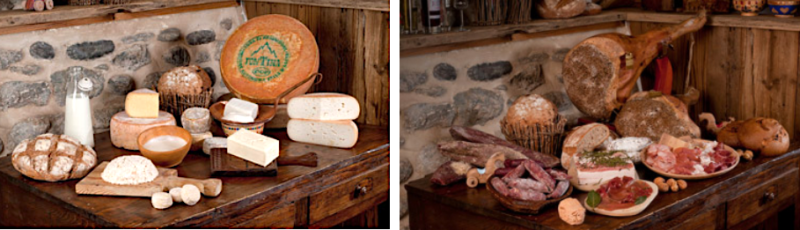
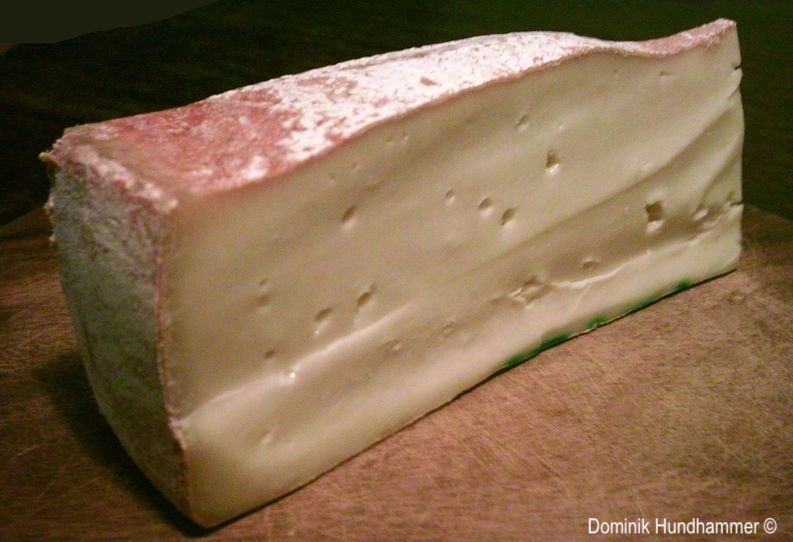
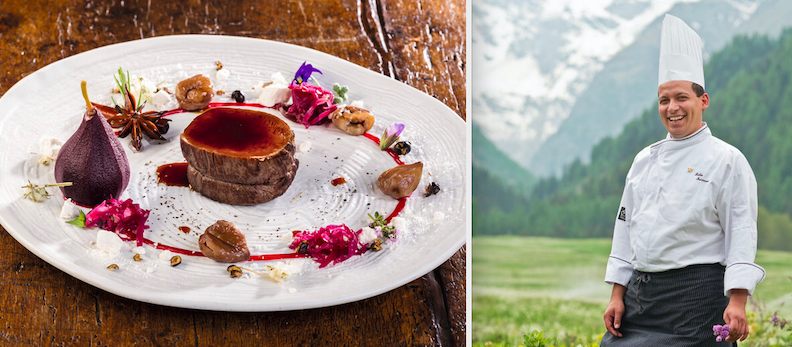
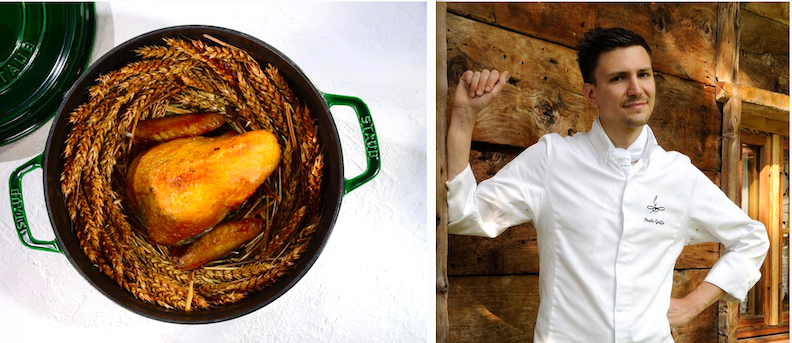


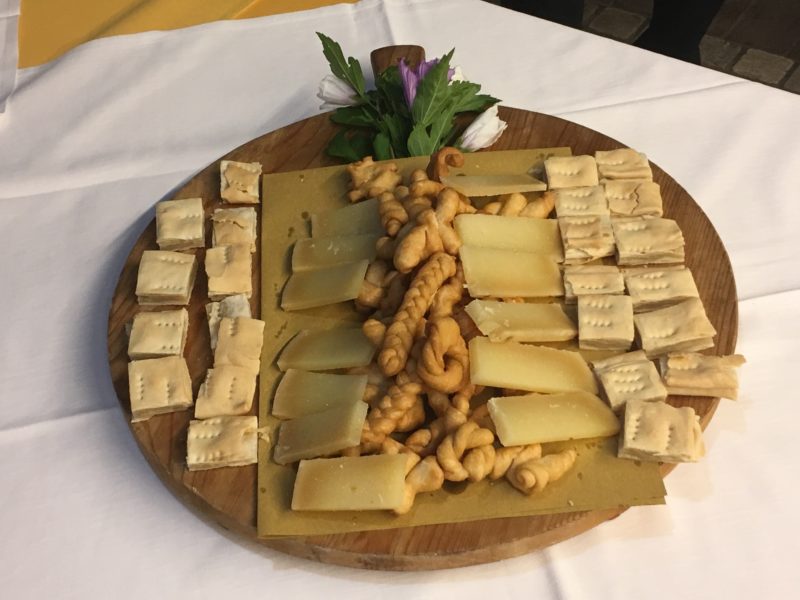
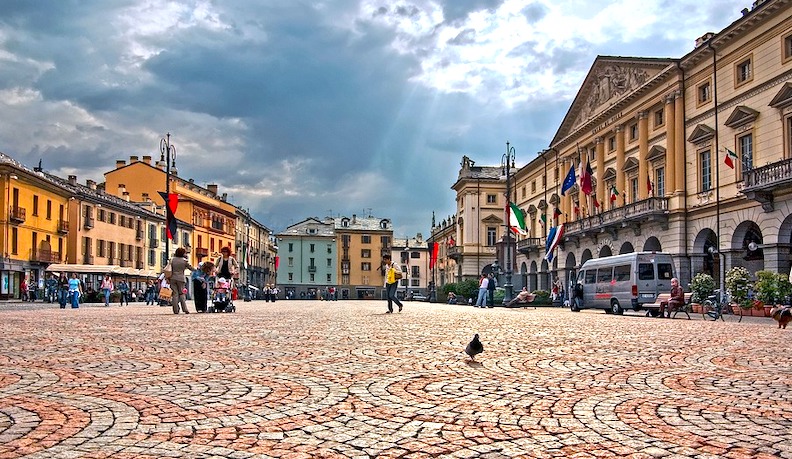
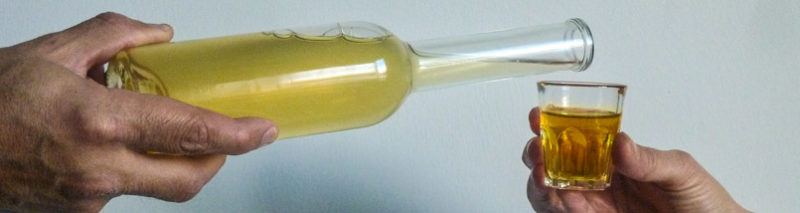
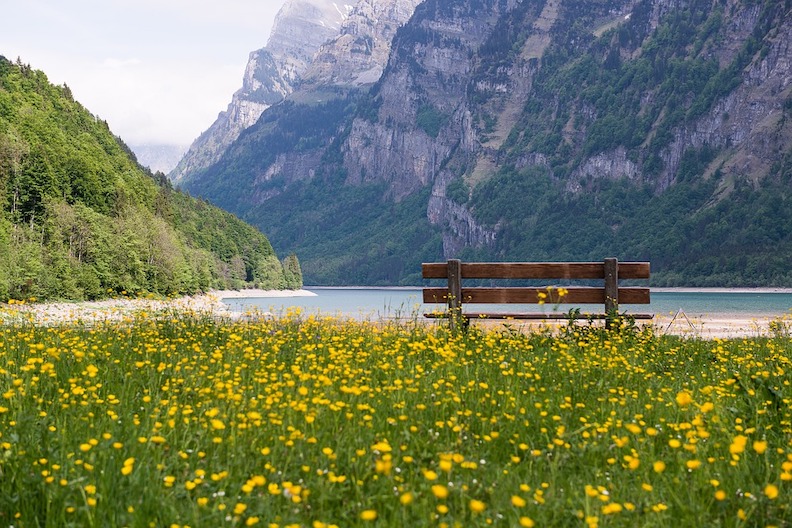



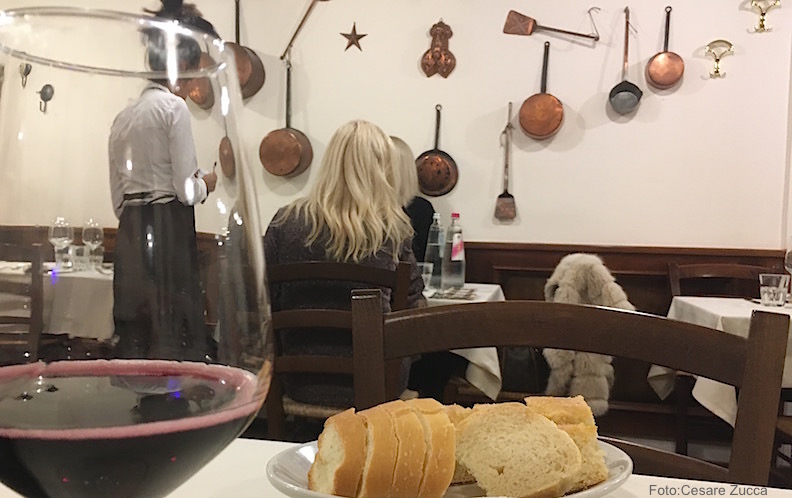 Nel menu ritoviamo alcuni piatti poveri della cucina contadina come la paneda, densa zuppa di pane, cibi storici come il friggione, una sostanziosa salsa a base di peperoni la cui ricetta originale viene addirittura conservata presso la Camera di Commercio di Bologna. Non mancano i calzagatti di polenta e fagioli, un’antica, e quasi scomparsa, specialità deile nonne modenesi.

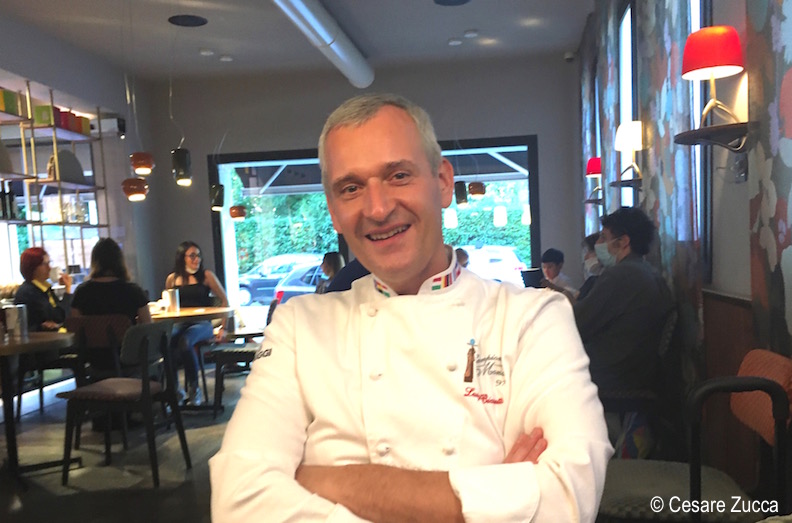
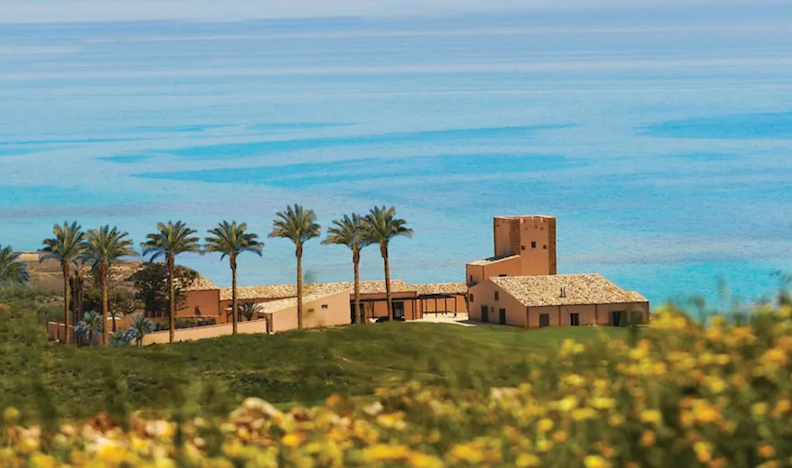
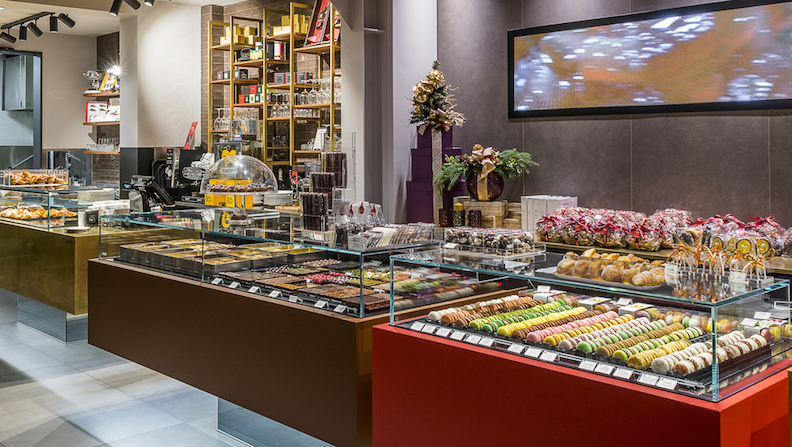
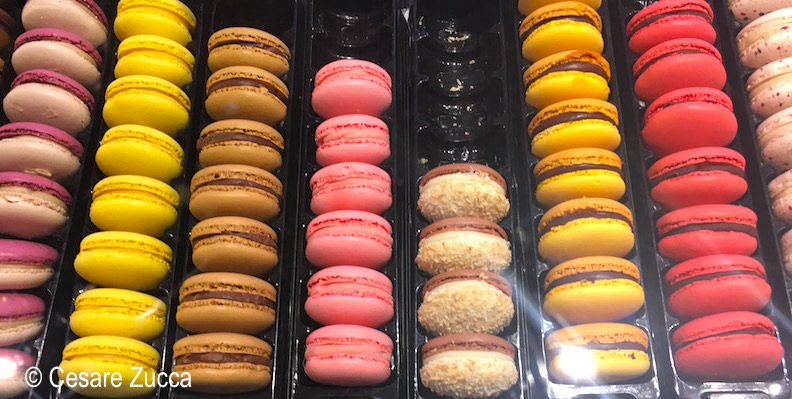
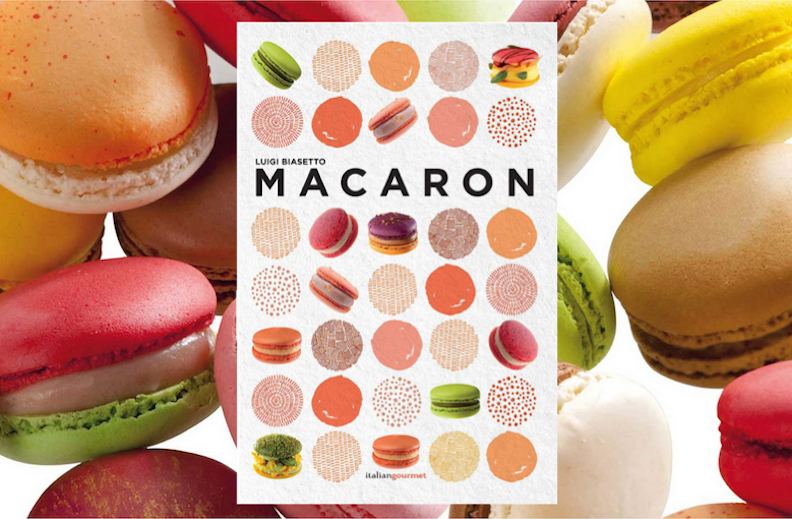
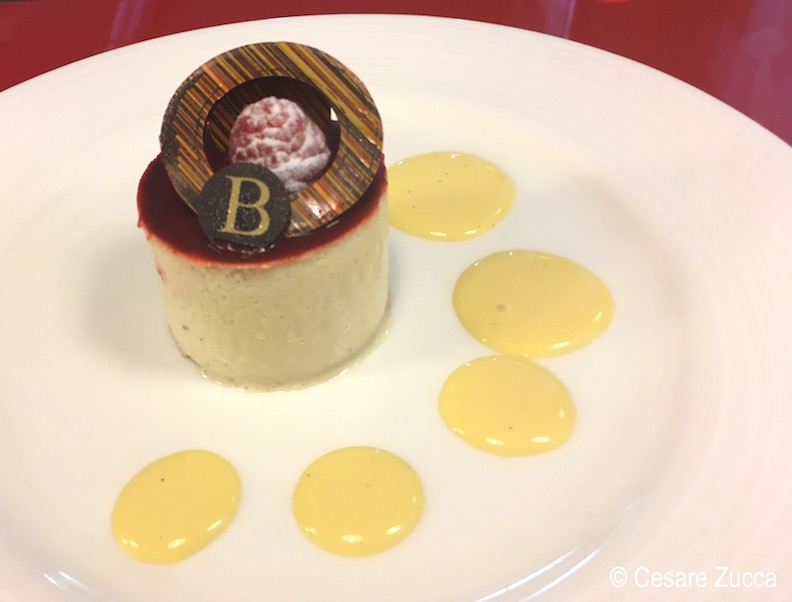
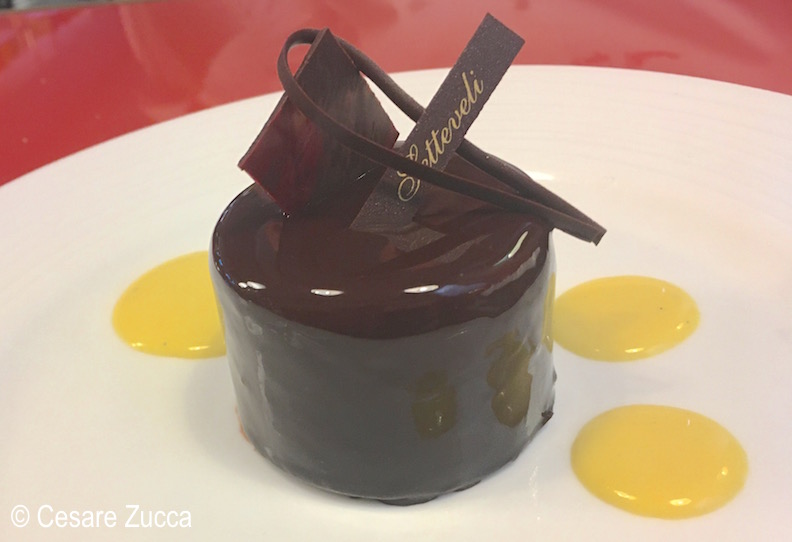
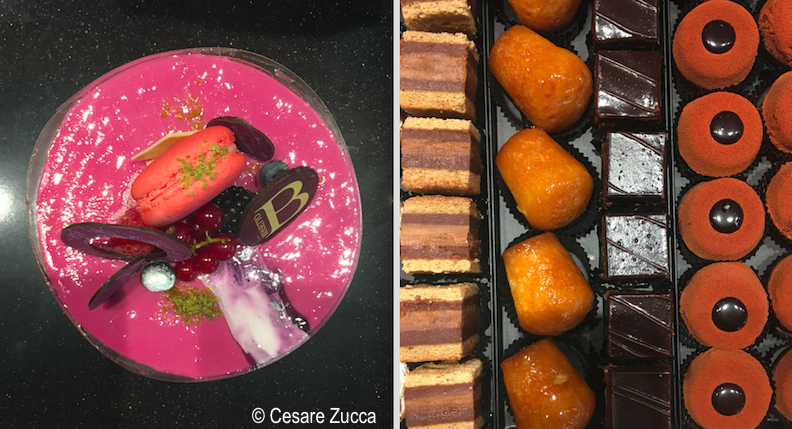
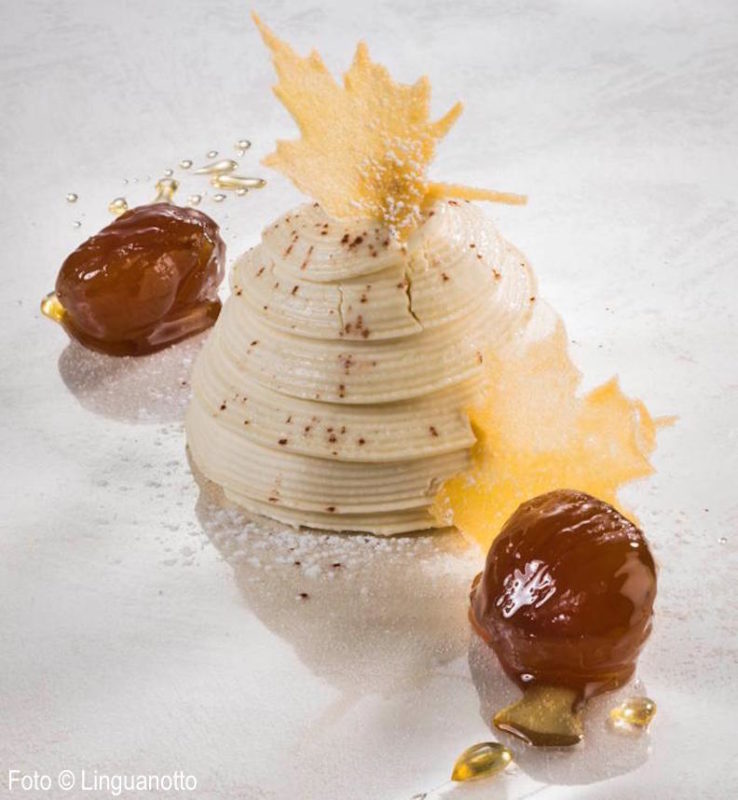
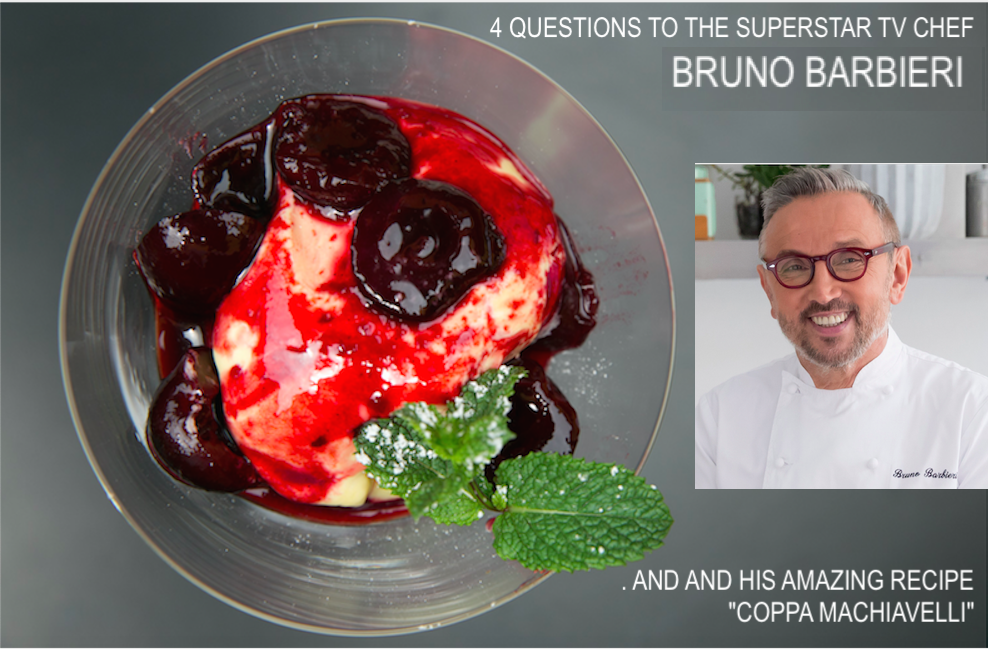
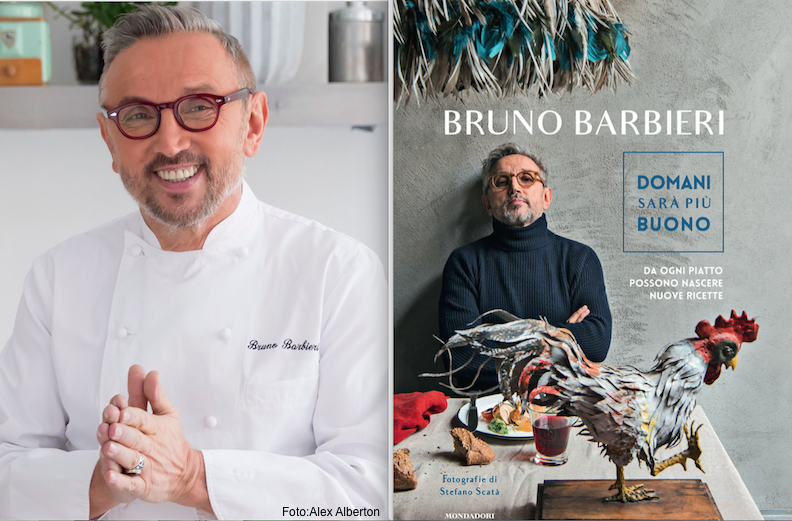
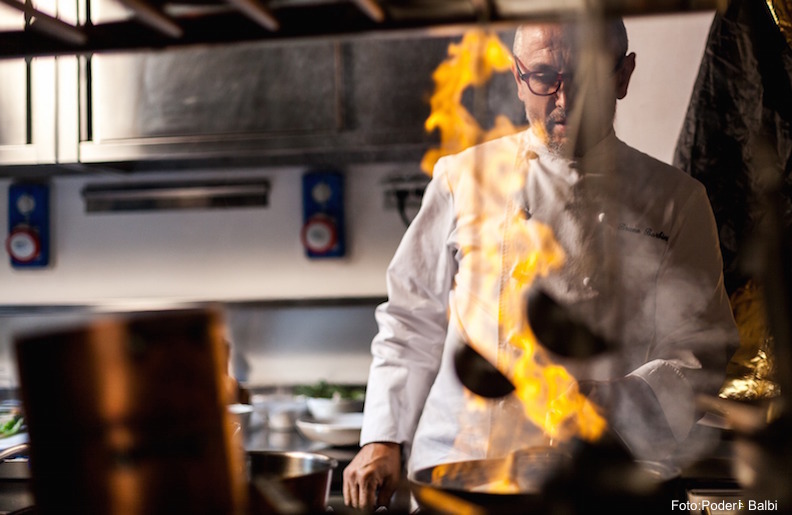
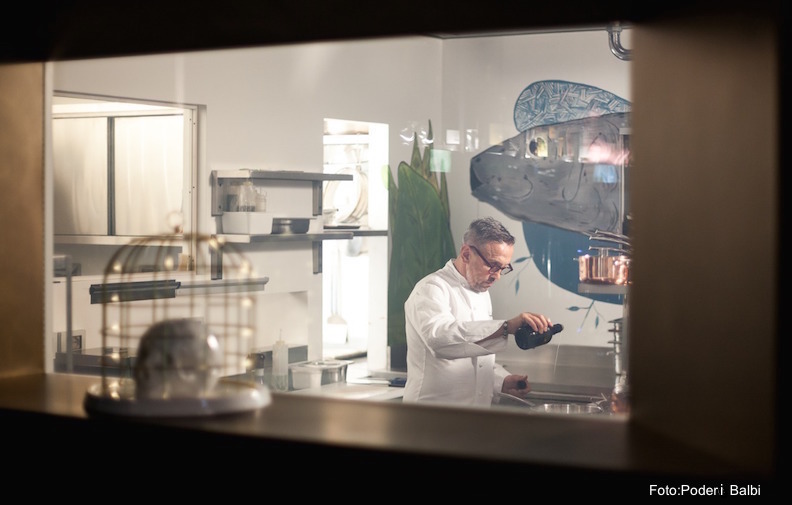
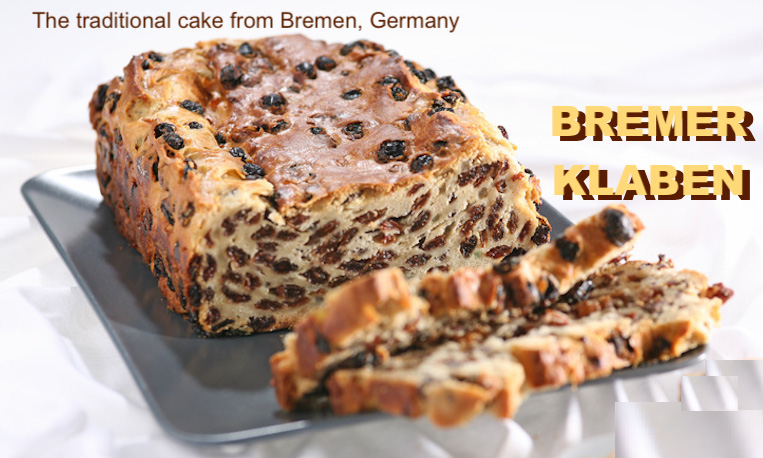

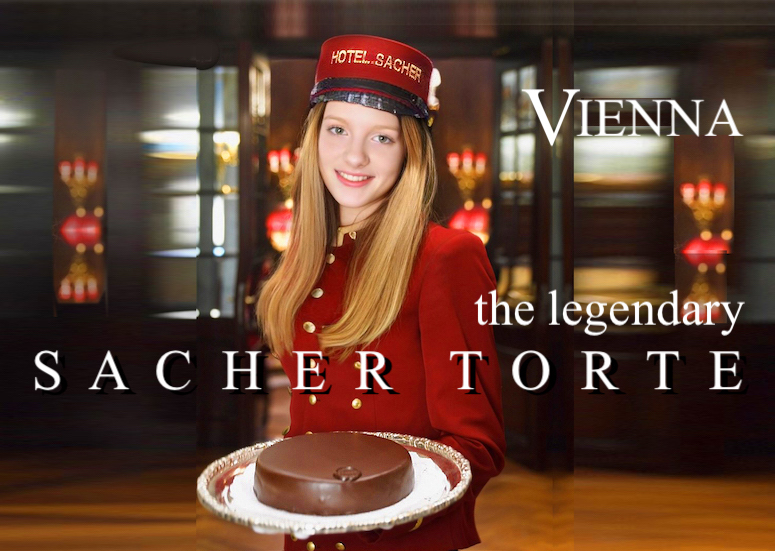


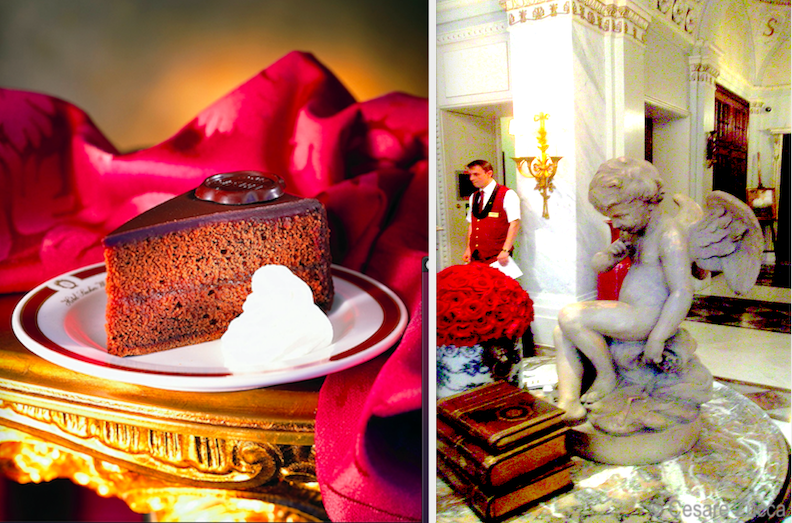
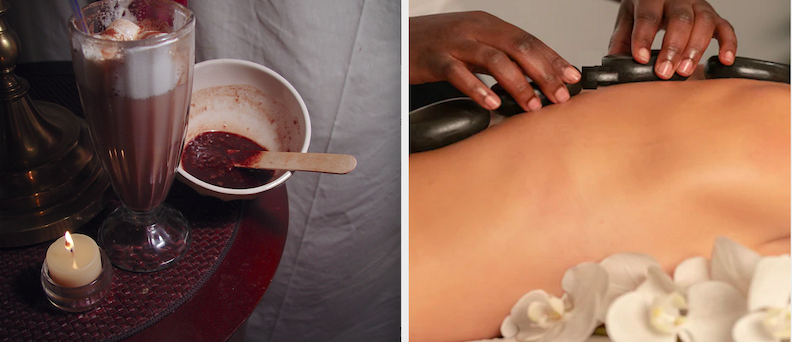 Nei trattamenti viene utilizzata una gamma di prodotti teneri, cremosi e profumati: la linea Time to Chocolate®, pensata per addolcire l’anima e nutrire la pelle, lasciandola più morbida e levigata che mai. Ricchi di effetti nutrienti e vitali, i prodotti sono la ricreazione ideale per la pelle delle clienti. La cura cremosa al cioccolato, in particolare il burro di cacao, fornisce risultati immediati, una pelle più soda e garantisce un aspetto radioso con un effetto duraturo.

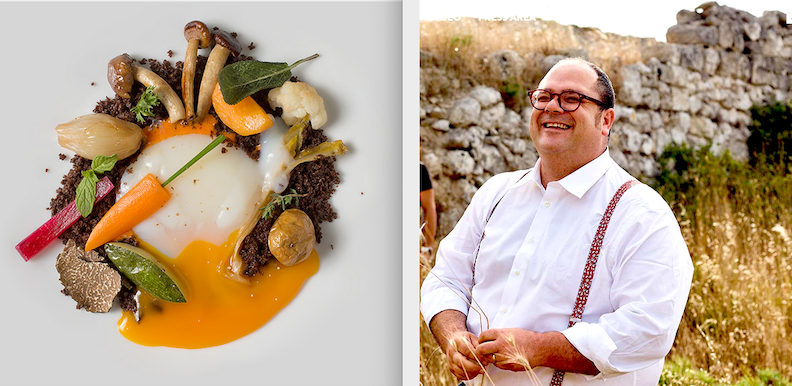
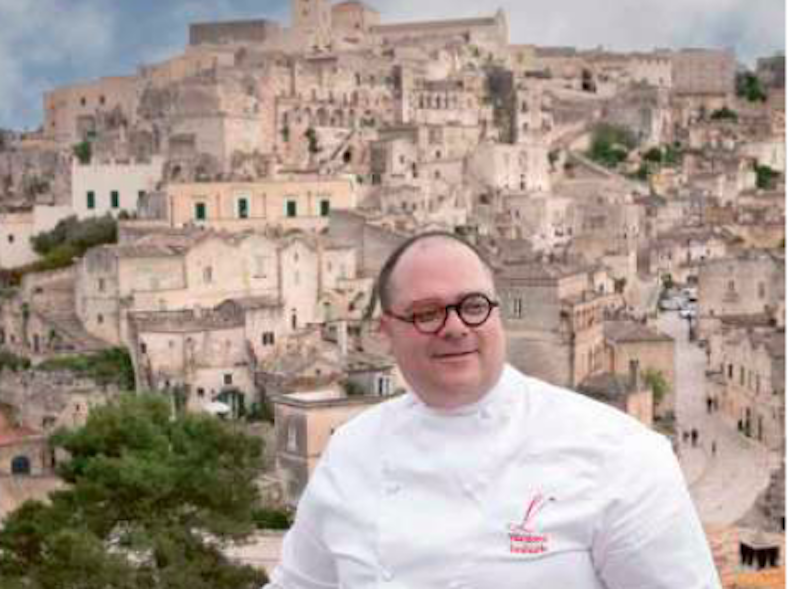
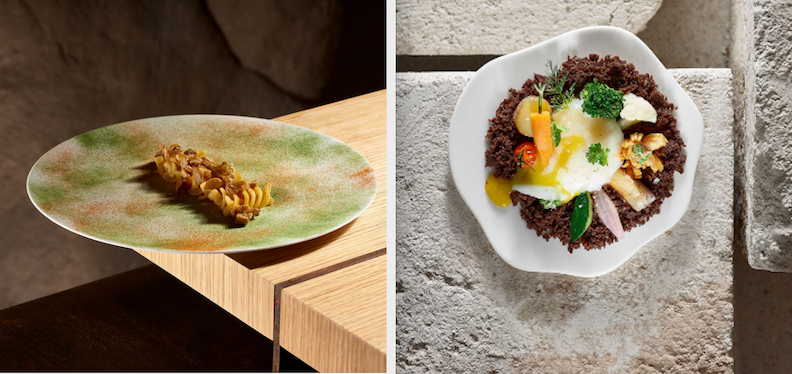
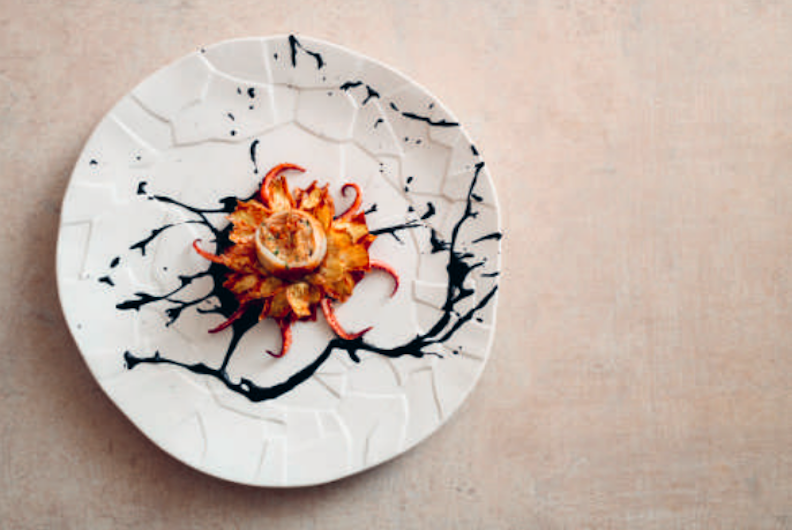

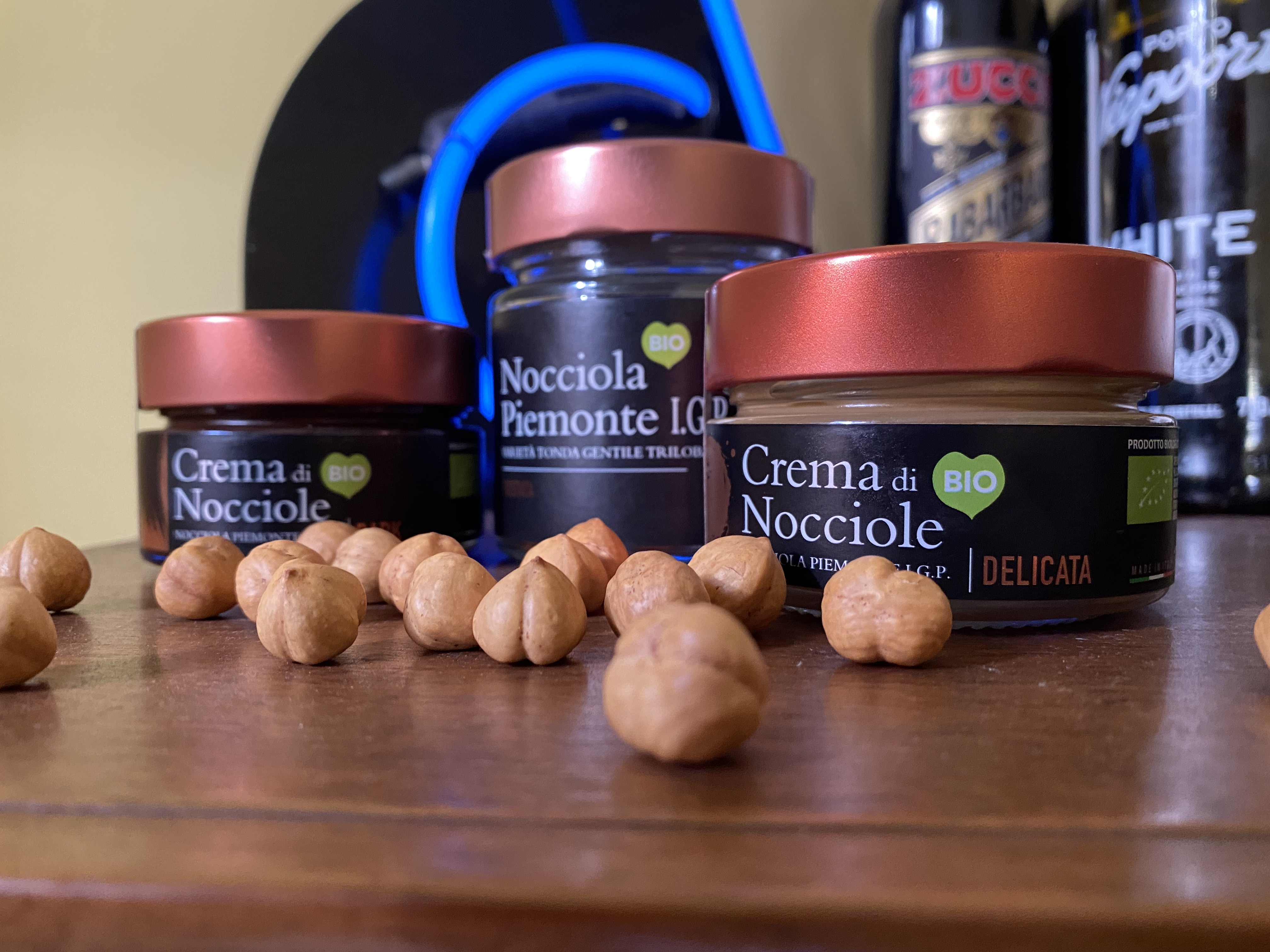


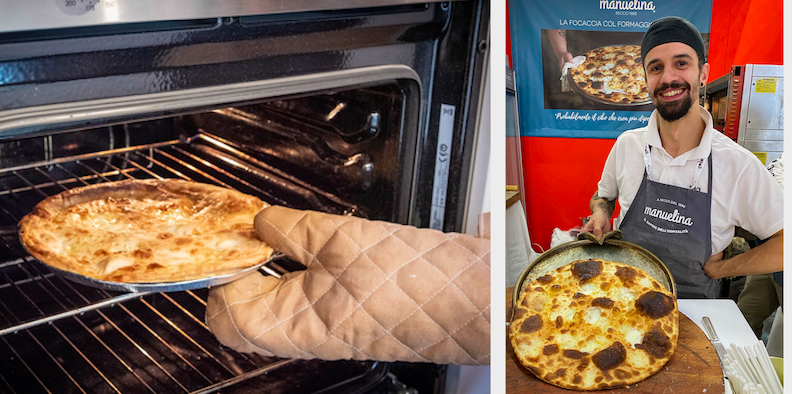

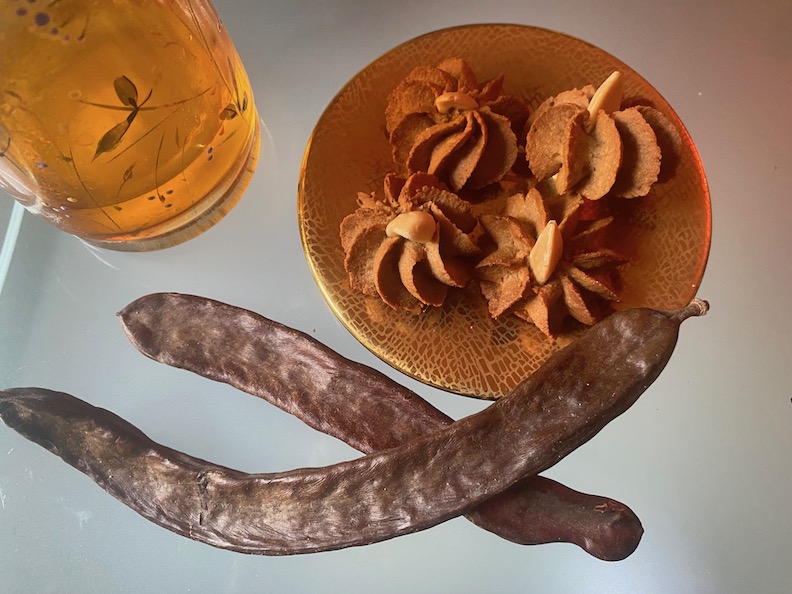
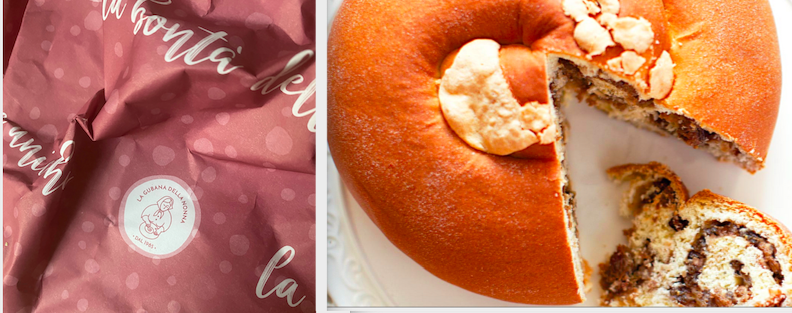
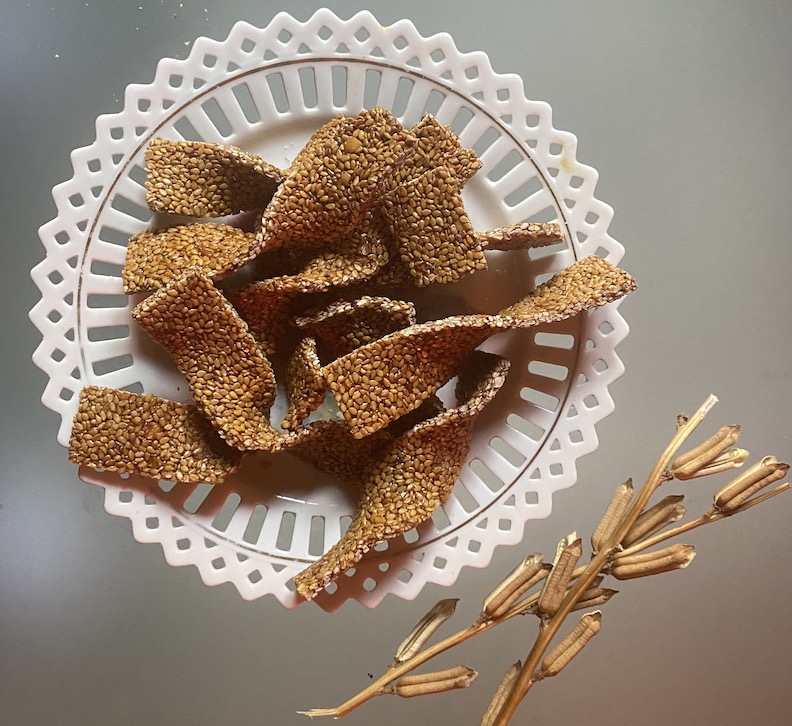
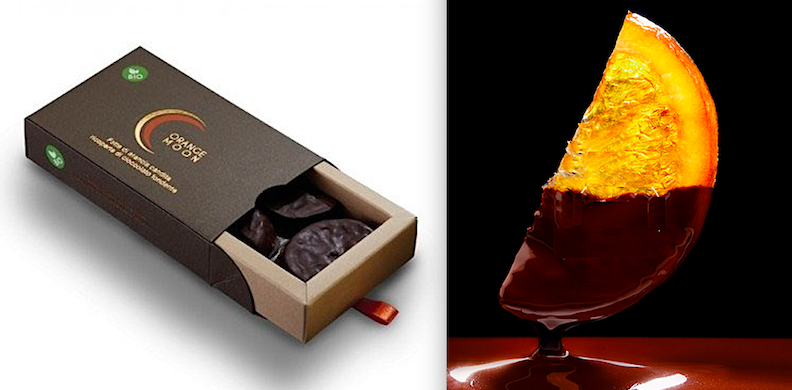
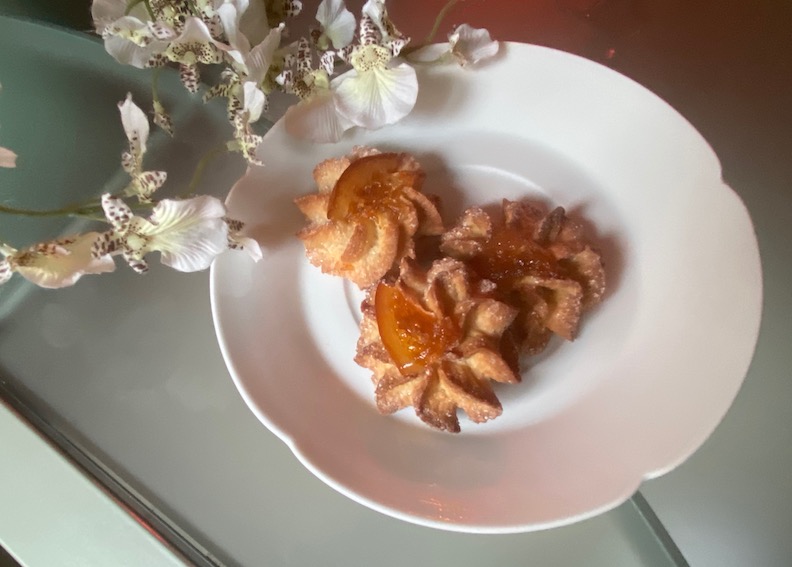
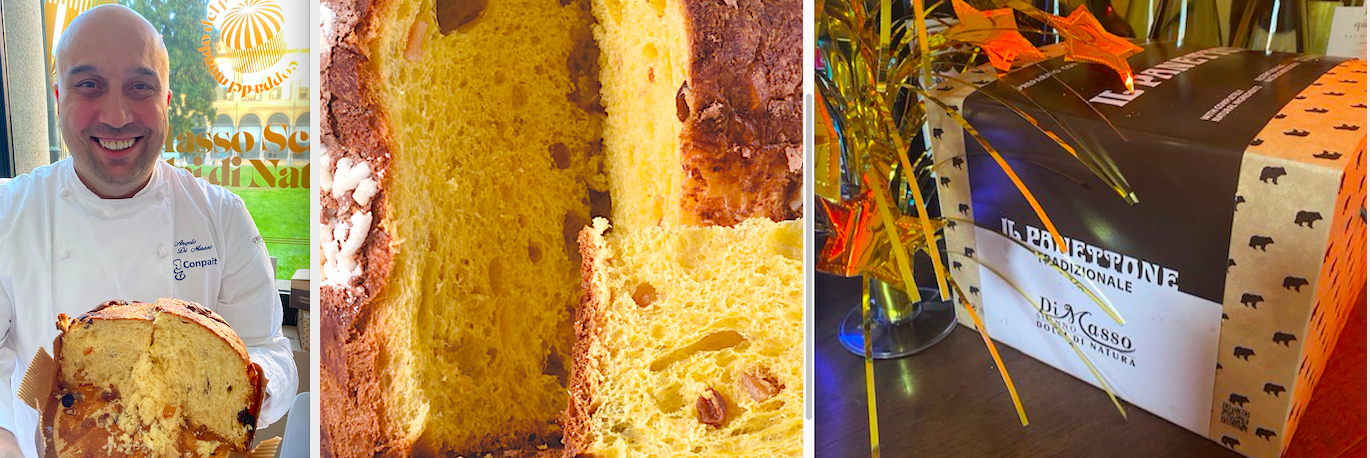
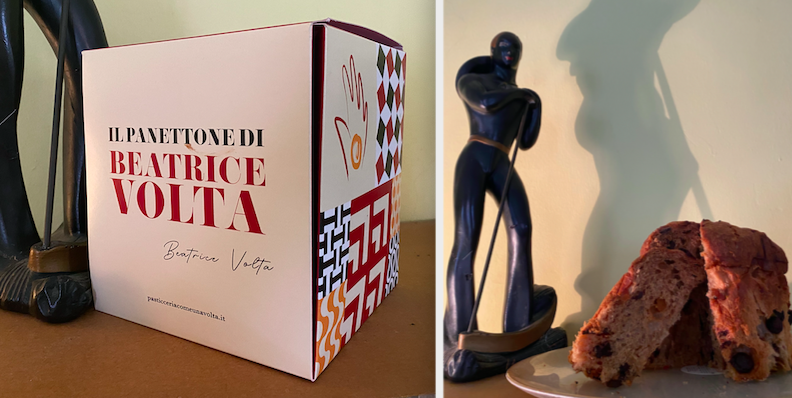

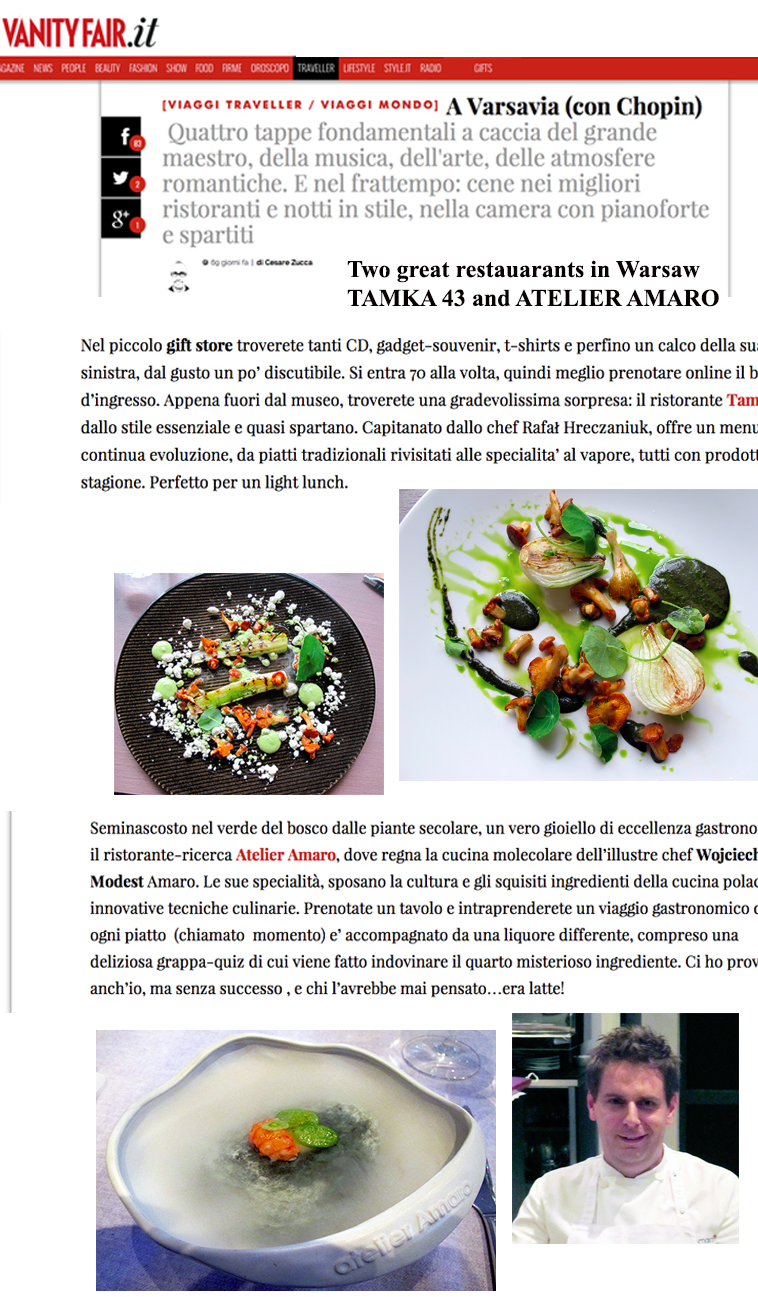

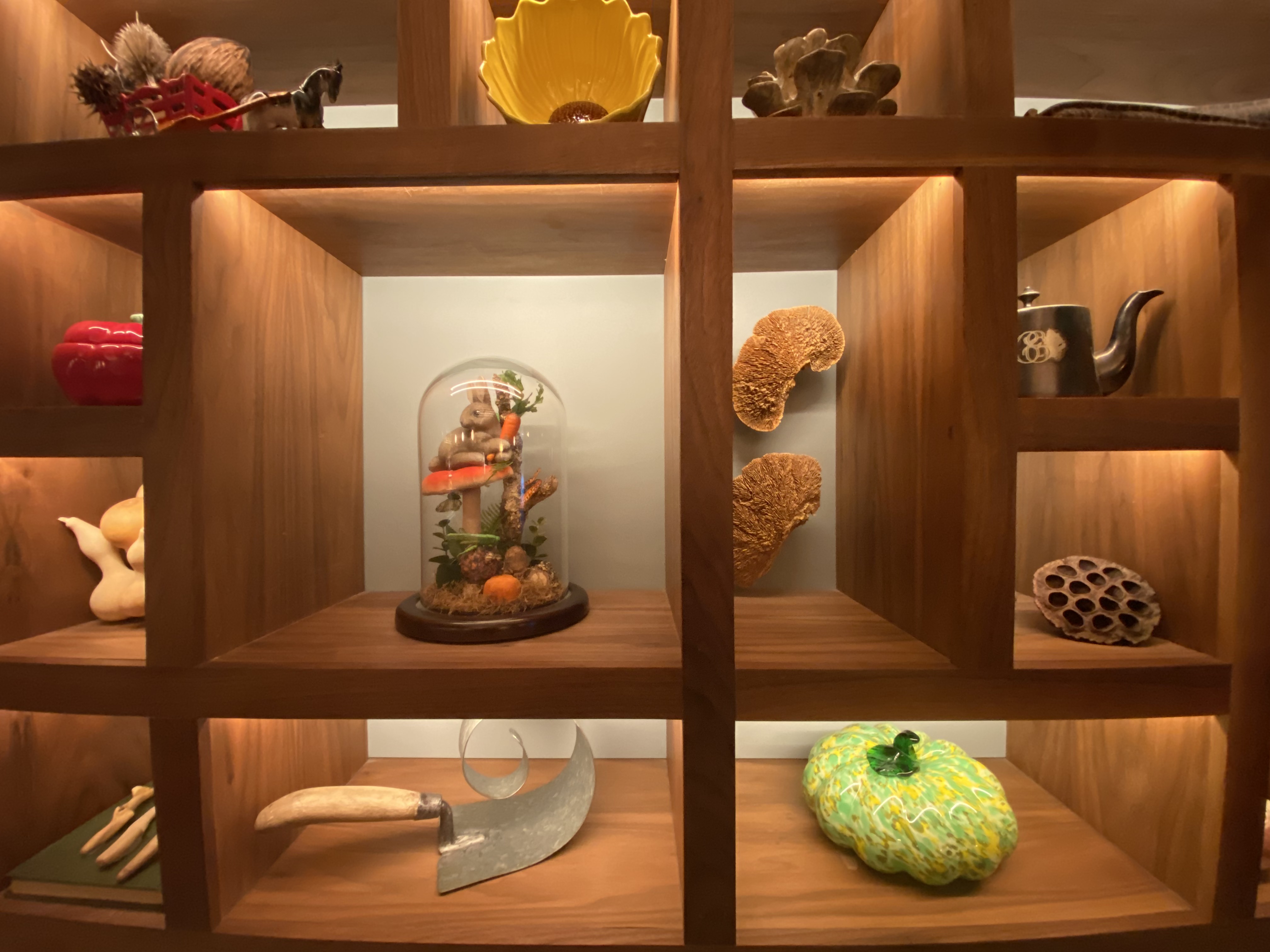


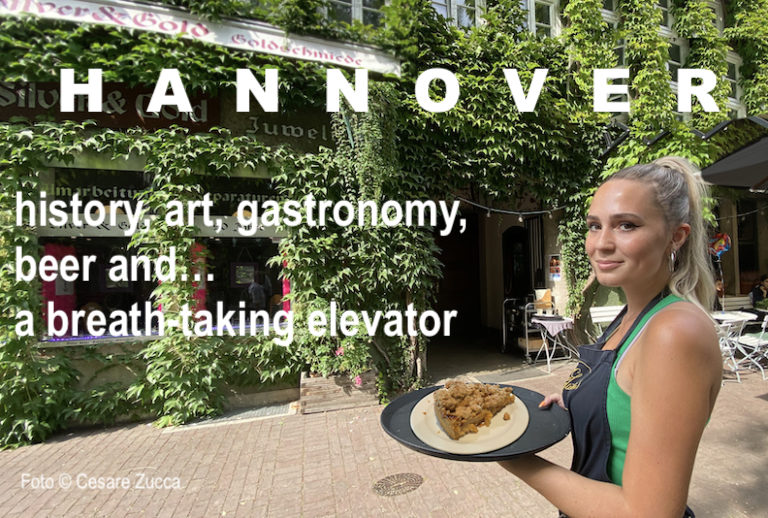
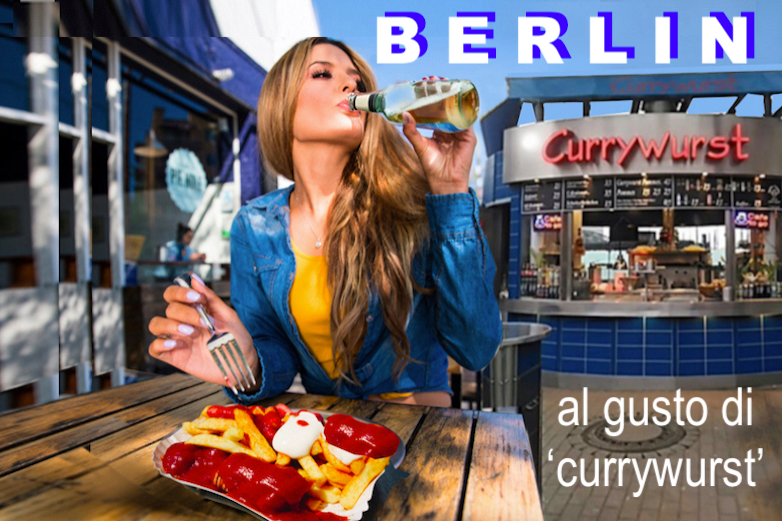

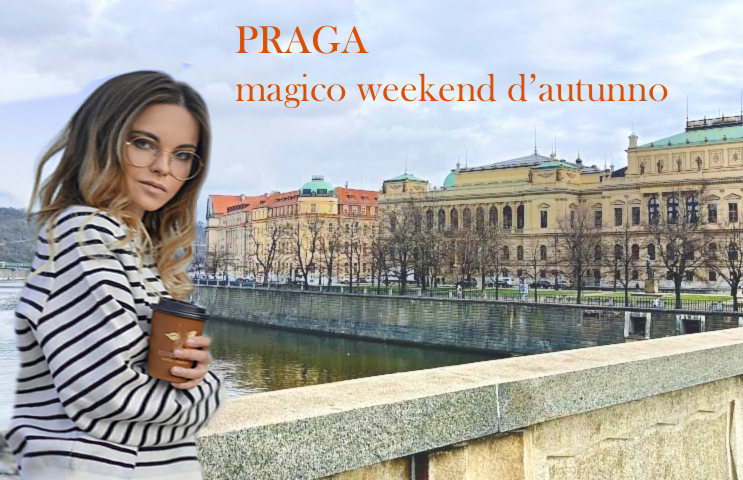



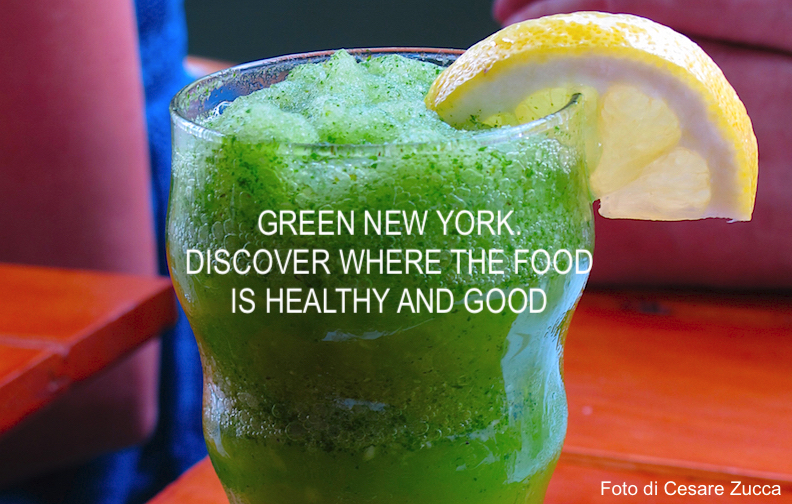


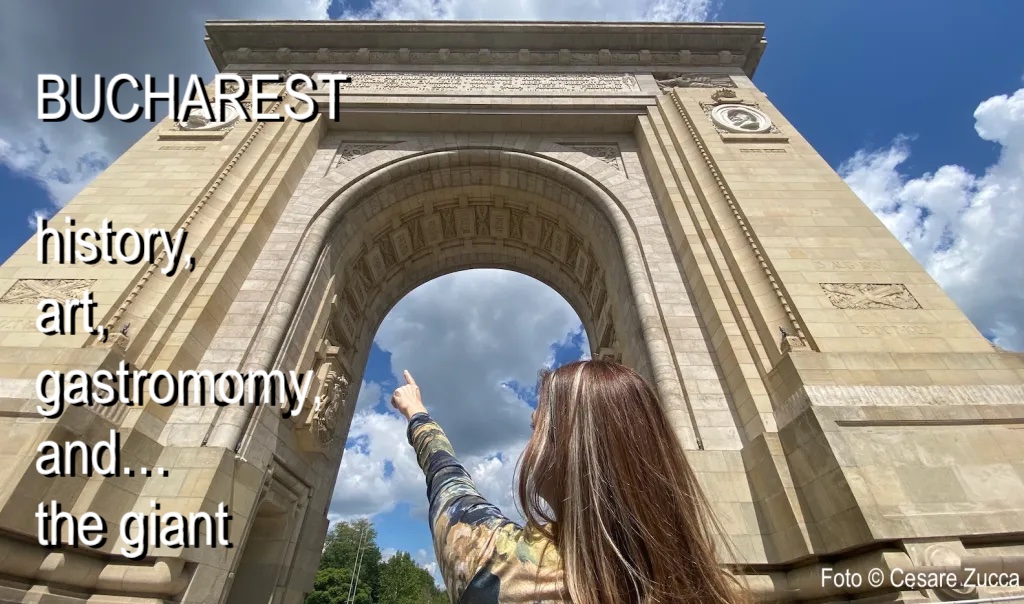


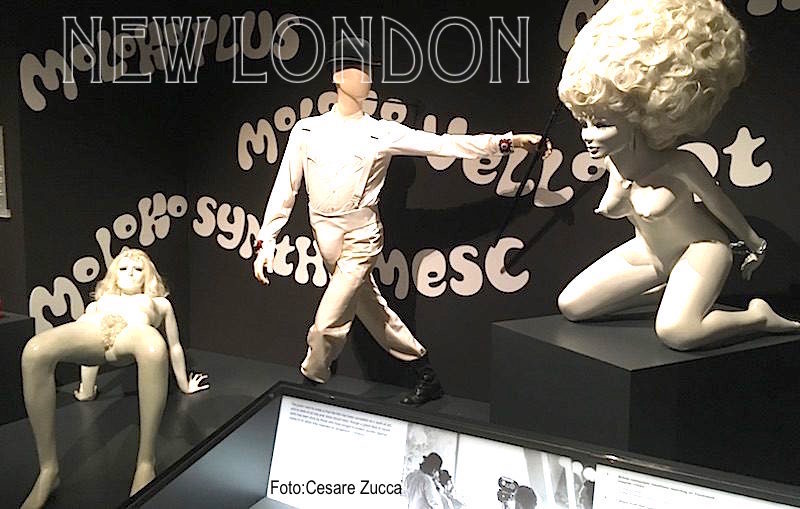



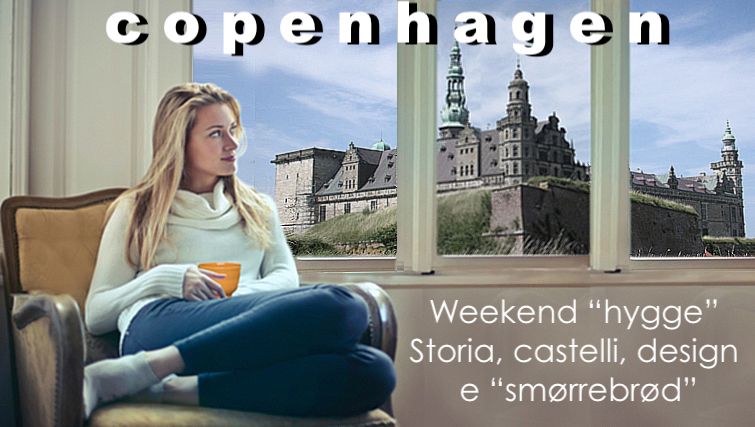


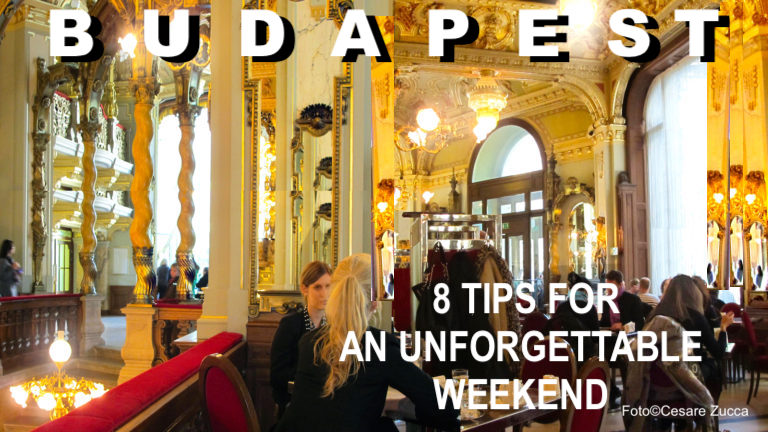
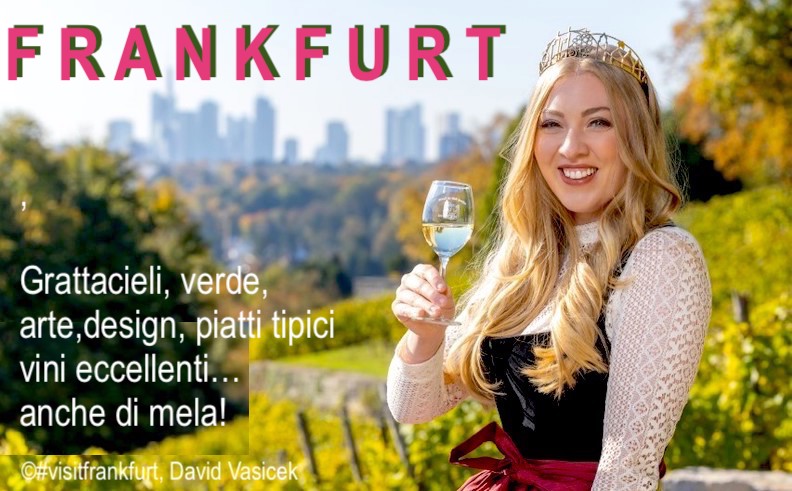
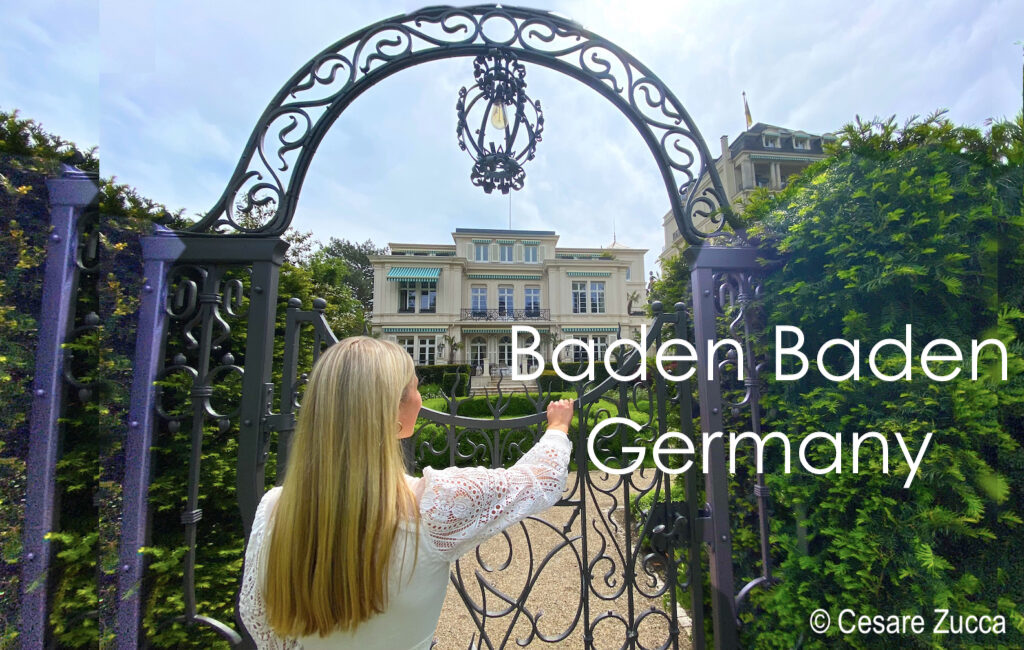

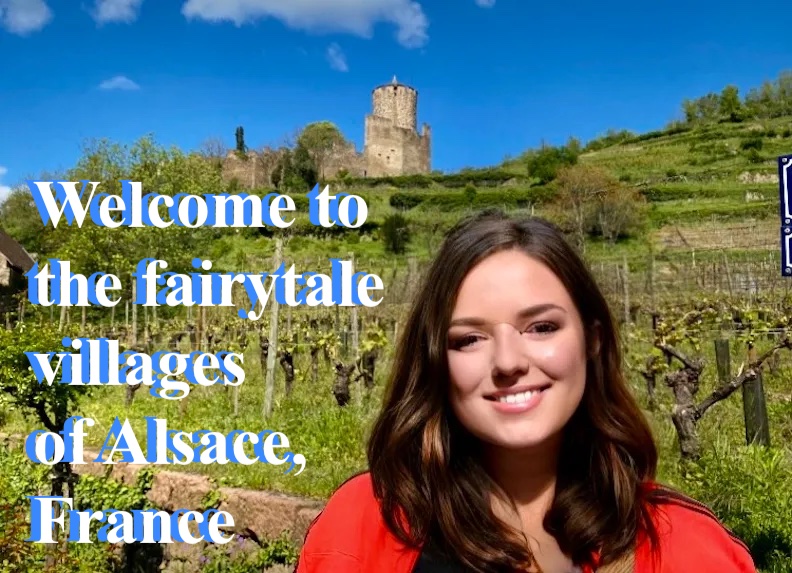

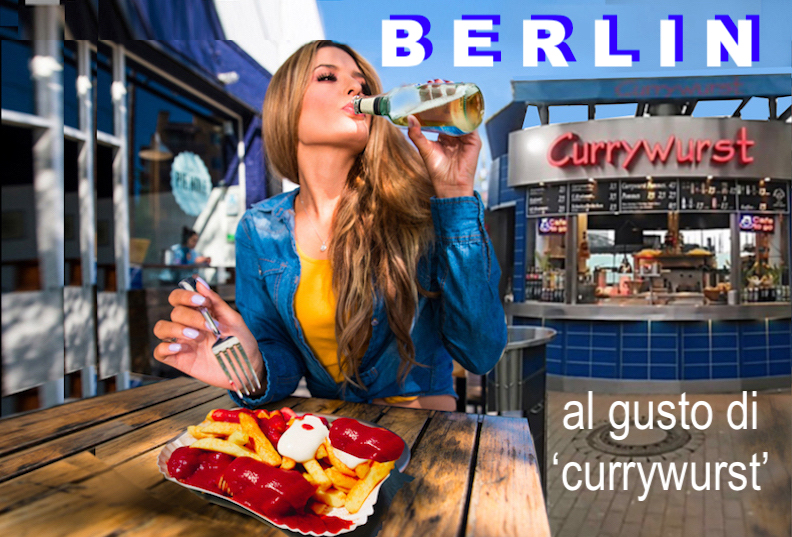
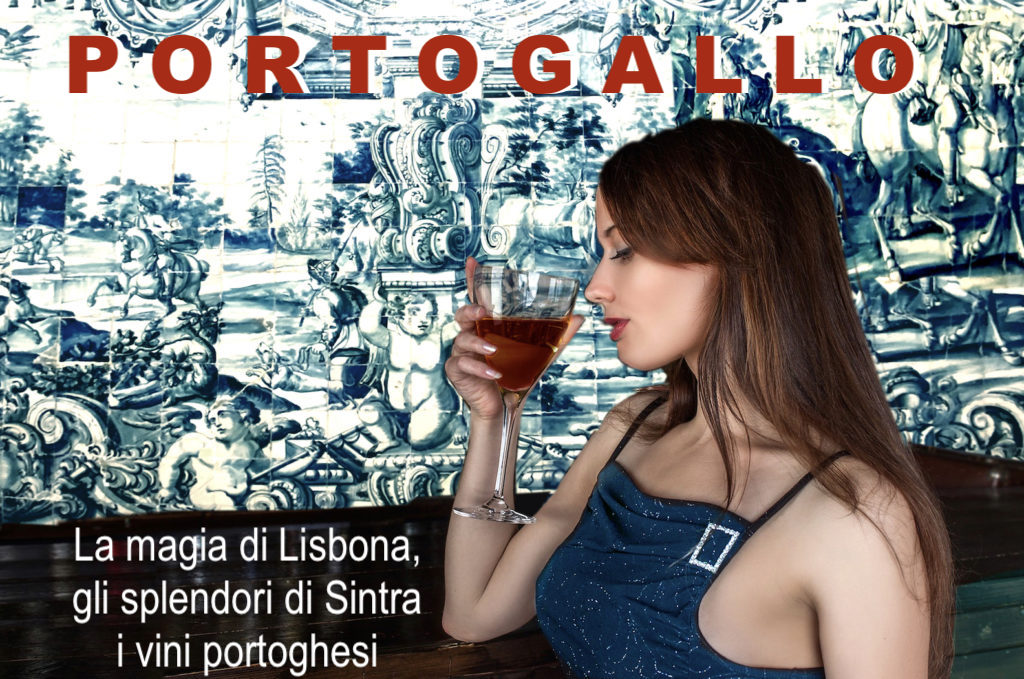




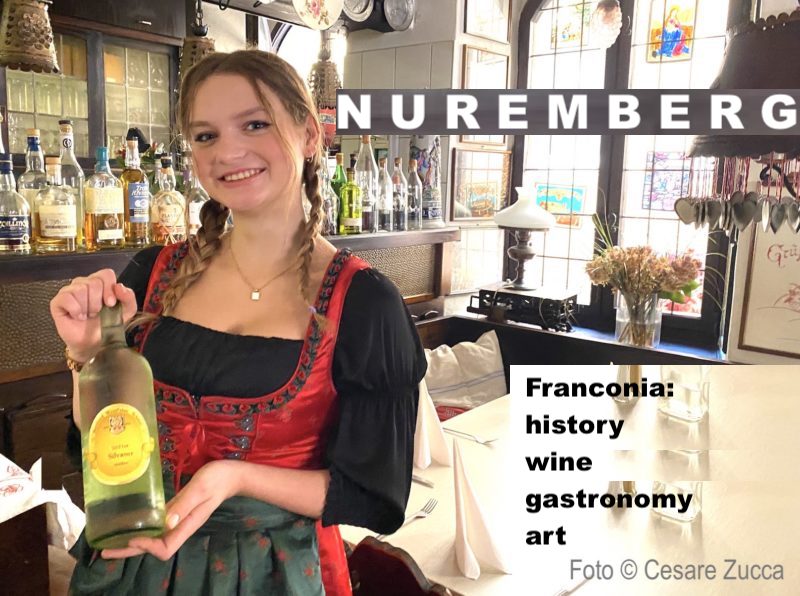



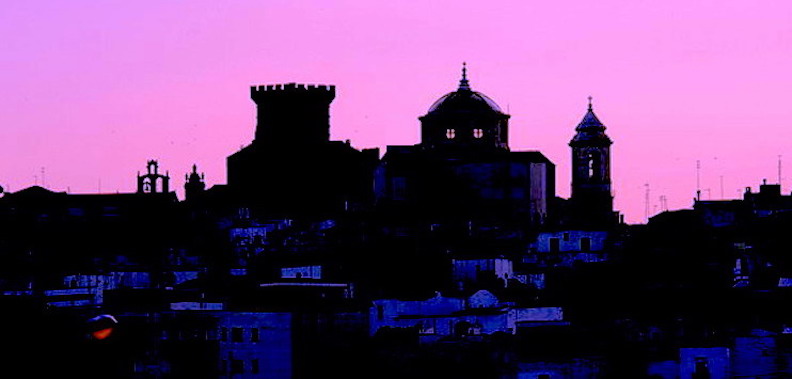
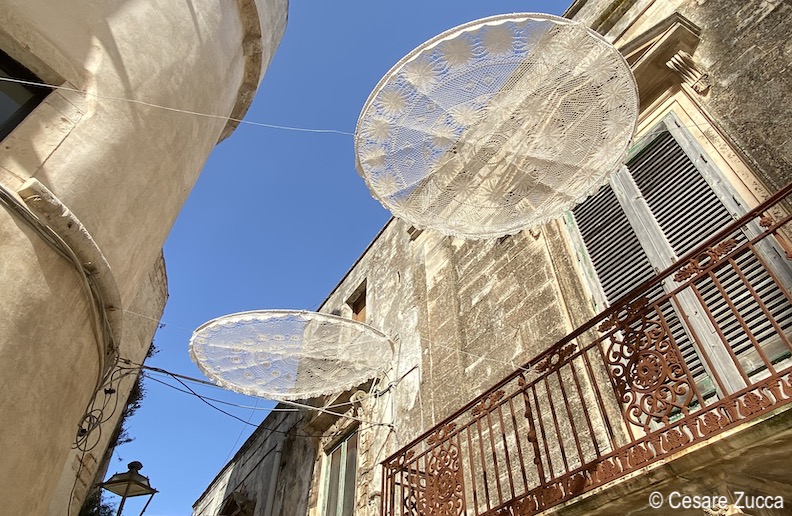

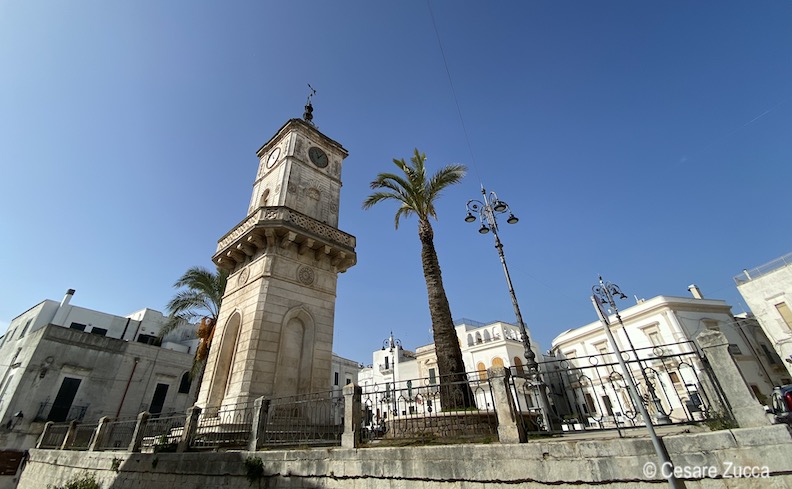
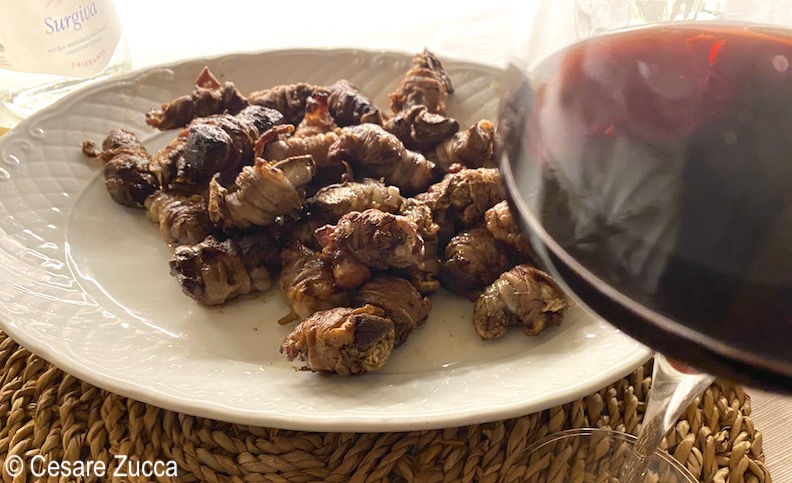

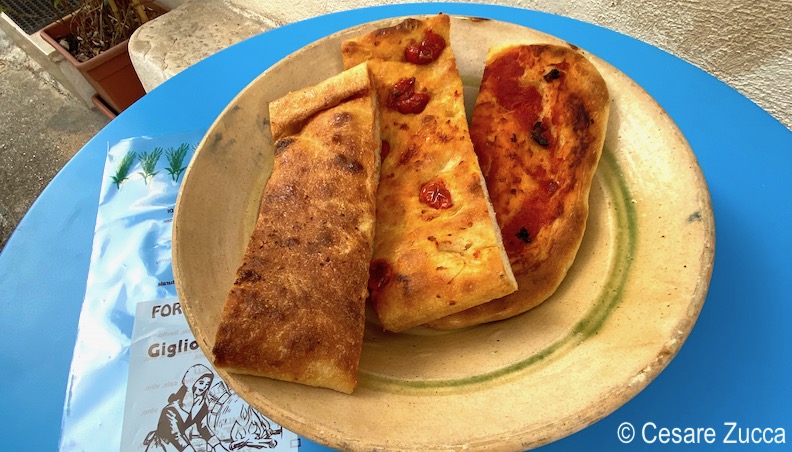
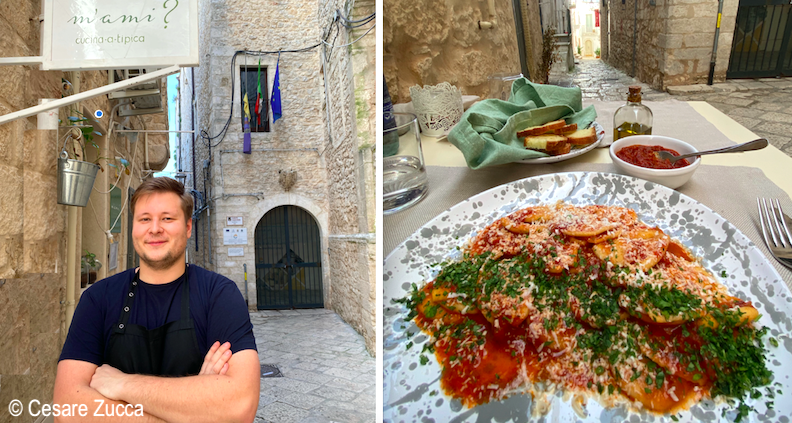
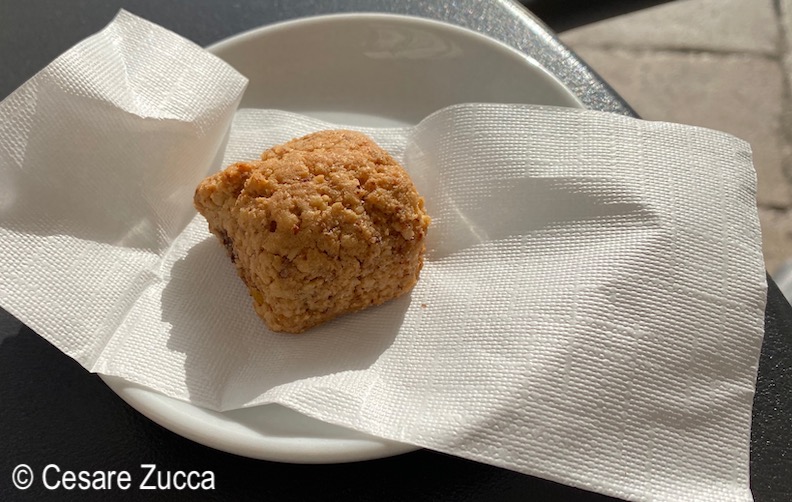

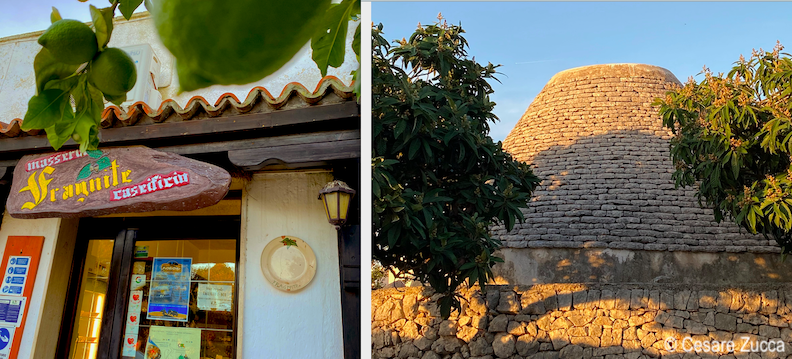


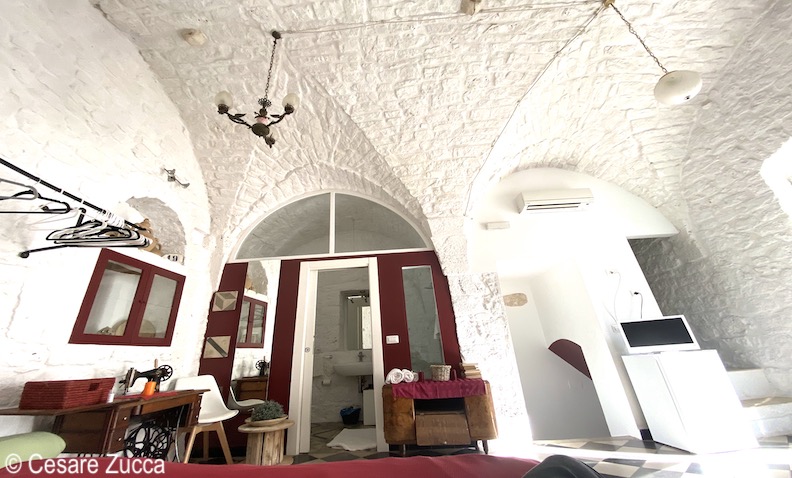

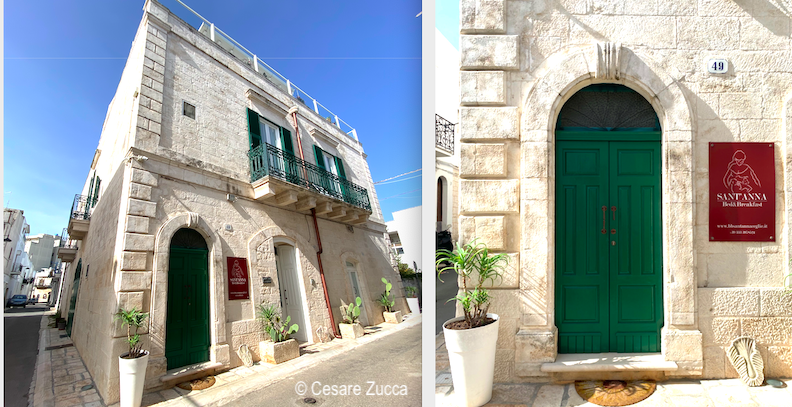
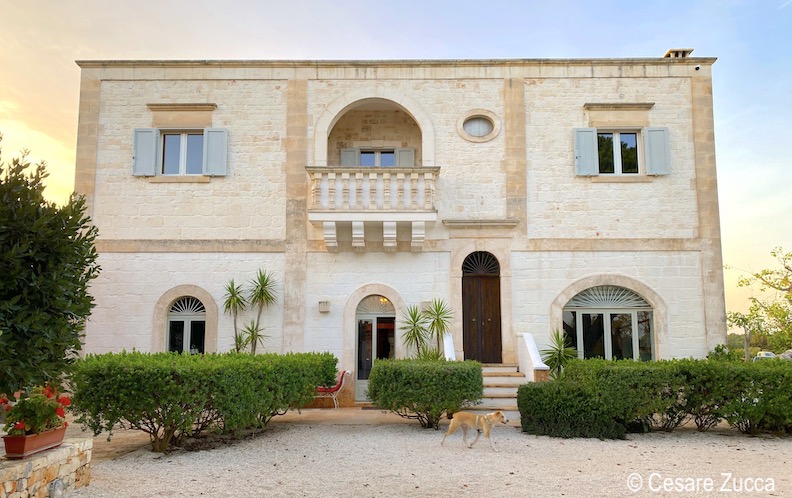


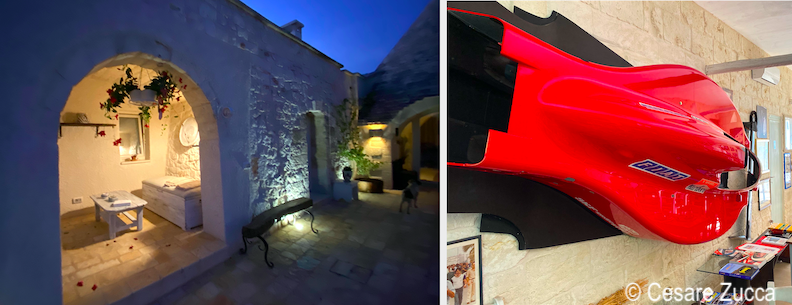 Tutt’intorno, Intorno si estende una vasta la campagna dove viene prodotto l’olio extra vergine di oliva di qualità superiore al vino primitivo, grano tipo “senatore Cappelli”, ingrediente base per la produzione delle tipiche orecchiette pugliesi, ortaggi, foraggio, frutta , noci, mandorle, nocciole, capperi, ceci, lupini .

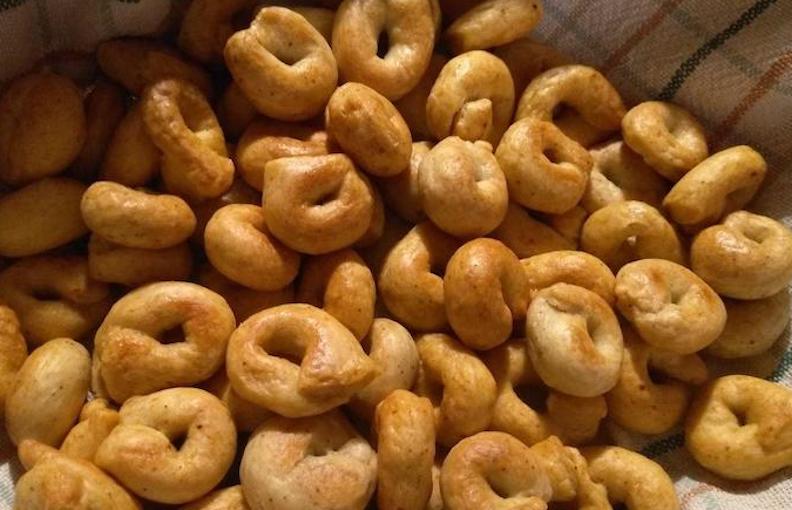


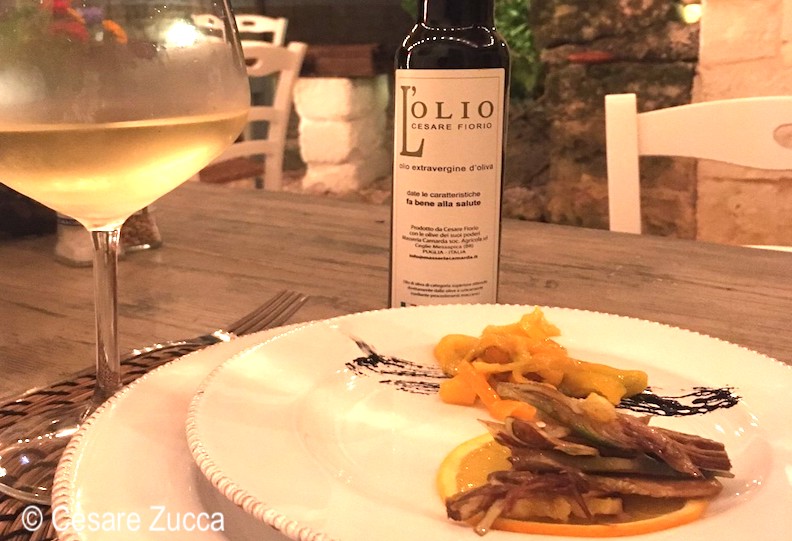
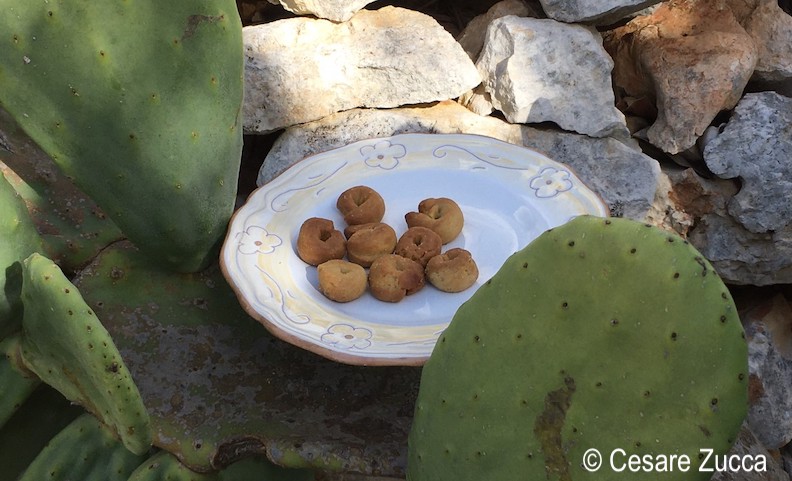
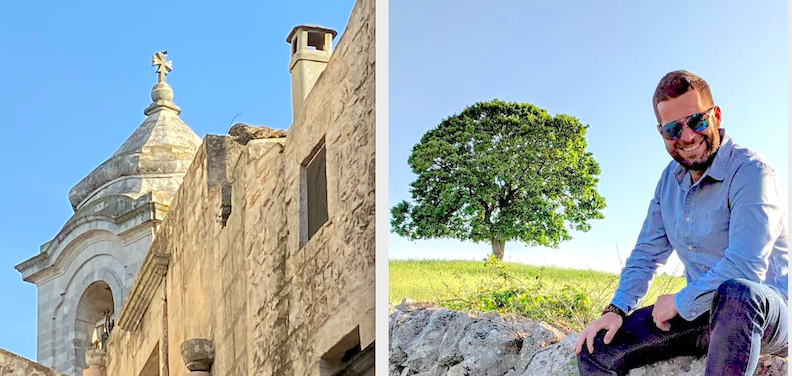
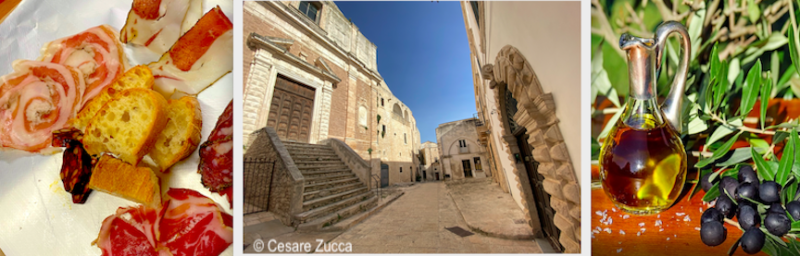
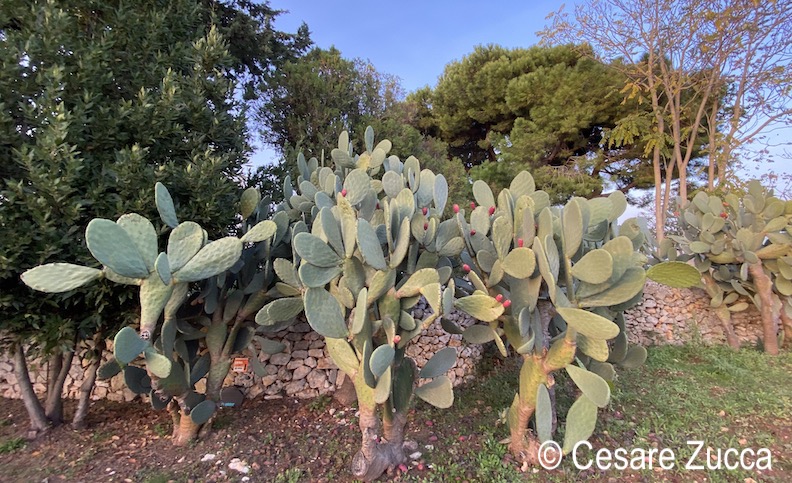
 While in Milan, I visited the spectacular