Fall has officially arrived, and with that crisp autumn air comes the ultimate question: Where are we heading this weekend to recharge?
I was looking for a place to get lost in nature, dive into rich history, discover local legends, and—let’s be totally real for a second—feast on some out-of-this-world local food.
The answer?
Abruzzo.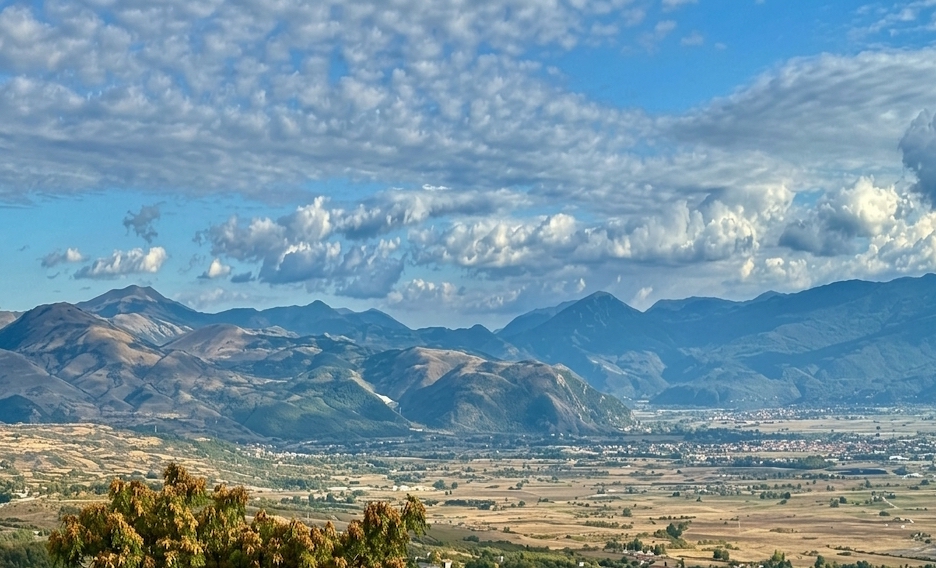
During this season, the landscapes look like a real-life oil painting: warm golden hues, dramatic hilltop villages, and a food scene so incredible it’ll make you completely forget about any diet. Add a 3-to-4-day long weekend here to your bucket list ASAP. It’s like stepping into a little time warp where rugged, majestic nature meets ancient cobblestone towns and centuries-old culinary traditions.
When Food Becomes the Journey
The main reason for this incredible getaway was an invitation to
Abruzzo Food Experience 2026—a fantastic project designed to showcase this hidden gem of a region and its insane culinary heritage. It connects Abruzzo’s majestic mountain ranges, rolling hills, and stunning coastline through a curated mix of educational tours, press opportunities, and immersive experiences.
It was the perfect chance to meet the local artisans, producers, and storytellers who guard this unique territory.
My Personal Carb Festival (and pure happiness)
Autumn in Abruzzo is a full-on celebration for the palate. The local rustic, shepherd-style cuisine doesn’t play around: think flame-grilled meats, handmade pastas, and heart-warming desserts.
I kicked off my personal food marathon with the first courses (
primi):
Spaghetti alla chitarra: Hand-cut pasta with just the right rough texture to hold the sauce
Sagne e fagioli: A hearty, comforting classic pasta and bean dish.
Scrippelle ‘mbusse: Ultra-thin crêpes rolled up and bathed in piping-hot chicken broth—basically a warm autumn hug in a bowl!
Fun history fact for my fellow culture nerds: I also learned about
Le Virtù, a famous Teramo soup traditionally made on May 1st that combines legumes, seasonal veggies, and leftover meats, as well as the regional take on
amatriciana. Oh, and don’t skip the
fiadoni (savory pastries stuffed with a rich cheese-and-egg filling) or
pizz’onde (golden, crispy fried dough eaten piping hot)!
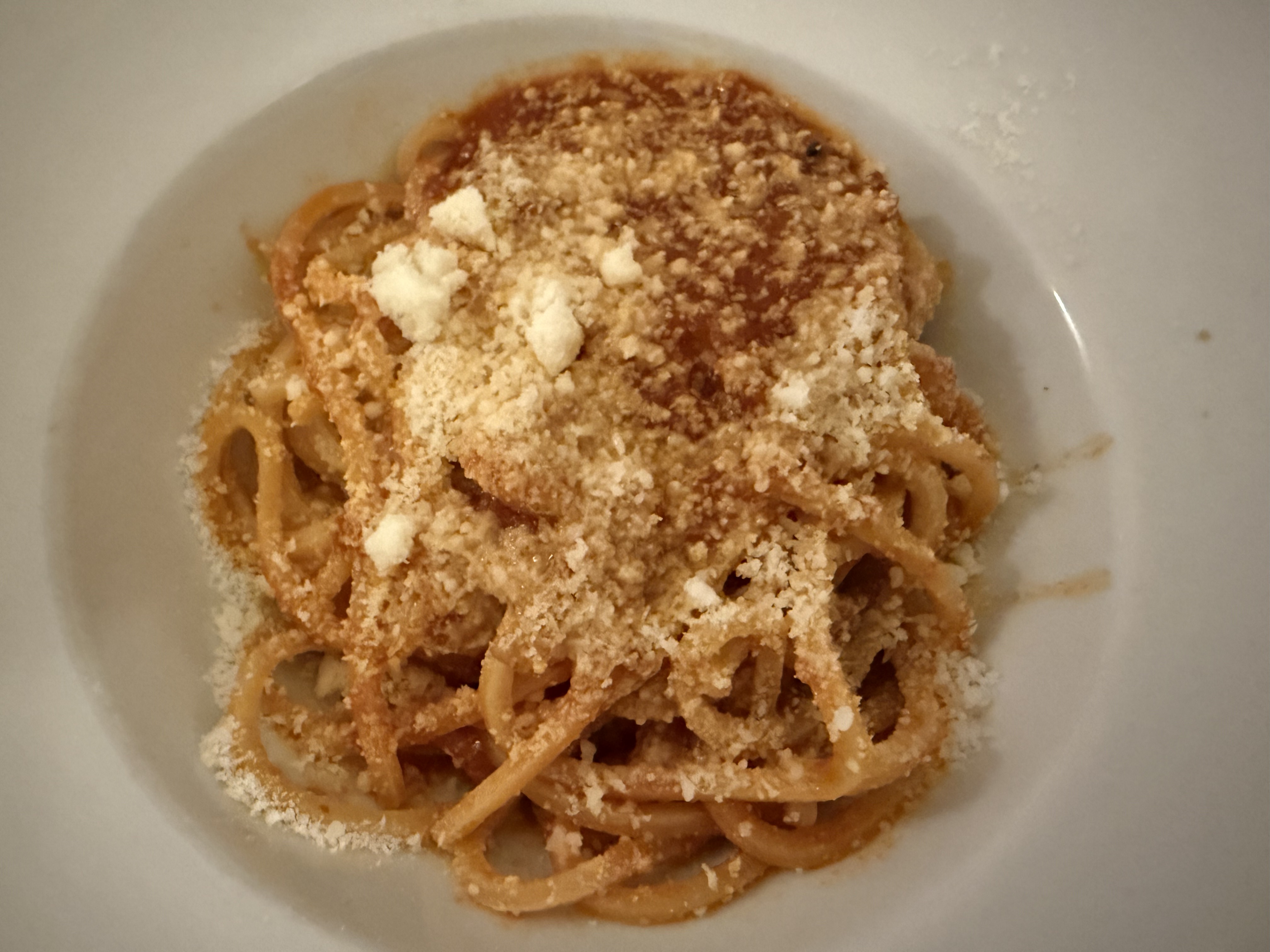
Moving on to the main courses (secondi)… this is where things get serious:
Pecora alla cottora: Slow-cooked mutton stew packed with rich flavor.
Coastal Brodetto: A savory, traditional seafood stew.
Agnello cacio e ova: Tender lamb braised in white wine and bound with a velvety sauce of eggs and pecorino cheese.
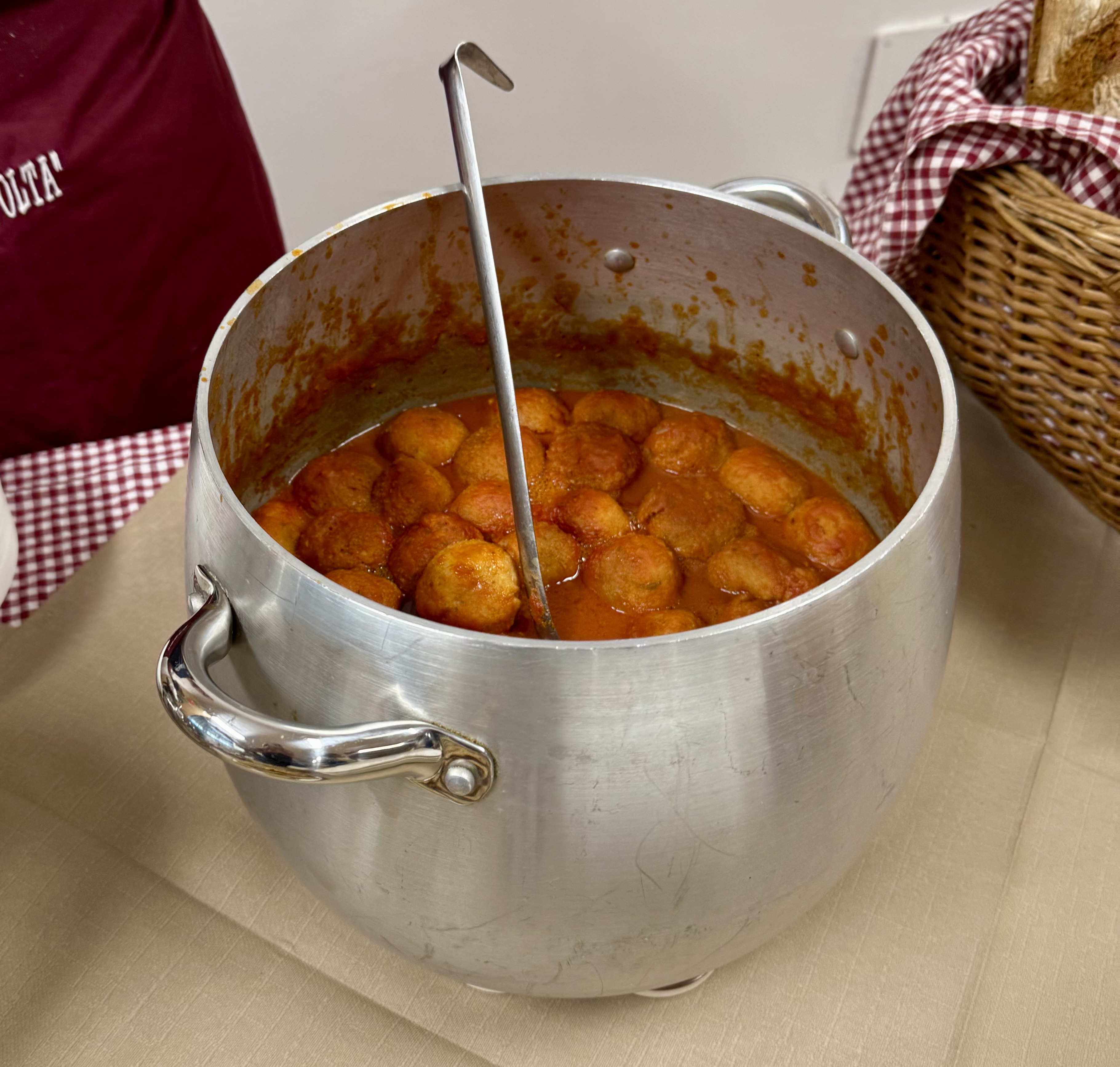
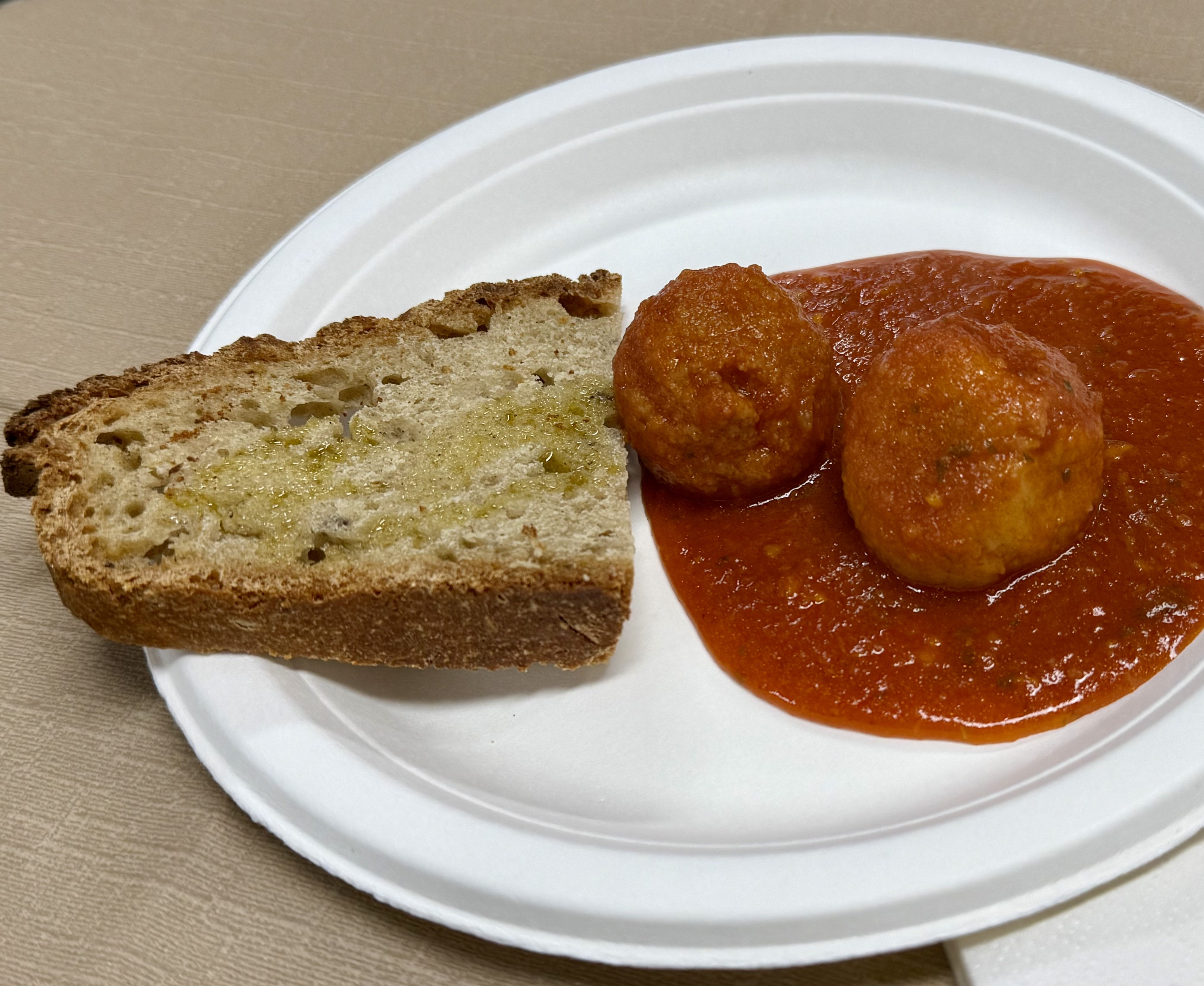
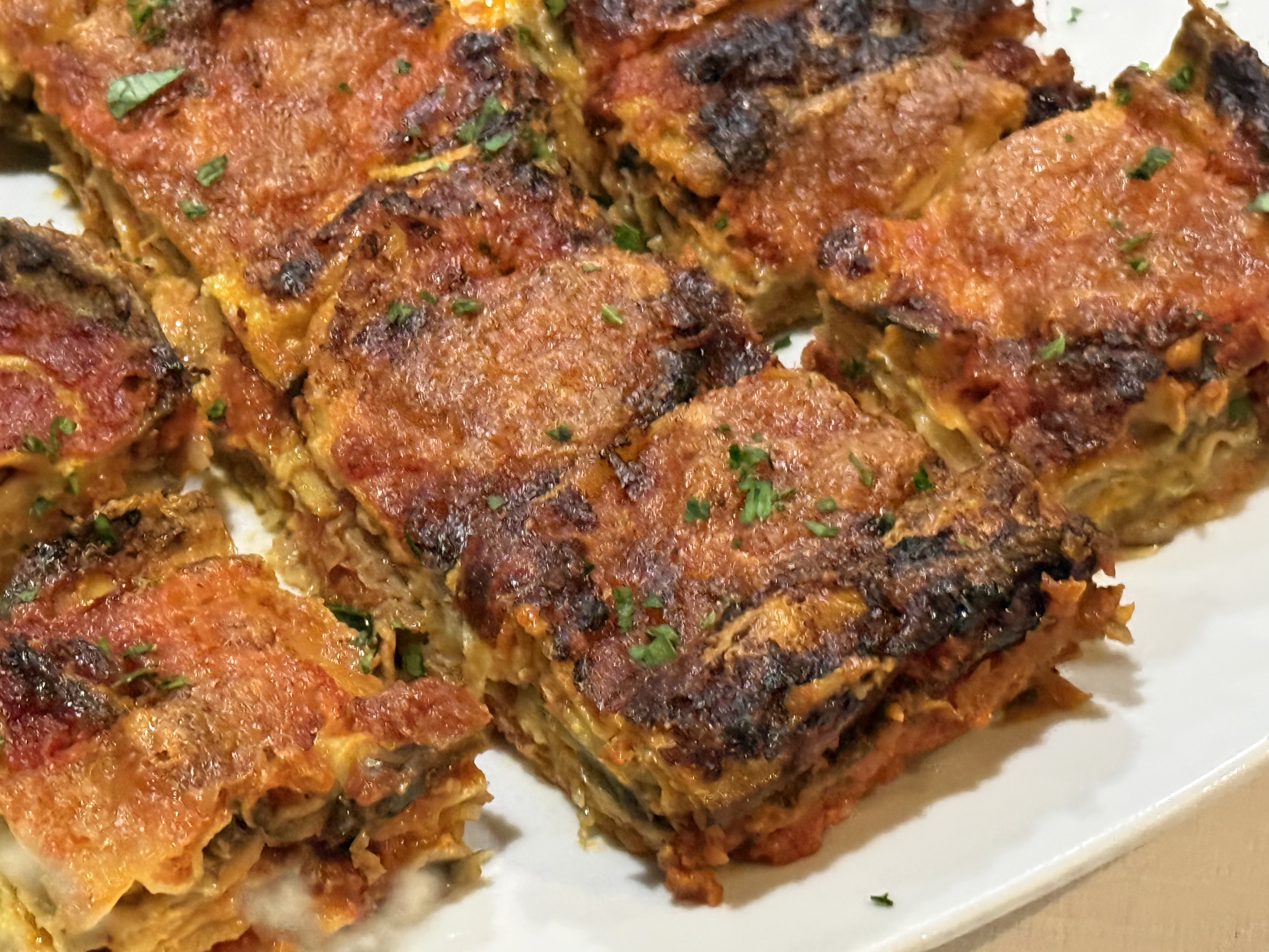
And then came my absolute favorites: pallotte cacio e ova! The ultimate iconic dish: grated cheese, eggs, and stale bread transformed into fluffy, tender meatballs simmered in rich tomato sauce. Simple, hearty, and the literal definition of sustainable comfort food. (And yes… I 100% asked for seconds!
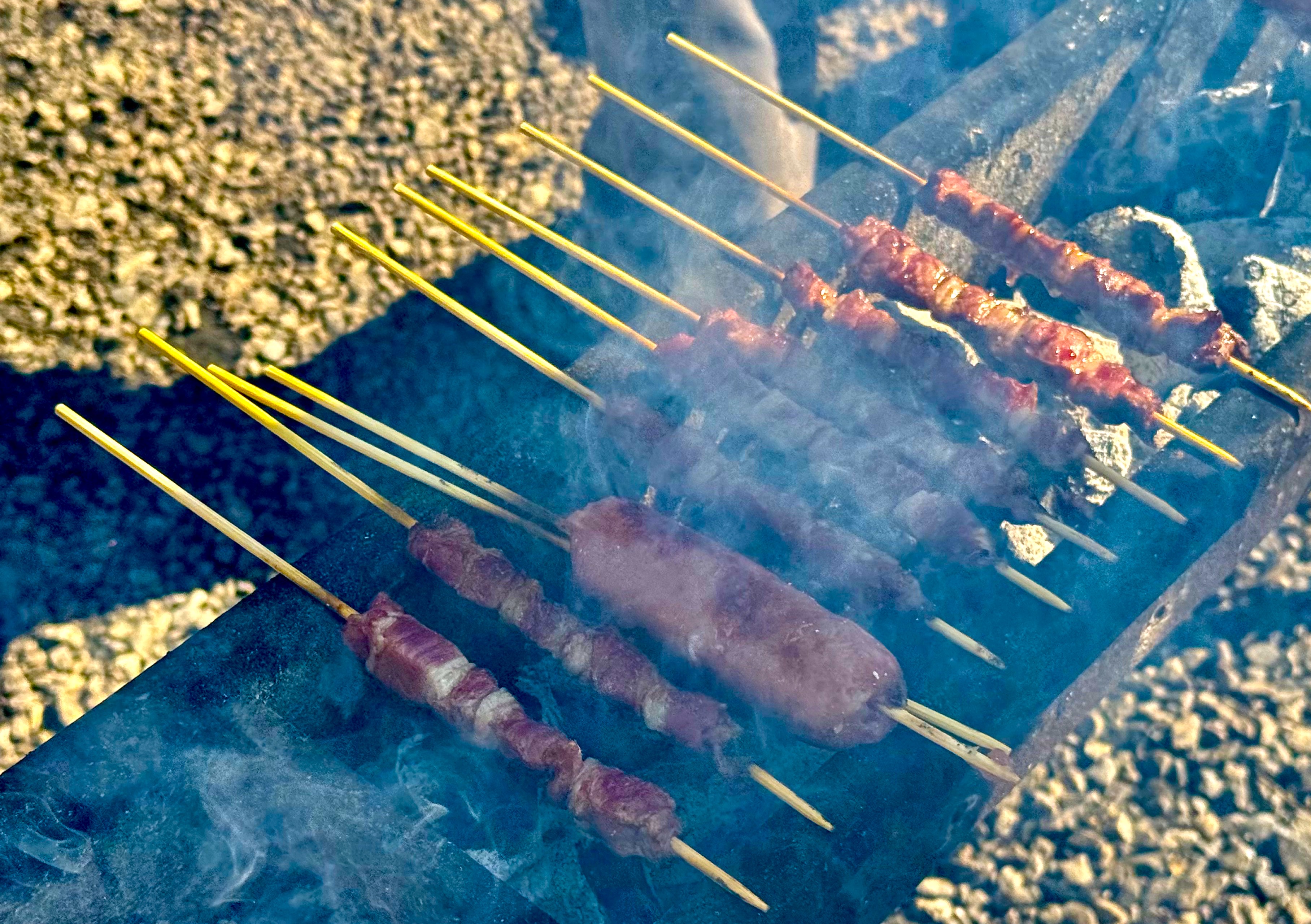
But let’s be honest: the undisputed king of the Abruzzese table will always be arrosticini! Mutton skewers grilled over open embers: crispy on the outside, juicy on the inside. They are ridiculously addictive—before you know it, you’ve lost count of the wooden skewers piling up on your plate!
Sweet Treats & a Nod to the Poet
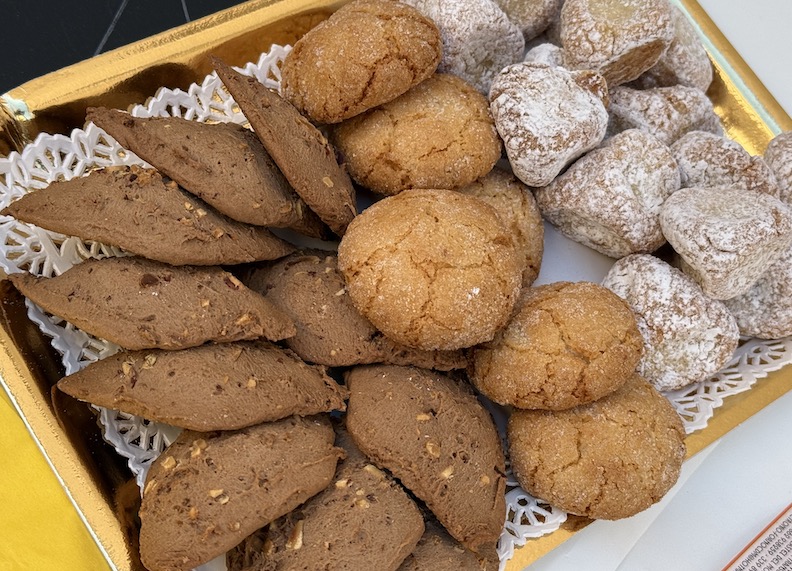
If you have a sweet tooth like me, Abruzzo’s bakery tradition is going to blow your mind: Ferratelle: Crispy waffle cookies pressed on hot patterned irons. Bocconotti: Shortcrust tartlets stuffed with jam, chocolate, or almonds. Cantuccetti: Best enjoyed dipped straight into sweet Vino Cotto. Mostaccioli: Spiced chocolate-covered cookies.
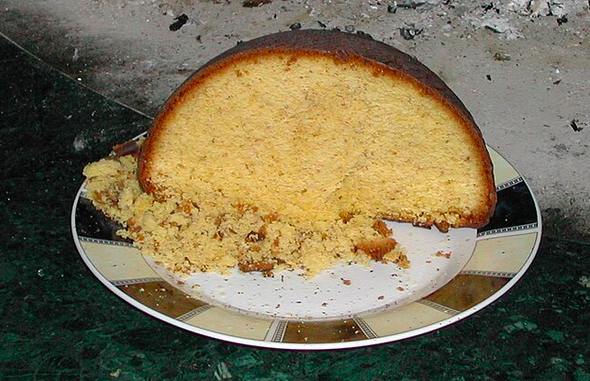
The coolest revelation? Learning that legendary Italian poet Gabriele d’Annunzio was completely obsessed with his homeland’s sweets! He was particularly head-over-heels for Parrozzo, a dome-shaped cake made with ground almonds and semolina, covered in dark chocolate.
He poetically described it as: “The deepest stone of the Maiella mountain, turned into angelic bread…” (Honestly, who could argue with that?).
Cheers! My Wine Stop at Citra
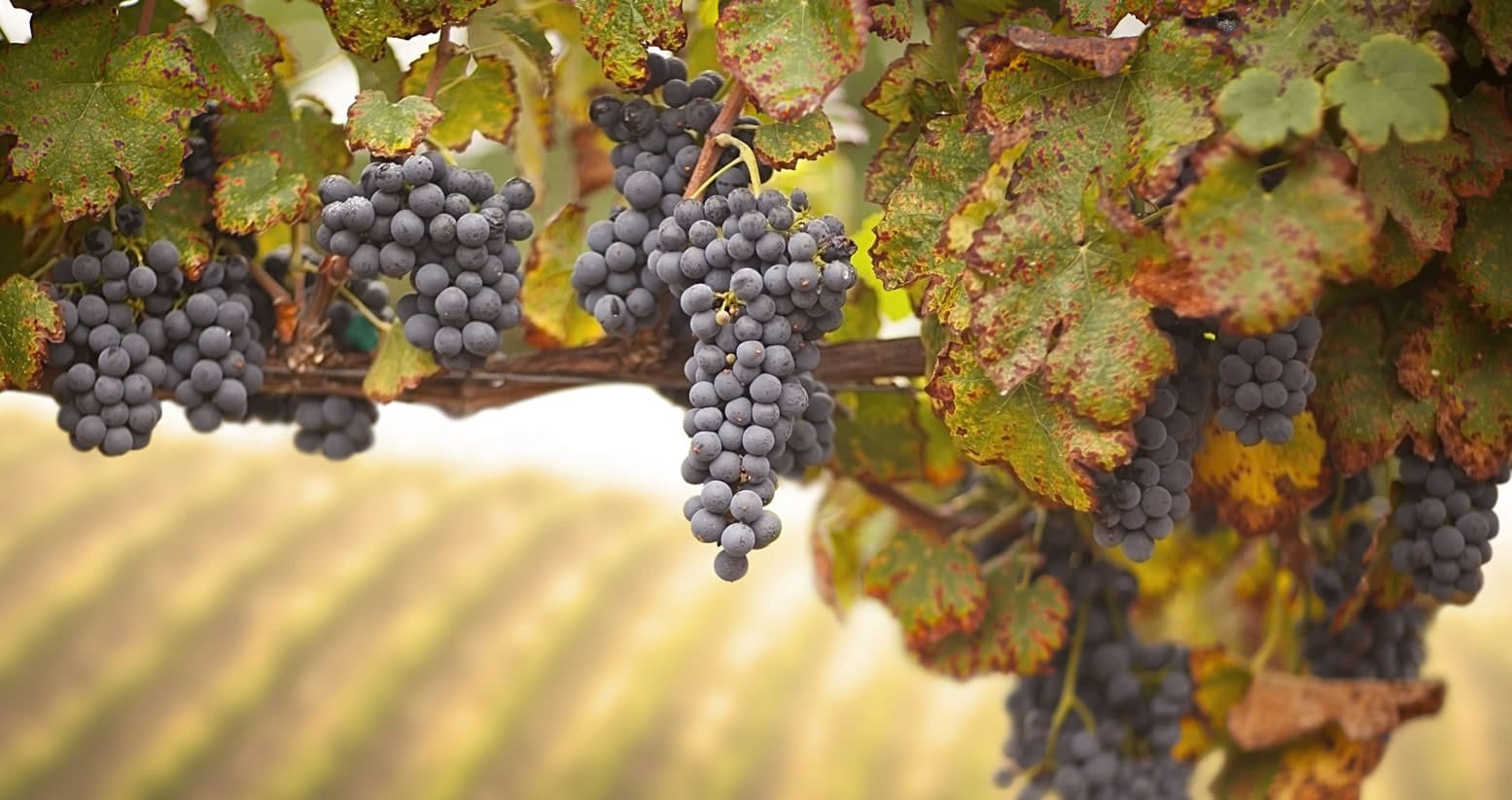
What’s autumn without chestnuts, truffles, aged cheeses, and a great glass of local wine?To dive deeper into the local wine scene, I made a mandatory stop at Cantine Citra, one of the most prominent wineries in Abruzzo. Founded in 1973, it’s a massive collective bringing together around 3,000 winegrowers and eight partner wineries across the Chieti province.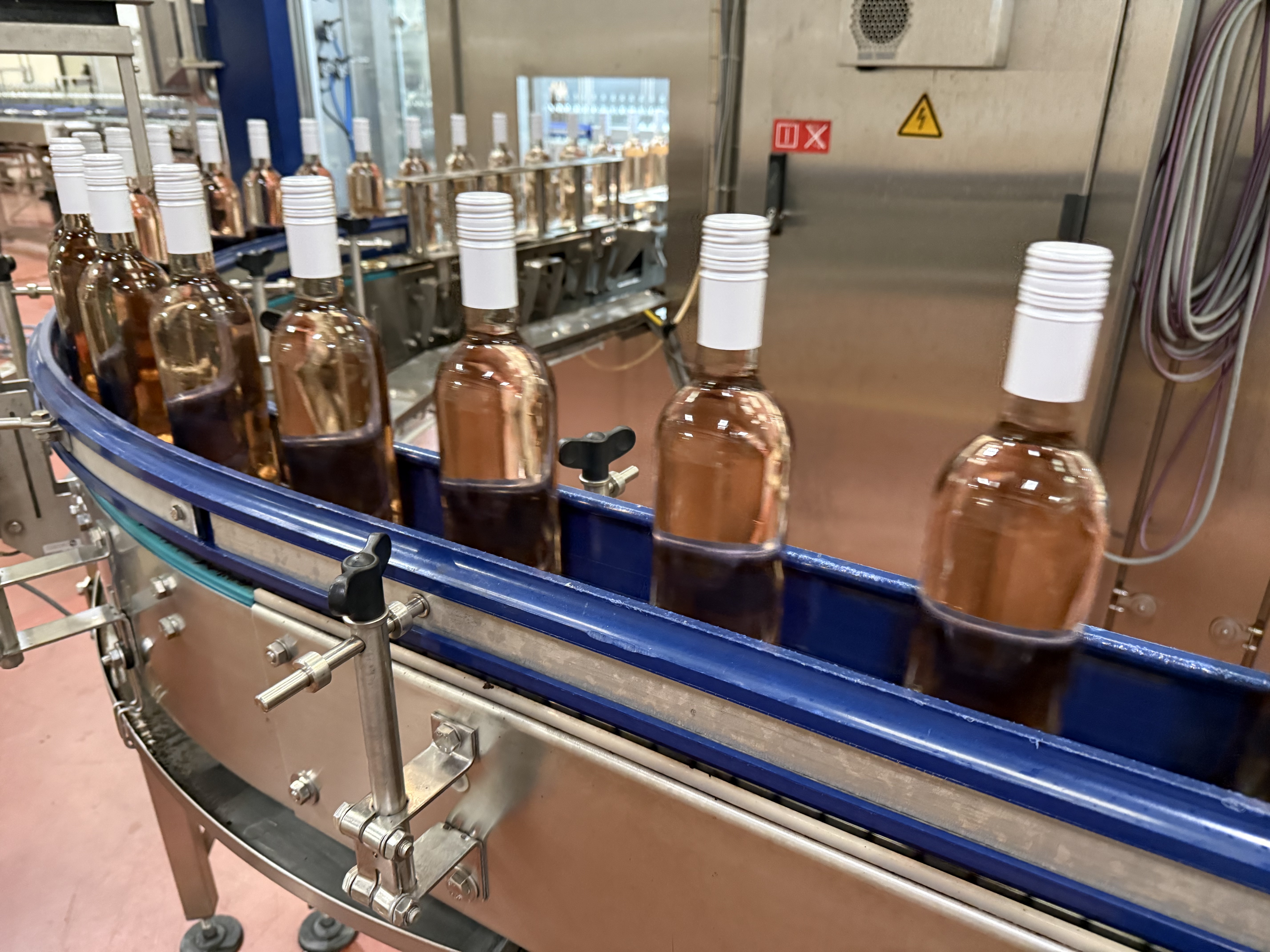
Here’s what I tasted (and jotted down in my notebook):
Bisanzio Pecorino: A crisp, aromatic white wine with a bright straw-yellow color. It bursts with aromas of white flowers, tropical fruit (think juicy pineapple), and a fresh hint of sage. Perfect for aperitivo hour or paired with seafood.
Caroso Montepulciano d’Abruzzo Riserva (DOC 1968): The region’s flagship red! Bold and deep, with rich aromas of red fruits, violets, and warm spices. Full-bodied, smooth, and dry on the palate—the ultimate match for my beloved
arrosticini, red meats, and aged cheeses.
(Check out citra.it for all the details!)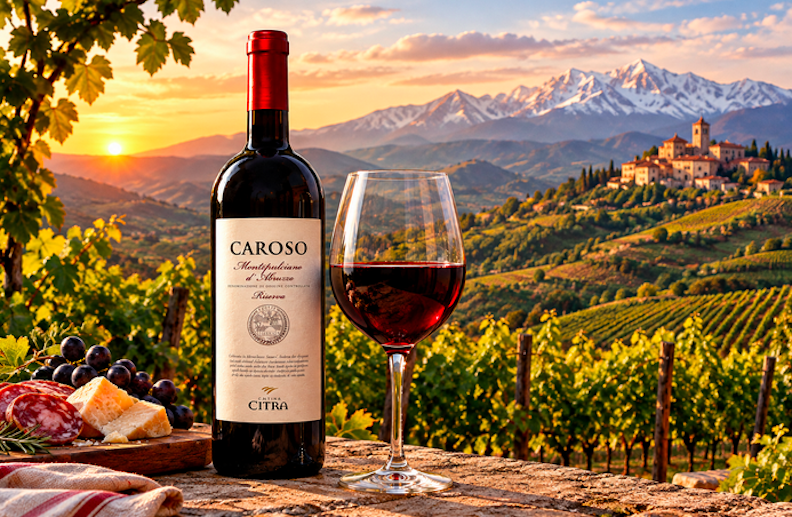
And between glasses, a drizzle of fresh local extra virgin olive oil over warm, crusty bread… absolute heaven!
The Itinerary: Stop by Stop
Stop 1: L’Aquila – The Rebirth of a Culture Capital 🏛️
My trip started in L’Aquila, proudly named Italy’s Capital of Culture 2026! It’s a city with an intense history—marked by earthquakes and rebuilds—but possessing an extraordinary, deeply moving ability to rise stronger and more beautiful every time.
Founded in the 13th century,
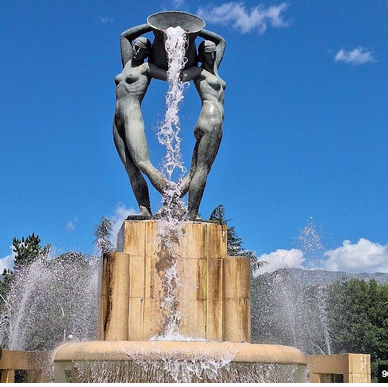
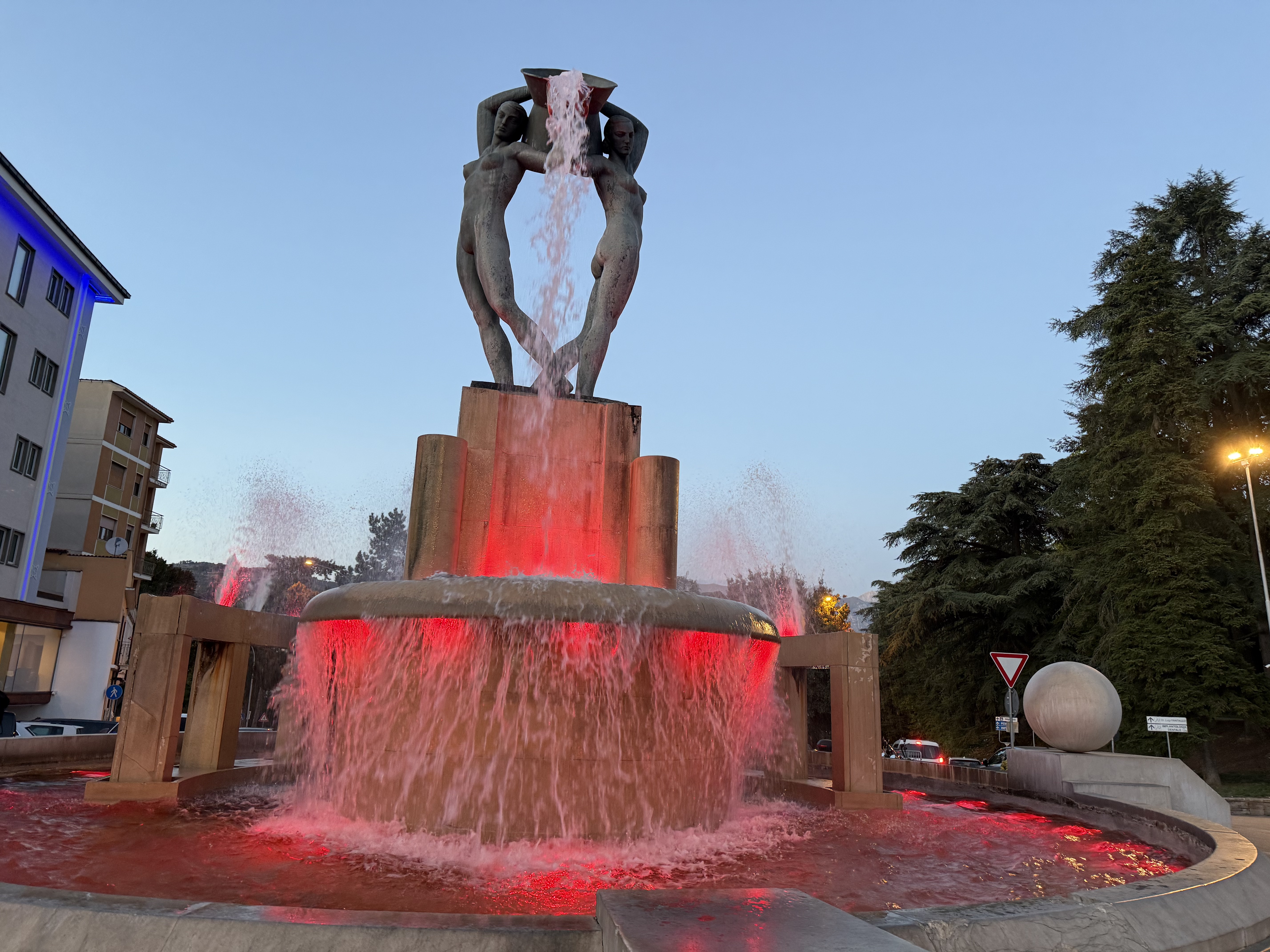
L’Aquila is a hidden jewel blending Medieval, Renaissance, and Baroque architecture. As soon as I arrived, I was greeted at the entrance of Corso Vittorio Emanuele II by the
Fontana Luminosa (Luminous Fountain). It depicts two female figures holding the traditional Abruzzese copper water jug (
conca). At night, glowing in warm red light, it’s the ultimate local hangout spot for an evening stroll (
passeggiata).
I wandered through the city center, taking in
Piazza Duomo and the solemn
Basilica di San Bernardino. Two non-negotiable stops before visiting the massive
Forte Spagnolo (a impressive piece of military architecture) and the picturesque
Fontana delle 99 Cannelle (Fountain of 99 Spouts), tied to the legend that 99 surrounding castles came together to found the city.
Collemaggio & The First Holy Door in History
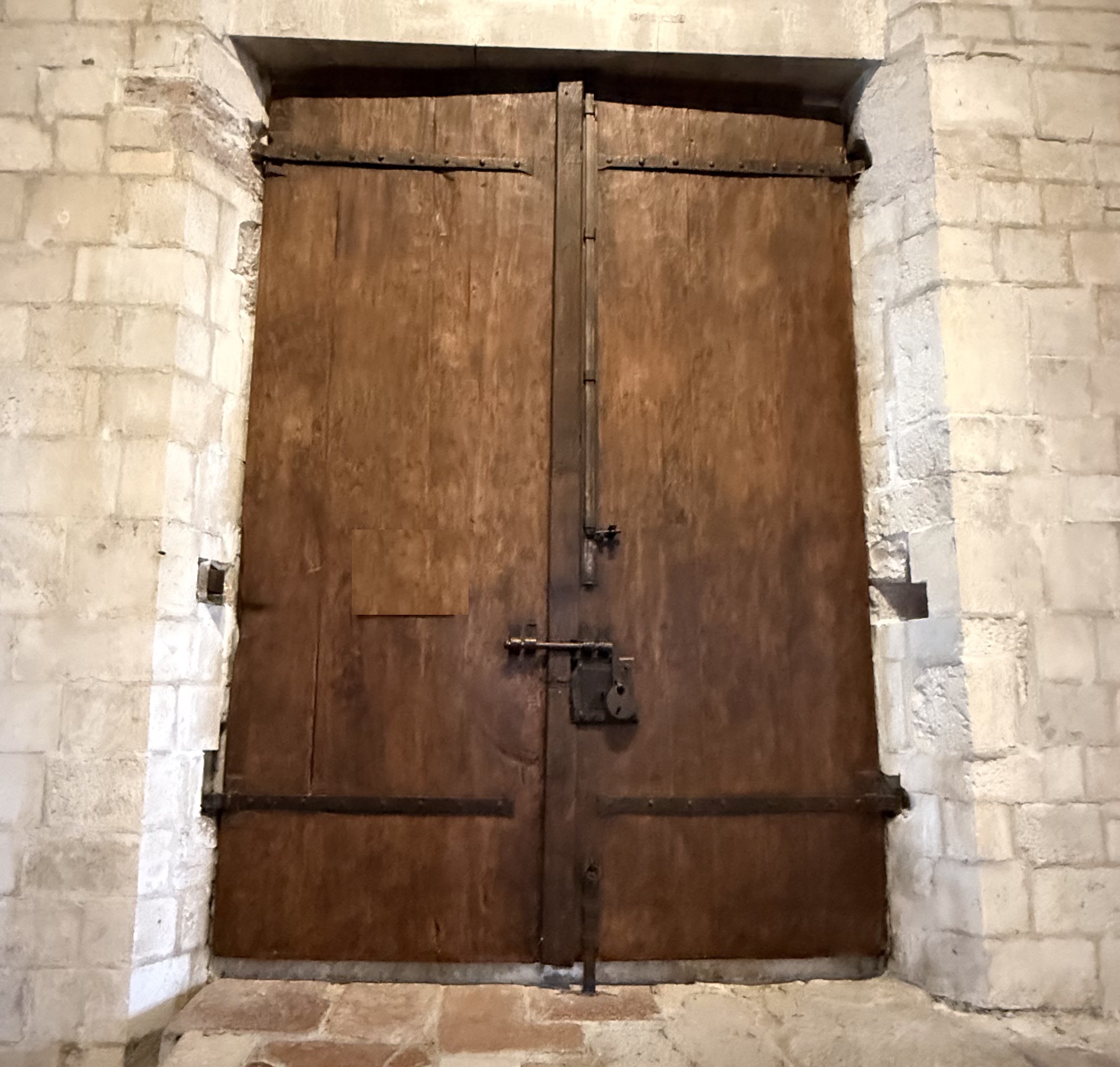
The highlight of L’Aquila was standing in front of the breathtaking Basilica di Santa Maria di Collemaggio. Its facade is a masterpiece of Abruzzese Romanesque architecture, covered in a striking checkerboard pattern of pink and white stone.
You can feel the history here: the basilica houses the
world’s very first Holy Door (Porta Santa), established by Pope Celestine V in 1294 with the famous
Papal Bull of Pardon. It granted full forgiveness of sins to anyone who crossed the threshold between August 28th and 29th.
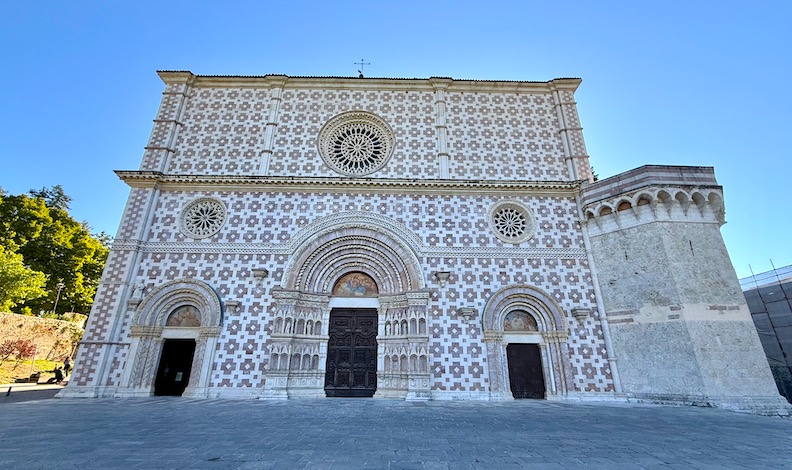
To this day, the Perdonanza Celestiniana festival is celebrated with a beautiful ritual: a church official knocks on the door using an olive branch. But it’s not just a religious event—for over seven centuries, it’s been a massive citywide celebration featuring a historic parade with medieval lords, ladies, and knights bringing L’Aquila’s heritage back to life.
Stop 2: Ancient Roman Tunnels & Rebel Murals
Leaving L’Aquila behind, I headed toward Avezzano to explore the Cunicoli di Claudio (Tunnels of Claudius)—an ancient Roman hydraulic engineering marvel that will leave you speechless. Constructed between 41 and 52 AD under Emperor Claudius, these underground tunnels were dug to drain the ancient Lake Fucino. A mind-blowing accomplishment for its time!
From there, I pushed on to
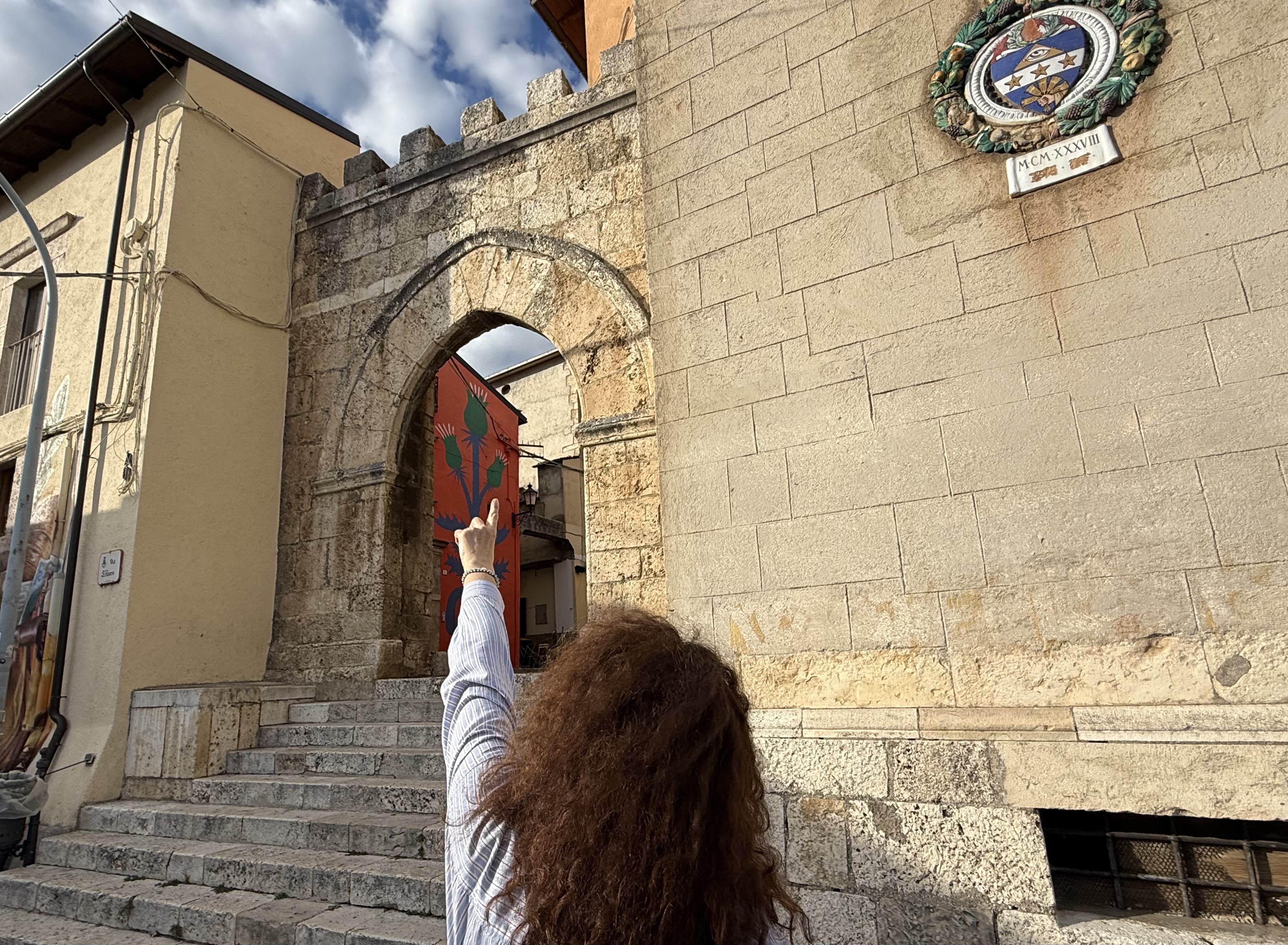
Sante Marie, a fairytale village that completely blew me away. More than just a town, it’s a living open-air art gallery! The building facades are decorated with gorgeous figurative murals depicting local history: rural life, shepherds, forest wildlife… and even a fierce female
brigante (outlaw) proudly posing in traditional attire with a rifle, highlighting the vital role women played in these borderlands.

The best part about Sante Marie? You can mix street art with raw nature—it’s surrounded by lush chestnut groves and right next to the Grotte di Luppa Nature Reserve.
It’s also the starting point for the famous
Cammino dei Briganti (Brigands’ Trail), a 7-day loop trek across Abruzzo and Lazio filled with deep woods, mountain passes, and old border legends.

Stop 3: Galaxy Murals, “Little Tibet” & Street-Food Heaven
Diving deeper inland, I stopped at Aielli, a village that became world-famous thanks to the Borgo Universo project. Imagine an explosive fusion of contemporary street art and astronomy: historic house facades turned into gigantic, cosmic canvases painted by world-class urban artists. It’s an outdoor museum where you’ll spend hours walking around with your head in the clouds!
Next up was Assergi, a charming fortified medieval village perched at nearly 1,000 meters above sea level. Besides hosting the Gran Sasso National Park headquarters, it’s one of the dreamiest gateways to the Gran Sasso mountain range.
From the nearby station of Fonte Cerreto, you can catch the historic cable car straight up to Campo Imperatore—famously nicknamed Europe’s “Little Tibet” due to its vast, treeless, high-altitude plateau. It’s also where the 60km Cammino Gran Sasso hiking trail begins (definitely bookmark this for a trip between May and October!).
The “Sacred” Food Stop: Ristoro Mucciante!
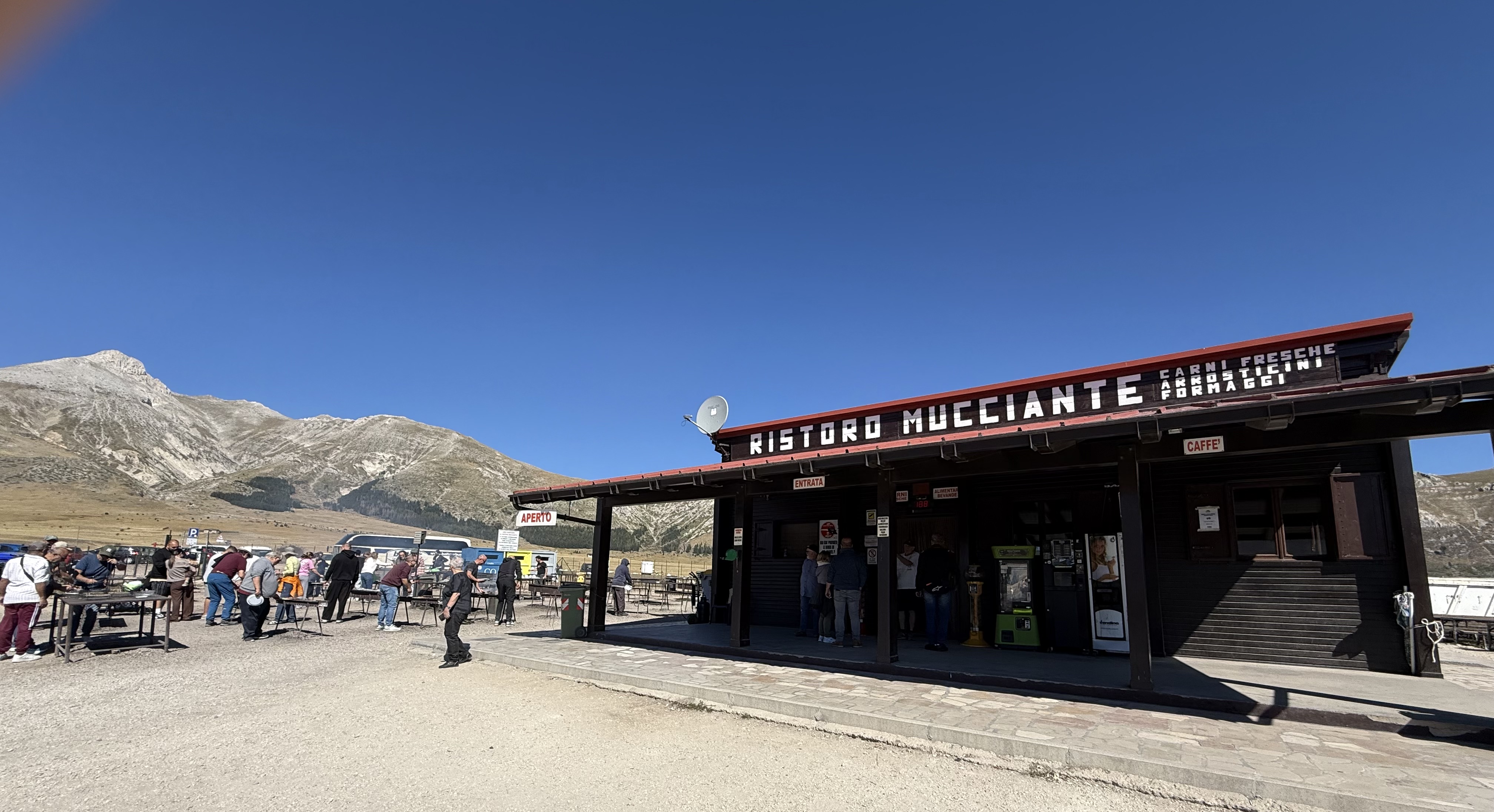
Once you reach Campo Imperatore, stopping at
Ristoro Mucciante (
ristoromucciante.com) is a rite of passage.
Fun travel fact: It was originally built in the 1970s as a movie set for a Western film set in California! After filming wrapped, the structure stayed put and turned into a legendary shrine for grilled meats. Today, it’s a cult favorite for road-trippers, bikers, and hikers.
You buy your meat fresh from the butcher counter inside, then head outside to grill it yourself on the massive open-air charcoal braziers: endless arrosticini, juicy sausages, sheep chops, and local pecorino cheese. Savoring food hot off the grill with panoramic views of the mountains… there is simply nothing like it!
Stop 4: Cinematic Castles & Fairytale Villages
Satiated and happy, I visited Castel del Monte, famous for its medieval tower-houses and covered stone tunnels (sportelli) designed to block out freezing winter winds.
(Cinephile tip: this region was the backdrop for legendary movies like “The American” starring George Clooney, “The Name of the Rose” with Sean Connery, and “Ladyhawke”!)
A short drive away, the famous Rocca Calascio appeared on the horizon. Perched at 1,450 meters, its stone fortress offers a 360-degree view across the entire Campo Imperatore plain. It genuinely feels like walking onto the set of a fantasy movie!
The Magic of Santo Stefano di Sessanio & Ofena
Next up was one of my absolute personal favorites: Santo Stefano di Sessanio, recognized as one of the “Most Beautiful Villages in Italy.” Built entirely from dark limestone, it’s famous for pioneering the albergo diffuso concept—a hotel model where historic homes across the village are restored into boutique guest rooms.
Strolling through its narrow stone alleyways, you can feel the legacy of the Medici family (who ruled here from

1579 to 1743) when the town was a wealthy hub for the trade of
carfagna wool.
Descending into the valley, you hit
Ofena. Fun plot twist: despite being surrounded by dramatic peaks, this basin enjoys a unique microclimate that traps heat and blocks cold winds, earning it the nickname
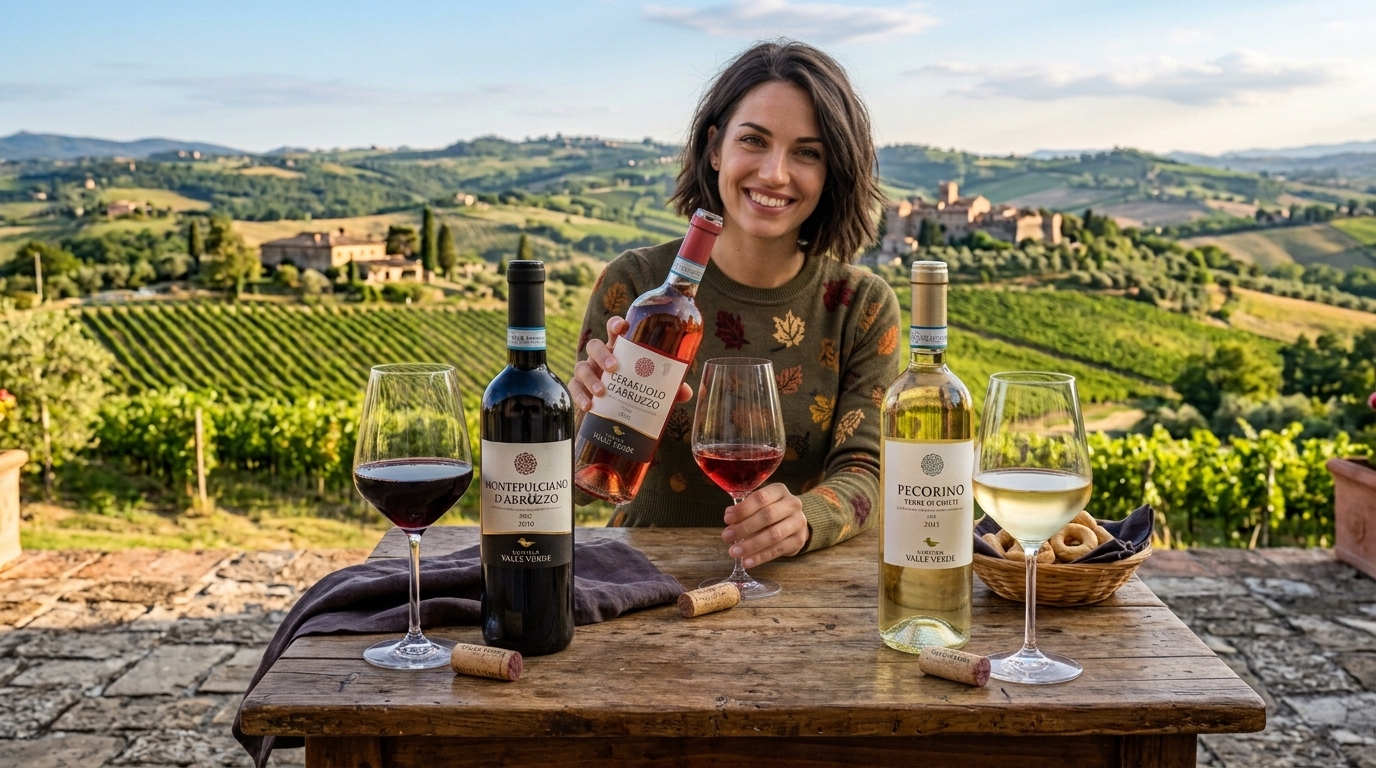
“The Oven of Abruzzo.” Dominated by a grand Civic Tower and elegant palaces, Ofena is renowned for its sweeping vineyards producing world-class Montepulciano, Cerasuolo, and Pecorino wines.
Stop 5: The Adriatic Sea & The Coast of the Trabocchi 🌊
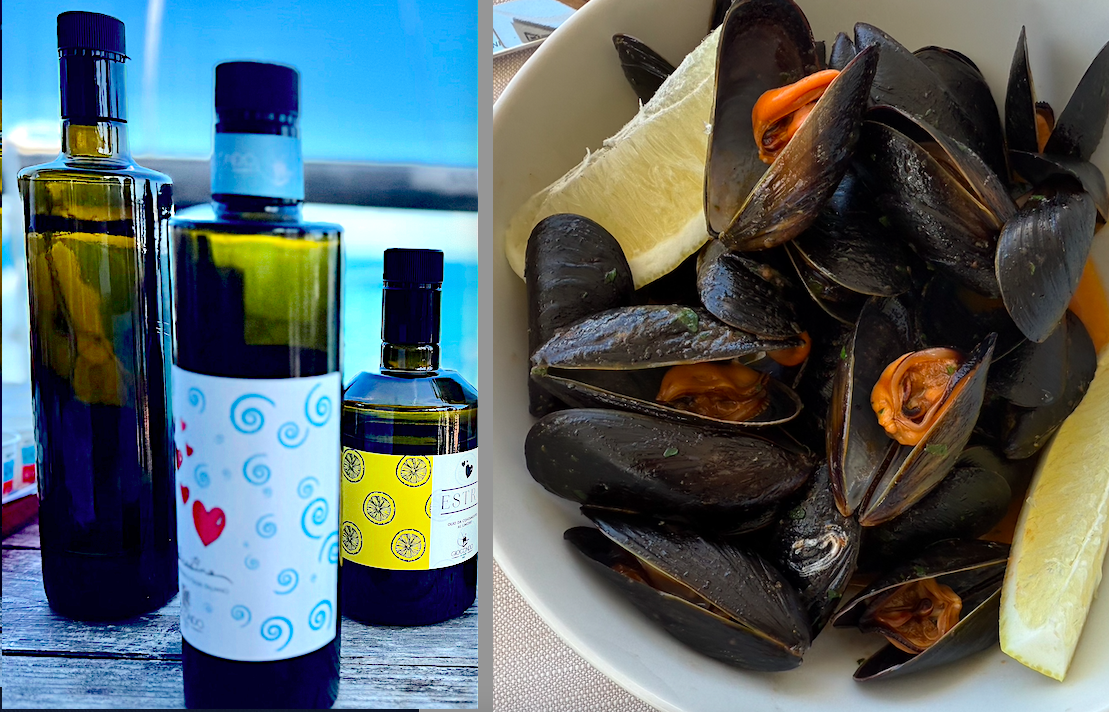
Think Abruzzo is only about rugged mountains? Think again! The final leg of this trip brought me to the Adriatic coast to experience its fresh seafood cuisine: mussels infused with saffron, hand-cut pasta with crab, fried paranza fish, stuffed mussels, and warm octopus salad.
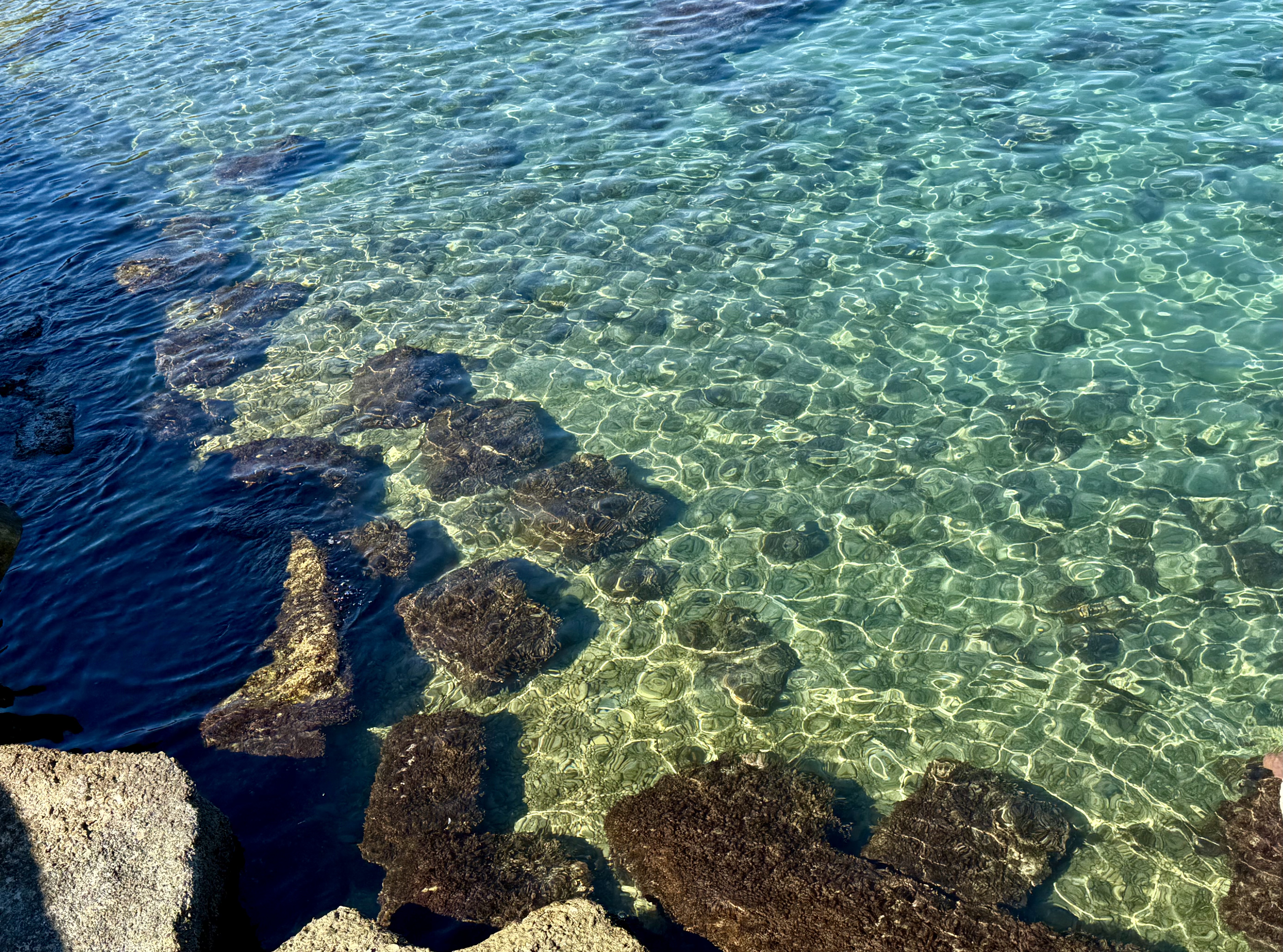
I arrived in San Vito, right in the heart of the stunning Costa dei Trabocchi.
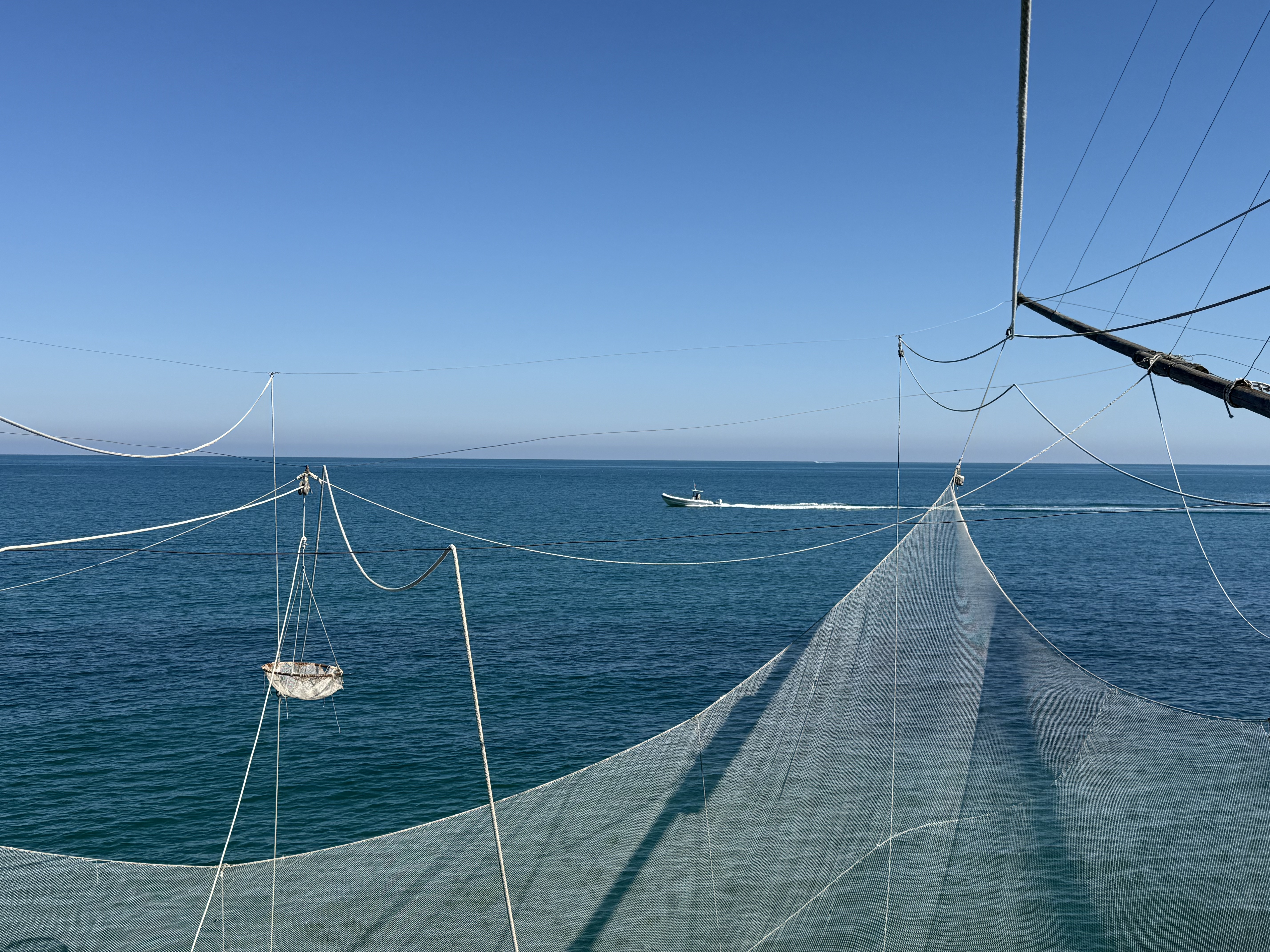
What is a Trabocco? They are quirky, fascinating wooden fishing platforms built on stilts jutting out into the sea, equipped with long wooden arms holding giant fishing nets. While they were originally built for safe fishing, today many have been converted into dreamy, romantic restaurants floating above the water!
I stopped by
Trabocco Punta Tufano in Vallevò for a special olive oil tasting hosted by
Frantoio Oleario Giocondo (
frantoiogiocondo.it).
I fell in love with their Extra Virgin Olive Oil named “Salsedine” (Sea Saltness)—named after the salty coastal breeze blowing over the olive groves. Cold-extracted with a brilliant green-gold color, it packs vibrant notes of fresh wild herbs and coastal greens, finishing with a perfectly balanced pepperiness.
San Giovanni in Venere & Historic Ortona
Perched high on a scenic promontory overlooking the coast stands the majestic
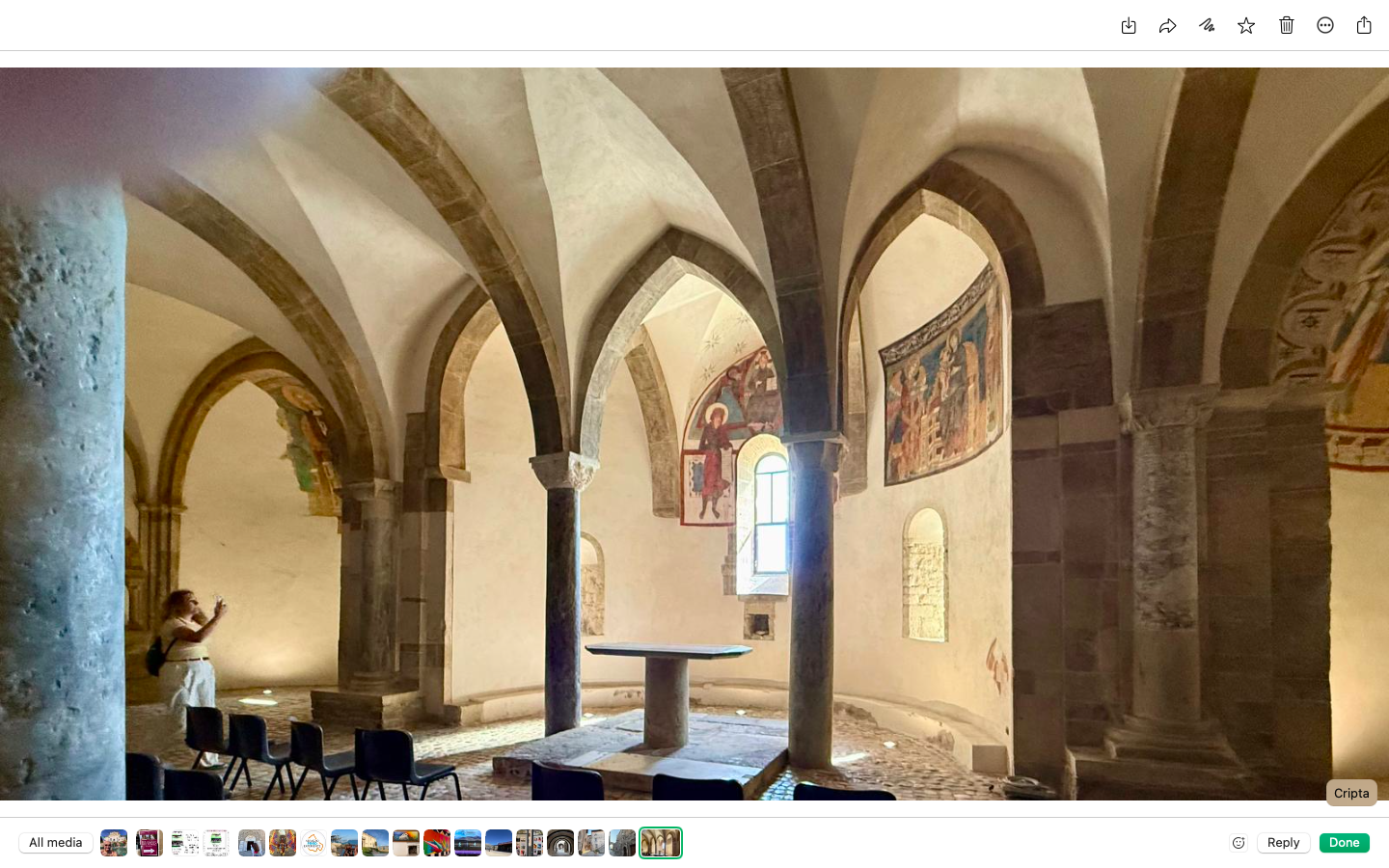
Abbazia di San Giovanni in Venere. Built over an ancient Roman temple dedicated to Venus, it features the breathtaking
Porta della Luna (Moon Gate). During the summer solstice, the setting sun aligns directly through this door, illuminating the 13th-century crypt below—an absolute dream location for weddings!
Just down the road lies Ortona, a historic coastal town situated on a cliff high above the sea. Its defining icon is the massive 15th-century Aragonese Castle, built right on the edge of the cliff with sweeping ocean views.
Stop 6: Nature Reserves, Hidden Castles & Golfing in the Hills
For nature lovers, the
Maiella National Park and the
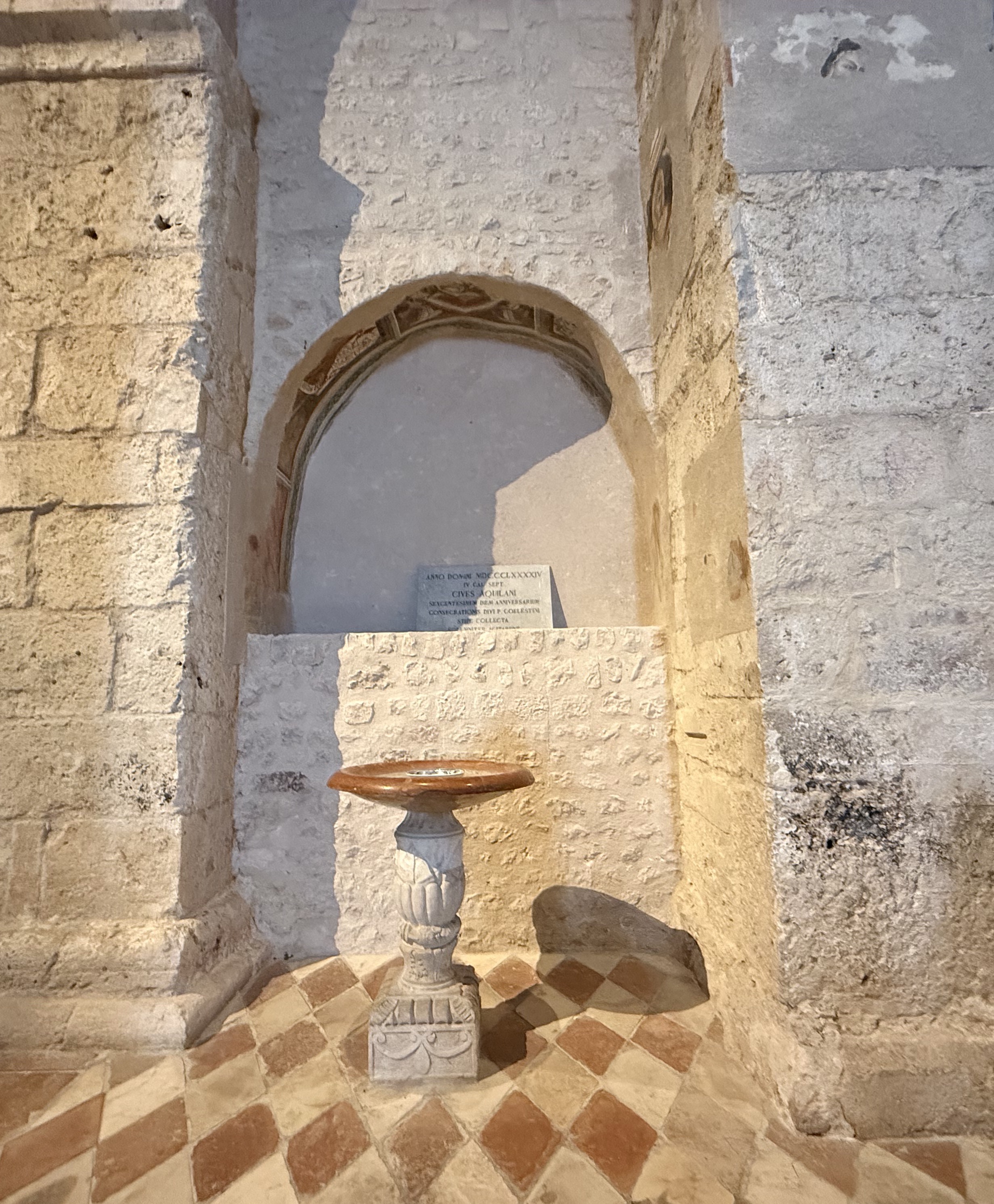
Abruzzo, Lazio and Molise National Park offer postcard-worthy scenery. Walking through the ancient beech forests of
Val Fondillo is the ultimate digital detox—where the only sound is the rustle of leaves and the distant calls of wildlife.
Heading back inland, you’ll find
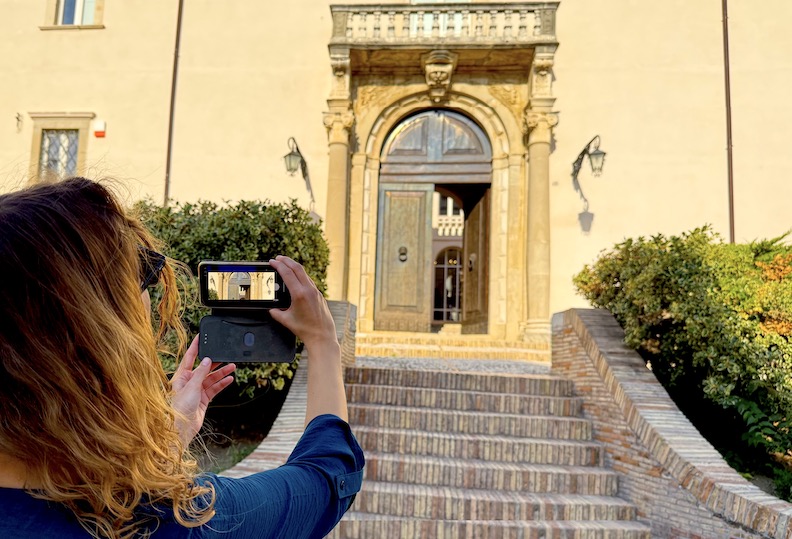
Torre dei Passeri, a town centered around the impressive
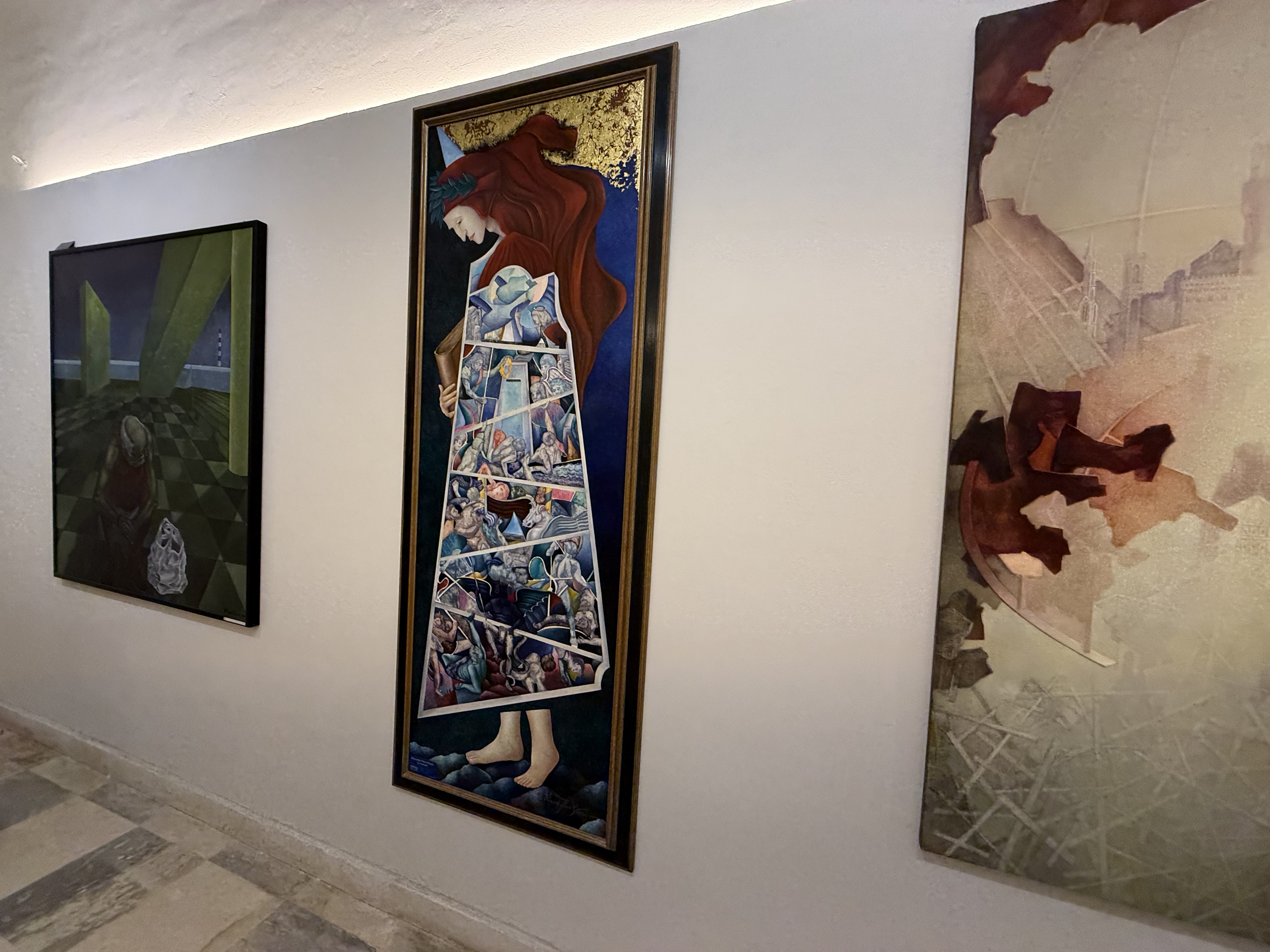
Gizzy Castle. Since 1967, it has housed the
Casa di Dante in Abruzzo Foundation, featuring an incredible Dante-inspired art collection and museum.
And for my sports lovers? Nestled in the rolling hills of Chieti is the
Miglianico Golf Club: an 18-hole championship course designed by famed American architect Ronald Kirby, seamlessly integrated into the surrounding olive groves.
The Grand Finale: Dining with History in Lanciano!
The ultimate finale of this autumn adventure was a literal step back in time in
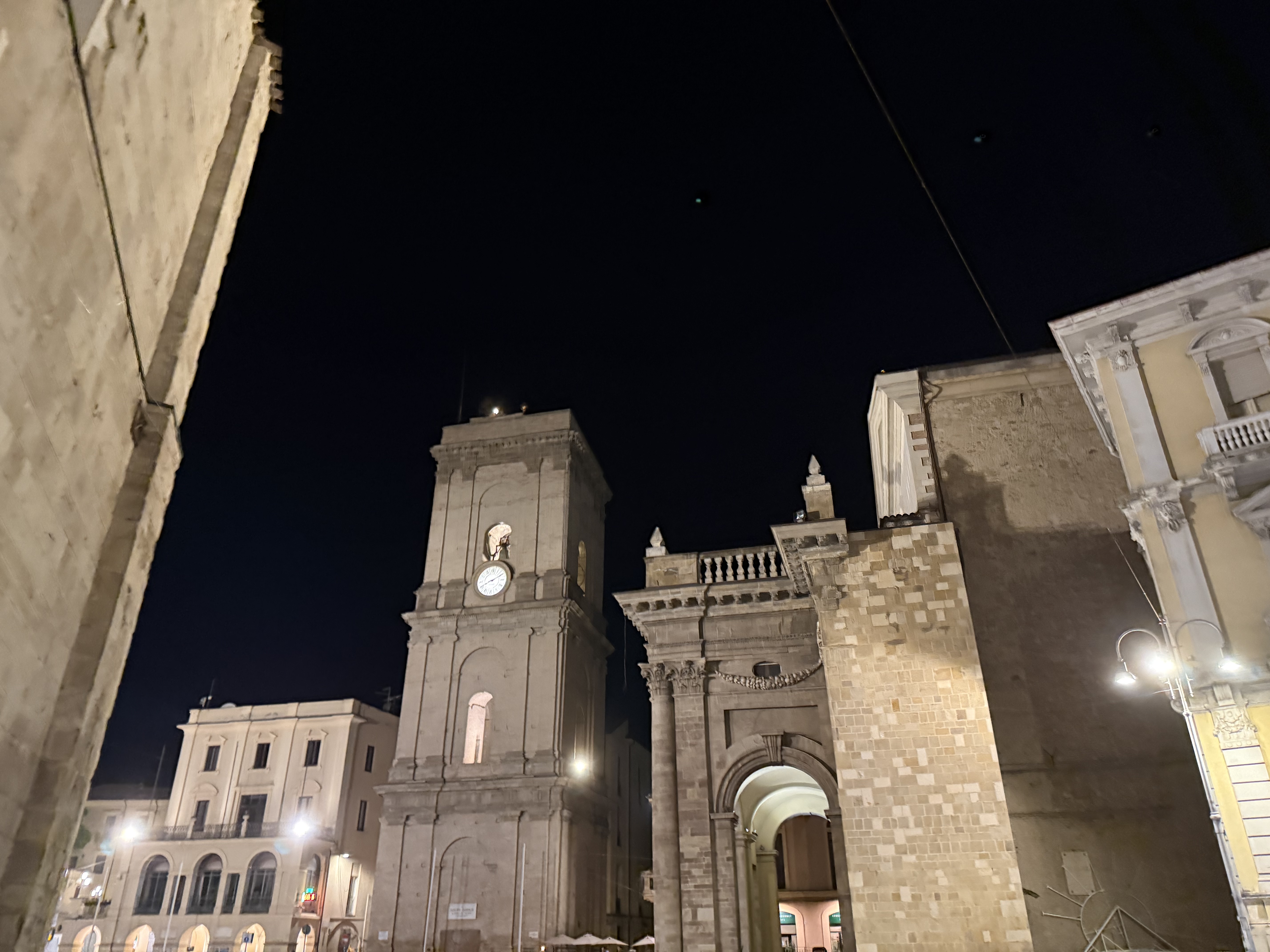
Lanciano. With the sound of booming drums, trumpet calls, flag-throwers, and locals dressed in medieval costumes, I felt like I had stepped into another era.
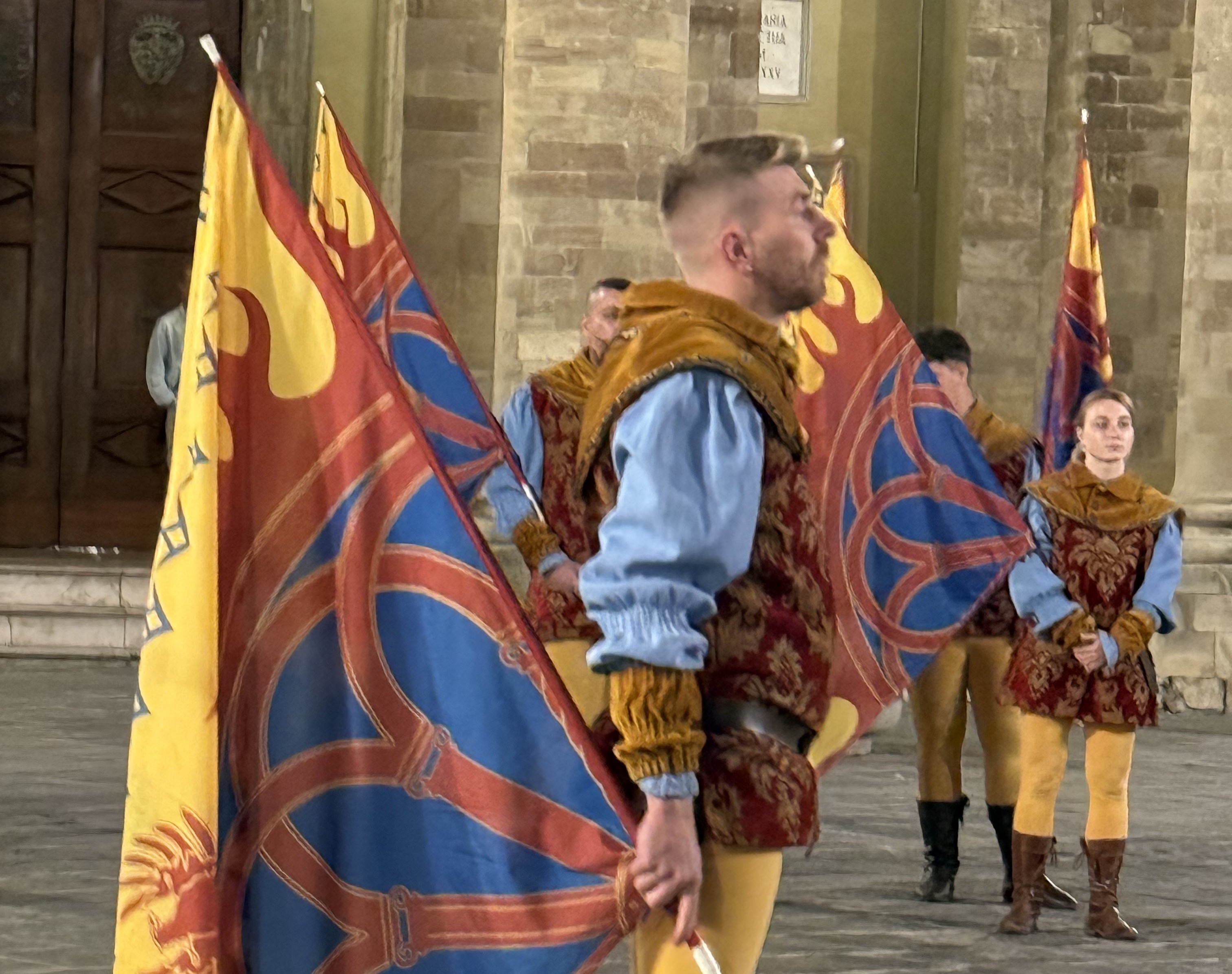
Lanciano is famous for its rich merchant history, four medieval quarters, and 14th-century artisan shops. Highlights include:
Church of San Francesco: A famous pilgrimage site holding the relics of the Eucharistic Miracle.
Cathedral of Santa Maria del Ponte: Uniquely built on top of the ancient Roman Diocletian Bridge.
Lanciano Sotterranea: A fascinating subterranean tour exploring the hidden ancient ruins lying right beneath the main town square!
Final Thoughts: Goodbye, Abruzzo!
Looking back on this itinerary, Abruzzo confirmed its status as an absolute powerhouse of culture, nature, and food. A huge special thank you to Abruzzo Food Experience 2026 for showing how food and wine can be the ultimate gateway to discovering a region from its highest peaks down to its turquoise coast. Extra love to the Regione Abruzzo, Chieti-Pescara Chamber of Commerce, Gran Sasso d’Italia Chamber of Commerce, Piacere Abruzzo, Consorzio Abruzzo Travelling, and our tireless guides Luigi, Davide, and Stefano! 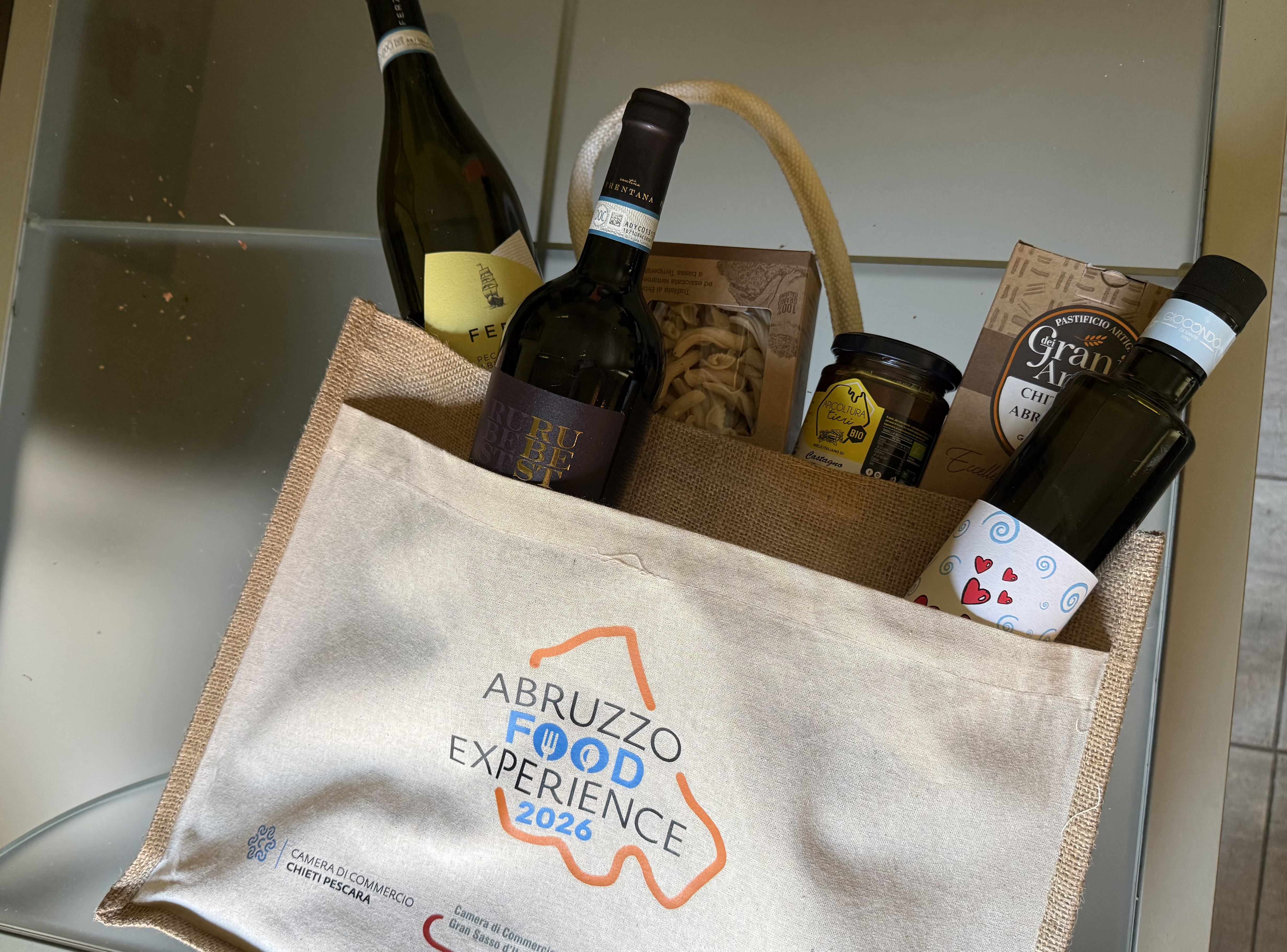
Travel today is all about tasting a place, connecting with its people, and taking home authentic memories. Abruzzo offers a deep, genuine beauty that stays with you long after you leave. So… what are you waiting for? Pack your bags, book the ticket, and head to Abruzzo for your next getaway!
Arrivederci Abruzzo, see you next year!
INFO