
Candida Di Pierro fa brillare la sua stella nella Guida Michelin
di Cesare Zucca
(italian and english versions)
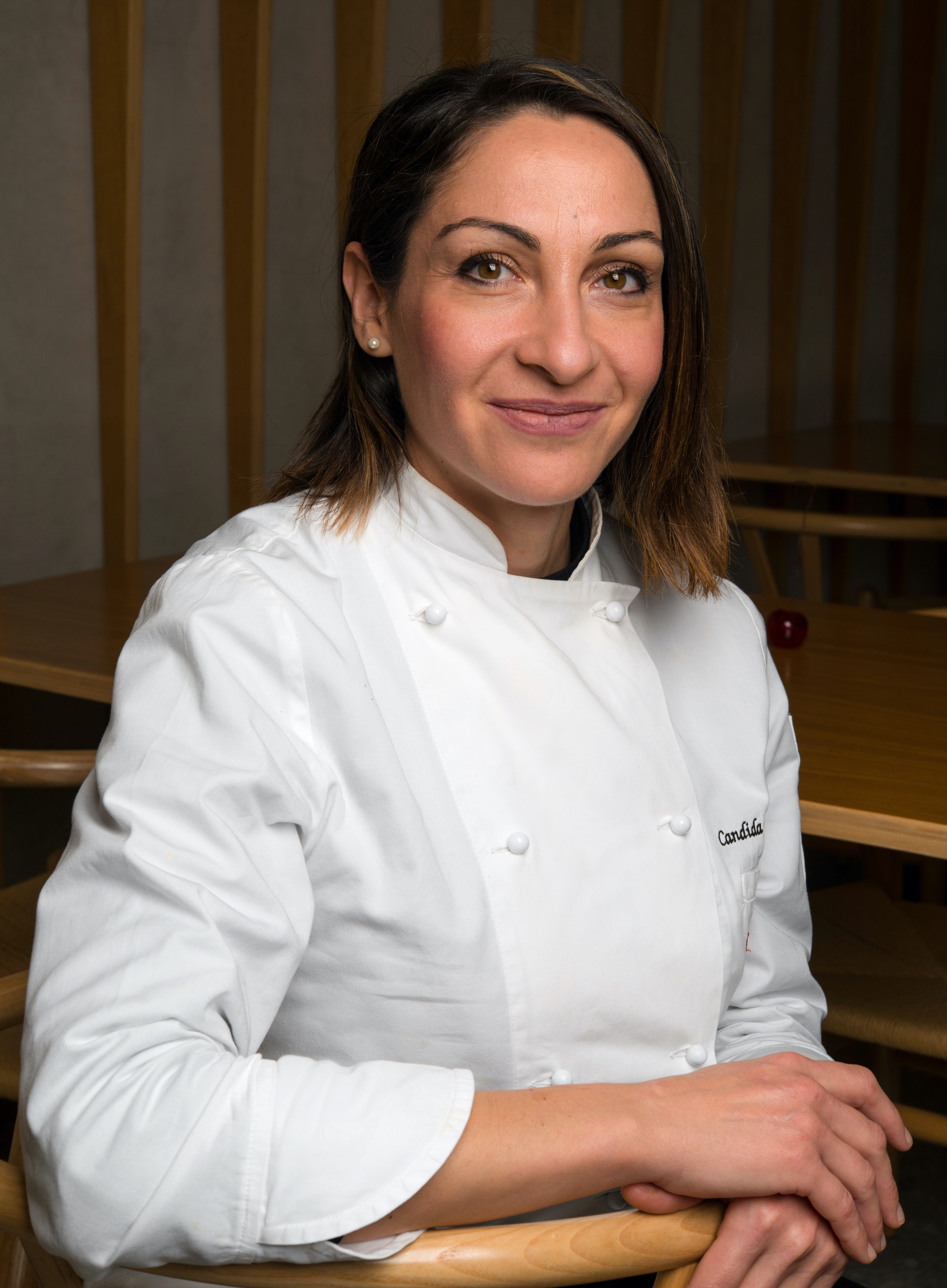
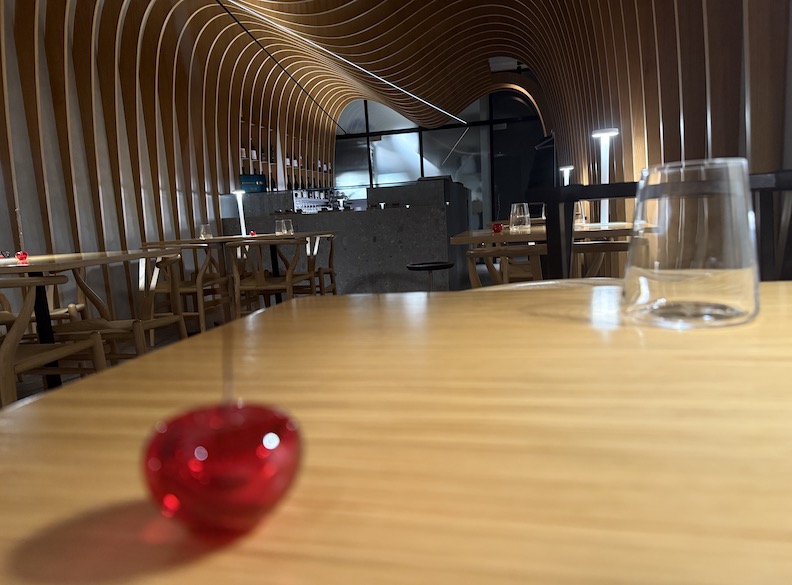
Oggi incontriamo Candida Di Pierro, chef e patronne del Gallery Bistrot Contemporaneo a Troia, (Foggia). Un locale dall’arredamento minimalista e vagamente norvegese, dall’effetto ottico dei legni alle pareti, all’illuminazione essenziale sui tavoli.
Candida Di Pierro Makes Her Star Shine in the Michelin Guide
Today we meet Candida Di Pierro, chef and owner of Gallery Bistrot Contemporaneo in Troia (Foggia). The restaurant features minimalist décor with a subtle Nordic feel, from the visual effect of the wooden wall panels to the clean, understated lighting over the tables.
 Candida ama mescolare arte e cucina, storia e profumi, piatti e letteratura, nonché estro architettonico e composizioni gastronomiche: completati dai sentori più autoctoni e dalle sensazioni più intense dell’entroterra e dei Borghi minori, senza dimenticare essenze intime e identitarie del suo territorio.
Candida loves blending art and cuisine, history and aromas, food and literature, as well as architectural creativity and gastronomic compositions. All of this is enriched by the most authentic local flavors and the intense sensations of the inland areas and smaller villages, without ever losing sight of the intimate, identity-defining essences of her homeland.
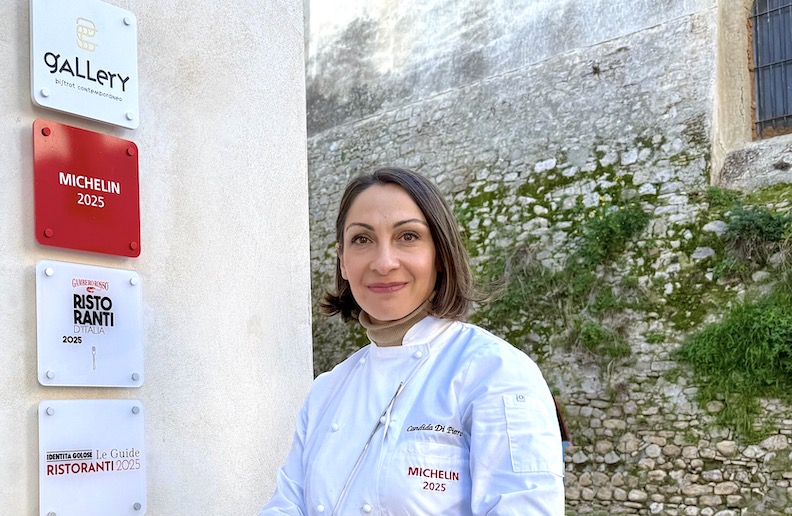
Ho incontrato Candida per una gustosa degustazione seguita da una simpatica chiacchierata.
LA DEGUSTAZIONE
Si inizia con alcuni strepitosi amouse-bouche: uno schioccante e sorprendente cioccolatino di mare con bisque di gambero rosso e scampo (da Oscar!) un bon bon di parmigiano e confettura di radicchio, fino alla tartare di cervo, spuma di patate affumicate, tuorlo d’uovo marinato e riso.
I met Candida for a delicious tasting, followed by a pleasant and friendly chat.
THE TASTING
The experience begins with a selection of outstanding amuse-bouches: a crisp and surprising seafood chocolate filled with red prawn and langoustine bisque (Oscar-worthy!), a Parmesan bonbon with radicchio jam, and finally a deer tartare with smoked potato foam, marinated egg yolk, and rice.
 Arriva il tocco “marino” con un divertente panino al latte ragù di polpo e aglio nero e un club sandwich di scampo da gustare in un boccone
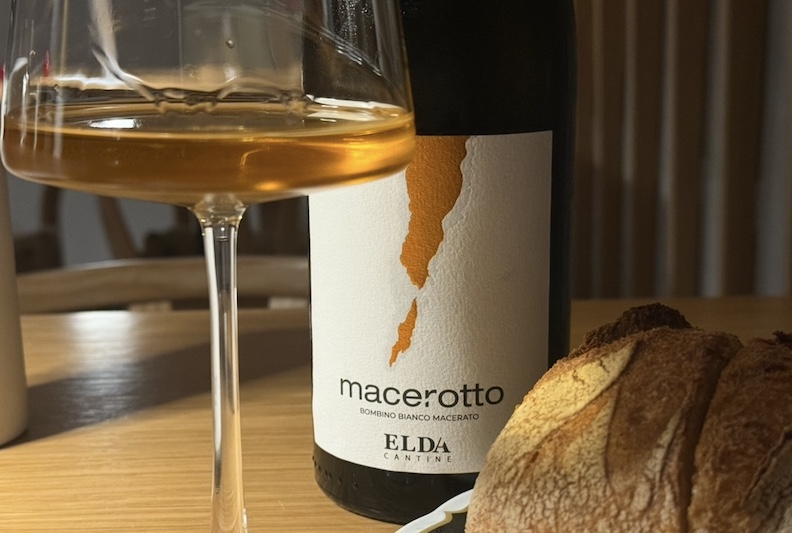
Nel calice un Macerotto Elda da vitigno bombino bianco.
A playful “sea” touch follows, with a milk bun filled with octopus ragù and black garlic, and a one-bite langoustine club sandwich.
In the glass, a Macerotto Elda made from Bombino Bianco grape
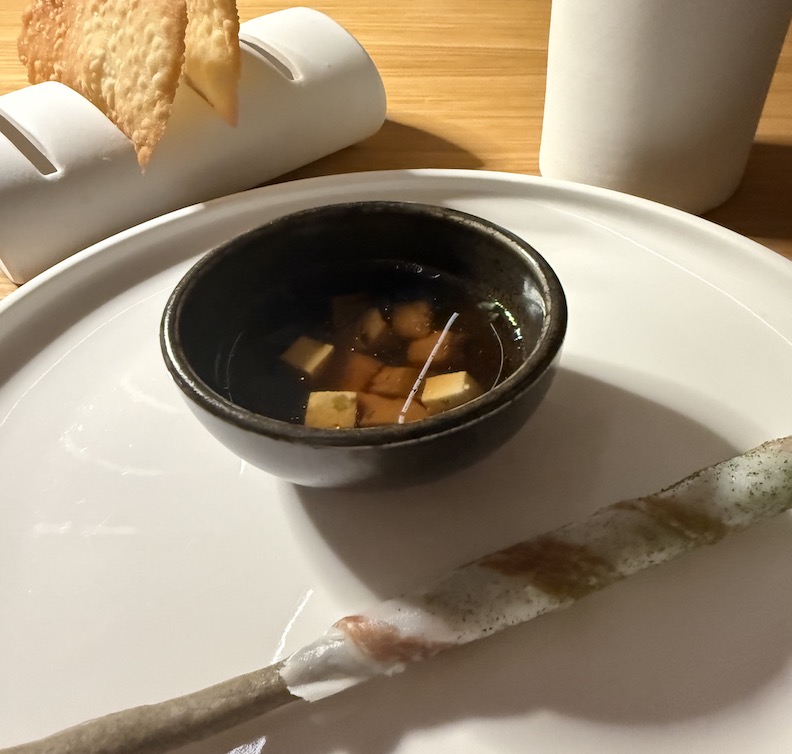
Per iniziare la Chef mi ha proposto una zuppetta di miso con funghi cardoncelli, alga e primo sale accompagnato da insoliti grissini al grano arso con lardo, cracker di cipolla pane sfogliato con burro salato o il meraviglioso pane di Troia accompagnati da Olio Roccia (Coratina e Peranzana)
To start, the chef suggested a small bowl of miso soup with cardoncelli mushrooms, seaweed, and fresh primo sale cheese, served with an unusual selection of accompaniments: burnt-wheat grissini with lardo, onion crackers, flaky bread with salted butter, and the wonderful Pane di Troia, all paired with Roccia olive oil (Coratina and Peranzana).
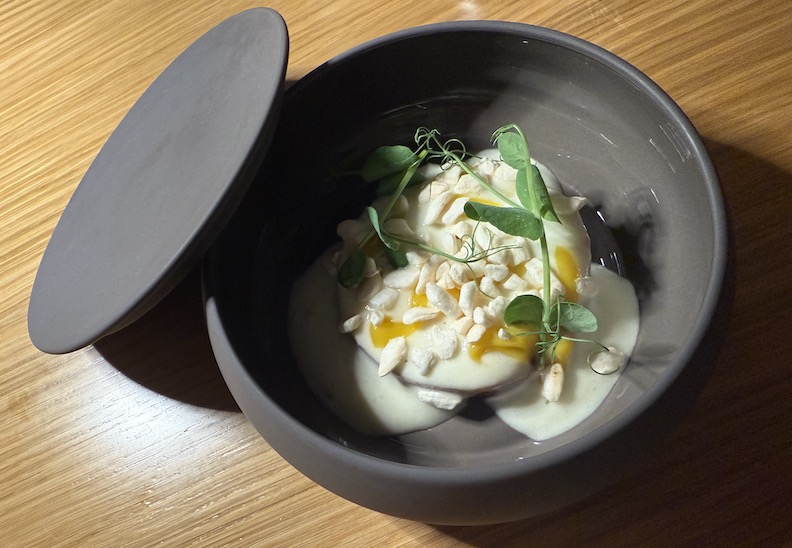
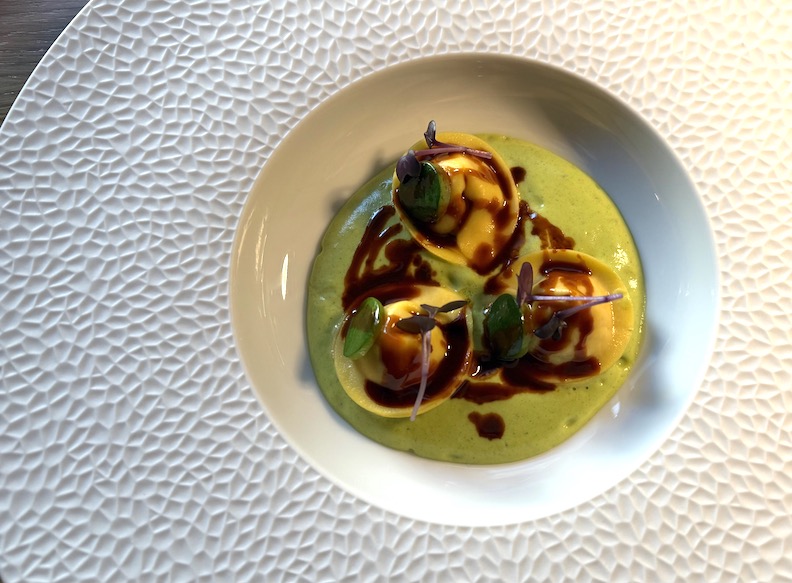
Tra i primi , un interessante tortello di grano arso in farcia di bracioletta, spuma di caciocavallo podolico, olio al finocchietto selvatico e pop corn di maiale. Spunta il pesce, Tortelli in farcia di astice e lime, zabaione di zucchine
Among the first courses, an intriguing burnt-wheat tortello filled with braised meat, Podolica caciocavallo foam, wild fennel oil, and pork popcorn. Seafood makes its appearance as well, with tortelli stuffed with lobster and lime, served with a zucchini zabaglione.
 Anche nei secondi, la cucina di Candida spazia con disinvoltura dalla caren al pesce,
Dallo scamone di agnello, verza, salamella, cipolla glassata e patate, alle mazzancolle al guanciale su crema di ceci e rosmarino.
The main courses further showcase Candida’s confident versatility, moving effortlessly from meat to fish: from lamb rump with savoy cabbage, sausage, glazed onion, and potatoes, to king prawns wrapped in guanciale on a chickpea and rosemary cream.

Ho adorato i predessert: sorbetto al fico d’india e la favolosa granita al mandarino e spuma di yogurt, per terminare con un classico dolce pugliese rivisitato : cremoso al cioccolato bianco e olive, ricotta agli agrumi del Gargano e cialda al miele,…
Più Puglia di così….
I absolutely loved the pre-desserts: prickly pear sorbet and the fabulous mandarin granita with yogurt foam. The meal then concludes with a reimagined Puglian classic: white chocolate and olive cream, ricotta scented with Gargano citrus, and a honey wafer
A beautiful finale comes with Dolce Puglia: white chocolate and olive cream, ricotta with Gargano citrus, and a honey wafer.
More Puglia than this is hard to imagine…
 L’INTERVISTA
Qual è stato il suo viaggio preferito e perché?
I viaggi sono la mia ispirazione principale, imparando dalle diverse regioni e cucine.
Il mio viaggio preferito è stato a Parigi, la capitale gastronomica del mondo.
Amo l’energia, l’eleganza e il profondo rispetto per il cibo di Parigi: dai classici pain au chocolat, ai croissant friabili, alle baguette, alle fusioni culinarie all’avanguardia, oltre ai formaggi dal sapore pungente, pasticcini raffinati e vini di livello mondiale.
La città ospita alcuni dei migliori ingredienti al mondo, chef straordinari e una cucina raffinata con sottili influenze asiatiche.
Quale posto le piacerebbe visitare che non ha ancora visitato? Perché?
Non ho dubbi, tra le priorità mi piacerebbe visitare il “Noma”, il ristorante più influente al mondo per la sua cucina dinamica, per la sua cucina nordica rivoluzionaria, per l’uso di ingredienti selvatici e fermentati, per un’esperienza immersiva e la sua influenza globale.
Un posto di culto, al centro della capitale danese, dove ogni appassionato di cucina contemporanea dovrebbe andare almeno una volta nella vita.
Cucine del mondo. Qual è la sua preferita?
Mi ha ispirato molto Tokyo, la capitale giapponese come meta più ambita del turismo enogastronomico, un viaggio all’insegna della cucina tradizionale dell’estremo oriente, alla cucina raffinata. La città ha il maggior numero di ristoranti stellati Michelin al mondo.
È il luogo di nascita del sushi, con ristoranti dedicati anche al ramen, ai noodles, al tempura, allo yakitori e ai gyoza. Tokyo ha una forte tradizione culturale, in cui la popolazione lotta attivamente per preservare i propri costumi, la propria lingua e la propria identità.
l suo primo ricordo da bimba in cucina?
Sin dai primi anni di vita custodisco nella mia mente ricordi che mi accompagnano per tutta la vita, memorie che fanno rievocare sensazioni piacevoli, di felicità e che, per nulla al mondo, potranno essere cancellate. Un piatto della mia infanzia che ricordo con molta tenerezza e che rimane impresso in maniera indelebile: pappardelle di pasta fumante con ragù di polpette che mi aspettava a tavola quando ero piccola. La passione per la cucina è nata fin da piccola quando vedevo preparare in casa i pranzi della domenica e delle feste. Stare “tra i piedi” di mia nonna e di mia madre mi rendeva orgogliosa e loro mi insegnavano tante cose, tra cui l’iconico piatto di riso, patate e cozze. Sì, perché il cibo che più amiamo è tra le prime memorie di cui abbiamo traccia.
Qualche appassionato di cucina nella sua famiglia? Qualche ricordo?
Rosa, la mia nonna barese. era appassionata di cucina e amava trasformare gli ingredienti in piatti deliziosi, trasformando la cucina nel cuore pulsante della casa, condividendo esperienze e creando legami. La nonna sperimentava sempre nuove ricette e tramandava segreti di famiglia condividendo attivamente le preparazioni con tutti i nipoti. Ogni settimana la nonna insegnava con cura a fare le orecchiette baresi, formato di pasta molto complicato da realizzare. Dopo diversi tentativi, sono riuscita finalmente a farle perfette.
Come è diventata chef?
Dopo aver conseguito la Laurea in Economia delle Istituzioni e dei Mercati Finanziari, decisi di apprendere le tecniche e la gestione della cucina, sviluppando creatività, organizzazione e capacità di lavorare in team. Iniziai dalle basi (HACCP, sicurezza) specializzandomi nel tempo. Per diventare chef bisogna combinare passione, formazione teorica e tanta esperienza pratica (la cosiddetta gavetta), frequentando corsi professionali mirati e facendo stage in ristoranti per apprendere tecniche all’avanguardia. Diventare chef richiede dedizione e sacrifici, ma la passione e la determinazione, unite alla giusta formazione e all’esperienza, sono le chiavi per il successo.
Quanto è rilevante la sua terra nei suoi piatti?
I prodotti della terra hanno una rilevanza fondamentale e crescente nei miei piatti, legata alla salute, alla sostenibilità ambientale e alla cultura culinaria, con una riscoperta delle tradizioni locali che valorizzano ingredienti freschi, di stagione e a basso impatto ambientale, in un’ottica di benessere individuale e planetario. L’uso di ingredienti freschi e stagionali, esalta sapori autentici riportando in tavola la connessione con la natura, offrendo un’esperienza sostenibile. Il primo passo quindi è il ritorno alla filiera corta con l’utilizzo di materie prime locali, che seguono le stagioni e coltivate nel rispetto della terra. Utilizzando questi metodi, si prova a restituire sia l’identità che l’autenticità dei piatti, difendendo tradizioni agricole e piccoli produttori, tutto per mettere il territorio al centro dell’esperienza gastronomica.
Un itinerario ‘dalle sue parti’ che consiglierebbe a un amico?
Tra gli itinerari che consiglierei ad un amico, sicuramente c’è quello dei Monti Dauni non soltanto per il patrimonio storico-artistico che questi borghi di Puglia offrono, ma anche per spunti di itinerari naturalistici ed enogastronomici da seguire. L’incredibile combinazione di natura incontaminata (boschi, panorami, lavanda), la ricchezza storica e archeologica (antichi popoli, castelli, cattedrali romaniche come a Troia), borghi medievali affascinanti (Bovino, Alberona, Deliceto), gastronomia autentica a km zero e l’ospitalità genuina, offrono un’esperienza di viaggio lenta, culturale e rigenerante lontano dal turismo di massa, perfetta per camminare, scoprire tradizioni e gustare prodotti locali unici come mieli e tartufi. Paesaggi mozzafiato, boschi (come il Bosco di Faeto), campi di lavanda, il lago di montagna e la vetta della Puglia. Ideale per trekking, e-bike e sport all’aria aperta, con percorsi che attraversano mulini ad acqua e cascate.
Dove trova l’ispirazione per creare un piatto?
L’ispirazione per creare un piatto la trovo nella natura (colori, forme, tradizioni locali stagionalità degli ingredienti), dall’arte (forme geometriche, sculture) ma la concretizzo solo con studio, esperimenti, disegni per visualizzare la composizione e l’impiattamento prima di cucinare, la ricerca di consistenze e abbinamenti perfetti.
C’è un piatto che ama mangiare solo se cucinato da un altro?
Amo mangiare la lasagna solo se preparata tassativamente da mia mamma Giuseppina.Una ricetta tradizionale, con ragù cotto lentamente e besciamella fatta in casa. Realizzata con ingredienti semplici ma di qualità, come pasta fresca, carne, pomodoro e parmigiano, che creano un equilibrio perfetto. Il gusto è quello dei ricordi, legato alle domeniche in famiglia e alle feste, rendendola più di un semplice piatto. La consistenza perfetta? Strati ben definiti di pasta, sugo, besciamella e una croccante superficie dorata.
Un ingrediente che troveremo sempre nel suo frigo e uno che non troveremo mai
Sempre le uova, sono la base per realizzare di mille ricette, sia dolci che salate. Per non parlare del latte, alimento fondamentale. Faccio colazione ogni mattina con una bella tazza di latte e caffè. Mai…? I prodotti in scatola.
Se Candida fosse un piatto, quale sarebbe?
Un tiramisù, dolce ma con un carattere deciso.
La cucina di Gallery Bistrot in tre aggettivi?
Vsionaria, raffinata e ricercata.
Da un lato la tradizionale cucina pugliese di Troia e dall’altro la cucina di Gallery. Come commenta?.
Sono alla ricerca di ricette autentiche e culture culinarie vivaci, mostrando grande apertura verso usi e sapori locali. Il motivo, oltre che culinario è emotivo: è da questi paesi che vengono i suoi antenati e sarebbe un viaggio fantastico all’insegna della riscoperta delle proprie radici. Tuttavia la cucina si evolve costantemente, passando da un ambiente funzionale a un’area multifunzionale, tecnologica e socializzante, integrando design, sostenibilità ed ergonomia, con tendenze che includono elettrodomestici intelligenti, tecniche innovative (sous-vide, fermentazione) e maggiore attenzione a ingredienti locali, stagionali e alternative vegetali. L’evoluzione della cucina segue in parallelo quella del mercato e la ristorazione mondiale è in forte crescita: nuove esigenze si intrecciano con nuovi cibi e modelli alimentari, cambia anche il modo e dove si desidera consumare un piatto pronto con aspetti sorprendenti!
Ha un sogno nel cassetto?
Il mio sogno nel cassetto è quello di aprire una scuola di cucina a Troia offrendo corsi amatoriali e professionali al passo con le tendenze, coinvolgendo i più grandi professionisti della ristorazione a Troia.
Uno dei suoi piatti preferiti?
Spaghettone alla crema di peperone, polvere di pomodoro e sardina che è un pilastro della cucina locale: un pesce azzurro, ricco di Omega 3. Le sardine sono economiche, sostenibili e hanno bassi livelli di mercurio, mentre lo spaghettone lavorato a mano, rappresenta un’eccellenza italiana gestito dalla famiglia Zampino
Mmmmmm… già mi viene l’acquolina in bocca, ci regala la ricetta?
Certo, eccola!
SPAGHETTONE ALLA CREMA DI PEPERONE, SARDINA E POLVERE DI POMODORO
Ingredienti per 2 persone
200 gr di spaghettoni Gentile
3 peperoni rossi
100 gr di sardina
polvere di pomodoro disidratata
timo qb
Preparazione
Per la crema di peperone
In una teglia disporre i peperoni avendo cura di condirli con sale, pepe, timo e olio evo.
Cucinarli in forno a 200° per 15 minuti; successivamente girare i peperoni e cucinarli per altri 15 minuti.
Una volta raffreddati, eliminare la pelle e i semi. Disporre i peperoni in un mixer e frullarli alla massima potenza.
Cucinare la pasta e mantecarla con la crema di peperone.
Guarnire il piatto con la sardina tagliata a cubetti e la polvere di pomodoro disidratata.
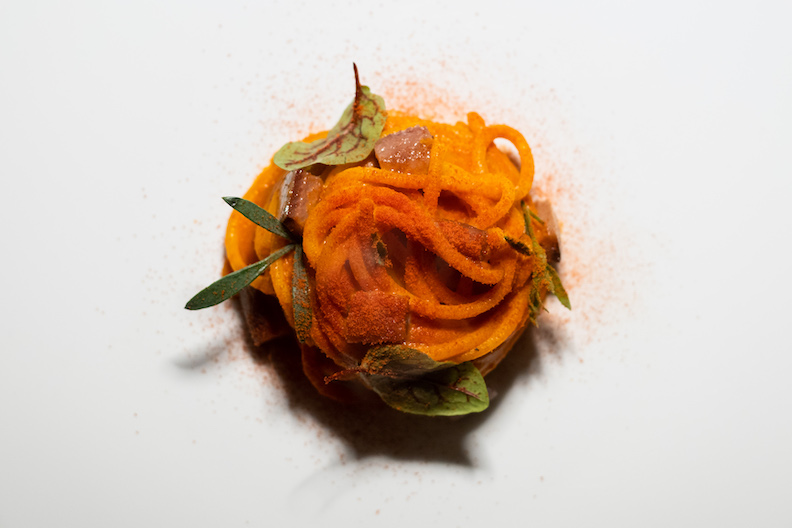
Beh , devo dire un piatto degno della Guida Michelin che ha voluto nuovamente “stellare” Il Bistrot Gallery per il 2026!
Ringrazio la Guida Michelin per la fiducia rinnovata e per l’attenzione con cui osserva la nostra crescita.. È un grande onore. Ma soprattutto, grazie alla mia squadra, il mio cuore pulsante, senza la quale tutto questo non sarebbe stato possibile! Grazie ragazzi per il loro eccellente lavoro !
Gallery Bistrot Contemporaneo
Via Regina Margherita 3/b, Troia, 71029,
THE INTERVIEW WITH CANDIDA DI PIERRO
What has been your favorite trip and why?
Travel is my main source of inspiration: learning from different regions and cuisines constantly fuels my creativity.
My favorite trip was to Paris, the gastronomic capital of the world.
I love its energy, elegance, and deep respect for food — from classic pain au chocolat, flaky croissants, and baguettes, to cutting-edge culinary fusions, bold cheeses, refined pastries, and world-class wines.
The city is home to some of the best ingredients in the world, extraordinary chefs, and a refined cuisine with subtle Asian influences.
Is there a place you’d love to visit that you haven’t yet? Why?
Without a doubt, one of my top priorities is Noma — the most influential restaurant in the world.
Its revolutionary Nordic cuisine, use of wild and fermented ingredients, immersive experience, and global impact make it truly unique.
It’s a culinary landmark in the heart of Copenhagen, a must-visit at least once in a lifetime for anyone passionate about contemporary cuisine.
World cuisines: which one is your favorite?
Tokyo inspired me deeply. It’s the ultimate destination for food lovers and the global capital of fine Japanese cuisine.
It’s a journey into traditional Far Eastern cooking and refined gastronomy. Tokyo boasts the highest number of Michelin-starred restaurants in the world.
It’s the birthplace of sushi, with legendary spots dedicated to ramen, noodles, tempura, yakitori, and gyoza. Tokyo also has a strong cultural identity, with people actively preserving their traditions, language, and heritage.
Your very first childhood memory in the kitchen?
From my earliest years, I’ve carried memories that stay with me forever — moments that bring back happiness and warmth and will never fade.
One dish from my childhood that I remember with great tenderness is a plate of steaming pappardelle with meatball ragù waiting for me at the table.
My passion for cooking was born early, watching Sunday and holiday lunches being prepared at home. Being “underfoot” in the kitchen with my grandmother and mother made me proud, and they taught me so much — including the iconic dish of rice, potatoes, and mussels.
After all, the foods we love most are among our very first memories.
Was anyone in your family passionate about cooking? Any special memories?
Yes — my grandmother Rosa, from Bari. She loved cooking and had a gift for turning simple ingredients into delicious dishes, making the kitchen the beating heart of the home.
She constantly experimented with new recipes and passed down family secrets, involving all the grandchildren in the process.
Every week she carefully taught us how to make orecchiette baresi, a very challenging pasta shape. After many attempts, I finally mastered it.
How did you become a chef?
After earning a degree in Economics of Institutions and Financial Markets, I decided to study kitchen techniques and management, developing creativity, organization, and teamwork skills.
Becoming a chef means combining passion, solid training, and a lot of hands-on experience. Professional courses and restaurant internships are essential to learn cutting-edge techniques. It takes dedication and sacrifice, but passion, determination, proper education, and experience are the real keys to success.
How important is your homeland in your cooking?
Local produce plays a fundamental and ever-growing role in my dishes, connected to health, environmental sustainability, and culinary culture.
There’s a renewed focus on local traditions, fresh seasonal ingredients, and low-impact farming, all aimed at personal and planetary well-being.
Using seasonal, local products enhances authentic flavors and reconnects the table with nature.
Short supply chains and responsibly grown ingredients help preserve identity and authenticity, protect small producers, and place the territory at the center of the gastronomic experience.
An itinerary from your area you’d recommend to a friend?
The Monti Dauni, without a doubt — not only for their artistic and historical heritage, but also for nature-based and food-and-wine itineraries.
Unspoiled nature (forests, panoramic views, lavender fields), rich history and archaeology (ancient peoples, castles, Romanesque cathedrals like Troia), charming medieval villages (Bovino, Alberona, Deliceto), authentic zero-kilometer cuisine, and genuine hospitality make it ideal for slow, cultural, and restorative travel away from mass tourism.
Perfect for walking, trekking, e-biking, and outdoor sports, with routes through watermills, waterfalls, mountain lakes, and the highest peak in Puglia.
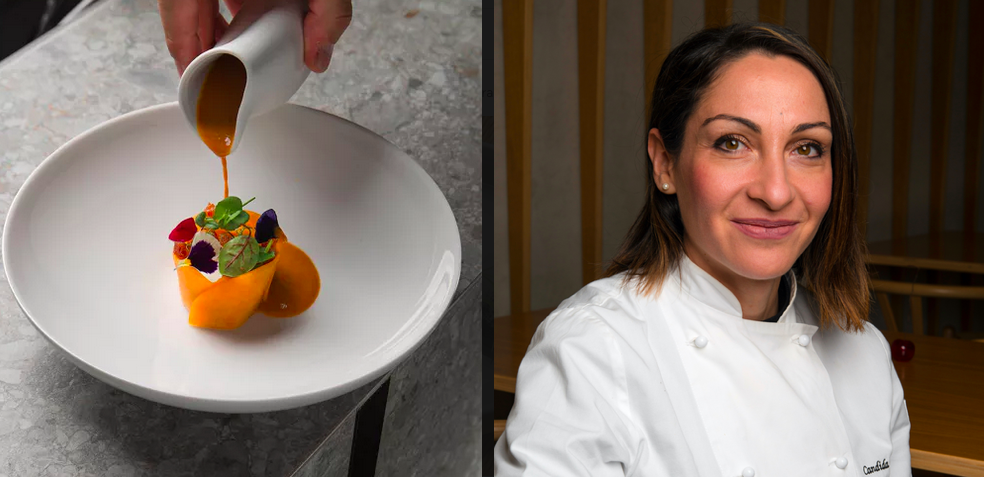
Where do you find inspiration when creating a dish?
I find inspiration in nature — colors, shapes, local traditions, seasonality — and in art, especially geometry and sculpture.
But inspiration becomes reality only through study, experimentation, sketching compositions and plating ideas, and researching textures and perfect pairings.
Is there a dish you only enjoy if cooked by someone else?
Lasagna — but only if it’s made by my mother, Giuseppina.
A traditional recipe with slow-cooked ragù and homemade béchamel, made with simple but high-quality ingredients: fresh pasta, meat, tomato, and Parmigiano.
It tastes like memories — Sunday family lunches and holidays. More than just a dish.
Perfect texture? Clearly defined layers and a crispy, golden top.
One ingredient we’ll always find in your fridge — and one we never will?
Always eggs — they’re the base for endless sweet and savory recipes. And milk, of course: I start every morning with a big cup of milk and coffee.
Never? Canned foods.
If Candida were a dish, what would it be?
Tiramisù — sweet, but with a strong personality.
Gallery Bistrot’s cuisine in three adjectives?
Visionary, refined, and meticulously curated.
Traditional Puglian cuisine from Troia versus Gallery’s cuisine — how do you see the balance?
I’m constantly searching for authentic recipes and vibrant culinary cultures, with a deep openness to local flavors and traditions. Beyond food, there’s an emotional reason: my ancestors come from these places, and rediscovering those roots would be an incredible journey. At the same time, cuisine is constantly evolving — from a functional space to a multifunctional, technological, and social one, integrating design, sustainability, and ergonomics.
Modern kitchens embrace smart appliances, innovative techniques like sous-vide and fermentation, and a stronger focus on local, seasonal, and plant-based ingredients.
As the market evolves, so does global dining: new needs, new foods, new ways — and new places — to enjoy a dish, often with surprising results.
Do you have a dream?
My dream is to open a cooking school in Troia, offering both amateur and professional courses that keep up with current trends, while involving some of the leading professionals in the restaurant world right here in Troia.
One of your favorite dishes?
Spaghettoni with red pepper cream, tomato powder, and sardines—a cornerstone of local cuisine. Sardines are an oily fish rich in omega-3s: they’re affordable, sustainable, and low in mercury. Hand-crafted spaghettoni, on the other hand, represent Italian excellence, produced by the Zampino family.
Mmm… my mouth is already watering. Would you share the recipe with us?
Of course—here it is!
SPAGHETTONI WITH RED PEPPER CREAM, SARDINES & TOMATO POWDER
Ingredients (serves 2)
- 200 g Gentile spaghettoni
- 3 red peppers
- 100 g sardines
- Dehydrated tomato powder
- Thyme, to taste
- Extra-virgin olive oil
- Salt and pepper
Method
For the red pepper cream
Arrange the peppers on a baking tray and season with salt, pepper, thyme, and extra-virgin olive oil.
Roast in a preheated oven at 200°C (390°F) for 15 minutes, then turn the peppers and roast for another 15 minutes.
Once cooled, remove the skins and seeds. Transfer the peppers to a blender and blend at high speed until smooth.
Cook the pasta in salted boiling water. Drain and toss it with the red pepper cream until well coated.
Plate and garnish with diced sardines and a sprinkle of dehydrated tomato powder.
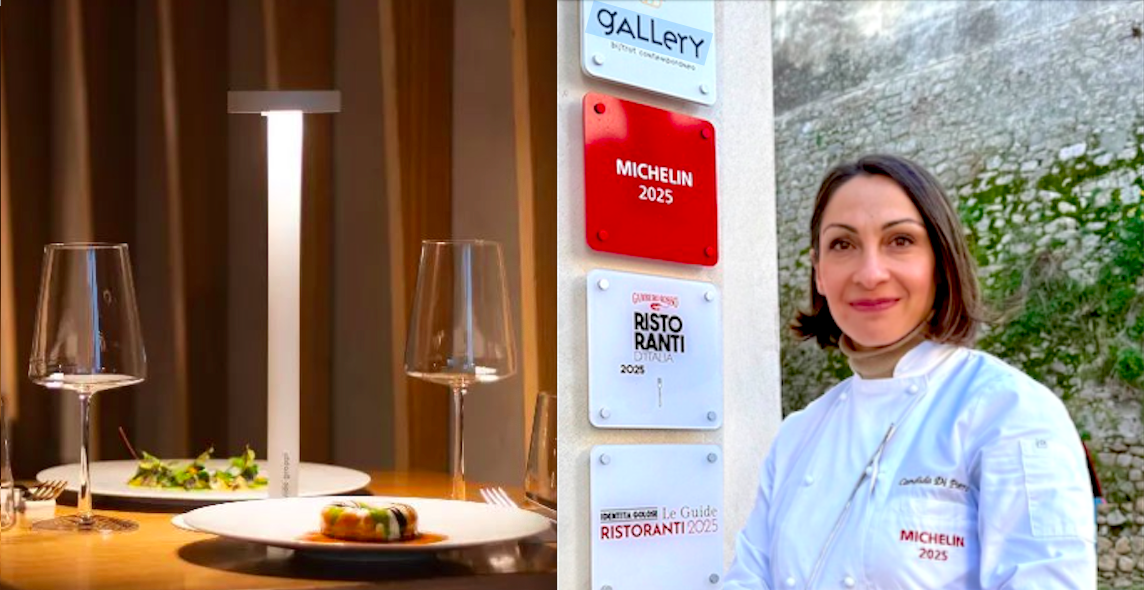
Gallery Bistrot Contemporaneo
Via Regina Margherita 3/b, Troia, 71029,
 By Cesare Zucca
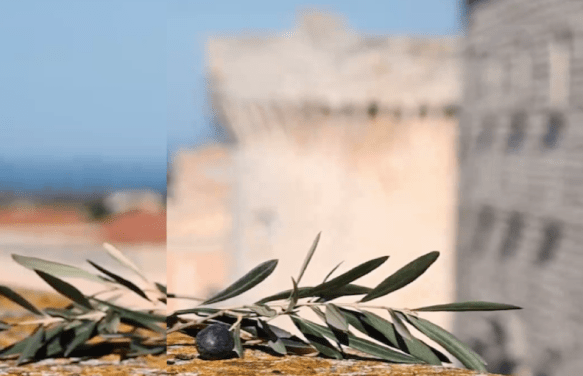
 Orgolio is an extra virgin olive oil produced by the La Poderina farm in Siena, in the heart of Tuscany, which comes from the beauty of a unique land and from the obsessive search for quality. The Frantoio variety gives an intense green color with faint yellow notes, medium-strong intensity, elegance and broad vegetal tones that refer to thistle and artichoke on an almond base; the Moraiolo, rustic and imposing, makes the oil intensely fruity, decidedly bitter and spicy with hints of leaves and fine woody notes, the Leccino gives the aroma of ripe olives and vegetable aromas, and a slight bitter and spicy sensation.
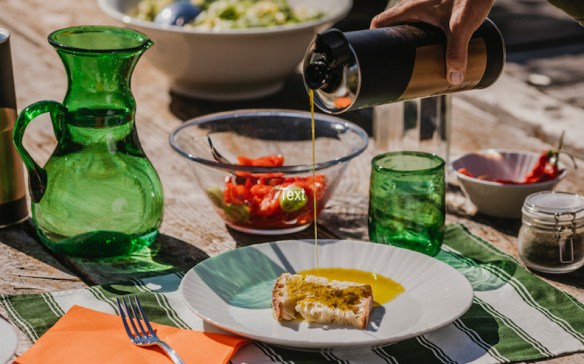
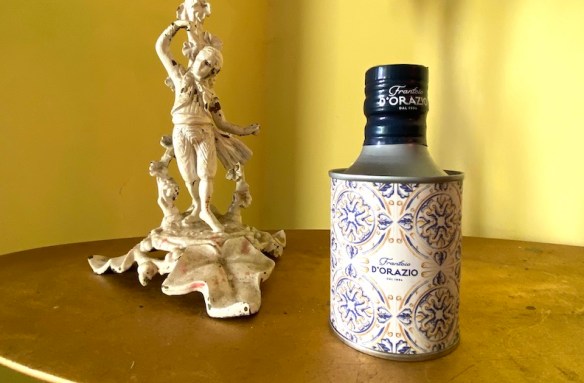
 Pairings: thisi s a light and fruity oil, ideal condiment to enhance a dish without distorting or covering the flavours. We recommend it for fresh salads, vegetable purées, rice soups and savory soups, dishes based on beans, artichokes, asparagus, cooked vegetables, with white meats, bruschetta, salsa, mixed legumes, baked tomatoes, truffle sauce.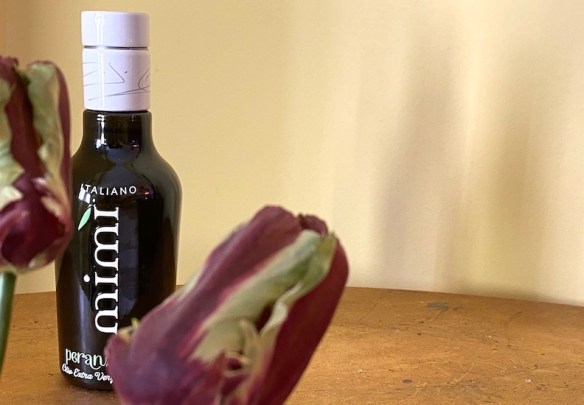
 When I tasted, the freshness of the apple and green tomato reappeared and showed a spicy and bitter character while maintaining an elegant harmony between the two components. Ideal for pairing with raw dishes as a condiment for salads or vegetables but also for seasoning grilled meats and fish or soups. Perfect raw condiment on grilled dishes, salads or soups.


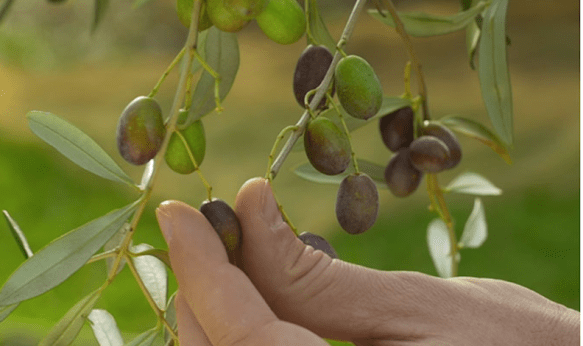
 Frantoio Muraglia was founded in Andria, the oil capital of Apulia, five generations ago, but family’s patriarch has lived through 460 springs. It is a majestic coratina olive tree.




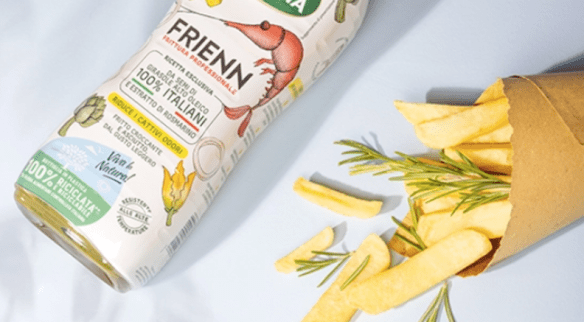 The combination of sunflower oil with a high oleic acid content and antioxidants guarantees high stability at high temperatures, avoiding the unpleasant onset of bad smells. FRIENN frying oil respects the original flavor of the ingredients, without transferring color and flavor to the food. Perfect for frying savory and sweet foods, both in a pan and in the fryer.















 nontouristytourist.com