
I am in Costabissara, in the province of Vicenza to dive into the “sweet paradise” of the Loison family, three generations who have been able to continually question themselves to keep up with the times and with tastes. Born as a small bakery oven, in 80 years, the Costabissara laboratory has been transformed into an established artisan company whose products are in demand all over the world.
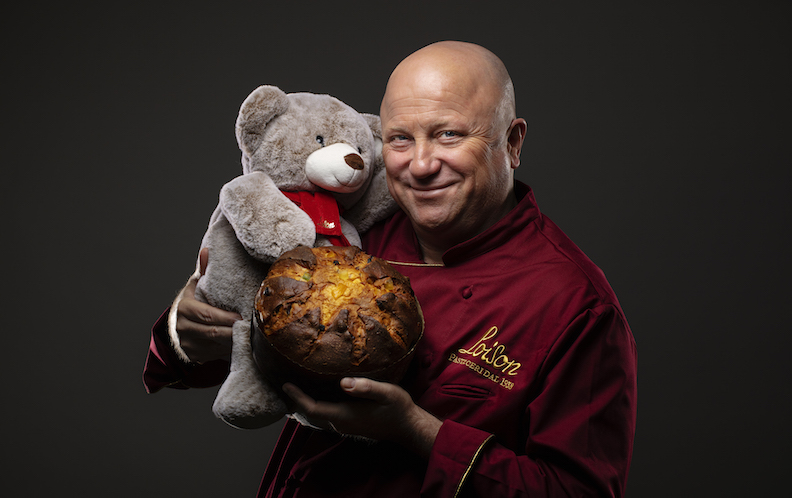
Here we meet with Dario Loison and his great PANETTONE.
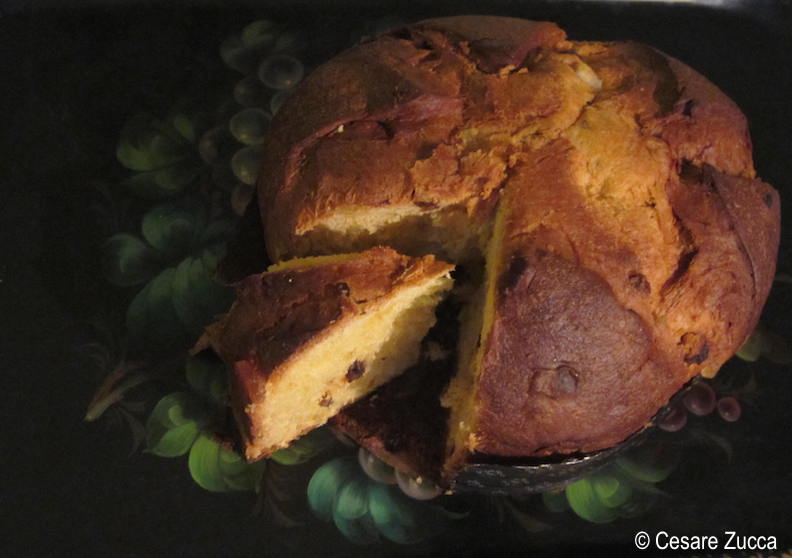
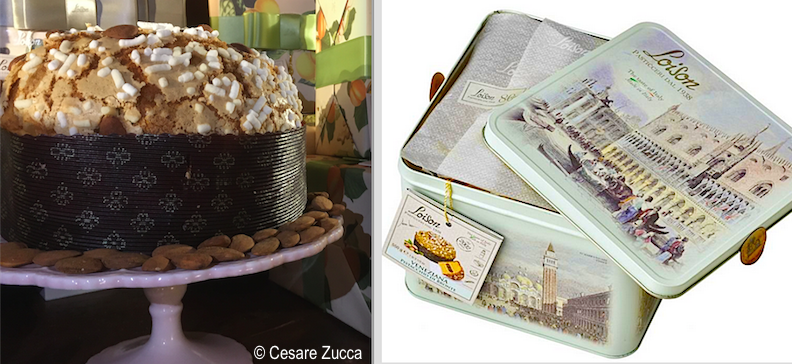
In your ‘VENEZIANA’ Which spices have you adopted?
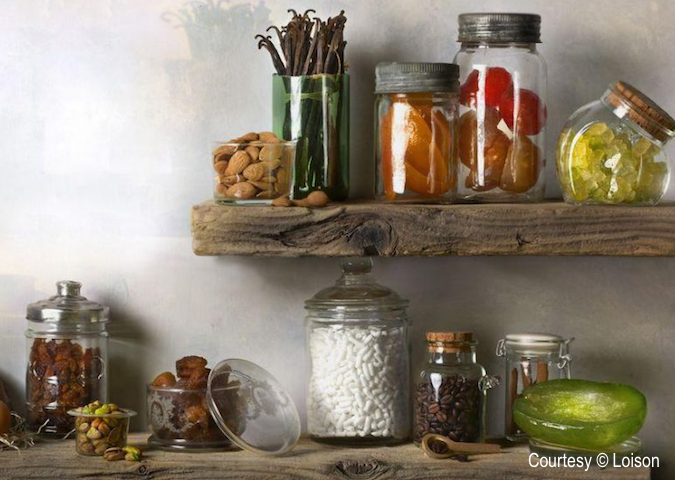
From Vanilla from Madagascar (Slow Food Presidium) to the precious mix of Black Pepper from Lampong (Indonesia), Timut (Nepal) and Jamaica, from Asian turmeric to South American Tonka beans with an eye to sought after single origins of cocoa coming in particular from Cuba and Venezuela.
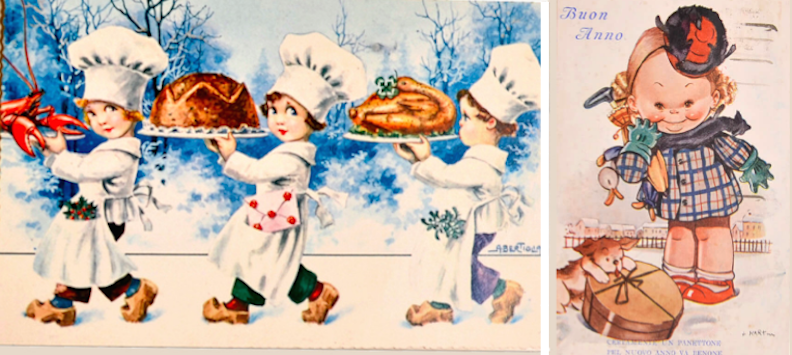
The Museum boasts a collection of over 350 vintage postcards dedicated to Christmas seen through the eyes of children. My favorites are the three little chefs who proudly bring their delicacies to the table, including panettone, and this delightful little girl who drops a box of panettone in an elegant hatbox in the snow.
What are the distinctive qualities of a good panettone?
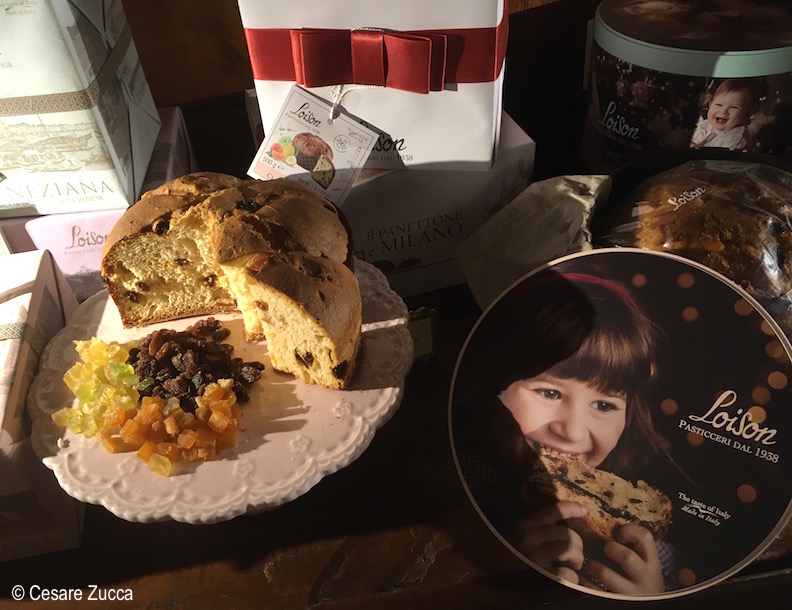
Softness, scent and purity of the fruit of which we have been champions for more than twenty years. We were the first ever to use the Ciaculli late mandarin, the Savona chinotto and the Calabrian fig, which is elaborated, baked and worked by hand with the addition of wild fennel, all this marrying the Slow Food world of which I have been part of for many years.
What about the ingredients?
Tradition is our main ingredient while passion is the heat that heats our ovens and our desserts, now on tables all over the world.
The Christmas holidays are coming. A must Loison on the table?
Surely the ‘black-salt’ panettone, naturally leavened, with clarified butter, Cervia salt, chocolate chips of Venezuelan origin and stuffed with a salted caramel born from a French recipe.

INFO
Loison
 Loison bakery grants three generations of people able to constantly challenge themselves to keep up with the times and with food trends. Born as a small wood-oven bakery, through 75 years, the small workshop of Costabissara has become a well-established company whose production is in demand all over the world.
 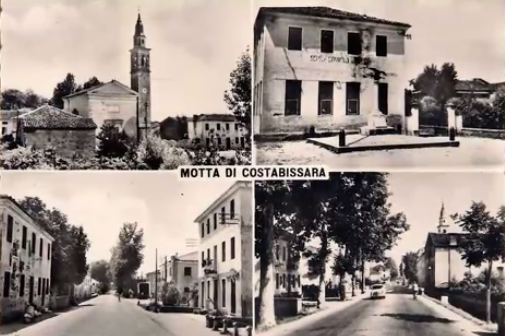 In 1938, when Tranquillo Loison opened his small bread bakery in Costabissara , close to Vicenza, Italy, bread was a staple food for the majority of the population. However, the introduction of ration cards during World War II limited its distribution and consumption. The end of the war and the improvement of the economy led to an increase in the demand for sweeter and tastier products.
  That is when Tranquillo began producing focacce with figs and raisins. His son Alessandro soon expanded the range of products adding spreads, wedding cakes and fresh pastries that he would deliver personally to local coffee shops and families. In 1955, Alessandro began specializing in the production and sales of Panettone and Pandoro cakes, yielding about 20-30 kilos a day. This new activity, together with the pastry line, was immediately much more profitable than selling bread alone, a product that was discontinued in 1960. In 1992, Alessandro’s son Dario joined and eventually took over the company contributing to its international expansion as a symbol of what’s ‘Made in Italy’.
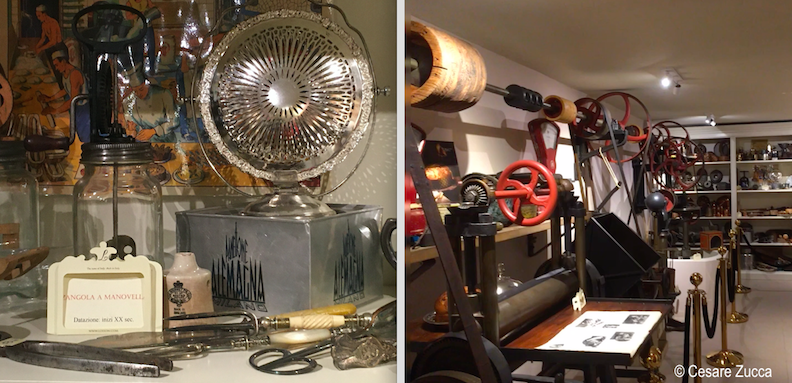
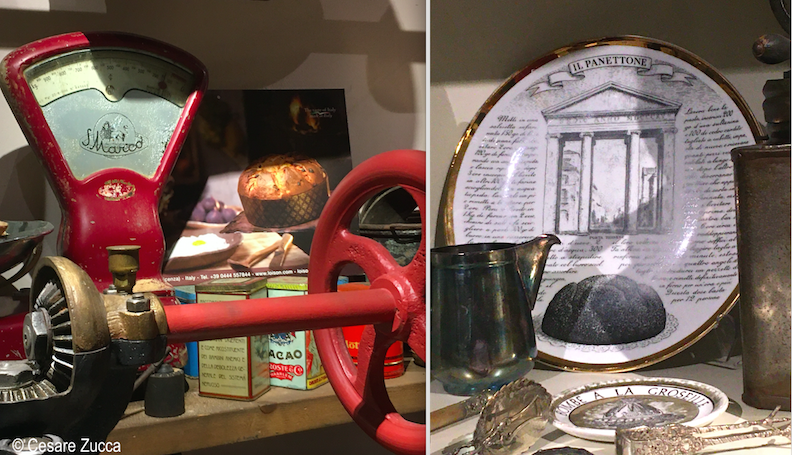
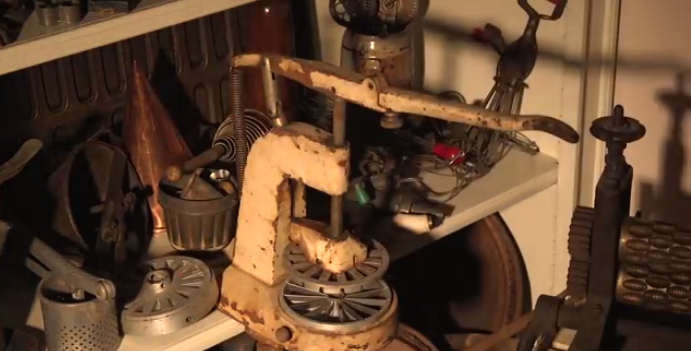 Loison has its own Museum and Library featuring a collection of historical postcards, antique confectionery items and books on the history of bread baking and pastry. A place where to breathe and promote culture. Dario Loison at times undertakes the role of university professor and gives lectures on entrepreneurship at Italian universities. Loison hosts groups of students who visit our company for a day to understand how and where ideas are born.
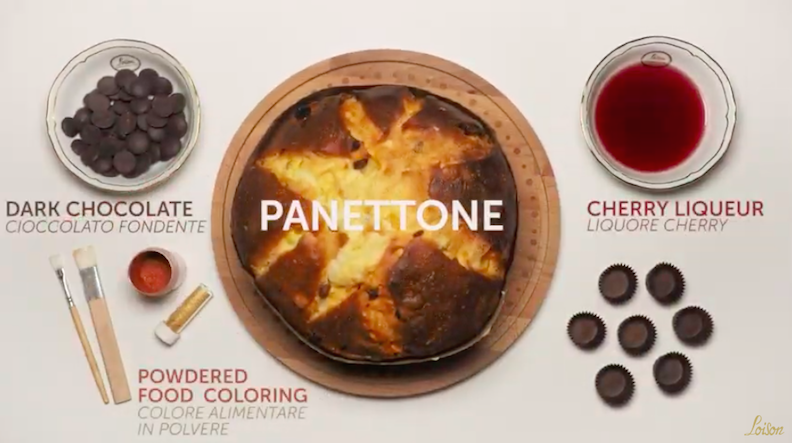
 The other I tried is the Cherry Panettone (with red cherries)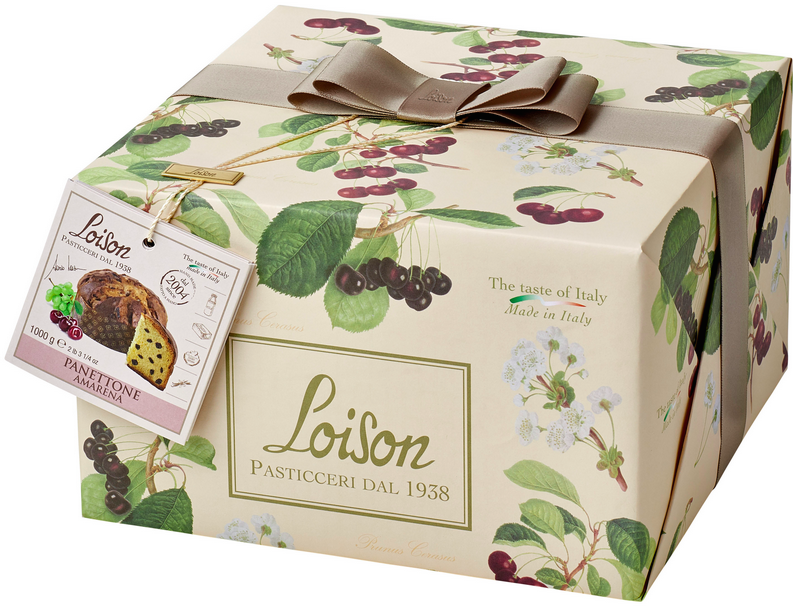

 For more info
 Let me take you to Venice to taste the traditional cake Veneziana. It’s delicately soft on the palate and it’s delicious for breakfast or as an afternoon snack. It’s a mixture made of milk, eggs, flour and butter, topped with sugar and almonds.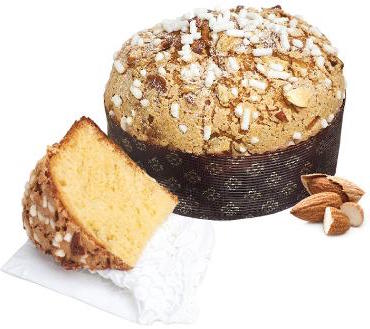

 after three years of siege, captured the town of Pavia in northern Italy on Easter Eve. Evading the guards, an old baker was able to reach the king and offer a dove-shaped leavened bread. “Alboin,” he said, “I offer this symbol, as a tribute to peace, on Easter day.” The sweet scent and the convincing message persuaded the king to give a promise of peace. That’s the legend.The dove we know today has a more recent origin and, I should say, a more prosaic version of the history. In the early 1
 930s the Milanese company Motta specialized in panettone, a cake produced only for Christmas. Unhappy to have their machinery unused for many months, Motta decided to package a similar product to be sold during the Easter holidays.
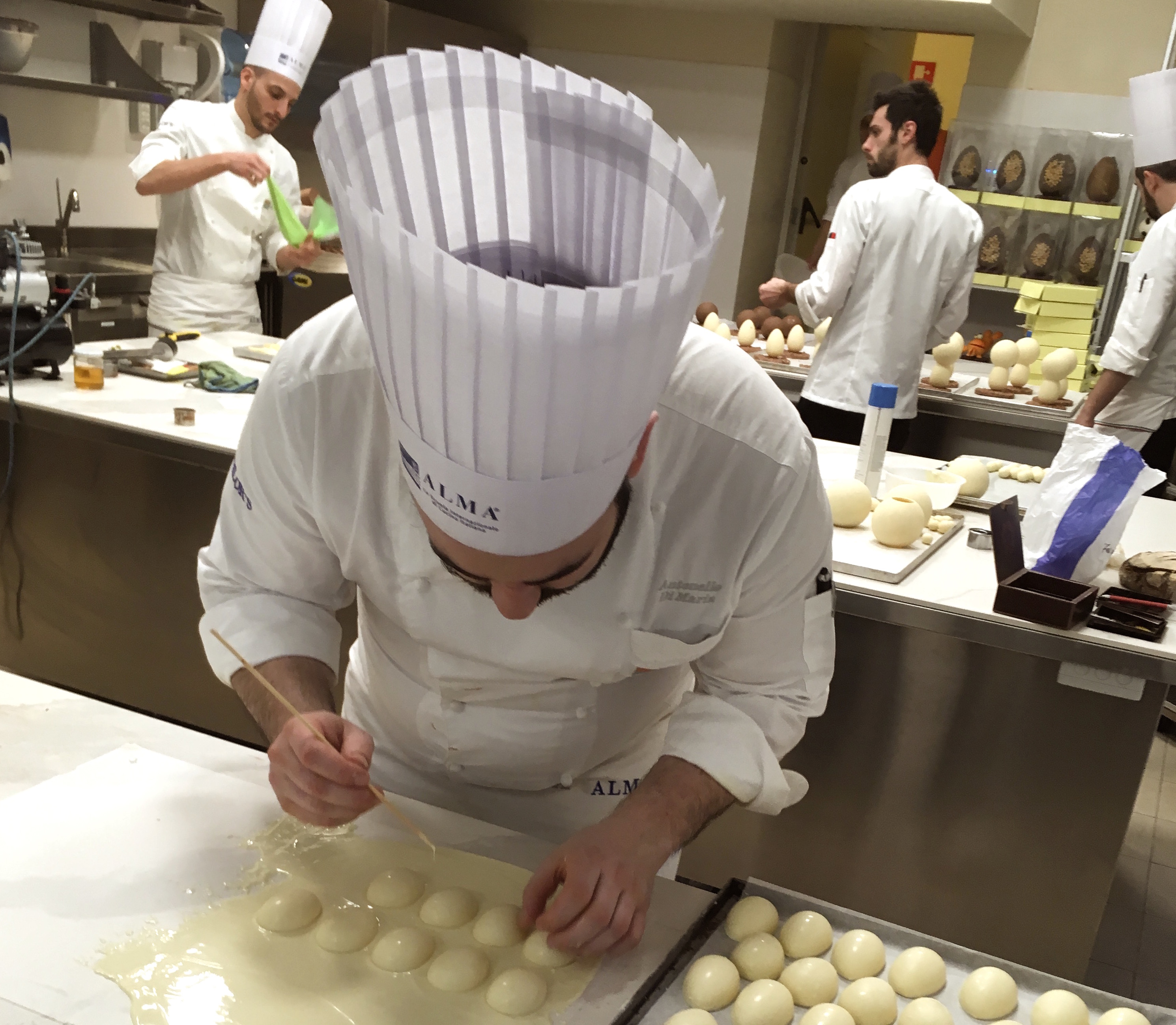 After a long rest, the dough is portioned in different sizes for an additional four hours of leavening, then covered with almonds, sugar and amaretto. Since its birth, the colomba was enriched by many variations and a variety of different icings and fillings.
 urs before it is finally packaged.

 nontouristytourist.com