

Venere Nemica is a theatrical performance that straddles a reinterpretation of the myth and a contemporary monologue, alternating lightheartedness and melancholy with a highly recognizable stylistic signature. Inspired by Apuleius’s fable “Cupid and Psyche,” and directed by Dimitri Milopulos, is a theatrical prose work supported by live music, featuring an unexpected, intense, and cruel repertoire, at times musical.
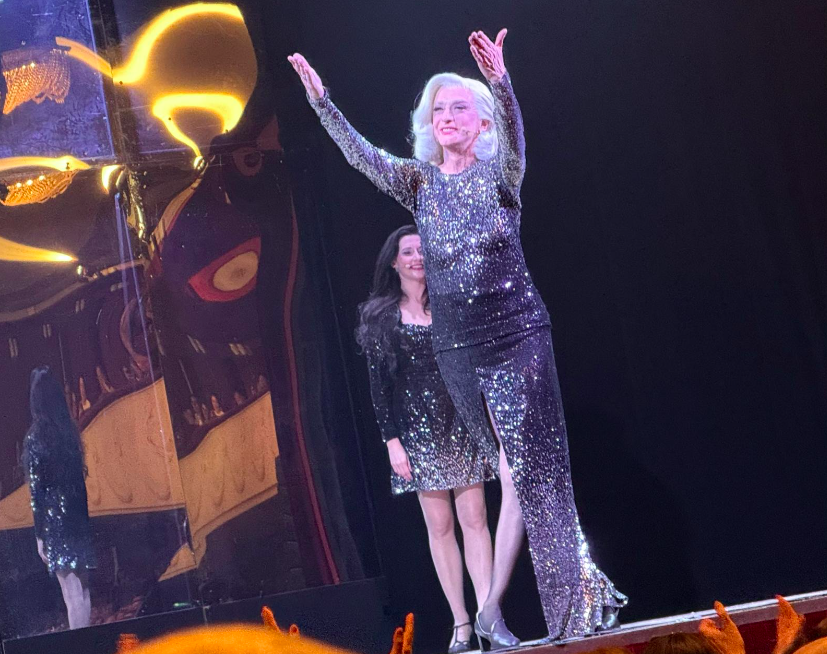
Written by Drusilla Foer, Venere Nemica reinterprets the myth in a crisp, funny, and moving way, poised between tragedy and comedy, bringing the great themes of the classic to contemporary life: the competition between mothers-in-law and daughters-in-law, fading beauty, maternal possessiveness over their children, and the age-old conflict between men and Gods. The archetypes explored in the play prove disarmingly relevant, made even more evident by the performer’s strong personality shining through in the role of the Goddess, now living among mortal humans.
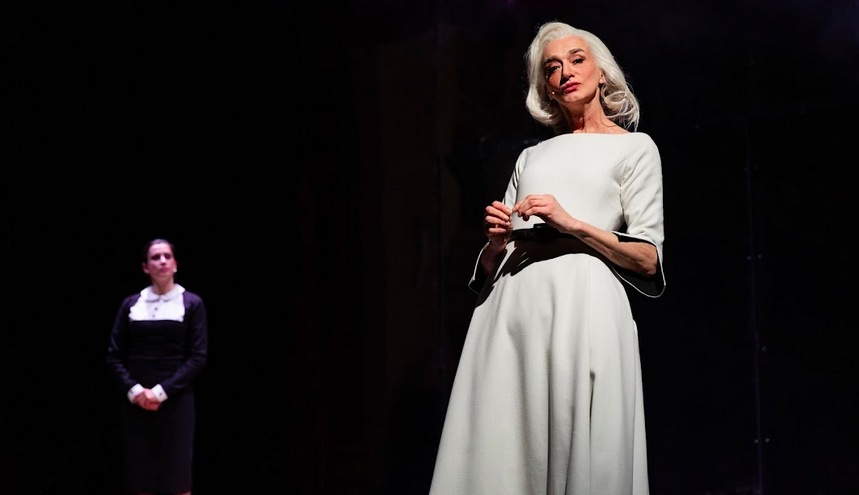
Venus, Goddess of beauty and love and an immortal creature, still exists: after wandering for centuries, she now lives in Paris—far from Olympus and her capricious and vengeful relatives—and among men, whose mortality she tenderly envies, which forces them to experience emotions, experiences, and feelings. Venus can finally allow herself to be imperfect among humans.
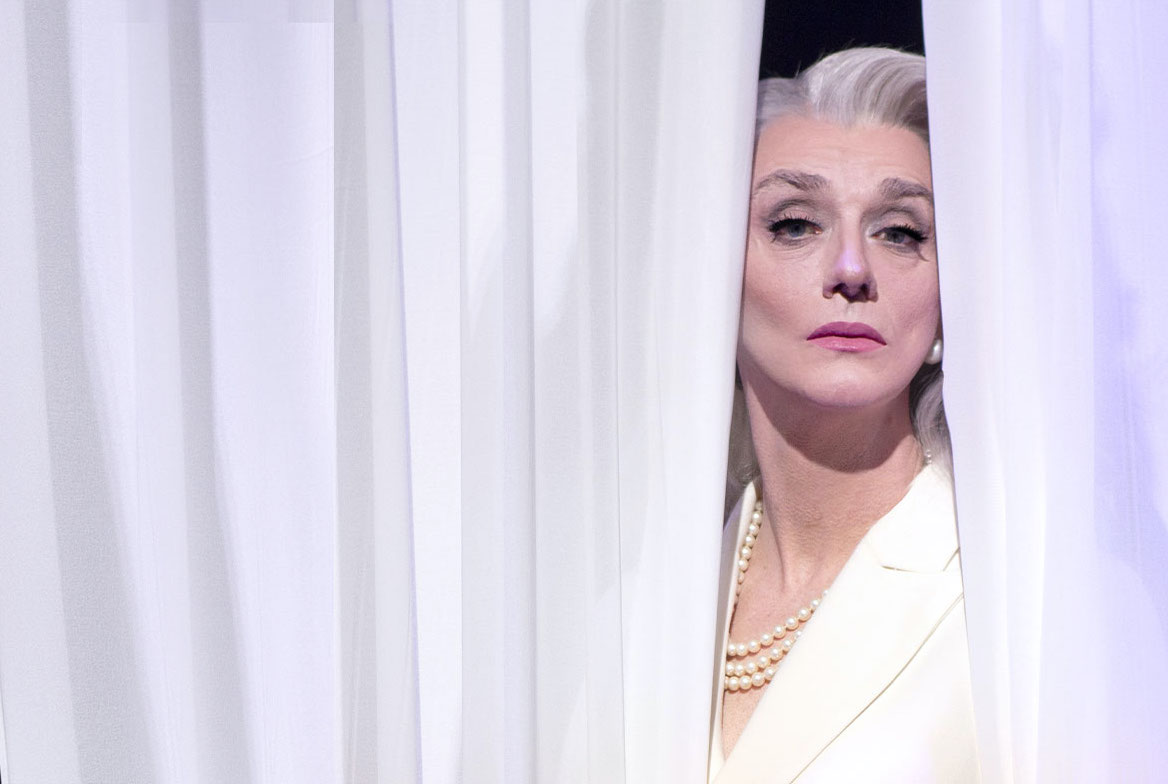
And thanks to her relationship with her mysterious and inseparable maid, almost playfully, at a time when men no longer believe in gods but in heroes, she falls back into the past: into the story of Cupid, the ungrateful and disobedient son, and Psyche, upon whom Venus—as an enemy mother-in-law—unleashes all her resentment as a frustrated Goddess and betrayed Mother. Beautiful moments mixed with anger, sweet memories, controversial characters,,, (including “the American”…)
But in the fierce yet sweet paradox of life that spares no one, not even the Gods, Venus will discover love alongside hatred: an infinite and unconditional love for that wounded son who, fleeing from his beloved, returns to his mother to heal the wounds of his body and soul.
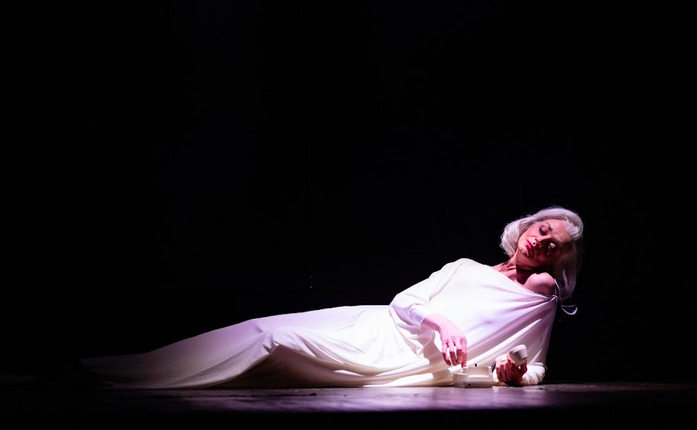
On the one hand, Foer brings her trademark refined, ironic, and at times cutting humor to the stage; On the other hand, deeper reflections emerge on loneliness, the transience of beauty, and the inability to truly love. This balance between lightness and bitterness is often cited as one of the show’s greatest strengths. Her Venus is deliberately over-the-top, but also deeply recognizable, almost everyday in her neuroses and fragilities. However, there are some critical issues. that point out that the text, while interesting in its premise, doesn’t always manage to maintain the same narrative intensity. At times, it becomes dispersive or less incisive, almost weaker than the protagonist’s interpretative strength.
Actuallu

.
From an interpretive standpoint, Drusilla’s stage presence is magnetic: she dominates the stage with elegance, alternating high and low linguistic registers and constructing a complex character, suspended between diva and vulnerable woman.
Two miracles on stage , Drusilla Foer and Elena Talenti
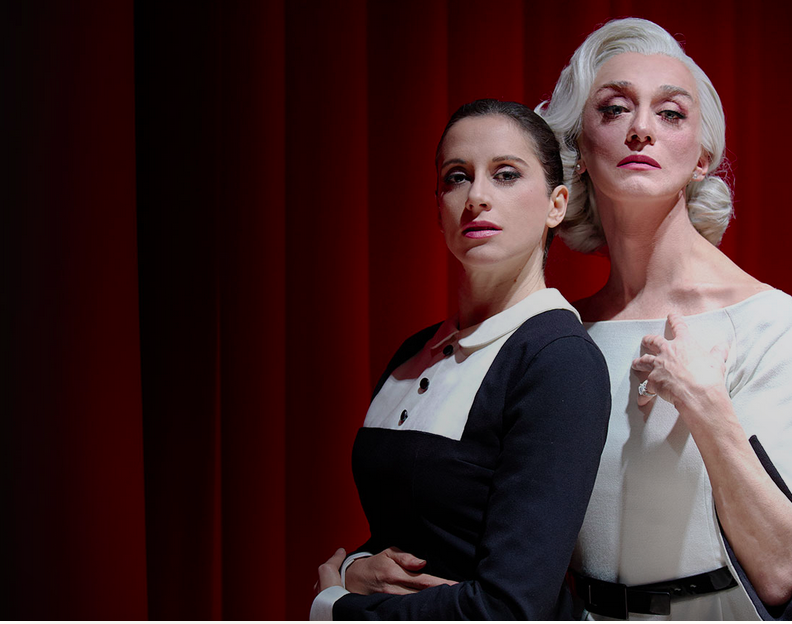
At Teatro Manzoni, Milan till April 12th, 2026
To get tickets

 nontouristytourist.com