
Carmen, the acclaimed production by the Balletto di Milano, performed at the Teatro Lirico Giorgio Gaber (Via Larga 14, Milan).
Carmen is one of the most iconic figures in the history of opera: beautiful, unconventional, and fiercely passionate, she embodies a free and untamable femininity. The Balletto di Milano celebrates her legend with a powerful neoclassical reinterpretation that blends emotion, energy, and outstanding technique.
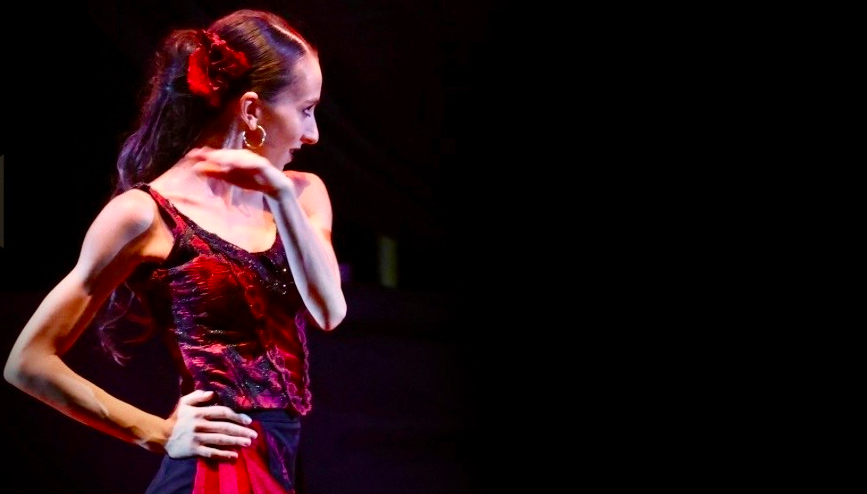
This company’s Carmen blends tradition and contemporaneity: it draws inspiration from Mérimée’s novella and Bizet’s opera, yet allows room for a modernized, neoclassical staging. The production is enhanced by sharp choreographic dynamics and a symbolic use of gesture and imagery — such as the red pointe shoe, which powerfully foreshadows the protagonist’s tragic fate.
The balance between tradition and innovation is considered one of the production’s strengths. It is not a radical rewriting of the story, but rather an interpretation that seeks to restore emotional intensity and vigor to a classical narrative.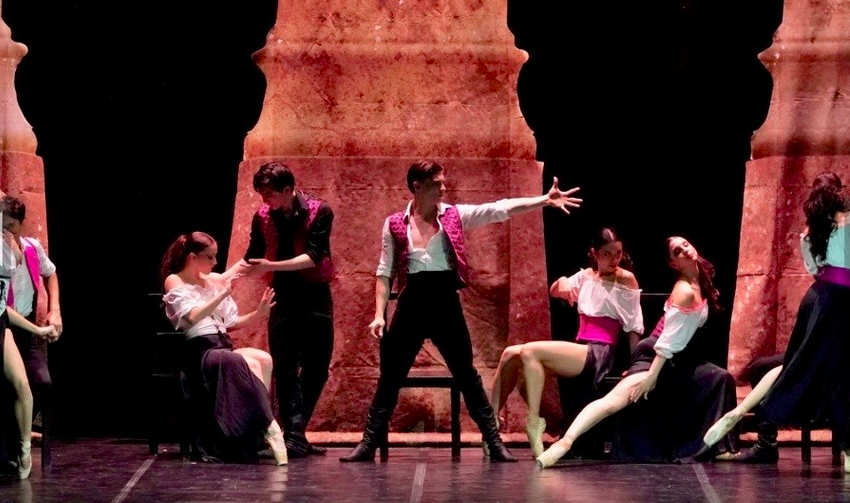
With her irresistible vitality, Carmen uses her charm and bold personality to challenge every boundary and live entirely on her own terms — something I truly admire about this character and how the company portrays her. Yet her unwavering devotion to freedom and independence leads to a tragic finale: she is killed by Don José, a man incapable of accepting her rejection. Sadly, this theme remains painfully relevant today. The ballet addresses it with striking force through the symbol of the red pointe shoe placed at the feet of the lifeless heroine — a powerful and deeply moving image.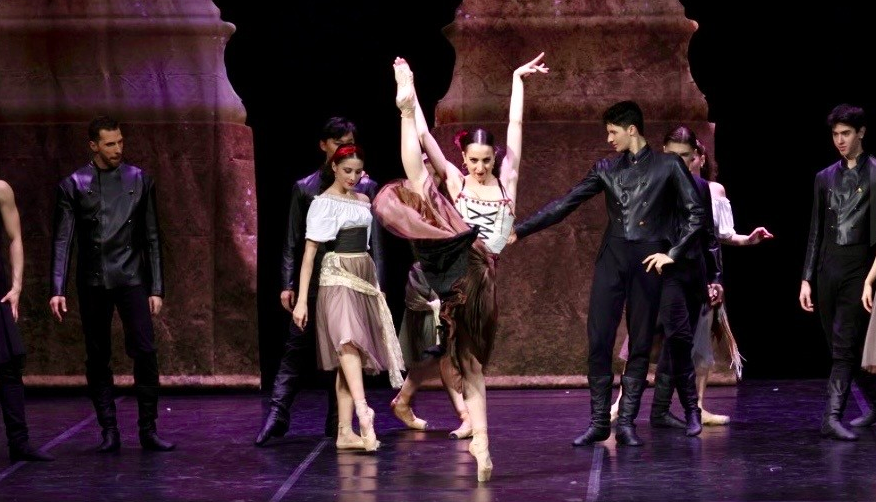
Through intense pas de deux, captivating choreography, and vibrant ensemble dances featuring gypsies, soldiers, and cigarette girls, the production retraces the story of the rebellious gypsy. Particularly powerful are the moments of heightened drama, such as Carmen’s inner duel with Fate — evoked through the symbolic cards of love, betrayal, and death — and her passionate love for Don José, who abandons all certainty for her. Equally unforgettable is her encounter with Escamillo, the charismatic toreador, in a crescendo of sensuality and rhythm that is simply electrifying on stage.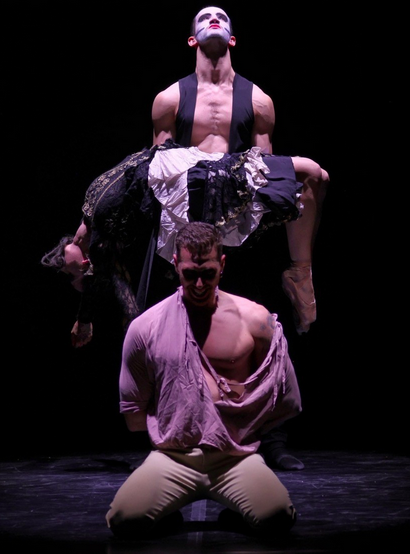
Some performances connected to the production have also been conceived as social reflections on female autonomy and on themes of control and violence, encouraging a deeper reading of the symbolic language and choreographic choices.
Personally, I find this interpretative layer particularly relevant today, as it frames Carmen not just as a passionate heroine, but as a woman asserting agency within a restrictive society.
Directed by Agnese Omodei — who also co-signs the choreography with Federico Veratti — with set design by Marco Pesta and rich, stylized costumes, the production blends seamlessly with the celebrated music of Georges Bizet,
A great cast
Fate: Alessandro Orlando
Carmen: Giusy Villarà
Don José: Mattia Imperatore
Micaela: Annarita Maestri
Escamillo: Gianmarco Damiani
and the full company of the Balletto di Milano
Enjoy the video
https://www.dropbox.com/scl/fo/kckt9ip64dnyh746rbzgy/h?dl=0&e=1&preview=Mini_Trailer_CAR.mp4&rlkey=vcffs6icvdwrku197oxdt5pr7
 nontouristytourist.com