
Text and Photos by Philip Sinsheimer, Cesare Zucca
(italian and english version)
Oggi partiamo per un viaggio da ricordare: la Calabria “straordinaria” e le sue meravigliose tappe enogastronomiche. Partiamo dalla associazione Riviera dei Borghi che si occupa di promozione turistica del basso Tirreno cosentino, con esattezza di 9 comuni (Fiumefreddo, Longobardi, Belmonte, Amantea, San Pietro in Amantea, Lago, Aiello Calabro e Serra d’Aiello)
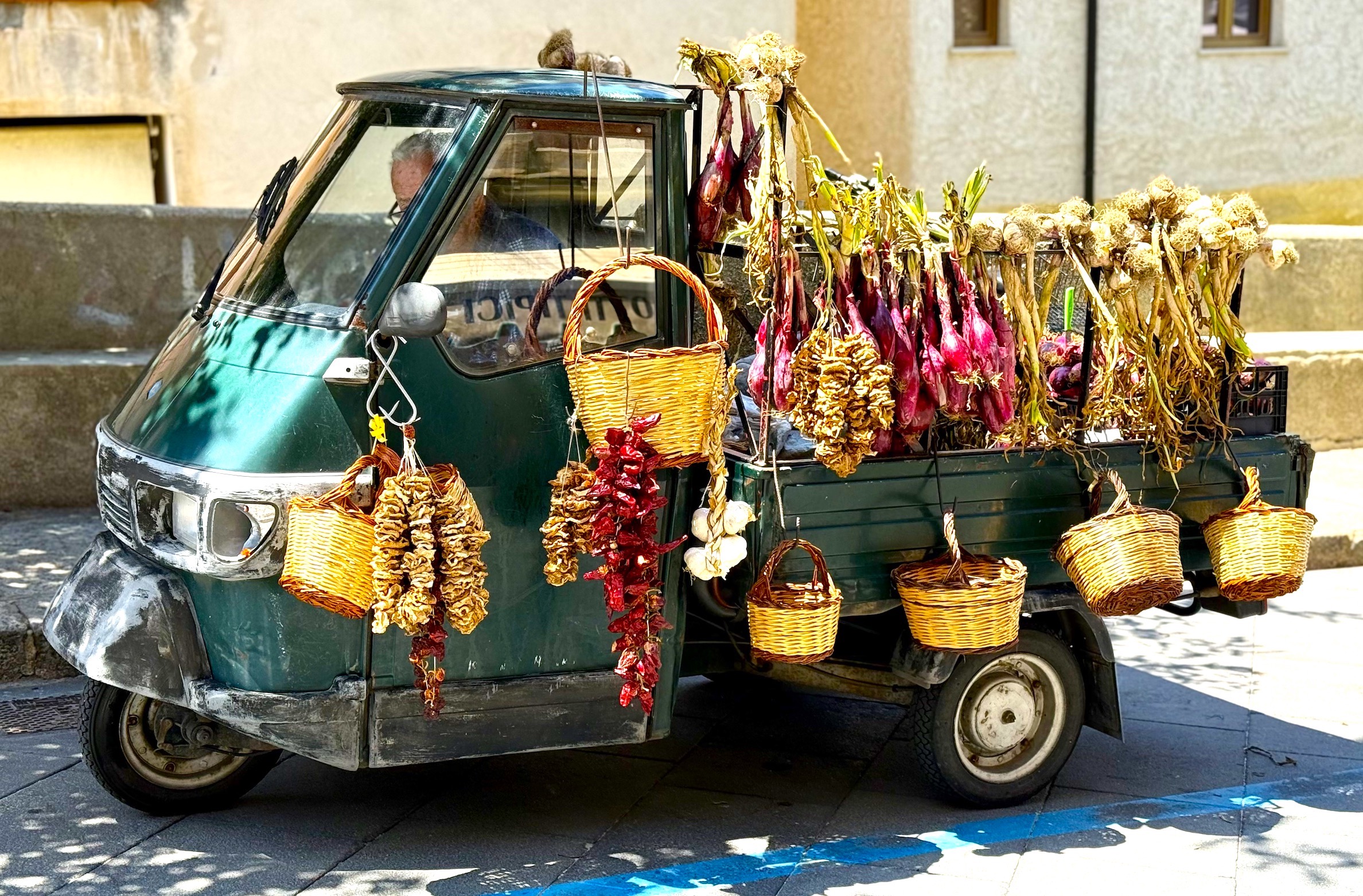 Fiumefreddo Bruzio
Iniziamo dal fascino di un borgo arroccato sulle colline a picco sul mare, Le rovine dell’antico castello dominano la collina e vi verrà voglia di esplorare la città a piedi.per scoprire la sua storia, i monumenti, l’arte e le delizie culinarie.
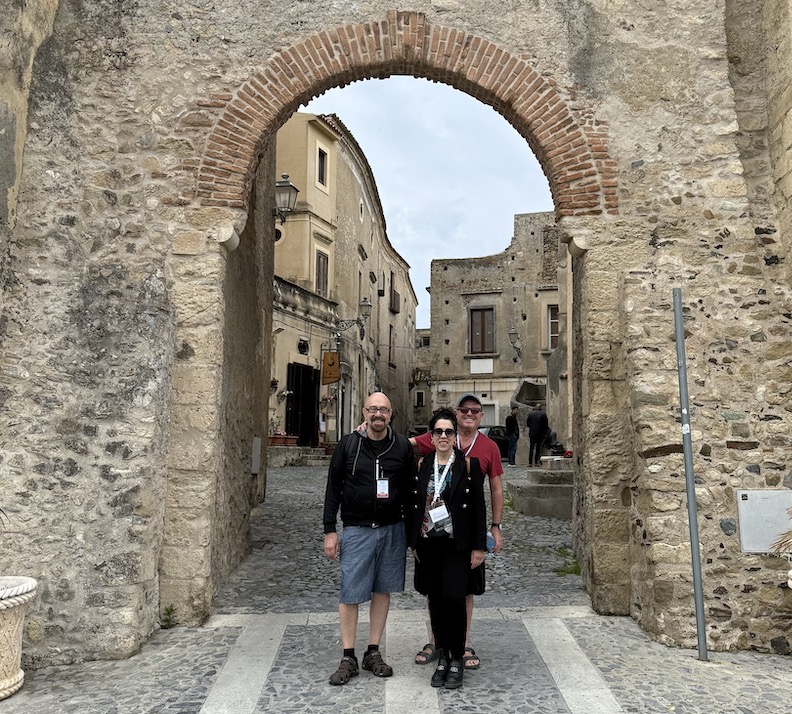 La nostra guida Alessandra Porto ci ha fatto scoprire antiche chiese ricche di fascino, tra cui una che ospita favolosi dipinti del famoso artista Salvatore Fiume, che evidentemente aveva la vocazione di condividere la sua opera in questa città che onora il suo nome.

A trip to remember
Calabria, going up the coast starting from Amantea and going North towards the border with Basilicata province. Here the best stopovers, food, and wine
Fiumefreddo Bruzio,
An absolute must stop for the charm of the city perched in the hills about the sea, its history, monuments, arts, and culinary delights. Thanks to our enthusiastic touristic guide Alessandra Porto, we got to enjoy the visit to the fullest.
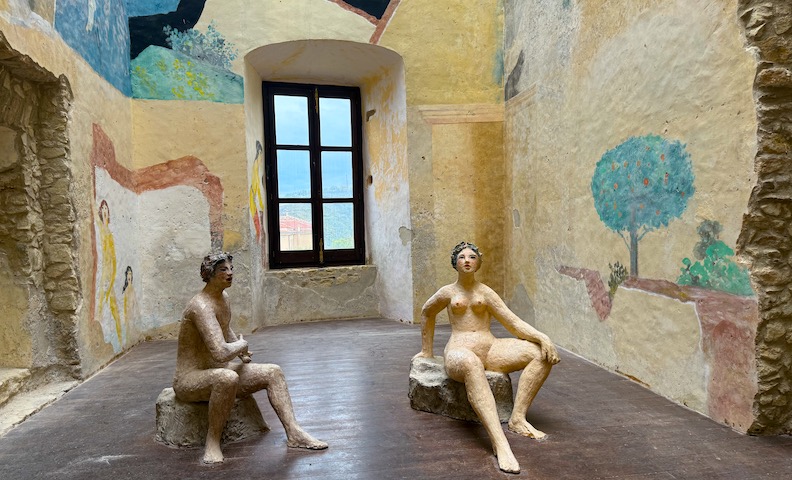
She had the key to let us discover old churches full of charm and one that hosts fabulous paintings by famous artist Salvatore Fiume who must have had a calling to share his work in this town that honors his name.
The ruins of the old castle dominate the hill, and you will work up an appetite by discovering the town on foot.

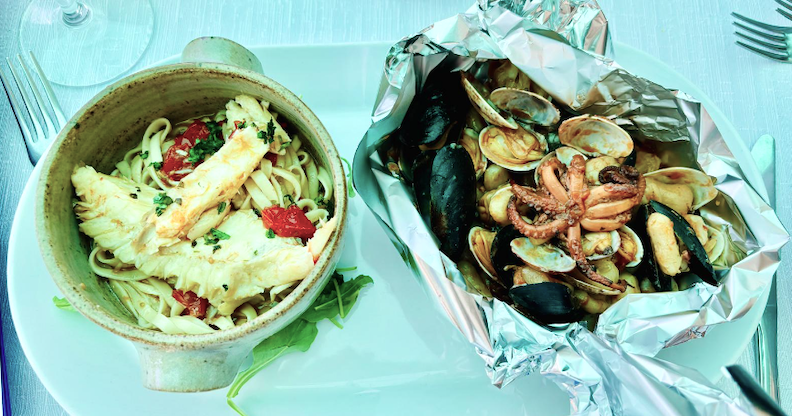
Diversi ristoranti soddisferanno la vostra fame, ma l’Osteria Convivio offre di più: una vera esperienza della Calabria locale dall’inizio alla fine… L’Osteria si dedica anche alla promozione dei vini calabresi e la sua lista di bottiglie di bianchi, rossi e rosé è davvero impressionante.
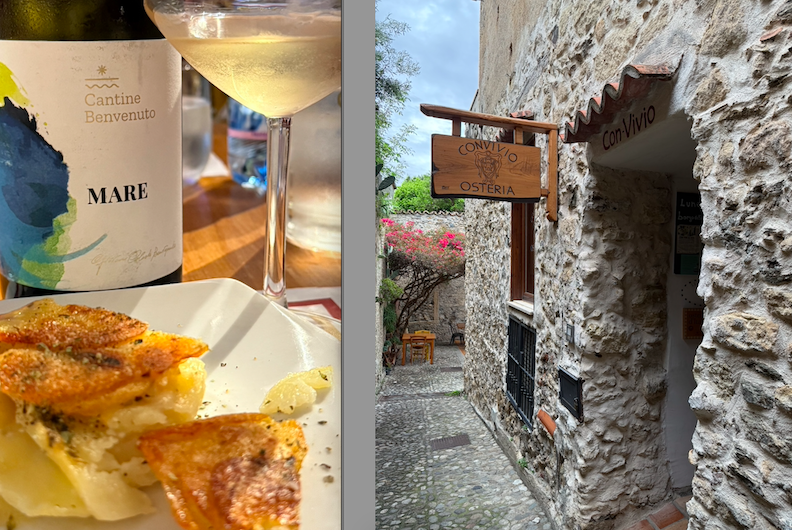
Tra le varie specialità, la stroncatura (o struncatura), una pasta preparata con acciughe, aglio, qualche oliva nera, olio d’oliva locale, un po’ di peperoncino e pangrattato croccante in superficie. Questa pasta ha una storia ricca, ma origini molto umili. Sembra una tagliatella marroncina, tradizionalmente fatta con gli avanzi di grano e crusca raccolti direttamente dal pavimento dei mulini.. Preparata con pochi ingredienti, è una vera testimonianza della genialità della cucina povera calabrese.
 Vera primadonna della cucina è la frittata di patate alla fiumefreddese.
Niente uova, solo patate a fette, un po’ di farina, pecorino, un pizzico di origano, peperoncino e sale. L’esterno è super croccante e l’interno si scioglie in bocca.,,,

Several restaurants will satisfy your hunger, but l’ Osteria Convivio offers more: a real experience of local Calabria from beginning to end. L’Osteria is also dedicated to the promotion of Calabrian wines and their list of white, red, and rose bottles is really impressive. The restaurant has different dining areas set on various levels. You feel like you are in a historic tavern that caters to locals and visitors. Among the various specialties, we sampled the stroncatura (or struncatura) pasta prepared with anchovies, garlic, a few black olives, local olive oil, a little peperoncino and extra crunchy breadcrumbs on top.
This pasta has a rich history, but very humble origin. It looks like a brownish tagliatelle, traditionally made from grain and bran leftovers swept directly from the floor of flour mills. It got banned for a while for obvious hygiene reasons and has resurrected in the form of a perfectly sanitary pasta, but truthful to its origins, mixing the flour of various grains. The resulting texture is quite unique, slightly rough, allowing the condiment and oil to cling to it. Prepared with just a few ingredients, it is a real testimony of the genius of the “cucina povera” of Calabria. The other dish tasted was another local specialty star: the “frittata di patate alla fiumefreddese.” No eggs involved here, just sliced potatoes, a little flour, pecorino cheese, a touch of oregano, peperoncino and salt.
La filosofia alla base della selezione di vini è scritta sul muro: “il peggiore vino contadino e migliorere del migliore vino industriale“. Scoprite il Mare bianco delle Cantine Benvenuto. Ha di tutto: un frutto maturo persistente, ma una splendida freschezza al naso e al palato. Prodotto con uve Malvasia e Zibibbo, il terroir le conferisce una combinazione gioiosa e perfettamente equilibrata. 
The philosophy behind the wine selection is written on the wall: “the worse single vineyard wine is better than the best industrial wine.”
(Photo : “Il peggiore vino contadino e megliore del migliore vino dell’industria »).
Discover white Mare from the Cantine Benvenuto. It had it all: lingering ripe fruit, yet a beautiful freshness to the nose and on the palate. Made from malvasia and Zibibbo grape varietals, the terroir brings them to a joyful and perfectly balanced combination.After such a meal, we enjoyed walking around Fiumefreddo’s streets and small plazas before hitting the road to our next stop up the coast.
CLETO
Per arrestare quei nemici che riuscivano ad arrivare alla costa e tentavano di conquistare i borghi arroccati, i castelli divennero vere e proprie fortezze, capaci di resistere all’aggressione da una posizione dominante e di sopravvivere all’interno delle mura grazie a ingegnosi depositi di acqua e viveri, come il grano. Abbiamo iniziato la nostra “Alla scoperta dei Borghi” con il suggestivo Castello di Savuto, dai cui resti si gode uno splendido panorama

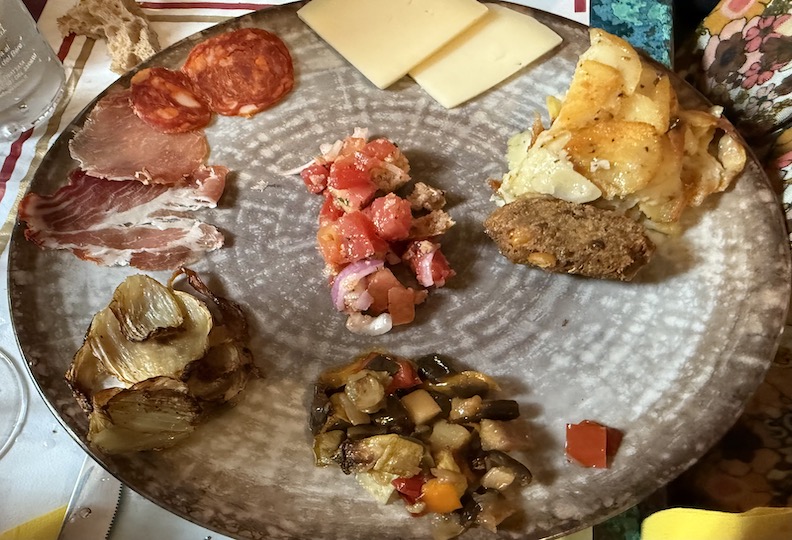
Da lì, ci siamo spostati a Cleto, dove siamo stati accolti con un aperitivo che includeva, come avrete già immaginato, della n’duja su crostini, insieme a una crema di olive, vari salumi e formaggi. Il vino rosso locale (Savuto classico di Antichevigne) era robusto, ma non pesante né stucchevole. Inoltre una ricca collezione di liquori amari, incluso il Rupes aromatizzato al peperoncino: non piccante in senso stretto, ma capace di lasciare una leggera sensazione di pizzicore sulla lingua.

Da Cleto ci siamo spostati su un’altra collina per visitare il bellissimo borgo di Aiello, ricco di storia e con diverse dimore nobiliari, come il Palazzo Cybo-Malaspina, Da non perdere gli squisiti mieli locali che potete acquistare da Bernardo Apicoltura.
If those made it to the shore and attempted to seize the perched villages, castles became real fortresses capable of withstanding aggression from a dominant standpoint and survive within closed walls thanks to savvy reservoirs of water and foodstuff like grain.
We started our “borgo adventures in Savuto where the views are enjoyed from the castle remains. From there, we hopped to Cleto, where we were hosted to have an aperitivo along with, you guessed it, some n’duja on crostini as well as olive spread, different charcuterie and cheese. The local red wine (Savuto classico from Antichevigne) was robust, but not heavy or cloying. But, what stoof out for me was the collection of “amaro’ liquors, including the Rupes one flavored with peperoncino: not hot per se, but leaving a little tingling on the tongue. Another stand out was the Jefferson which gets its strange name from the date of its creation in 1871!AIELLO
From Cleto, we hopped to another hill to visit the beautiful village of Aiello, rich in history and counting several noble mansions (like the Palazzo Cybo-Malaspina).. Not to be missed is the various local honeys you can get at Bernardo Apicoltura. Back to Amantea, one gourmet stop that cannot be missed to finish the day is to get a gelato at Sicoli. It’s a real institution in the area, and beyond, for the creaminess of its biggest hits (orange and pistachio), as well as a stuffed pastry which recipe is kept as a family treasure not to be shared.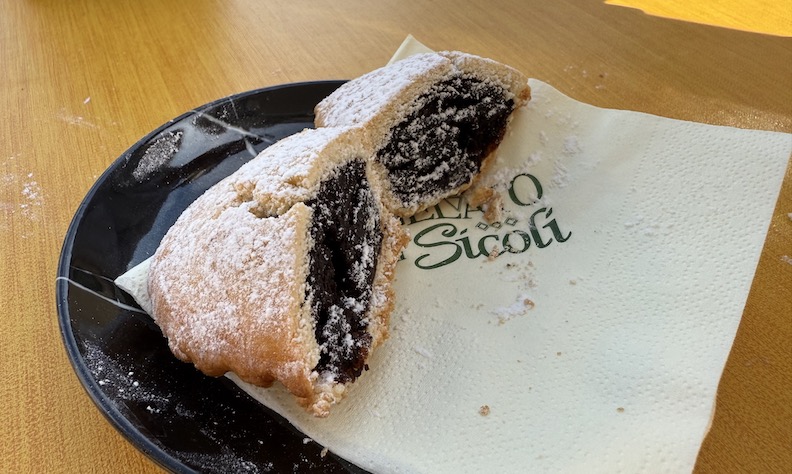
BELMONTE CALABRO
Passeggiando nel centro storico si incontrano vicoletti stretti, case in pietra, archi medievali e chiese barocche. Il nome “Belmonte” deriva probabilmente dal latino “Bellus Mons”, per via della sua posizione panoramica da cui potrete godere di una vista mozzafiato sul Mar Tirreno, magari assaporando qualche dolce specialità locale, come i fichi dottati, i dolci cannariculi e i taralli al miele.
 La fondazione ufficiale del Castello viene attribuita al normanno Ruggero il Normanno, che nel 1065 fece costruire un castello come fortezza difensiva.
 Si narra che il castello sia infestato dal fantasma della “Dama Bianca”, una giovane nobile rinchiusa e lasciata morire da un geloso signore. Le sue apparizioni sarebbero state registrate da visitatori che affermano di aver visto una figura in abito bianco aggirarsi tra le stanze antiche, soprattutto nelle notti di luna piena.

DIAMANTE
una delle città della Calabria con un centro storico direttamente sulla costa (di solito arroccato sulle colline). È nota a livello internazionale per due cose: oltre duecento murales e la sagra del peperoncino che si tiene ogni settembre.
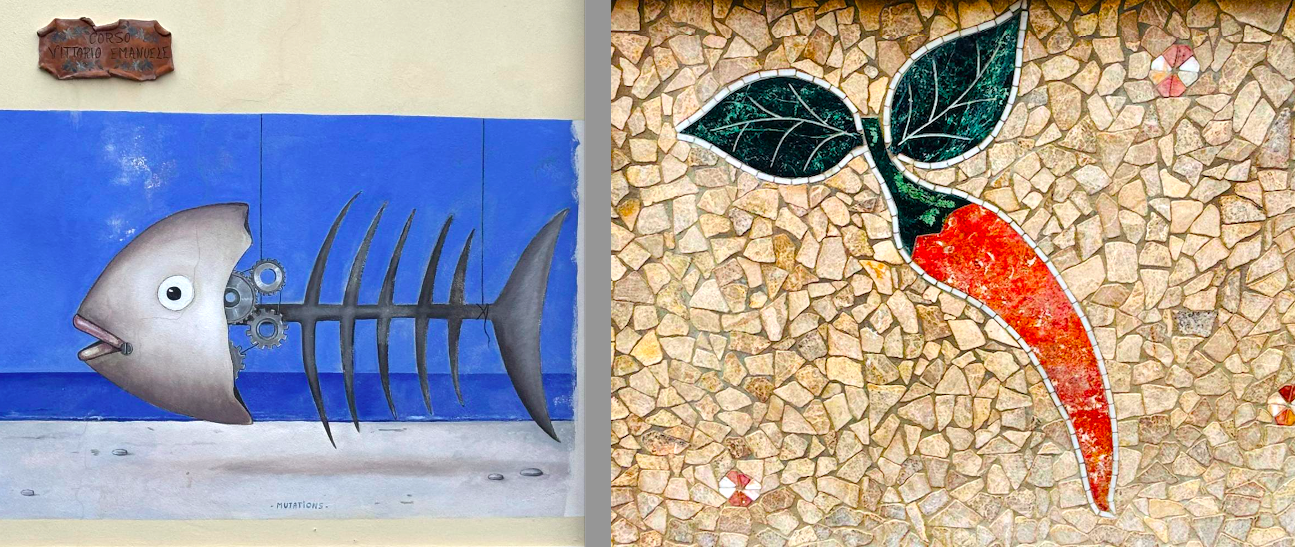 Il peperoncino si trova in tutte le sue forme: piccole botteghe che vendono vasetti di varie preparazioni piccanti (dalla crema liscia al sott’olio tritato grossolanamente, dai peperoncini interi secchi alla polvere sottile…) Alcune gelaterie offrono gelato al peperoncino. Altri negozi usano la forma e il colore dei peperoncini per creare sciarpe e teli mare o braccialetti e altri oggetti decorativi.
 Abbiamo optato per soggiornare e cenare fuori dal centro storico e lontano dai negozi turistici, a pochi chilometri lungo la costa, al Cristina Hotel (www.cristinahotel.com). Le camere dispongono di ampie terrazze dove si può ammirare il tramonto in tutta tranquillità, dopo un bagno in mare o nella splendida piscina della proprietà.
 È anche un luogo dove cenare è un momento speciale, perché avrete l’occasione di scoprire piatti autentici come la “raganella di alici”.peparata con pane raffermo sbriciolato, acciughe, aglio, origano, prezzemolo e peperoncino. Per accompagnare questa ricetta di famiglia, niente di meglio che bere il vino della casa, particolarmente leggero e rinfrescante, ma al tempo stesso affascinante e interessante con i suoi aromi floreali.
 DIAMANTE
One of the very cities in Calabria with a historic center directly along the coast (usually it’s perched up in the hills). It is known for two things internationally: over two hundred mural paintings and its peperoncino festival held every September.
 It is a charming town with a long promenade along the crystal-clear sea and small coves where you can swim with the charming old town in the background. Peperoncino is to be found in all its form: small stores selling small jars of various spicy preparations (smooth cream to coarsely chopped sott’olio, dried whole peppers to thin powder…). Even though tiny in size, the touristic store Radici di Calabria (www.prodotti-tipici-calabresi.net) will dazzle you with the variety of gourmet products. Some gelaterias offer pepperoncino ice cream. Other stores use the shape and color of peppers to create scarves and beach towels or bracelets and other trinkets.The touristic feeling is never overwhelming, and Diamante keeps a charming authenticity.
(picture with two old buildings and a little red car stuck between them)
But we opted to stay and dine outside of the old center and away from the touristic shops a few kilometers up the coast at Cristina Hotel (www.critinahotel.com). The rooms have generous terrasses where one can admire the sunset in peace, after swimming in the sea or the beautiful swimming pool on property.
It is also a place where dining is special moment because you will have the occasion to discover very authentic dishes such as the “raganella di alici.” It is another example of how “cucina povera’ can reach unexpected perfection. Made from stale bread broken into crumbs, anchovies, garlic, oregano, parsley and peperoncino, it comes out as a crispy galette, perfect in combination with a fresh salad. To wash down this family recipe, nothing better than to drink the vino della casa bearing the name Ristorante Cristina on the label which comes from the region of Morano Calabro and produced by the Casa Vinicola Gialdino. With only 11.5% alcohol, it is particularly light and refreshing, yet charming and interesting with its floral aromas.
SAN NICOLA ARCELLA
La nostra ultima tappa lungo la costa tirrenica è stata appena a nord di Scalea, nella località di San Nicola Arcella, che vanta alcune delle spiagge più belle della Calabria. Dopo uno spettacolare boat trip a cura di Galatea tra suggestive grotte marine e la strabiinate vista della storica nave ” Amerigo Vespucci”, siamo approdati al ristorante Il Furano,pesce freschissimo, preparazioni sapienti, un’eccellente selezione di vini, un servizio cordiale e competente, tutto perfetto in un’atmosfera elegante, ma semplice e familiare.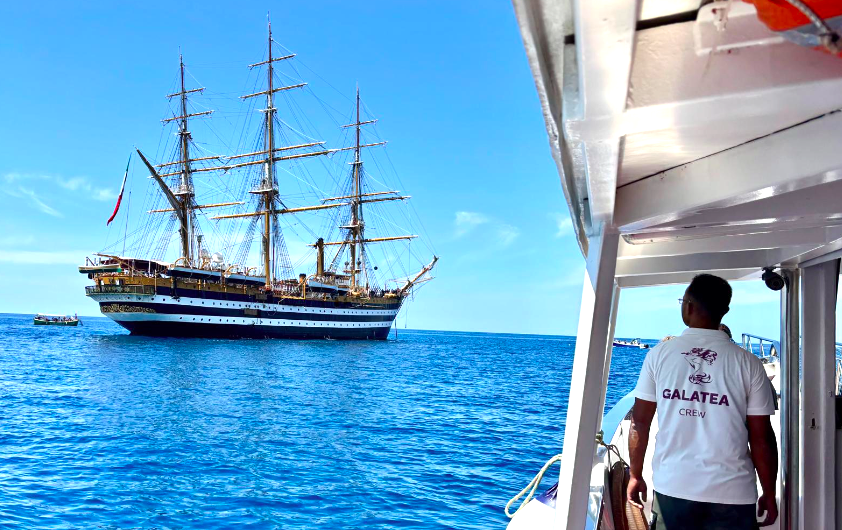 Ecco due dei piatti eccezionali che abbiamo assaggiato.
Il polpo alla griglia era già di per sé splendido, con i suoi due tentacoli generosi, appena scottati e scintillanti di freschezza. Adagiato su un letto di verdure e circondato da croccanti peperoni cruschi a ricordarci che eravamo a pochi chilometri dalla Basilicata, era un modello di equilibrio e generosità. Il polpo era di una tenerezza da sogno e l’unico consiglio che siamo riusciti a ottenere da Franca, la “cuoca madre“, per ottenere una tale consistenza è stato proprio un tempo di cottura limitato.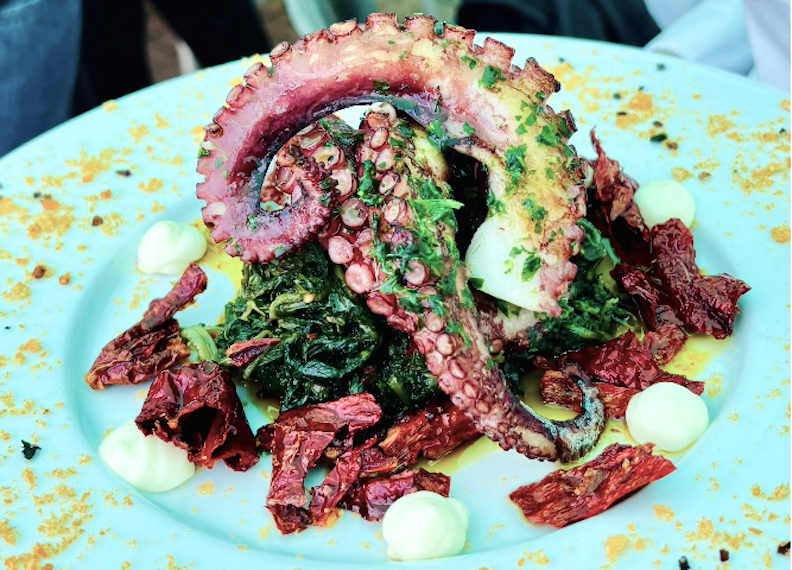
Anche il filetto di tonno rosso in crosta di pistacchi, ricoperto di cremosa stracciatella e delicatamente caramellato di cipolle rosse di Tropea, è stato un successo, per il suo equilibrio di sapore e consistenza. L’esecuzione del piatto era degna di una stella Michelin, con la crosta perfettamente croccante e per nulla unta, mentre la polpa del tonno è stata mantenuta praticamente cruda per preservarne la consistenza e il sapore succulenti.
Il vino bianco si abbinava perfettamente a entrambi i piatti: aromatico e saporito, ma allo stesso tempo leggero e rinfrescante. Il Nobili Melissesi (IGT Calabria Bianco) nasce dal tradizionale vitigno Greco Bianco, con l’aggiunta di Chardonnay.La famiglia Galiano offre camere in affitto (www.furanohomebb.it) proprio lì, tra la spiaggia e il ristorante, per un pisolino sotto il sole cocente. Per un drink, un caffè espresso o un pasto leggero dopo un tuffo in mare, hanno un bistrot proprio di fronte alla spiaggia. Our last stop along the Tyrrhenian coast is just north of Scalea in the locality of San Nicola Arcella that counts some of the most beautiful beaches of Calabria.
We had the privilege to savor one of the best meals of our whole Calabrian tour at Il Furano restaurant (INSTAGRAM: @RISTORANTEILFURANO). Set on a large terrasse dominating the sea, you will have the lunch of your life: super fresh seafood, expert preparations, beautiful wine selection, charming and knowledgeable service, everything was perfect bathing in a chic, yet simple and family-oriented atmosphere.
Here are two of the outstanding dishes we got to taste.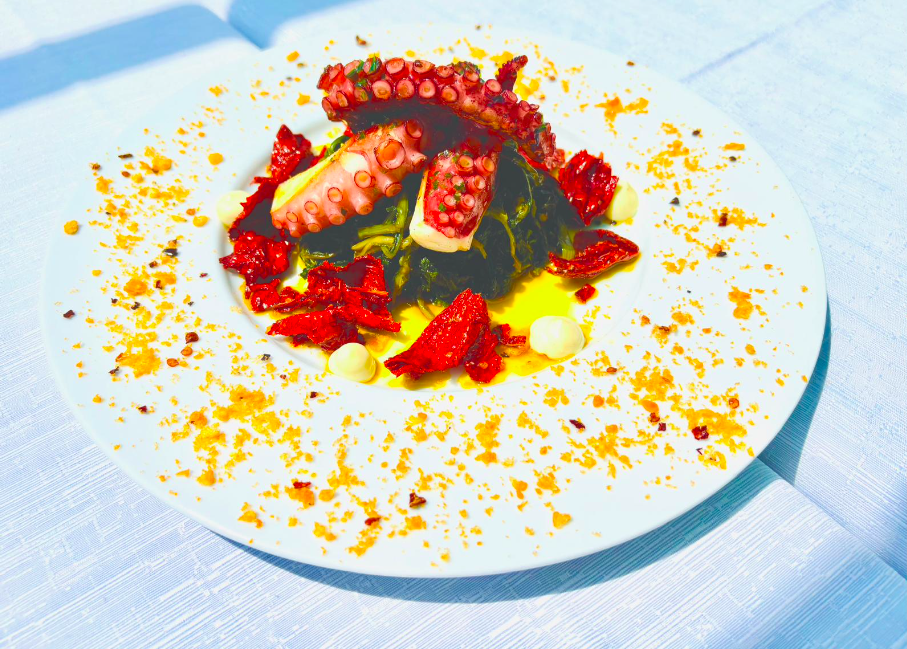 The grilled octopus was visually stunning already with these two generous tentacles, barely charred and glistening with freshness. Set on a bed of greens and surrounded by crunchy cruschi peppers reminding us that we were just a few kilometers away from Basilicata, it was a model of balance and generosity. The octopus was dreamingly tender and the only tip we could obtain from Franca, the “mother in chef” to achieve such a consistency was just a limited cooking time. The red tuna filet with a pistachio crust, covered with creamy stracciatella and delicately caramelized Tropea red onions was also a winner, by its balance in flavor and texture. The execution of the dish was Michelin star worthy with the crust being perfectly crispy and not greasy at all, while the flesh of the tuna was kept practically raw to preserve its luscious texture and taste.
 The white wine was a perfect match with both dishes: aromatic and flavorful, yet light and refreshing at the same time. Nobili Melissesi (IGT Calabria Bianco) comes from the traditional greco bianco grape with the addition of some Chardonnay which gives it a bit of depth and roundness making it a perfect gastronomic wine. Produced by the cantine Bruni http://www.cantinebruni.it, the vineyard is located near Melissa, a few kilometers inland from the town of Ciro.The Galiano family offers rooms to rent (www.furanohomebb.it) right there, between the beach and the restaurant in order to take a nap while the sun is burning hot. They also offer a variety of boat trips to explore the beautiful coast. For a drink, an espresso, or a light meal after a dip in the sea, they have a bistrot right in front of the beach.
In just a few days and less than a 60 km drive up or down the coast from Lamezia, you get to taste how rich the history of Calabria is and how bountiful the area is in terms of products, wines and noteworthy eateries. This gastronomic tour is far from being over. Next, we’ll take you up North to discover wonders along the sea and inland treasures. Viva Calabria!
 Special Thanks to Maria Antonella Cauterucci / calabriastraordinaria.it, Rossella Ferraro/Riviera dei Borghi
 nontouristytourist.com